23 Best Epictetus Quotes on Fear, Freedom, and Control
Epictetus taught that most of our suffering comes from our judgments, not from the events themselves, and these 23 quotes show how to put that to work.

Best Epictetus quotes come from two surviving works, the Discourses and the Enchiridion, which is a short handbook of practical moral advice. The line people share most often comes from the handbook: 'Men are disturbed, not by things, but by the principles and notions which they form concerning things.'
Epictetus was born into slavery around 50 and taught Stoic ideas for decades before he died around 135. His teaching is a working guide to Stoic philosophy, and I think it still lands because he never asks you to believe anything grand. He asks you to sort out what is in your control and stop spending energy on what isn't.
Below are 23 quotes, grouped by theme and starting with the most famous. Each one comes with its documented source and a short comment on what it asks of you today.
The Most Famous Epictetus Quotes
Men are disturbed, not by things, but by the principles and notions which they form concerning things.
Some things are in our control and others not.
Epictetus Enchiridion, section 1
This is the dividing line at the heart of his system. Your opinions, choices, and efforts are yours to govern, while your body, property, and reputation are not. Sorting your worries into those two piles is a practical first step, not just a slogan.

Remember that it is not he who gives abuse or blows who affronts, but the view we take of these things as insulting.
Epictetus Enchiridion, section 20
Epictetus puts the sting in your reaction, not in the insult itself. The next time someone takes a shot at you, pause and ask whether you are being hurt or just deciding to feel hurt. You can answer that question with a choice.
It is difficulties that show what men are.
Epictetus Discourses, Book I, chapter 24
Epictetus treats pressure as a test of character, not a cause of it. Calm weather tells you little about a person. A bad week tells you a lot, which is why he treats hard days as useful information.
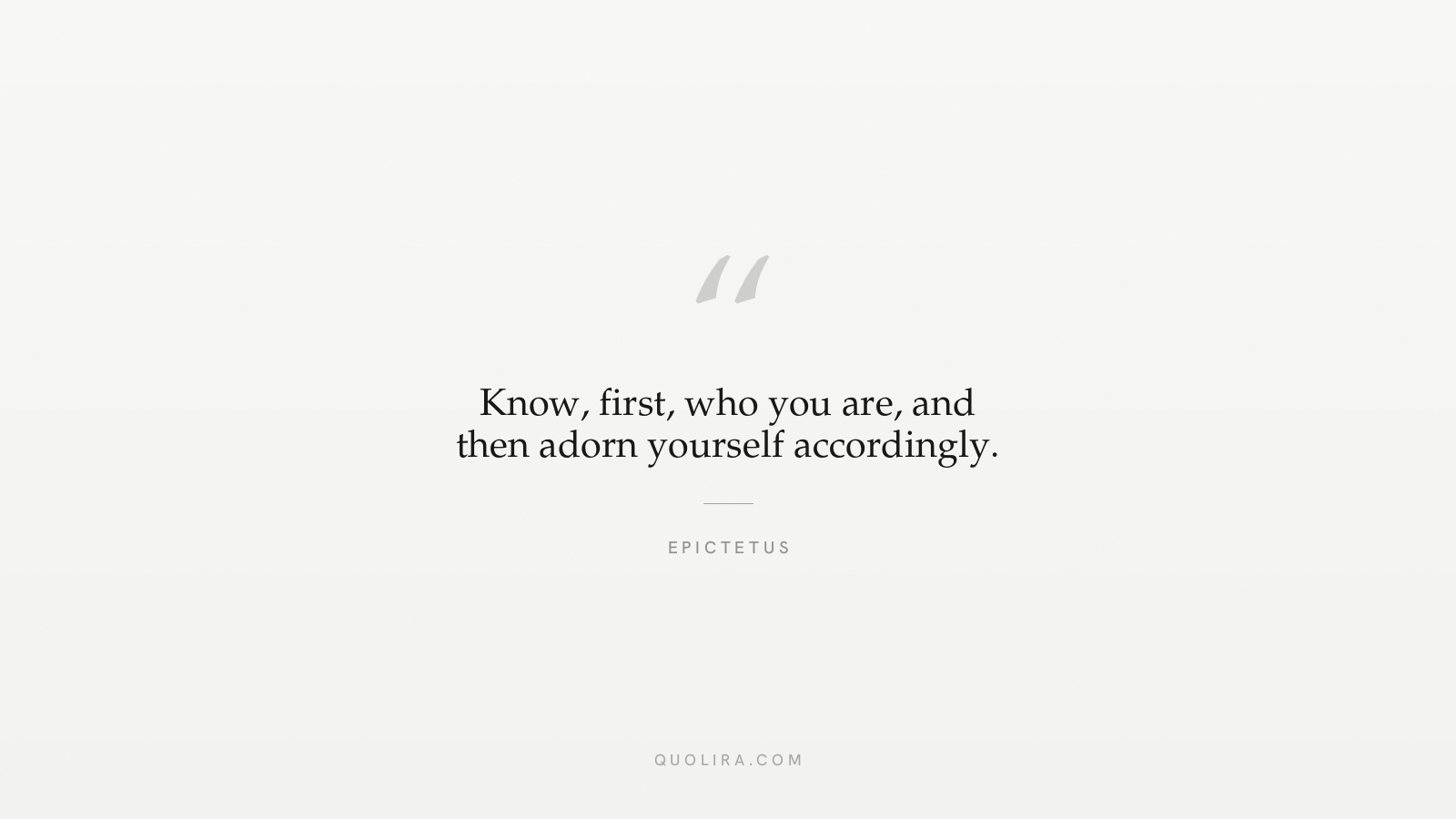
Know, first, who you are, and then adorn yourself accordingly.
Epictetus Discourses, Book III, chapter 1
This line asks you to define yourself before you decide how to present yourself. Clothes, job titles, and social media images follow from that answer, not the other way around. It is a useful check before any big decision about how you show up.

Epictetus Quotes on Fear and Freedom
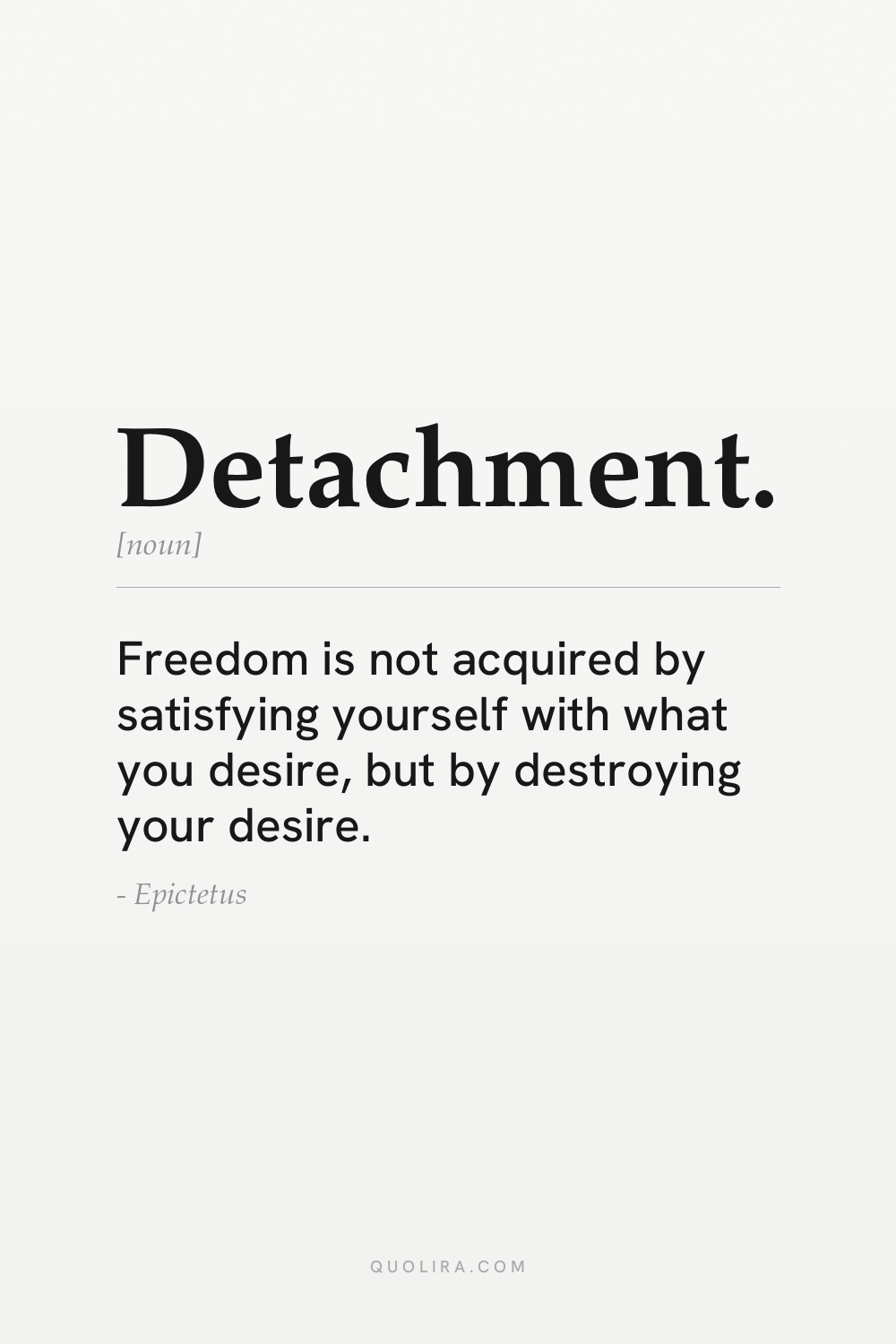
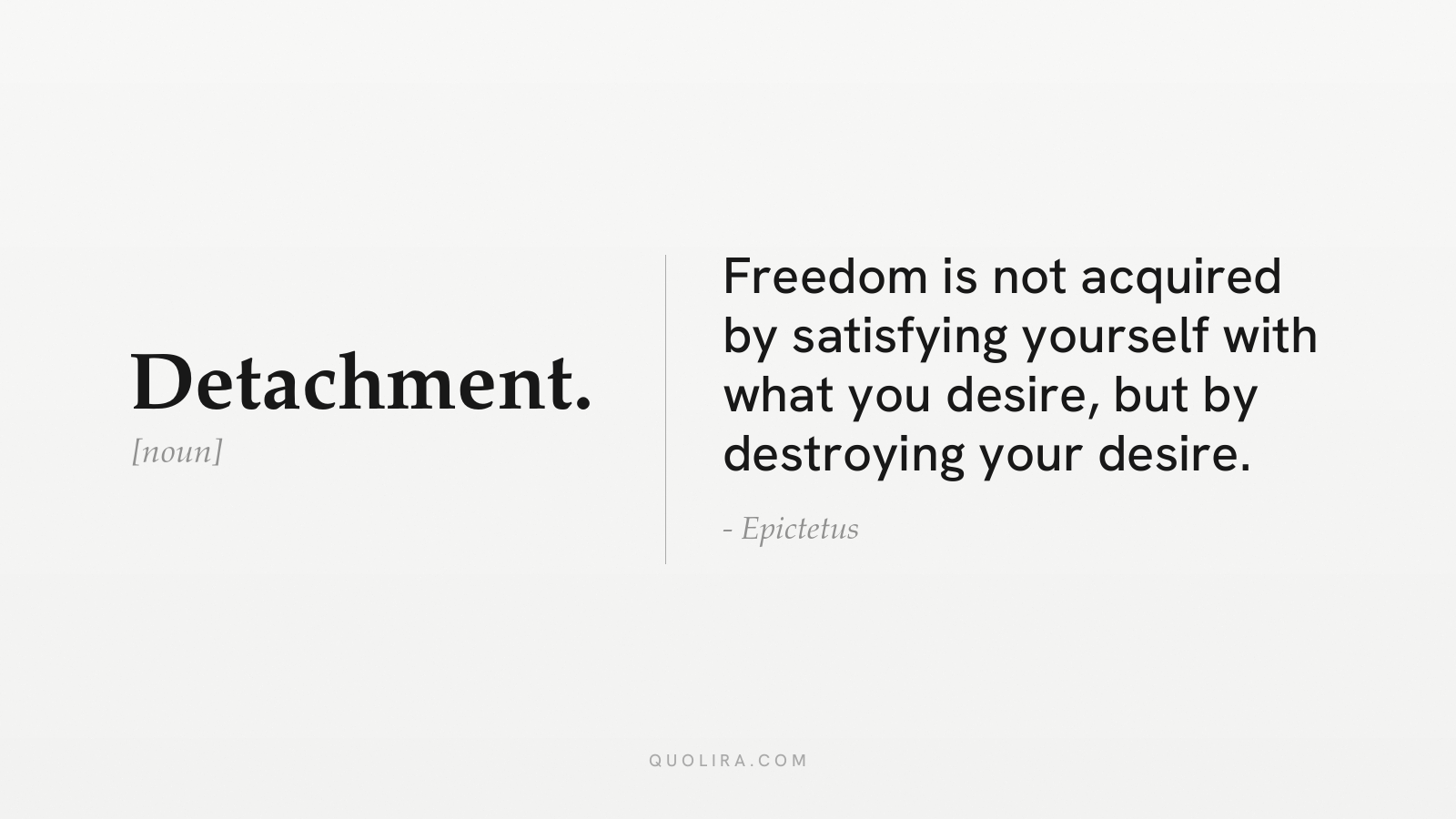
Freedom is not acquired by satisfying yourself with what you desire, but by destroying your desire.
Epictetus Discourses, Book IV, chapter 1
This is the Stoic answer to restless wanting. You do not win freedom by getting everything you crave, because cravings multiply. Shrinking your desires gives you more room to breathe than any new possession.
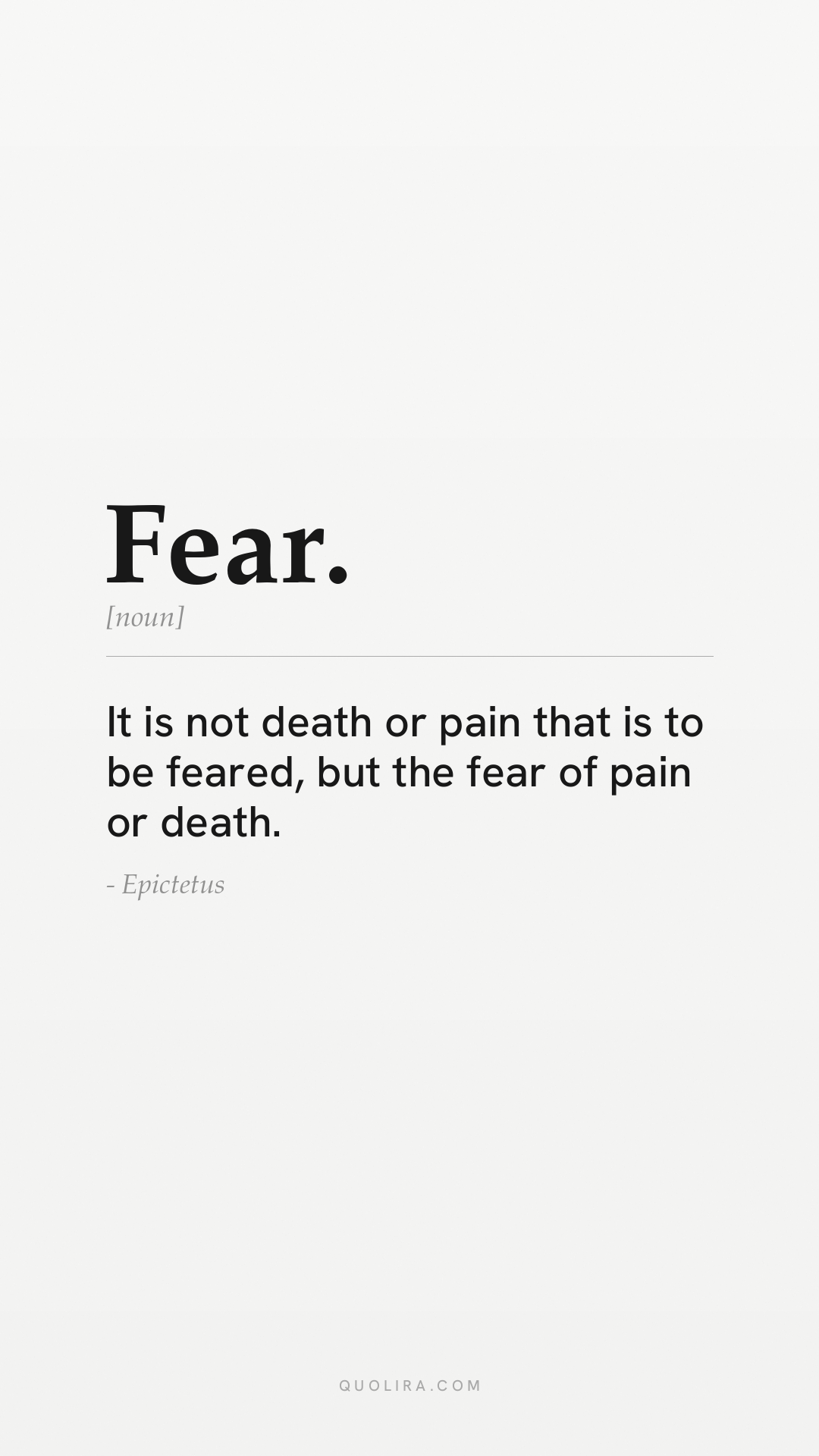
It is not death or pain that is to be feared, but the fear of pain or death.
Epictetus Discourses, Book II, chapter 1
This line moves the target from the threat to your reaction to it. Pain and death are hard, but the dread is an extra layer you add. Notice that layer, and you may find you can set some of it down.
In a word, neither death, nor exile, nor pain, nor anything of this kind is the real cause of our doing or not doing any action, but our inward opinions and principles.
Epictetus Discourses, Book I, chapter 11
Epictetus says death, exile, and pain do not decide what you do. Your opinions and principles do. The next time you feel forced to act a certain way, ask which belief is doing the forcing.
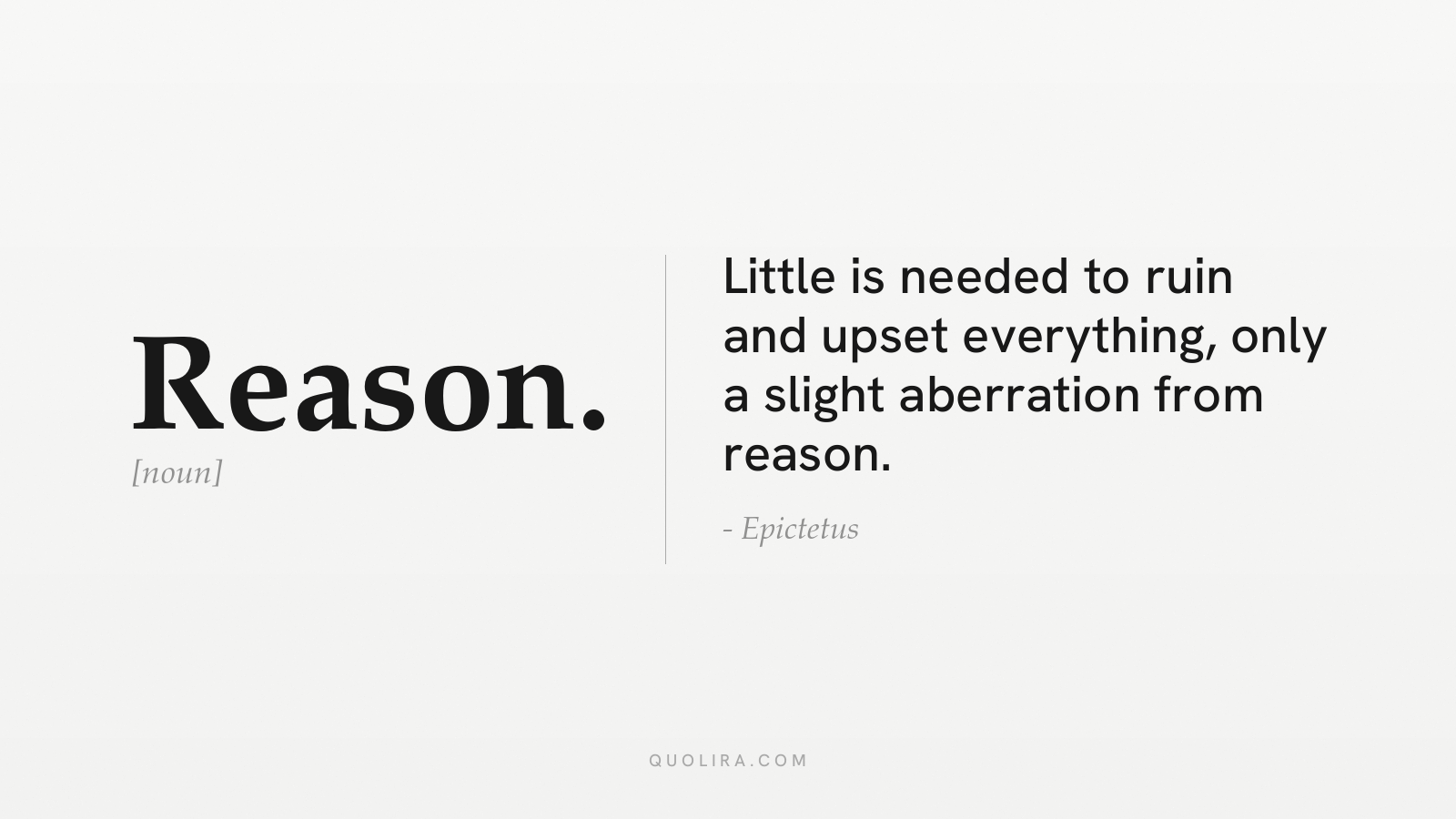
Little is needed to ruin and upset everything, only a slight aberration from reason.
Epictetus Discourses, Book IV, chapter 3
This line shows how fragile a good life can be. A small lapse in reason, repeated, can undo a lot. It is a reason to check small decisions, not only the big ones.
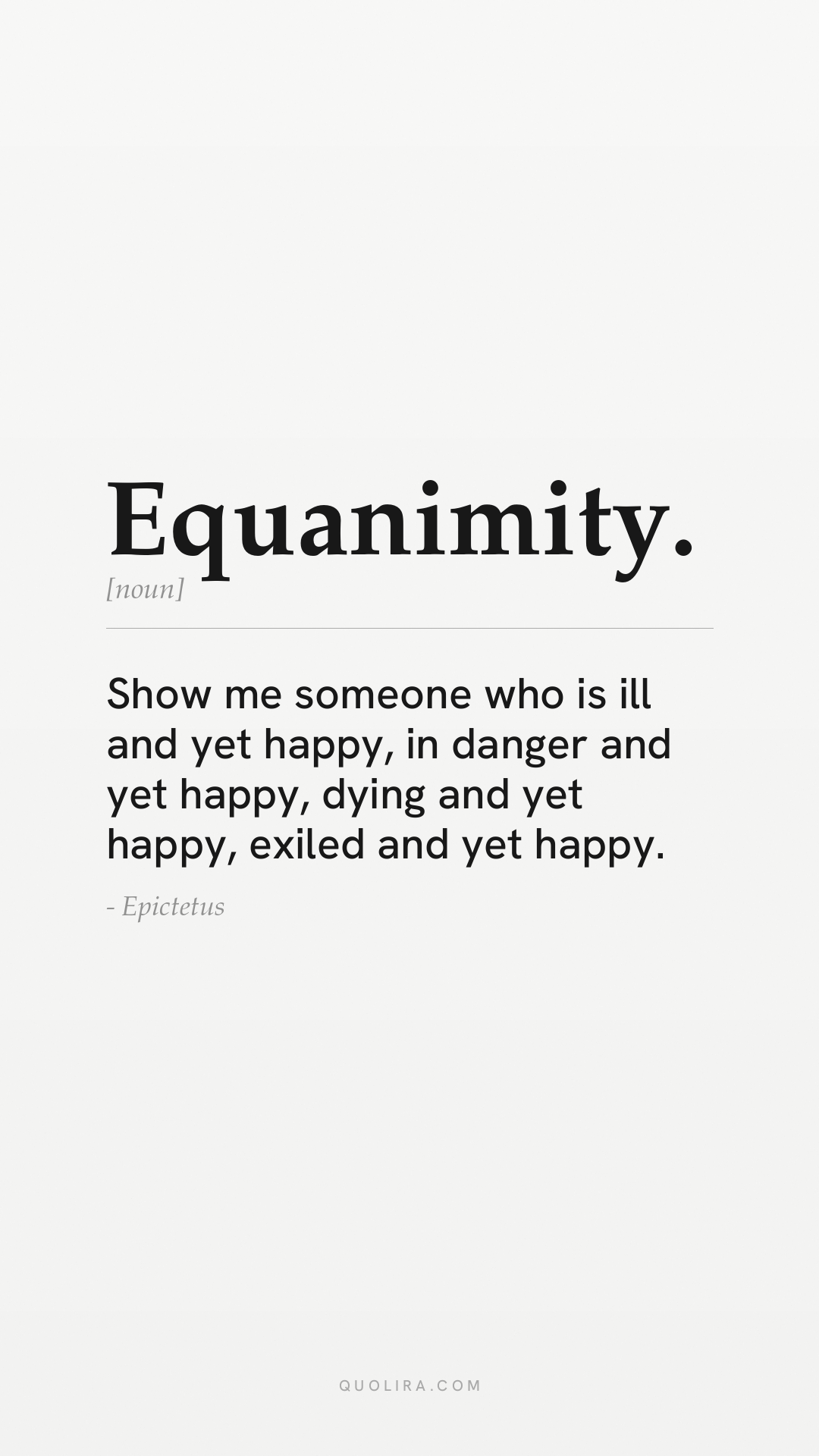
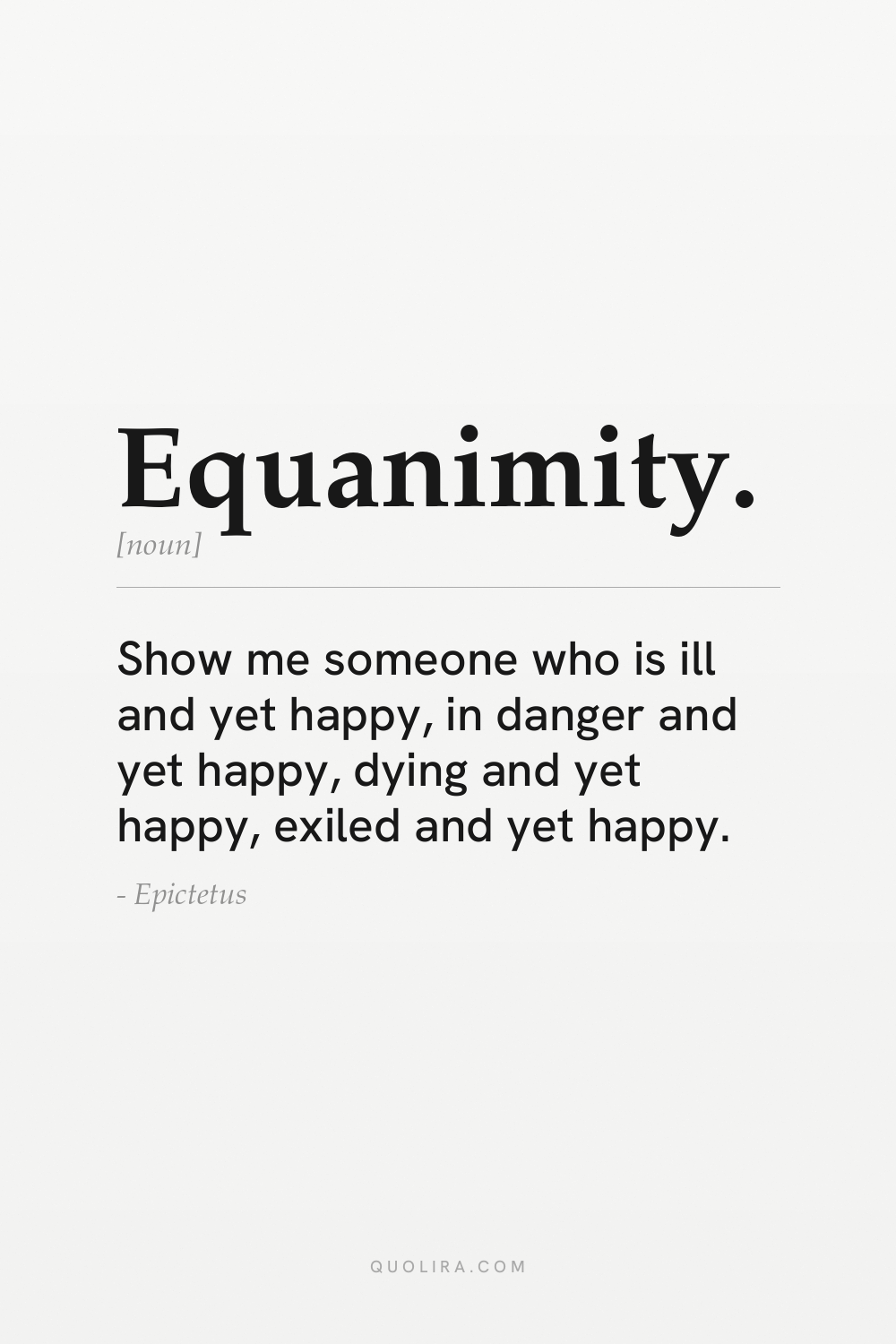
Show me someone who is ill and yet happy, in danger and yet happy, dying and yet happy, exiled and yet happy.
Epictetus Discourses, Book II, chapter 19
Epictetus is daring you here. Show him a Stoic who stays happy through illness, danger, and exile, and he says he longs to see one. It challenges you to measure joy by what you control, not by your circumstances.
Epictetus Quotes on Habit and Daily Practice
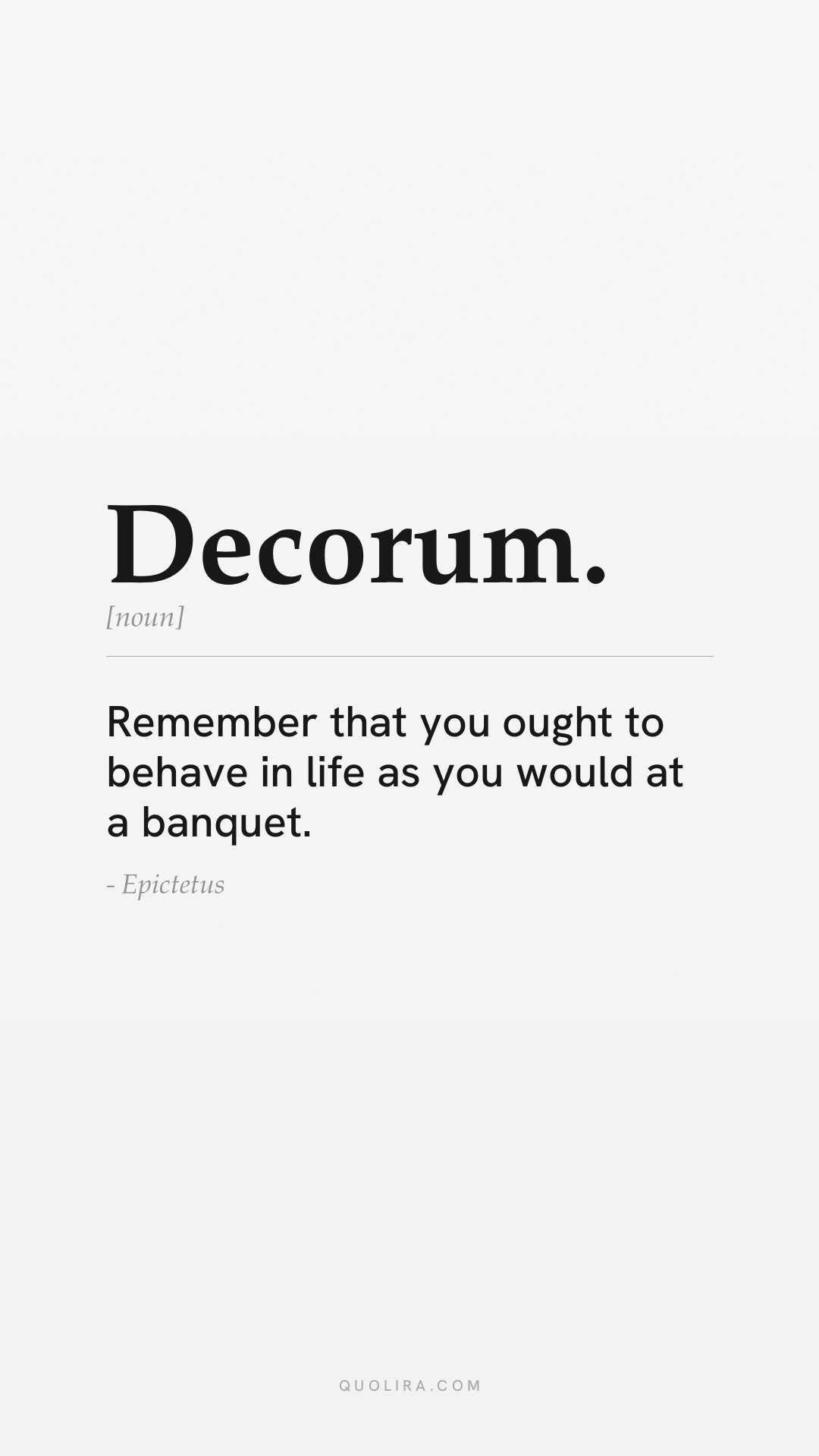
Remember that you ought to behave in life as you would at a banquet.
Epictetus Enchiridion, section 15
Epictetus compares life to a dinner where dishes pass around. Take what comes to you politely, and do not grab for what has not arrived. It works as a rule for ambition, relationships, and money alike.
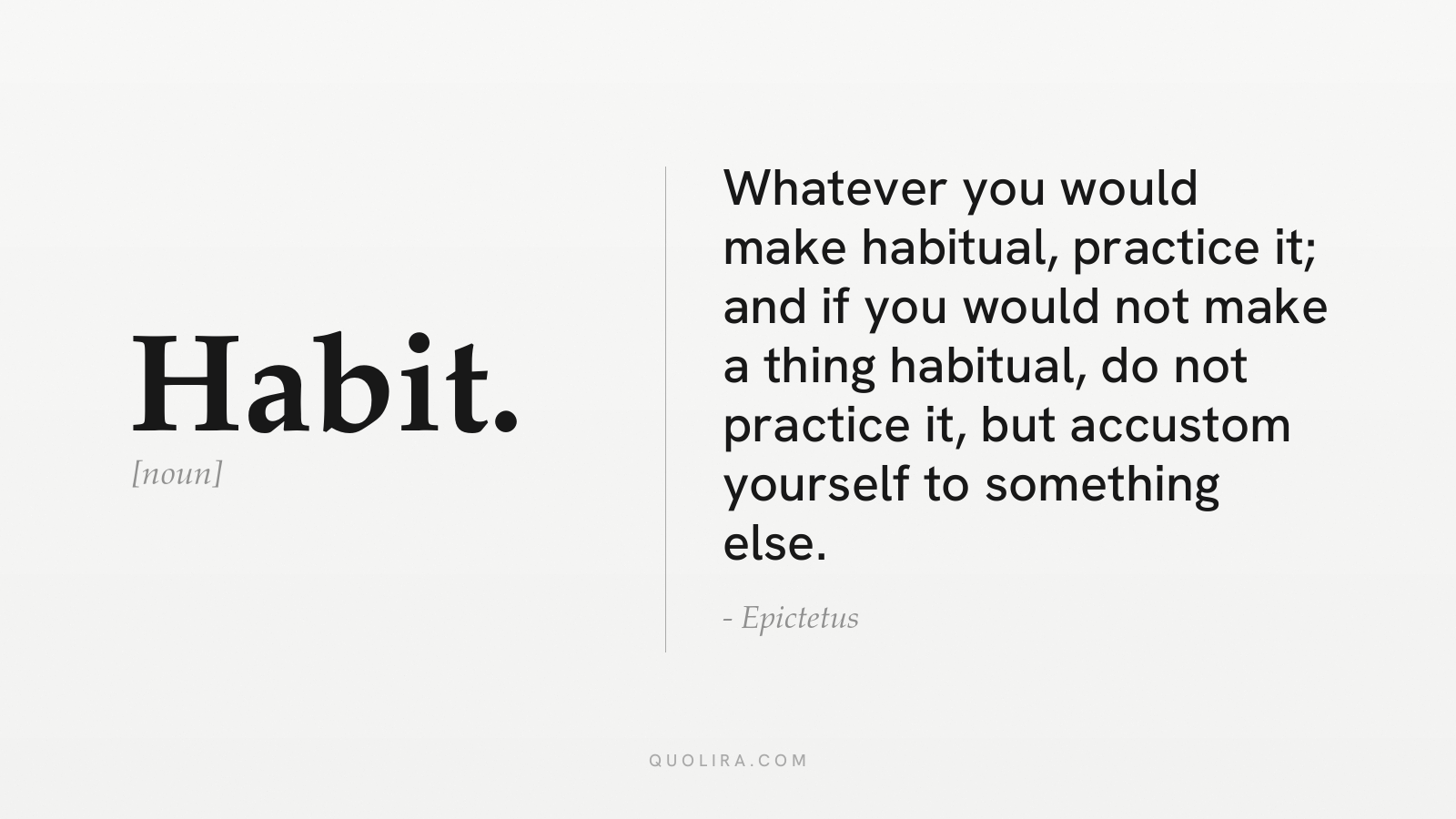
Whatever you would make habitual, practice it; and if you would not make a thing habitual, do not practice it, but accustom yourself to something else.
Epictetus Discourses, Book II, chapter 18
This is a practical formula for building habits. Repetition is how skills grow. If you want to be patient, practice small acts of patience every day, starting with the ones that annoy you most.
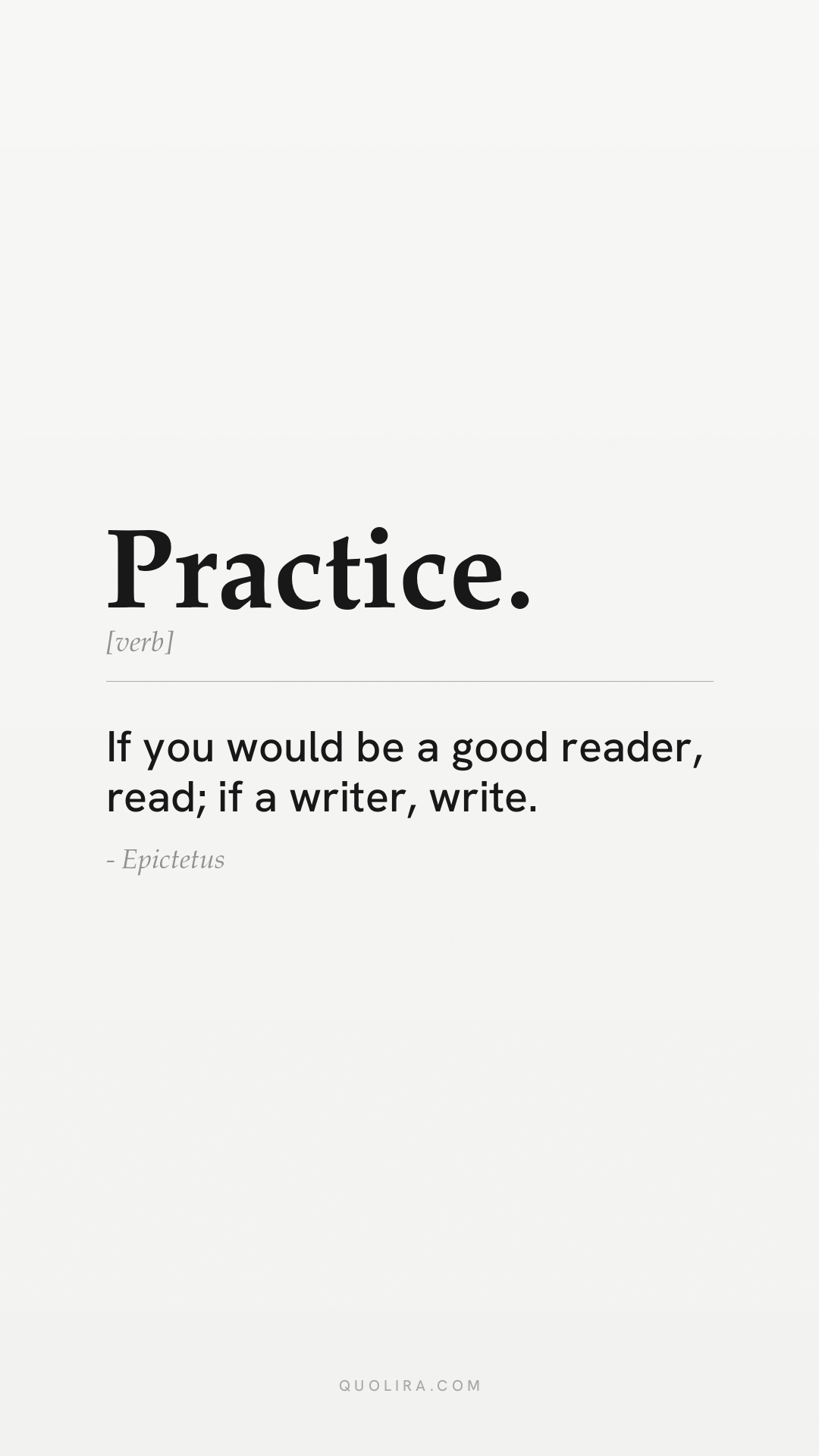
If you would be a good reader, read; if a writer, write.
Epictetus Discourses, Book II, chapter 18
Epictetus uses walking and running to show that capacity grows through use. The advice is so simple it feels almost insulting, which is exactly why people skip it. Open the book tonight.

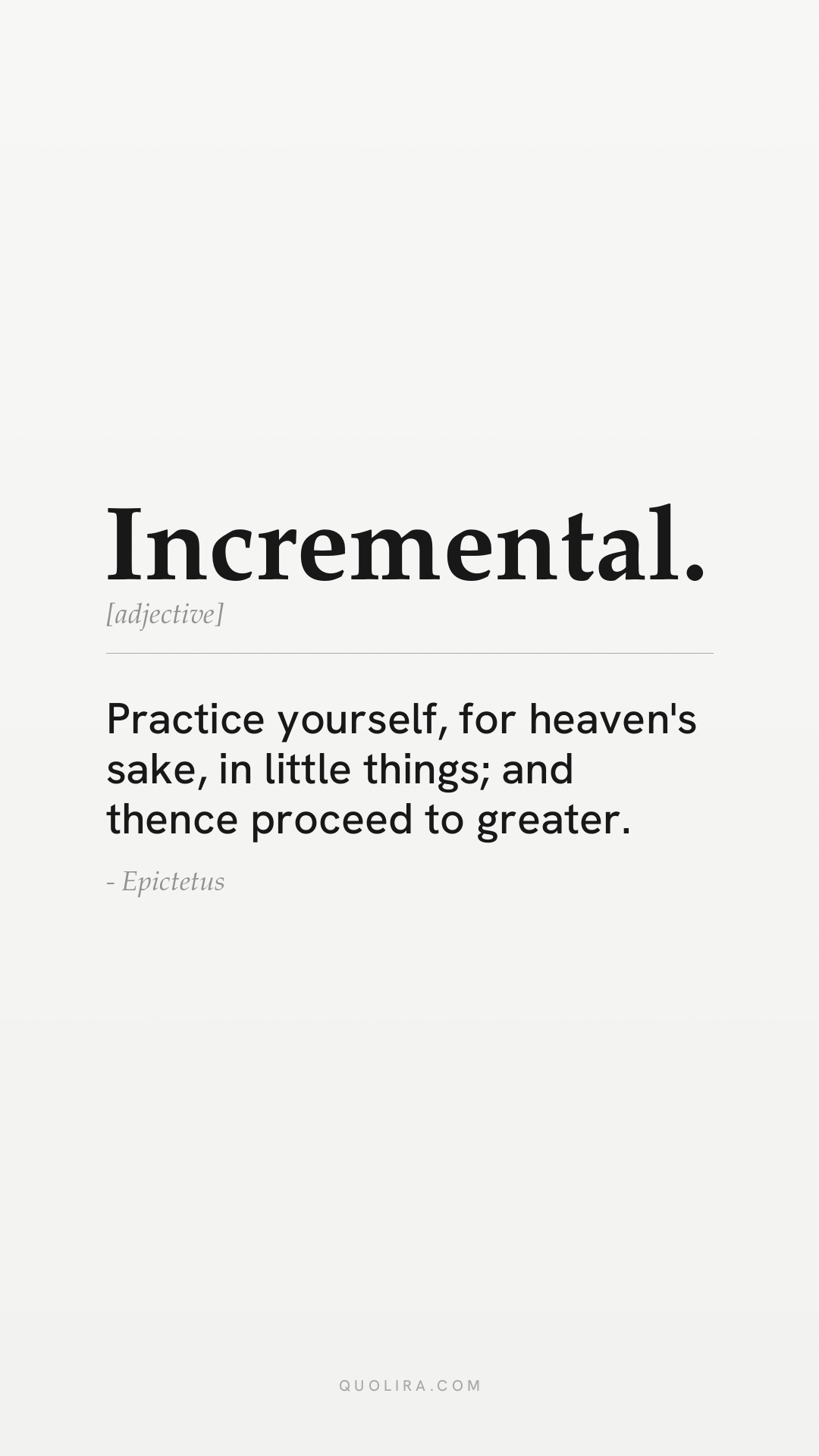
Practice yourself, for heaven's sake, in little things; and thence proceed to greater.
Epictetus Discourses, Book I, chapter 18
Epictetus tells his students to practice on small matters first and build toward larger ones. Start by keeping your temper in a slow checkout line. Small wins prepare you for the hard days.
No thing great is created suddenly, any more than a bunch of grapes or a fig.
Epictetus Discourses, Book I, chapter 15
Epictetus uses the image of a fig: it blossoms first, then bears fruit, then ripens. Anything great needs time. If your goals feel slow, that is the normal pace of growth, not proof that you are failing.
Epictetus Quotes on Character and Reason
Reason is not measured by size or height, but by principle.
Epictetus Discourses, Book I, chapter 12
Epictetus rejects the idea that wisdom depends on length or grand rhetoric. A short, clear principle can outweigh a long speech. Next time you judge an argument, ask whether it holds up, not how loud it sounds.
Don't you know that a good and excellent person does nothing for the sake of appearances, but only for the sake of having acted right?
Epictetus Discourses, Book III, chapter 24
Epictetus says a good person acts for the sake of doing right, not for applause. Hold your own actions to that test. Would you still do the thing if nobody ever found out?

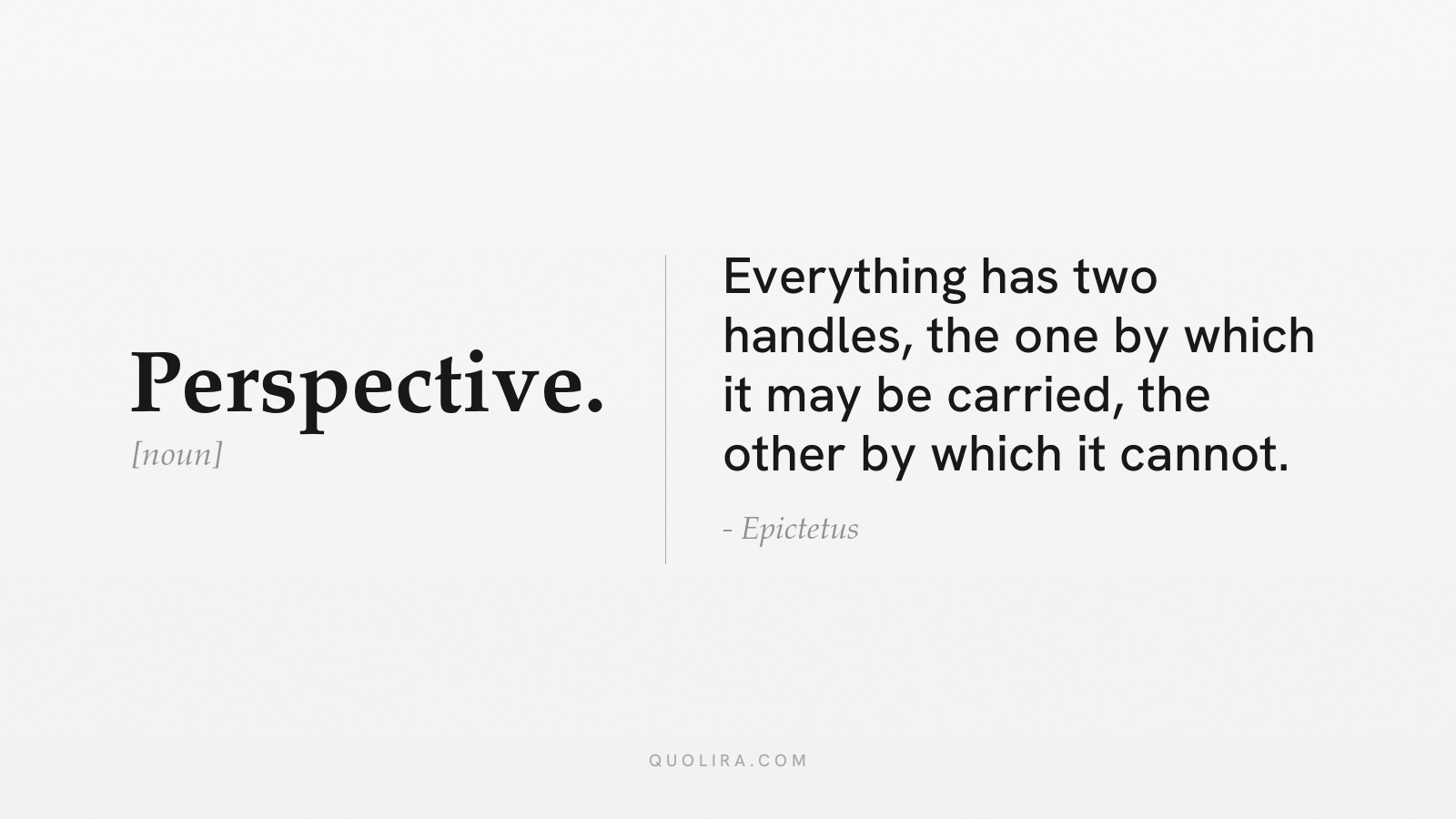
Everything has two handles, the one by which it may be carried, the other by which it cannot.
Epictetus Enchiridion, section 43
Epictetus says every event can be grasped by a handle that makes it bearable or one that makes it unbearable. His example is a brother who wrongs you. Choose the handle of kinship and the anger loosens. Hard situations usually have a second handle.

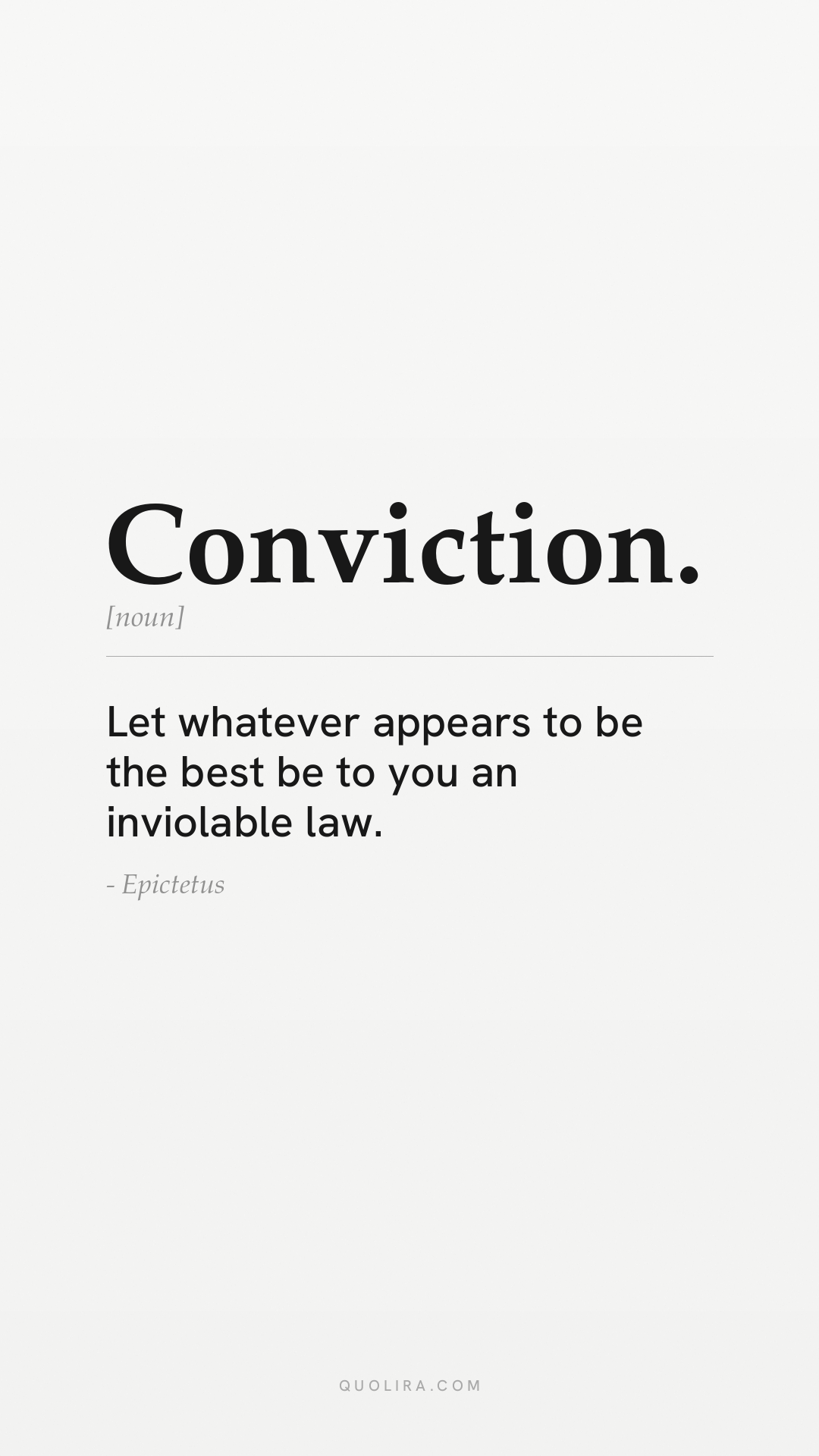
Let whatever appears to be the best be to you an inviolable law.
Epictetus Enchiridion, sections 50-51
Epictetus urges students to treat their chosen principles as laws they will not break. It sounds rigid, but it ends the constant renegotiation with your own excuses. Write down your two or three non-negotiables and read them before a tough decision.
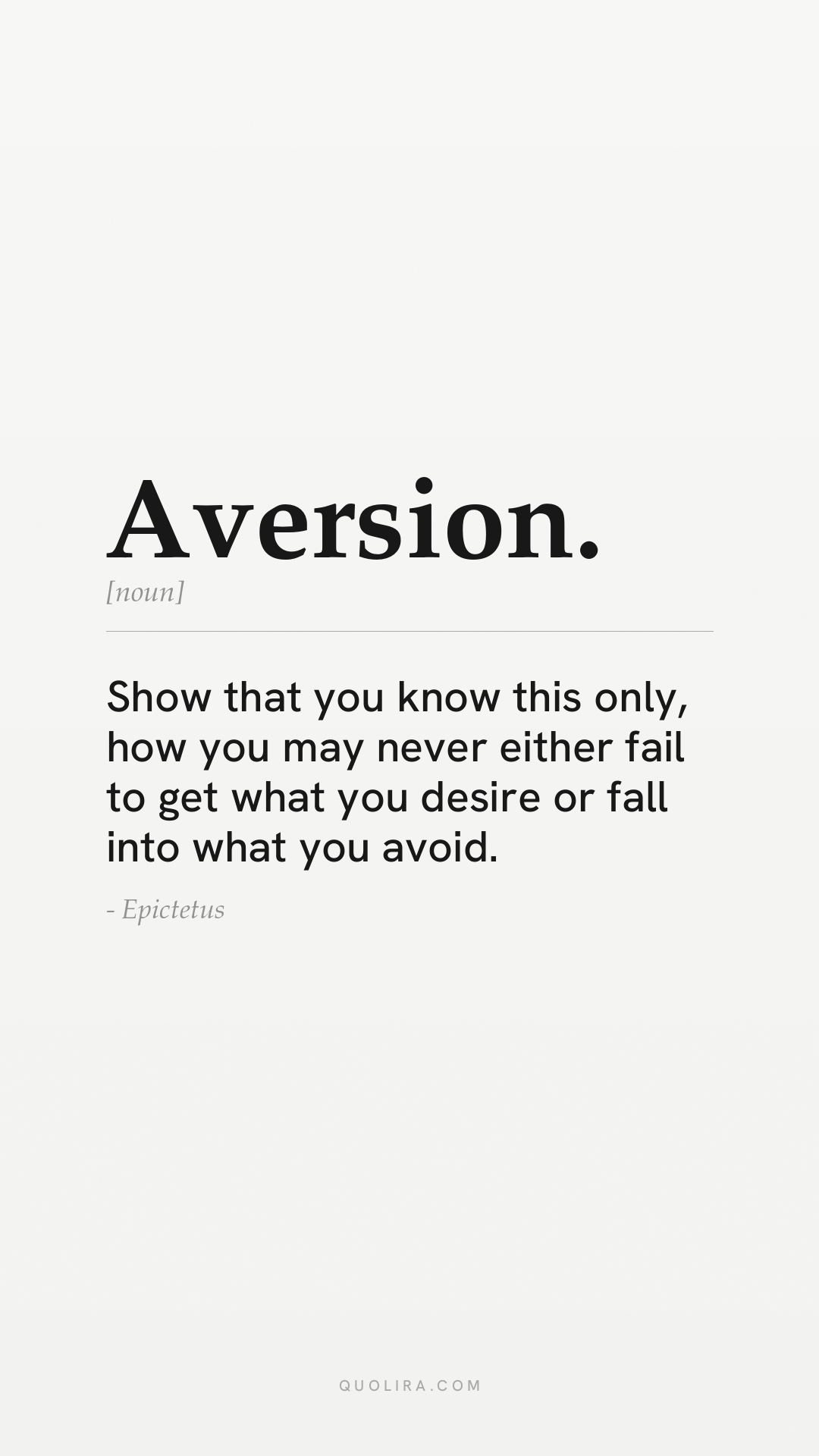
Show that you know this only, how you may never either fail to get what you desire or fall into what you avoid.
Epictetus Discourses, Book II, chapter 1
Here Epictetus reduces his whole ethic to one aim. The tricky part is that desire, in the Stoic sense, aims only at what you control. Everything else becomes a matter of indifference.
Epictetus Quotes on Nature and Self-Mastery
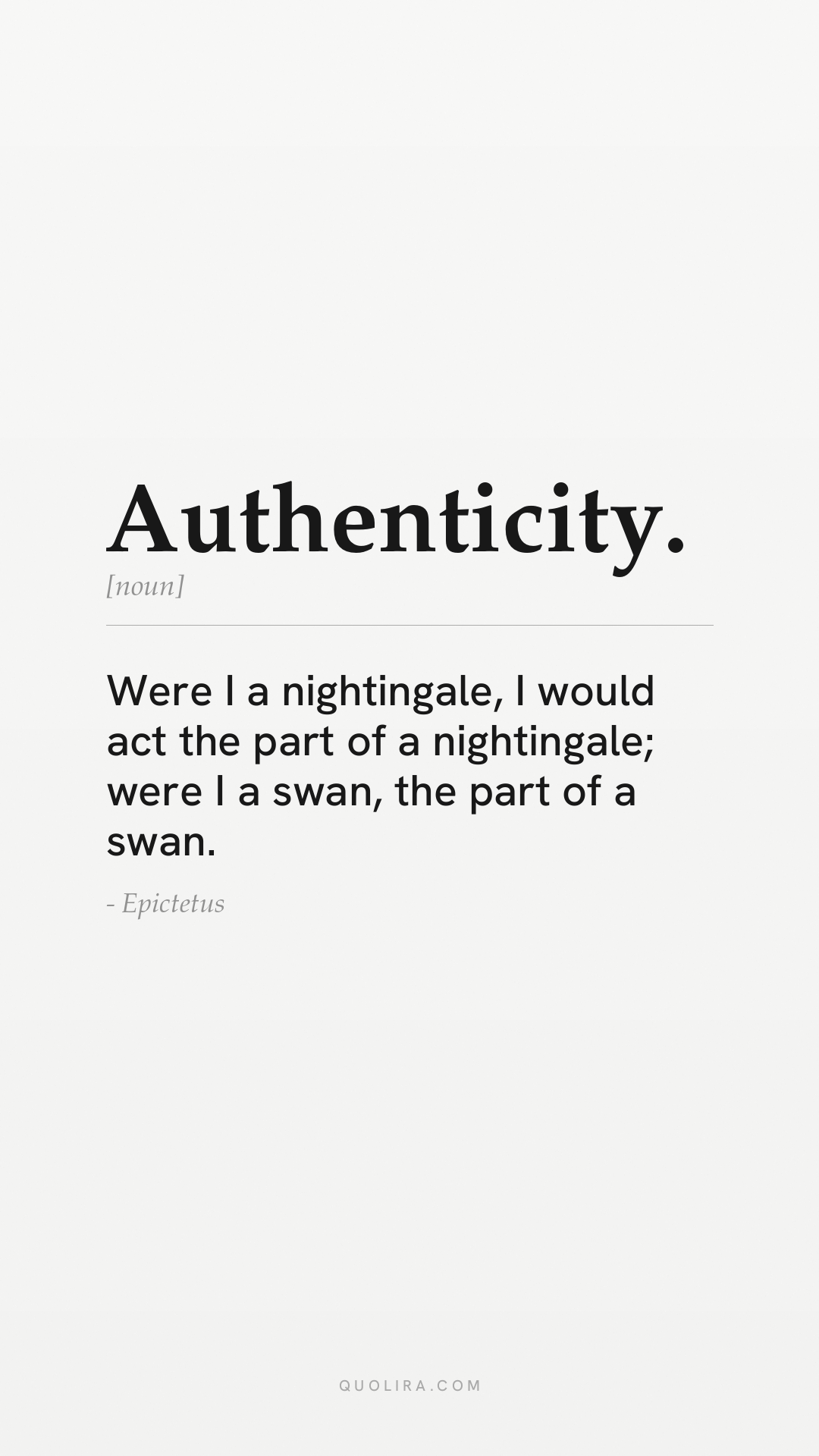
Were I a nightingale, I would act the part of a nightingale; were I a swan, the part of a swan.
Epictetus Discourses, Book I, chapter 16
Epictetus frames this as the difference between playing a role and being yourself. Accept your nature and act from it, instead of copying someone else's song. A nightingale that tries to sound like a swan is just a bad swan.
Materials are indifferent, but the use which we make of them is not a matter of indifference.
Epictetus Discourses, Book II, chapter 5
Epictetus says external materials, like wealth or a body, are neutral. What matters is how you use them. A bank balance is not a moral verdict, but the choices you make with the money are.
Although life is a matter of indifference, the use which you make of it is not a matter of indifference.
Epictetus Discourses, Book II, chapter 6
This line makes the same move about life itself. In his view, living and dying are neither good nor bad, but how you spend your days is. Treat your time as the thing you actually control.
Keep exploring
- 25 Lao Tzu Quotes on Wisdom, Humility, and Letting Go
- 19 Animal Farm Quotes on Power, Propaganda, and Betrayal
- 10 Ansel Adams Quotes on Seeing, Silence, and the Beauty of Stone
Reading Epictetus today
Epictetus did not write his teaching as polished essays for a general audience. What survives comes mostly from the Discourses, notes taken by a student who heard him lecture, and from the Enchiridion, a short handbook that gathers his practical advice into brief sections. That origin matters. When you read a quote in isolation, you are often reading one sentence from a longer conversation about how to live. The Discourses are full of questions, examples, and back-and-forth with students who want concrete answers.
A good way to read him is slowly, one section at a time. Pick a single quote, read the lines around it if you can, and ask what situation the teacher seems to have in mind. Epictetus was speaking to people who had real jobs, real debts, real family conflicts, and real fear of exile or illness. His advice is meant to be used in those settings, not admired from a distance.
Start with the dividing line
If you read only one idea from Epictetus, make it the distinction between what is up to us and what is not. In the opening of the Enchiridion he sorts things into two groups. Our judgments, impulses, desires, and aversions belong to us. Our body, property, reputation, and the actions of others do not. This sounds obvious, but most of our daily worry comes from mixing the two piles together.
Try a simple exercise. Think of something that has been bothering you this week. Write down every part of it you could change with your own effort. Then write down the parts that depend on other people, on luck, or on the body you have. You will usually find that the first list is shorter than your worry, and that the second list holds most of the energy you have been spending.
The point is not to stop caring about the second list. Epictetus is clear that you should still act well in those areas. The point is to stop treating outcomes you cannot command as if they were your own failures.
Common misunderstandings
People often hear Epictetus and conclude that he wants them to feel nothing. That is a misreading. The Stoic aim is to free judgment from false beliefs, not to switch off emotion. Joy, care, and sorrow at real losses remain part of a sound life in his account. What he targets is the extra layer of distress we add by believing that an event is worse than it is, or that we must have something we cannot control.
A second misunderstanding is that Stoicism means passive acceptance of everything. Epictetus was no advocate of doing nothing. He held that a person should act with diligence in the areas that are up to them, including work, kindness, honesty, and study. Accepting what you cannot change is what allows you to act effectively on what you can.
A third mistake is treating his quotes as a source of quick comfort only. Some of his lines are hard. When he says that difficulties show what people are, he is not offering a pep talk. He is asking you to take a close look at how you respond when things go wrong.
Finally, be careful with attributions online. Some popular lines are credited to Epictetus on social media but do not appear in his surviving works. The FAQ below covers one such case. When you share a quote, check that it comes from the Discourses or the Enchiridion, and note the section if you can.
Applying one quote a week
A practical way to use this collection is to choose one quote each week and work with it deliberately. On Monday, write it on a card or in a notes app. Each day, notice one situation where the idea applies. On Friday, write two or three sentences about what you saw and what you did differently.
This method suits the quotes on habit and practice particularly well. Epictetus says that what you would make habitual, you should practice. If you want to be more patient, pick one small irritation each day, such as a slow line or a delayed reply, and respond with deliberate calm. The effort will feel awkward at first. Over several weeks it becomes less so.
For quotes on desire and freedom, try a small act of restraint. Skip one unnecessary purchase, or go a day without checking a habit you return to out of craving. Epictetus argues that shrinking desire gives you more freedom than getting what you want. A short experiment can show you whether that claim holds for you.
For quotes on identity, such as the line about knowing who you are before adorning yourself, use a morning question. Before you start work, ask what kind of person you intend to be today. Then see how your choices compare with that answer at night.
Sources
- Epictetus, Enchiridion (the handbook of Stoic practice), cited by section number in the quotes above.
- Epictetus, Discourses, cited by book and chapter in the quotes above.
Pick one line this week and test it on a small annoyance first, the way Epictetus would want. If it still feels right after a bad day, it has earned a place on your wall.
Frequently asked questions
What is Epictetus's most famous quote?
Did Epictetus really say the greater the difficulty, the more glory in surmounting it?
Was Epictetus born a slave?
Where did Epictetus teach?
What is the Enchiridion?
Keep reading
Know Your Enemy: Sun Tzu's Idea Still at Work
Sun Tzu's old instruction to see both sides clearly is less about winning wars than about avoiding avoidable losses.

25 Lao Tzu Quotes on Wisdom, Humility, and Letting Go
Short, blunt sayings from the Tao Te Ching that still tell you to talk less, bend more, and stop forcing things.





















Mono no Aware: Why Things Look Lovelier on the Way Out
A Japanese idea about the ache of impermanence, and why noticing that things end makes them easier to love.
Epictetus wrote this as a short line in the Enchiridion, his handbook of Stoic practice. Think of your last bad afternoon: the email, the traffic, the sharp word. The event was just an event, and the story you told yourself about it was the part that hurt.