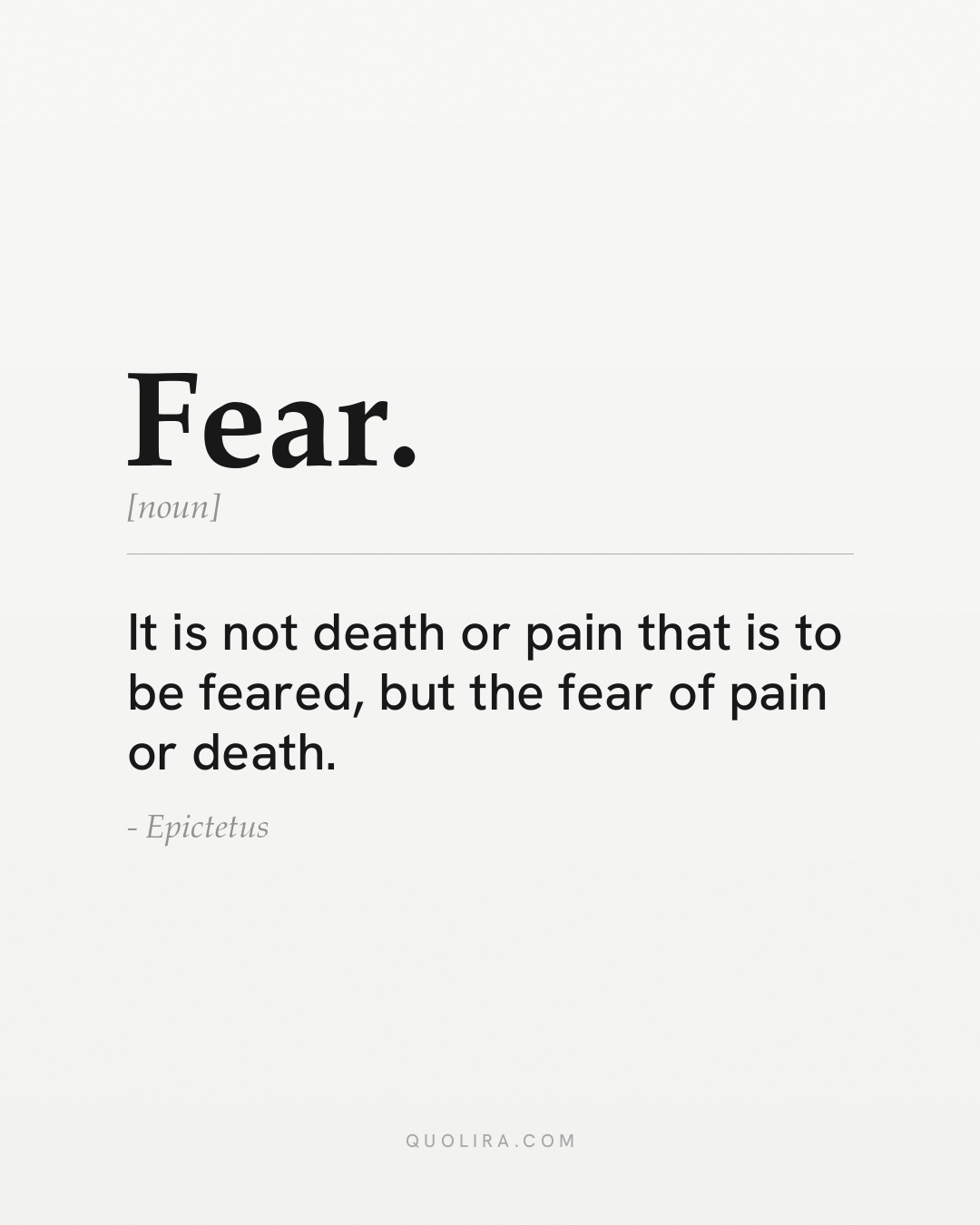
“It is not death or pain that is to be feared, but the fear of pain or death.”
Epictetus · Discourses, Book II, chapter 1
 quolira
.com
Epictetus said it, in Discourses, Book I, chapter 11.
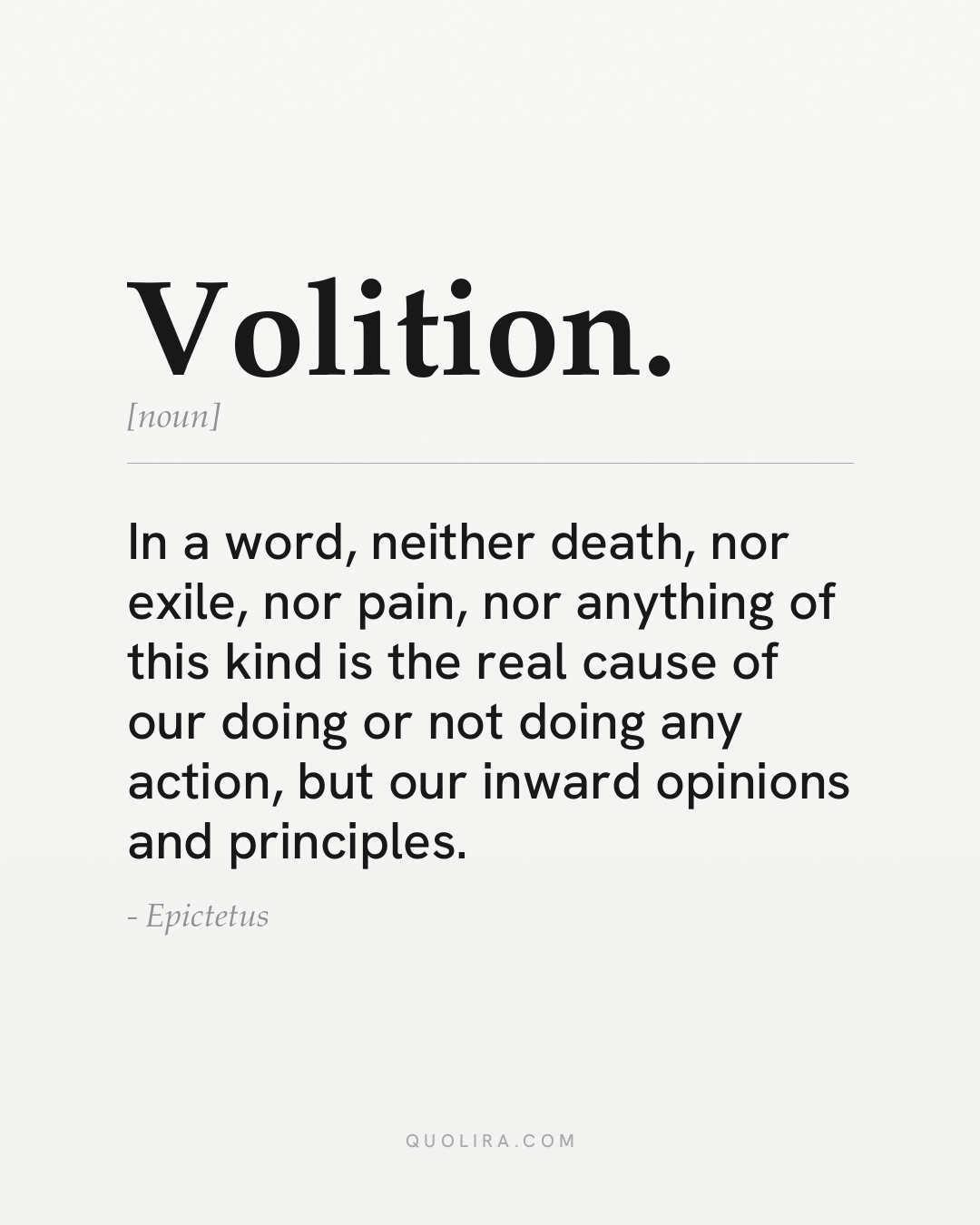
Epictetus says death, exile, and pain do not decide what you do. Your opinions and principles do. The next time you feel forced to act a certain way, ask which belief is doing the forcing.
From the collection: 23 Best Epictetus Quotes on Fear, Freedom, and Control · More Epictetus quotes
Epictetus argues that events such as death, exile, or pain do not by themselves decide what we do, and that our inner opinions and principles are the true drivers of our choices. In other words, we respond to how we interpret things, not to the things themselves. This places responsibility for our actions with our own judgment.
The quotation appears in Book I of the Discourses, which were recorded by his student Arrian. Across these talks Epictetus repeatedly distinguishes between what depends on us and what does not. Our reactions, assumptions, and commitments belong to the first category, while bodily hardship and public misfortune belong to the second. The passage is a clear statement of that distinction, offered as a practical guide for students who wanted to act with integrity under pressure.
Epictetus was born around 50 CE in Hierapolis, a city in the Roman province of Phrygia. He lived for a time as an enslaved person in Rome before gaining his freedom and teaching philosophy. Later he ran a school in Nicopolis, in western Greece, where students came to study Stoic ethics. He left no writings of his own that survive. His voice is known mainly through the notes and edited talks that Arrian made from his lectures.
“It is not death or pain that is to be feared, but the fear of pain or death.”
Epictetus · Discourses, Book II, chapter 1
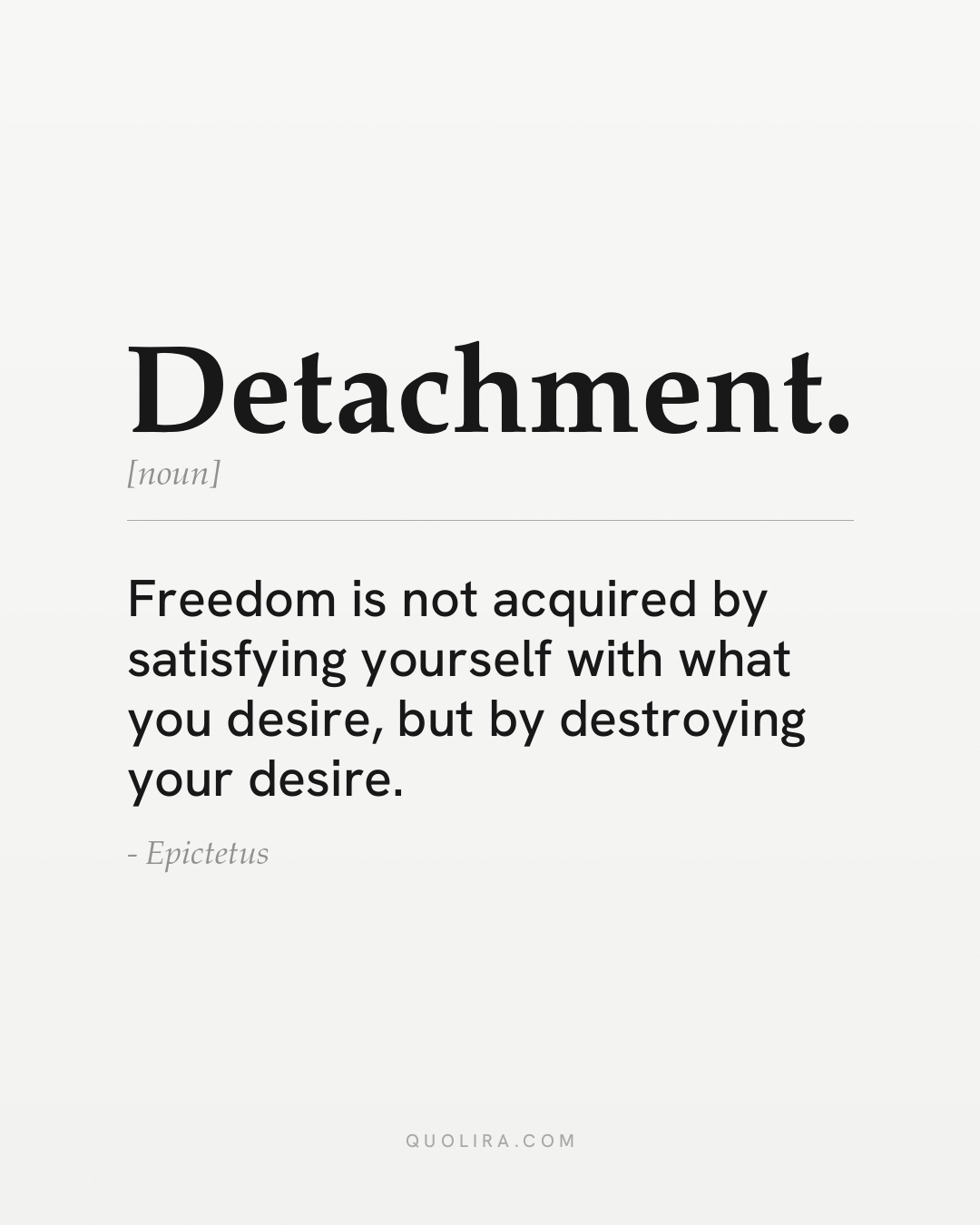
“Freedom is not acquired by satisfying yourself with what you desire, but by destroying your desire.”
Epictetus · Discourses, Book IV, chapter 1
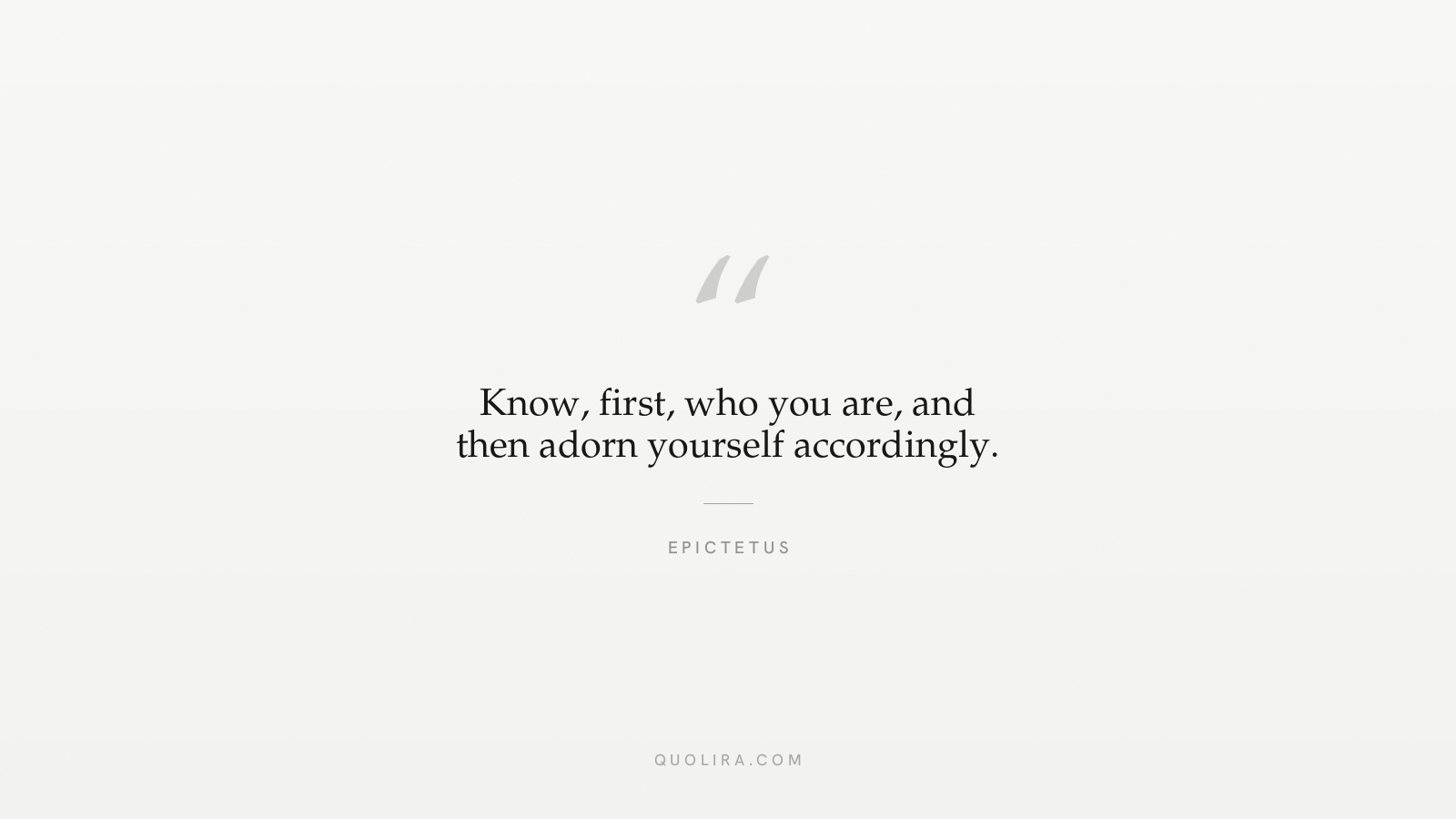
“Know, first, who you are, and then adorn yourself accordingly.”
Epictetus · Discourses, Book III, chapter 1
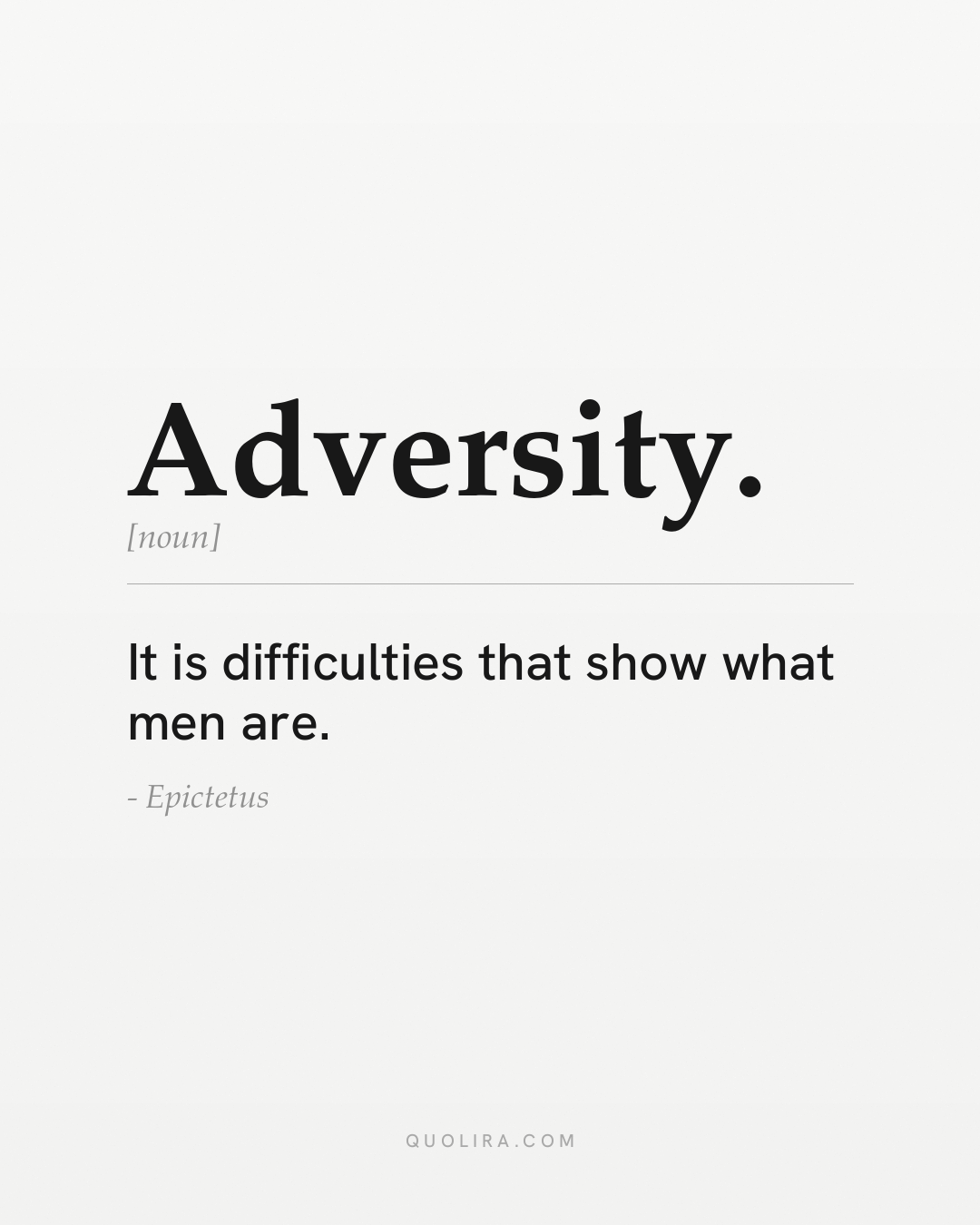
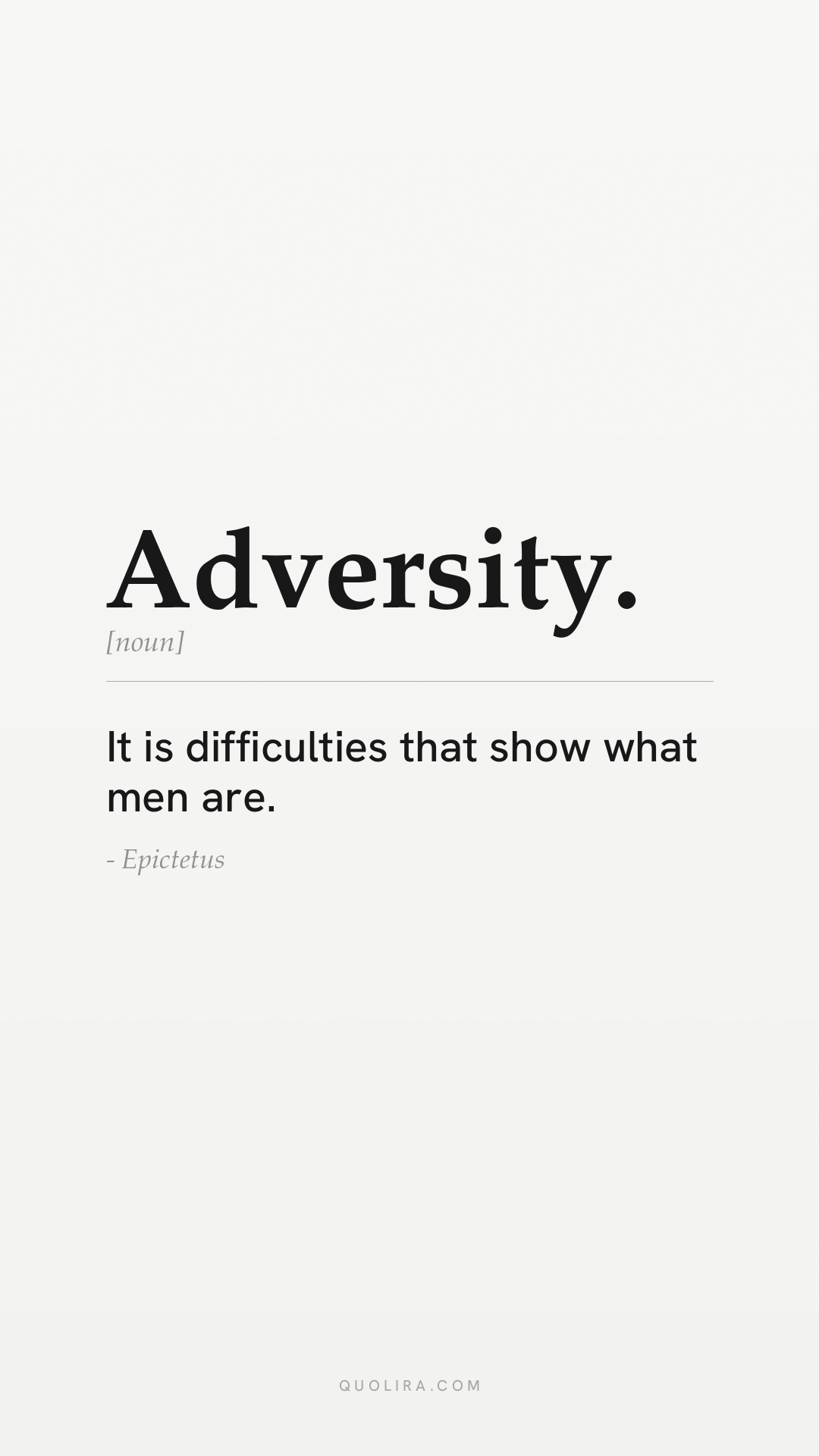
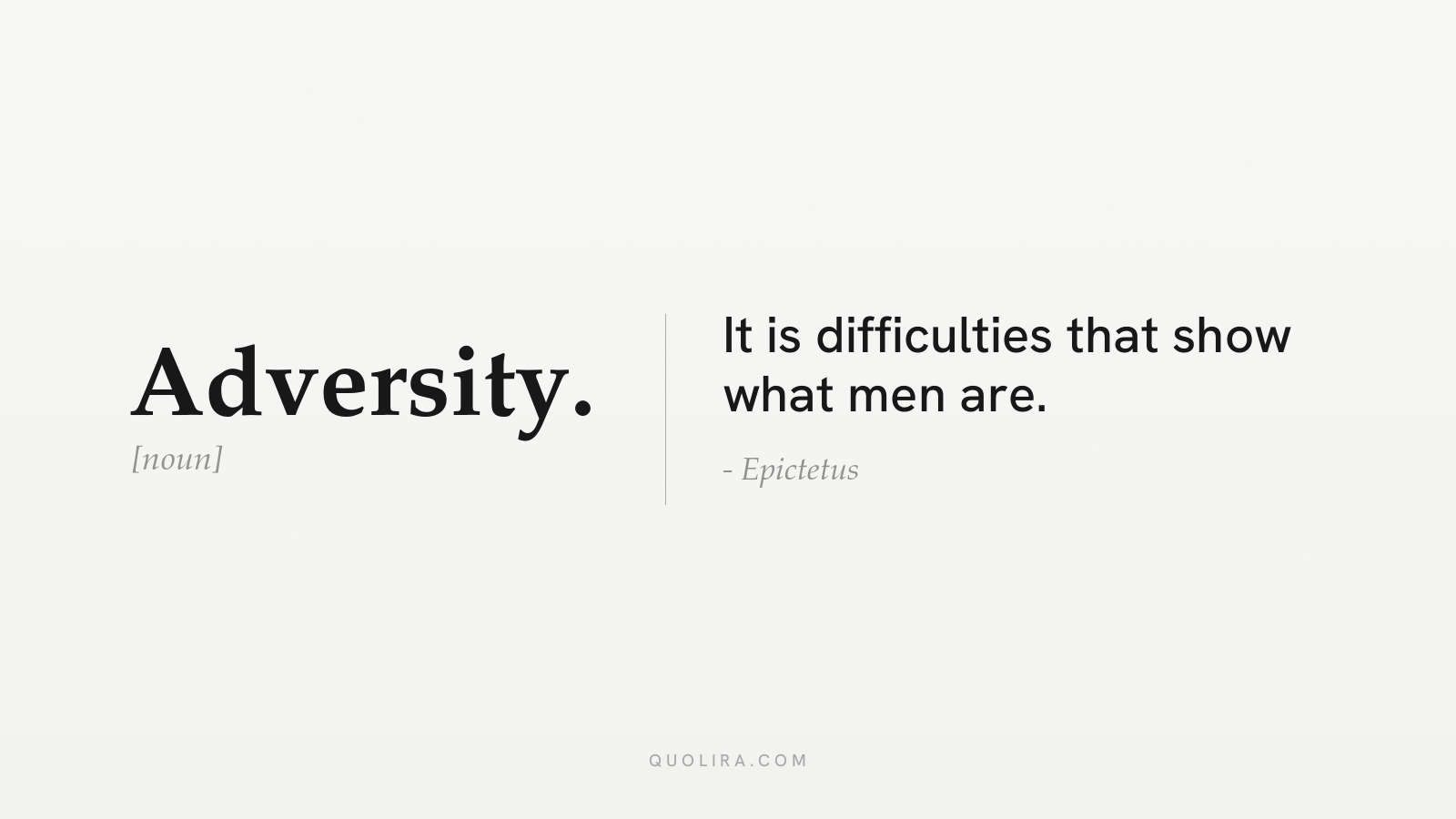
“It is difficulties that show what men are.”
Epictetus · Discourses, Book I, chapter 24
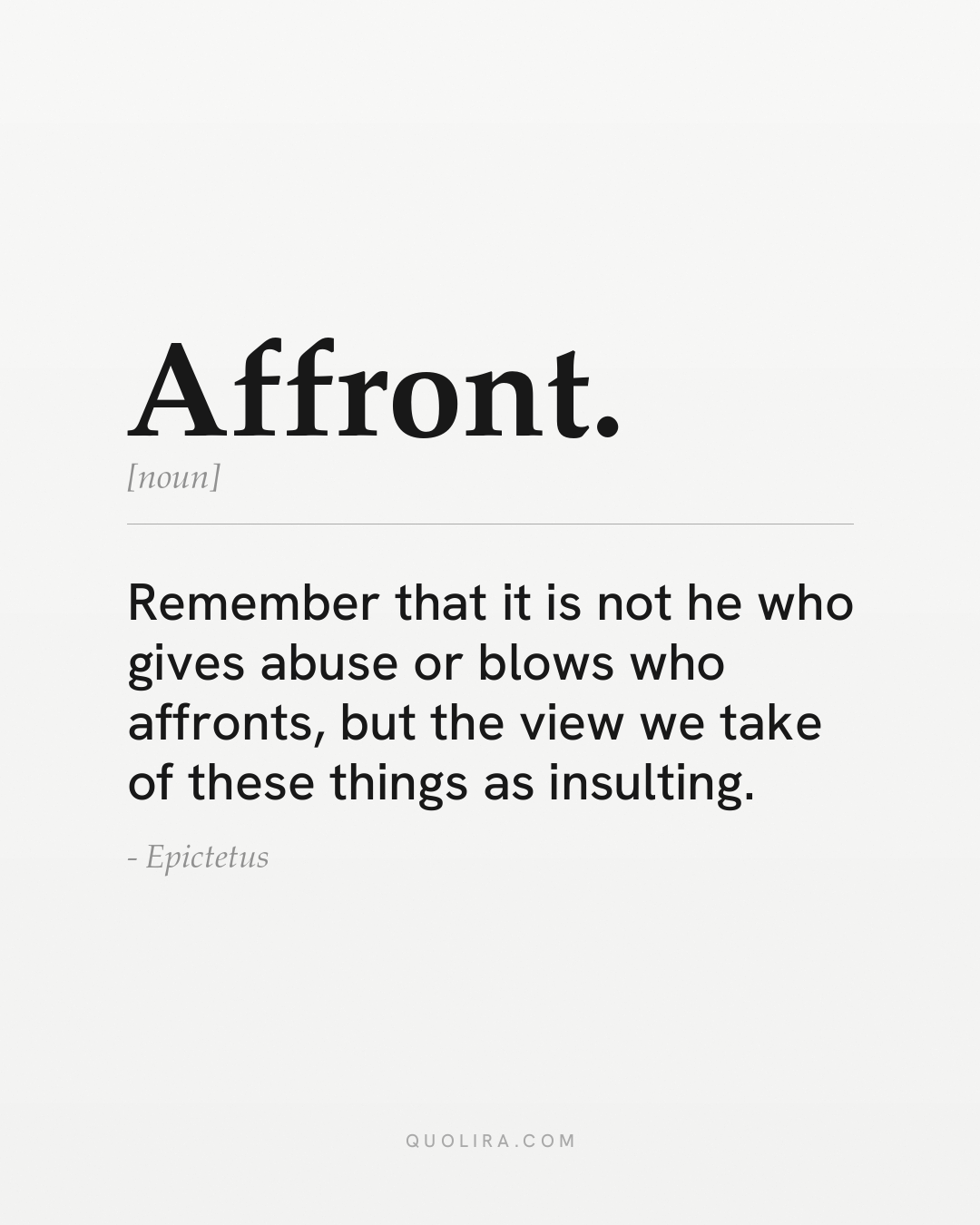
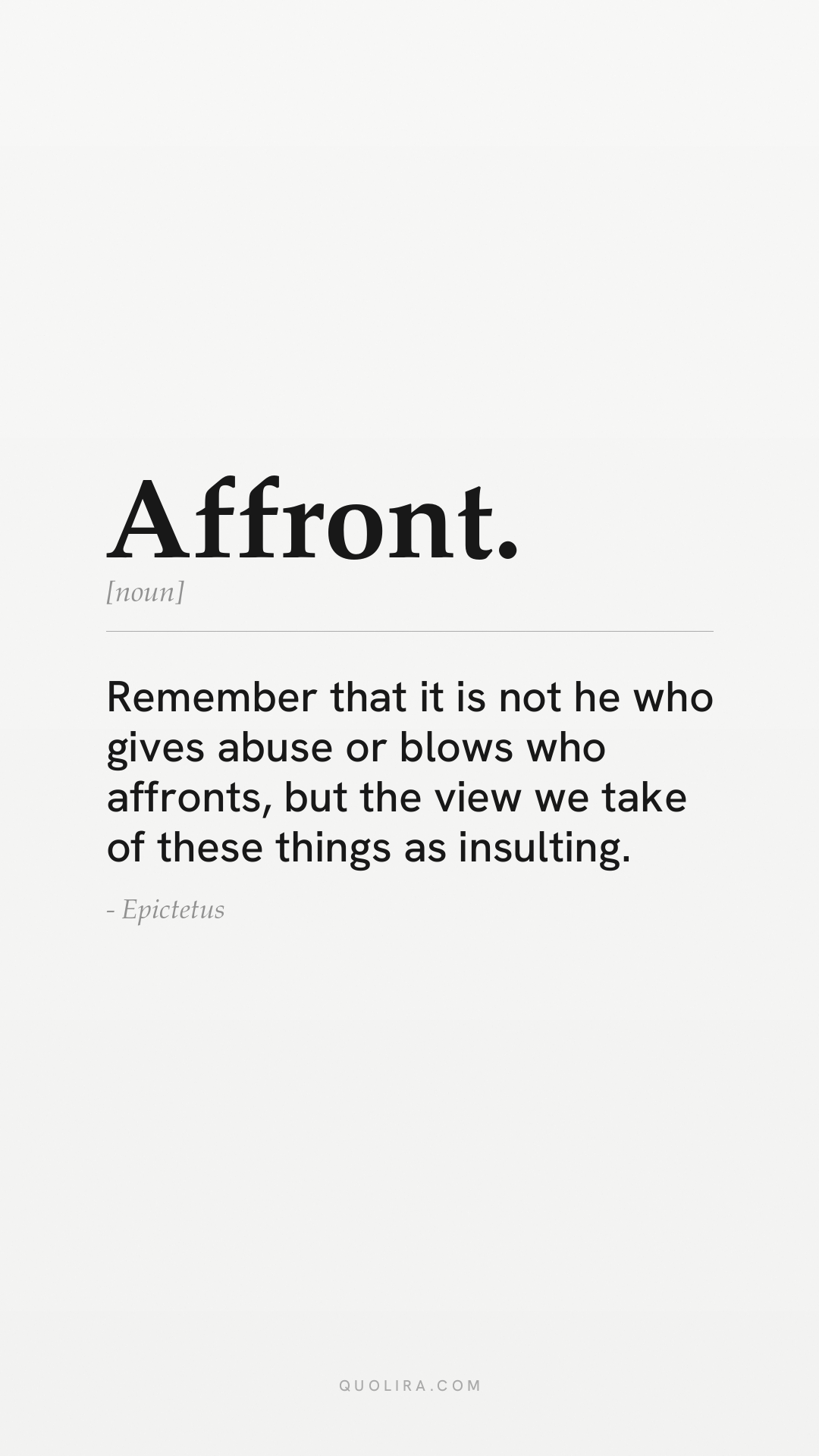
“Remember that it is not he who gives abuse or blows who affronts, but the view we take of these things as insulting.”
Epictetus · Enchiridion, section 20
“Some things are in our control and others not.”
Epictetus · Enchiridion, section 1
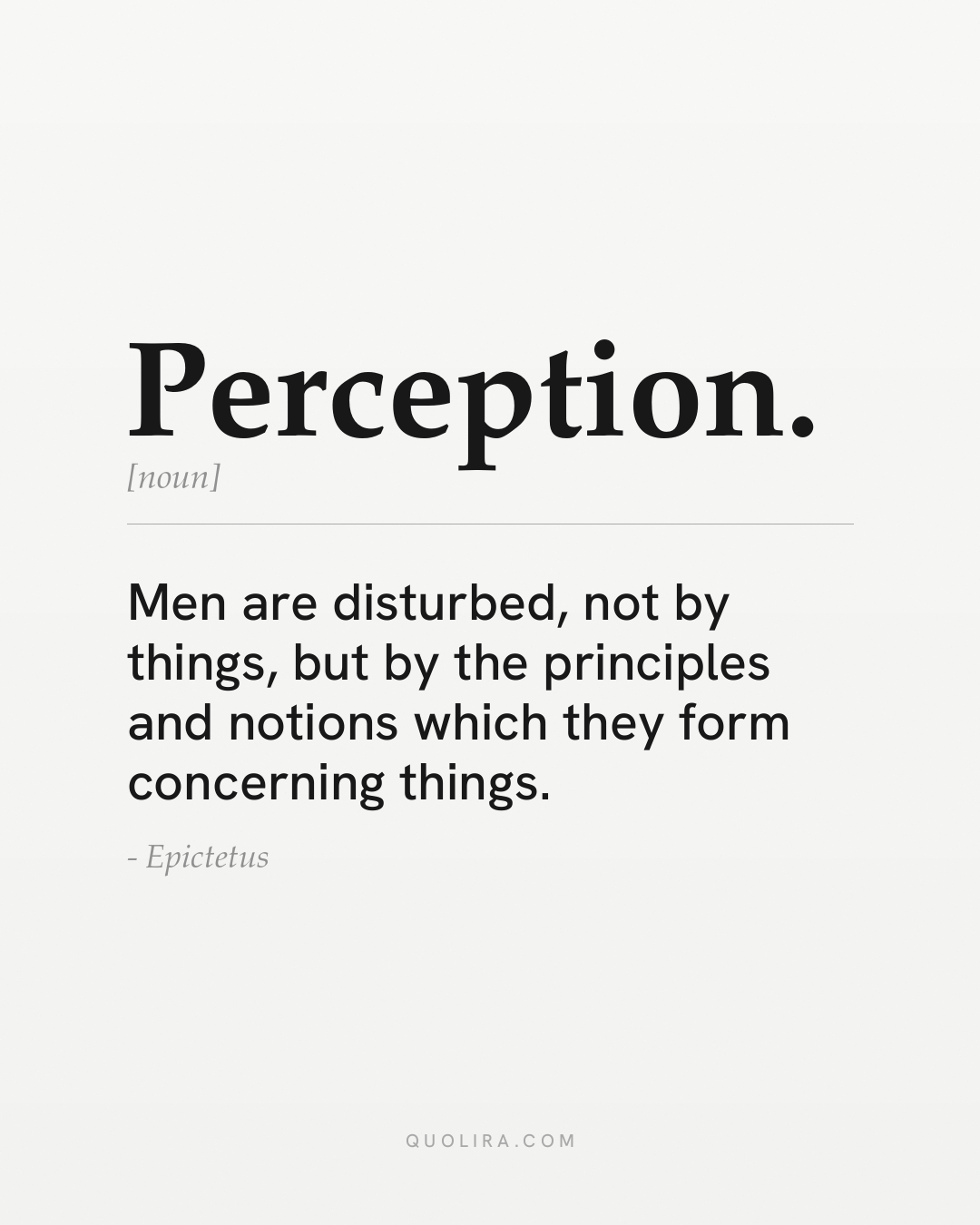
“Men are disturbed, not by things, but by the principles and notions which they form concerning things.”
Epictetus · Enchiridion, section 5
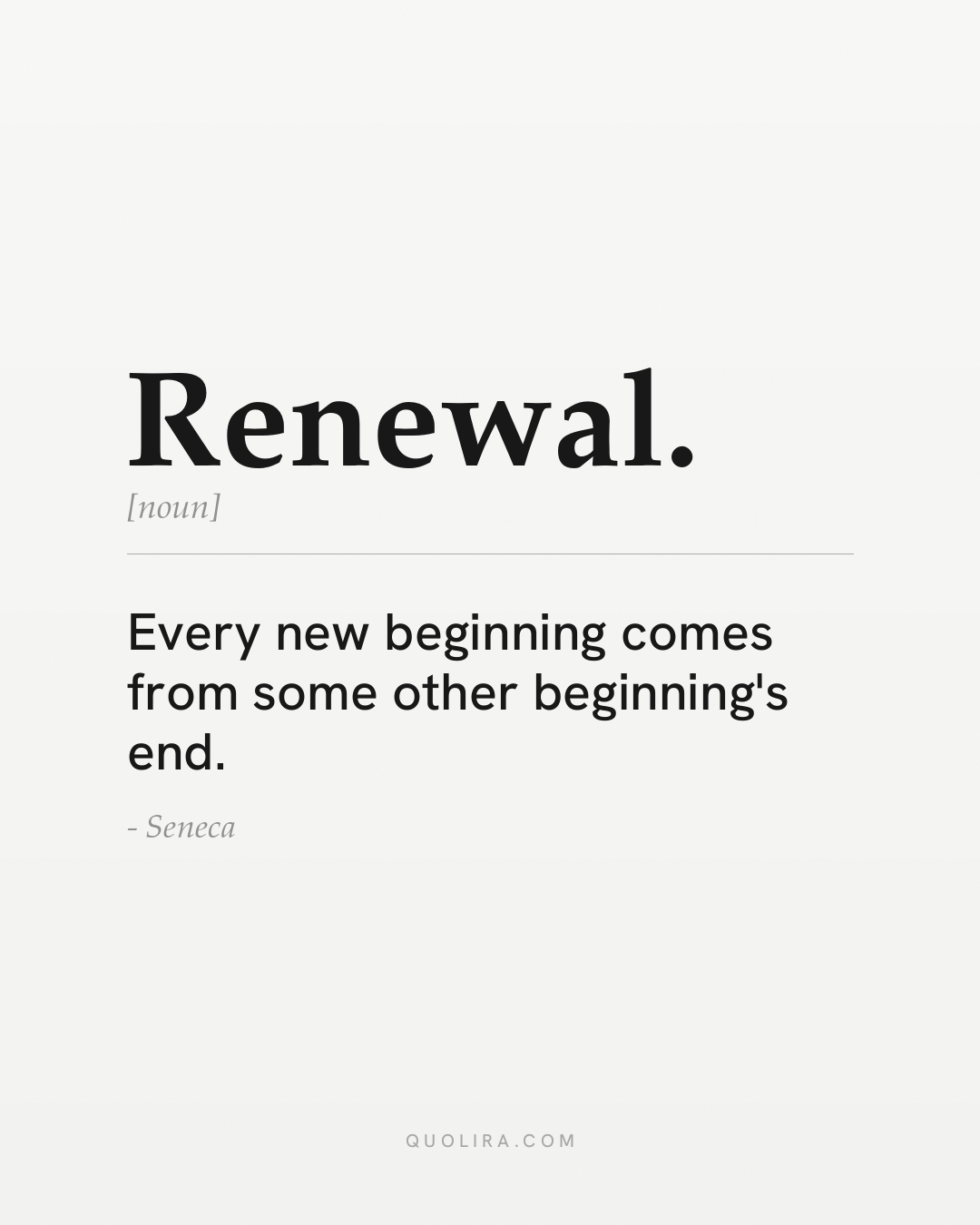
“Every new beginning comes from some other beginning's end.”
Seneca
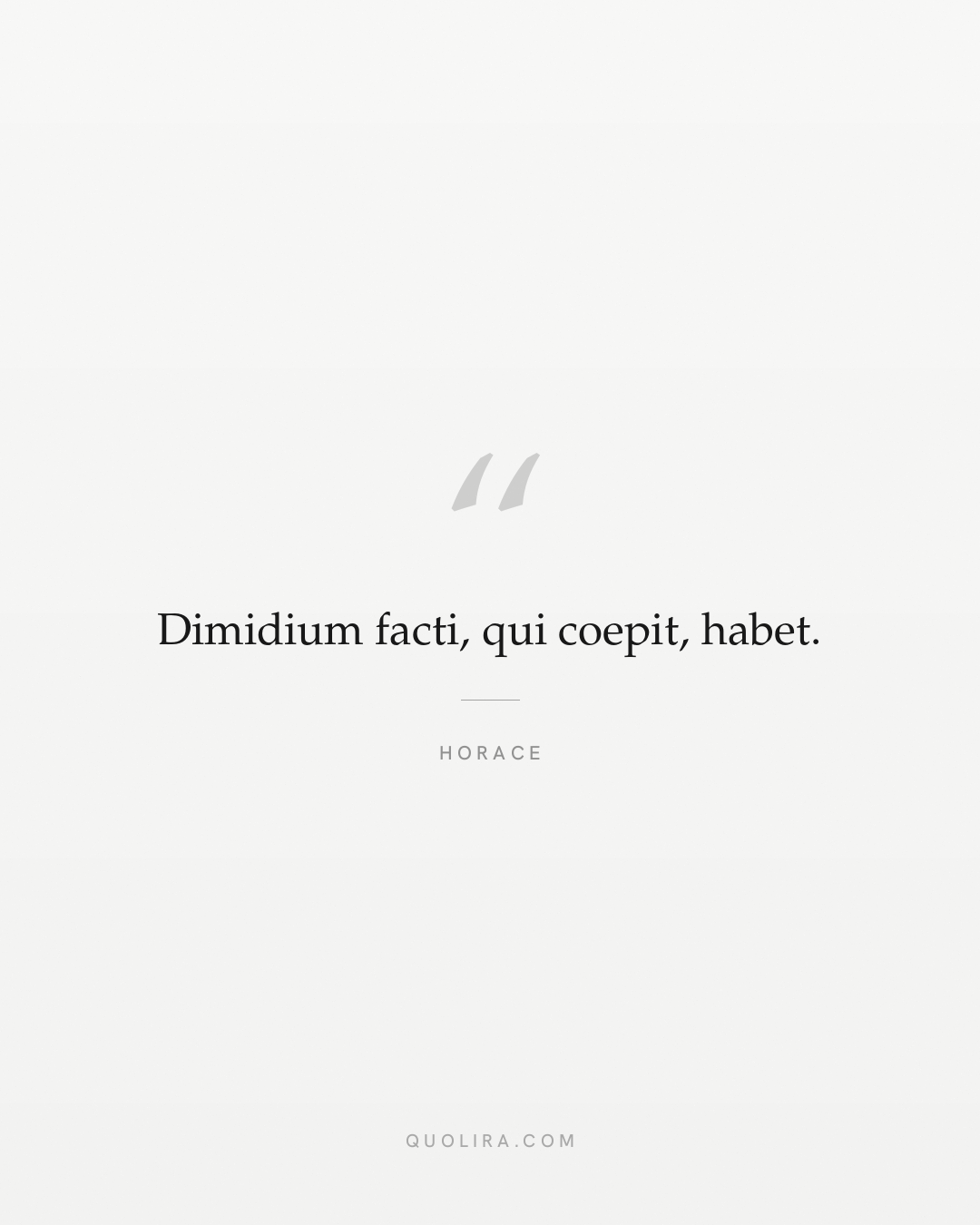
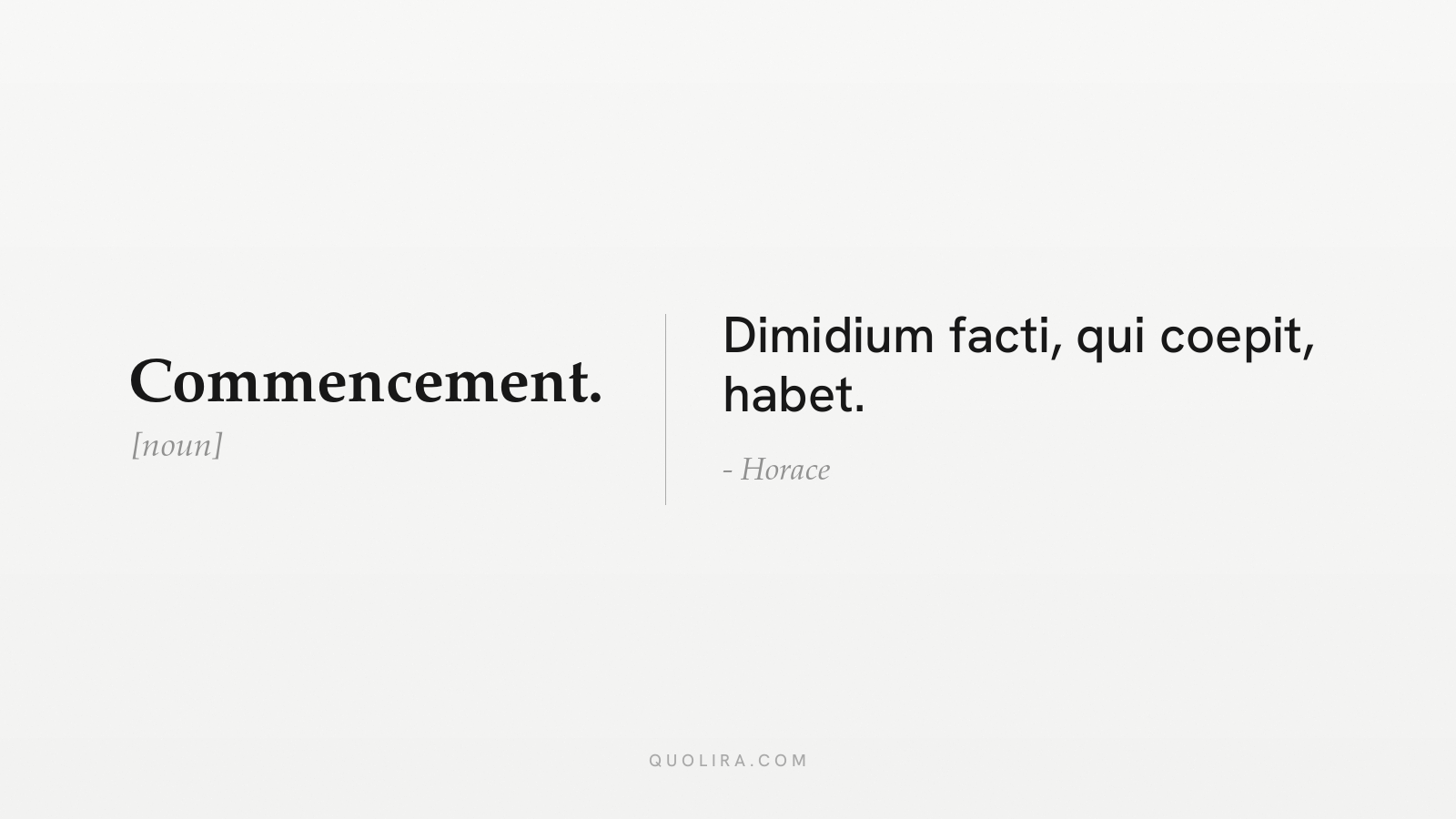
“Dimidium facti, qui coepit, habet.”
Horace · Epistles, Book 1
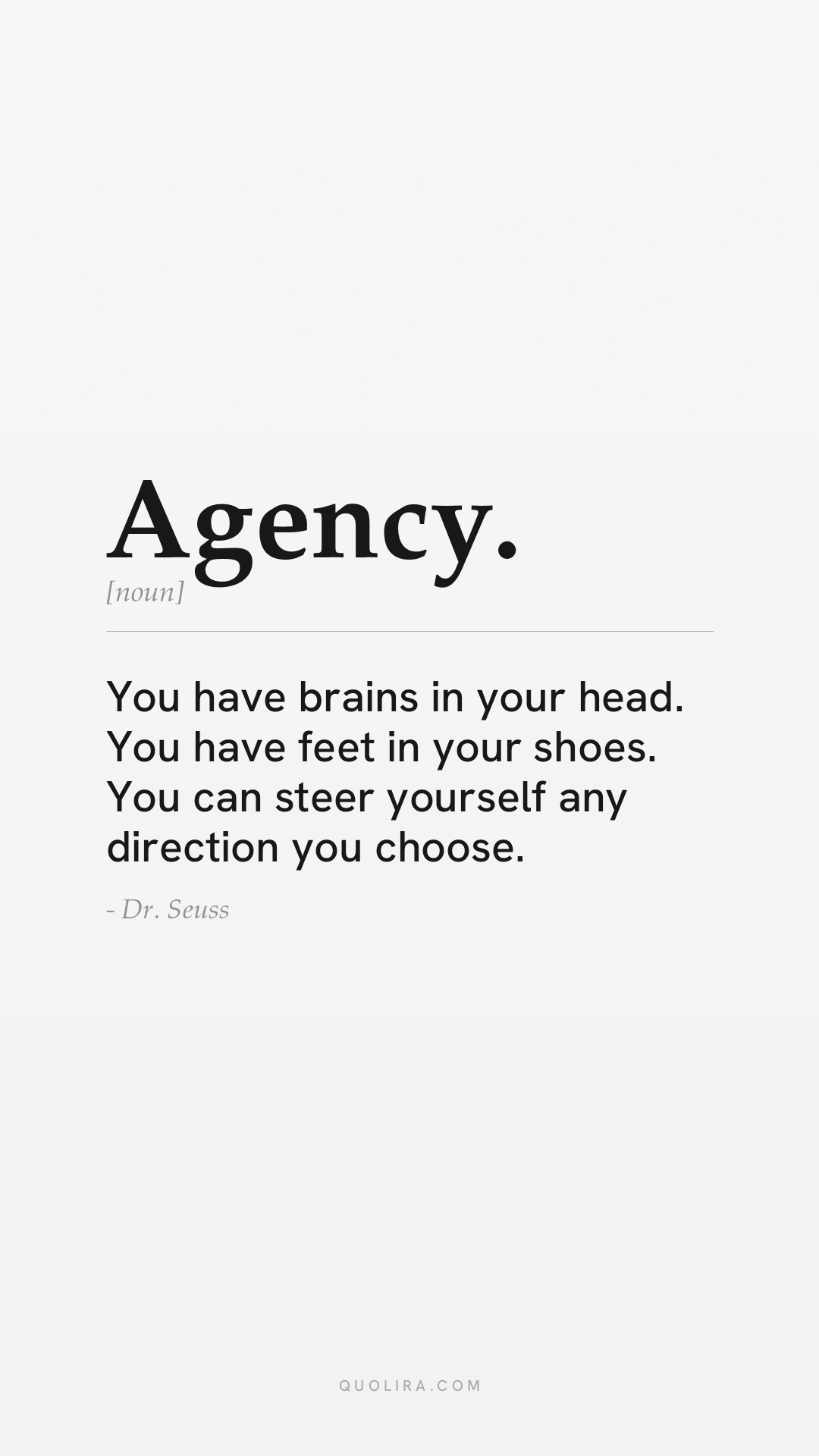
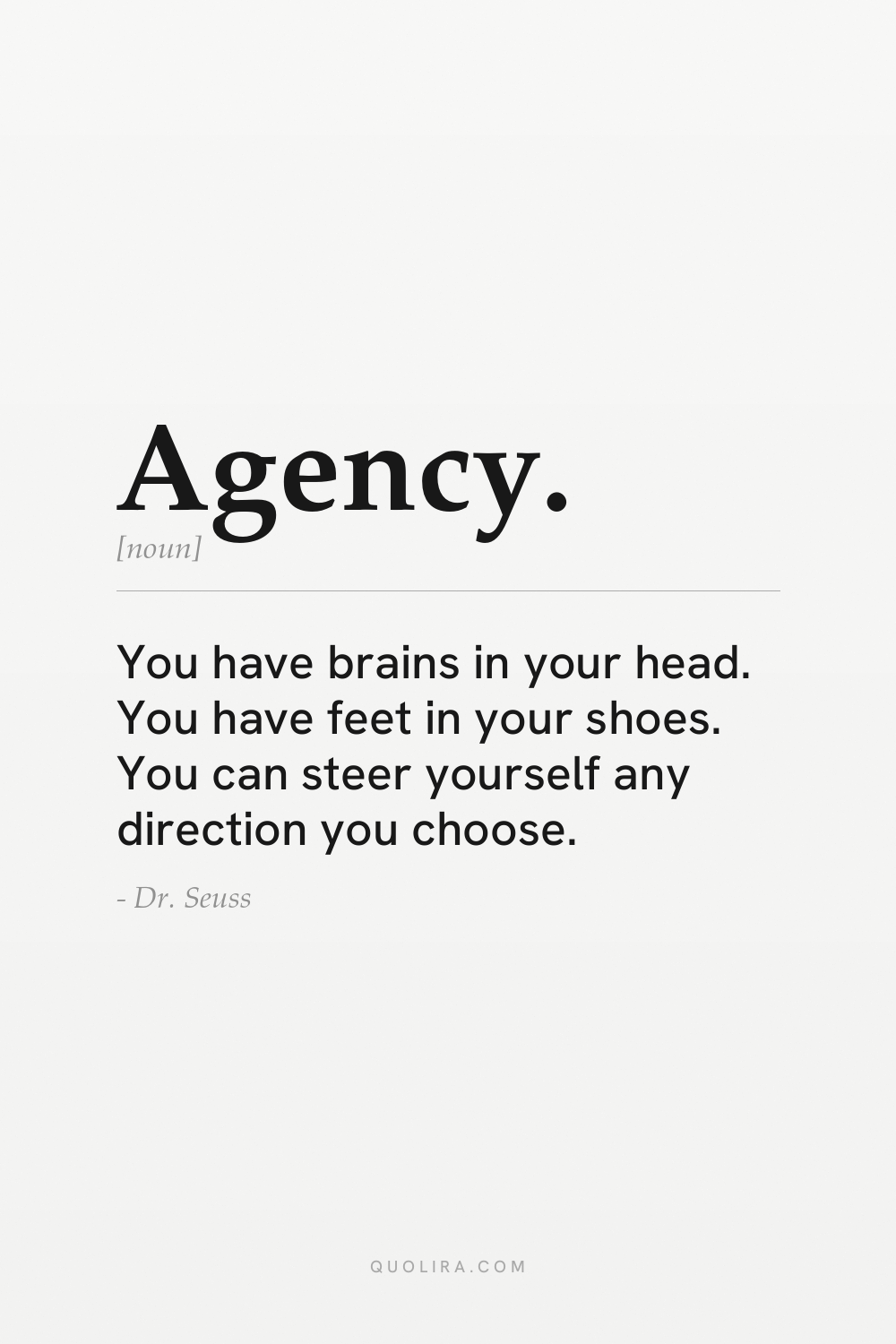
“You have brains in your head. You have feet in your shoes. You can steer yourself any direction you choose.”
Dr. Seuss · Oh, the Places You'll Go!, 1990
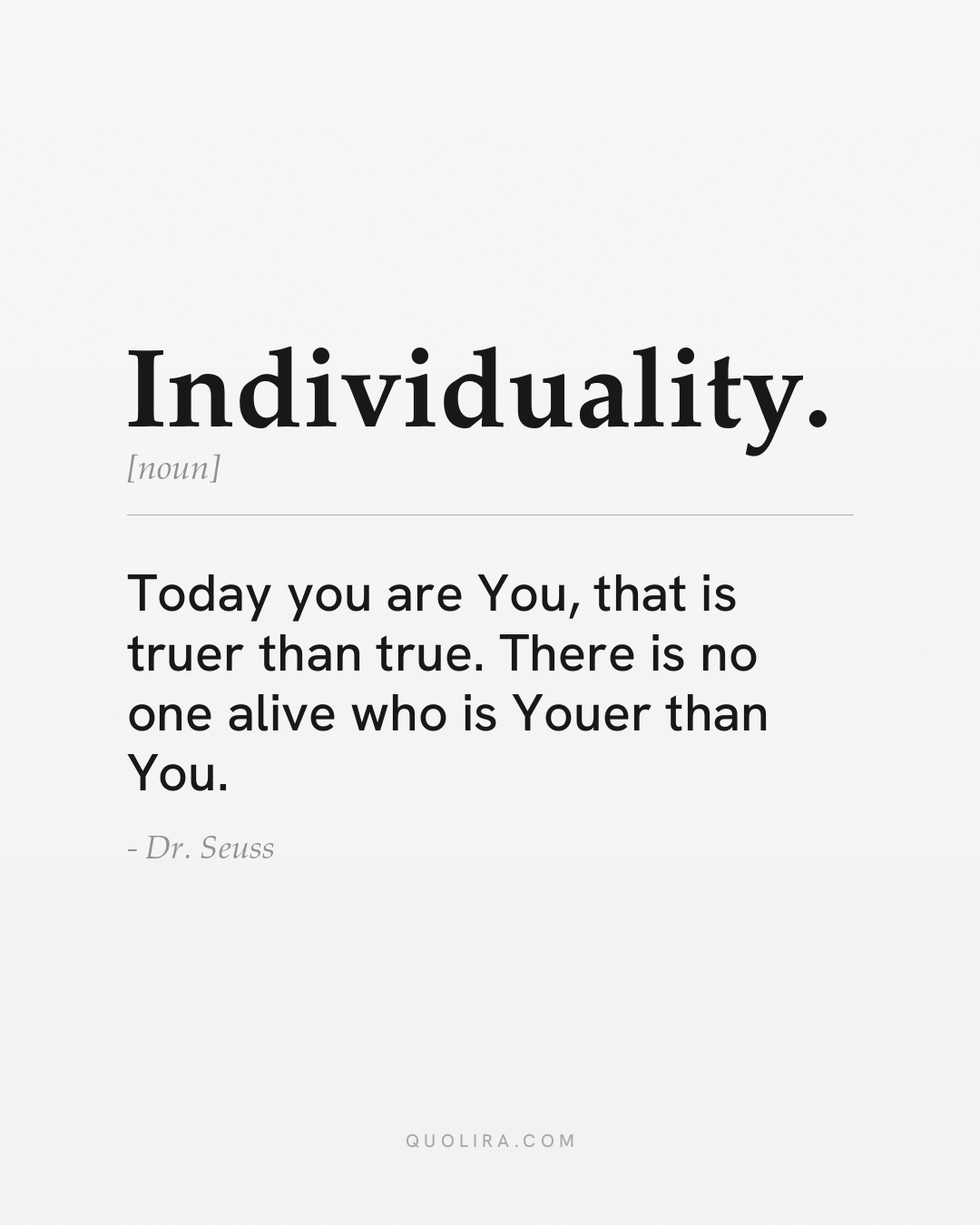
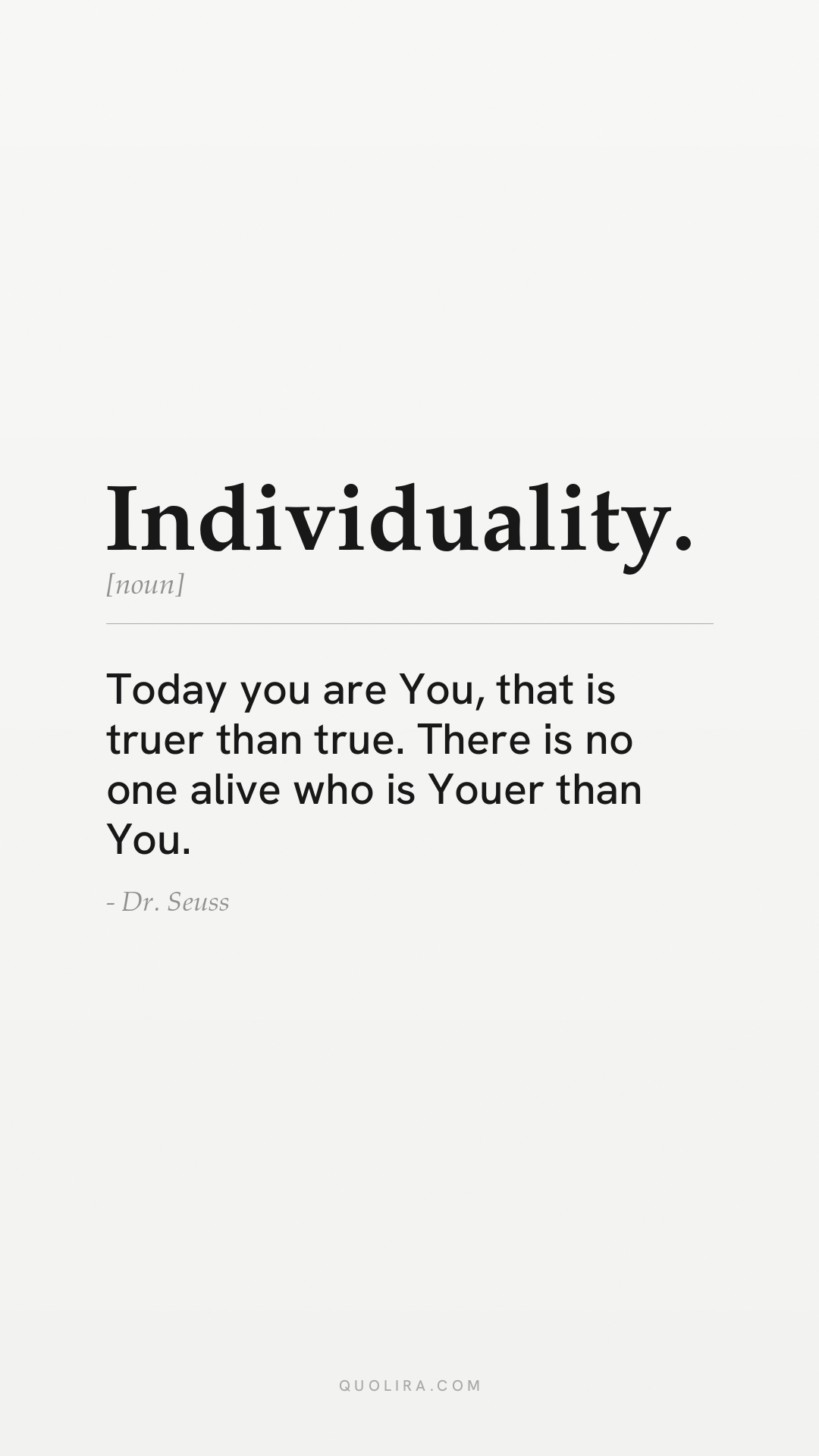
“Today you are You, that is truer than true. There is no one alive who is Youer than You.”
Dr. Seuss · Happy Birthday to You!, 1959
“'Hope' is the thing with feathers”
Emily Dickinson · Poem 254, published 1891