“Know, first, who you are, and then adorn yourself accordingly.”
Epictetus · Discourses, Book III, chapter 1
 quolira
.com
Epictetus said it, in Discourses, Book IV, chapter 1.
This is the Stoic answer to restless wanting. You do not win freedom by getting everything you crave, because cravings multiply. Shrinking your desires gives you more room to breathe than any new possession.
From the collection: 23 Best Epictetus Quotes on Fear, Freedom, and Control · More Epictetus quotes
This quote means that real freedom comes from wanting less, not from getting what you want. Epictetus argues that if we depend on satisfying our desires, we become captive to whatever we desire, since fortune rarely cooperates. Loosening the grip of desire is the path to liberty.
The sentence appears in the fourth book of the Discourses, a collection of lectures recorded by Arrian. Freedom was a central concern for Stoic thinkers, and Epictetus, who had personally known slavery, speaks about it with particular seriousness. In this discussion he treats freedom as an inner condition rather than a legal status. A person who keeps chasing external goods remains dependent on forces beyond their control. The passage asks the listener to examine desire itself, not merely to pursue it more efficiently.
Epictetus was a Stoic philosopher who was born enslaved, probably in Hierapolis in Phrygia, around the middle of the first century CE. He gained his freedom and taught philosophy in Rome before moving to Nicopolis in western Greece, where he founded a school. He wrote no books of his own. His teachings are known mainly through Arrian's records, which include the Discourses and the Enchiridion. Their conversational form makes his arguments about freedom feel personal and immediate.
“Know, first, who you are, and then adorn yourself accordingly.”
Epictetus · Discourses, Book III, chapter 1
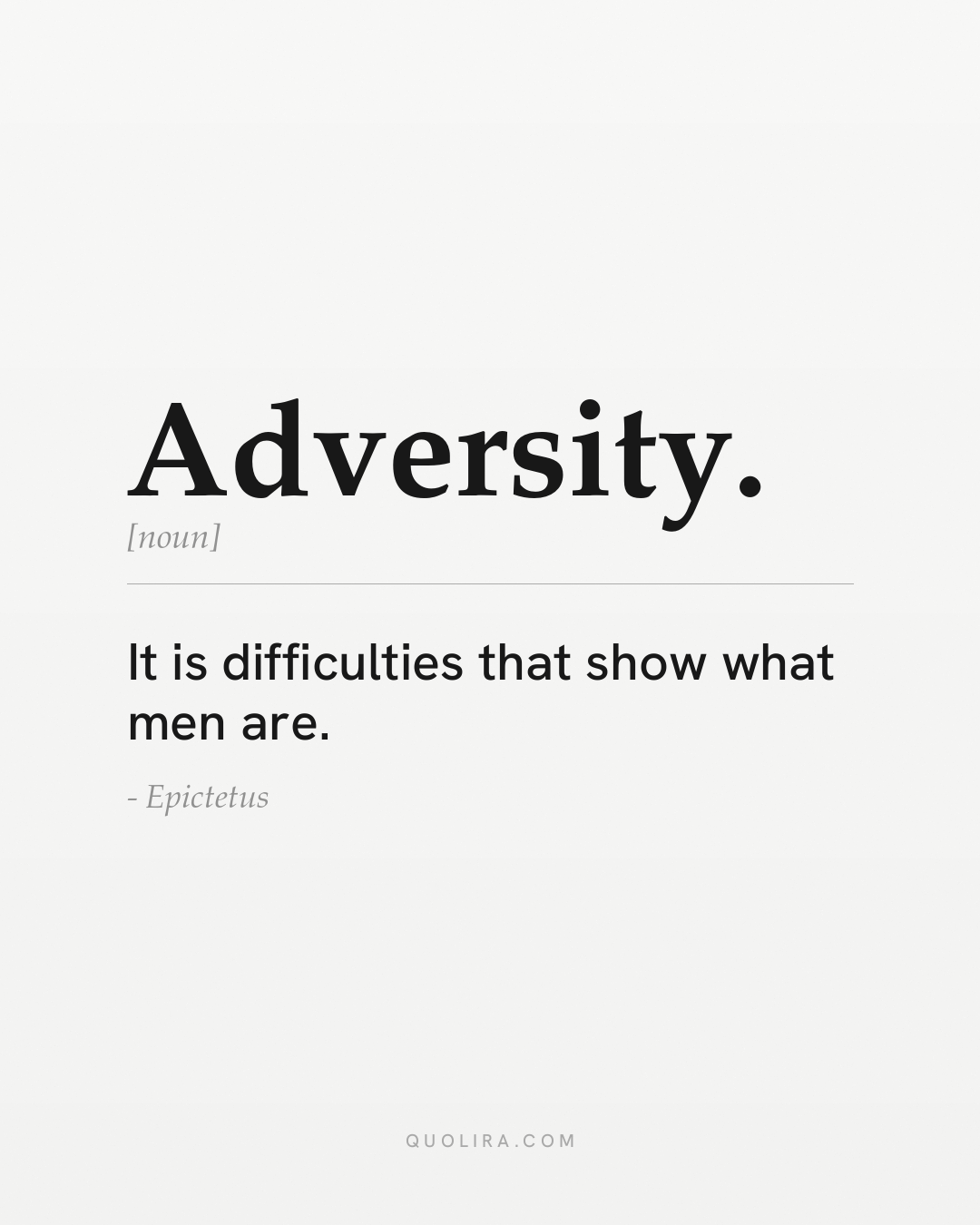
“It is difficulties that show what men are.”
Epictetus · Discourses, Book I, chapter 24
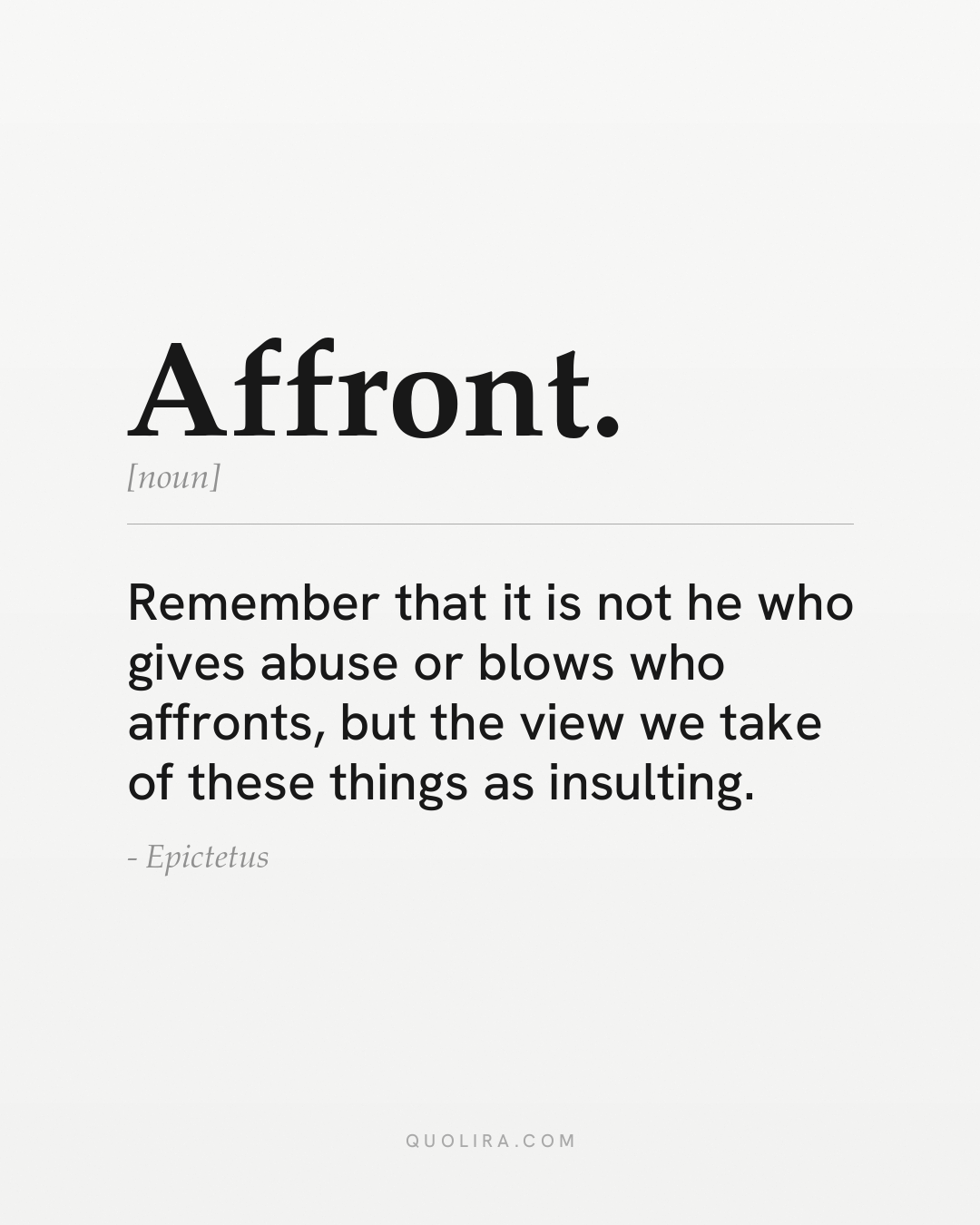
“Remember that it is not he who gives abuse or blows who affronts, but the view we take of these things as insulting.”
Epictetus · Enchiridion, section 20
“Some things are in our control and others not.”
Epictetus · Enchiridion, section 1
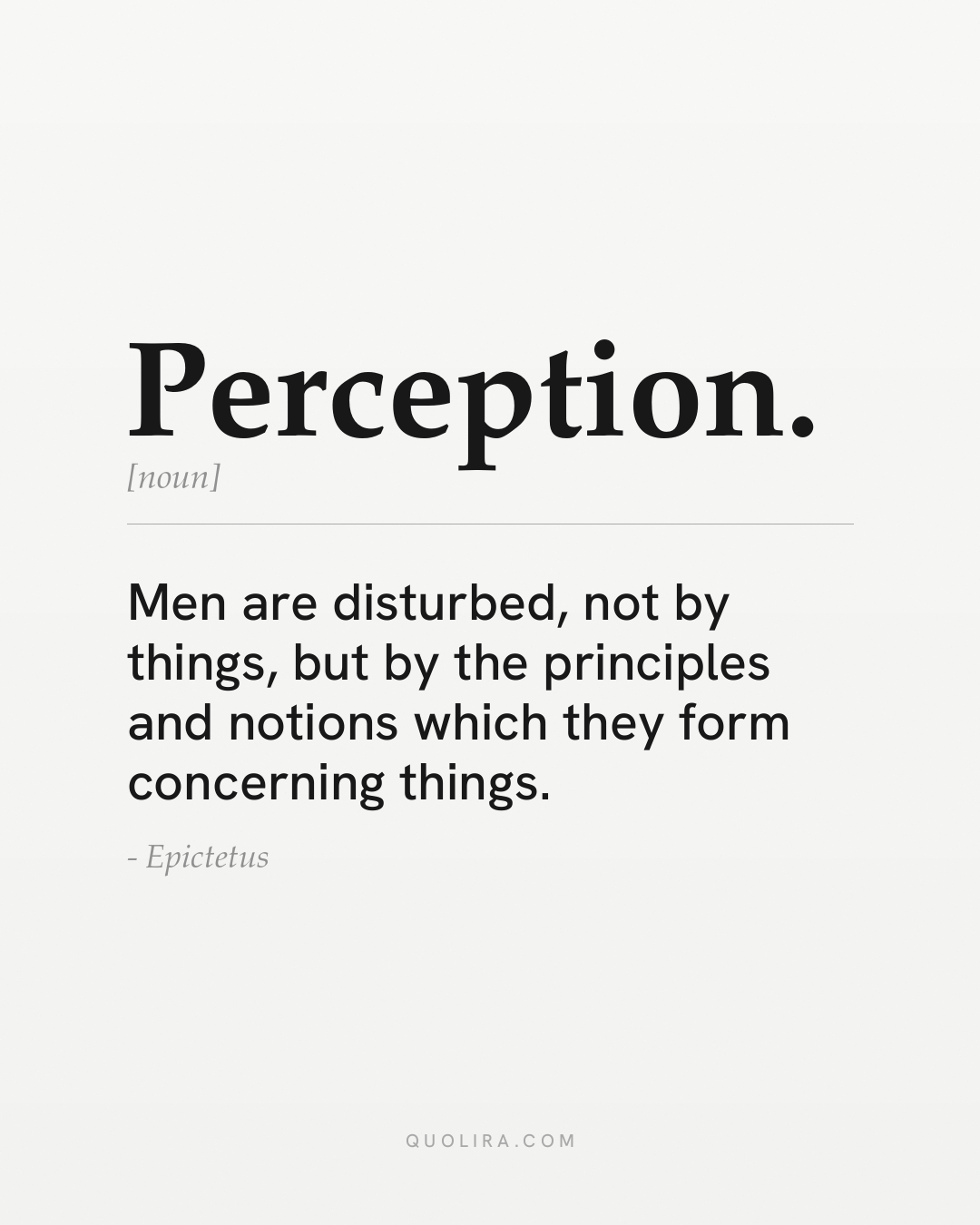
“Men are disturbed, not by things, but by the principles and notions which they form concerning things.”
Epictetus · Enchiridion, section 5
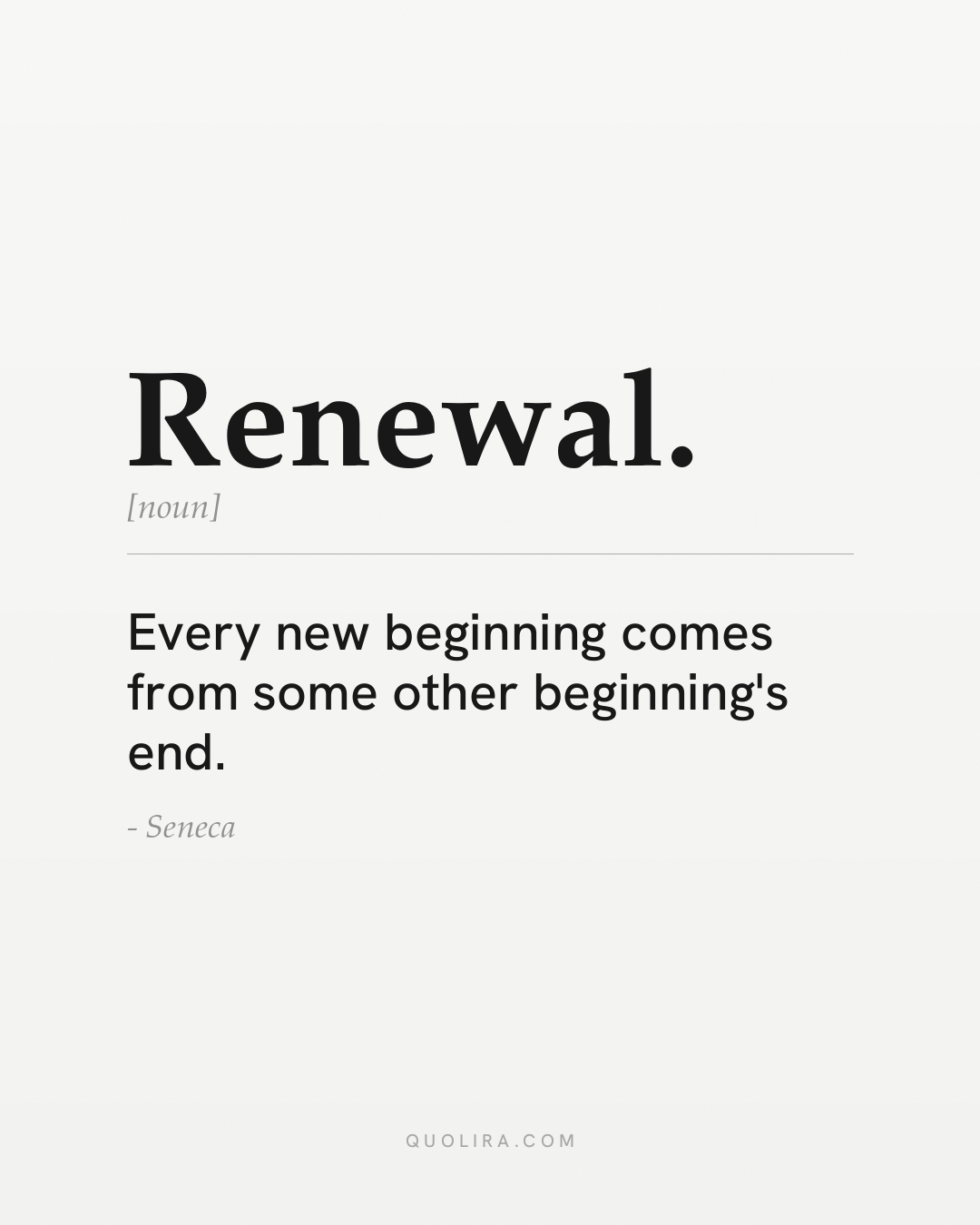
“Every new beginning comes from some other beginning's end.”
Seneca
“Dimidium facti, qui coepit, habet.”
Horace · Epistles, Book 1
“You have brains in your head. You have feet in your shoes. You can steer yourself any direction you choose.”
Dr. Seuss · Oh, the Places You'll Go!, 1990
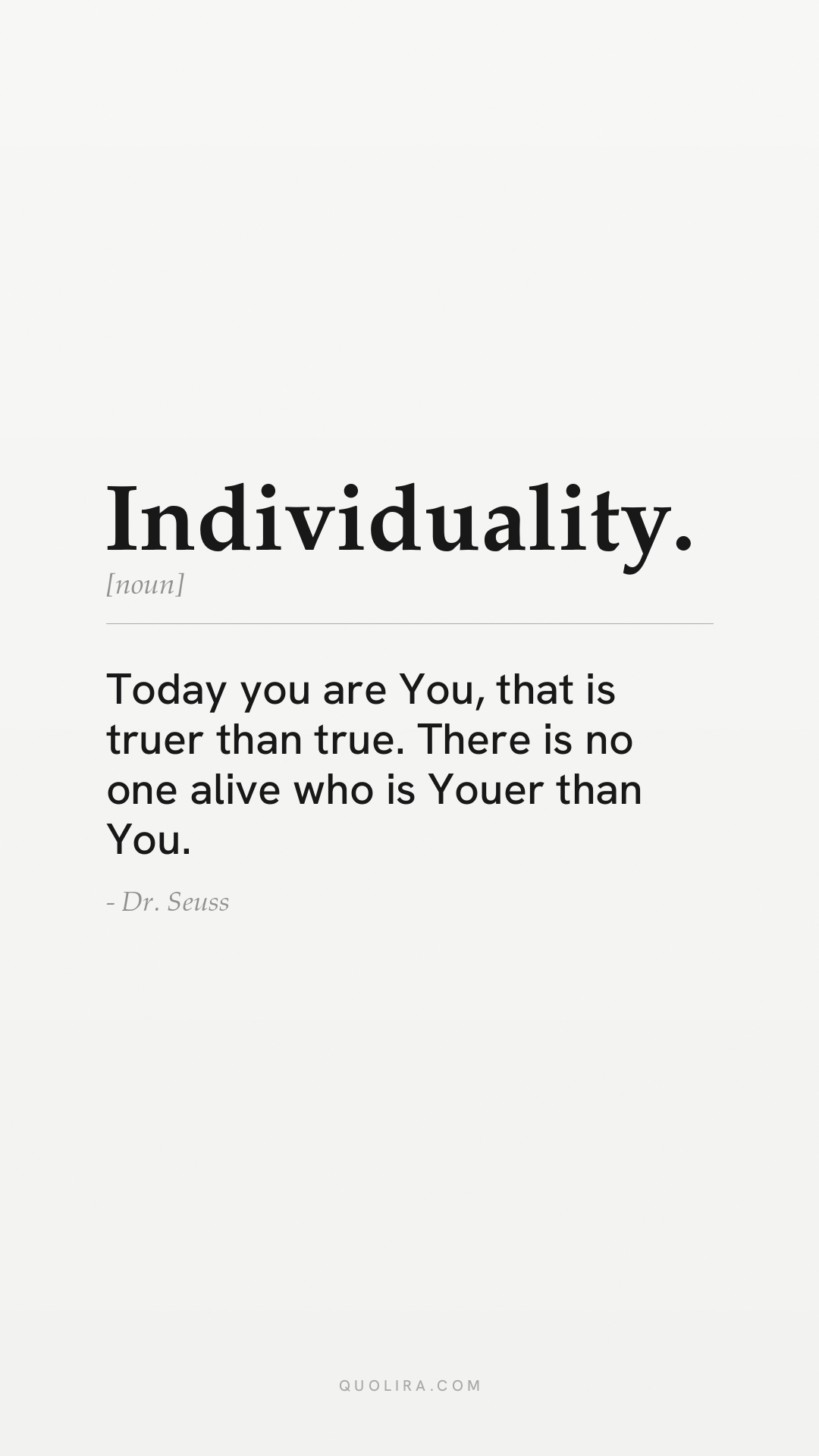
“Today you are You, that is truer than true. There is no one alive who is Youer than You.”
Dr. Seuss · Happy Birthday to You!, 1959
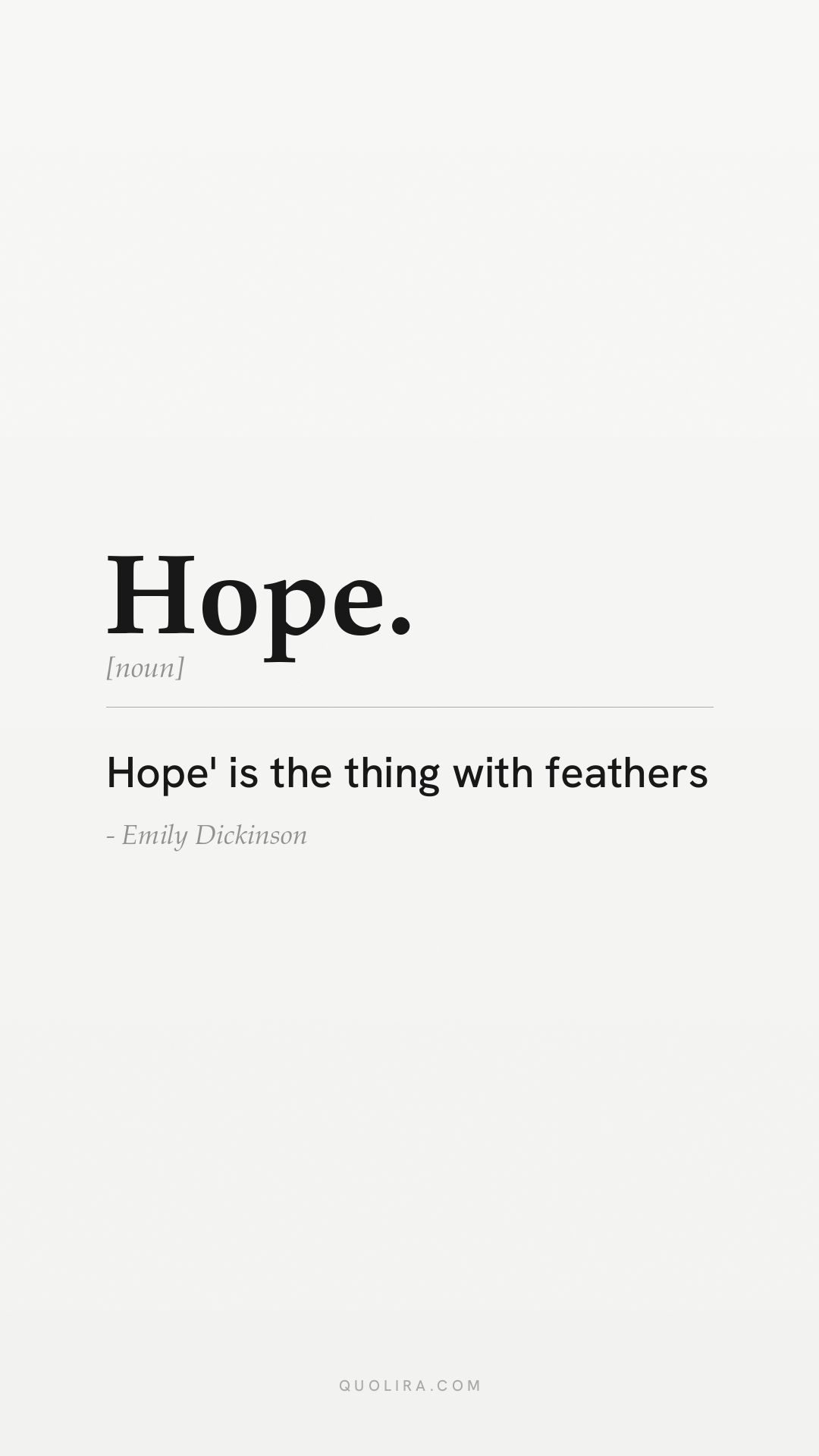
“'Hope' is the thing with feathers”
Emily Dickinson · Poem 254, published 1891
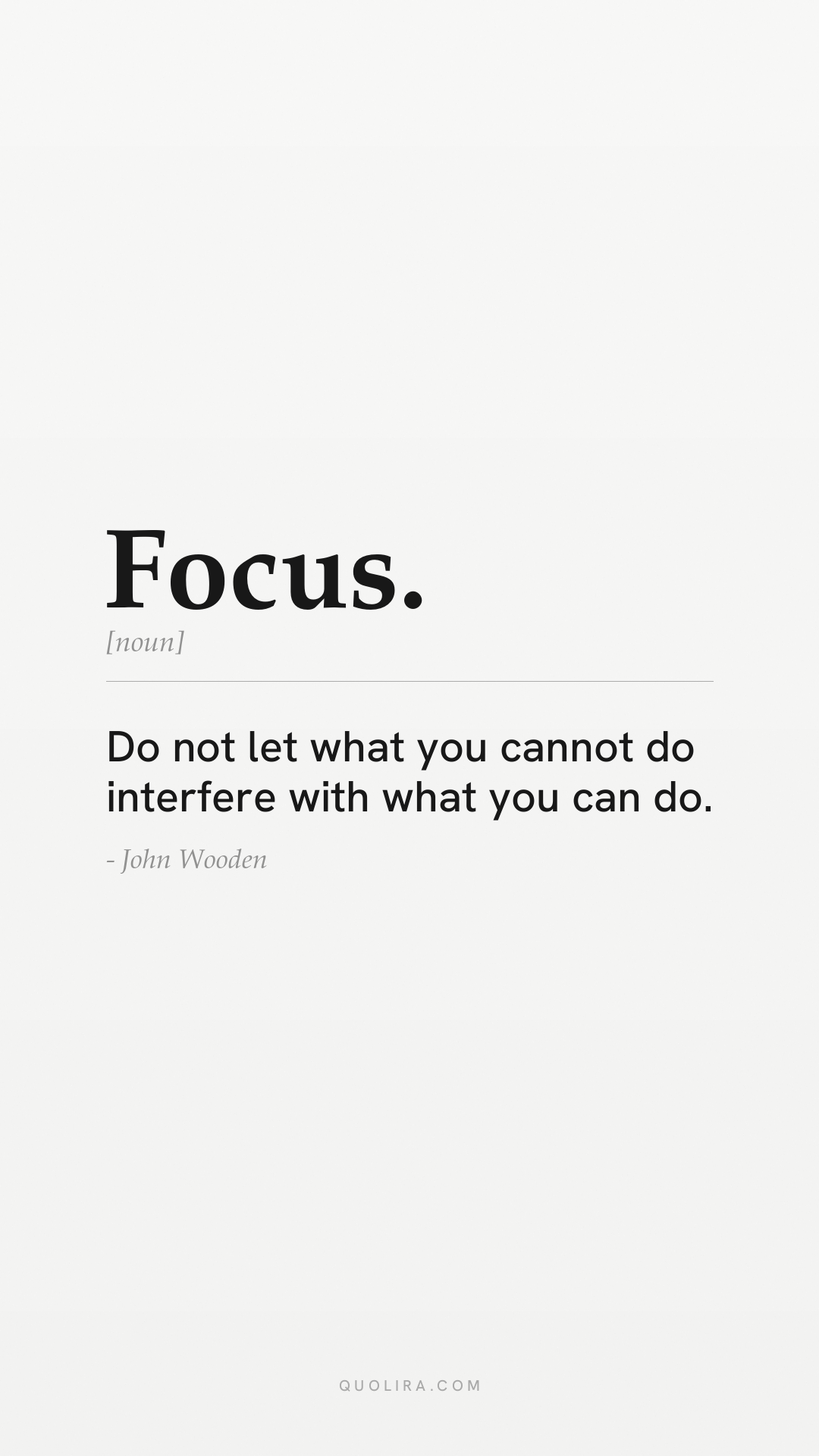
“Do not let what you cannot do interfere with what you can do.”
John Wooden
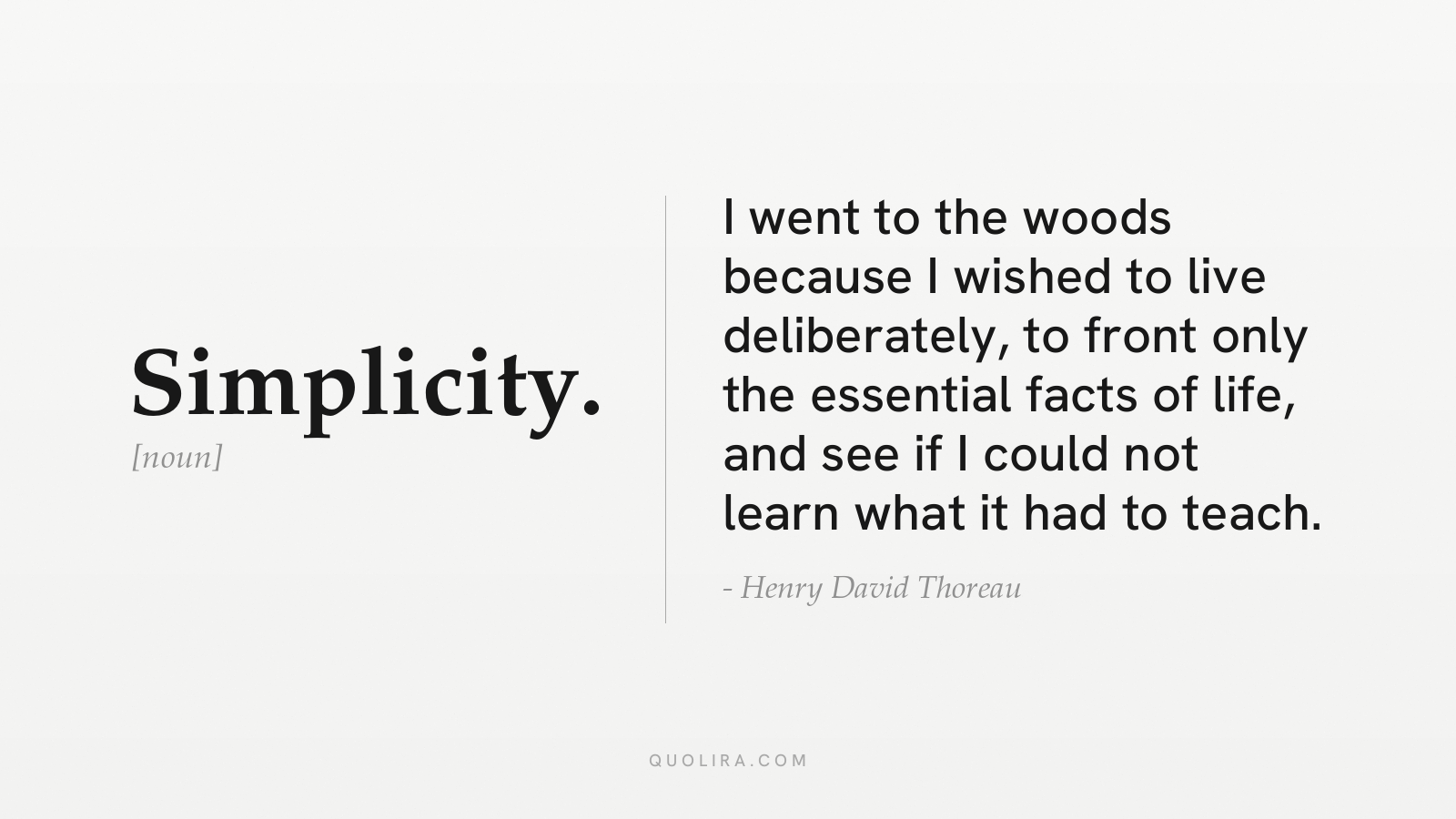
“I went to the woods because I wished to live deliberately, to front only the essential facts of life, and see if I could not learn what it had to teach.”
Henry David Thoreau · Walden, 1854