Seijaku: The Art of Finding Stillness in the Noise
A quiet Japanese concept that might be the most useful thing you haven't heard of.
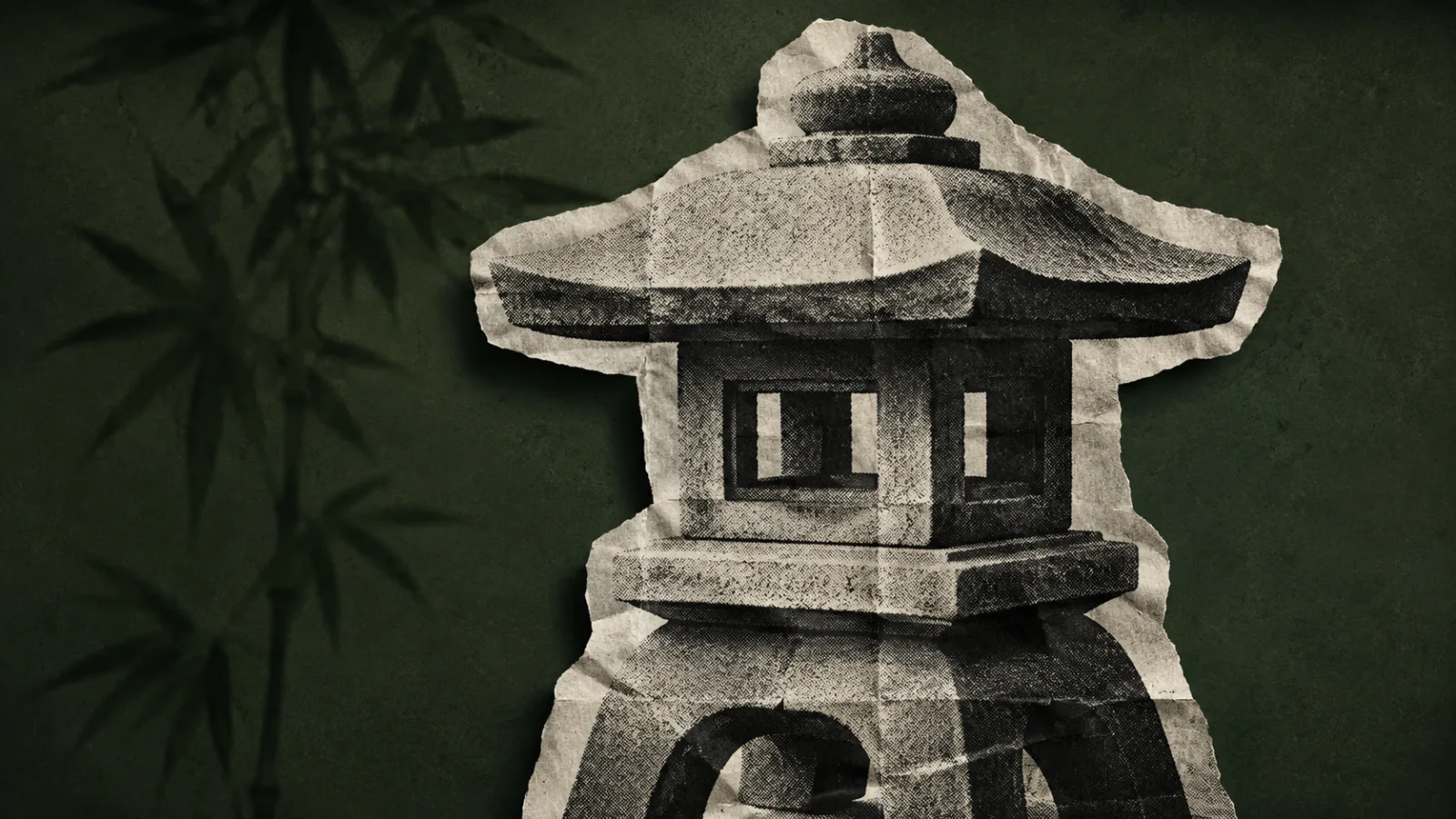
Seijaku (静寂) is the Japanese concept of serene stillness, and if you've ever felt most alive in a moment of absolute quiet, you've already touched it. It's related to ma (negative space) and wabi-sabi (beauty in imperfection), but seijaku is specifically about the quality of silence itself. Not the absence of sound. The presence of calm beneath it.
In the middle of noise, the stillness inside you is the only thing that actually belongs to you.
What seijaku actually means
The word breaks into two kanji. 静 (sei) means calm or quiet. 寂 (jaku) means solitude, sometimes loneliness, but in the best sense: the kind you choose. Put them together and you get something close to "tranquil solitude," though that translation still undersells it.
Seijaku isn't passive. It describes a stillness that's alive. Think of the moment just before a thunderstorm when the air goes completely flat. Or standing in a forest at 6am when the birds haven't started yet. The world is holding its breath. That quality, that charged, attentive quiet, is seijaku.
Its place in Zen aesthetics
Seijaku is one of the 4 core principles of Zen aesthetics, alongside wabi (humble simplicity), sabi (the beauty of time and wear), and ma (the power of empty space). A traditional Japanese garden uses all four at once. The raked gravel around a single stone isn't decorative. It's a physical argument that empty space has weight.
Wabi-Sabi for Artists, Designers, Poets & Philosophers by Leonard Koren
You see seijaku in the best haiku too. Matsuo Basho's 1686 poem about a frog jumping into an old pond is probably the most famous example in Japanese literature: the entire point is the sound cutting through silence, which makes you feel the silence more acutely after it's gone.
Stillness is loudest right after something breaks it.
That's not a paradox. It's exactly what seijaku describes.
Seijaku serene stillness in a distracted world
Zen Mind, Beginner's Mind by Shunryu Suzuki
Here's the honest problem. Most of us are bad at this. We fill silence reflexively. A 3-second pause in conversation and somebody pulls out their phone. A quiet commute and we put in earbuds. We've engineered our environment so that stillness rarely gets a chance to arrive.
The Japanese concept isn't asking you to become a monk. It's pointing at something you already know: some of your clearest thinking happens in the shower, or on a walk without headphones, or in that half-awake state before the alarm goes off. You're not distracted. You're momentarily still. And in that stillness, things become obvious that were invisible 10 minutes before.
Seijaku is the practice of making that happen on purpose.
How to actually find it
A few things that work, drawn from Zen practice and plain common sense:
In Praise of Shadows by Jun'ichiro Tanizaki
Sit outside for 10 minutes without anything in your hands. No agenda. Let your attention drift to whatever it finds: a sound, a shadow, the weight of your own breathing. You're not meditating in the formal sense. You're just stopping.
Leave pauses in conversations unfilled. When someone finishes talking, count to 2 before you respond. You'll hear things you'd otherwise have talked over.
When something stressful arrives, take 30 seconds before you react. Not to plan your response. Just to let the noise settle. The Japanese call this kind of deliberate pause ma, and it's seijaku in miniature.
None of this is difficult. The difficulty is convincing yourself that doing less is worth something.
Silence is a sentence that says everything.
You don't need a forest or a temple to find it. You just need to stop filling every gap. Seijaku has been waiting there the whole time.
Frequently asked questions
How do you pronounce seijaku?
What is the difference between seijaku and silence?
Is seijaku related to Zen Buddhism?
How can I practice seijaku in everyday life?
Keep reading

16 Alice in Wonderland Quotes That Still Make You Stop and Think
The strange logic of Wonderland has a way of feeling truer than the real world.

14 Seneca Self Love Quotes on Befriending Yourself
Ancient Stoic wisdom on why the friendship you owe yourself comes before every other bond.

12 Amor Fati Quotes on Loving Your Fate
Twelve reflective lines about accepting everything life hands you, even the hard parts.