Oubaitori: The Cherry Trees Never Race
A Japanese idea that says you were never in a competition to begin with.
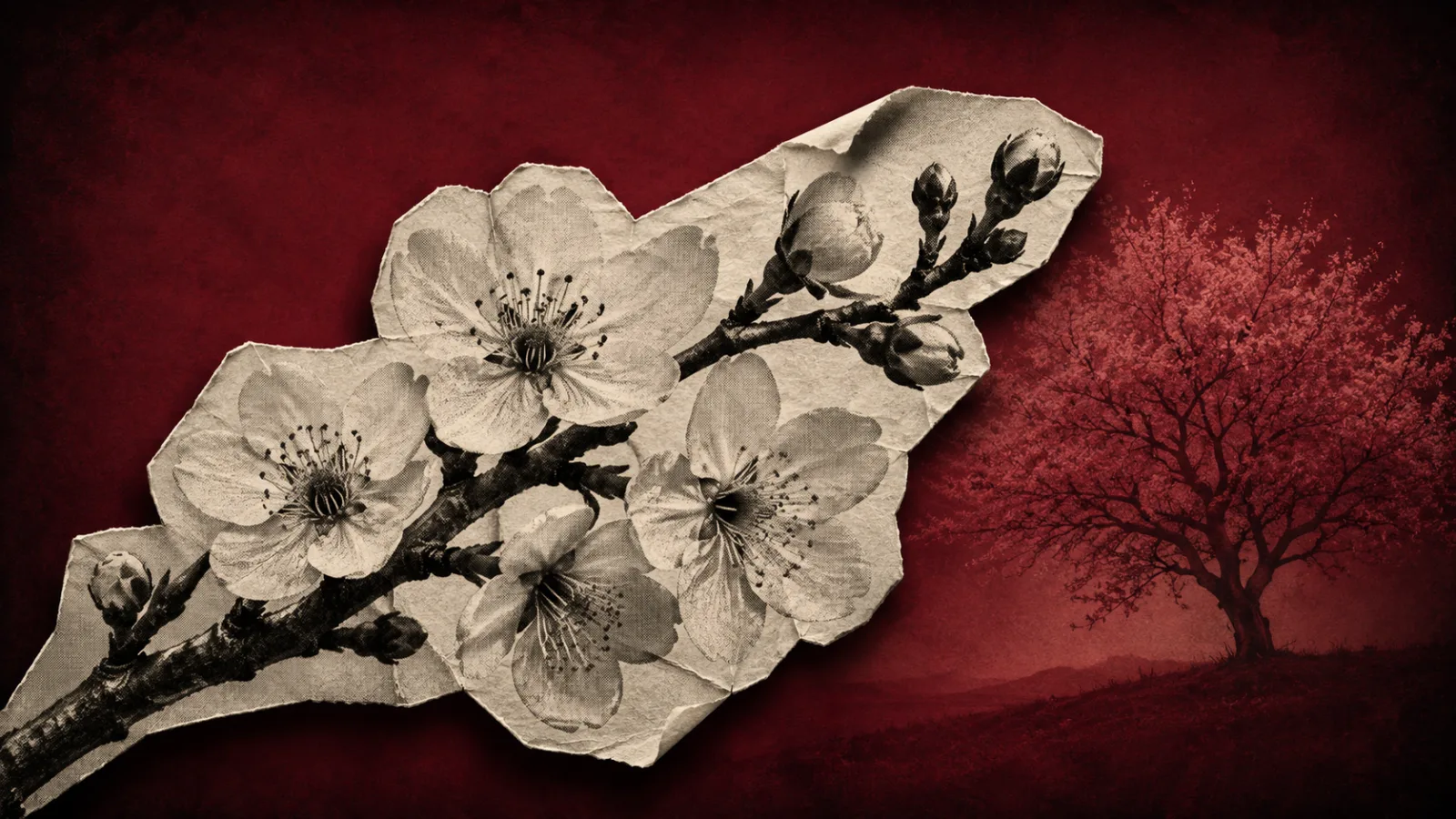
Oubaitori is a Japanese concept that says you should never compare yourself to others because every flower blooms in its own way and on its own clock. It comes from the four trees of spring in Japan: cherry, plum, peach, and apricot. Each one blooms differently, and none of them is late. I think that quiet idea about comparison and self-acceptance is worth sitting with for a while.
A flower does not think of competing with the flower next to it. It just blooms.
There's a Japanese word for the thing you do every time you open your phone and feel worse. It's oubaitori. And it's telling you to stop.
The word is built from four trees: cherry (ou), plum (bai), peach (tou), and apricot (ri). All four bloom in spring. None of them blooms at the same time, in the same color, or at the same size.
The cherry goes soft pink and loud. The plum comes earlier, in cold air, when nobody's watching. The peach shows up later. The apricot does its own quiet thing.
Nobody grades them.
What oubaitori japanese concept actually asks of you
The idea is simple to say and hard to live: don't measure your life against someone else's. The plum blooming in February isn't ahead of the cherry. The cherry blooming in April isn't behind.
They're different trees.
The Book of Ichigo Ichie by Hector Garcia and Francesc Miralles
We forget this constantly. I forget it. You see a friend buy a house at 28, or a stranger online who published a book at 24, and some part of your brain quietly files a report that says you are late.
Late for what? There was never a schedule. You made it up. Or worse, you borrowed someone else's and pretended it was yours.
The comparison trap has a shape
Comparison feels like information. It feels like you're gathering useful data about where you stand.
But a cherry tree gains nothing by watching the plum. It can't bloom earlier by wanting to. It can only pull energy away from its own spring.
That's what comparison does. It takes the sap you needed for your own bloom and spends it on a race you invented.
A flower does not think of competing with the flower next to it. It just blooms.
That line gets passed around a lot, and I like it because it's almost annoyingly obvious. The flower doesn't compete because the flower can't imagine why it would.
Wabi Sabi by Beth Kempton
Living on your own clock
Here's the harder part. Oubaitori isn't just "be patient with yourself." It's also "be honest about who you are."
A peach tree that spends its life resenting the cherry never actually asks what a good peach looks like. It's too busy losing.
So the practice, if you want to call it that, is two questions. What season am I actually in? And what does my bloom look like, separate from anyone else's?
Sometimes the answer is uncomfortable. Maybe you're in a slow, cold, plum-in-February stretch and nobody's clapping yet. That's fine. The plum doesn't need an audience to open.
And maybe your bloom is smaller and quieter than the ones you scroll past. Also fine. Apricot blossoms don't apologize for not being cherries.
The trees have been doing this for a very long time without anxiety. We're the only ones who turned spring into a leaderboard.
The plum blooming in February isn't ahead of the cherry, and the cherry in April isn't behind.
The plum tree isn't behind the cherry. It's just a plum. So are you.
Frequently asked questions
What does oubaitori mean?
Where does the word oubaitori come from?
How do you use oubaitori in daily life?
Keep reading

16 Alice in Wonderland Quotes That Still Make You Stop and Think
The strange logic of Wonderland has a way of feeling truer than the real world.

14 Seneca Self Love Quotes on Befriending Yourself
Ancient Stoic wisdom on why the friendship you owe yourself comes before every other bond.
12 Amor Fati Quotes on Loving Your Fate
Twelve reflective lines about accepting everything life hands you, even the hard parts.