8 Quotes on Making Something Out of Nothing
Stravinsky believed constraints were a gift. These quotes pick up where that idea lives.
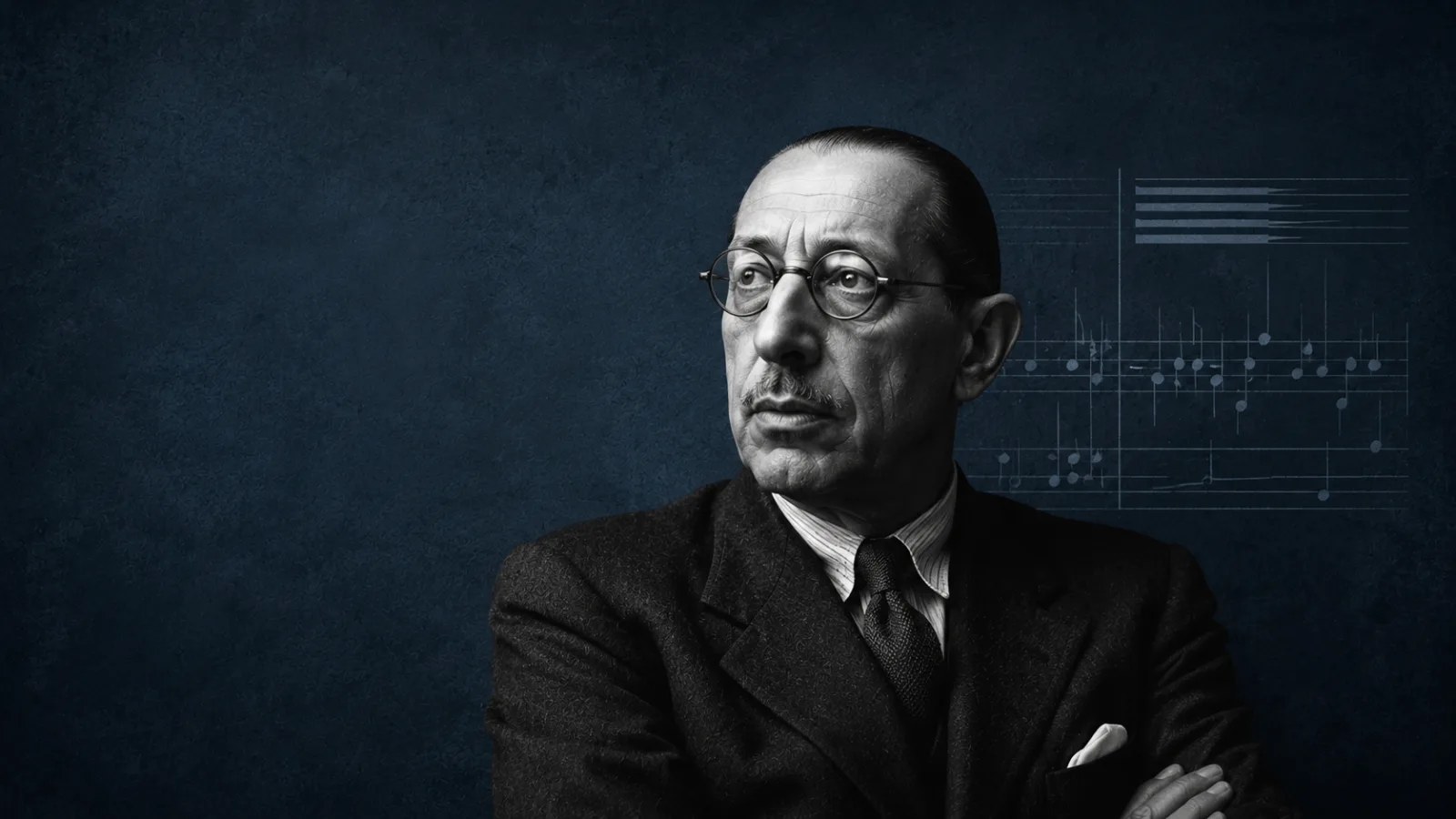
Igor Stravinsky quotes are obsessed with one thing: the idea that freedom without limits is actually the enemy of creativity. The composer spent his life working inside strict forms, and he said so plainly. These 8 original aphorisms take that same musical discipline as their starting point, pushing into the territory Stravinsky mapped, where creative constraints stop feeling like walls and start feeling like the whole point.
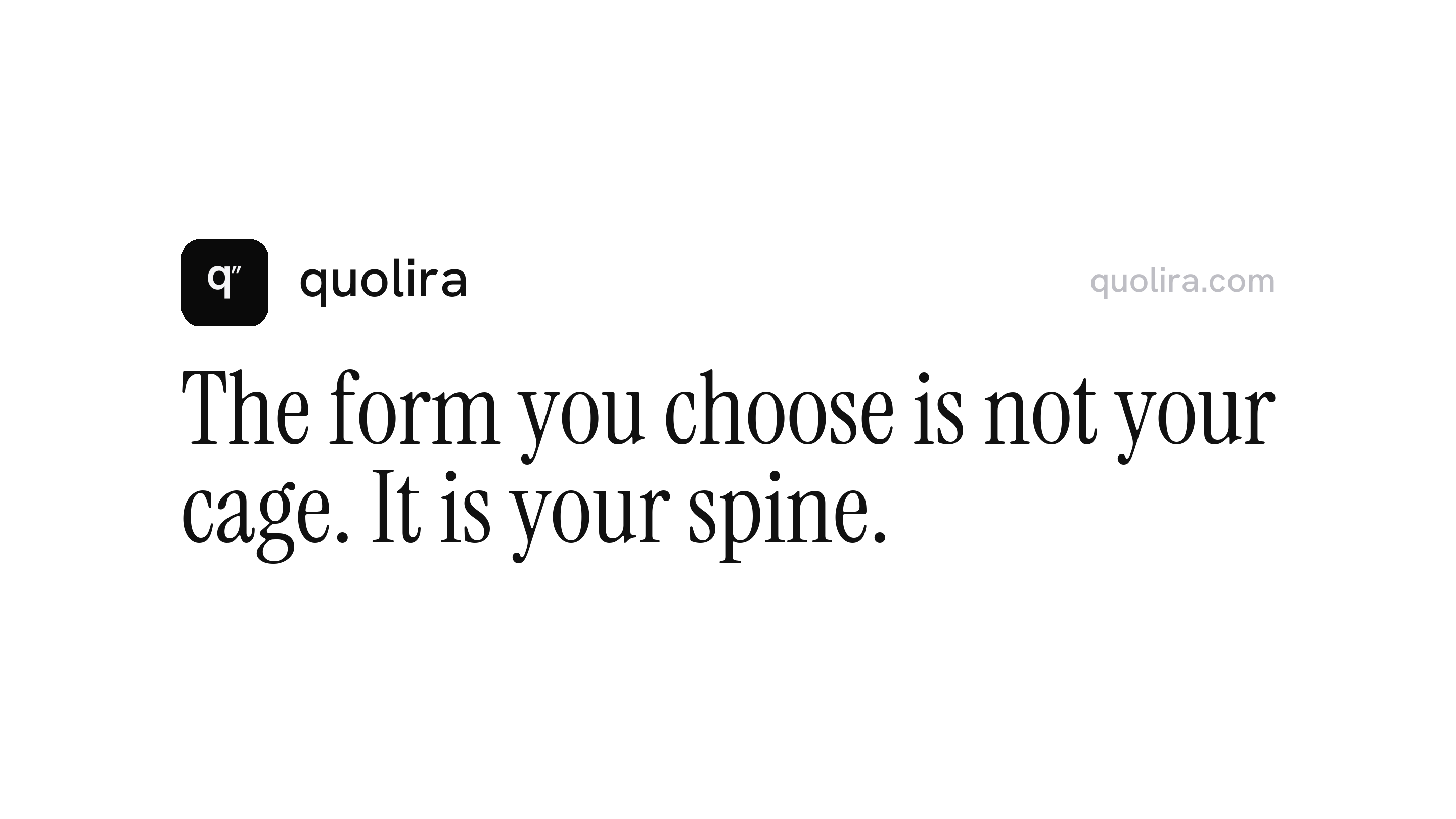
The form you choose is not your cage. It is your spine.
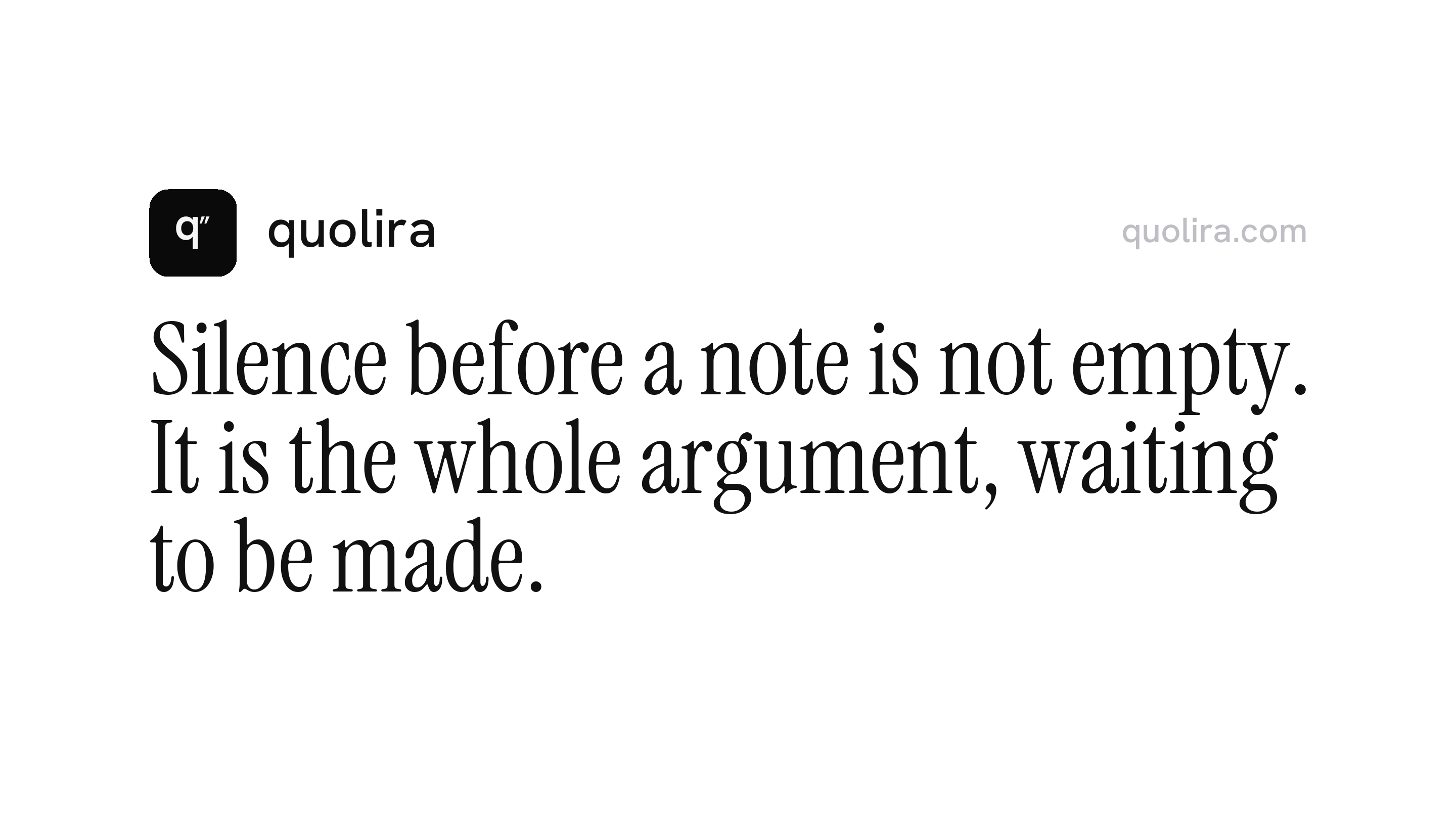
Silence before a note is not empty. It is the whole argument, waiting to be made.
Rests in music carry as much weight as the notes around them. The same is true of the pause before a decision, or the white space on a page.
Poetics of Music in the Form of Six Lessons by Igor Stravinsky
You do not compose in spite of your rules. You think through them, the way water thinks through rock.
Stravinsky was explicit that constraints forced him to be inventive in ways that total freedom never would have. The image of water finding its way through rock says the same thing without the lecture.
Originality is mostly just stubbornness applied to a very small idea.
People treat originality as inspiration, something that arrives whole. Stravinsky's working method suggests it's closer to persistence with a single motif until it becomes something nobody else would have held onto that long.
Stravinsky: A Creative Spring by Stephen Walsh
The audience hears the finished piece. The composer lived inside every wrong version of it first.
Stravinsky's sketchbooks are full of abandoned approaches. The public performance is the tip; the iceberg underneath is all the work that got discarded to make the final thing feel inevitable.
A melody that costs you nothing is worth exactly that.
Easy first drafts tend to be forgettable. The phrases that required real effort, revision, and sometimes surrender, those are the ones that carry weight when they finally land.

Igor Stravinsky: An Autobiography
Every great piece of music is a set of problems solved so well that the listener never notices the problems existed.
This is what craft actually does: it makes difficulty disappear. Stravinsky's most rhythmically complex passages in The Rite of Spring feel almost inevitable in performance, which is exactly the point.
Work does not interrupt inspiration. Work is what inspiration looks like from the inside.
Stravinsky kept a daily composing schedule and was suspicious of artists who waited to feel ready. This quote is a direct answer to the myth that real creativity is effortless or spontaneous.
Stravinsky finished The Rite of Spring in 1913 and caused a riot. He kept working for another 58 years. The constraints never left. Neither did he.
Frequently asked questions
What did Igor Stravinsky believe about creativity and constraints?
What is Igor Stravinsky's most famous quote?
What can Stravinsky teach non-musicians about creativity?
Keep reading
21 Lord Voldemort Best Harry Potter Quotes That Still Chill You
The most memorable lines from the Dark Lord, weighed for what they reveal about fear, power, and the man behind the mask.

14 Satchel Paige Quotes on Aging, Motion, and Not Looking Back
The pitcher who kept throwing into his fifties left behind lines about time that still land.

16 Alice in Wonderland Quotes That Still Make You Stop and Think
The strange logic of Wonderland has a way of feeling truer than the real world.
Stravinsky wrote in strict neoclassical forms his whole middle career, and he never seemed to resent the structure. This quote tries to say why: a skeleton doesn't imprison you, it lets you stand.