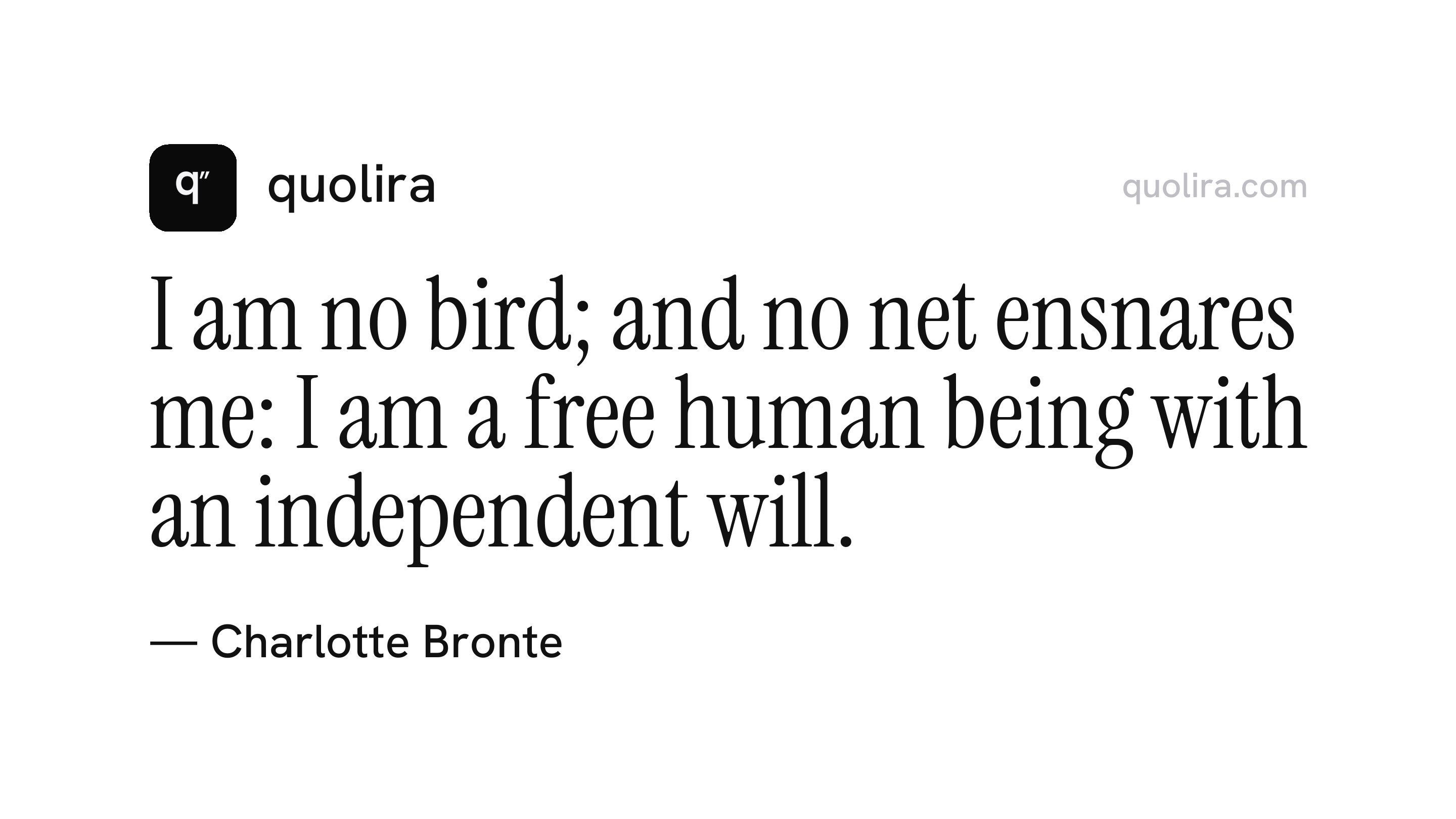
“I am no bird; and no net ensnares me: I am a free human being with an independent will.”
Charlotte Bronte · Jane Eyre, 1847
 quolira
.com
quolira
quolira.com
This line pushes back against a common fear among creative people: that committing to a fixed form, whether a sonnet, a fugue, a strict meter, or any other inherited structure, will somehow trap them and shrink their expression. The quote argues the opposite. Form is not a wall built around you but the structural backbone that allows you to stand upright at all. Without a spine, a body collapses. Without chosen form, creative work often does the same.
Artists across every discipline wrestle with the tension between freedom and constraint. The image of a cage suggests imprisonment, while the image of a spine suggests something internal, load-bearing, and alive. That shift from external to internal is the whole point. People respond to this line because it reframes a source of anxiety as a source of strength, and it does so through the body, which makes an abstract argument feel physical and immediate.
Bring this quote into any conversation about creative discipline, craft education, or the value of working within inherited traditions. It works well as an opening thought for a workshop on formal writing or composition, or as a reminder when a creative project feels constrained rather than focused. Read it when you are tempted to abandon structure out of frustration, and ask yourself whether the form is truly limiting you or simply asking you to grow stronger.
“I am no bird; and no net ensnares me: I am a free human being with an independent will.”
Charlotte Bronte · Jane Eyre, 1847
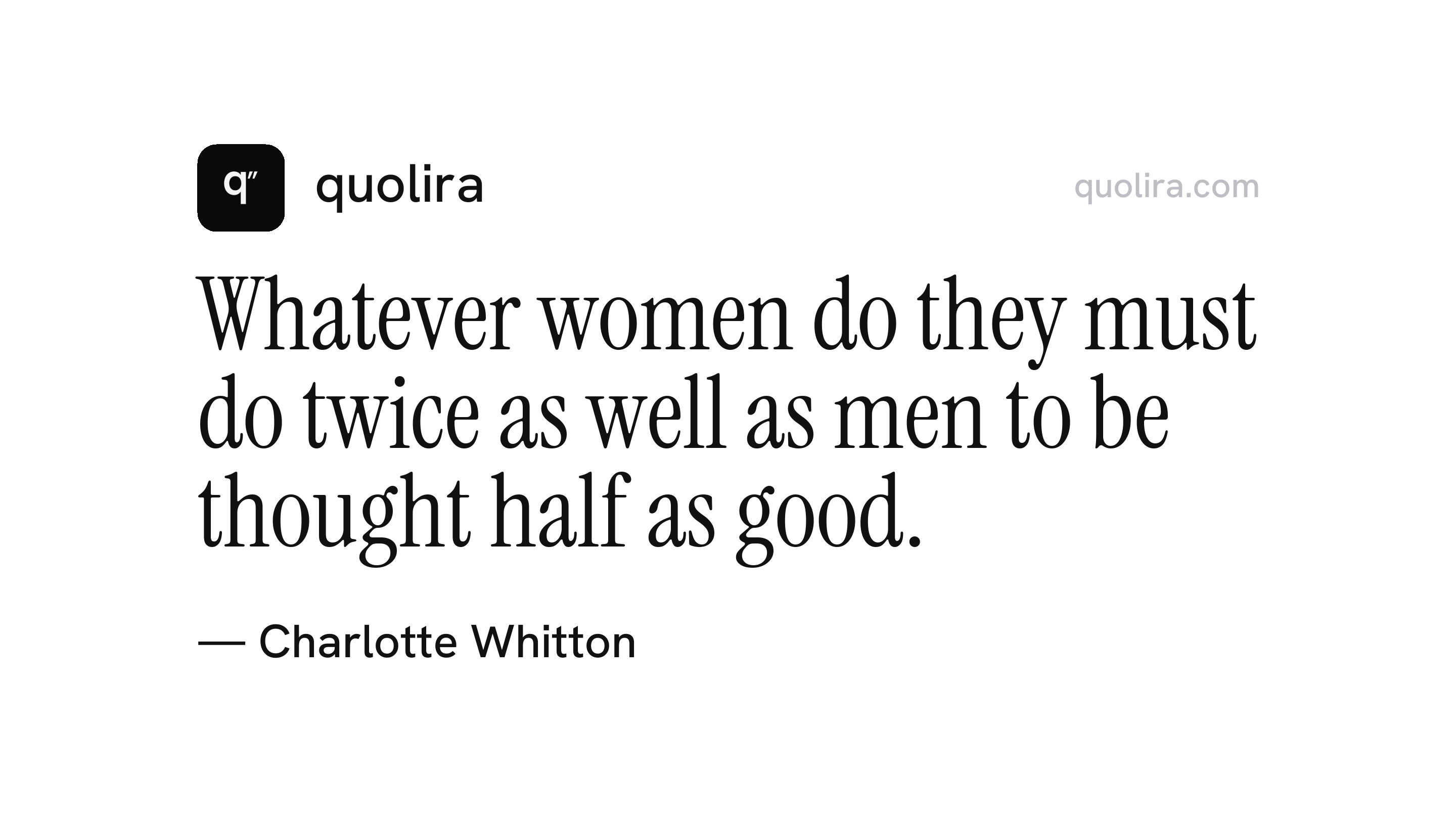
“Whatever women do they must do twice as well as men to be thought half as good.”
Charlotte Whitton
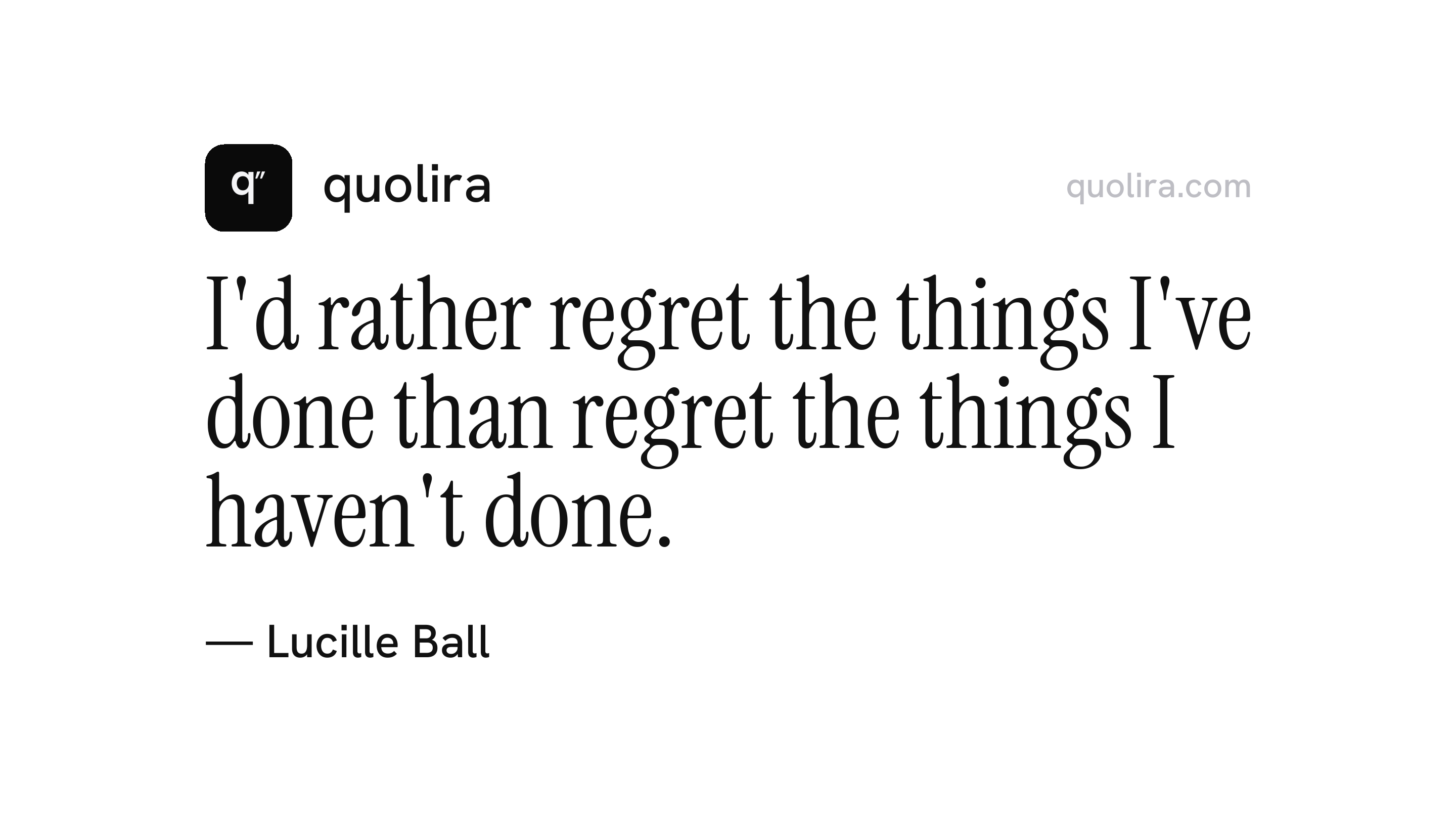
“I'd rather regret the things I've done than regret the things I haven't done.”
Lucille Ball
“Women are the real architects of society.”
Harriet Beecher Stowe
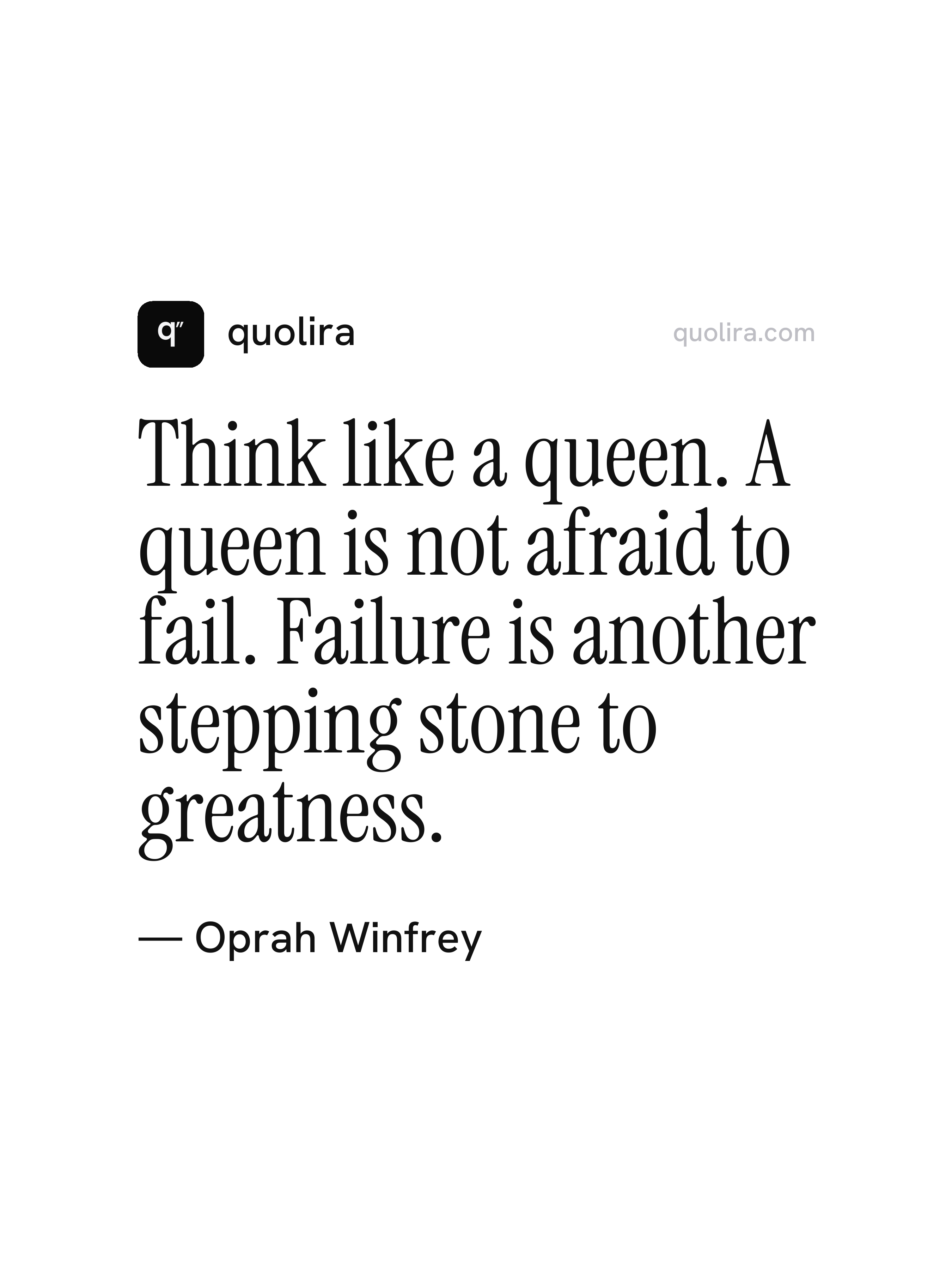
“Think like a queen. A queen is not afraid to fail. Failure is another stepping stone to greatness.”
Oprah Winfrey
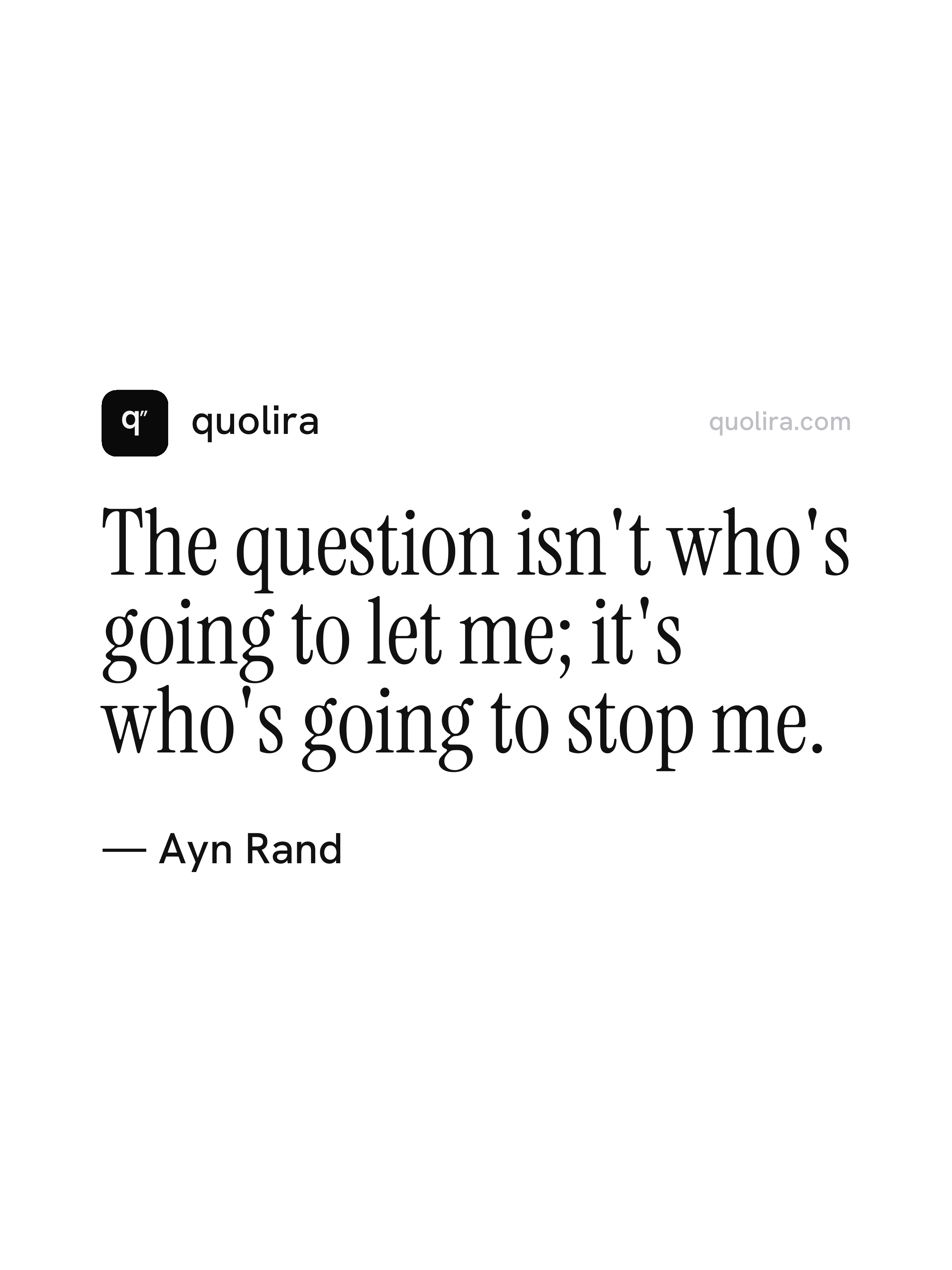
“The question isn't who's going to let me; it's who's going to stop me.”
Ayn Rand · The Fountainhead, 1943
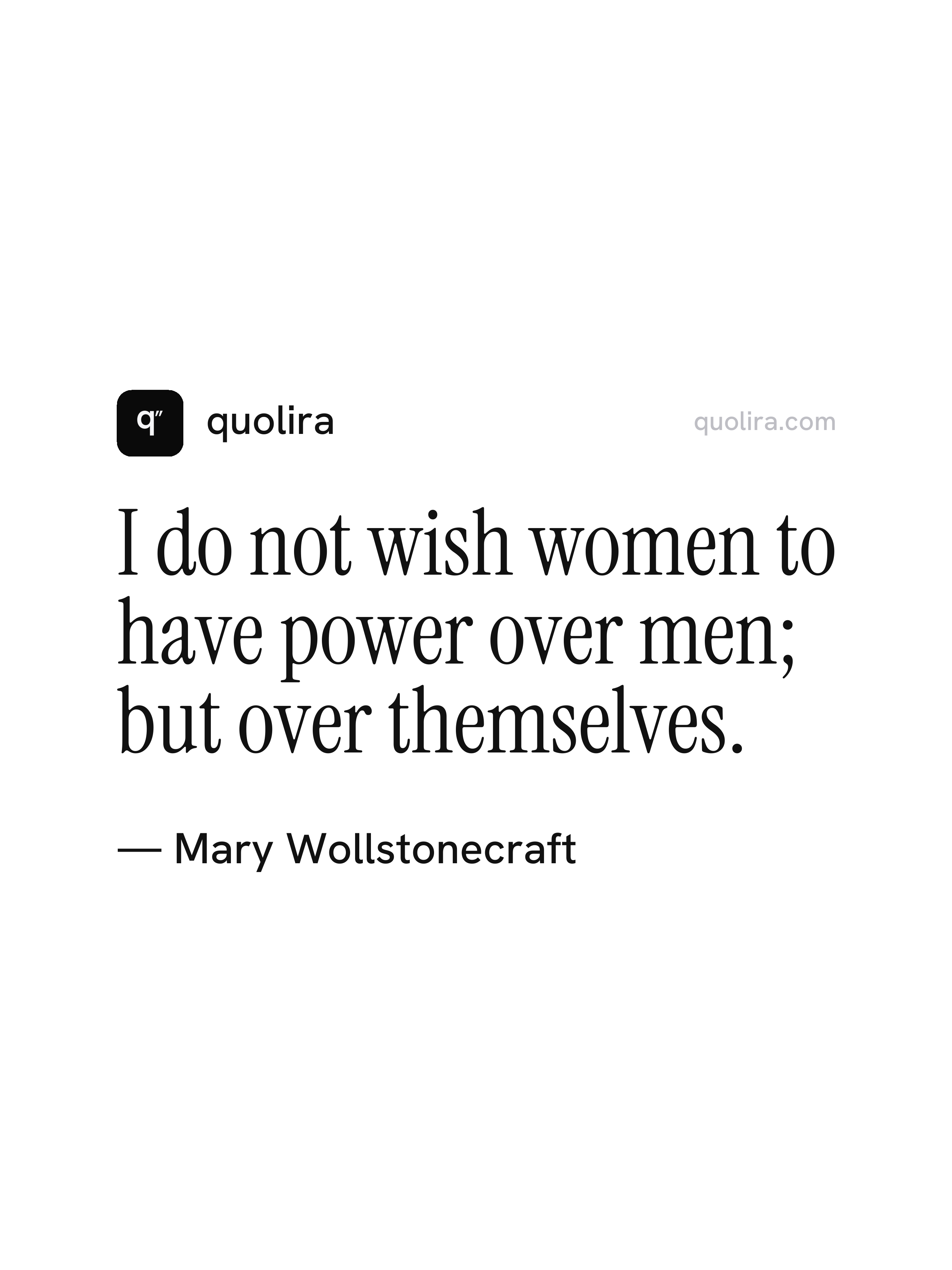
“I do not wish women to have power over men; but over themselves.”
Mary Wollstonecraft · A Vindication of the Rights of Woman, 1792
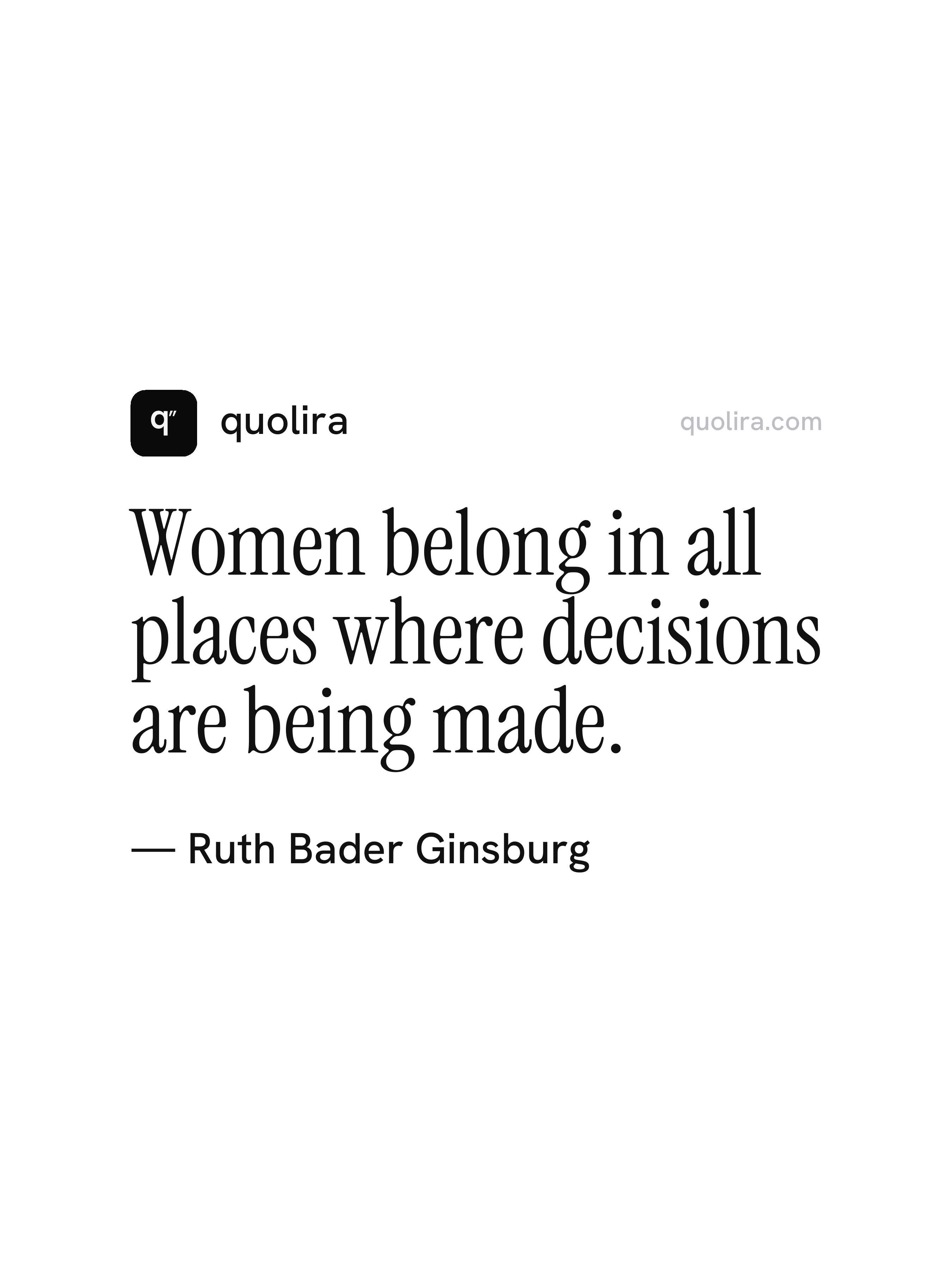
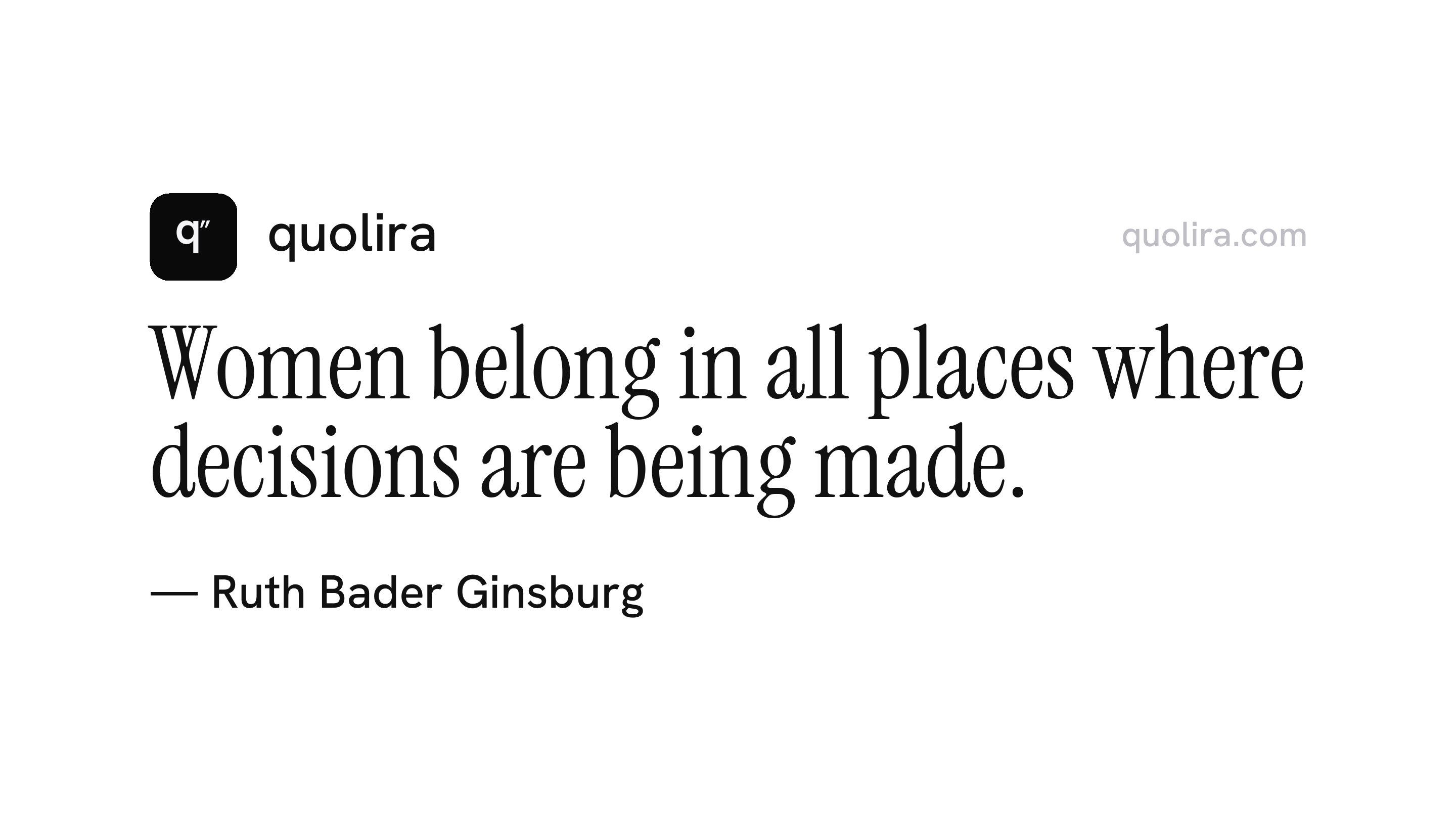
“Women belong in all places where decisions are being made.”
Ruth Bader Ginsburg
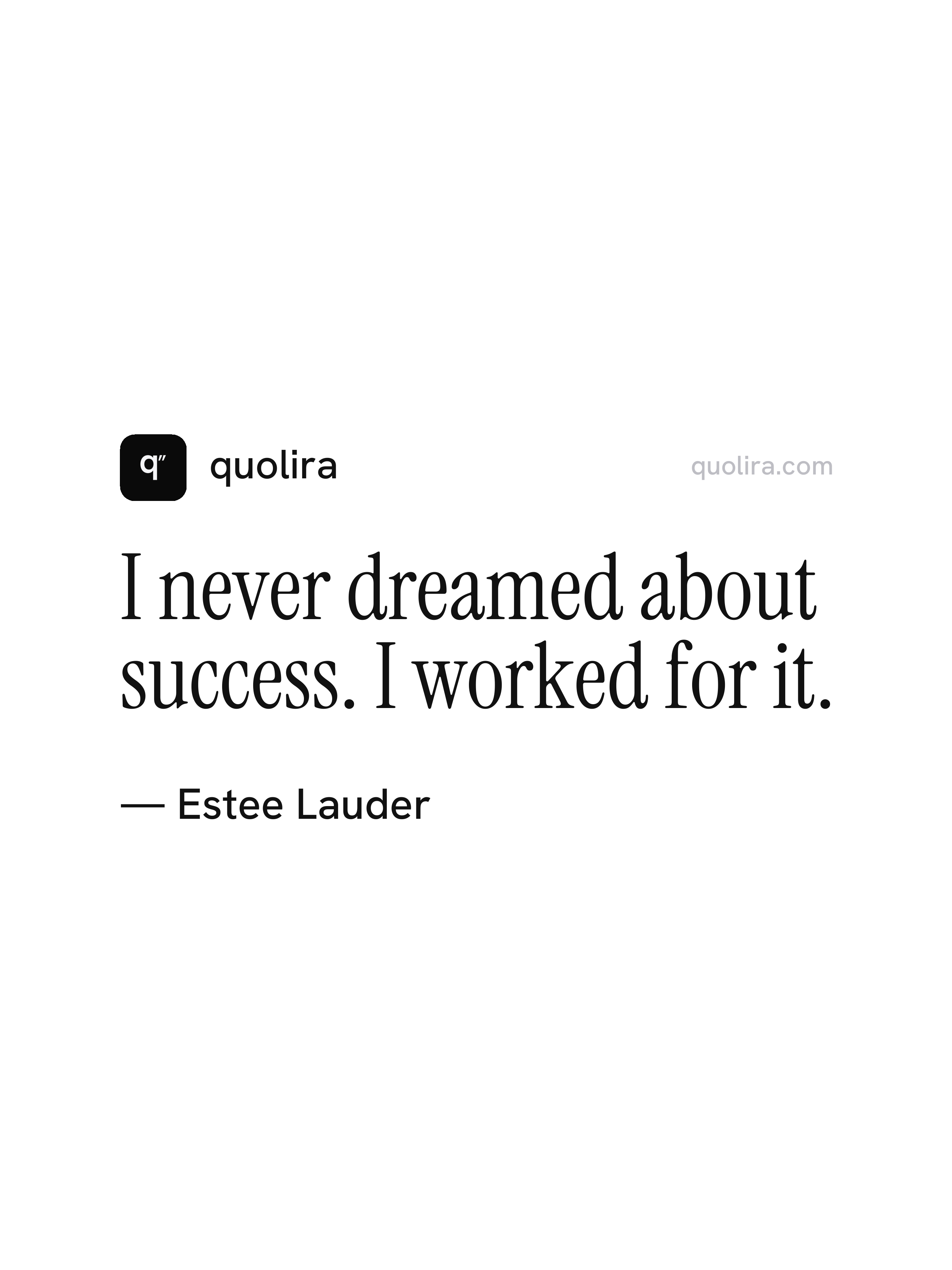
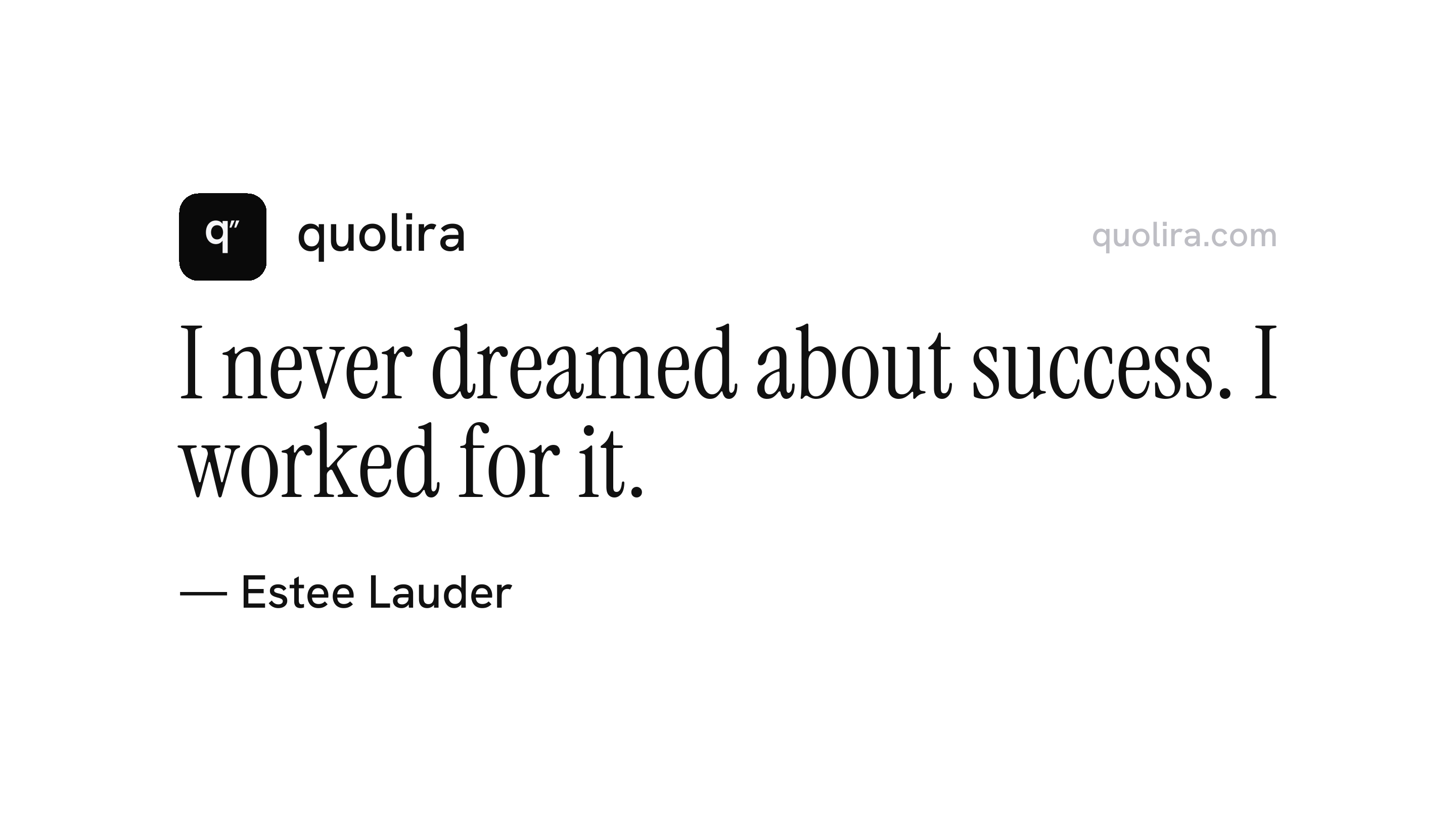
“I never dreamed about success. I worked for it.”
Estee Lauder
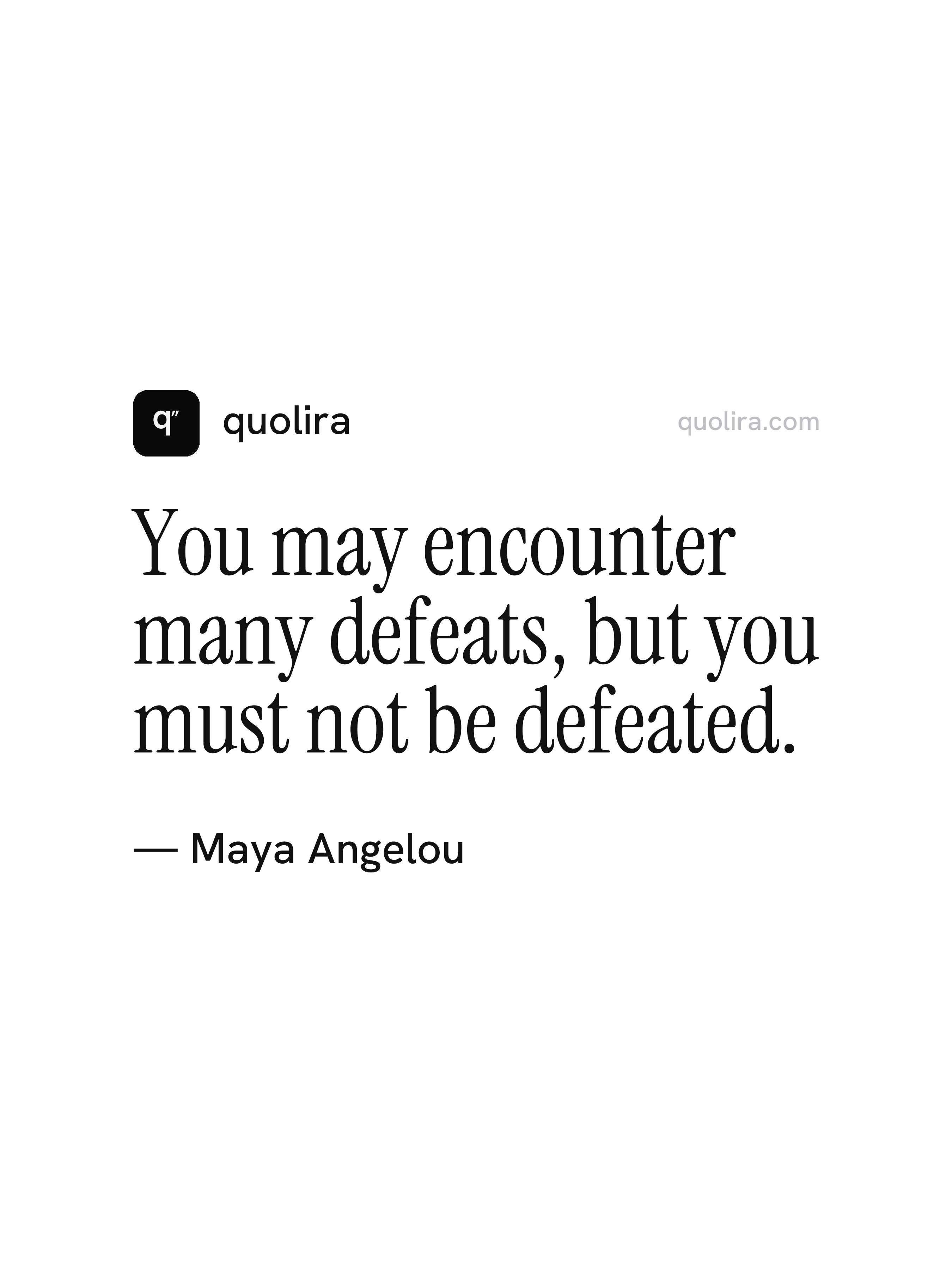
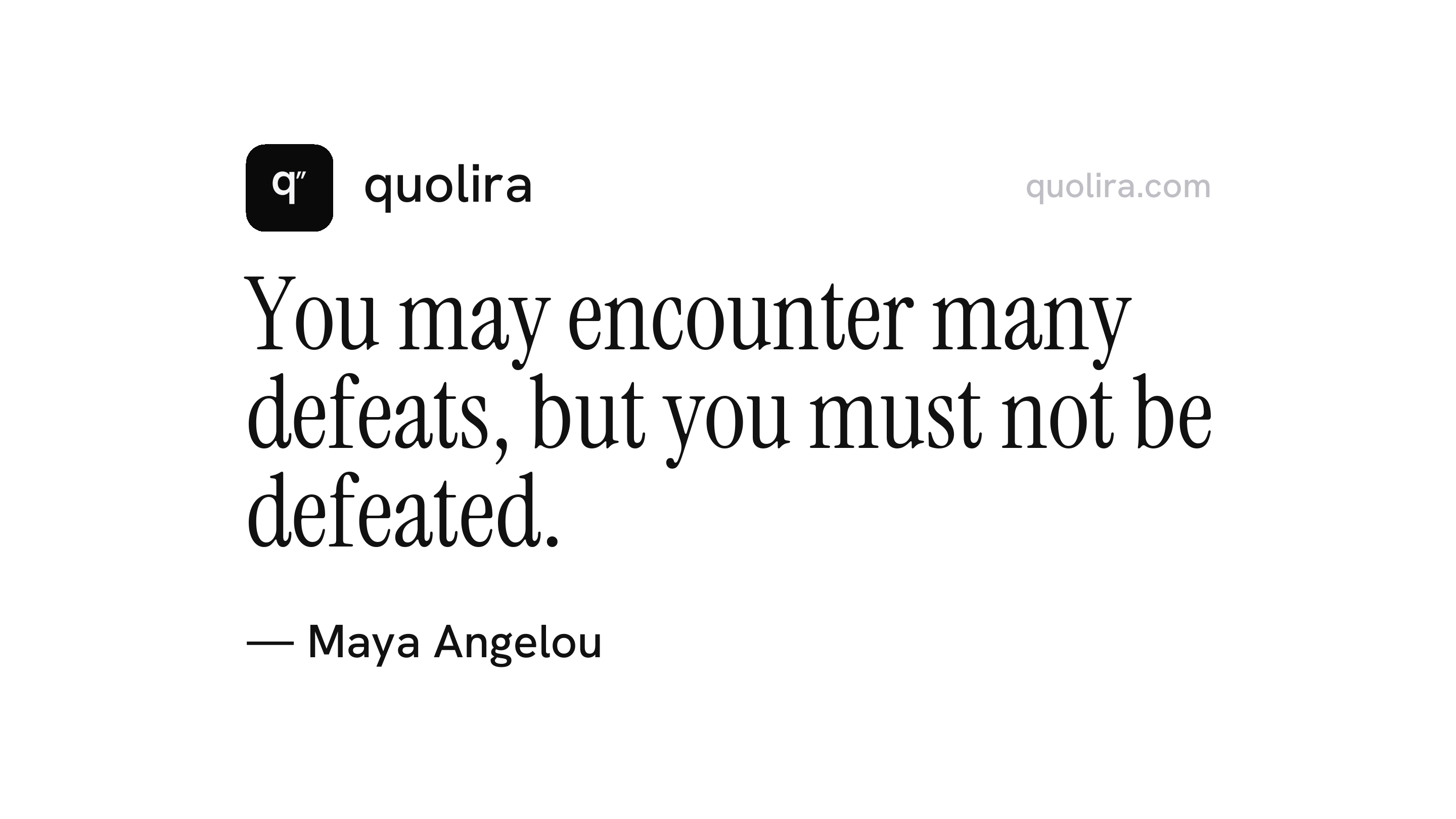
“You may encounter many defeats, but you must not be defeated.”
Maya Angelou
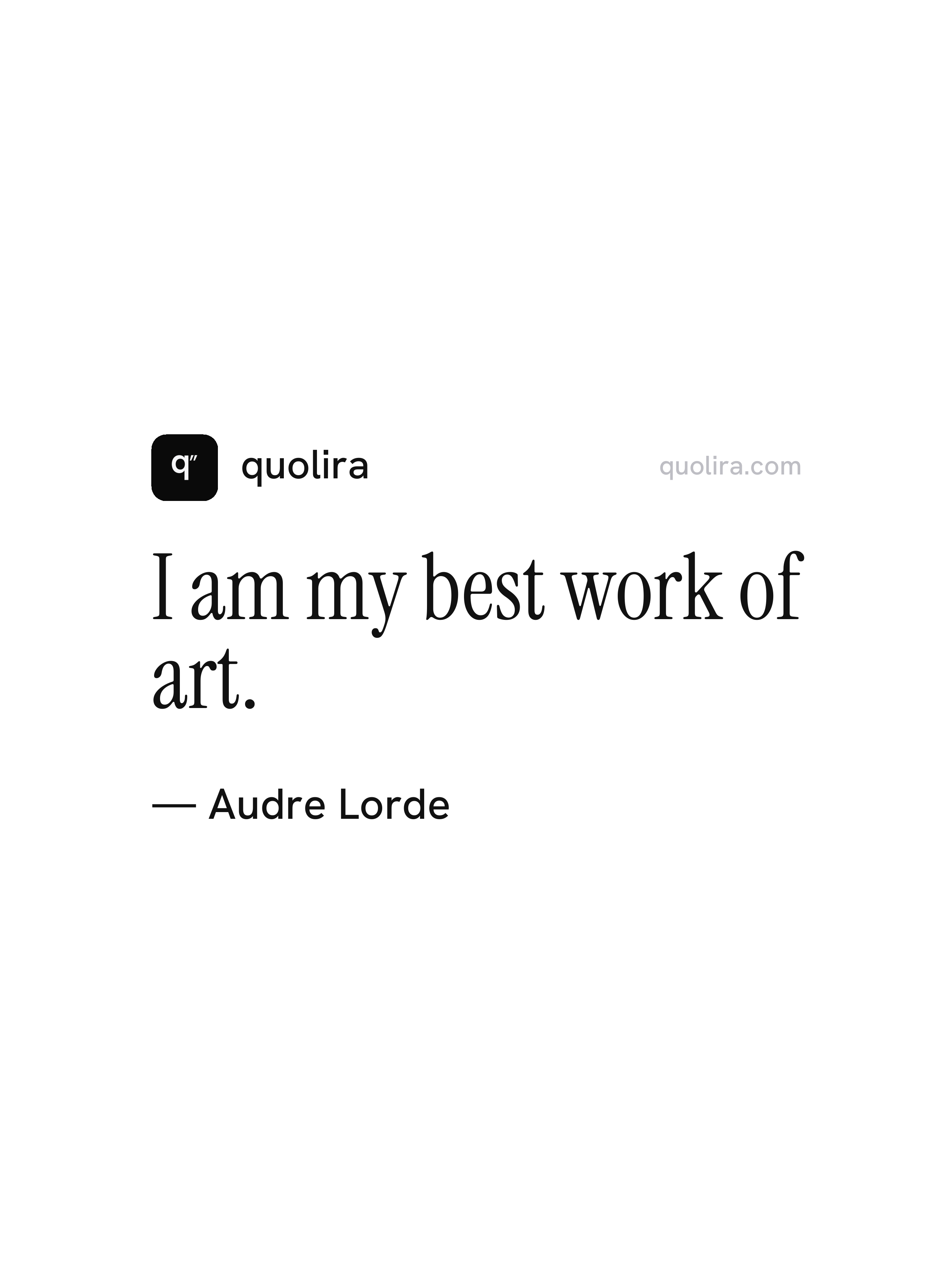
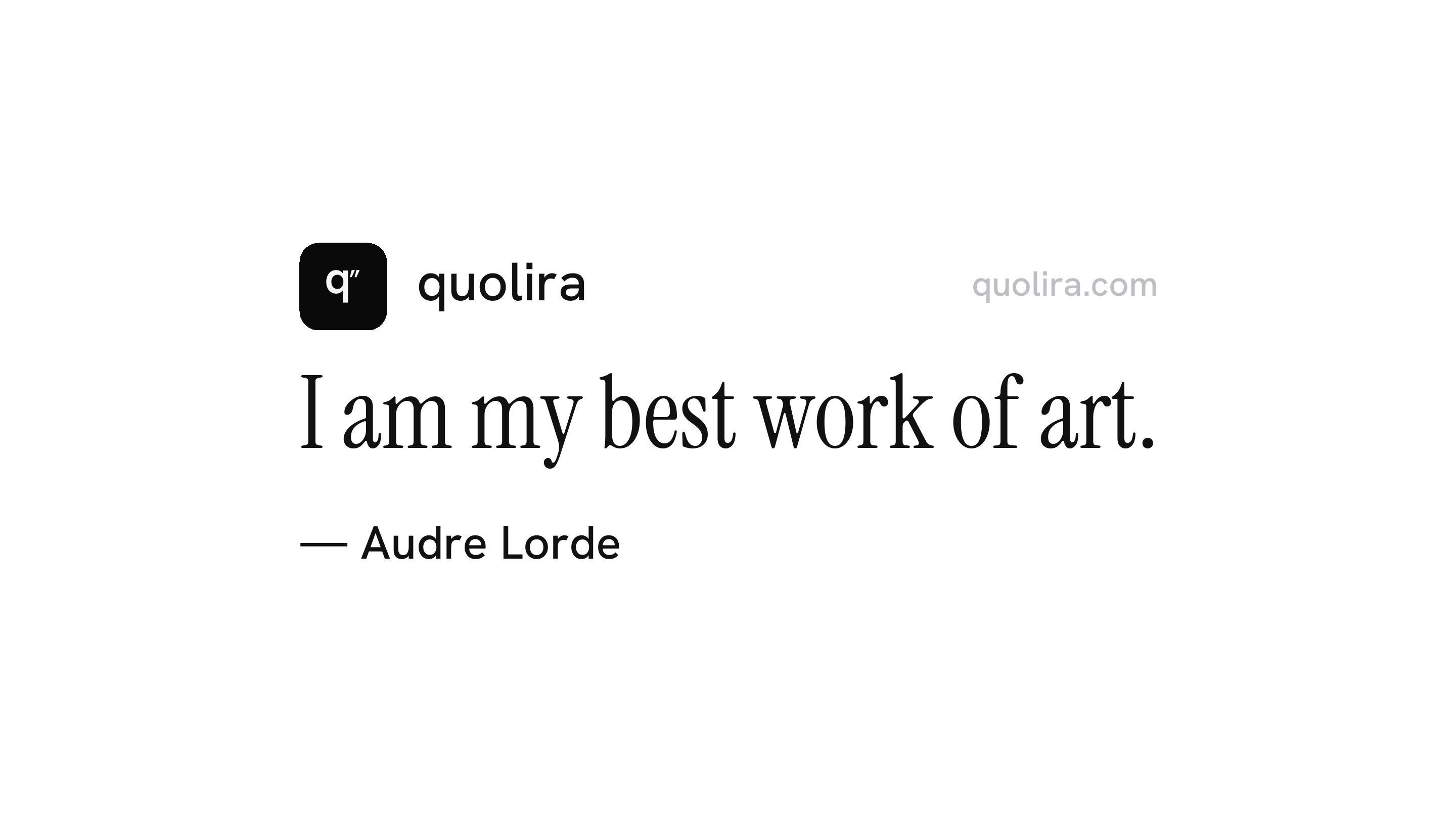
“I am my best work of art.”
Audre Lorde
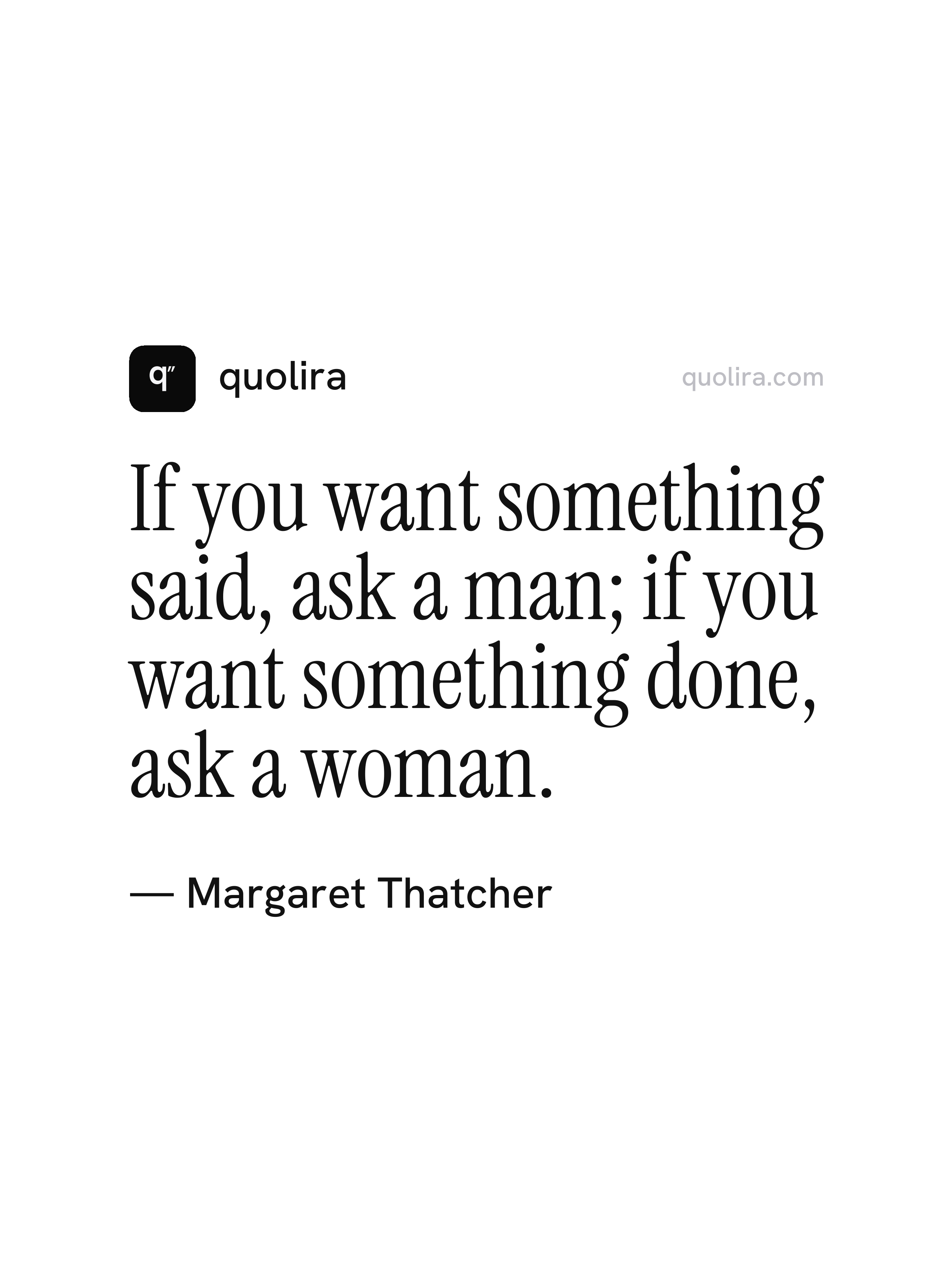
“If you want something said, ask a man; if you want something done, ask a woman.”
Margaret Thatcher · 1965 speech