Fish and Guests stink After Three Days
The old kitchen proverb about welcome, and the quiet math of how long we can lean on each other.
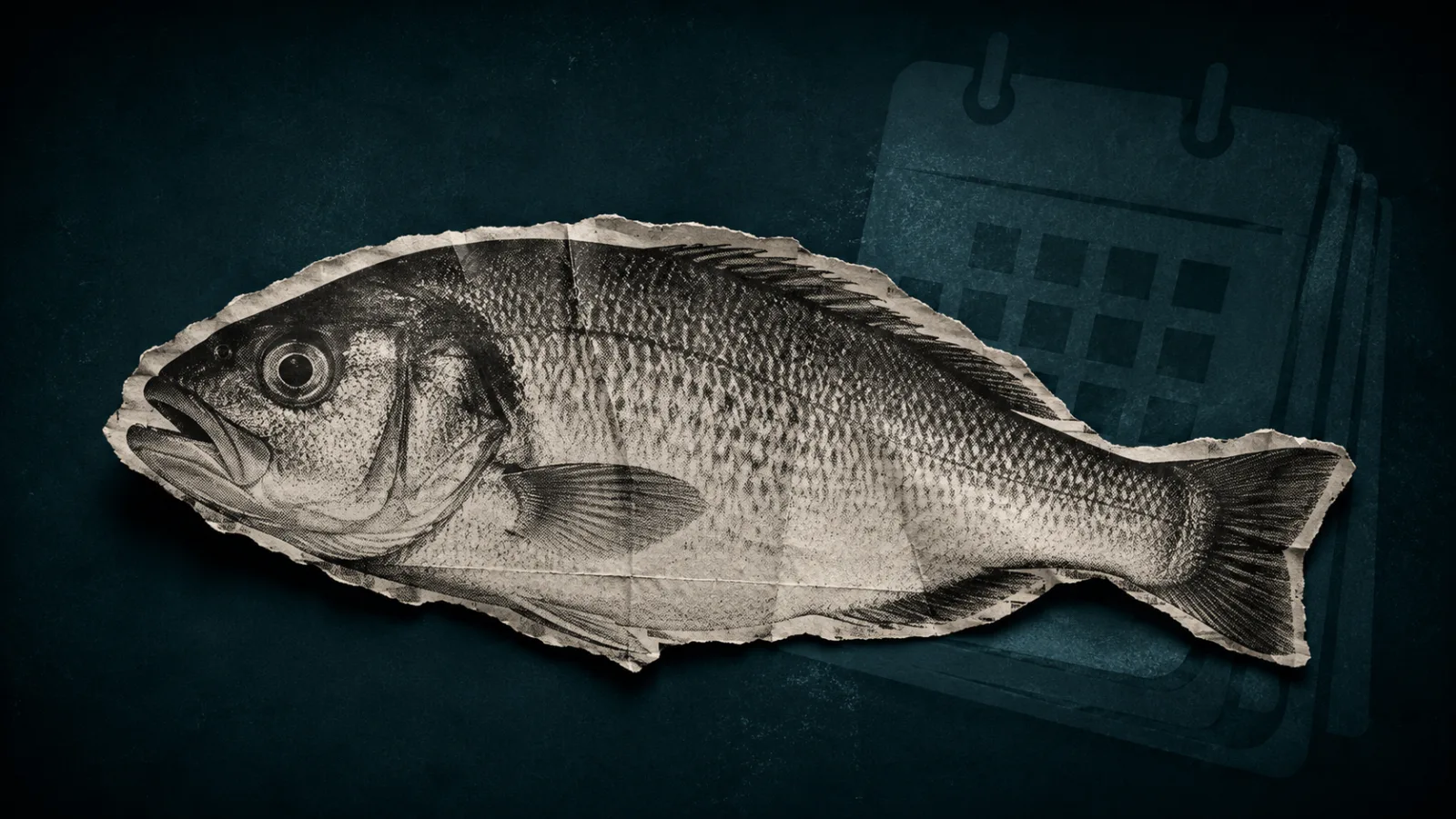
The fish and guests proverb says both start to smell after three days, and it has survived roughly 500 years because it's a little cruel and completely true. Benjamin Franklin printed a version in Poor Richard's Almanack in 1736, but the line is older than that. What I like about it is how it treats hospitality as a perishable thing, with a shelf life you can almost count on your fingers.
Fish and guests stink after three days.
The saying is blunt on purpose. Fish and guests stink after three days. Say it out loud and you can hear the shrug behind it, the sigh of someone clearing the guest sheets on day four.
What gets me is the pairing. Fish and people, side by side, both sorted by the same clock. It's not flattering. But it's honest about something we rarely admit at the front door, which is that welcome runs low faster than affection does.
The three-day clock
Day one is easy. Everyone's on their best behavior, the good towels come out, dinner is a bit fancier than usual. Day two is warm and real, the conversations get deeper, someone tells the story they don't tell strangers.
Then day three arrives, and the little frictions start to show. The host wants their morning quiet back. The guest starts apologizing for using the shower first. Nobody did anything wrong. The house just wasn't built to hold two lives at full volume for very long.
That's the wisdom hiding in the crude joke. The saying isn't about you being unlovable. It's about a home being a small ecosystem with limited air.
Why fish, of all things
Before refrigeration, fish was the fastest thing in the kitchen to turn. You bought it, you cooked it, you ate it, and you did all of that quickly or you regretted it. A whole culture of cooking grew up around beating that clock.
So when the proverb reaches for fish, it's reaching for the most perishable thing on the table. The comparison lands because everyone already knew what a two-day-old fish smelled like. You didn't need it explained.
Poor Richard's Almanack by Benjamin Franklin
Welcome is a fresh thing. Treat it like fish, not like canned goods.
I think that's why the line stuck around from Franklin's almanac all the way to your grandmother's kitchen. It uses something rotting to protect something precious.
Leaving while you're still loved
Here's the part I actually believe. The best guests treat the proverb as a favor to themselves. They leave a day early, while the host is still sad to see them go.
My uncle used to visit for exactly two nights, every time, no exceptions. I asked him once why he never stayed longer. He said, "I'd rather be missed than measured." That stuck with me more than any etiquette book.
There's real generosity in a short visit. You give someone your best self, your warmest stories, your gratitude, and then you give them their house back before the smell of you settles into the couch.
And the same math works in reverse. When you host, name the end of the visit kindly and early, so nobody has to guess. A clear checkout time is a mercy, not an insult.
Maybe that's the whole lesson. Love people enough to leave before they need you to. Then come back next month, fresh again, ready for another good three days.
I'd rather be missed than measured.
So the proverb isn't scolding the guest. It's reminding both sides that welcome is a gift with an expiration date, and honoring that date is how you stay welcome.
Frequently asked questions
Where does the saying fish and guests stink after three days come from?
What does the fish and guests proverb actually mean?
Is three days really the ideal length for a visit?
Keep reading

The three wise monkeys: See No Evil, and What We Choose Not to Look At
The three wise monkeys were never about ignorance. They were about the daily work of guarding what goes in and out of you.

16 African Proverbs That Will Change How You See the World
Ancient wisdom from across a continent, distilled into lines that still cut clean.

What the Bamboo Knows
Japanese proverbs have been quietly teaching the same lessons for centuries. Here's why they still land.