What the Bamboo Knows
Japanese proverbs have been quietly teaching the same lessons for centuries. Here's why they still land.
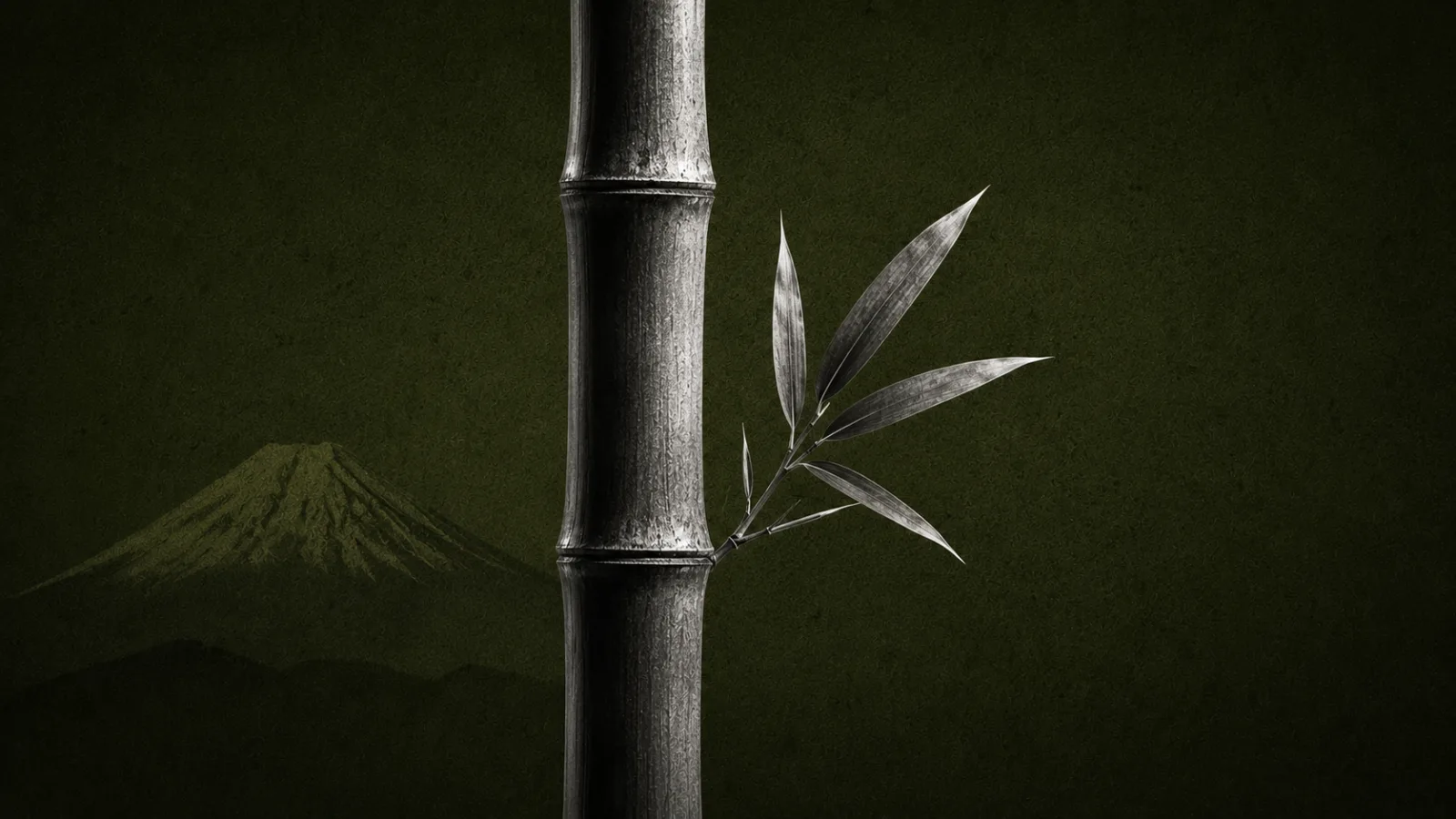
Japanese proverbs hold a kind of patience that most modern writing doesn't. The best ones don't explain themselves. They drop a single image bamboo bending in wind, a frog in a well, a nail that sticks up and leave you to sit with it. That stillness is the whole point.
Fall seven times, get up eight.
The compression is the point
Japanese proverbs, called kotowaza, work differently than most aphorisms. Western sayings tend to explain: "Every cloud has a silver lining" tells you exactly what to think. Kotowaza typically hand you an image and step back.
"Even monkeys fall from trees." Full stop. No consolation tacked on. You supply the meaning yourself, which means the meaning actually sticks.
This is deliberate. Japanese aesthetic tradition has long valued ma, the productive pause, the space between notes. Proverbs are built the same way. The silence after the image does more work than the words.
Japanese proverbs wisdom and the art of failing well
The proverb most people encounter first is "Nana korobi ya oki": fall seven times, get up eight. It dates back to at least the Edo period (1603 to 1868) and it's been printed on everything from motivational posters to martial arts dojo walls.
The Art of Simple Living by Shunmyo Masuno
But read it slowly. Seven falls, eight risings. The math only works if you start already on the ground. The proverb doesn't assume you begin upright. It assumes you've already lost once before the counting starts.
That's a different kind of encouragement than "you can do it." It's more like: of course you fell. Now what?
"Nana korobi ya oki." Fall seven times, get up eight.
The frog and the well
"I no naka no kawazu taikai wo shirazu" is harder to fit on a poster. It translates roughly as: "A frog in a well does not know the great sea."
Ikigai: The Japanese Secret to a Long and Happy Life by Héctor García and Francesc Miralles
On the surface, it's a warning against narrow-mindedness. But there's a second reading that Japanese scholars have argued for centuries: the frog knows its well completely. It is an expert in that specific darkness, that particular water temperature, those exact stone walls.
Maybe the proverb is asking which matters more: depth or breadth. It doesn't answer. It just leaves you in the well with the frog, looking up.
What the bamboo teaches
Bamboo comes up again and again in Japanese art and writing, not because it's beautiful (though it is), but because of what it does under pressure. It bends dramatically, then returns. It doesn't resist the storm. It absorbs it, holds the force for a moment, then releases.
This is the underlying grammar of most kotowaza: resilience through yielding, patience through stillness, wisdom through restraint. The proverbs don't promise you'll win. They teach you how to remain.
There's a quiet argument embedded in all of this. That the person who lasts is rarely the loudest, the fastest, or the most certain. It's the one who learned, somewhere along the way, to bend.
A frog in a well does not know the great sea.
You don't need to memorize a hundred proverbs. Find one that nags at you. The nagging is the lesson.
Frequently asked questions
What is the most famous Japanese proverb?
What is the Japanese proverb about the nail that sticks up?
Are Japanese proverbs (kotowaza) still used in daily life in Japan?
Keep reading

The three wise monkeys: See No Evil, and What We Choose Not to Look At
The three wise monkeys were never about ignorance. They were about the daily work of guarding what goes in and out of you.
Fish and Guests stink After Three Days
The old kitchen proverb about welcome, and the quiet math of how long we can lean on each other.

16 African Proverbs That Will Change How You See the World
Ancient wisdom from across a continent, distilled into lines that still cut clean.