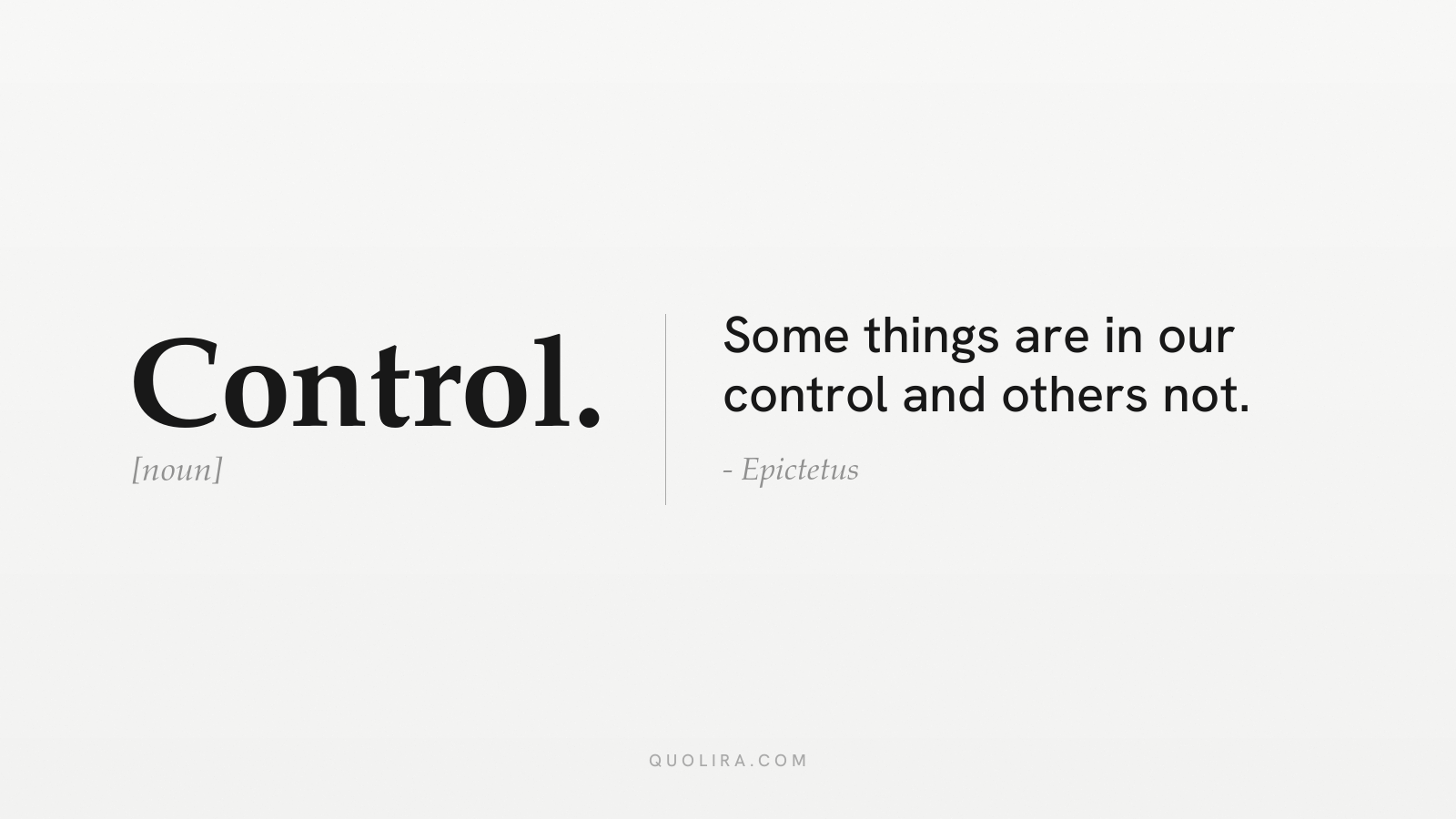
“Some things are in our control and others not.”
Epictetus · Enchiridion, section 1
 quolira
.com
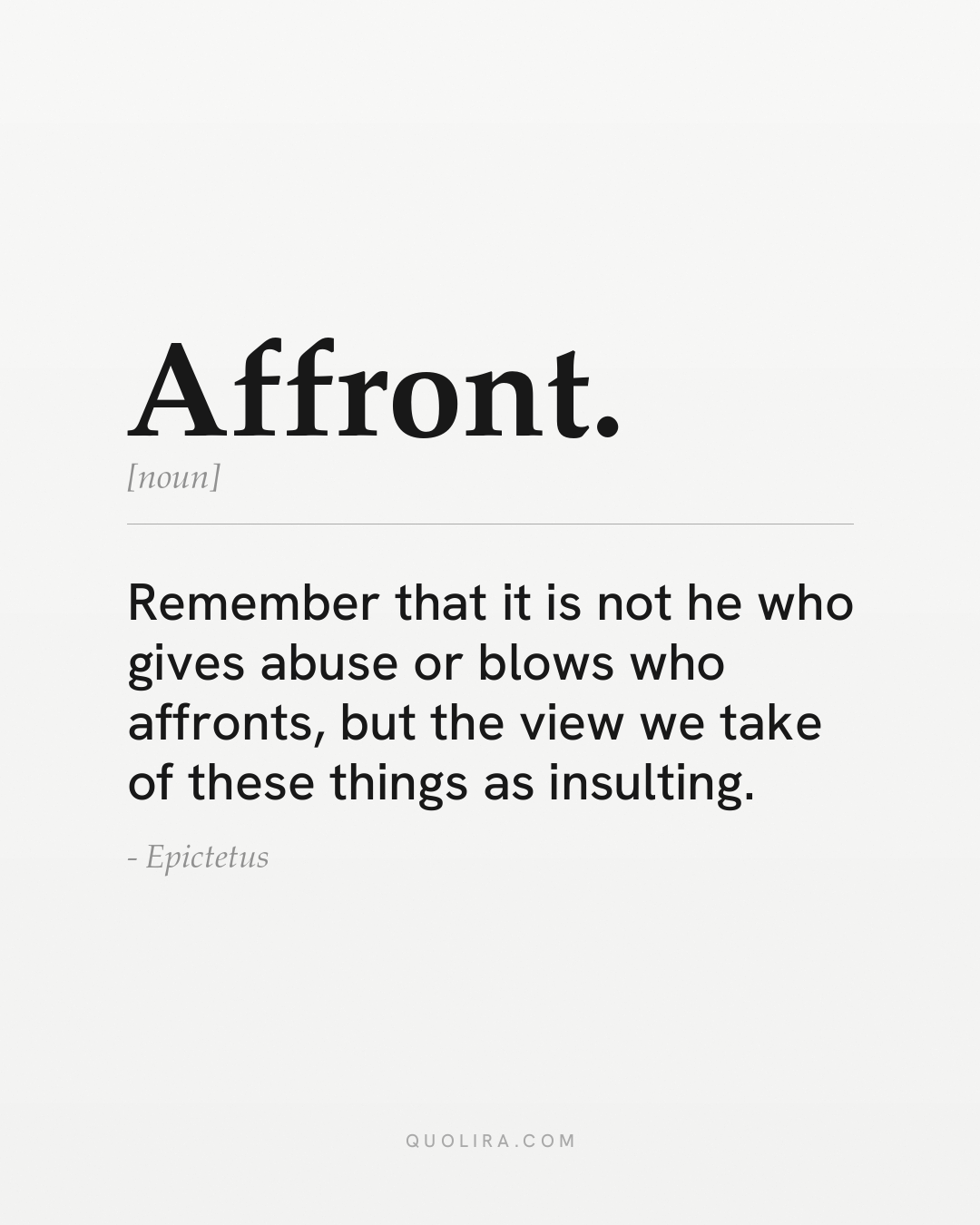
Epictetus said it, in Enchiridion, section 20.
Epictetus puts the sting in your reaction, not in the insult itself. The next time someone takes a shot at you, pause and ask whether you are being hurt or just deciding to feel hurt. You can answer that question with a choice.
From the collection: 23 Best Epictetus Quotes on Fear, Freedom, and Control · More Epictetus quotes
This quote means that insults only hurt when we interpret them as harmful, since the words or blows themselves do not carry the offense. Epictetus locates the sting in the meaning we assign to another person's behavior. The same act can be shrugged off or treated as a wound depending on the view we take of it.
The line appears in section twenty of the Enchiridion, the handbook of practical Stoic guidance that Arrian compiled from Epictetus's lectures. Throughout the handbook, Epictetus repeatedly returns to the idea that we are responsible for our judgments even when we are not responsible for events. In this passage he asks the reader to remember that an insult is an interpretation. The advice does not deny that others can be cruel. It suggests that our peace of mind depends on which conclusions we accept, and that we can choose not to accept the conclusion that we have been diminished.
Epictetus was a Stoic philosopher who was born enslaved, probably in Hierapolis in Phrygia, around the middle of the first century CE. He gained his freedom and taught philosophy in Rome before moving to Nicopolis in western Greece, where he founded a school. He did not write books. His teachings survive chiefly through Arrian's records, which include the Discourses and the Enchiridion. Because they preserve the rhythm of spoken instruction, his lessons feel conversational and directly applicable to everyday life.
“Some things are in our control and others not.”
Epictetus · Enchiridion, section 1
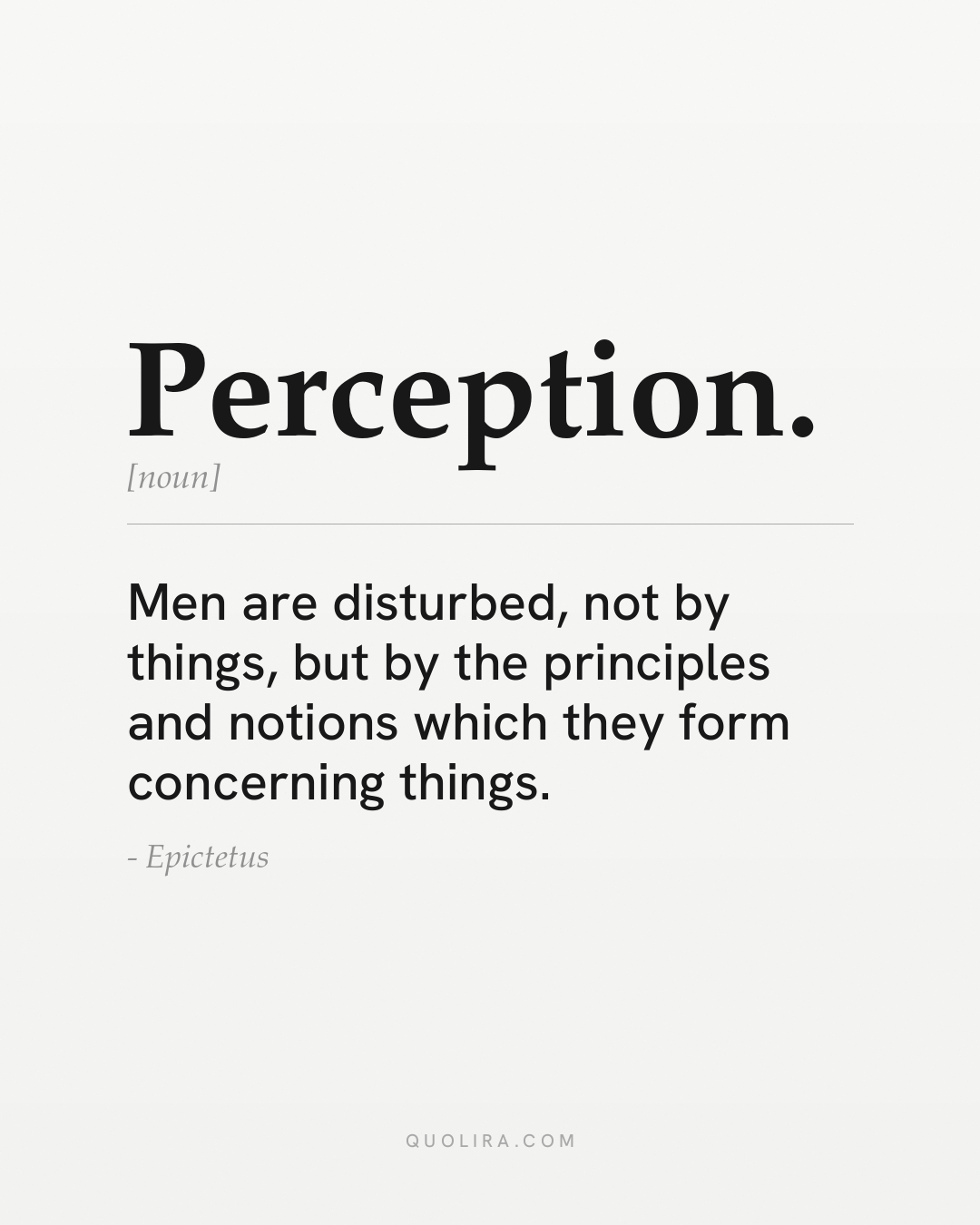
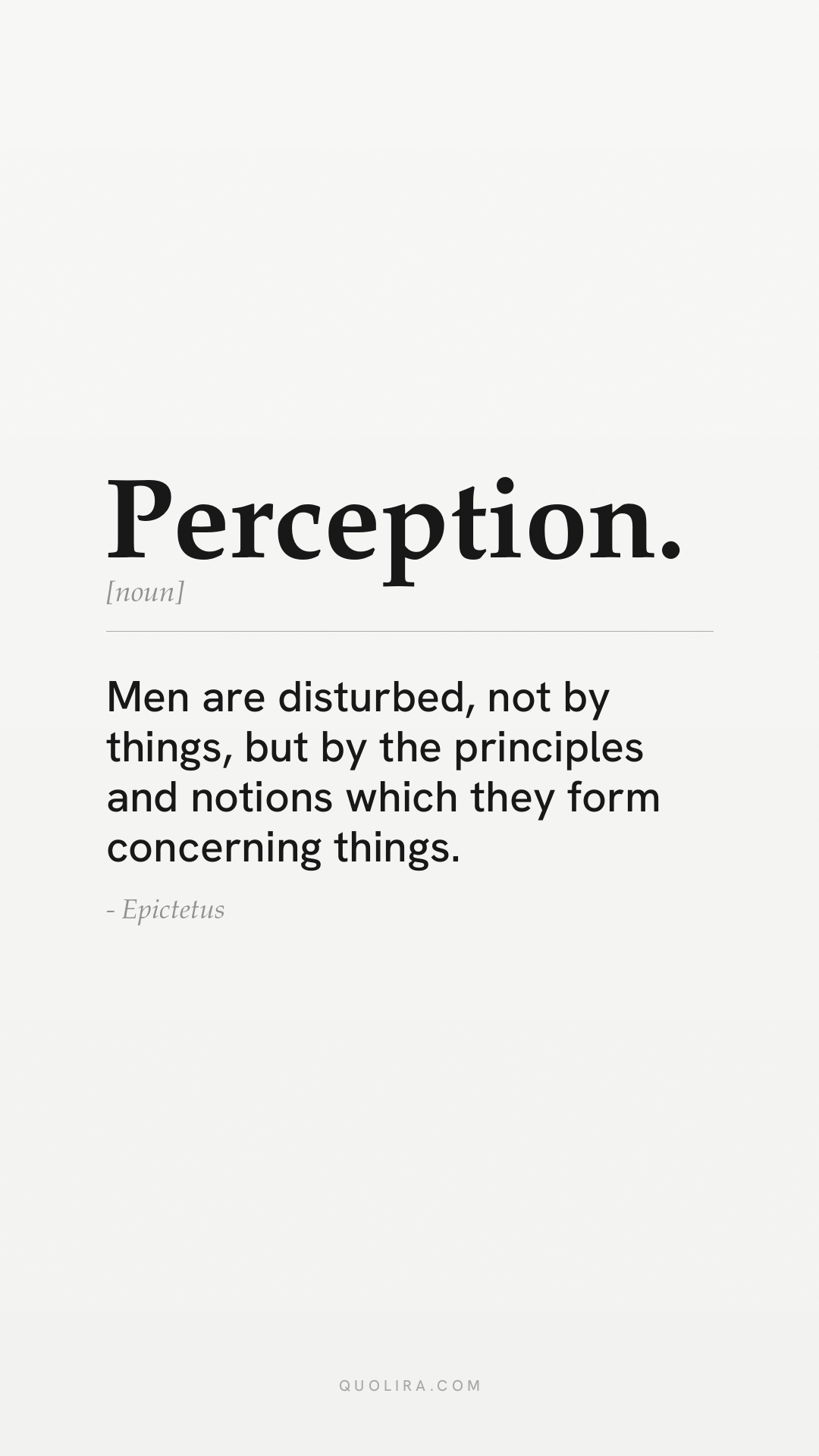
“Men are disturbed, not by things, but by the principles and notions which they form concerning things.”
Epictetus · Enchiridion, section 5
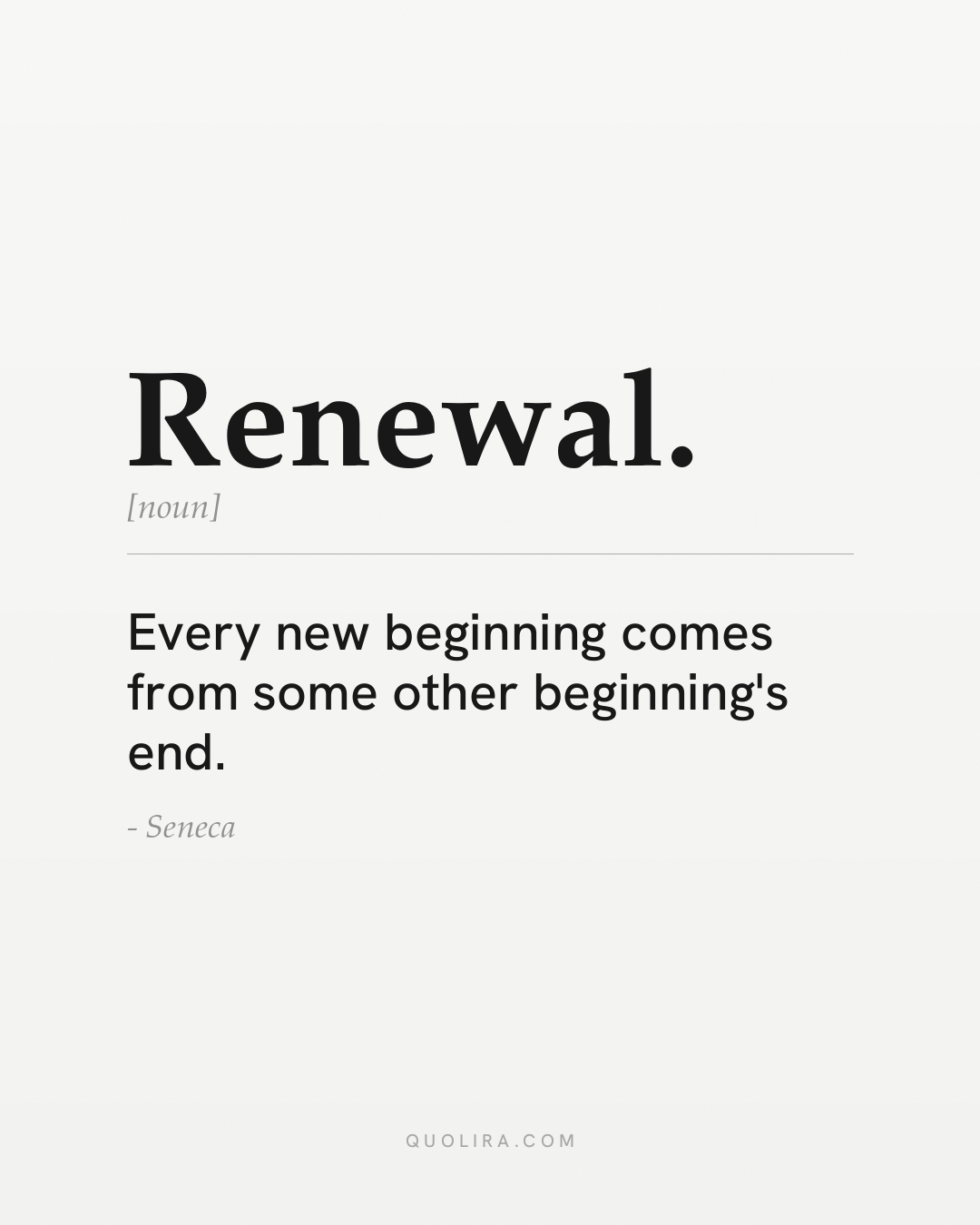
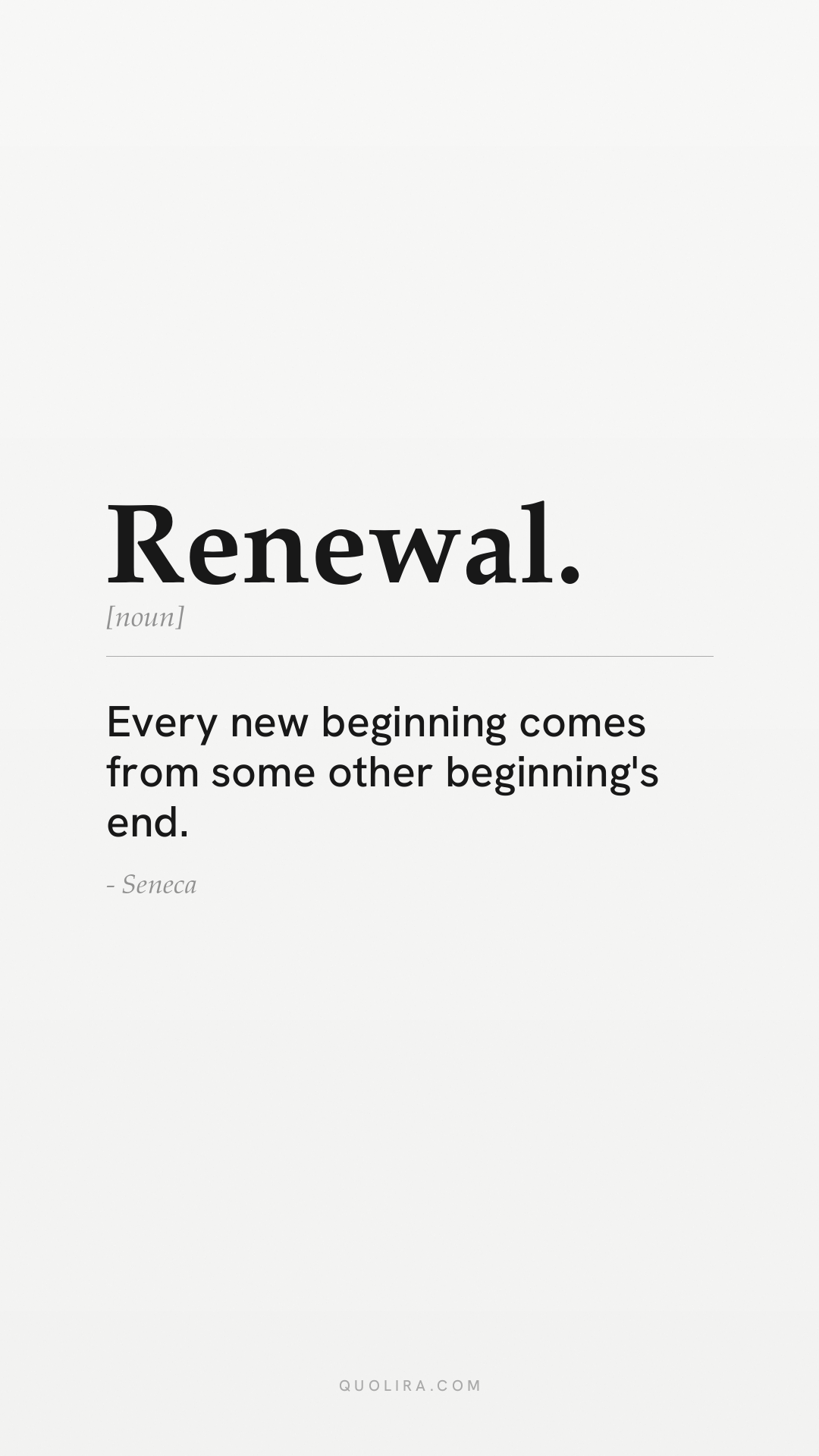
“Every new beginning comes from some other beginning's end.”
Seneca
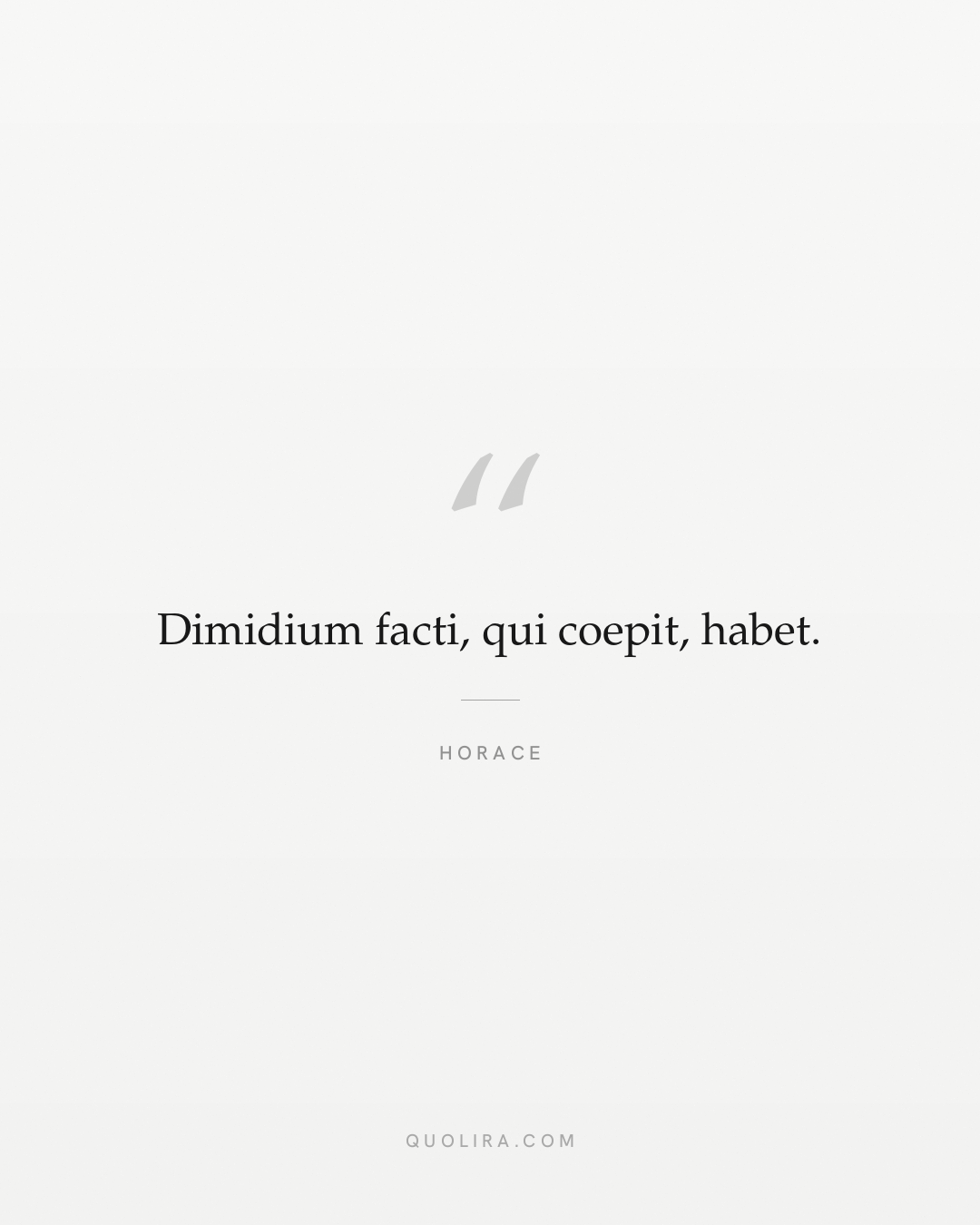
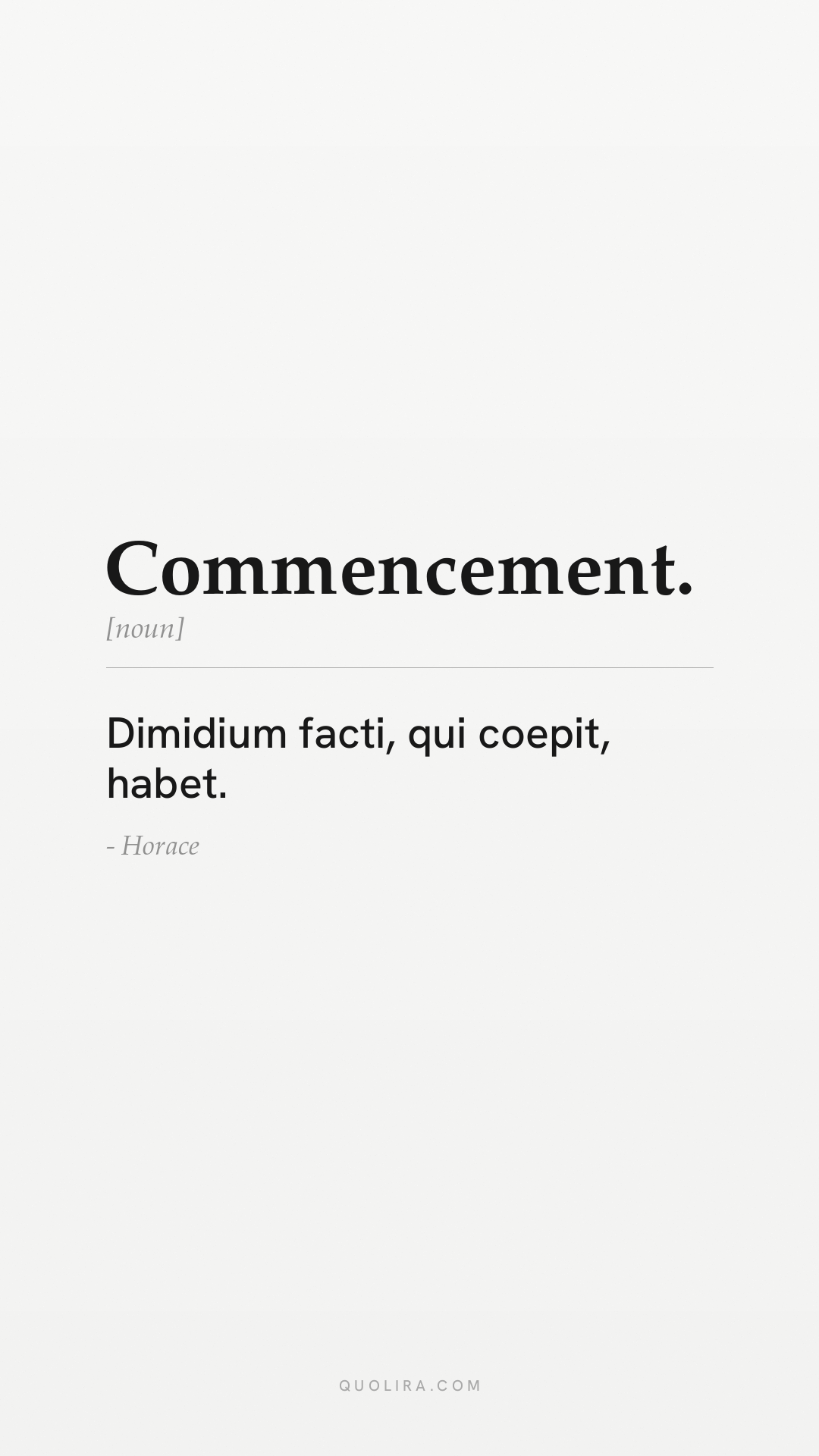
“Dimidium facti, qui coepit, habet.”
Horace · Epistles, Book 1
“You have brains in your head. You have feet in your shoes. You can steer yourself any direction you choose.”
Dr. Seuss · Oh, the Places You'll Go!, 1990
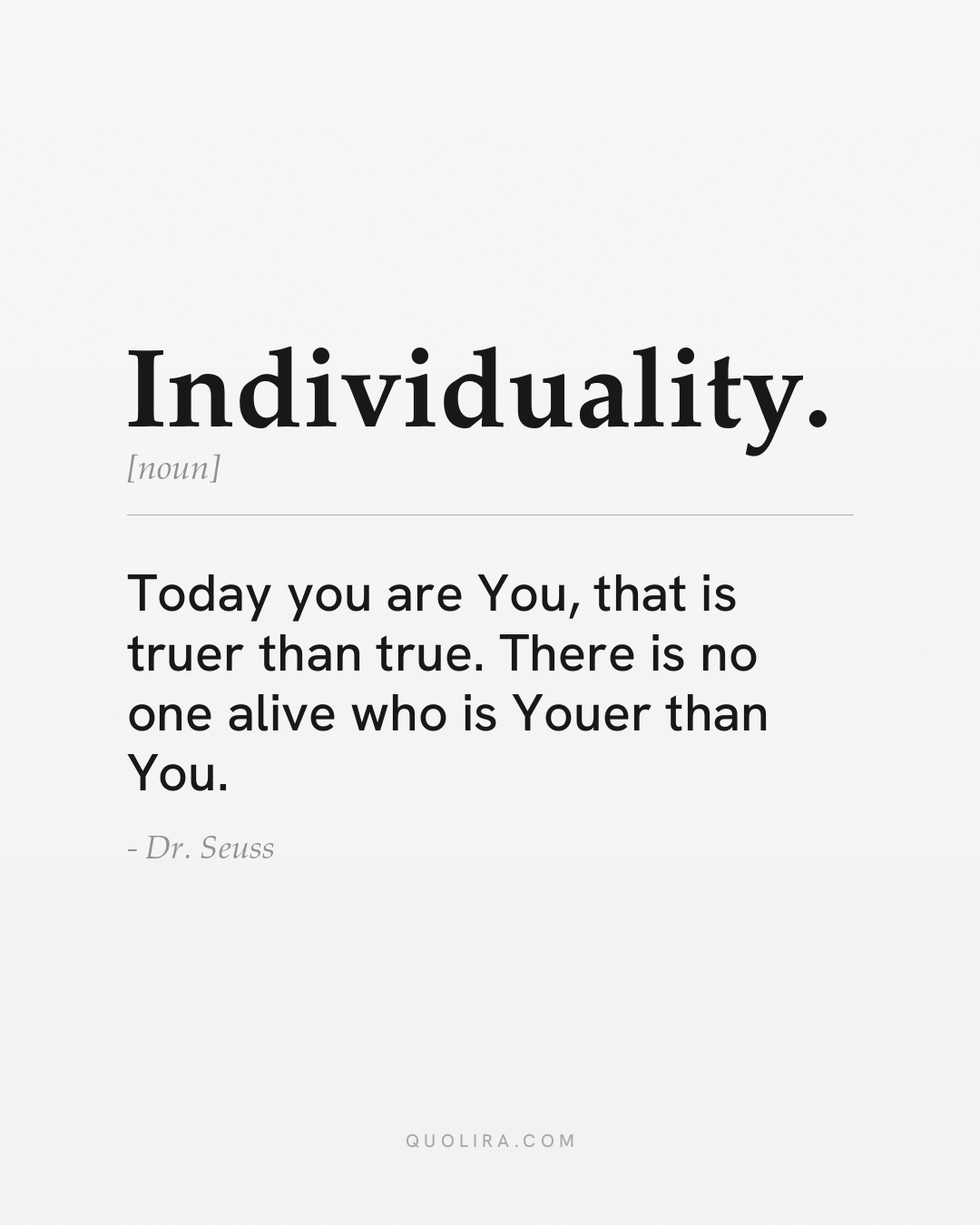
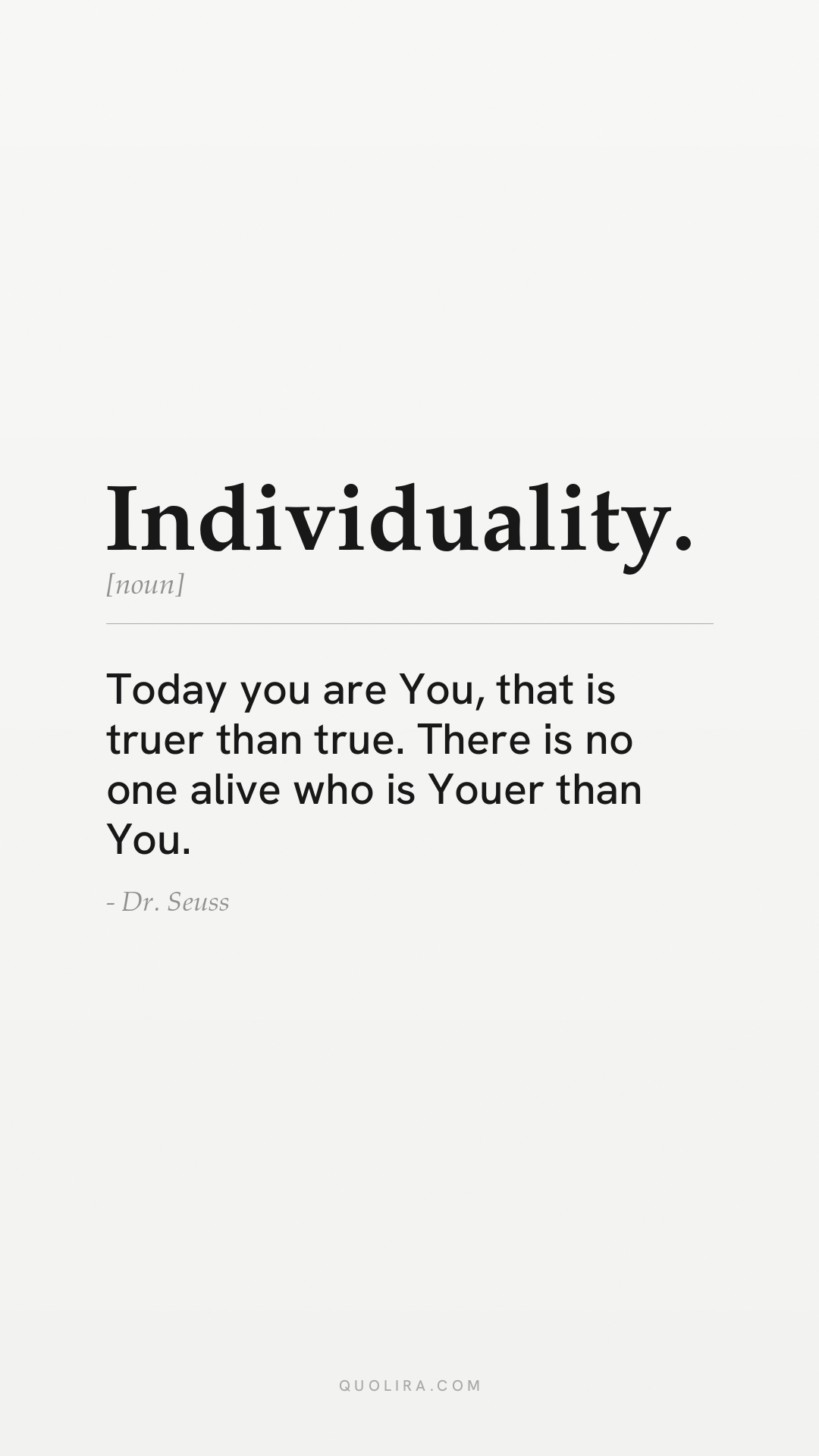
“Today you are You, that is truer than true. There is no one alive who is Youer than You.”
Dr. Seuss · Happy Birthday to You!, 1959
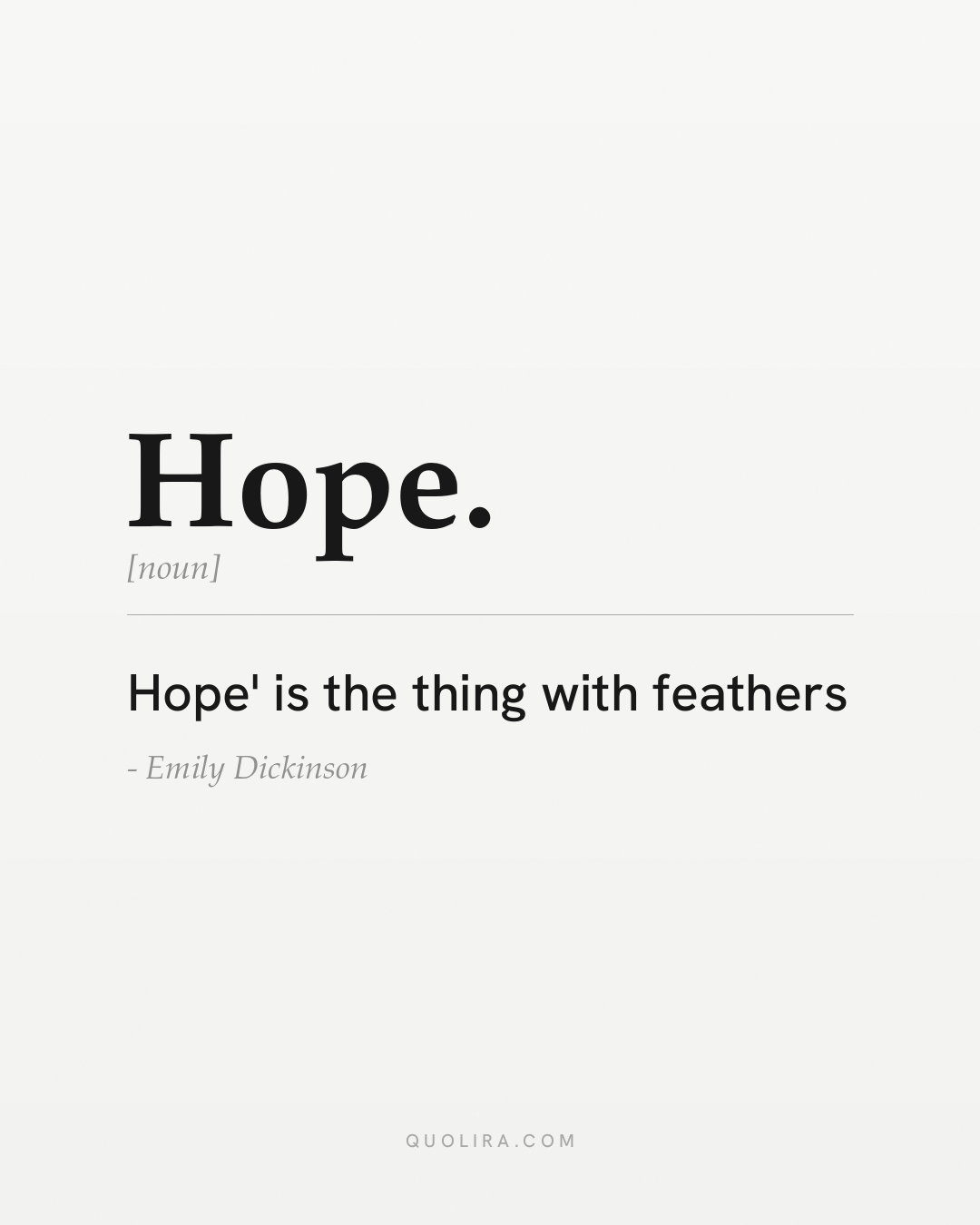
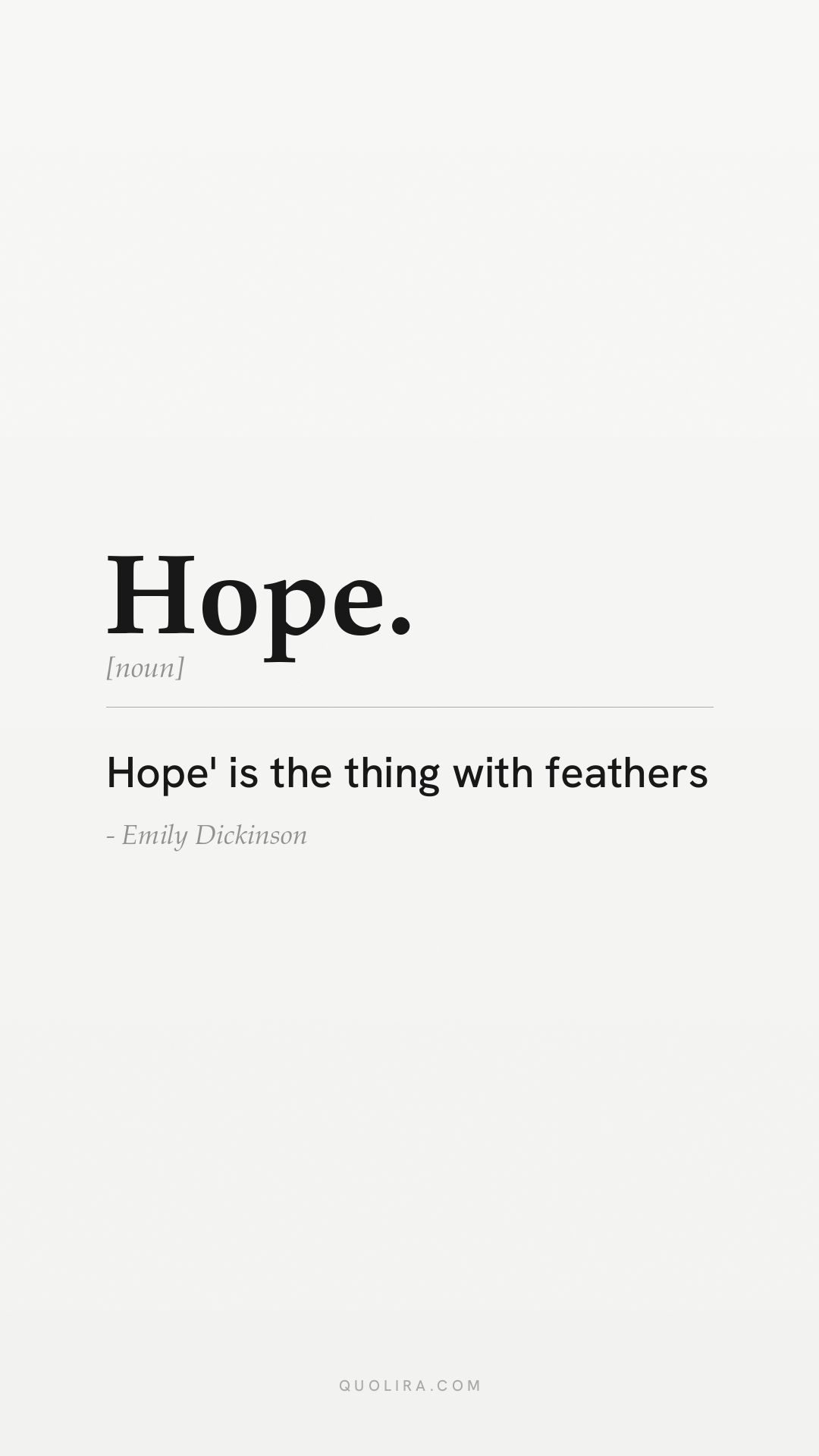
“'Hope' is the thing with feathers”
Emily Dickinson · Poem 254, published 1891
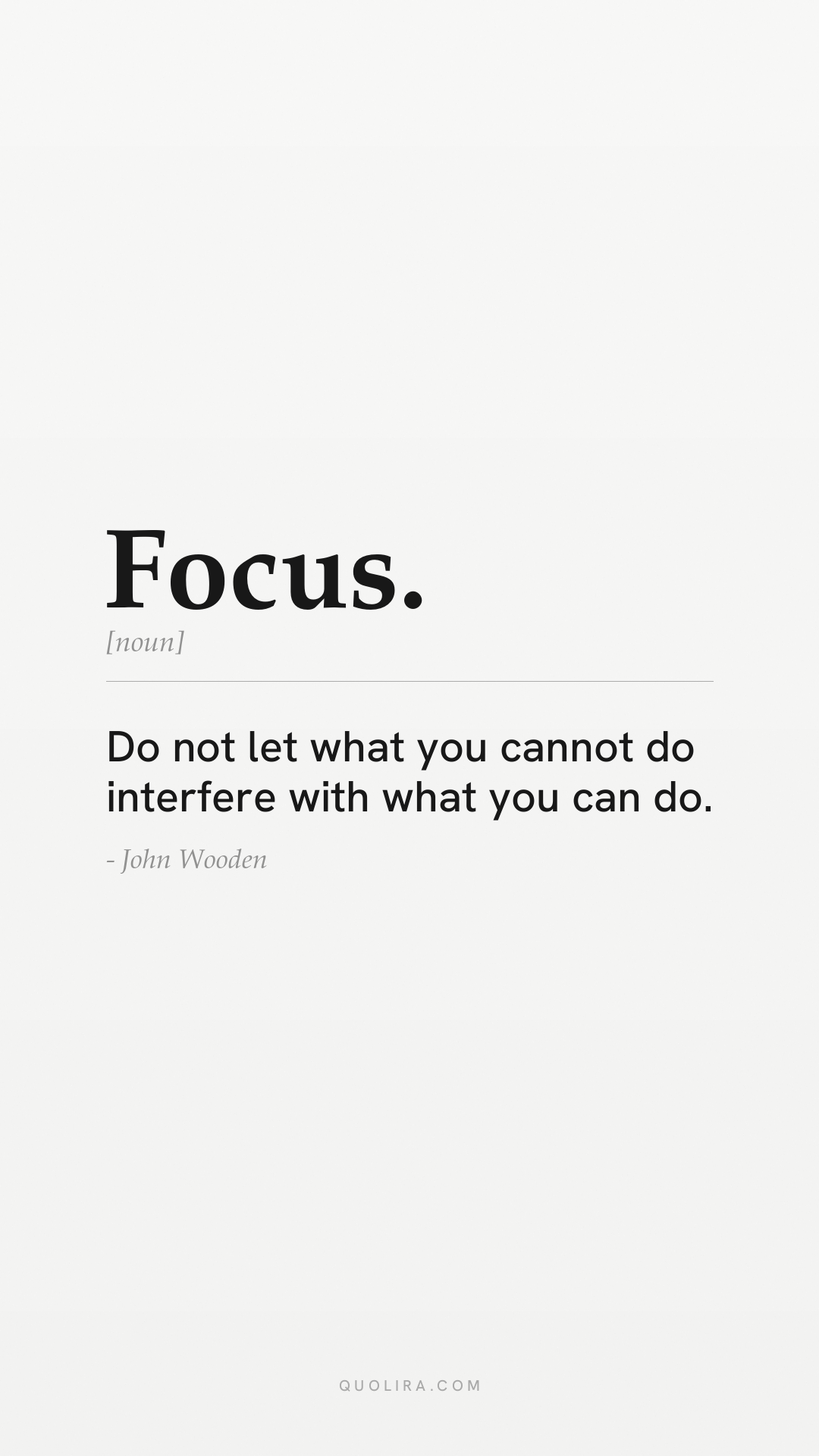
“Do not let what you cannot do interfere with what you can do.”
John Wooden
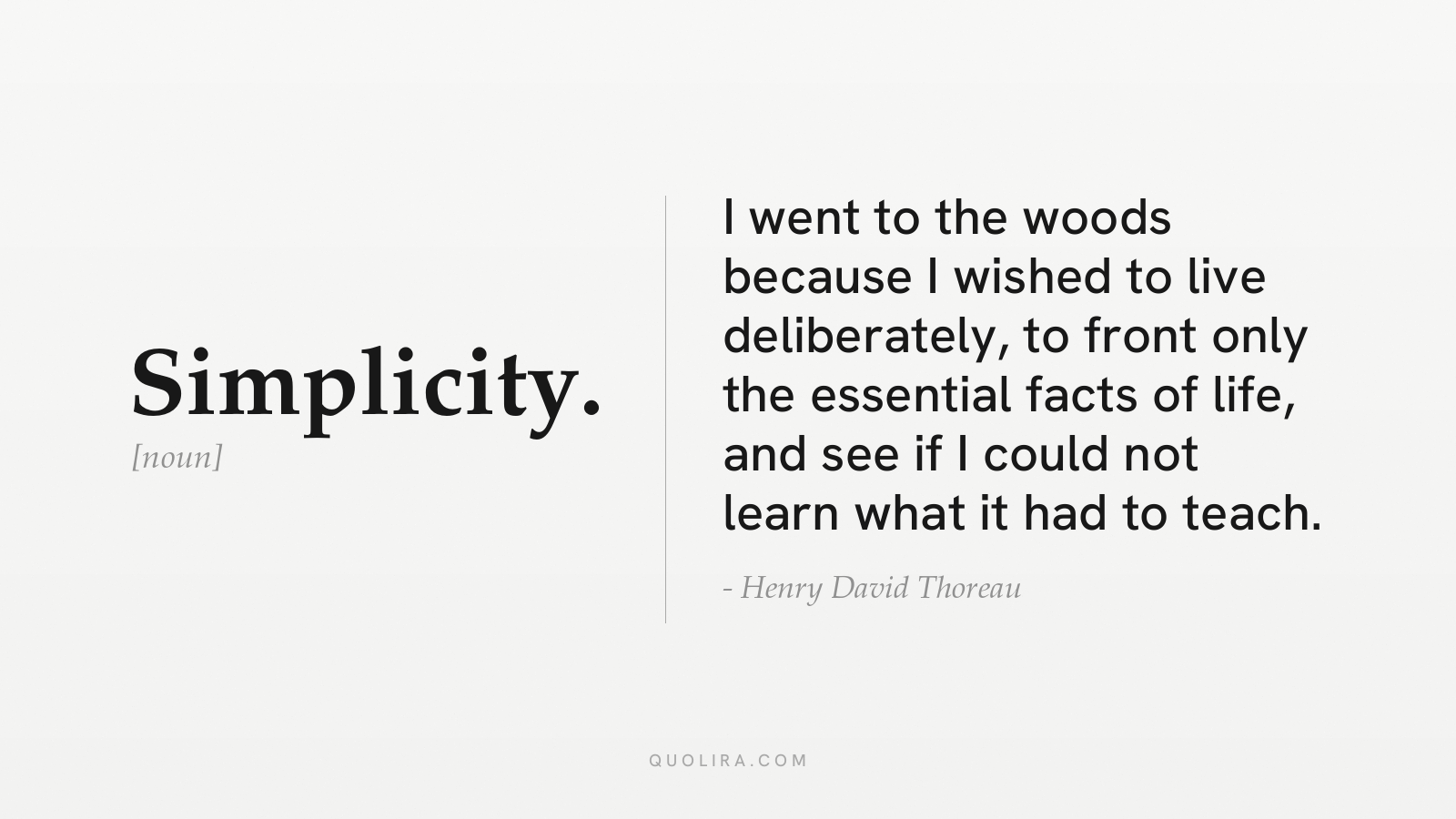
“I went to the woods because I wished to live deliberately, to front only the essential facts of life, and see if I could not learn what it had to teach.”
Henry David Thoreau · Walden, 1854
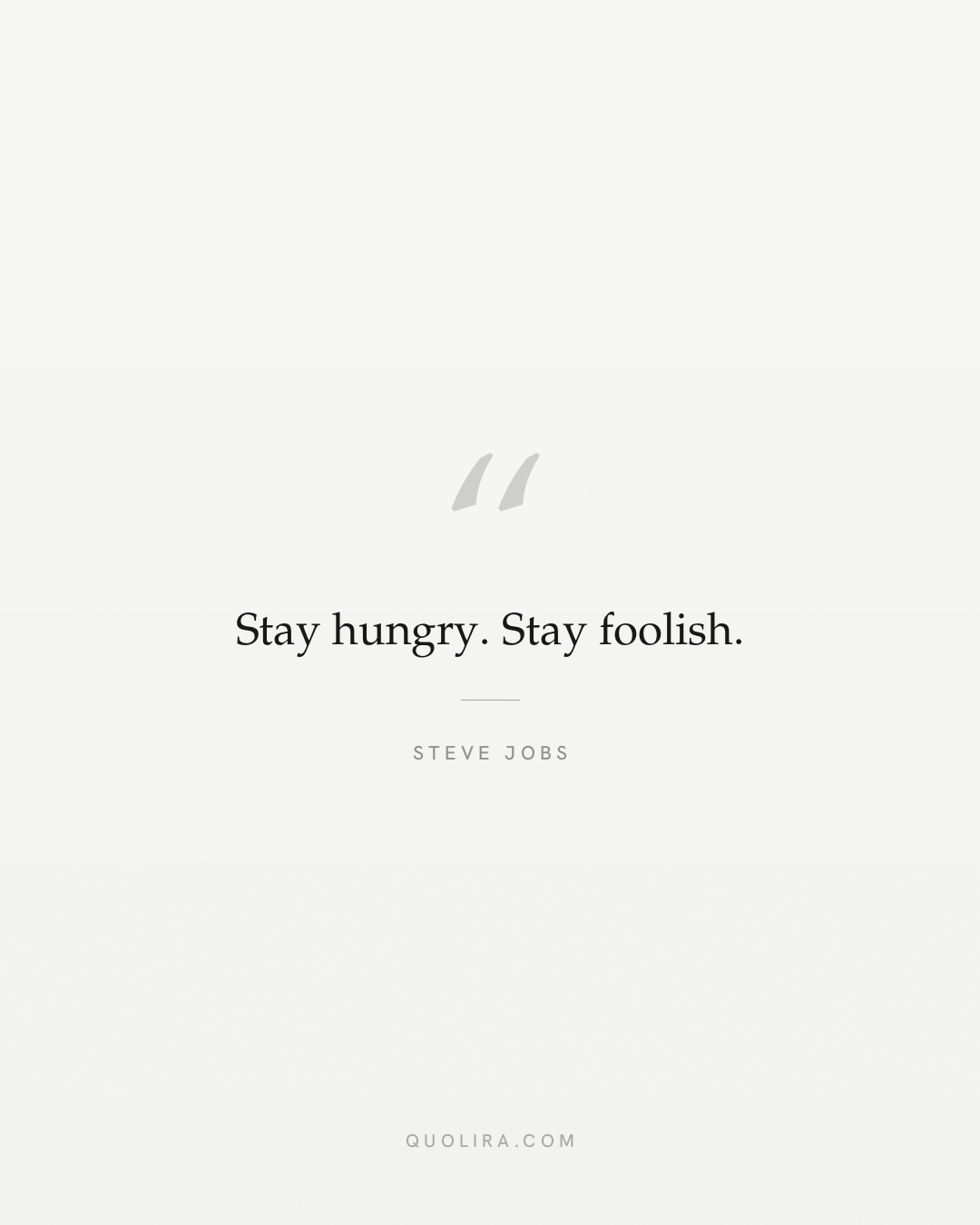
“Stay hungry. Stay foolish.”
Steve Jobs · Whole Earth Catalog, 1974; repeated at Stanford, 2005
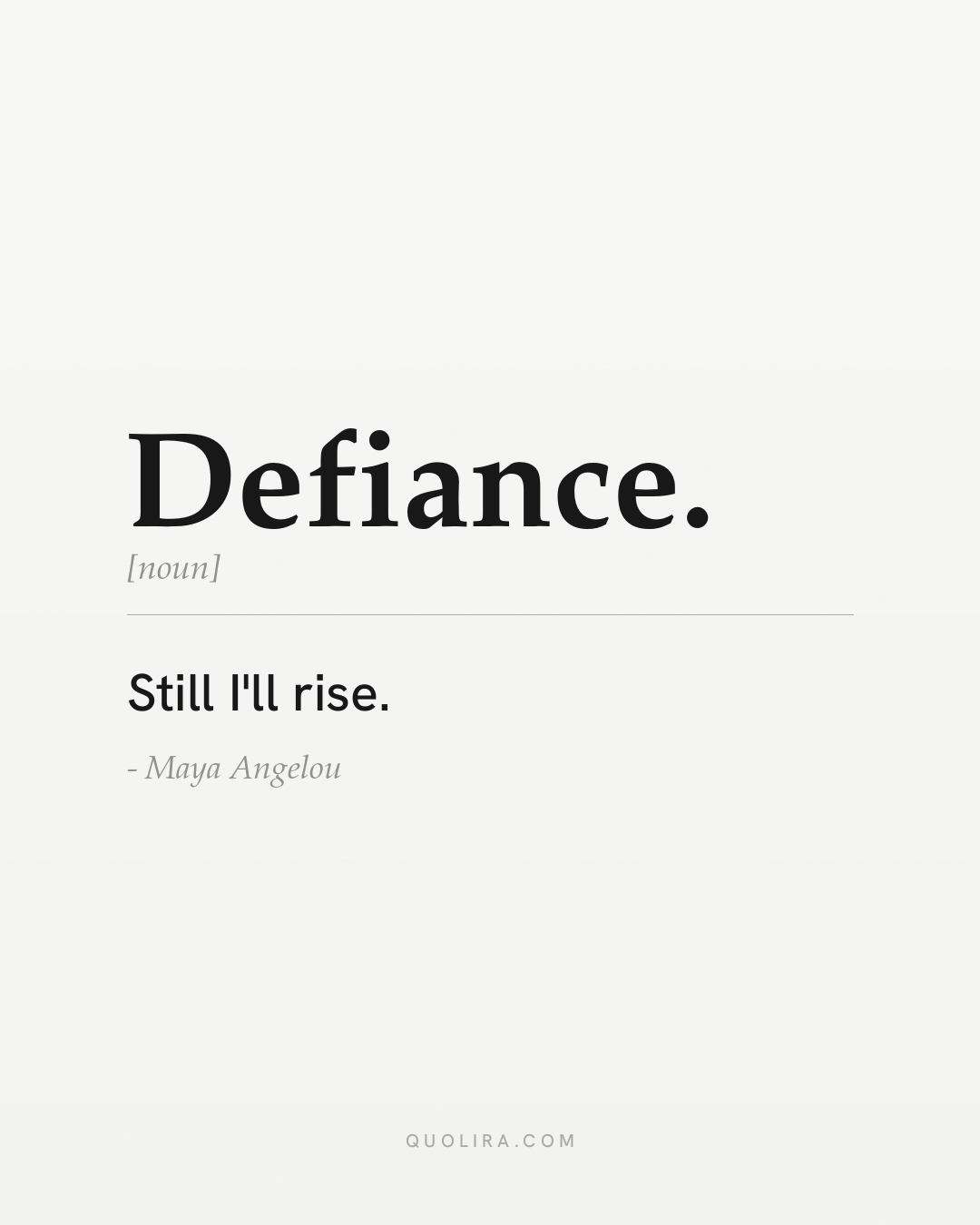
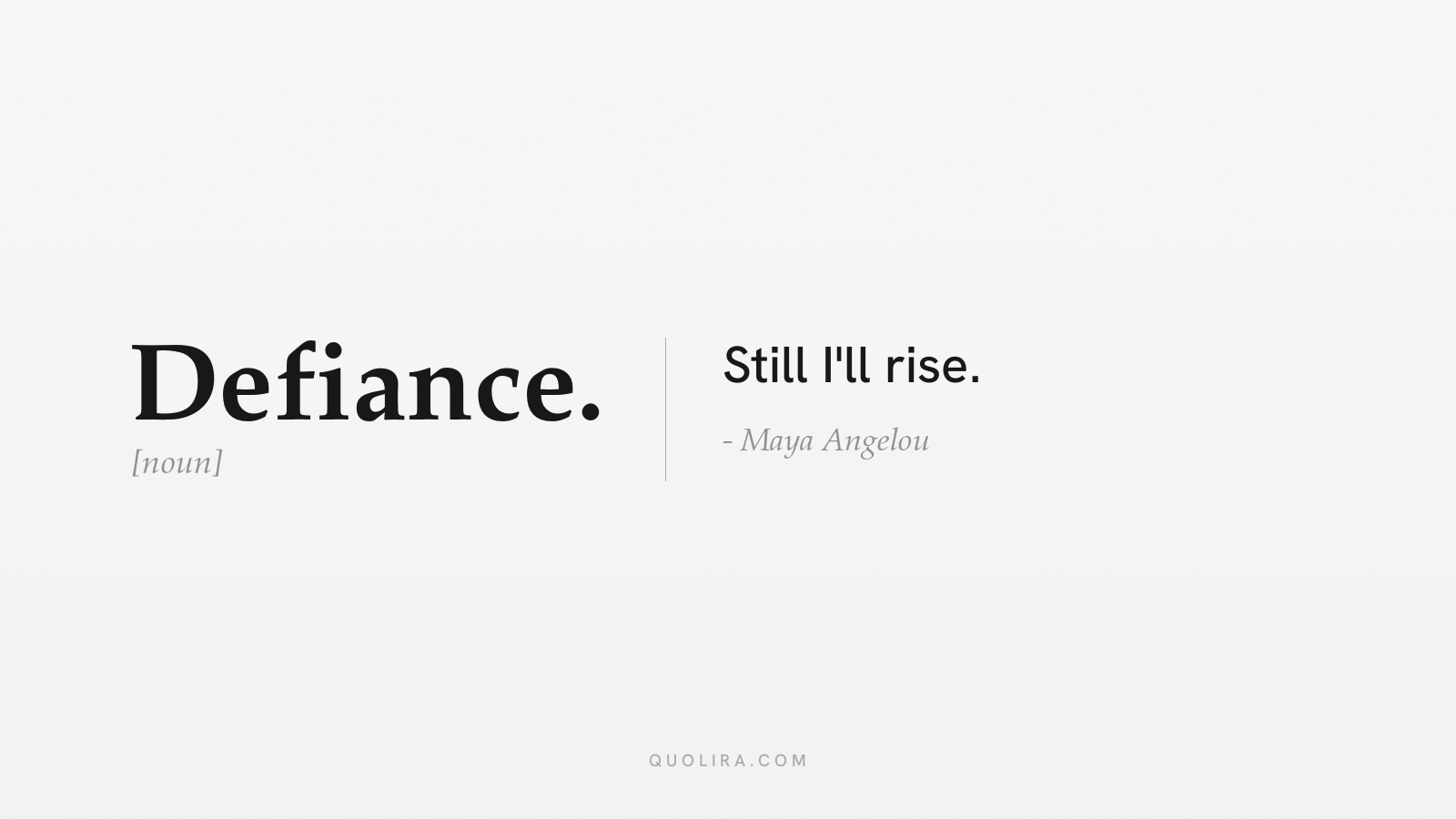
“Still I'll rise.”
Maya Angelou · Still I Rise, 1978
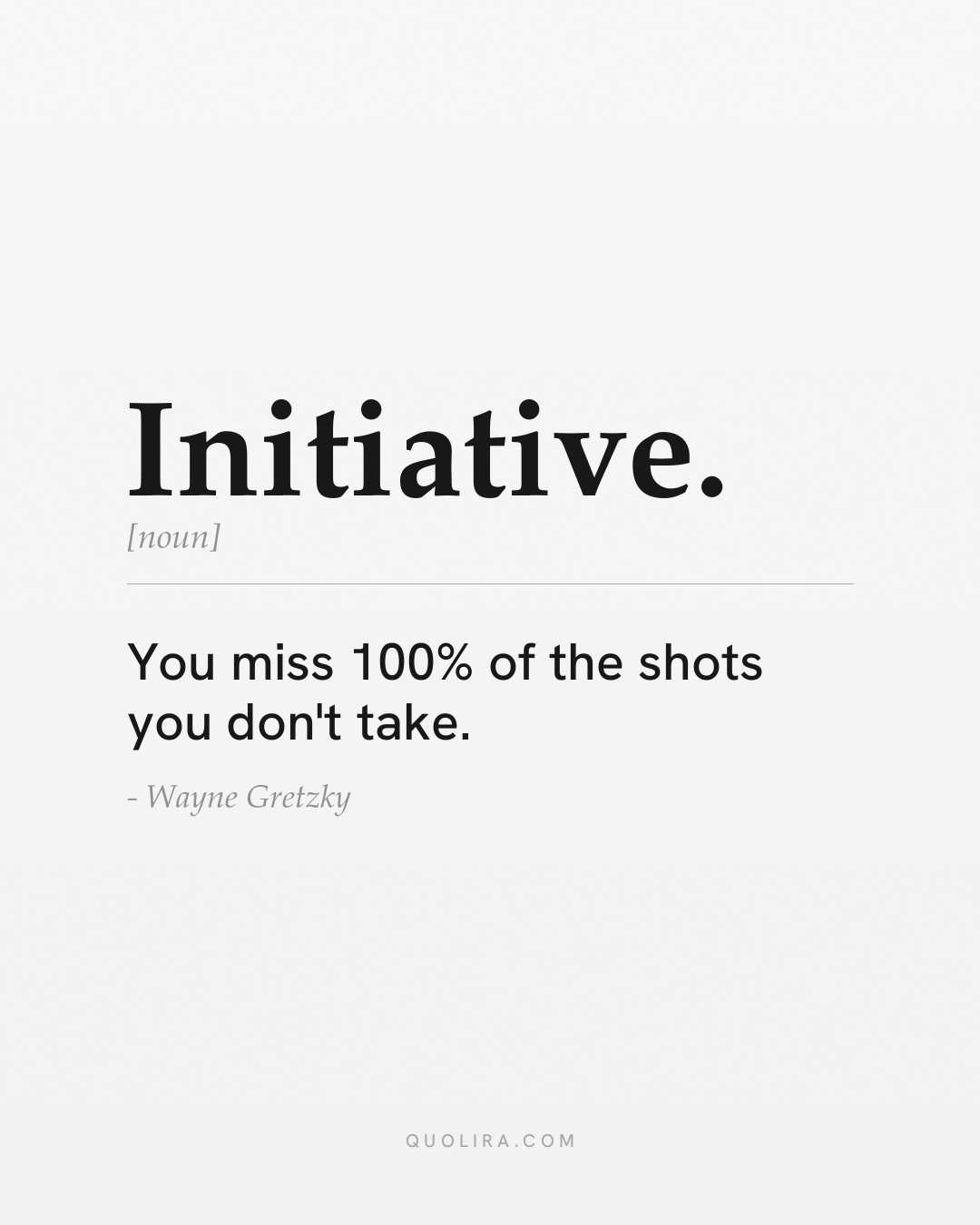
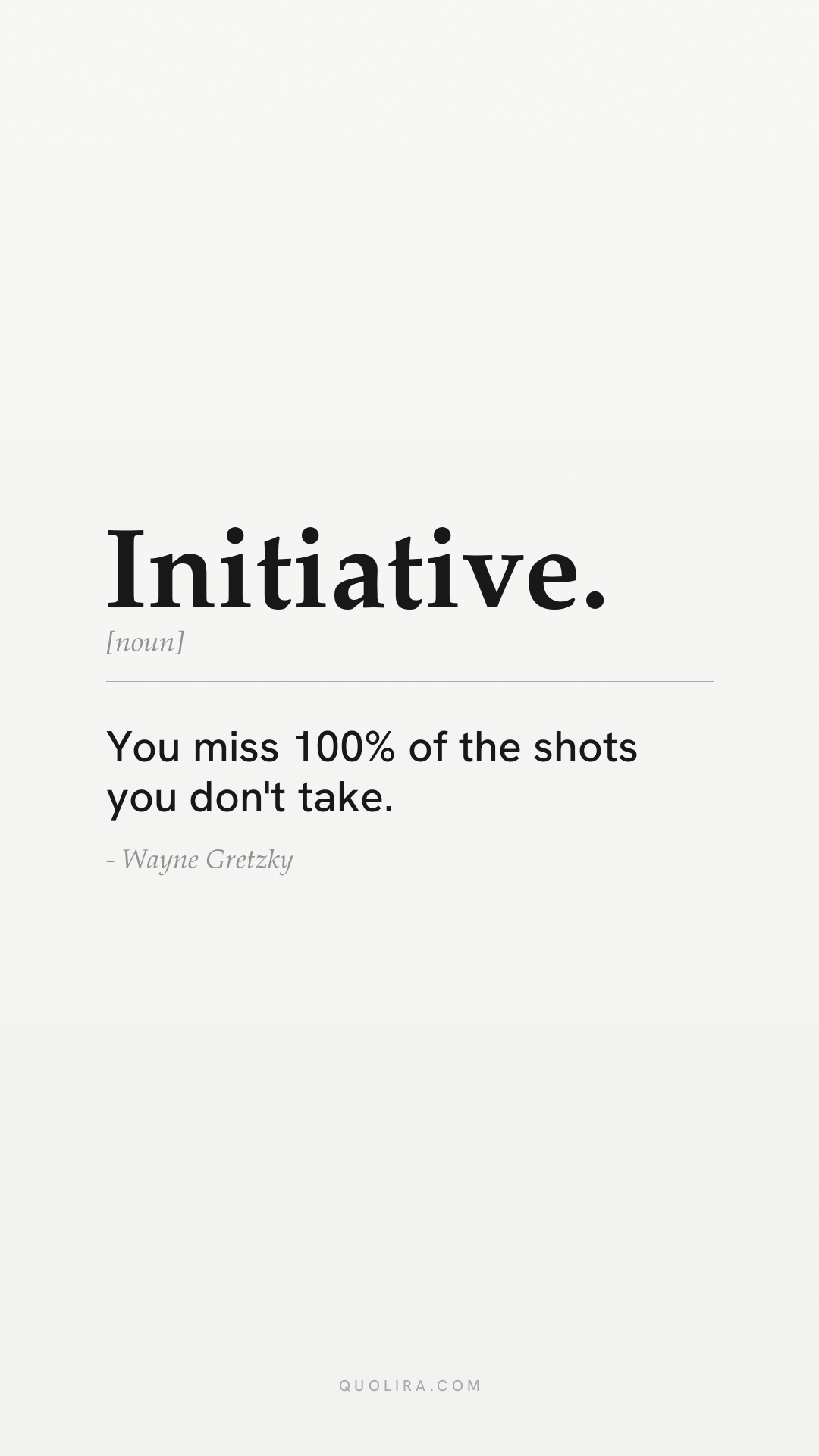
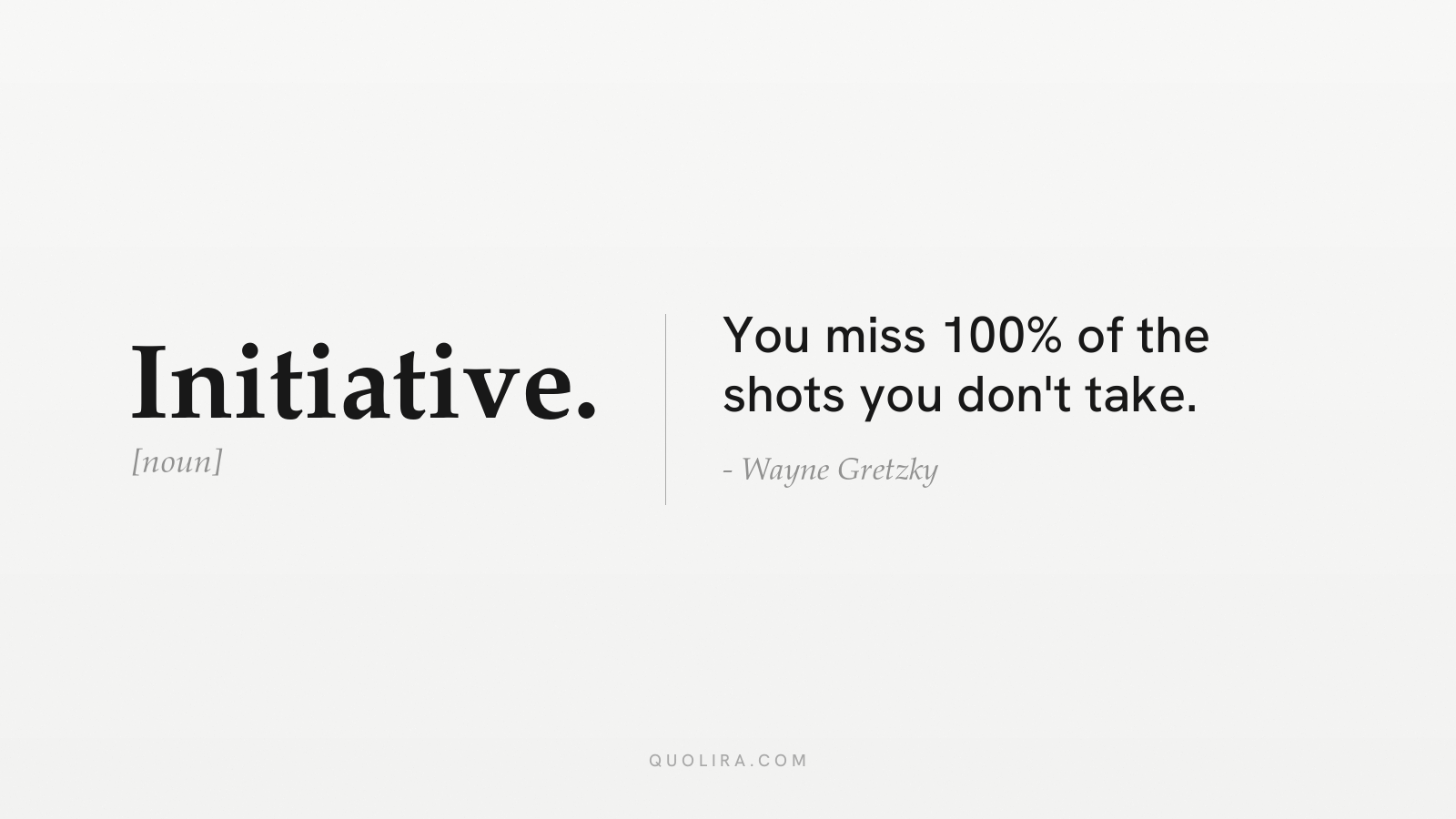
“You miss 100% of the shots you don't take.”
Wayne Gretzky