“It is difficulties that show what men are.”
Epictetus · Discourses, Book I, chapter 24
 quolira
.com
Epictetus said it, in Discourses, Book III, chapter 1.
This line asks you to define yourself before you decide how to present yourself. Clothes, job titles, and social media images follow from that answer, not the other way around. It is a useful check before any big decision about how you show up.
From the collection: 23 Best Epictetus Quotes on Fear, Freedom, and Control · More Epictetus quotes
This quote means that you should understand your own nature and role before deciding how to present yourself to the world. Epictetus recommends self-knowledge as the starting point for good conduct, so that outward appearance and behavior match what you are actually committed to being. Adornment without understanding is empty.
The line comes from the third book of the Discourses, recorded by Arrian from Epictetus's lectures. Stoic teaching often holds that each person occupies a set of roles, such as citizen, parent, or student, and that appropriate action follows from understanding those roles and one's own capacities. Epictetus frequently warns against pretending to be more than one is or dressing up one's character for display. The passage asks the reader to begin with honest reflection about identity and only then consider how to carry oneself in public.
Epictetus was a Stoic philosopher who was born enslaved, probably in Hierapolis in Phrygia, in the middle of the first century CE. After gaining his freedom, he taught in Rome and later in Nicopolis in western Greece, where he ran a school that drew students from various places. He wrote no treatises of his own. What survives comes mainly from Arrian, whose notes produced the Discourses and the Enchiridion. Those records keep his teaching grounded in the concrete situations of ordinary students.
“It is difficulties that show what men are.”
Epictetus · Discourses, Book I, chapter 24
“Remember that it is not he who gives abuse or blows who affronts, but the view we take of these things as insulting.”
Epictetus · Enchiridion, section 20
“Some things are in our control and others not.”
Epictetus · Enchiridion, section 1
“Men are disturbed, not by things, but by the principles and notions which they form concerning things.”
Epictetus · Enchiridion, section 5
“Every new beginning comes from some other beginning's end.”
Seneca
“Dimidium facti, qui coepit, habet.”
Horace · Epistles, Book 1
“You have brains in your head. You have feet in your shoes. You can steer yourself any direction you choose.”
Dr. Seuss · Oh, the Places You'll Go!, 1990
“Today you are You, that is truer than true. There is no one alive who is Youer than You.”
Dr. Seuss · Happy Birthday to You!, 1959
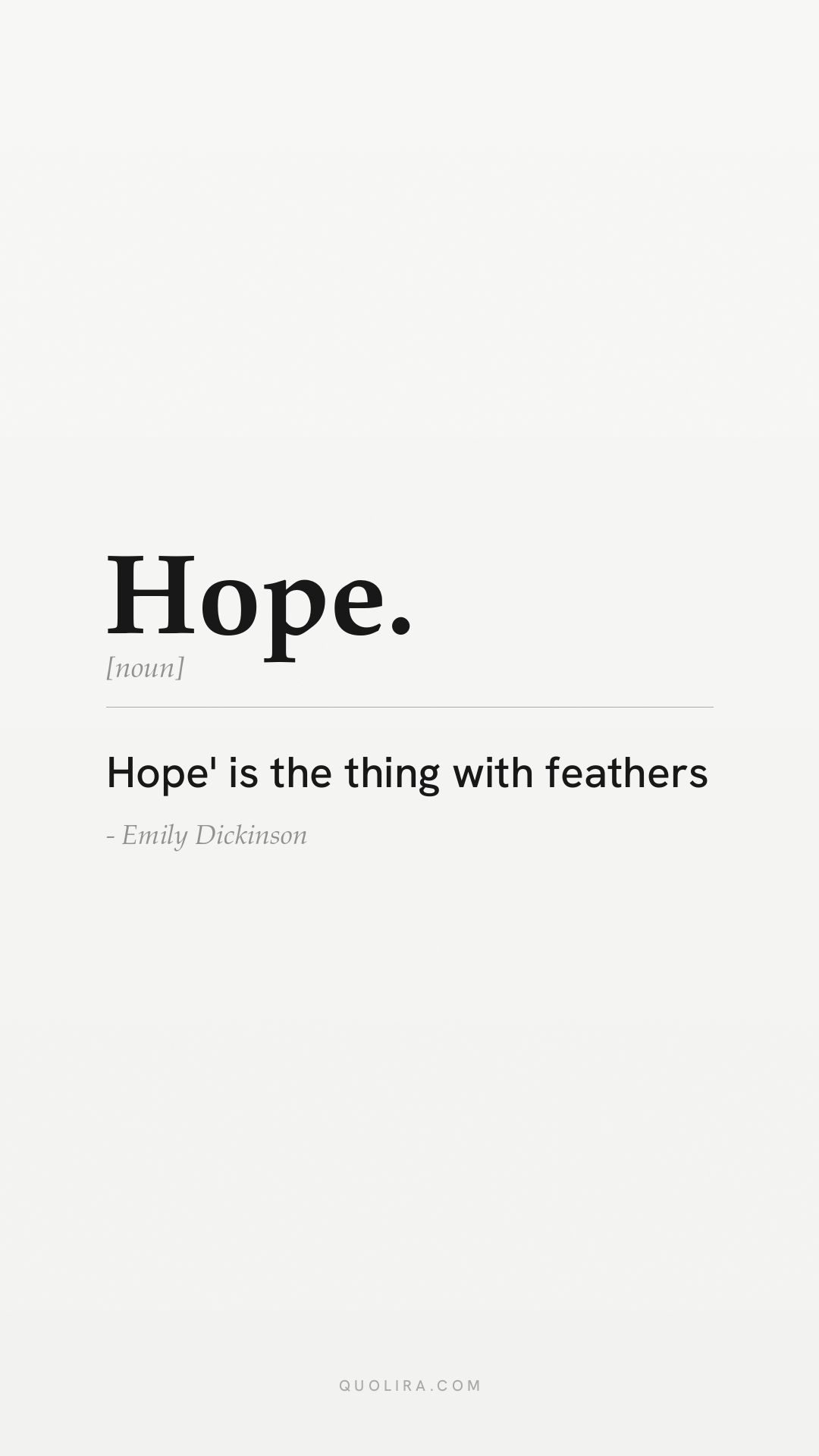
“'Hope' is the thing with feathers”
Emily Dickinson · Poem 254, published 1891
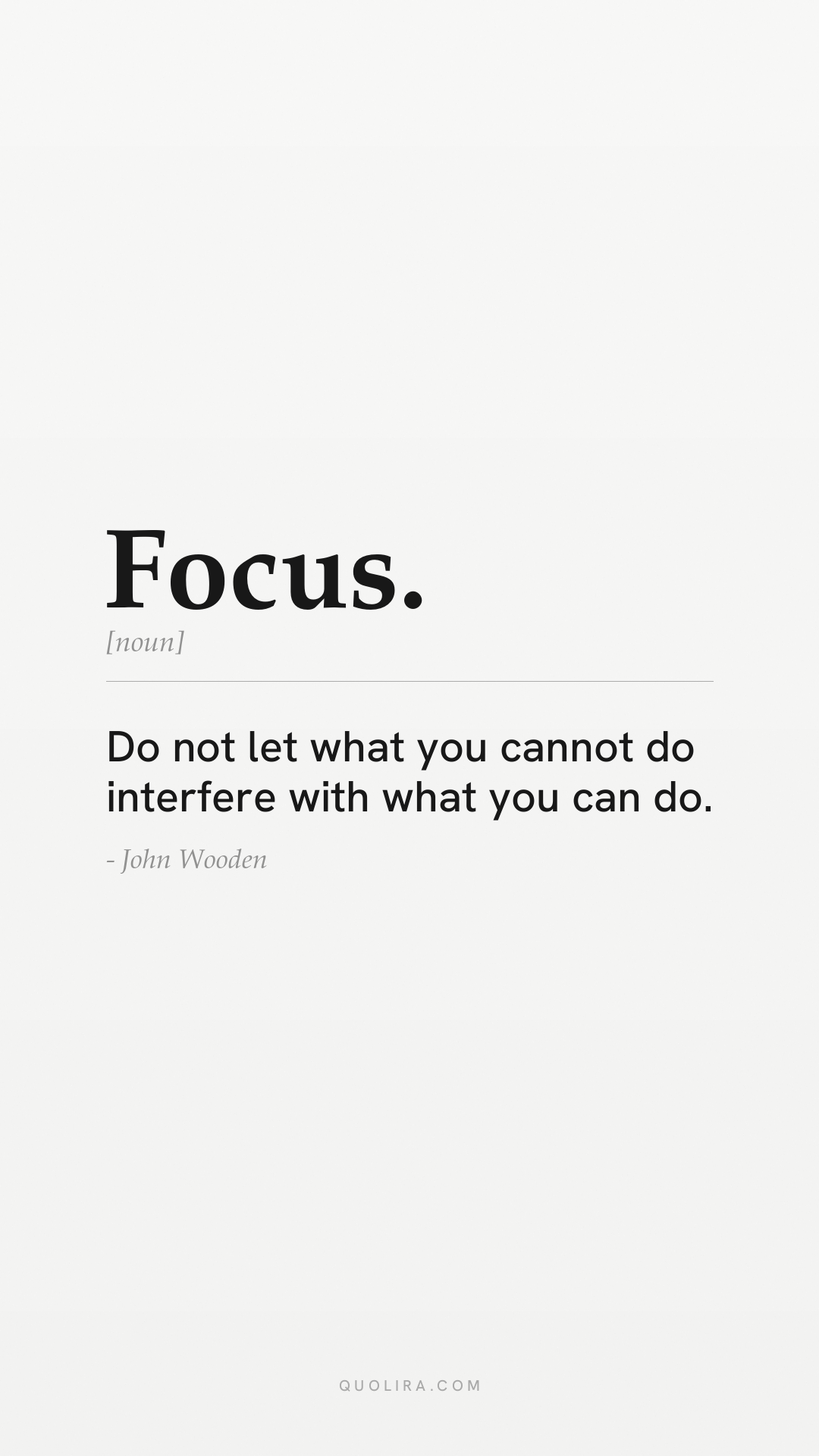
“Do not let what you cannot do interfere with what you can do.”
John Wooden
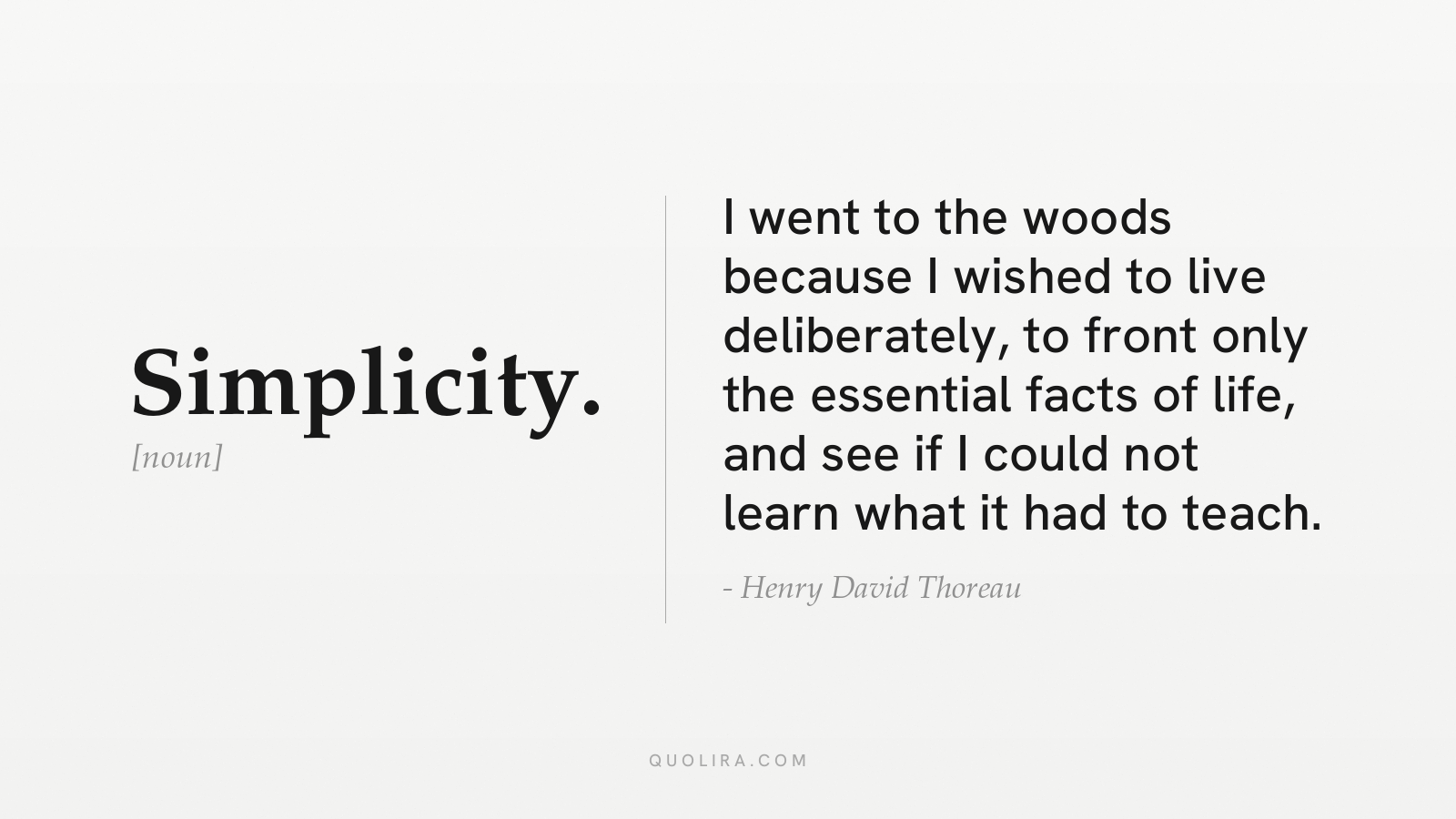
“I went to the woods because I wished to live deliberately, to front only the essential facts of life, and see if I could not learn what it had to teach.”
Henry David Thoreau · Walden, 1854
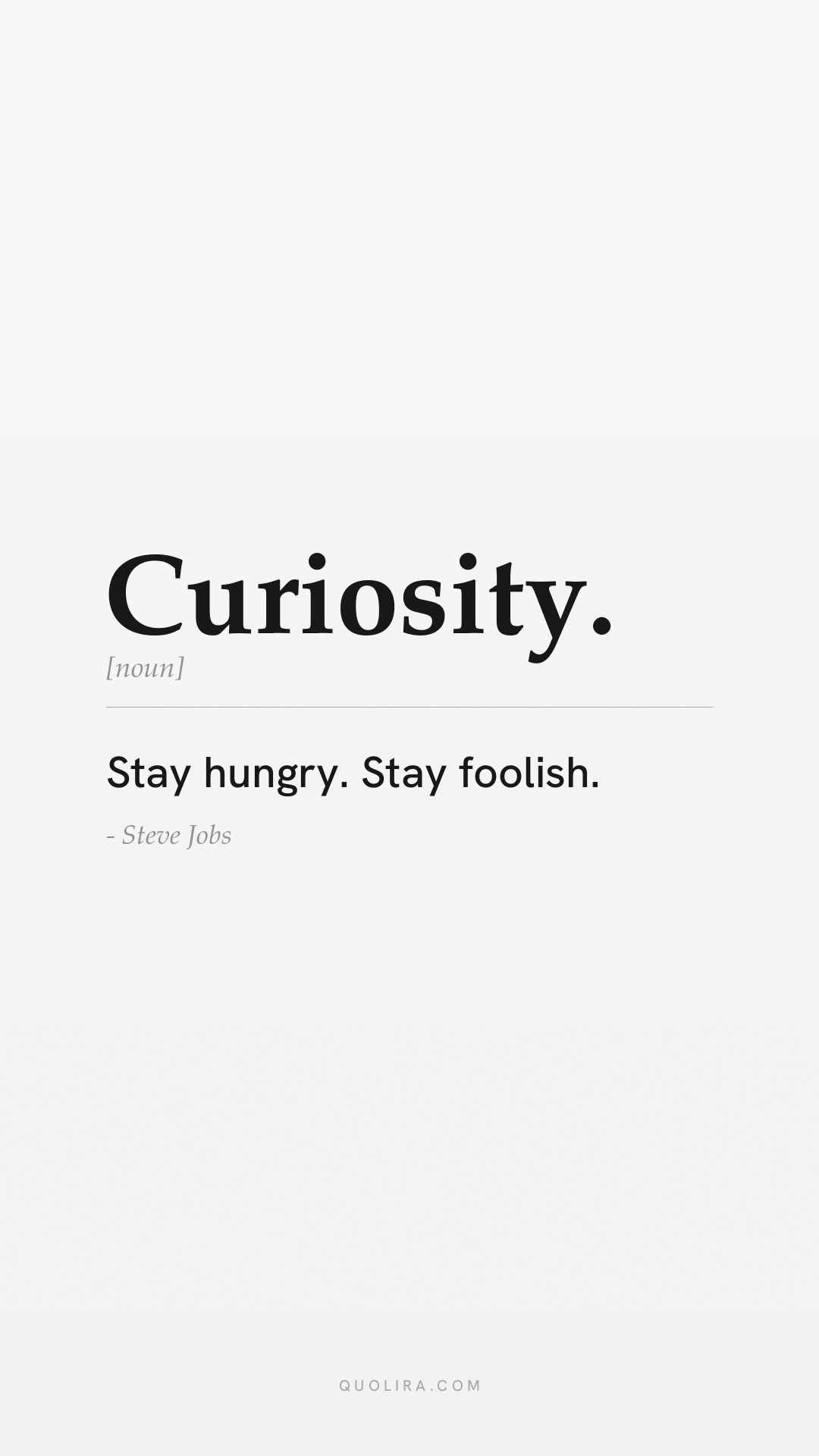
“Stay hungry. Stay foolish.”
Steve Jobs · Whole Earth Catalog, 1974; repeated at Stanford, 2005