“Freedom is not acquired by satisfying yourself with what you desire, but by destroying your desire.”
Epictetus · Discourses, Book IV, chapter 1
 quolira
.com
Epictetus said it, in Discourses, Book II, chapter 1.
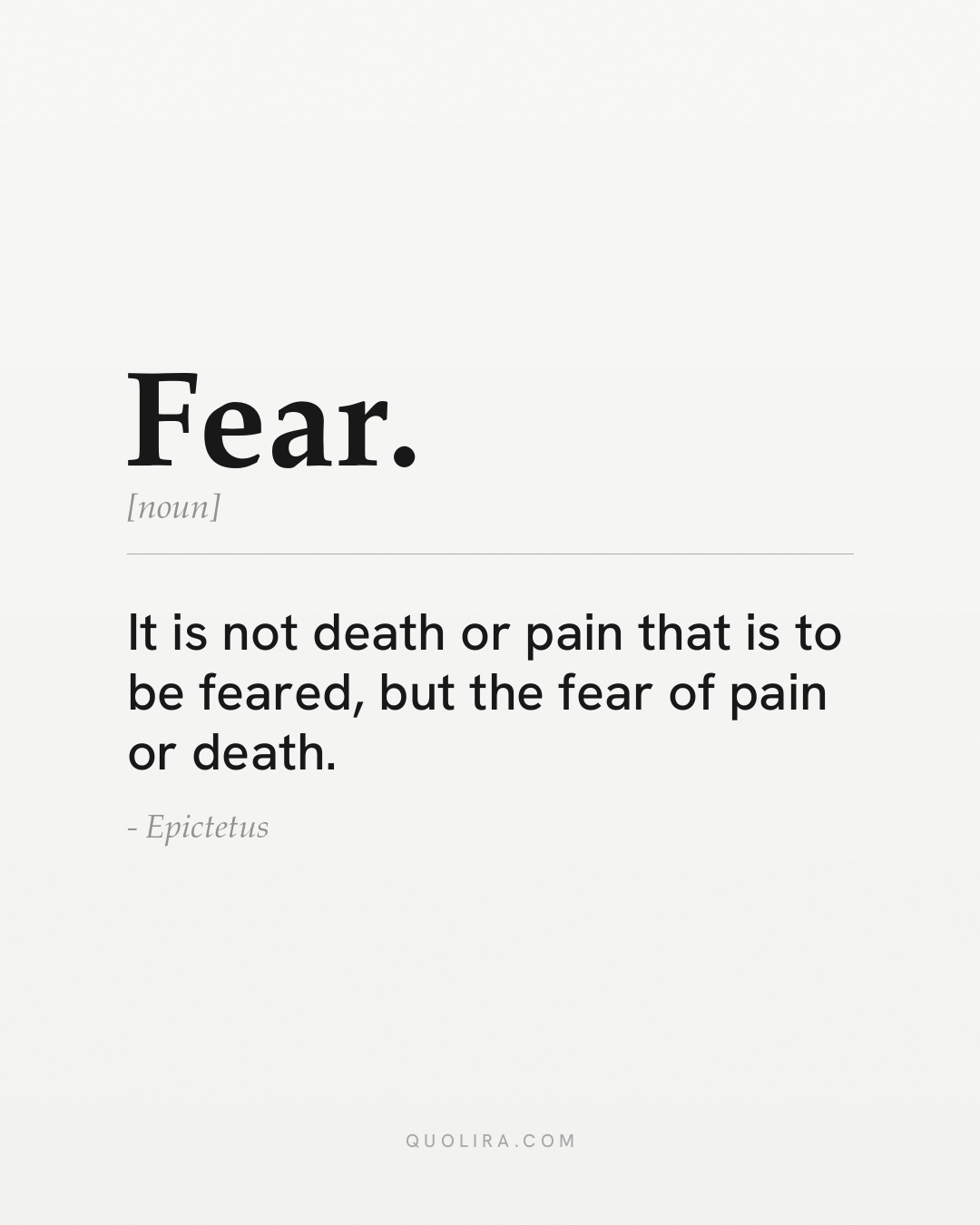
This line moves the target from the threat to your reaction to it. Pain and death are hard, but the dread is an extra layer you add. Notice that layer, and you may find you can set some of it down.
From the collection: 23 Best Epictetus Quotes on Fear, Freedom, and Control · More Epictetus quotes
Epictetus holds that the real harm lies not in death or pain themselves but in the fear we attach to them. The idea is that our dread, rather than the event, is what unsettles us. He asks the reader to notice how much of their suffering comes from anticipating a bad outcome rather than living through it.
This line comes from the Discourses, the collection of teachings that his student Arrian recorded and set down in writing. The Discourses preserve Epictetus's habit of speaking in a direct, conversational way, often answering questions from students about how to live well. In this section he returns to a theme central to Stoic thought: a person's peace depends on how they judge events, not on the events alone. The passage fits within his broader concern with separating what is within our control from what is not.
Epictetus was born around 50 CE in Hierapolis, in the Roman province of Phrygia. He spent his early years enslaved in Rome, and later gained his freedom and taught philosophy. He eventually established a school in Nicopolis, in western Greece. He wrote nothing that survives under his own hand. His teachings have reached modern readers chiefly through the Discourses and the Enchiridion, both compiled by Arrian.
“Freedom is not acquired by satisfying yourself with what you desire, but by destroying your desire.”
Epictetus · Discourses, Book IV, chapter 1
“Know, first, who you are, and then adorn yourself accordingly.”
Epictetus · Discourses, Book III, chapter 1
“It is difficulties that show what men are.”
Epictetus · Discourses, Book I, chapter 24
“Remember that it is not he who gives abuse or blows who affronts, but the view we take of these things as insulting.”
Epictetus · Enchiridion, section 20
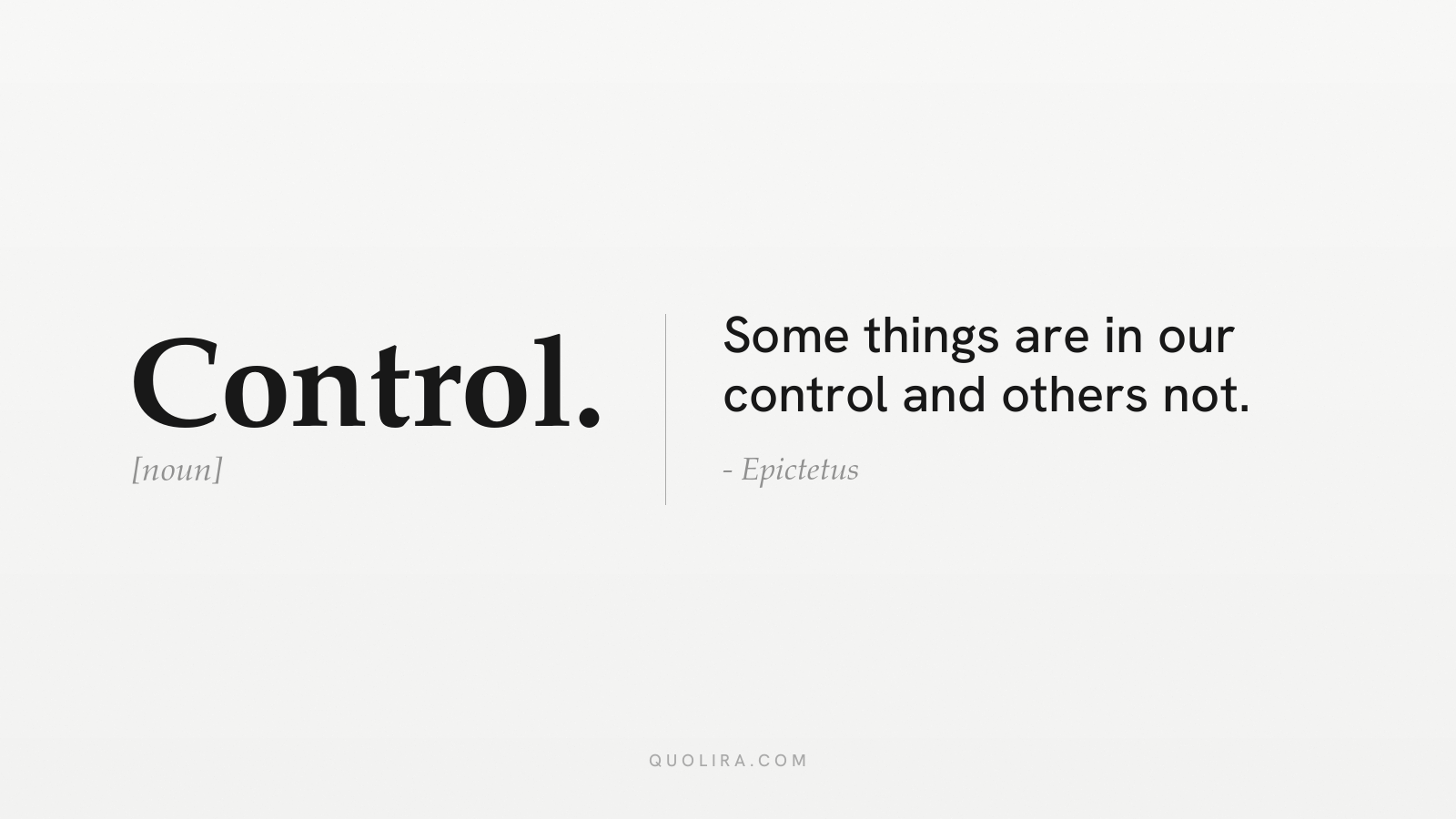
“Some things are in our control and others not.”
Epictetus · Enchiridion, section 1
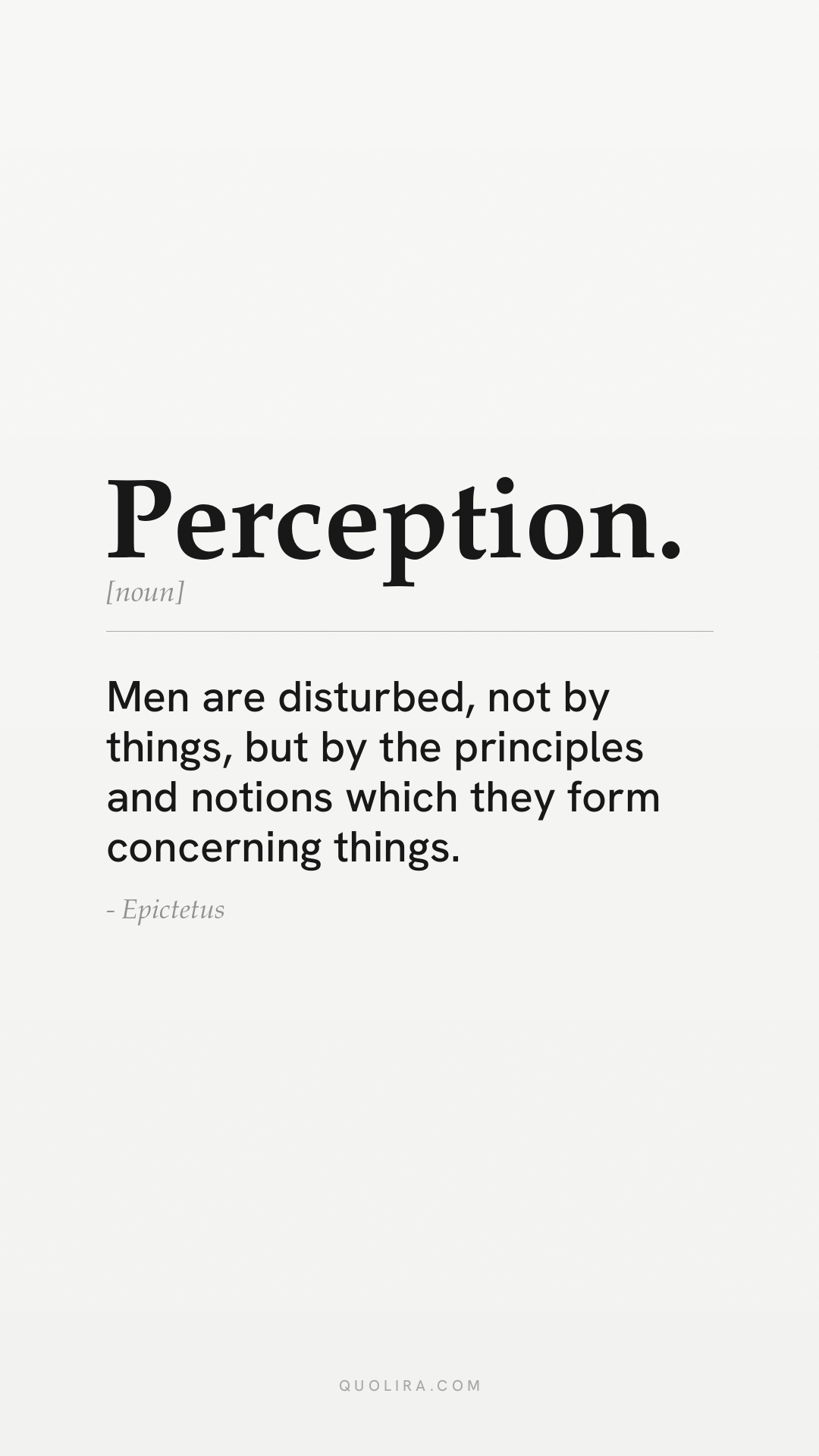
“Men are disturbed, not by things, but by the principles and notions which they form concerning things.”
Epictetus · Enchiridion, section 5
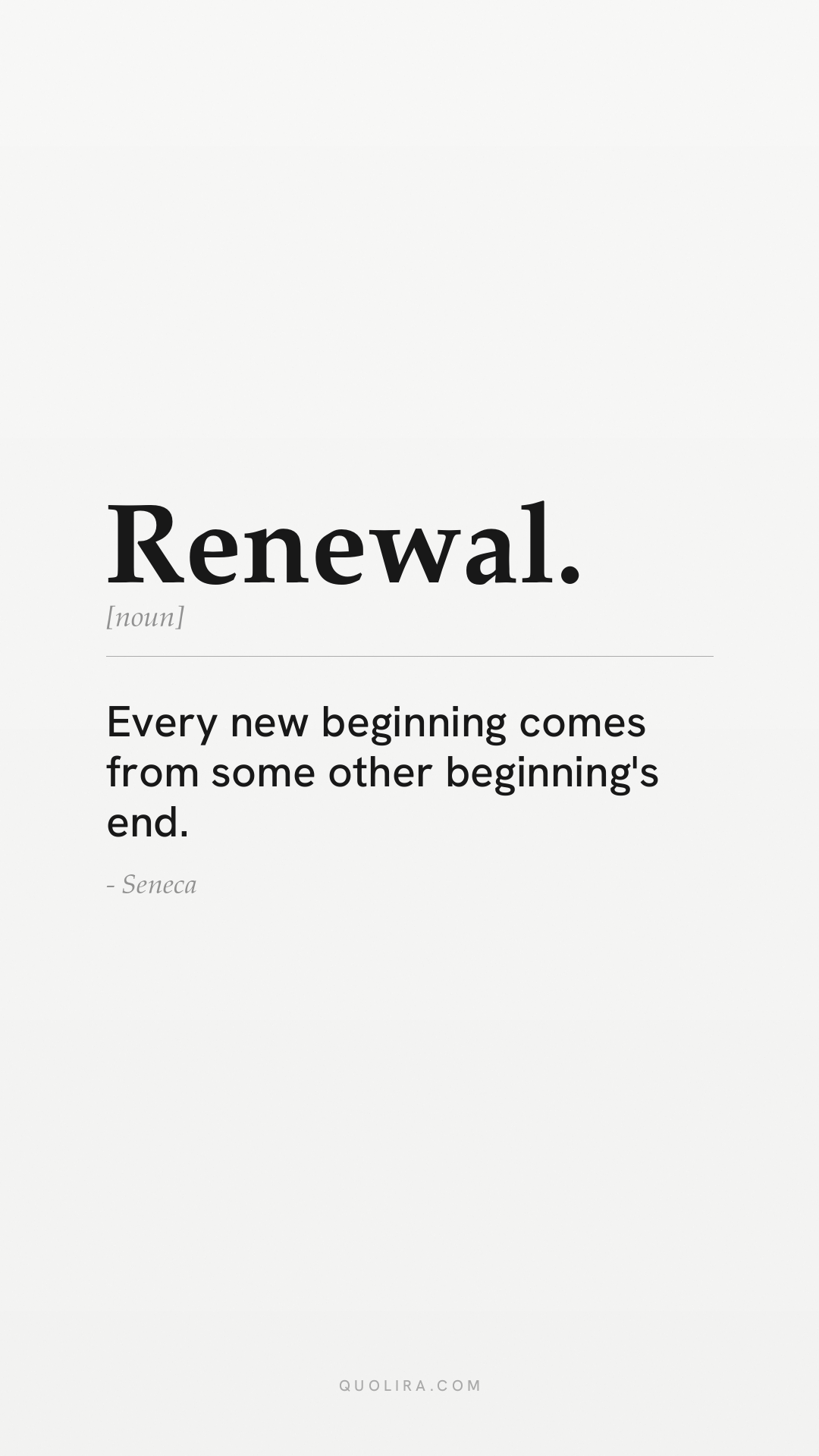
“Every new beginning comes from some other beginning's end.”
Seneca
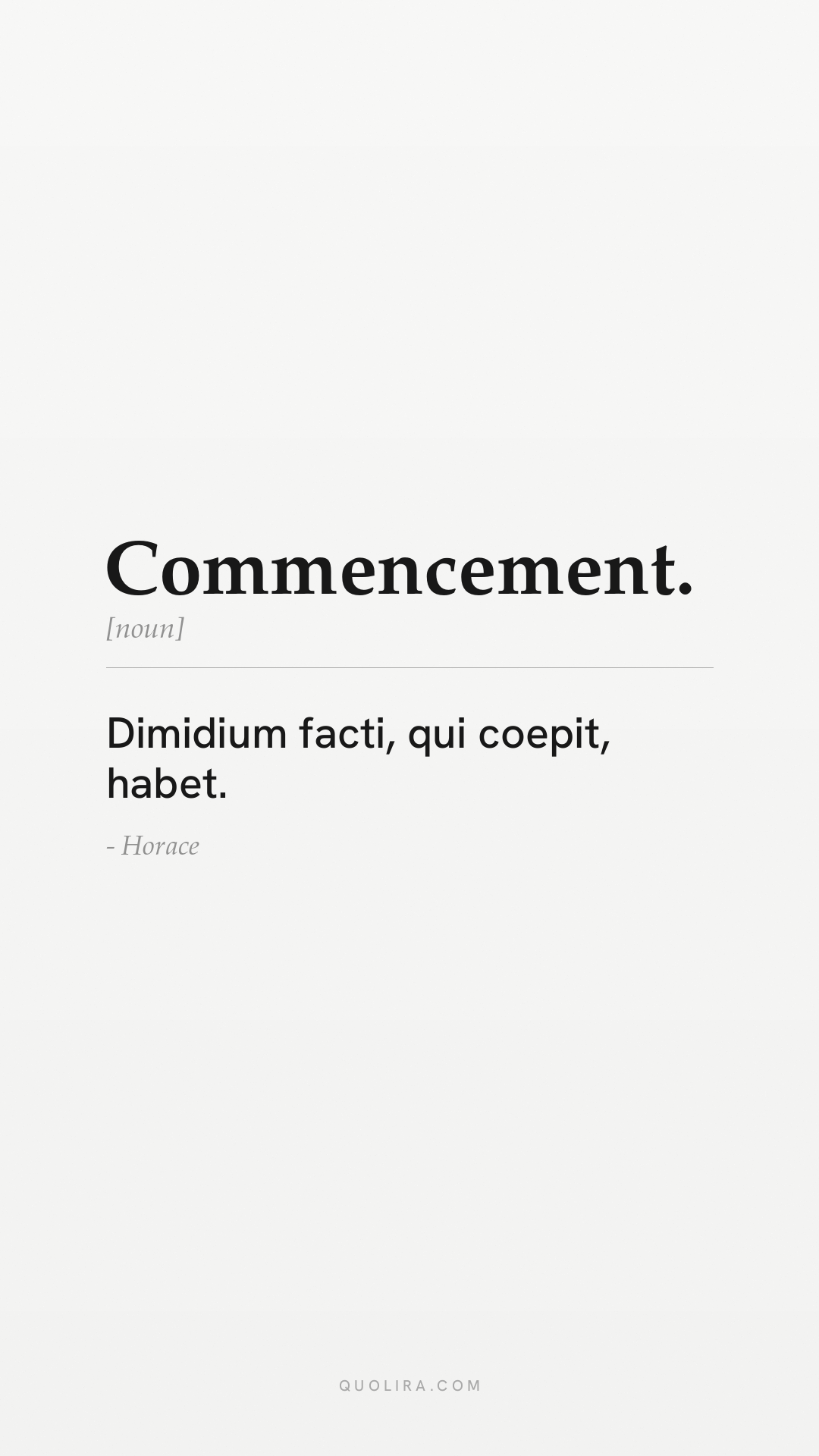
“Dimidium facti, qui coepit, habet.”
Horace · Epistles, Book 1
“You have brains in your head. You have feet in your shoes. You can steer yourself any direction you choose.”
Dr. Seuss · Oh, the Places You'll Go!, 1990
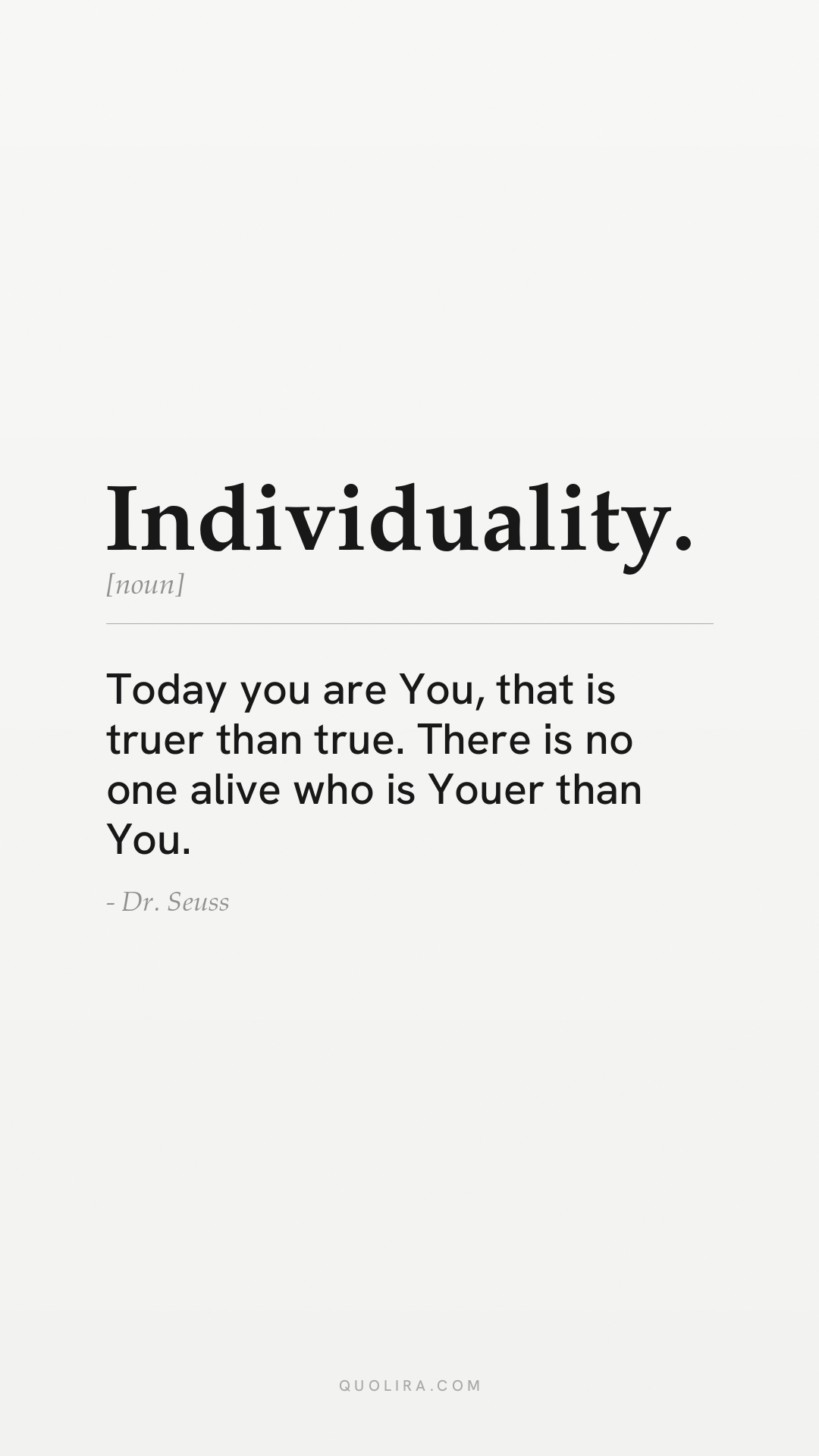
“Today you are You, that is truer than true. There is no one alive who is Youer than You.”
Dr. Seuss · Happy Birthday to You!, 1959
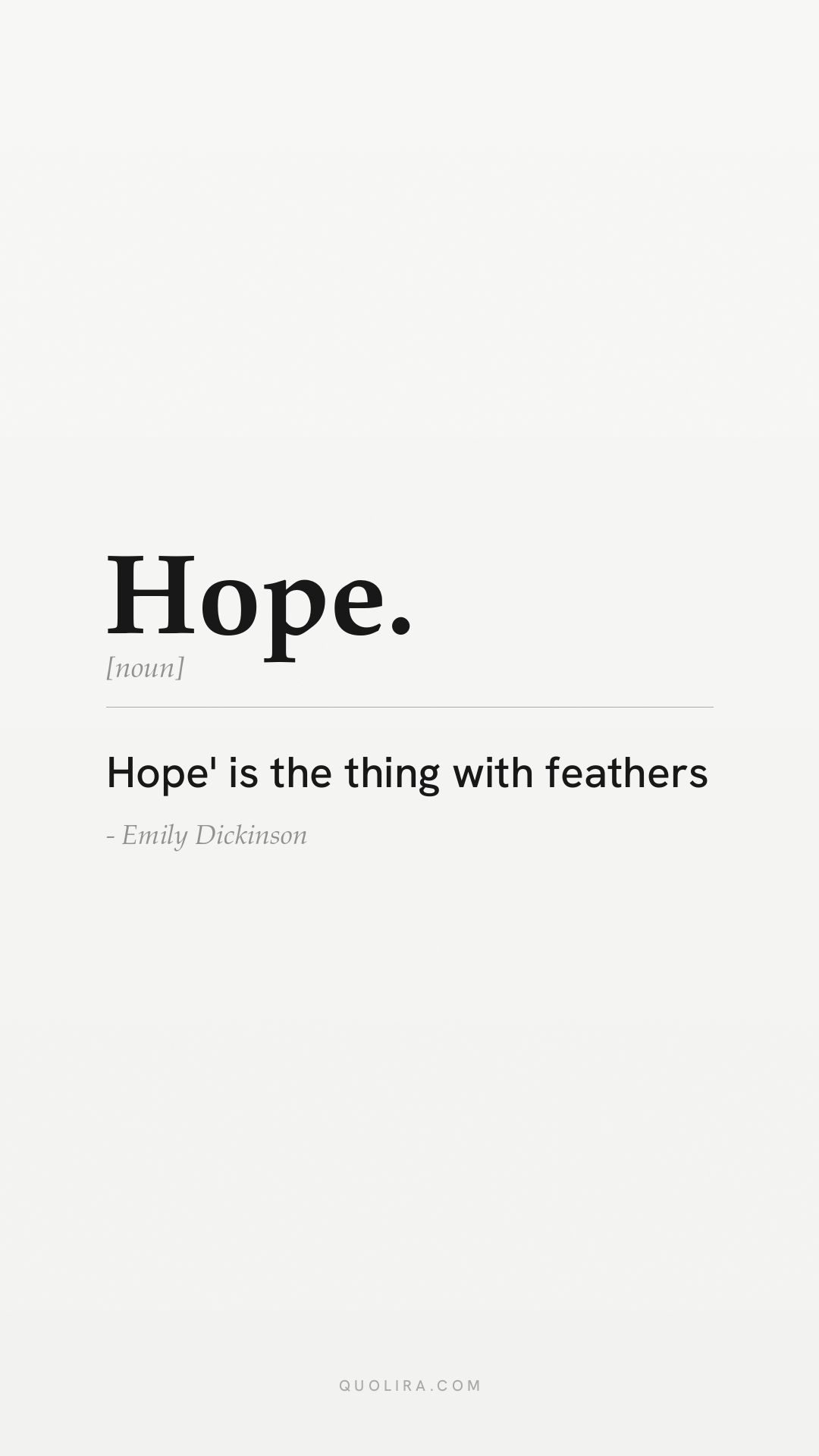
“'Hope' is the thing with feathers”
Emily Dickinson · Poem 254, published 1891
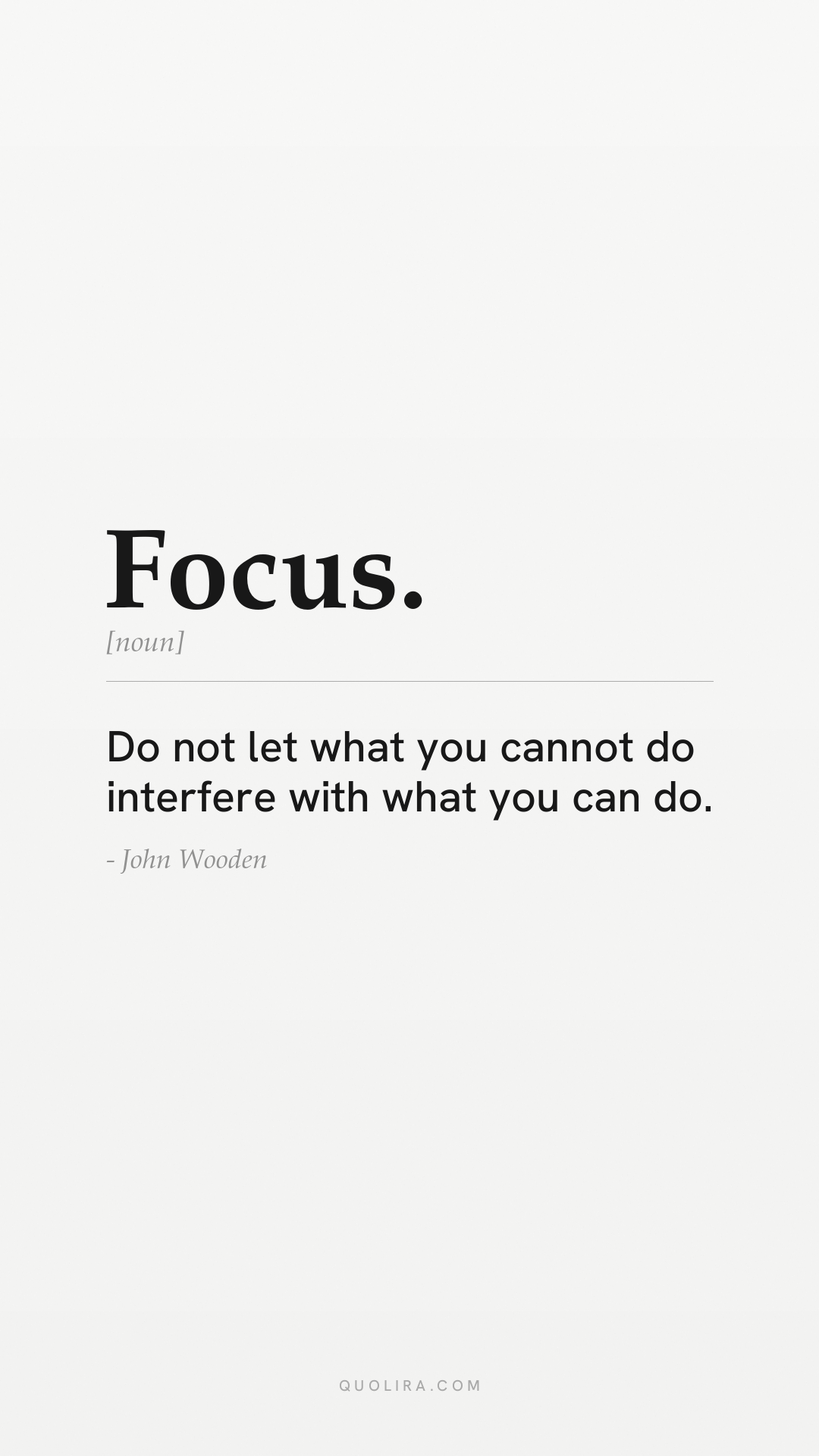
“Do not let what you cannot do interfere with what you can do.”
John Wooden