“No thing great is created suddenly, any more than a bunch of grapes or a fig.”
Epictetus · Discourses, Book I, chapter 15
 quolira
.com
Epictetus said it, in Discourses, Book I, chapter 12.
Epictetus rejects the idea that wisdom depends on length or grand rhetoric. A short, clear principle can outweigh a long speech. Next time you judge an argument, ask whether it holds up, not how loud it sounds.
From the collection: 23 Best Epictetus Quotes on Fear, Freedom, and Control · More Epictetus quotes
This quote means that the worth of a line of reasoning depends on whether its principles are sound, not on how long or impressive it looks. Epictetus asks us to judge an argument or a mind by its foundations rather than by its apparent size or grandeur. Substance matters more than scale.
The line comes from the Discourses, the lectures Epictetus gave to his students, which Arrian recorded and arranged. In this part of the teaching, Epictetus is concerned with how people evaluate ideas and themselves. Students often assume that a person of larger stature or a more elaborate speech must be more reasonable, and Epictetus corrects this habit by directing attention to the principles that actually guide thought and action.
Epictetus was a Stoic philosopher who taught in the first and second centuries CE. Born into slavery, he later gained his freedom and became one of the most influential teachers of Stoic ethics. He taught in Rome and later founded a school at Nicopolis in Epirus. He wrote nothing that survives under his own hand. His teachings are preserved in the Discourses and the Enchiridion, both of which reflect the practical, disciplined approach to philosophy that he championed.
“No thing great is created suddenly, any more than a bunch of grapes or a fig.”
Epictetus · Discourses, Book I, chapter 15
“Practice yourself, for heaven's sake, in little things; and thence proceed to greater.”
Epictetus · Discourses, Book I, chapter 18
“If you would be a good reader, read; if a writer, write.”
Epictetus · Discourses, Book II, chapter 18
“Whatever you would make habitual, practice it; and if you would not make a thing habitual, do not practice it, but accustom yourself to something else.”
Epictetus · Discourses, Book II, chapter 18
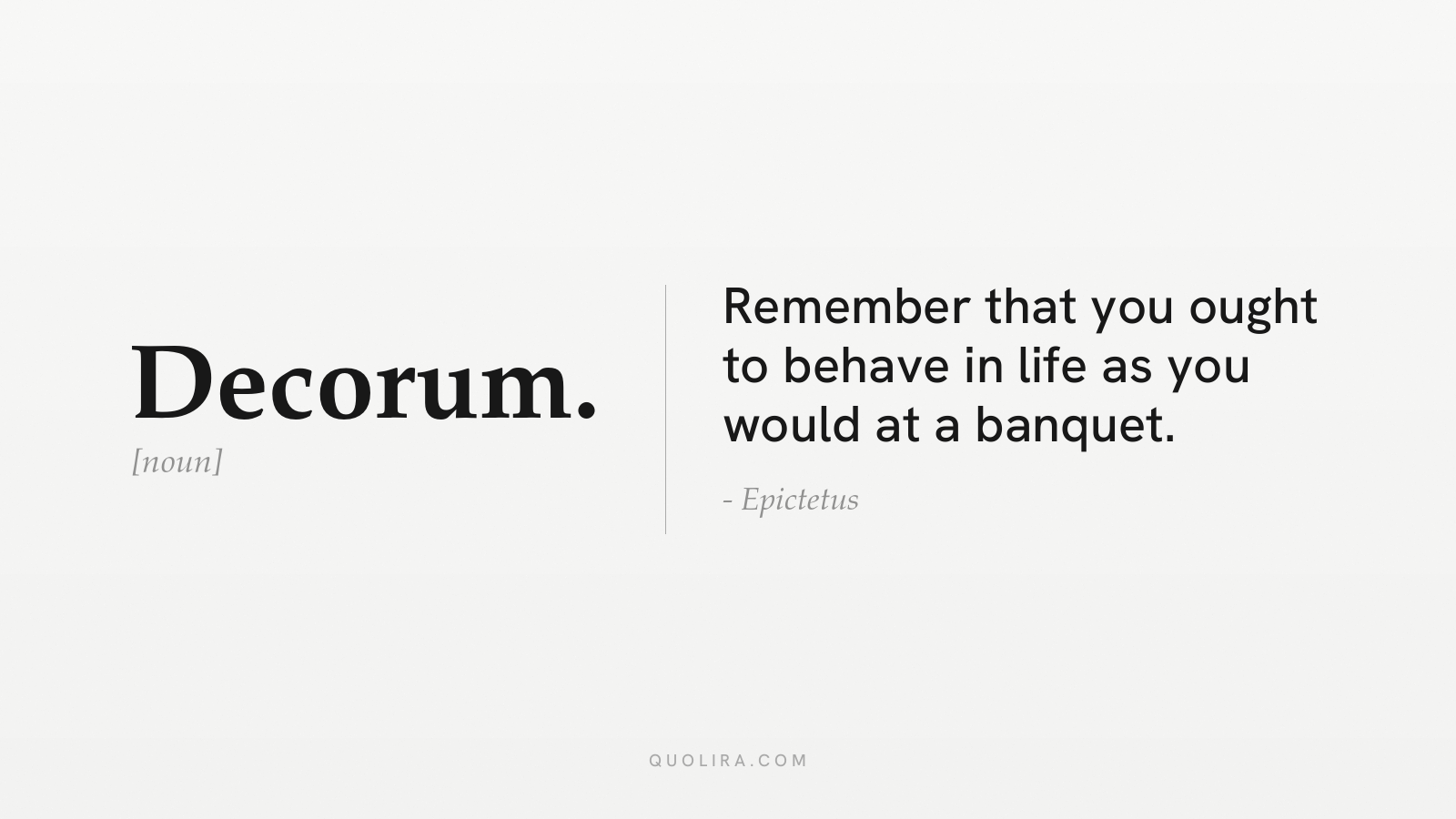
“Remember that you ought to behave in life as you would at a banquet.”
Epictetus · Enchiridion, section 15
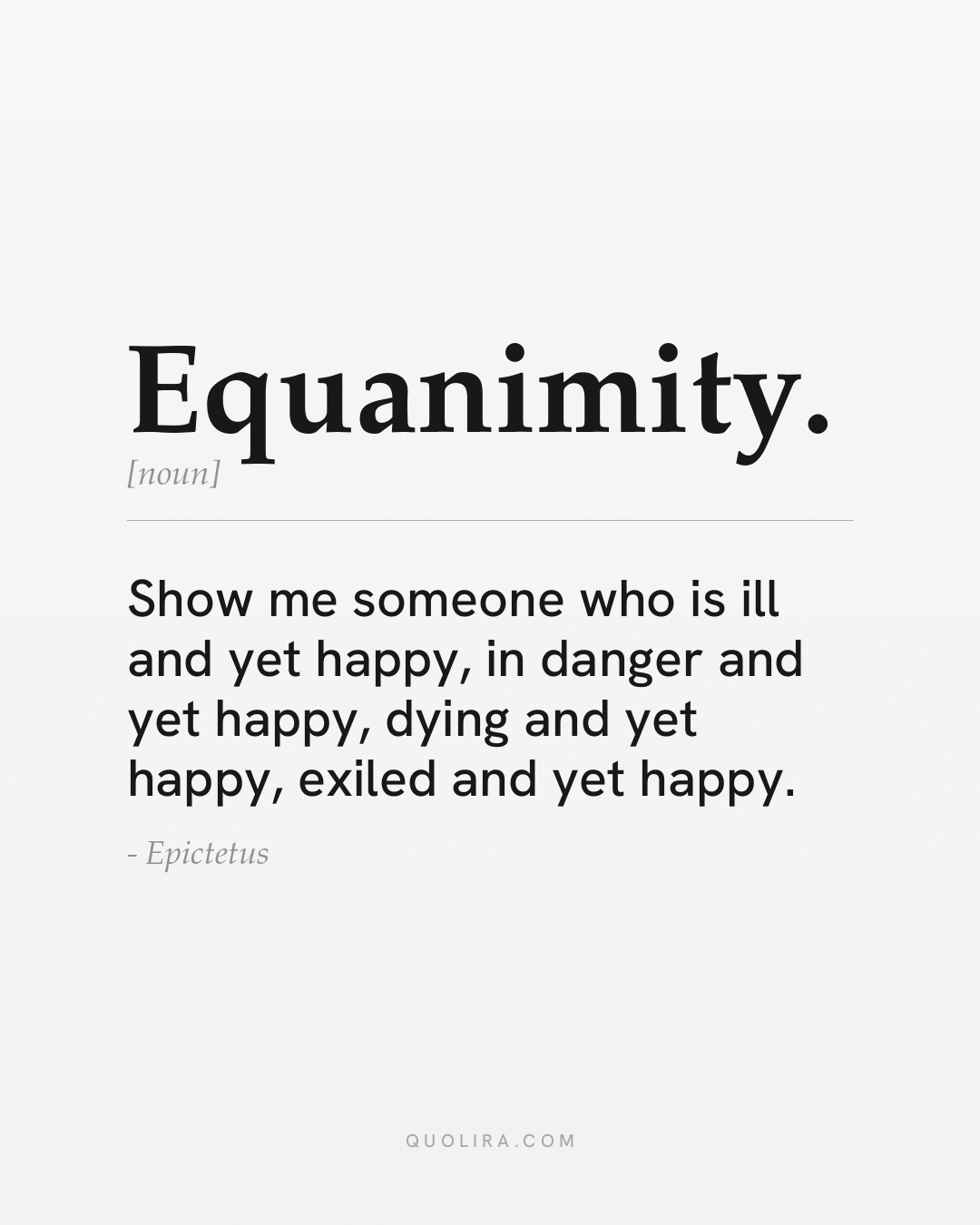
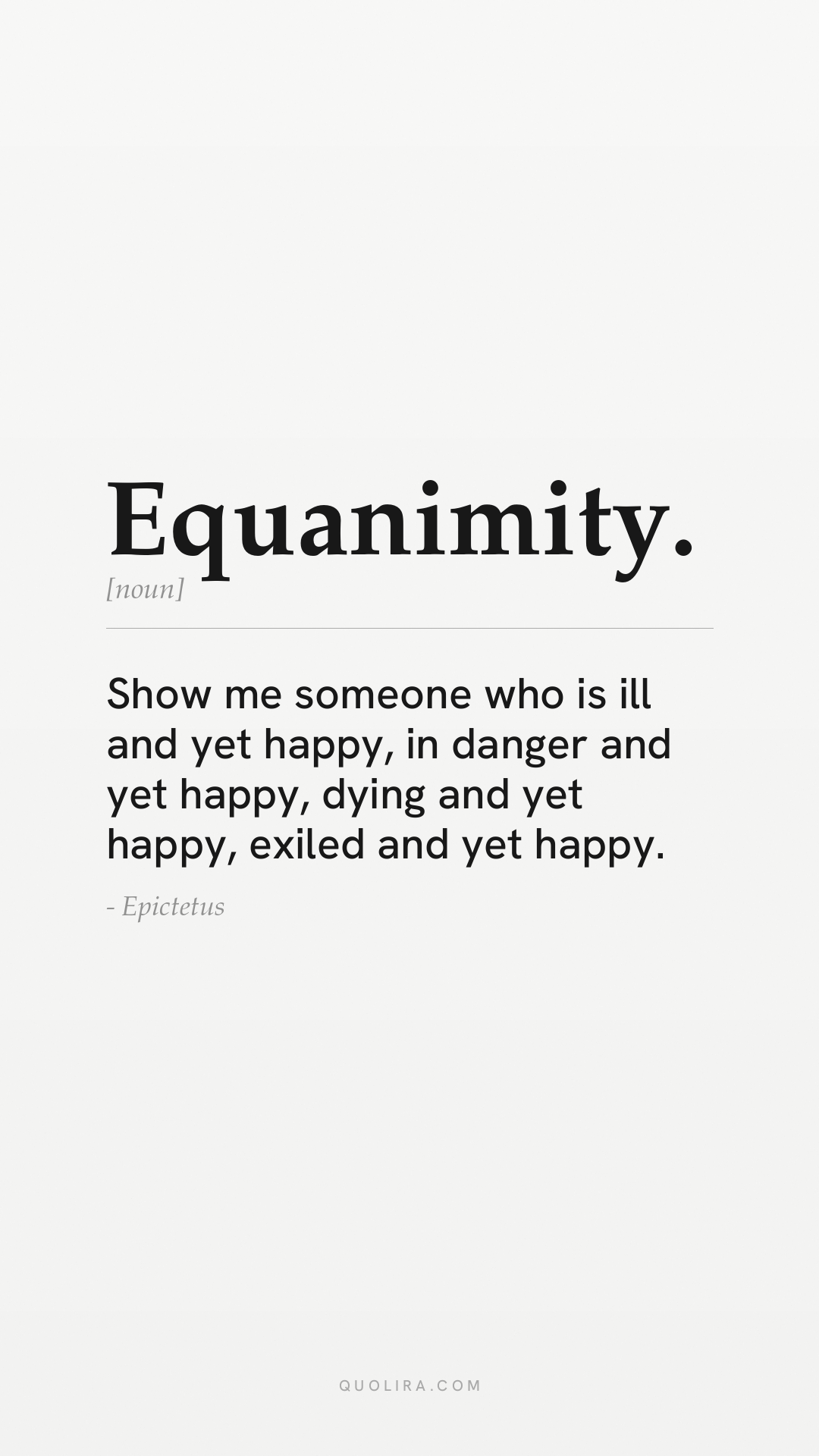
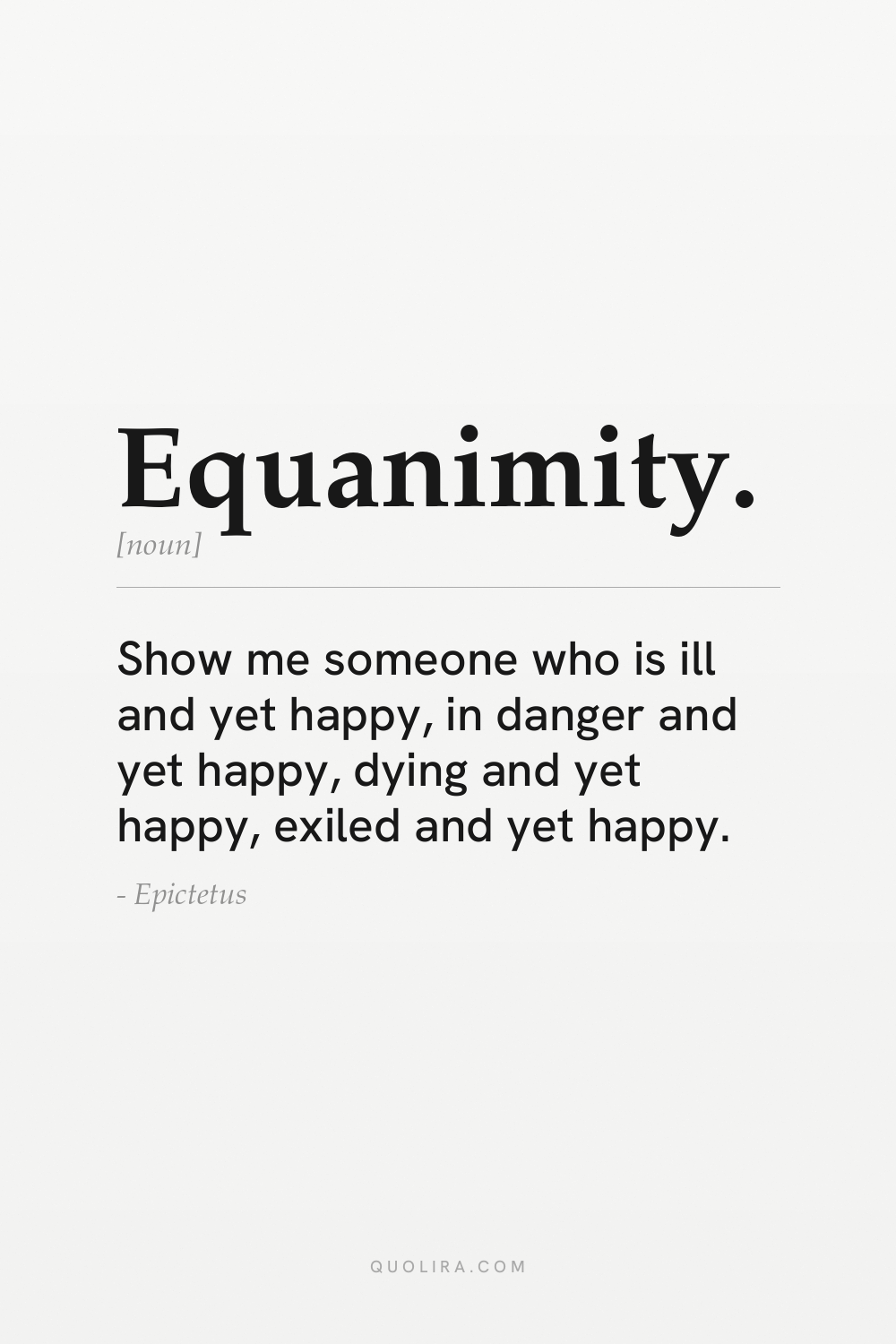
“Show me someone who is ill and yet happy, in danger and yet happy, dying and yet happy, exiled and yet happy.”
Epictetus · Discourses, Book II, chapter 19
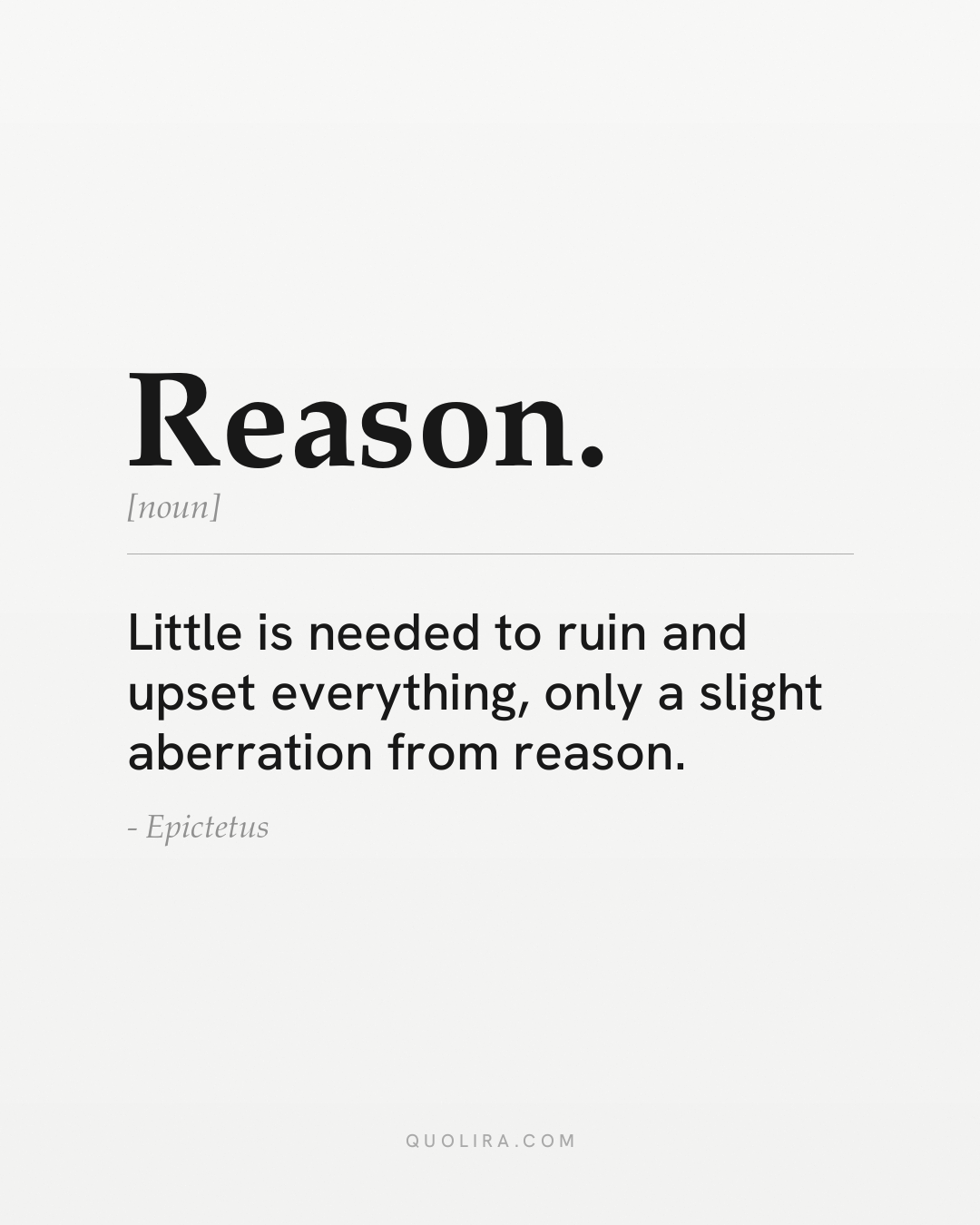
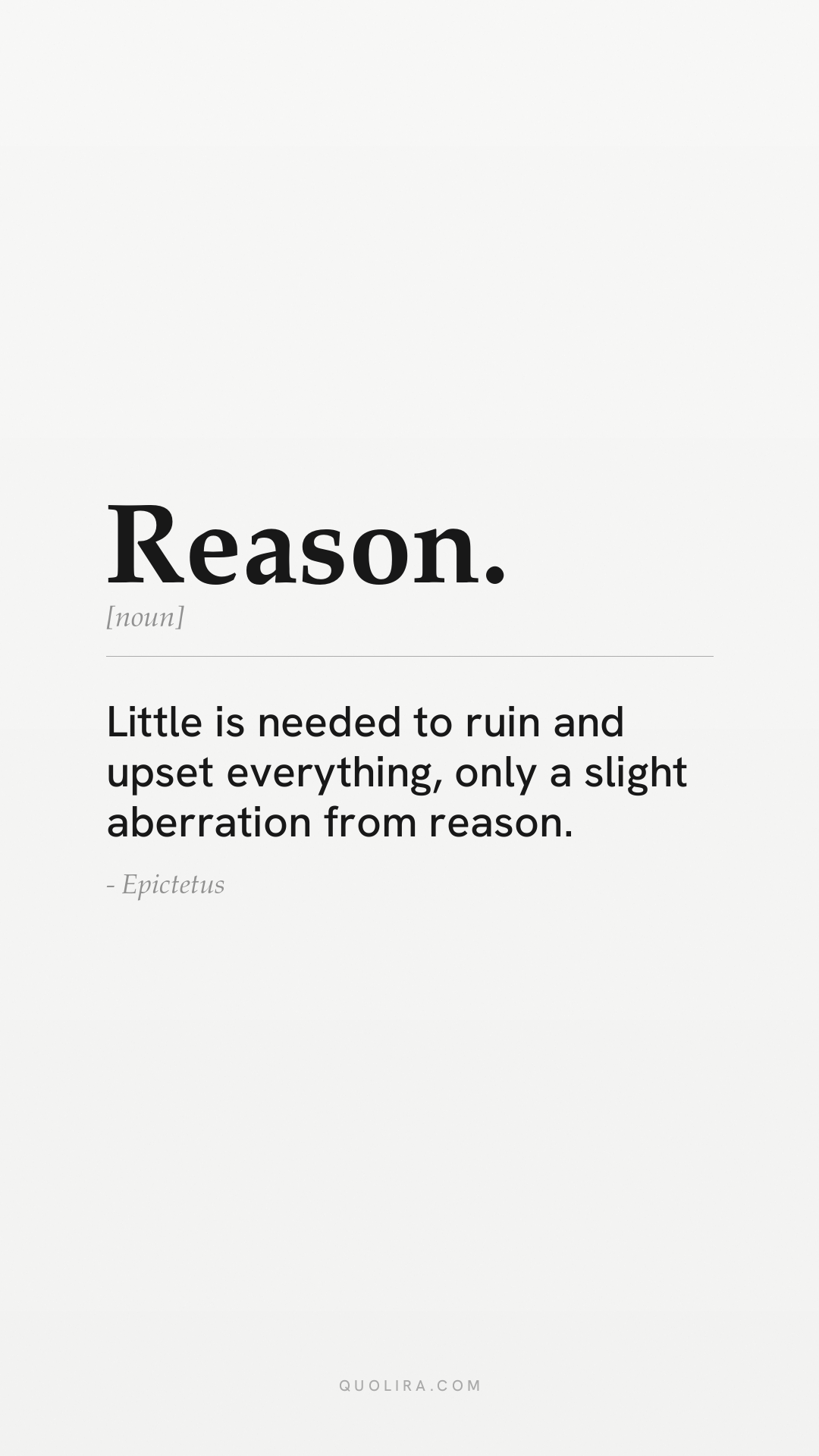
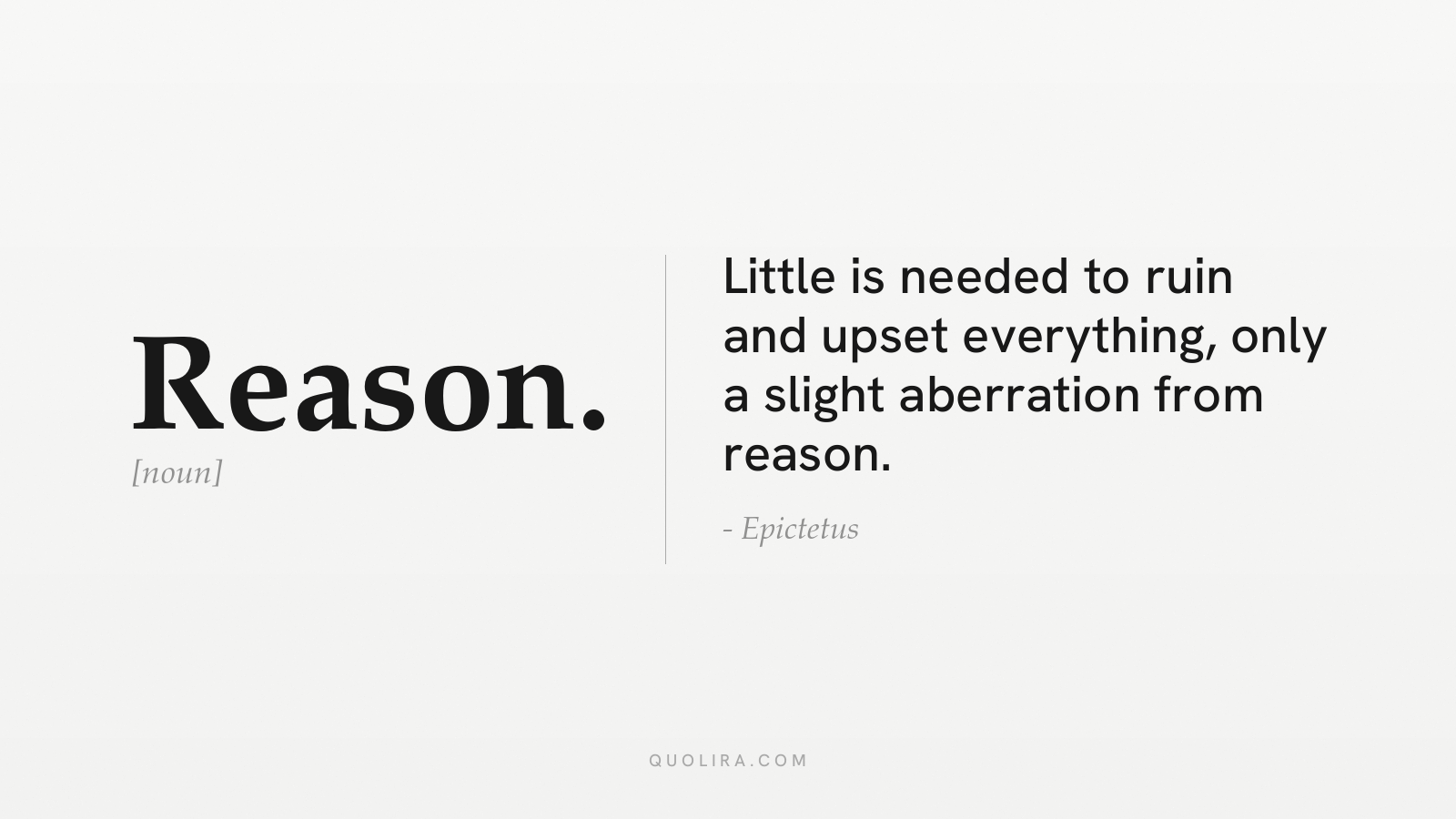
“Little is needed to ruin and upset everything, only a slight aberration from reason.”
Epictetus · Discourses, Book IV, chapter 3
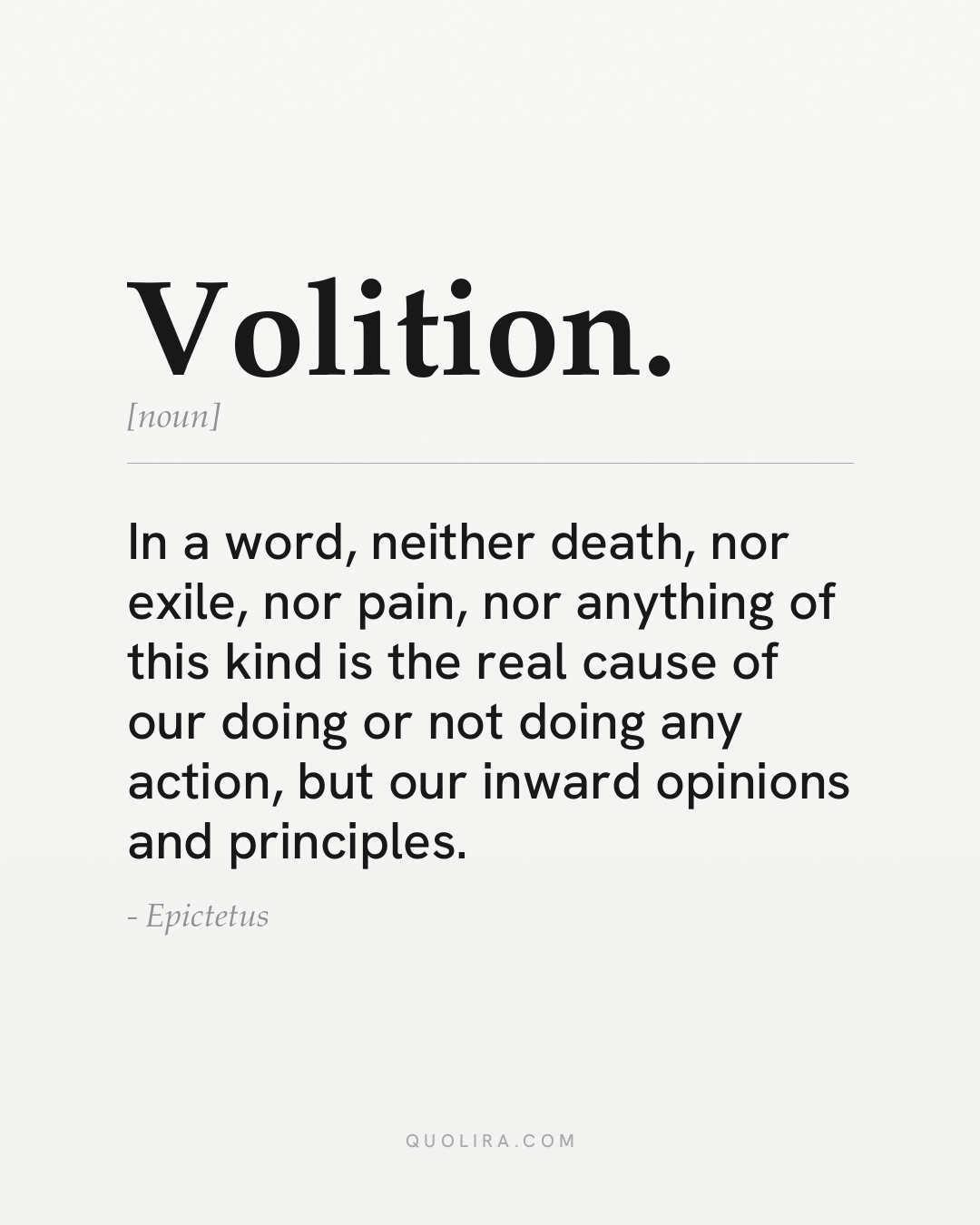
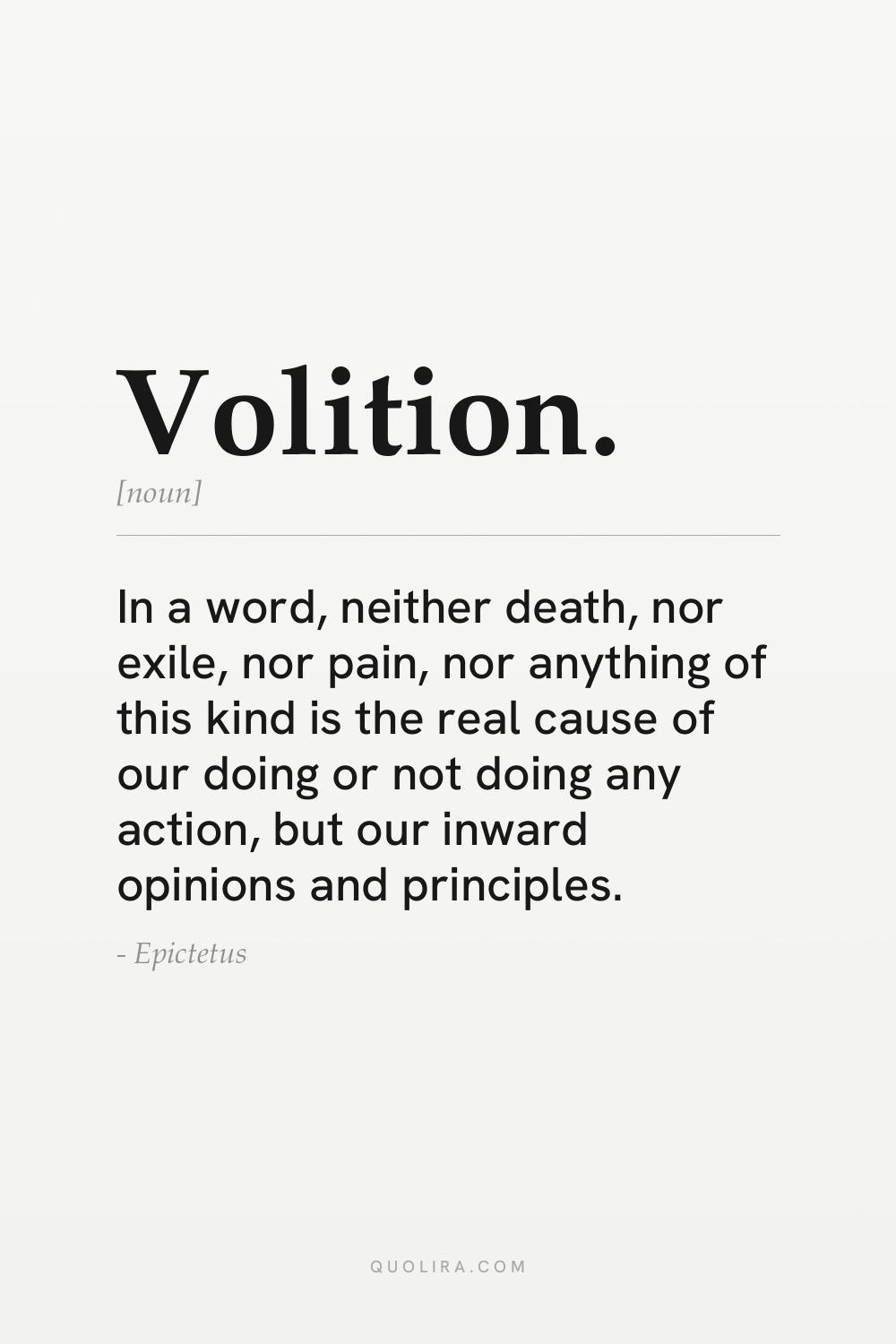
“In a word, neither death, nor exile, nor pain, nor anything of this kind is the real cause of our doing or not doing any action, but our inward opinions and principles.”
Epictetus · Discourses, Book I, chapter 11
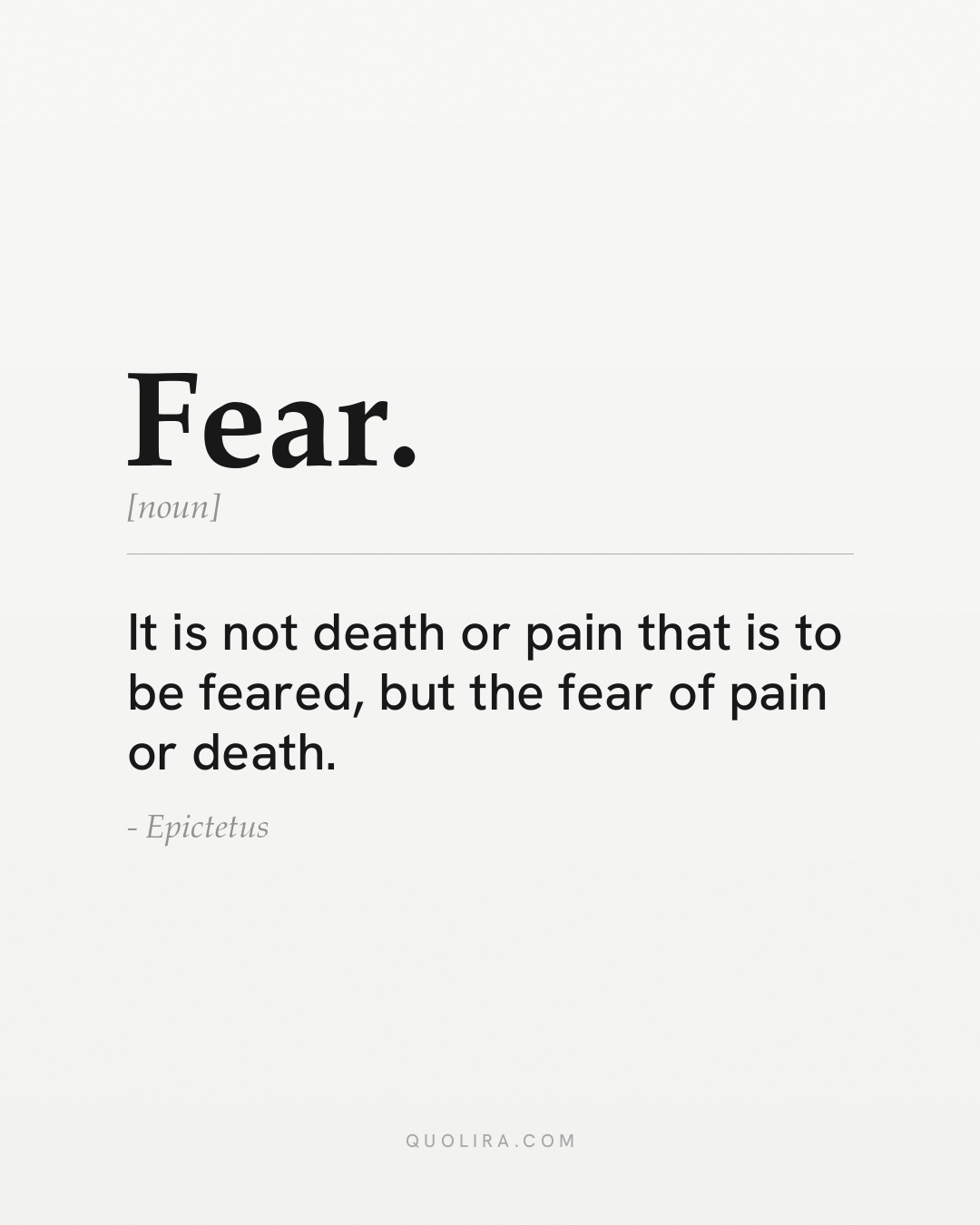
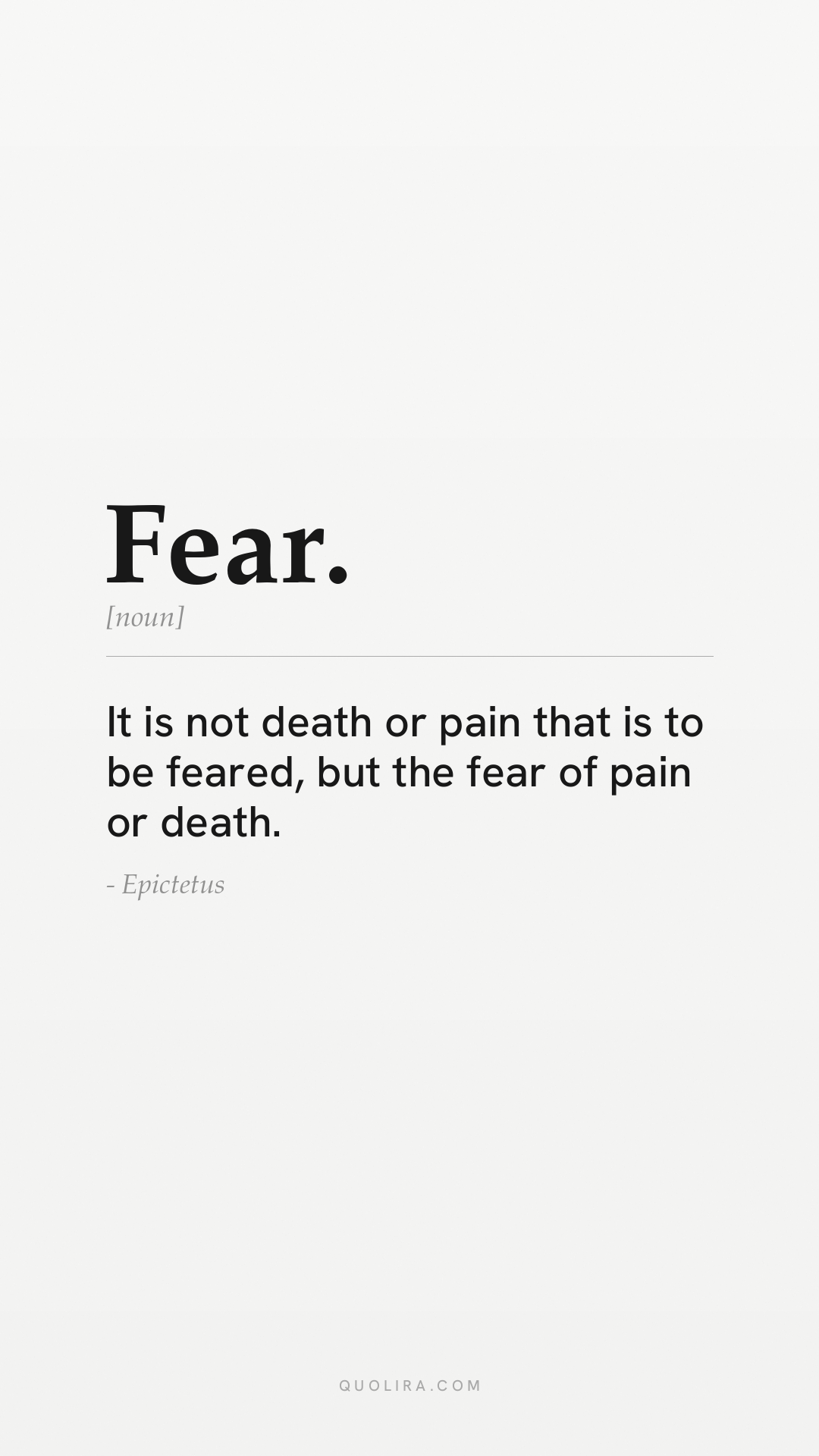
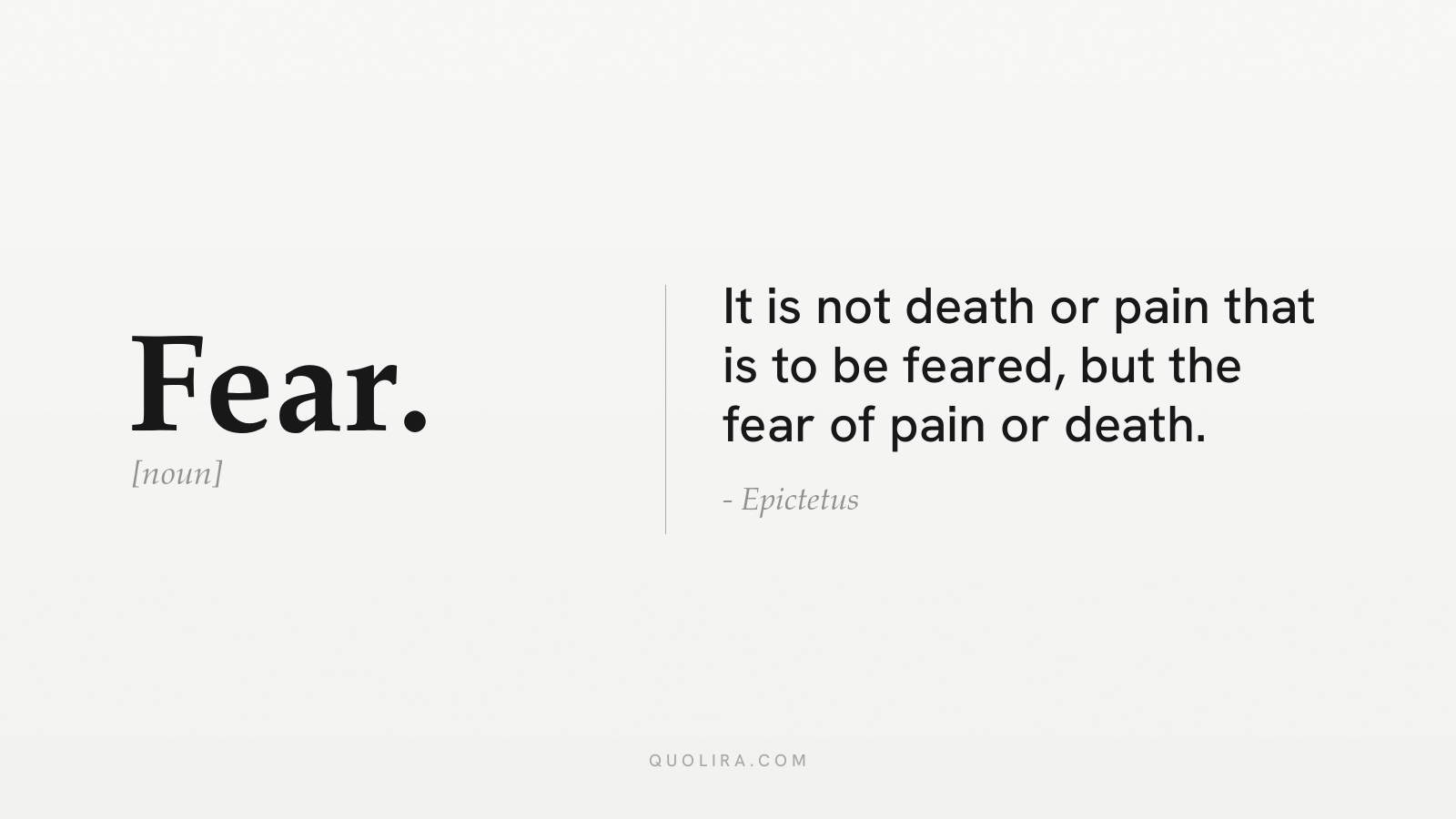
“It is not death or pain that is to be feared, but the fear of pain or death.”
Epictetus · Discourses, Book II, chapter 1
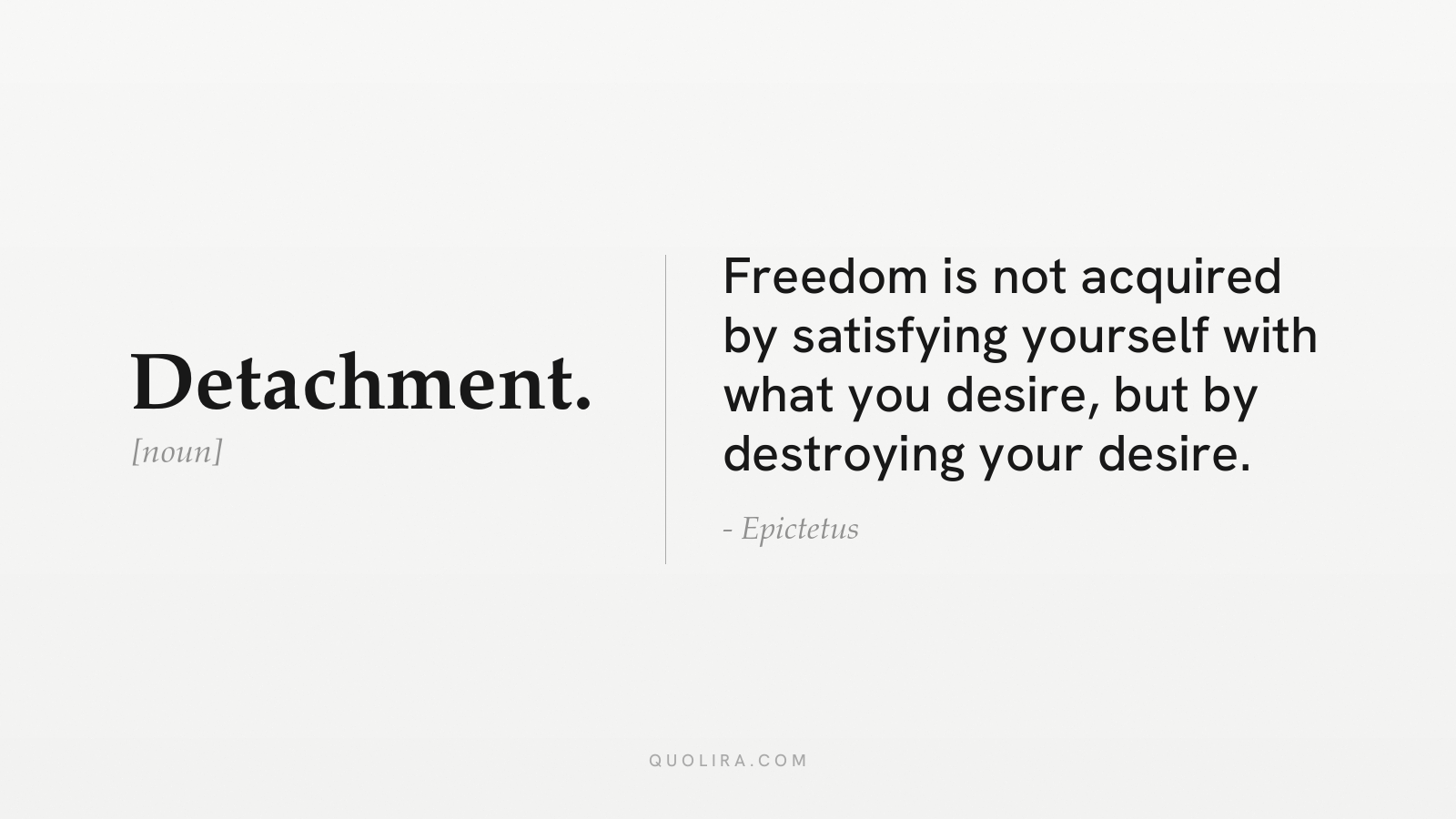
“Freedom is not acquired by satisfying yourself with what you desire, but by destroying your desire.”
Epictetus · Discourses, Book IV, chapter 1
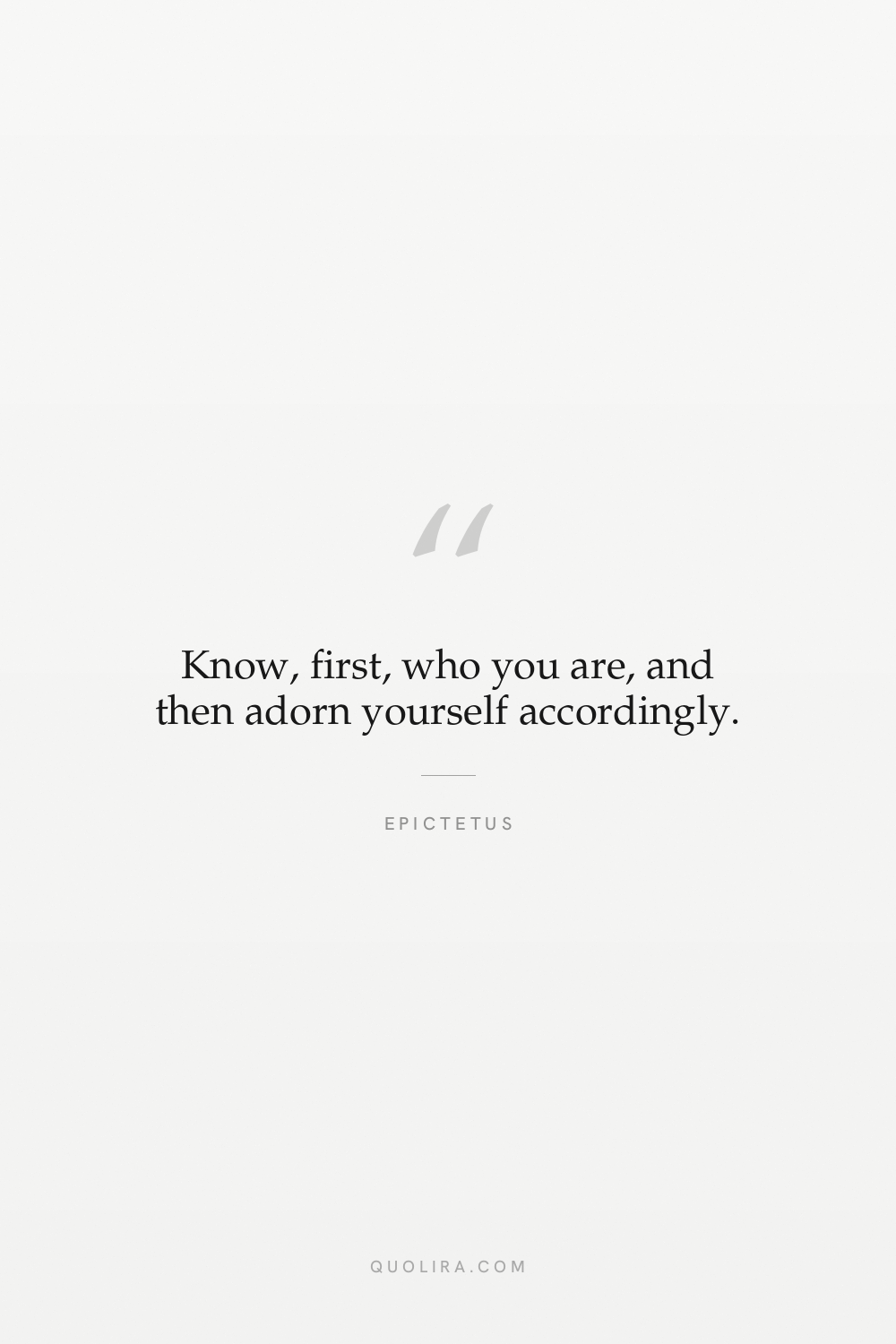
“Know, first, who you are, and then adorn yourself accordingly.”
Epictetus · Discourses, Book III, chapter 1
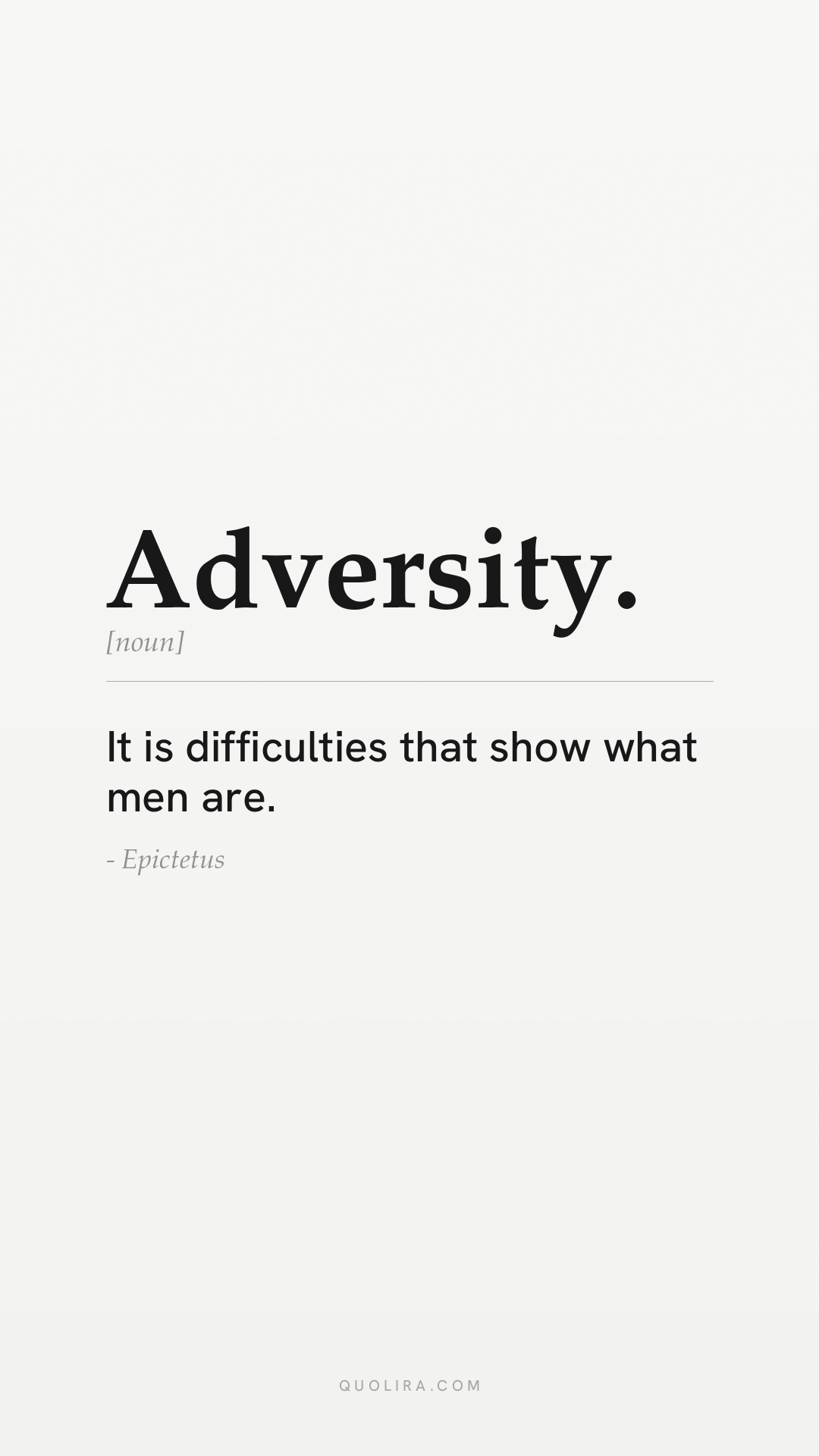
“It is difficulties that show what men are.”
Epictetus · Discourses, Book I, chapter 24