The Money Paradox
Sometimes the most expensive lessons are the ones that actually stick.
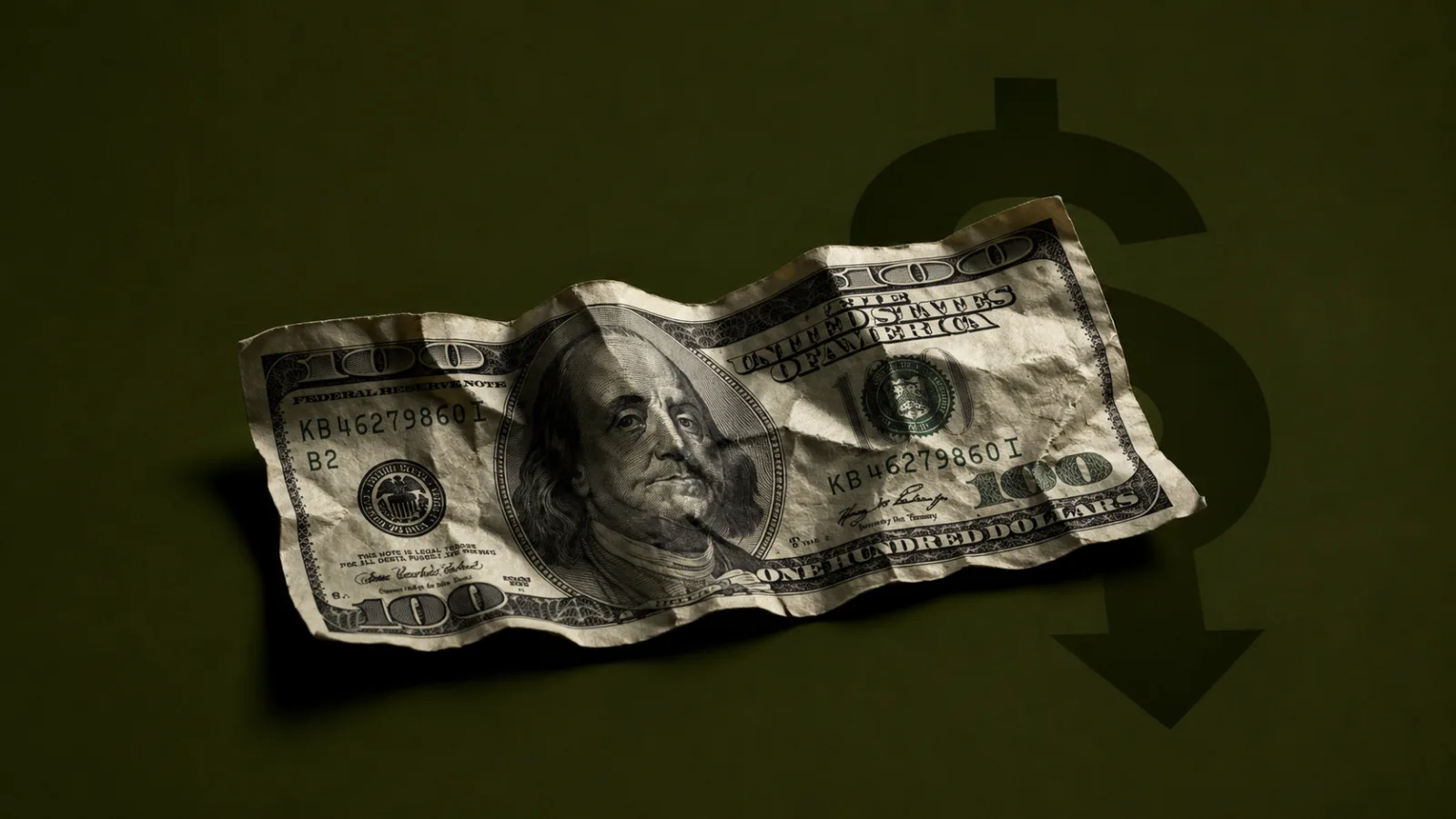
Paying to learn is one of those ideas that sounds backward until you've lived it. You lose money on a bad investment, a failed business, a course that taught you what you already suspected. And then, somewhere in the wreckage, you find the thing that actually changes how you move. Financial mistakes and costly lessons have a way of landing differently than free advice ever could.
The lesson you pay for is the one you actually keep.
The lesson that cost you something
There's a specific kind of knowledge you only get after losing money. A failed freelance project in 2018 taught me more about contracts than any template or how-to article ever did. I read the articles. I skimmed the templates. I didn't actually learn until a client ghosted me on a $3,000 invoice and I had nothing in writing.
That hurt. And it never happened again.
Free advice is easy to absorb and equally easy to discard. When something costs you, the brain files it differently. Pain is a better teacher than convenience, and money is a very legible form of pain.
Paying to learn looks different every time
Sometimes it's a $1,500 online course you finish in a burst of motivation and then half-forget. Sometimes it's a business that bleeds cash for 18 months before you finally admit the model was broken from the start. Sometimes it's just a $40 book you actually read because you paid for it, instead of the free PDF you downloaded and never opened.
The Psychology of Money by Morgan Housel
The form doesn't matter much. What matters is that you put something real on the line.
"Experience is what you get when you didn't get what you wanted." (Randy Pausch, The Last Lecture, 2008)
That's the uncomfortable math underneath all of it. The wanting-and-not-getting is the tuition. The experience is the degree.
Why the free version doesn't always work
This isn't a knock on free resources. Libraries exist. The internet is full of genuinely good information. But most people who've read every book on entrepreneurship and never started anything will tell you the same thing: knowing and doing are different muscles.
Paying forces you to do. Or at least to show up with more intention.
Fooled by Randomness by Nassim Nicholas Taleb
A mentor once told me that the clients who paid the most were always the most prepared for calls. They'd done the reading. They'd thought through their questions. Because they'd committed. The people who got in free, through favors or free trials, often came in scattered. That's a pattern, not a coincidence.
What you do with the loss
Here's the thing about expensive mistakes: they're only useful if you actually process them. A lot of people lose money and just feel bad about it. That's not learning. That's just suffering.
The ones who come out sharper are the ones who sit with the wreckage and ask honest questions. What did I assume? Where did that assumption come from? What would I need to see, earlier, to catch this next time?
Write it down. Seriously. A two-paragraph note to yourself after a costly failure is worth more than most post-mortems I've seen in professional settings.
You paid for that insight. You might as well collect it.
Lose money once with real skin in the game and you'll understand risk better than a hundred free articles could teach you.
The tuition was real. So was the education. And honestly, you probably couldn't have learned it any cheaper.
Frequently asked questions
Why do we learn more from expensive mistakes than free advice?
Is paying for courses or coaching worth it?
How do you make the most of a financial mistake?
Keep reading
25 Deep, Meaningful Quotes That Make You Stop and Think
Words from history's sharpest minds that cut straight to what matters.

17 Sad Quotes That Sit With You Long After You Read Them
Words that don't try to fix the ache, just name it honestly.
Kintsugi - The Gold in the Cracks
What a 500-year-old Japanese repair method teaches us about carrying our damage with dignity.