19 Stoic Classics Quotes That Still Cut Deep After 2,000 Years
The ancient philosophers didn't write self-help. They wrote survival manuals.
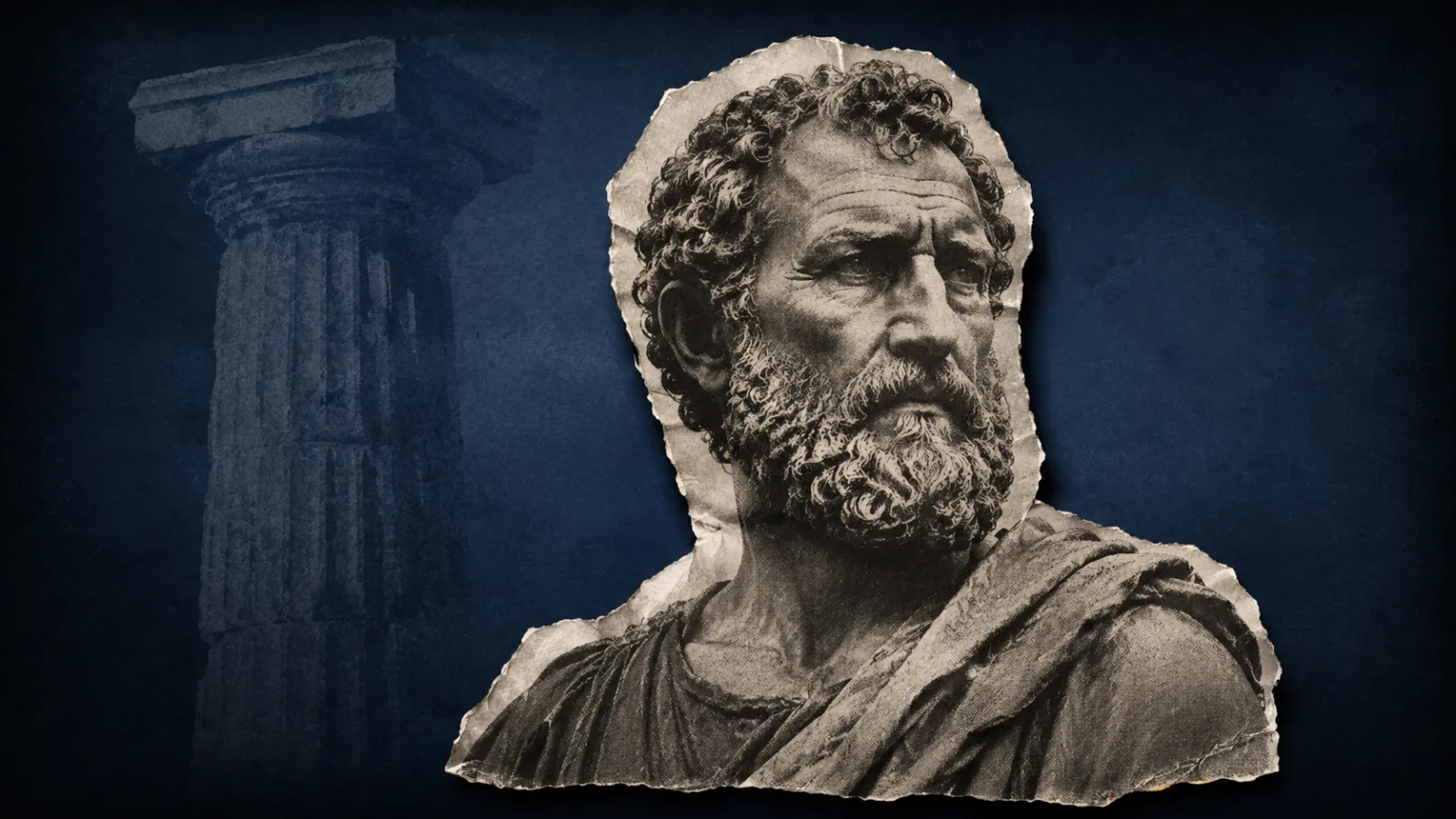
Stoic classics have outlasted empires, survived burned libraries, and shown up in the margins of soldiers' journals and prison notebooks for good reason. Marcus Aurelius, Epictetus, and Seneca weren't writing for posterity. They were writing to get through the day. What they left behind is something rarer than wisdom: practice. These 19 quotes prove that Stoic philosophy didn't age. It just waited.
You have power over your mind, not outside events. Realize this, and you will find strength.
The happiness of your life depends upon the quality of your thoughts.
This isn't a plea for positive thinking. It's a harder demand: examine what you actually believe, because your inner monologue runs your life whether you audit it or not.
Waste no more time arguing about what a good man should be. Be one.
Marcus Aurelius Meditations, Book X
Short, almost impatient. Marcus had been emperor of Rome since 161 AD and apparently had little patience left for philosophy that stayed theoretical.
If it is not right, do not do it; if it is not true, do not say it.
Marcus Aurelius Meditations, Book XII
Two rules. Most ethical frameworks use dozens. The compression here is the whole point: complexity is usually a way to avoid clarity.
He who fears death will never do anything worthy of a man who is alive.
Seneca wrote this around 65 AD, the same year Nero ordered him to take his own life. He did, calmly. The letter predates the order, but the man clearly meant it.
Meditations by Marcus Aurelius (Gregory Hays translation)
It is not that I'm so brave, but that those who yield to grief accomplish nothing.
Seneca is refreshingly honest about the practical side of Stoic endurance. Courage isn't always noble resolve. Sometimes it's just the recognition that falling apart doesn't help.
Omnia, Lucili, aliena sunt, tempus tantum nostrum est.
Seneca Letters to Lucilius, Letter I
"Everything, Lucilius, belongs to others; time alone is ours." The very first letter in the collection, and Seneca opens by telling his friend to stop giving time away like it costs nothing.
Dum differtur vita transcurrit.
Seneca Letters to Lucilius, Letter I
"While we are postponing, life speeds by." Seneca comes back to this idea obsessively across the letters, because he apparently knew how hard it is to actually believe it.

We suffer more often in imagination than in reality.
Modern anxiety research essentially backs this up. The anticipation of a painful event routinely activates more stress than the event itself. Seneca got there without a lab.
Make the best use of what is in your power, and take the rest as it happens.
Epictetus was born a slave around 50 AD. His philosophy of radical inner freedom wasn't abstract to him. It was the only freedom he had for years.
Letters from a Stoic by Seneca (Robin Campbell translation)
Men are disturbed not by the things which happen, but by the opinions about the things.
Epictetus Enchiridion, Chapter 5
This single sentence is the direct ancestor of cognitive behavioral therapy. Albert Ellis cited Epictetus explicitly when developing rational emotive behavior therapy in the 1950s.
Seek not the good in external things; seek it in yourselves.
The Stoics weren't against pleasure or success. They just refused to make those things load-bearing. Put your happiness inside yourself, where no one can confiscate it.
First say to yourself what you would be; and then do what you have to do.
Epictetus Discourses, Book III
Identity before action. It sounds obvious until you notice how rarely people actually do it in that order.
No man is free who is not master of himself.
Epictetus knew external slavery firsthand. The inner kind, he argued, was more common and went mostly unnoticed.
Discourses and Selected Writings by Epictetus (Robert Dobbin translation)
How long are you going to wait before you demand the best for yourself?
He asked this around 100 AD. It still lands the same way in a Tuesday afternoon slump. The question is gentle but the implication is not.
Never let the future disturb you. You will meet it, if you have to, with the same weapons of reason which today arm you against the present.
Marcus Aurelius Meditations, Book VII
This is Marcus writing to himself during the Antonine Plague, which killed millions across his empire. "You'll have tools then too" is, given the context, genuinely courageous advice.
Loss is nothing else but change, and change is Nature's delight.
Marcus Aurelius Meditations, Book IX
Marcus returns to impermanence constantly in the Meditations. He keeps writing it, which suggests he kept needing to remember it.
Begin at once to live, and count each separate day as a separate life.
One day, fully inhabited. Seneca's version of the present-moment obsession that shows up in almost every wisdom tradition, worded with a sharpness that most of them lack.
He is a wise man who does not grieve for the things which he has not, but rejoices for those which he has.
Straightforward on the surface. But try actually doing it for a full day. Epictetus knew it was a practice, not an insight.
2,000 years is a long time for any idea to stick around. These quotes stuck because they solve a problem that doesn't go away: how to live well when things go badly. Read one slowly. Then read it again tomorrow.
Frequently asked questions
What are the best stoic classics quotes for daily life?
Who are the main writers of stoic classics?
Is stoicism still relevant today?
What is the core idea behind stoic classics?
Keep reading
21 Lord Voldemort Best Harry Potter Quotes That Still Chill You
The most memorable lines from the Dark Lord, weighed for what they reveal about fear, power, and the man behind the mask.

14 Satchel Paige Quotes on Aging, Motion, and Not Looking Back
The pitcher who kept throwing into his fifties left behind lines about time that still land.

16 Alice in Wonderland Quotes That Still Make You Stop and Think
The strange logic of Wonderland has a way of feeling truer than the real world.
Marcus wrote Meditations as a private journal, never intending it to be published. The fact that this line has circled the internet a million times would have baffled him completely, and probably confirmed the point.