“Begin at once to live, and count each separate day as a separate life.”
Seneca · Letters to Lucilius
 quolira
.com
quolira
quolira.com
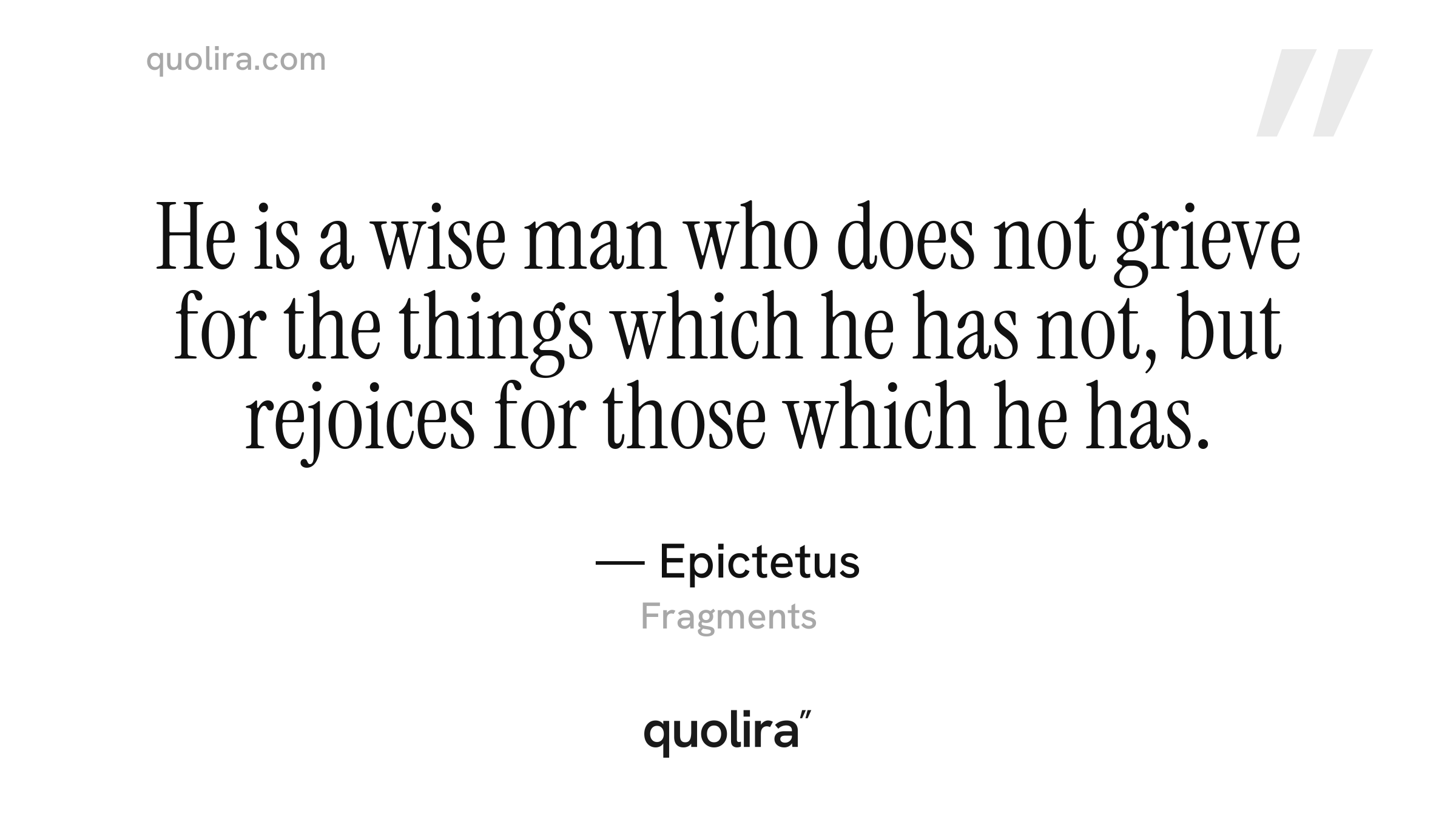
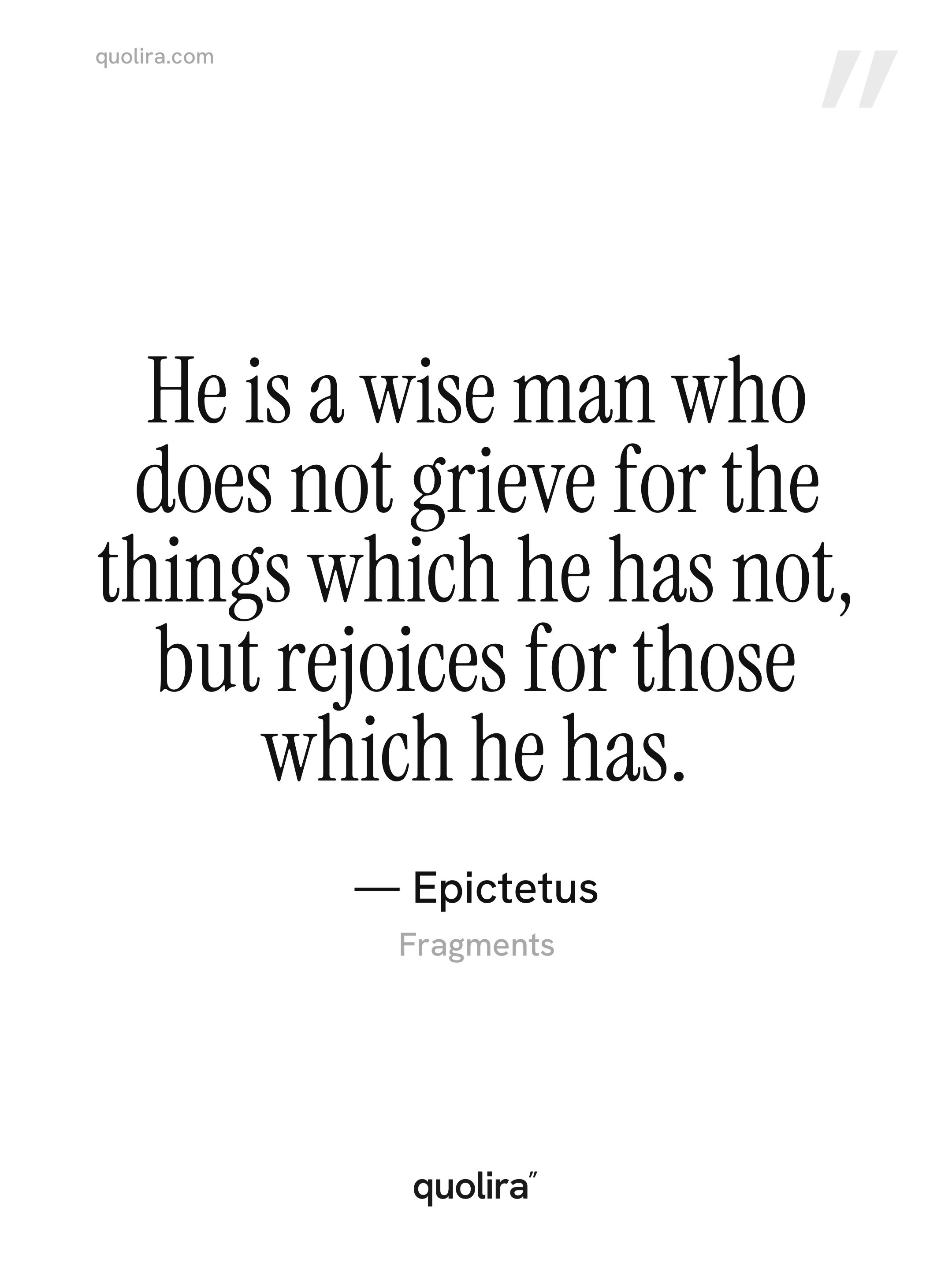
Epictetus is pointing to a fundamental shift in perspective: the path to wisdom lies not in mourning what is absent from your life, but in finding genuine satisfaction in what you already possess. The quote is an argument against the restless habit of measuring happiness by what we lack, and a case for cultivating gratitude as a deliberate practice rather than an accidental mood.
Epictetus was a Stoic philosopher, and this sentiment sits at the heart of Stoic ethics. The Stoics held that our suffering comes not from circumstances themselves but from the judgments we make about them. The Fragments attributed to Epictetus are short, condensed sayings that capture his teaching style, which was direct and aimed at practical conduct rather than abstract theory. This particular idea appears across Stoic writing broadly, reflecting a school-wide emphasis on focusing attention only on what lies within our control, including how we choose to feel about what we have.
Epictetus was born into slavery in ancient Greece, likely in the first century CE, and later gained his freedom. He went on to establish a school of philosophy and became one of the most influential Stoic teachers of the ancient world. His ideas were recorded and preserved largely through the work of his student Arrian, who compiled his lectures and sayings. Epictetus emphasized that freedom is an internal condition, not an external one, and his words have continued to resonate with readers across many centuries.
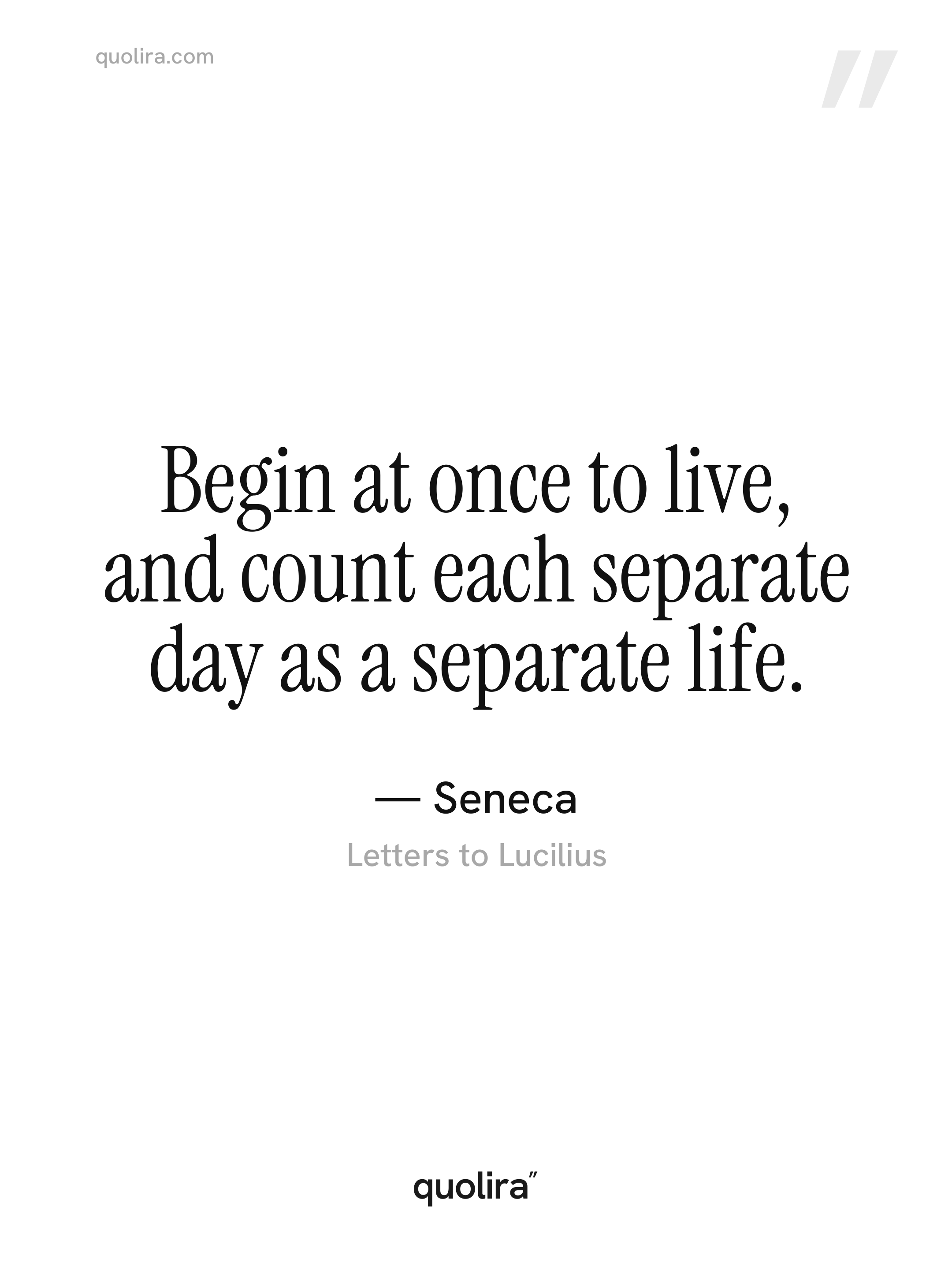
“Begin at once to live, and count each separate day as a separate life.”
Seneca · Letters to Lucilius
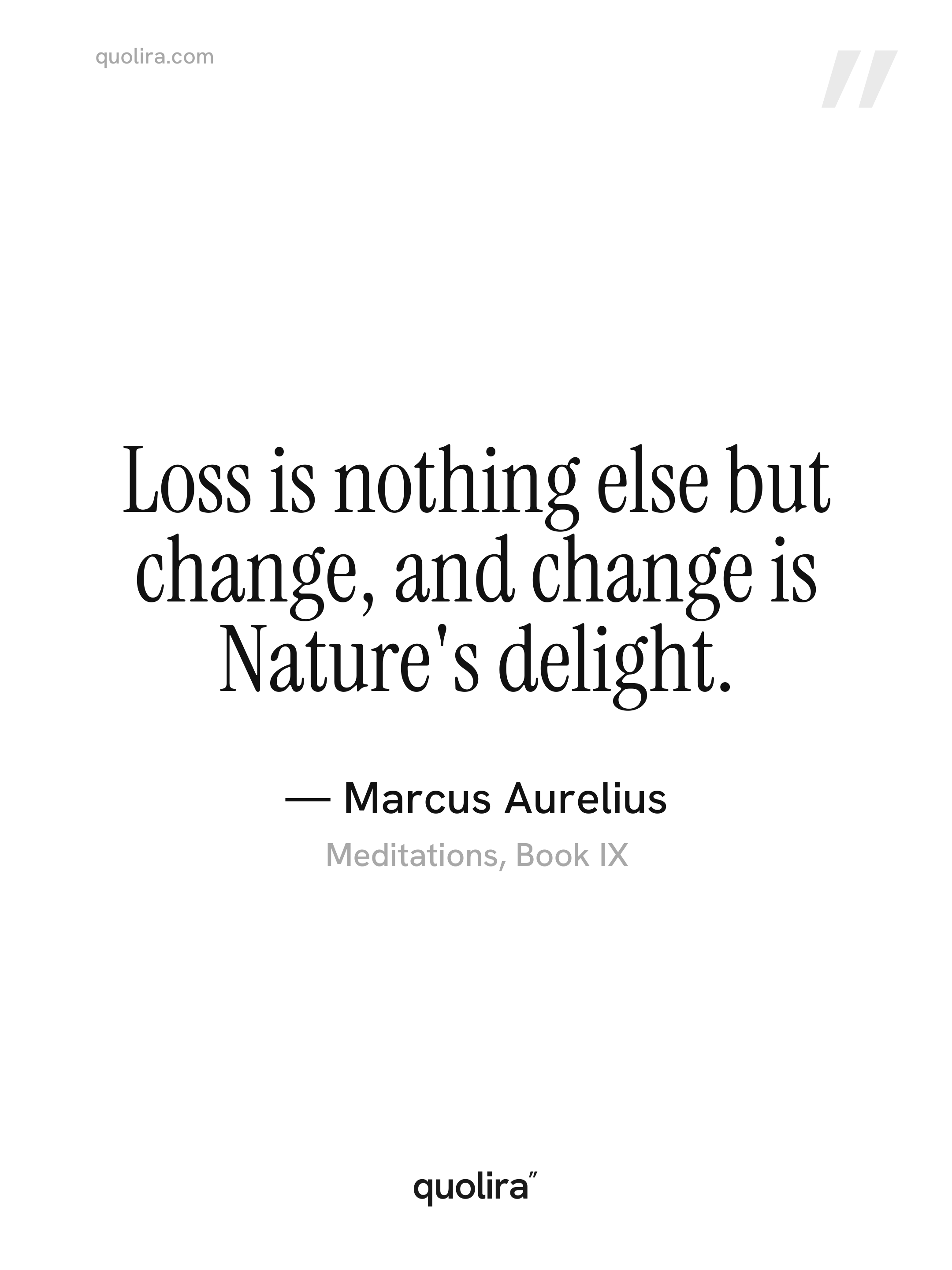
“Loss is nothing else but change, and change is Nature's delight.”
Marcus Aurelius · Meditations, Book IX
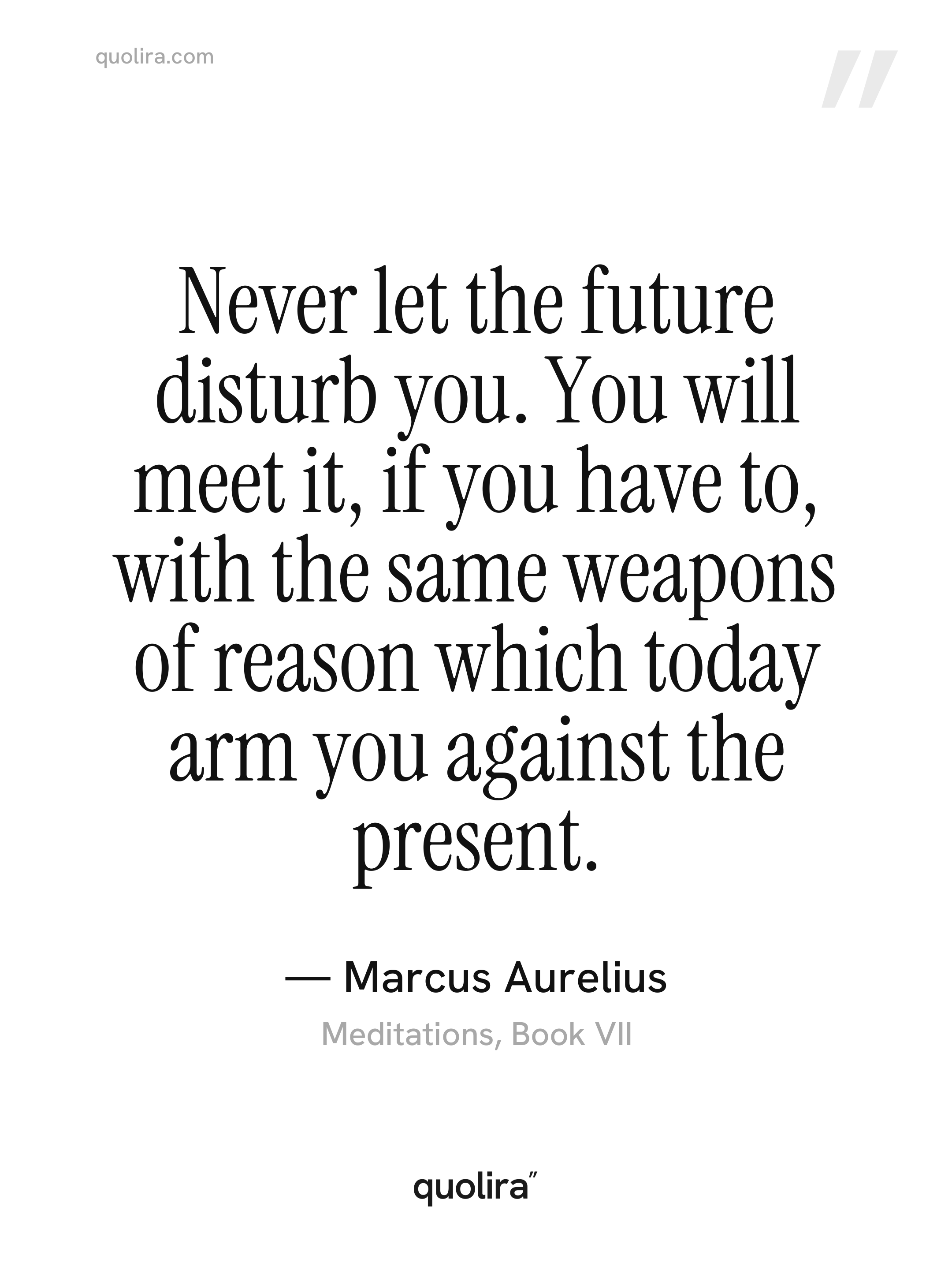
“Never let the future disturb you. You will meet it, if you have to, with the same weapons of reason which today arm you against the present.”
Marcus Aurelius · Meditations, Book VII
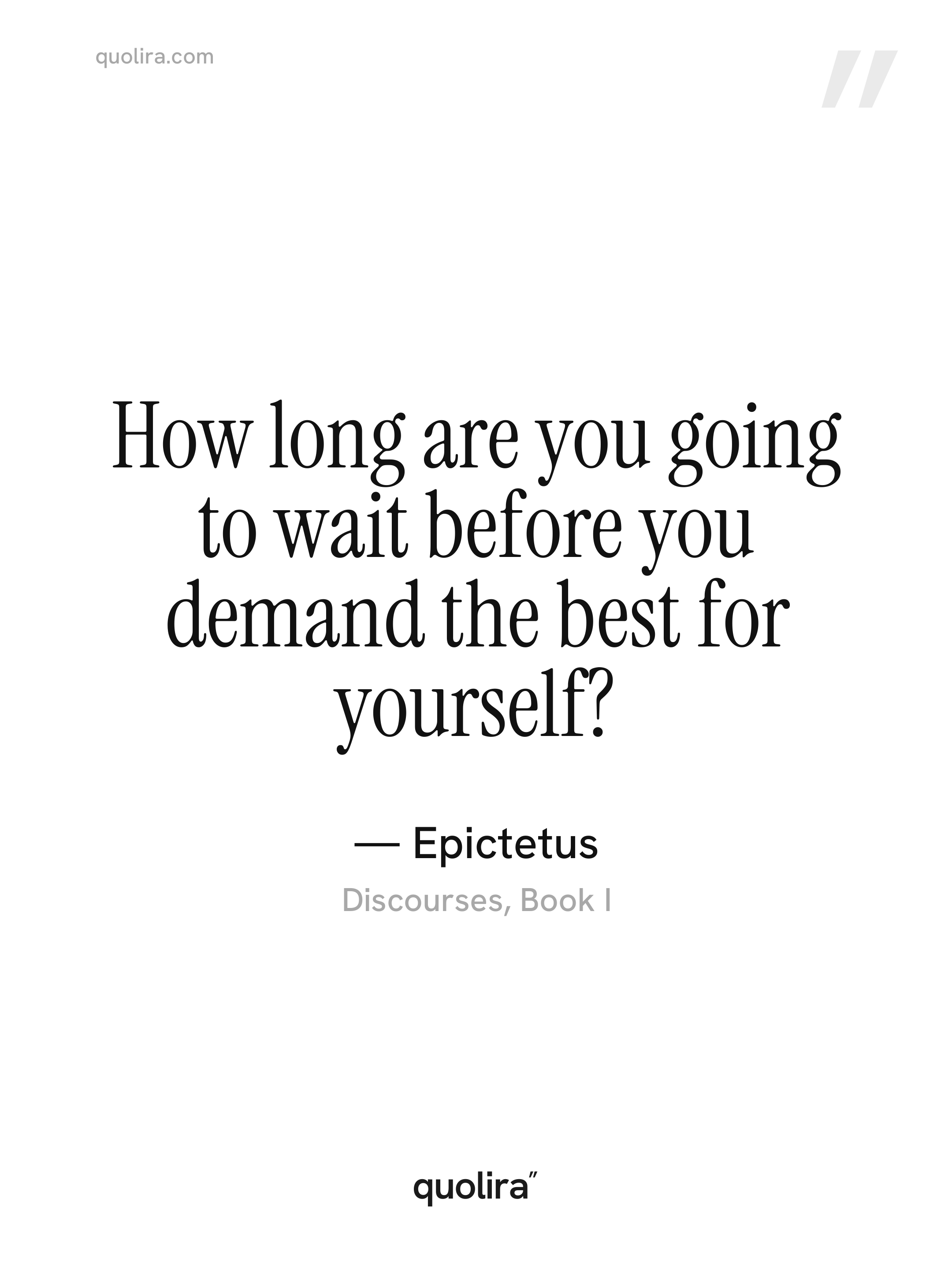
“How long are you going to wait before you demand the best for yourself?”
Epictetus · Discourses, Book I
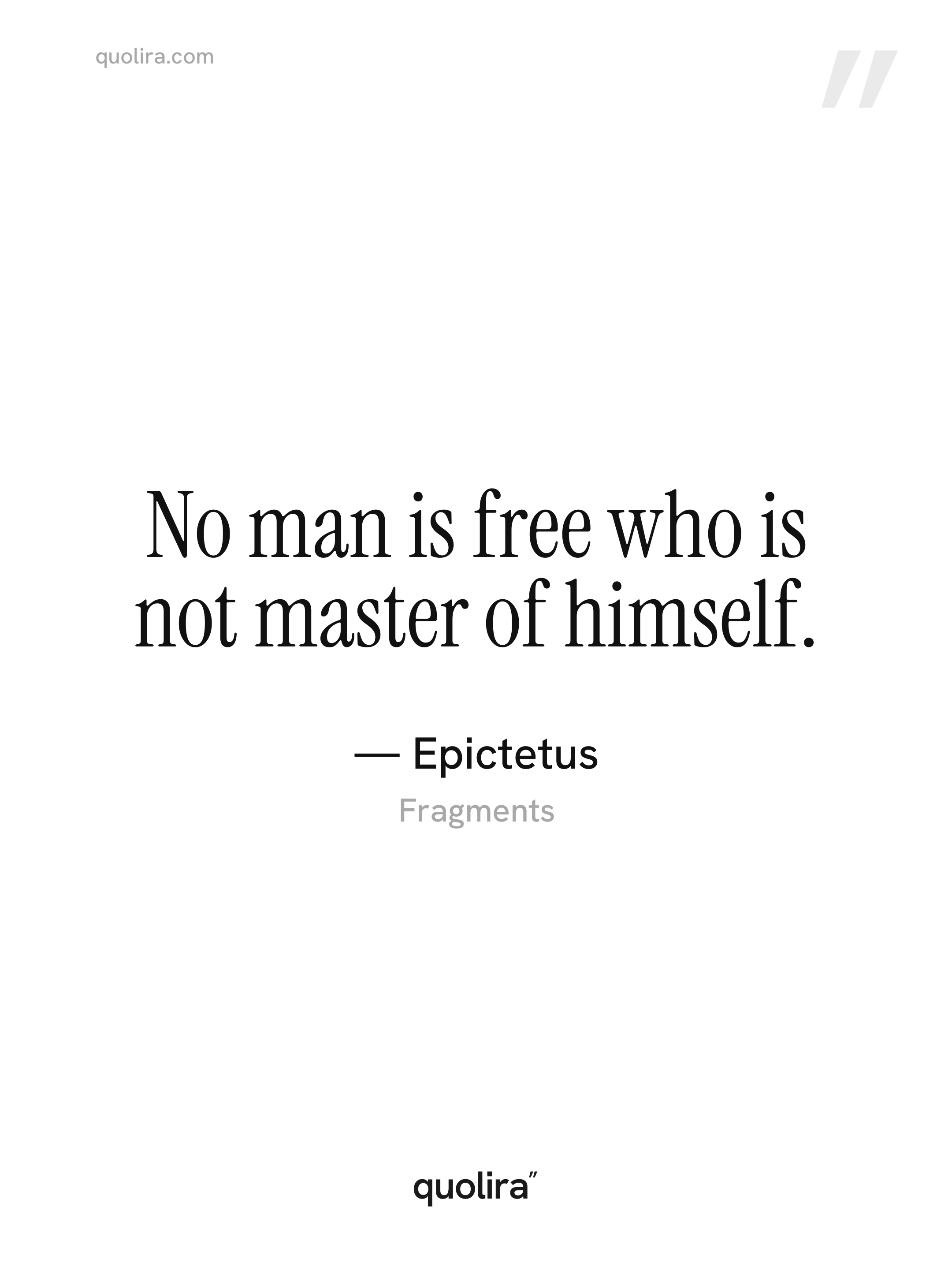
“No man is free who is not master of himself.”
Epictetus · Fragments
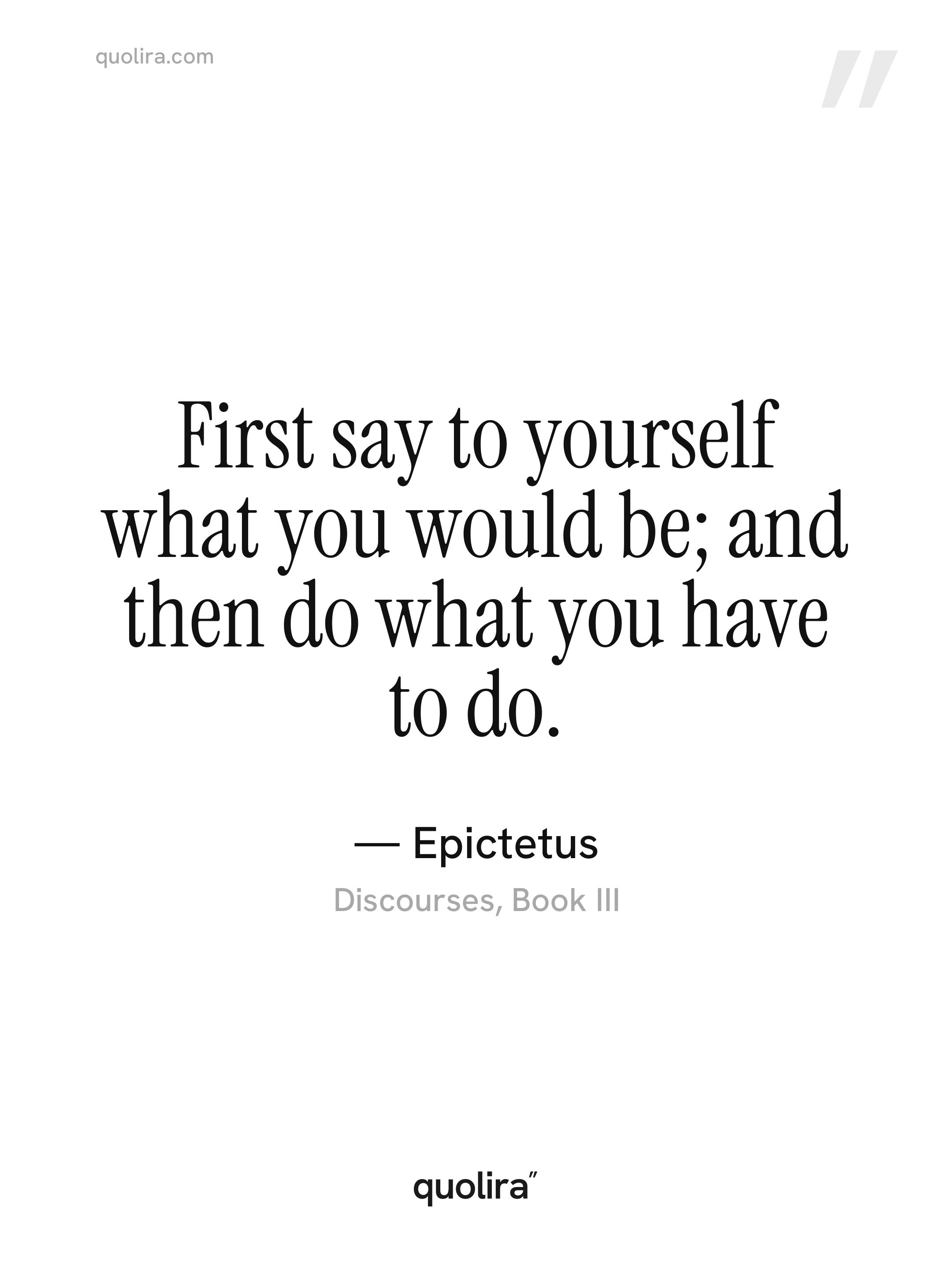
“First say to yourself what you would be; and then do what you have to do.”
Epictetus · Discourses, Book III
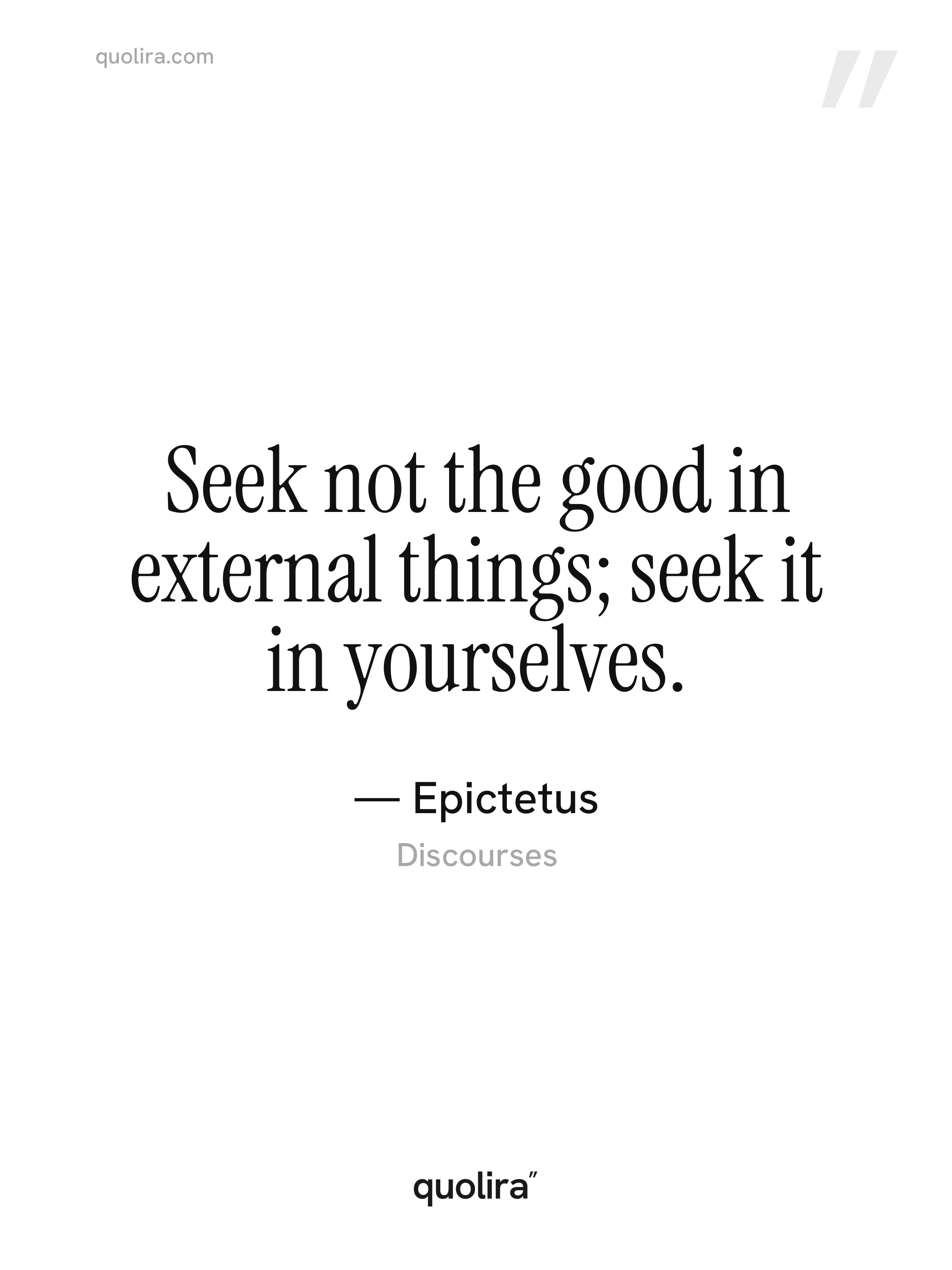
“Seek not the good in external things; seek it in yourselves.”
Epictetus · Discourses
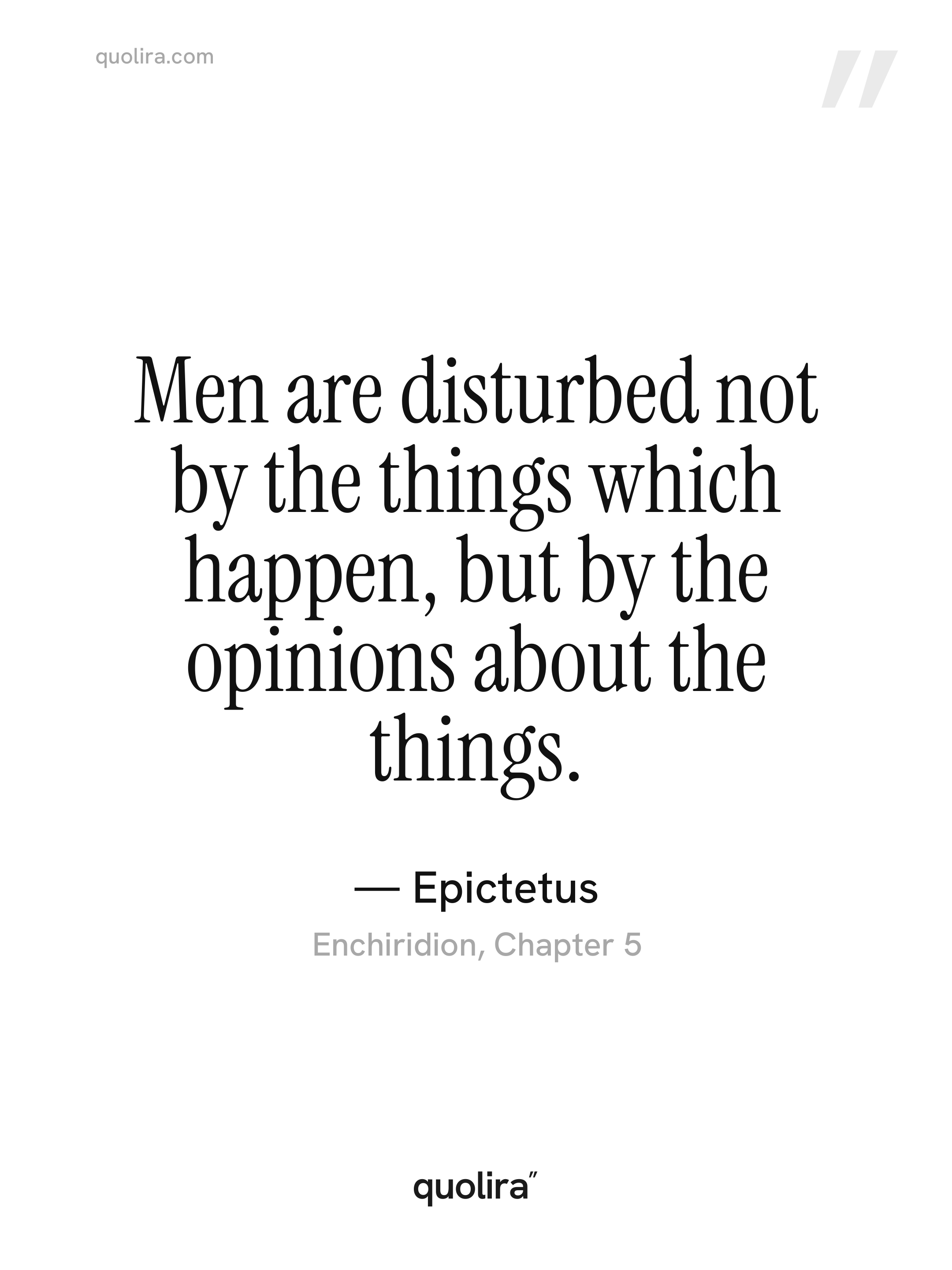
“Men are disturbed not by the things which happen, but by the opinions about the things.”
Epictetus · Enchiridion, Chapter 5
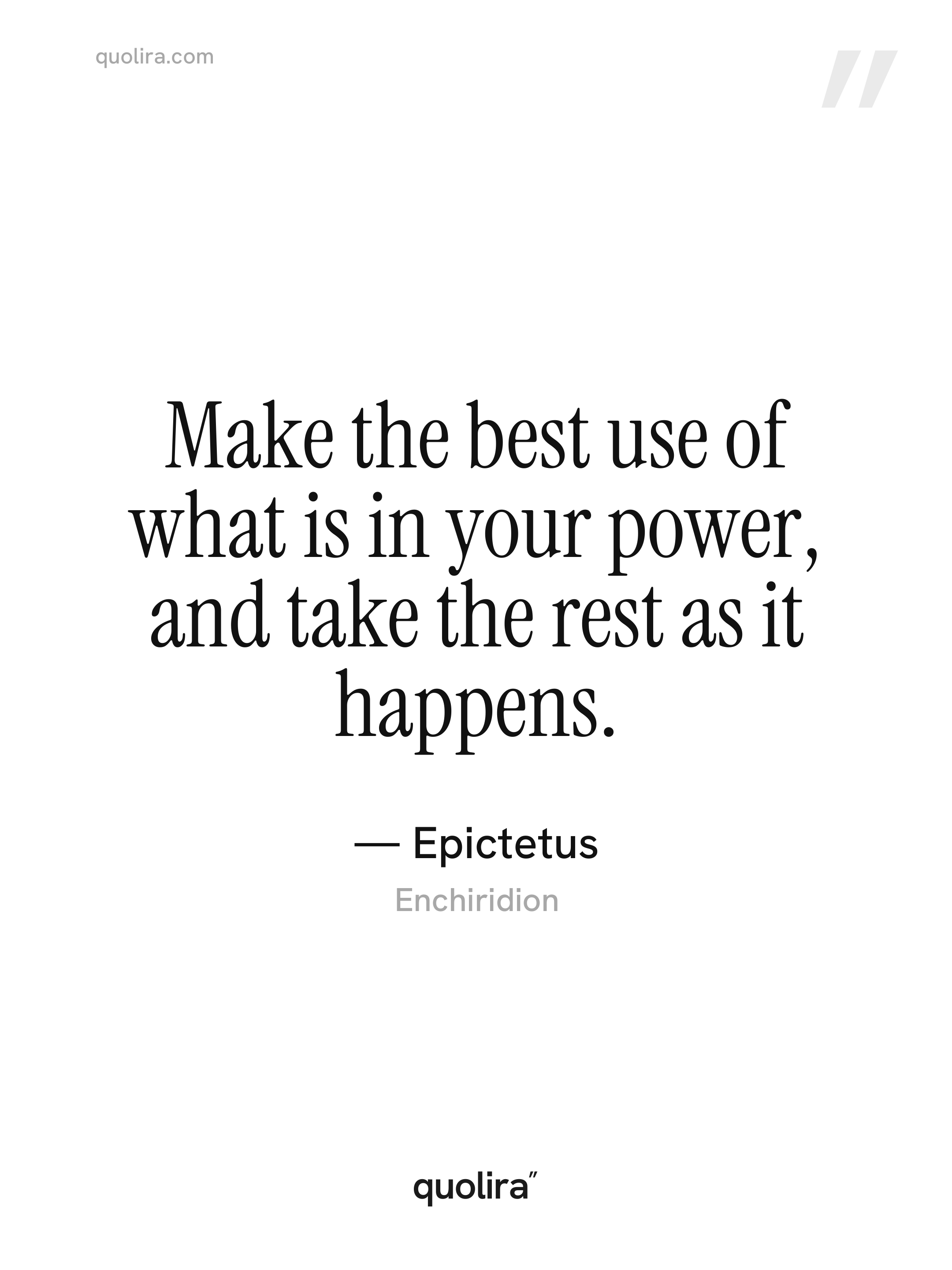
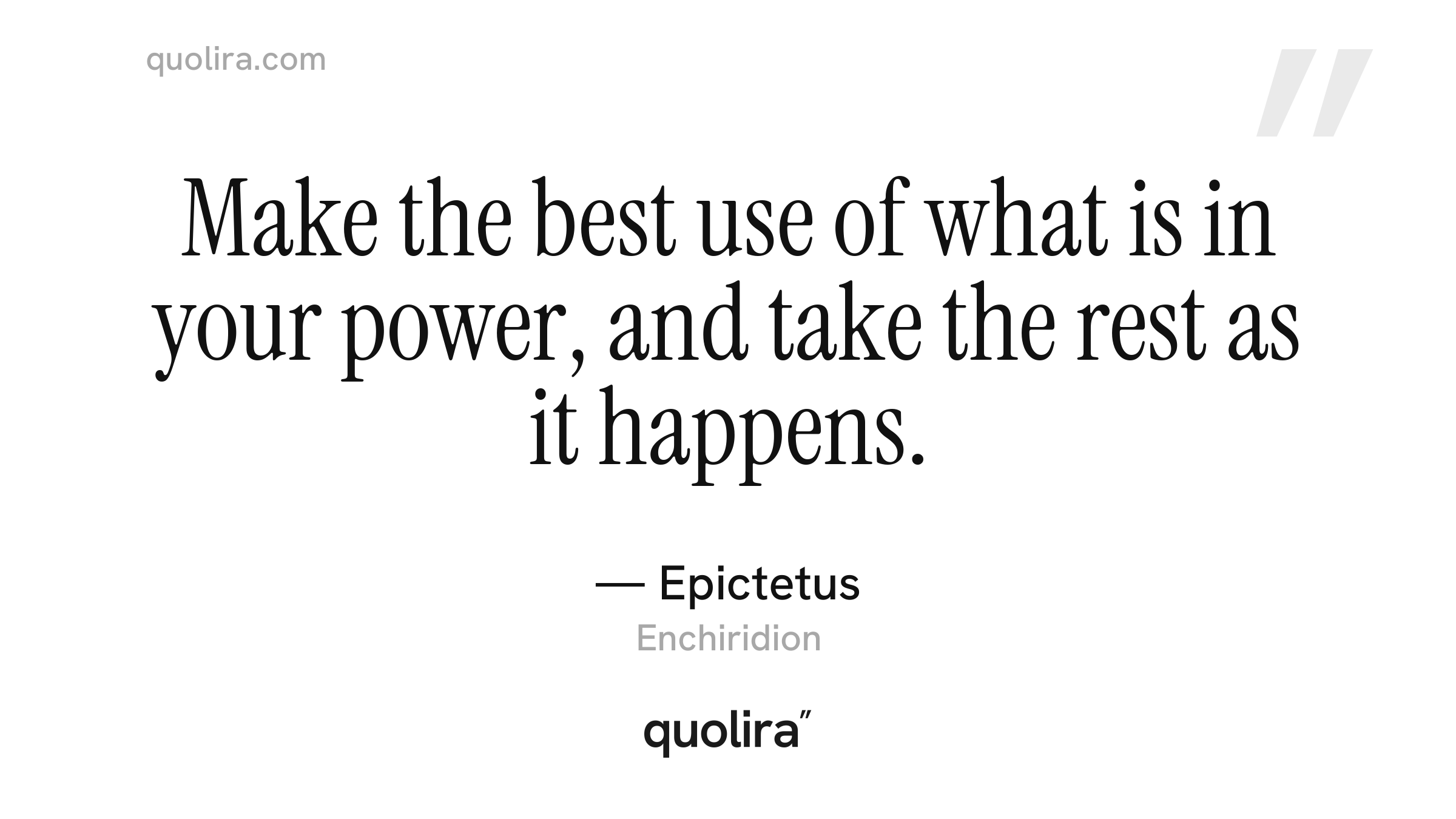
“Make the best use of what is in your power, and take the rest as it happens.”
Epictetus · Enchiridion
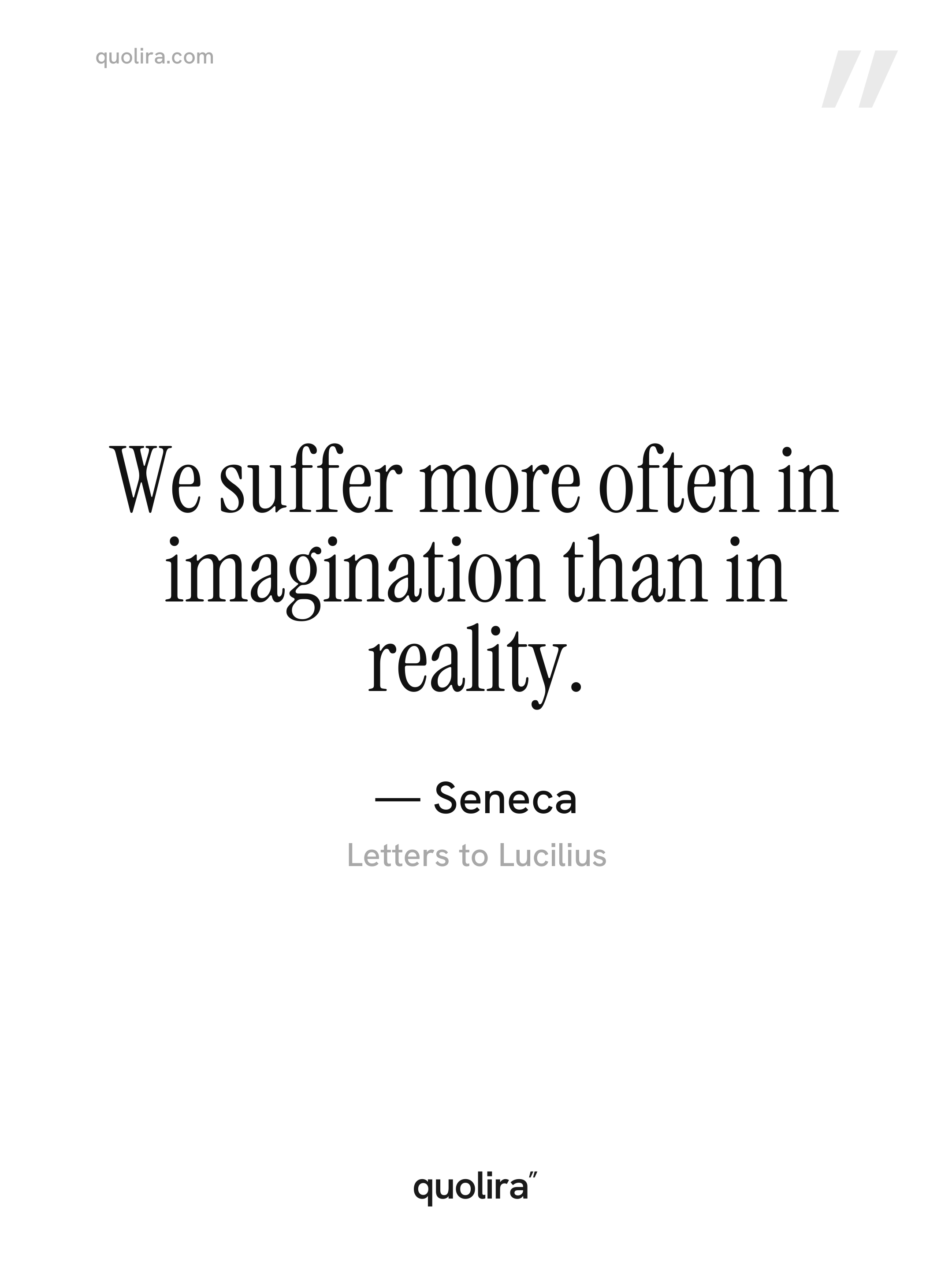
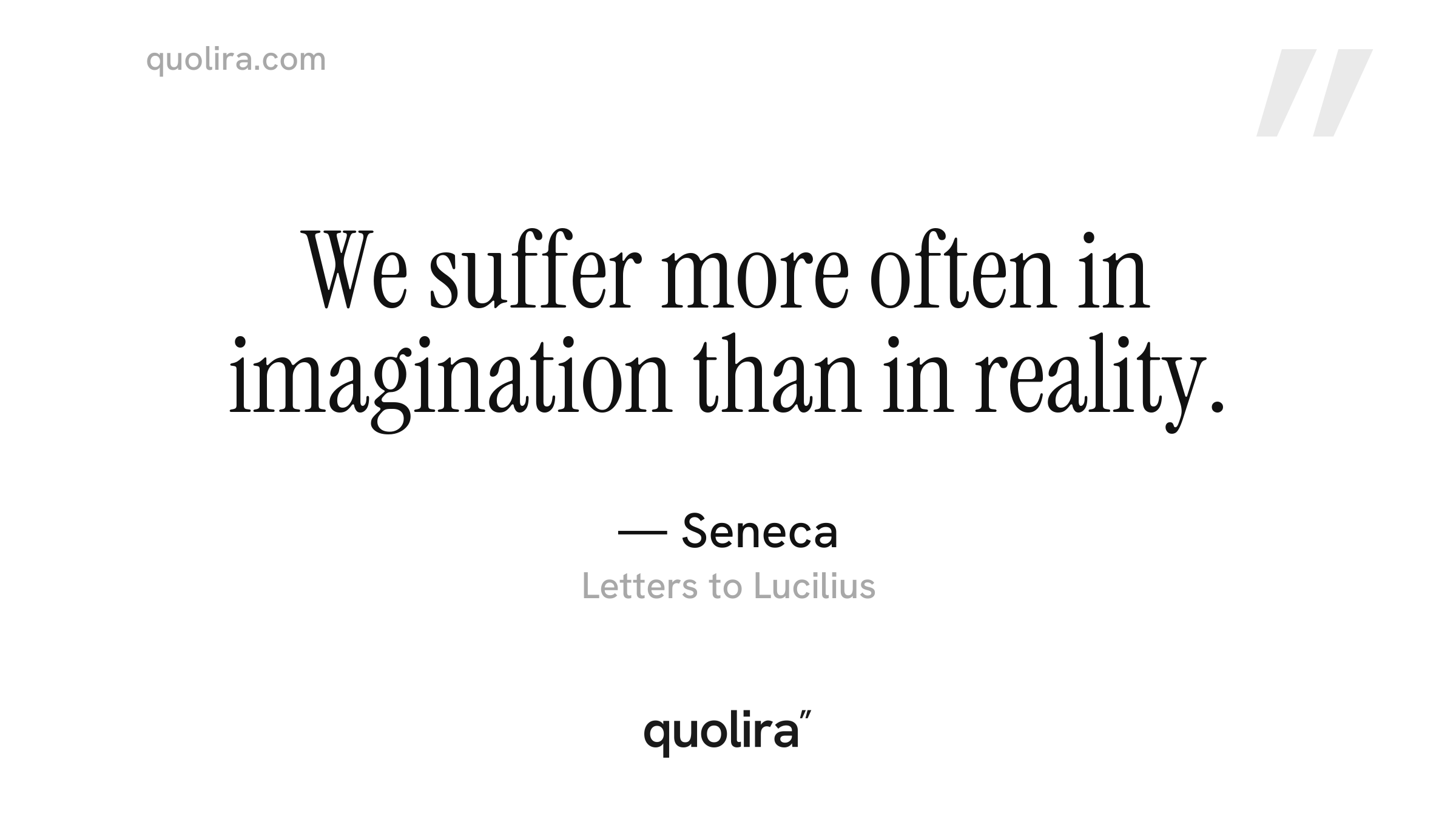
“We suffer more often in imagination than in reality.”
Seneca · Letters to Lucilius
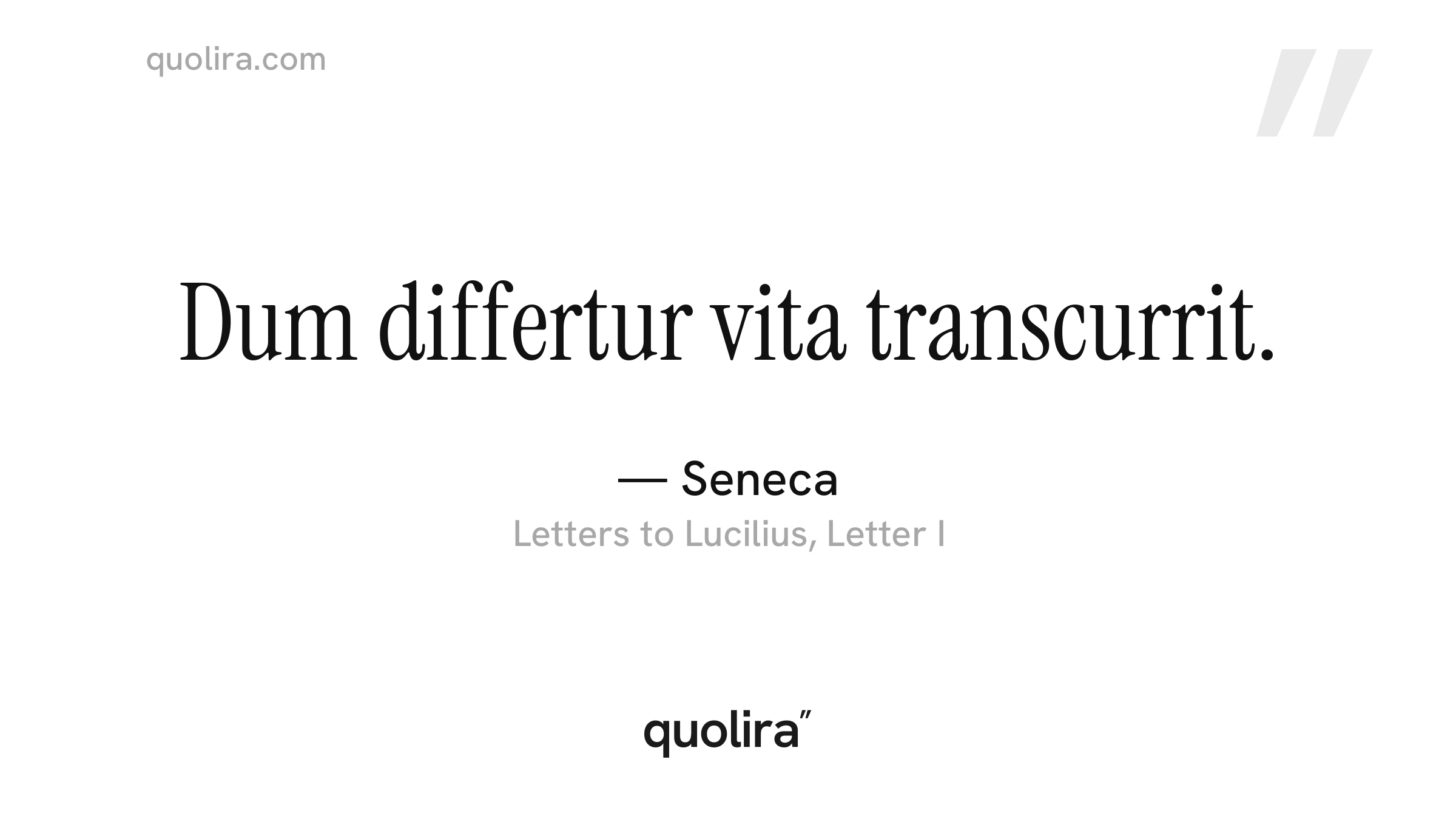
“Dum differtur vita transcurrit.”
Seneca · Letters to Lucilius, Letter I
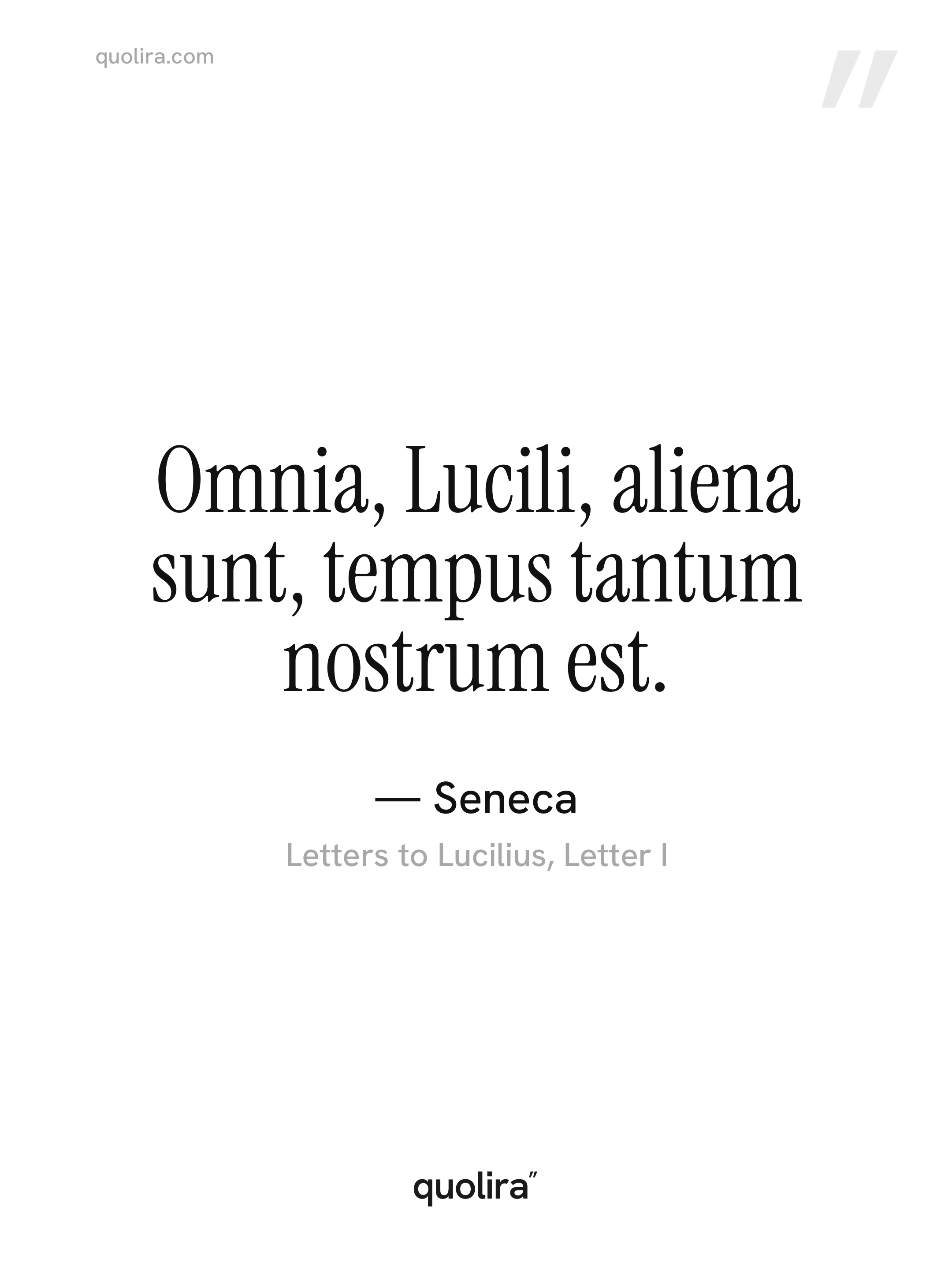
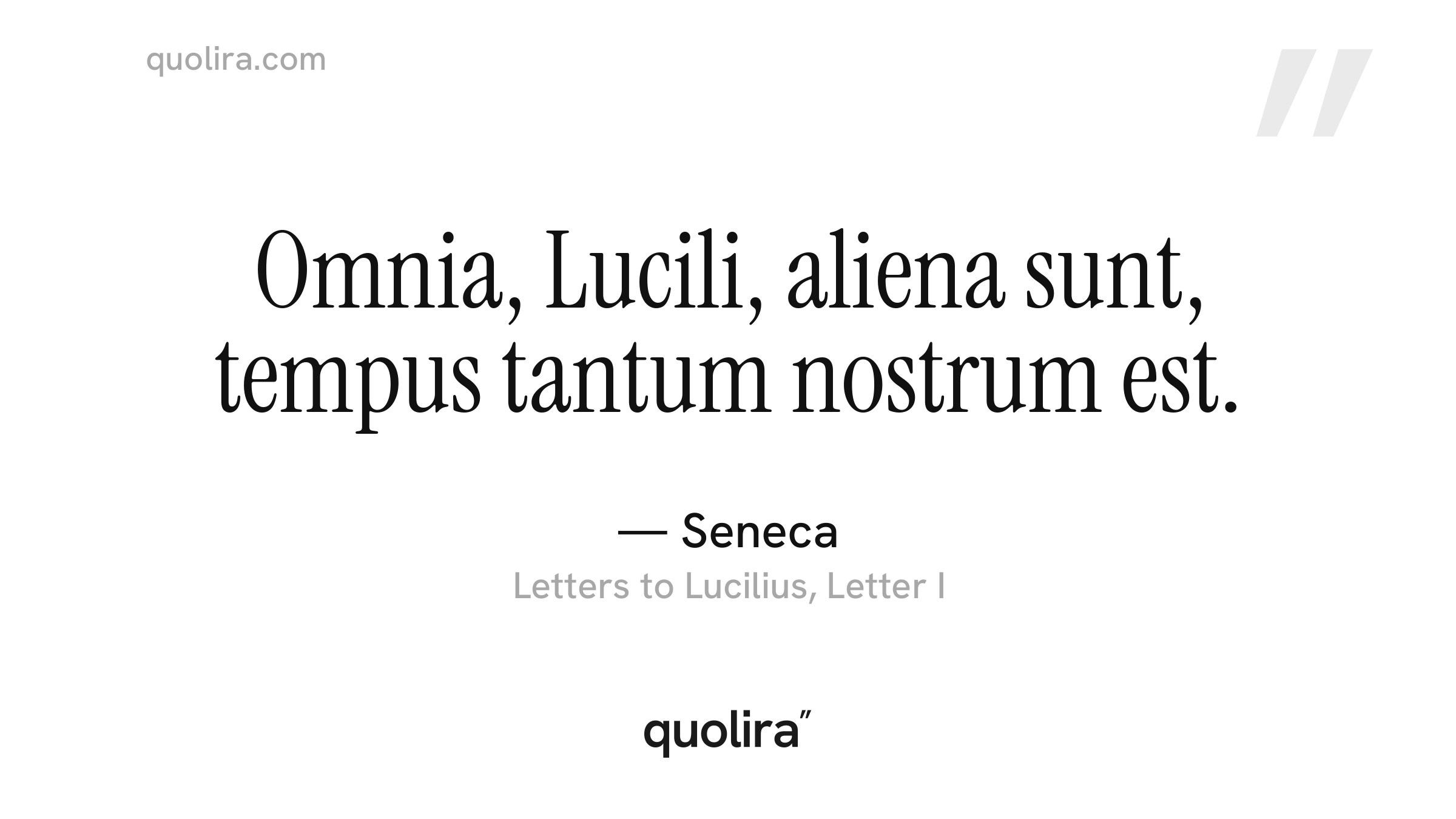
“Omnia, Lucili, aliena sunt, tempus tantum nostrum est.”
Seneca · Letters to Lucilius, Letter I