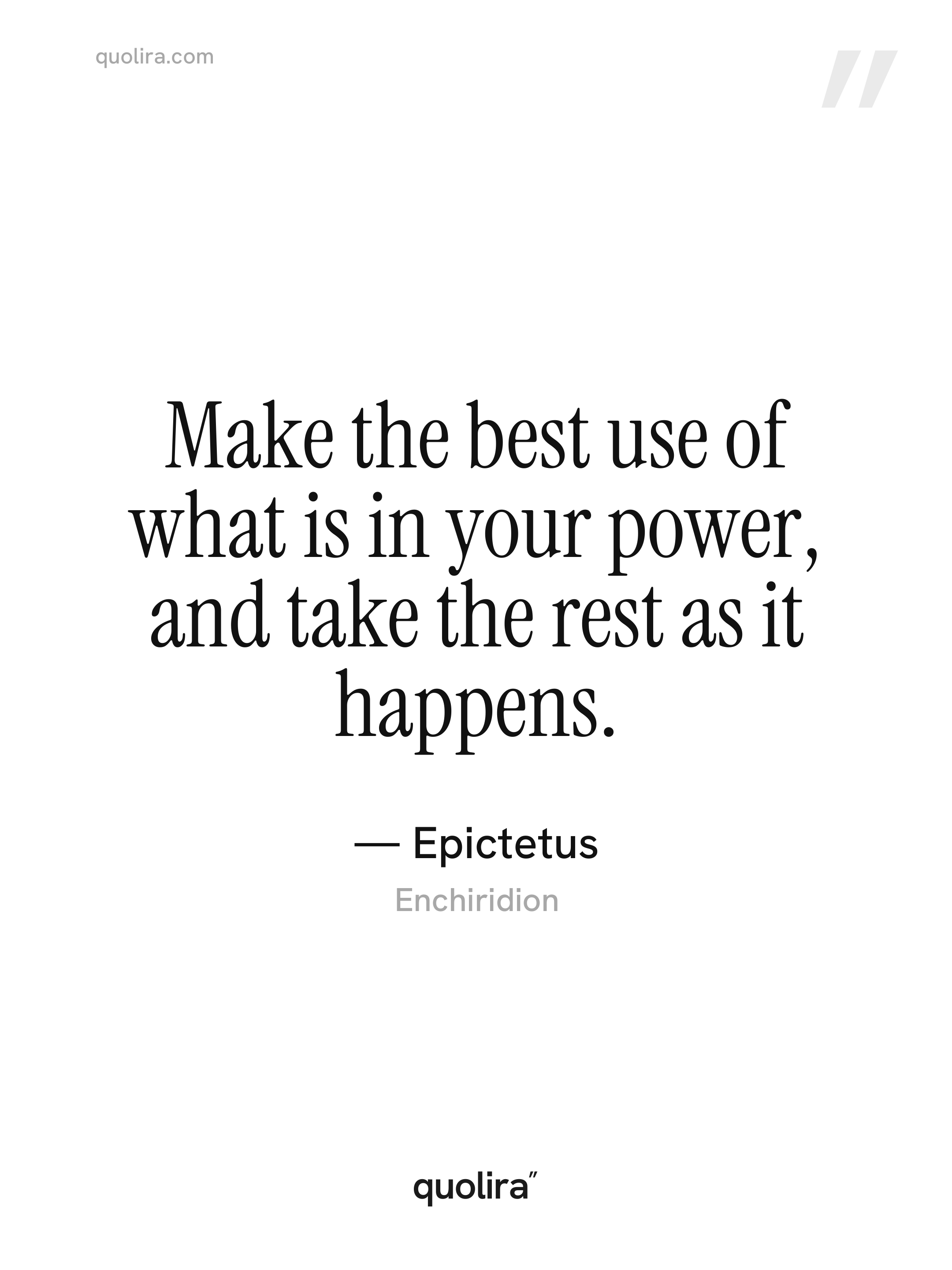
“Make the best use of what is in your power, and take the rest as it happens.”
Epictetus · Enchiridion
 quolira
.com
quolira
quolira.com
At the heart of this statement is the Stoic claim that emotional disturbance does not flow automatically from events but is generated by the judgments and interpretations we attach to them. Two people can face the same situation and respond with entirely different emotions, because they are not actually responding to the situation itself but to their own reading of it. This makes it possible, at least in principle, to change how one feels by examining and revising the opinions one holds, which is a far more direct form of freedom than trying to rearrange external circumstances.
Chapter five of the Enchiridion is one of the most often quoted passages in all of Stoic literature, and the idea it contains became foundational not only for later ancient philosophy but also for modern approaches to psychology and counseling. Epictetus is making the point that a person who feels wronged, frightened, or grieved should look first at their own account of events before concluding that the world is entirely to blame. This is not a denial of hardship but a redirection of attention toward the one area where change is actually possible.
Epictetus was a Stoic philosopher active in the late first and early second centuries of the common era. Born into slavery in the Roman province of Phrygia, he eventually became free and established a school where he taught for many years. His lectures were recorded by his student Arrian and survive in two works, the Discourses and the shorter Enchiridion. His philosophy centers on the idea that genuine human freedom is always internal, residing in the will and in the quality of one's judgments rather than in material or social conditions.
“Make the best use of what is in your power, and take the rest as it happens.”
Epictetus · Enchiridion
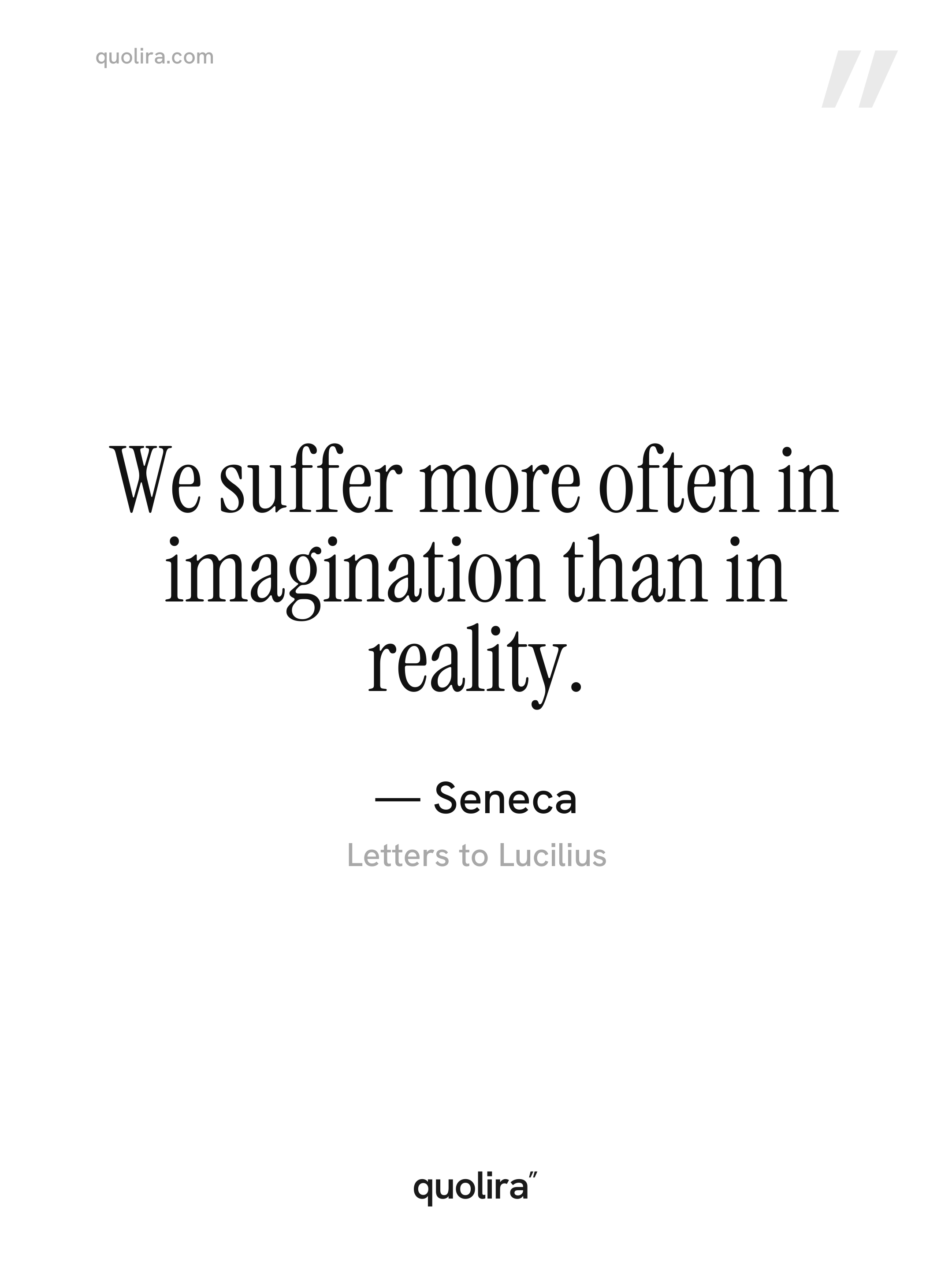
“We suffer more often in imagination than in reality.”
Seneca · Letters to Lucilius
“Dum differtur vita transcurrit.”
Seneca · Letters to Lucilius, Letter I
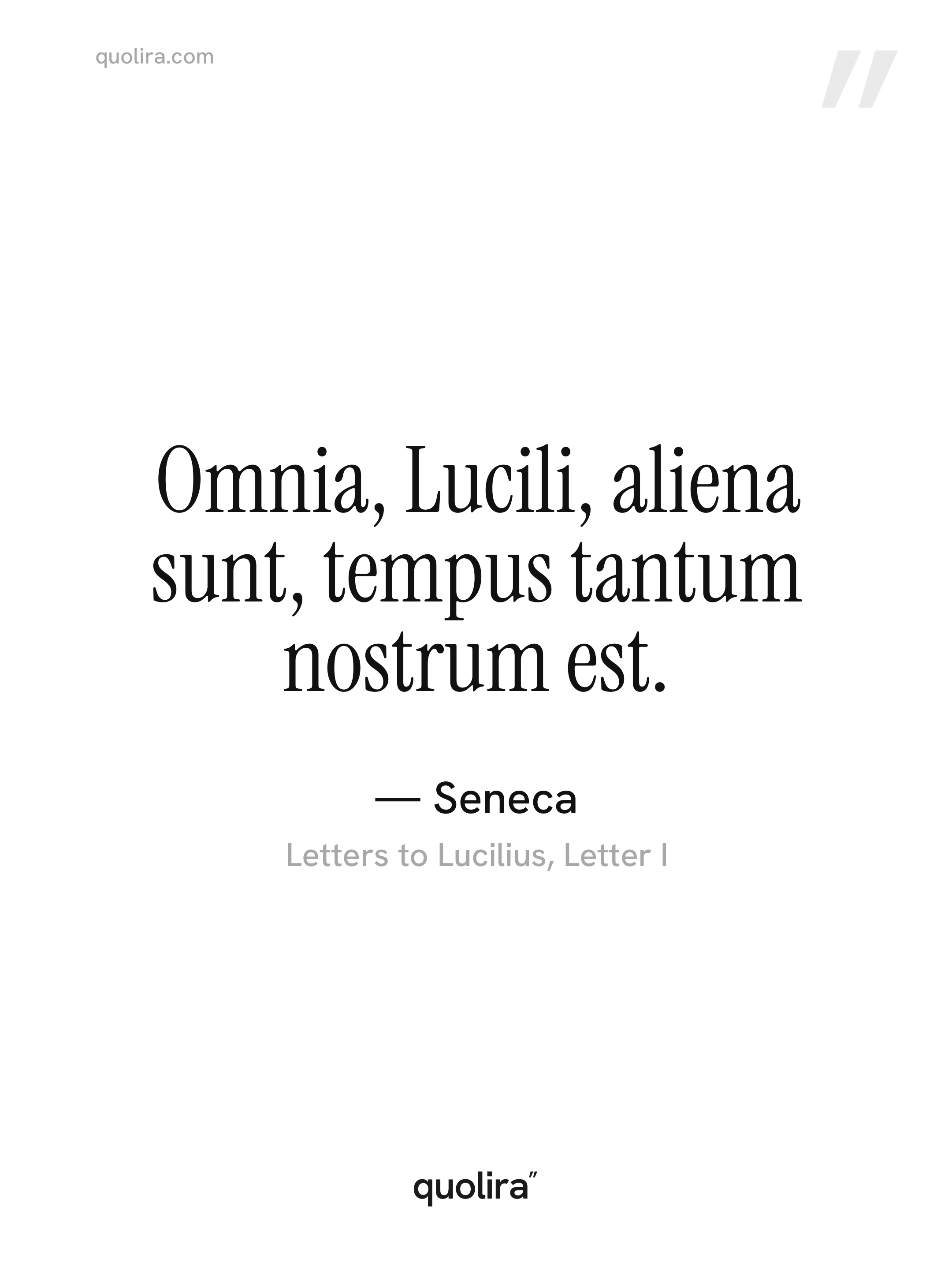
“Omnia, Lucili, aliena sunt, tempus tantum nostrum est.”
Seneca · Letters to Lucilius, Letter I
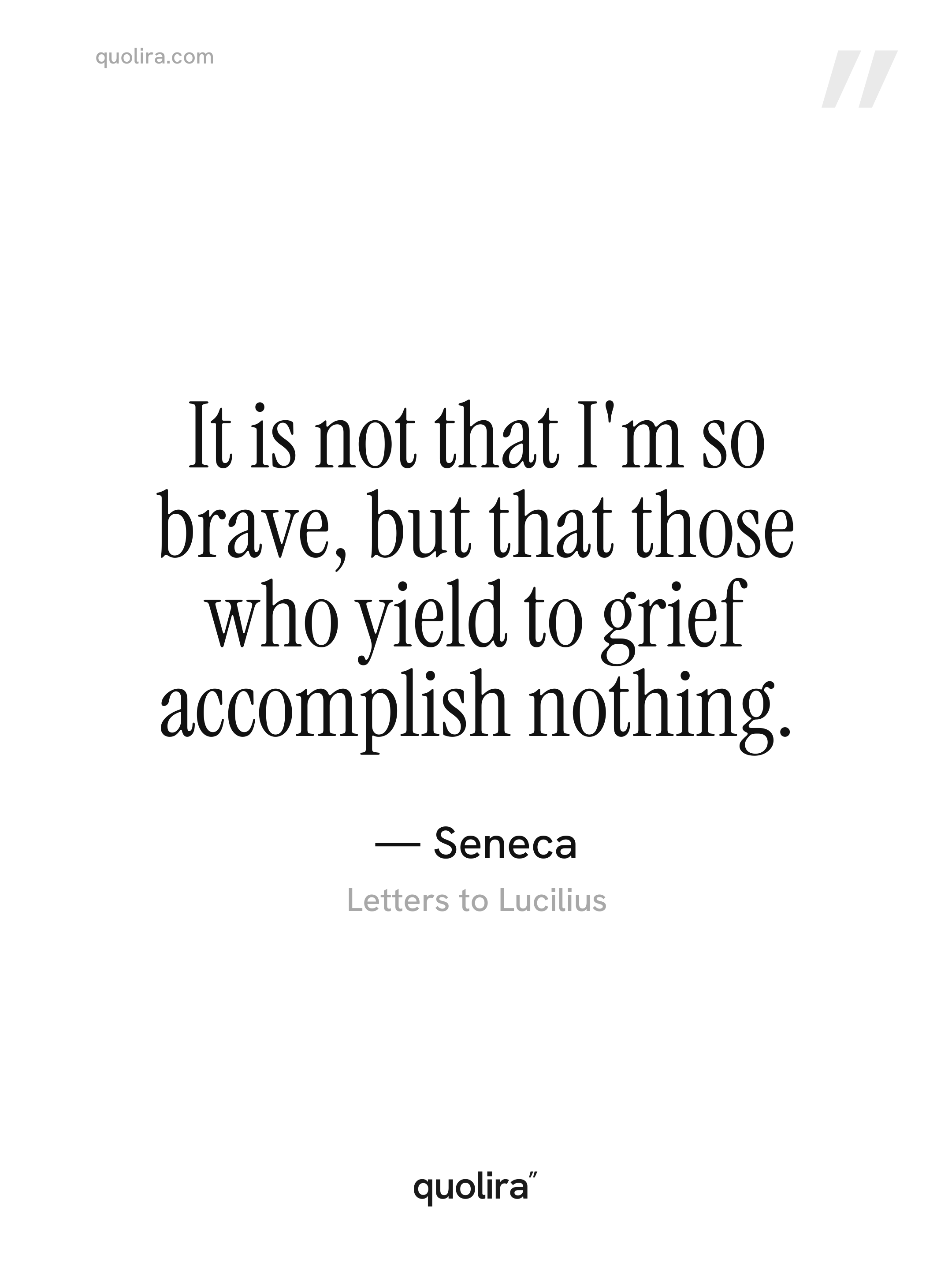
“It is not that I'm so brave, but that those who yield to grief accomplish nothing.”
Seneca · Letters to Lucilius
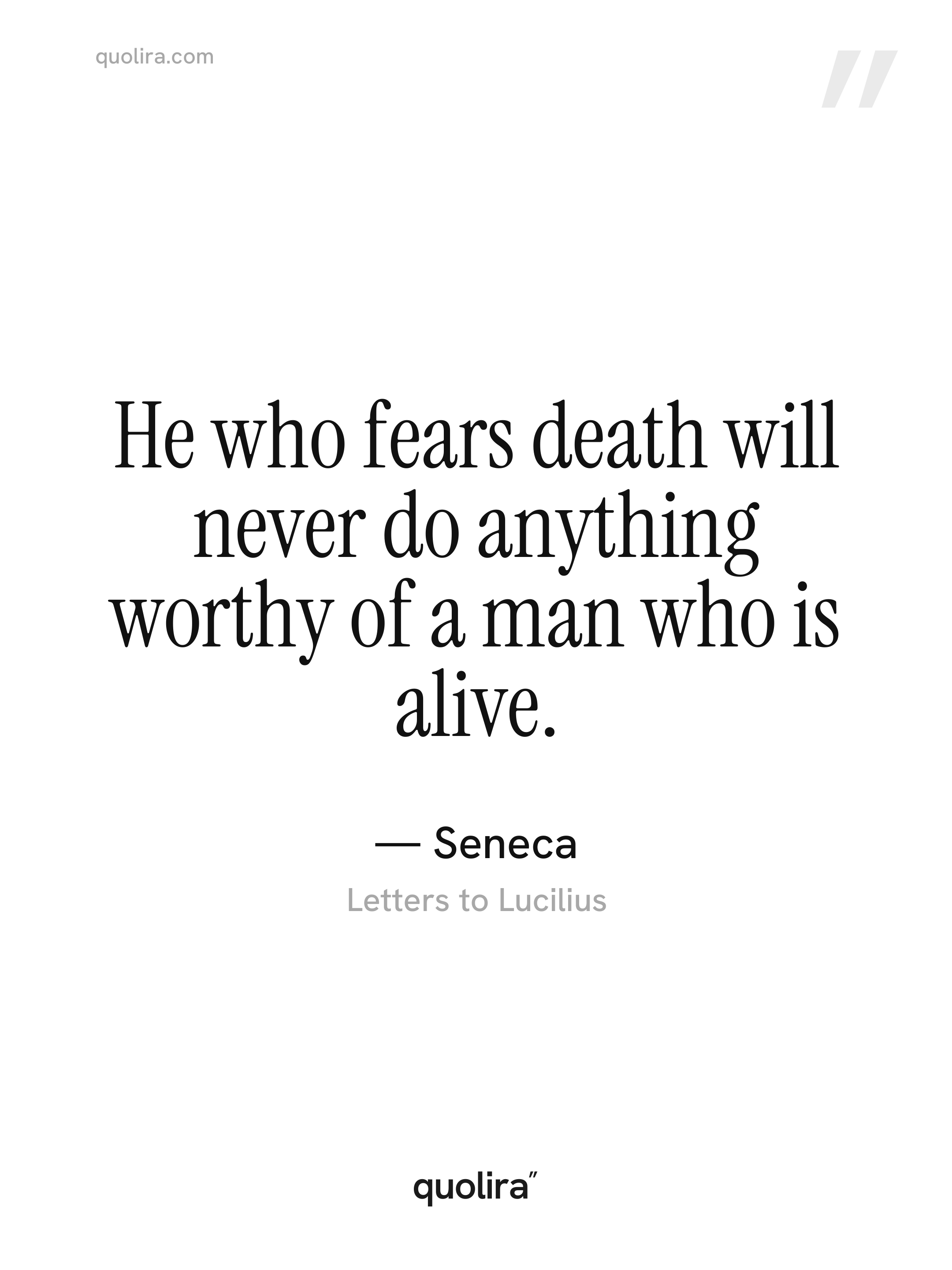
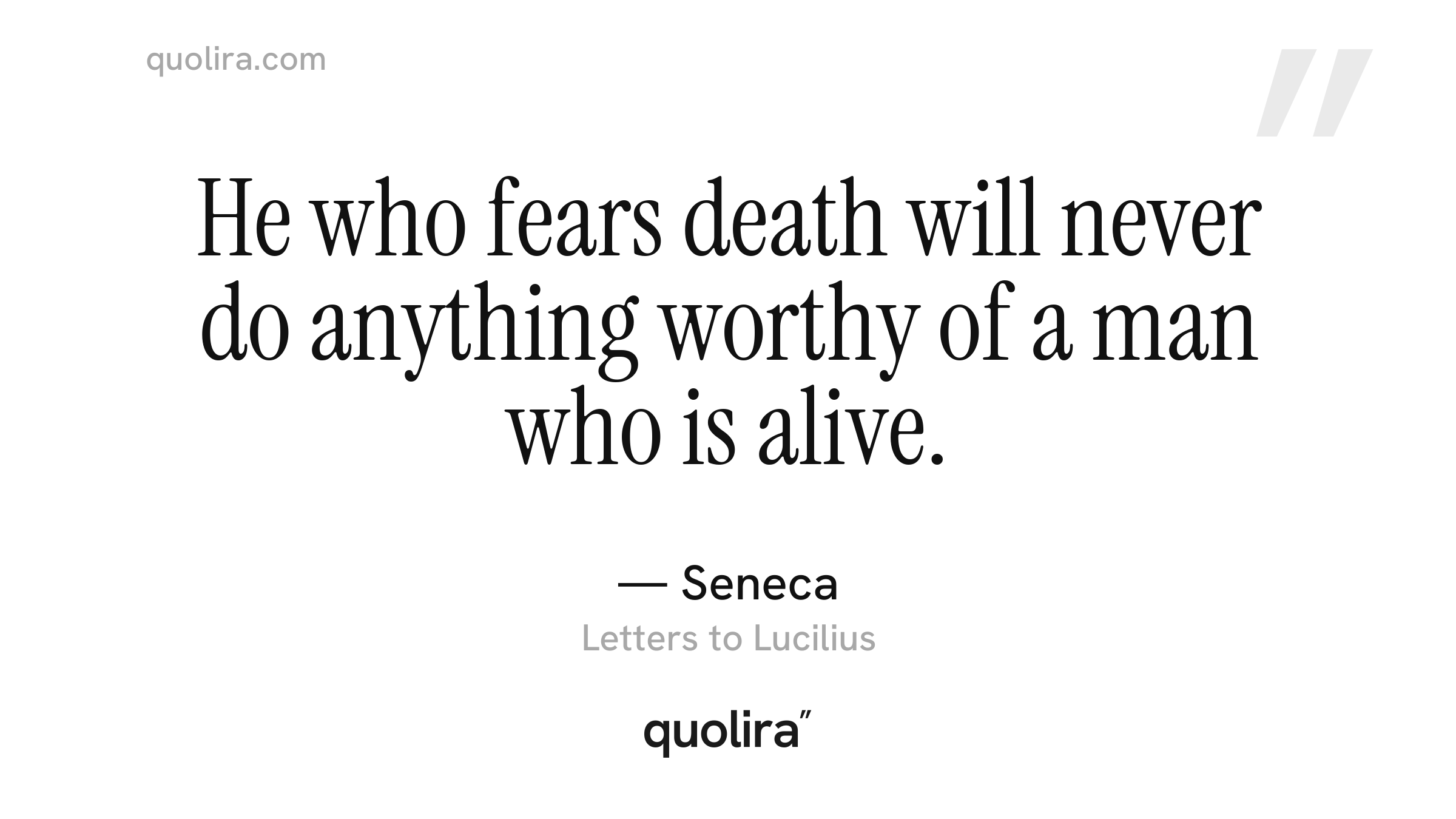
“He who fears death will never do anything worthy of a man who is alive.”
Seneca · Letters to Lucilius
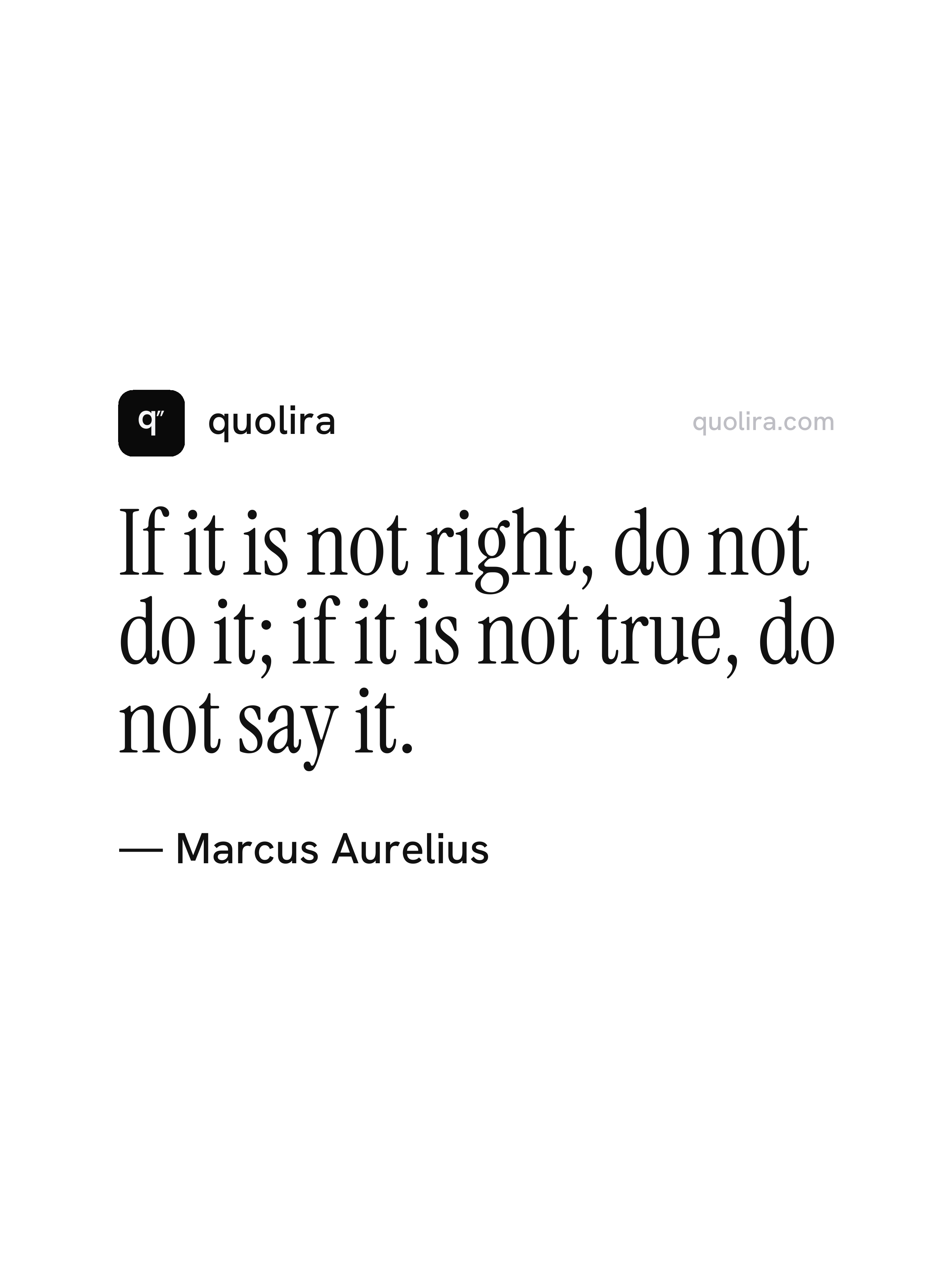
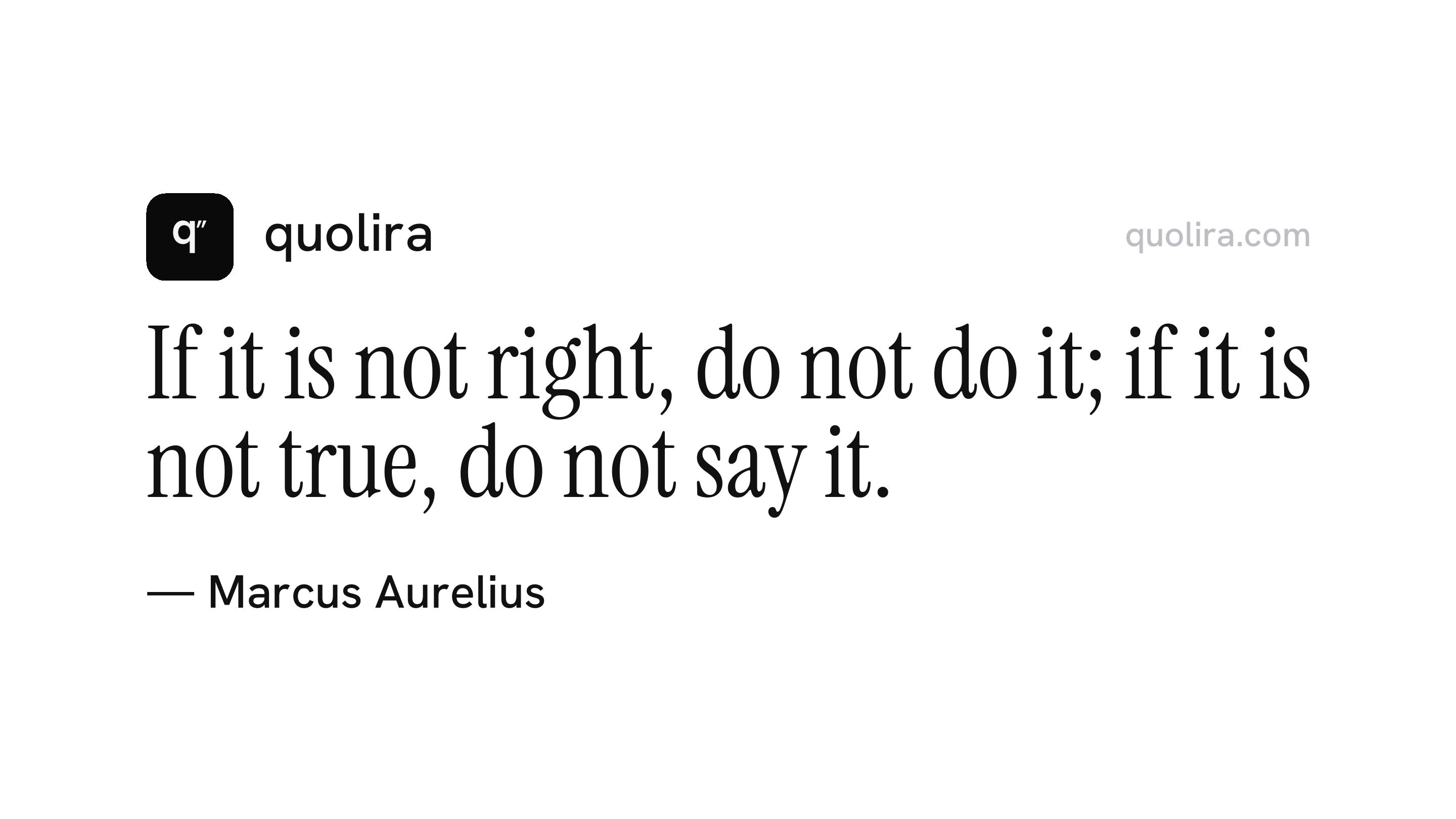
“If it is not right, do not do it; if it is not true, do not say it.”
Marcus Aurelius · Meditations, Book XII
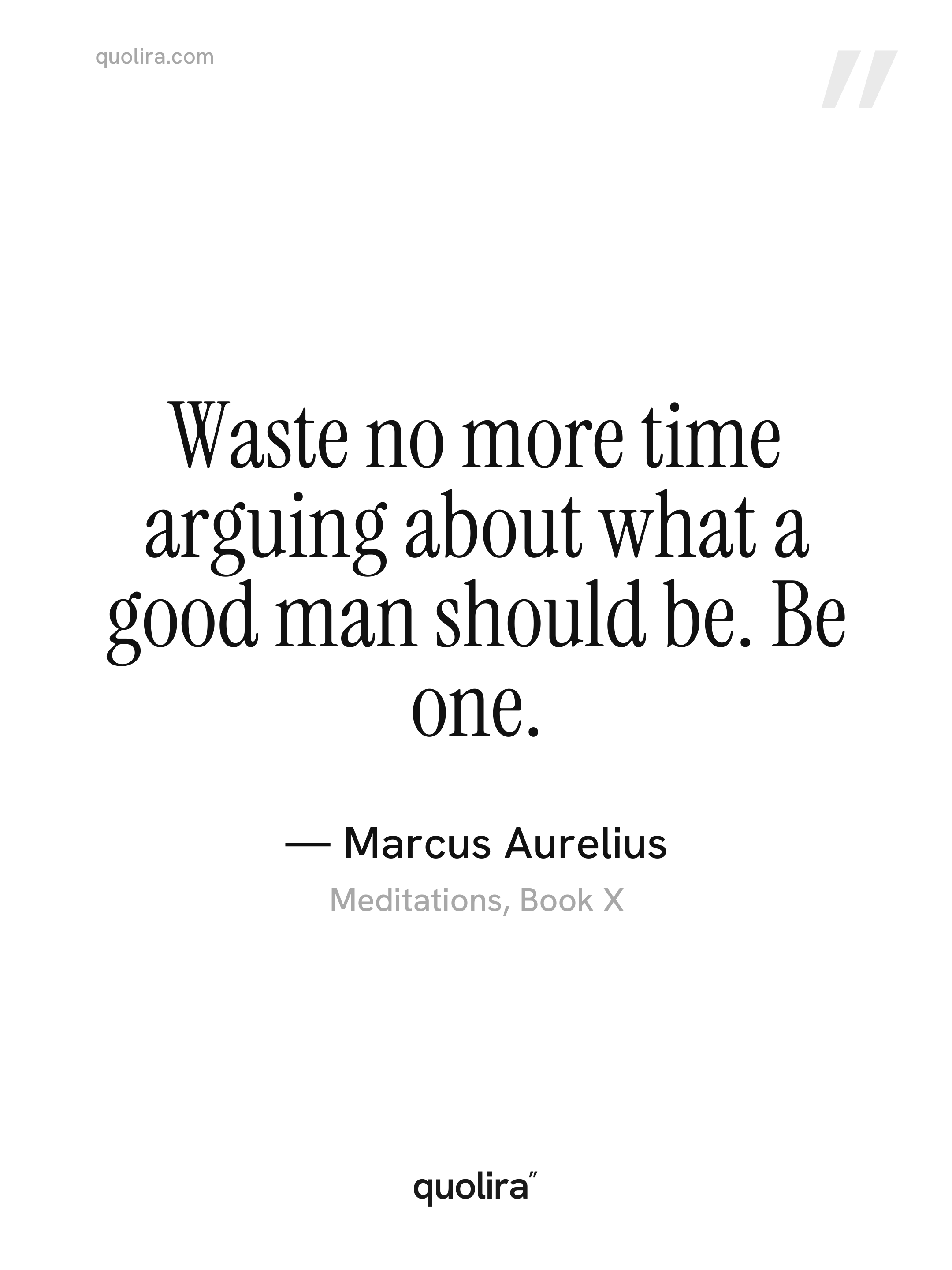
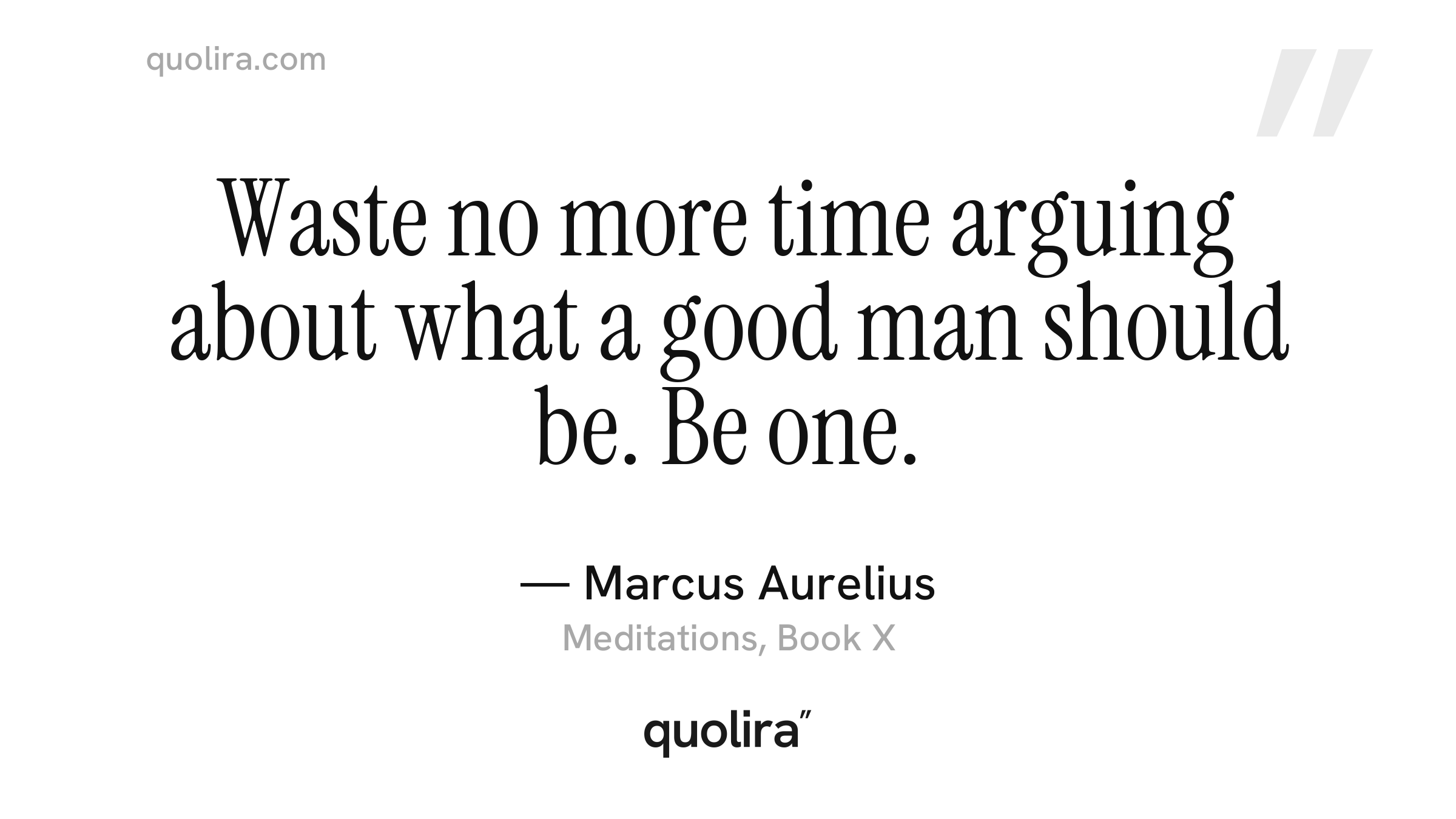
“Waste no more time arguing about what a good man should be. Be one.”
Marcus Aurelius · Meditations, Book X
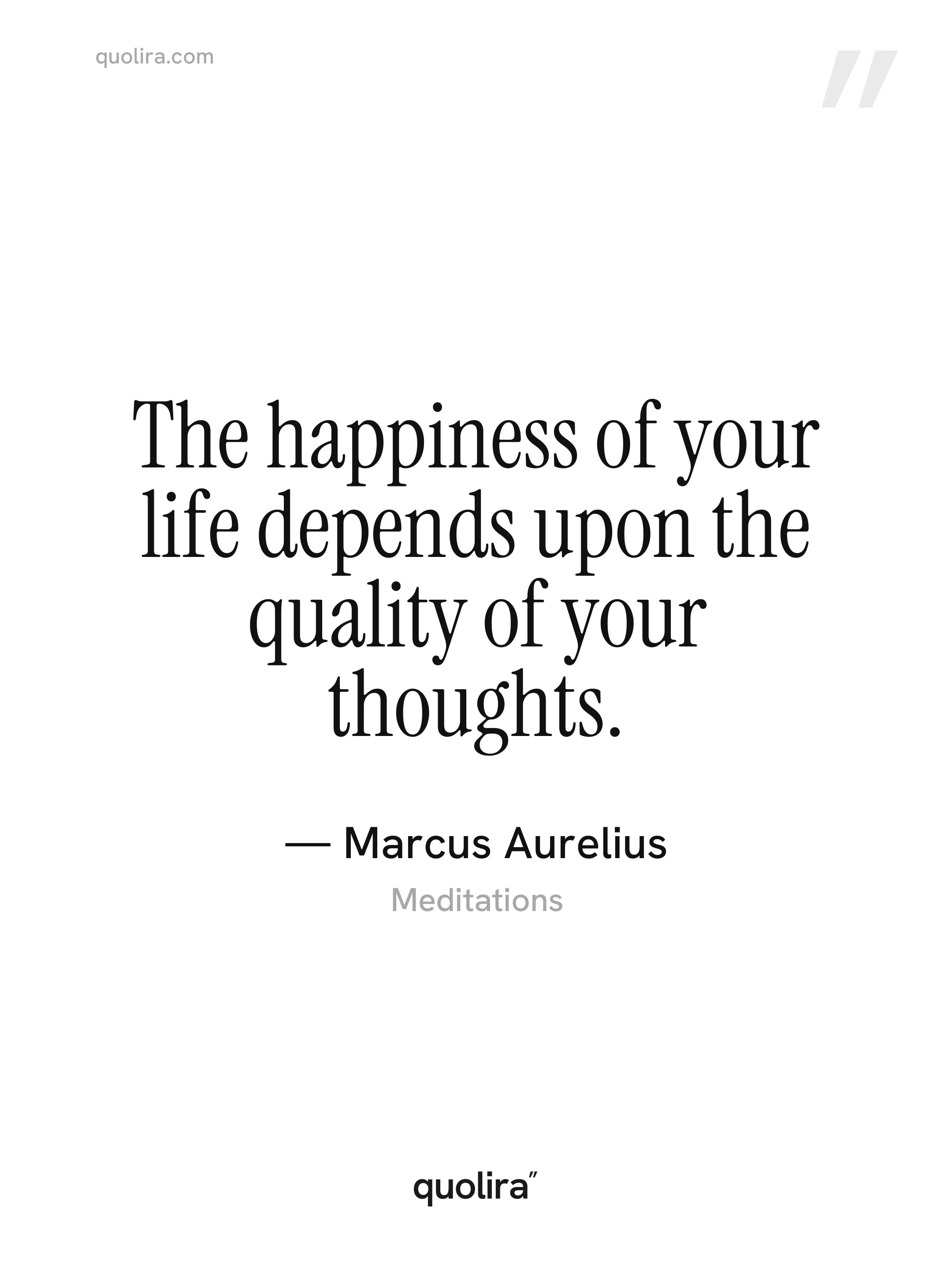
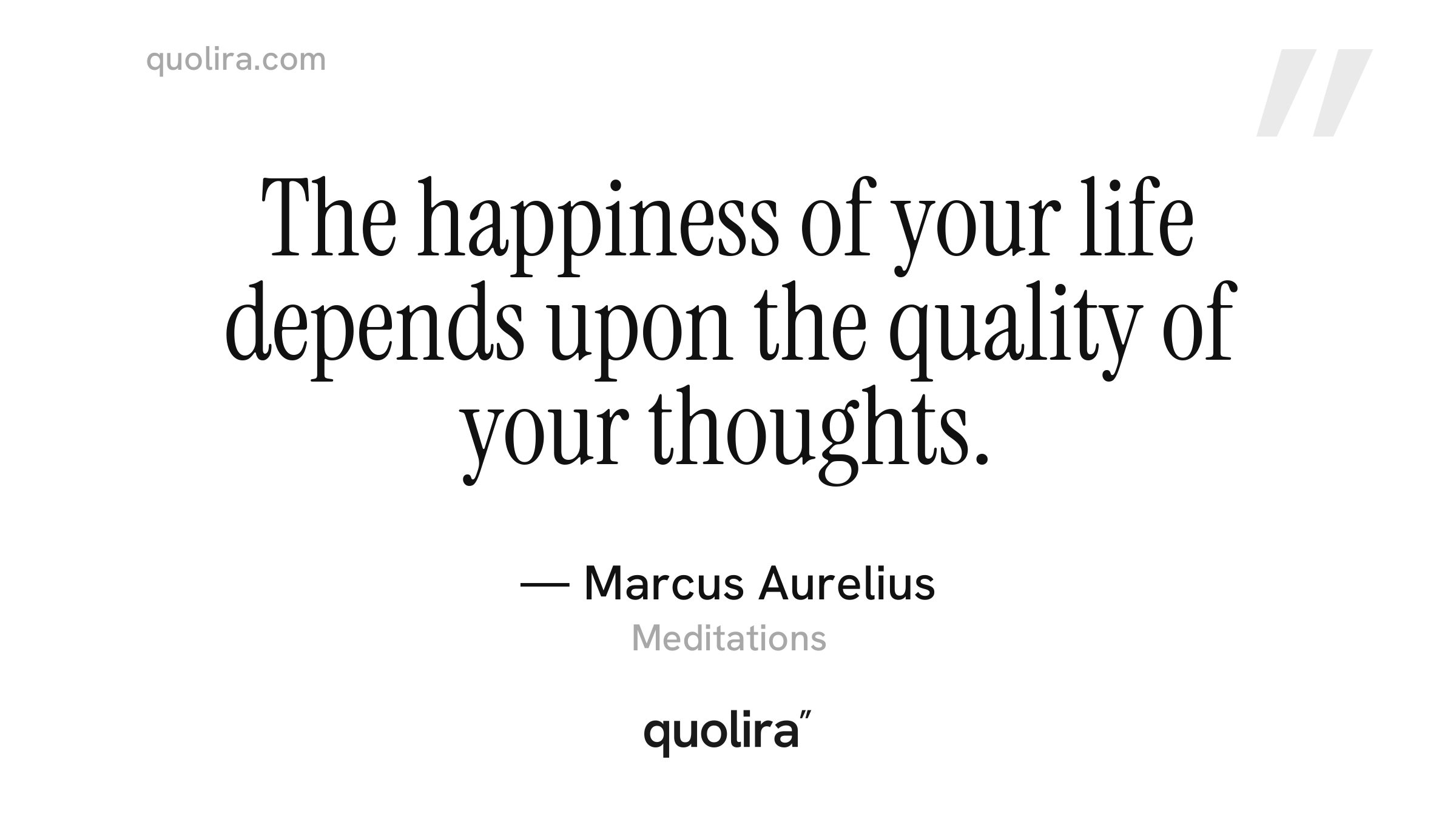
“The happiness of your life depends upon the quality of your thoughts.”
Marcus Aurelius · Meditations
“You have power over your mind, not outside events. Realize this, and you will find strength.”
Marcus Aurelius · Meditations
“The forest would be silent if no bird sang except the one that sang best.”
African Proverb
“Do not look where you fell, but where you slipped.”
African Proverb