“Dum differtur vita transcurrit.”
Seneca · Letters to Lucilius, Letter I
 quolira
.com
quolira
quolira.com
Seneca is pointing at something most people recognize when they stop to look: the mind tends to build suffering in advance, rehearsing disasters that never arrive and dwelling on pains that have already passed. Real difficulties, when they actually land, are finite and specific, but imagined ones multiply and linger. The observation is not a dismissal of genuine pain but a gentle redirection of attention, an invitation to notice how much of what weighs on us is a story the mind is telling rather than a fact the world is presenting.
This idea appears in Seneca's letters and essays, where he returns repeatedly to the theme of excessive anxiety and forward-projected fear. It fits naturally within Stoic philosophy, which encouraged practitioners to examine their judgments and distinguish between events themselves and the interpretations layered on top of them. For Seneca, recognizing the imagination's role in creating suffering was not a passive comfort but an active philosophical practice, a form of discipline that required honest and regular self-examination.
Lucius Annaeus Seneca was a philosopher, dramatist, and political figure in first-century Rome. Born in what is now Spain, he was educated in Rome and eventually rose to the highest circles of imperial power. His philosophical writings, including a long series of moral letters and several essays on topics such as anger, the brevity of life, and peace of mind, are written in a conversational and intimate register that has kept them readable and influential long after the political world he inhabited has disappeared.
“Dum differtur vita transcurrit.”
Seneca · Letters to Lucilius, Letter I
“Omnia, Lucili, aliena sunt, tempus tantum nostrum est.”
Seneca · Letters to Lucilius, Letter I
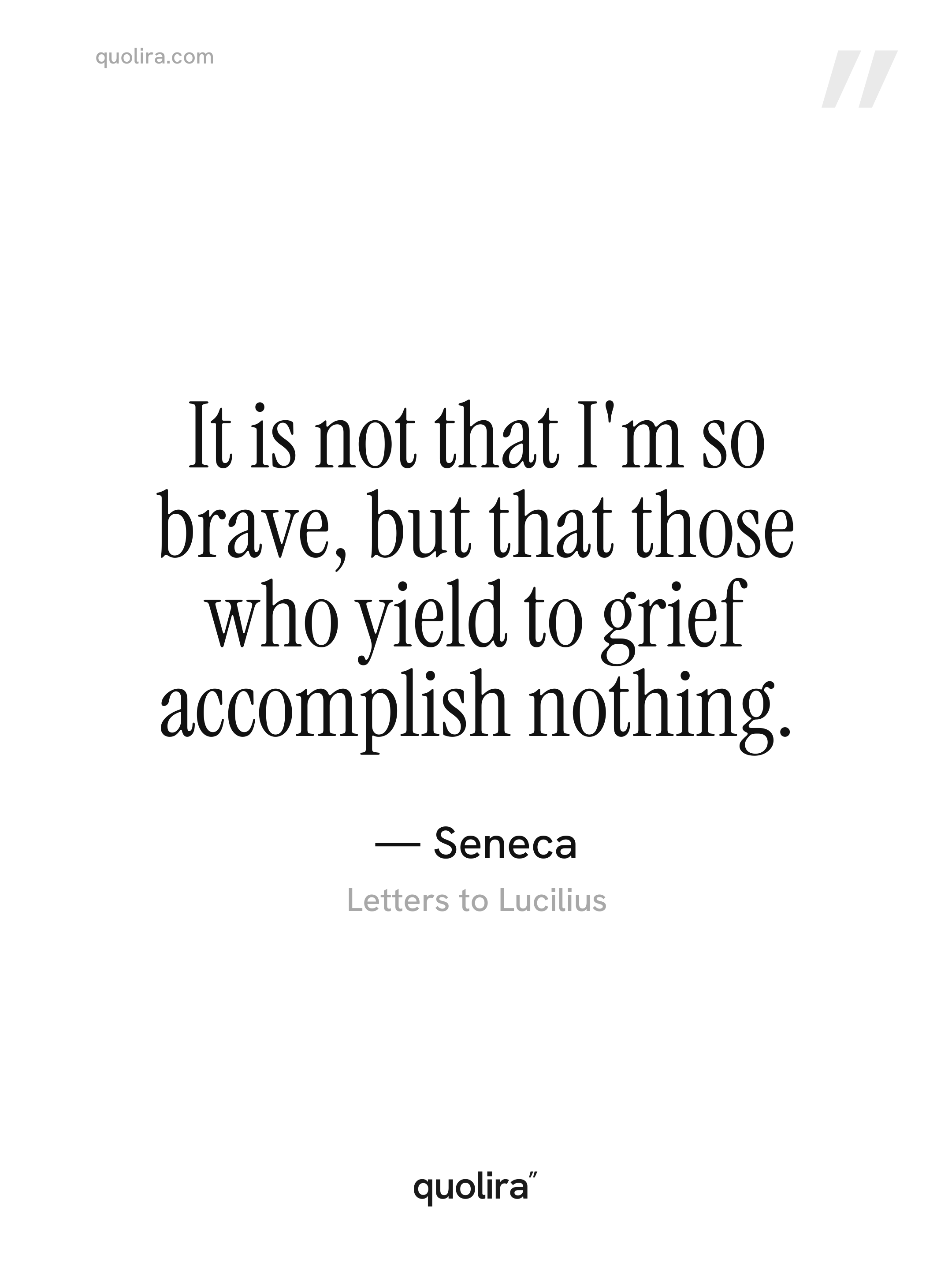
“It is not that I'm so brave, but that those who yield to grief accomplish nothing.”
Seneca · Letters to Lucilius
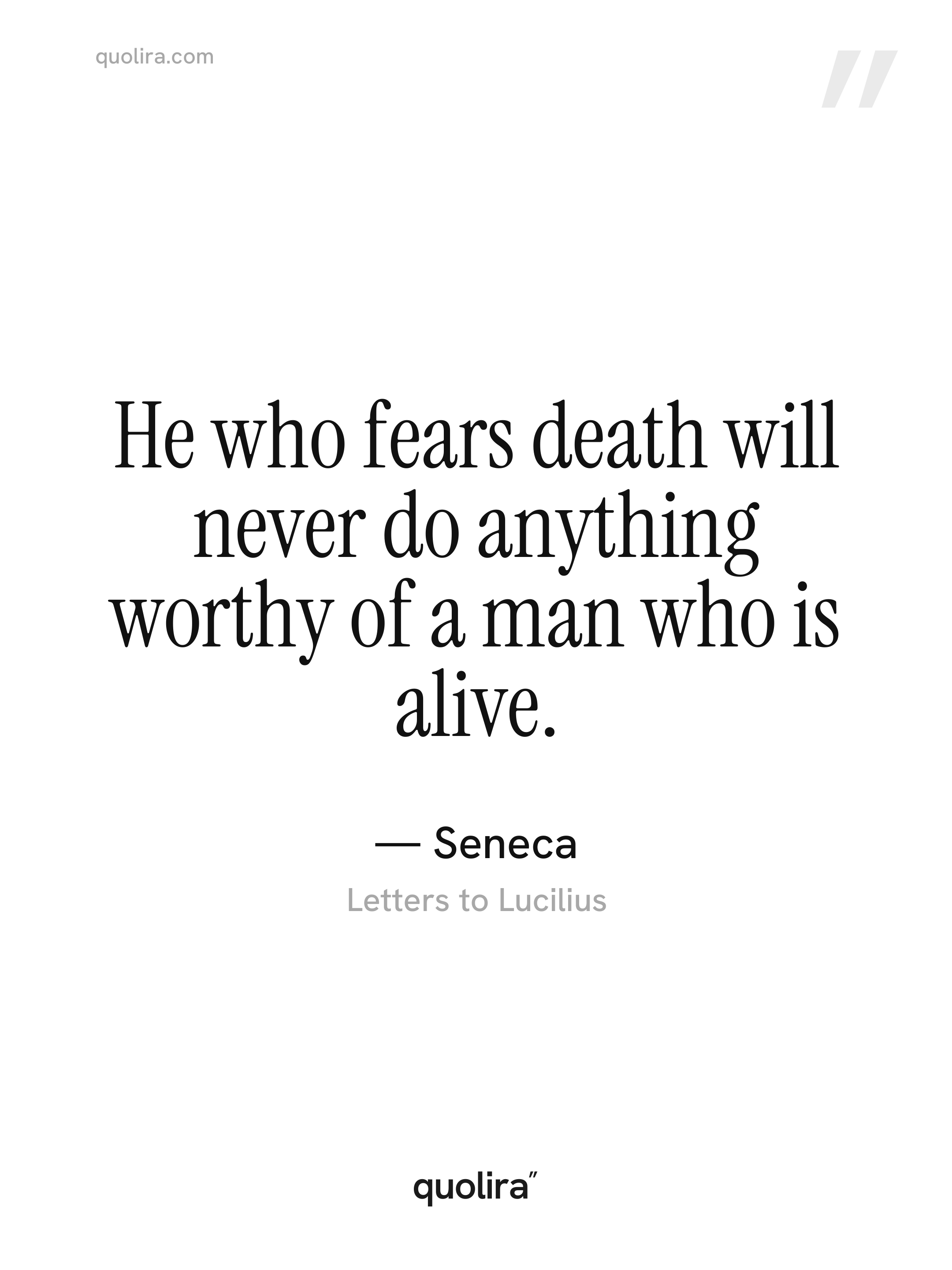
“He who fears death will never do anything worthy of a man who is alive.”
Seneca · Letters to Lucilius
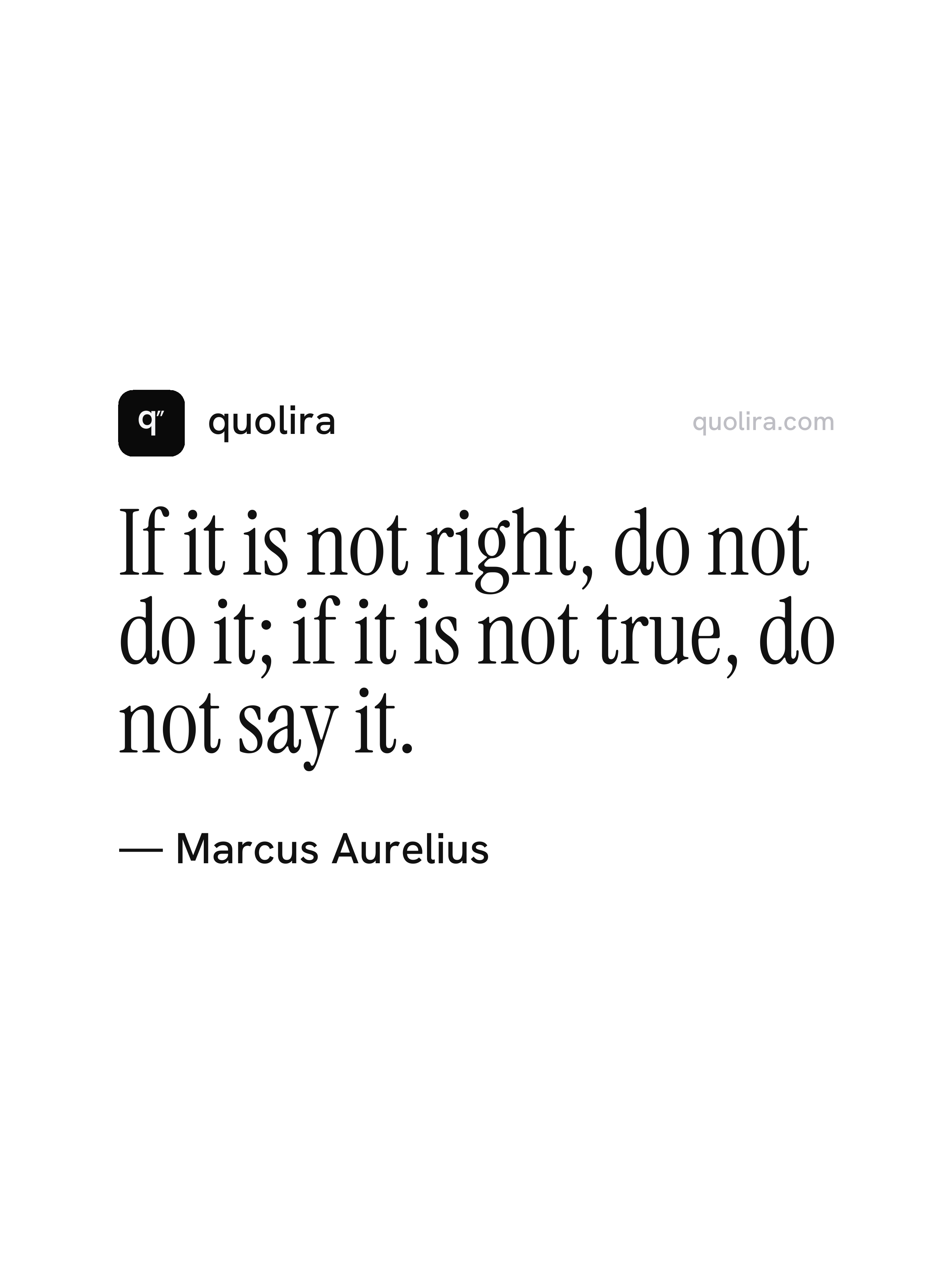
“If it is not right, do not do it; if it is not true, do not say it.”
Marcus Aurelius · Meditations, Book XII
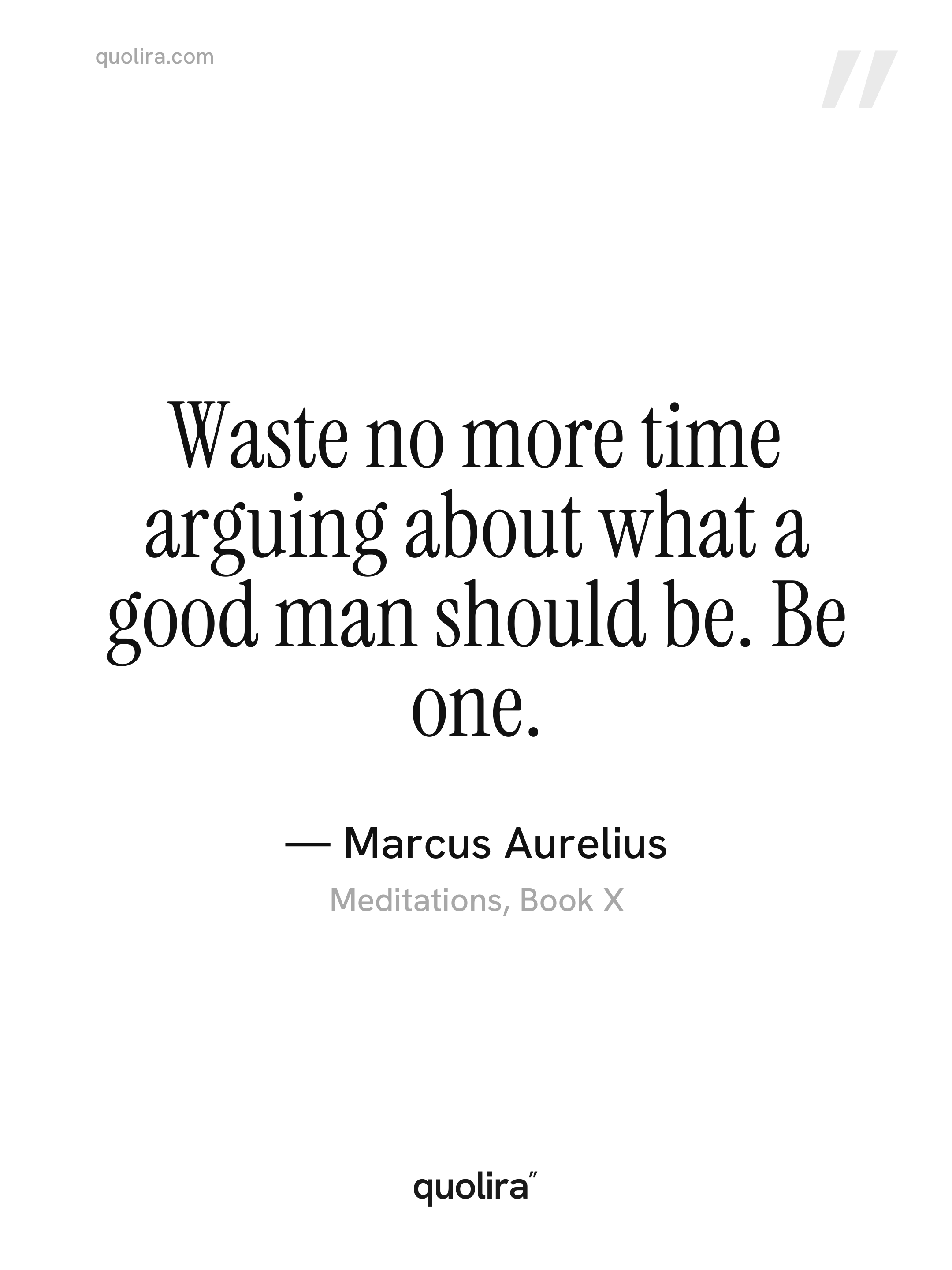
“Waste no more time arguing about what a good man should be. Be one.”
Marcus Aurelius · Meditations, Book X
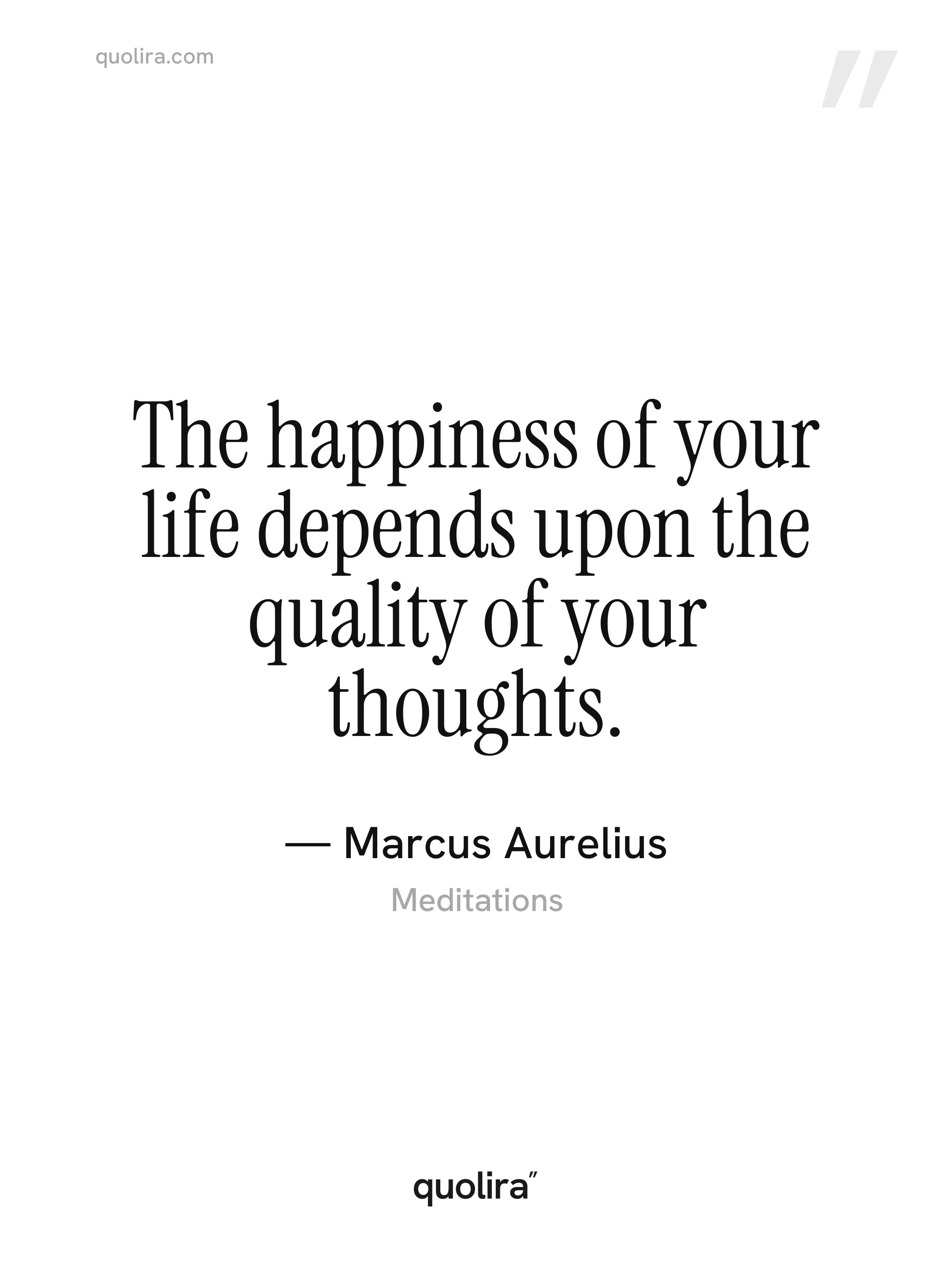
“The happiness of your life depends upon the quality of your thoughts.”
Marcus Aurelius · Meditations
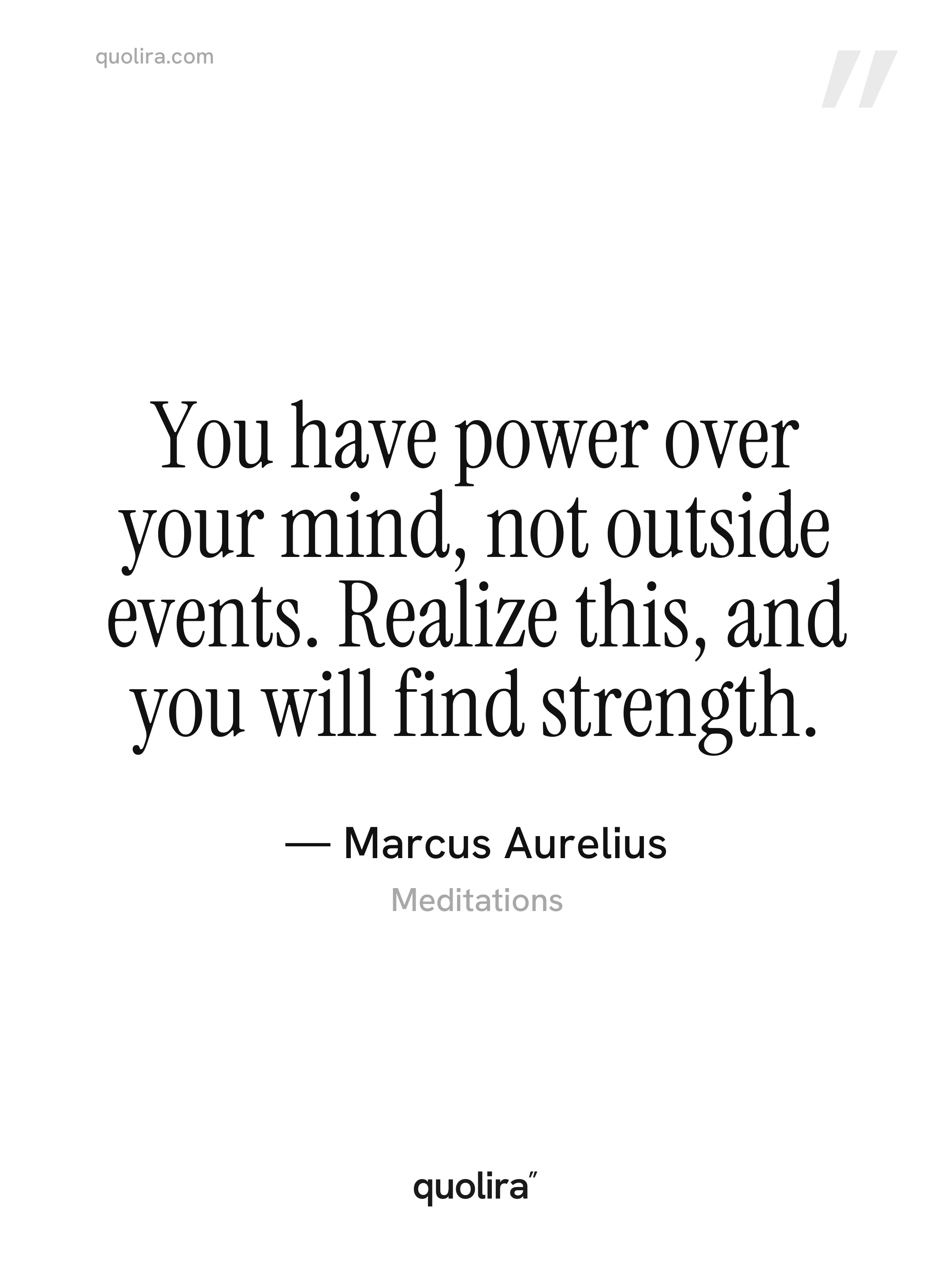
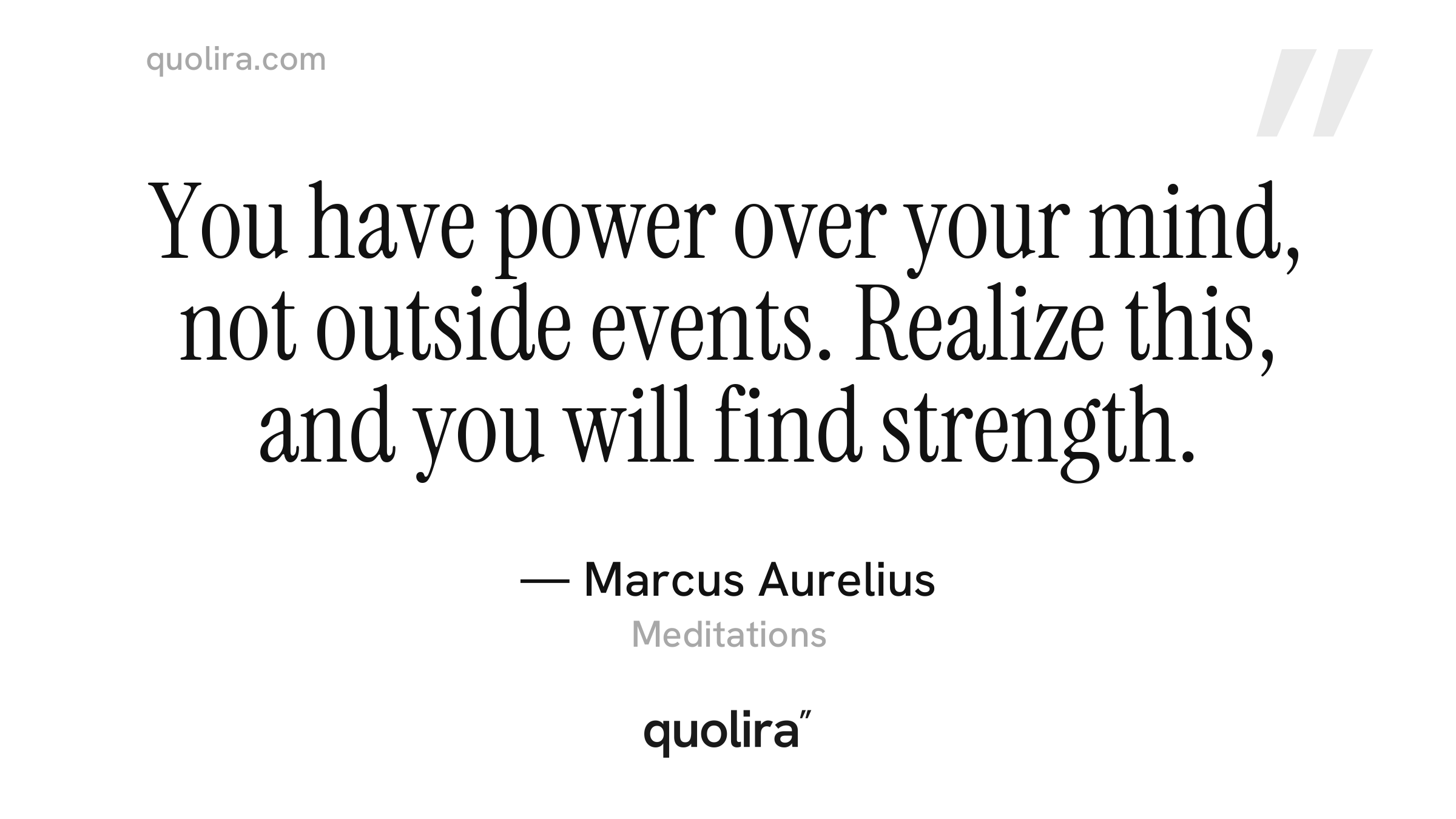
“You have power over your mind, not outside events. Realize this, and you will find strength.”
Marcus Aurelius · Meditations
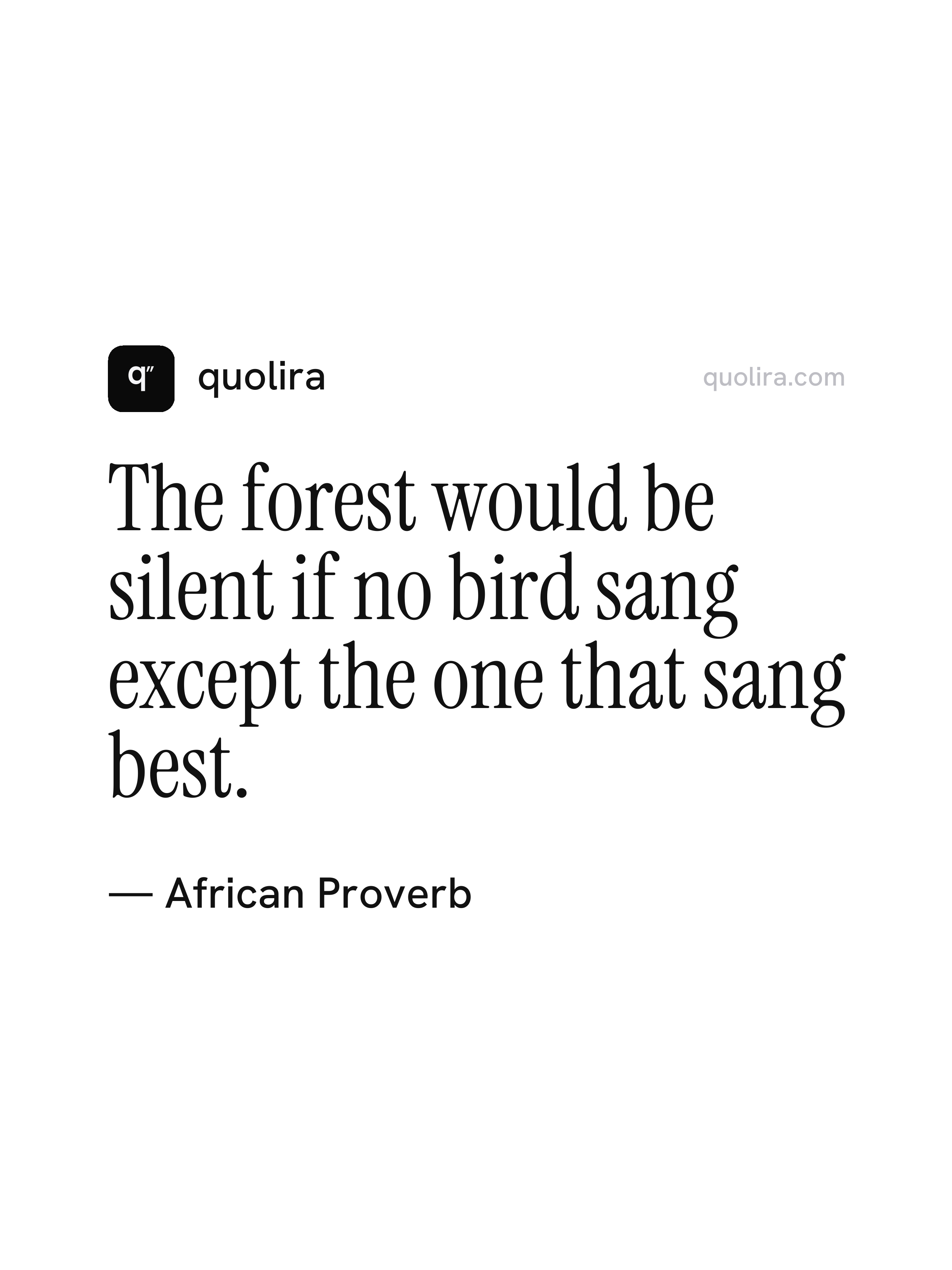
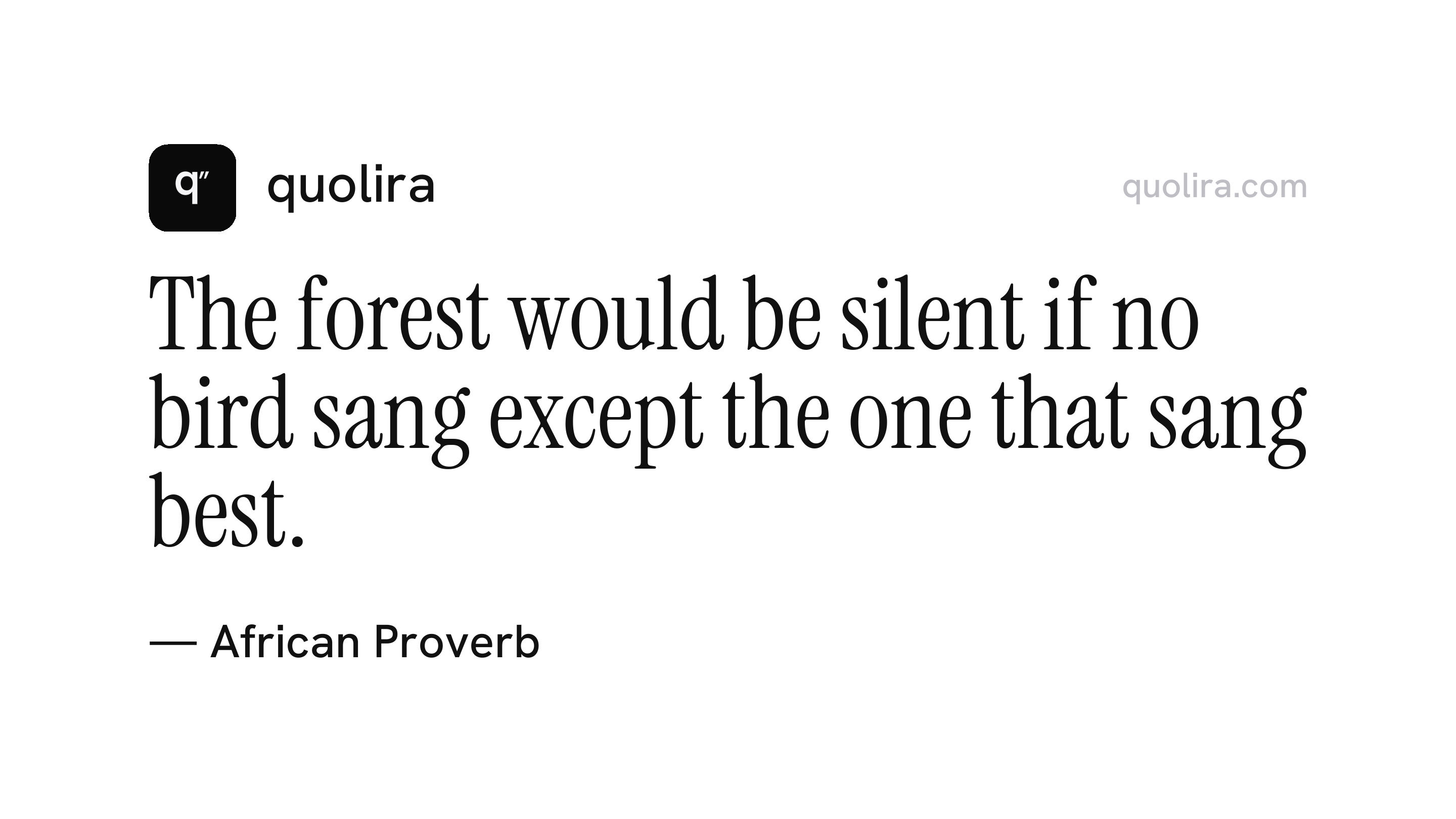
“The forest would be silent if no bird sang except the one that sang best.”
African Proverb
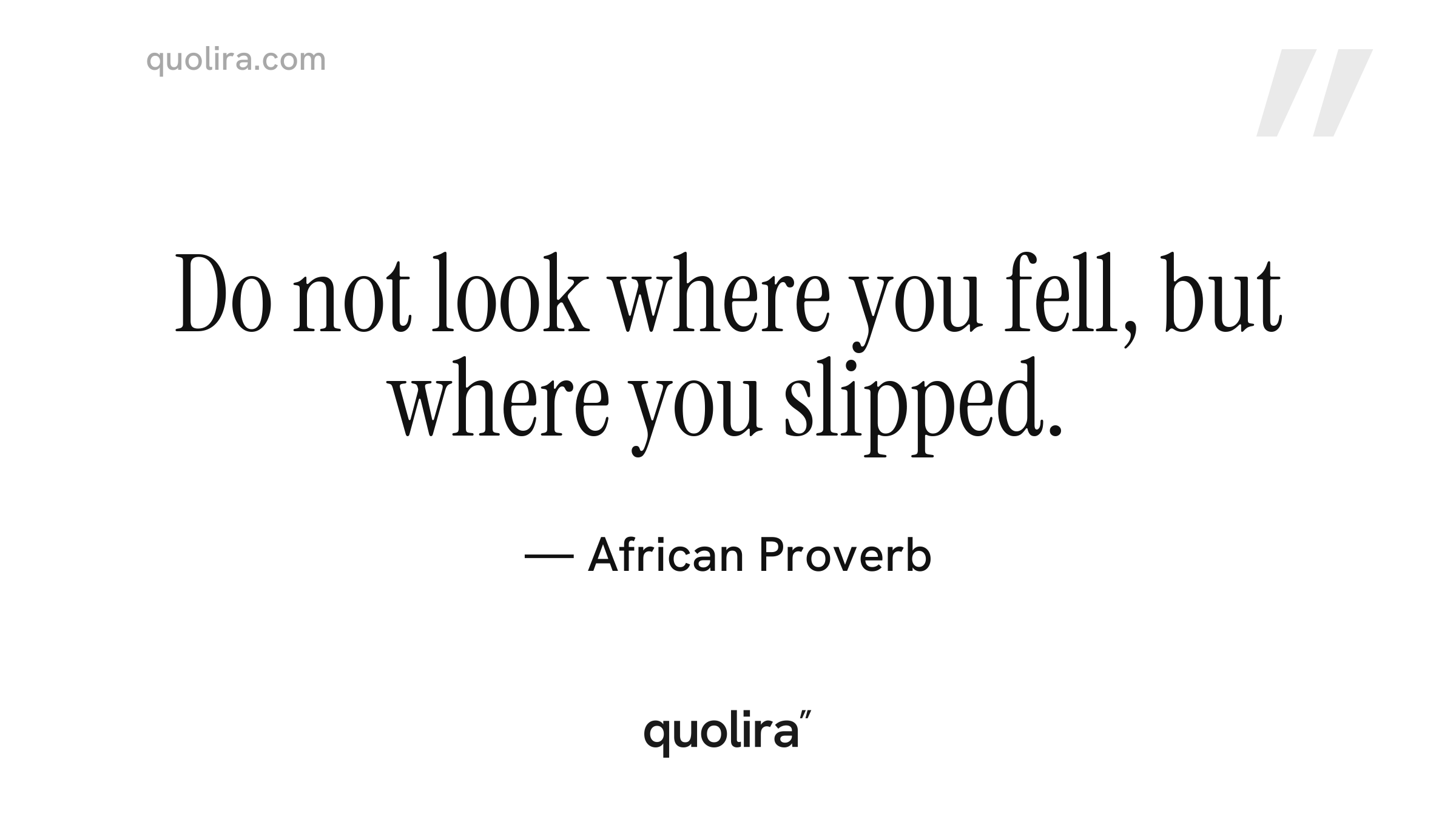
“Do not look where you fell, but where you slipped.”
African Proverb
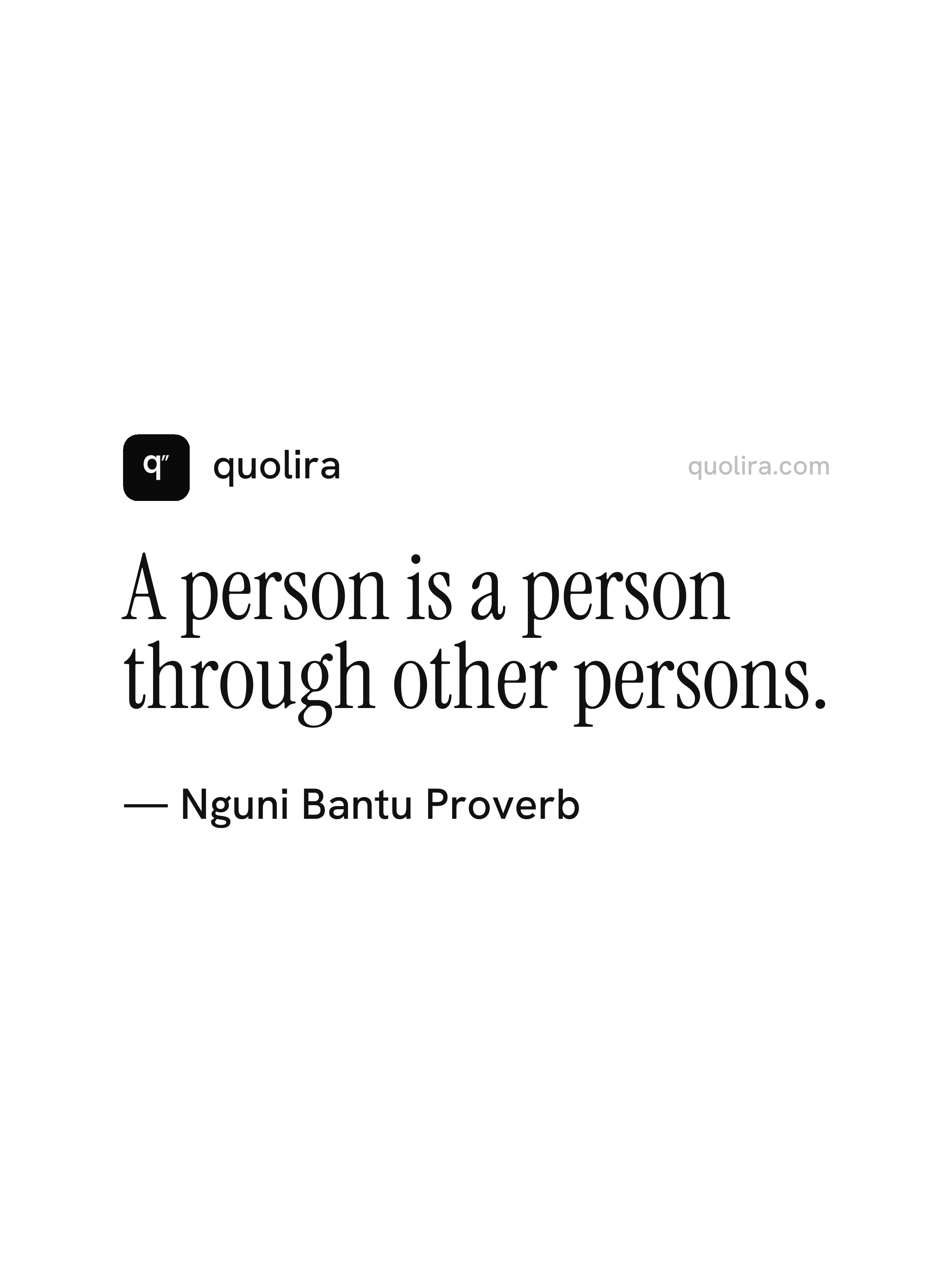
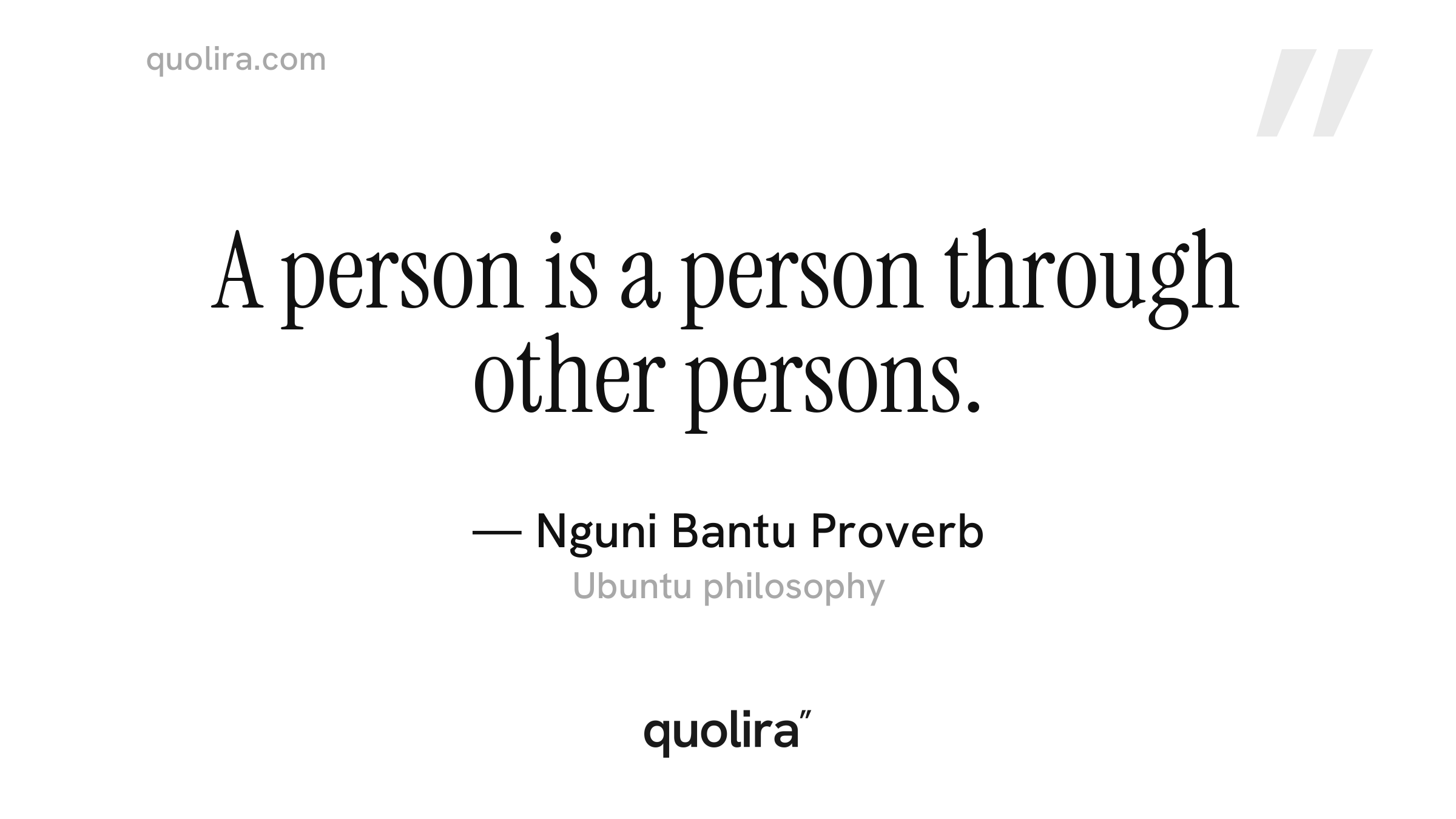
“A person is a person through other persons.”
Nguni Bantu Proverb · Ubuntu philosophy
“The one who tells the stories rules the world.”
Hopi Proverb