Gaman: The Japanese Art of Enduring What Cannot Be Changed
A quiet word for the kind of strength that doesn't announce itself.
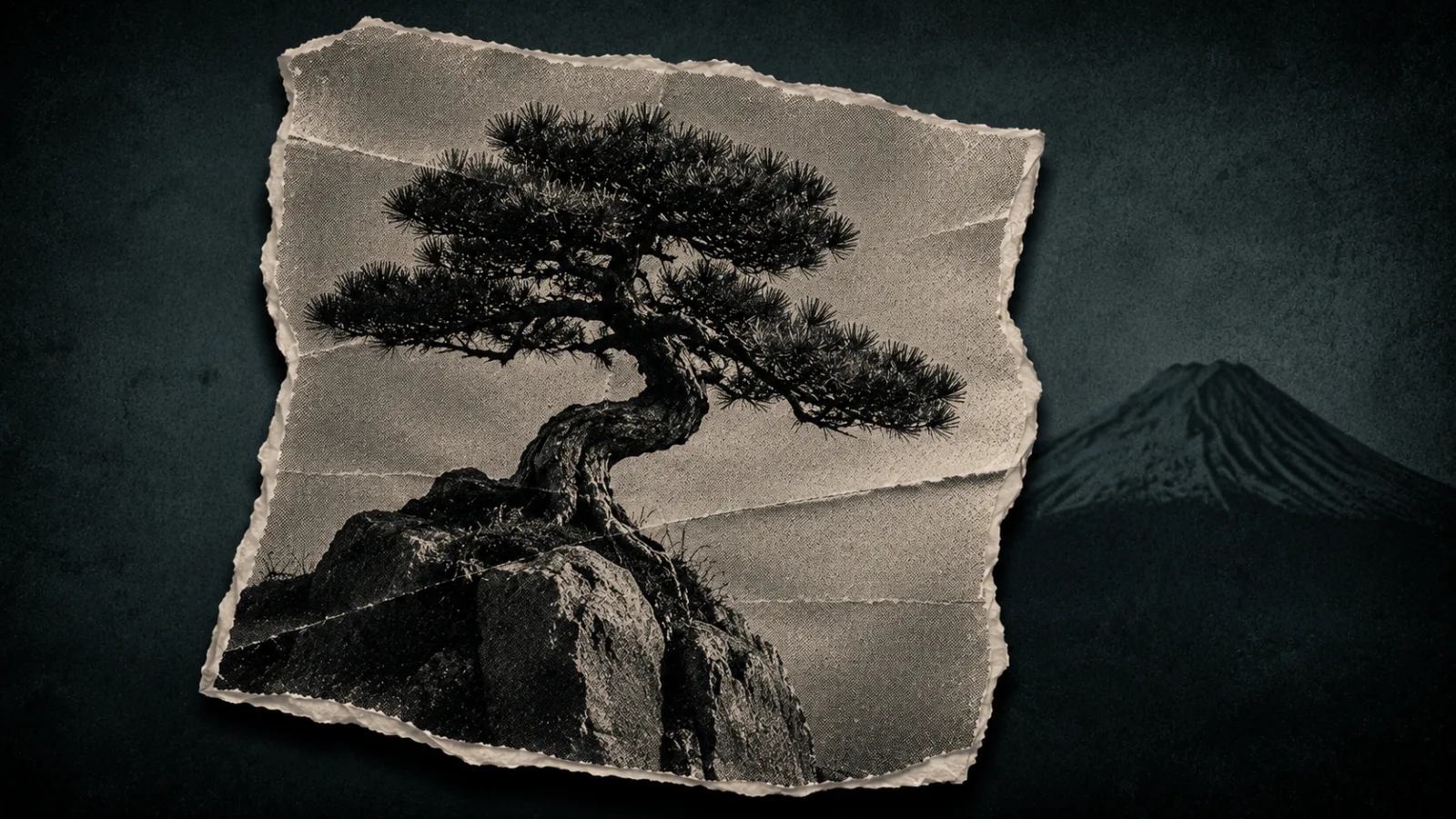
Gaman is a Japanese concept that names something most of us have felt but struggled to put words to: the act of enduring the seemingly unbearable with patience and dignity. It sits close to stoic endurance, but it carries a warmth that pure stoicism sometimes misses. Where stoicism can feel like armoring up, gaman feels more like quiet acceptance, a soft steadying of the breath before you keep walking. The Japanese have held this word for centuries, and it shows.
Endurance is not the absence of pain. It's the decision to keep your hands steady while you feel it.
What gaman actually means
The kanji for gaman (我慢) breaks down into characters for "self" and "endurance." Taken literally, it's about managing the self under pressure. But the word does more than that in practice.
Gaman shows up when someone loses a job and keeps showing up for their family. When a community is displaced and chooses, together, not to let grief become chaos. When grief is real and present and still doesn't get the last word.
It's a word that knows the difference between pretending something doesn't hurt and deciding not to be destroyed by it.
The weight it asks you to carry
There's a version of gaman that gets misused, where it becomes a demand for silence. Bear it. Don't complain. Be useful. That reading strips the dignity out of the concept and leaves only the suffering.
Ikigai: The Japanese Secret to a Long and Happy Life
The truer version is harder to describe and more worth having. It's not about suppression. A person practicing gaman feels the full weight of what's happening. The practice is in what comes next: a deliberate choice to hold that weight without letting it distort you.
"Gaman is not the absence of feeling. It is what feeling looks like when it has been given a spine."
Think of it as the difference between numbness and composure. One is a wall. The other is a stance.
Gaman japanese endurance in a specific moment
After the 2011 Tōhoku earthquake and tsunami, foreign correspondents repeatedly noted the orderliness of evacuation lines, the absence of looting, the way communities organized themselves with almost no outside instruction. People were in shock. People had lost everything.
And they were standing in neat rows, sharing what they had.
The Book of Ichigo Ichie
Journalists called it remarkable. Japanese commentators pointed to gaman. Some quietly pushed back on romanticizing it, which is fair. But the composure itself was real, and it meant something to the people living it.
Why it matters beyond Japan
You don't need to be Japanese to recognize the experience gaman describes. You've probably had a month, a year, a season of your life where there was nothing to do but endure. Where fixing wasn't available and optimism felt dishonest.
Gaman is a name for what you were doing anyway.
There's something useful about having a word for it. It moves the experience out of the vague and shapeless and makes it a thing you can hold. A practice with a history. Something people have named and honored for a long time.
That's the whole point, maybe. Hard things have always happened. People have always found ways to carry them. Gaman just gives that act its proper weight.
Dignity under pressure is its own kind of answer to the world.
Some things can't be fixed or rushed. Gaman doesn't ask you to be okay with that. It only asks you to stay upright anyway.
Frequently asked questions
What does gaman mean in Japanese?
Is gaman the same as suppressing your emotions?
How did gaman show up in Japanese history?
How is gaman different from Western stoicism?
Keep reading

16 Alice in Wonderland Quotes That Still Make You Stop and Think
The strange logic of Wonderland has a way of feeling truer than the real world.

14 Seneca Self Love Quotes on Befriending Yourself
Ancient Stoic wisdom on why the friendship you owe yourself comes before every other bond.

12 Amor Fati Quotes on Loving Your Fate
Twelve reflective lines about accepting everything life hands you, even the hard parts.