“First say to yourself what you would be; and then do what you have to do.”
Epictetus · Discourses, Book III
 quolira
.com
quolira
quolira.com
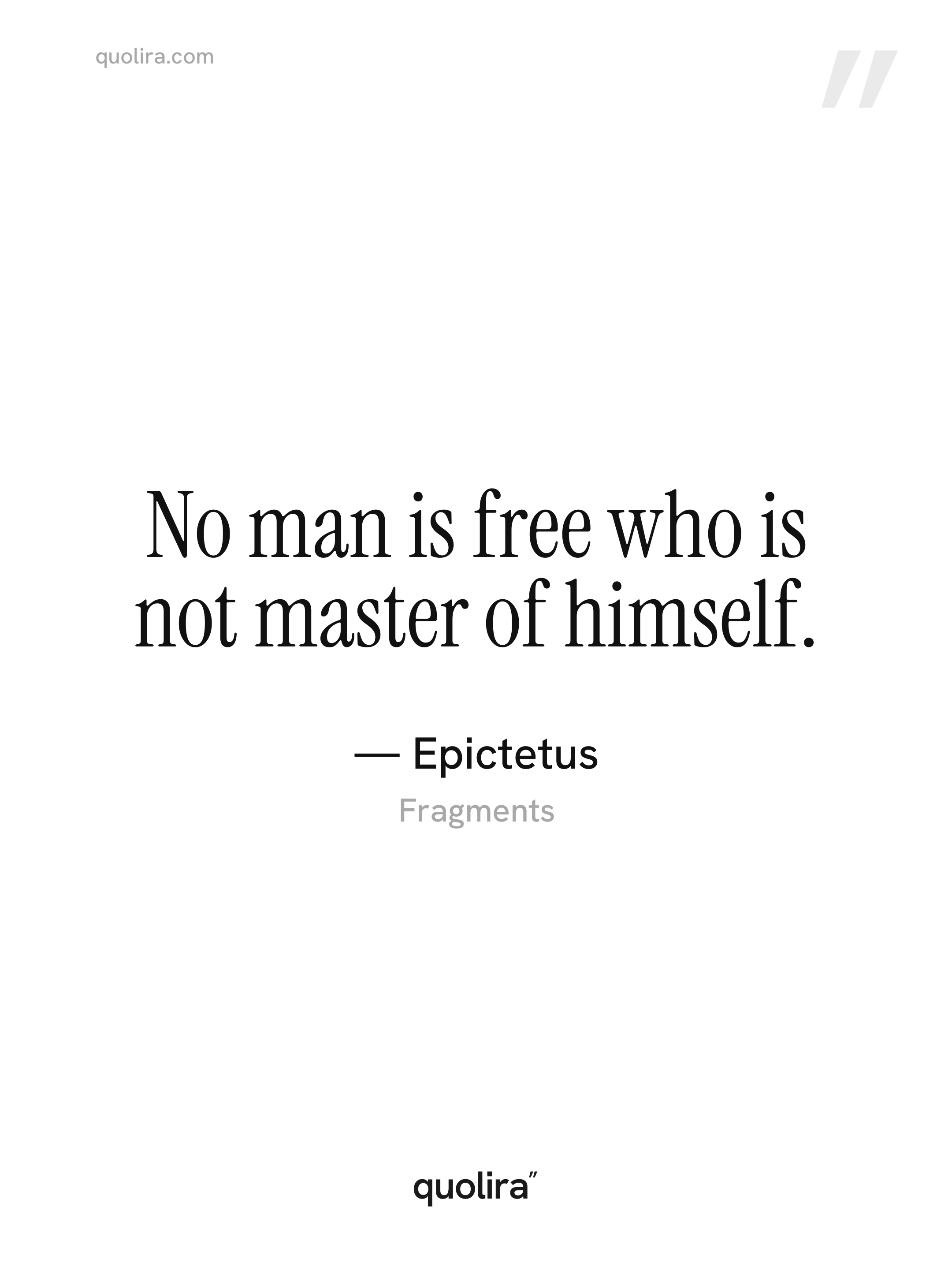
This short declaration makes a sharp distinction between two kinds of freedom. One is external, the absence of physical or legal restraint. The other is internal, the ability to govern your own impulses, desires, and reactions. Epictetus argues that without this second kind of freedom, the first is almost meaningless. A person who cannot control their own mind is, in a real sense, at the mercy of every passing emotion and circumstance, regardless of their legal status or social position.
The Fragments are short passages attributed to Epictetus that were preserved by later writers rather than appearing in his formal Discourses. Because they survive in scattered form, they often have an especially compressed, aphoristic quality. This line fits neatly into the core of Stoic teaching, which held that the only thing truly under a person's control is their own reasoning mind. External events, other people's opinions, and even the body itself were considered outside that circle of genuine ownership.
Epictetus was a Stoic philosopher of the Roman Imperial period, born into slavery and later freed. His life gave him direct experience of the gap between external conditions and inner dignity, and that experience runs through everything he taught. He established a school and drew students from across the Roman world. Because he left no writings of his own, his philosophy survives through notes taken by his student Arrian, preserved in the Discourses and a shorter handbook called the Enchiridion.
“First say to yourself what you would be; and then do what you have to do.”
Epictetus · Discourses, Book III
“Seek not the good in external things; seek it in yourselves.”
Epictetus · Discourses
“Men are disturbed not by the things which happen, but by the opinions about the things.”
Epictetus · Enchiridion, Chapter 5
“Make the best use of what is in your power, and take the rest as it happens.”
Epictetus · Enchiridion
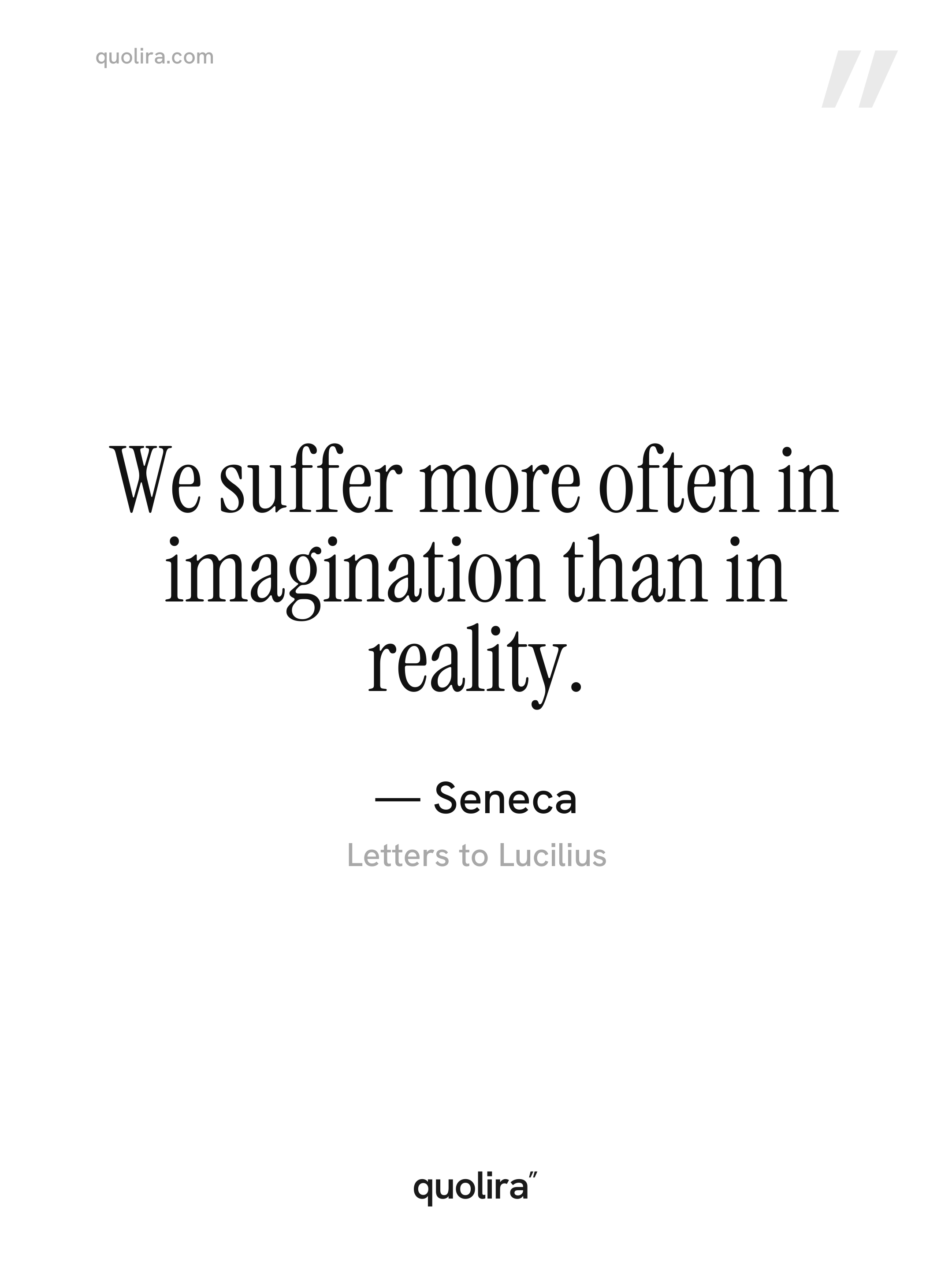
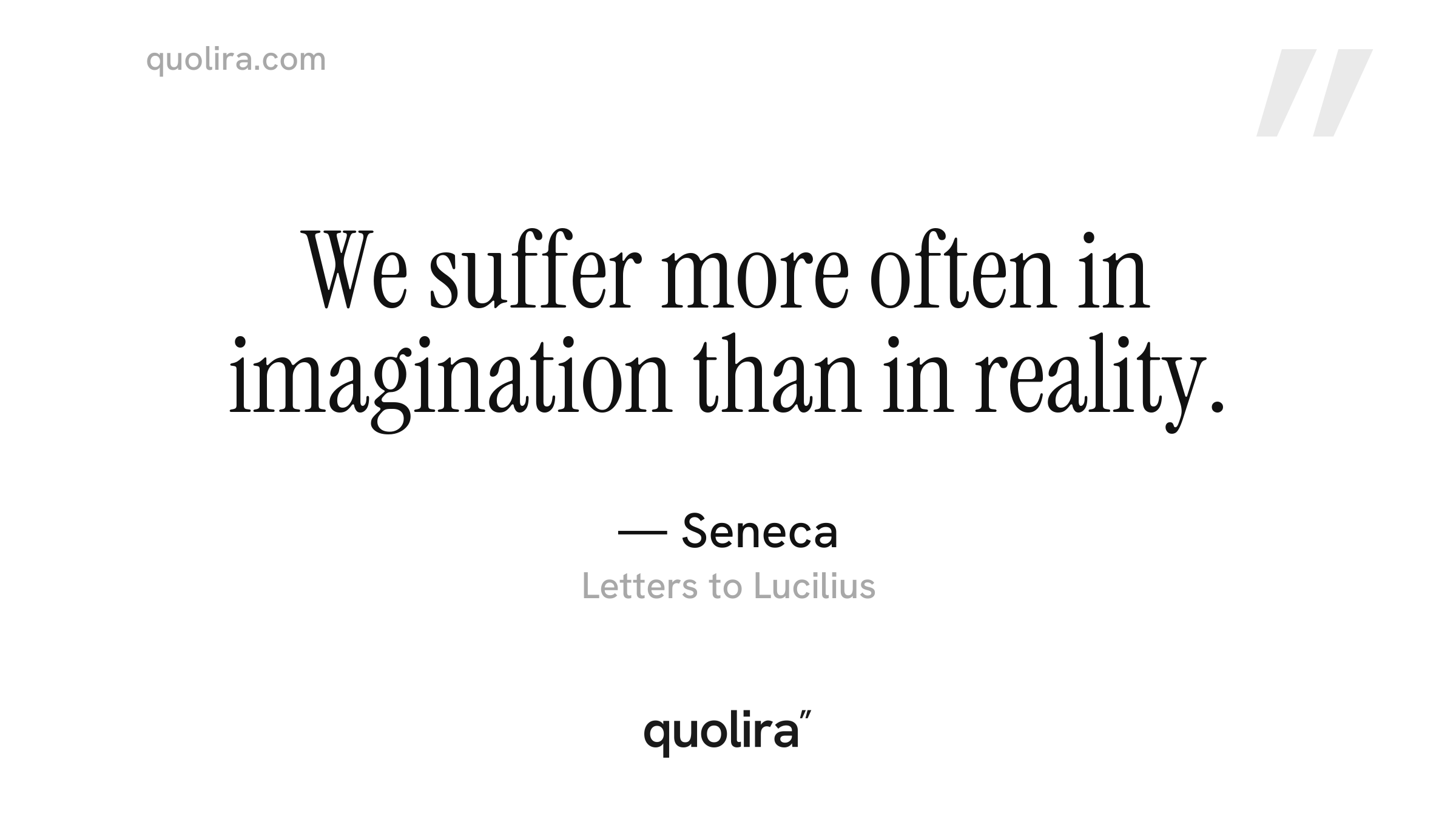
“We suffer more often in imagination than in reality.”
Seneca · Letters to Lucilius
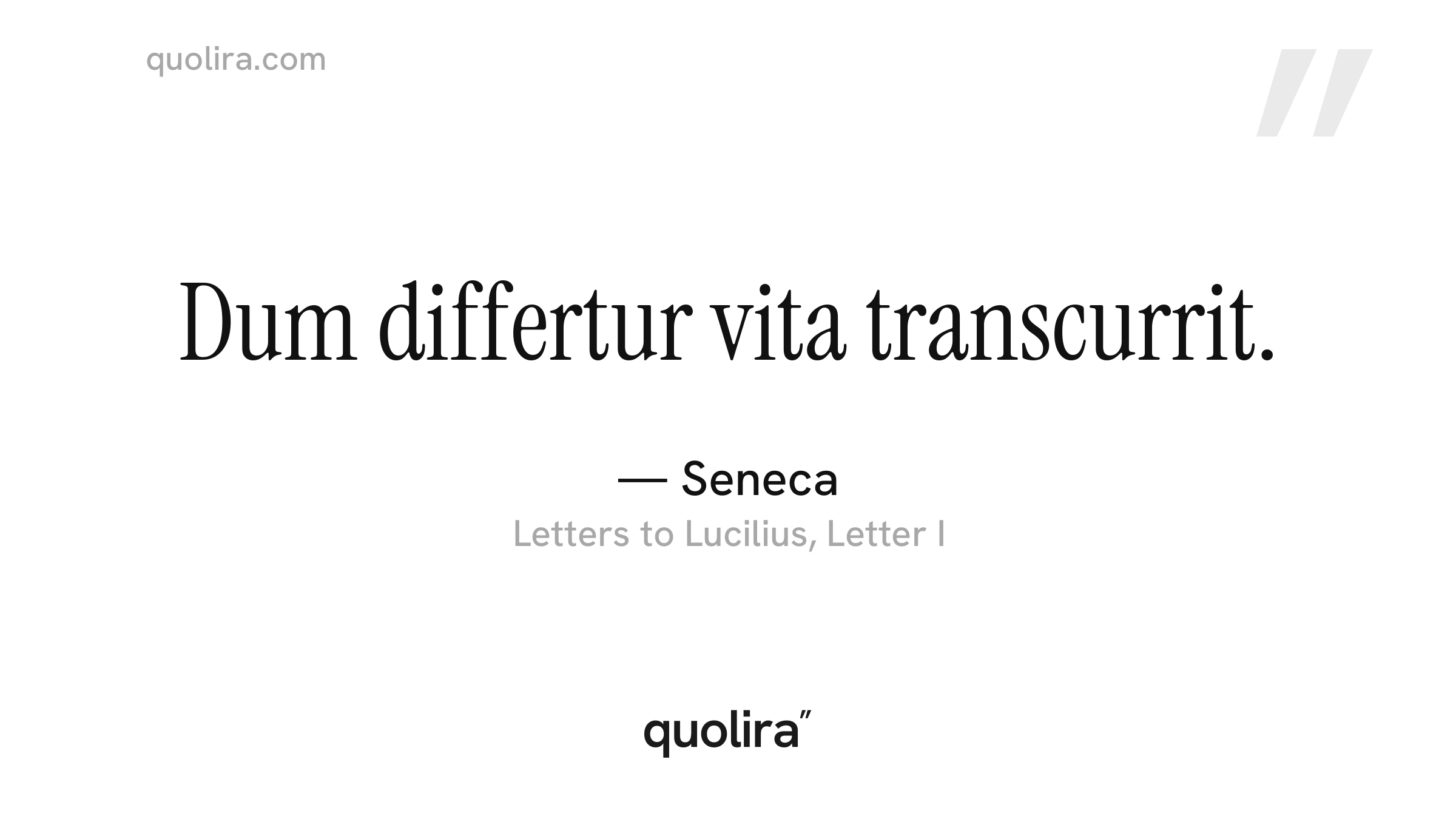
“Dum differtur vita transcurrit.”
Seneca · Letters to Lucilius, Letter I
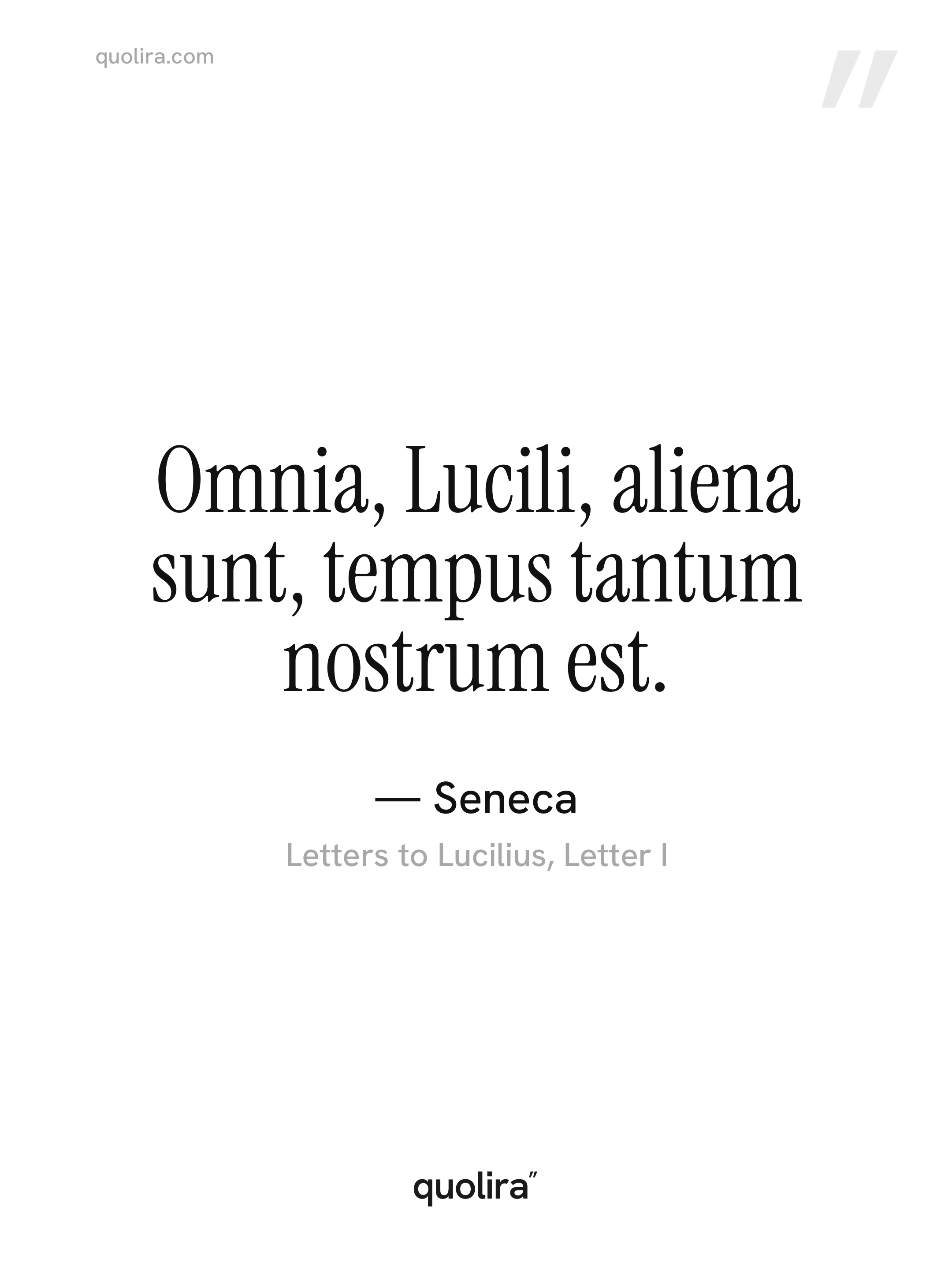
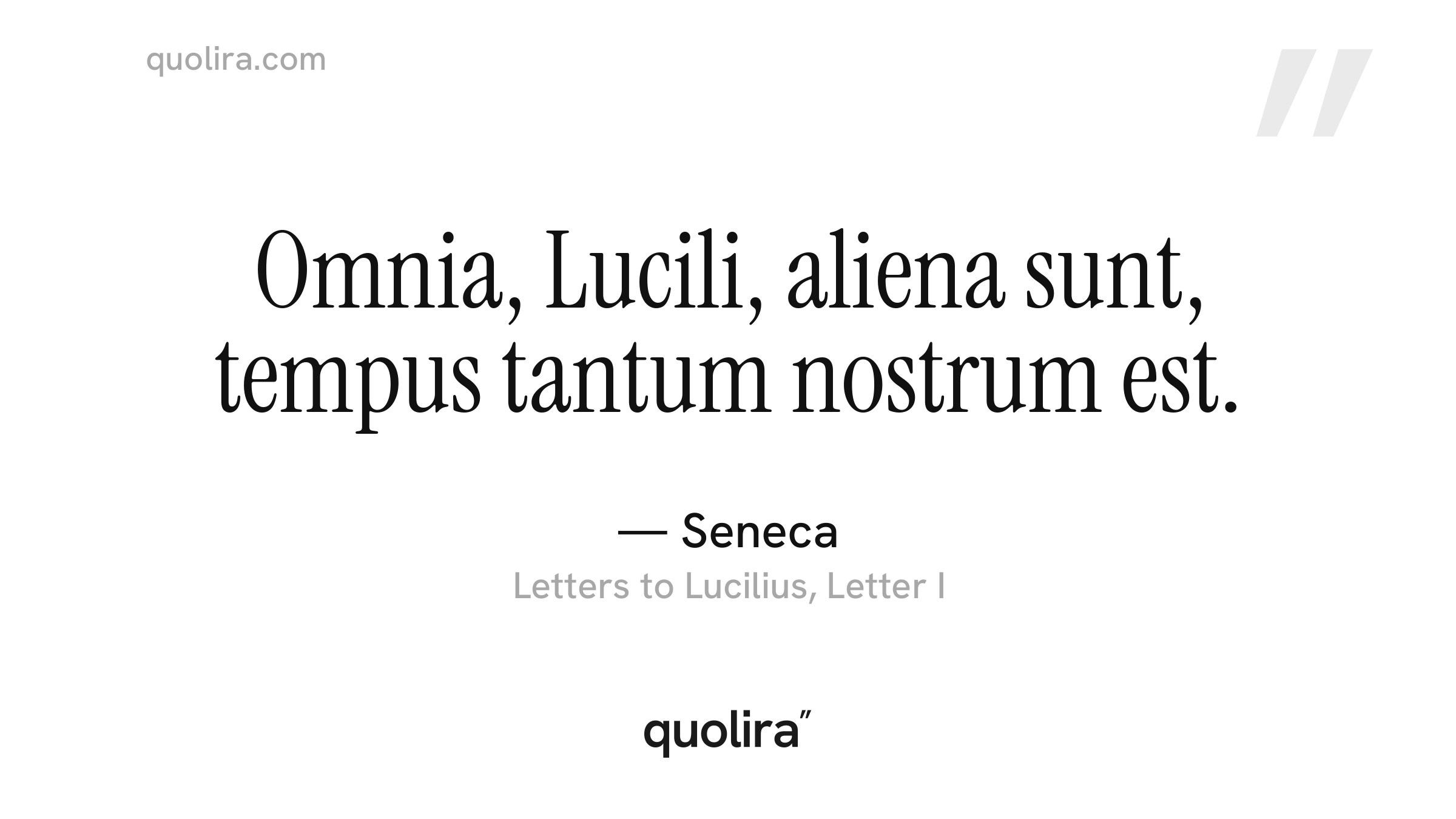
“Omnia, Lucili, aliena sunt, tempus tantum nostrum est.”
Seneca · Letters to Lucilius, Letter I
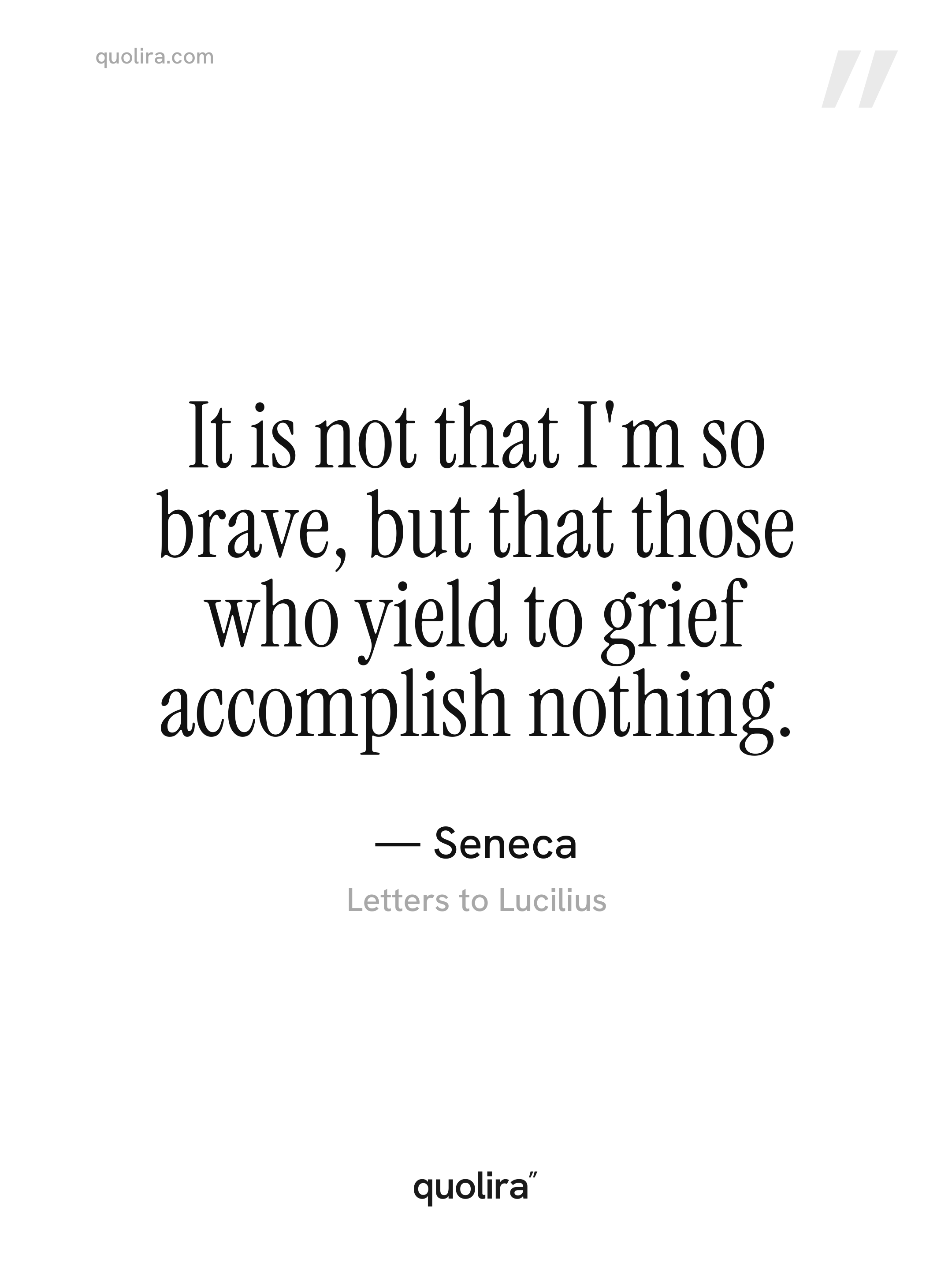
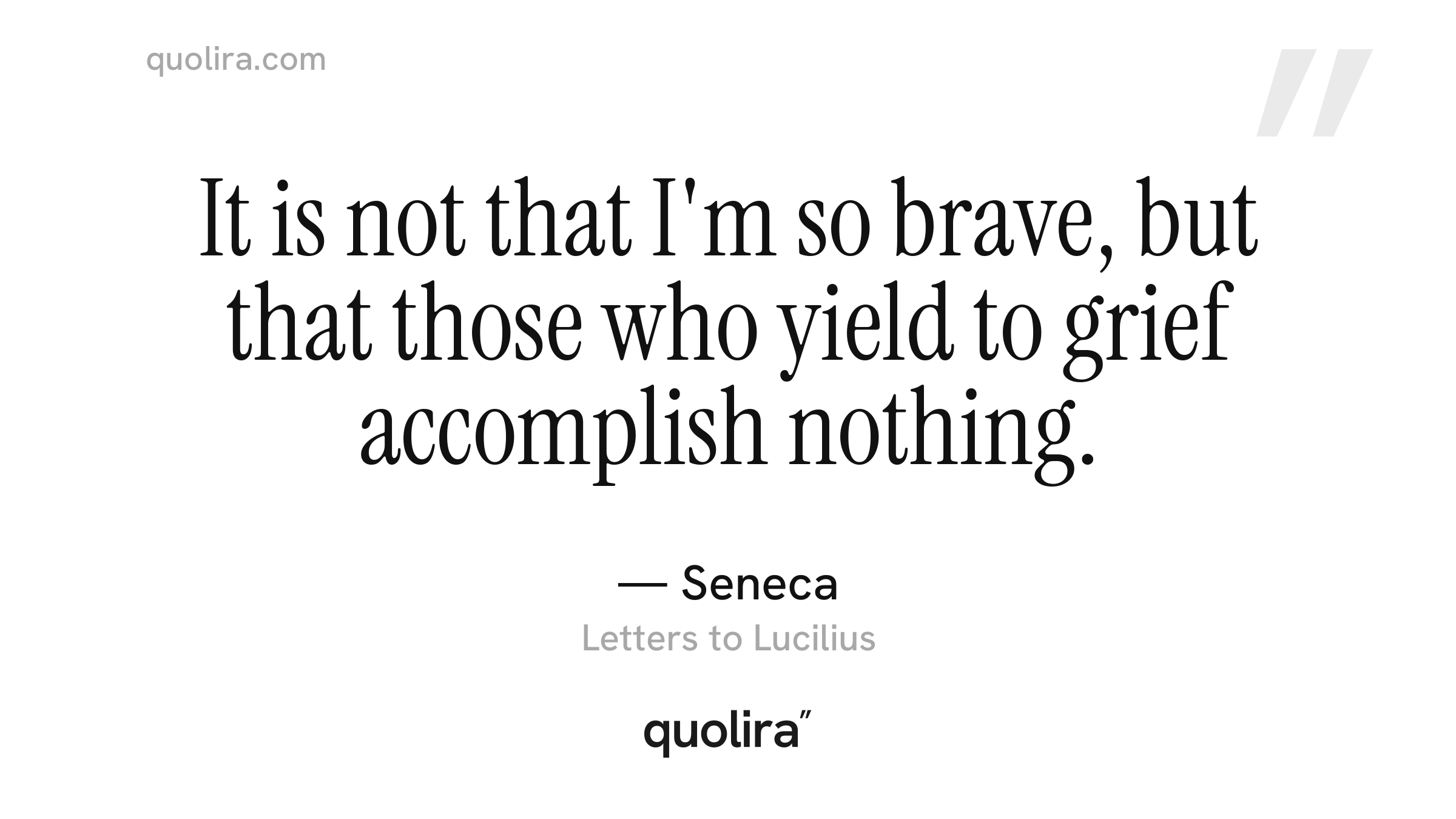
“It is not that I'm so brave, but that those who yield to grief accomplish nothing.”
Seneca · Letters to Lucilius
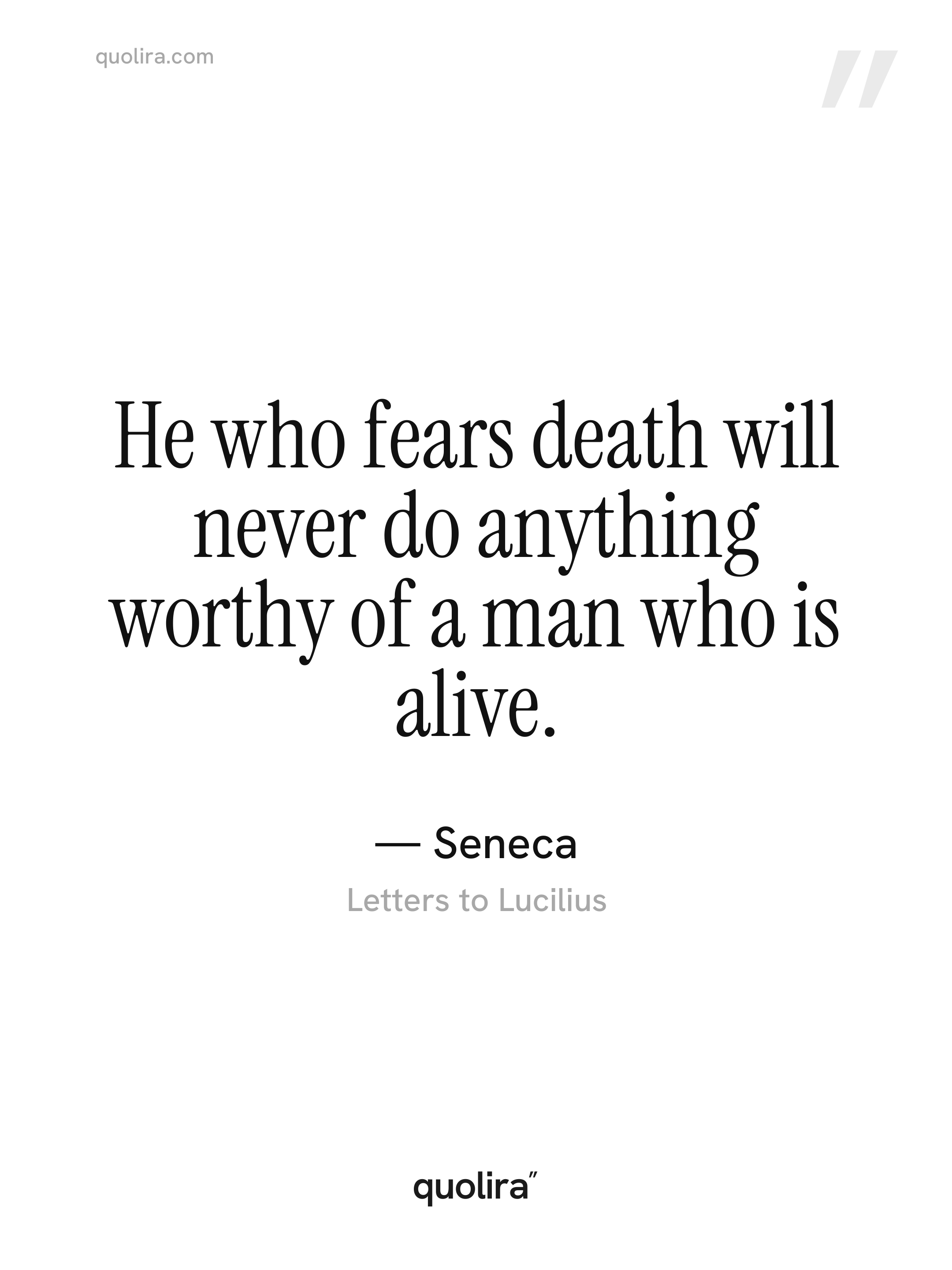
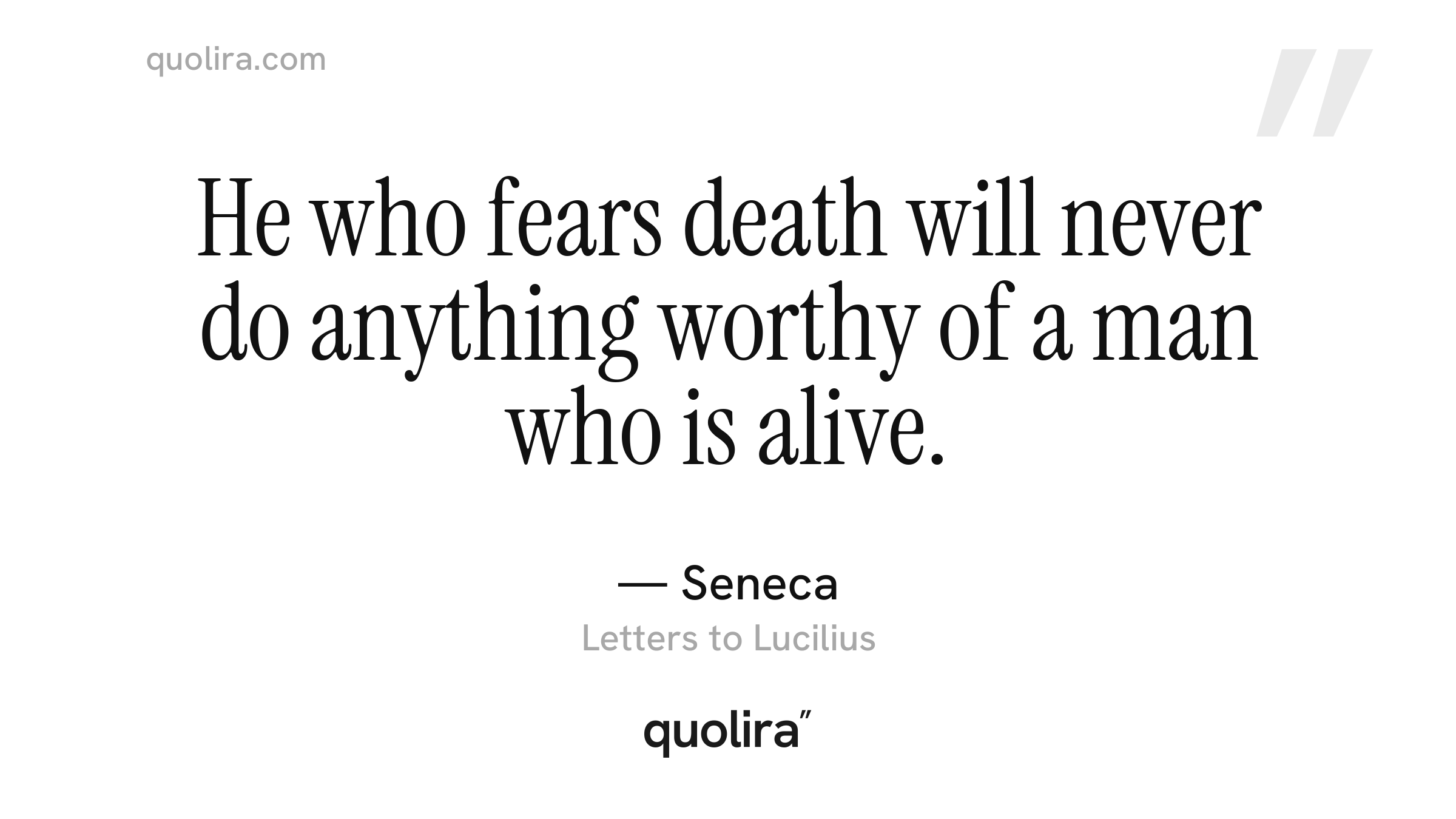
“He who fears death will never do anything worthy of a man who is alive.”
Seneca · Letters to Lucilius
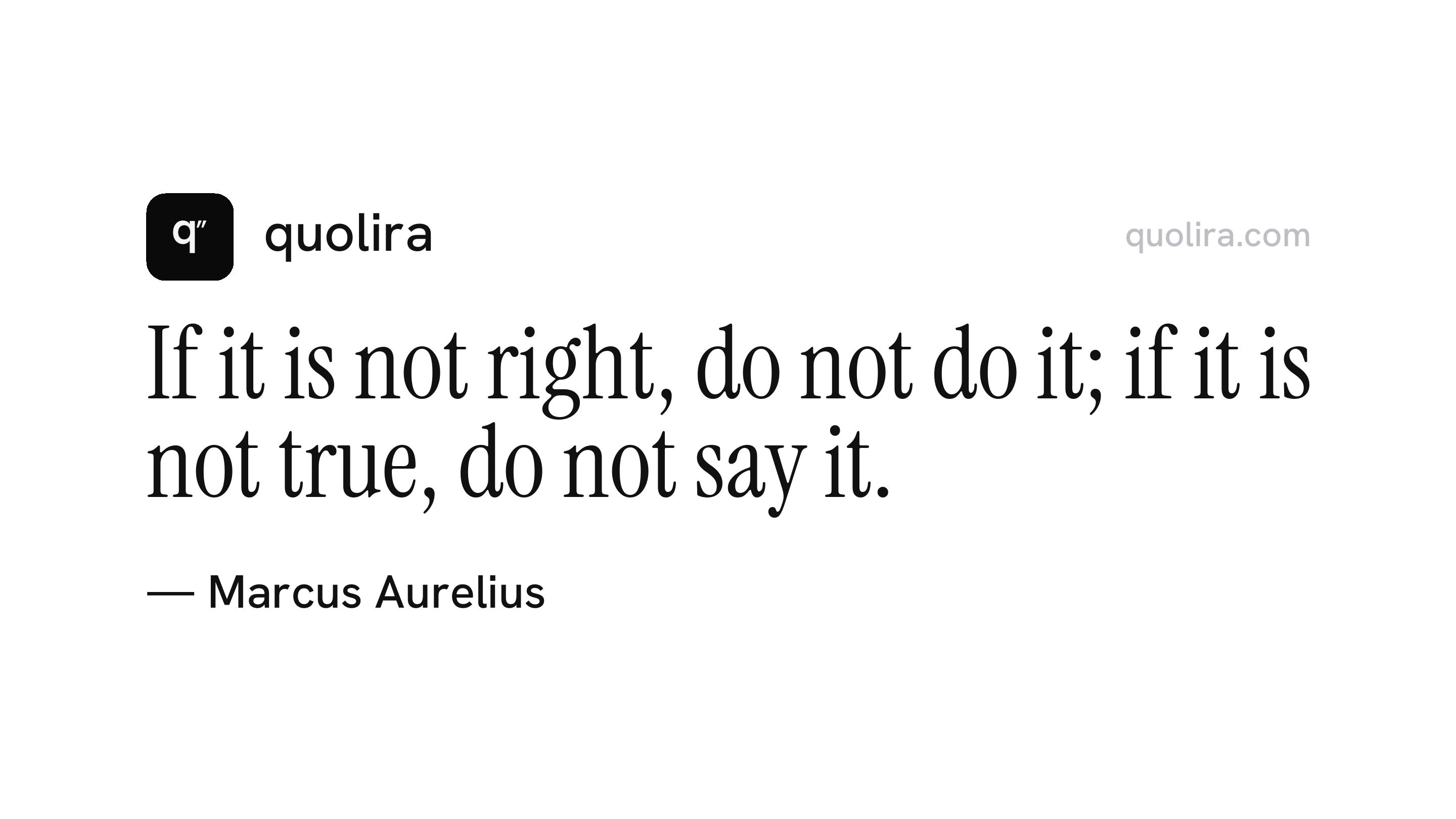
“If it is not right, do not do it; if it is not true, do not say it.”
Marcus Aurelius · Meditations, Book XII
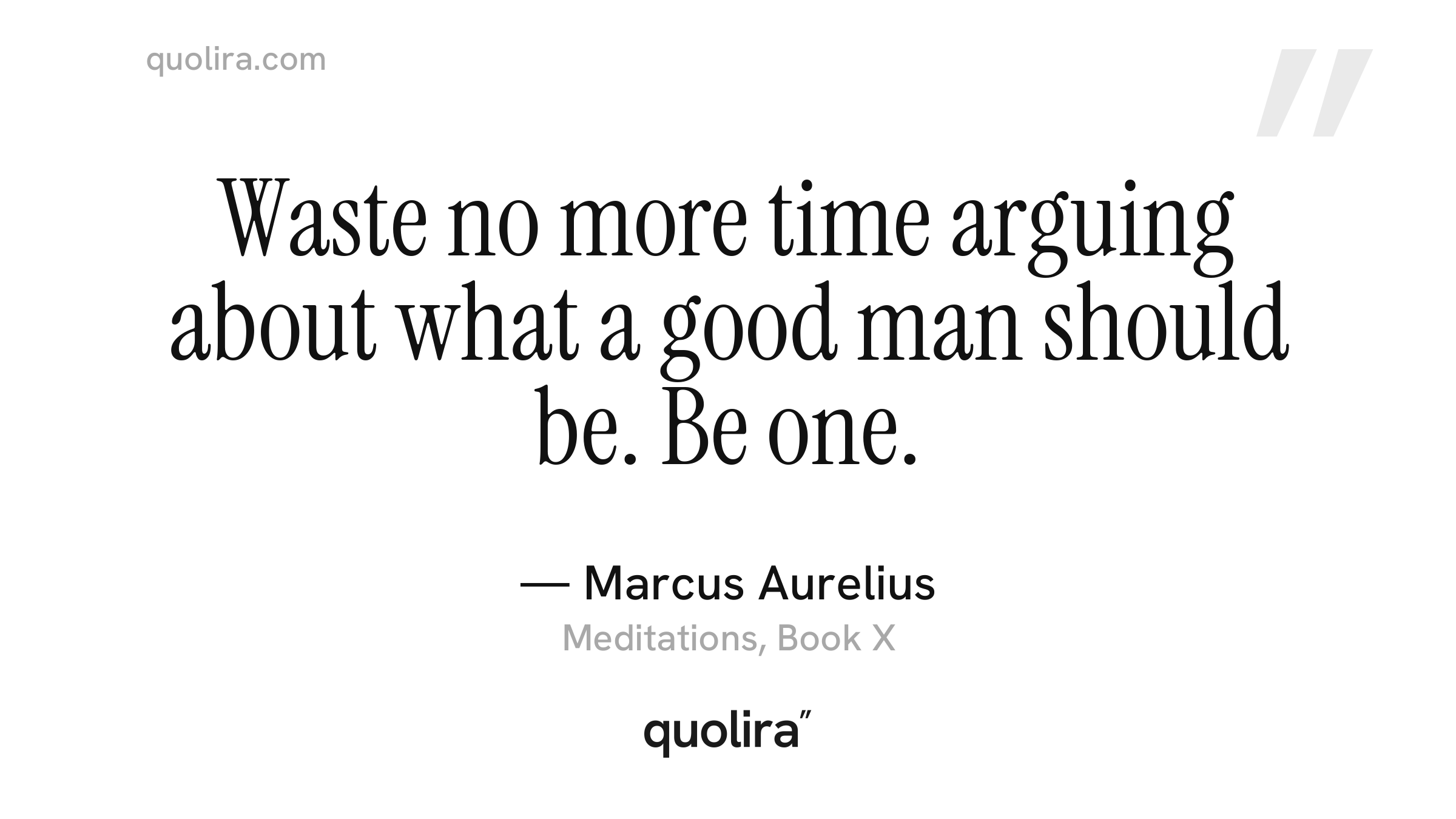
“Waste no more time arguing about what a good man should be. Be one.”
Marcus Aurelius · Meditations, Book X
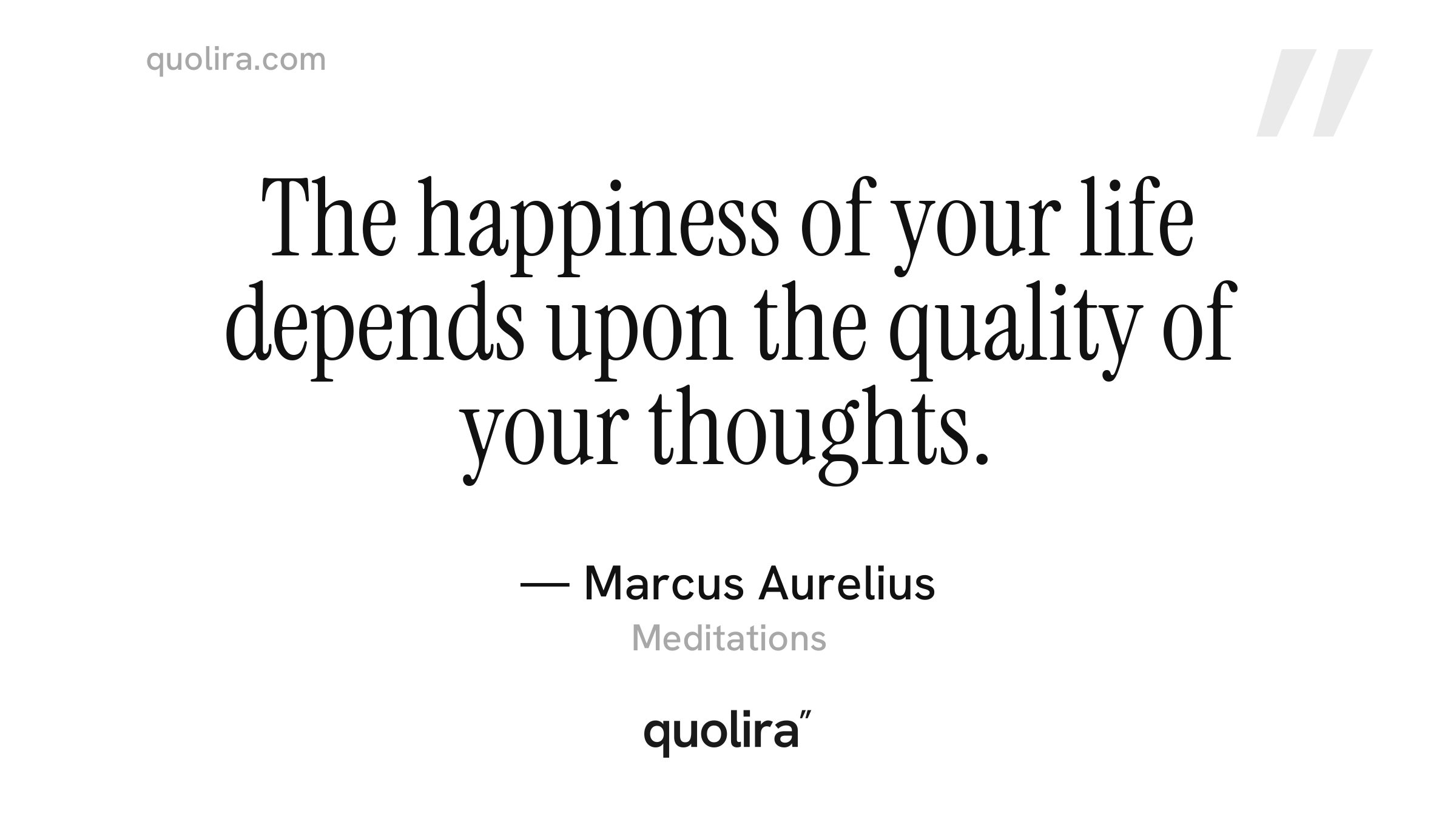
“The happiness of your life depends upon the quality of your thoughts.”
Marcus Aurelius · Meditations