25 Deep, Meaningful Quotes That Make You Stop and Think
Words from history's sharpest minds that cut straight to what matters.
Deep meaningful quotes have a way of doing in one sentence what a whole book sometimes can't. They stop you mid-scroll, mid-conversation, mid-life. The writers, philosophers, and thinkers collected here weren't trying to inspire a poster. They were trying to tell the truth, even when the truth was uncomfortable. Read slowly. A few of these will stick.
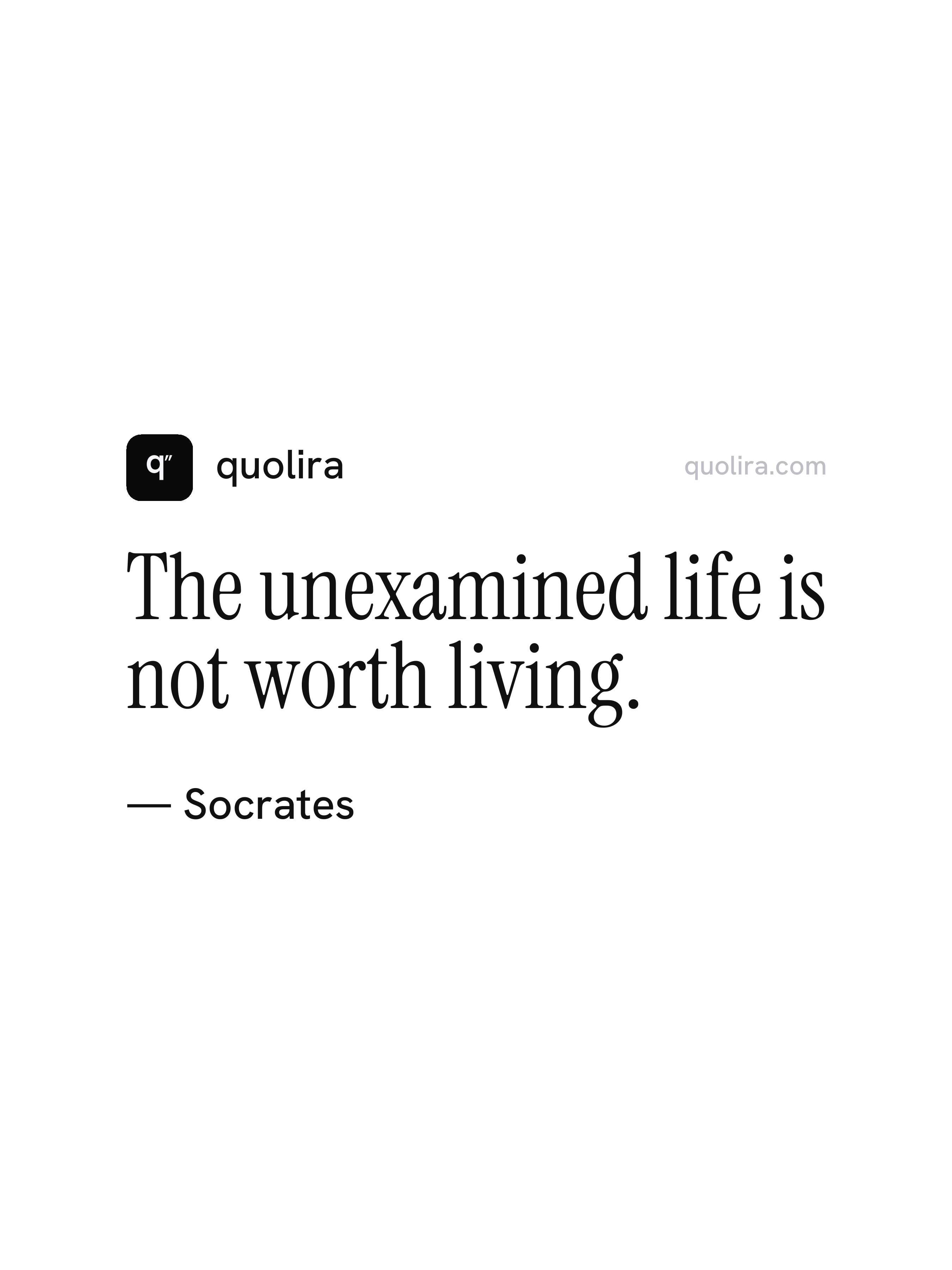
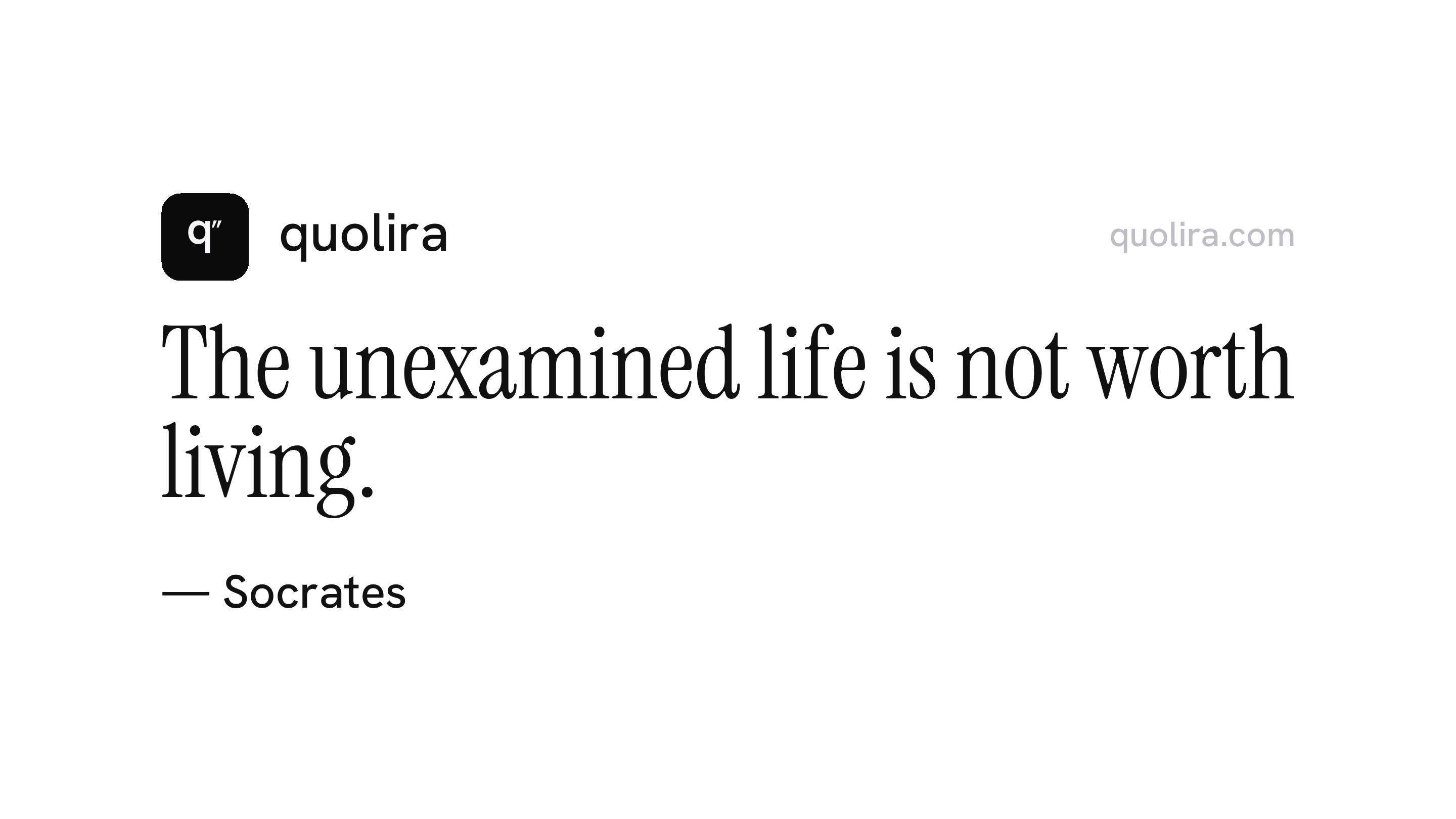
The unexamined life is not worth living.
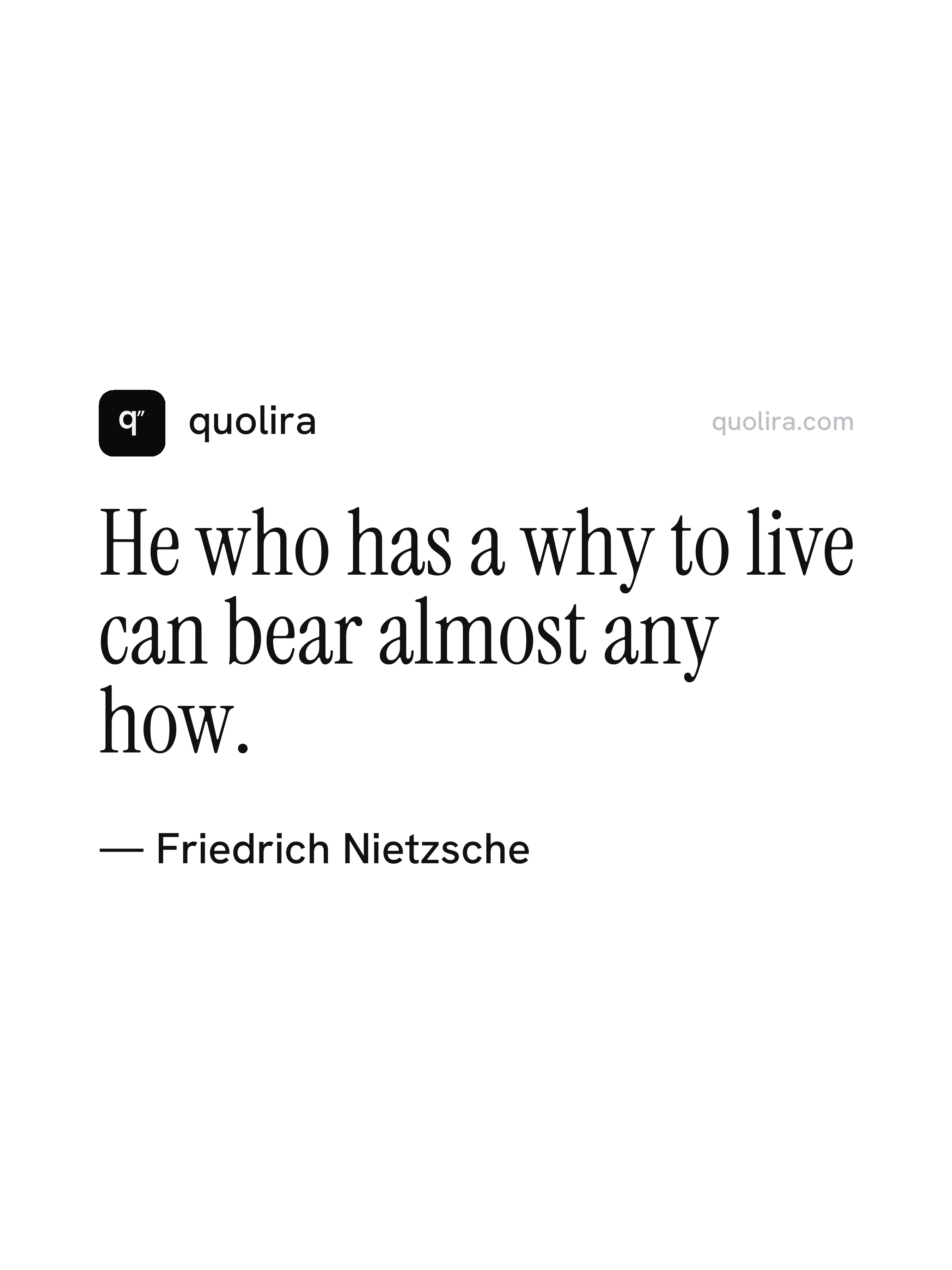
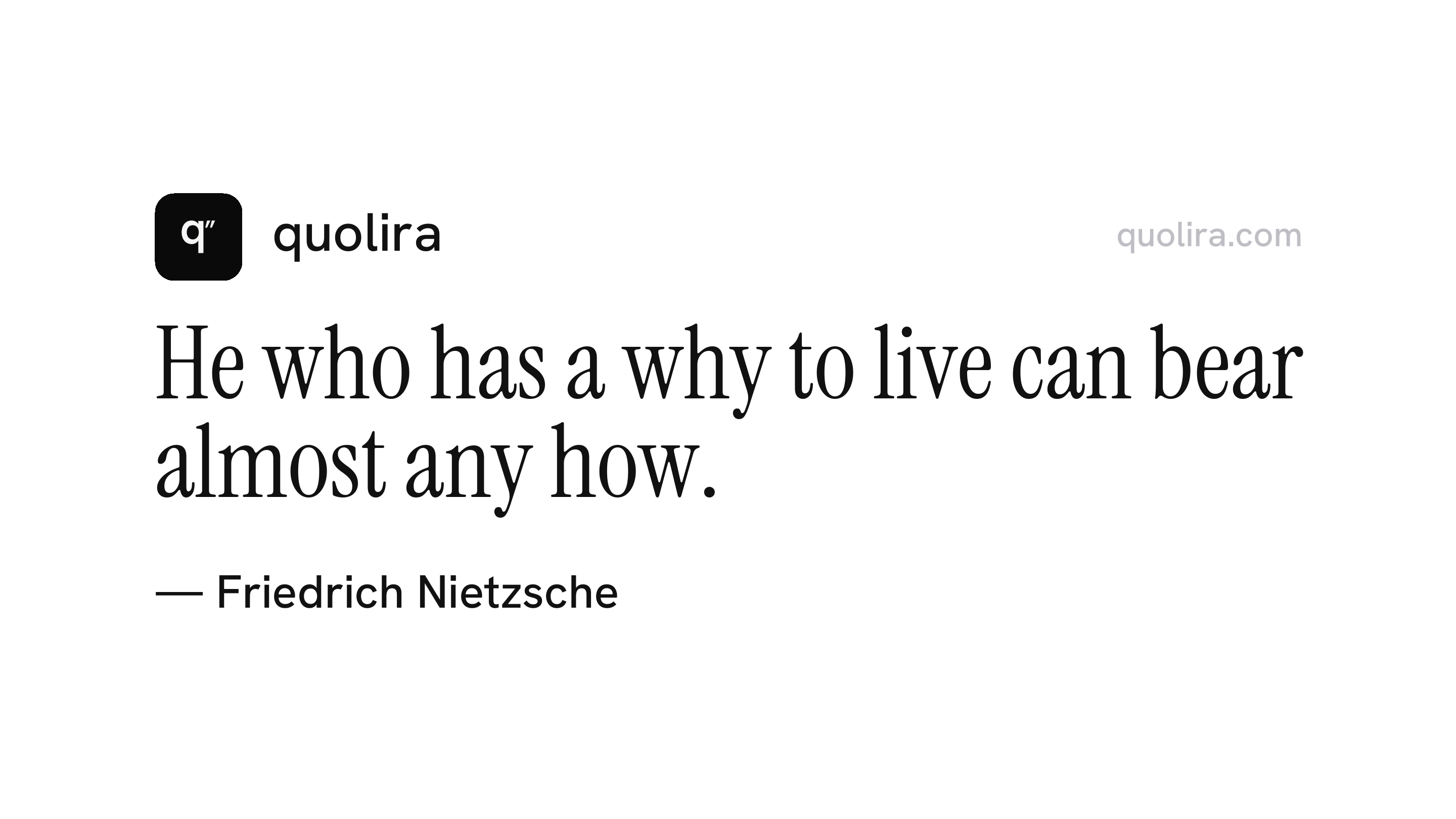
He who has a why to live can bear almost any how.
Friedrich Nietzsche Twilight of the Idols, 1889
Viktor Frankl carried this line into the Nazi concentration camps and built a whole psychology around it. Purpose as survival strategy.
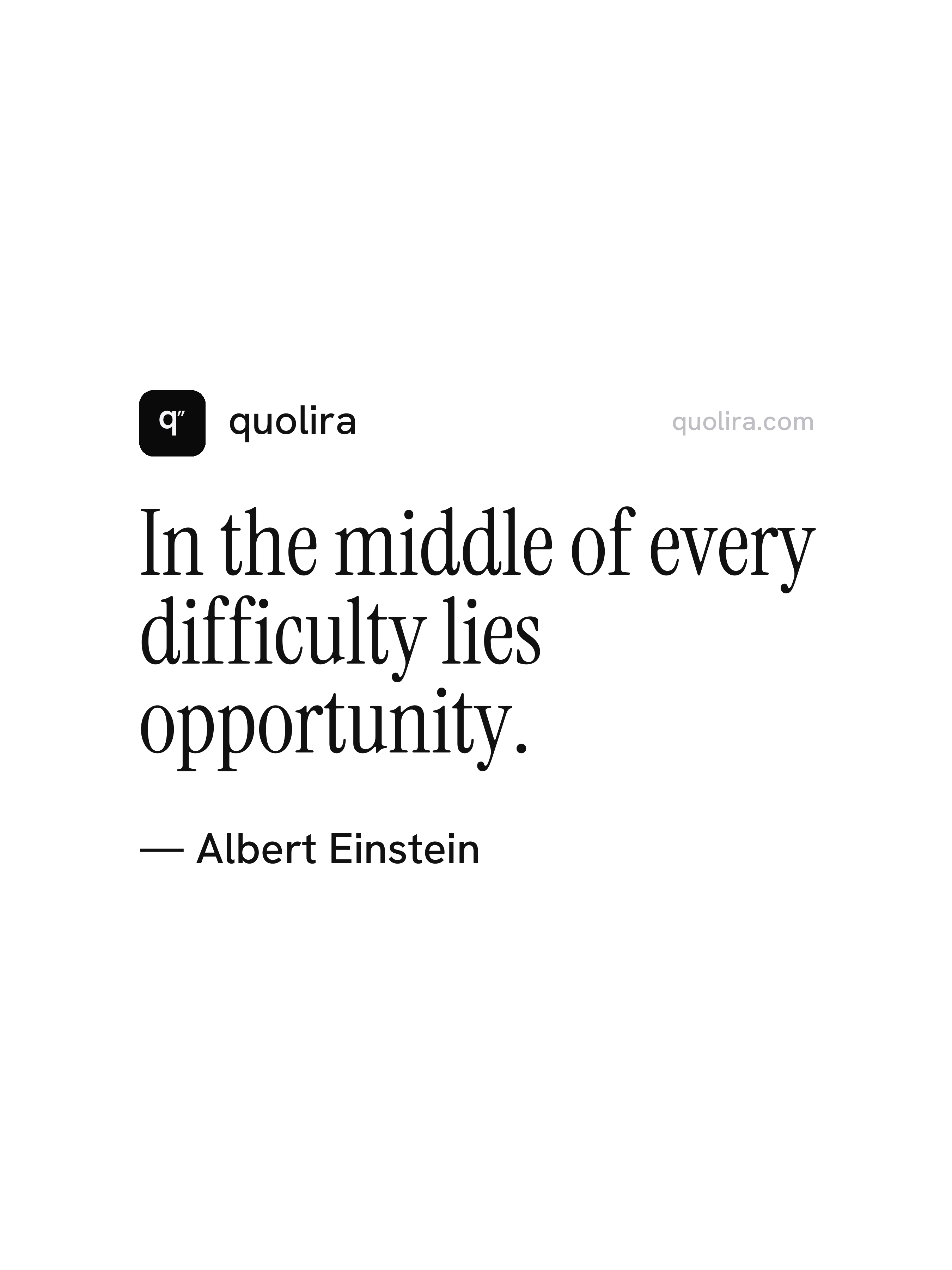
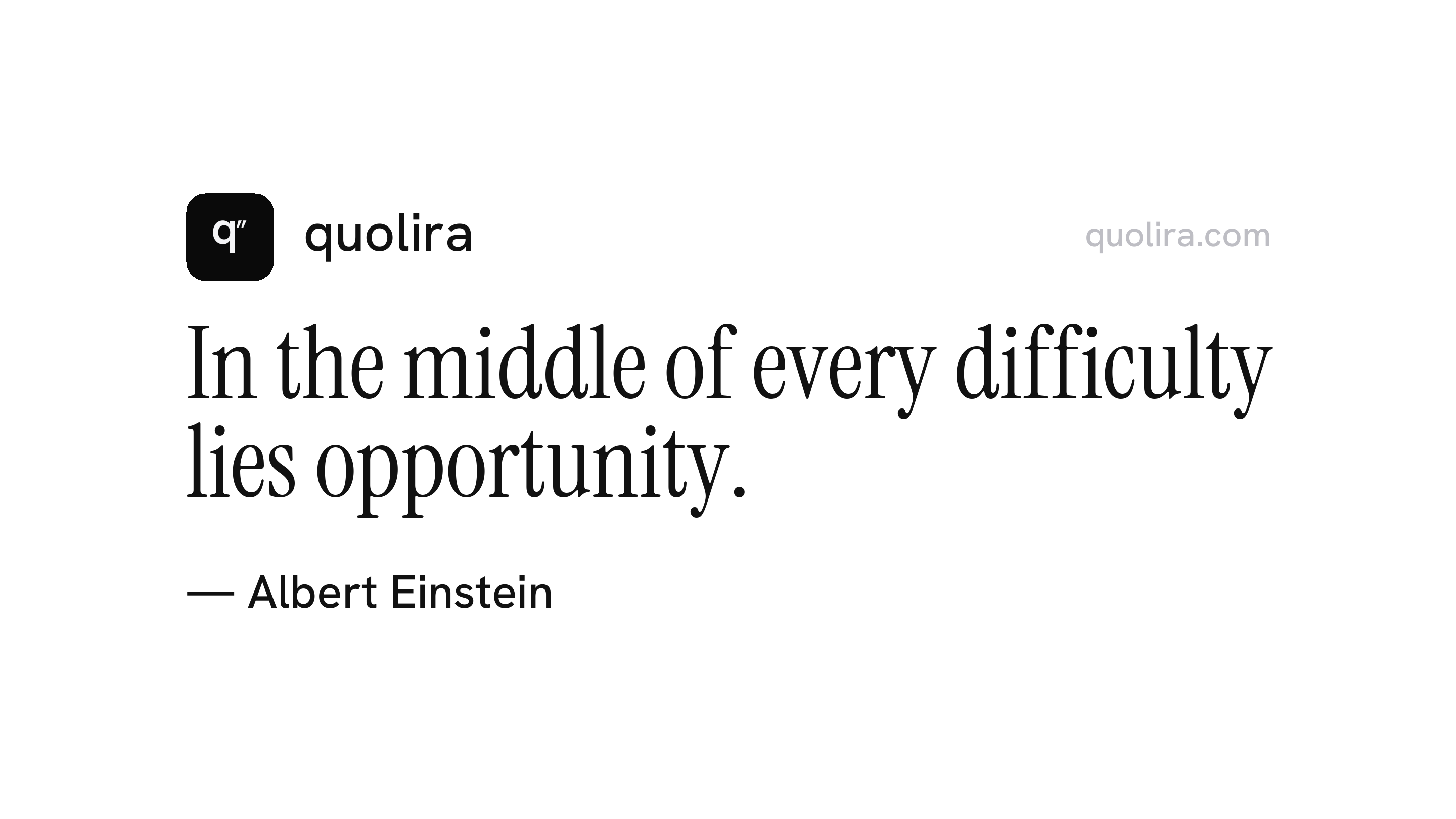
In the middle of every difficulty lies opportunity.
Einstein wasn't being optimistic here in a cheap way. He was making a structural claim: pressure creates conditions that don't exist otherwise.
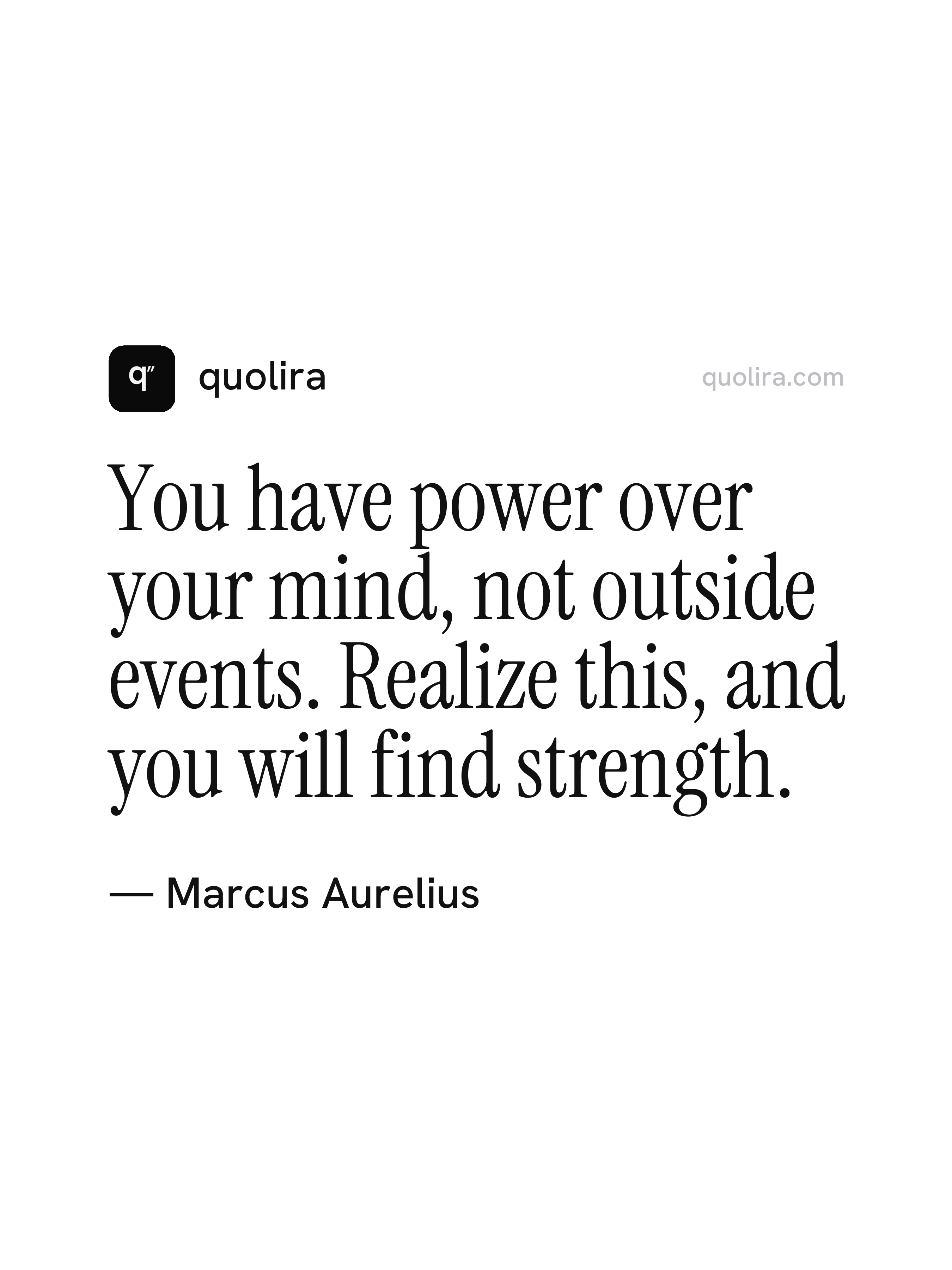
You have power over your mind, not outside events. Realize this, and you will find strength.
Marcus was emperor of Rome when he wrote this, commanding armies and managing an empire. He still came back to this one thing.
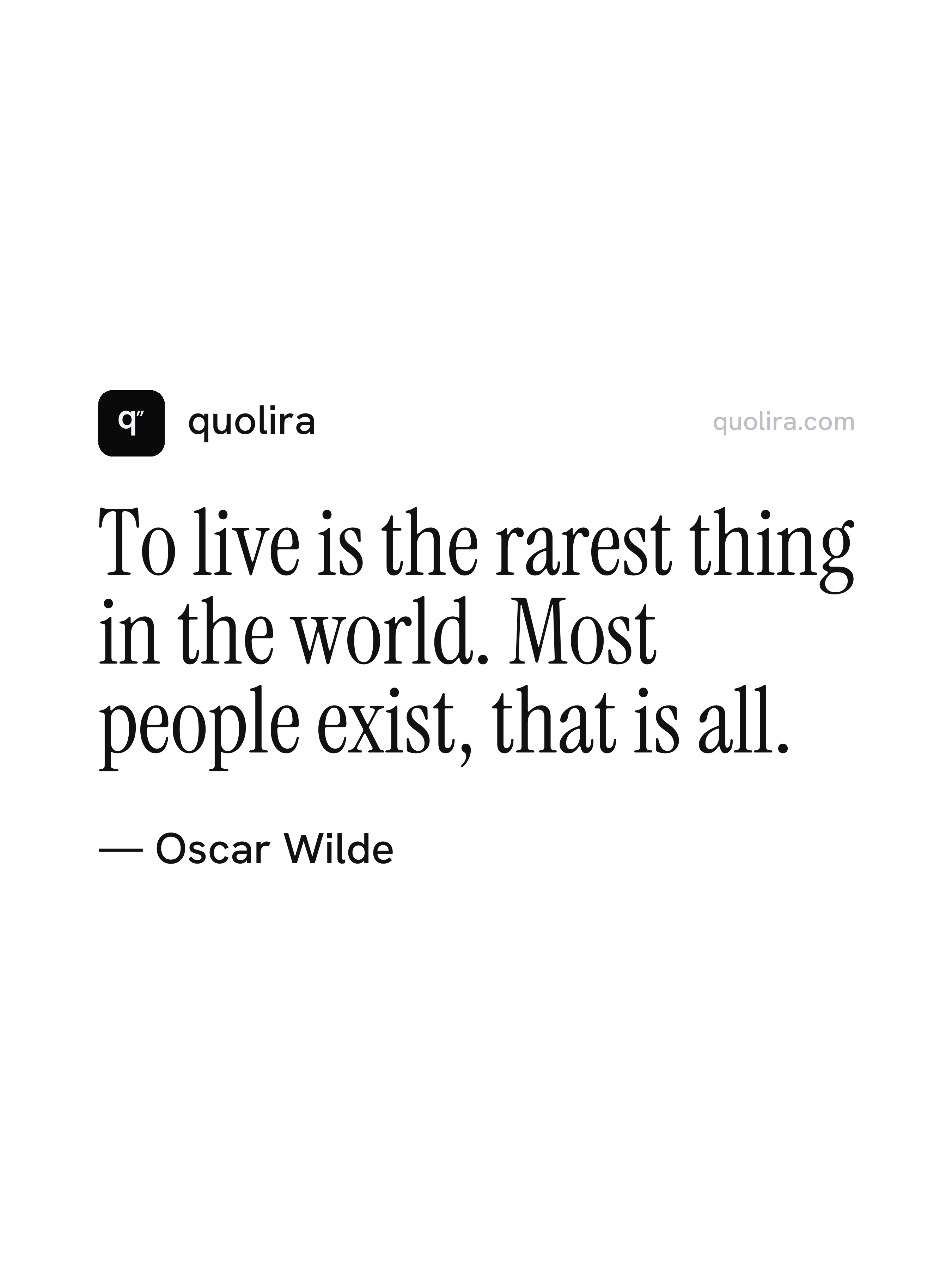
To live is the rarest thing in the world. Most people exist, that is all.
Oscar Wilde The Soul of Man Under Socialism, 1891
Wilde dressed this in wit, but the sting is real. There's a difference between clocking hours and actually showing up for your own life.
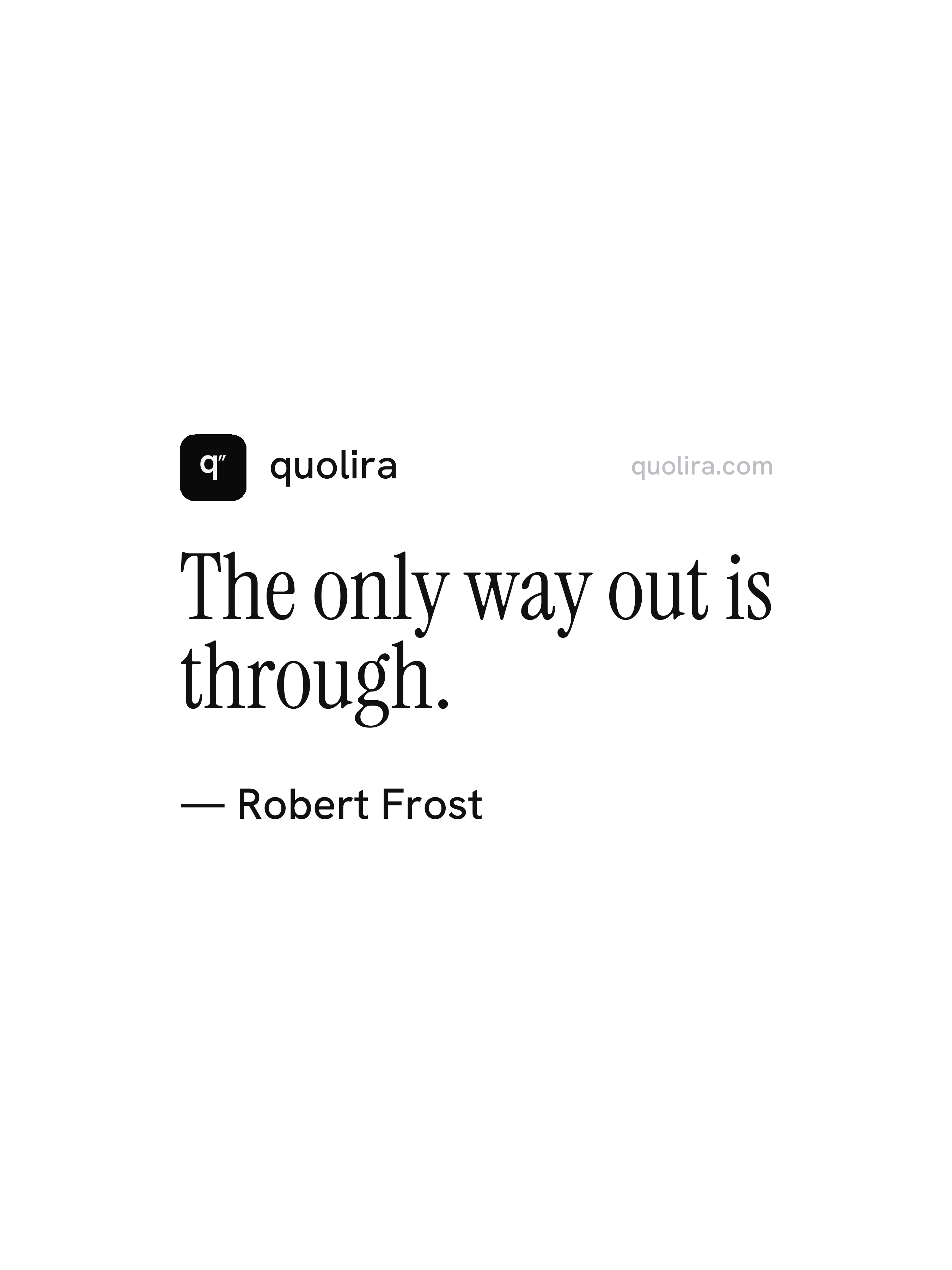
The only way out is through.
Robert Frost A Servant to Servants, 1914
Four words that dismantle every avoidance strategy you've ever tried. Frost knew difficulty wasn't a detour. It was the road.
Man's Search for Meaning by Viktor E. Frankl
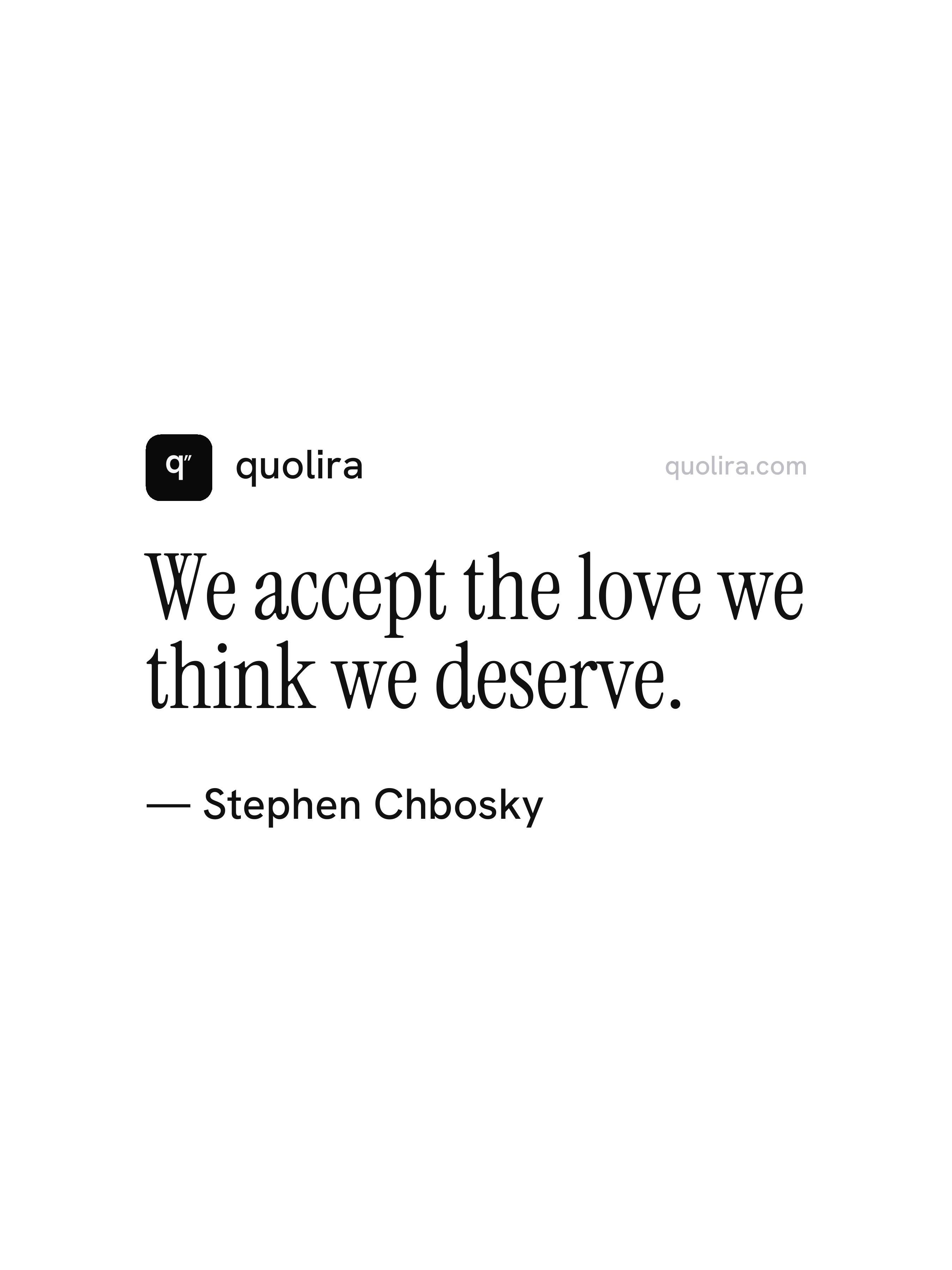
We accept the love we think we deserve.
Stephen Chbosky The Perks of Being a Wallflower, 1999
This line hit teenagers in 1999 and it's still hitting adults in their 40s. Self-worth shapes every relationship before the other person says a word.
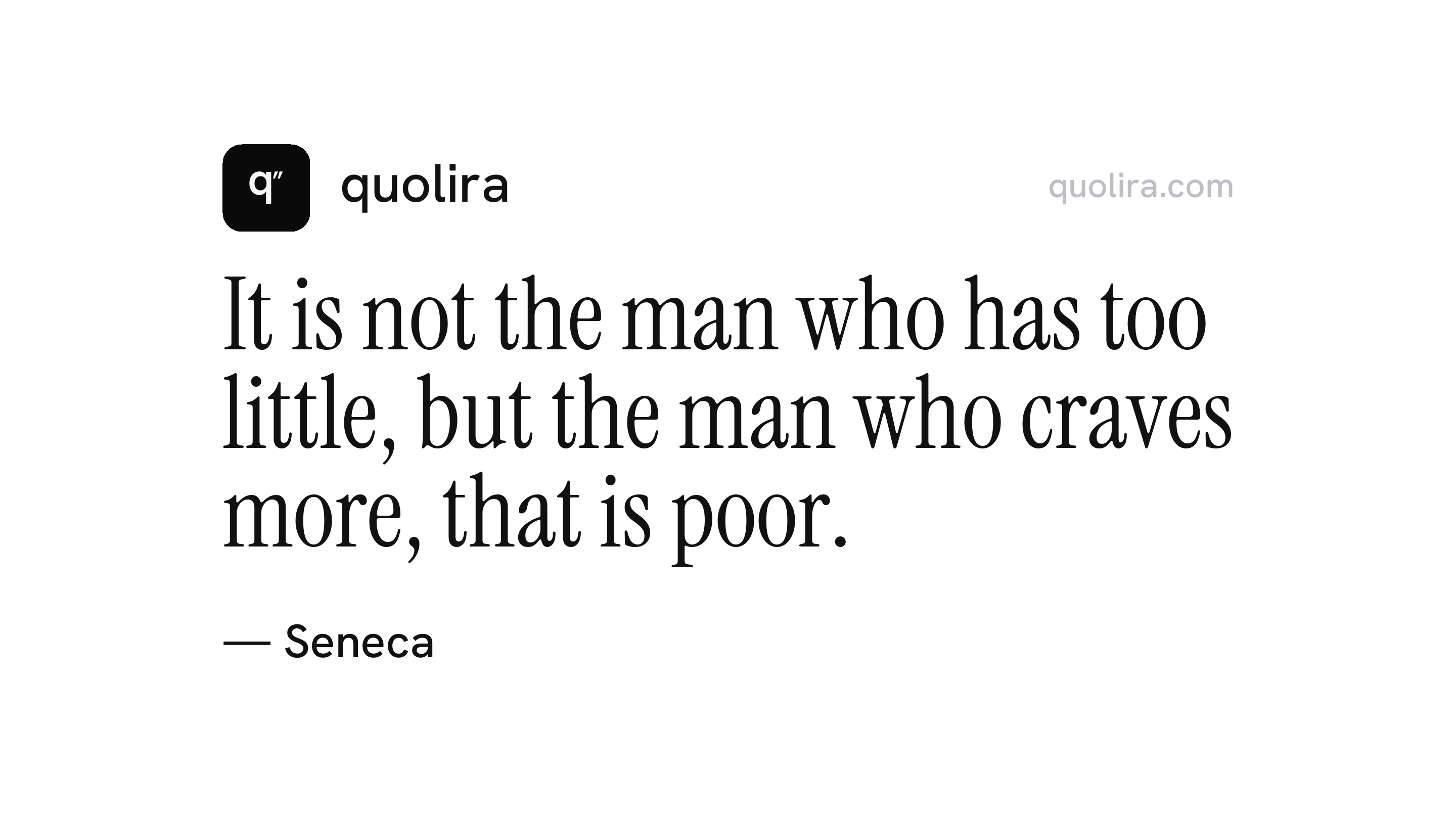
It is not the man who has too little, but the man who craves more, that is poor.
Seneca Letters to Lucilius, Letter 2
Seneca was one of the wealthiest men in Rome when he wrote this. The self-awareness makes it land harder, not softer.
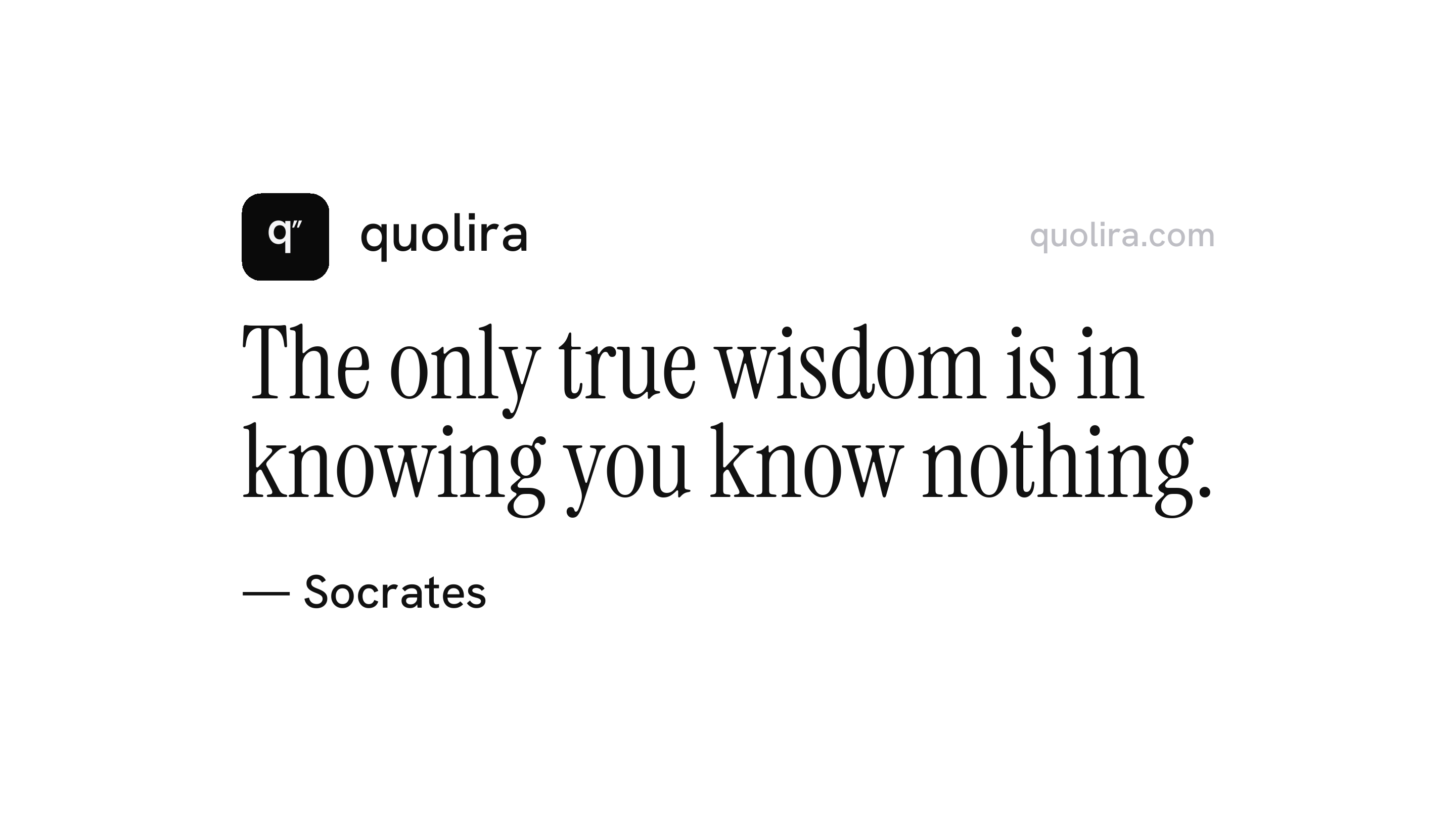
The only true wisdom is in knowing you know nothing.
This isn't false modesty. It's a prerequisite: you can't learn what you think you already know.
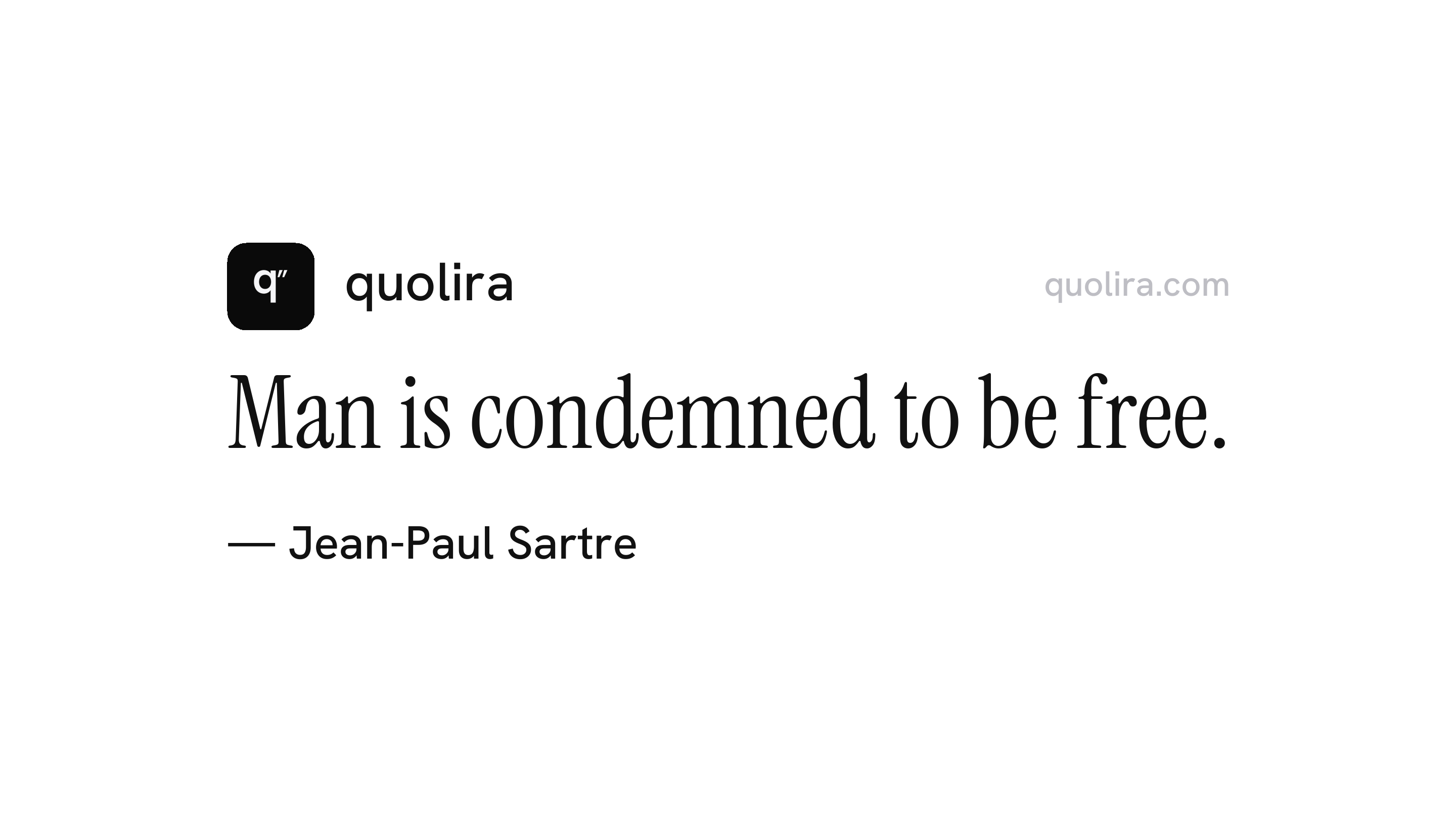
Man is condemned to be free.
Jean-Paul Sartre Existentialism Is a Humanism, 1945
Freedom as a sentence, not a gift. Sartre meant that the absence of a fixed purpose puts every choice entirely on you.
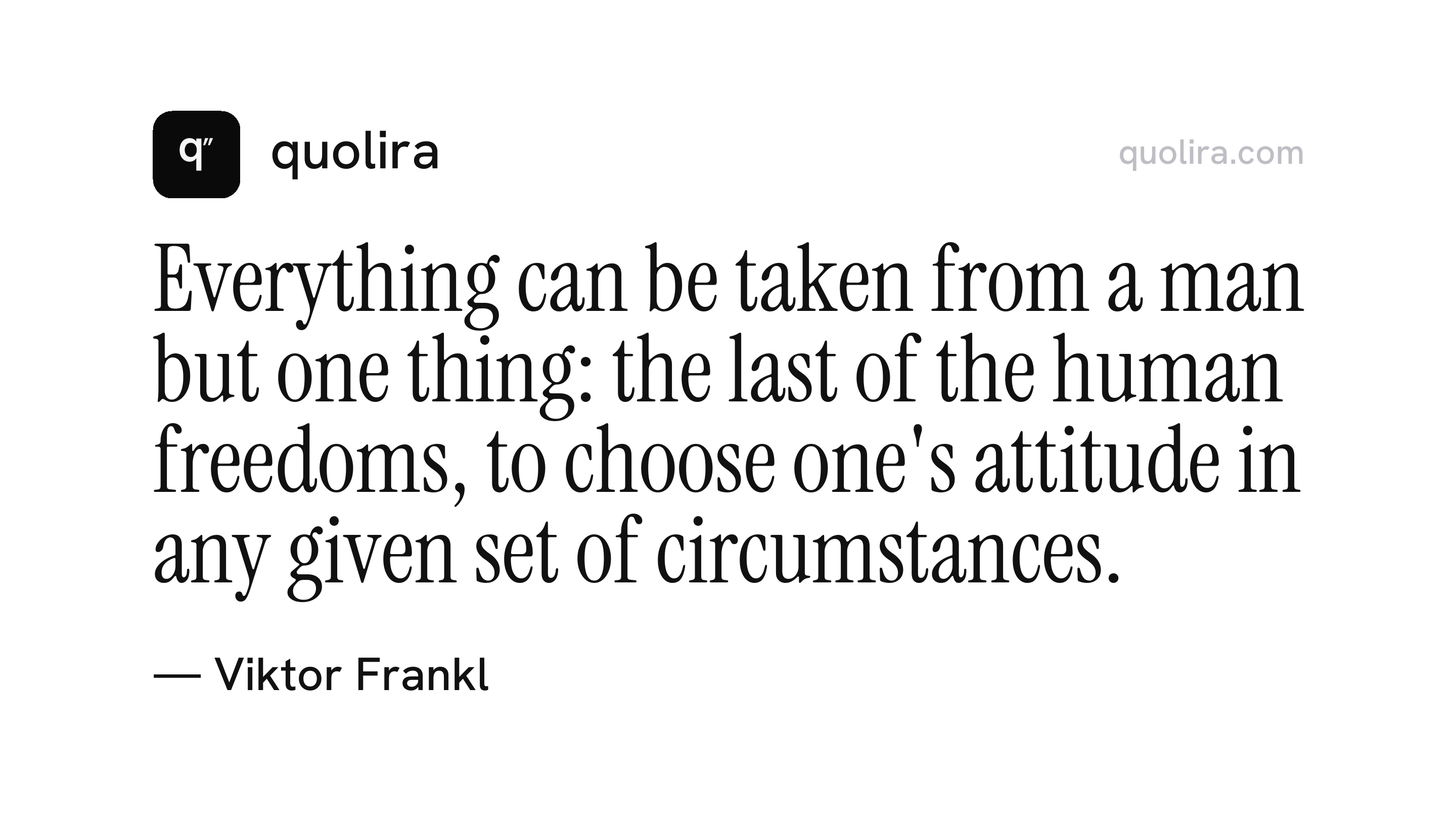
Everything can be taken from a man but one thing: the last of the human freedoms, to choose one's attitude in any given set of circumstances.
Viktor Frankl Man's Search for Meaning, 1946
Frankl wrote this after surviving Auschwitz. The weight behind that word 'everything' is not rhetorical.
I am not afraid of storms, for I am learning how to sail my ship.
Louisa May Alcott Little Women, 1868
Jo March says this in the novel, but Alcott lived it. She wrote under a pen name for years before the world caught up with her.
In three words I can sum up everything I've learned about life: it goes on.
Equally comforting and terrifying depending on what you're going through. That tension is exactly why it works.
Meditations by Marcus Aurelius
The world breaks everyone, and afterward, some are strong at the broken places.
Ernest Hemingway A Farewell to Arms, 1929
Hemingway doesn't promise everyone comes out stronger. He says 'some.' That honesty is what separates this from a motivational poster.
There is no greater agony than bearing an untold story inside you.
Maya Angelou I Know Why the Caged Bird Sings, 1969
Angelou wasn't just making a point about writing. She was describing the specific weight of a life not yet expressed.
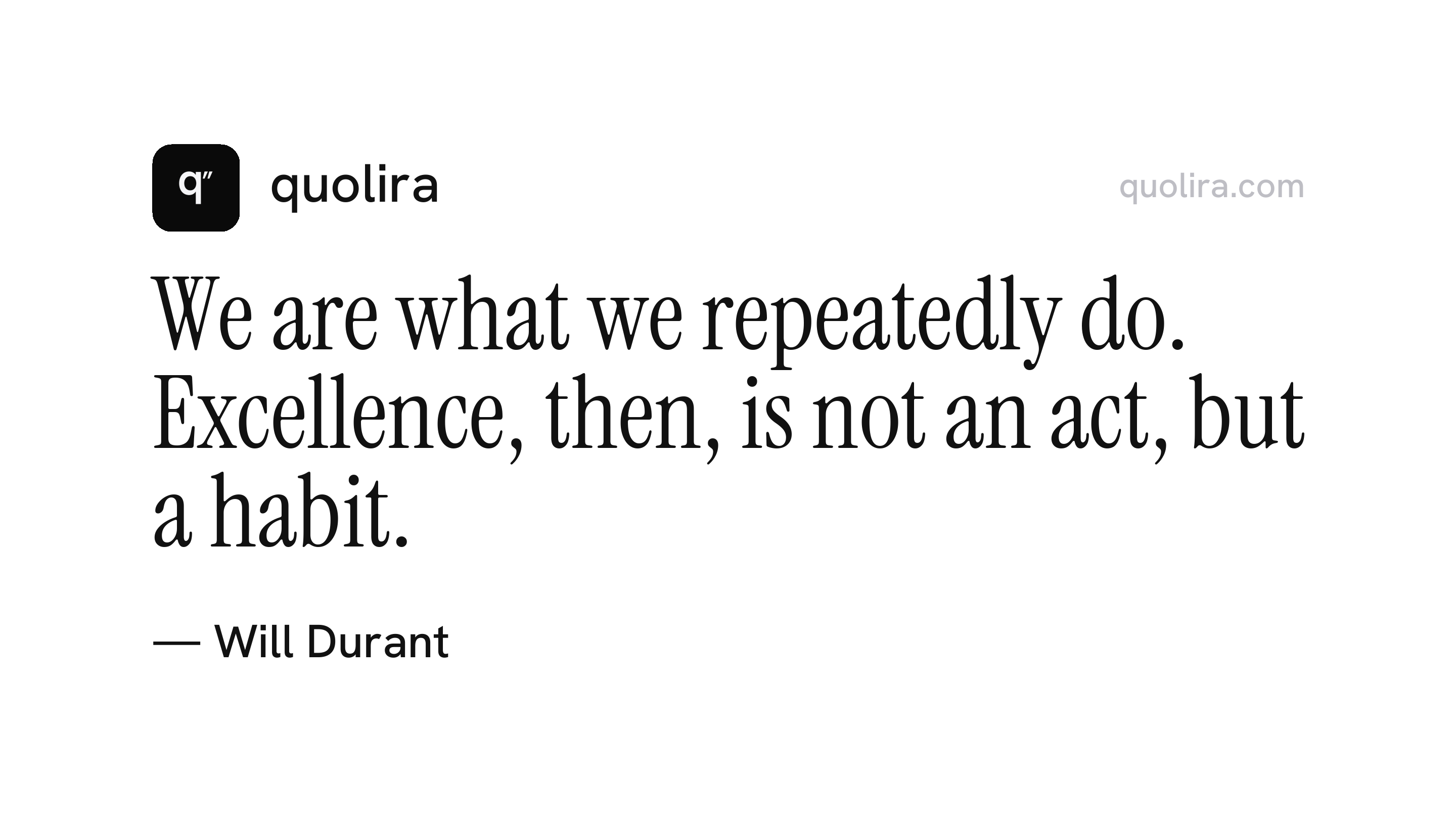
We are what we repeatedly do. Excellence, then, is not an act, but a habit.
Will Durant The Story of Philosophy, 1926
This quote is almost always misattributed to Aristotle. Durant was actually summarizing Aristotle's Nicomachean Ethics. The insight still holds.
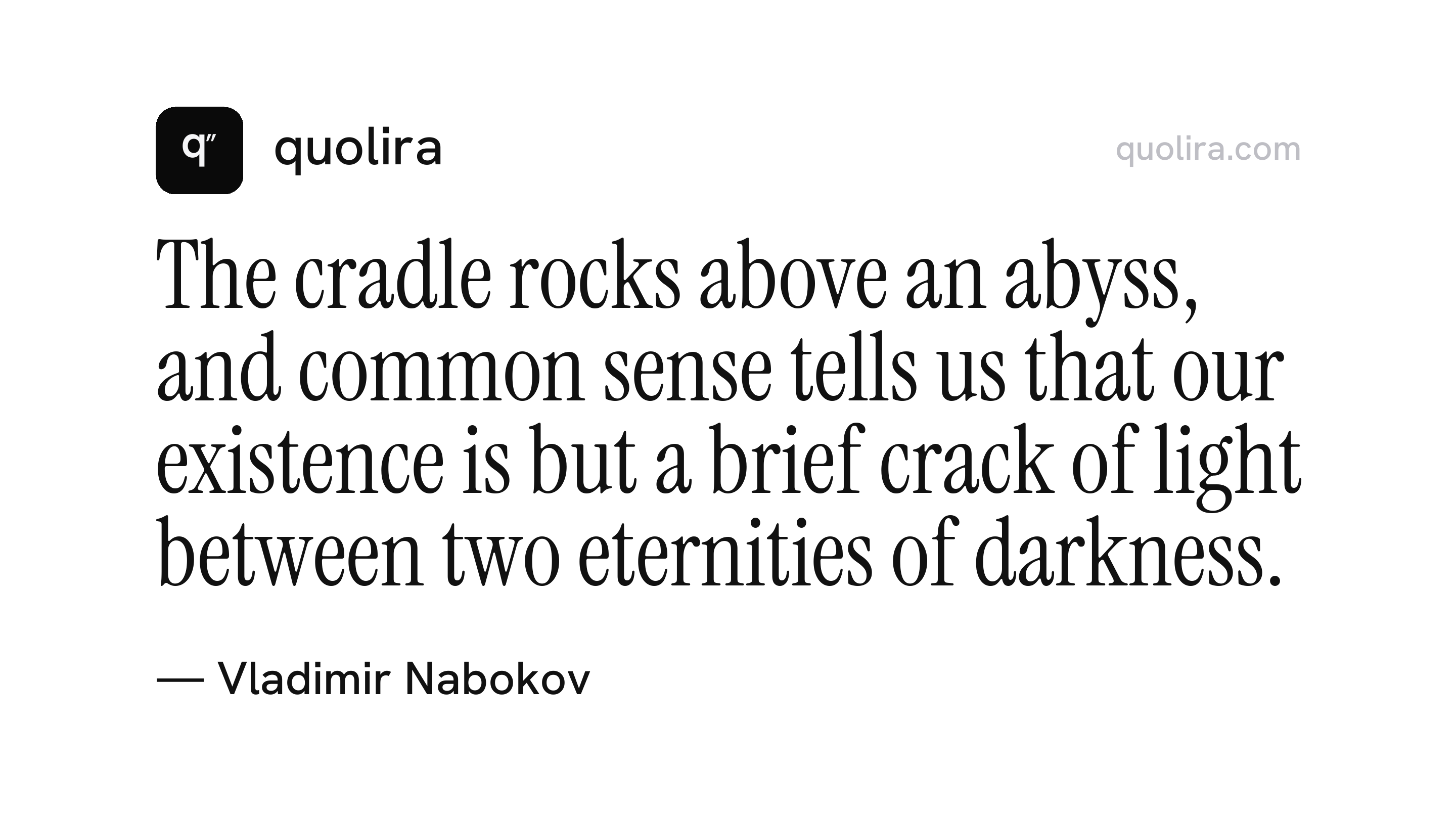
The cradle rocks above an abyss, and common sense tells us that our existence is but a brief crack of light between two eternities of darkness.
Vladimir Nabokov Speak, Memory, 1951
Nabokov opens his memoir with this, one of the most unsettling first sentences in literature. A reminder that wonder and dread live at the same address.
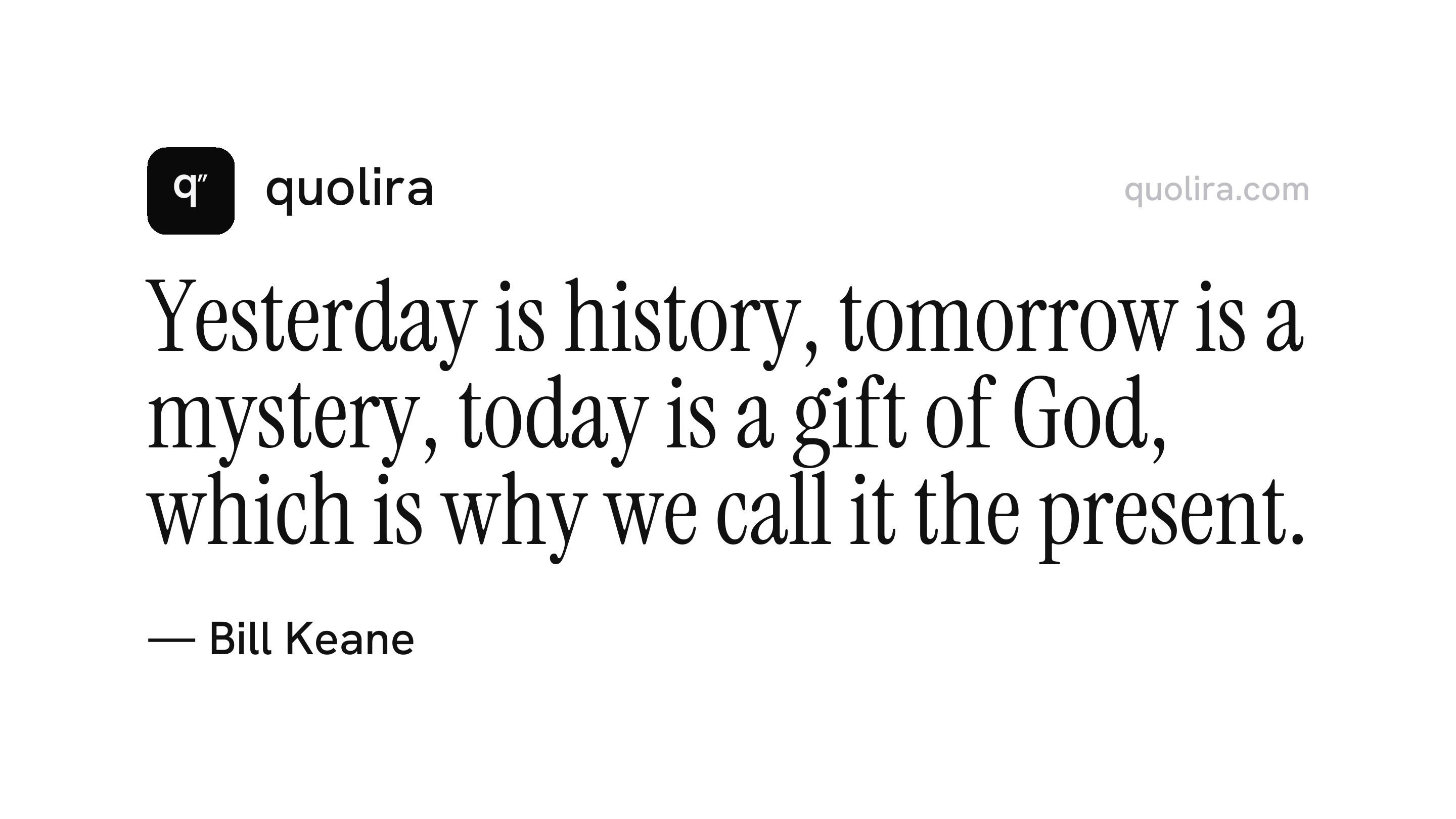
Yesterday is history, tomorrow is a mystery, today is a gift of God, which is why we call it the present.
Bill Keane Family Circus, widely attributed
Yes, it's been on a million mugs. It still points at something real: how rarely we're actually here.
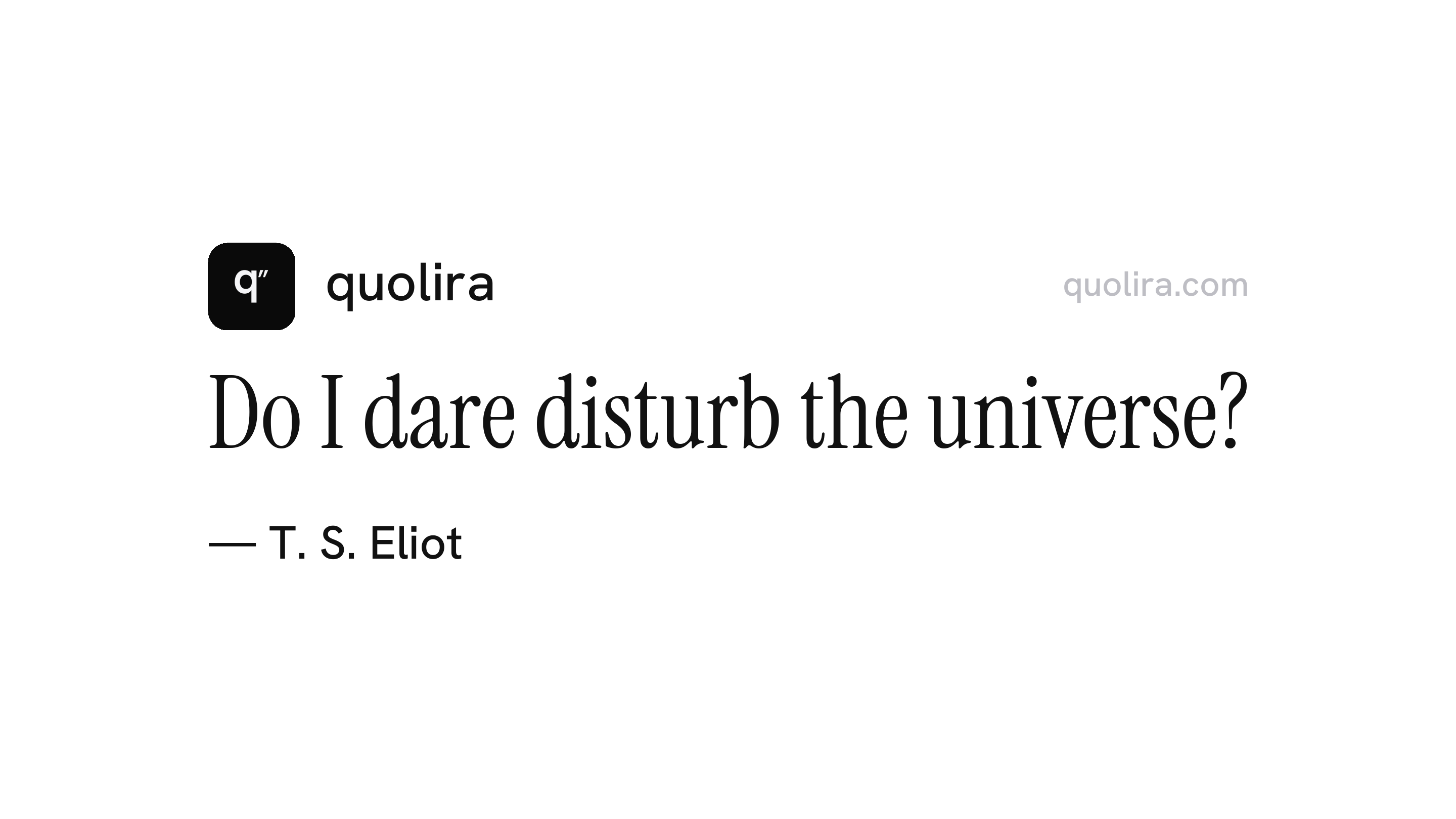
Do I dare disturb the universe?
T. S. Eliot The Love Song of J. Alfred Prufrock, 1915
Prufrock never does dare, and that's the tragedy Eliot is mapping. The question is also an invitation to answer differently.
The Collected Poems of Maya Angelou
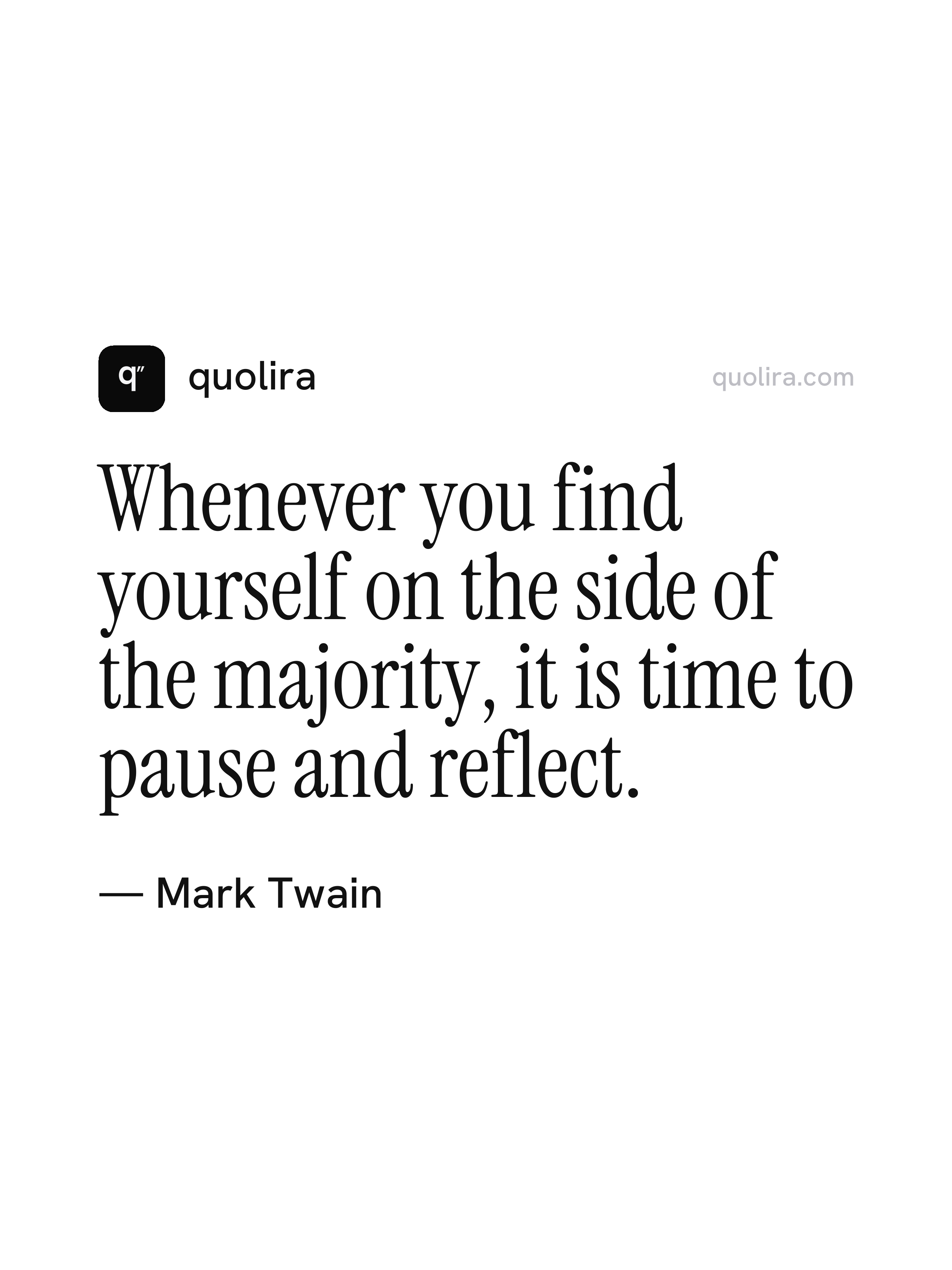
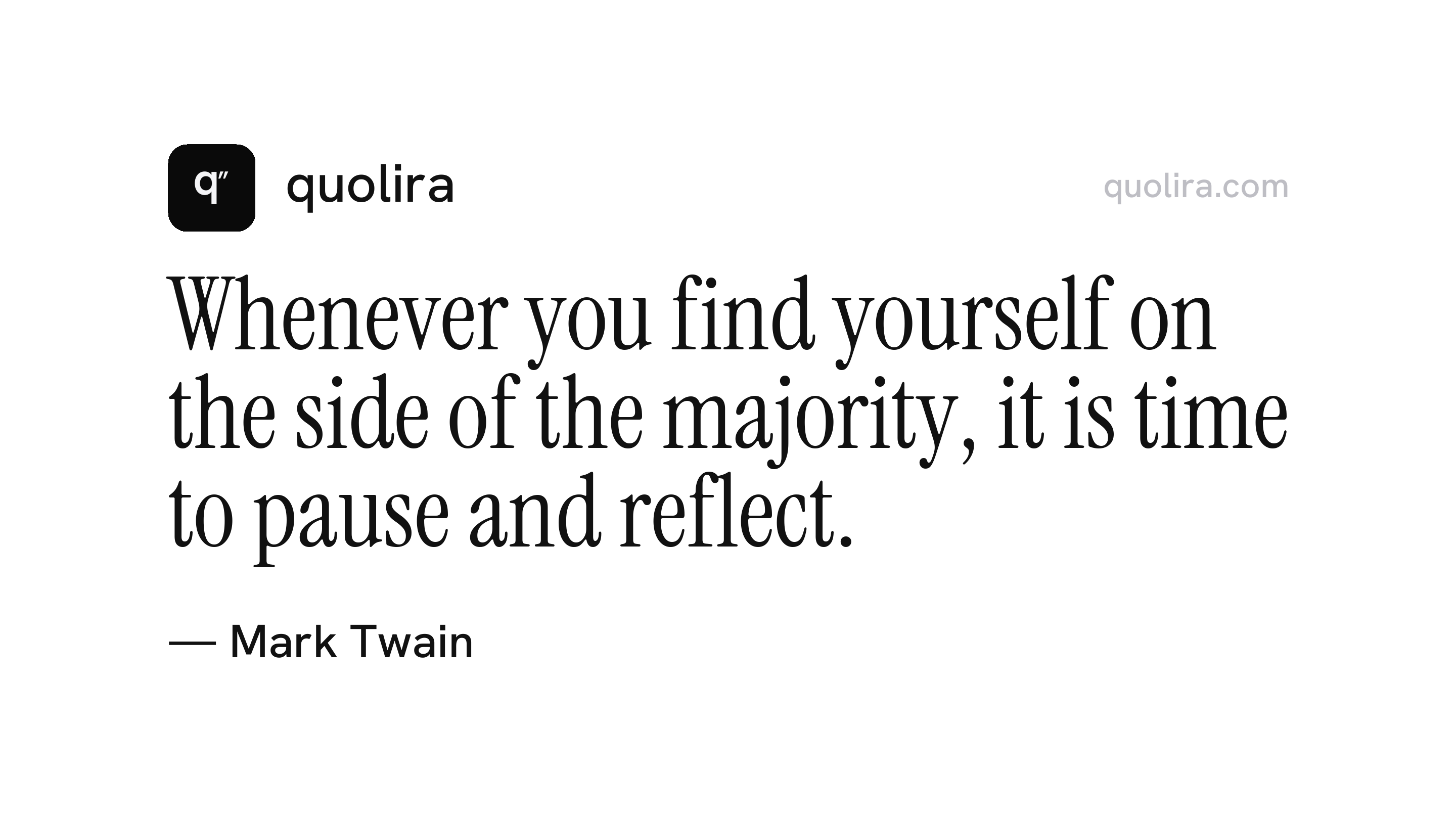
Whenever you find yourself on the side of the majority, it is time to pause and reflect.
Twain wasn't urging contrarianism. He was urging thought. Crowds can be right, but they rarely got there by thinking.
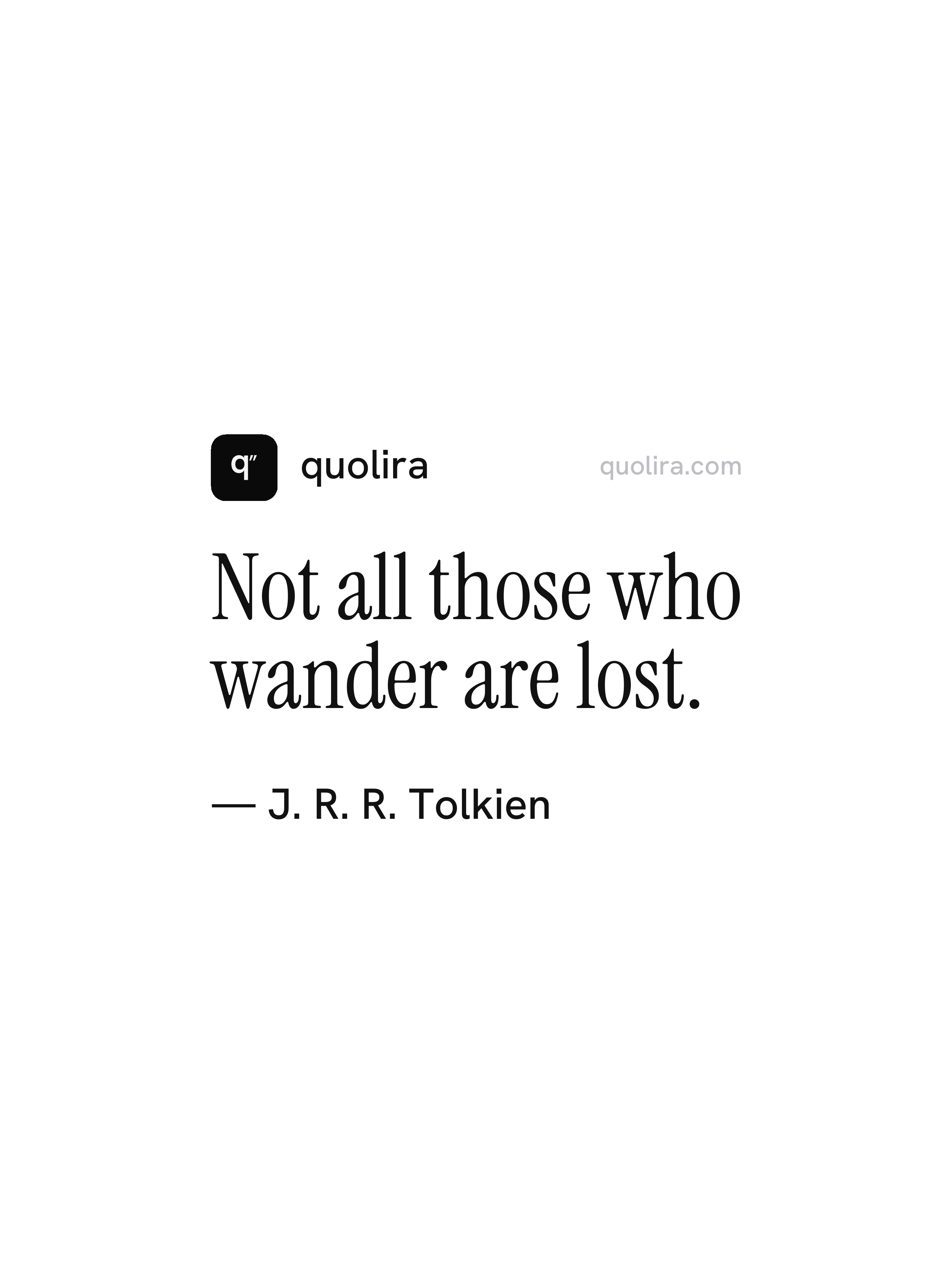
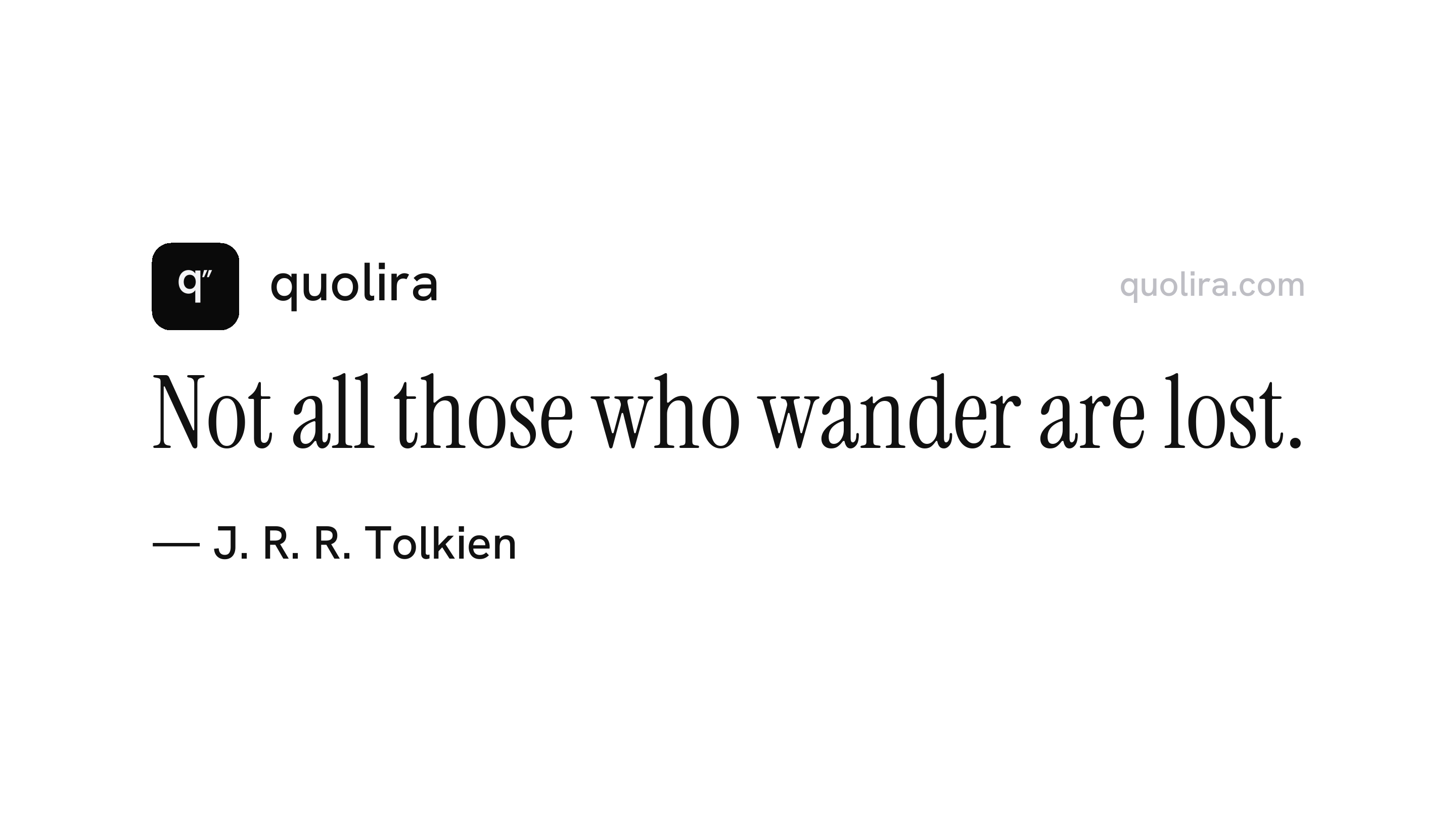
Not all those who wander are lost.
J. R. R. Tolkien The Fellowship of the Ring, 1954
From the poem about Aragorn. Tolkien embedded serious ideas about purpose and identity into what most people read as an adventure story.
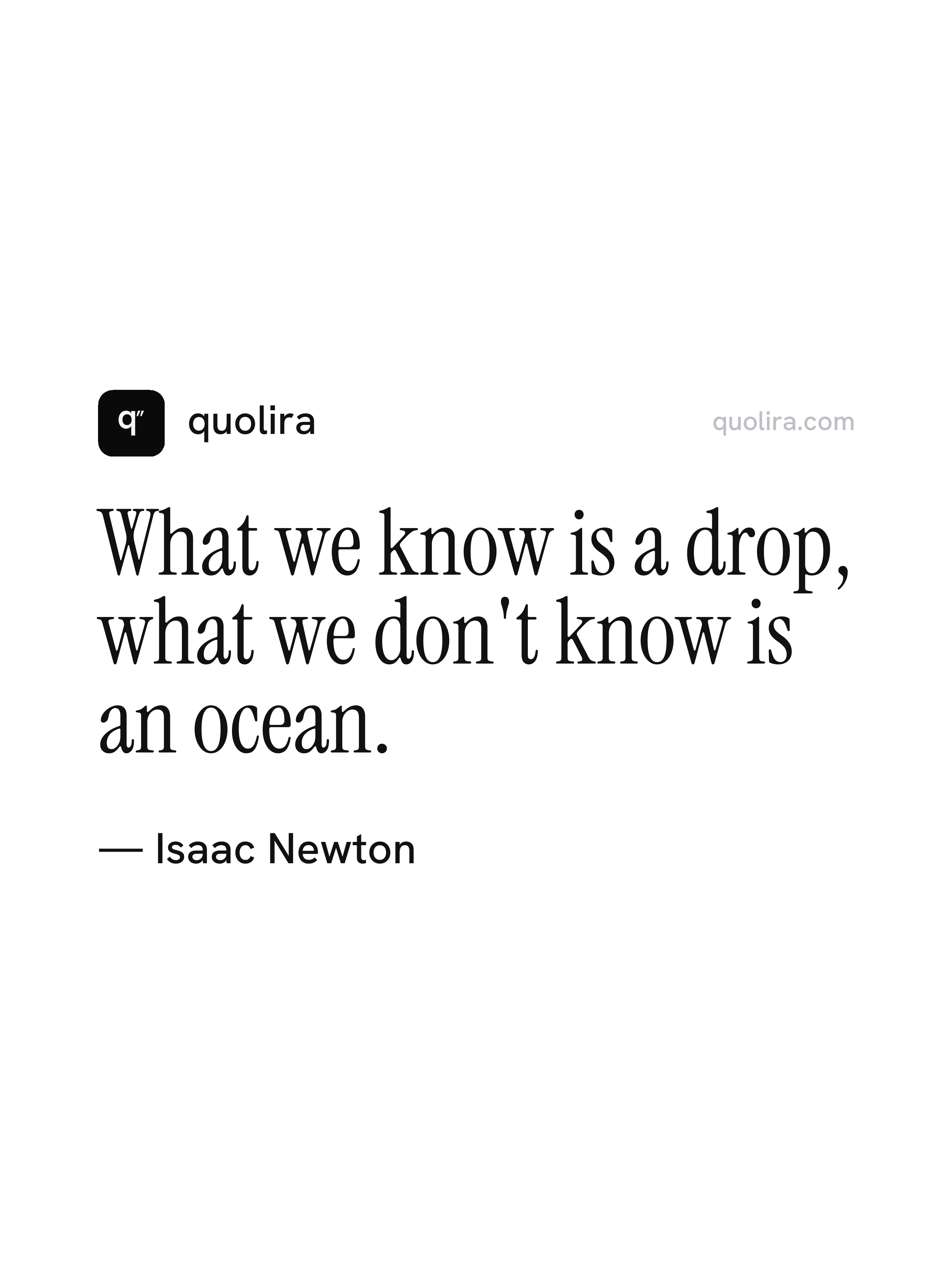
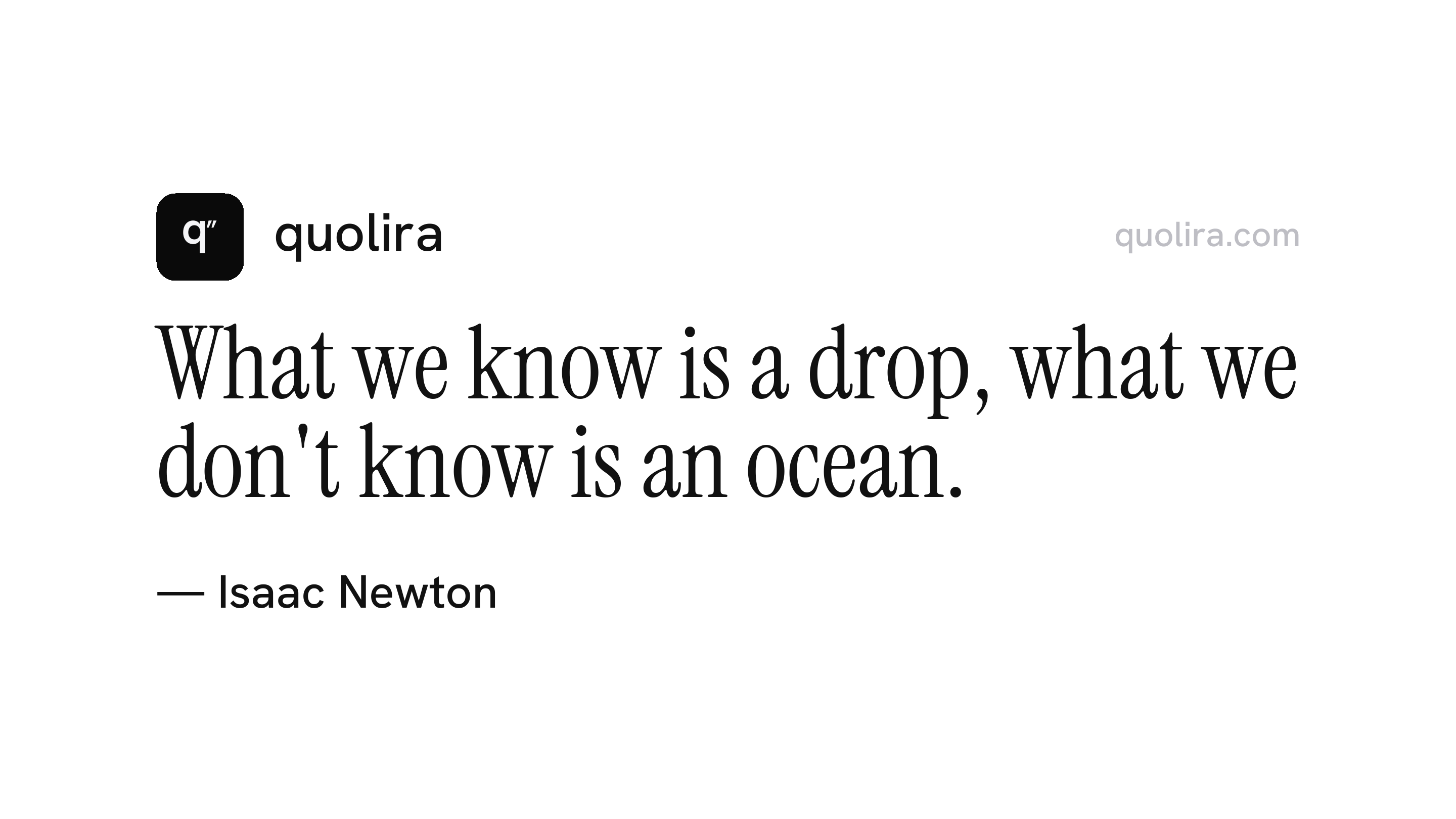
What we know is a drop, what we don't know is an ocean.
Newton said this near the end of a career that rewrote physics. Humility from someone who had earned the right to arrogance.
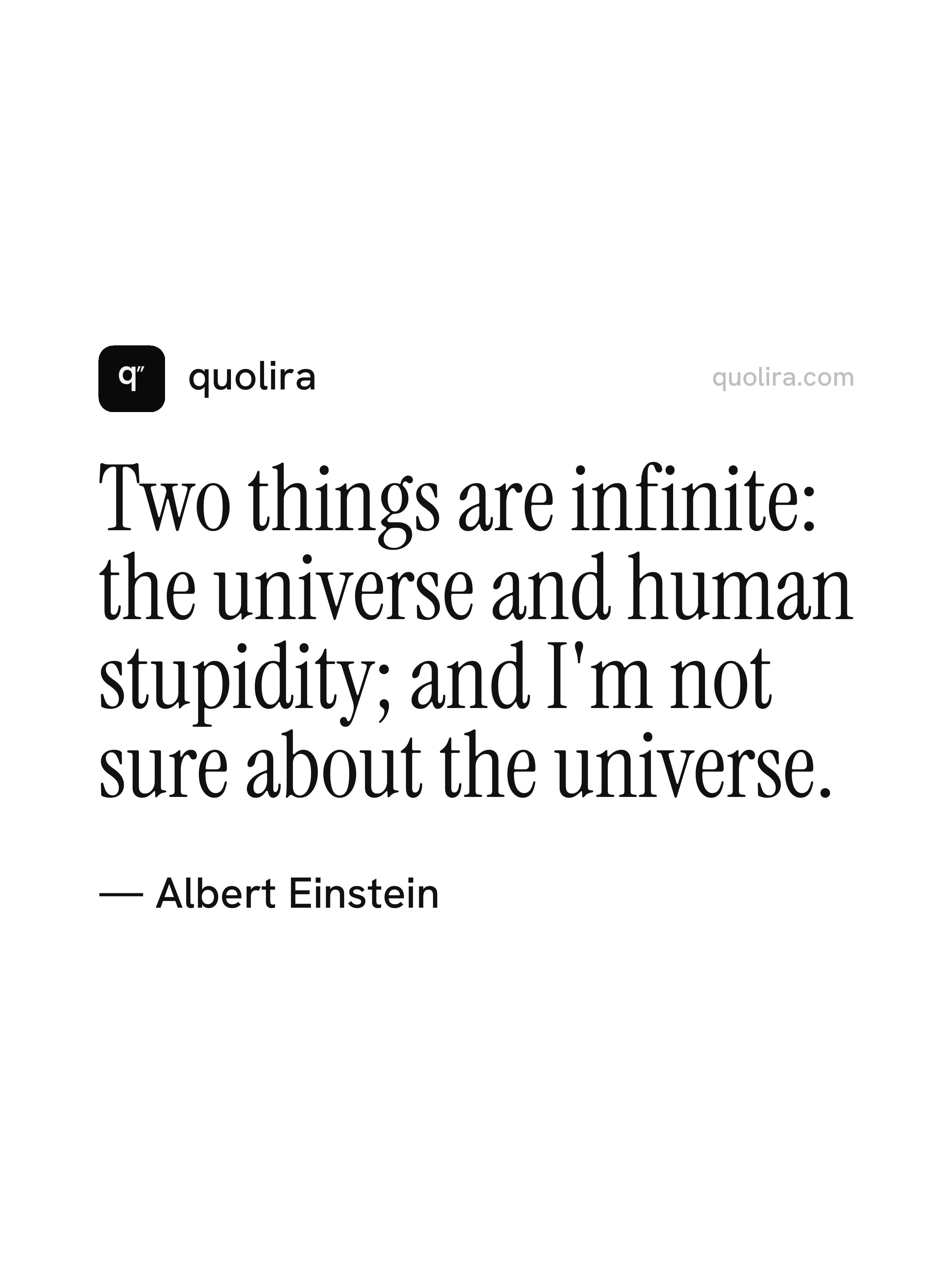
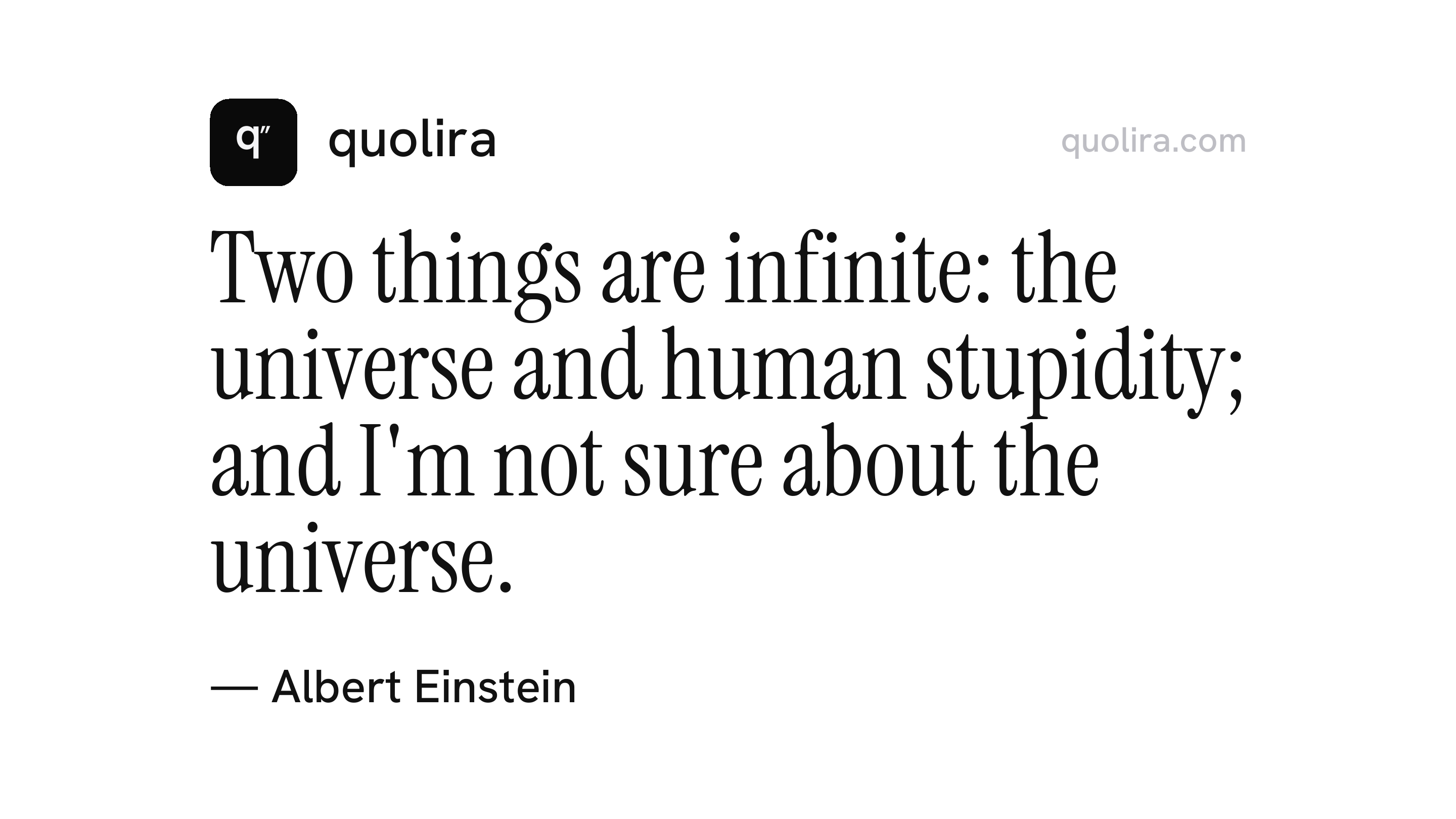
Two things are infinite: the universe and human stupidity; and I'm not sure about the universe.
Einstein tucked genuine despair into a punchline. He wasn't joking as much as people assume.
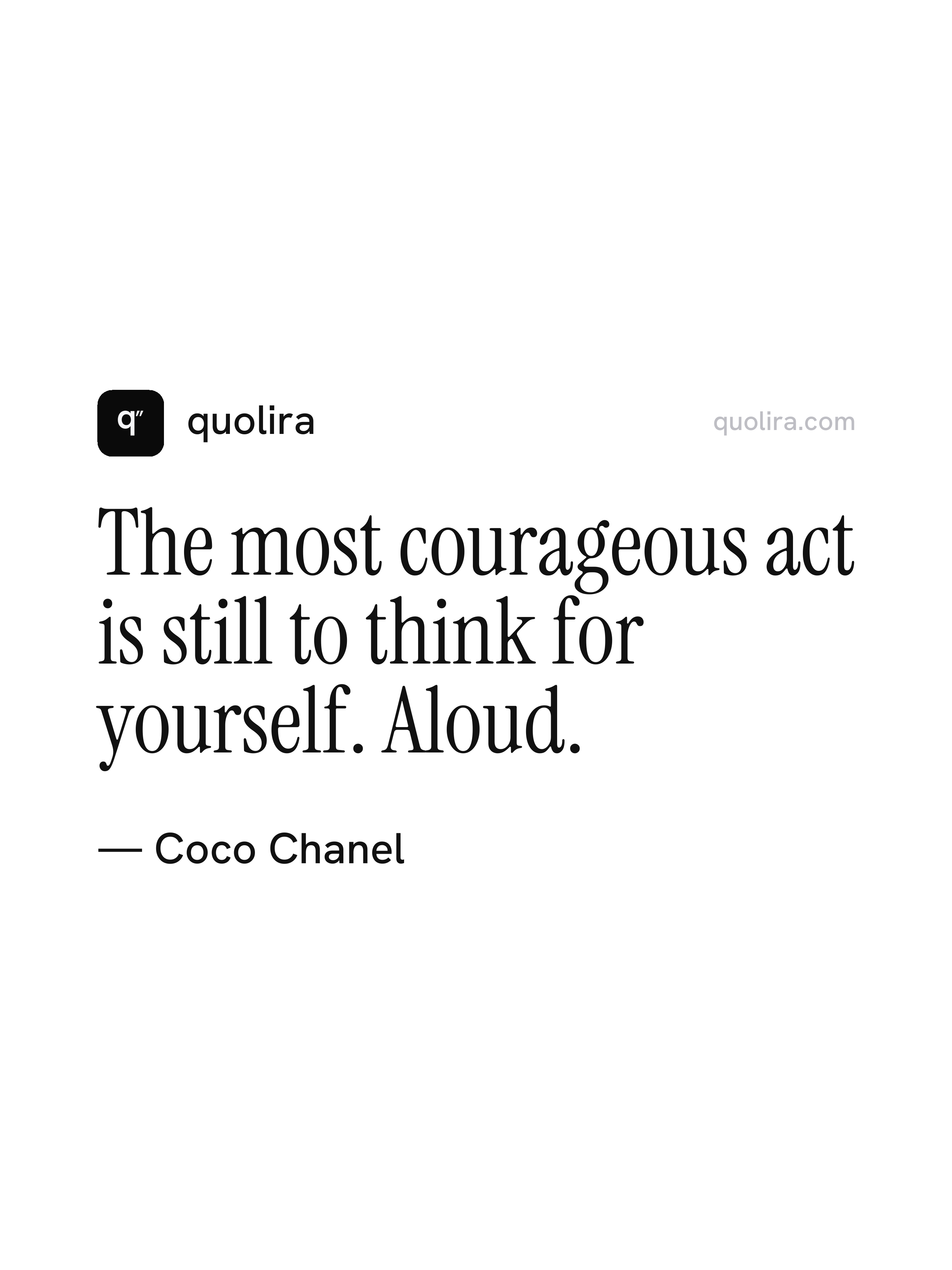
The most courageous act is still to think for yourself. Aloud.
Chanel said this in a century that punished women for exactly that act. The word 'aloud' is where the real courage lives.
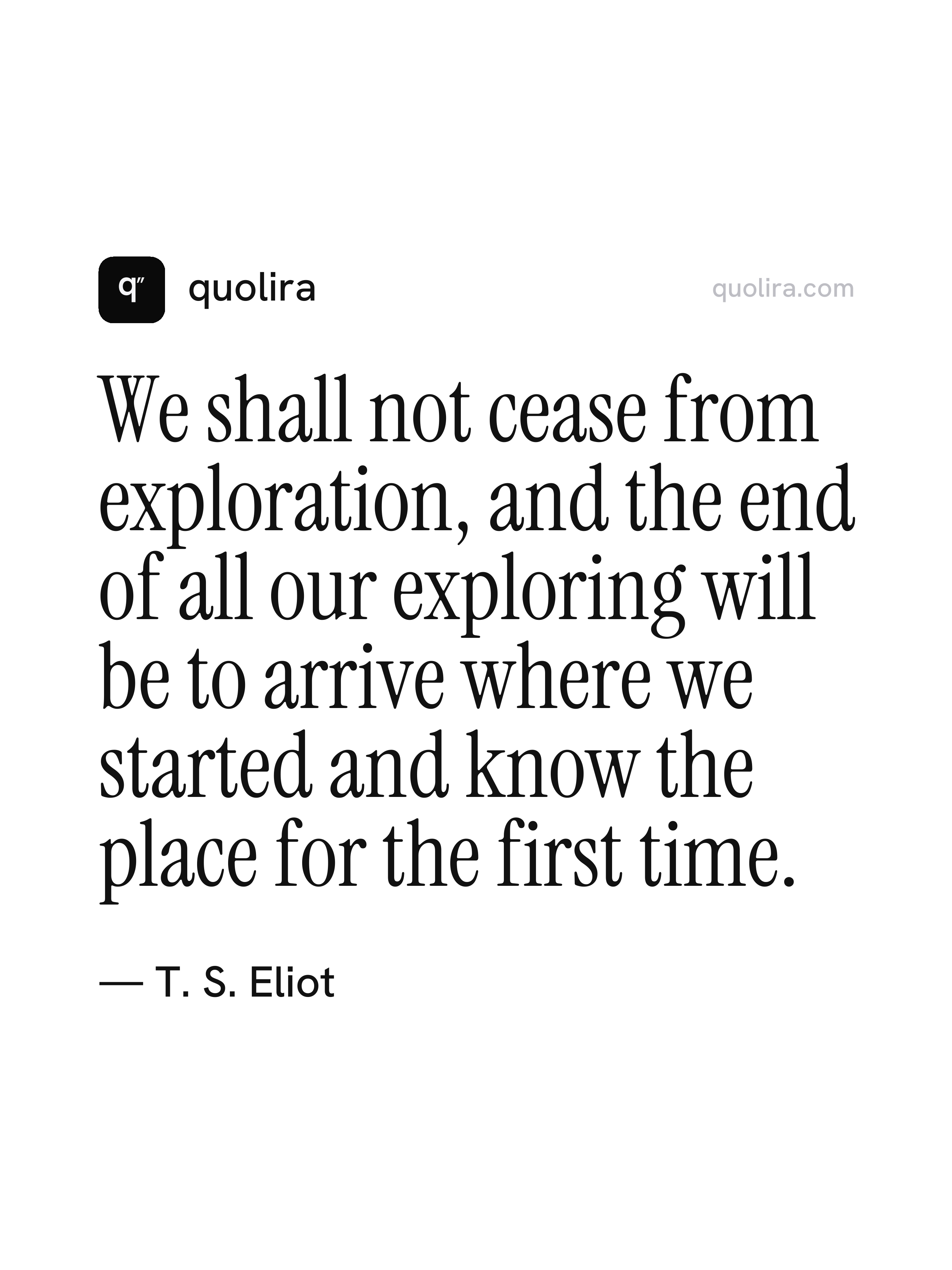
We shall not cease from exploration, and the end of all our exploring will be to arrive where we started and know the place for the first time.
T. S. Eliot Little Gidding, Four Quartets, 1942
One of the most complete thoughts in 20th-century poetry. Eliot spent a whole career saying this one thing in different shapes.
The best quotes don't comfort you. They clarify. Come back to whichever one unsettled you most.
Frequently asked questions
What makes a quote truly deep and meaningful?
Who said the most meaningful quotes in history?
Can a short quote actually change how you think?
Keep reading
17 Sad Quotes That Sit With You Long After You Read Them
Words that don't try to fix the ache, just name it honestly.
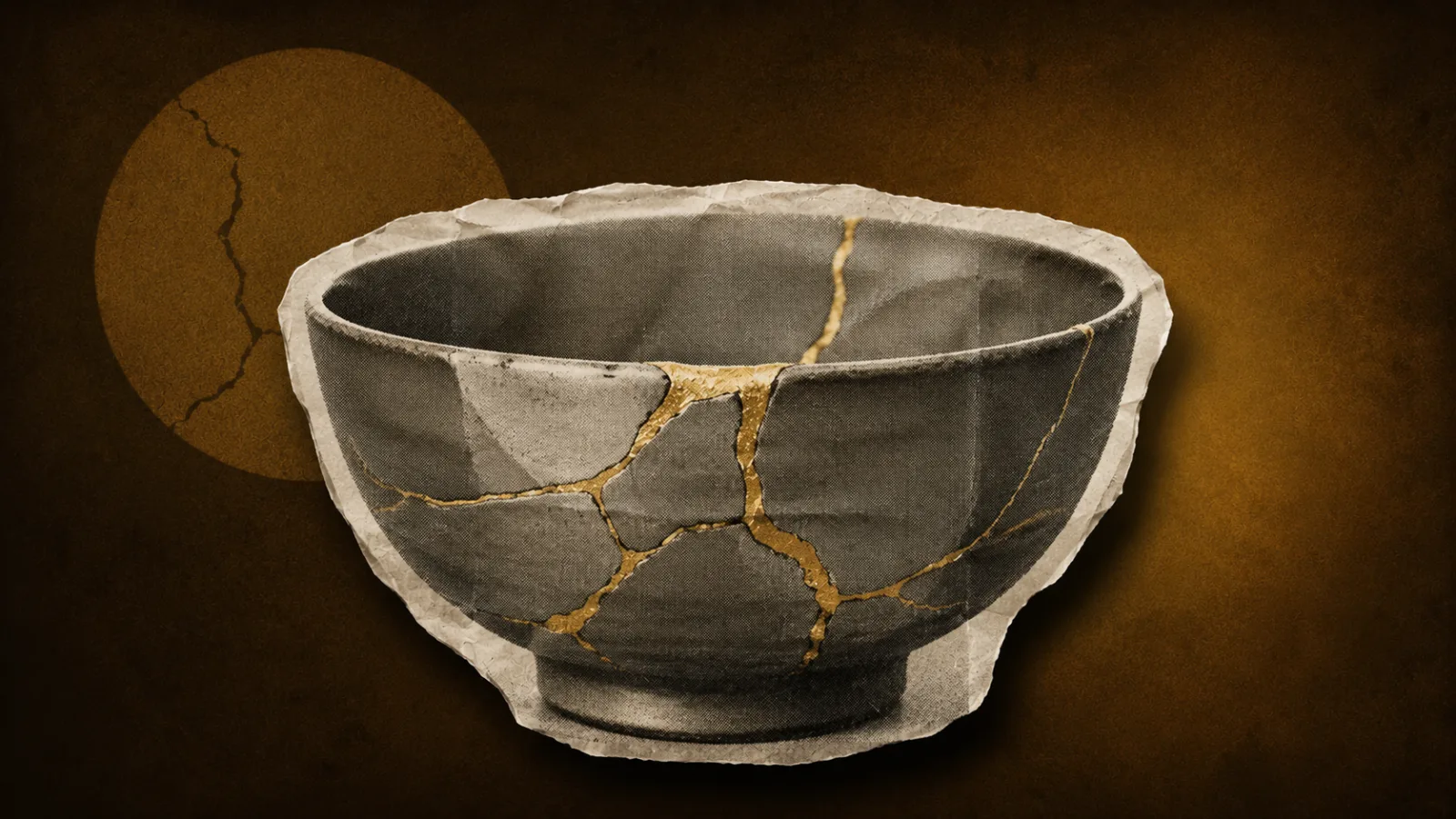
Kintsugi - The Gold in the Cracks
What a 500-year-old Japanese repair method teaches us about carrying our damage with dignity.
There are no right decisions
Every decision you make reshapes what comes next, and that's the whole point.
Socrates said this at his own trial, choosing death over silence. It's a 9-word argument for why introspection isn't optional.