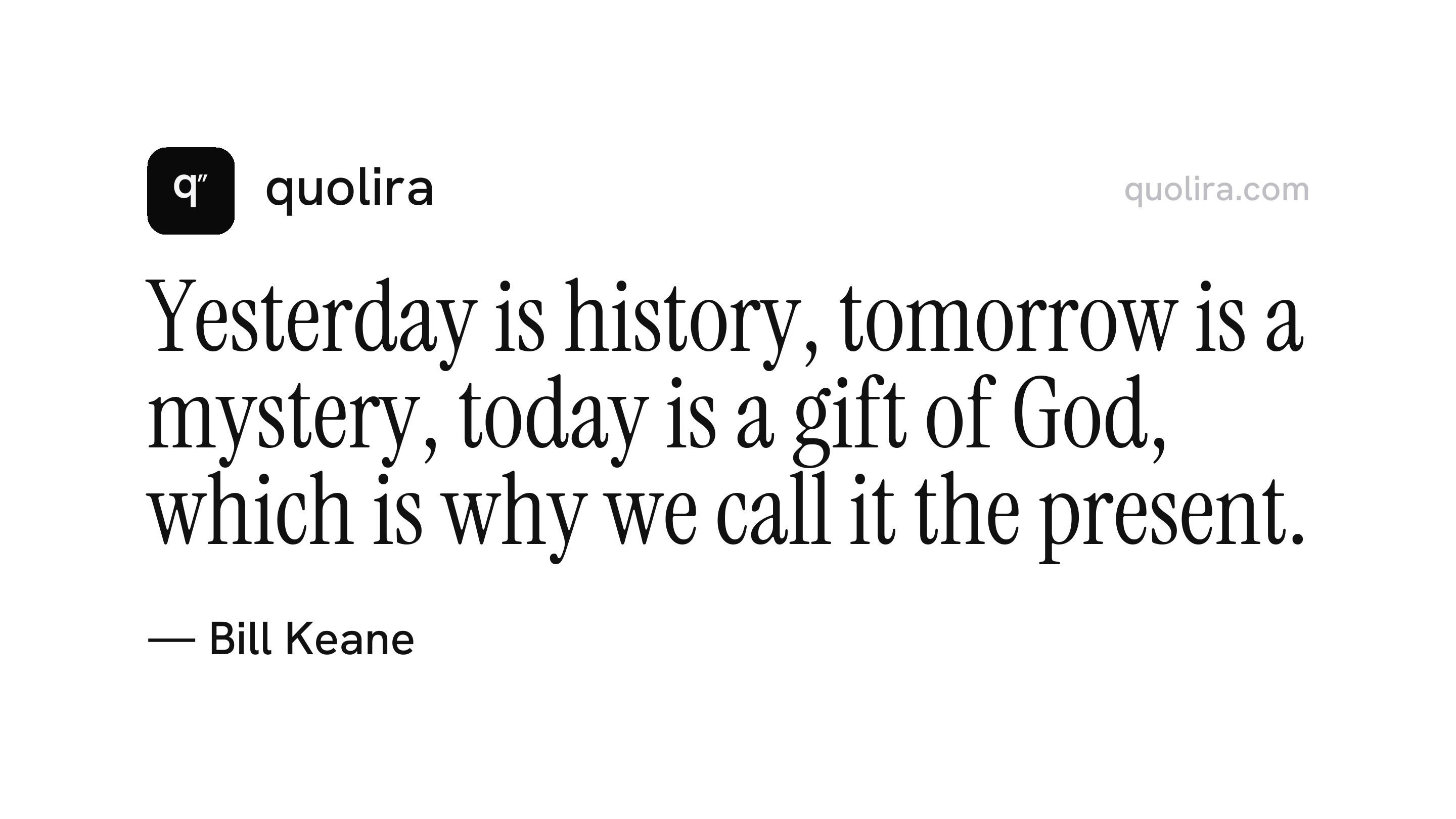
“Yesterday is history, tomorrow is a mystery, today is a gift of God, which is why we call it the present.”
Bill Keane · Family Circus, widely attributed
 quolira
.com
quolira
quolira.com
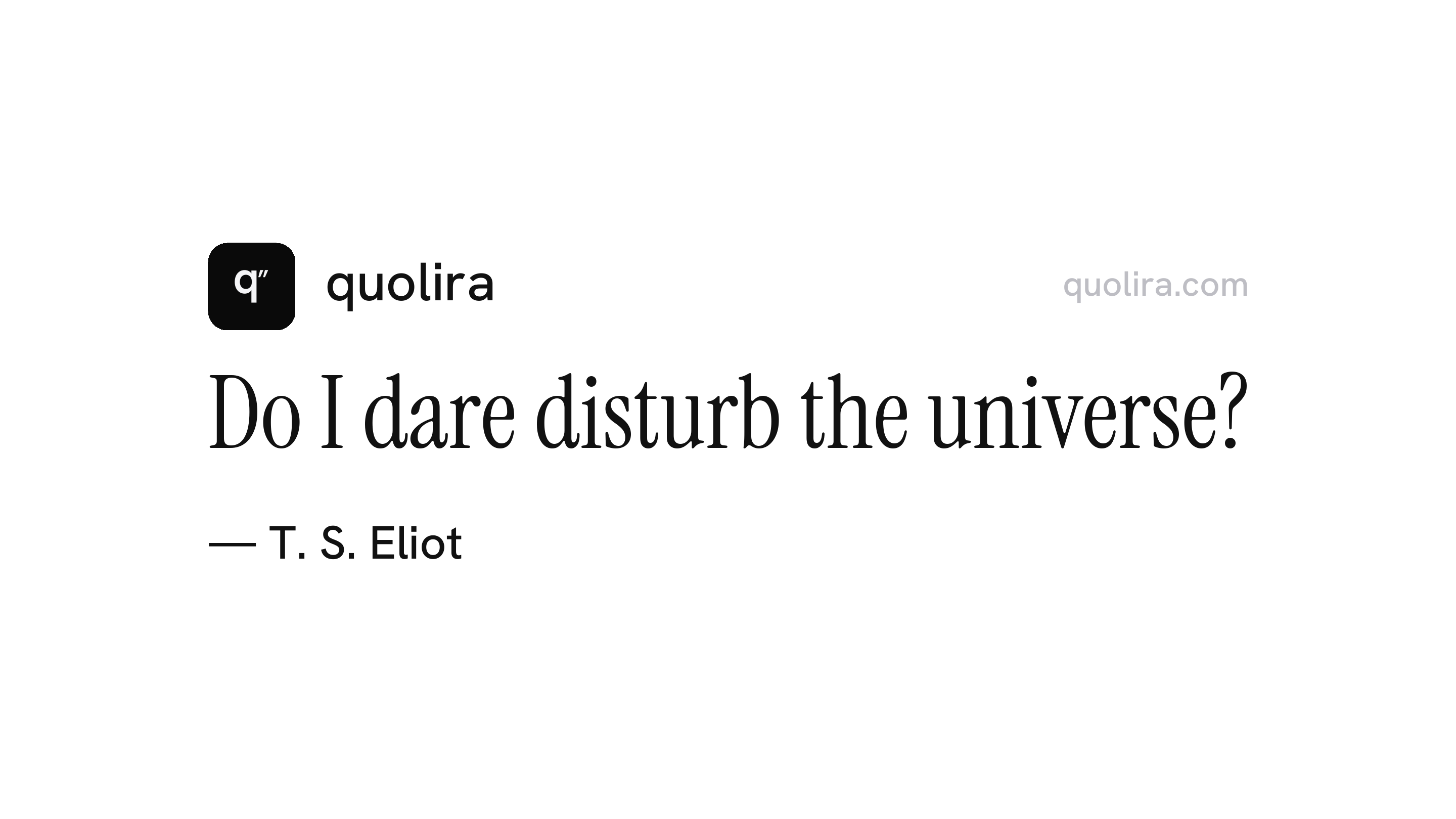
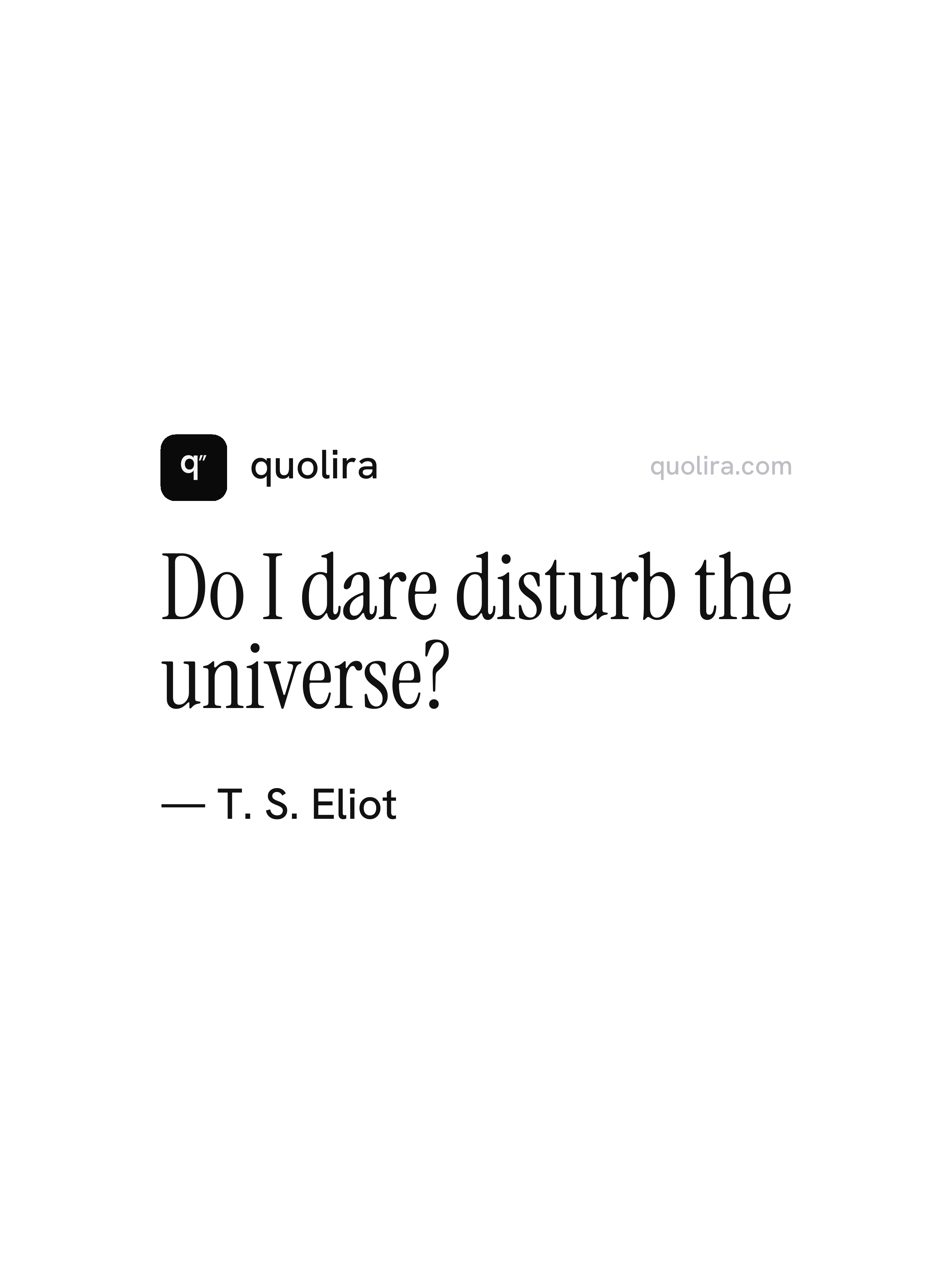
The question is posed by a deeply hesitant, self-doubting character who wonders whether he has the courage or the standing to make any meaningful mark on the world around him. On the surface it sounds bold, but in context it is soaked in irony and anxiety. To ask whether one dares is already to doubt that one will. The line captures the paralysis of a certain kind of modern self-consciousness, the gap between ambition and the will to act.
The line comes from one of the most celebrated poems in the English language, a dramatic monologue spoken by a timid, middle-aged man working himself up, and ultimately failing, to make a romantic declaration. Eliot published the poem when he was in his mid-twenties, and it made his reputation almost immediately. The poem is filled with classical allusions and images of social anxiety, and this particular question is part of a longer passage in which the speaker contemplates his own smallness against the scale of the world. The poem is widely studied and remains a touchstone of modernist literature.
T. S. Eliot was an American-born poet and critic who spent most of his adult life in England and became a British citizen. He is considered one of the central figures of literary modernism, and his poetry is known for its allusive density, its urban imagery, and its tone of cultural disillusionment. He also wrote influential literary criticism and several plays. He received the Nobel Prize in Literature in 1948 and lived from 1888 to 1965.
“Yesterday is history, tomorrow is a mystery, today is a gift of God, which is why we call it the present.”
Bill Keane · Family Circus, widely attributed
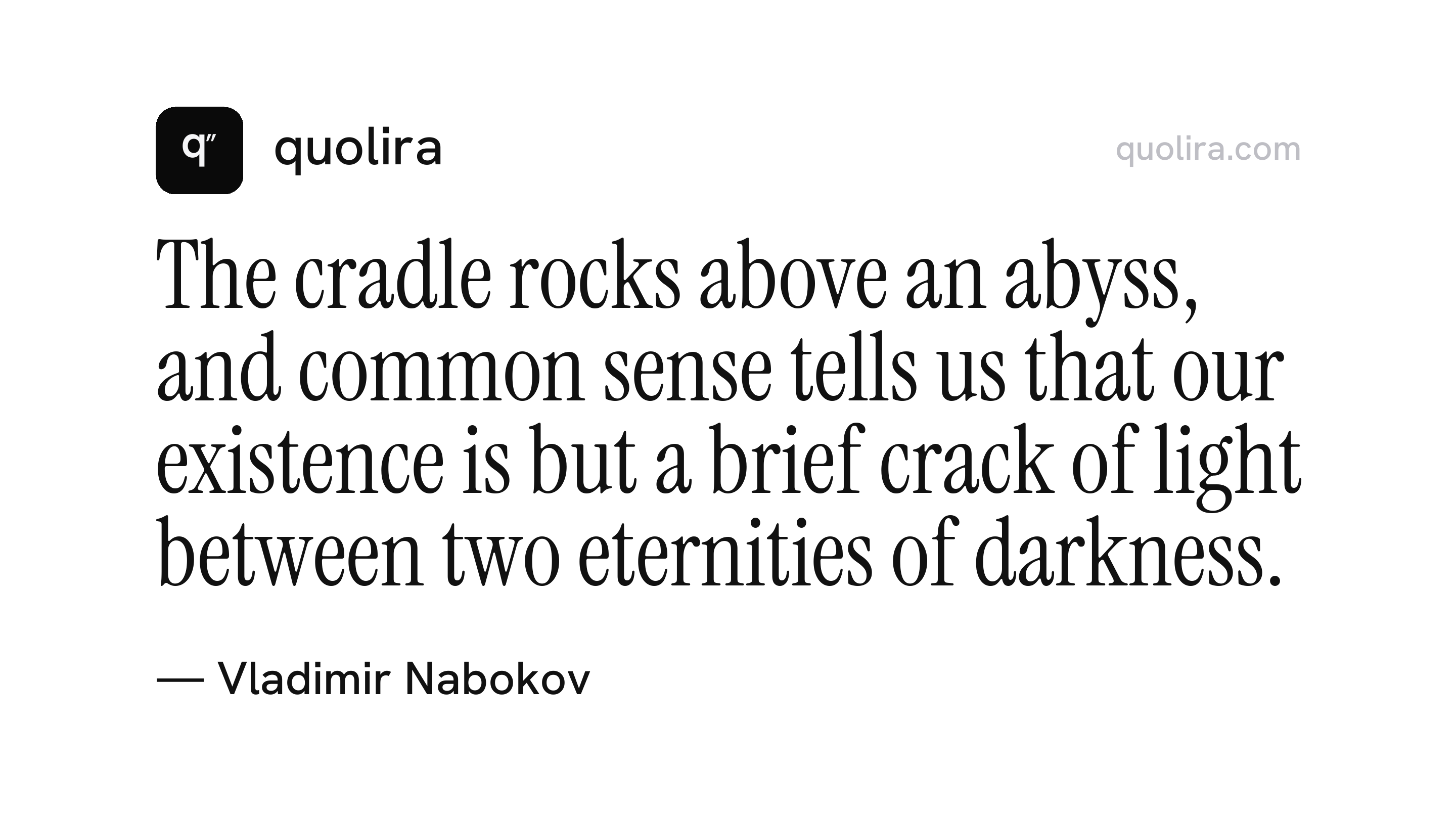
“The cradle rocks above an abyss, and common sense tells us that our existence is but a brief crack of light between two eternities of darkness.”
Vladimir Nabokov · Speak, Memory, 1951
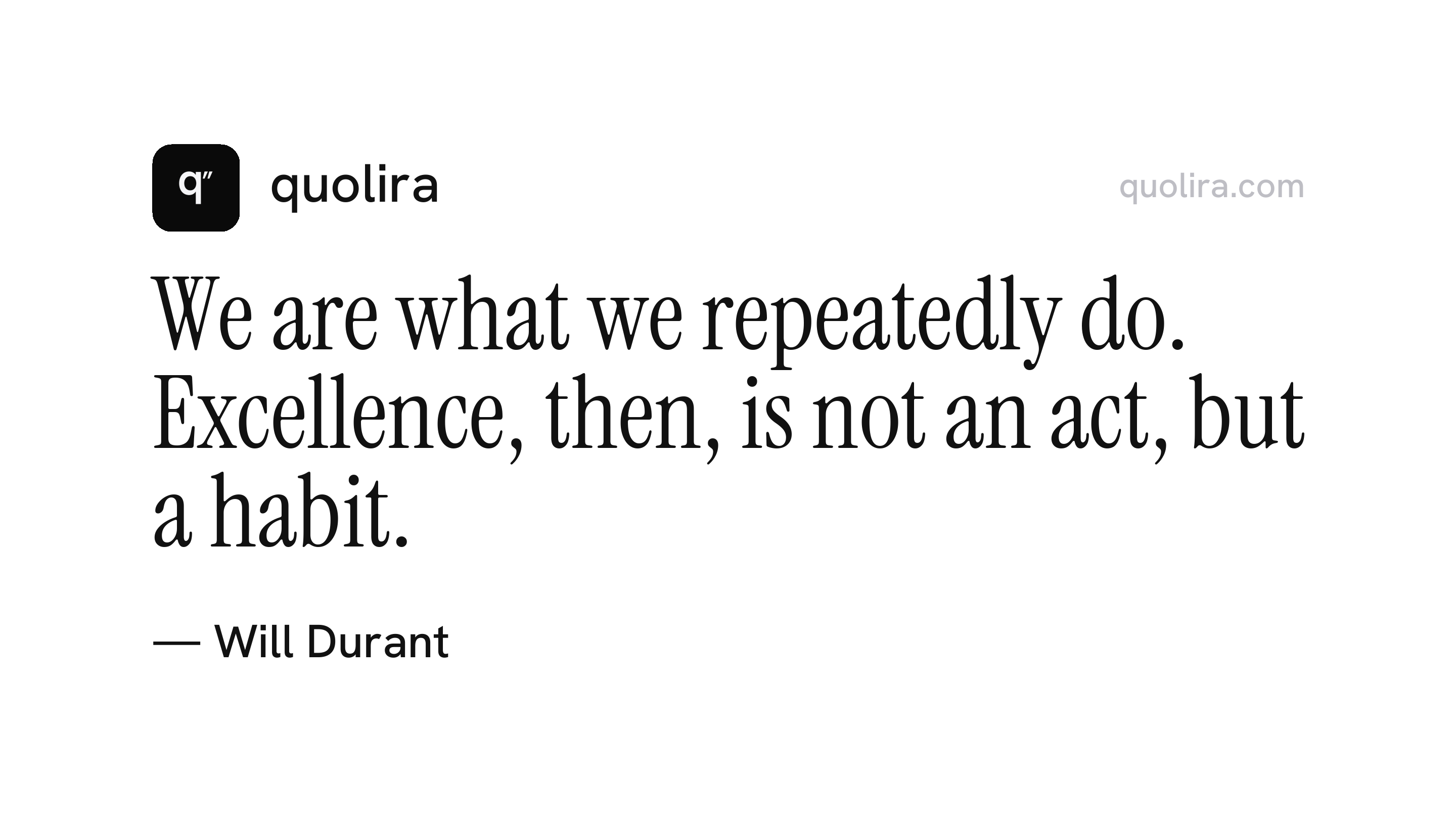
“We are what we repeatedly do. Excellence, then, is not an act, but a habit.”
Will Durant · The Story of Philosophy, 1926
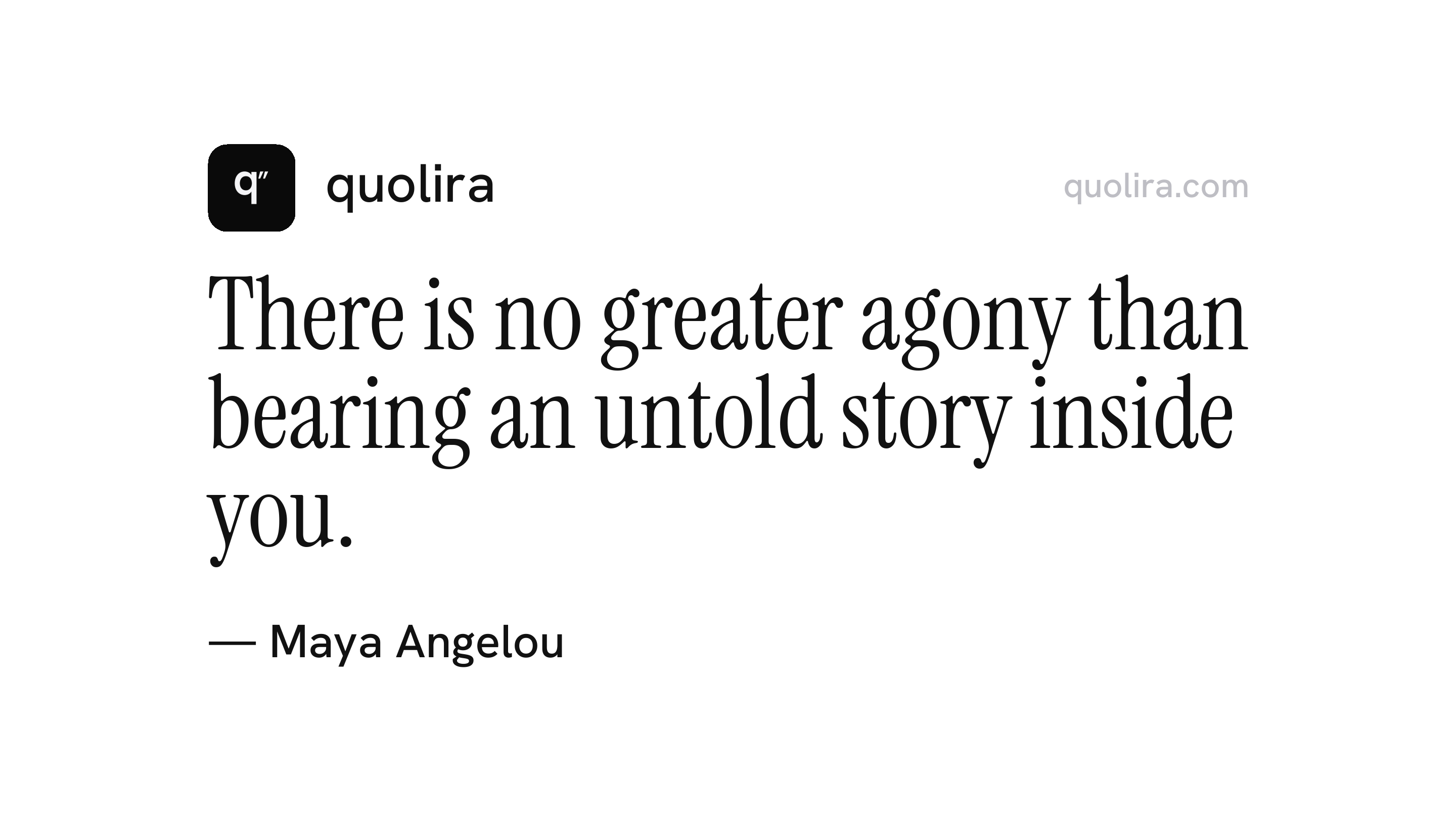
“There is no greater agony than bearing an untold story inside you.”
Maya Angelou · I Know Why the Caged Bird Sings, 1969
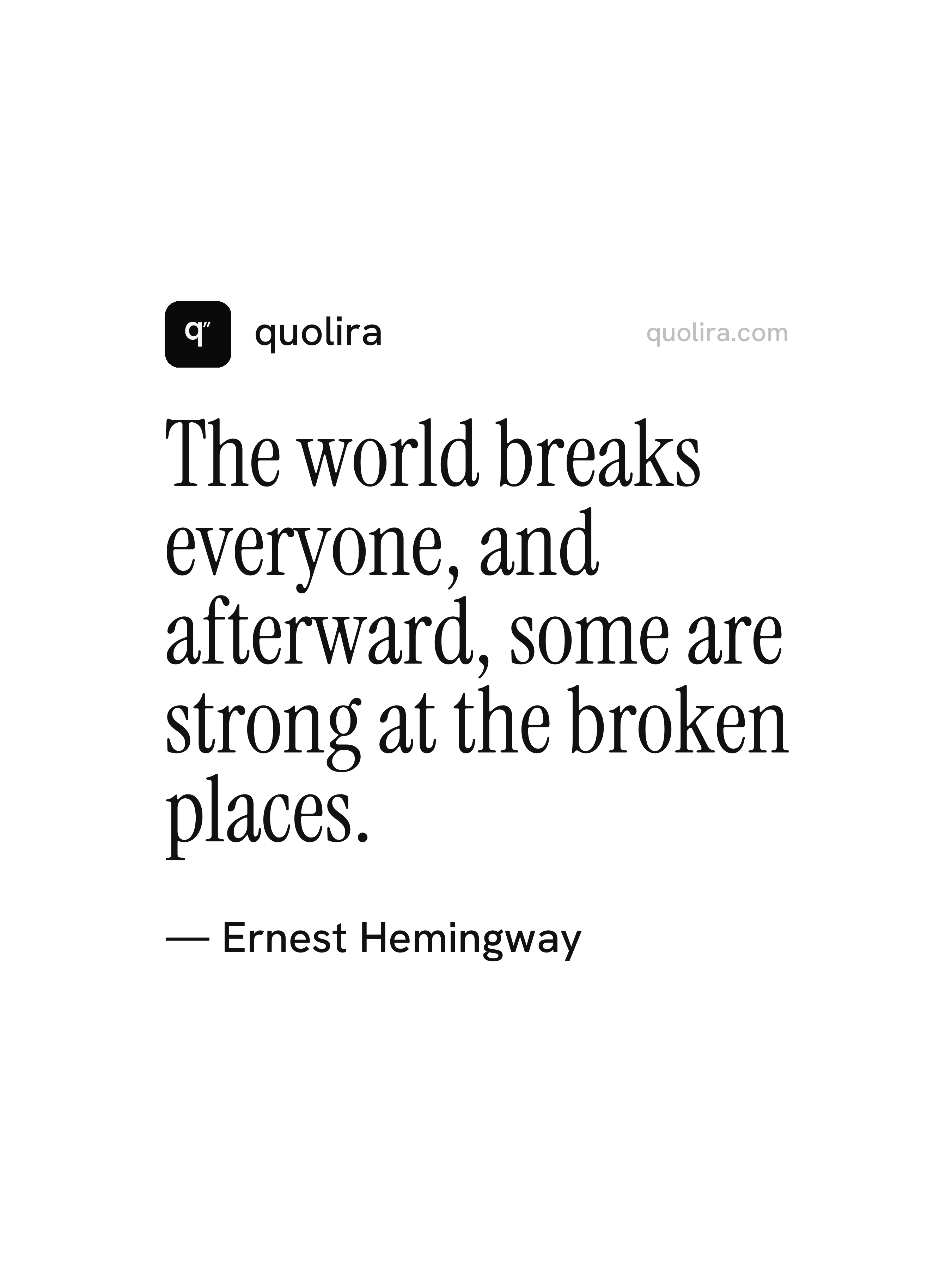
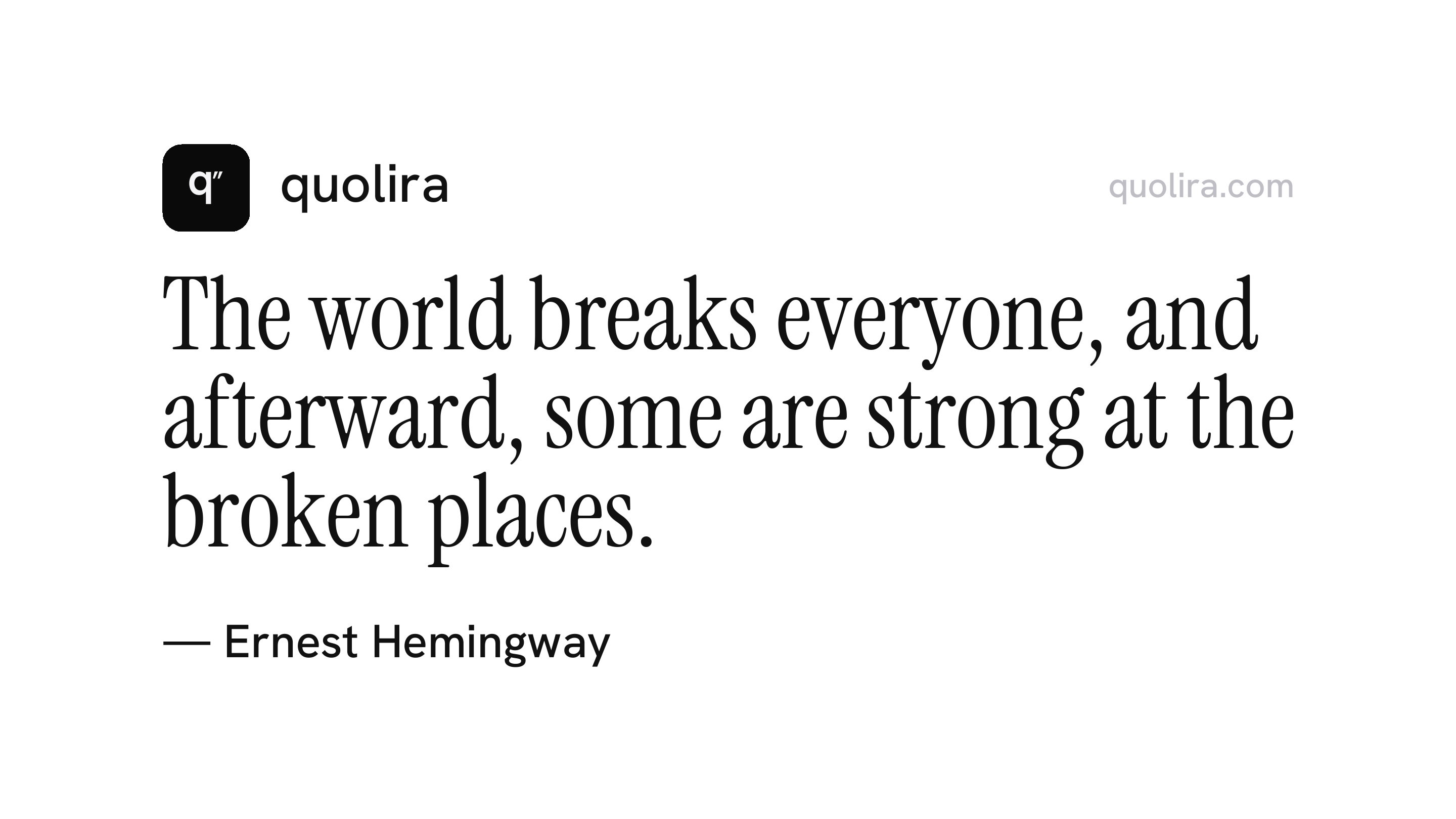
“The world breaks everyone, and afterward, some are strong at the broken places.”
Ernest Hemingway · A Farewell to Arms, 1929
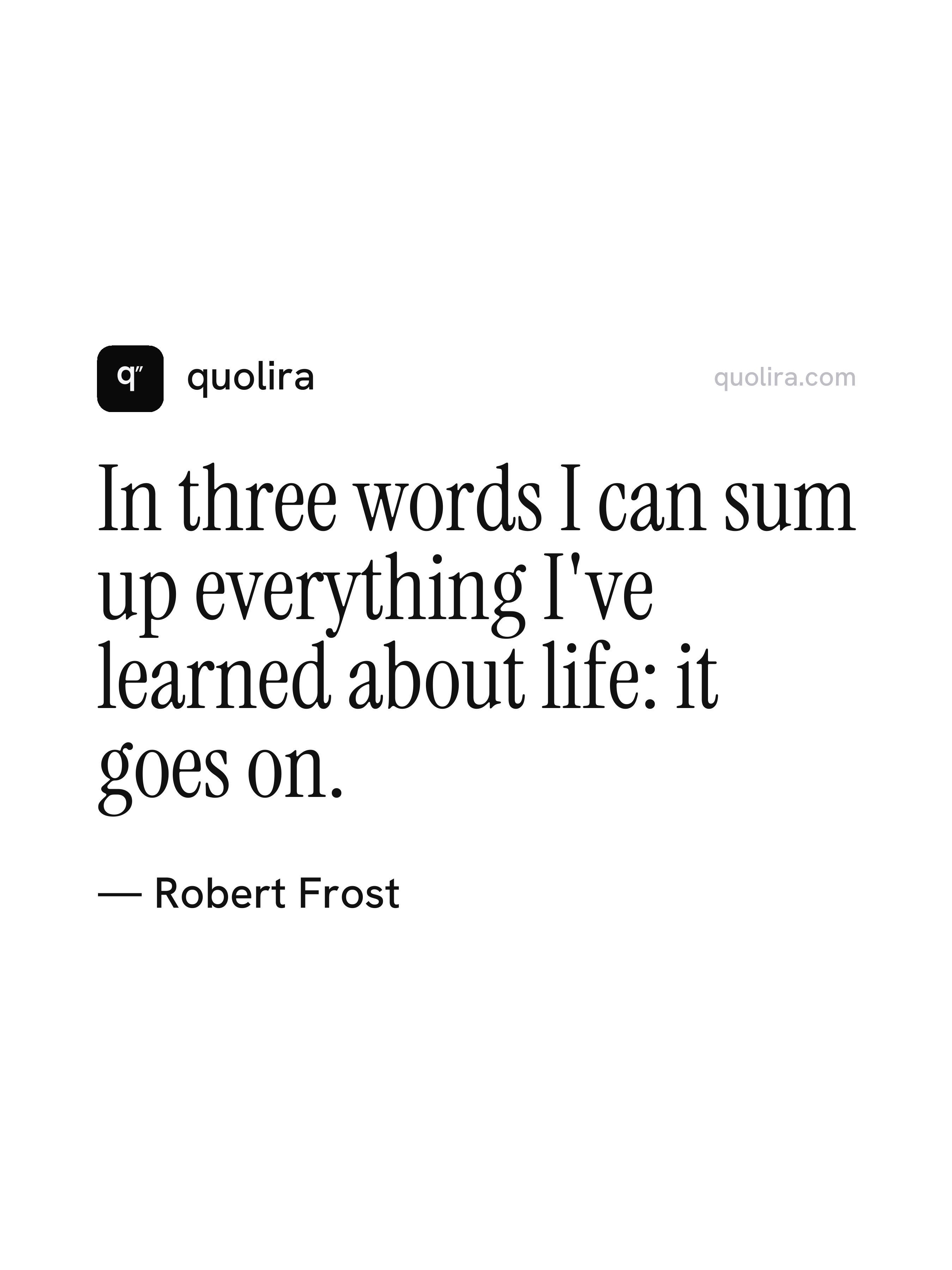
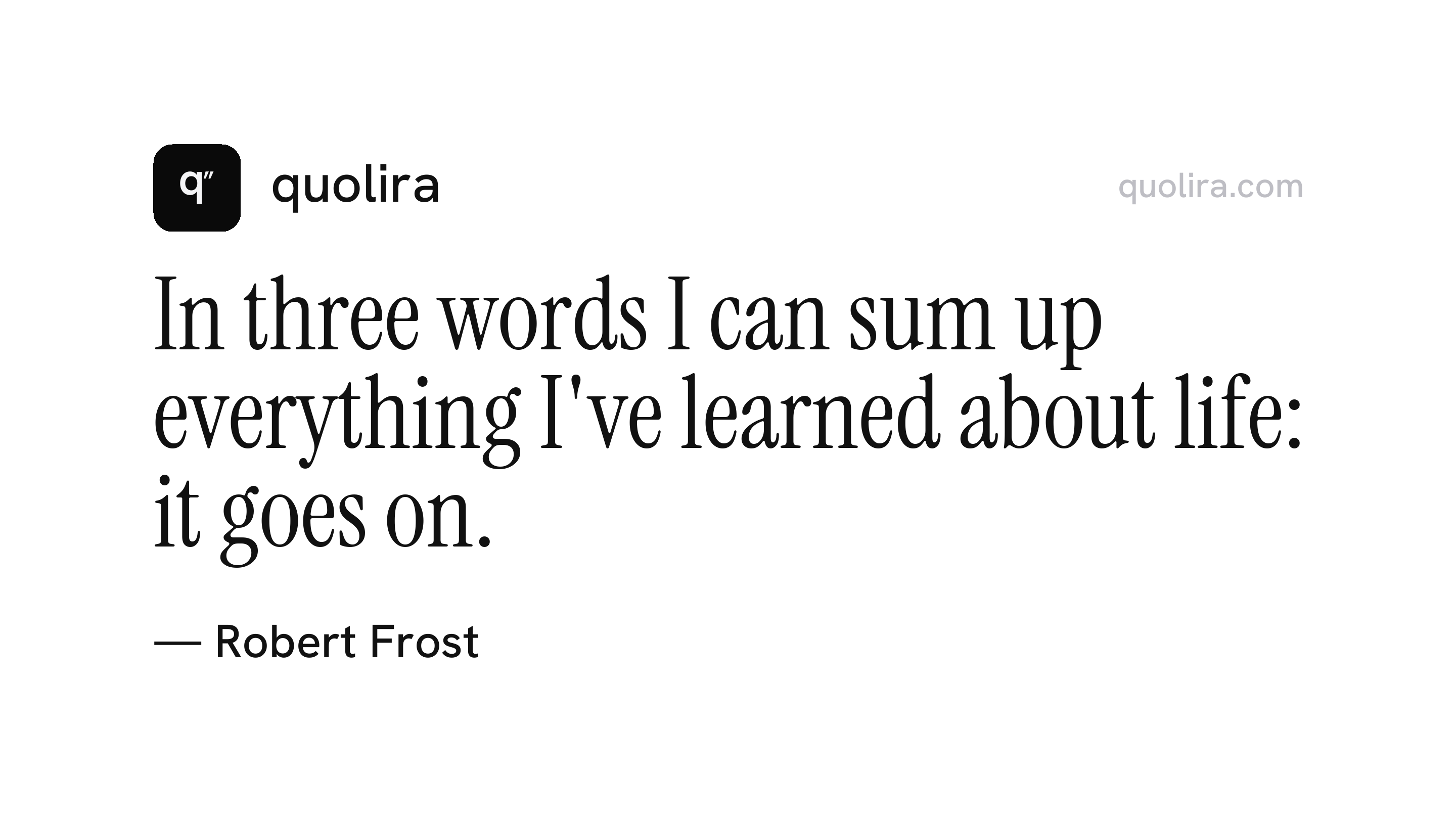
“In three words I can sum up everything I've learned about life: it goes on.”
Robert Frost
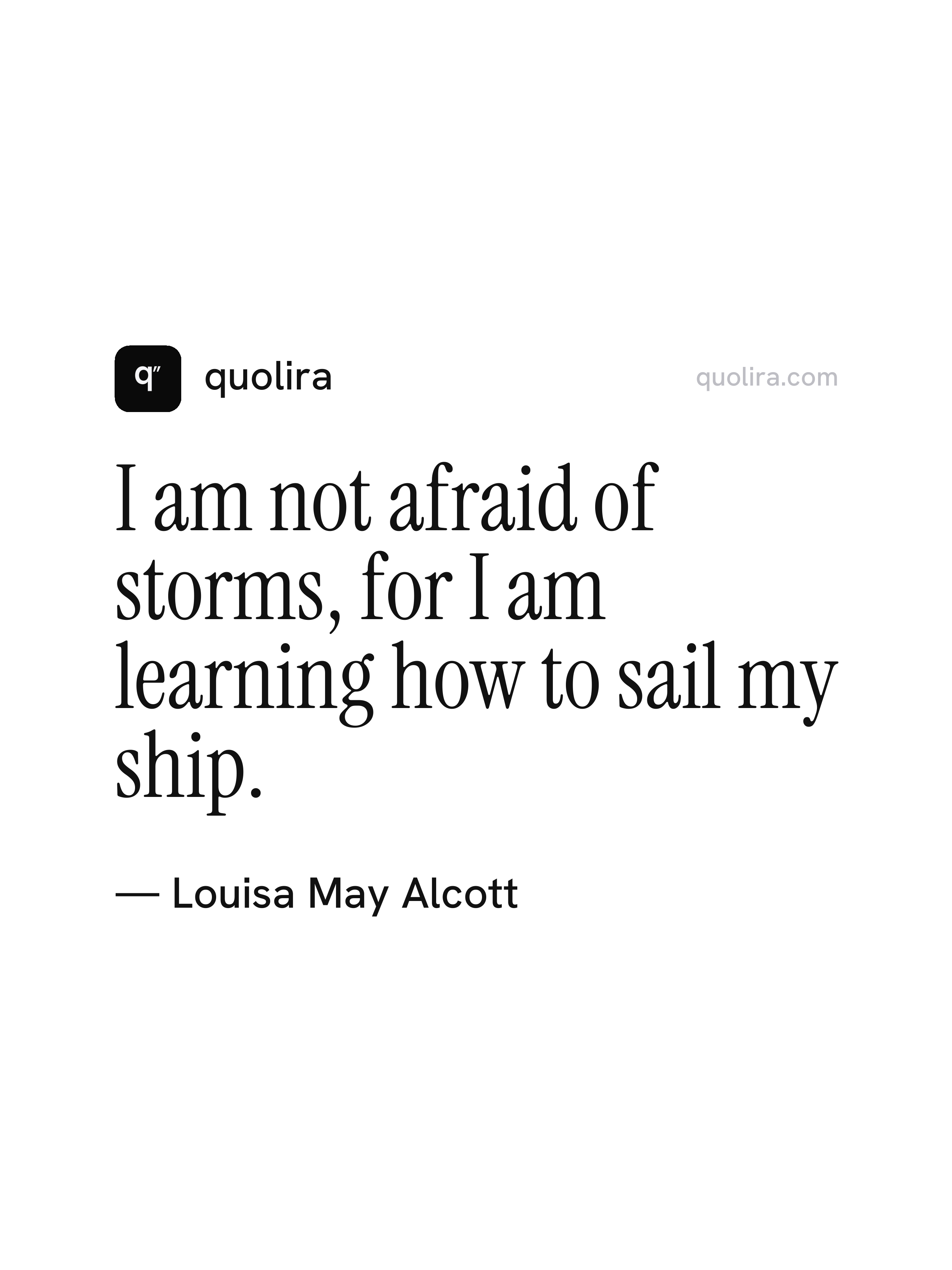
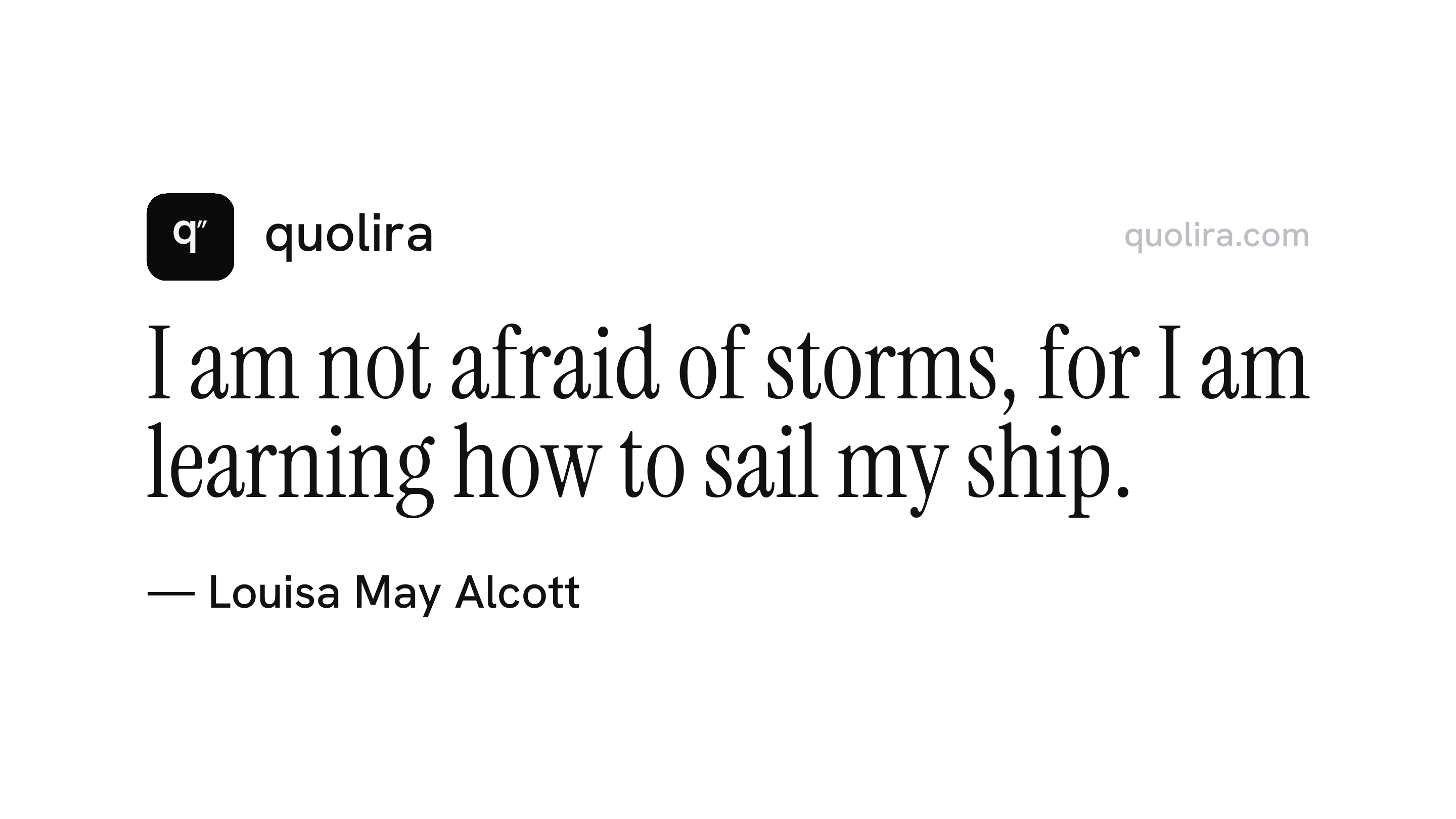
“I am not afraid of storms, for I am learning how to sail my ship.”
Louisa May Alcott · Little Women, 1868
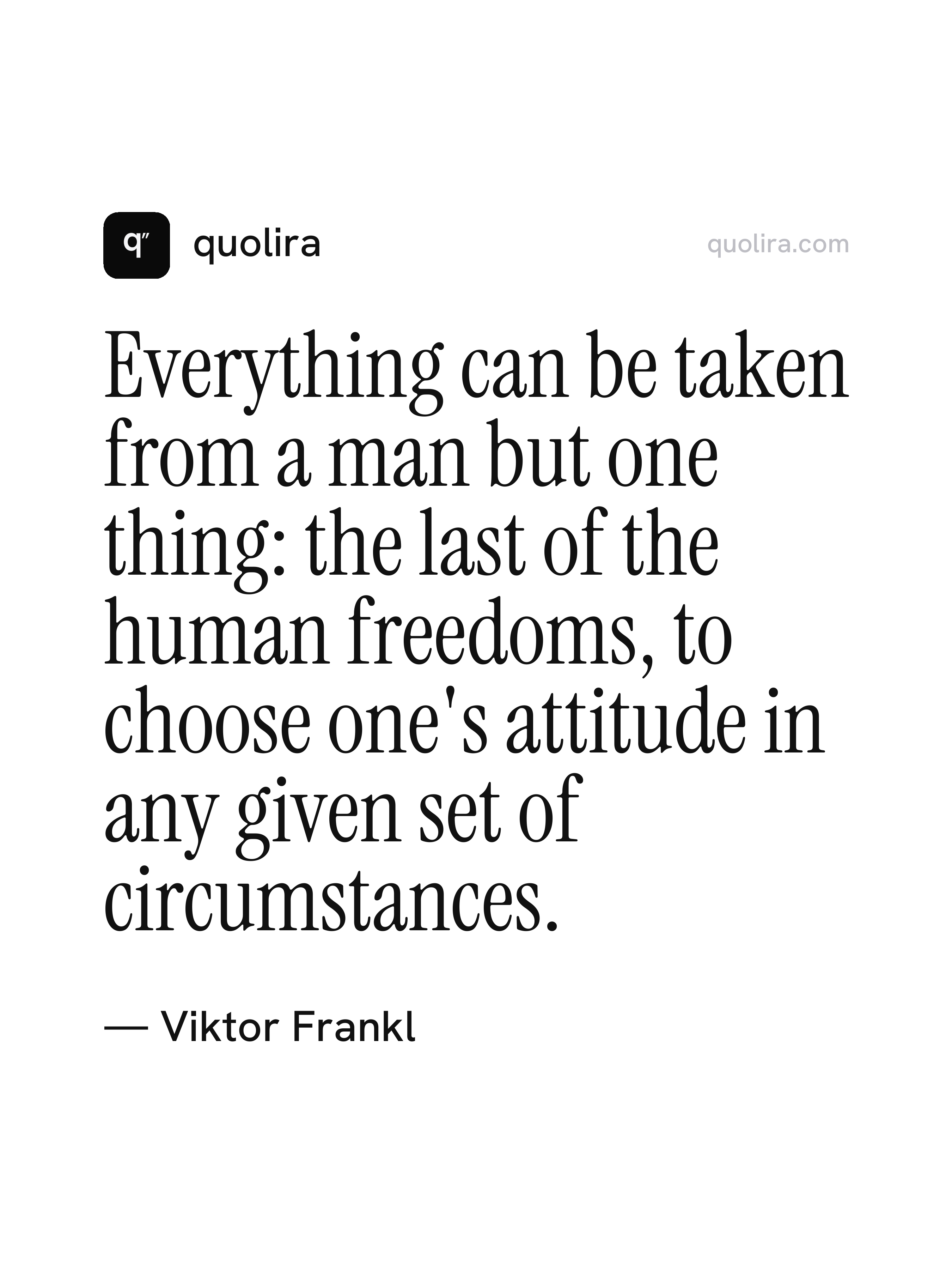
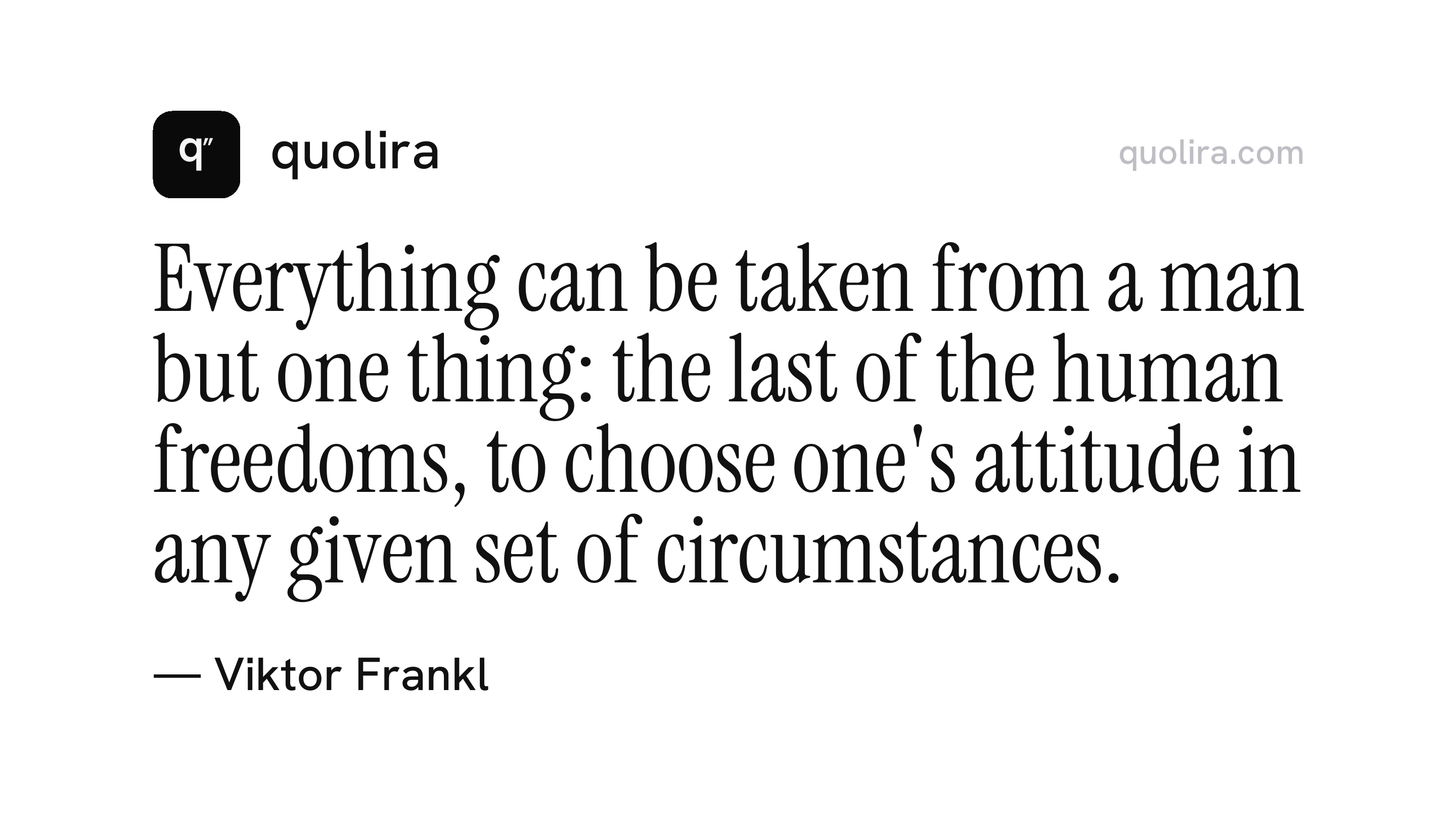
“Everything can be taken from a man but one thing: the last of the human freedoms, to choose one's attitude in any given set of circumstances.”
Viktor Frankl · Man's Search for Meaning, 1946
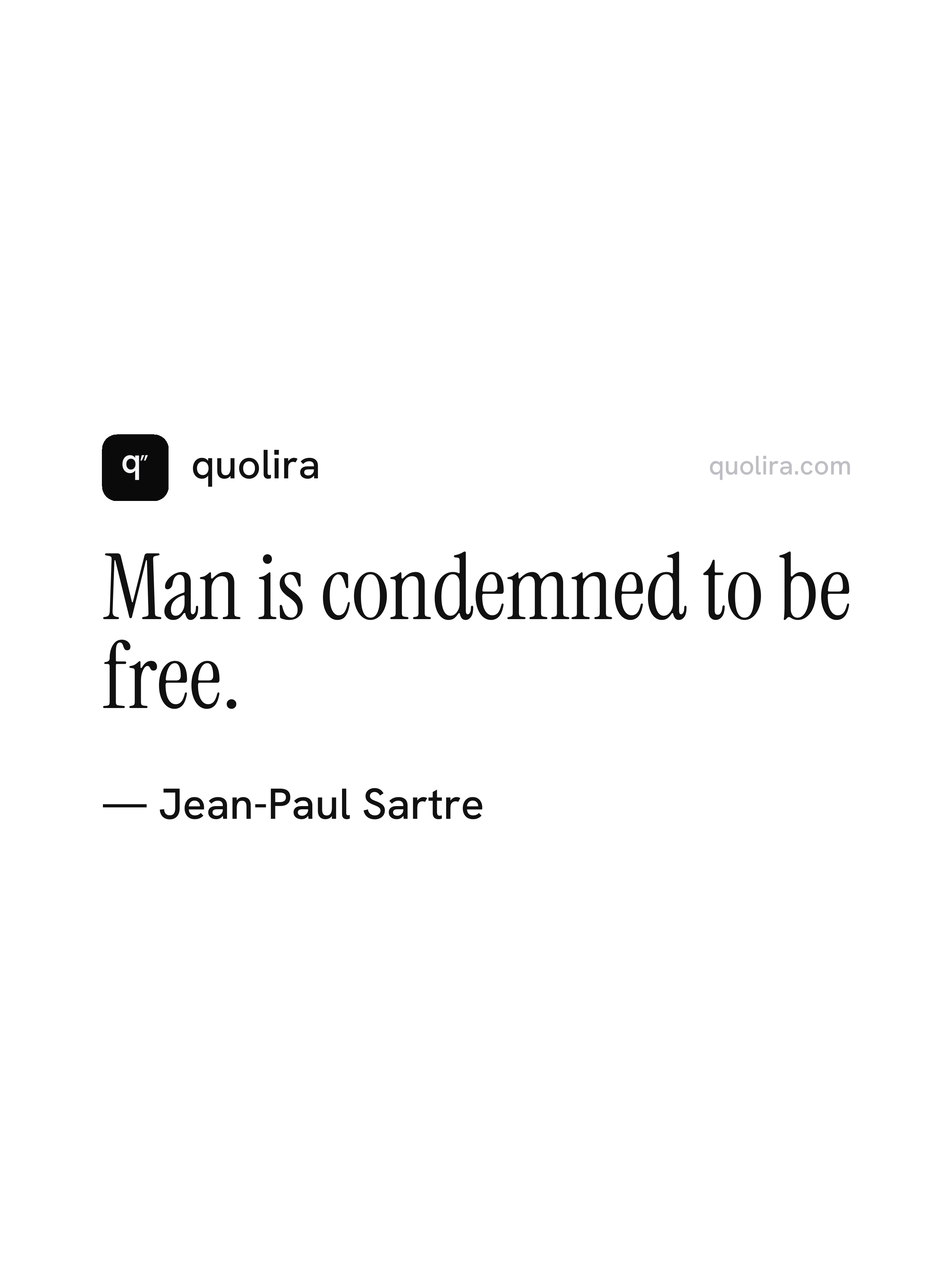
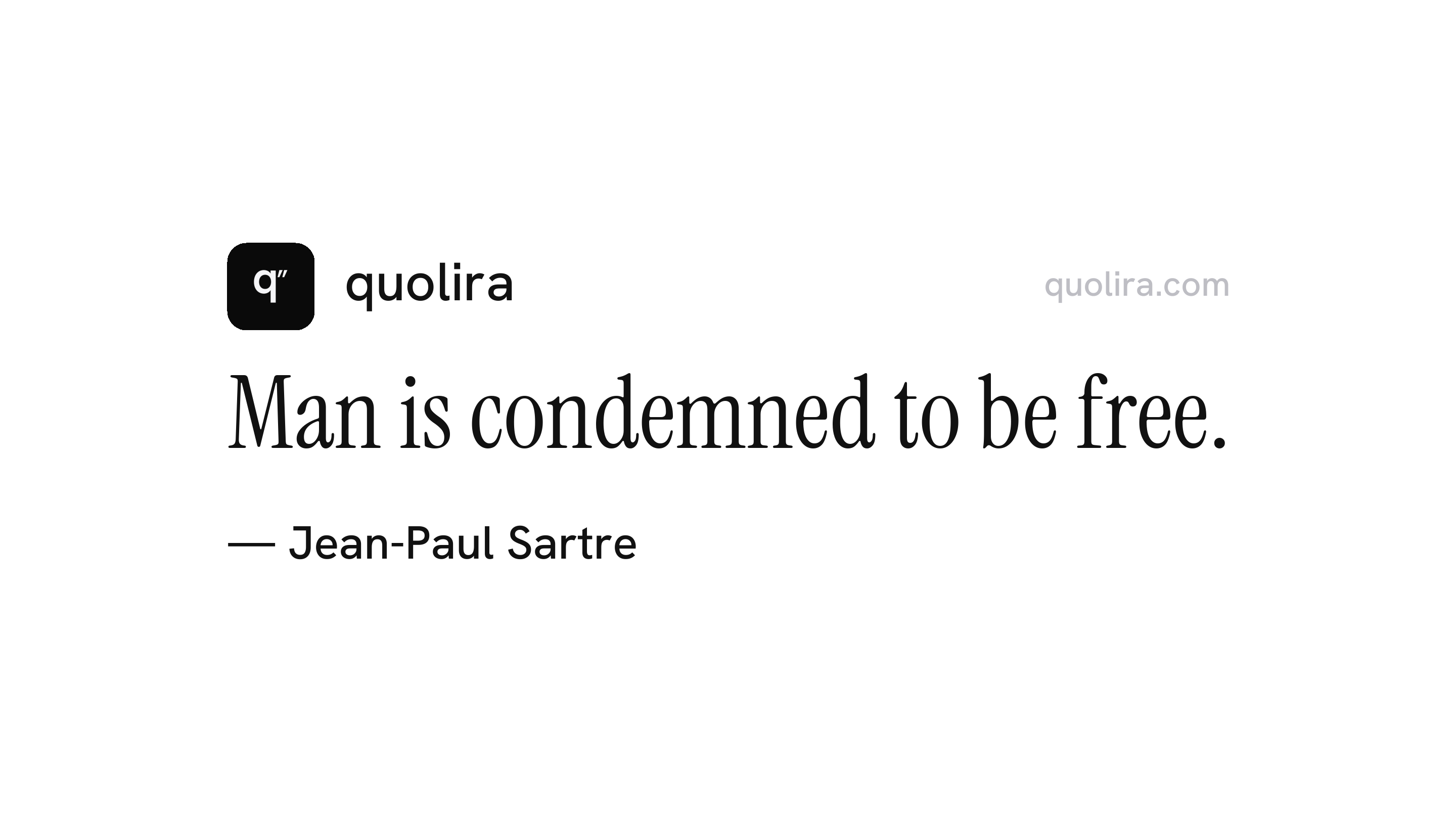
“Man is condemned to be free.”
Jean-Paul Sartre · Existentialism Is a Humanism, 1945
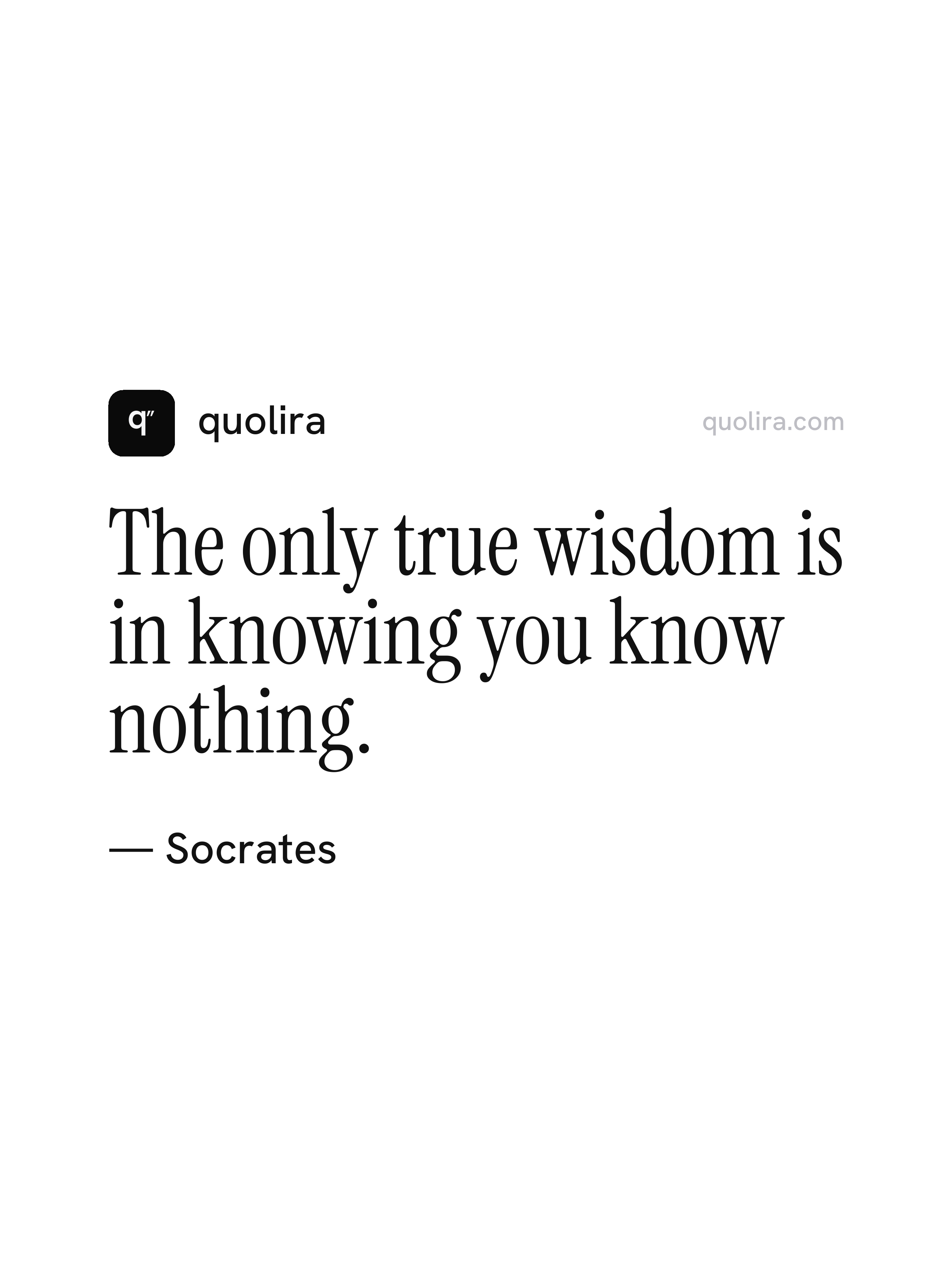
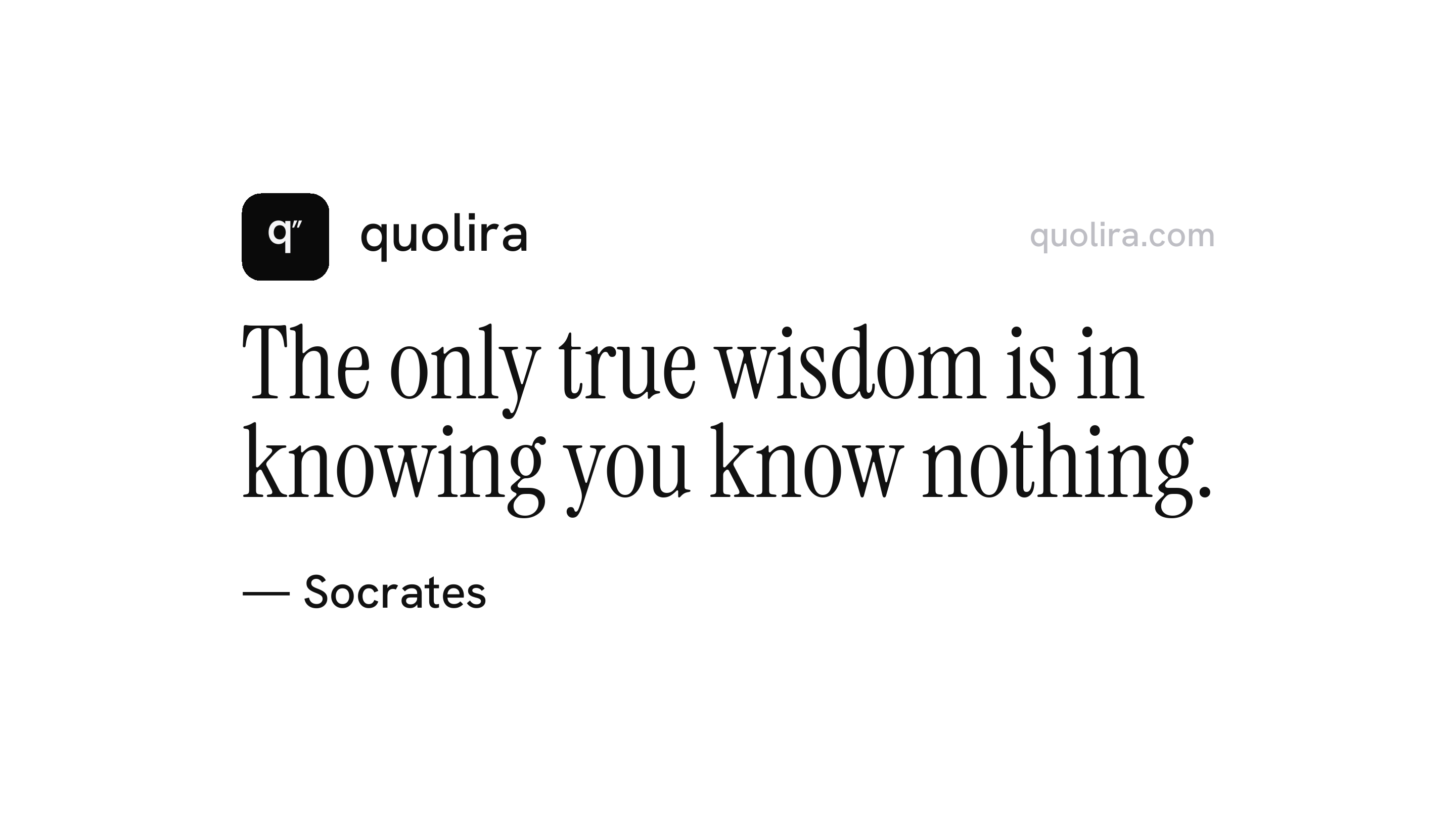
“The only true wisdom is in knowing you know nothing.”
Socrates · Plato, Apology
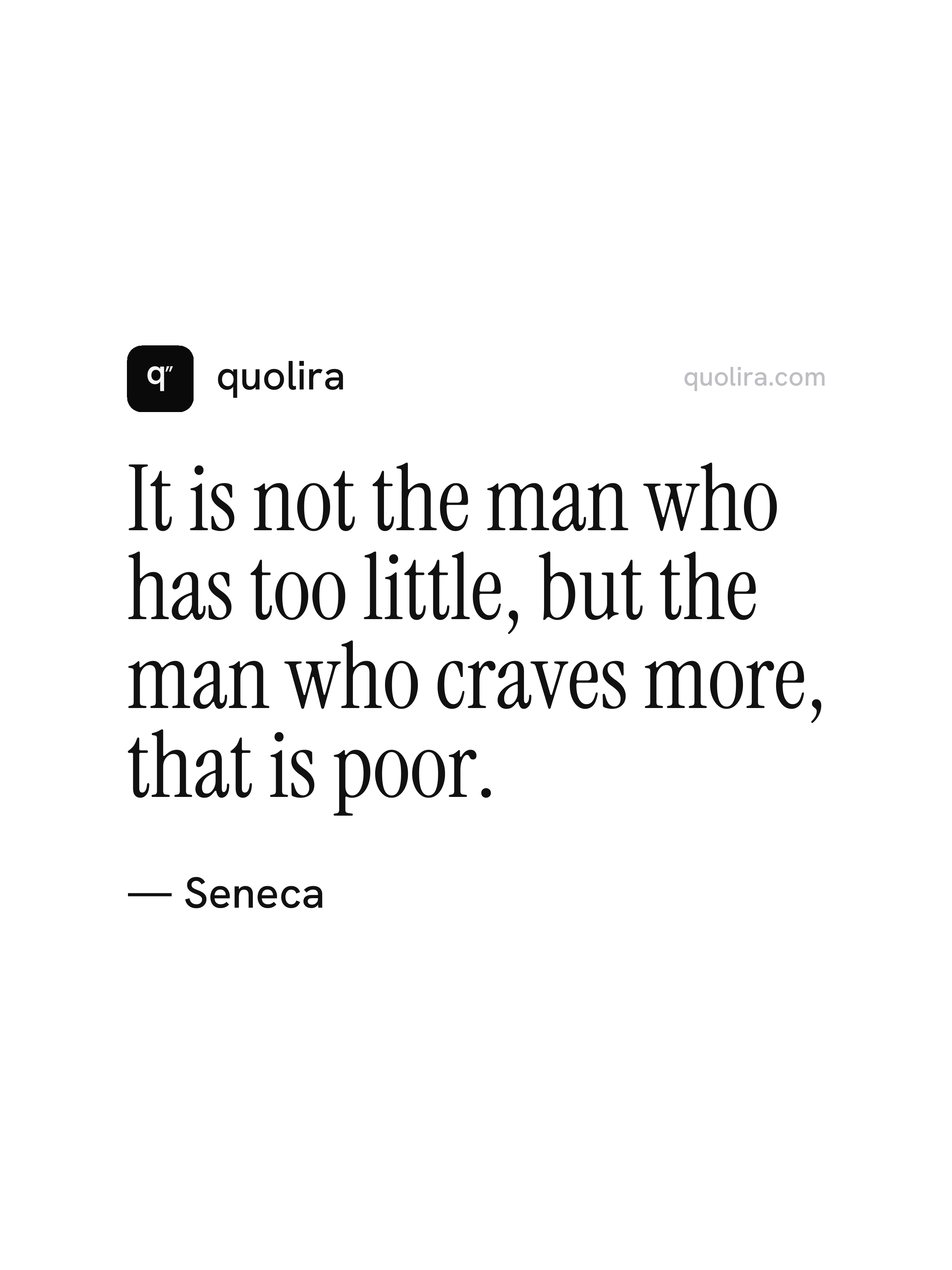
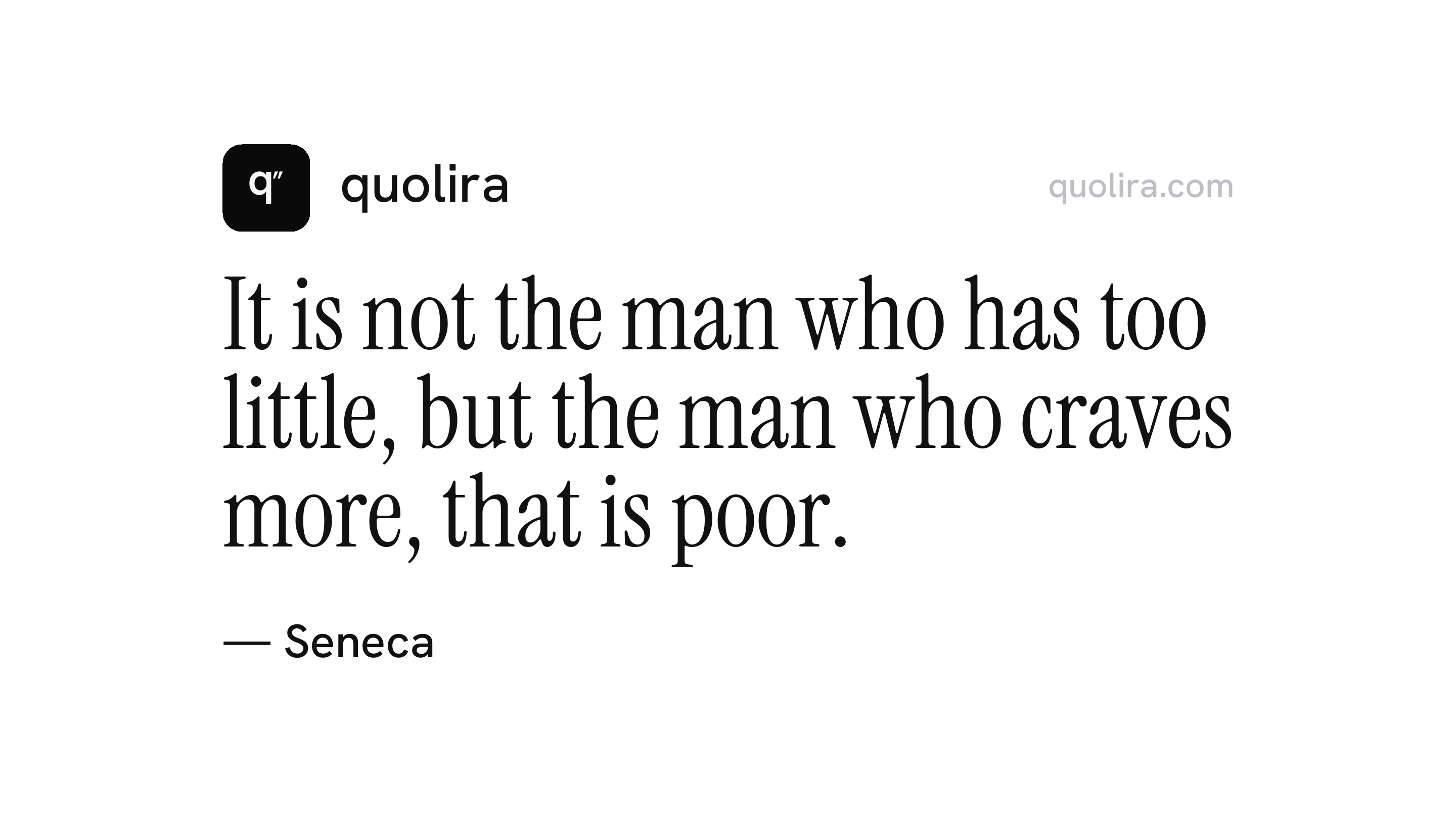
“It is not the man who has too little, but the man who craves more, that is poor.”
Seneca · Letters to Lucilius, Letter 2
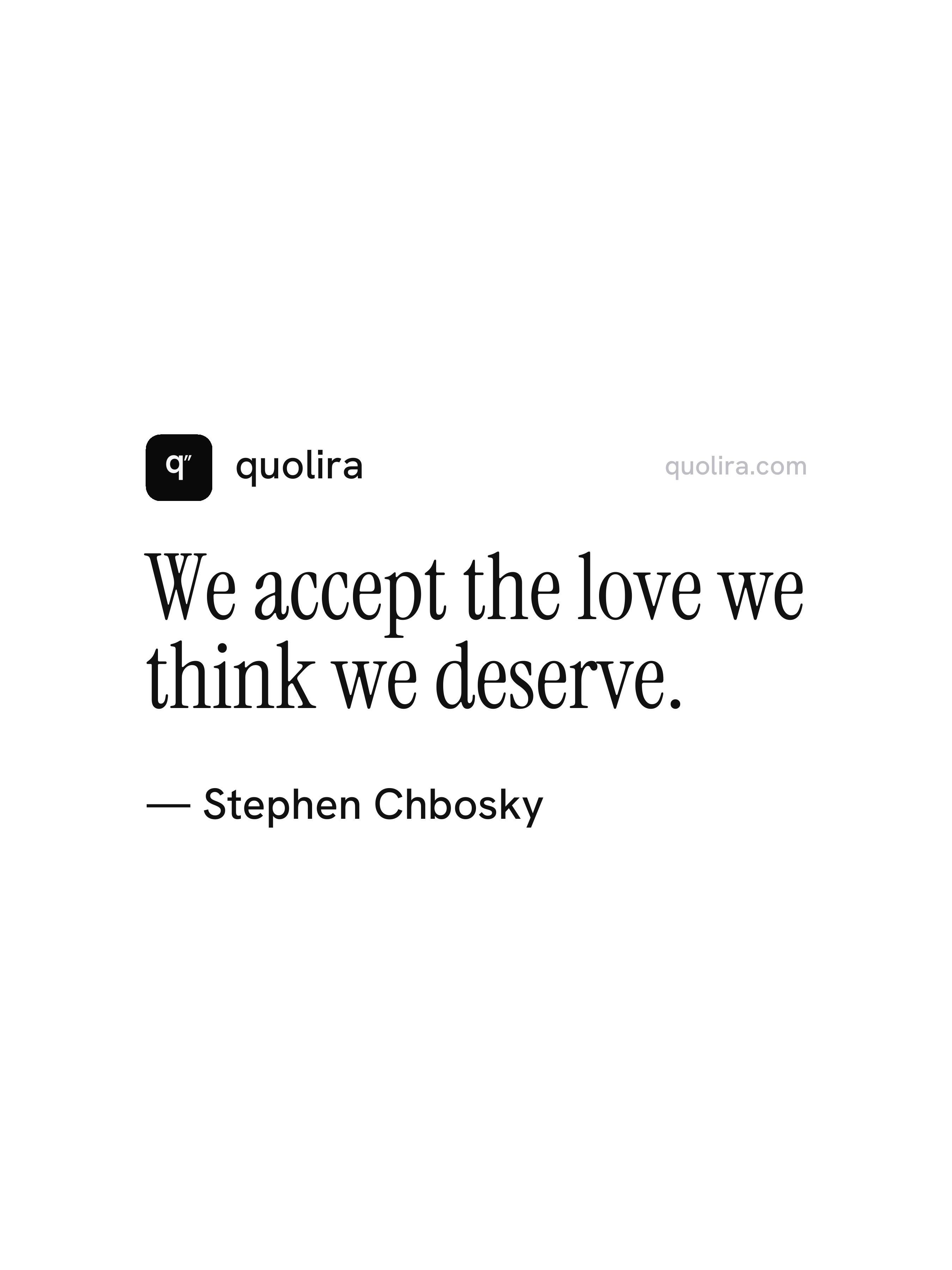
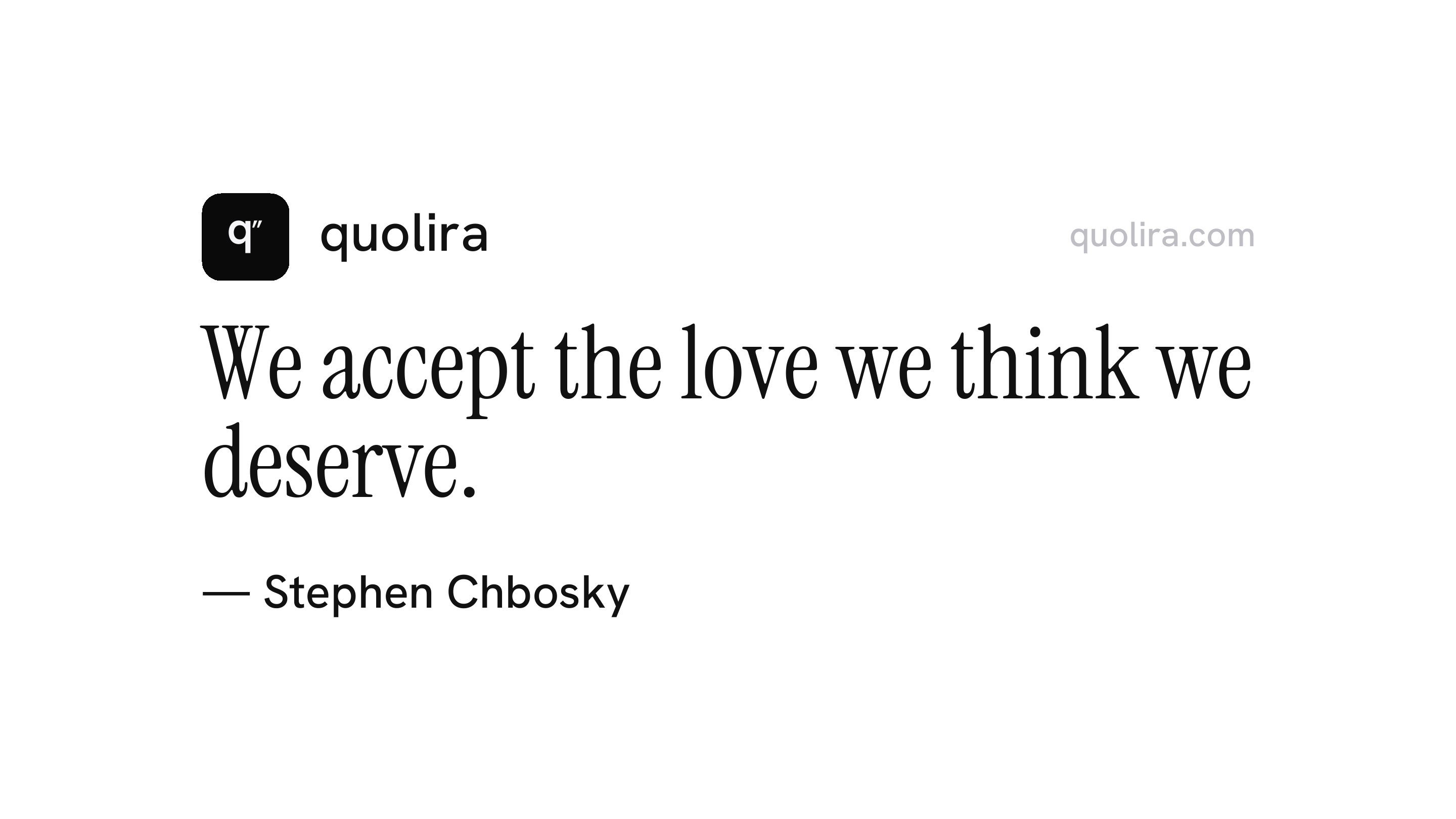
“We accept the love we think we deserve.”
Stephen Chbosky · The Perks of Being a Wallflower, 1999