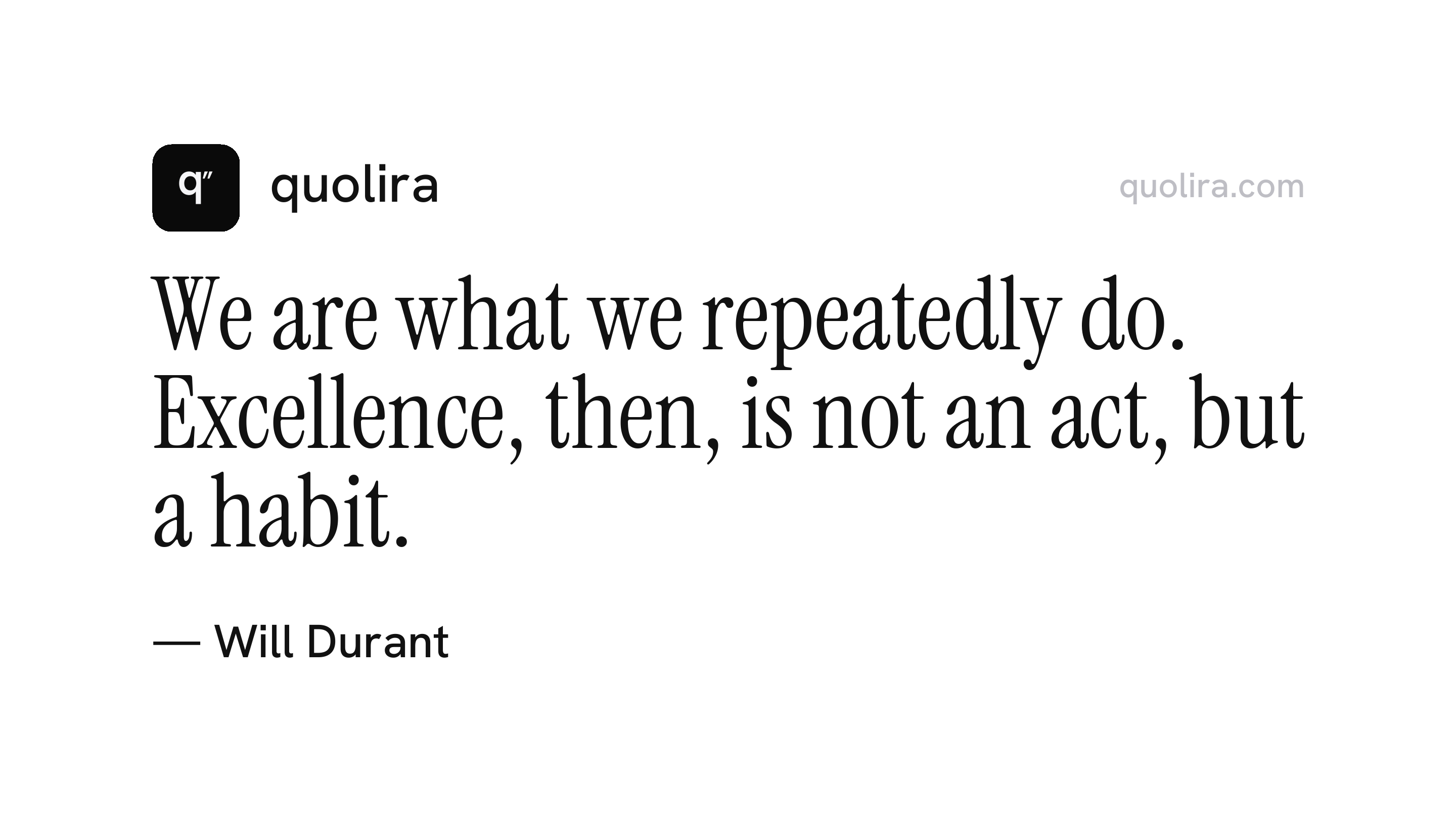
“We are what we repeatedly do. Excellence, then, is not an act, but a habit.”
Will Durant · The Story of Philosophy, 1926
 quolira
.com
quolira
quolira.com
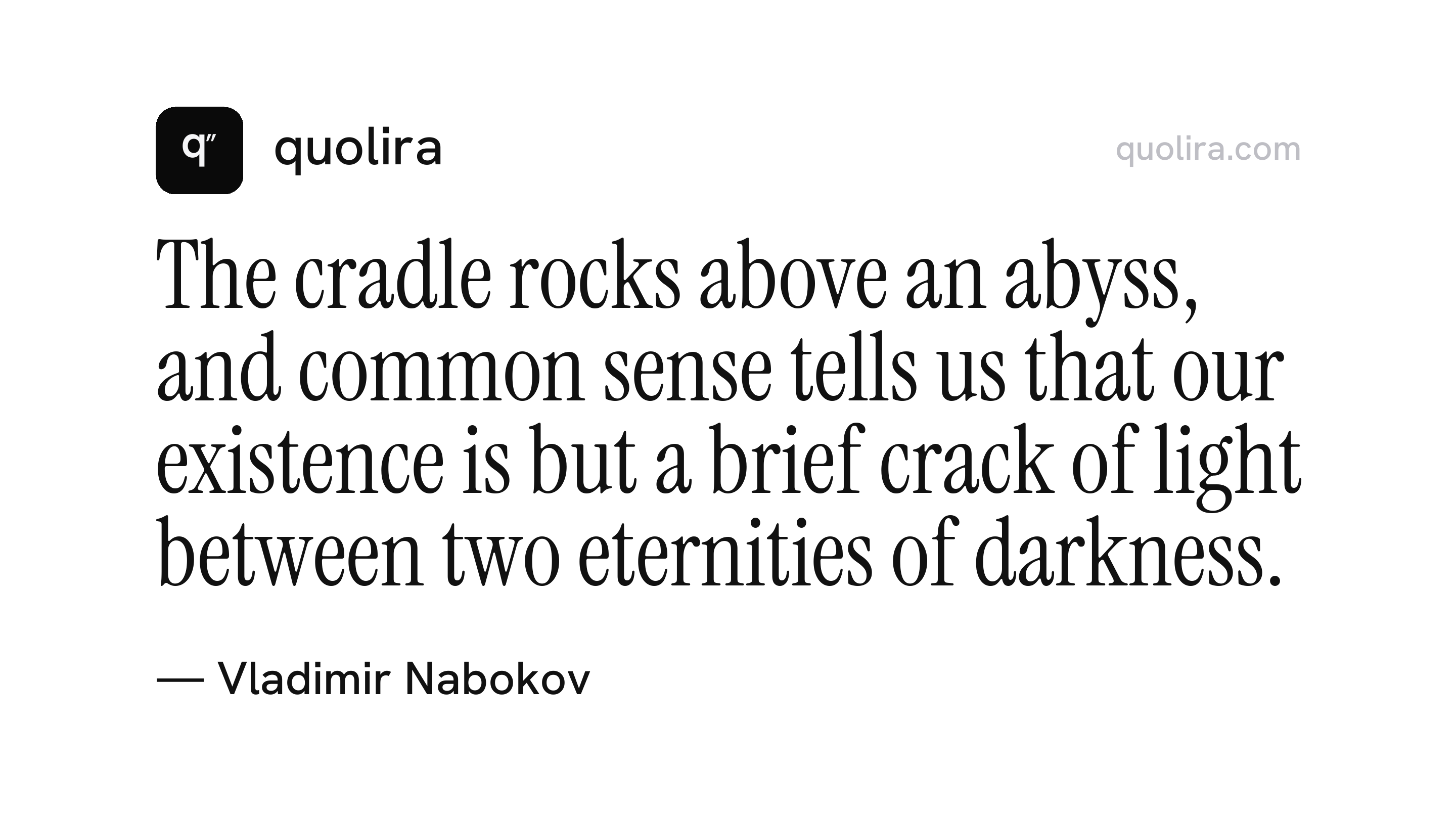
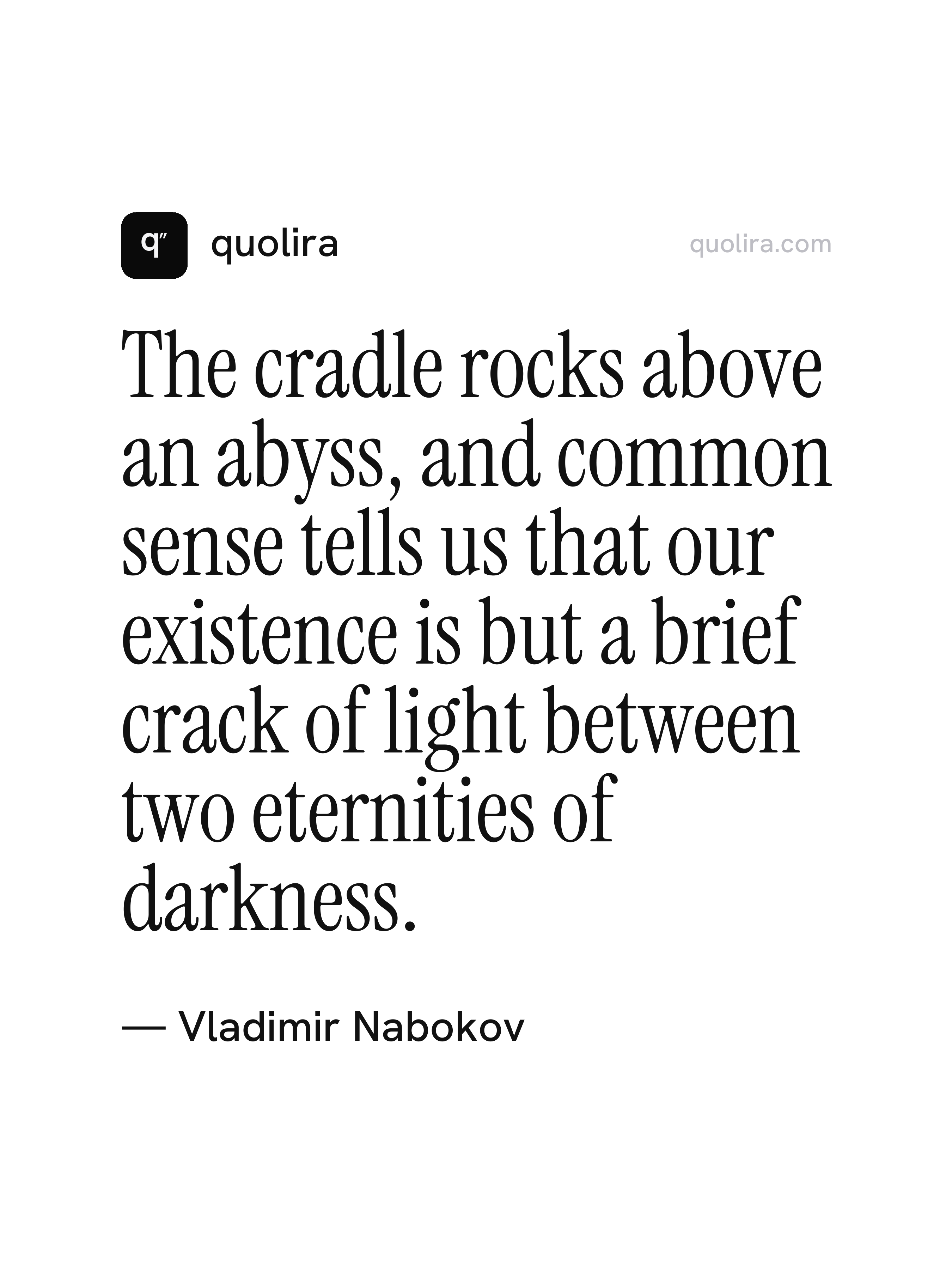
Nabokov opens with an image of a cradle swinging over a void, using it to frame human life as an almost impossibly small interval of consciousness set between infinite stretches of non-existence. The tone is not despairing so much as unflinching. He asks the reader to hold that vertiginous picture clearly in mind, not to be crushed by it but to appreciate, with full awareness, just how remarkable and fragile the lit moment of a human life actually is.
This sentence opens Nabokov's autobiography, a book concerned with recovering and examining the textures of his own past. Having fled Russia, then Europe, Nabokov wrote the book in English, a language that was not his first. The memoir is celebrated for its precise, luminous prose and for its almost obsessive attention to memory and sensory detail. By beginning with this philosophical statement about mortality and time, Nabokov sets the frame for everything that follows: each recovered memory matters precisely because it is set against the backdrop of oblivion on either side.
Vladimir Nabokov was a Russian-born novelist, poet, and lepidopterist who became one of the major figures in twentieth-century literature in both Russian and English. He is perhaps best known for his novel Lolita, though his body of work is large and varied. After leaving Europe, he spent many years in the United States, where he also worked as a university lecturer. He lived from 1899 to 1977.
“We are what we repeatedly do. Excellence, then, is not an act, but a habit.”
Will Durant · The Story of Philosophy, 1926
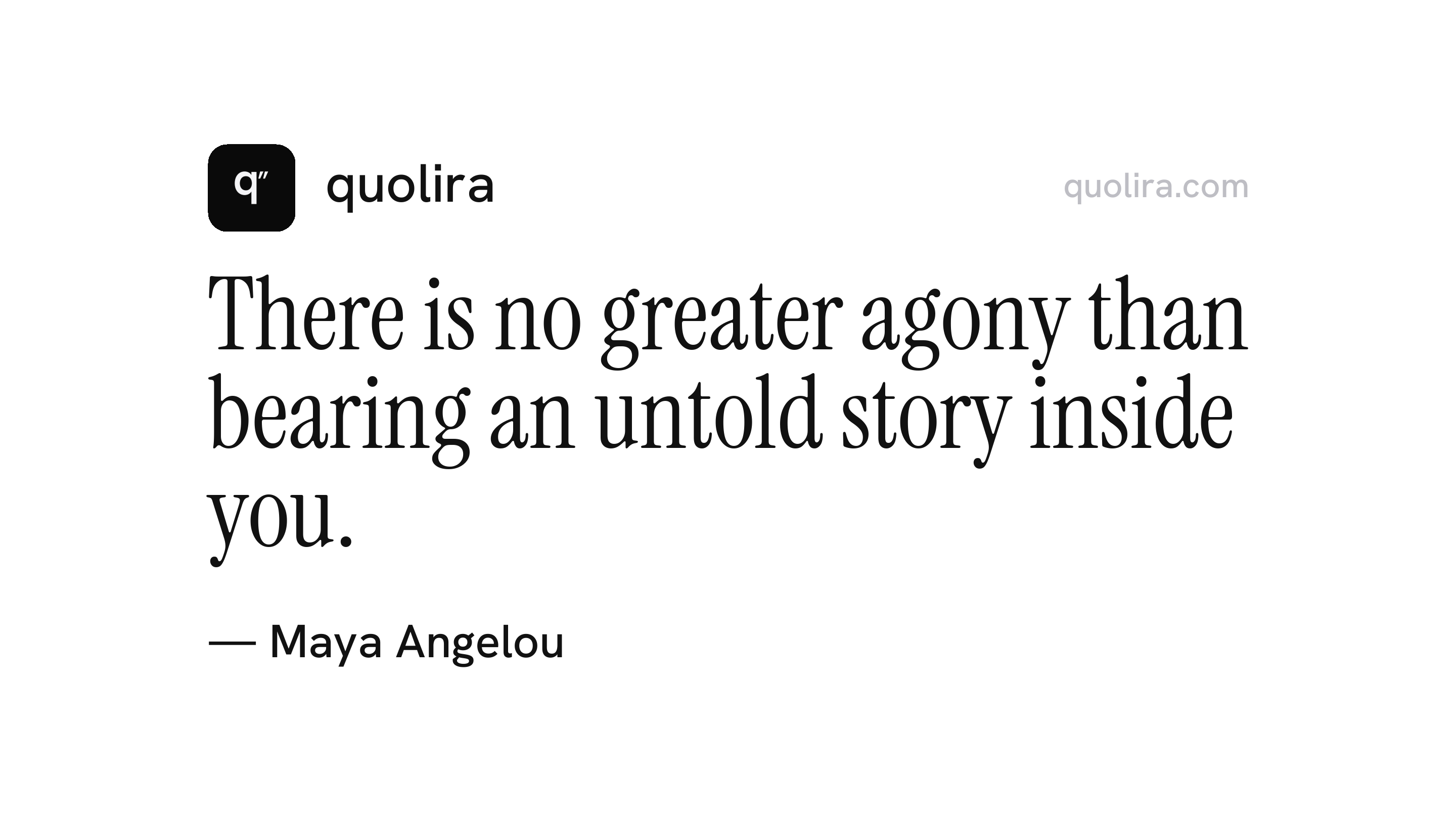
“There is no greater agony than bearing an untold story inside you.”
Maya Angelou · I Know Why the Caged Bird Sings, 1969
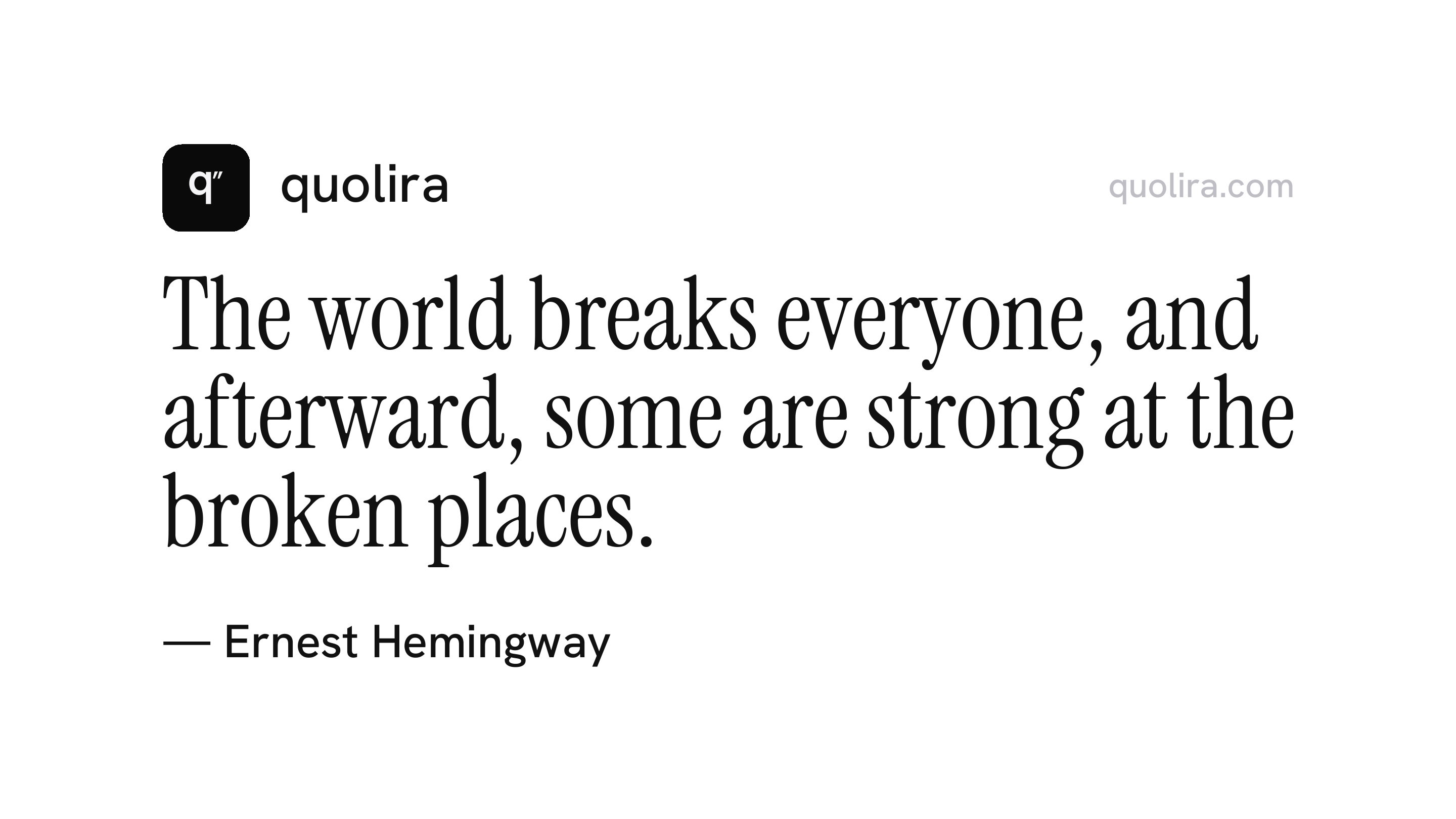
“The world breaks everyone, and afterward, some are strong at the broken places.”
Ernest Hemingway · A Farewell to Arms, 1929
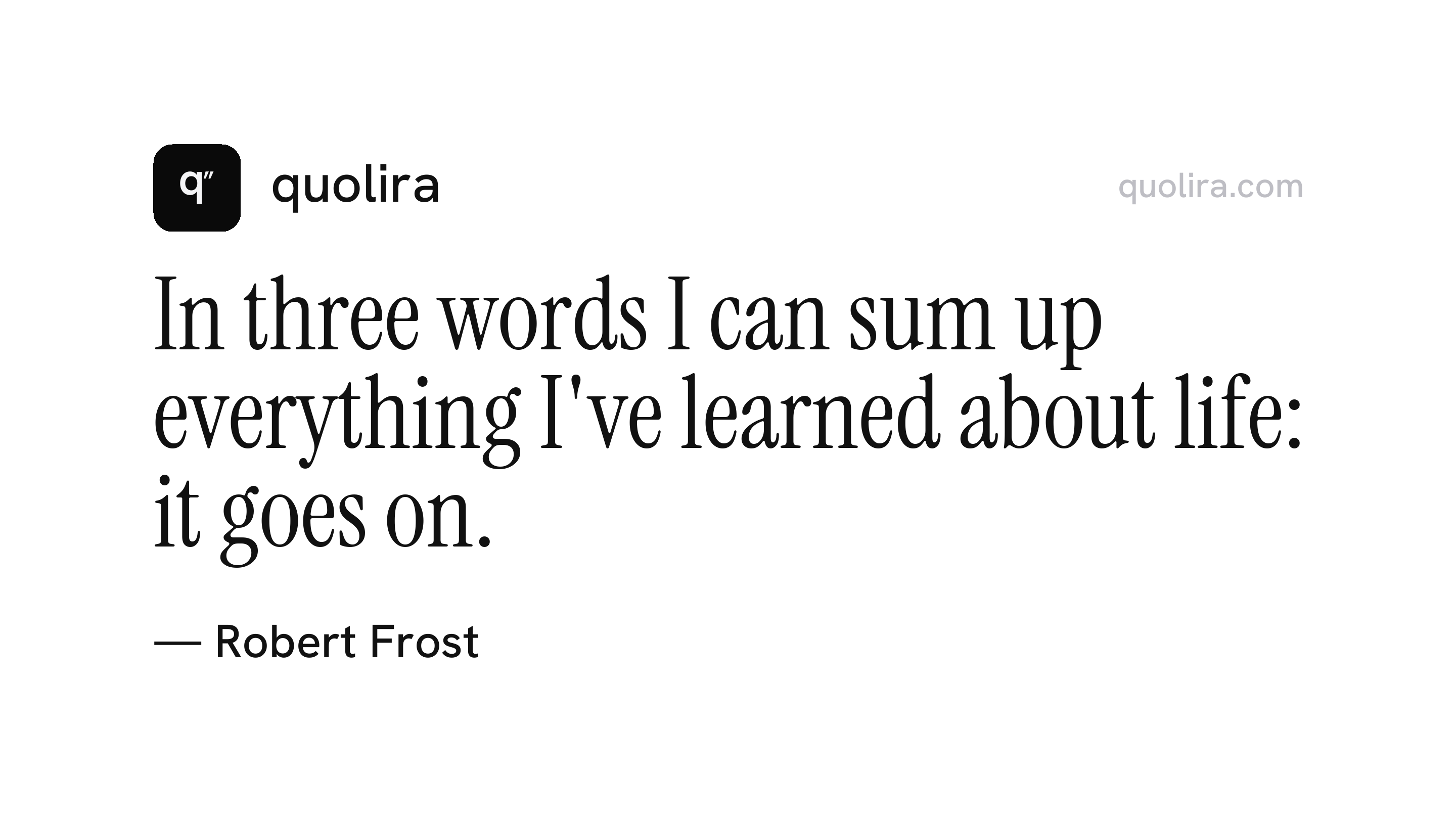
“In three words I can sum up everything I've learned about life: it goes on.”
Robert Frost
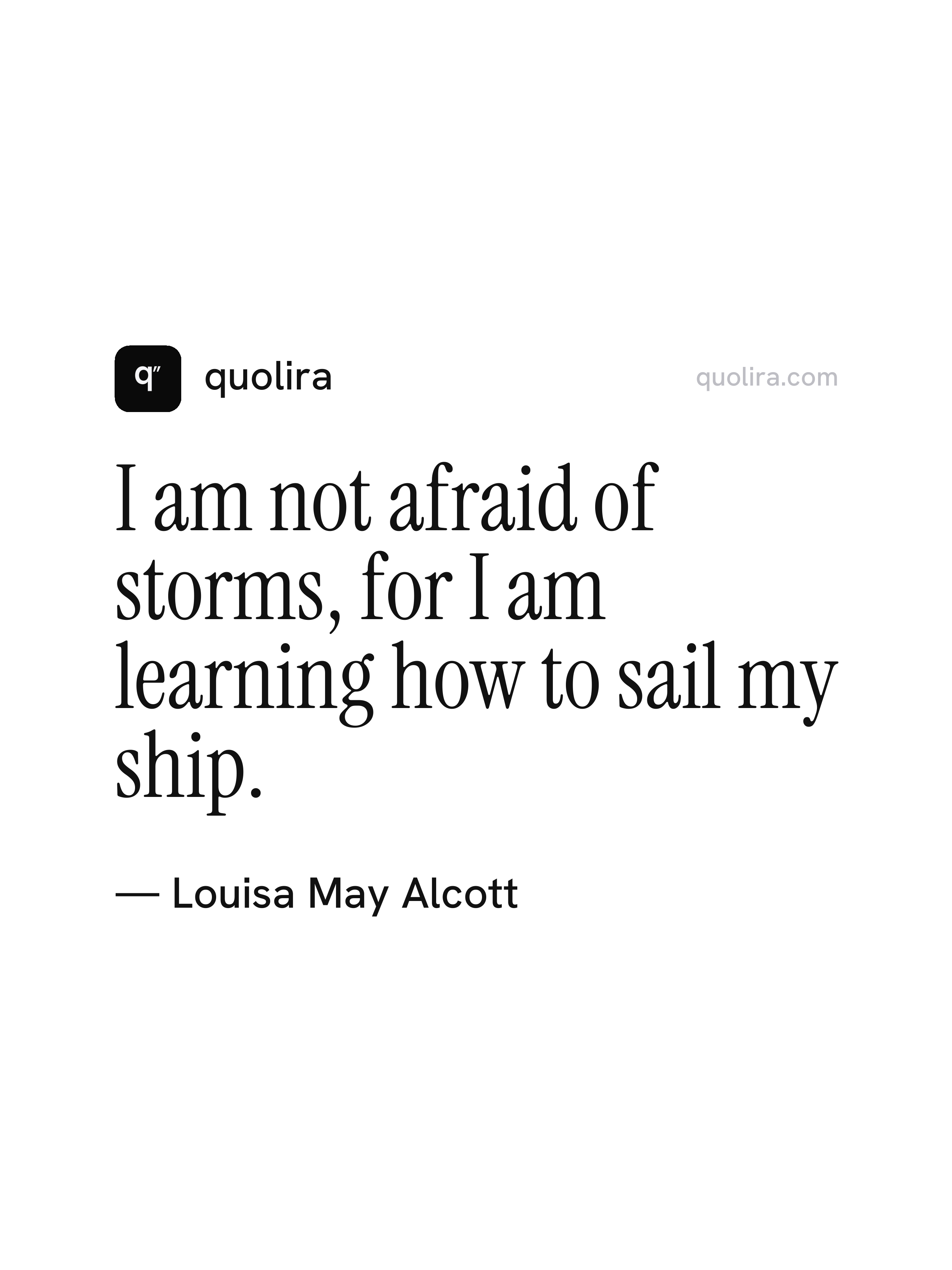
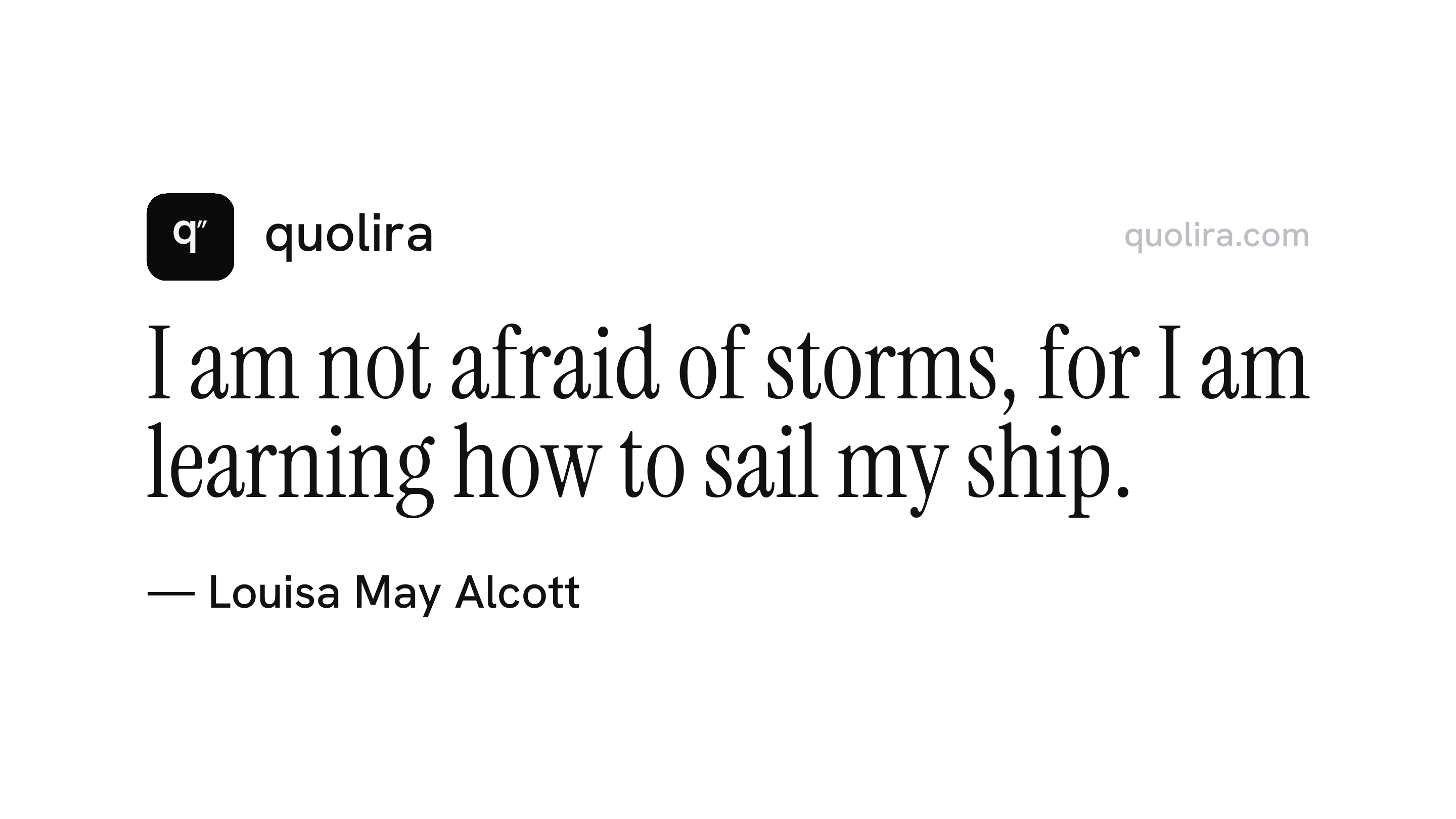
“I am not afraid of storms, for I am learning how to sail my ship.”
Louisa May Alcott · Little Women, 1868
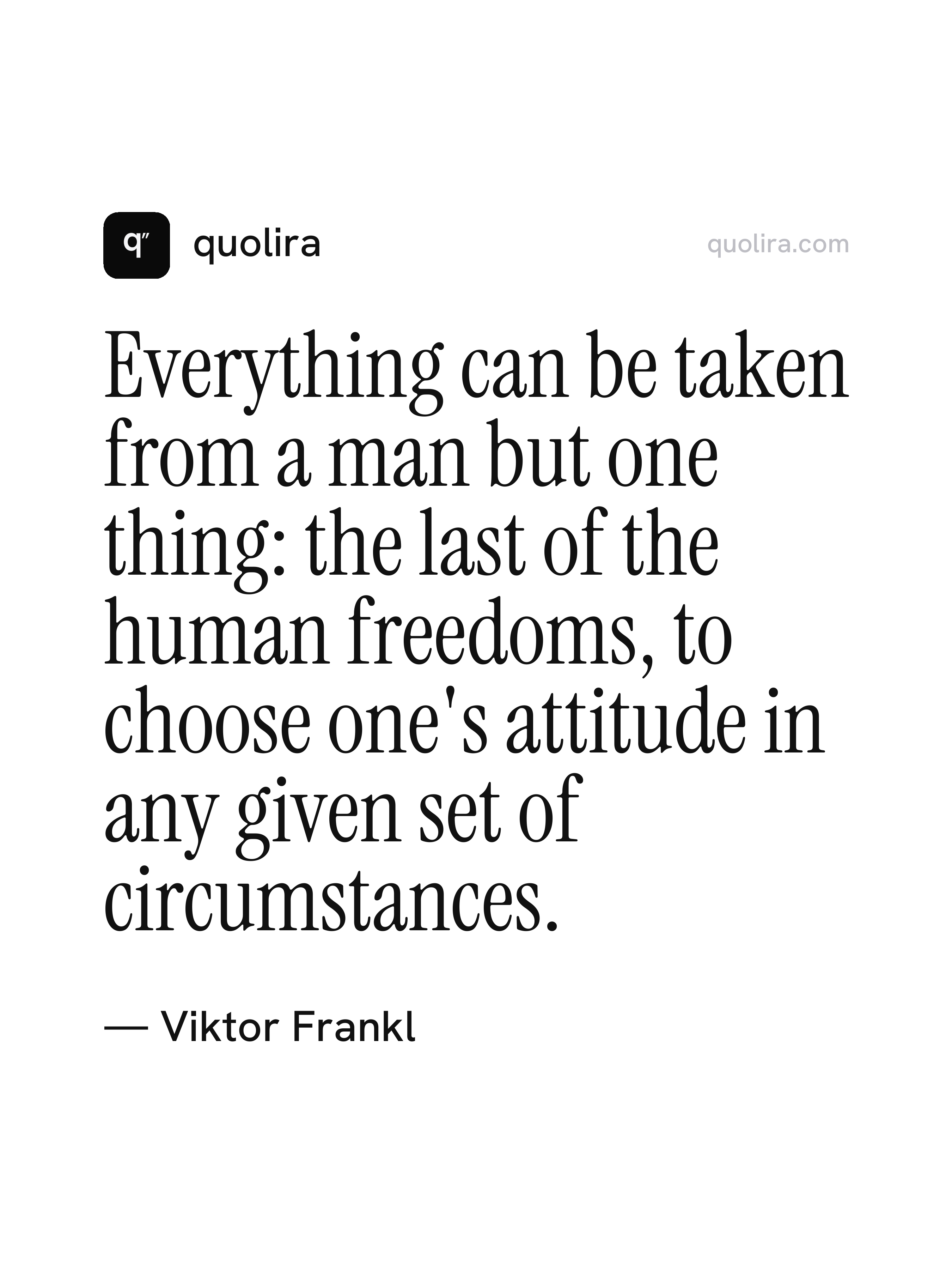
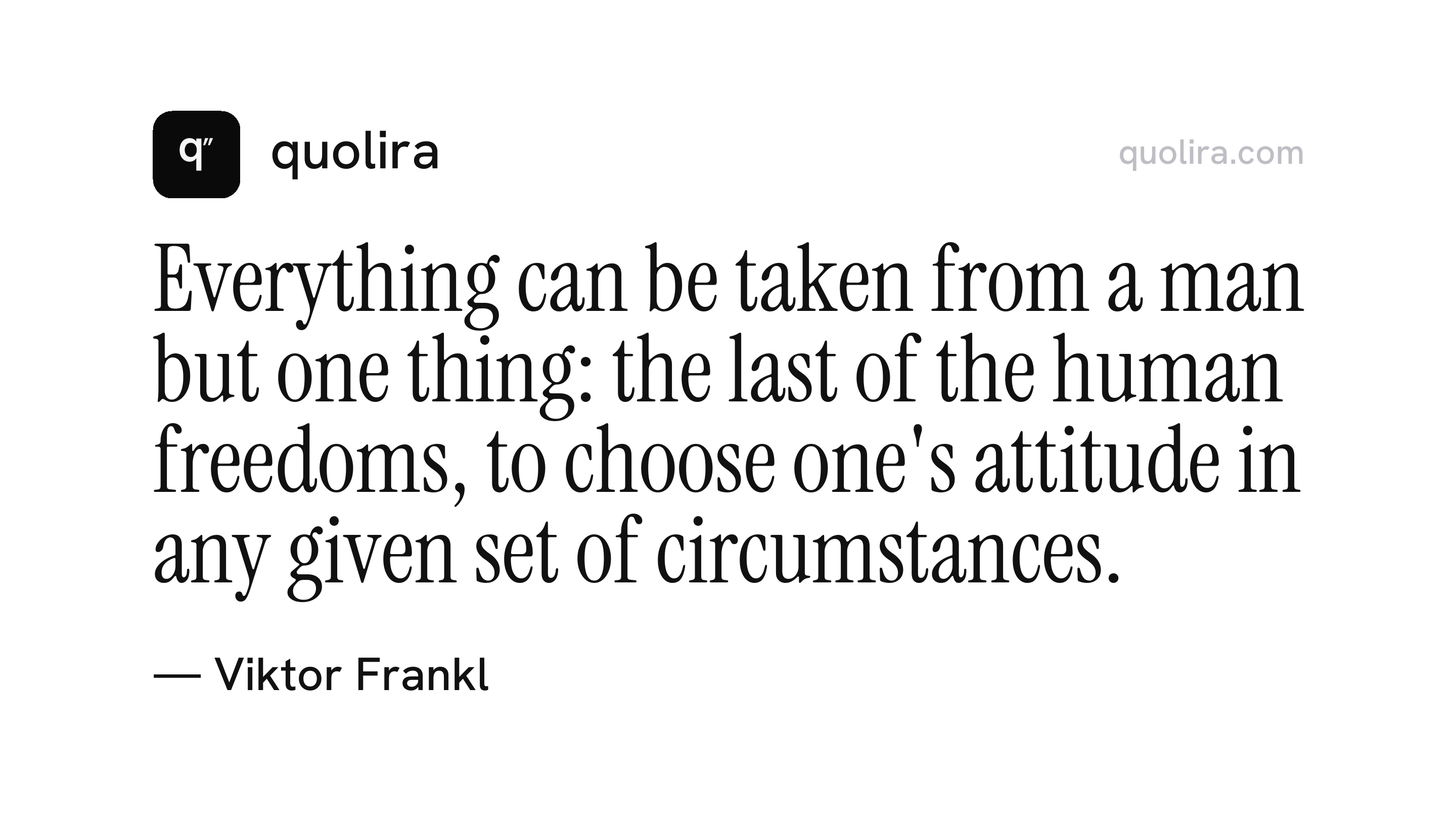
“Everything can be taken from a man but one thing: the last of the human freedoms, to choose one's attitude in any given set of circumstances.”
Viktor Frankl · Man's Search for Meaning, 1946
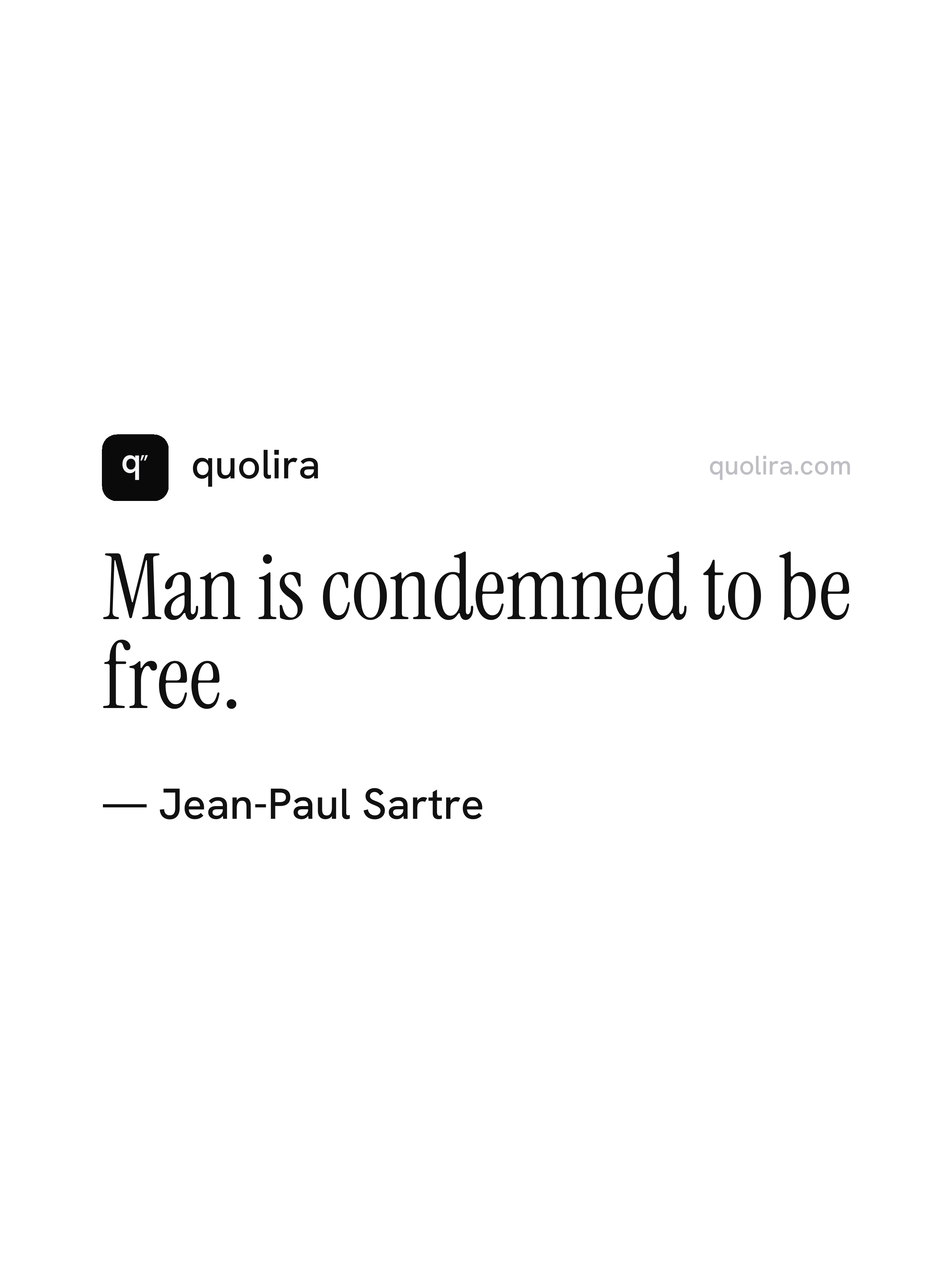
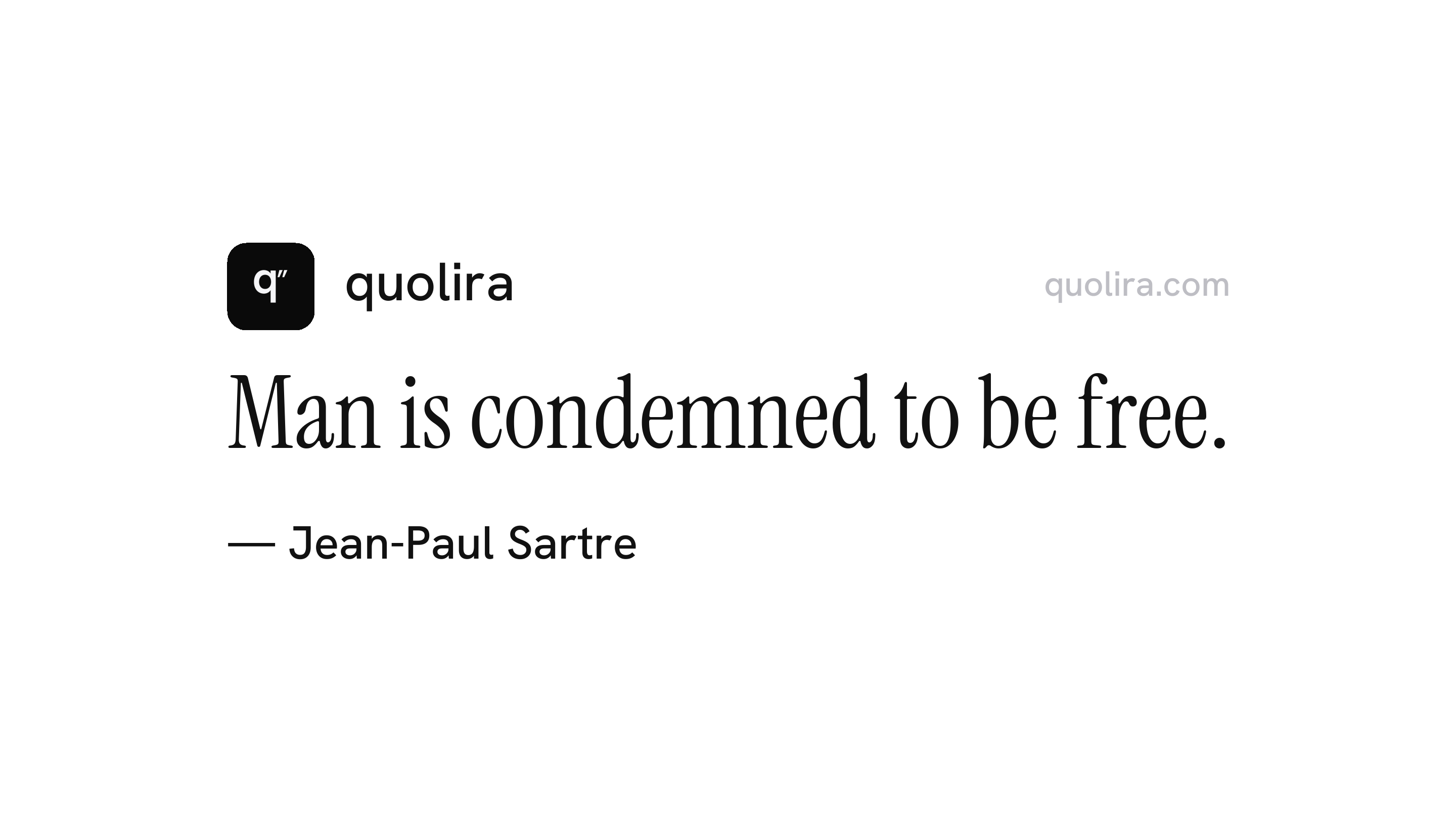
“Man is condemned to be free.”
Jean-Paul Sartre · Existentialism Is a Humanism, 1945
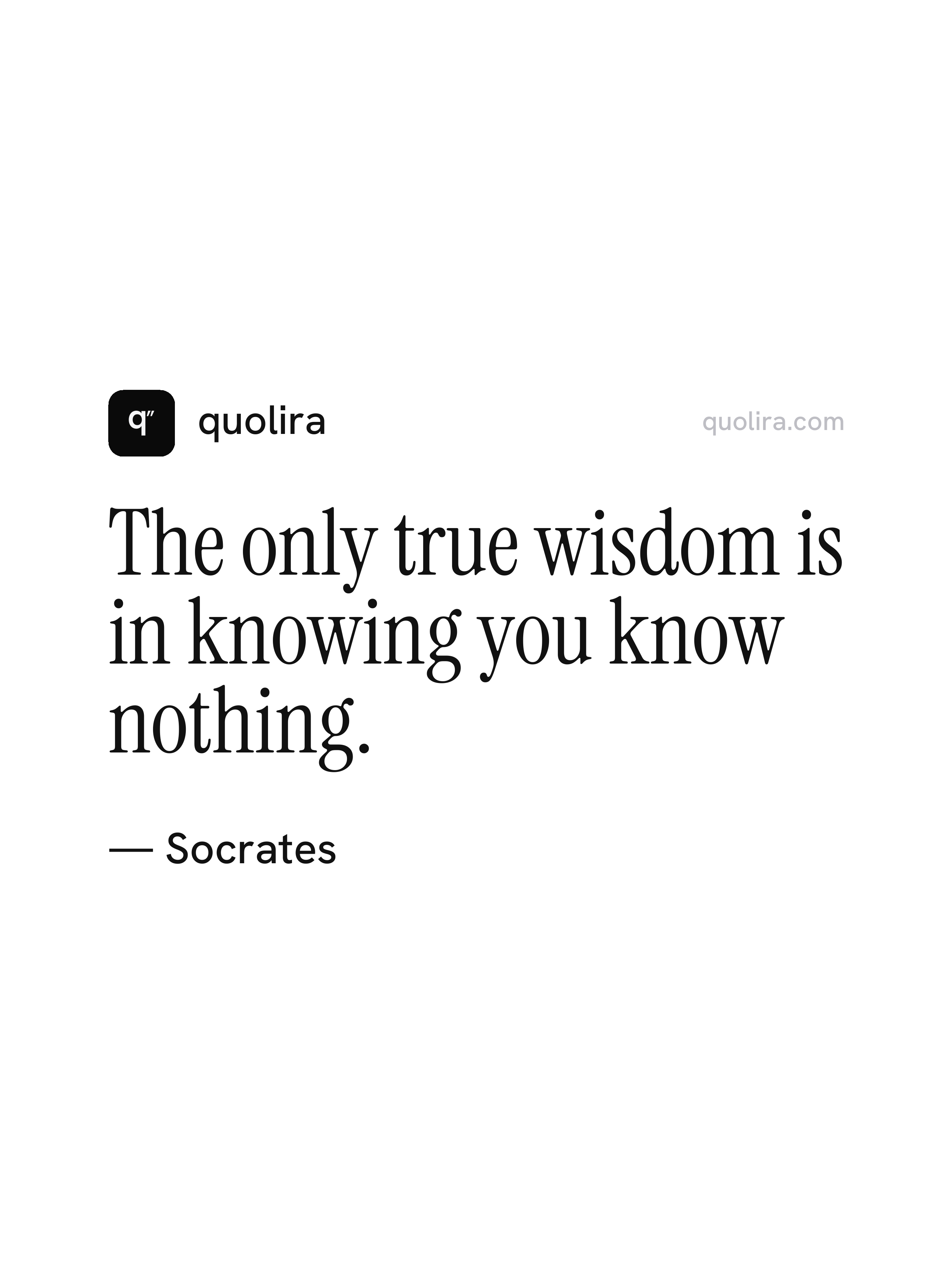
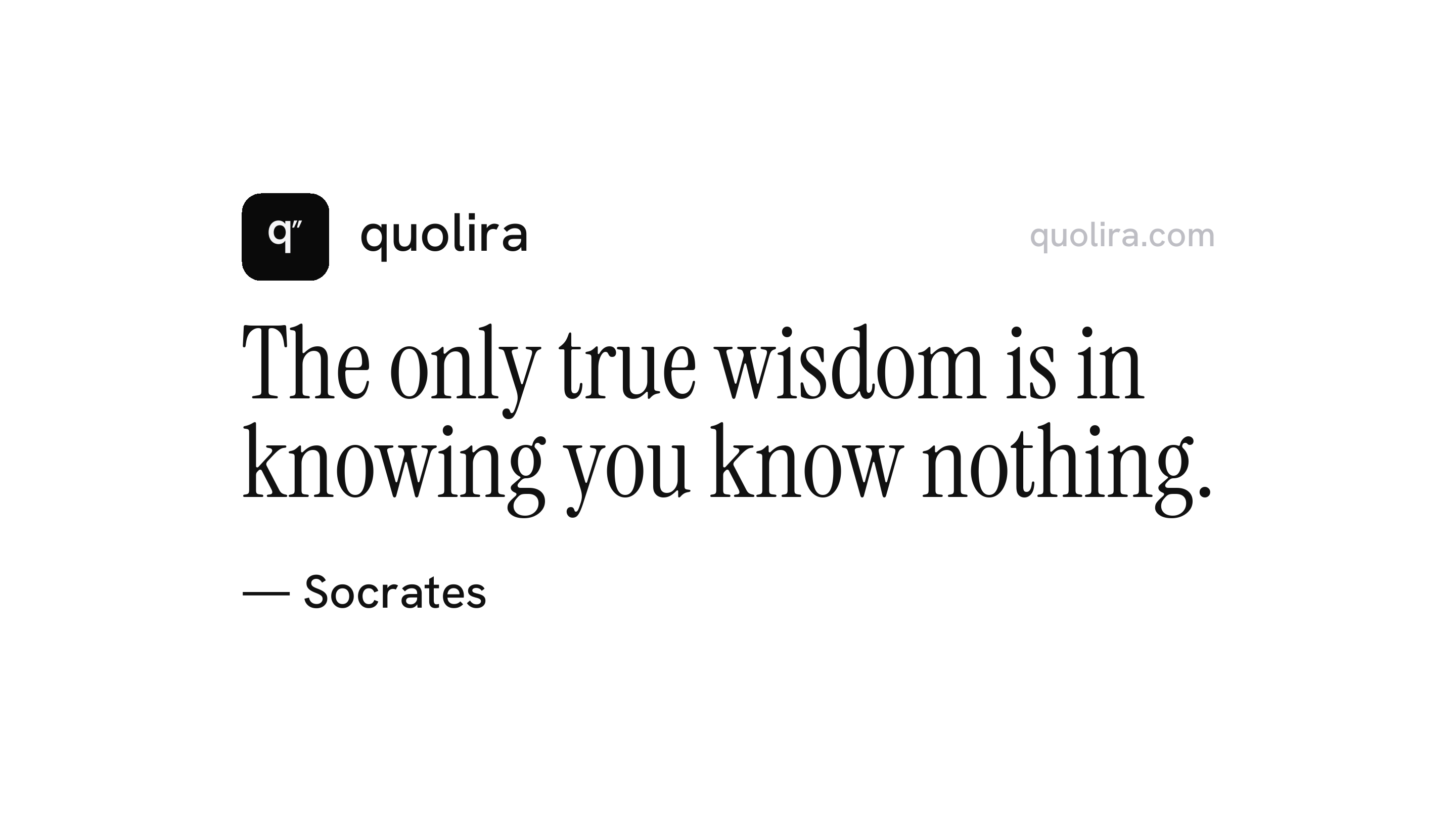
“The only true wisdom is in knowing you know nothing.”
Socrates · Plato, Apology
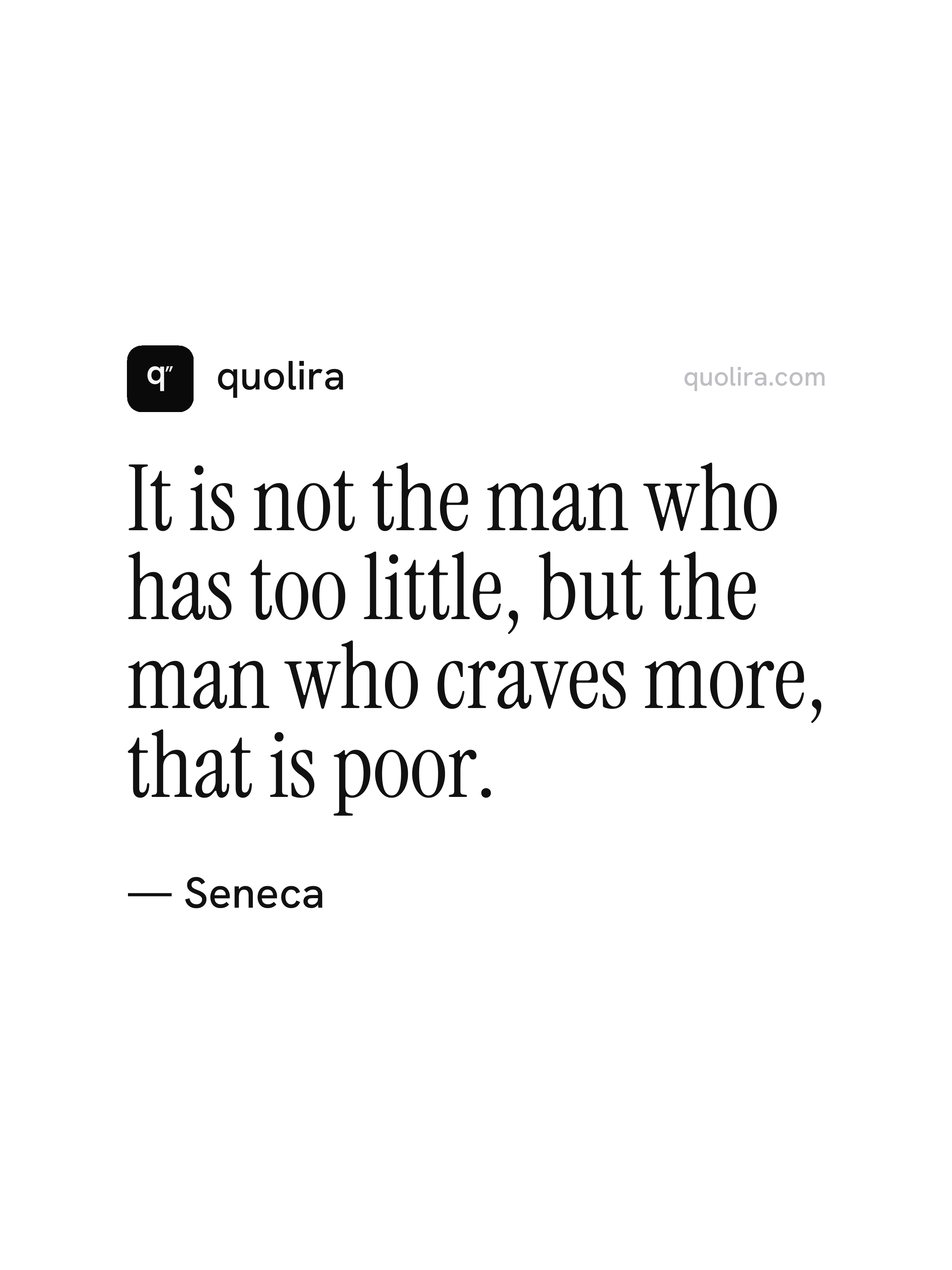
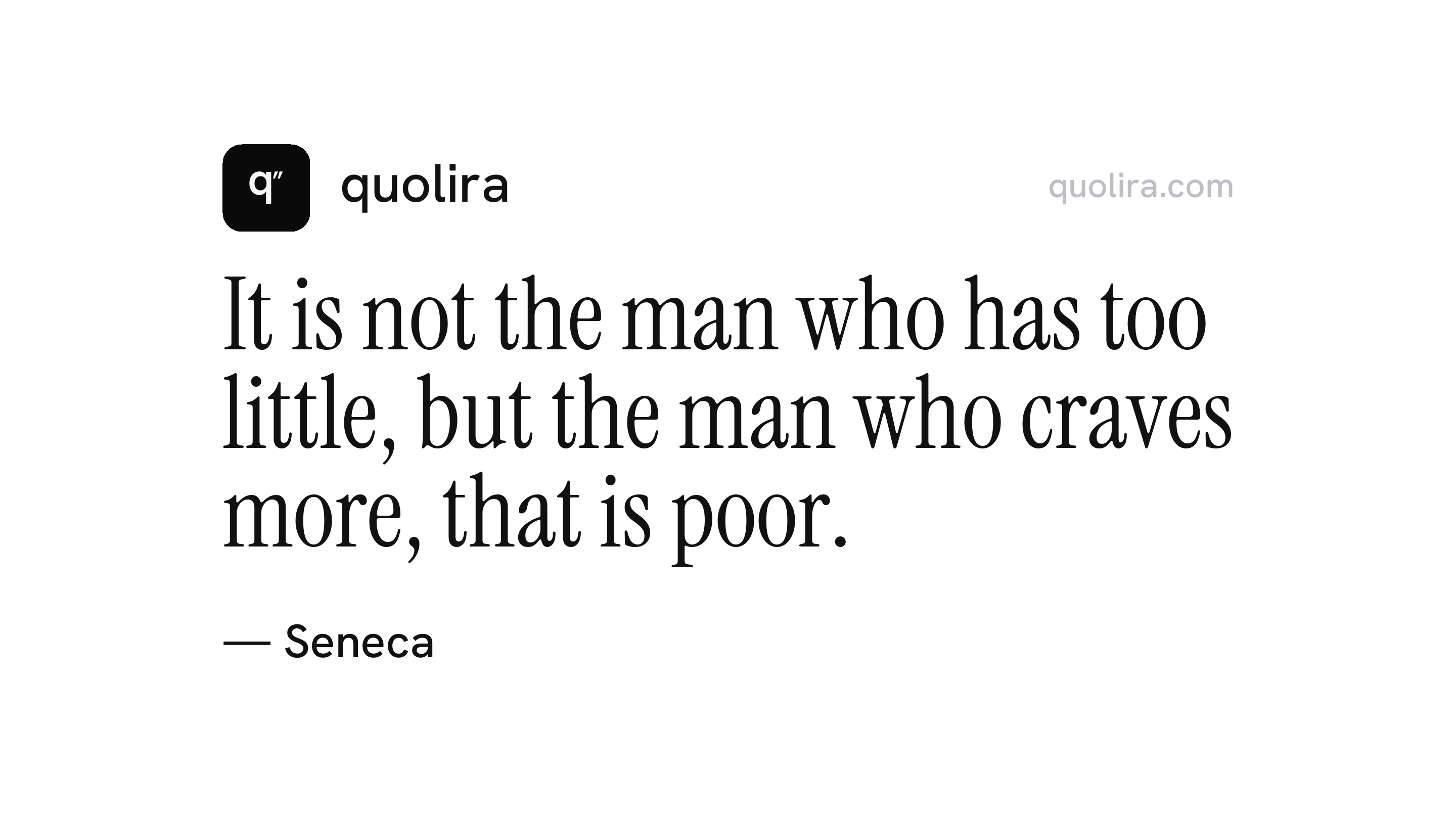
“It is not the man who has too little, but the man who craves more, that is poor.”
Seneca · Letters to Lucilius, Letter 2
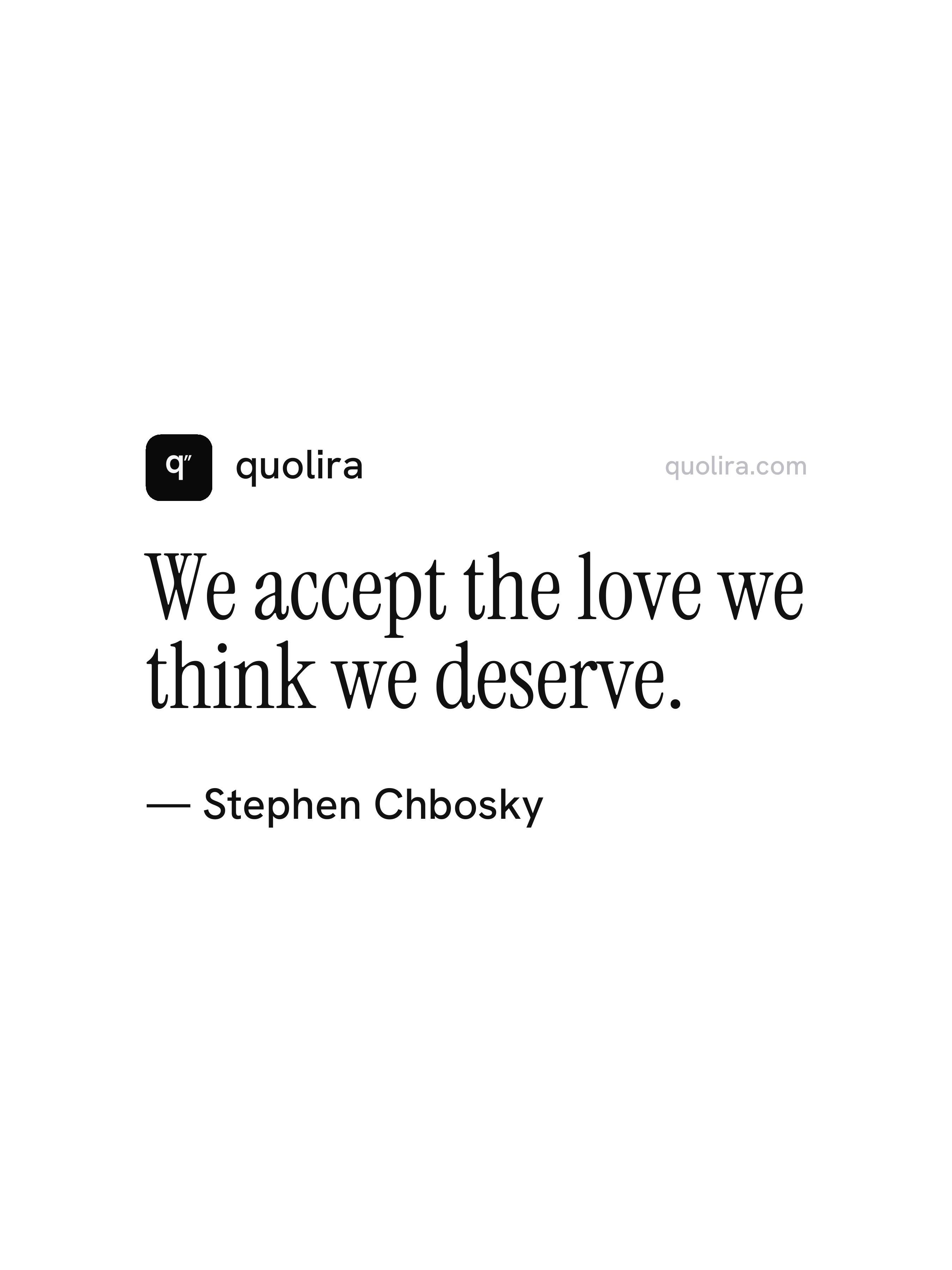
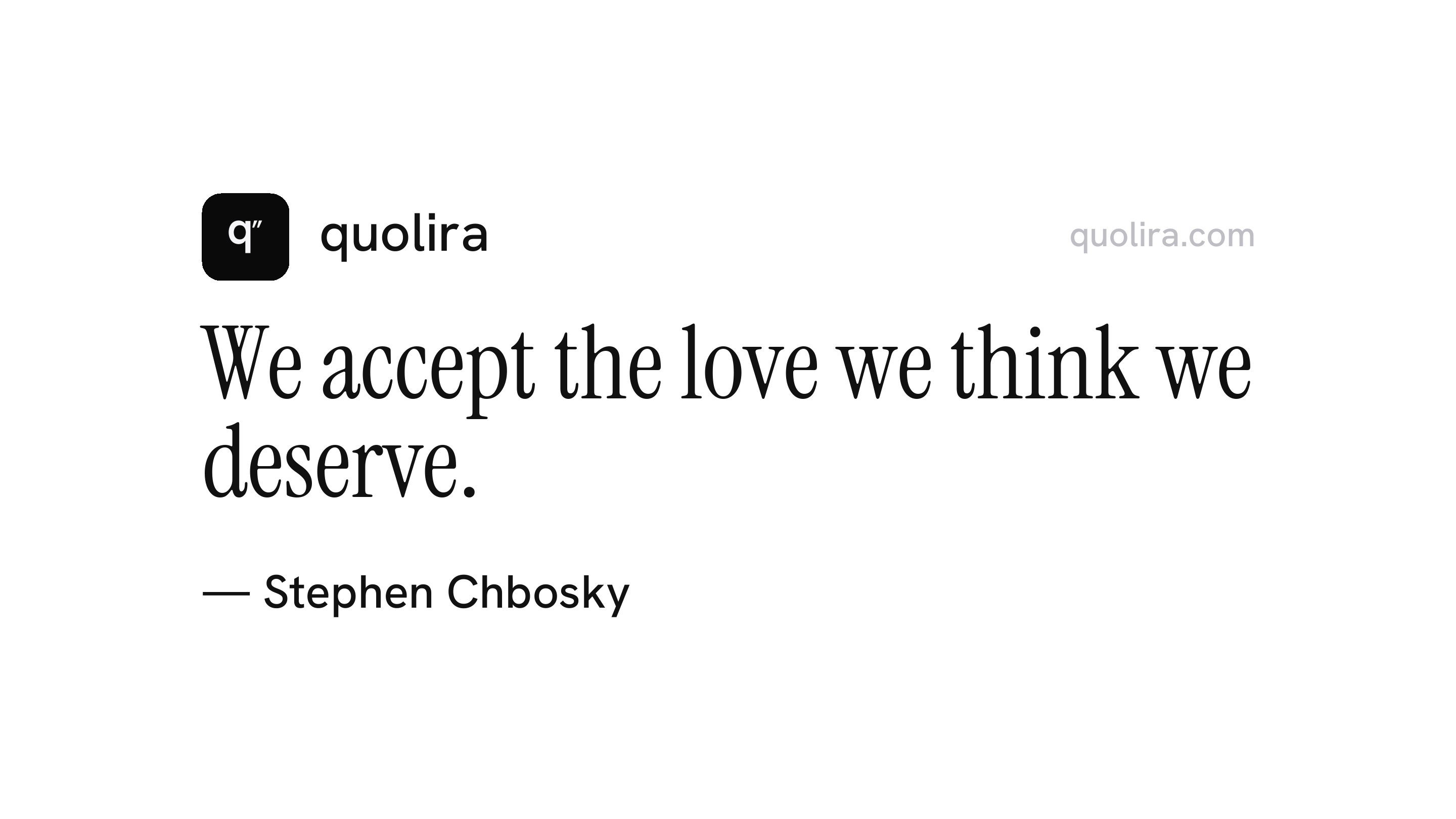
“We accept the love we think we deserve.”
Stephen Chbosky · The Perks of Being a Wallflower, 1999
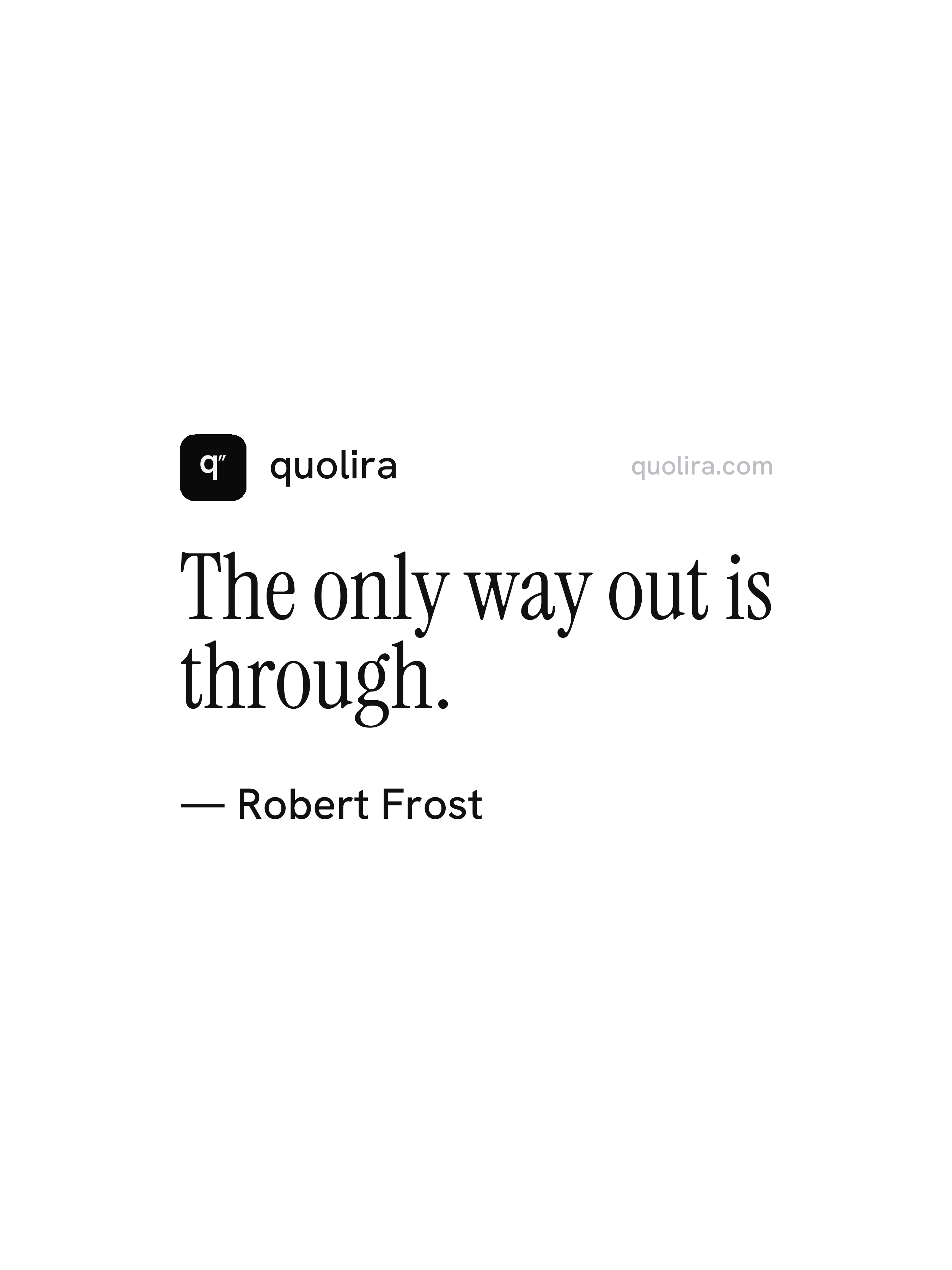
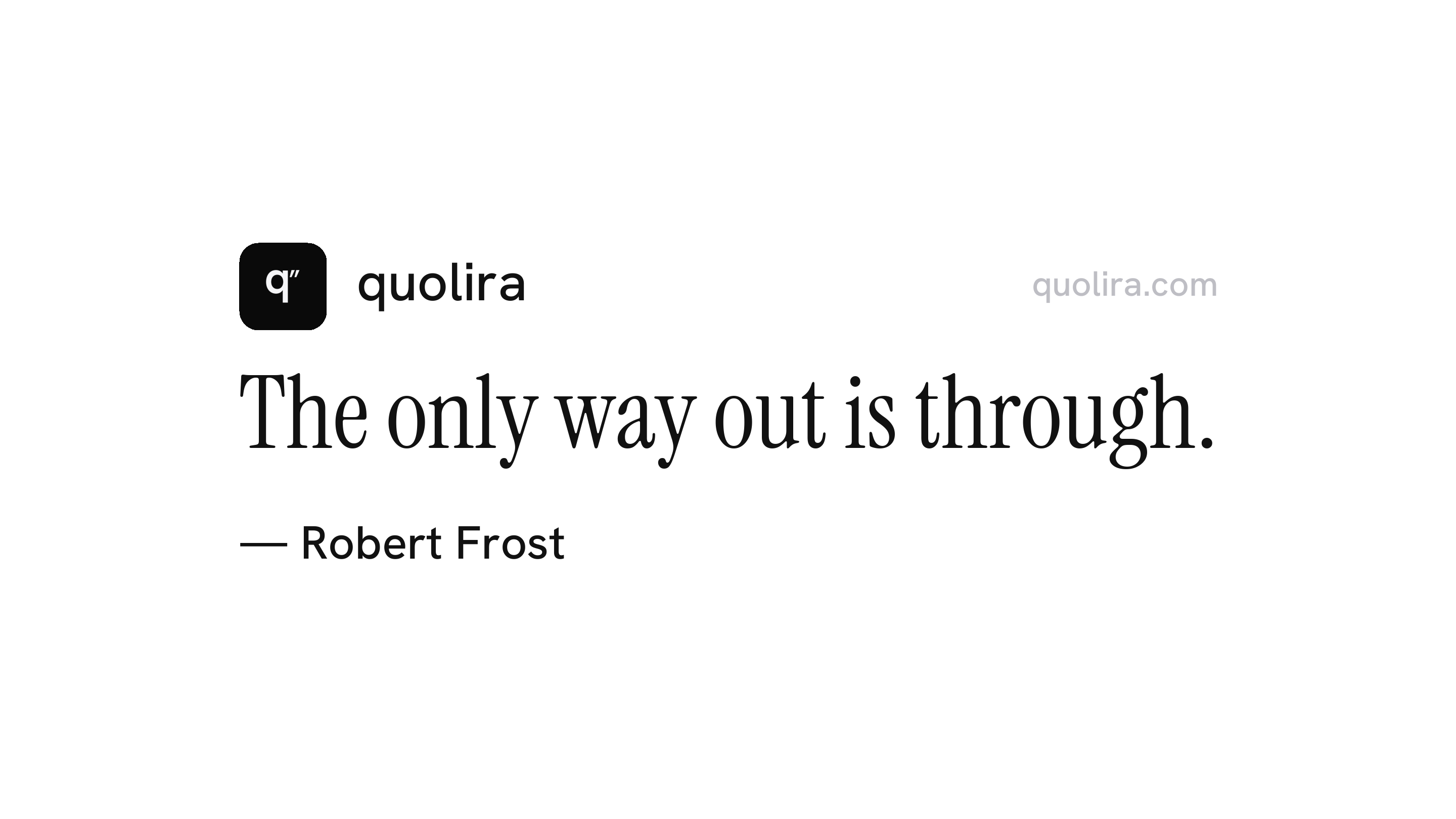
“The only way out is through.”
Robert Frost · A Servant to Servants, 1914
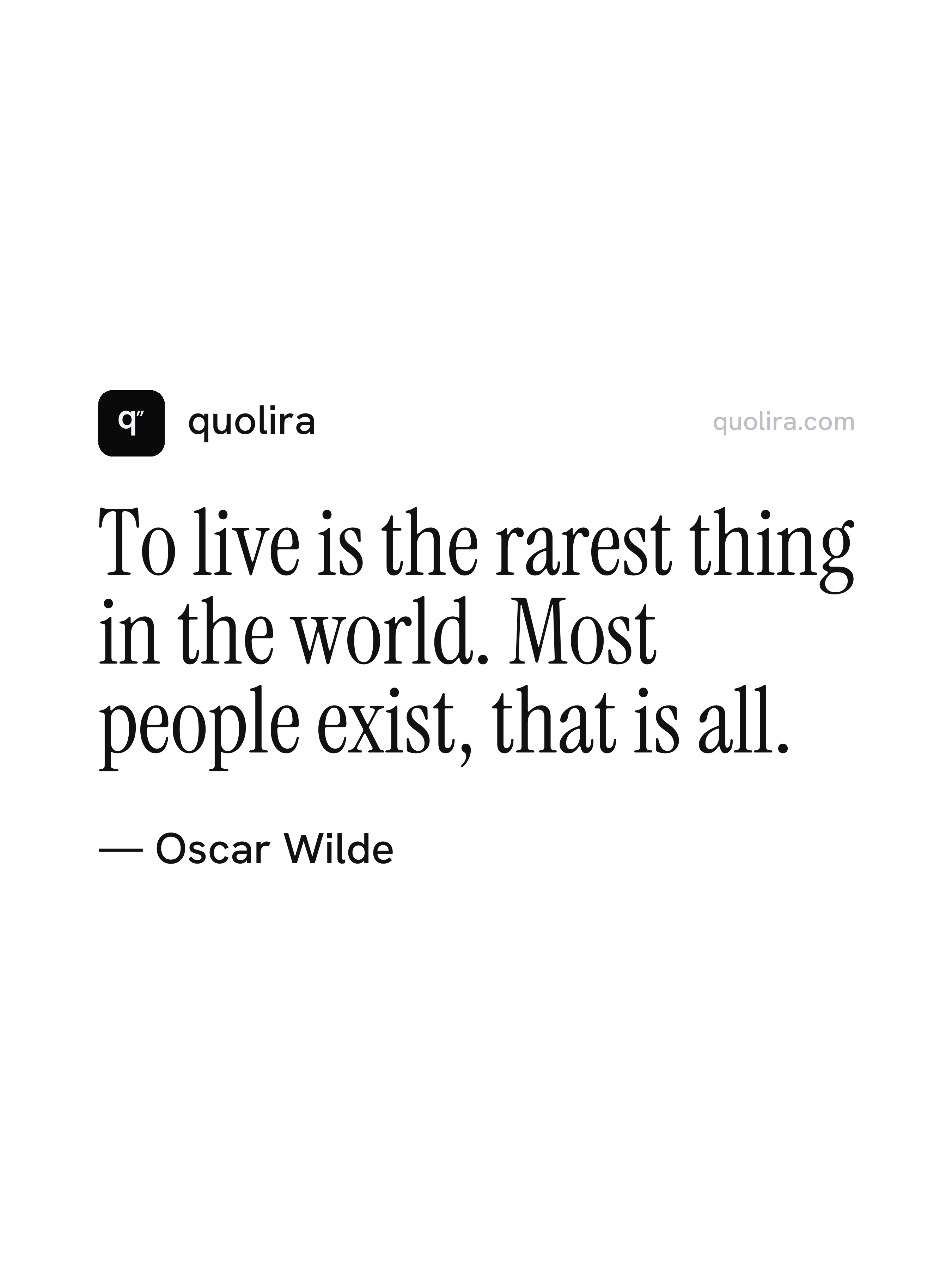
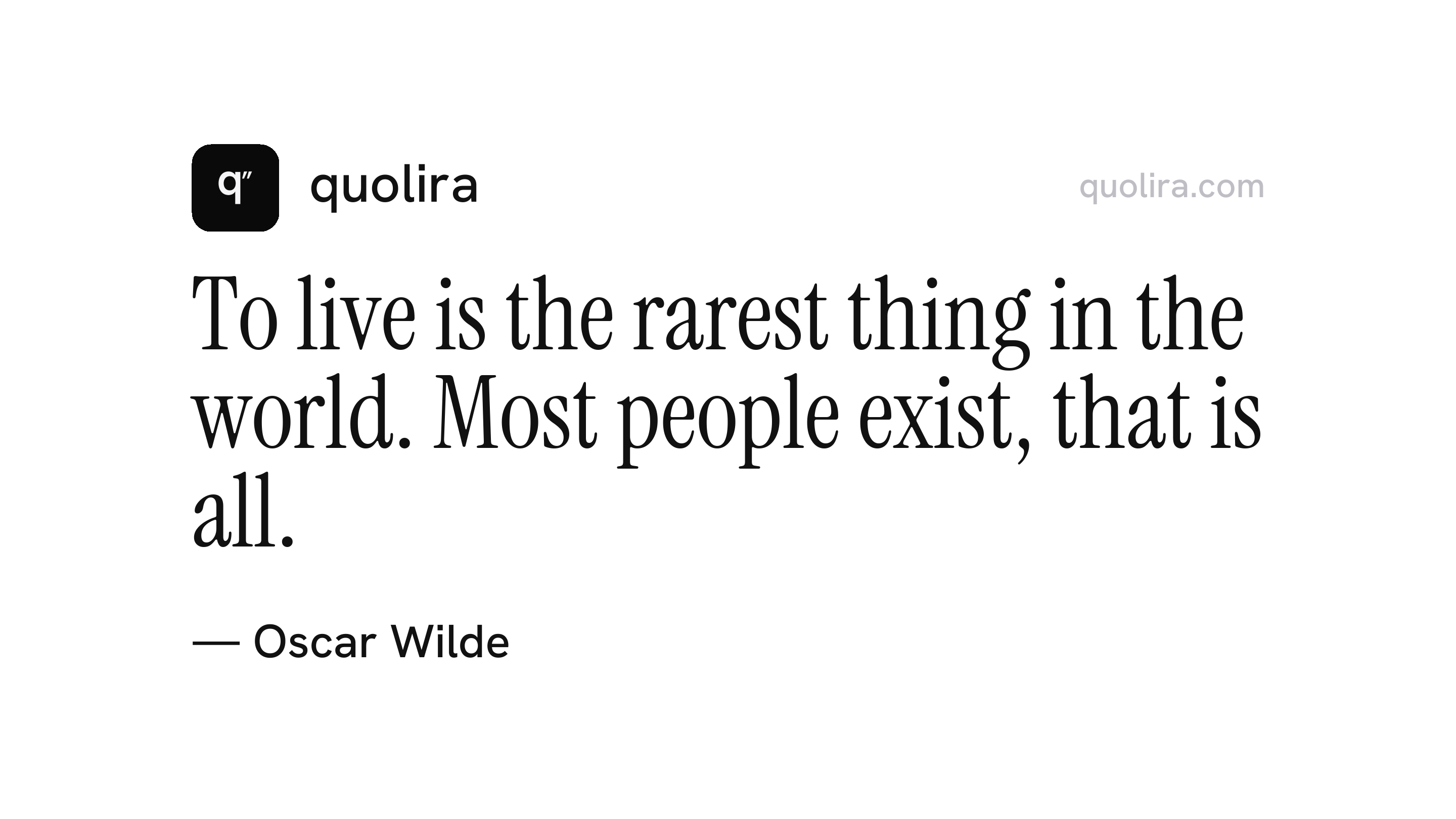
“To live is the rarest thing in the world. Most people exist, that is all.”
Oscar Wilde · The Soul of Man Under Socialism, 1891