“In three words I can sum up everything I've learned about life: it goes on.”
Robert Frost
 quolira
.com
quolira
quolira.com
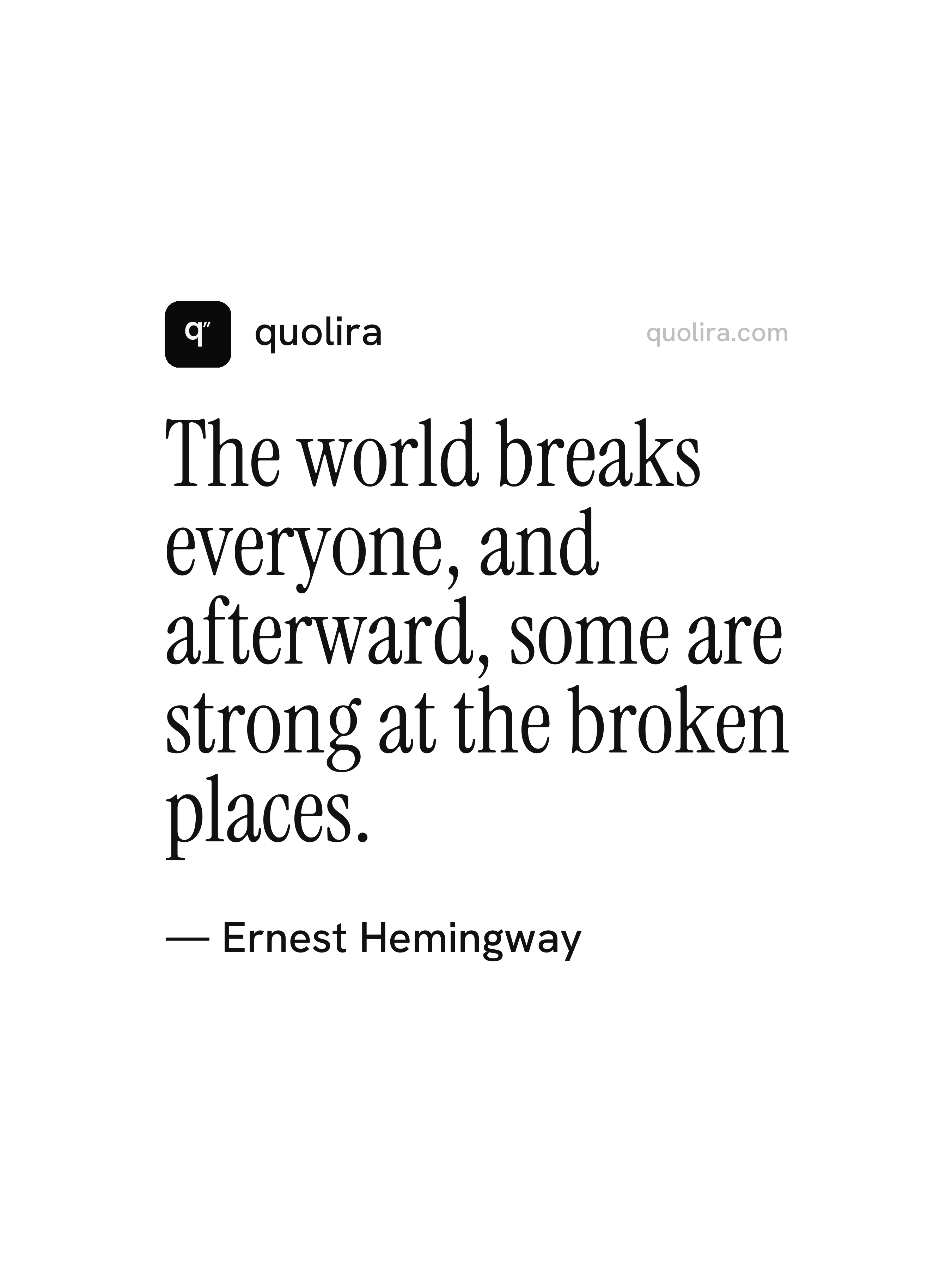
This line offers a view of hardship that is neither purely optimistic nor defeatist. It acknowledges openly that difficulty is universal and that it does damage. The second part, however, introduces a possibility: that the places where a person has been broken can become points of particular strength. The image suggests that surviving something hard is not just about returning to a previous state but about being remade in a way that may be more resilient at the very points that were once most vulnerable.
A Farewell to Arms is set during World War One and follows an American ambulance officer serving on the Italian front. The novel is shaped throughout by themes of loss, endurance, and the painful gap between romantic ideals and brutal reality. This quote captures a tension that runs through much of Hemingway's fiction: the world does harm, and yet some people find a way through that leaves them more capable of bearing further hardship. It is worth noting that the line is spoken in the context of a narrative that does not offer easy resolutions.
Ernest Hemingway was an American novelist and journalist born in Illinois in 1899. He served as an ambulance driver during World War One, an experience that directly shaped A Farewell to Arms and other works. His prose style, characterized by short sentences and deliberate understatement, became enormously influential in twentieth-century literature. He received the Nobel Prize in Literature in 1954. He died in 1961.
“In three words I can sum up everything I've learned about life: it goes on.”
Robert Frost
“I am not afraid of storms, for I am learning how to sail my ship.”
Louisa May Alcott · Little Women, 1868
“Everything can be taken from a man but one thing: the last of the human freedoms, to choose one's attitude in any given set of circumstances.”
Viktor Frankl · Man's Search for Meaning, 1946
“Man is condemned to be free.”
Jean-Paul Sartre · Existentialism Is a Humanism, 1945
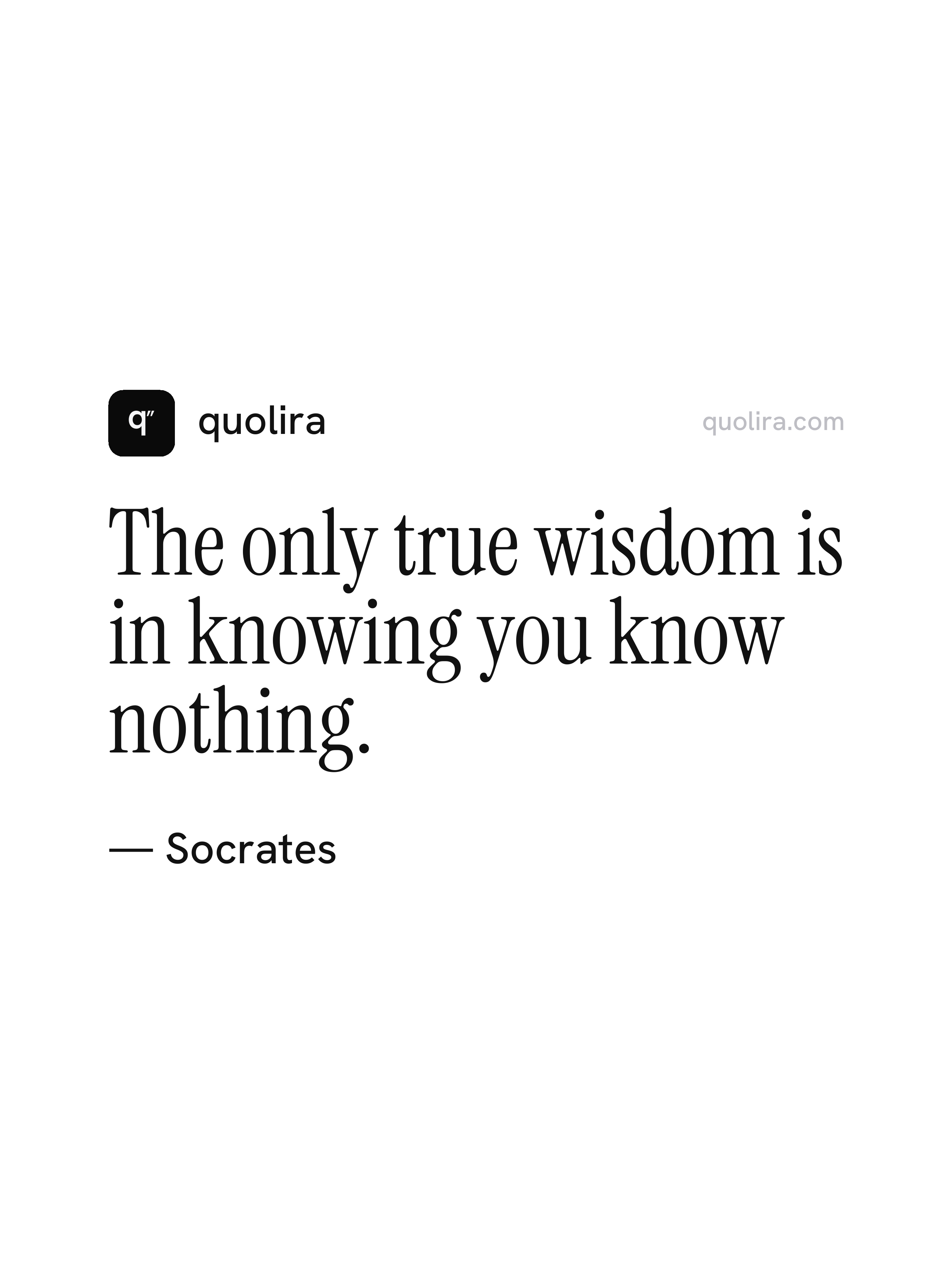
“The only true wisdom is in knowing you know nothing.”
Socrates · Plato, Apology
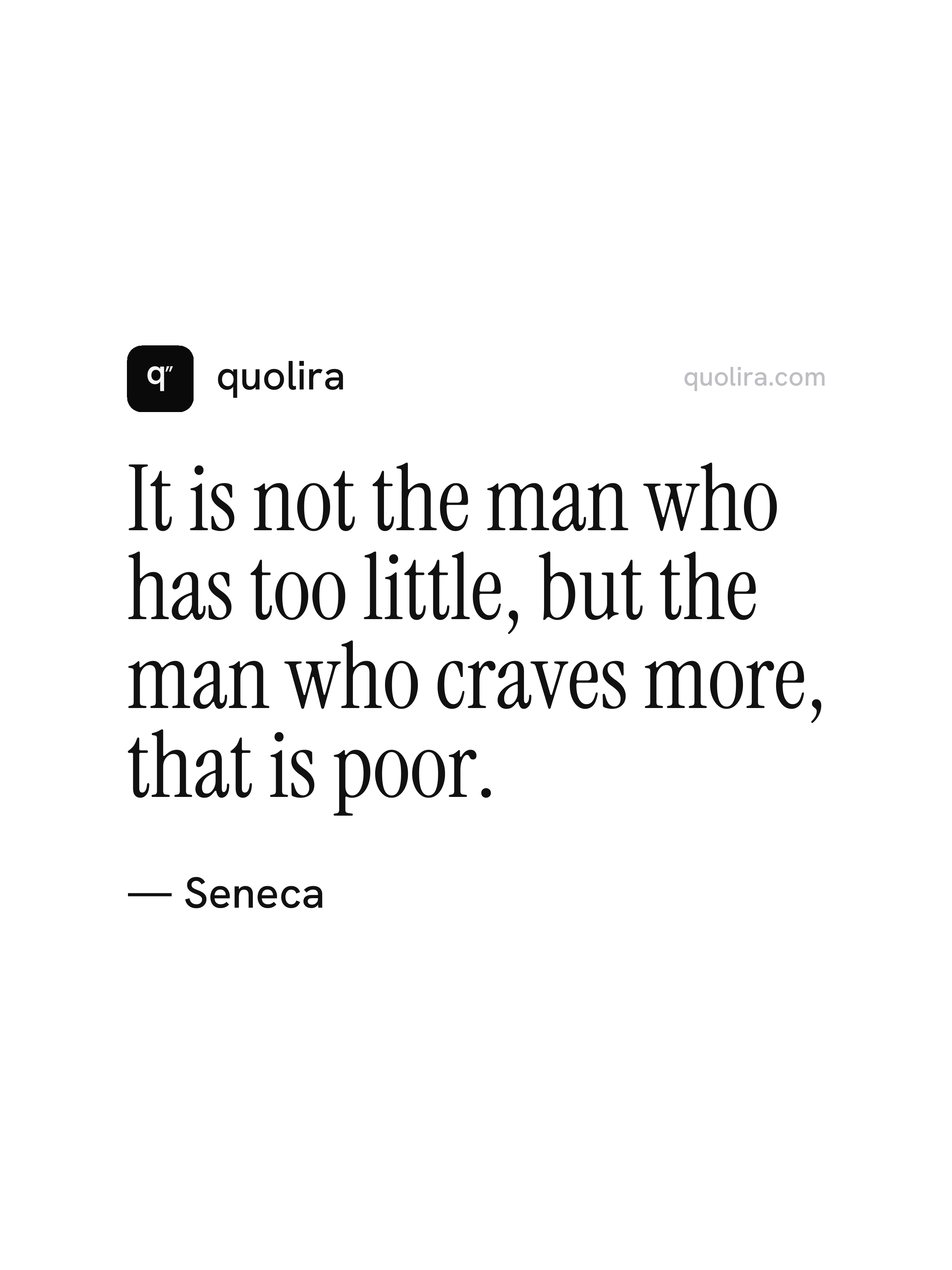
“It is not the man who has too little, but the man who craves more, that is poor.”
Seneca · Letters to Lucilius, Letter 2
“We accept the love we think we deserve.”
Stephen Chbosky · The Perks of Being a Wallflower, 1999
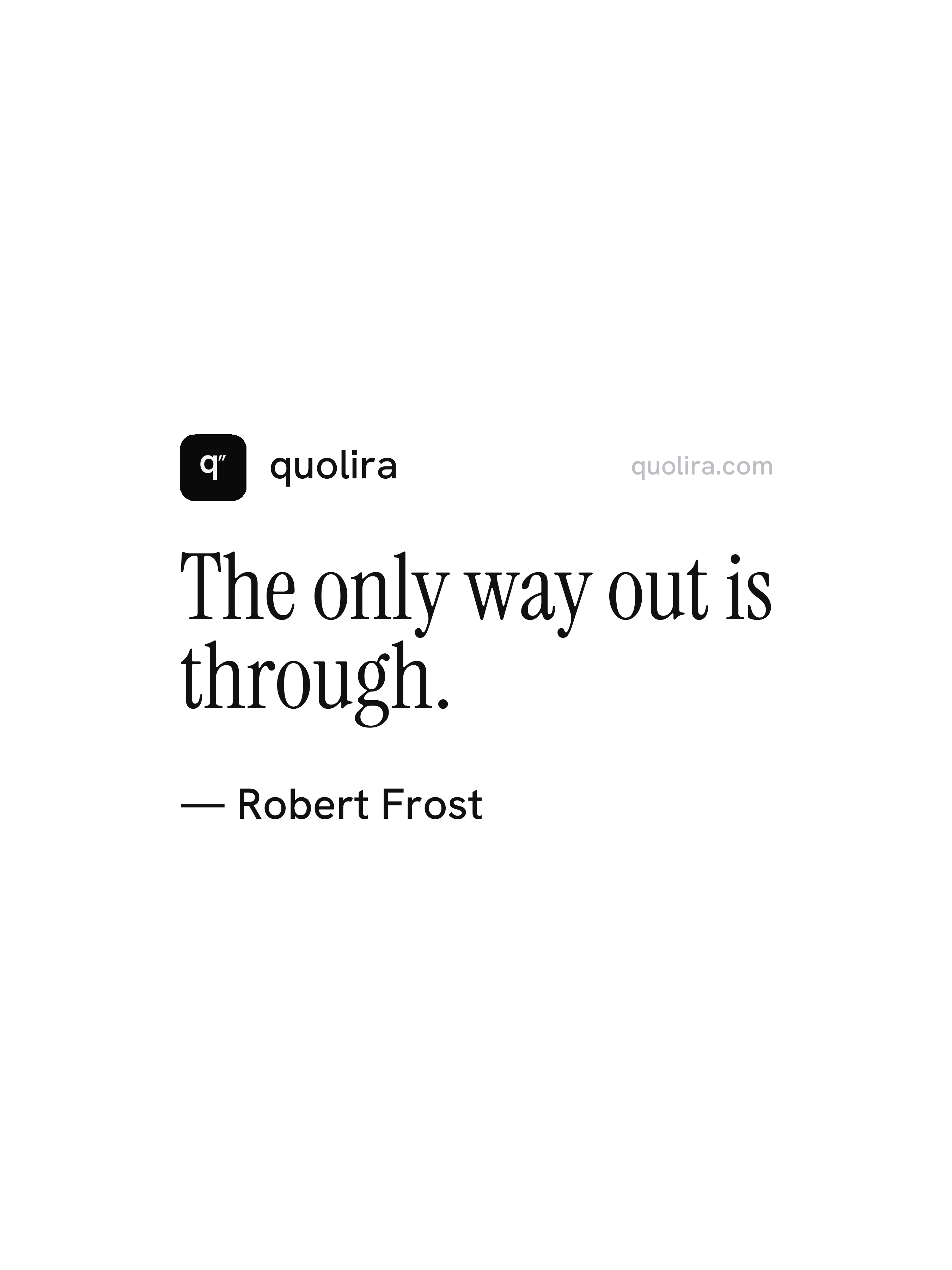
“The only way out is through.”
Robert Frost · A Servant to Servants, 1914
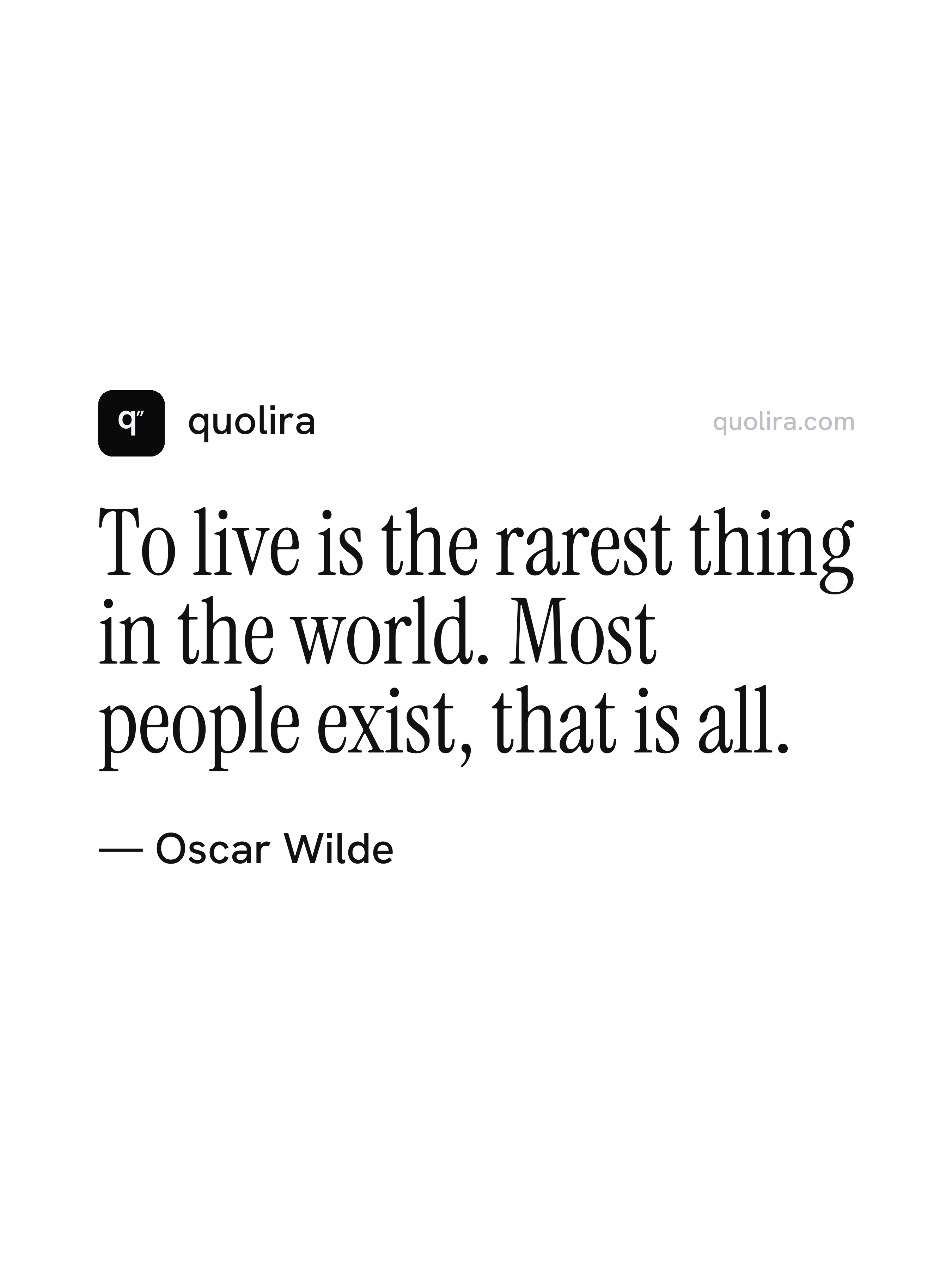
“To live is the rarest thing in the world. Most people exist, that is all.”
Oscar Wilde · The Soul of Man Under Socialism, 1891
“You have power over your mind, not outside events. Realize this, and you will find strength.”
Marcus Aurelius · Meditations
“In the middle of every difficulty lies opportunity.”
Albert Einstein
“He who has a why to live can bear almost any how.”
Friedrich Nietzsche · Twilight of the Idols, 1889