“The unexamined life is not worth living.”
Socrates · Plato, Apology, 399 BC
 quolira
.com
quolira
quolira.com
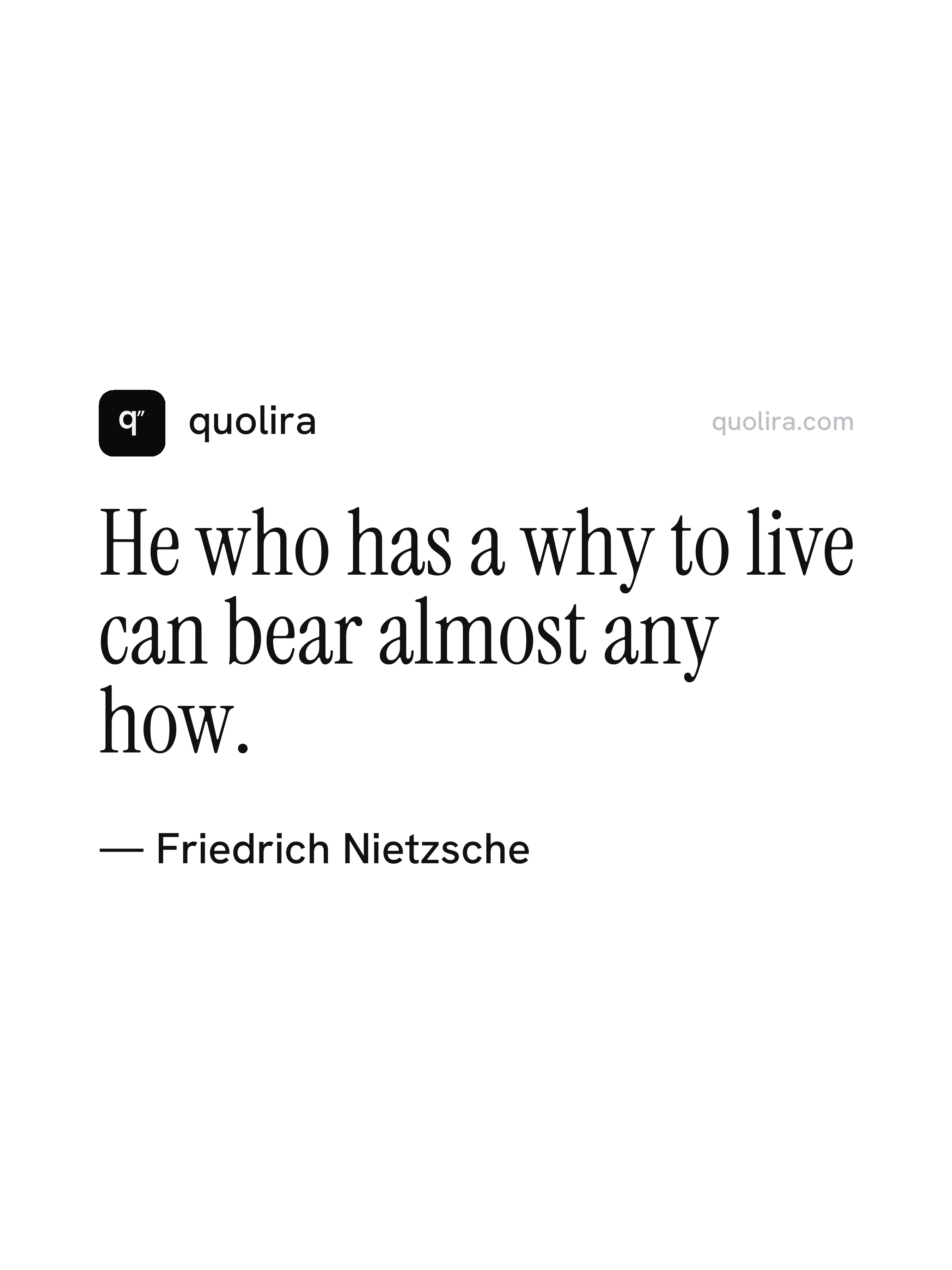
Nietzsche is drawing a sharp distinction between the conditions of life and the motivation to endure them. Hardship, suffering, and difficult circumstances become bearable, he suggests, when a person possesses a clear sense of purpose. Without that purpose, even comfortable circumstances can feel unbearable. The line shifts the focus away from external conditions and toward the internal question of meaning, which Nietzsche treats as the more fundamental of the two.
The line appears in Twilight of the Idols, published in 1889, one of Nietzsche's later works. Nietzsche was writing during a period of deep personal suffering, dealing with severe health problems that limited his capacity to work, and yet this period also produced some of his most concentrated and aphoristic writing. The book is a sweeping critique of various philosophical and cultural assumptions, and this particular observation sits within Nietzsche's broader argument that human beings are shaped far more by their sense of purpose than by their physical circumstances.
Friedrich Nietzsche was a German philosopher born in 1844. He worked initially as a classical philologist before turning to philosophy, and he produced a series of provocative works that challenged conventional morality, religion, and metaphysics. His ideas, including the concepts of the will to power and the eternal recurrence, have been debated, misread, and reinterpreted continuously since his death in 1900. His writing style, vivid and aphoristic, made him unusual among philosophers and contributed to his wide influence outside academic circles.
“The unexamined life is not worth living.”
Socrates · Plato, Apology, 399 BC
“Where you used to be, there is a hole in the world, which I find myself constantly walking around in the daytime, and falling in at night.”
Edna St. Vincent Millay · Letters of Edna St. Vincent Millay, 1952
“Life is under no obligation to give us what we expect.”
Margaret Mitchell
“Every man has his secret sorrows which the world knows not; and often times we call a man cold when he is only sad.”
Henry Wadsworth Longfellow
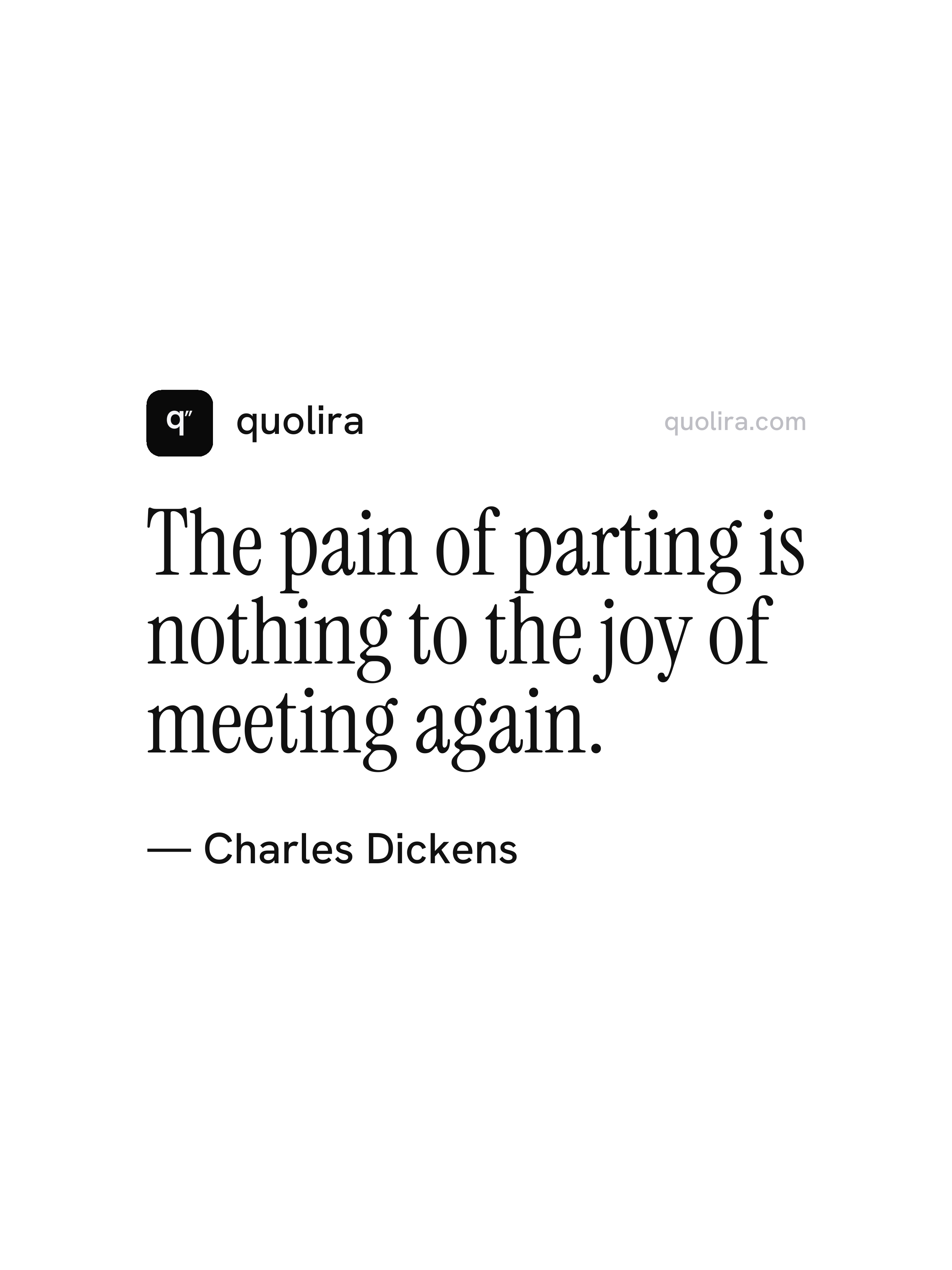
“The pain of parting is nothing to the joy of meeting again.”
Charles Dickens · Nicholas Nickleby, 1839
“Part of me aches at the thought of her being so close yet so untouchable.”
Nicholas Sparks · A Walk to Remember, 1999
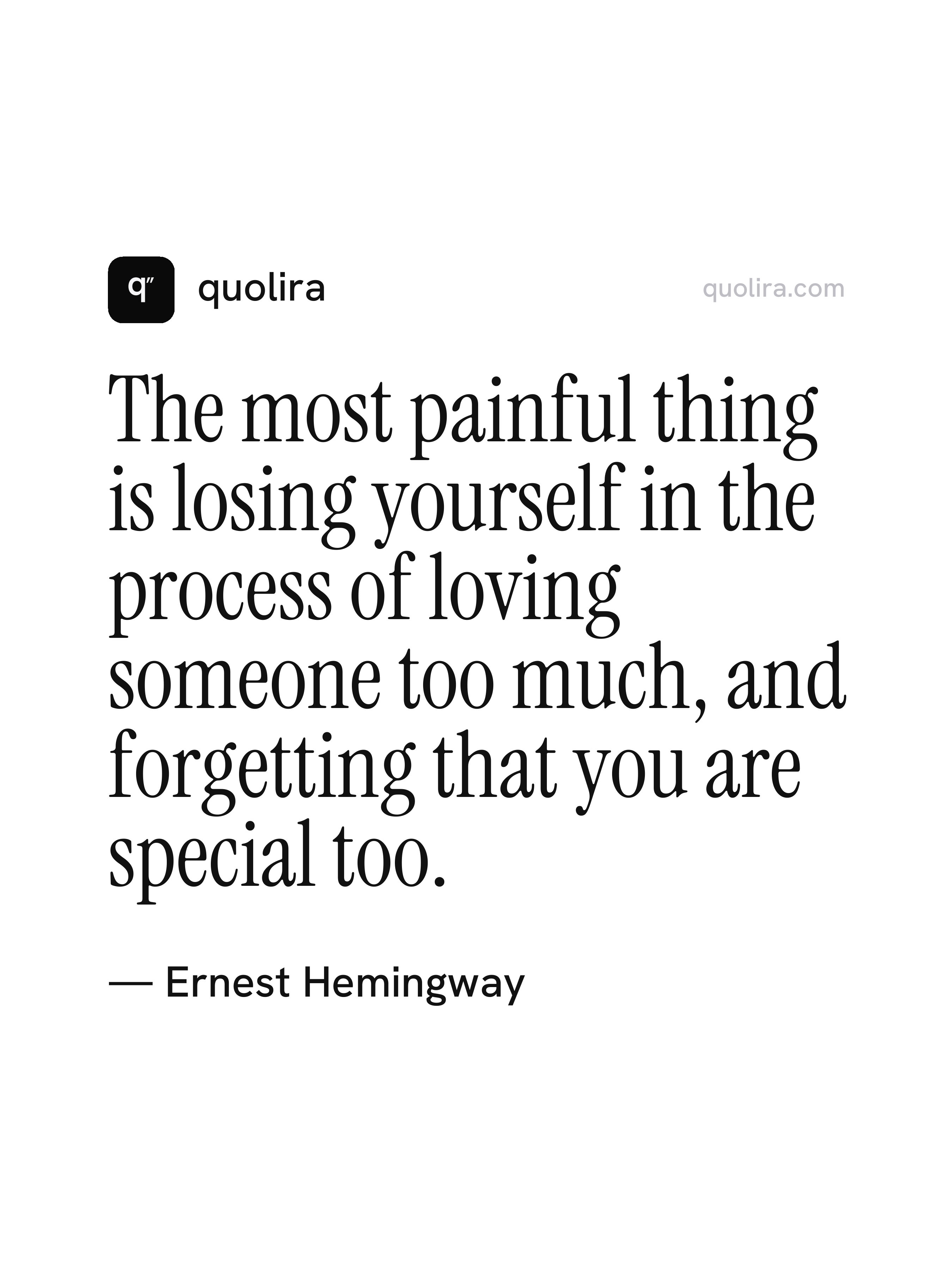
“The most painful thing is losing yourself in the process of loving someone too much, and forgetting that you are special too.”
Ernest Hemingway
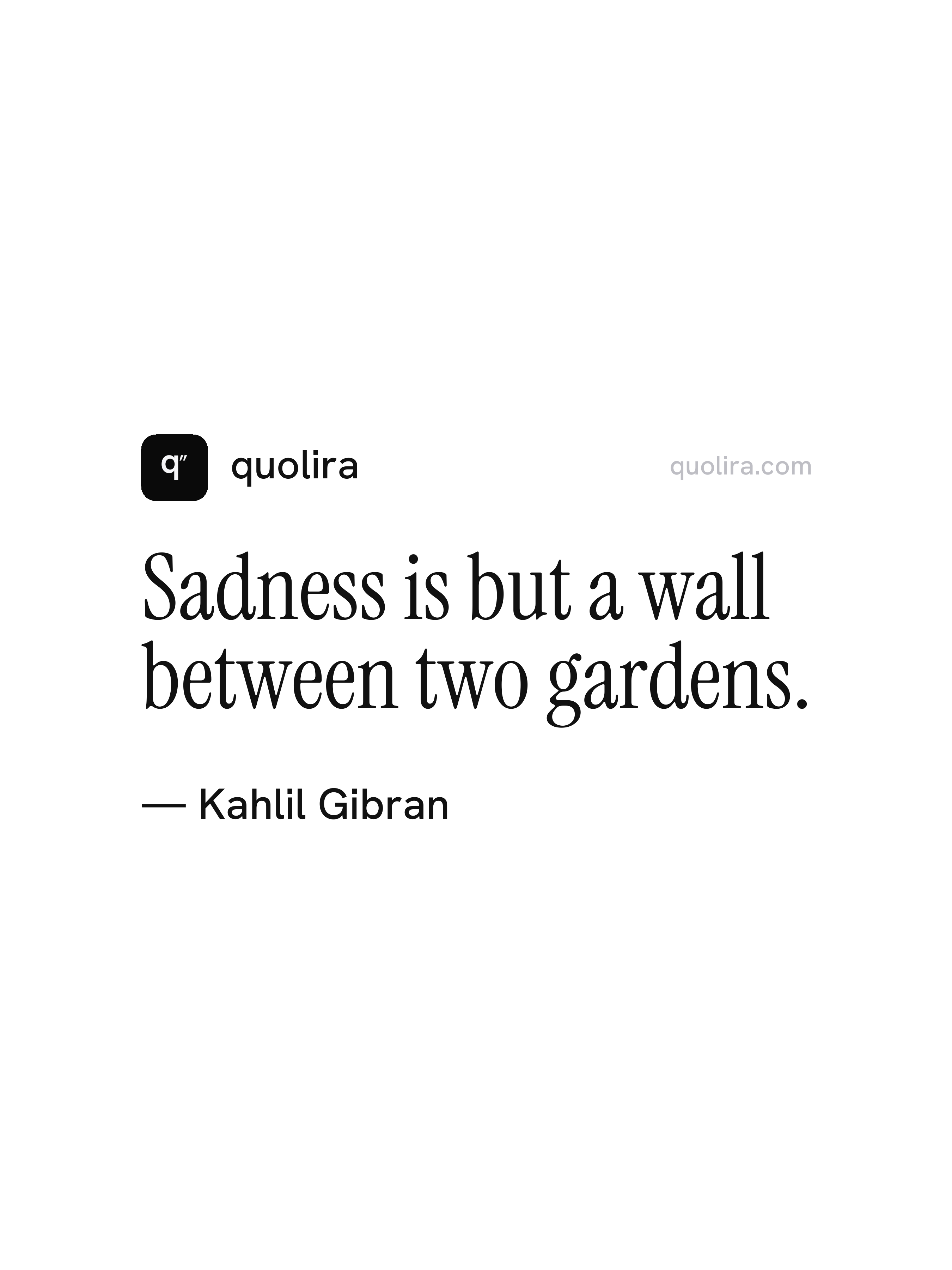
“Sadness is but a wall between two gardens.”
Kahlil Gibran · Sand and Foam, 1926
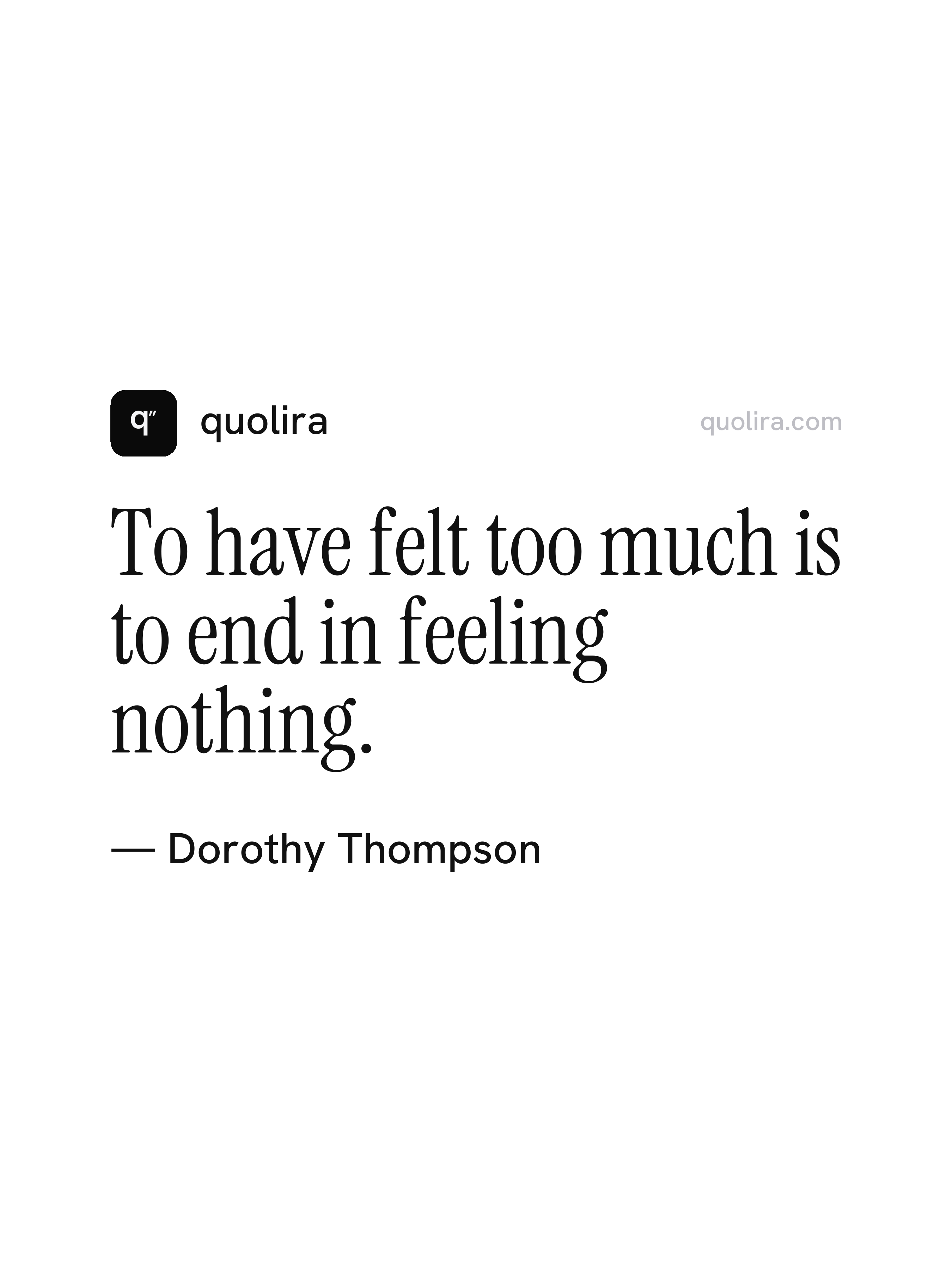
“To have felt too much is to end in feeling nothing.”
Dorothy Thompson
“Behind every sweet smile, there is a bitter sadness that no one can ever see and feel.”
Tupac Shakur
“The walls we build around us to keep sadness out also keep out the joy.”
Jim Rohn
“There is a sacredness in tears. They are not the mark of weakness, but of power.”
Washington Irving