“Even a happy life cannot be without a measure of darkness, and the word happy would lose its meaning if it were not balanced by sadness.”
Carl Jung
 quolira
.com
quolira
quolira.com
Irving's claim challenges the common assumption that tears signal weakness or a loss of control. Instead, he frames them as sacred, a word that implies they carry genuine weight and deserve to be treated with care rather than dismissed. Tears, in his reading, are a sign that something matters enough to move a person beyond the ordinary range of composure. That kind of depth of feeling, the capacity to be genuinely affected by loss, love, or beauty, is not a flaw in a person's character but evidence of their emotional and moral strength.
Washington Irving wrote during the early nineteenth century, a period when the expression of sentiment was not only accepted but often celebrated in literature and public life. The Romantic movement had elevated feeling and emotional sincerity as values, and writers of that era were more likely than later generations to treat grief or tender emotion as ennobling rather than embarrassing. Irving's tone here fits that cultural moment, though the observation itself has remained appealing across very different eras and attitudes toward emotional expression.
Washington Irving was an American writer and is often considered one of the first American authors to achieve significant recognition in Europe as well as at home. He worked in a range of forms including essays, travel writing, biography, and fiction. He is remembered especially for short stories that became lasting fixtures in American culture. Beyond his fiction, Irving was also a cultural diplomat and a public figure in the literary life of his time, helping to establish the idea that American writing could stand alongside European traditions.
“Even a happy life cannot be without a measure of darkness, and the word happy would lose its meaning if it were not balanced by sadness.”
Carl Jung
“Tears are words that need to be written.”
Paulo Coelho
“Heavy hearts, like heavy clouds in the sky, are best relieved by the letting go of a little water.”
Antoine Rivarol
“The saddest summary of a life contains three descriptions: could have, might have, and should have.”
Louis E. Boone
“No one ever told me that grief felt so like fear.”
C.S. Lewis · A Grief Observed, 1961
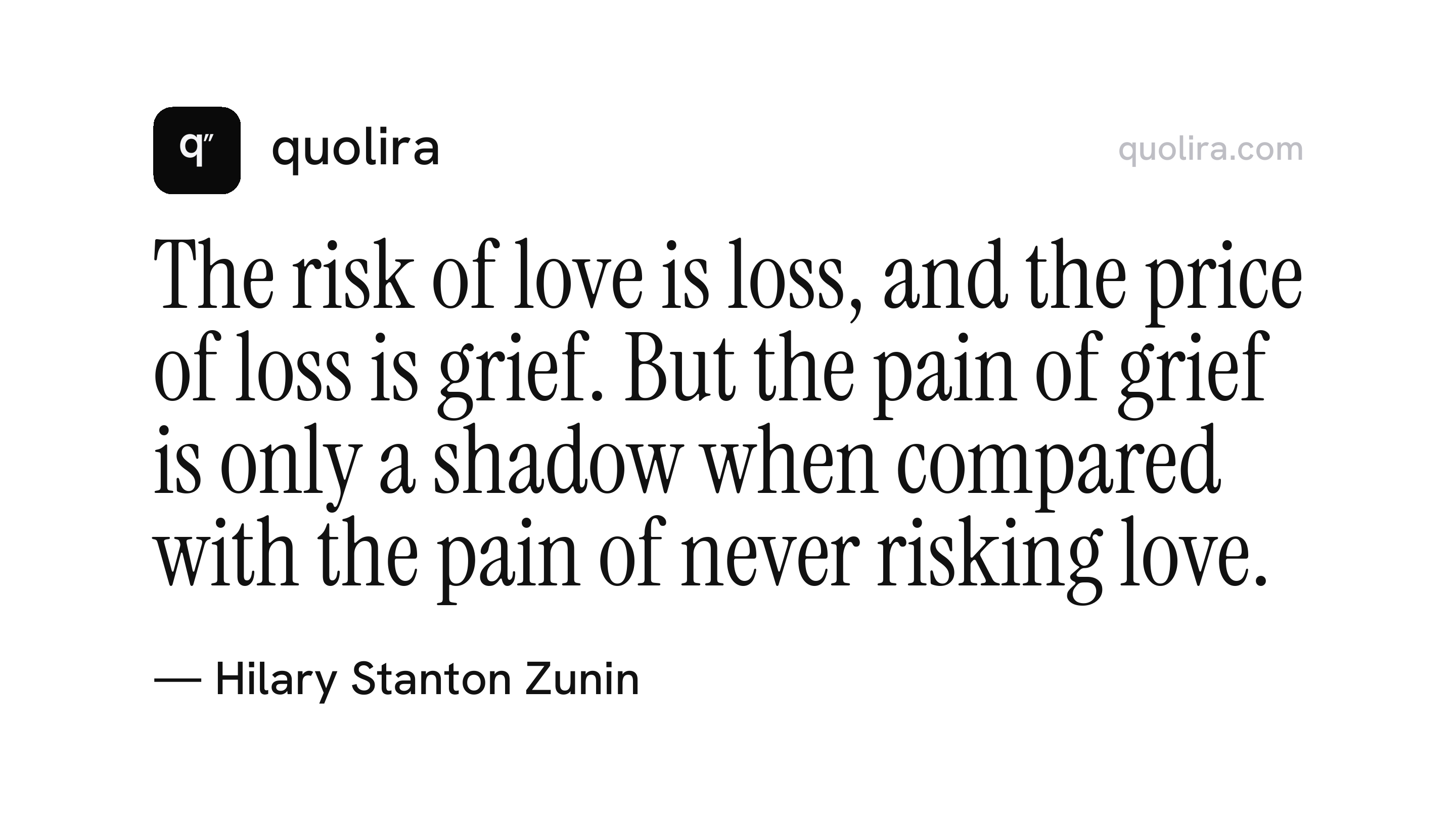
“The risk of love is loss, and the price of loss is grief. But the pain of grief is only a shadow when compared with the pain of never risking love.”
Hilary Stanton Zunin
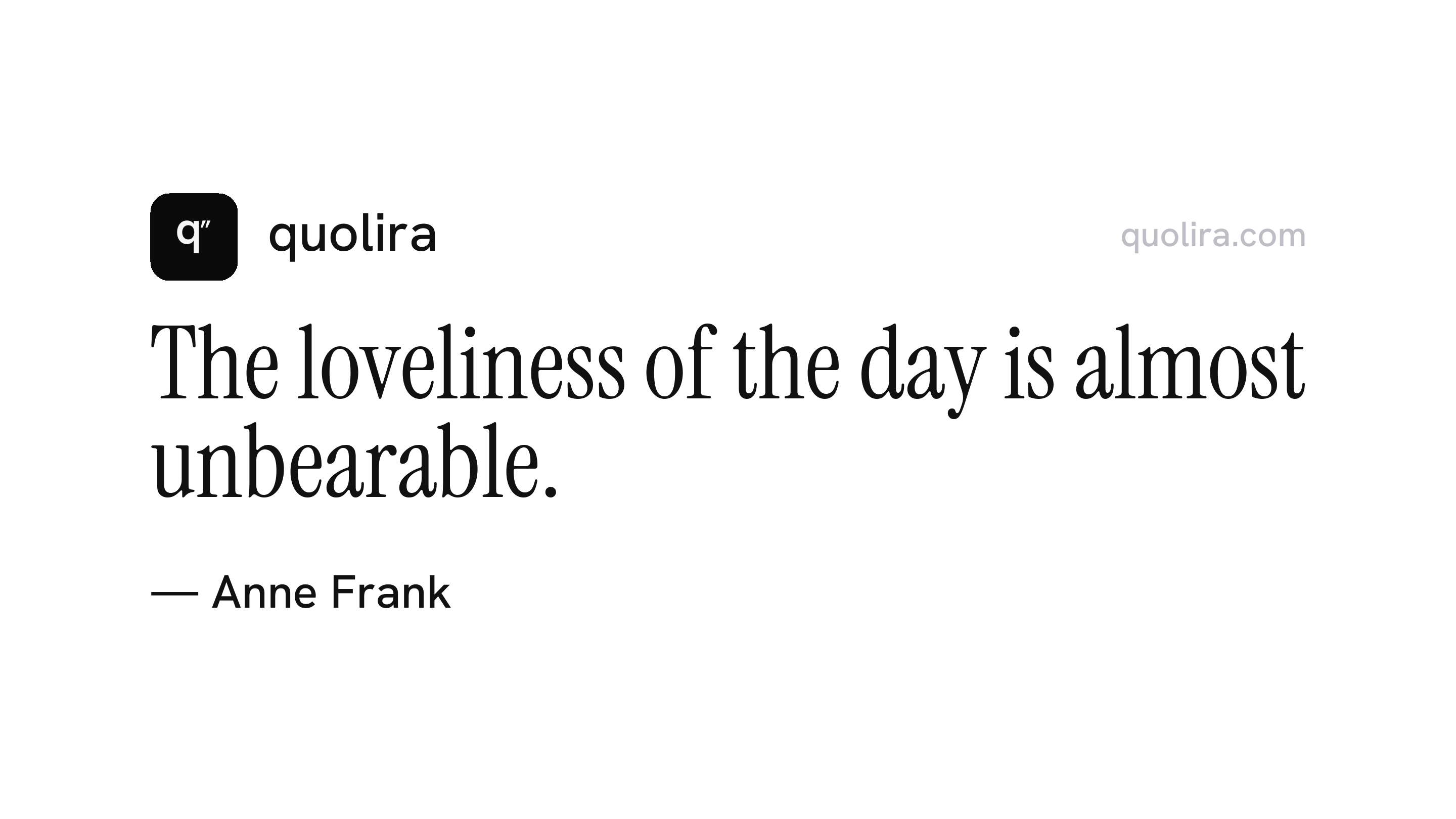
“The loveliness of the day is almost unbearable.”
Anne Frank · The Diary of a Young Girl
“Summer doesn't care what you choose to do with it.”
Richard Ford · The Sportswriter
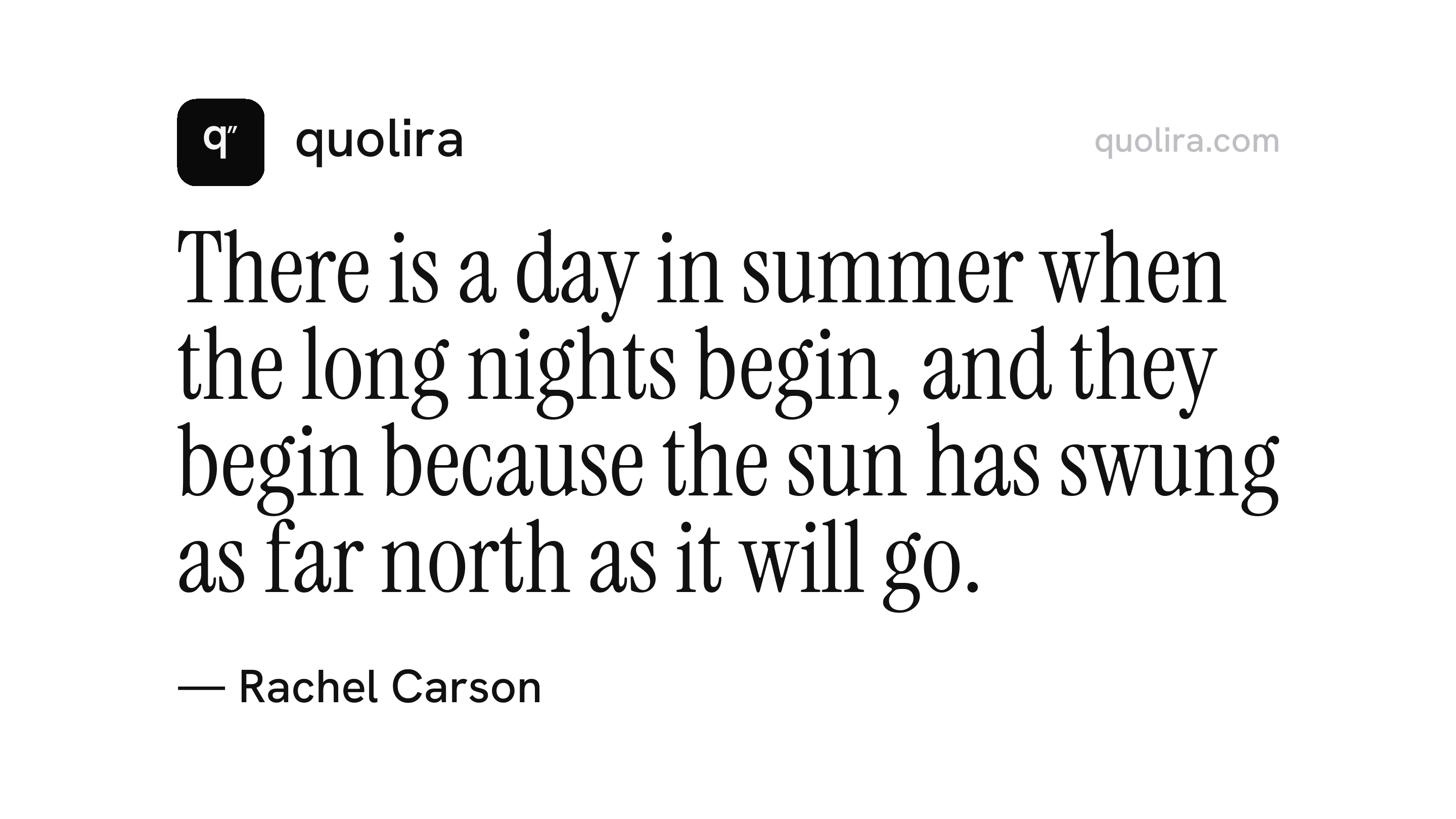
“There is a day in summer when the long nights begin, and they begin because the sun has swung as far north as it will go.”
Rachel Carson · The Edge of the Sea
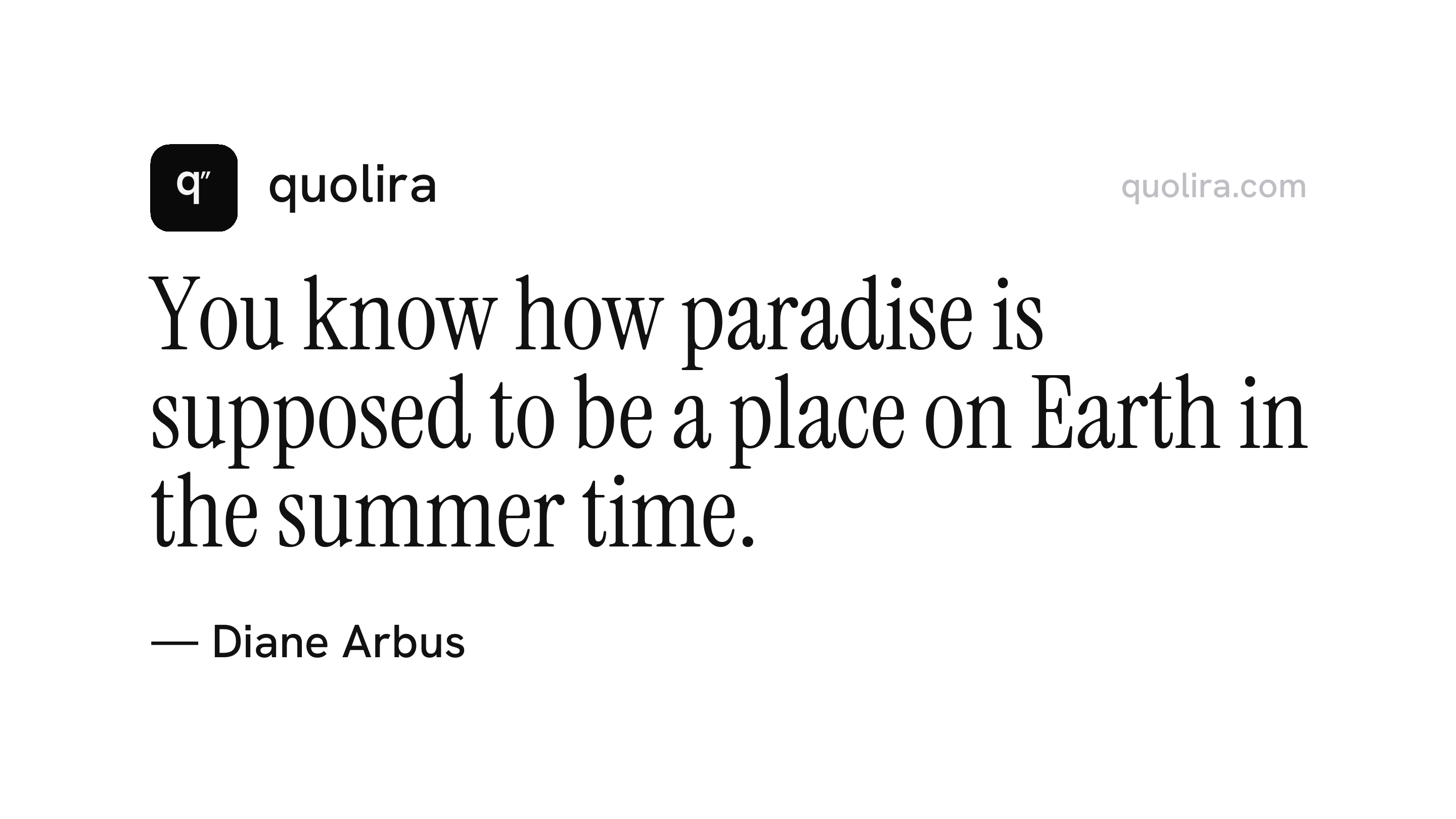
“You know how paradise is supposed to be a place on Earth in the summer time.”
Diane Arbus · Photographic essay and interviews
“All of a sudden summer was there. It felt inevitable, like something you were waiting for.”
Ann Packer · The Dive from Clausen's Pier
“Summer is the time when one sheds one's tensions with one's clothes.”
Ada Louise Huxtable · Various essays on design and living