11 Ryuichi Sakamoto Quotes That Reveal How He Heard the World
A composer who treated every sound, silence, and passing year as raw material.
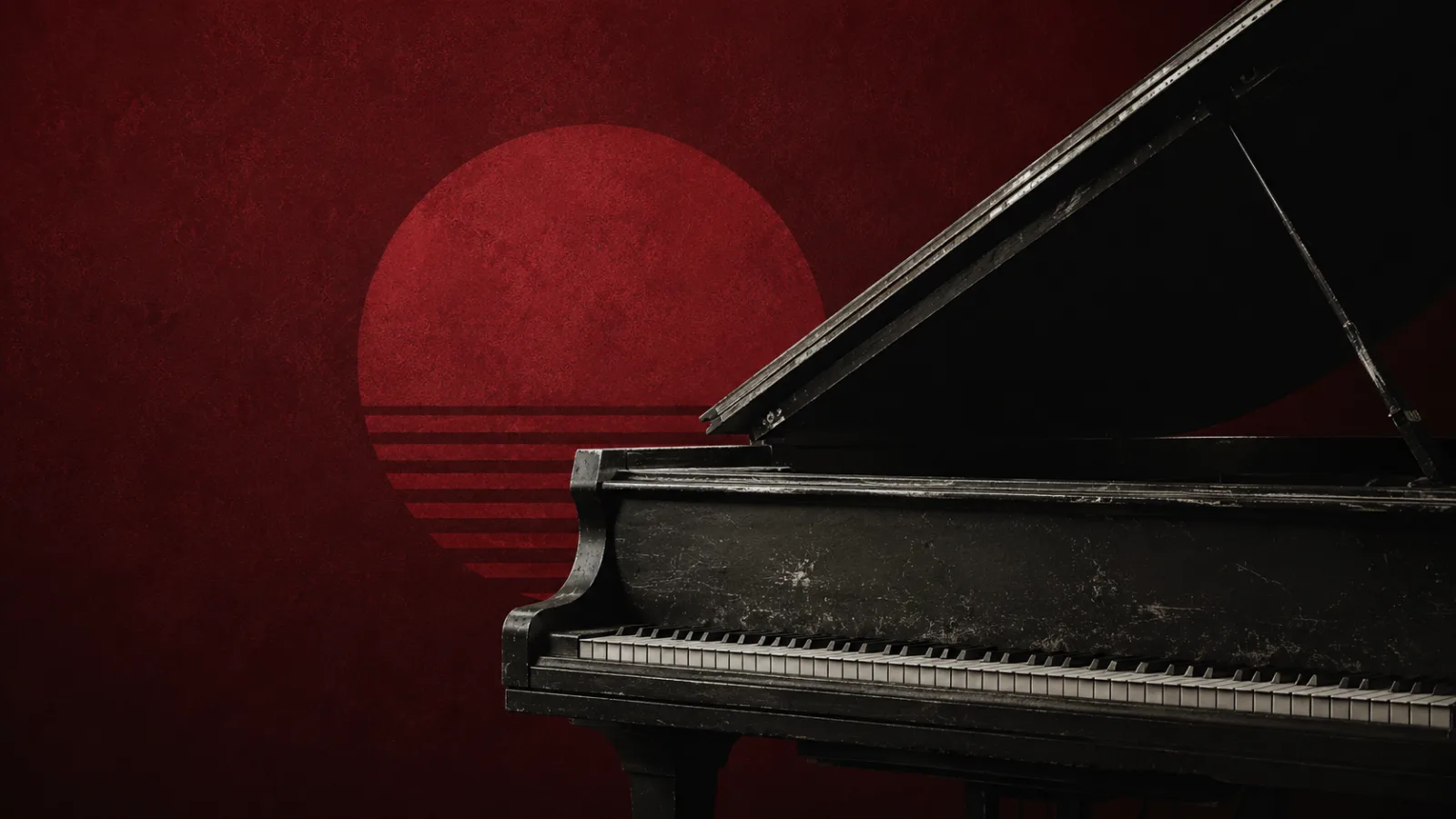
Ryuichi Sakamoto quotes show a mind that never stopped asking what music actually is. From his early days with Yellow Magic Orchestra in the late 1970s to his final solo works released just before his death in March 2023, he kept returning to the same obsessions: time, nature, silence, and the strange relationship between technology and the human body. These 11 quotes trace that thinking across five decades. Some are playful, some are almost painfully honest, and a few read like letters to a future nobody could quite picture yet.
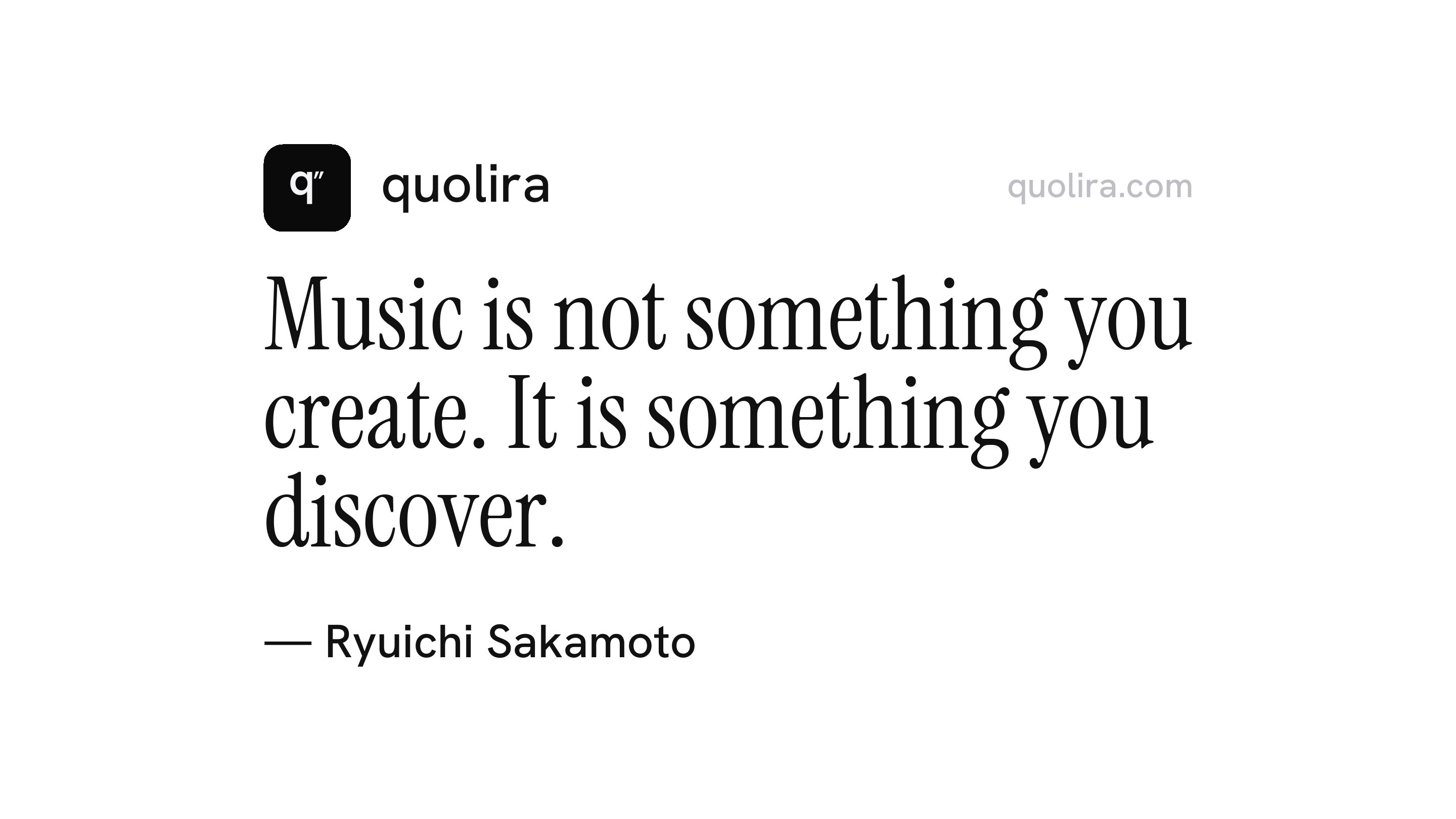
Music is not something you create. It is something you discover.
I would like to die on a day when I am feeling nothing. Like water.
Ryuichi Sakamoto Interview, 2017
He said this after his first battle with throat cancer, and it doesn't read as defeat. It reads as someone who had spent decades studying the emotional range of silence and found peace in the idea of dissolving into it.
Technology is neither good nor bad; nor is it neutral.
Melvin Kranzberg Kranzberg's First Law, 1986
Sakamoto quoted and referenced this line often in interviews about electronic music, using it to push back against both techno-utopians and technophobes. He thought the relationship between humans and machines was always more complicated than either camp admitted.
Ryuichi Sakamoto: Music Makes the People Come Together
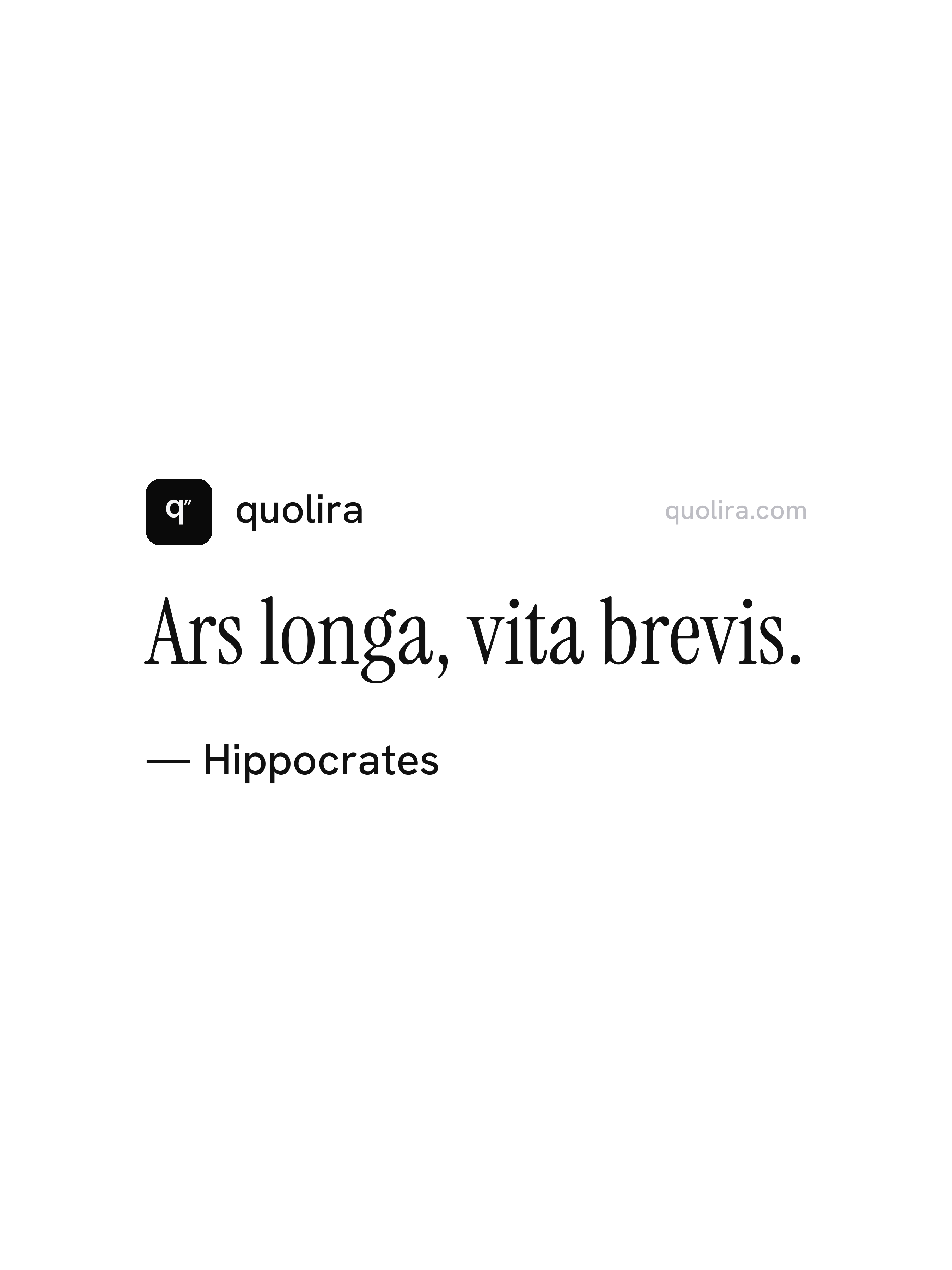
Ars longa, vita brevis.
Sakamoto invoked this Latin phrase directly in the liner notes and press surrounding his final album, 12, recording compositions from his hospital bed. The ancient tension between a short life and an art that outlasts it was, for him, a lived reality by 2022.
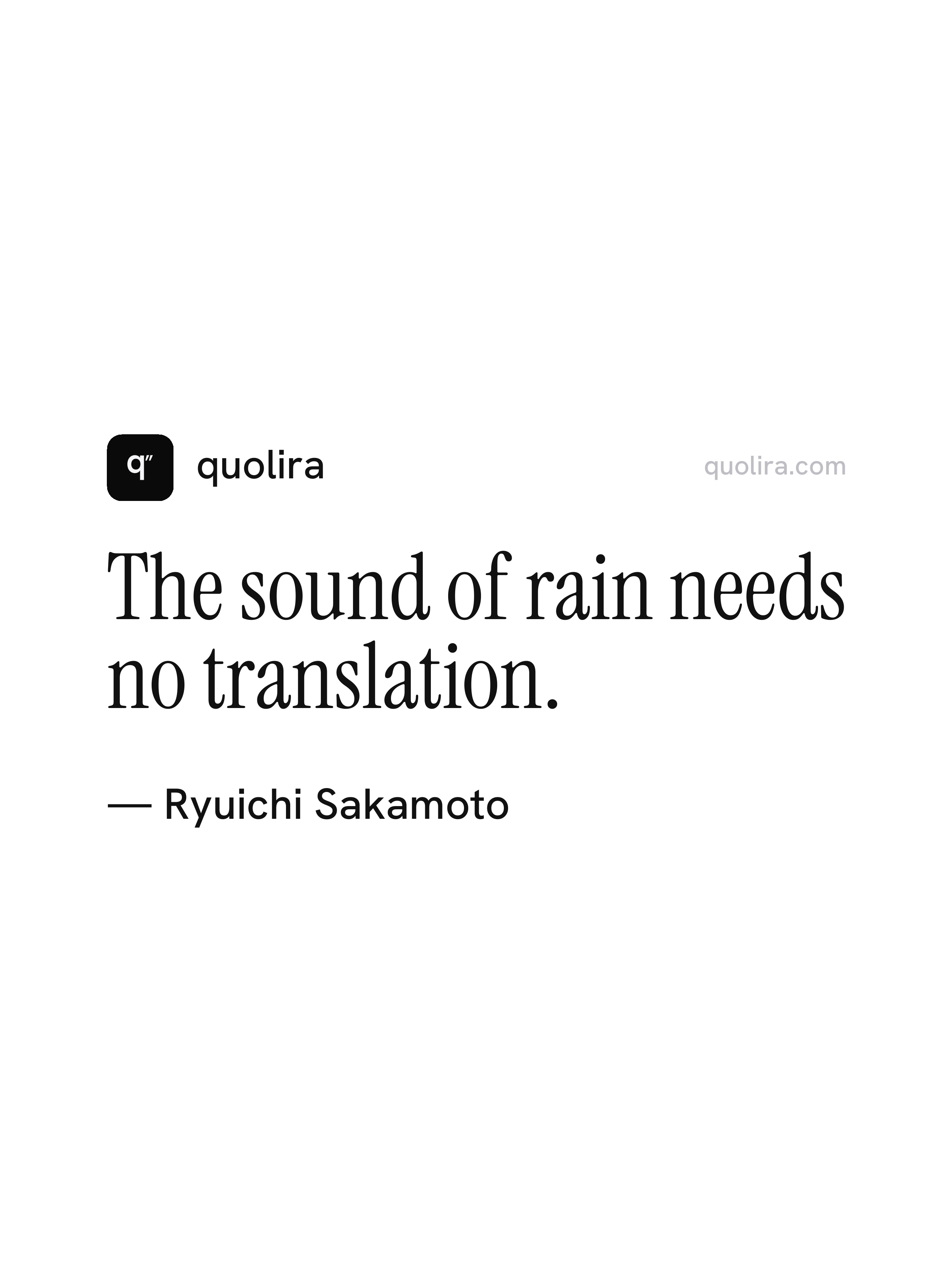
The sound of rain needs no translation.
This is one of his most widely circulated lines and it points to something he believed seriously: that natural sound is a kind of universal language that his compositions were always trying to get closer to.
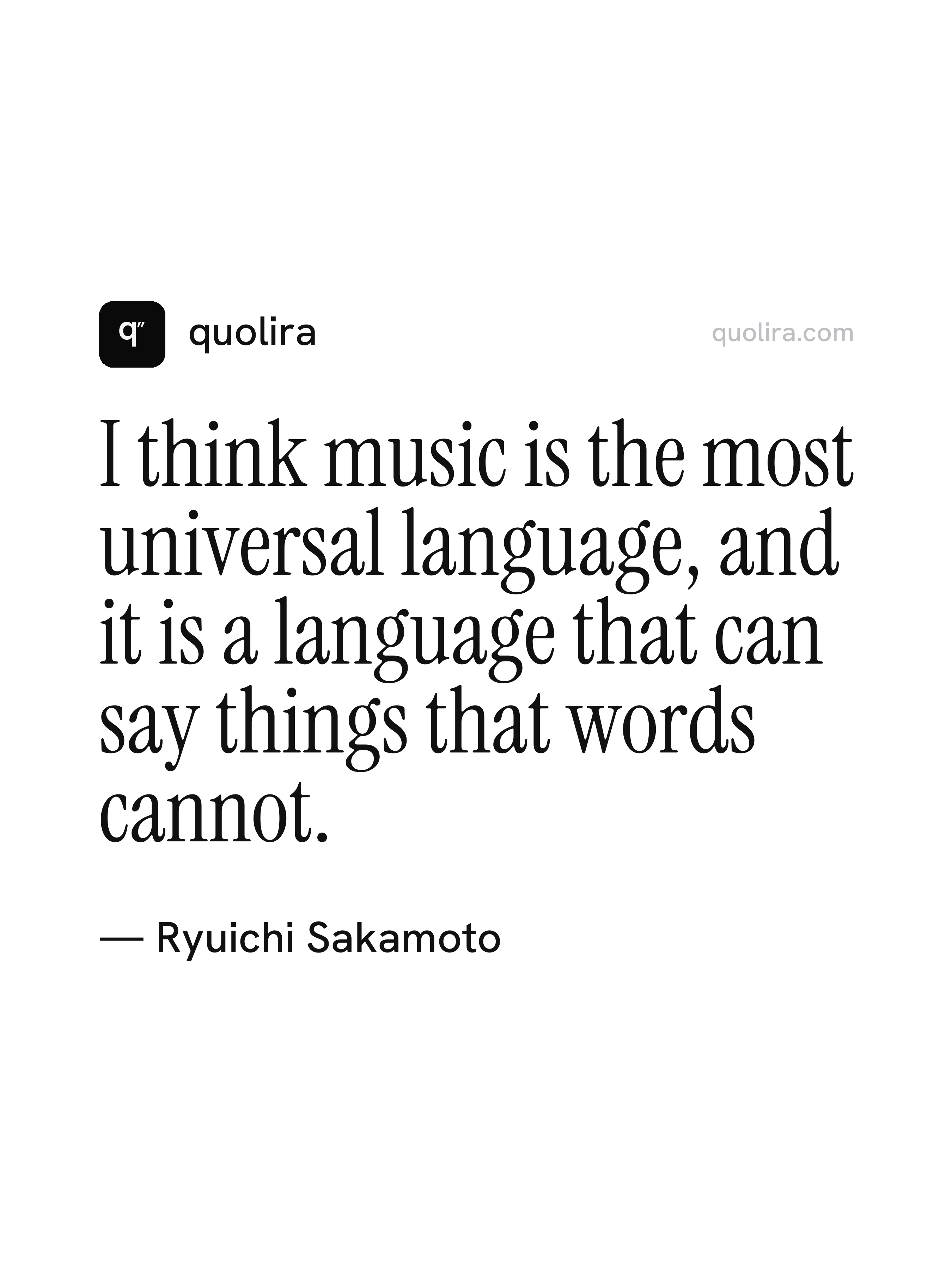
I think music is the most universal language, and it is a language that can say things that words cannot.
Ryuichi Sakamoto Interview, Red Bull Music Academy, 2014
He made this point not to mystify music but to defend its autonomy. Sakamoto resisted the idea that a film score or a pop song had to mean something legible. Sometimes the feeling is the whole point.
Async – Ryuichi Sakamoto (album)
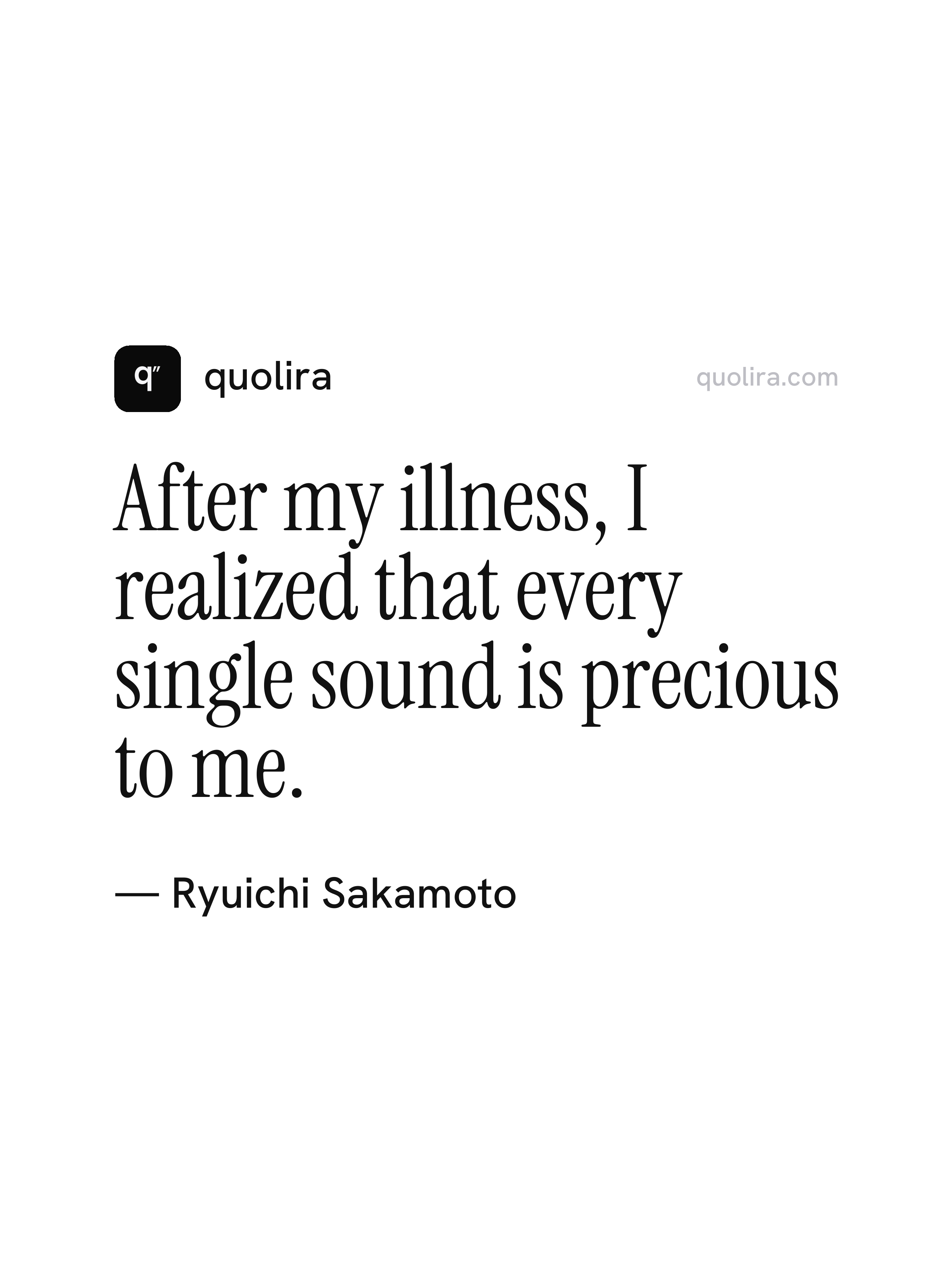
After my illness, I realized that every single sound is precious to me.
Ryuichi Sakamoto Interview, 2015
His throat cancer in 2014 changed what he listened for. He spent the following years recording rain on windows, leaves, and industrial ambient noise with the kind of attention most composers reserve for a concert hall premiere.
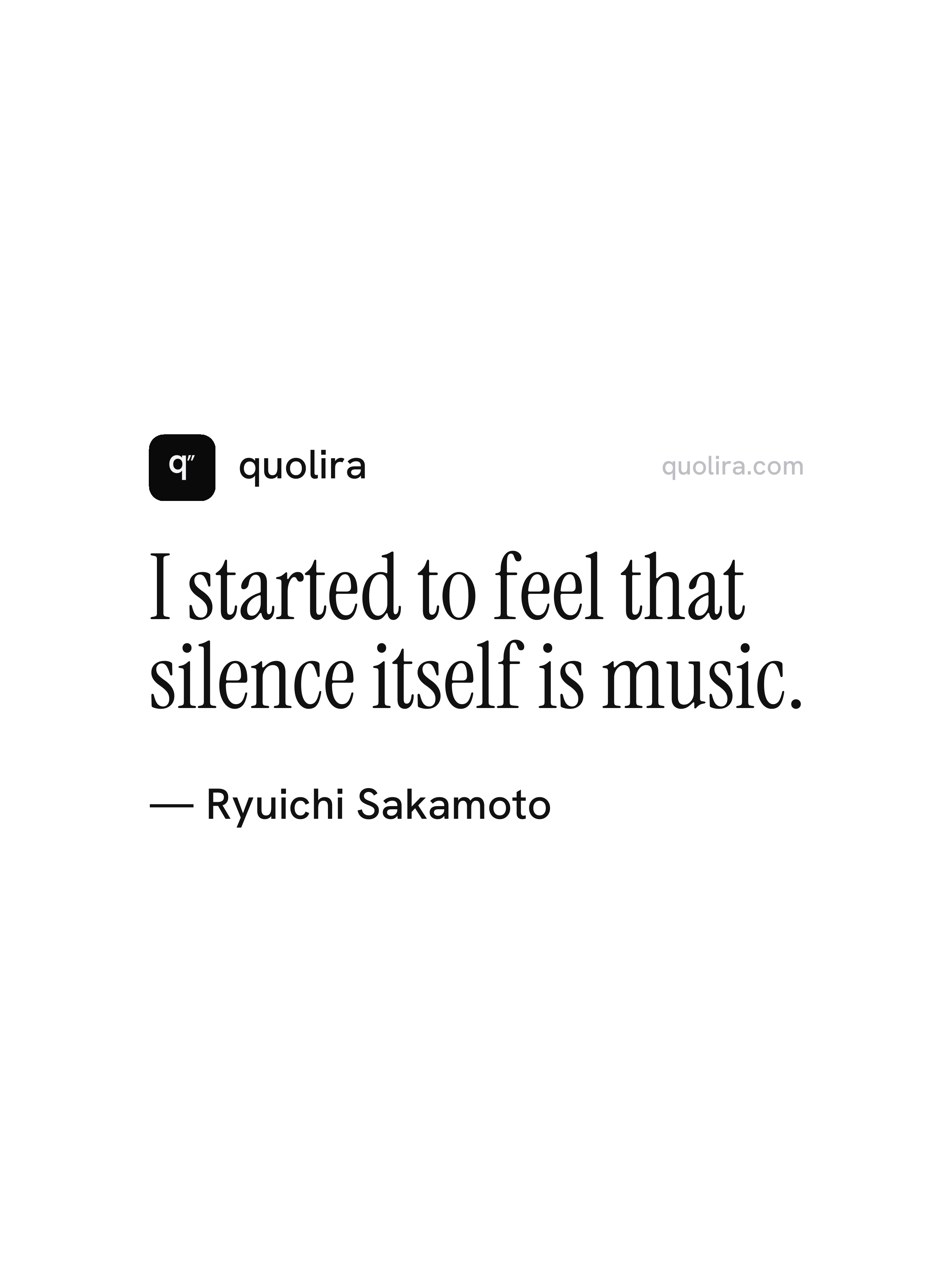
I started to feel that silence itself is music.
The influence of John Cage runs through this idea, but Sakamoto arrived at it in his own way: by working in film, where the decision of what not to score is often the most powerful compositional choice available.
Merry Christmas Mr. Lawrence – Original Soundtrack by Ryuichi Sakamoto
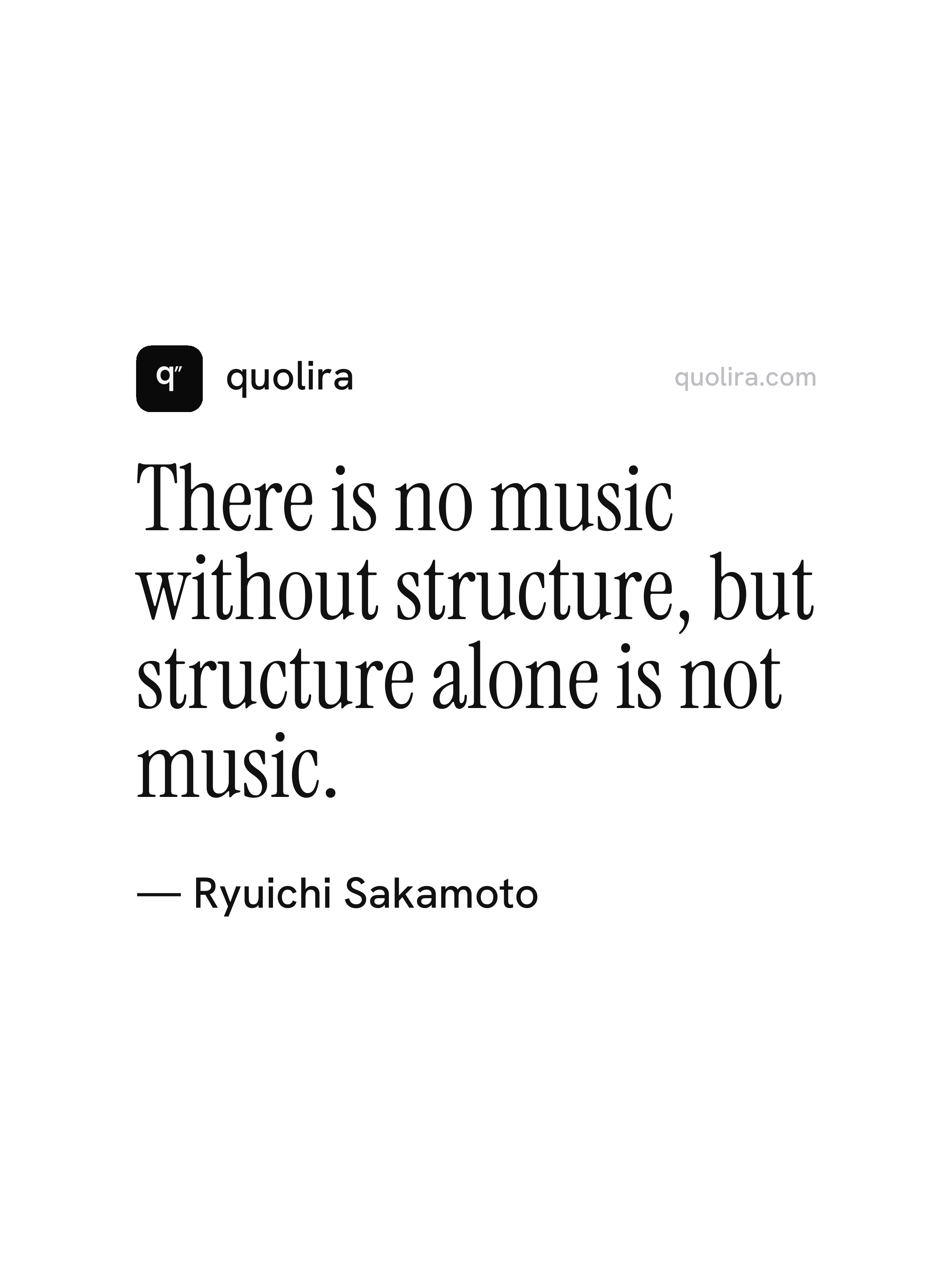
There is no music without structure, but structure alone is not music.
This tension between architecture and breath runs through everything from his classically trained piano work to his collaborations with Alva Noto on albums like Revep (2006). He never resolved it, which is probably why the work stayed interesting.
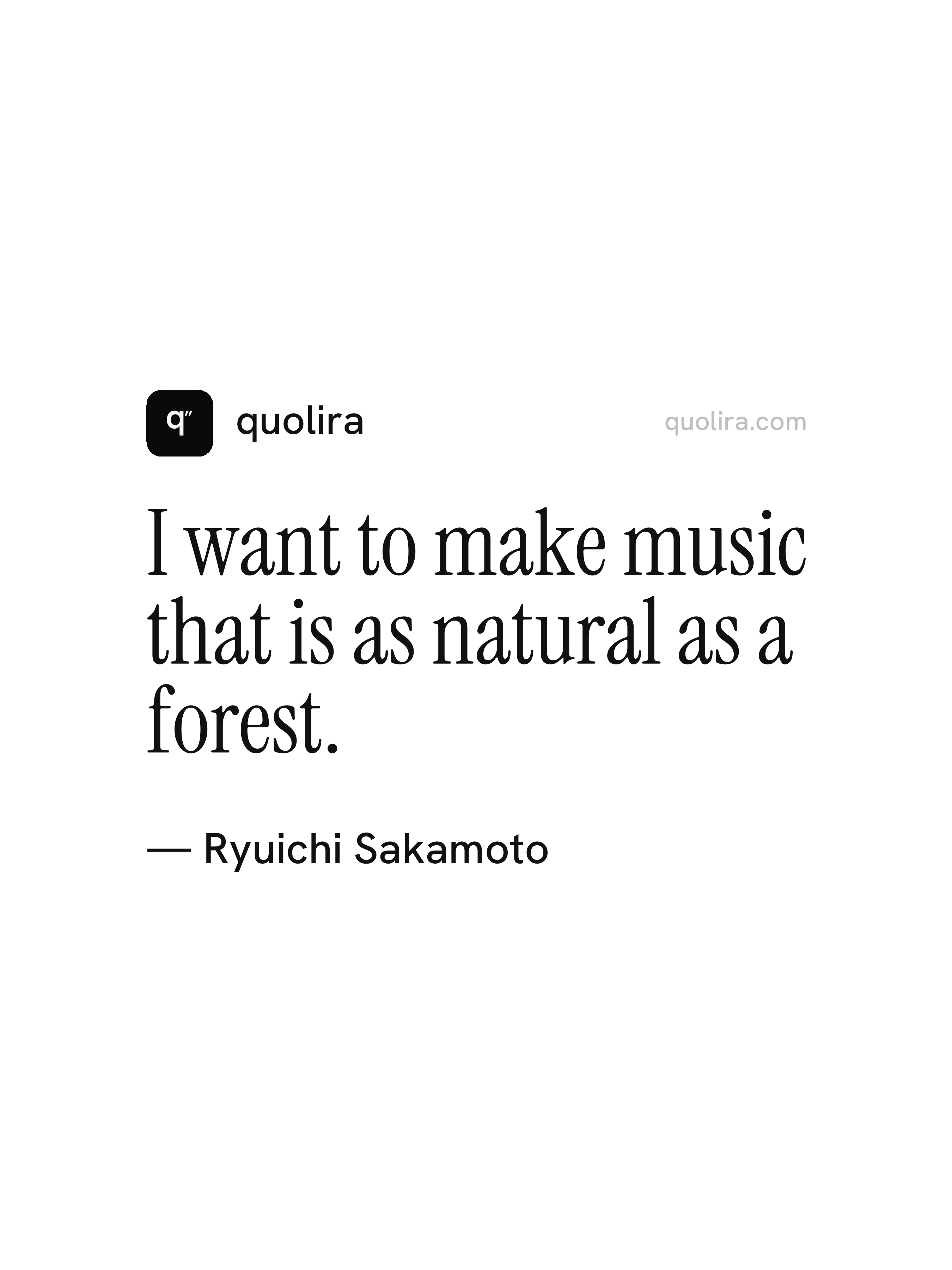
I want to make music that is as natural as a forest.
He planted trees, funded environmental causes, and spent real money and time on ecological work. This quote isn't poetic decoration. It's a mission statement he took literally.
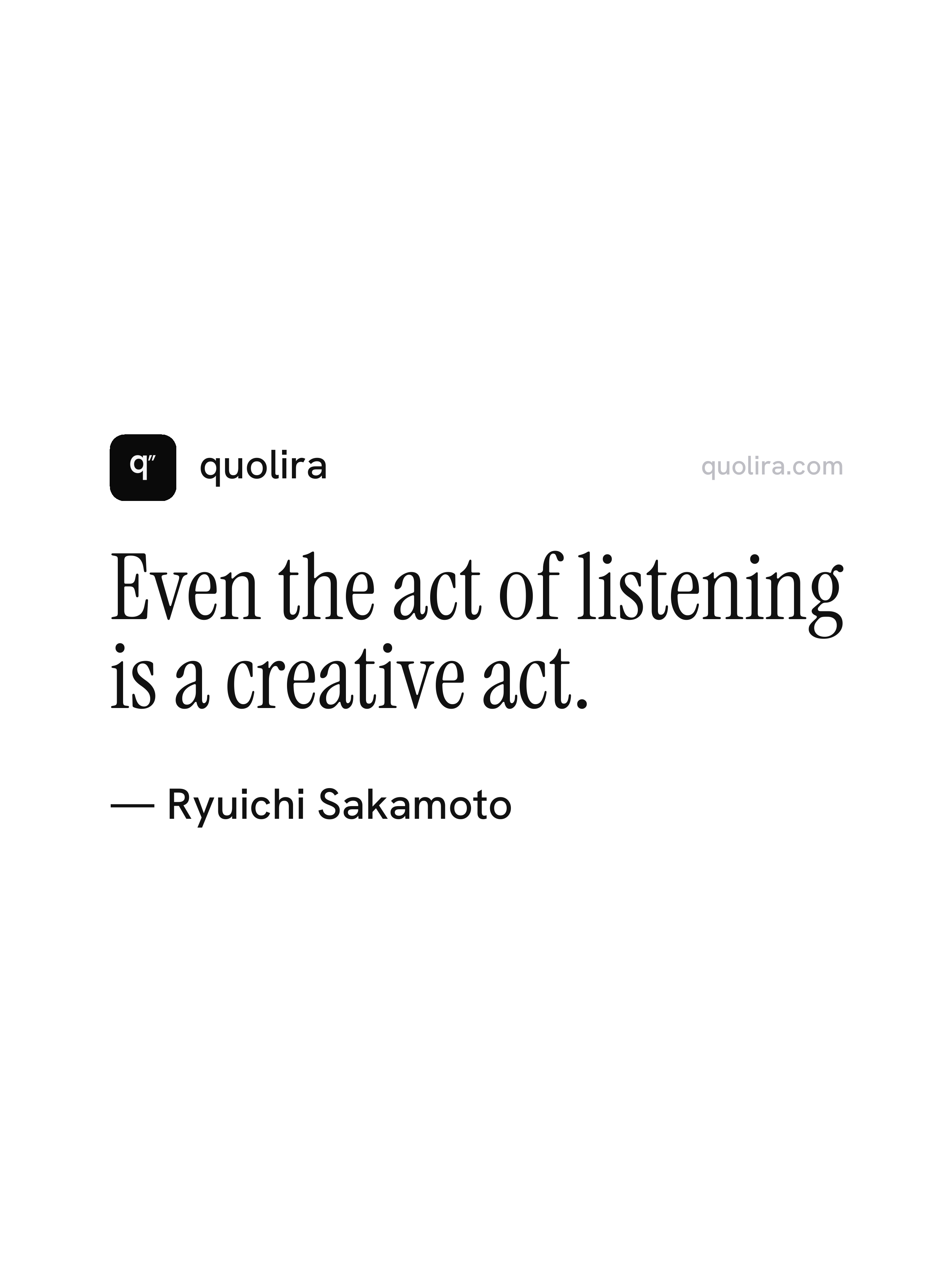
Even the act of listening is a creative act.
Sakamoto often put the audience inside the compositional process rather than outside it. He thought what you brought to a piece of music changed what the piece actually was, which is a generous and demanding idea at the same time.
Sakamoto once said he wanted his last album, 12, to sound like music that had already forgotten it was music. Reading his words in sequence, you can see how he spent a lifetime earning that idea.
Frequently asked questions
What is Ryuichi Sakamoto most famous for?
What did Ryuichi Sakamoto say about nature and music?
When did Ryuichi Sakamoto die?
Did Ryuichi Sakamoto write any books or essays?
Keep reading
21 Lord Voldemort Best Harry Potter Quotes That Still Chill You
The most memorable lines from the Dark Lord, weighed for what they reveal about fear, power, and the man behind the mask.
14 Satchel Paige Quotes on Aging, Motion, and Not Looking Back
The pitcher who kept throwing into his fifties left behind lines about time that still land.
16 Alice in Wonderland Quotes That Still Make You Stop and Think
The strange logic of Wonderland has a way of feeling truer than the real world.
Sakamoto returned to this idea throughout his career, particularly after his cancer diagnoses sharpened his attention to what already exists in the world. It's a quiet argument against ego in the studio.