“Technology is neither good nor bad; nor is it neutral.”
Melvin Kranzberg · Kranzberg's First Law, 1986
 quolira
.com
quolira
quolira.com
The Latin phrase translates roughly as "art is long, life is short," and it captures a tension that anyone who has dedicated themselves to a craft will recognize. The time required to truly master a skill, to contribute something lasting, far exceeds the span of a single human life. It is at once a humbling acknowledgment of human limitation and an encouragement to begin working and keep working despite knowing you will never reach the end of the journey.
The phrase originates in the opening lines of the Aphorisms of Hippocrates, the ancient Greek physician whose name is still associated with the ethical foundations of medicine. In its original setting, the observation referred to the art of medicine: the body of knowledge a healer must acquire is vast, while the time available to learn and practice it is painfully brief. Over the centuries, scholars and artists translated, adapted, and quoted the line until it took on a far broader meaning, becoming a touchstone for painters, writers, poets, and philosophers reflecting on the relationship between human effort and lasting achievement.
Hippocrates is widely regarded as one of the most influential figures in the history of medicine, often described as the father of Western medicine. He lived in ancient Greece, and the texts associated with his name, known collectively as the Hippocratic Corpus, shaped medical thinking for well over a thousand years. Scholars debate how many of these texts he actually wrote himself, but his legacy as a teacher and practitioner who sought to ground medicine in observation rather than superstition has endured across millennia.
“Technology is neither good nor bad; nor is it neutral.”
Melvin Kranzberg · Kranzberg's First Law, 1986
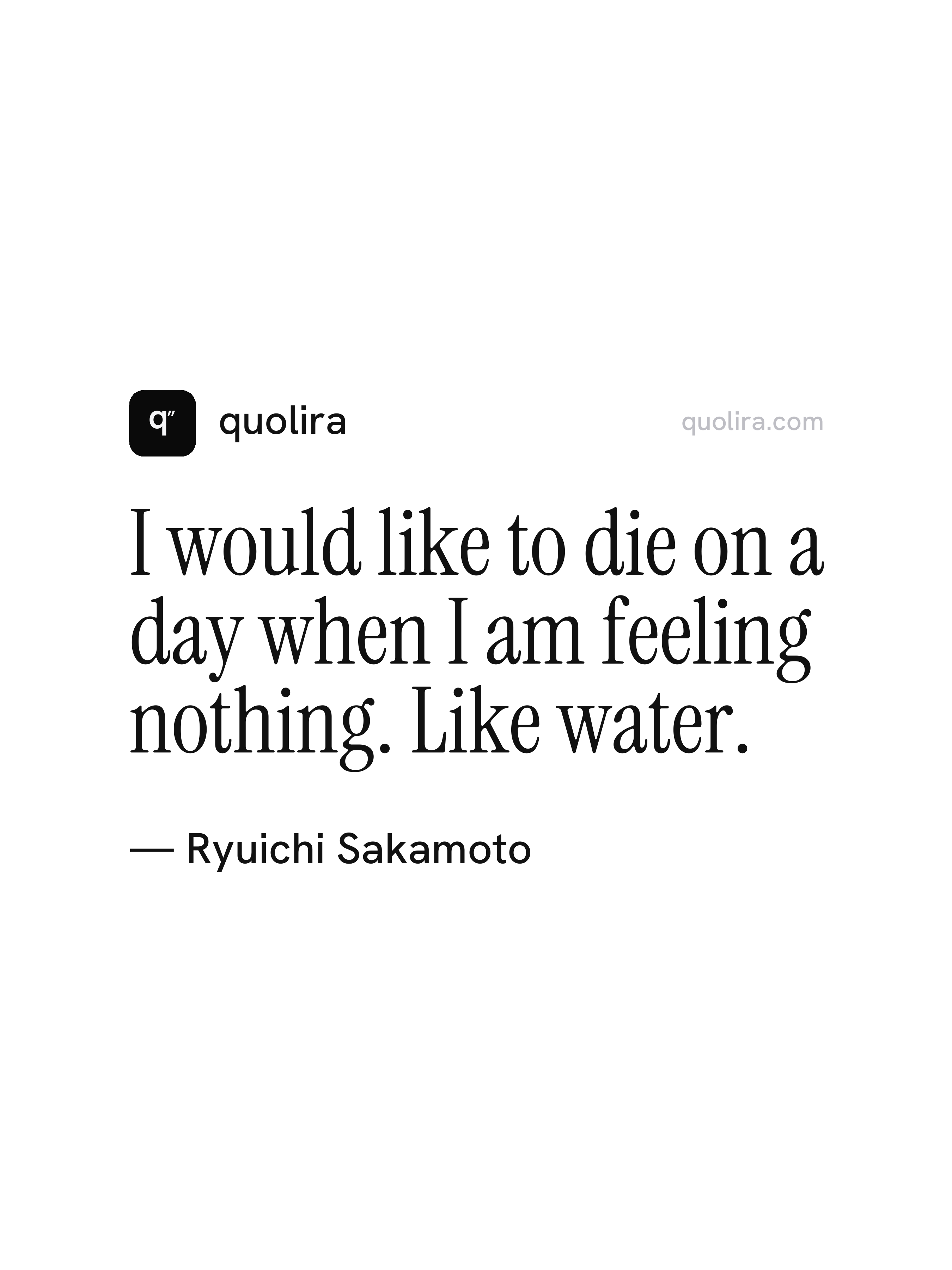
“I would like to die on a day when I am feeling nothing. Like water.”
Ryuichi Sakamoto · Interview, 2017
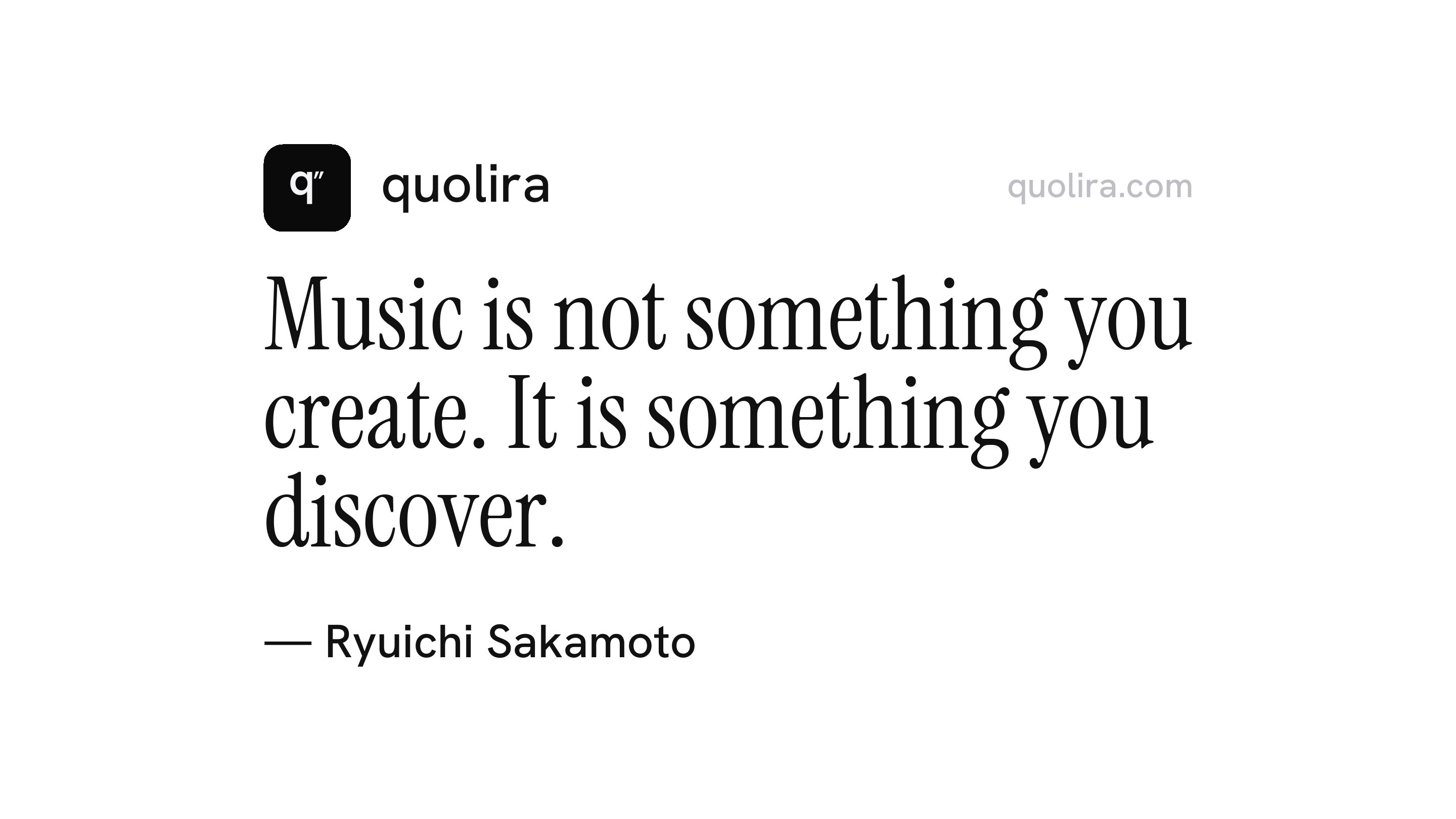
“Music is not something you create. It is something you discover.”
Ryuichi Sakamoto
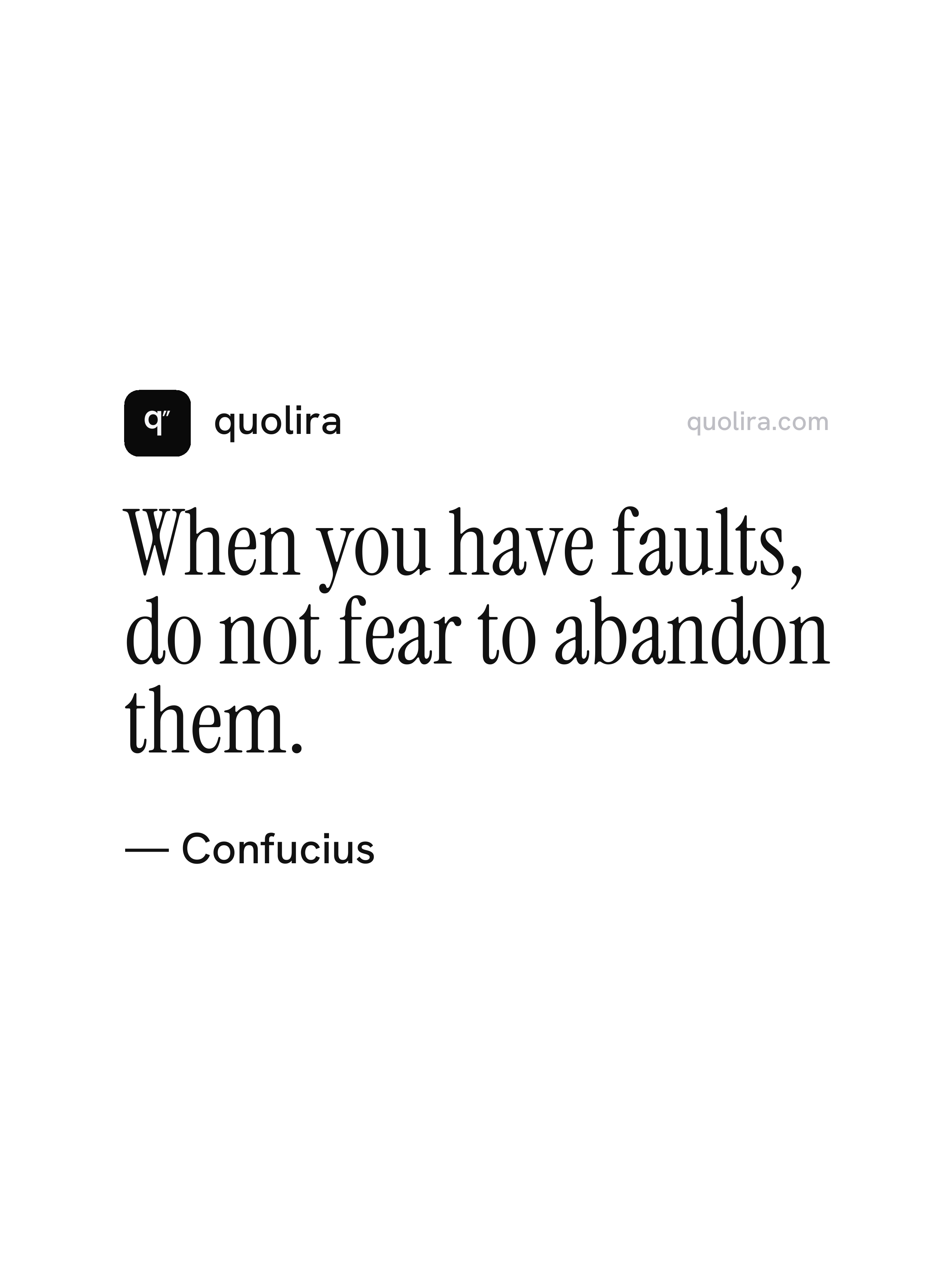
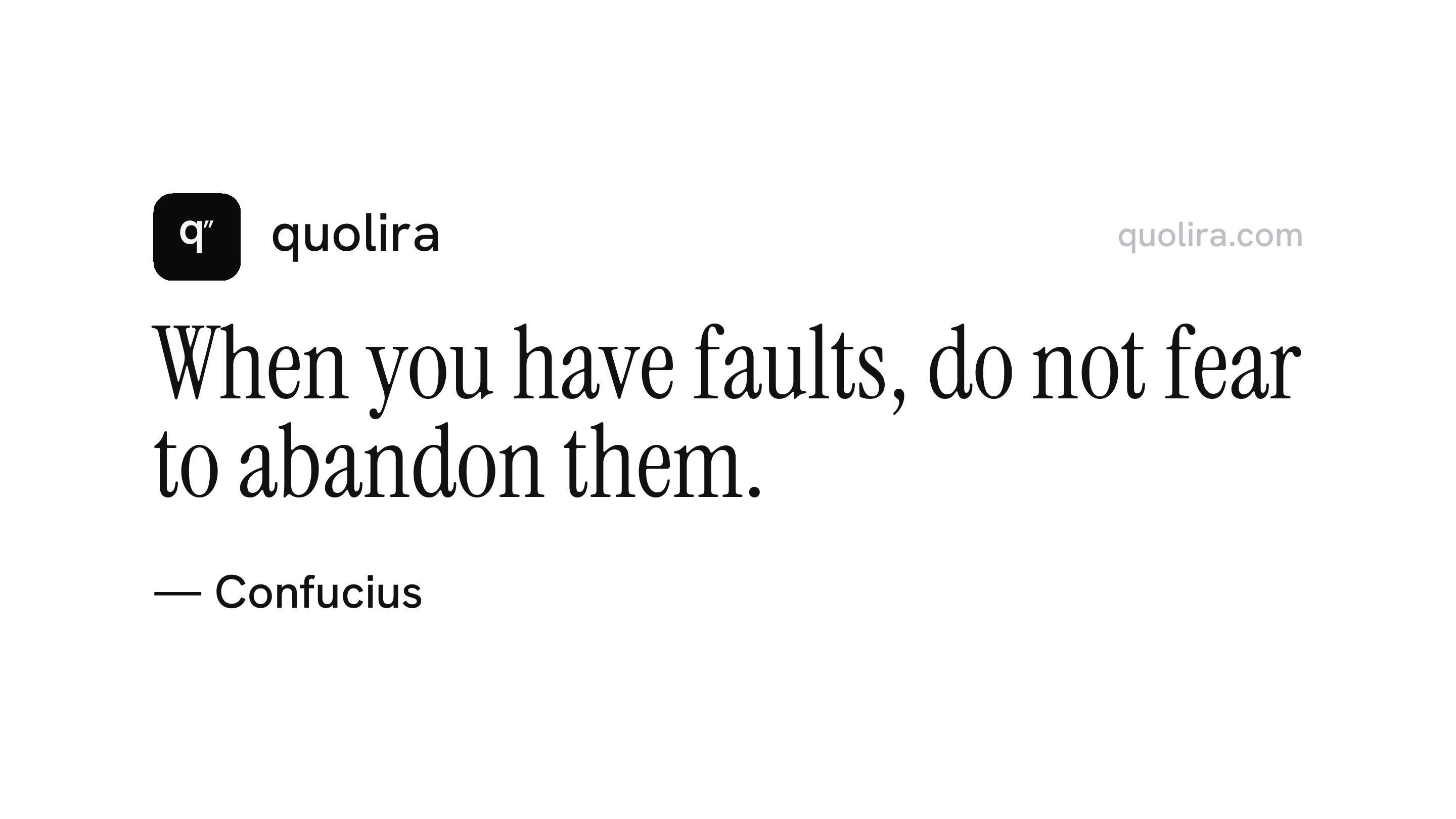
“When you have faults, do not fear to abandon them.”
Confucius · The Analects, Book I
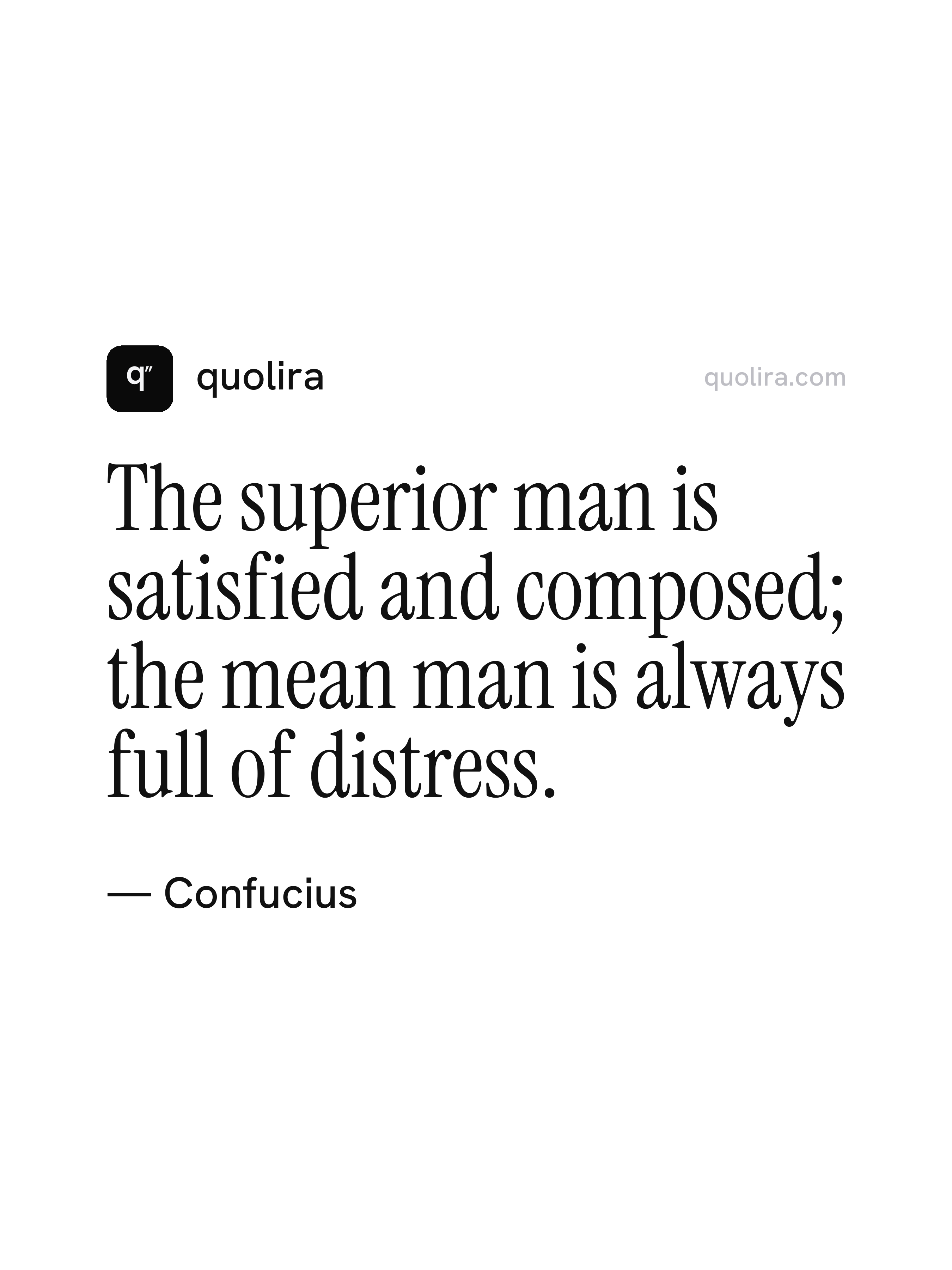
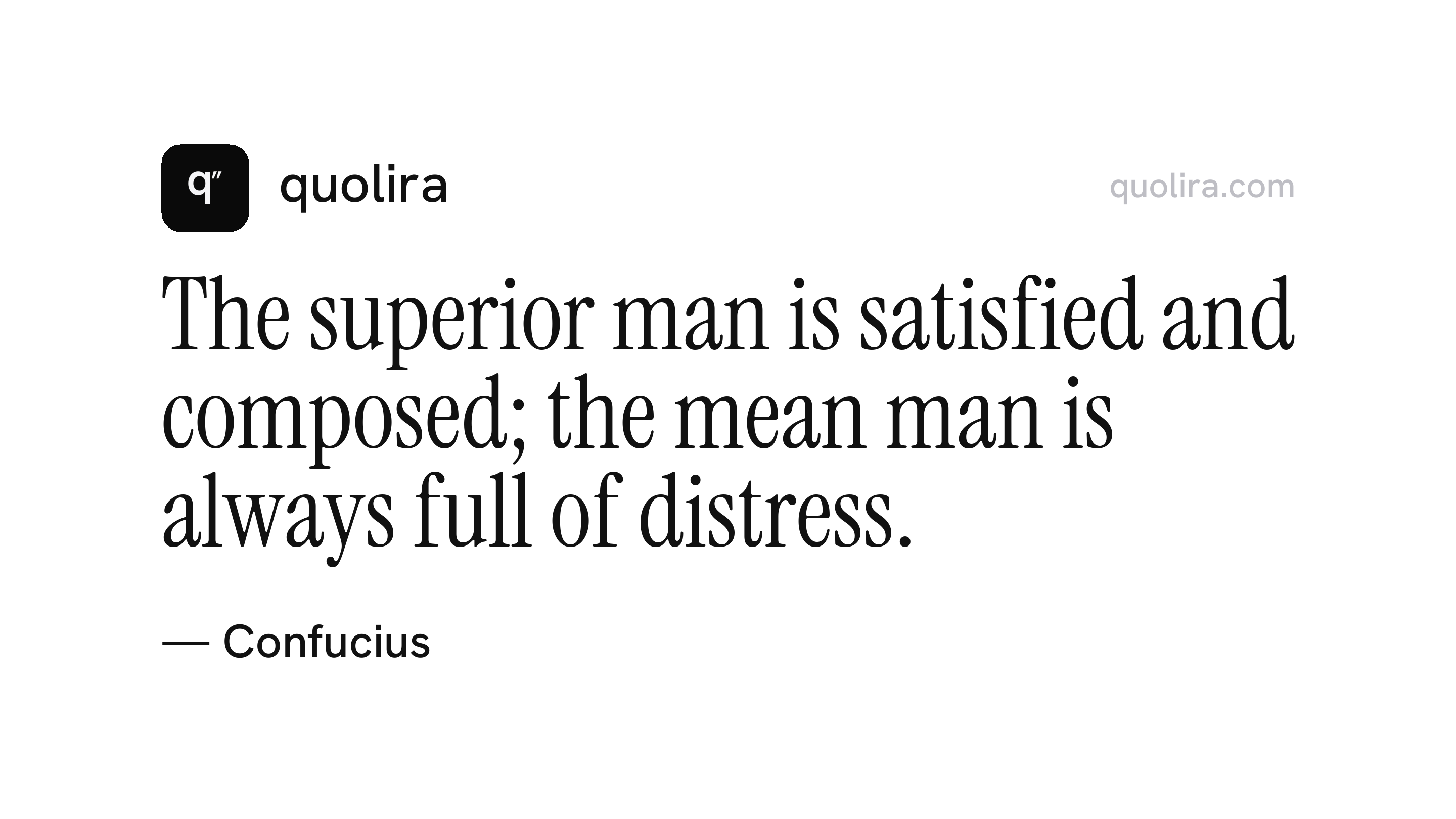
“The superior man is satisfied and composed; the mean man is always full of distress.”
Confucius · The Analects, Book VII
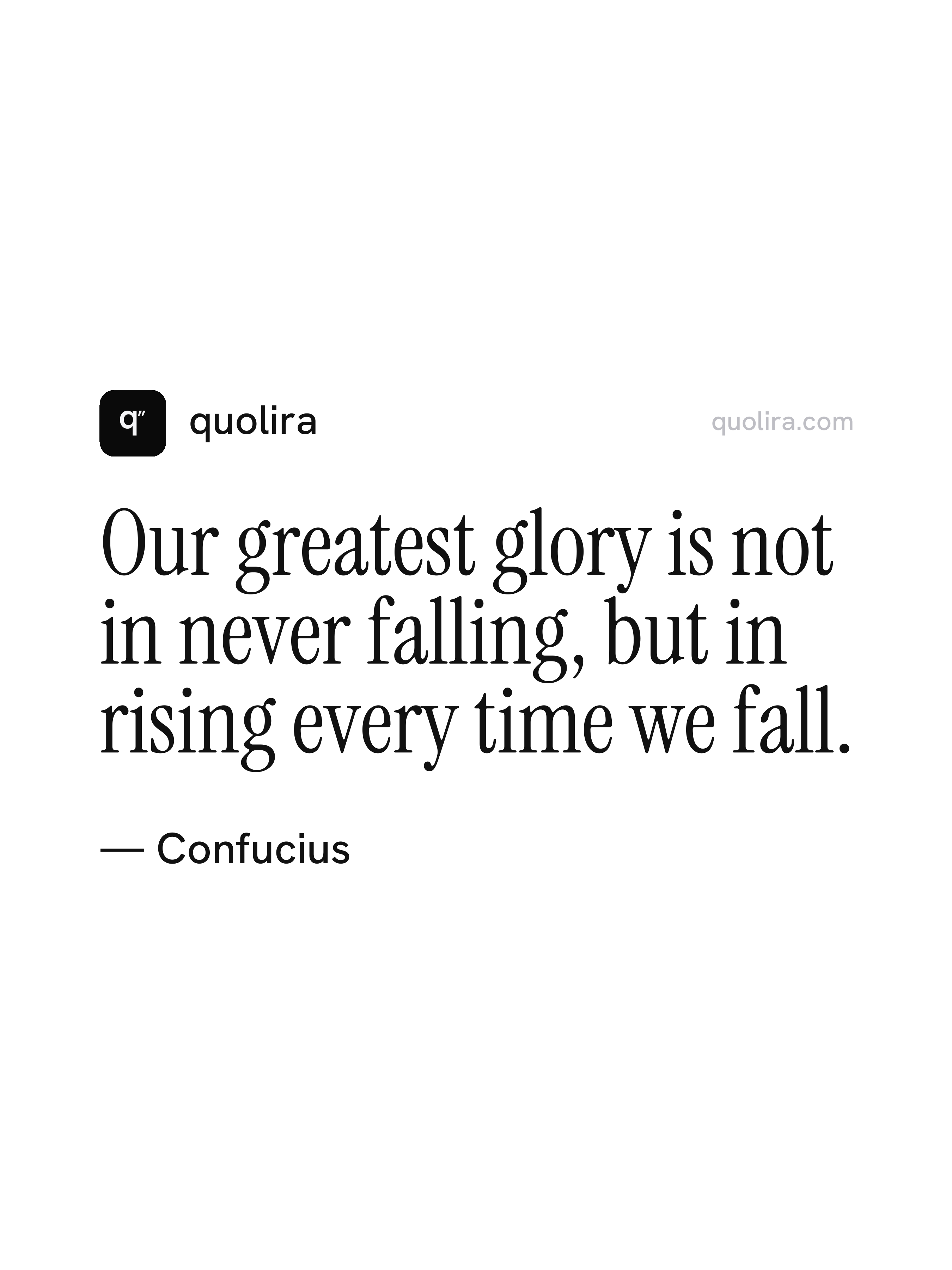
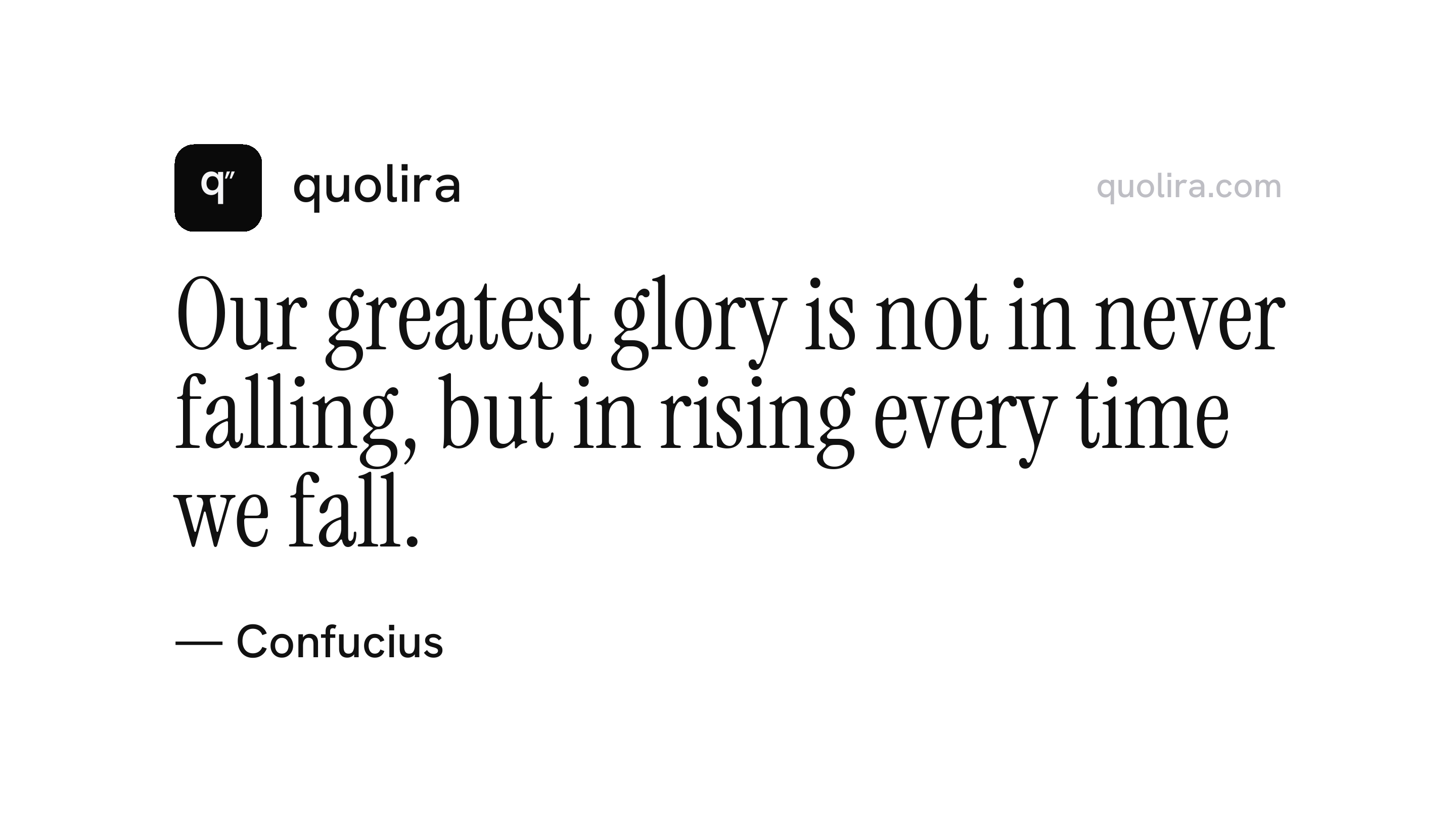
“Our greatest glory is not in never falling, but in rising every time we fall.”
Confucius · Widely attributed to Confucius
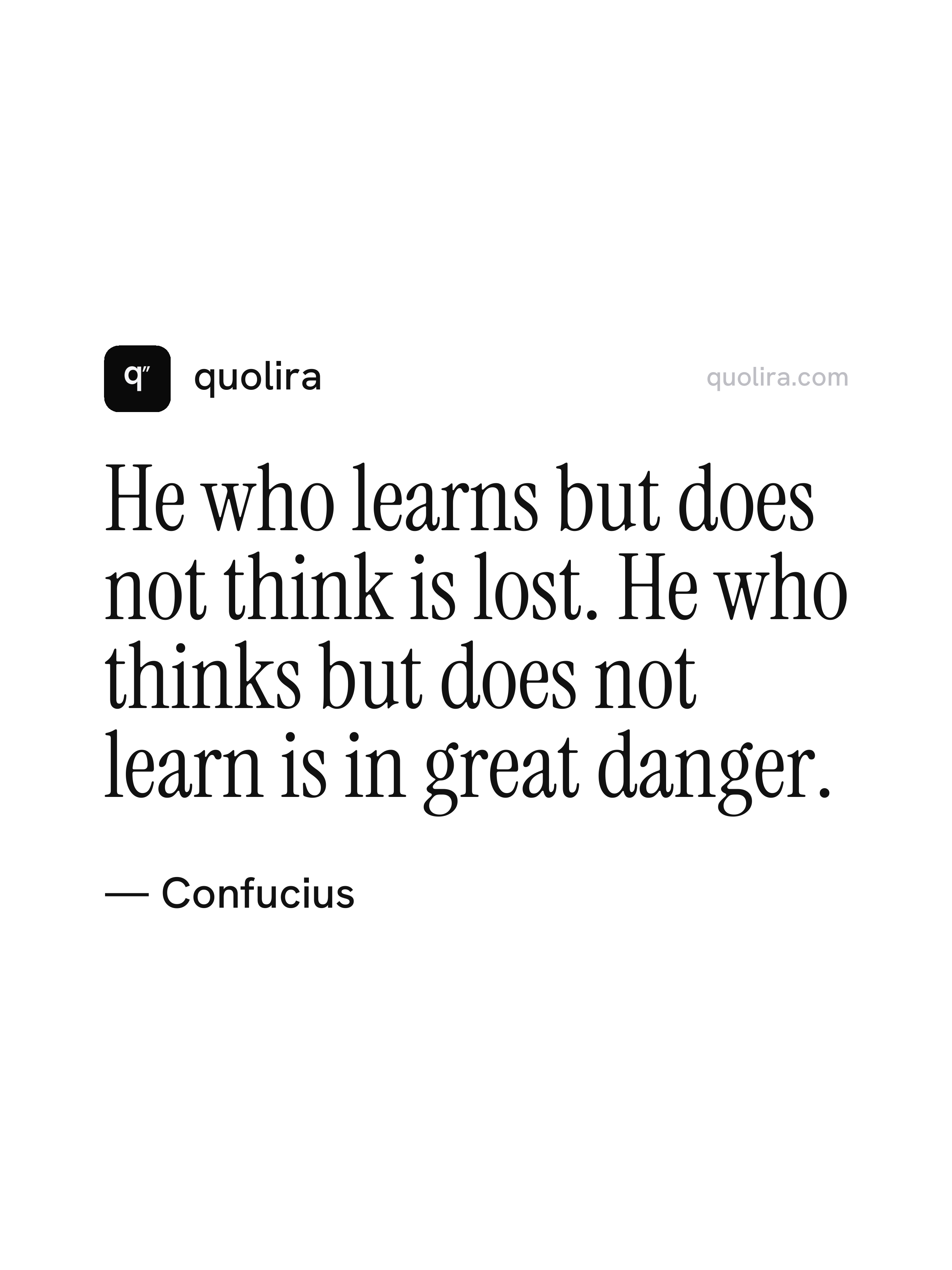
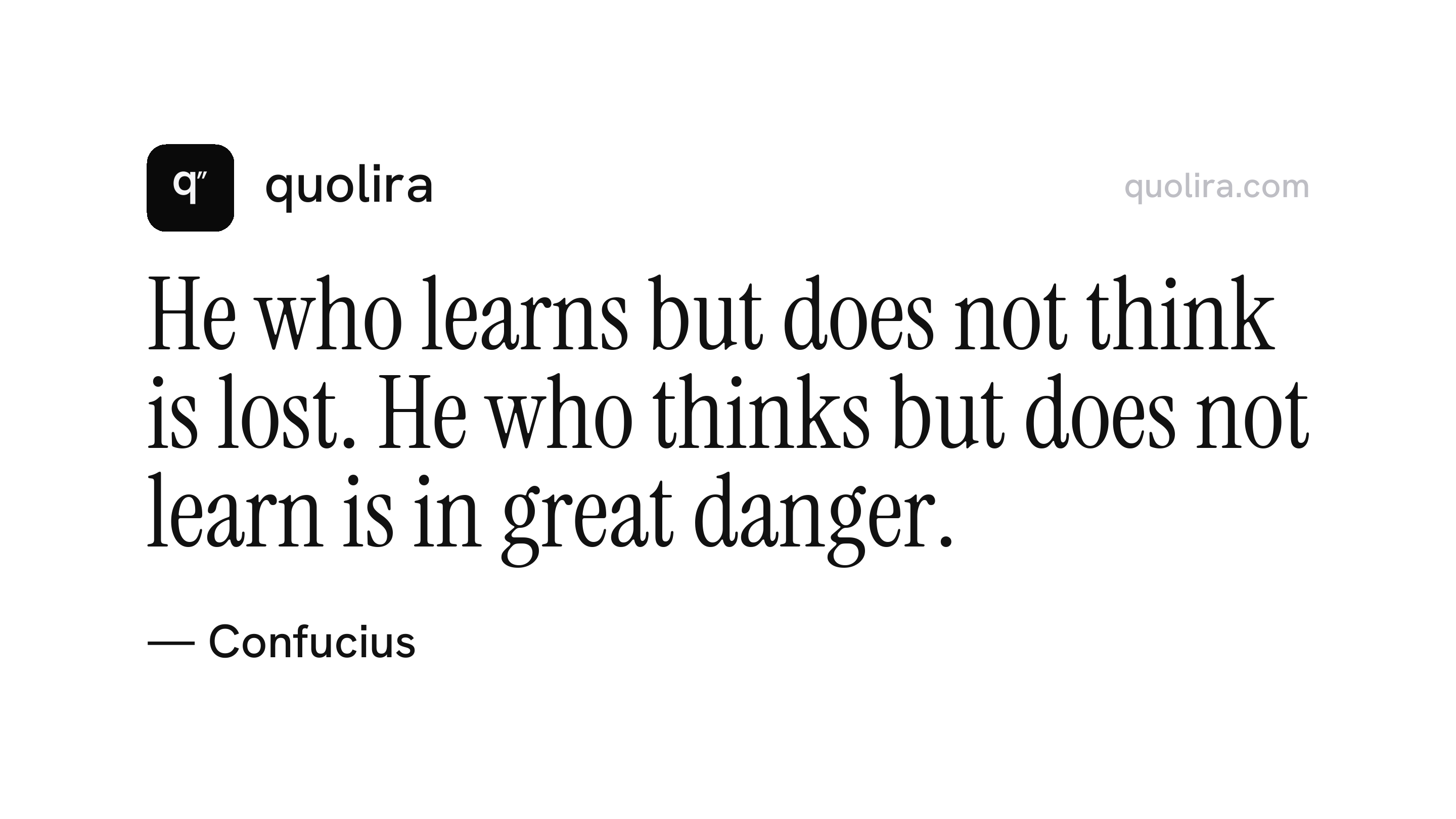
“He who learns but does not think is lost. He who thinks but does not learn is in great danger.”
Confucius · The Analects, Book II
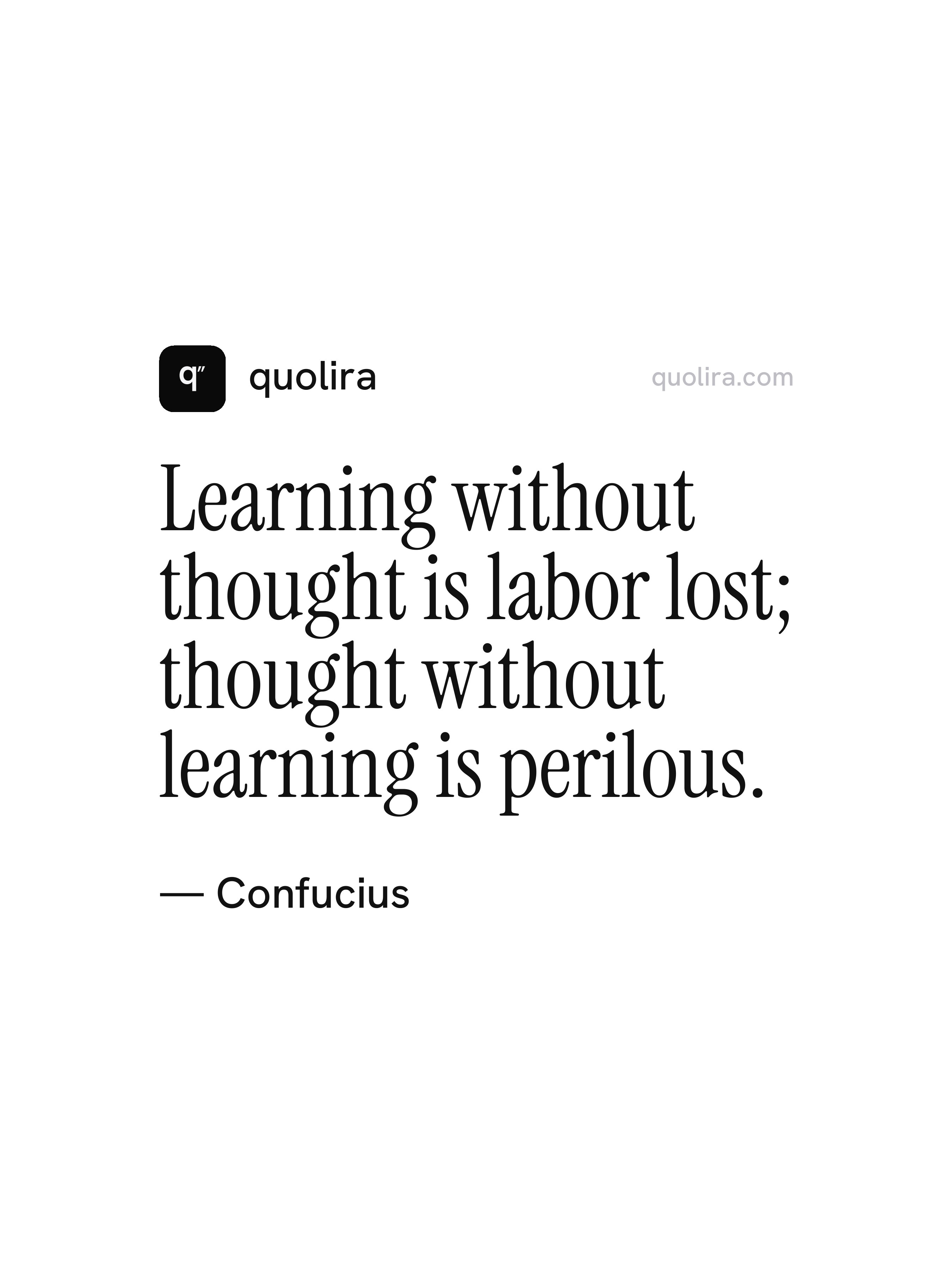
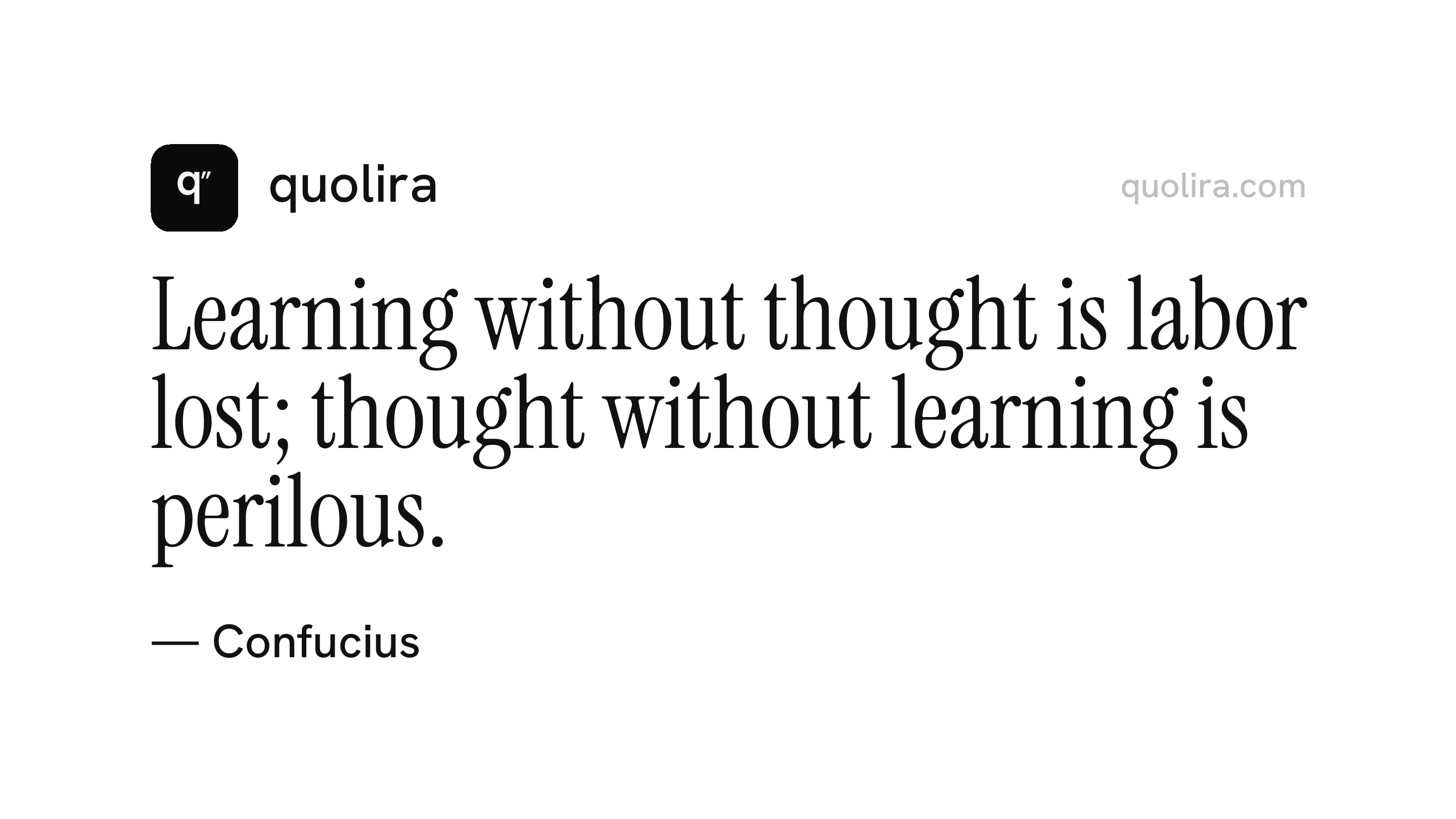
“Learning without thought is labor lost; thought without learning is perilous.”
Confucius · The Analects, Book II, c. 5th century BCE
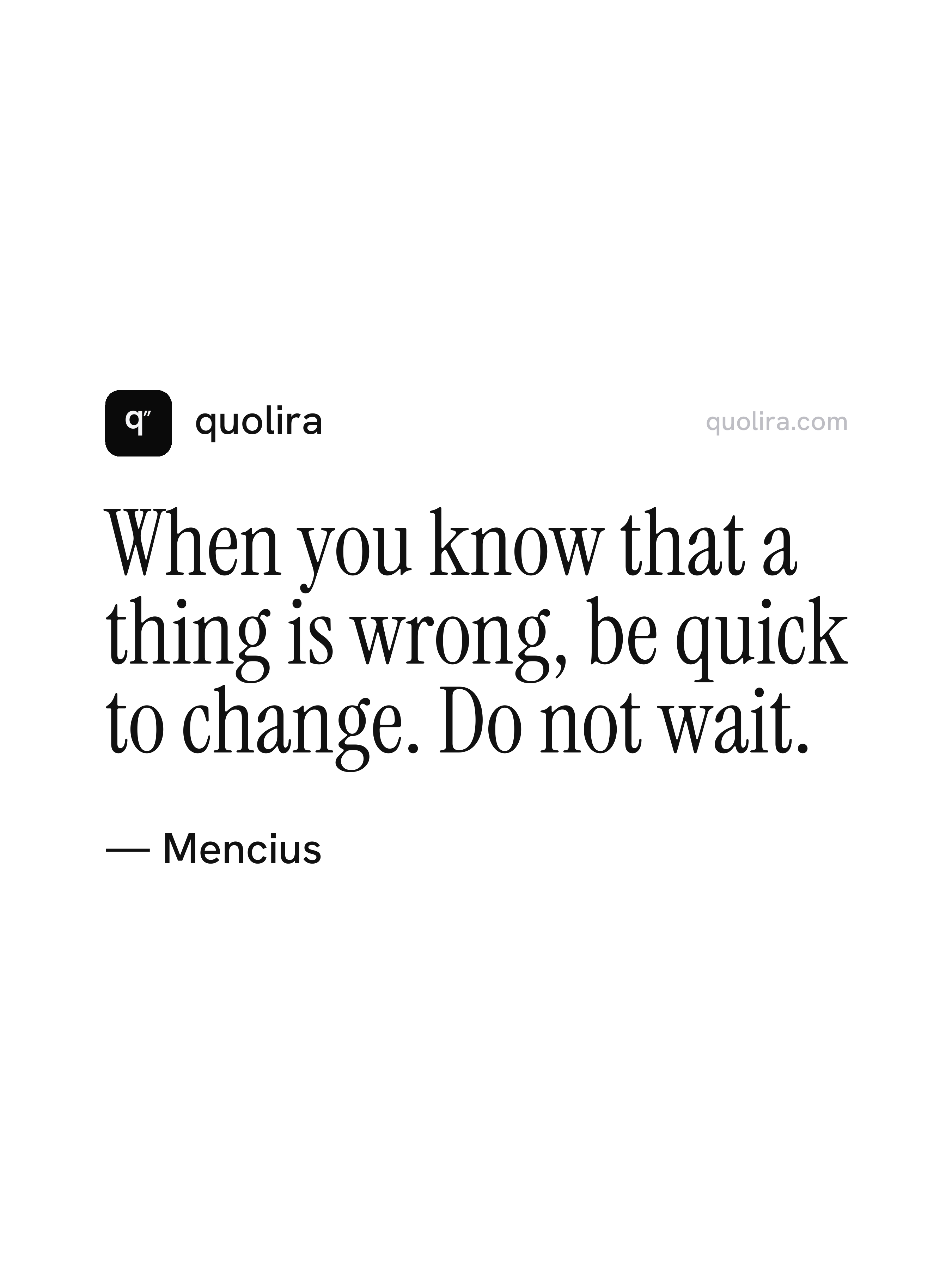
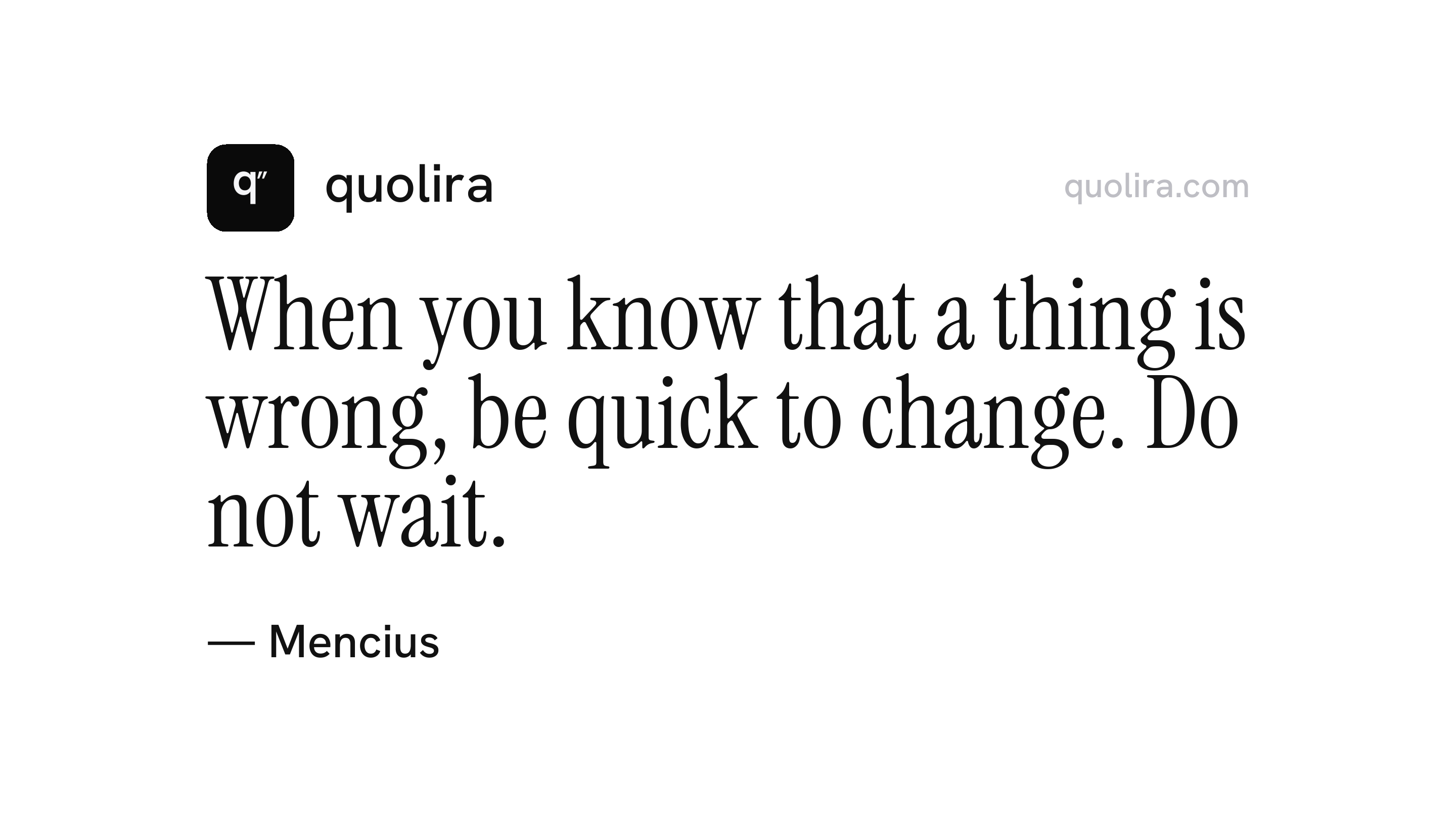
“When you know that a thing is wrong, be quick to change. Do not wait.”
Mencius · Mencius, Book II A
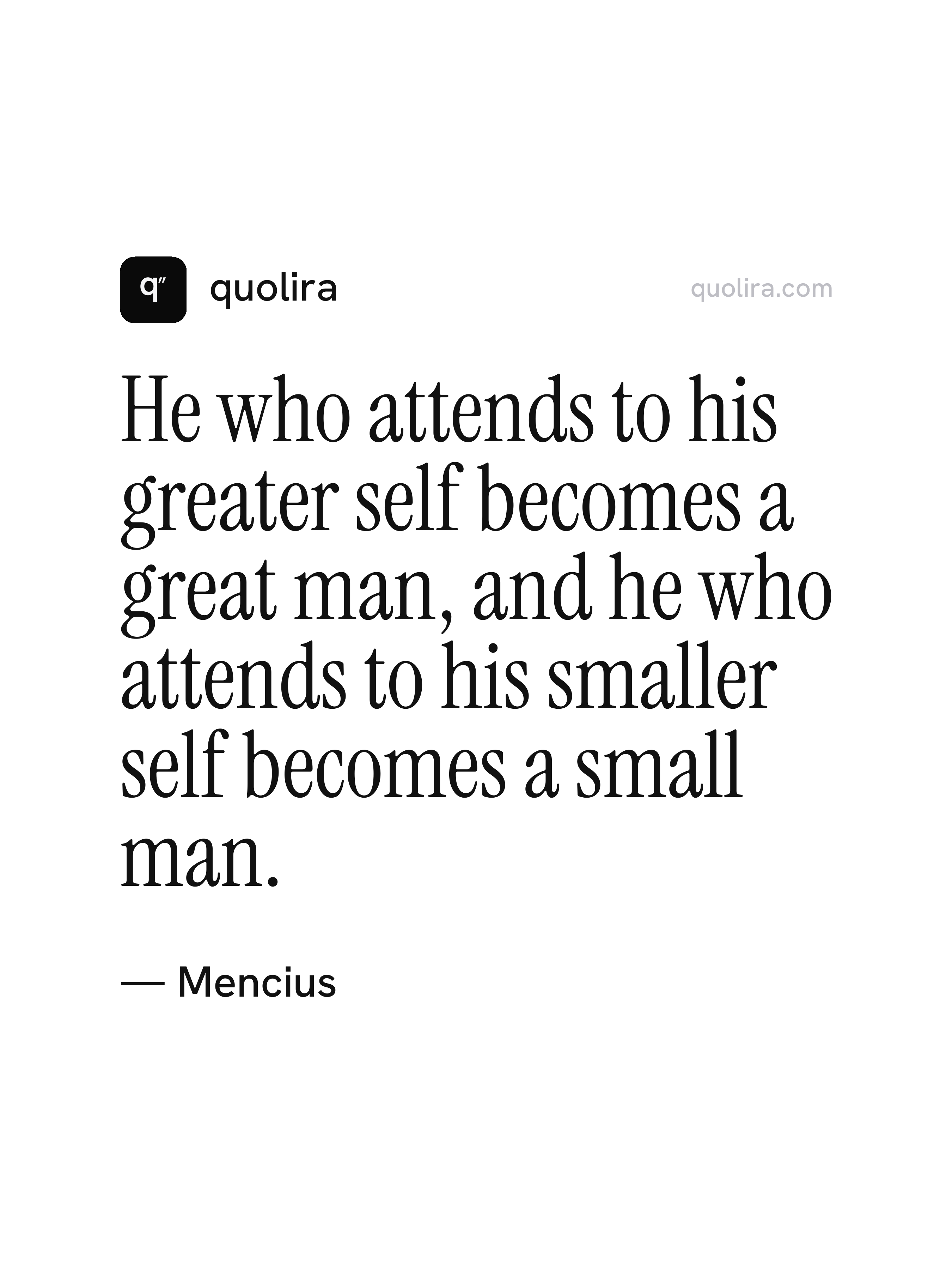
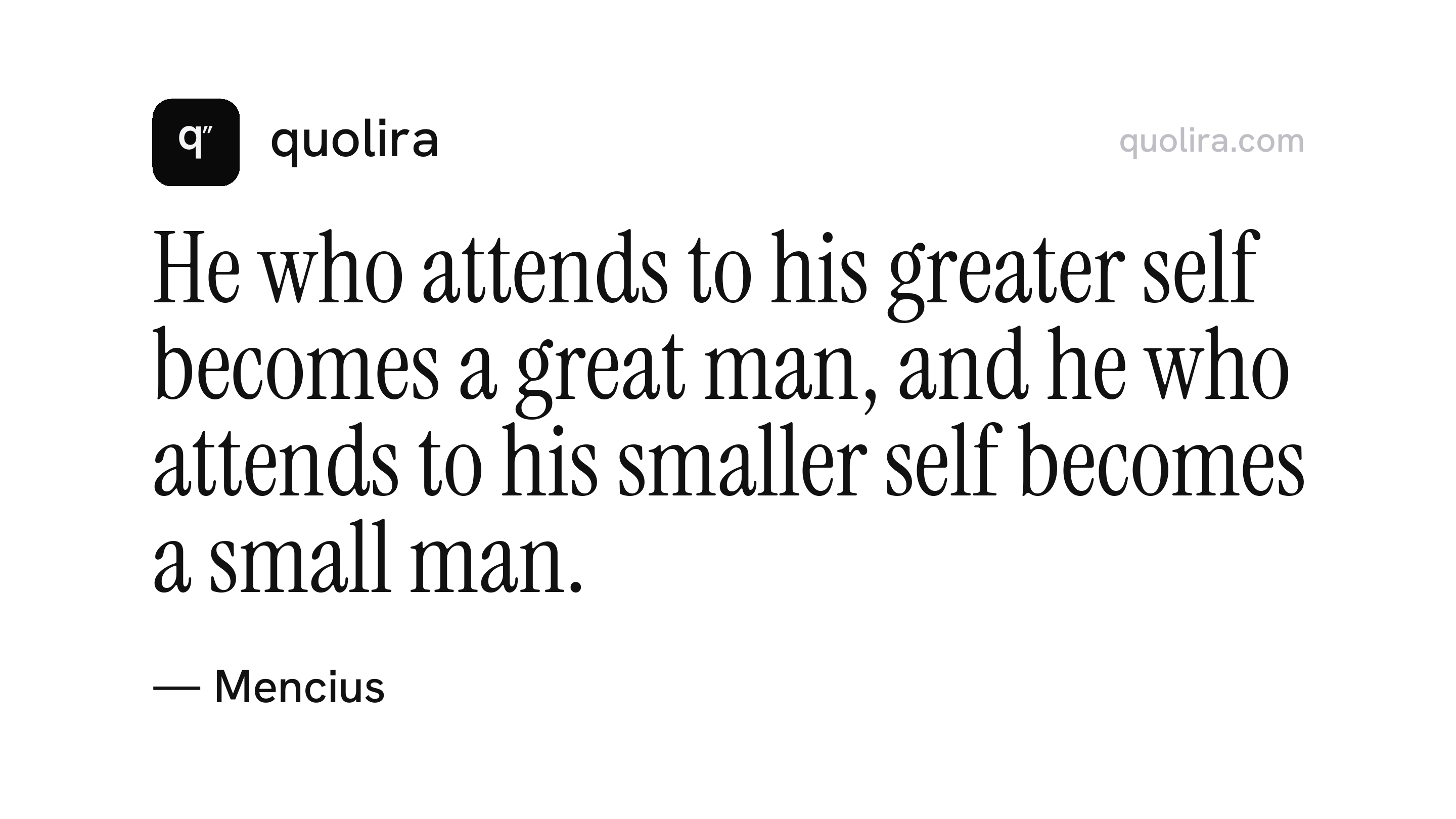
“He who attends to his greater self becomes a great man, and he who attends to his smaller self becomes a small man.”
Mencius · Mencius, Book VI A
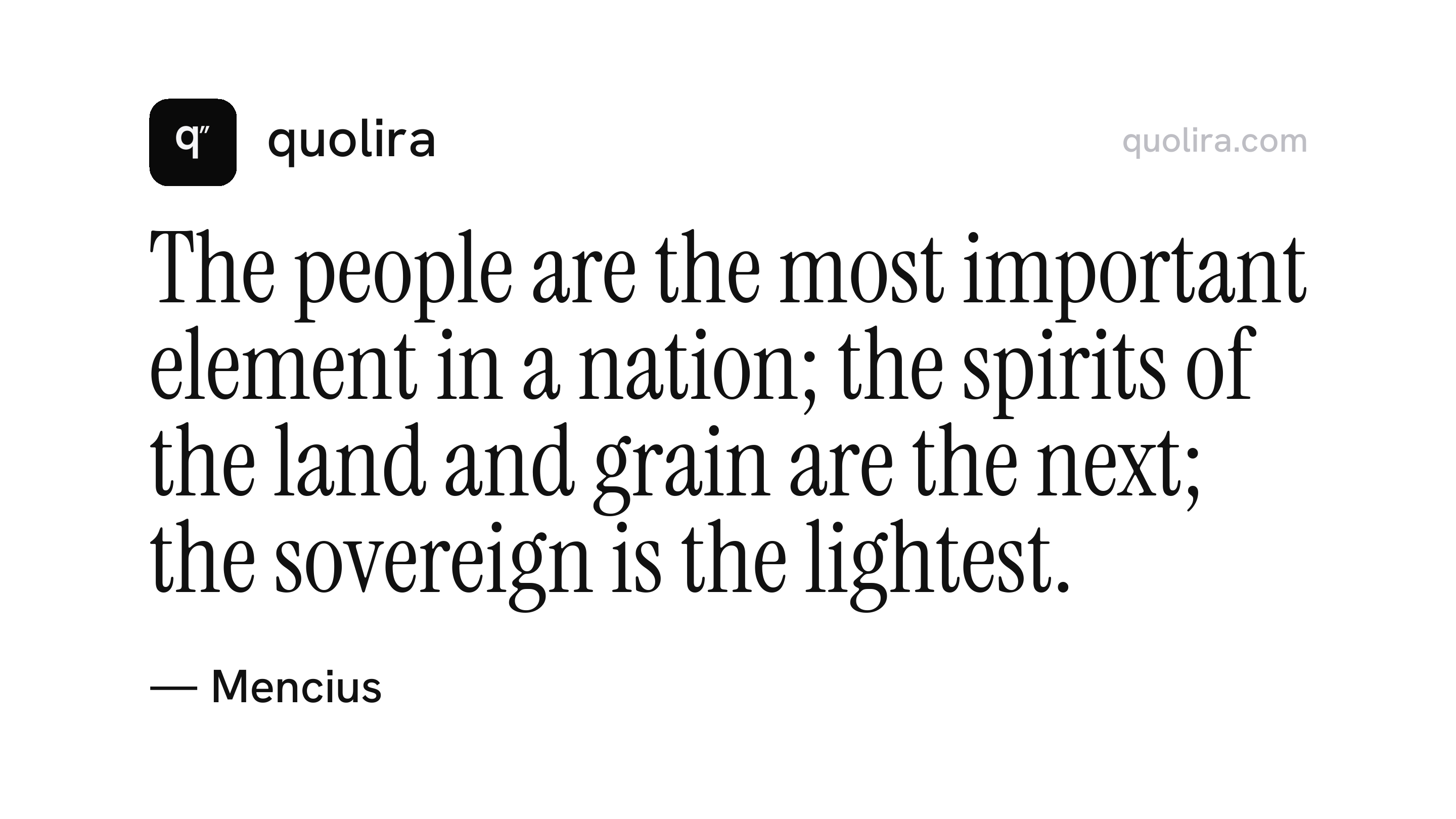
“The people are the most important element in a nation; the spirits of the land and grain are the next; the sovereign is the lightest.”
Mencius · Mencius, Book VII B
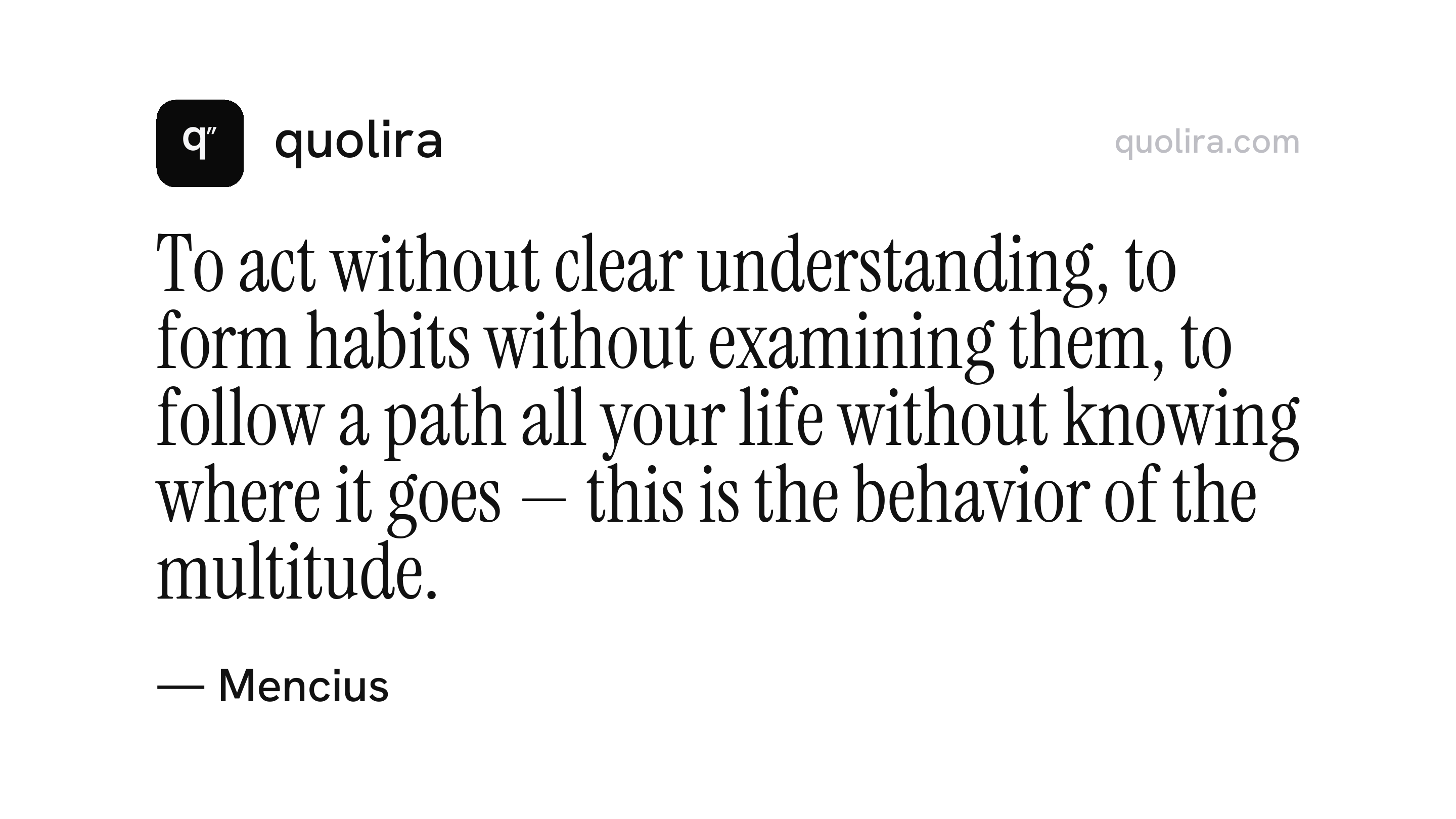
“To act without clear understanding, to form habits without examining them, to follow a path all your life without knowing where it goes — this is the behavior of the multitude.”
Mencius · Mencius, Book VII A