“The way of truth is like a great road. It is not difficult to know it. The evil is only that men will not seek it.”
Mencius · Mencius, Book VI B
 quolira
.com
quolira
quolira.com
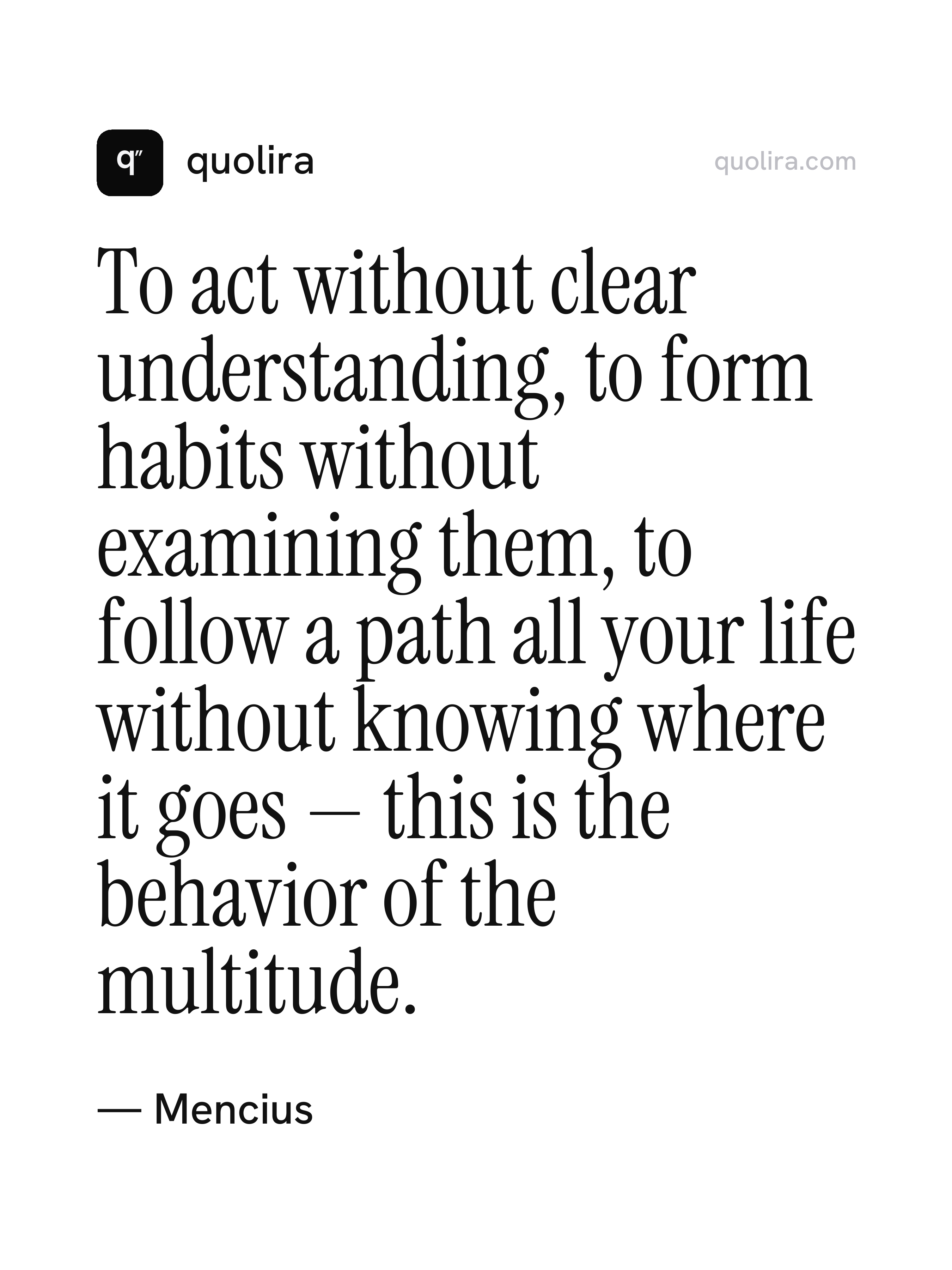
Mencius is describing a kind of sleepwalking through life. When people act on impulse without real understanding, settle into habits they have never examined, and travel a road they cannot name, they are living mechanically rather than consciously. The passage is a gentle but firm challenge to wake up, to ask why we do what we do, and to take deliberate ownership of our own conduct and direction.
This passage comes from the seventh book of the Mencius, a collection recording the teachings and dialogues of the Confucian philosopher Mencius. Writing in a period of political fragmentation and moral uncertainty in ancient China, Mencius consistently urged both rulers and ordinary people to pursue self-knowledge and conscious virtue. He believed that most human suffering and social disorder stems not from malice but from thoughtlessness, and this passage is a clear expression of that belief.
Mencius, known in Chinese as Mengzi, lived during the fourth and third centuries BCE and stands as one of the foremost interpreters of Confucian thought. He is particularly remembered for his conviction that human nature is inherently good, and that moral development requires active attention and reflection rather than passive acceptance of circumstance. His writings, compiled by his disciples, address questions of ethics, governance, and the inner life, and they remain central texts in Chinese philosophy and classical education across East Asia.
“The way of truth is like a great road. It is not difficult to know it. The evil is only that men will not seek it.”
Mencius · Mencius, Book VI B
“If you know that a thing is unrighteous, then use all dispatch in putting an end to it. Why should you wait till next year?”
Mencius · Mencius, Book III B
“The feeling of commiseration is the beginning of humanity; the feeling of shame is the beginning of righteousness.”
Mencius · Mencius, Book II A
“Benevolence is the heart of man, and righteousness is the path of man.”
Mencius · Mencius, Book VI A
“A man must first despise himself, and then others will despise him.”
Mencius · Mencius, Book IV A
“He who exerts his mind to the utmost knows his nature. Knowing his nature, he knows Heaven.”
Mencius · Mencius, Book VII A
“The great man is he who does not lose his child's heart.”
Mencius · Mencius, Book IV B, c. 4th century BCE
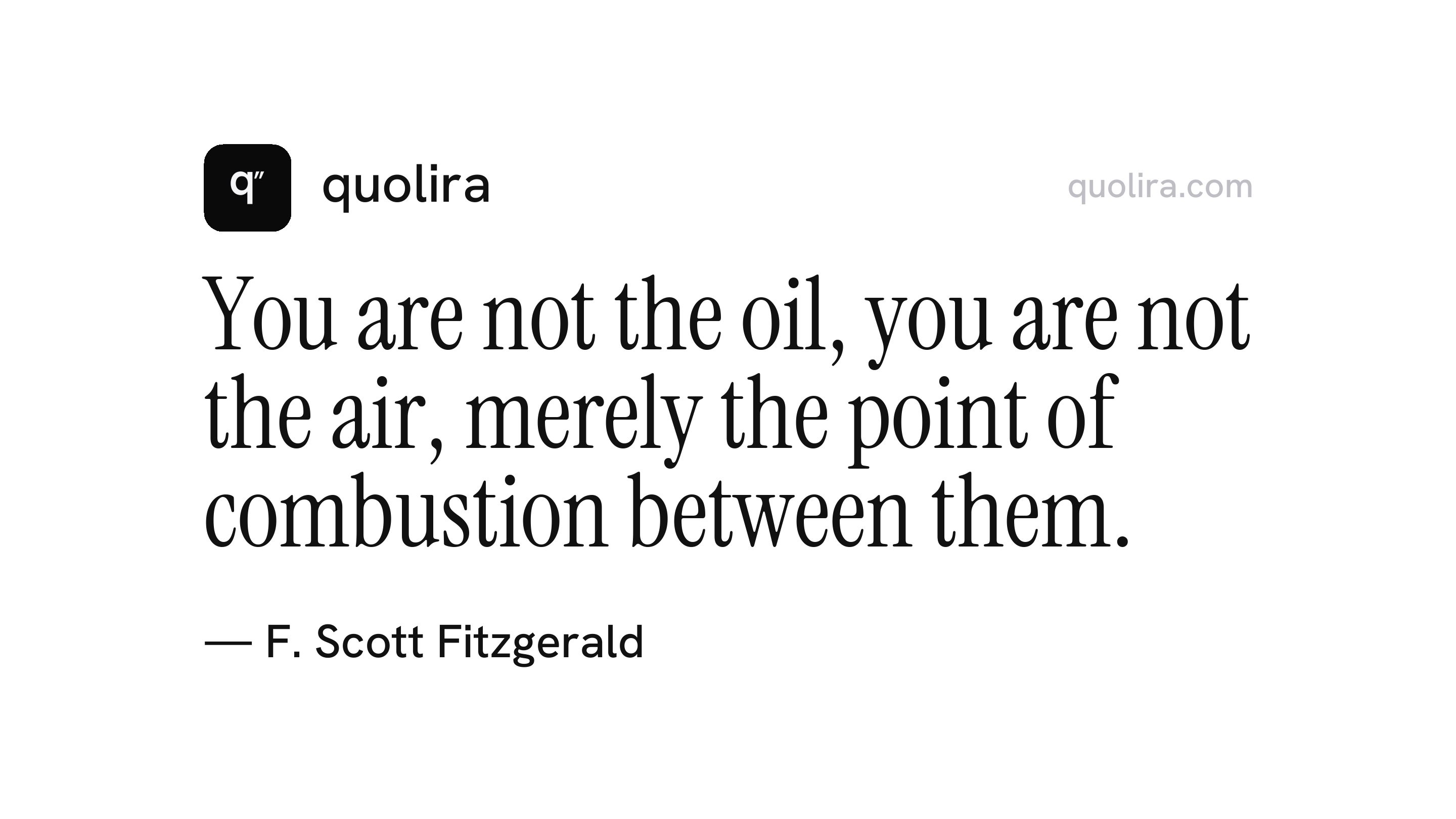
“You are not the oil, you are not the air, merely the point of combustion between them.”
F. Scott Fitzgerald · The Crack-Up, 1936
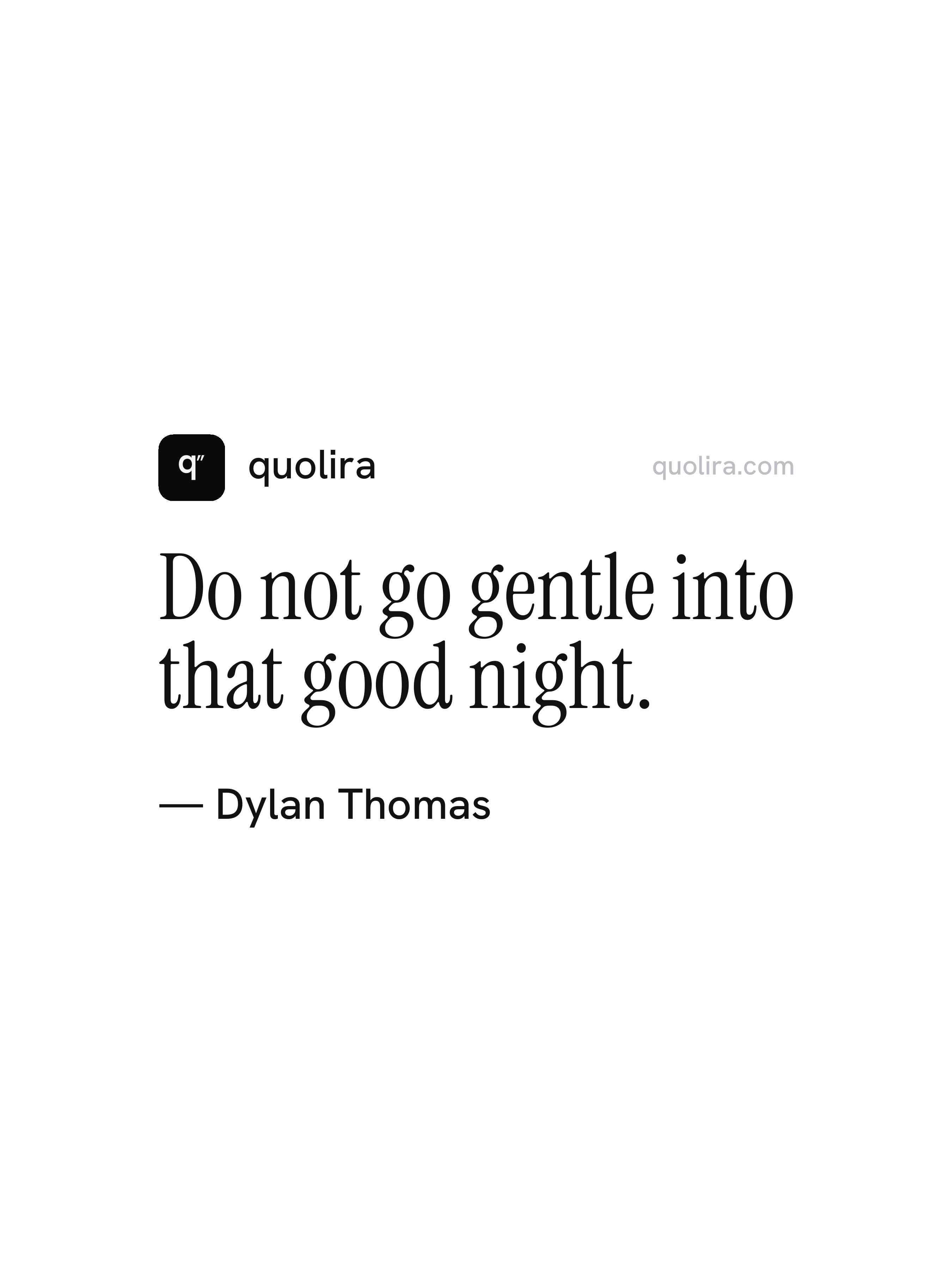
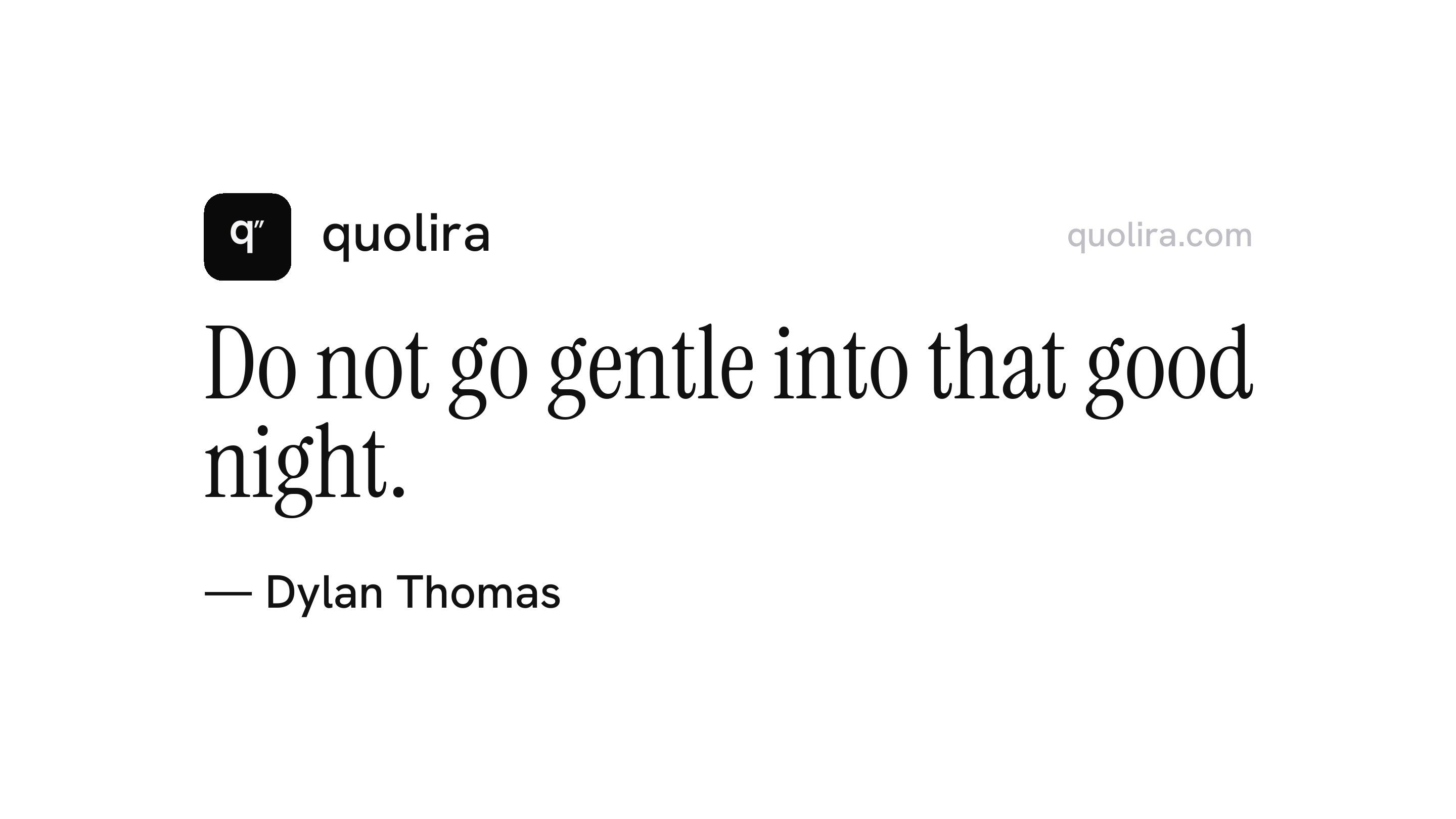
“Do not go gentle into that good night.”
Dylan Thomas · Do Not Go Gentle into That Good Night, 1951
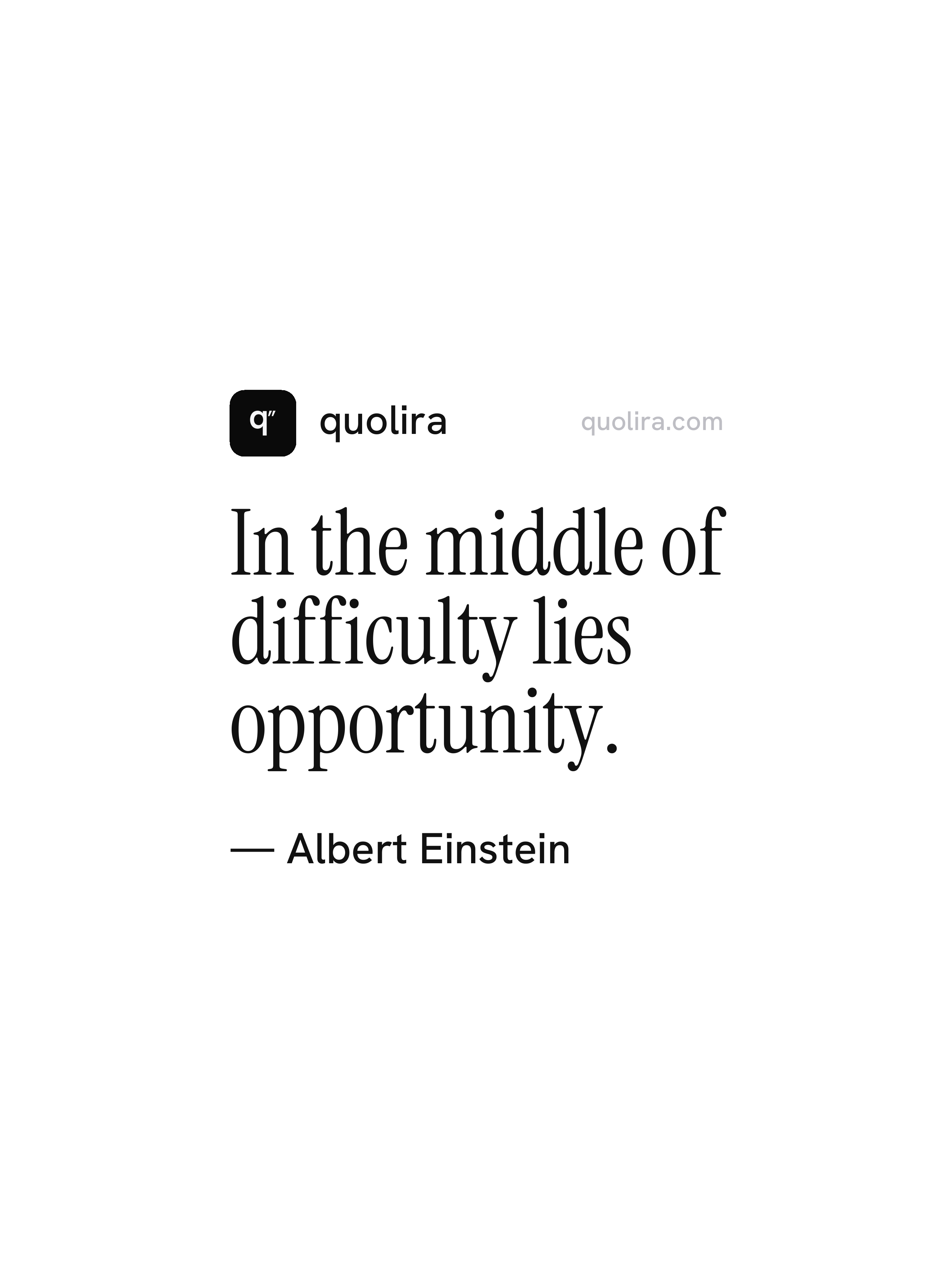
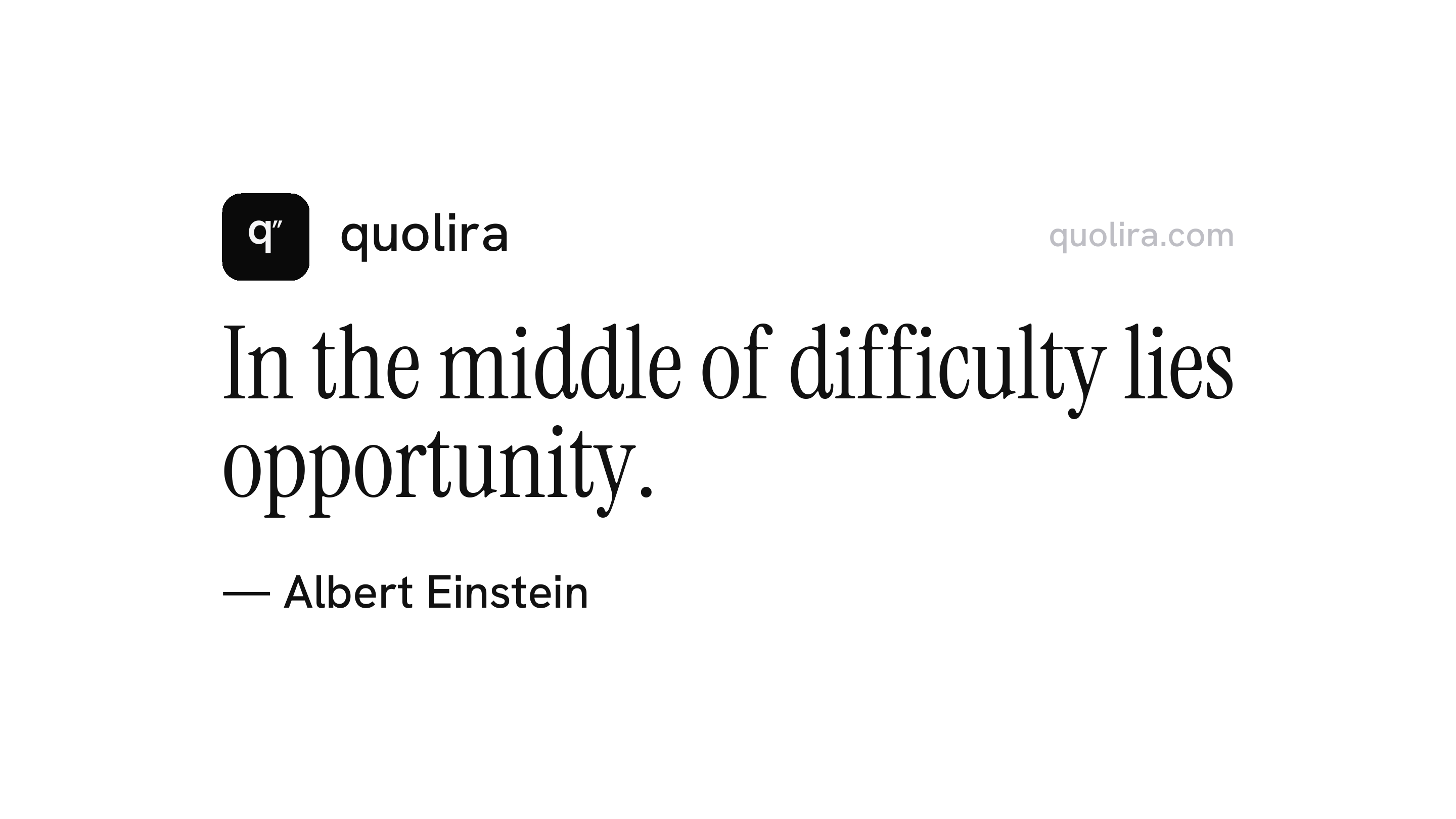
“In the middle of difficulty lies opportunity.”
Albert Einstein · attributed, widely documented
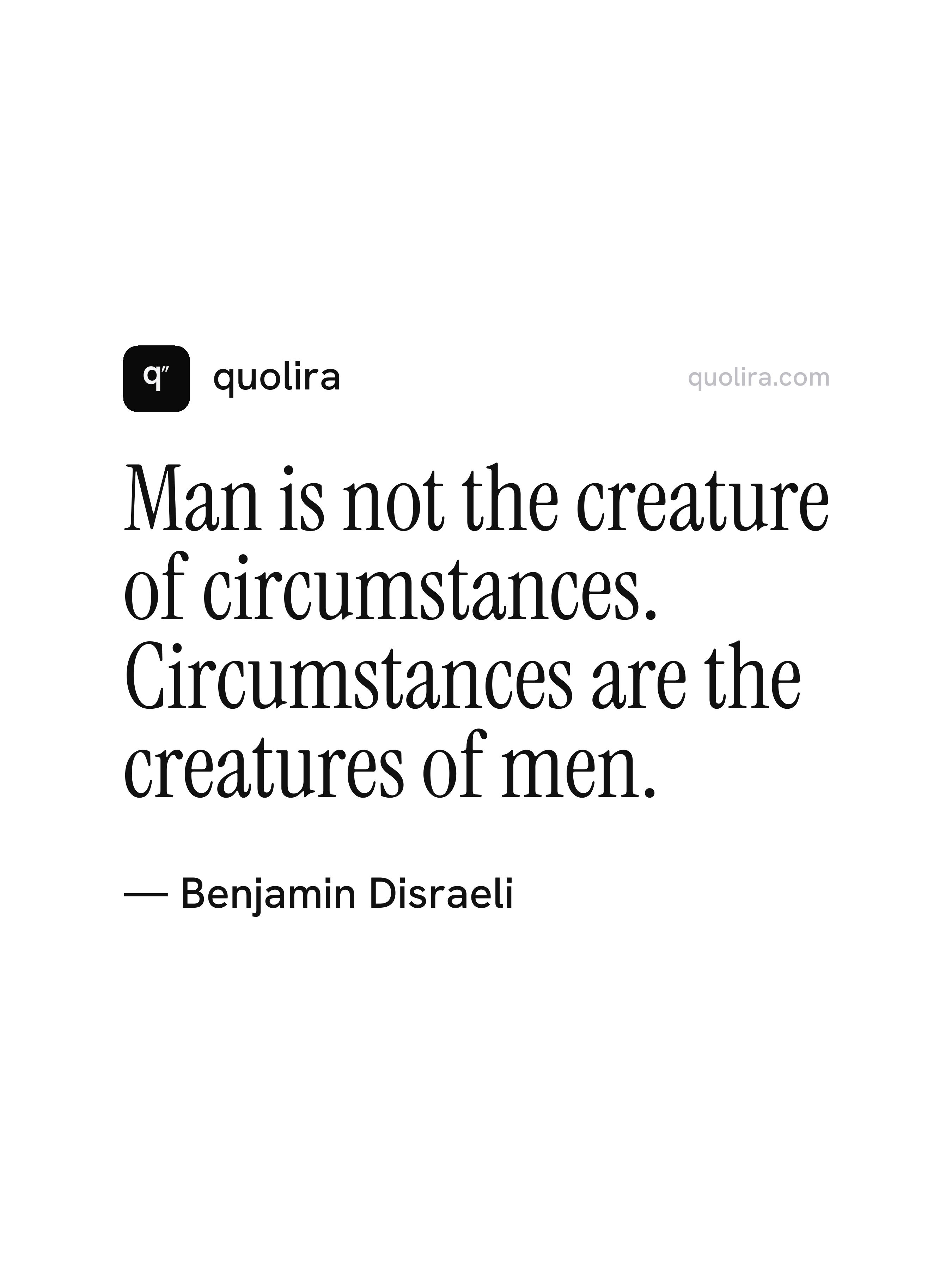
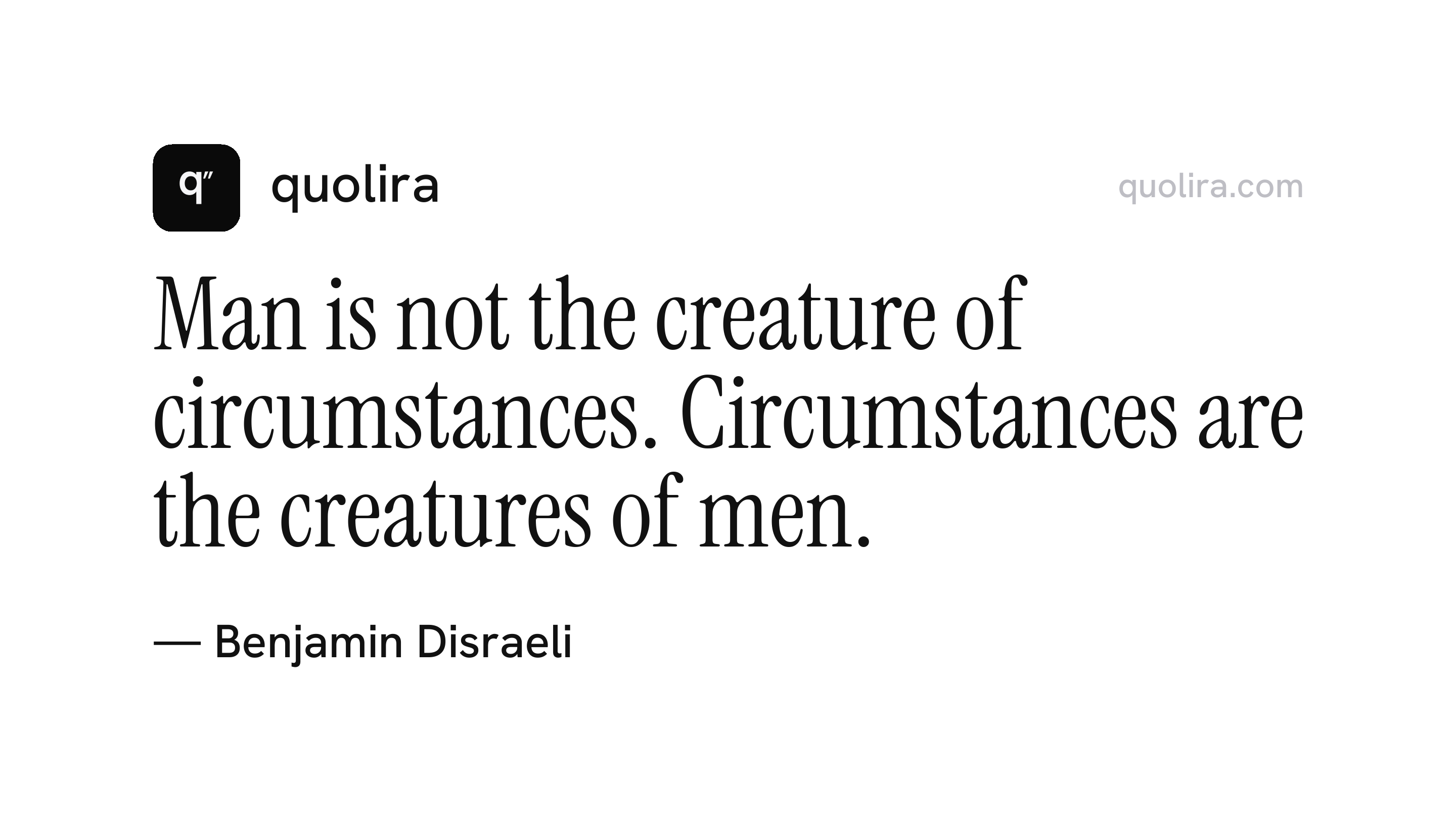
“Man is not the creature of circumstances. Circumstances are the creatures of men.”
Benjamin Disraeli · Vivian Grey, 1826
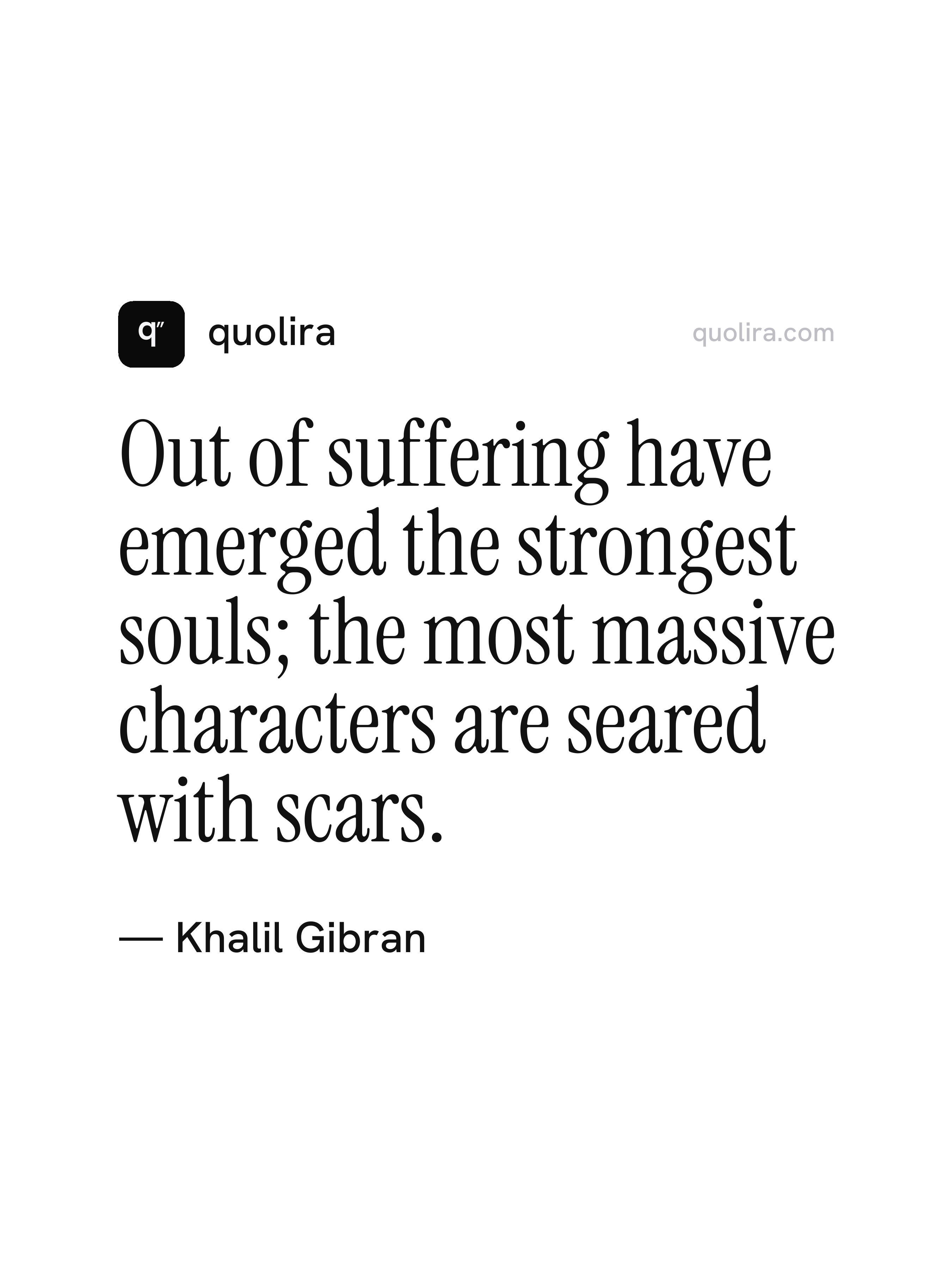
“Out of suffering have emerged the strongest souls; the most massive characters are seared with scars.”
Khalil Gibran · The Prophet, 1923