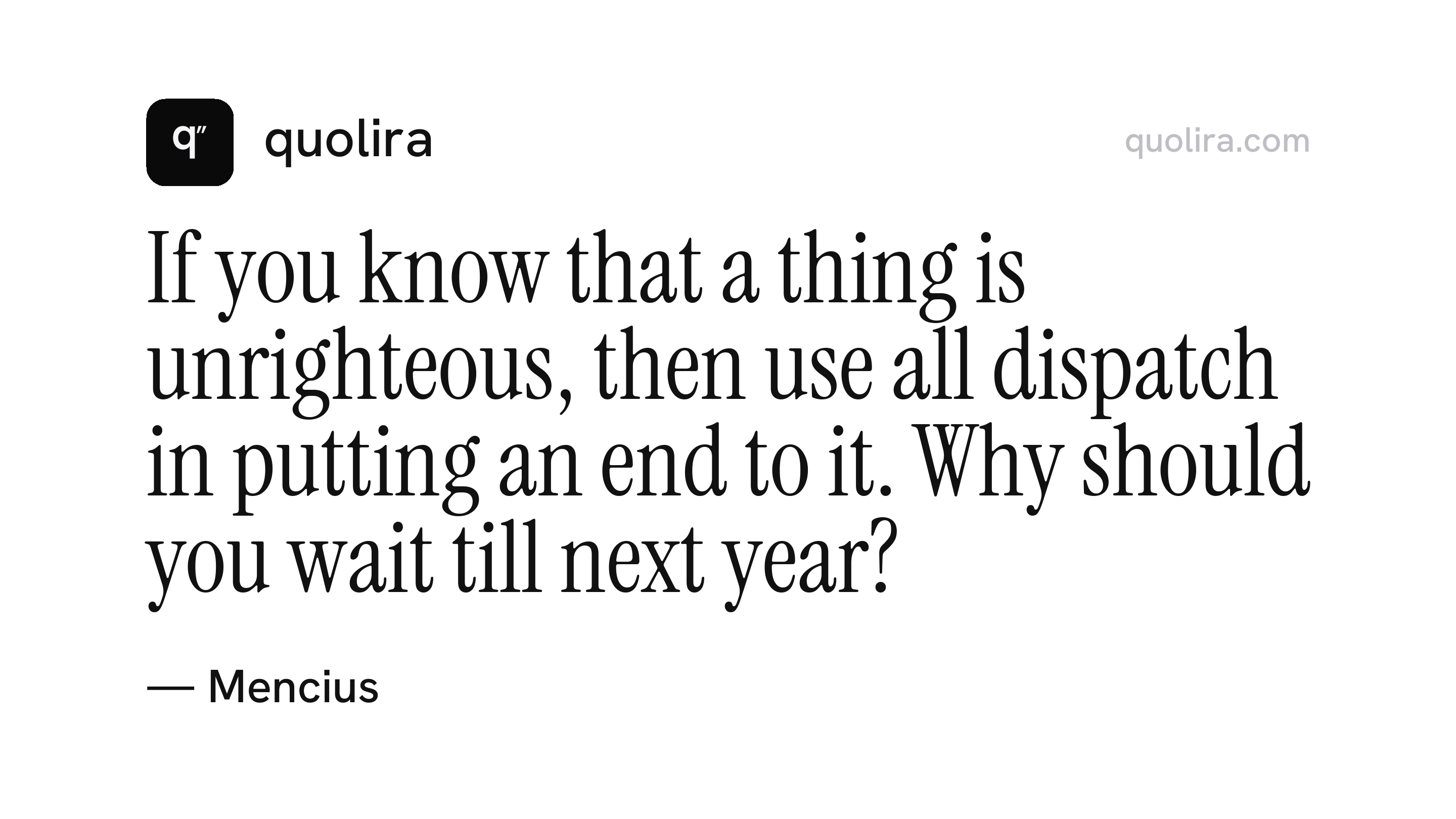
“If you know that a thing is unrighteous, then use all dispatch in putting an end to it. Why should you wait till next year?”
Mencius · Mencius, Book III B
 quolira
.com
quolira
quolira.com
Mencius is saying that the path of truth and right conduct is wide, clear, and available to everyone. It is not hidden, obscure, or reserved for a gifted few. The real obstacle is not intellectual difficulty but a lack of will. People simply choose not to look for the right way, preferring comfort, habit, or convenience over honest seeking.
This line comes from the sixth book of the Mencius, a collection of conversations and teachings attributed to the Confucian philosopher Mencius, who lived in China during the fourth and third centuries BCE. Mencius spent much of his career urging rulers and ordinary people alike to cultivate virtue and act with moral seriousness. This particular passage reflects his recurring theme that goodness is accessible by nature and that moral failure is largely a failure of effort and intention rather than capacity.
Mencius, known in Chinese as Mengzi, is one of the most influential thinkers in the Confucian tradition. He developed and deepened the ideas of Confucius, arguing most notably that human nature is fundamentally good and that people go wrong through neglect, bad environment, or poor choices rather than innate corruption. His collected writings became one of the classical texts studied throughout East Asian intellectual history, and his arguments about virtue, governance, and human potential continue to be read and debated today.
“If you know that a thing is unrighteous, then use all dispatch in putting an end to it. Why should you wait till next year?”
Mencius · Mencius, Book III B
“The feeling of commiseration is the beginning of humanity; the feeling of shame is the beginning of righteousness.”
Mencius · Mencius, Book II A
“Benevolence is the heart of man, and righteousness is the path of man.”
Mencius · Mencius, Book VI A
“A man must first despise himself, and then others will despise him.”
Mencius · Mencius, Book IV A
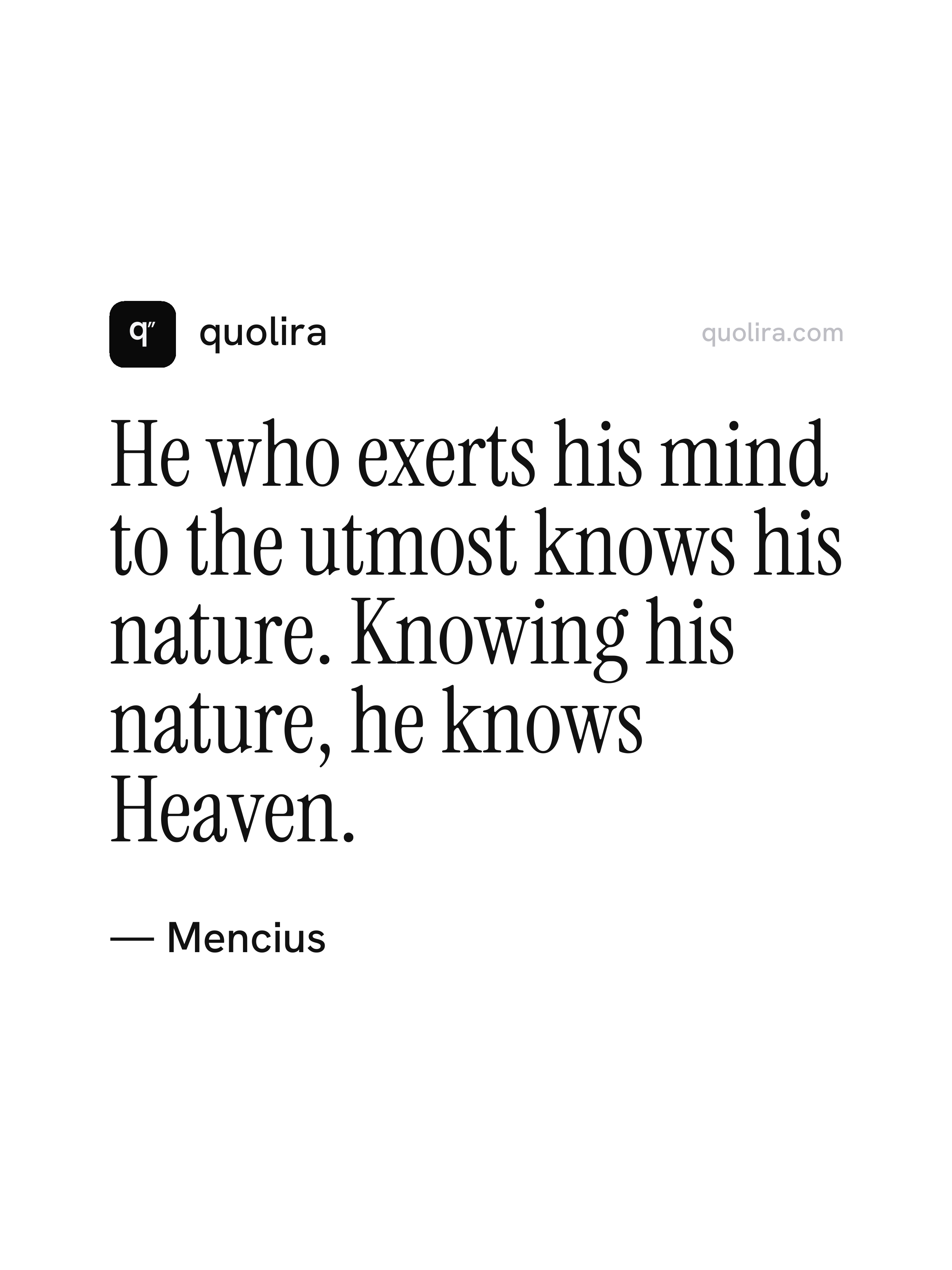
“He who exerts his mind to the utmost knows his nature. Knowing his nature, he knows Heaven.”
Mencius · Mencius, Book VII A
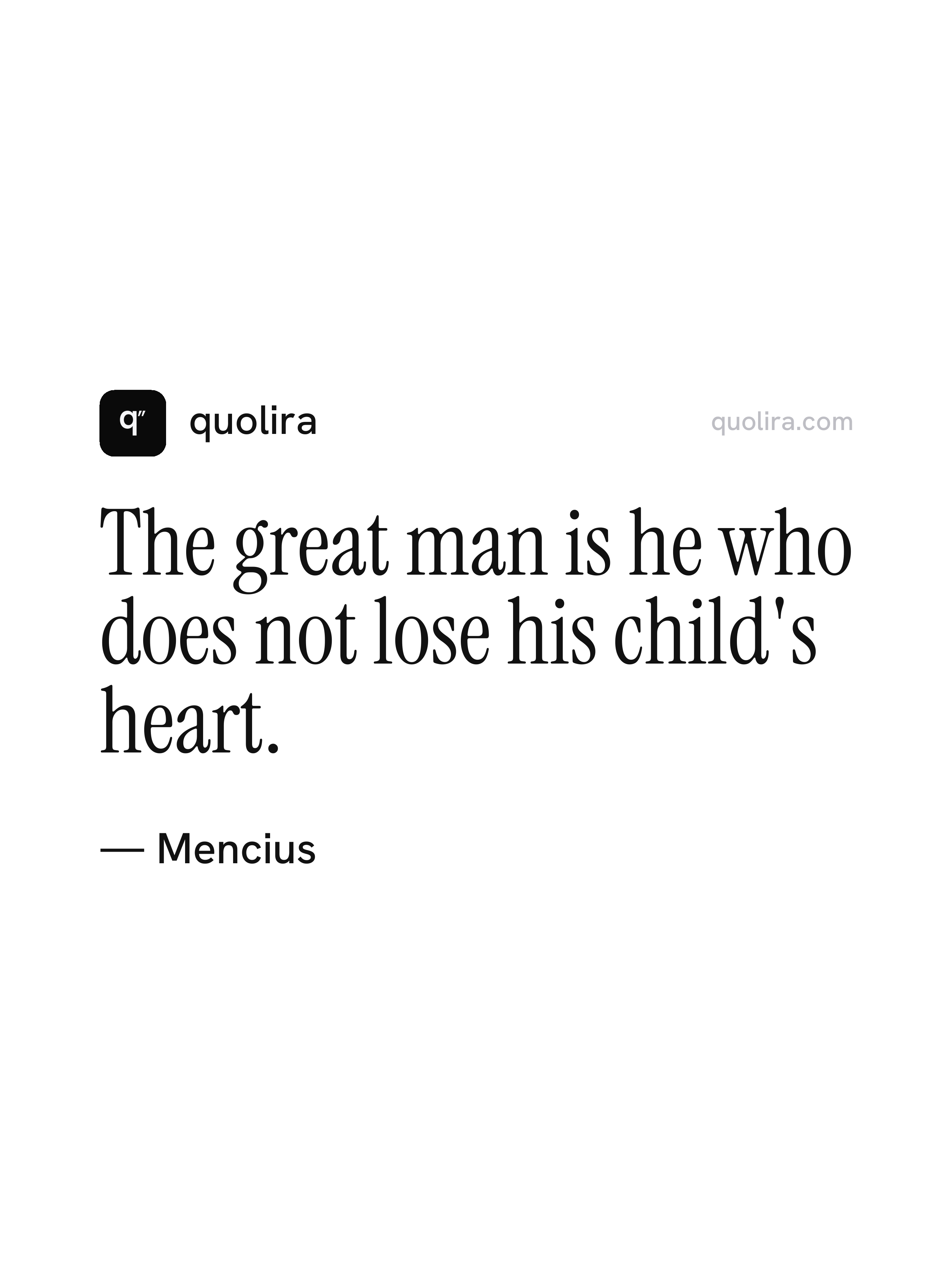
“The great man is he who does not lose his child's heart.”
Mencius · Mencius, Book IV B, c. 4th century BCE
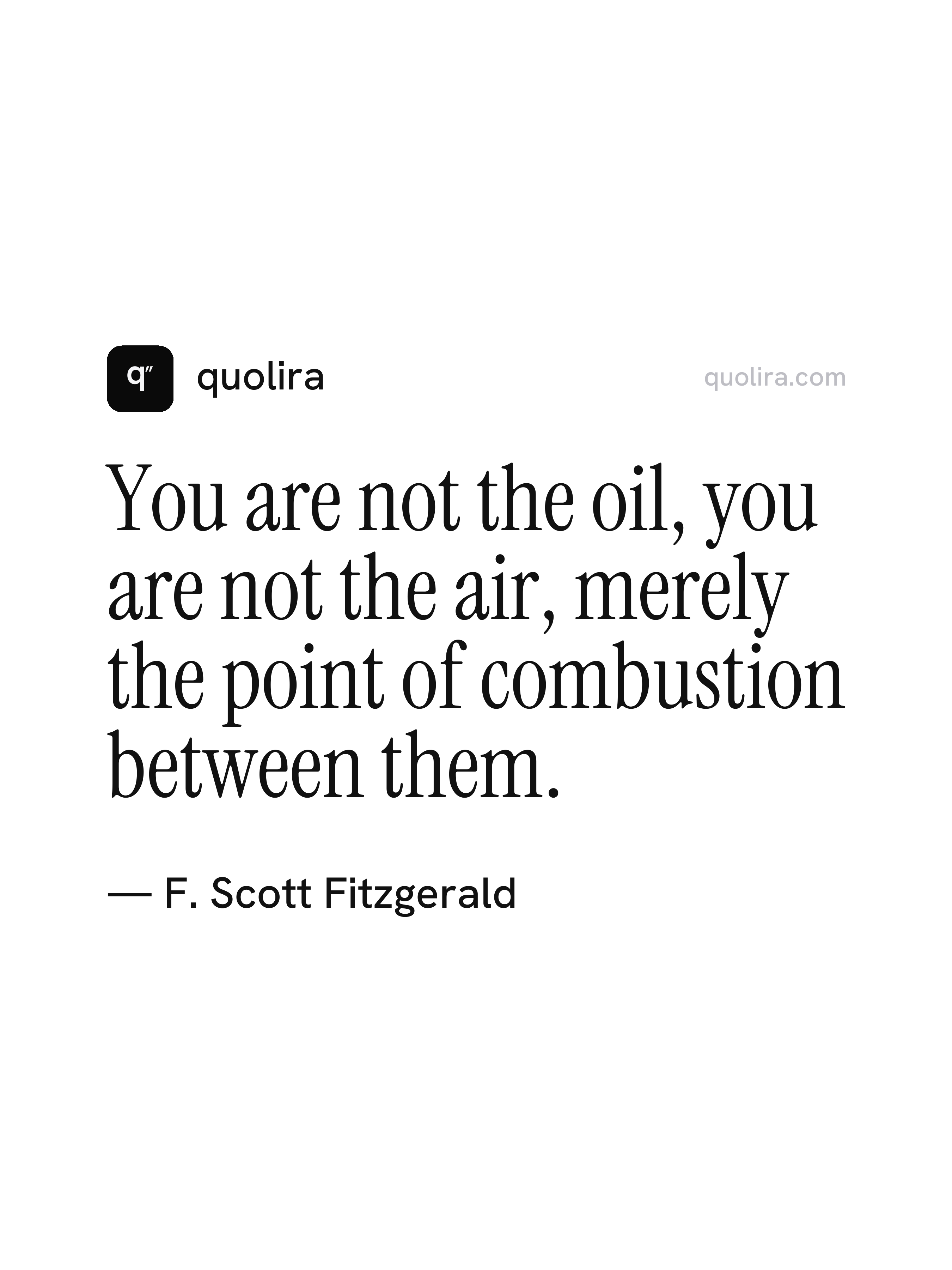
“You are not the oil, you are not the air, merely the point of combustion between them.”
F. Scott Fitzgerald · The Crack-Up, 1936
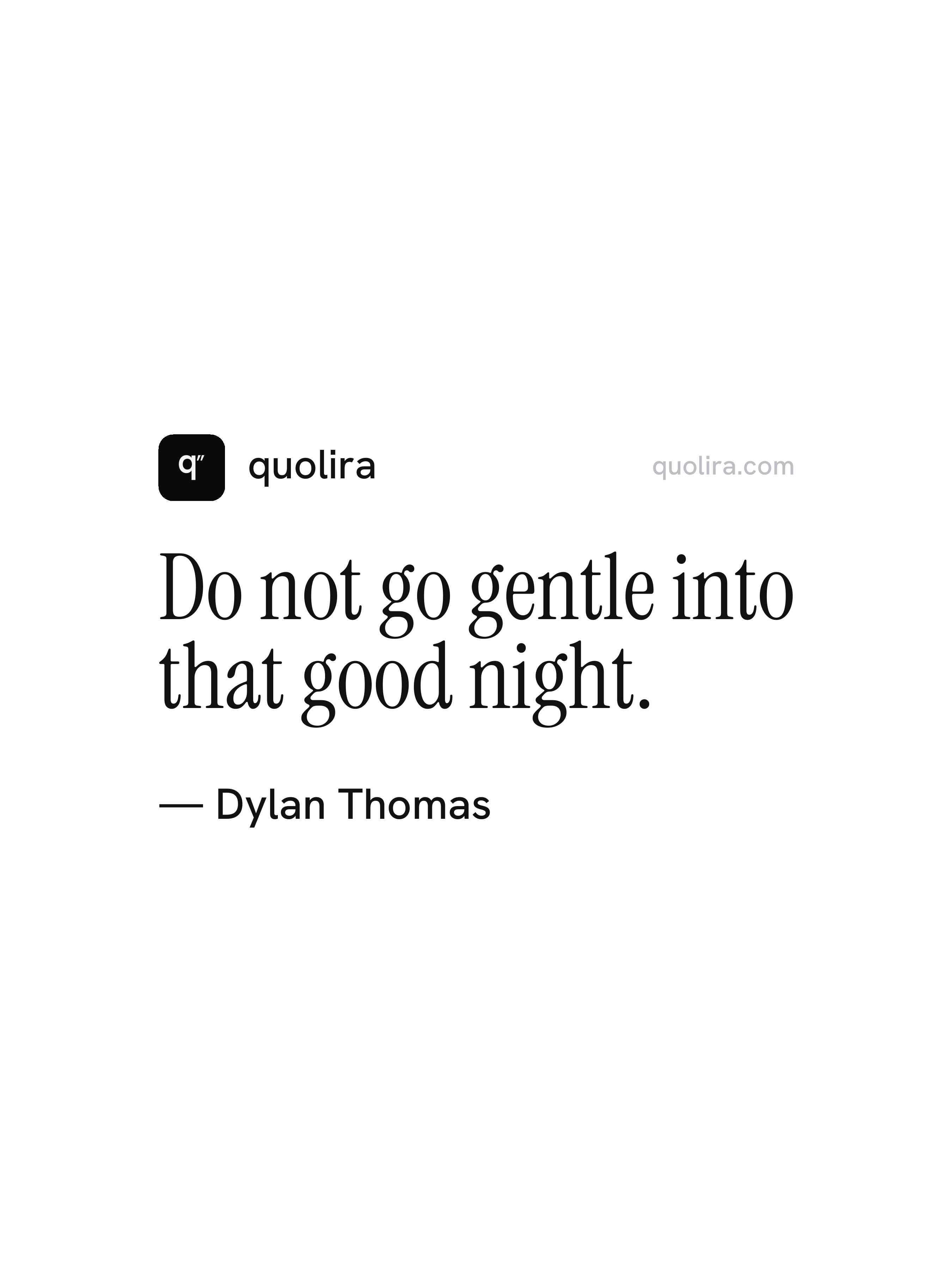
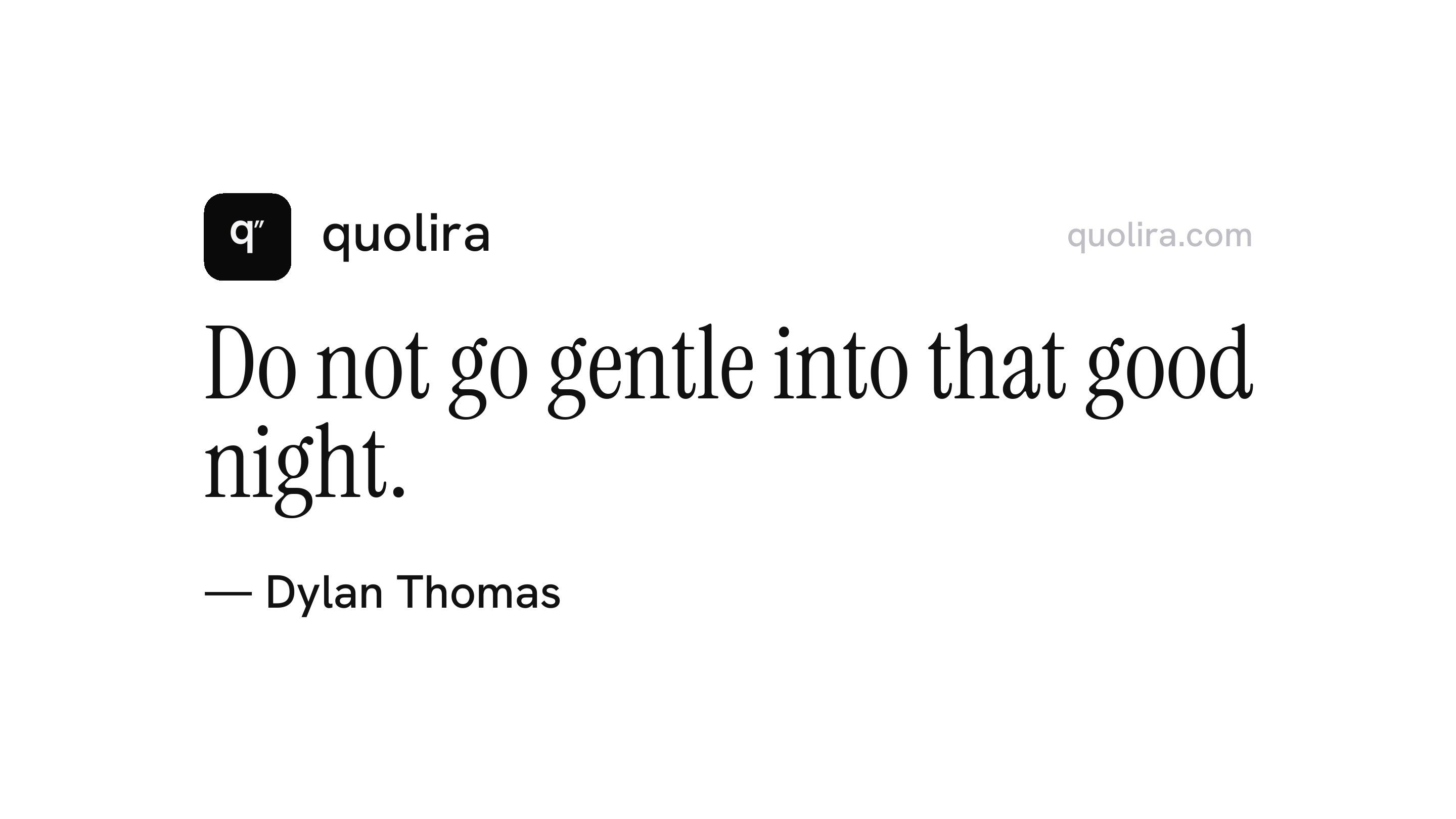
“Do not go gentle into that good night.”
Dylan Thomas · Do Not Go Gentle into That Good Night, 1951
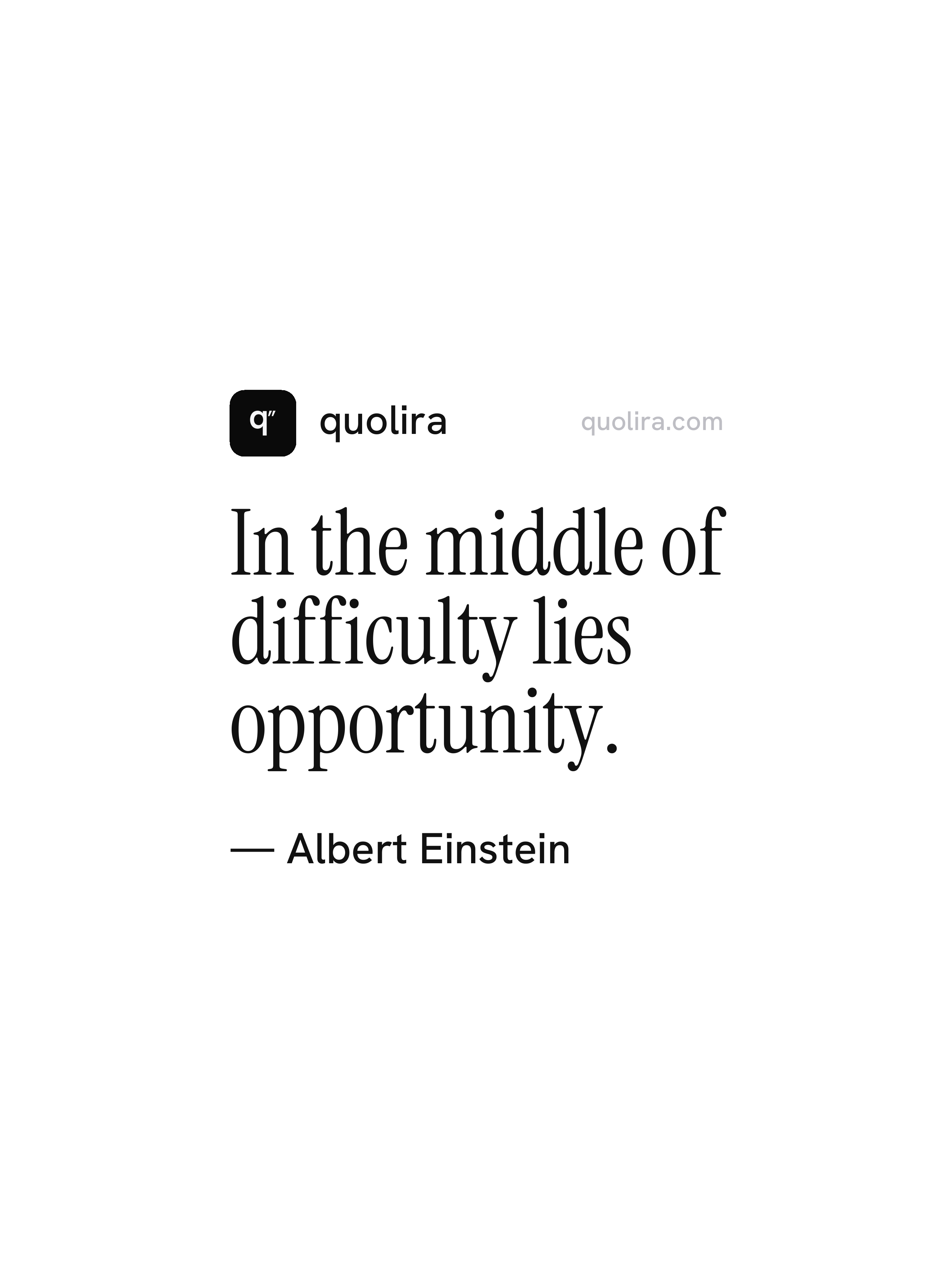
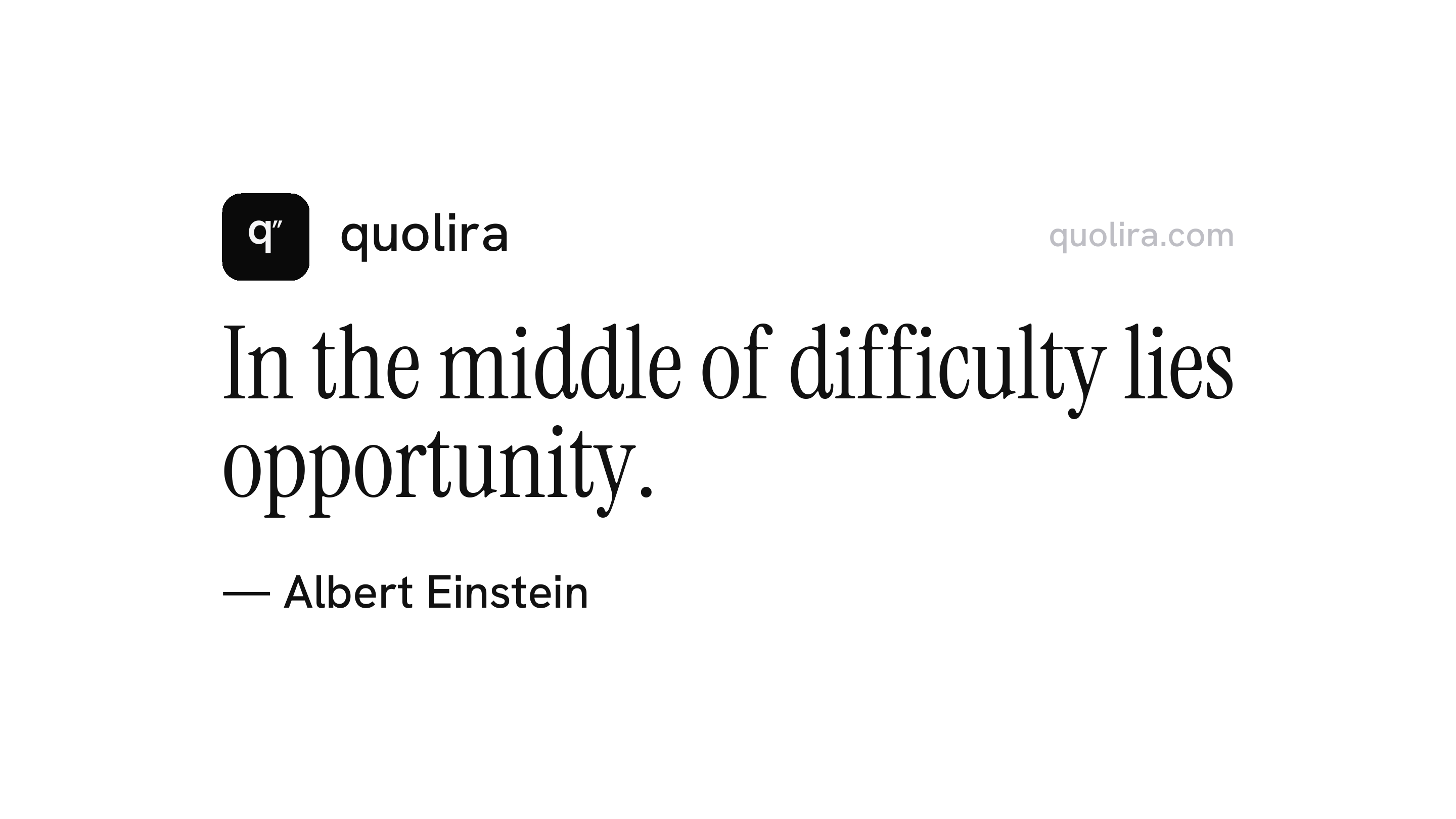
“In the middle of difficulty lies opportunity.”
Albert Einstein · attributed, widely documented
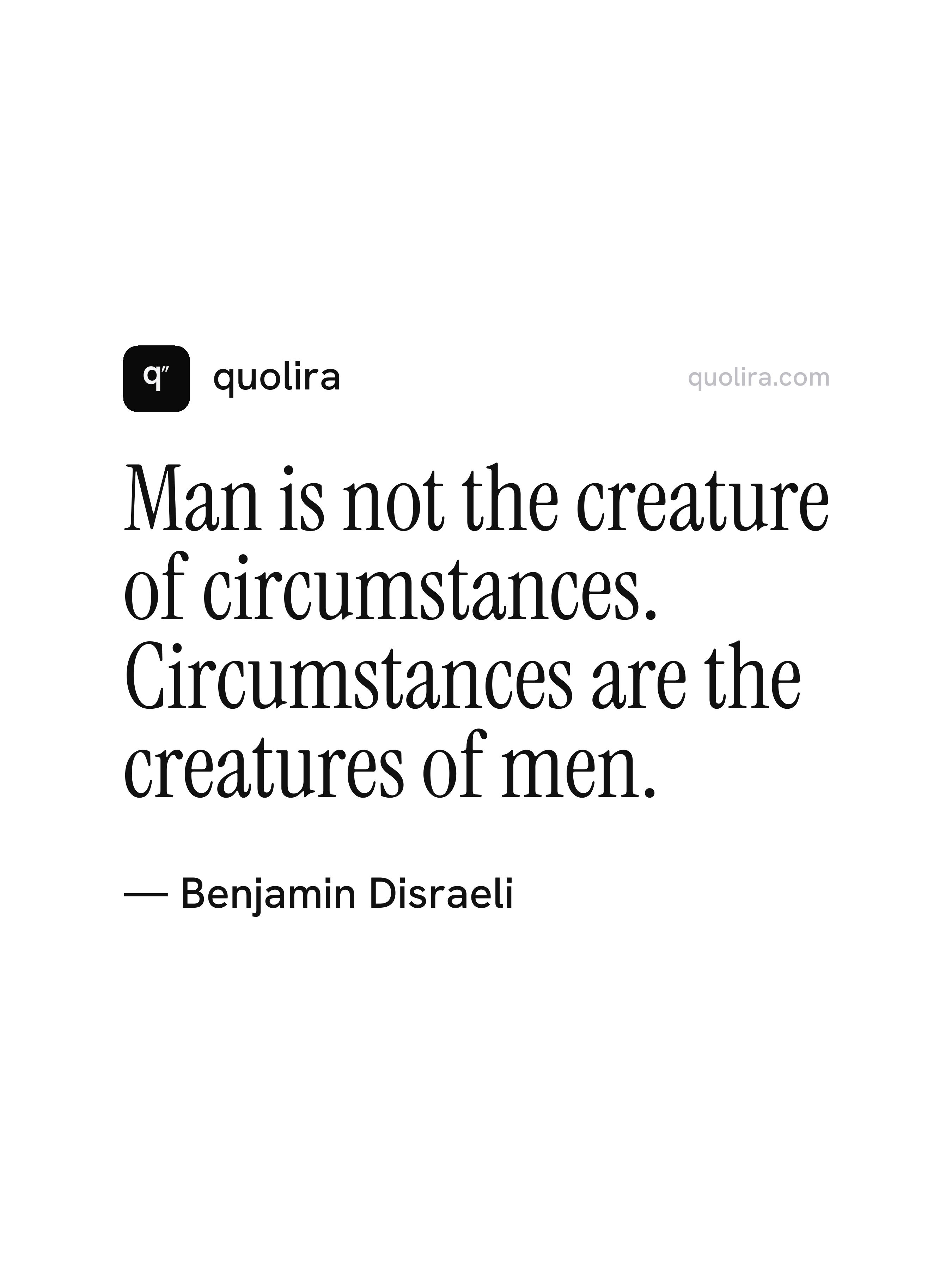
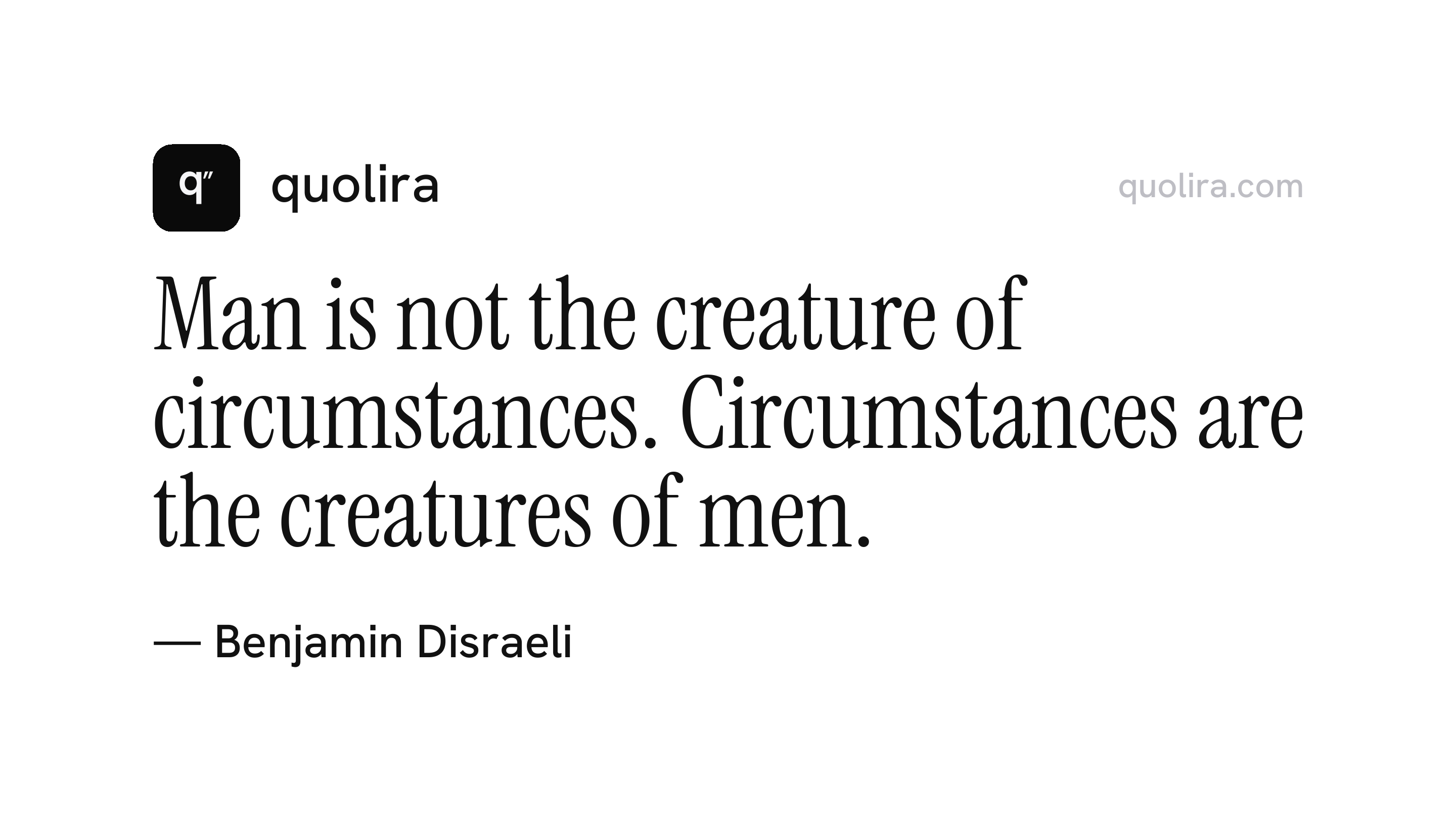
“Man is not the creature of circumstances. Circumstances are the creatures of men.”
Benjamin Disraeli · Vivian Grey, 1826
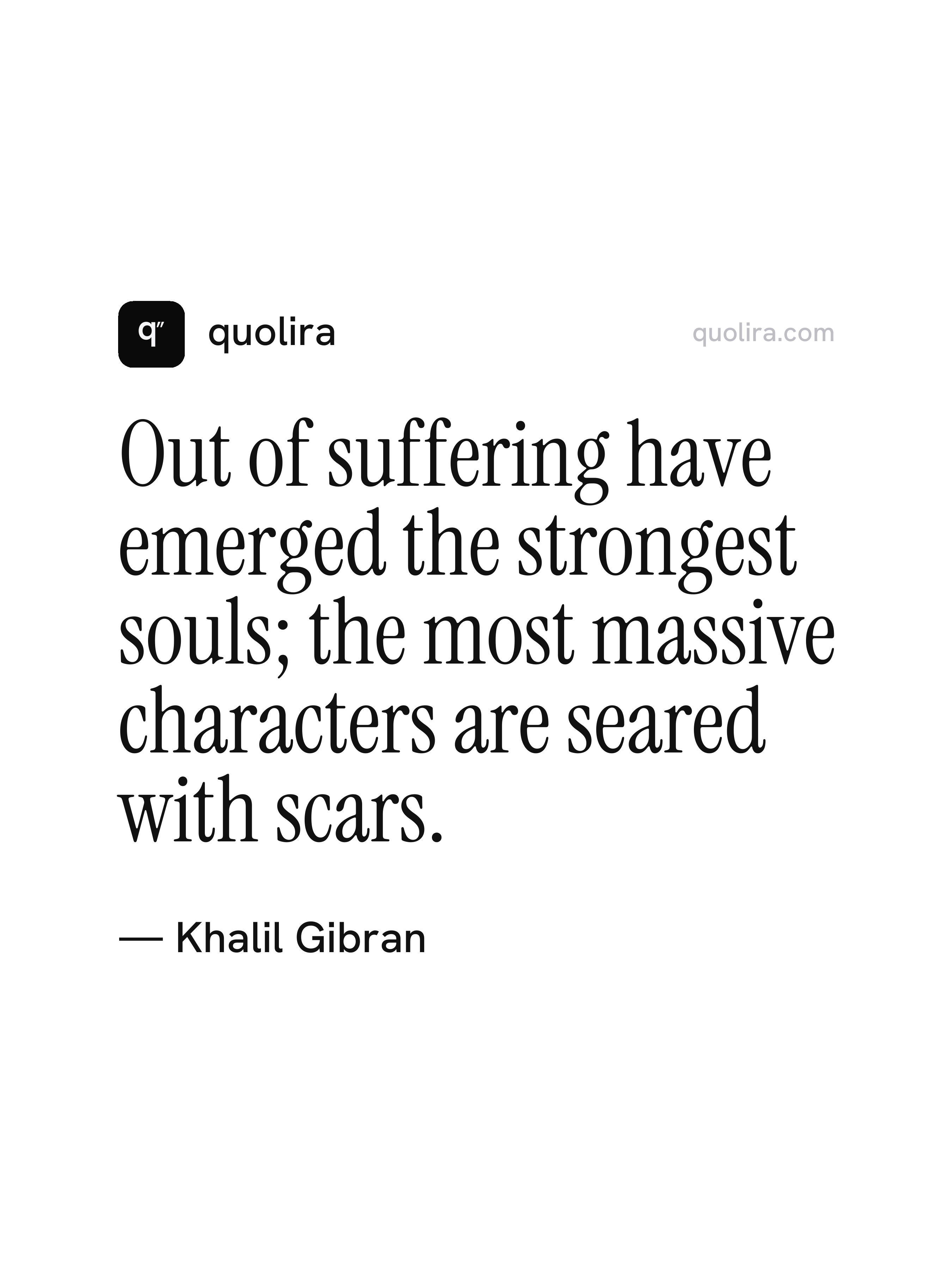
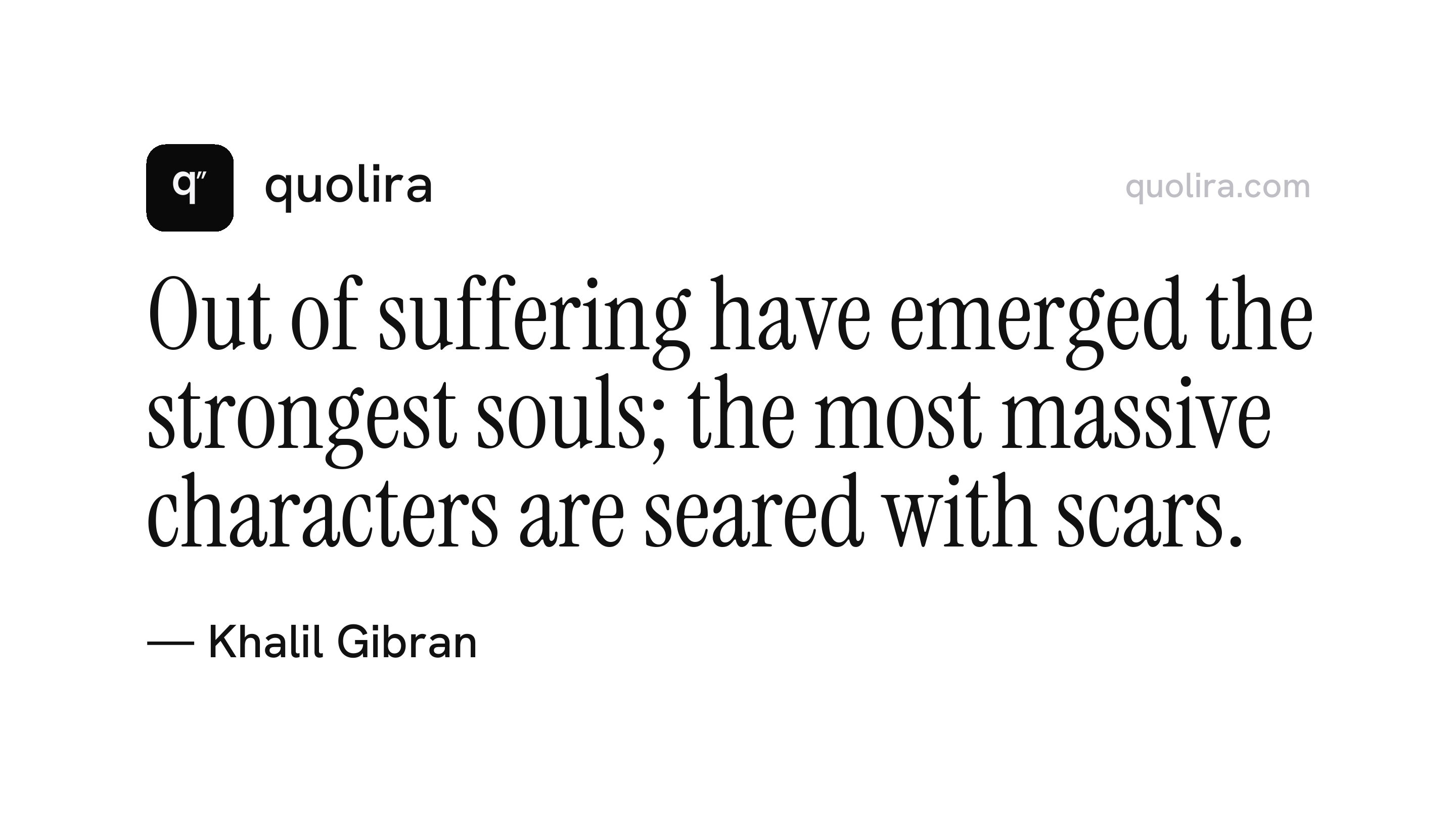
“Out of suffering have emerged the strongest souls; the most massive characters are seared with scars.”
Khalil Gibran · The Prophet, 1923
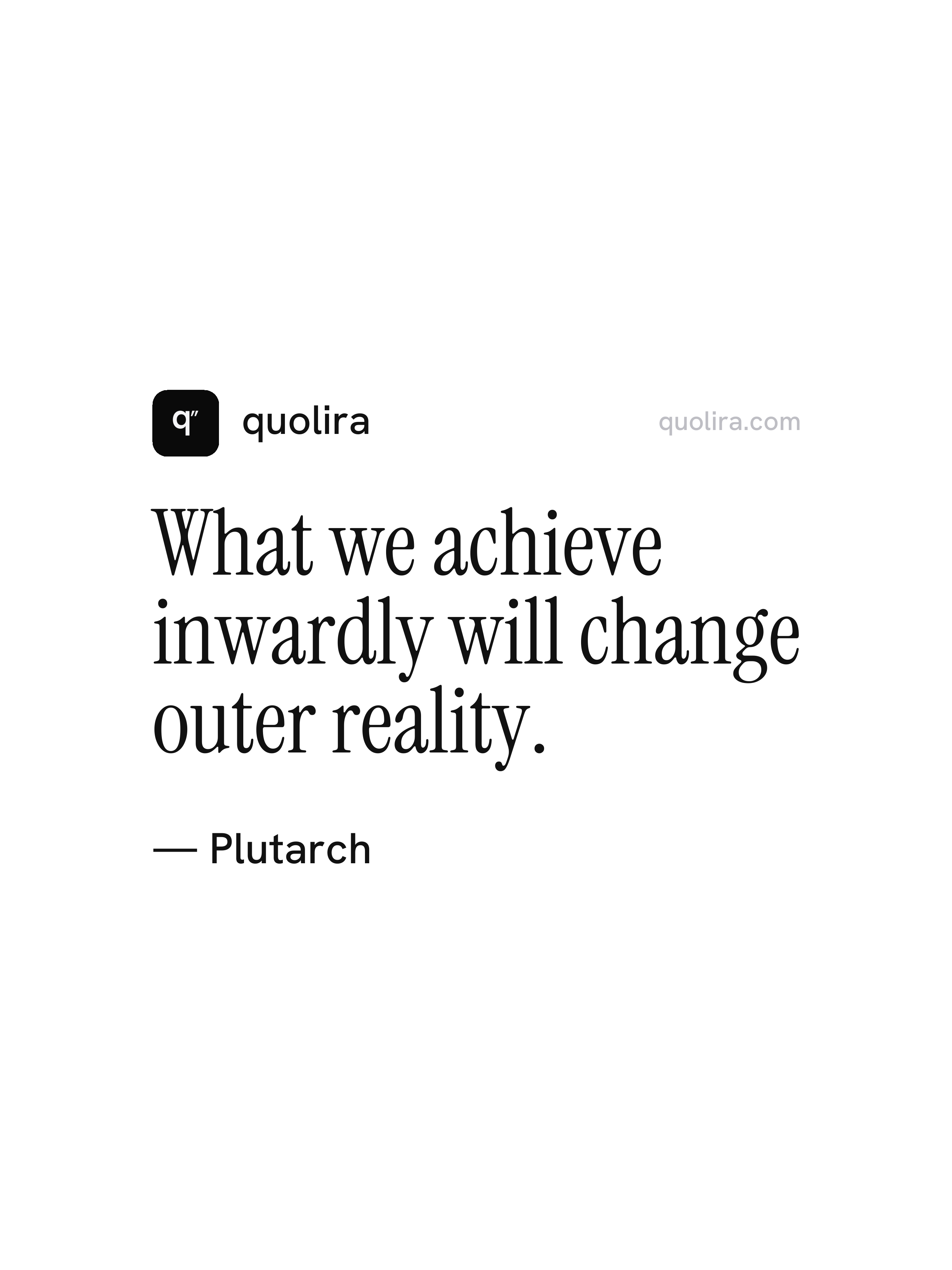
“What we achieve inwardly will change outer reality.”
Plutarch · Moralia, c. 100 AD