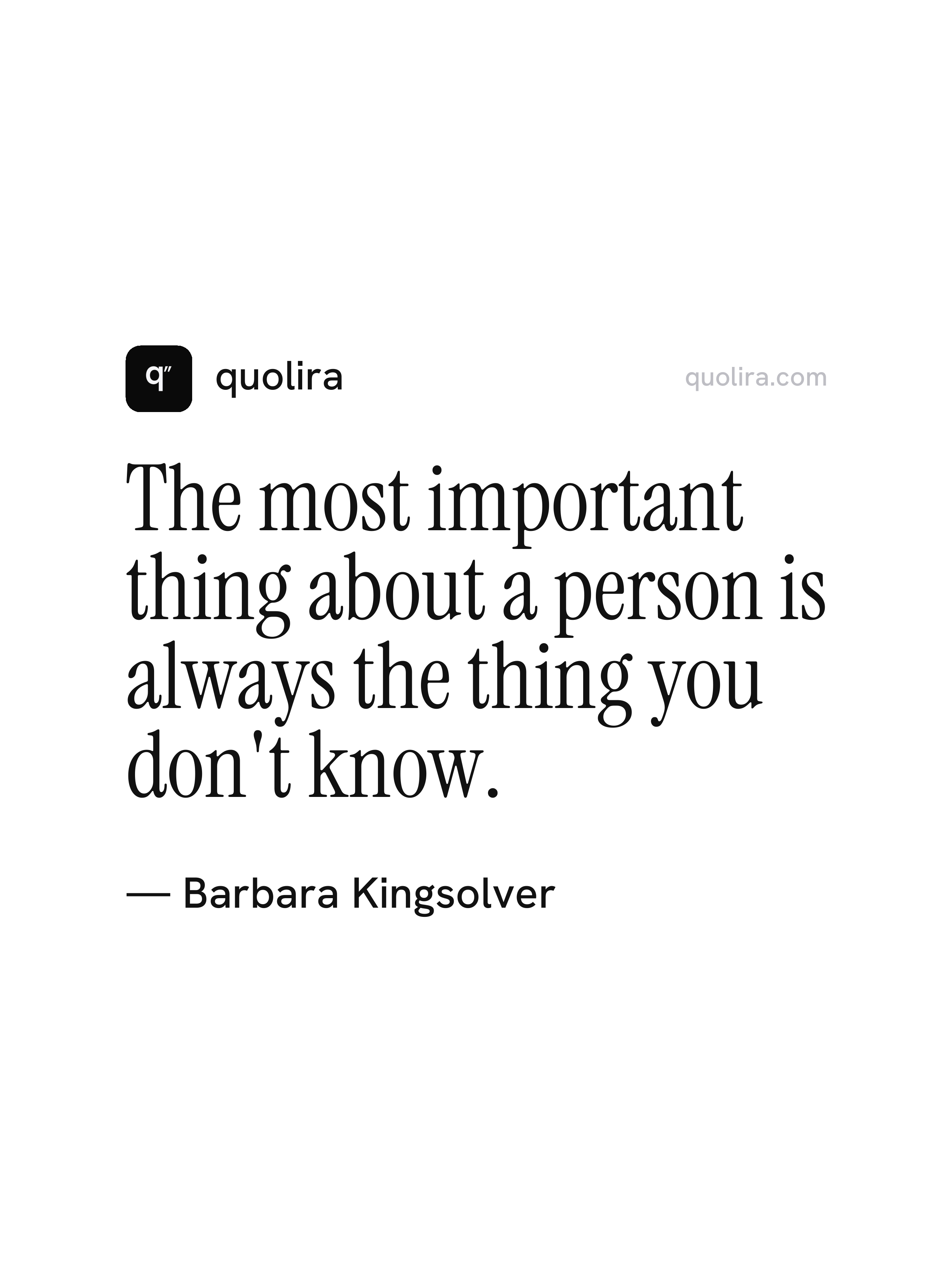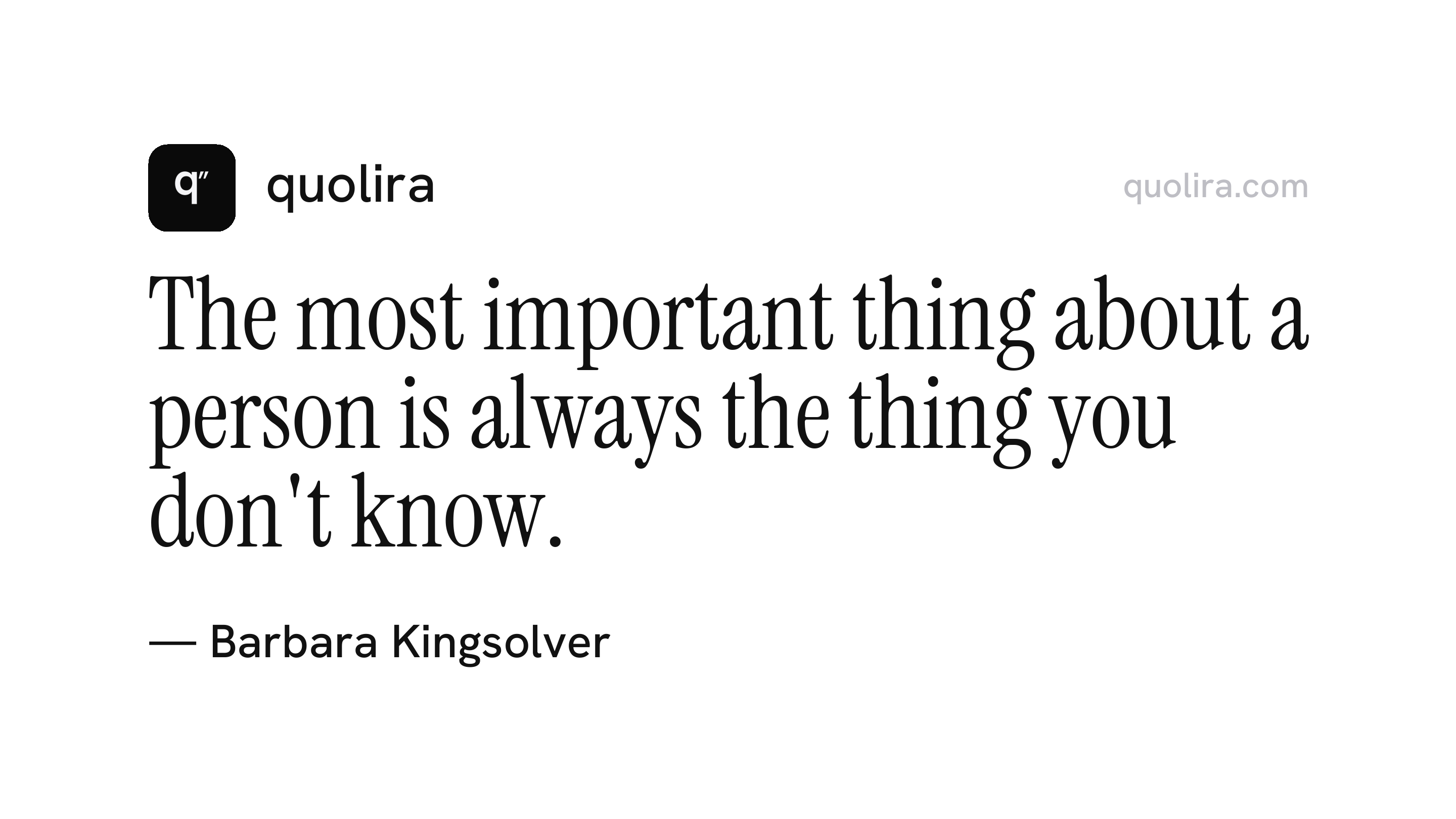
“The most important thing about a person is always the thing you don't know.”
Barbara Kingsolver · The Lacuna, 2009
 quolira
.com
quolira
quolira.com
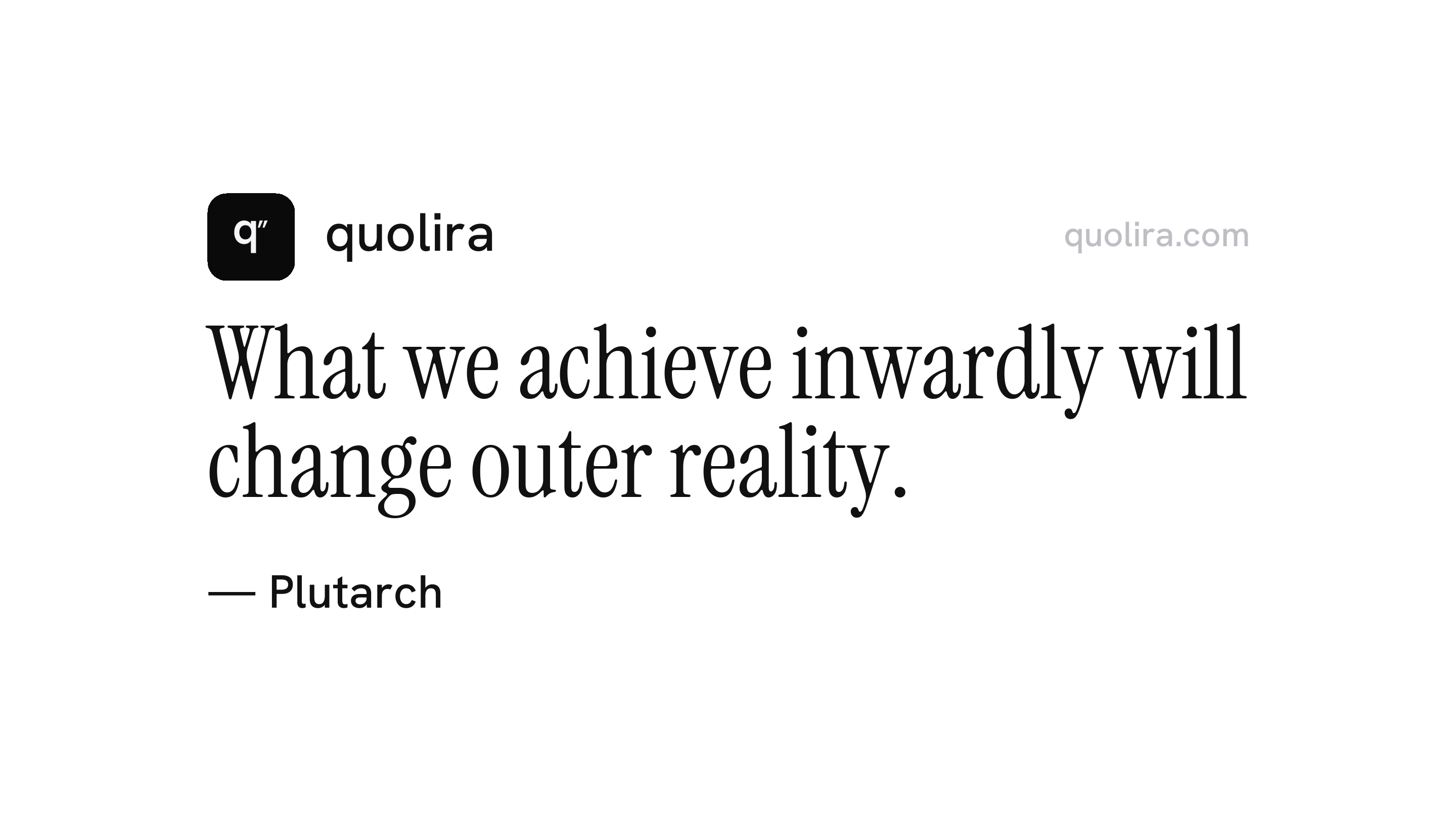
This line captures a central idea in Stoic and Platonic thought: that genuine transformation begins in the mind and spirit, not in the external world. Plutarch is pointing to the primacy of inner development. When a person cultivates wisdom, discipline, or virtue within themselves, those qualities inevitably shape the choices they make, the relationships they form, and the world they build around them. The outer and inner are not separate realms; they are in constant conversation.
The Moralia is a large collection of essays and dialogues on ethics, philosophy, politics, and human character, written by Plutarch around the turn of the second century AD. The work draws on Greek philosophical traditions, particularly Stoicism and Platonism, and addresses questions about how people should live. Plutarch was deeply interested in the relationship between character and conduct, and many passages in the Moralia return to the idea that the quality of a life flows from the quality of a person's inner state.
Plutarch was a Greek historian, biographer, and essayist who lived in the first and second centuries AD. He is perhaps best known for his Parallel Lives, a series of paired biographies comparing notable Greeks and Romans. Beyond biography, he was a prolific moral philosopher whose essays addressed friendship, virtue, anger, and the nature of the soul. He held a priesthood at Delphi and was widely respected in the ancient world as a thoughtful and humane thinker.
“The most important thing about a person is always the thing you don't know.”
Barbara Kingsolver · The Lacuna, 2009
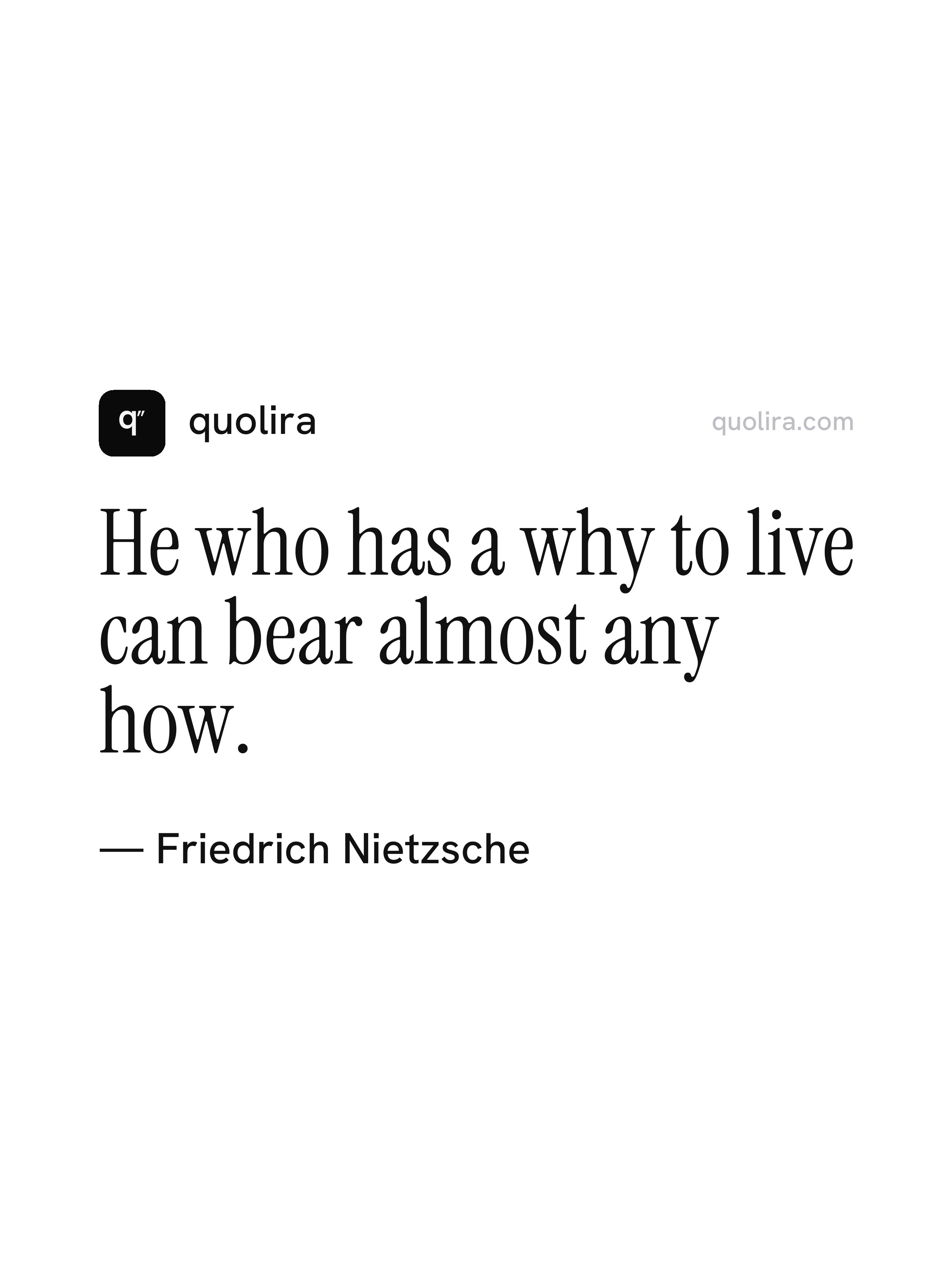
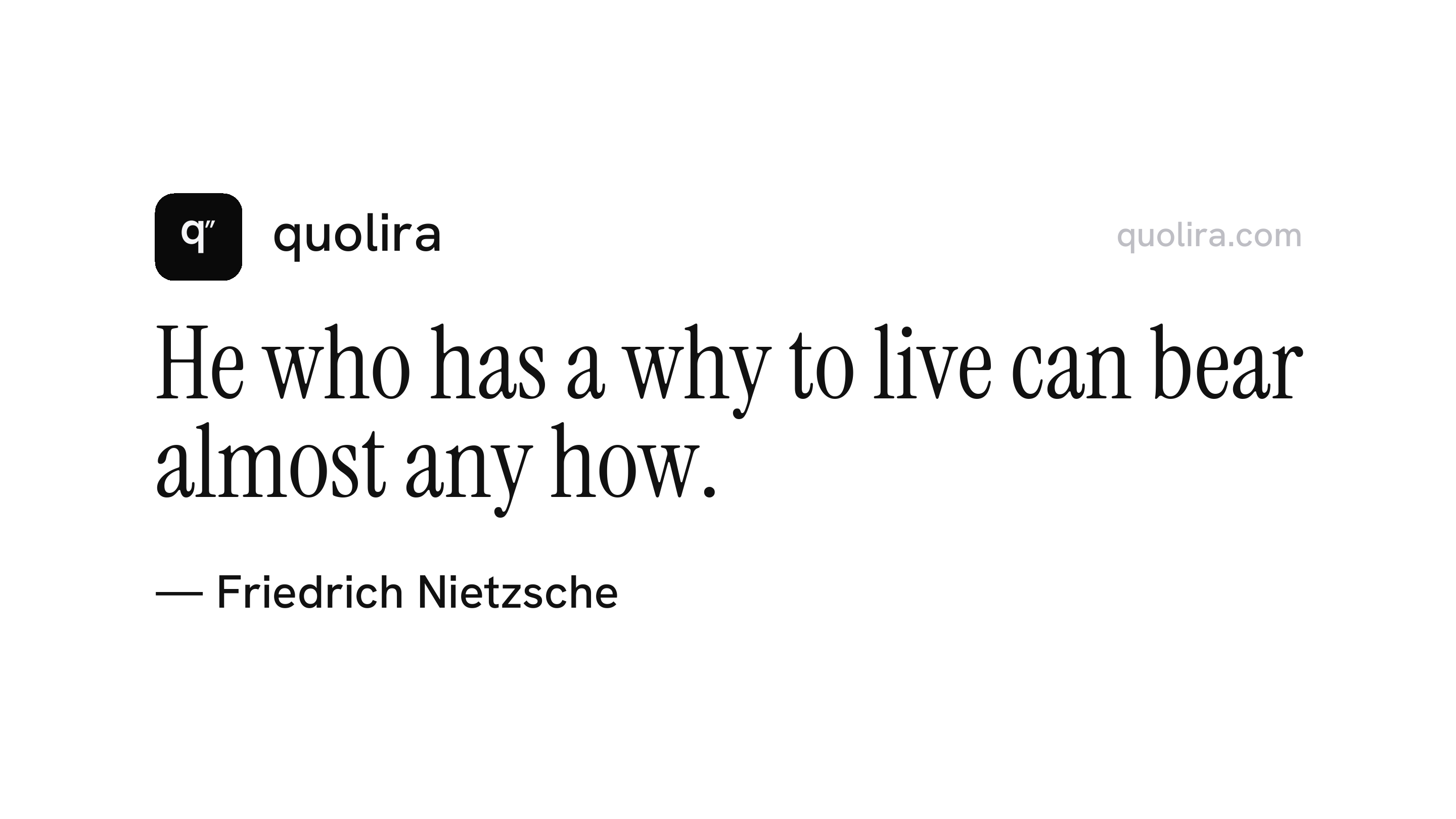
“He who has a why to live can bear almost any how.”
Friedrich Nietzsche · Twilight of the Idols, 1889
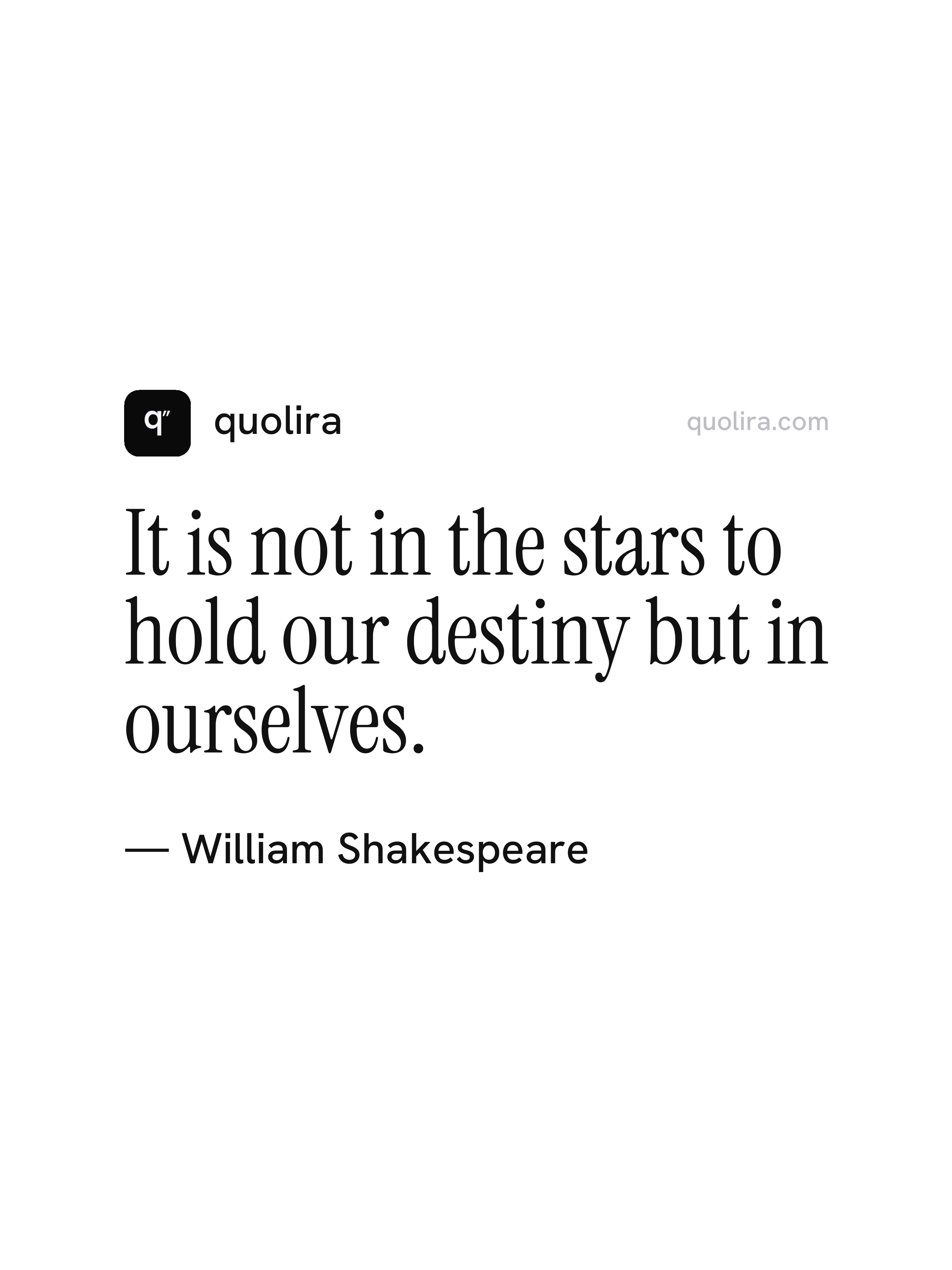
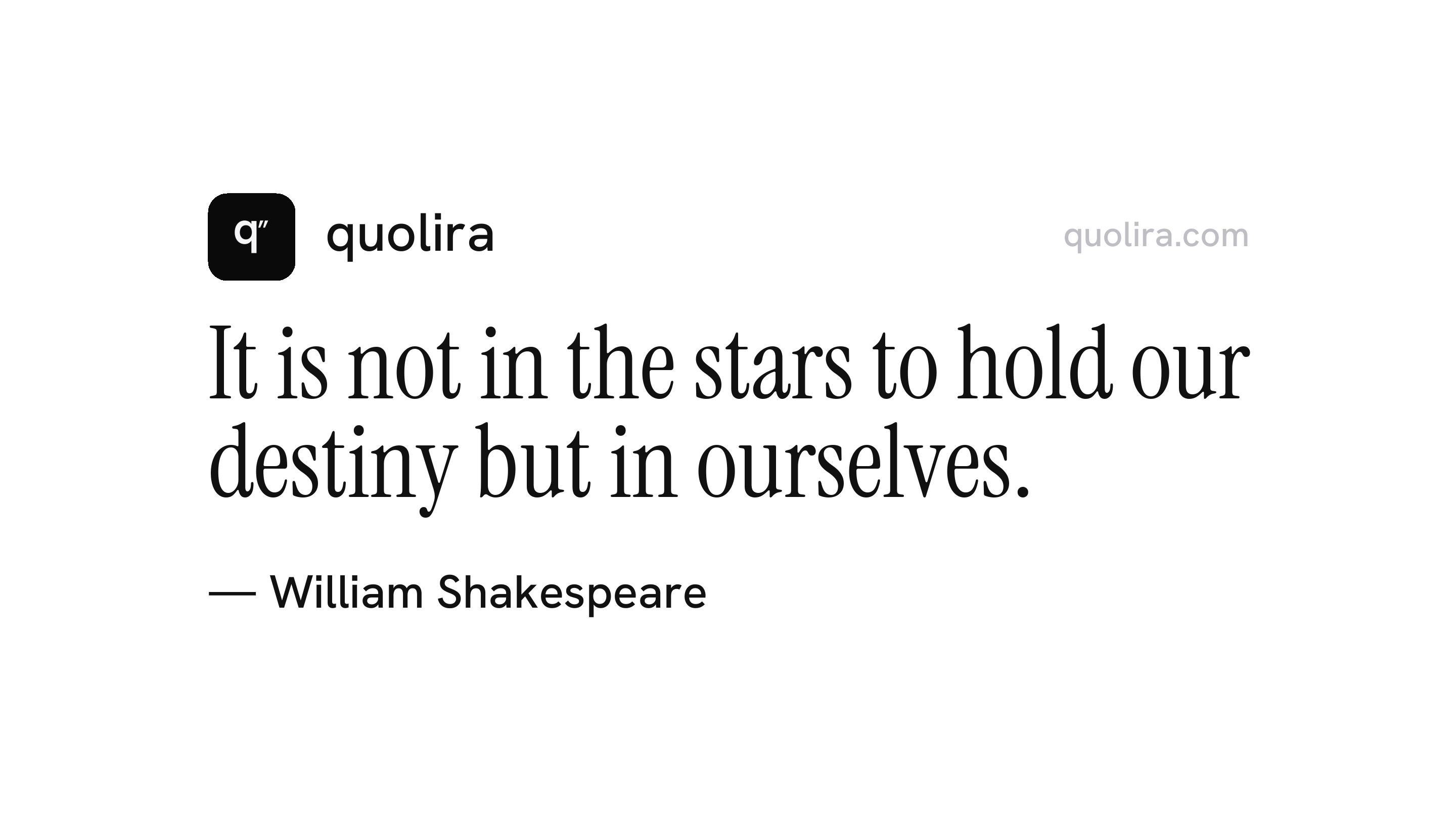
“It is not in the stars to hold our destiny but in ourselves.”
William Shakespeare · Julius Caesar, c. 1599
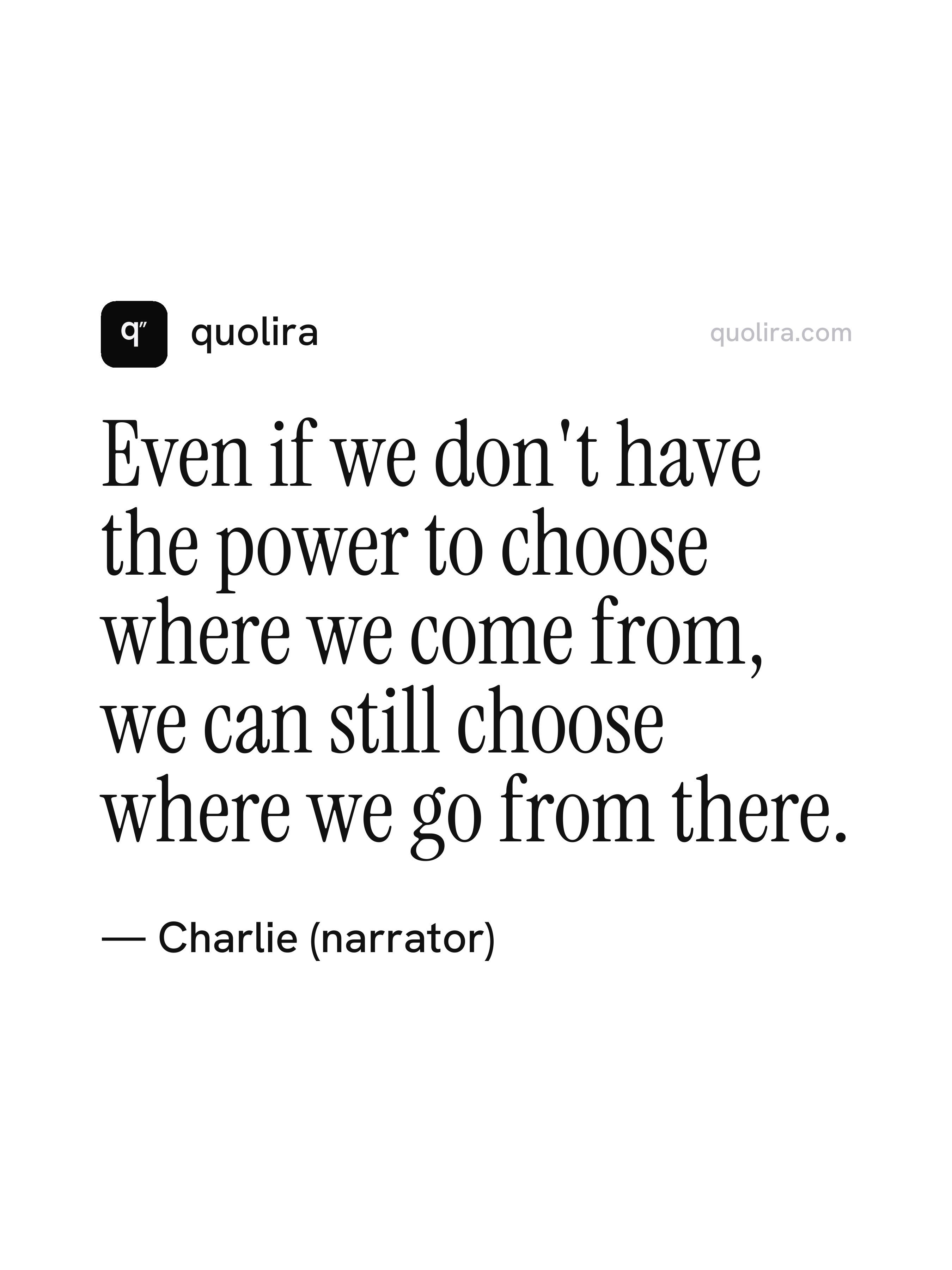
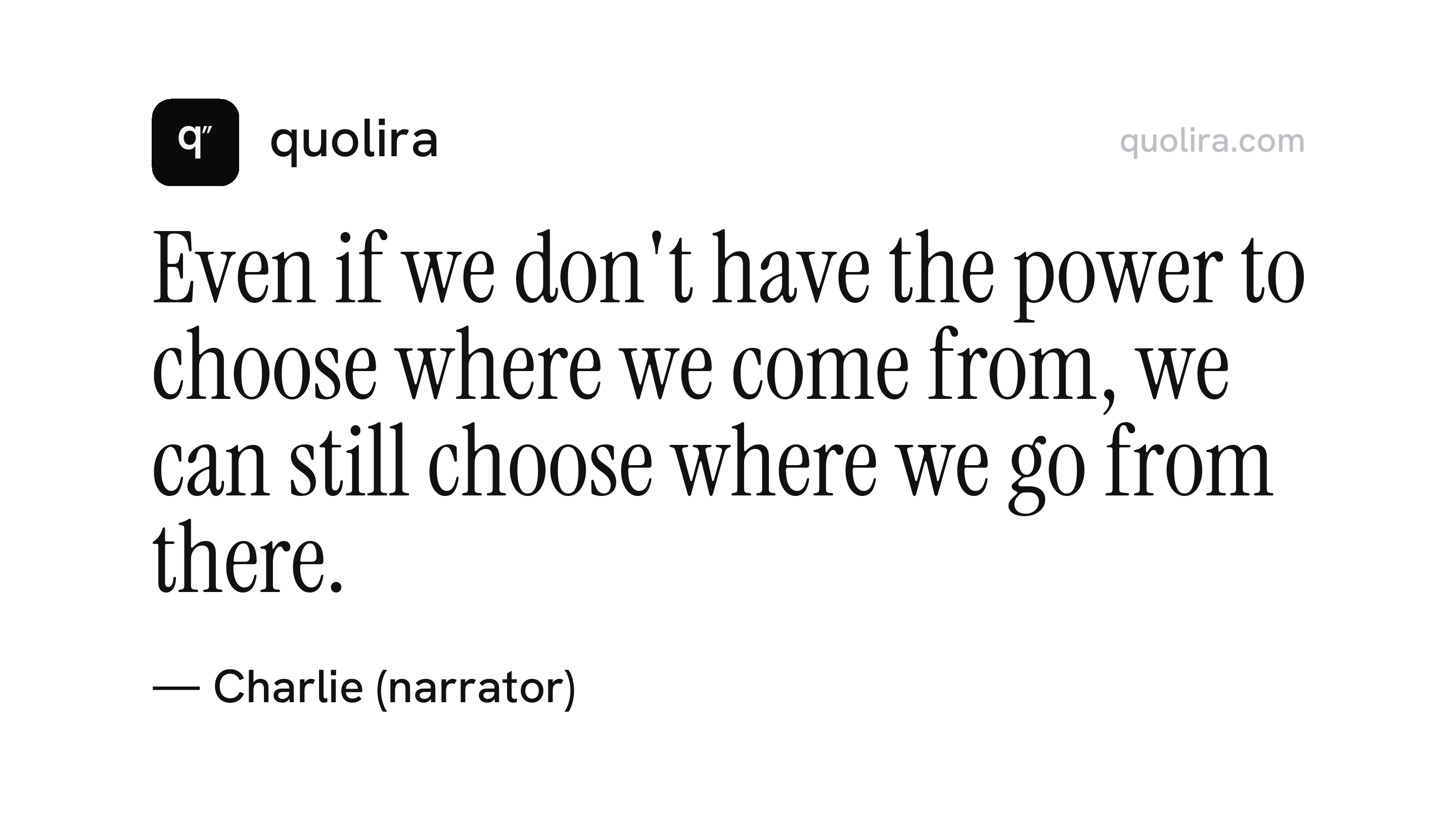
“Even if we don't have the power to choose where we come from, we can still choose where we go from there.”
Charlie (narrator) · The Perks of Being a Wallflower, Stephen Chbosky, 1999
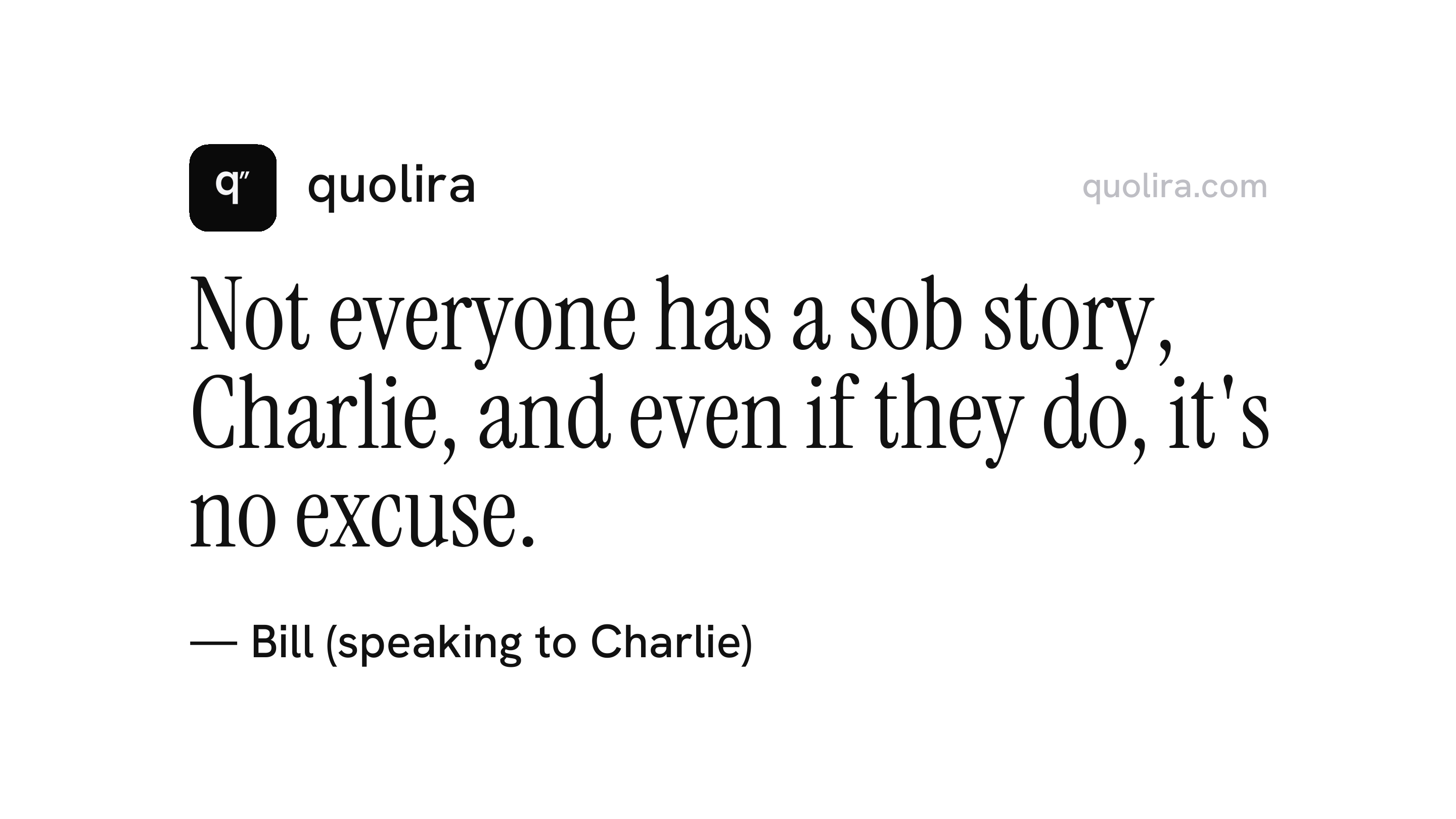
“Not everyone has a sob story, Charlie, and even if they do, it's no excuse.”
Bill (speaking to Charlie) · The Perks of Being a Wallflower, Stephen Chbosky, 1999
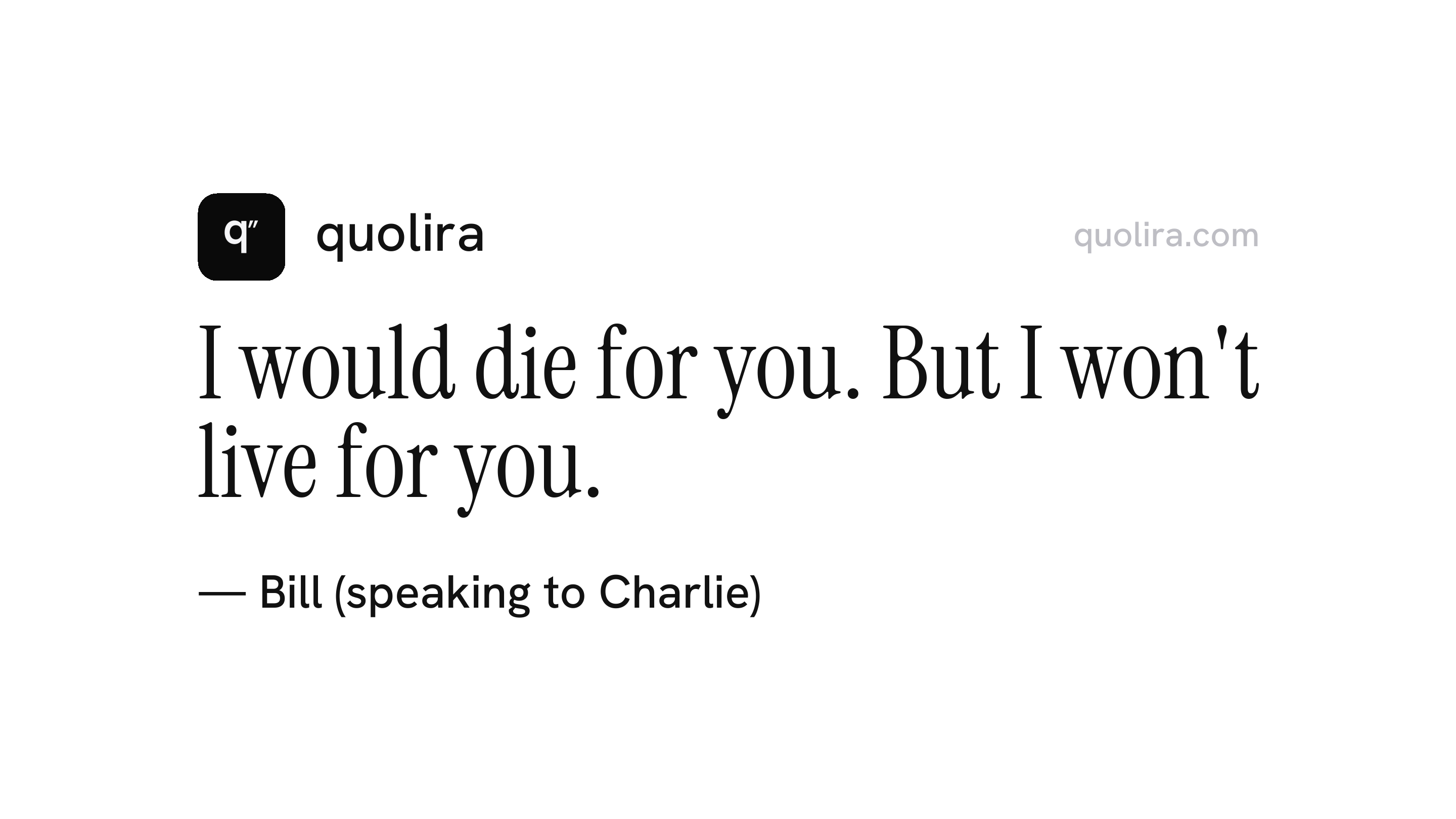
“I would die for you. But I won't live for you.”
Bill (speaking to Charlie) · The Perks of Being a Wallflower, Stephen Chbosky, 1999
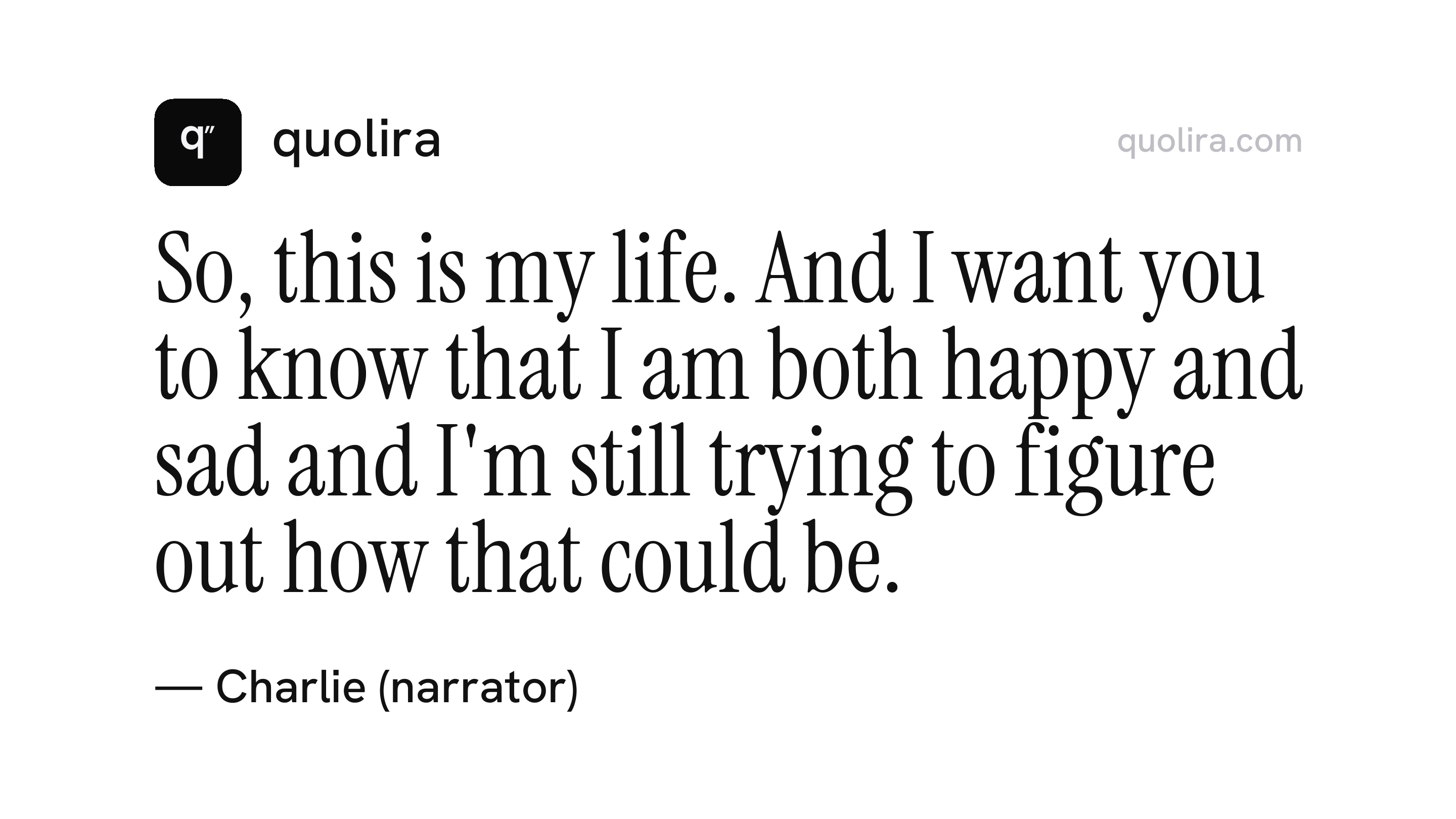
“So, this is my life. And I want you to know that I am both happy and sad and I'm still trying to figure out how that could be.”
Charlie (narrator) · The Perks of Being a Wallflower, Stephen Chbosky, 1999
“Things change. And friends leave. And life doesn't stop for anybody.”
Charlie (narrator) · The Perks of Being a Wallflower, Stephen Chbosky, 1999
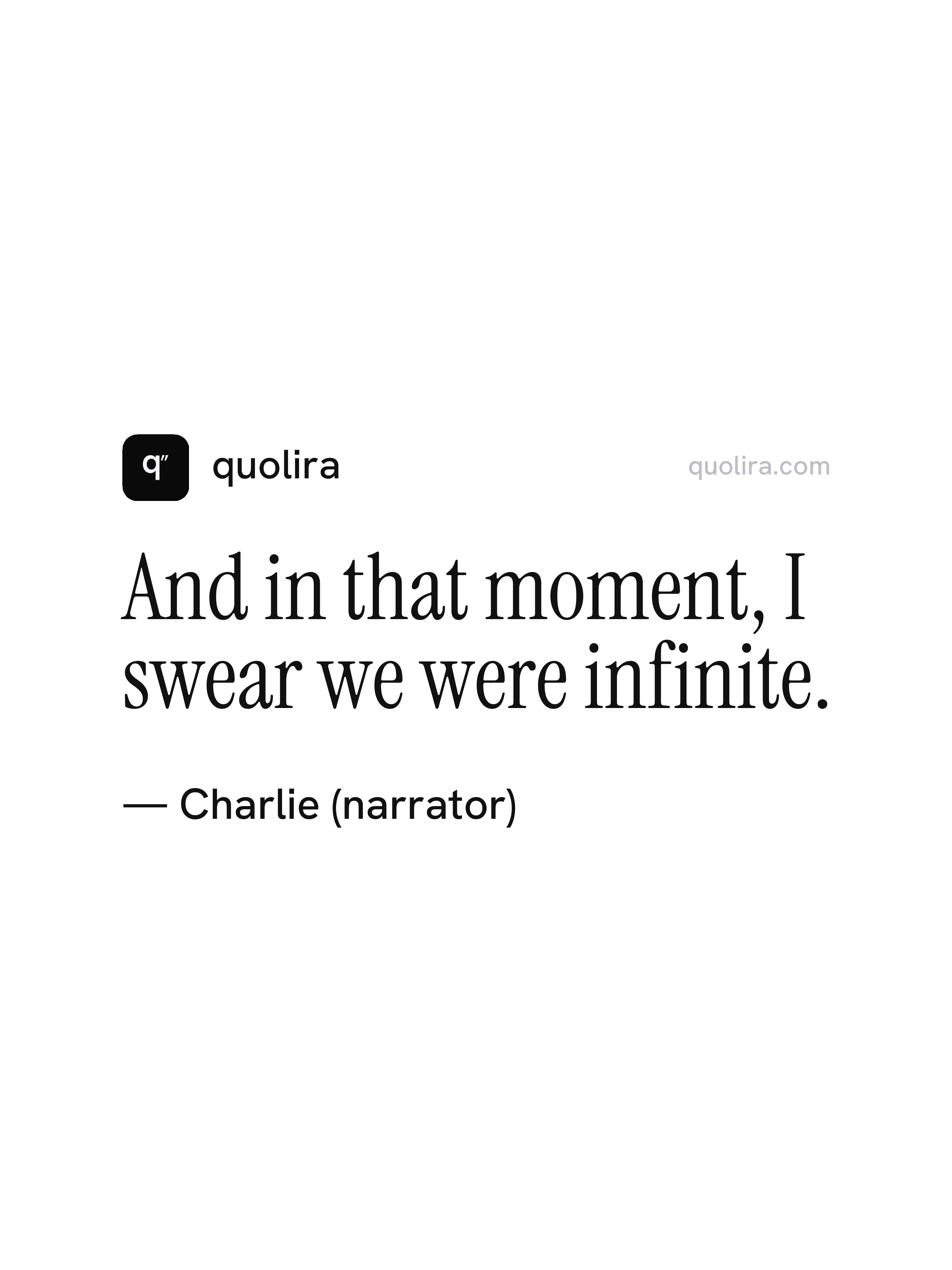
“And in that moment, I swear we were infinite.”
Charlie (narrator) · The Perks of Being a Wallflower, Stephen Chbosky, 1999
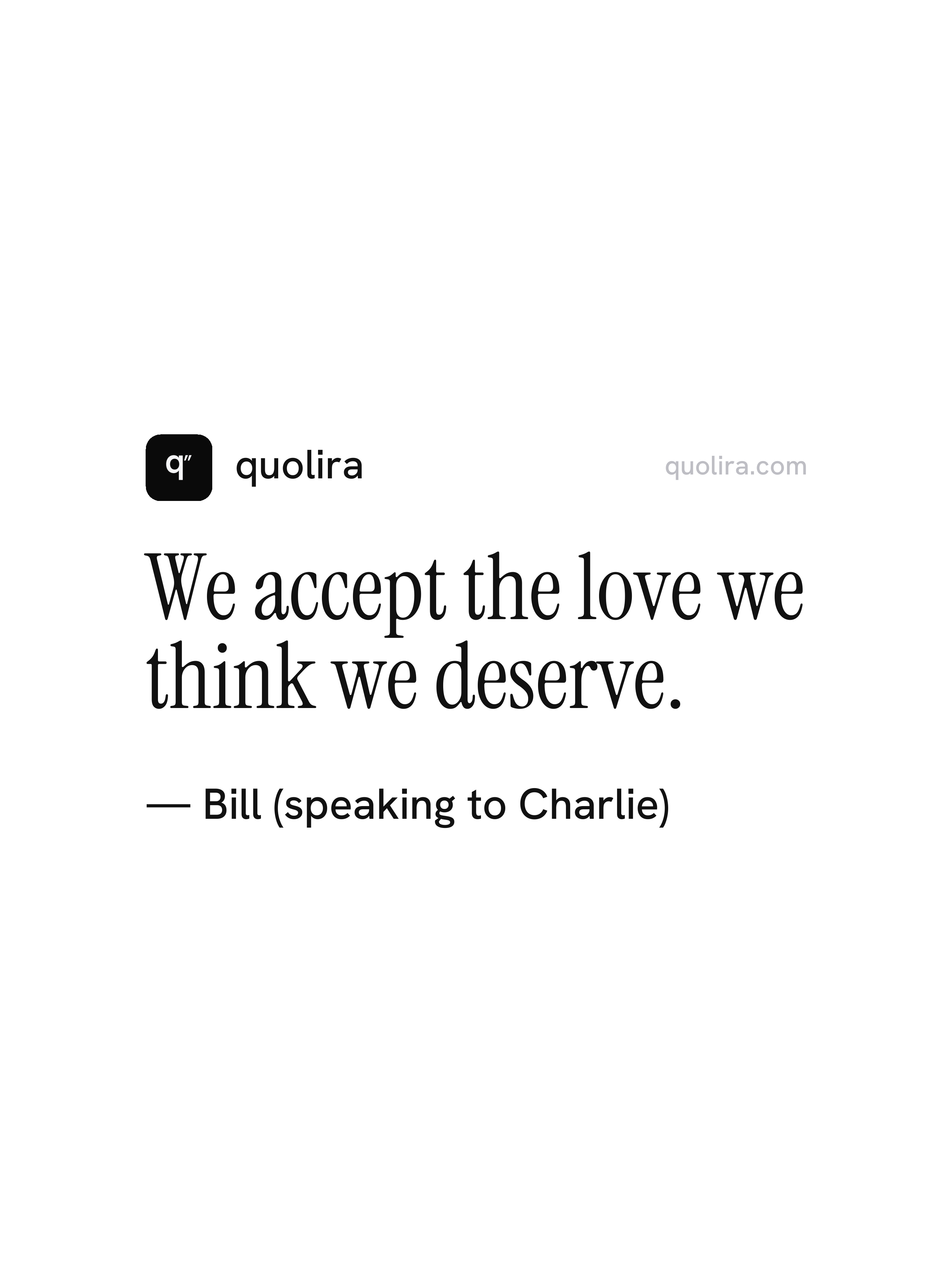
“We accept the love we think we deserve.”
Bill (speaking to Charlie) · The Perks of Being a Wallflower, Stephen Chbosky, 1999
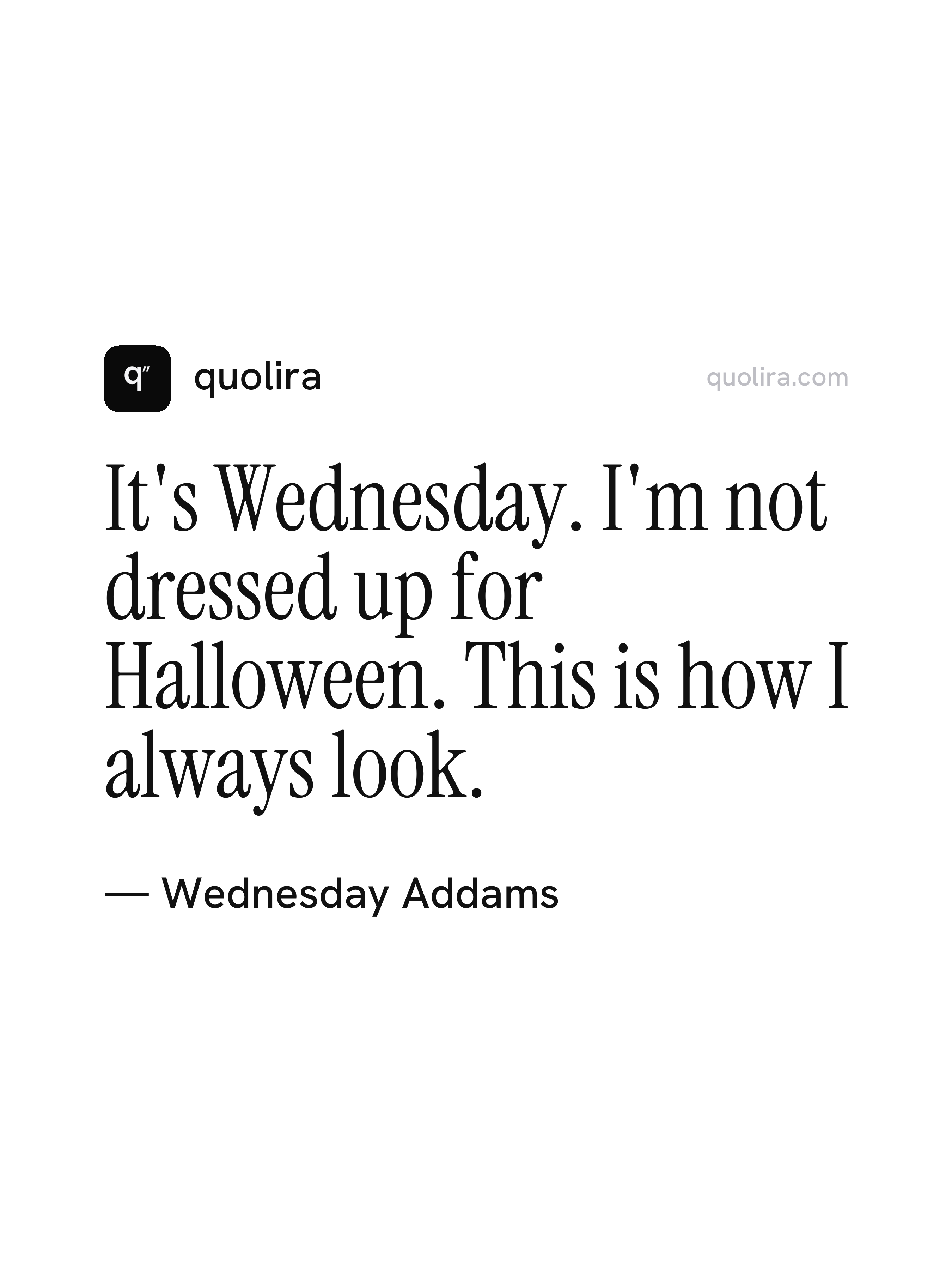
“It's Wednesday. I'm not dressed up for Halloween. This is how I always look.”
Wednesday Addams · The Addams Family (various adaptations)
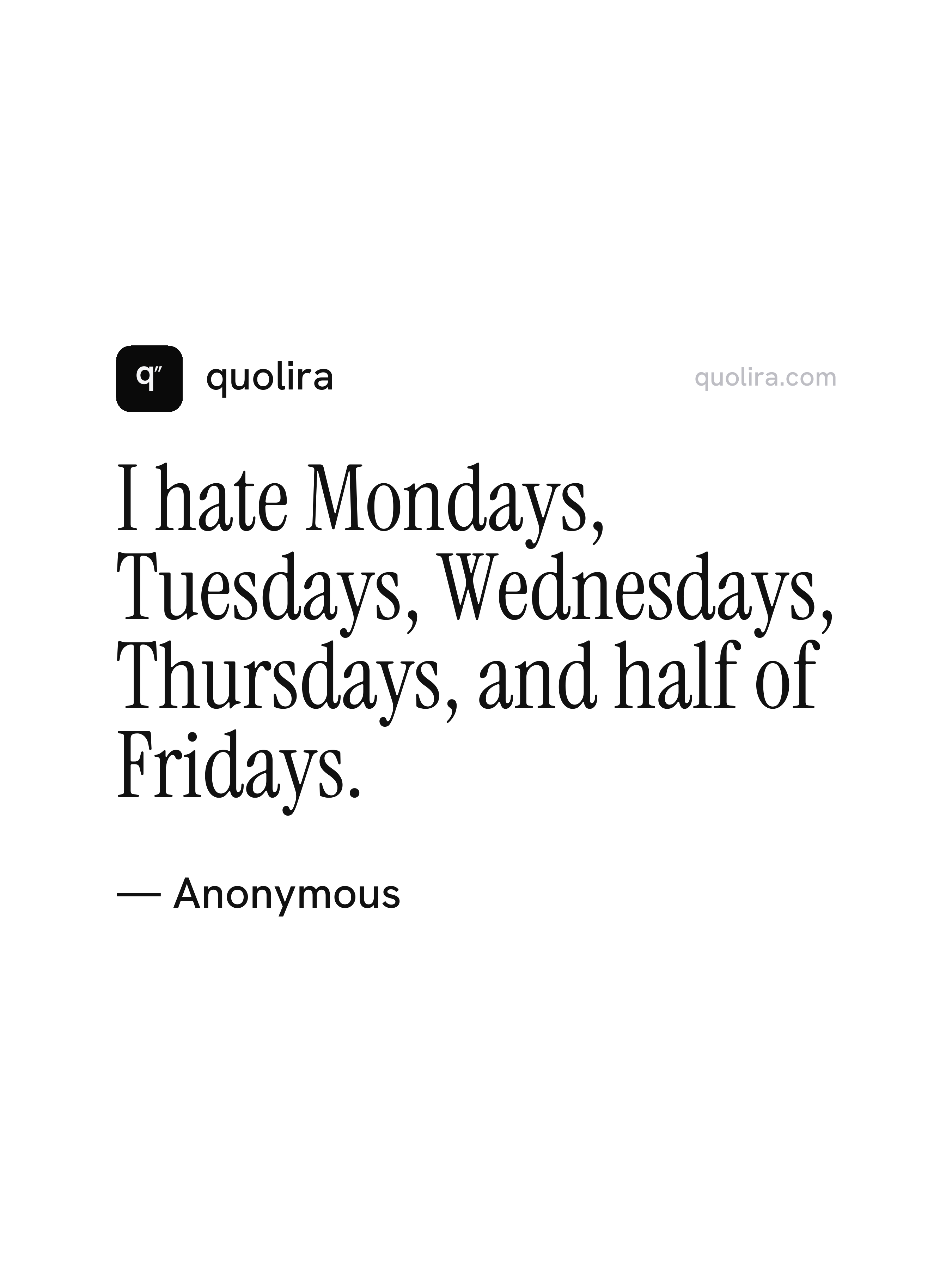
“I hate Mondays, Tuesdays, Wednesdays, Thursdays, and half of Fridays.”
Anonymous