“Even if we don't have the power to choose where we come from, we can still choose where we go from there.”
Charlie (narrator) · The Perks of Being a Wallflower, Stephen Chbosky, 1999
 quolira
.com
quolira
quolira.com
This line argues that human beings are not passive subjects of fate but active agents who shape their own lives. The stars, in the classical and Renaissance world, were widely associated with fortune and destiny, carrying real symbolic weight. To say that destiny lives not in them but in ourselves is to shift responsibility from the cosmos to the individual. It is a declaration of human will, insisting that character and choice matter more than any outside force, however grand or ancient.
Julius Caesar, written around 1599, is one of Shakespeare's most politically charged plays, centered on ambition, power, loyalty, and the consequences of both action and inaction. The line appears in a conversation between Cassius and Brutus, where Cassius is attempting to stir Brutus out of passivity and into engagement with the political crisis unfolding around them. Cassius uses the argument to challenge any fatalistic thinking that might lead a person to accept circumstances rather than act on them.
William Shakespeare was an English playwright and poet working primarily in the late sixteenth and early seventeenth centuries. He is widely regarded as one of the most significant writers in the history of the English language. His plays range across tragedy, comedy, and history, and they have been performed and studied continuously for more than four hundred years. Julius Caesar is among his most frequently taught works, valued for its exploration of political morality and the psychology of leadership.
“Even if we don't have the power to choose where we come from, we can still choose where we go from there.”
Charlie (narrator) · The Perks of Being a Wallflower, Stephen Chbosky, 1999
“Not everyone has a sob story, Charlie, and even if they do, it's no excuse.”
Bill (speaking to Charlie) · The Perks of Being a Wallflower, Stephen Chbosky, 1999
“I would die for you. But I won't live for you.”
Bill (speaking to Charlie) · The Perks of Being a Wallflower, Stephen Chbosky, 1999
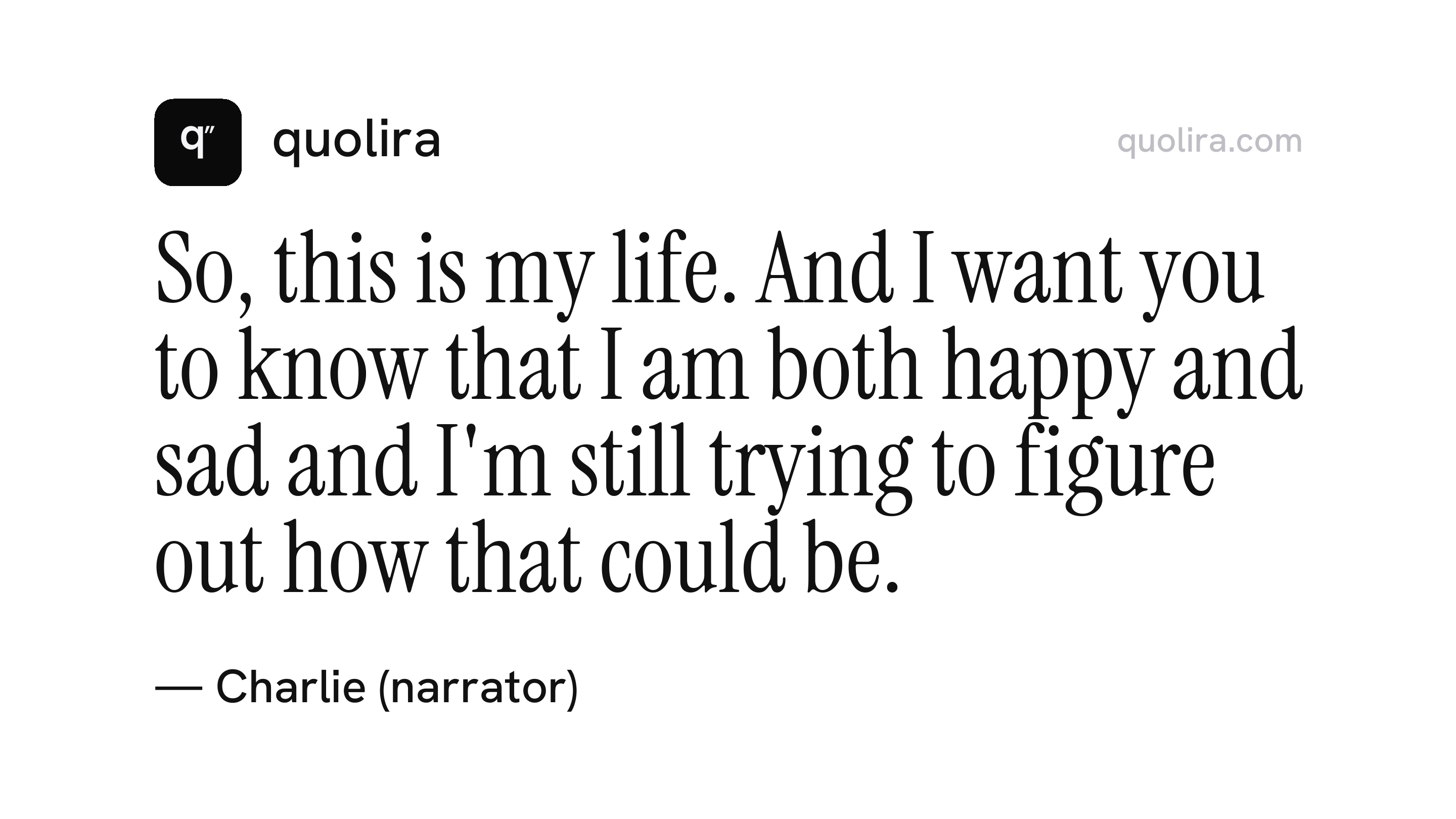
“So, this is my life. And I want you to know that I am both happy and sad and I'm still trying to figure out how that could be.”
Charlie (narrator) · The Perks of Being a Wallflower, Stephen Chbosky, 1999
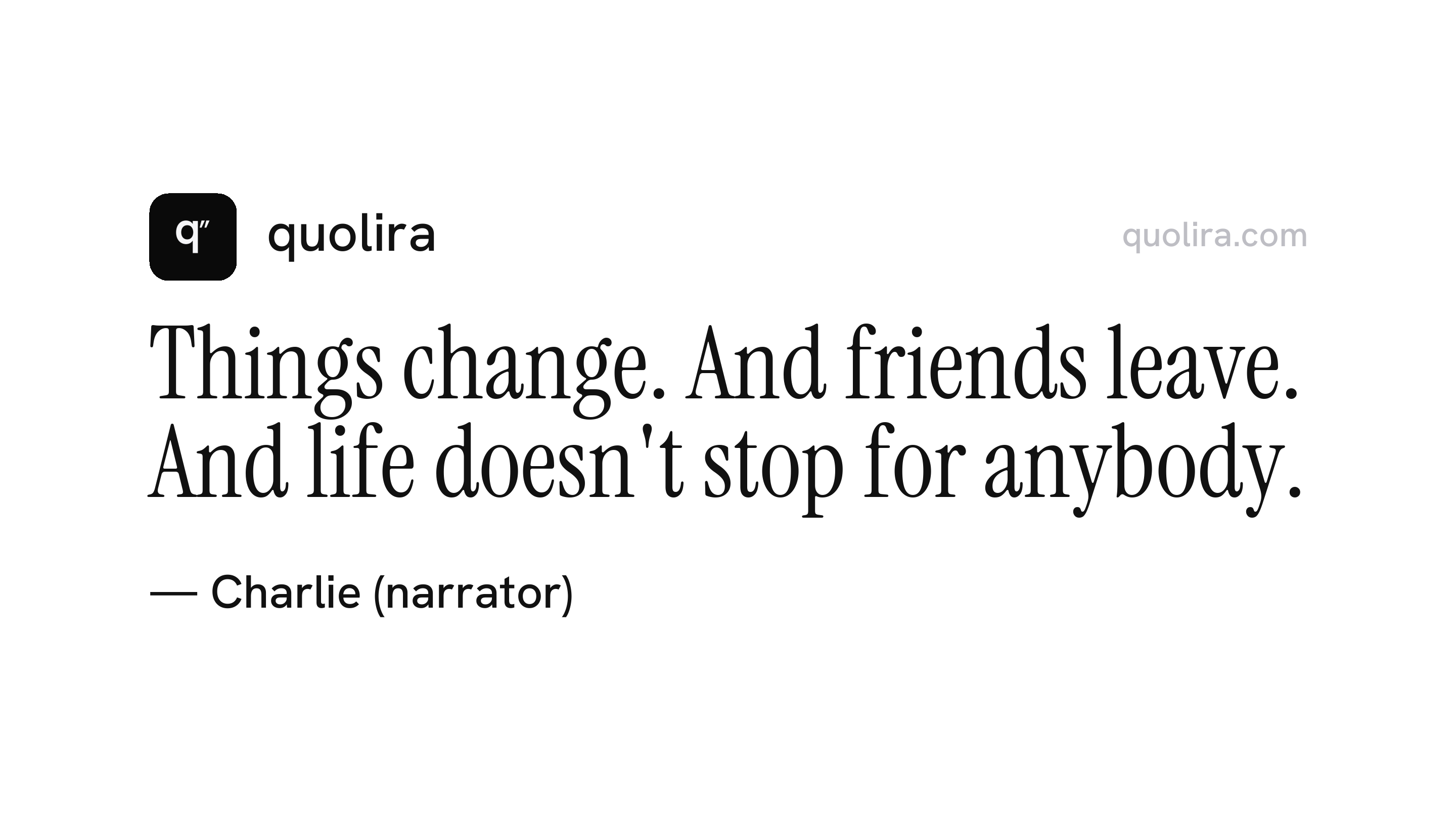
“Things change. And friends leave. And life doesn't stop for anybody.”
Charlie (narrator) · The Perks of Being a Wallflower, Stephen Chbosky, 1999
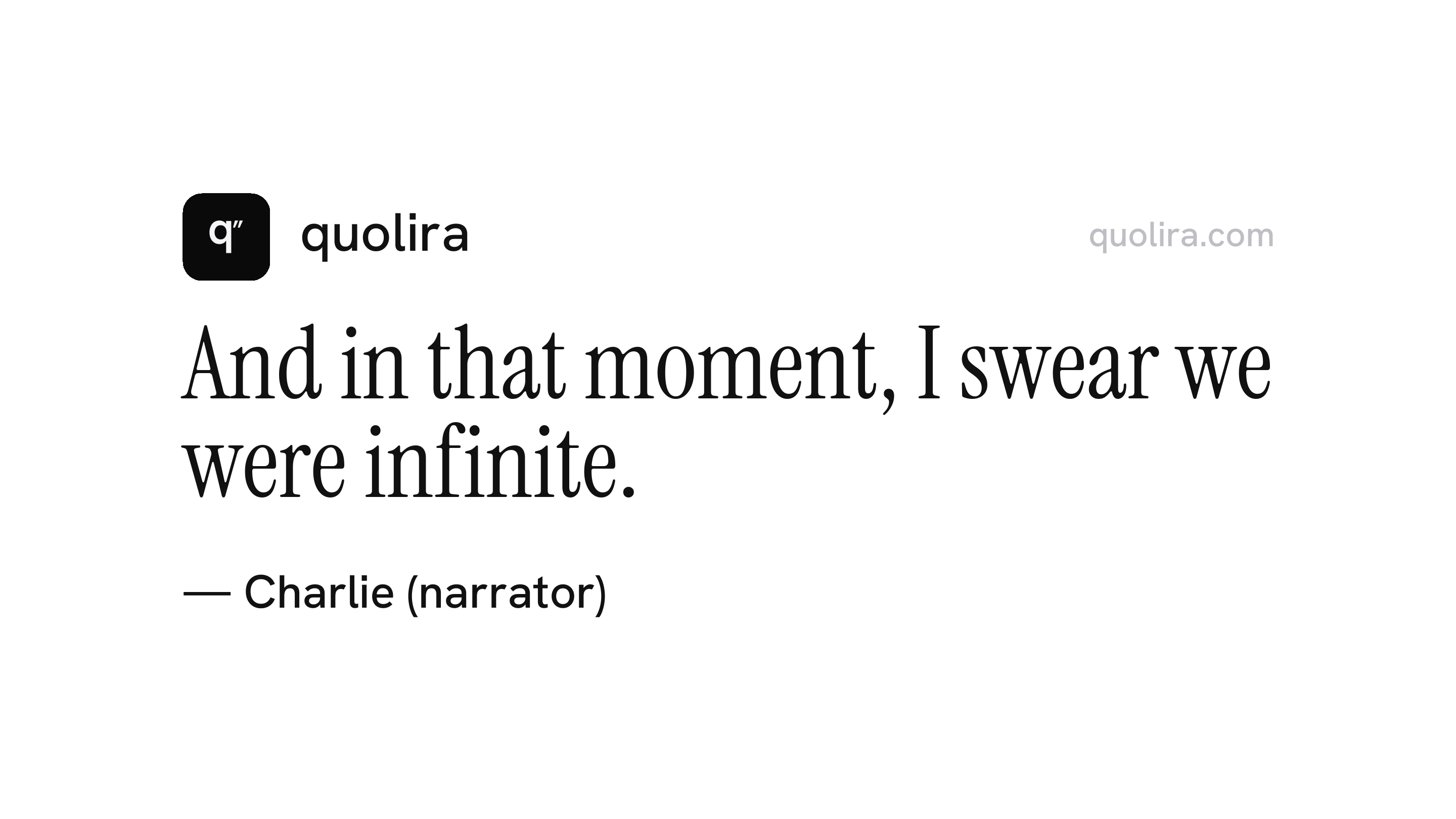
“And in that moment, I swear we were infinite.”
Charlie (narrator) · The Perks of Being a Wallflower, Stephen Chbosky, 1999
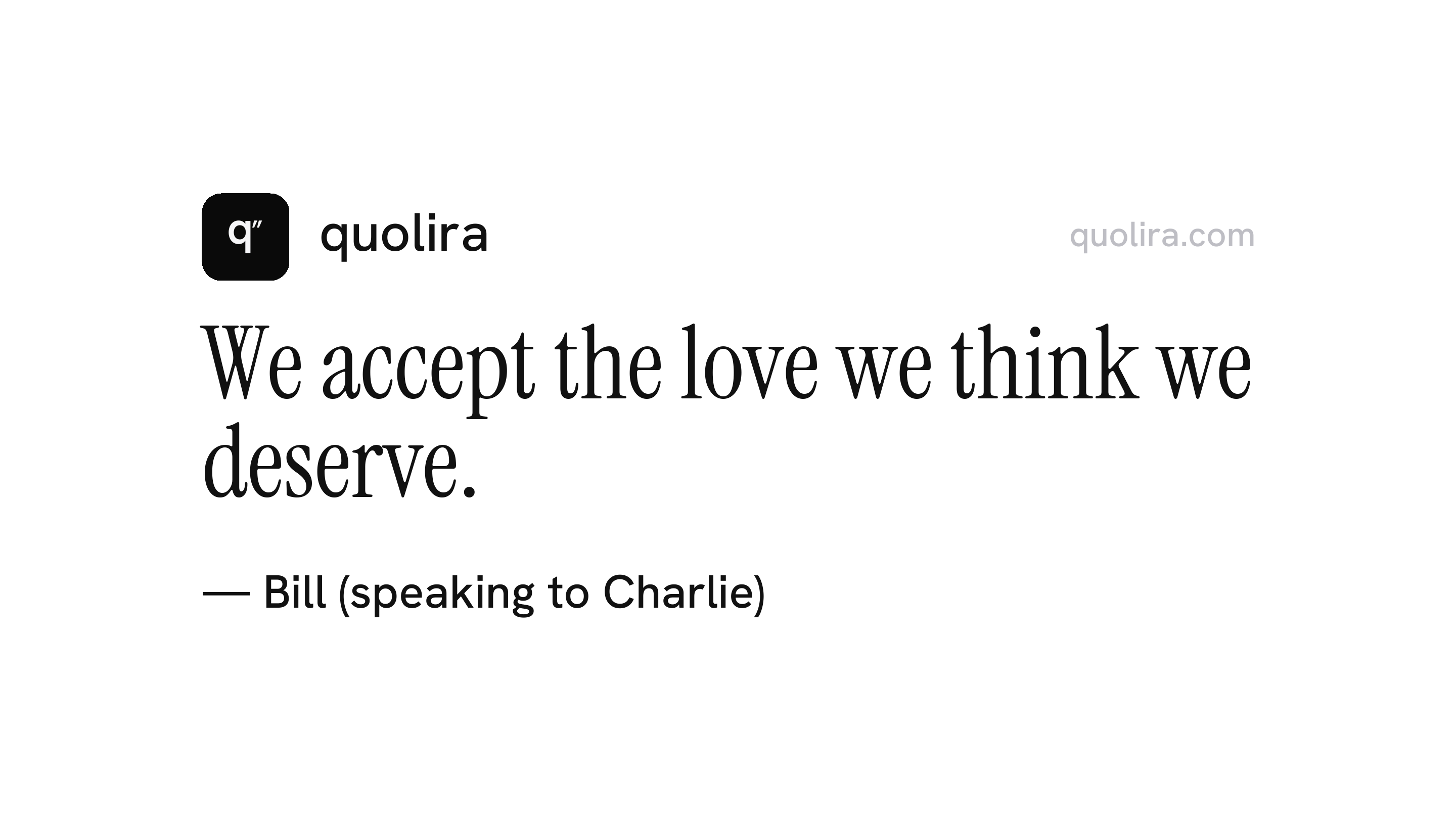
“We accept the love we think we deserve.”
Bill (speaking to Charlie) · The Perks of Being a Wallflower, Stephen Chbosky, 1999
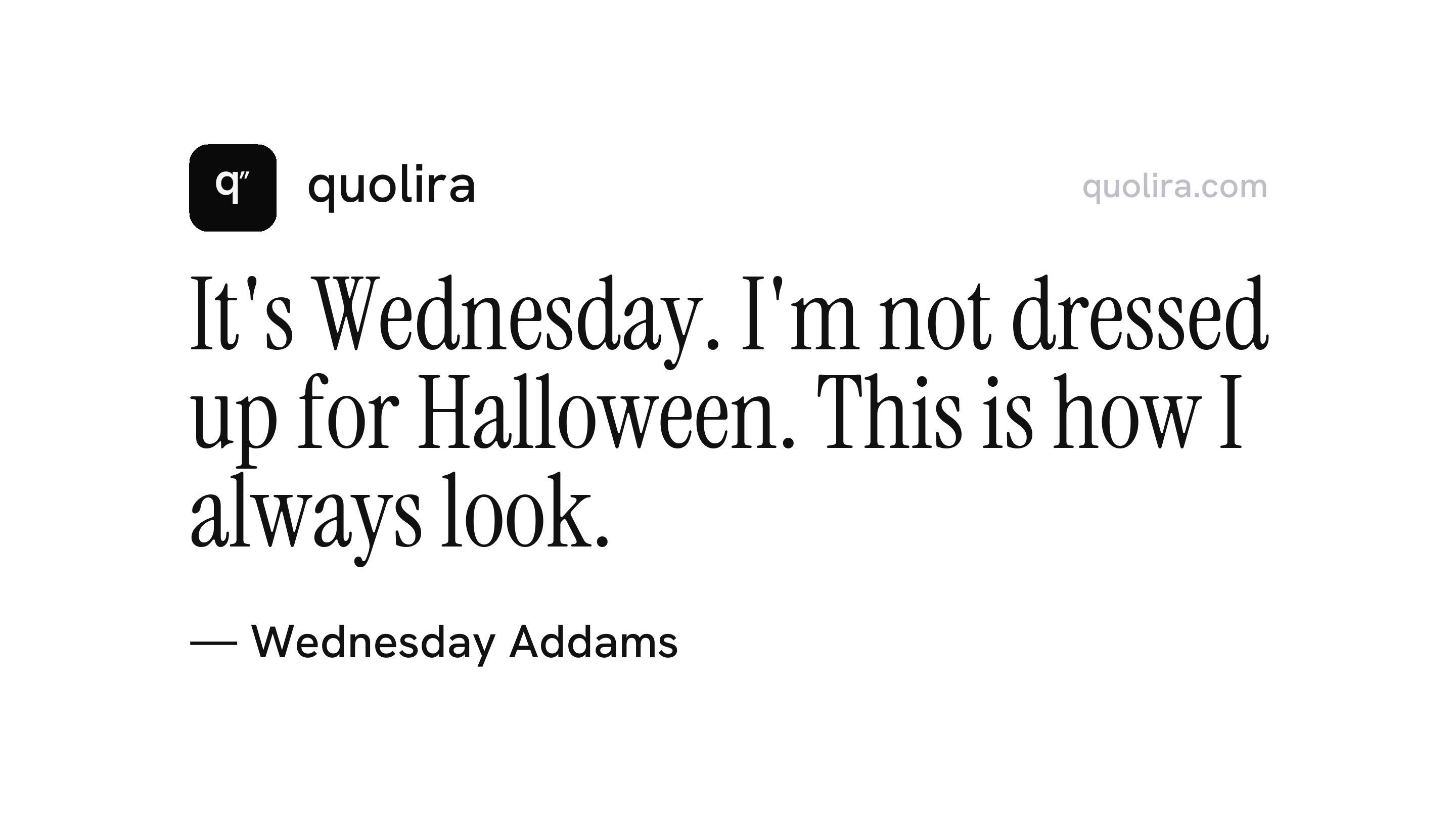
“It's Wednesday. I'm not dressed up for Halloween. This is how I always look.”
Wednesday Addams · The Addams Family (various adaptations)
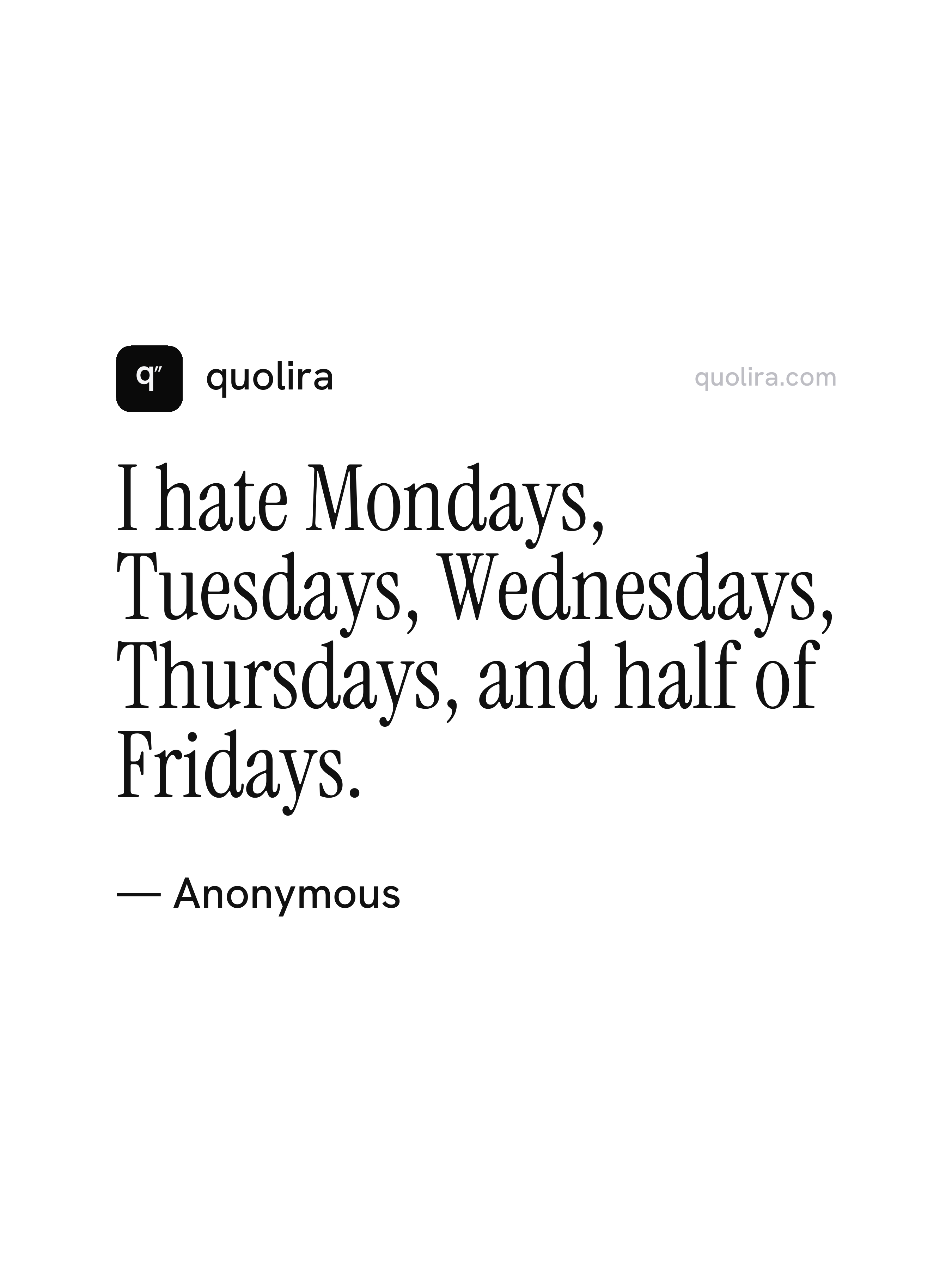
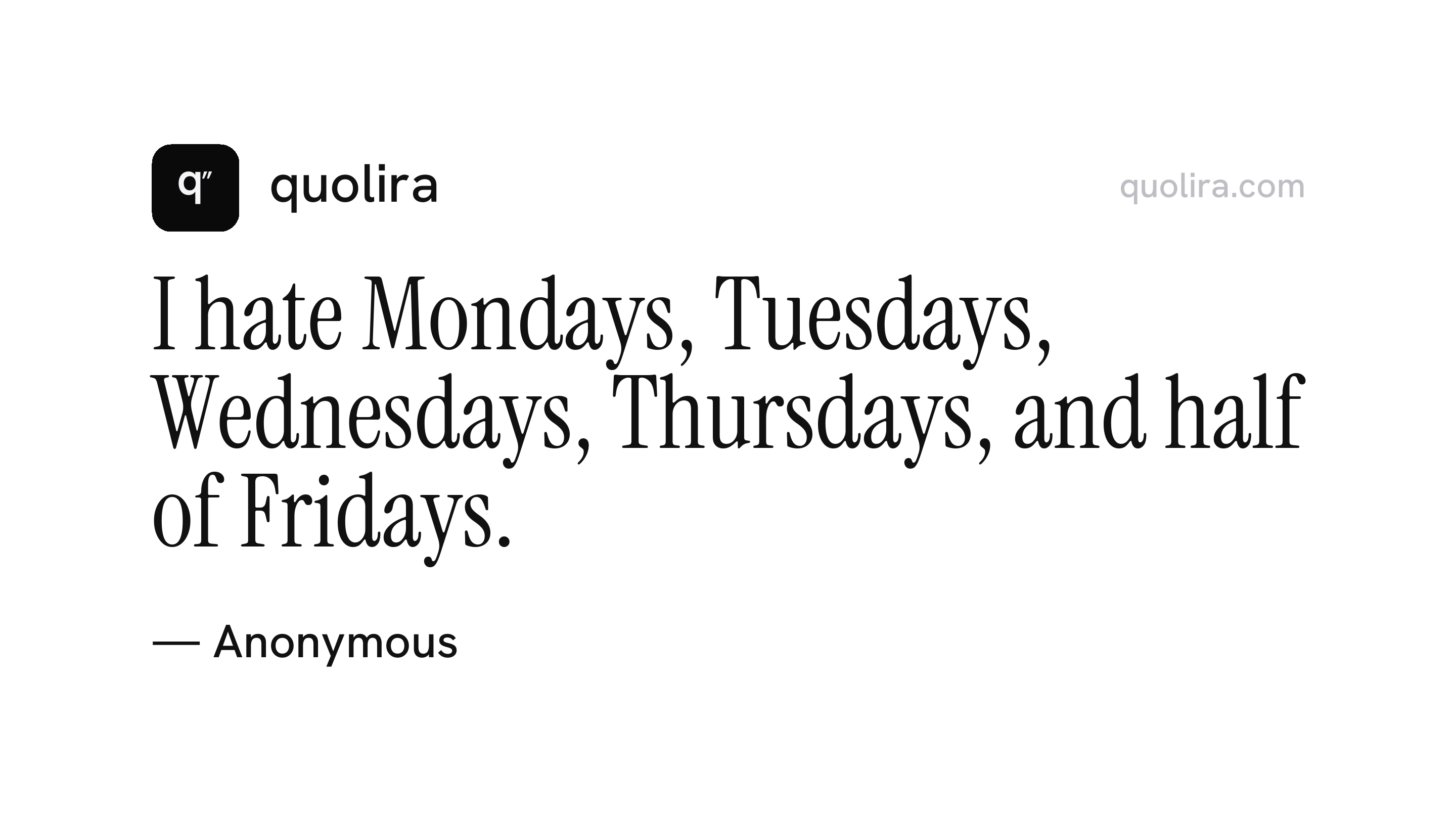
“I hate Mondays, Tuesdays, Wednesdays, Thursdays, and half of Fridays.”
Anonymous
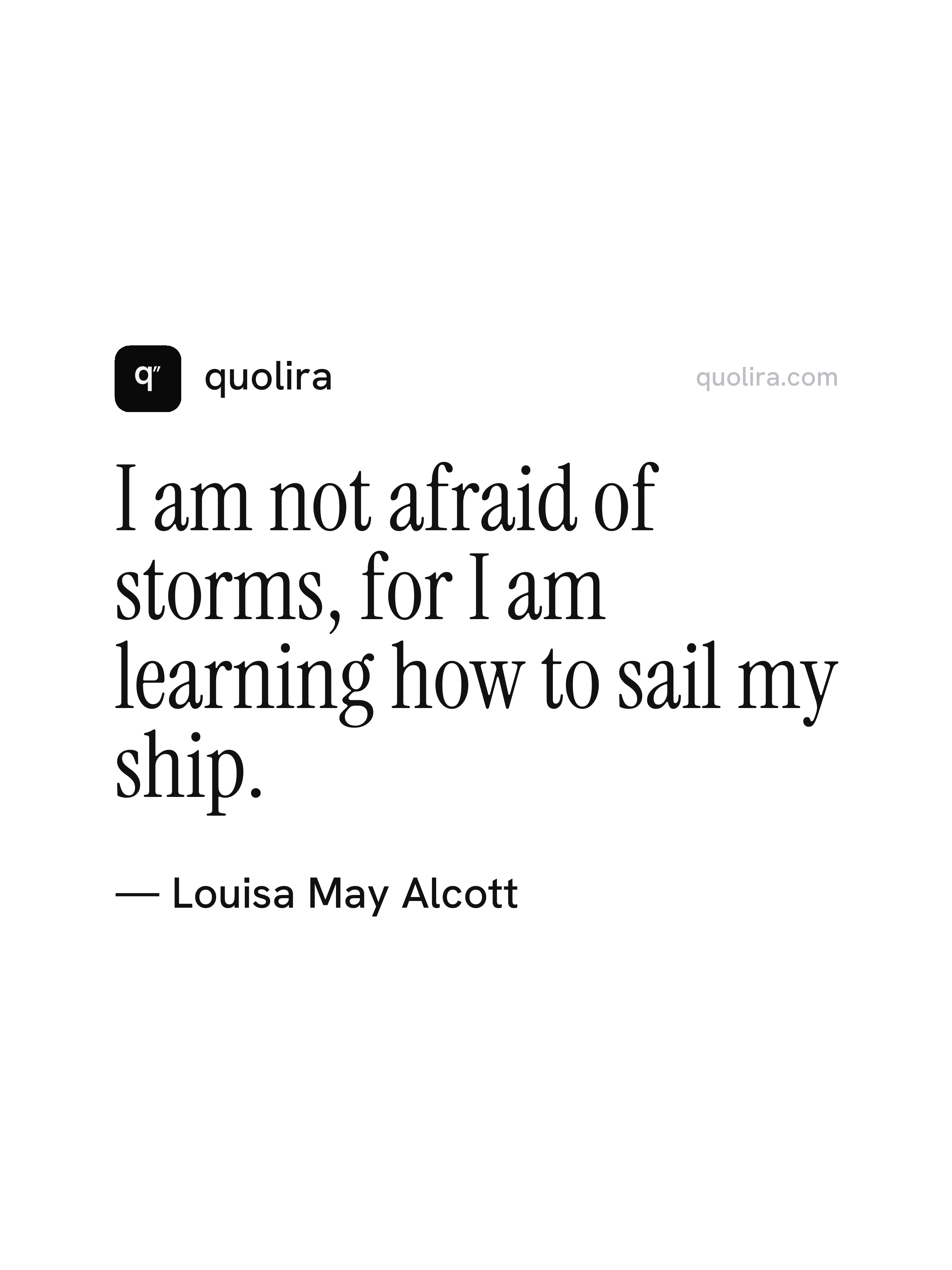
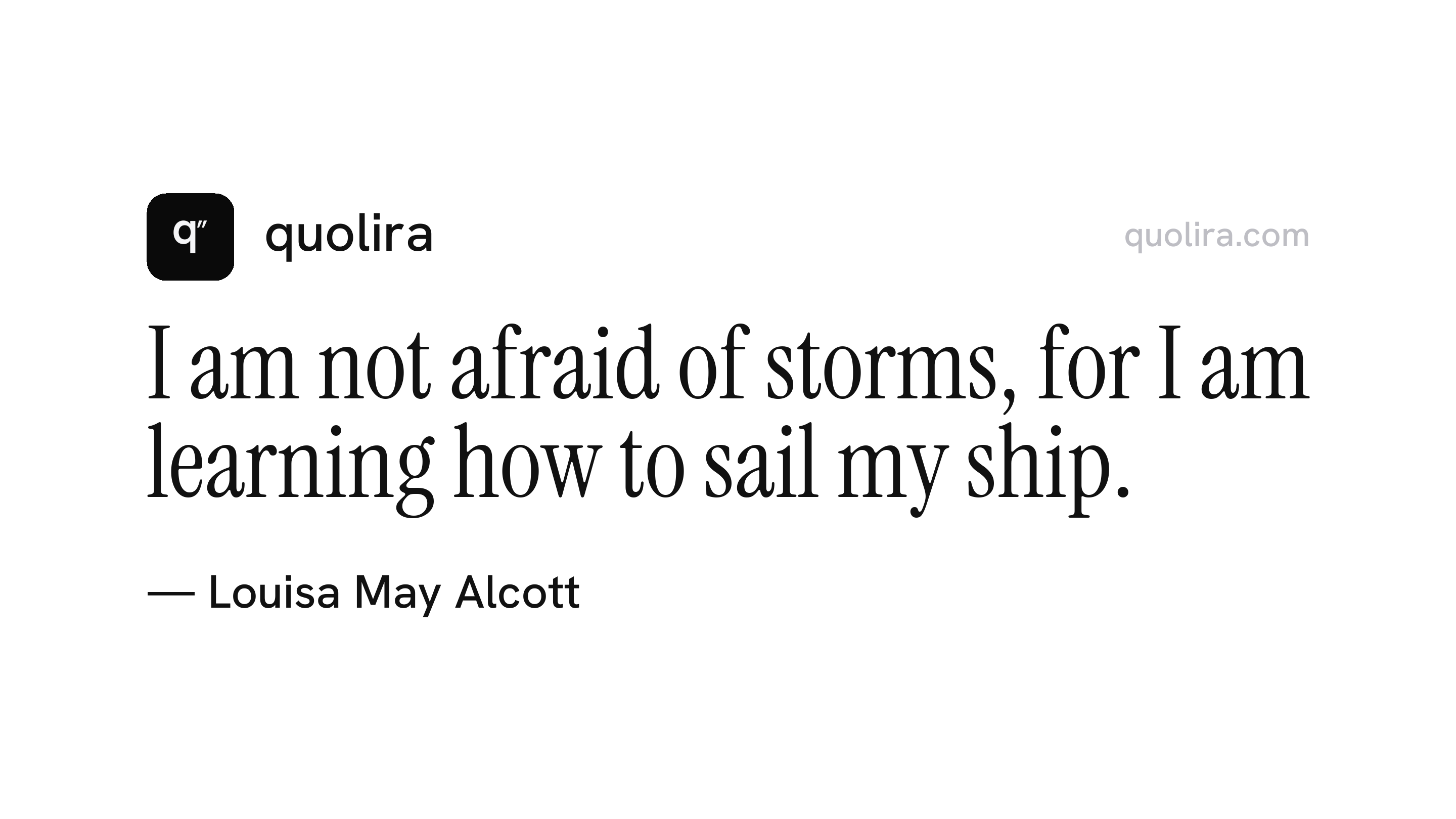
“I am not afraid of storms, for I am learning how to sail my ship.”
Louisa May Alcott · Little Women, 1868
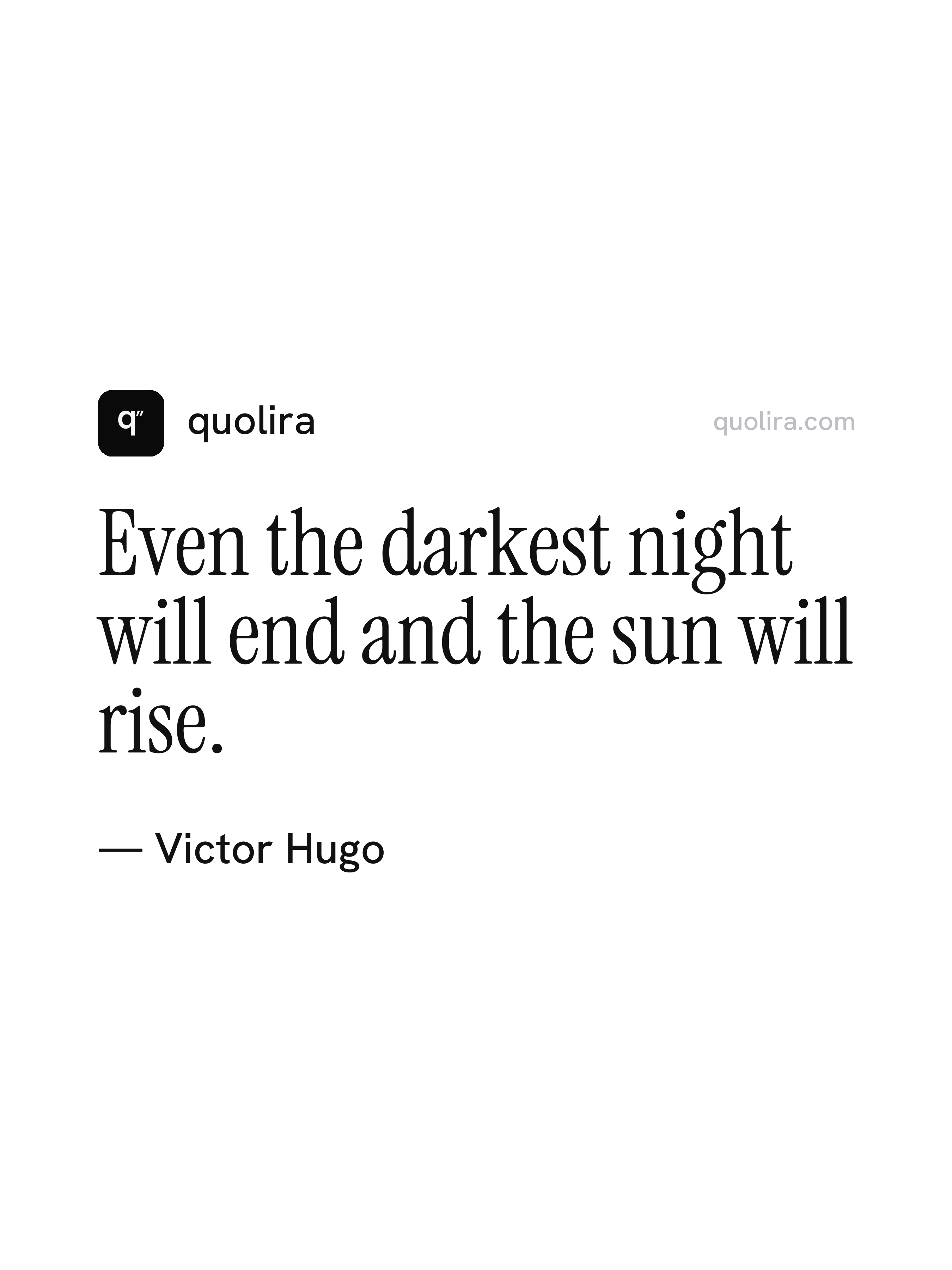
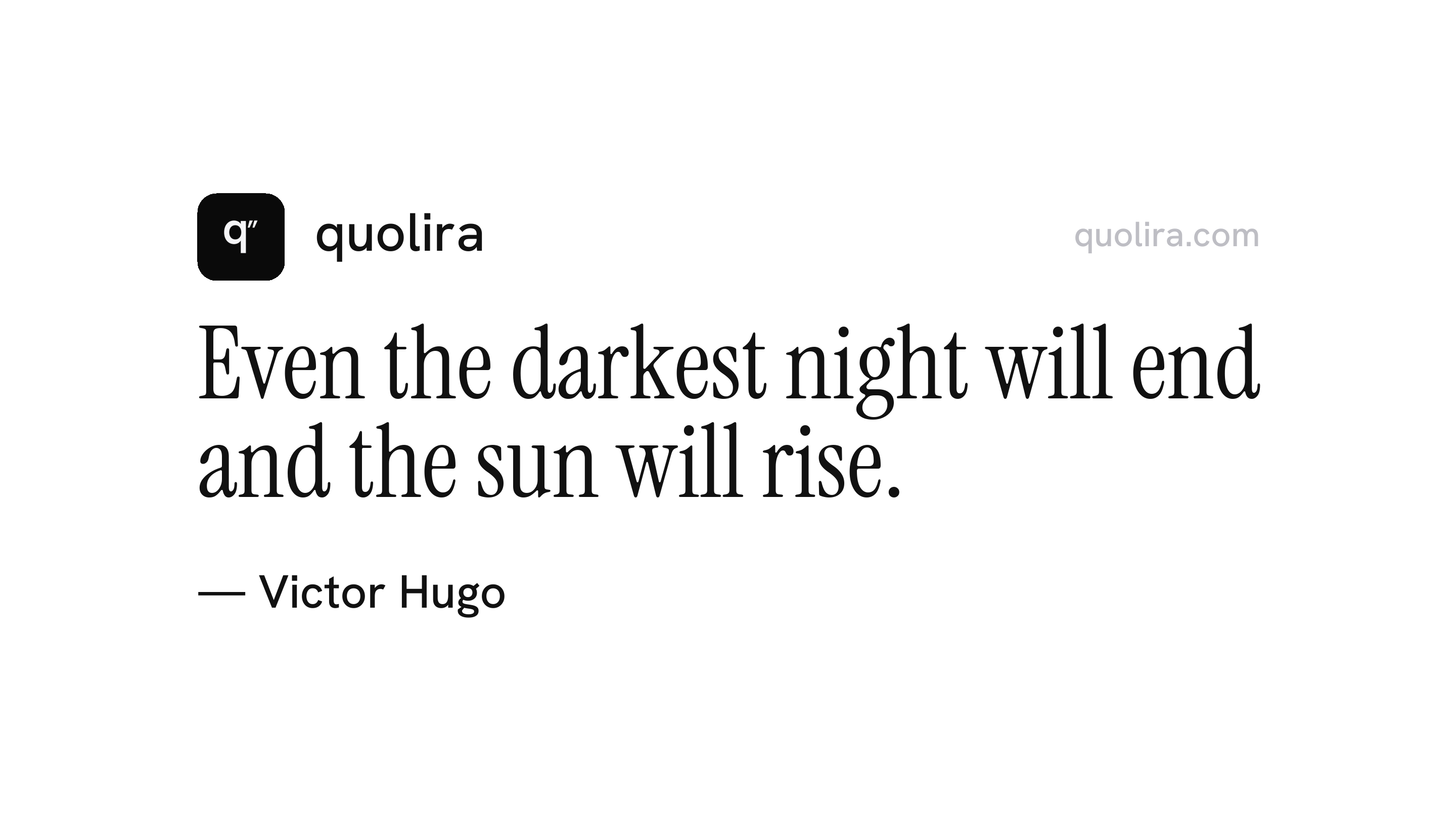
“Even the darkest night will end and the sun will rise.”
Victor Hugo · Les Misérables, 1862
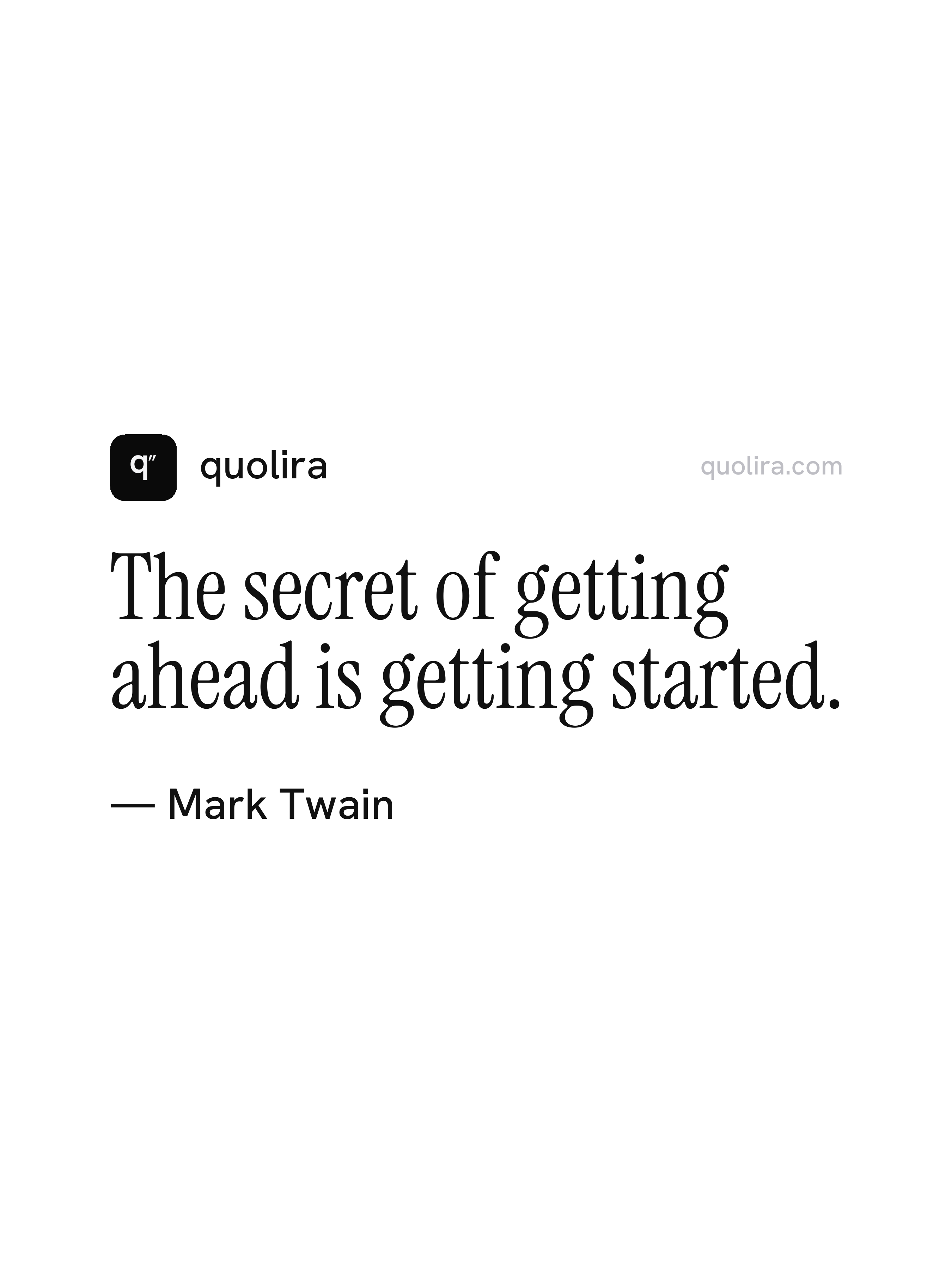
“The secret of getting ahead is getting started.”
Mark Twain