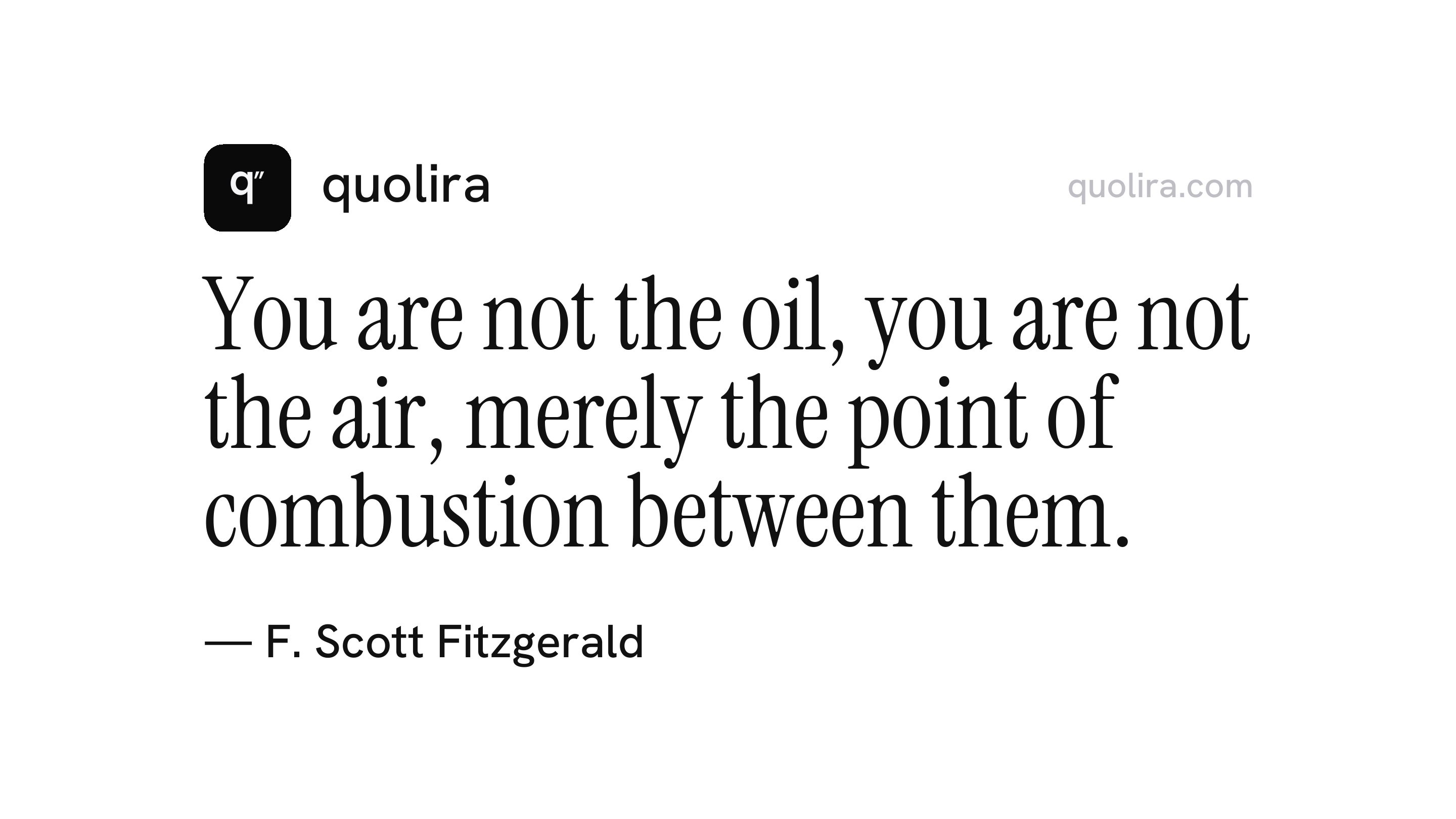
“You are not the oil, you are not the air, merely the point of combustion between them.”
F. Scott Fitzgerald · The Crack-Up, 1936
 quolira
.com
quolira
quolira.com
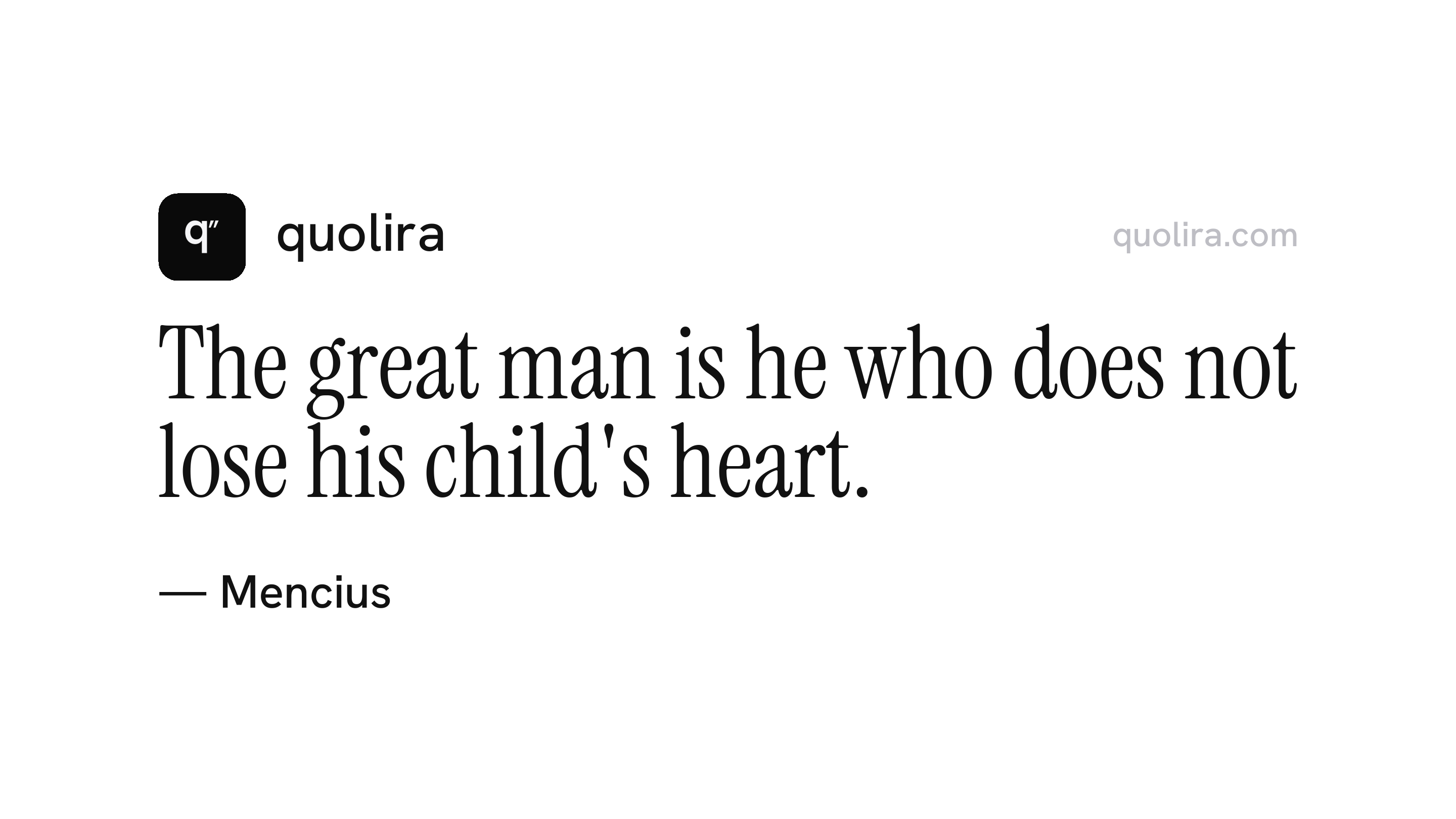
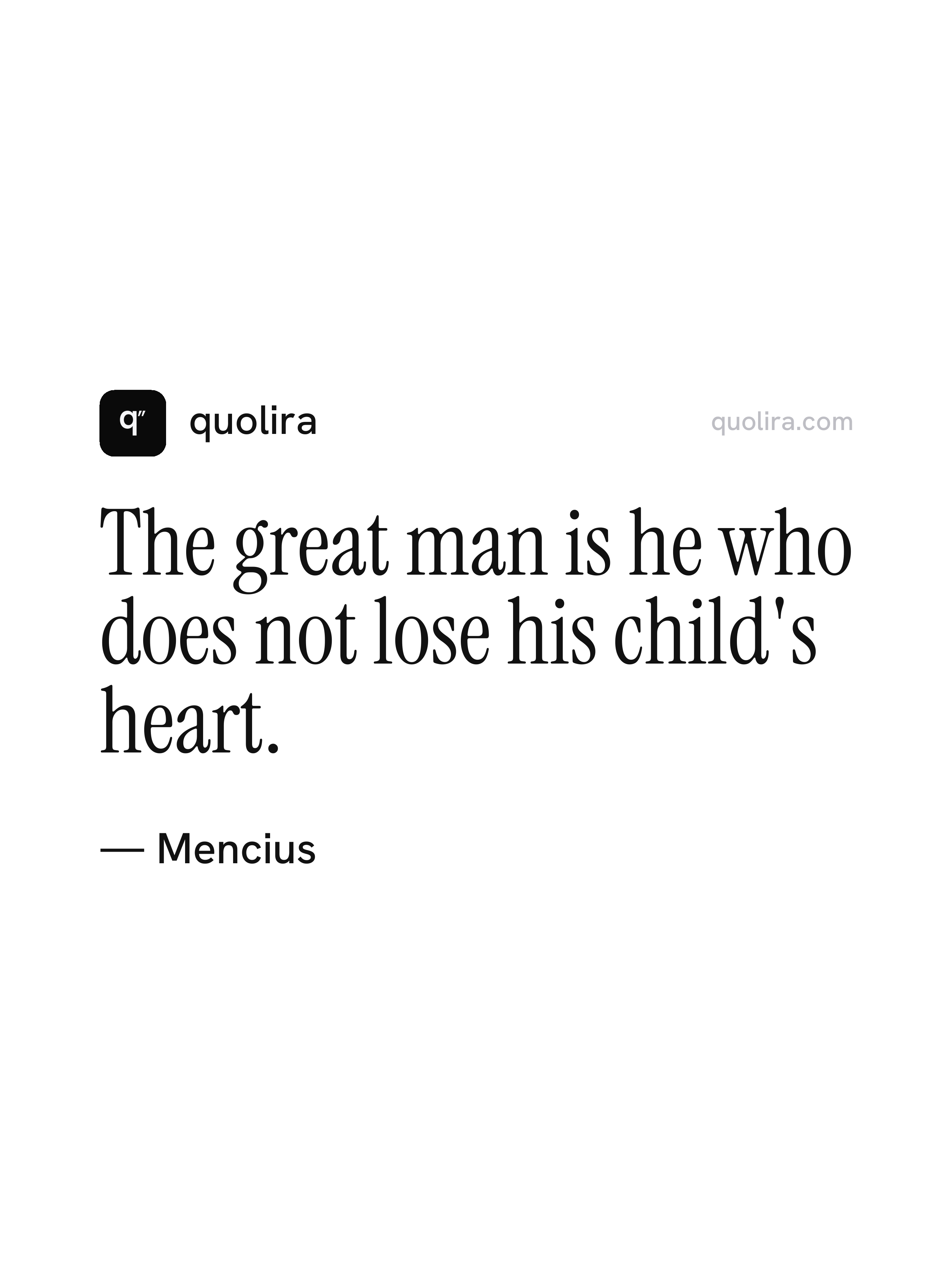
This line argues that genuine greatness is not a matter of power, learning, or achievement alone, but of preserving the open, sincere, and wondering quality that belongs naturally to children. The child's heart, in Mencius's thinking, stands for an undamaged moral sensibility: spontaneous compassion, curiosity untainted by cynicism, and an instinctive sense of what is right. Losing that inner quality, no matter how much outward success a person accumulates, is a kind of impoverishment.
Mencius was a Confucian philosopher working in a period of political fragmentation and moral uncertainty in ancient China. Much of his writing is concerned with what keeps people good and what corrupts them. He believed that every human being is born with the seeds of virtue intact, and that the task of moral life is to protect and cultivate those seeds rather than let circumstances wear them away. This quote fits squarely into that broader argument: greatness is a matter of preservation as much as development.
Mencius, known in Chinese as Mengzi, lived during the fourth and third centuries BCE and is regarded as the most important Confucian thinker after Confucius himself. He traveled among the states of his era, advising rulers and debating other philosophers. His collected conversations and arguments were compiled into a text that bears his name and became one of the foundational works of Chinese classical thought.
“You are not the oil, you are not the air, merely the point of combustion between them.”
F. Scott Fitzgerald · The Crack-Up, 1936
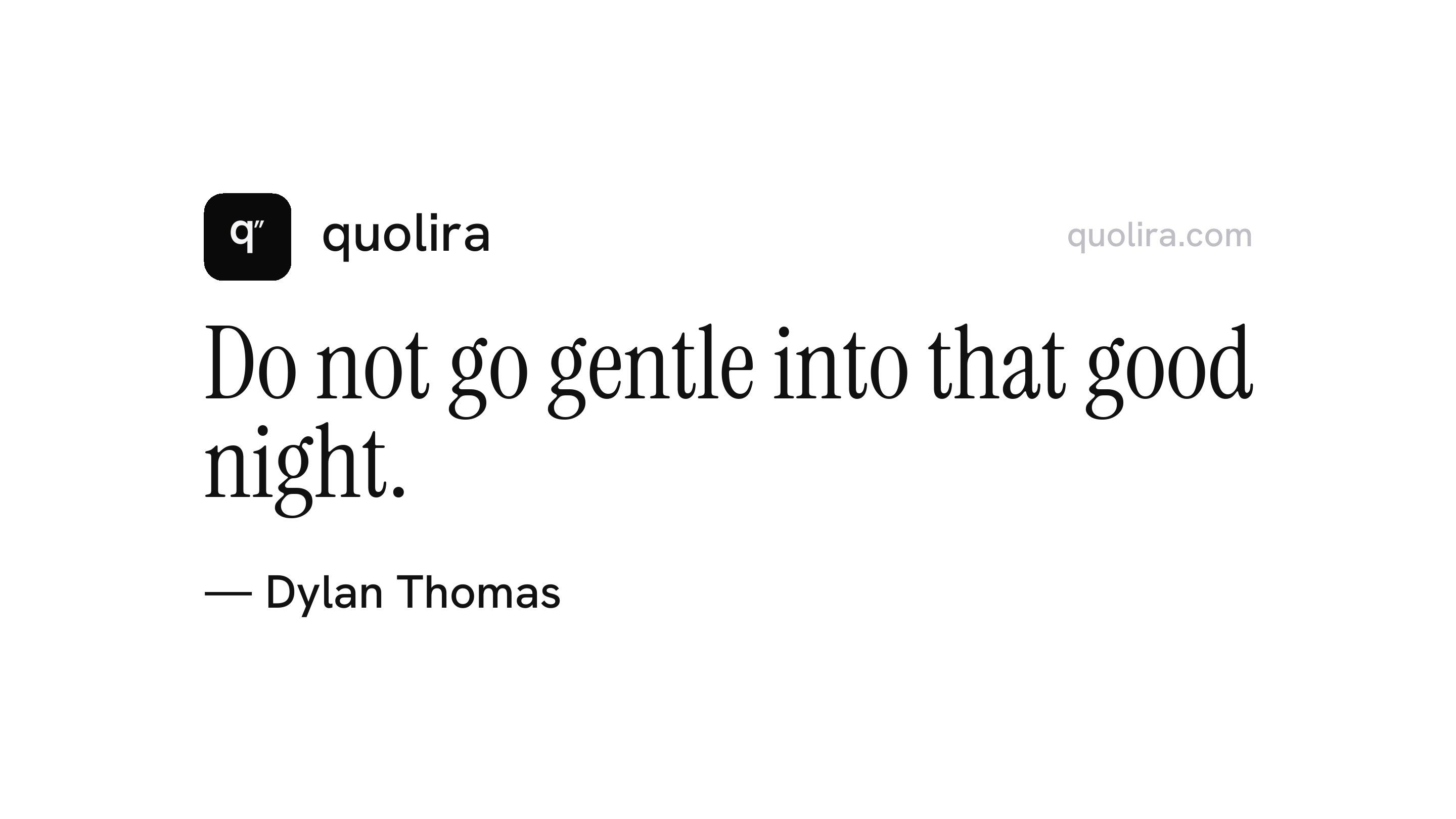
“Do not go gentle into that good night.”
Dylan Thomas · Do Not Go Gentle into That Good Night, 1951
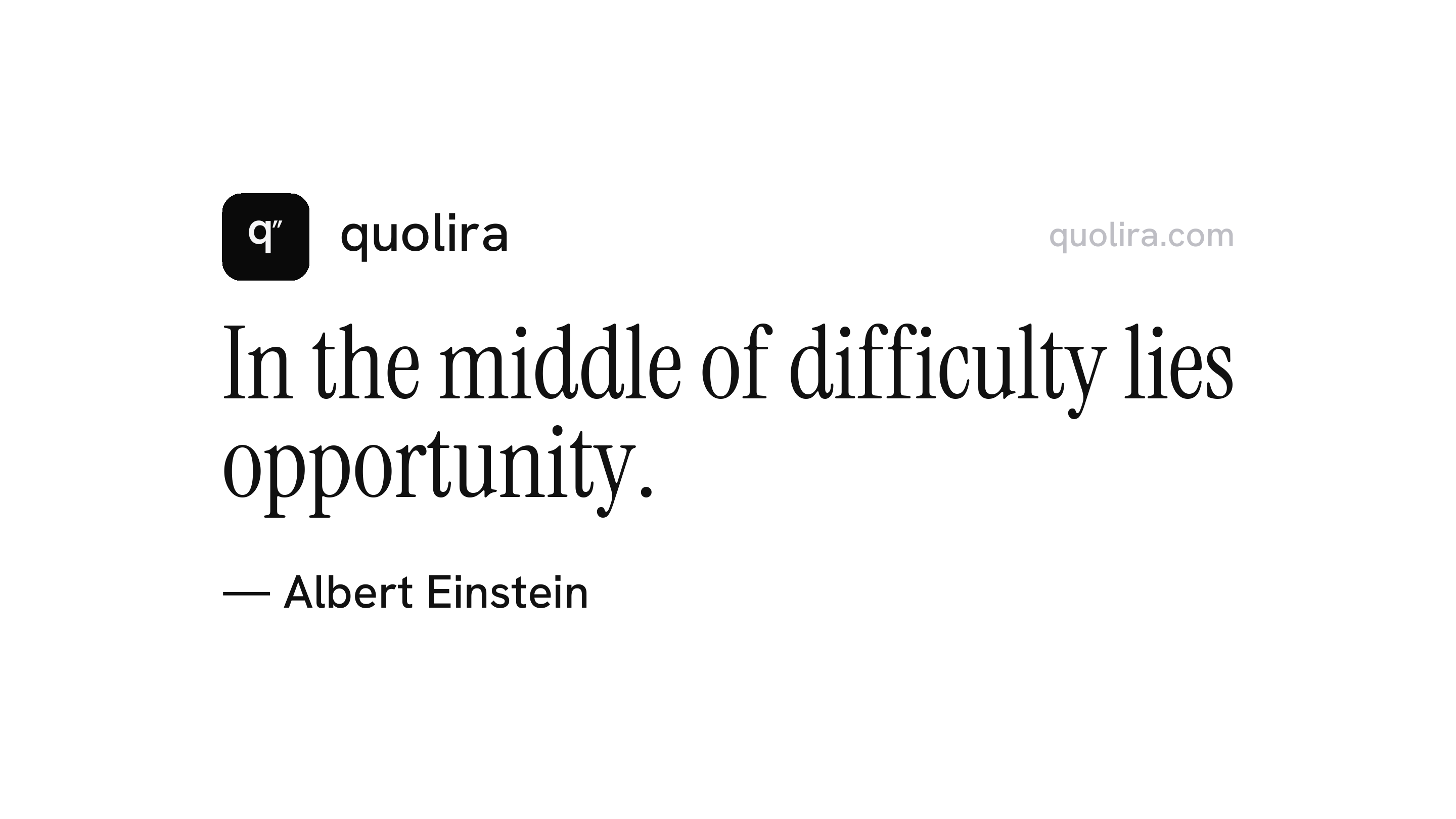
“In the middle of difficulty lies opportunity.”
Albert Einstein · attributed, widely documented
“Man is not the creature of circumstances. Circumstances are the creatures of men.”
Benjamin Disraeli · Vivian Grey, 1826
“Out of suffering have emerged the strongest souls; the most massive characters are seared with scars.”
Khalil Gibran · The Prophet, 1923
“What we achieve inwardly will change outer reality.”
Plutarch · Moralia, c. 100 AD
“The most important thing about a person is always the thing you don't know.”
Barbara Kingsolver · The Lacuna, 2009
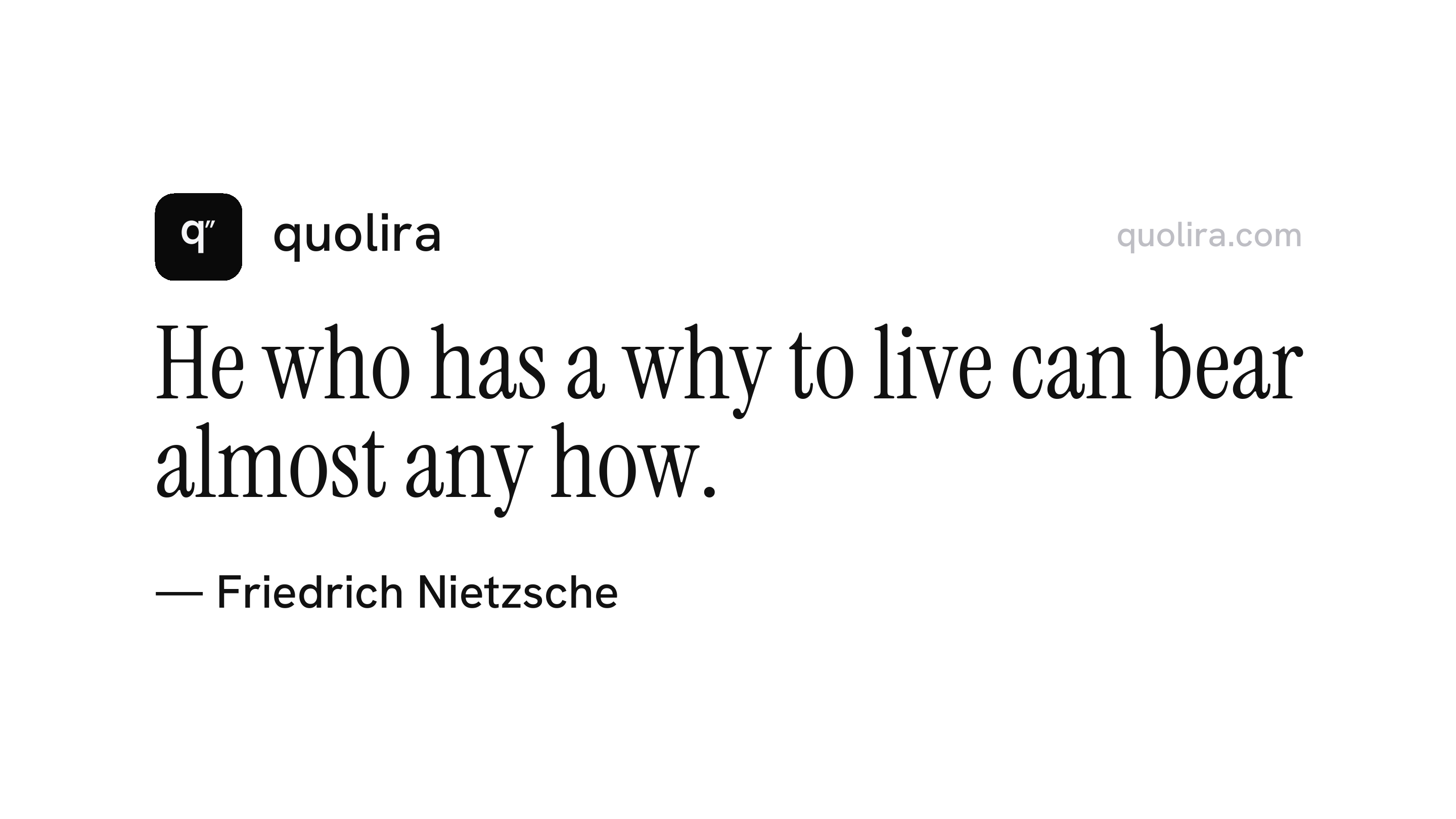
“He who has a why to live can bear almost any how.”
Friedrich Nietzsche · Twilight of the Idols, 1889
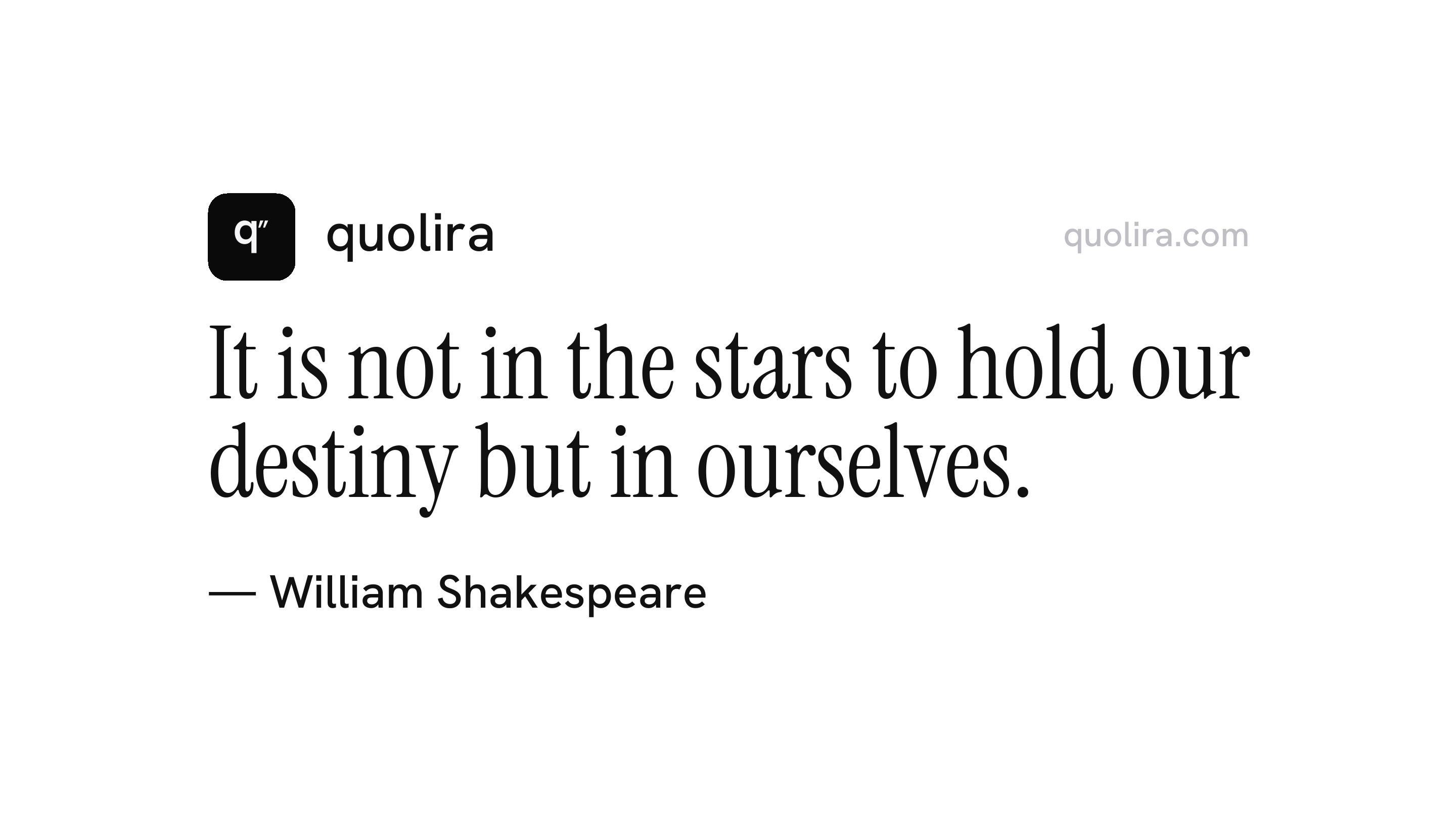
“It is not in the stars to hold our destiny but in ourselves.”
William Shakespeare · Julius Caesar, c. 1599
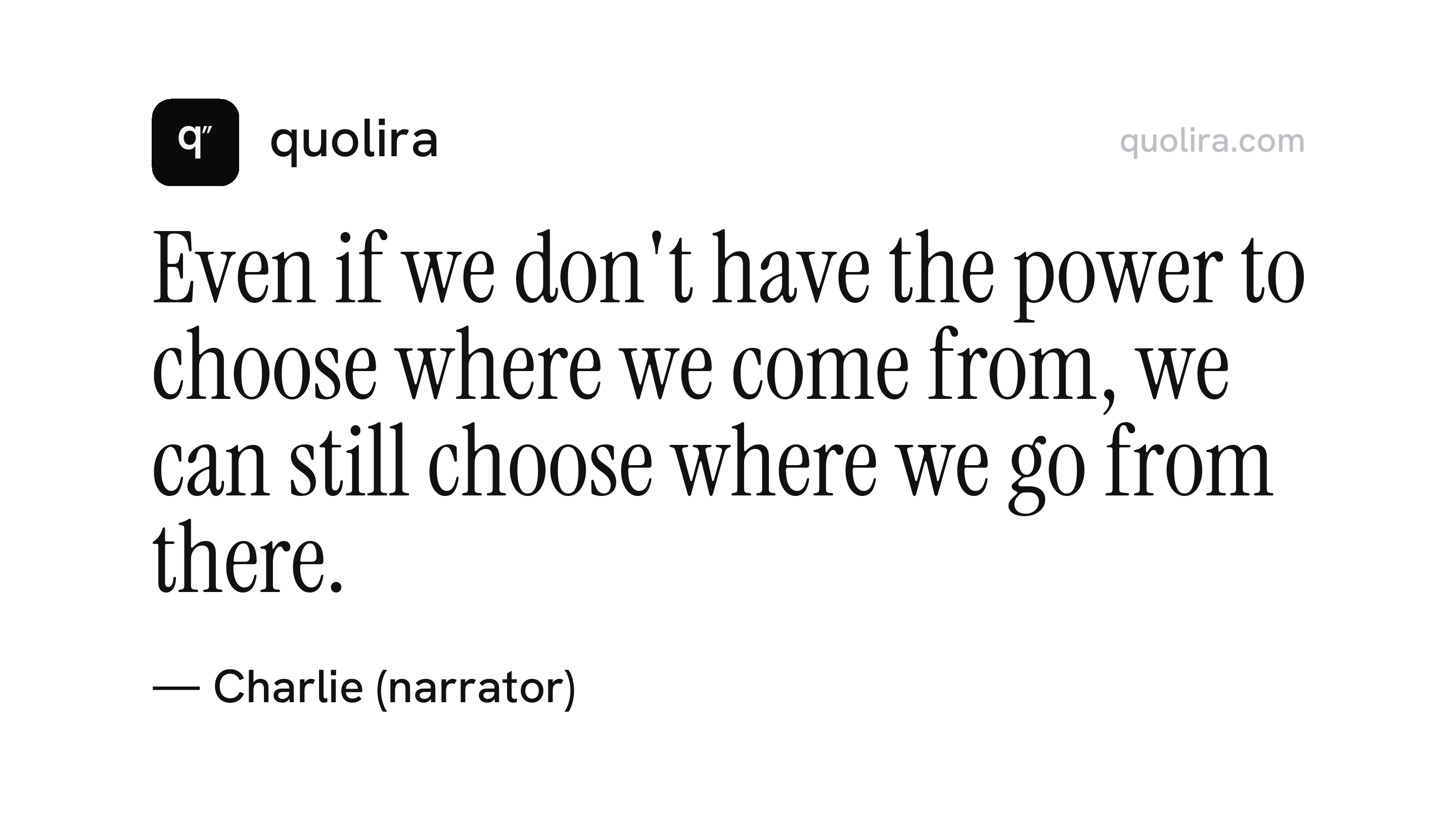
“Even if we don't have the power to choose where we come from, we can still choose where we go from there.”
Charlie (narrator) · The Perks of Being a Wallflower, Stephen Chbosky, 1999
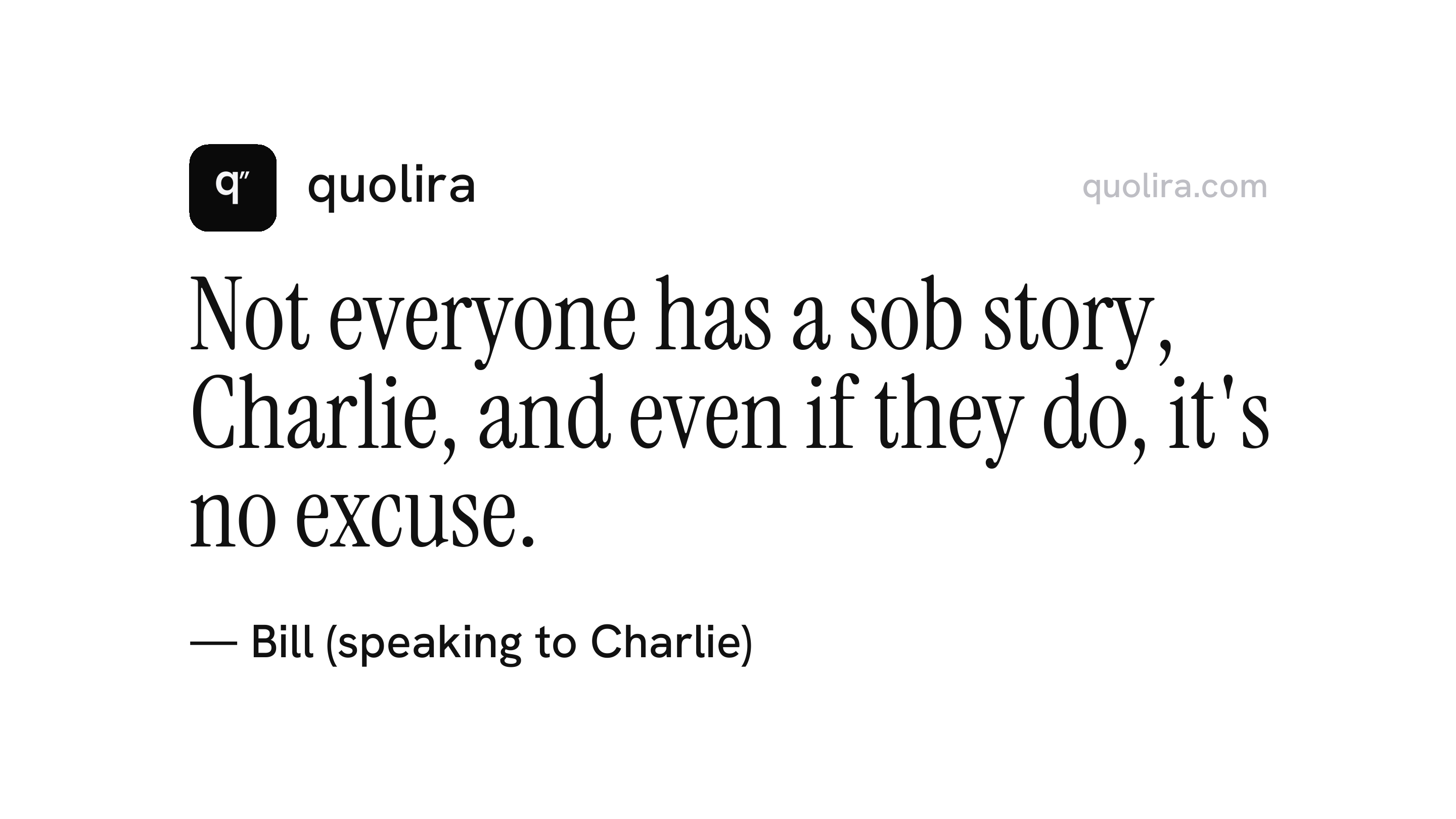
“Not everyone has a sob story, Charlie, and even if they do, it's no excuse.”
Bill (speaking to Charlie) · The Perks of Being a Wallflower, Stephen Chbosky, 1999
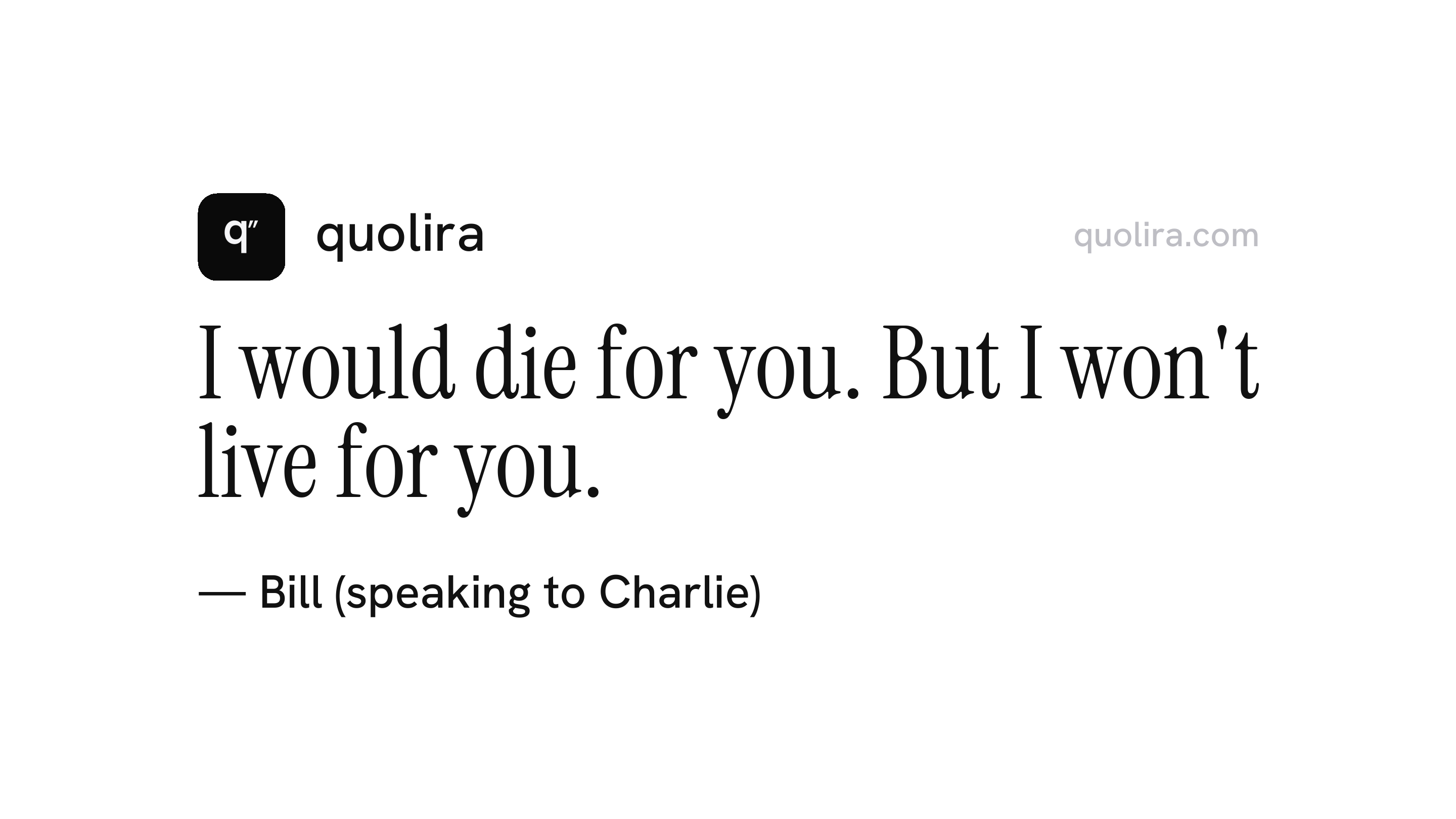
“I would die for you. But I won't live for you.”
Bill (speaking to Charlie) · The Perks of Being a Wallflower, Stephen Chbosky, 1999