The Man Who Kept Asking Questions
A short story about a student, an old teacher, and the kind of wisdom that takes decades to land.
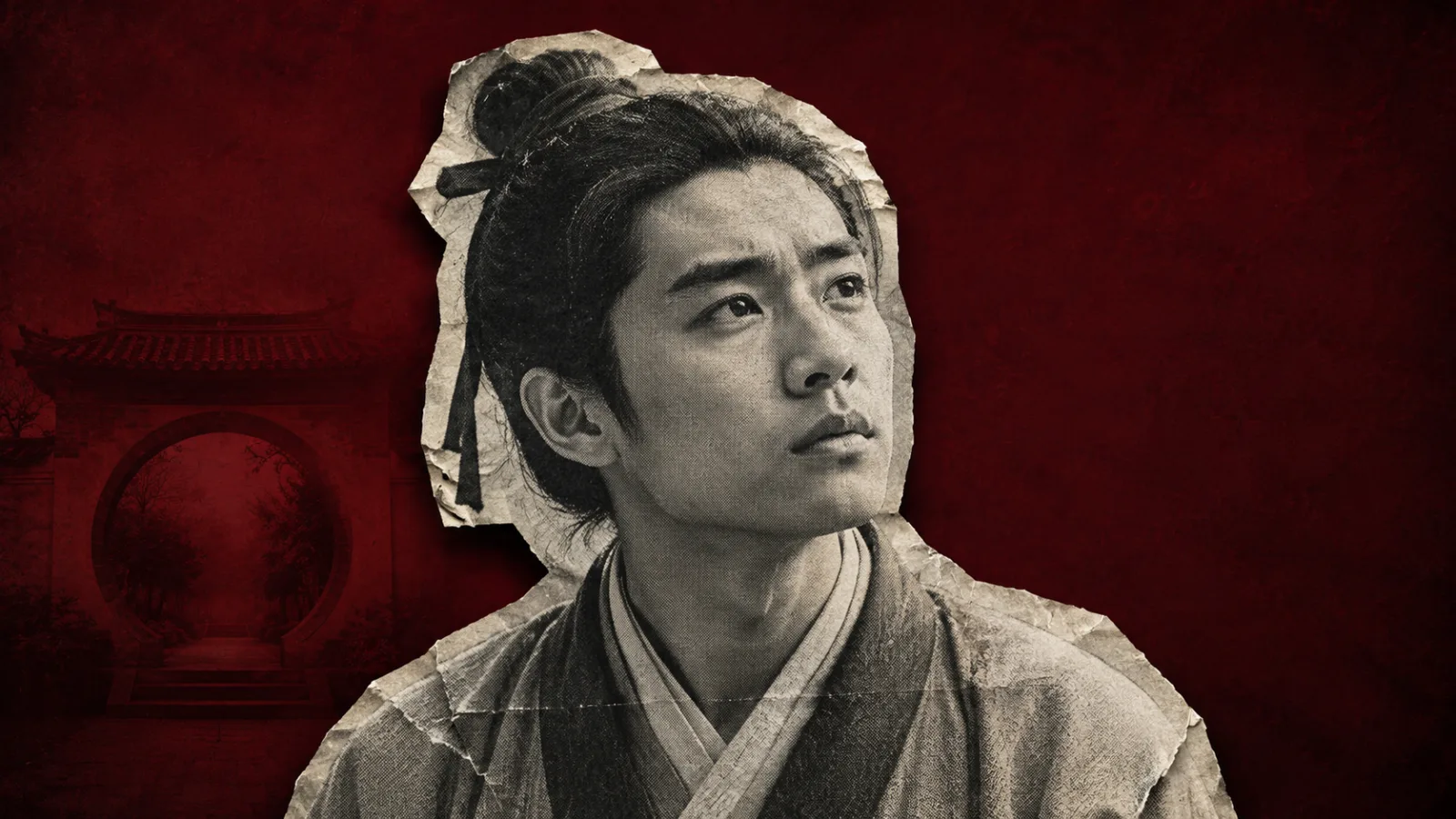
Confucius teachings have survived 2,500 years not because they were written down in perfect form, but because they were lived out in ordinary conversations. This story imagines one such conversation: a young man named Wei, a dusty road, and a teacher who refused to give easy answers. Think of it as ancient Chinese philosophy doing what it does best: sitting with you until you figure it out yourself. The wisdom of Confucius was never a lecture. It was a question.
The man who learns but does not think is lost. The man who thinks but does not learn is in great danger.
The road to Qufu
Wei left his village at dawn, carrying a cloth bag with three days of rice and a list of questions he'd been saving for two years.
He was 19. He'd heard that the Master walked the roads between towns, that you could sometimes catch him at the eastern gate of Qufu before midday. His own teacher back home had said: "Don't go. You'll come back confused." That was almost reason enough to go.
He found the Master on the second day, not at any gate but sitting on a low wall eating a pear.
Confucius was older than Wei expected. He had the kind of stillness that doesn't come from calm but from having already panicked about everything and come out the other side.
The question that had no question in it
Wei sat down. He unrolled his list in his head and opened his mouth.
"Master, how does a man become good?"
Confucius looked at the pear. "What do you mean by good?"
"Virtuous. Upright. The kind of man people respect."
The Analects of Confucius
"And is that the same thing?"
Wei paused. He hadn't expected a question back. He'd expected, at minimum, a short lecture.
"I think so," he said.
"You think so," Confucius said, as if that were interesting.
They sat for a while. A cart passed. The Master finished the pear.
"The man who learns but does not think is lost. The man who thinks but does not learn is in great danger." (Analects, 2.15)
confucius teachings wisdom: the shape of a real conversation
What Wei noticed, over the two days he ended up walking with the Master, was that Confucius almost never said what he believed directly. He said it sideways. He said it through questions that felt simple until you were 3 hours deep into your own head.
One morning Wei asked about loyalty. The Master asked who Wei was loyal to. Wei listed his father, his village, his future ruler.
"And yourself?" Confucius asked.
Confucius: And the World He Created by Michael Schuman
Wei didn't have an answer. The Master didn't seem to need one.
This was the method. Not Socratic exactly. Less combative. More like the Master was genuinely curious what you'd say, and your answer was data he filed away with care.
By the second evening Wei had stopped consulting his list. The questions on it felt like they belonged to someone slightly younger than him.
What he carried home
Wei walked back without the list. He lost it somewhere, or maybe left it on purpose, he was never sure.
What he kept was harder to name. A habit, maybe. The habit of pausing before answering. The sense that a question asked slowly is worth more than an answer given fast.
His old teacher saw him at the village gate and said: "So. Confused?"
"A little," Wei said.
The teacher nodded, satisfied. "Good. That means he talked to you."
Confucius died in 479 BCE, surrounded by a small group of students who would spend the next decades writing down everything they could remember. The Analects, assembled sometime after his death, runs to about 500 short passages. Most of them are conversations. Most of the conversations end with a question hanging in the air.
When you know a thing, to hold that you know it; and when you do not know a thing, to allow that you do not know it: this is knowledge.
Wei never forgot the road to Qufu. Not for the destination, but for what happened on the way.
Frequently asked questions
What did Confucius actually teach?
Is Confucius considered a philosopher or a religious figure?
What is the most famous saying attributed to Confucius?
Why does Confucius still matter today?
Keep reading
21 Lord Voldemort Best Harry Potter Quotes That Still Chill You
The most memorable lines from the Dark Lord, weighed for what they reveal about fear, power, and the man behind the mask.
14 Satchel Paige Quotes on Aging, Motion, and Not Looking Back
The pitcher who kept throwing into his fifties left behind lines about time that still land.

16 Alice in Wonderland Quotes That Still Make You Stop and Think
The strange logic of Wonderland has a way of feeling truer than the real world.