15 Deep Quotes about Life That Will Stop You in Your Tracks
Fifteen thinkers across centuries said the quiet part loud. Here it is.

Deep quotes about life have a way of doing something ordinary sentences can't: they compress years of hard-won thinking into a single line. The writers, philosophers, and leaders collected here weren't trying to be inspiring. They were just being honest. And somehow that honesty about human experience hits harder than any motivational poster ever could. Read slowly. A few of these will stay with you.
It is not that I'm so smart. But I stay with the questions much longer.
The mystery of human existence lies not in just staying alive, but in finding something to live for.
Fyodor Dostoevsky The Brothers Karamazov, 1880
Dostoevsky wrote this through the mouth of the Grand Inquisitor, which gives it an uncomfortable edge. He wasn't offering comfort. He was pointing at the thing people spend whole lives avoiding.
All the variety, all the charm, all the beauty of life is made up of light and shadow.
Leo Tolstoy Anna Karenina, 1878
Tolstoy published Anna Karenina in 1878, and this line feels like the moral of the entire novel. You can't keep the light and cut away the shadow. The two come as a package.
Not how long, but how well you have lived is the main thing.
Seneca Letters to Lucilius, c. 65 AD
Seneca wrote most of his Letters to Lucilius in the last 2 years of his life, which gives this line real weight. He wasn't theorizing. He was counting.
Meditations by Marcus Aurelius
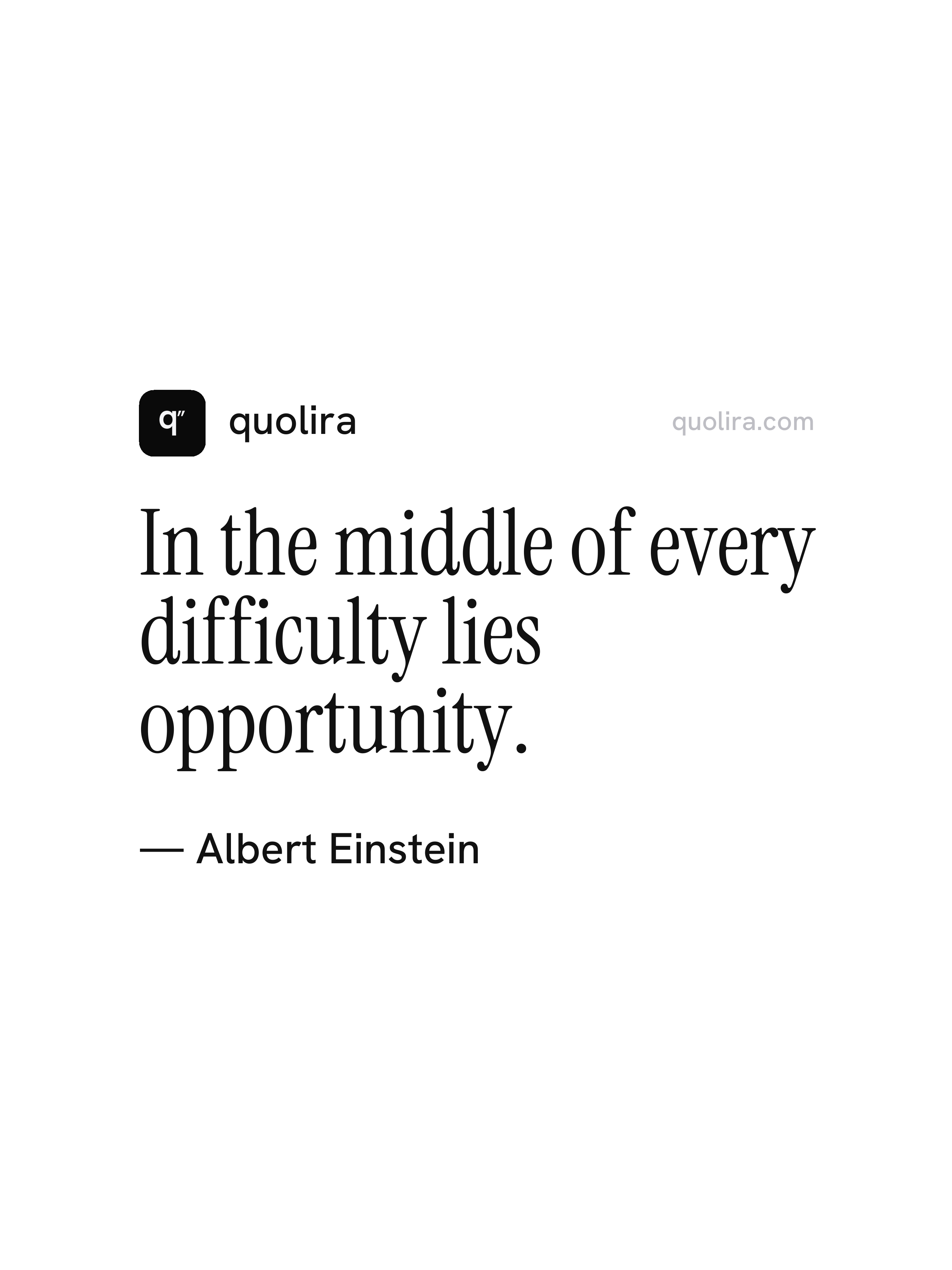
In the middle of every difficulty lies opportunity.
This is widely attributed to Einstein and aligns cleanly with his documented thinking on persistence. The point is less inspirational than practical: difficulty forces you to look harder, and looking harder is where you find things.
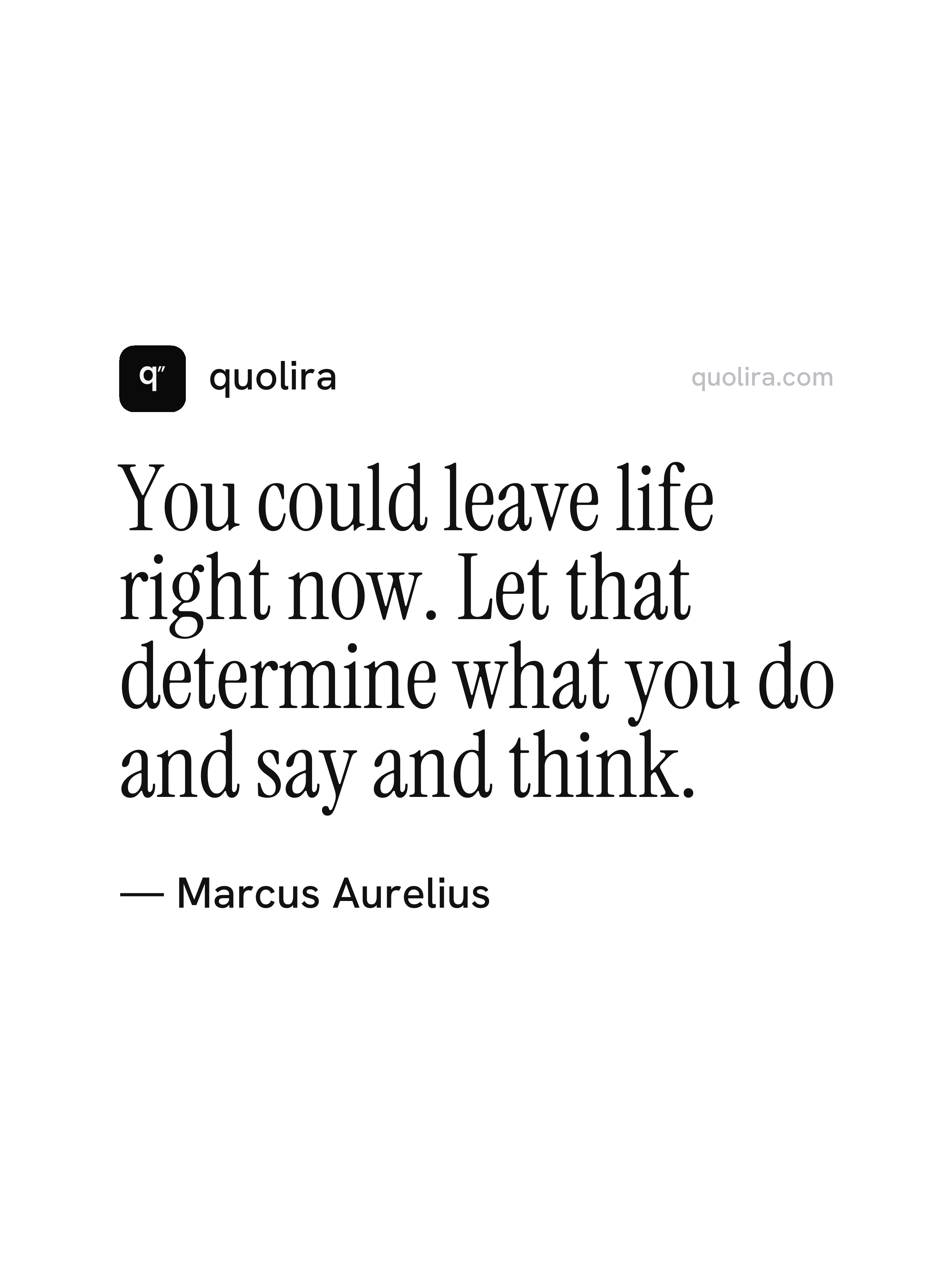
You could leave life right now. Let that determine what you do and say and think.
Marcus Aurelius Meditations, Book 4
Marcus Aurelius wrote his Meditations as private notes to himself, not for publication, which is why lines like this have such strange directness. He's not consoling anyone. He's issuing a reminder.
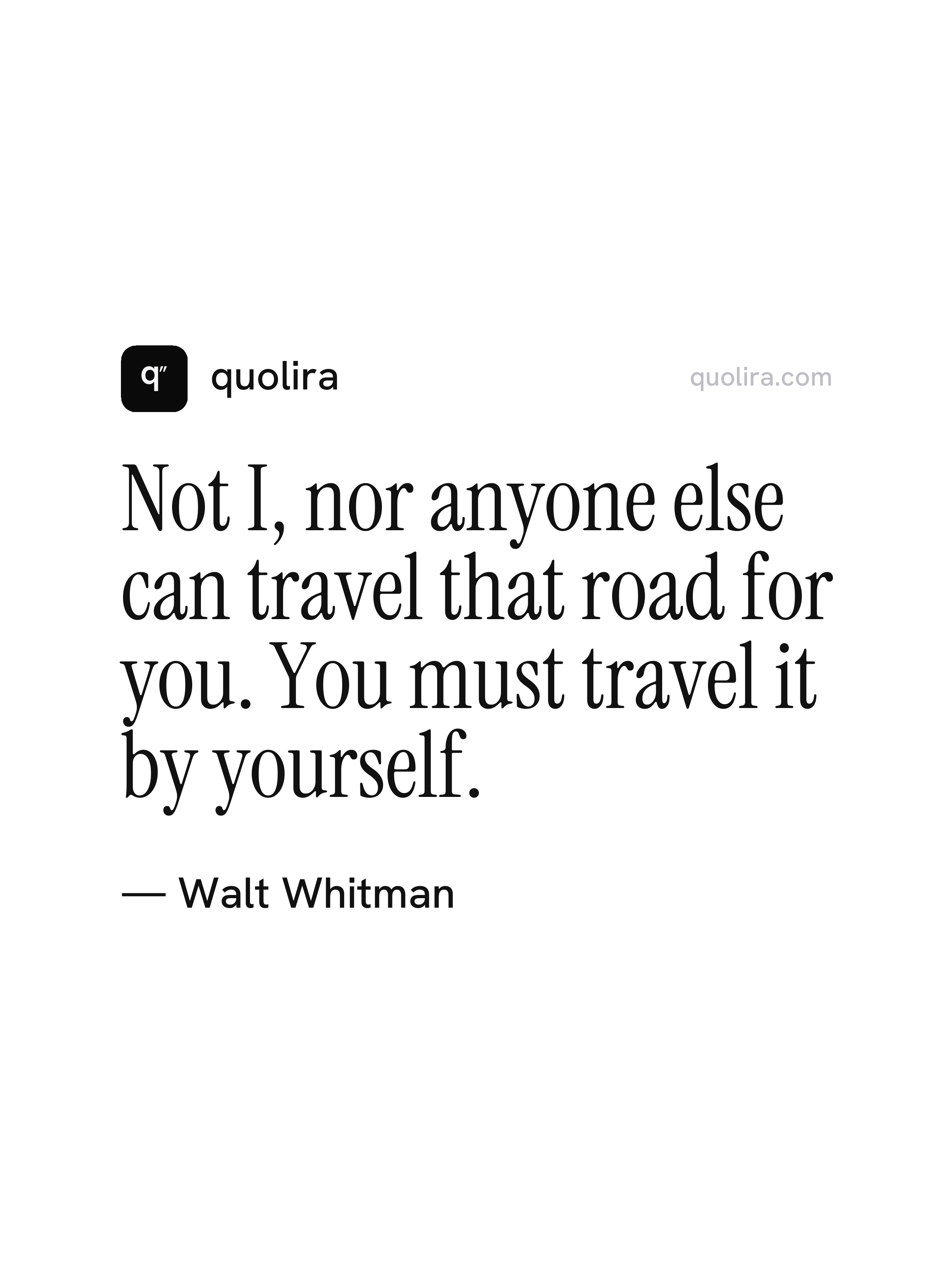
Not I, nor anyone else can travel that road for you. You must travel it by yourself.
Walt Whitman Leaves of Grass, 1855
Whitman spent his whole career celebrating collective humanity and still landed here: at the end, each person walks alone. The tension between those two ideas is pretty much his entire project.
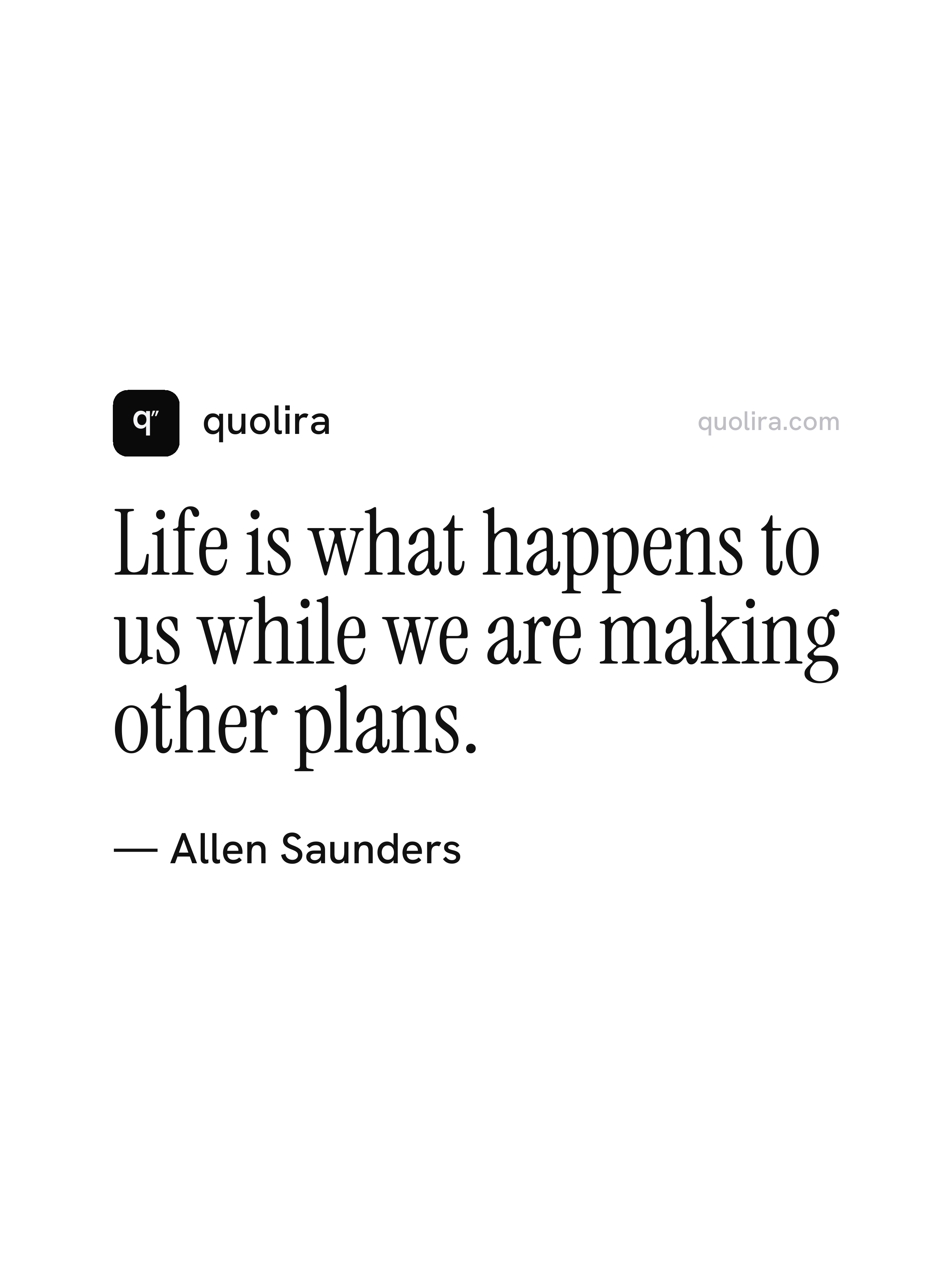
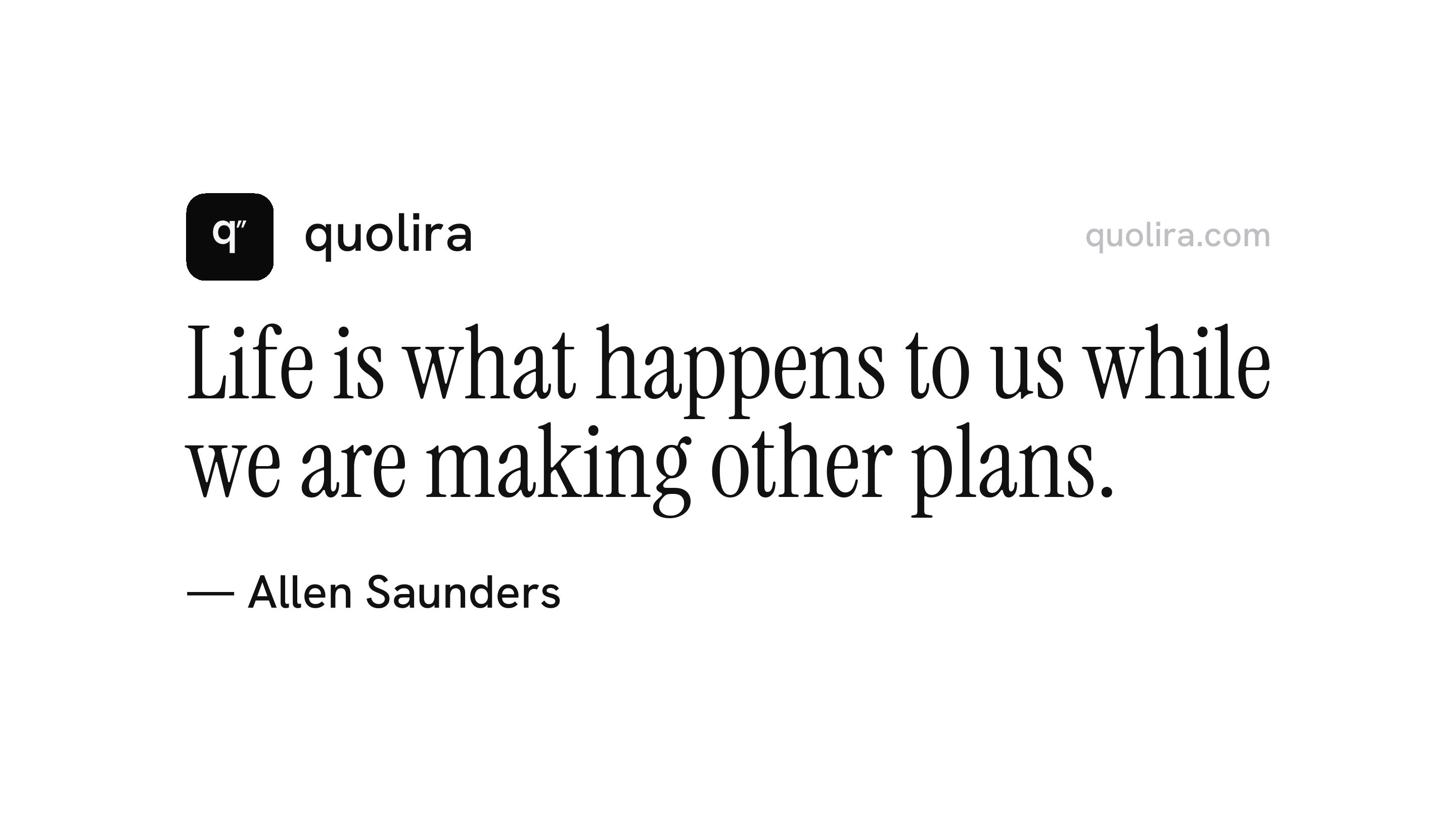
Life is what happens to us while we are making other plans.
Allen Saunders Reader's Digest, January 1957
This is widely misattributed to John Lennon, who quoted a version of it in the 1980 song "Beautiful Boy," but Allen Saunders wrote it first in Reader's Digest in January 1957. The idea is old. The credit finally caught up.
Letters from a Stoic by Seneca
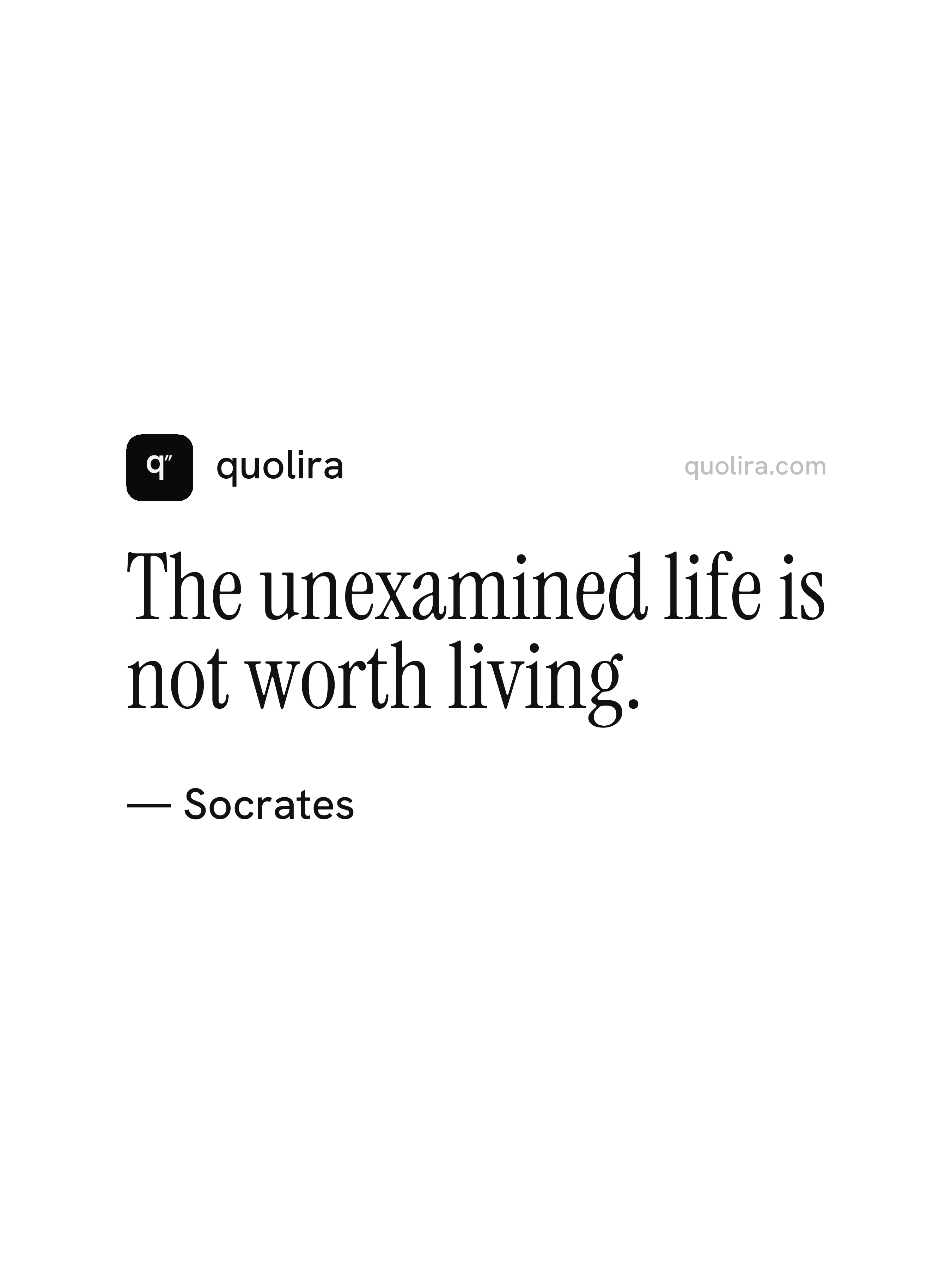
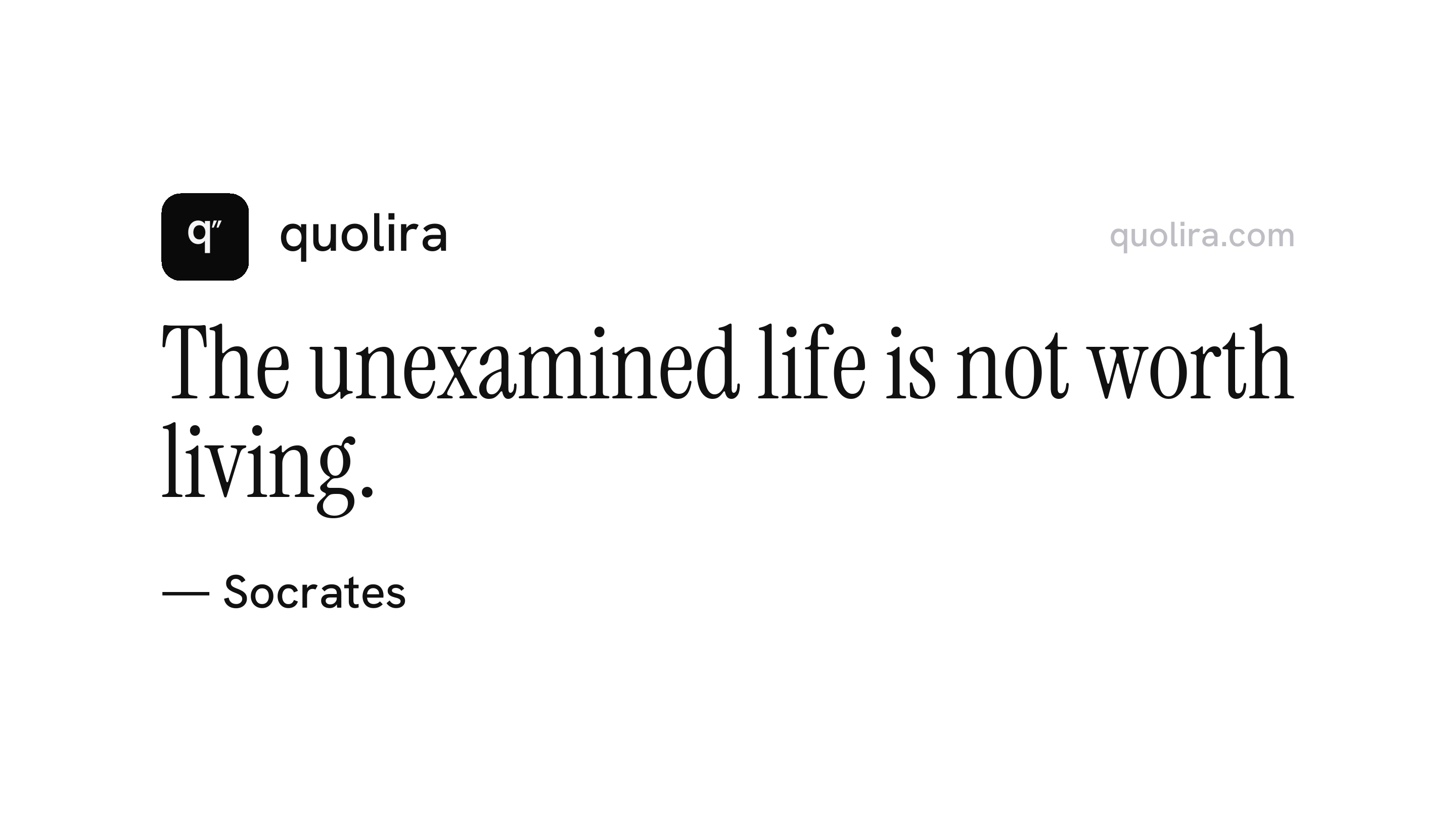
The unexamined life is not worth living.
Socrates Plato's Apology, c. 399 BC
Socrates said this at his own trial, moments before being sentenced to death, which means he believed it with enough conviction to die for it. That context makes the sentence feel less like philosophy and more like a dare.
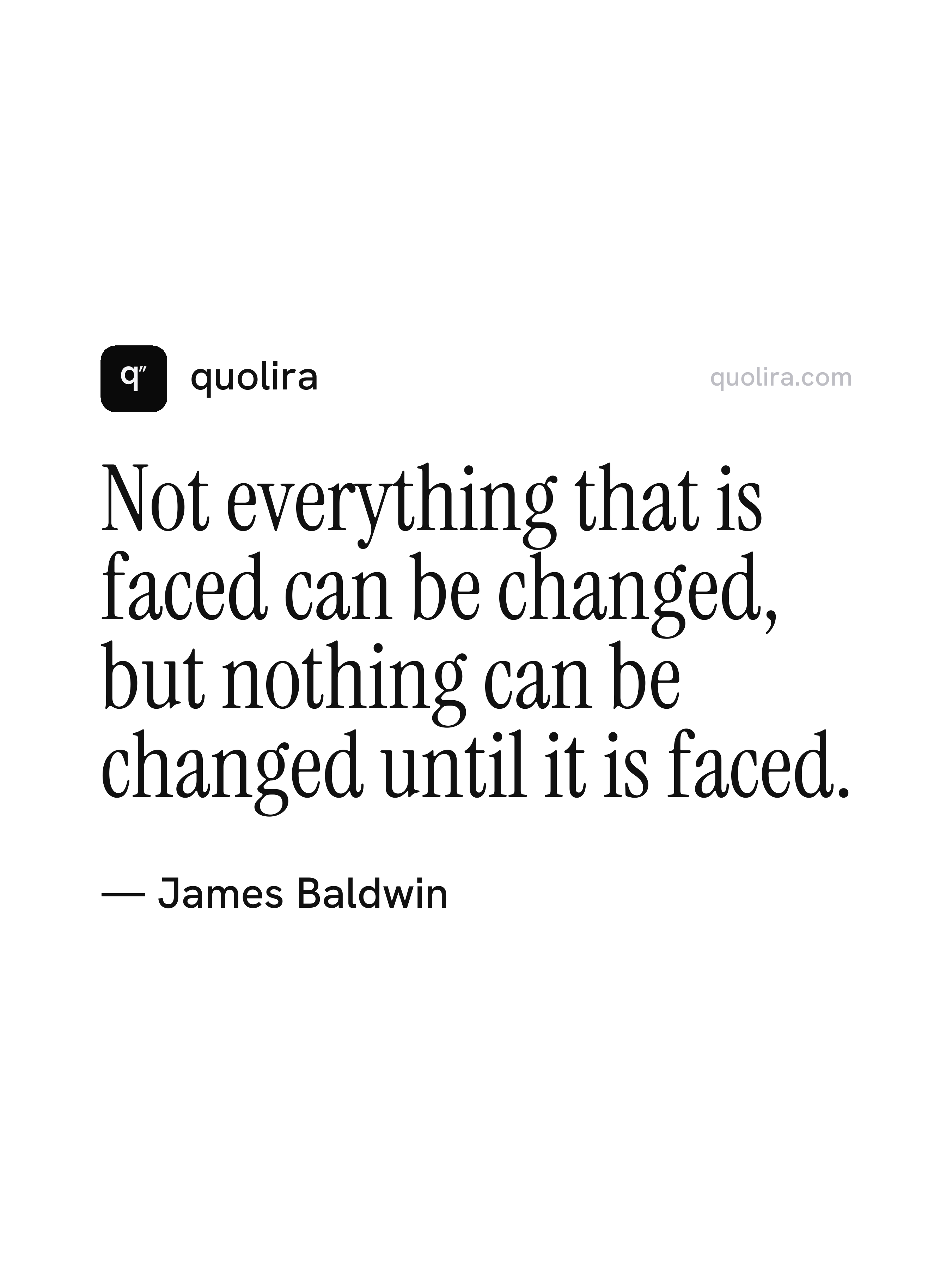
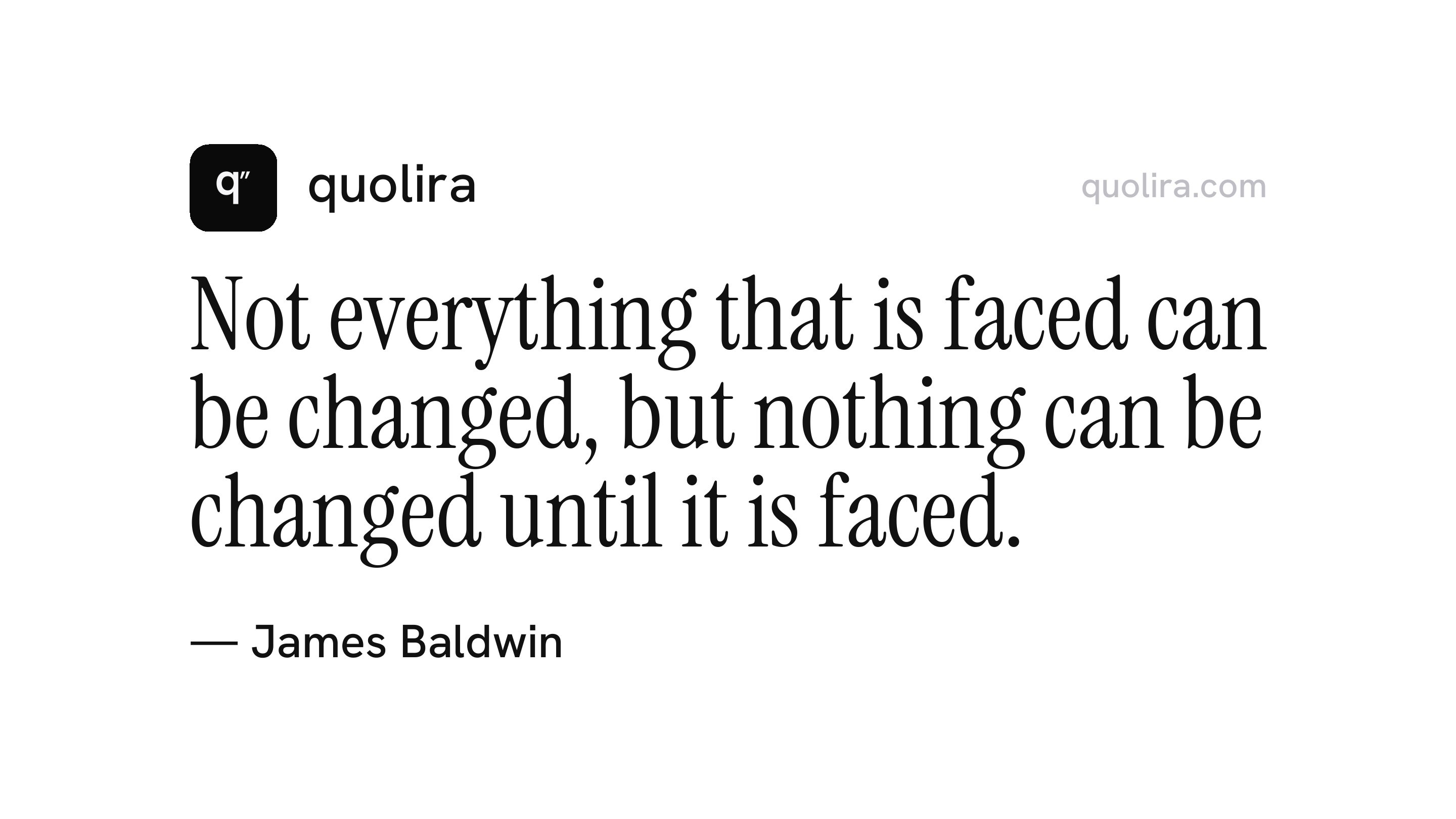
Not everything that is faced can be changed, but nothing can be changed until it is faced.
James Baldwin "As Much Truth As One Can Bear," New York Times Book Review, 1962
Baldwin published this in a 1962 essay about literature and moral honesty. It reads like a summary of his entire body of work: looking clearly at hard things is the precondition for everything else.
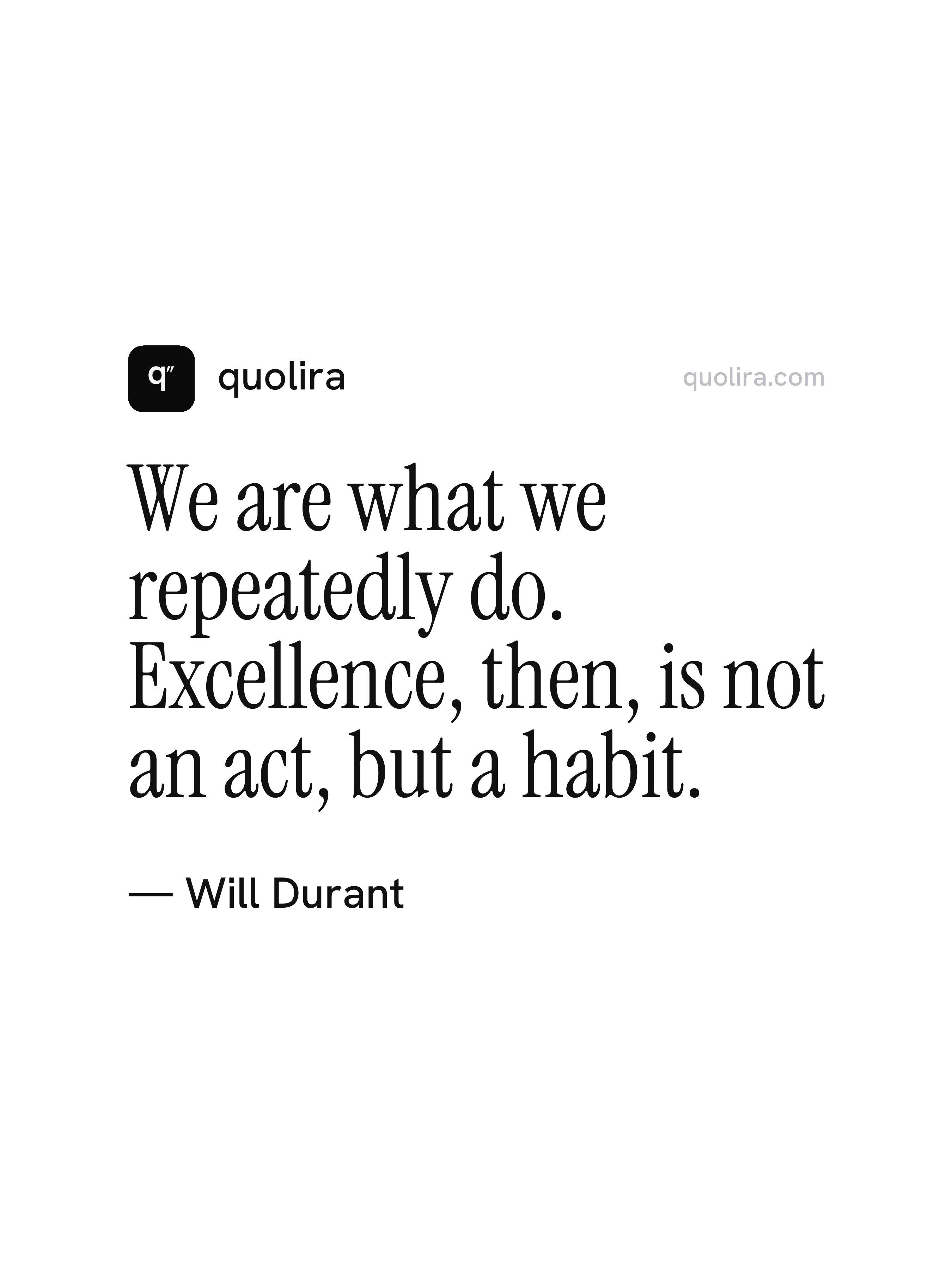
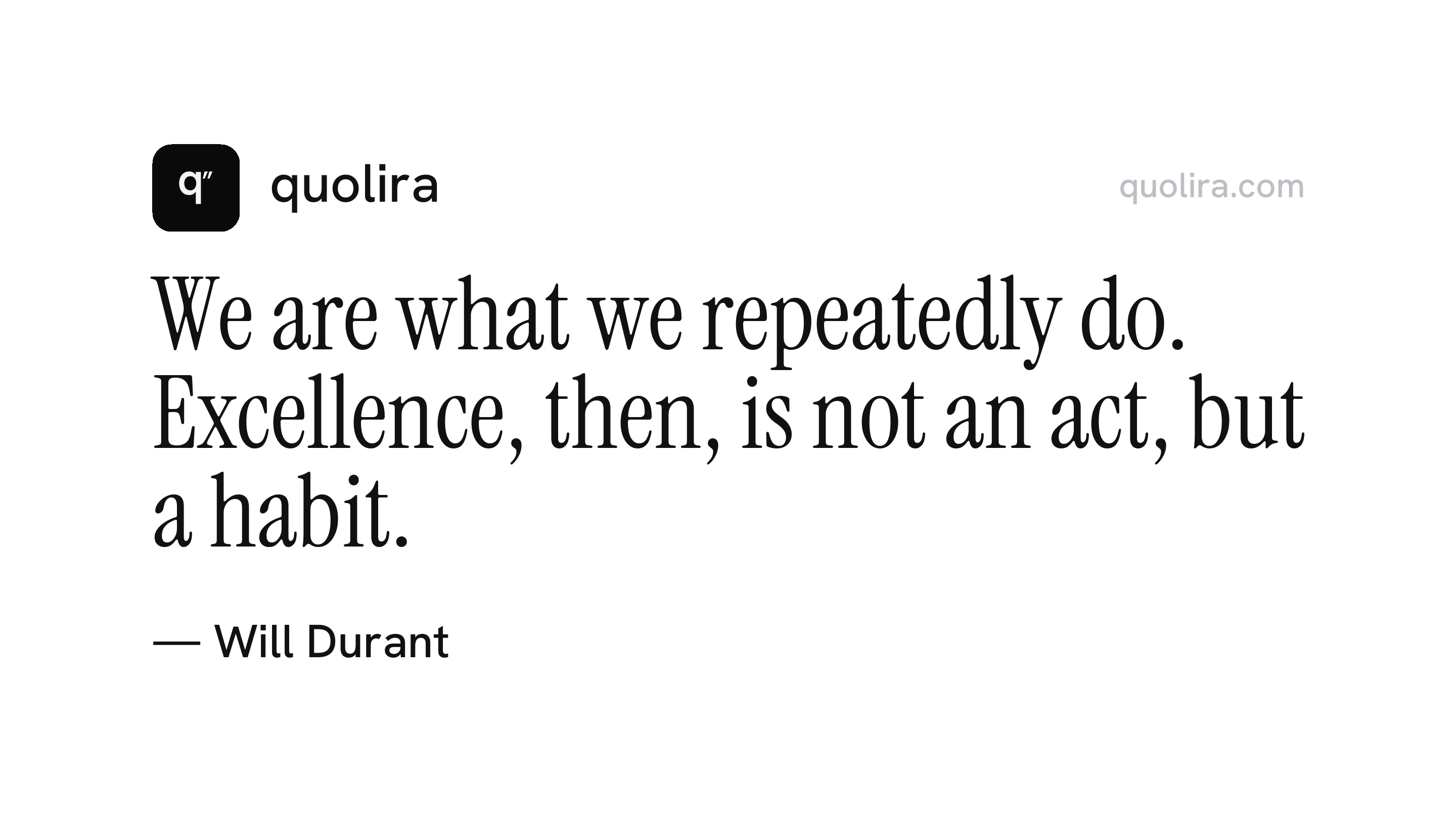
We are what we repeatedly do. Excellence, then, is not an act, but a habit.
Will Durant The Story of Philosophy, 1926
This is commonly attributed to Aristotle, but Will Durant wrote it in 1926 as a summary of Aristotle's ethics in The Story of Philosophy. The idea is Aristotelian. The exact phrasing is Durant's.
Man's Search for Meaning by Viktor Frankl
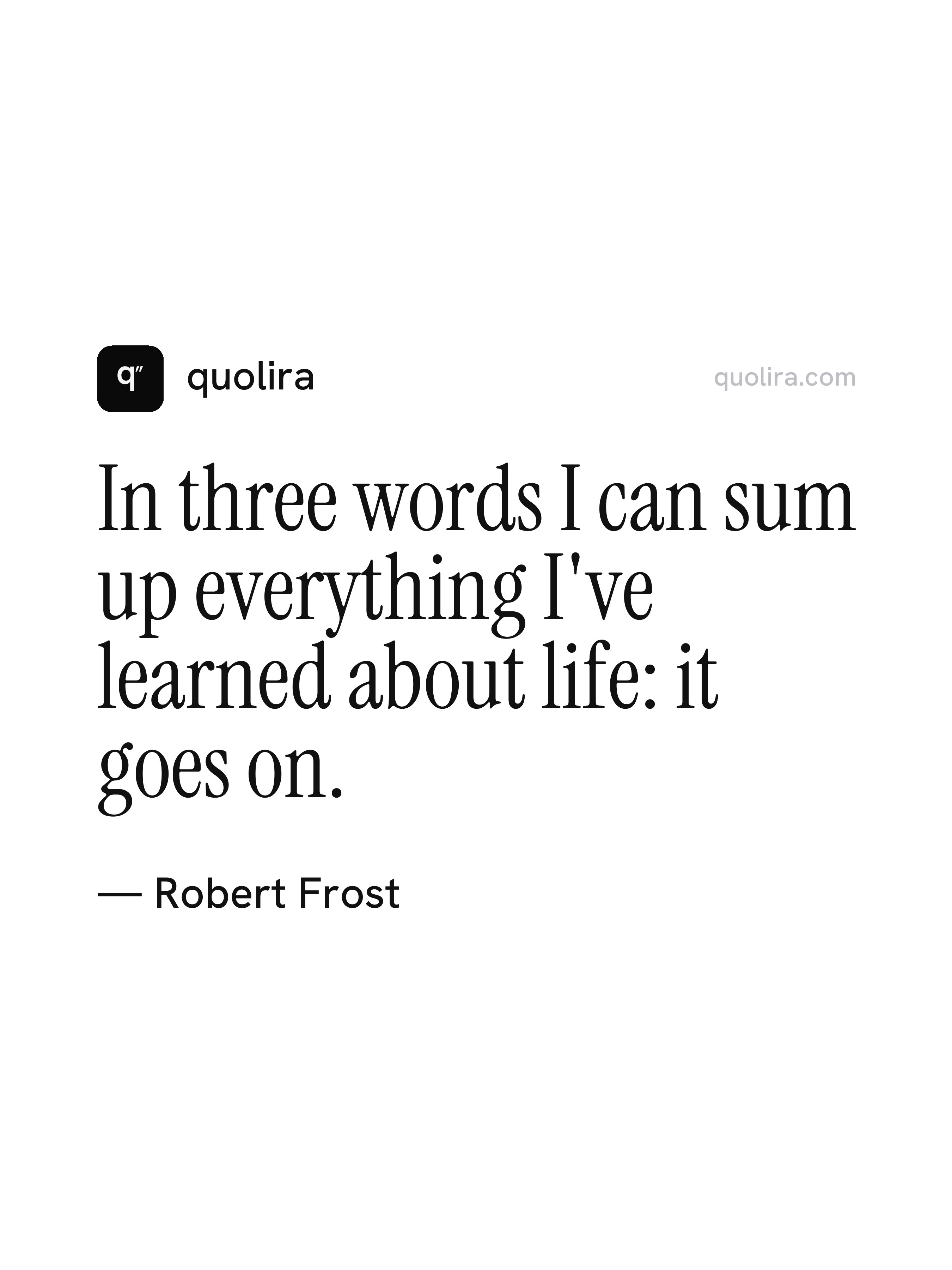
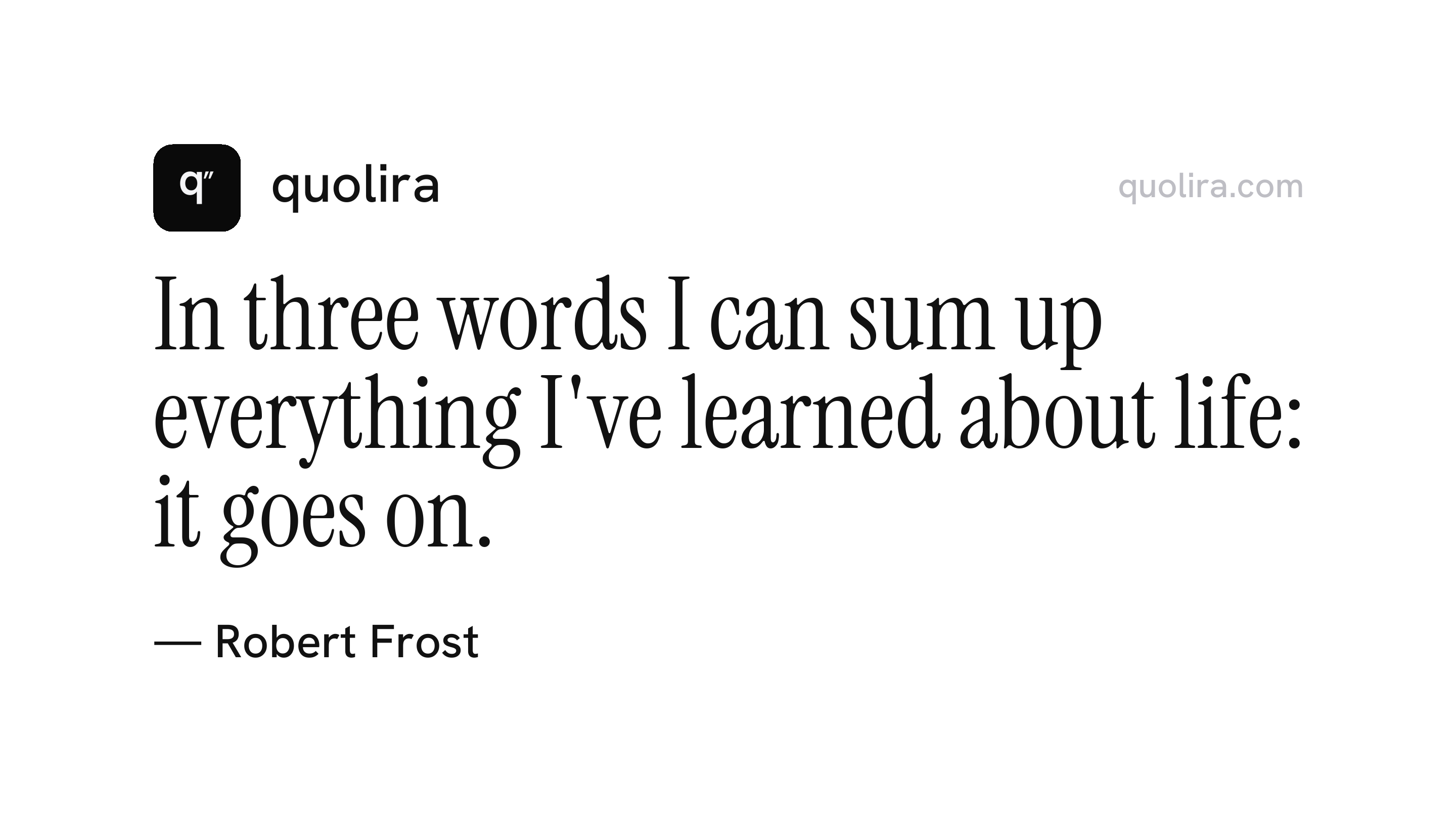
In three words I can sum up everything I've learned about life: it goes on.
Frost's poems are full of grief and he kept going anyway, so this line reads less like wisdom and more like testimony. Three words, and somehow they carry the weight of a whole career.
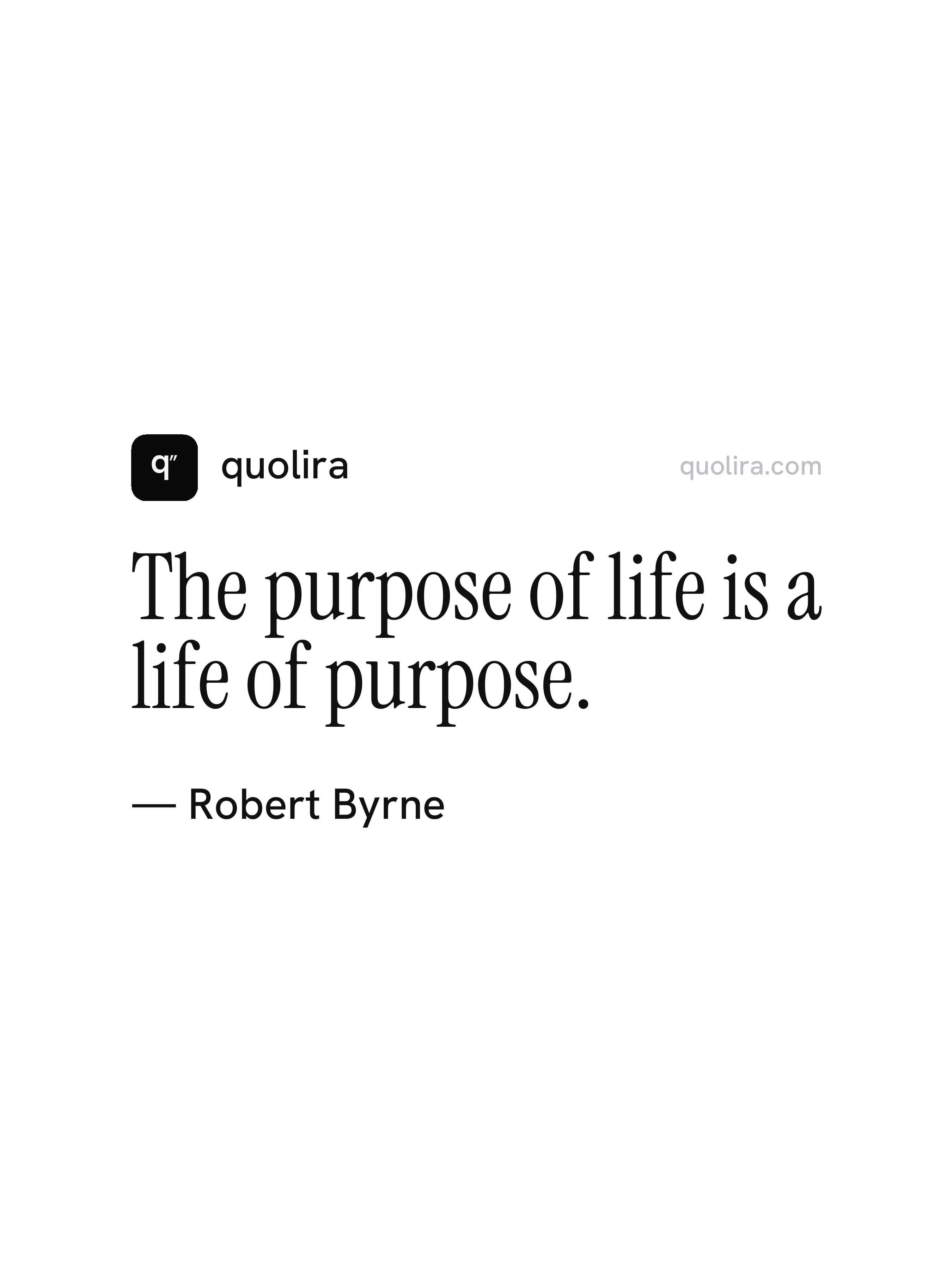
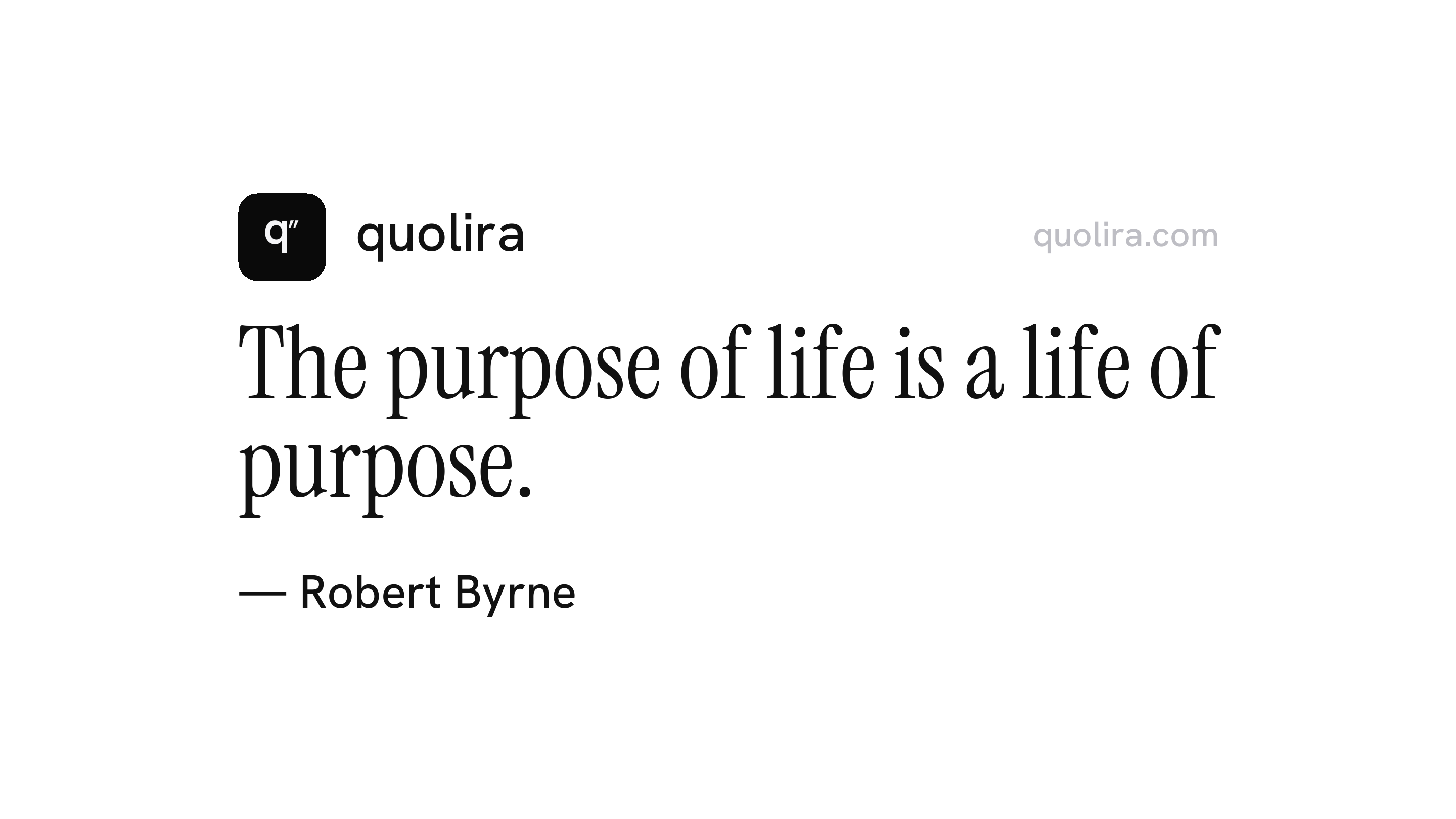
The purpose of life is a life of purpose.
Short enough to dismiss, hard enough to actually do. Byrne compressed a question philosophers have wrestled with for millennia into 8 words, and he doesn't leave you any escape route.
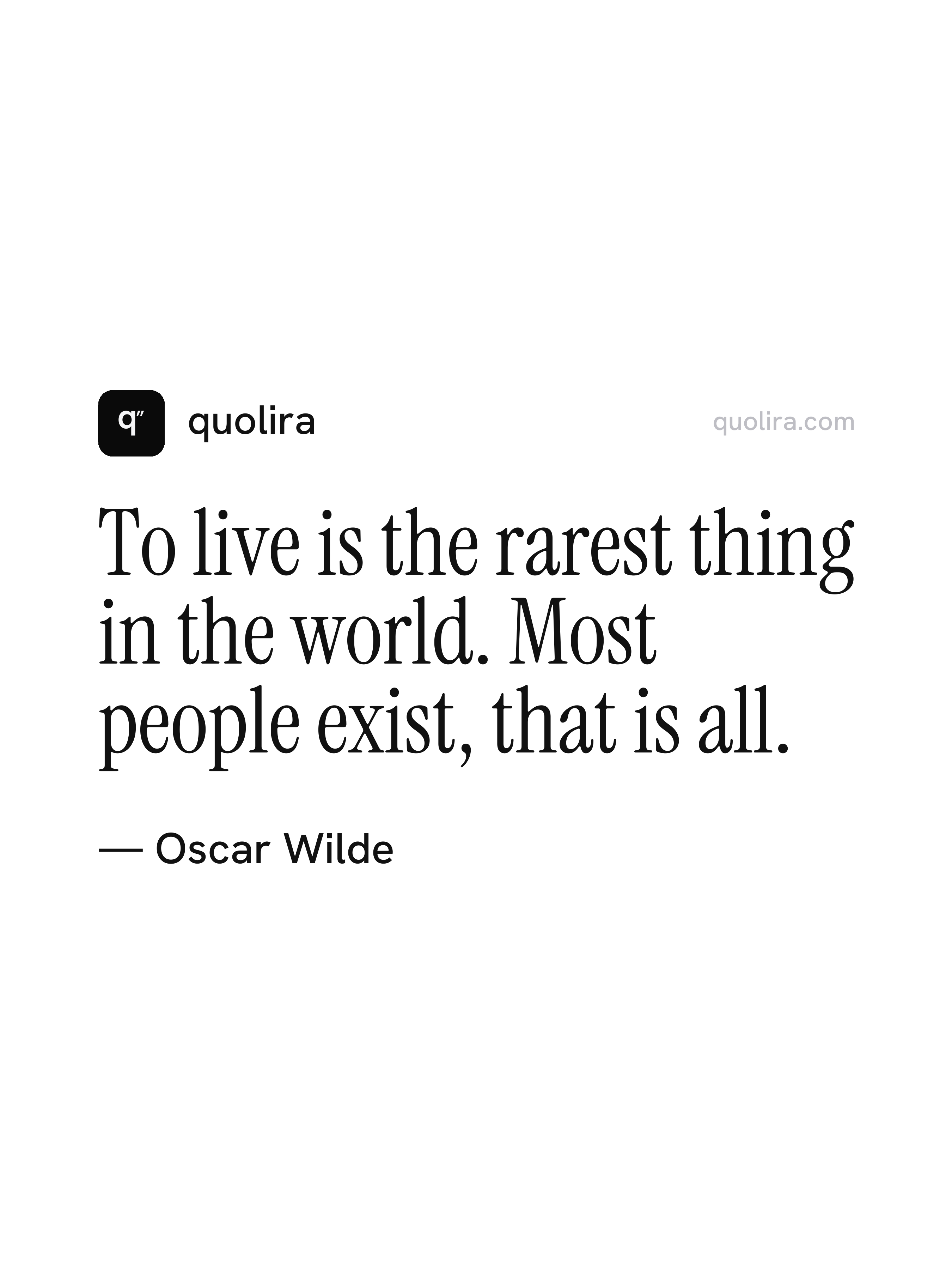
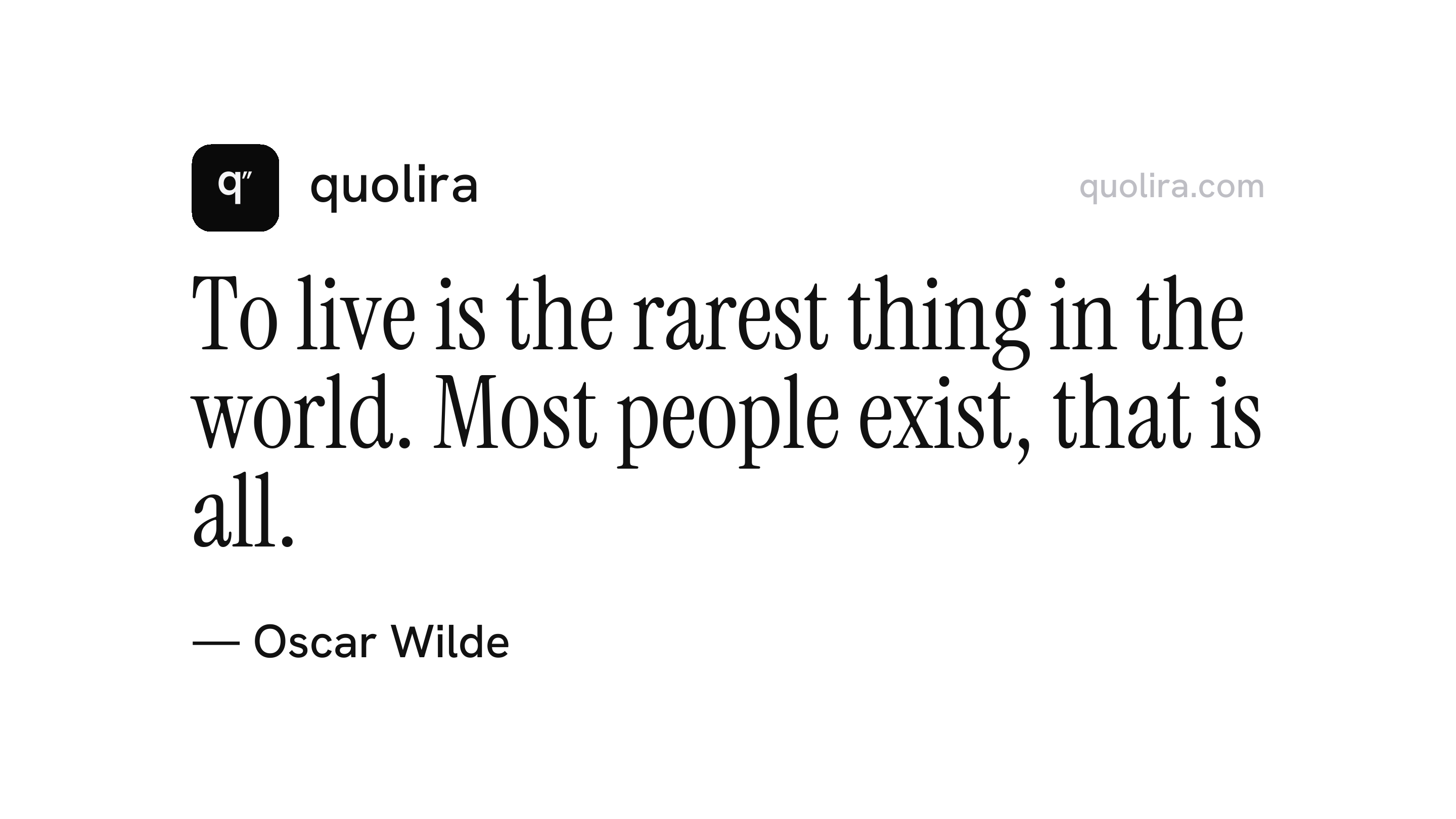
To live is the rarest thing in the world. Most people exist, that is all.
Oscar Wilde The Soul of Man Under Socialism, 1891
Wilde published this in 1891, and the distinction he draws is still worth sitting with: existing and living are not the same activity. Most people know this and do very little about it.
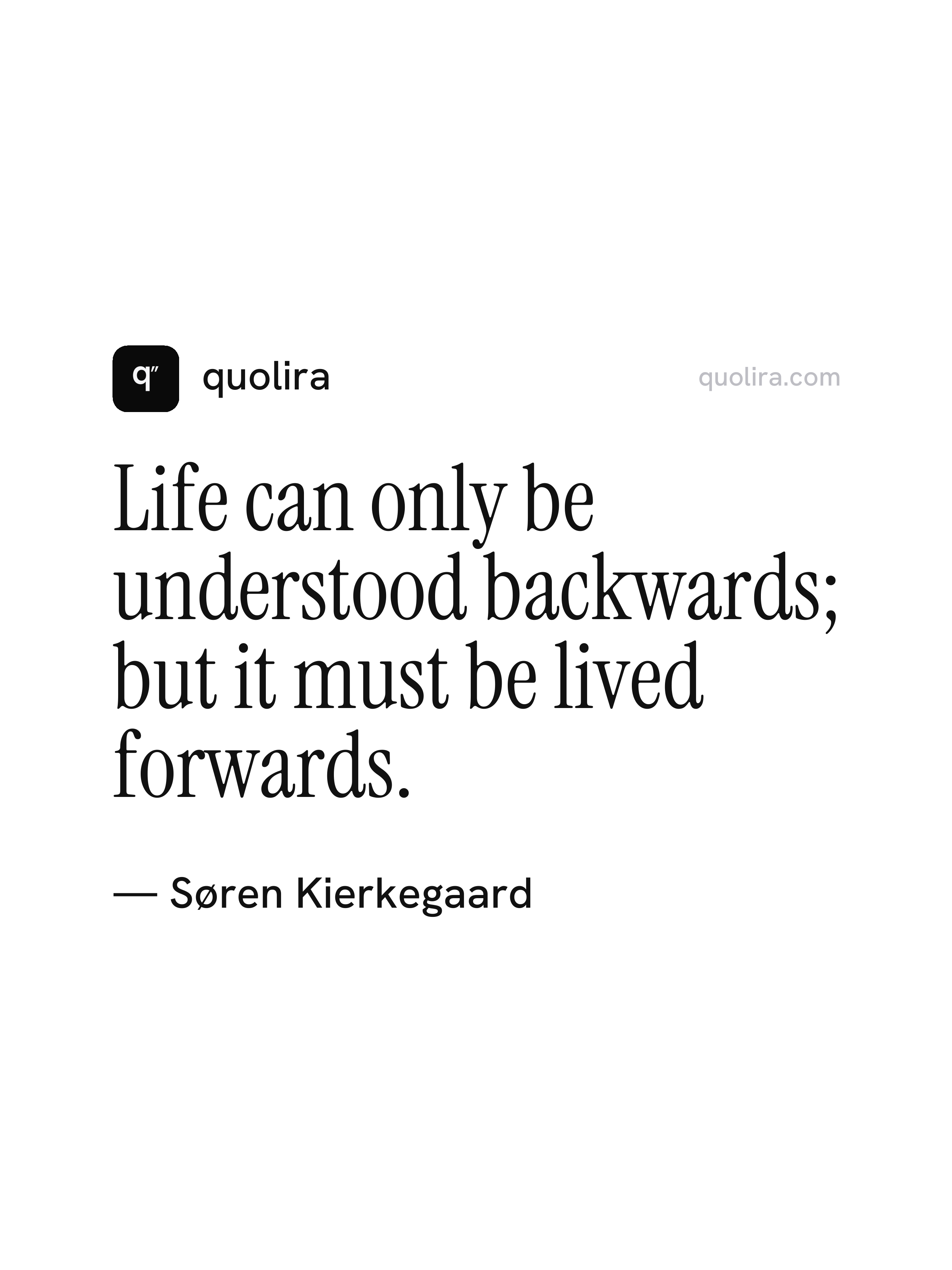
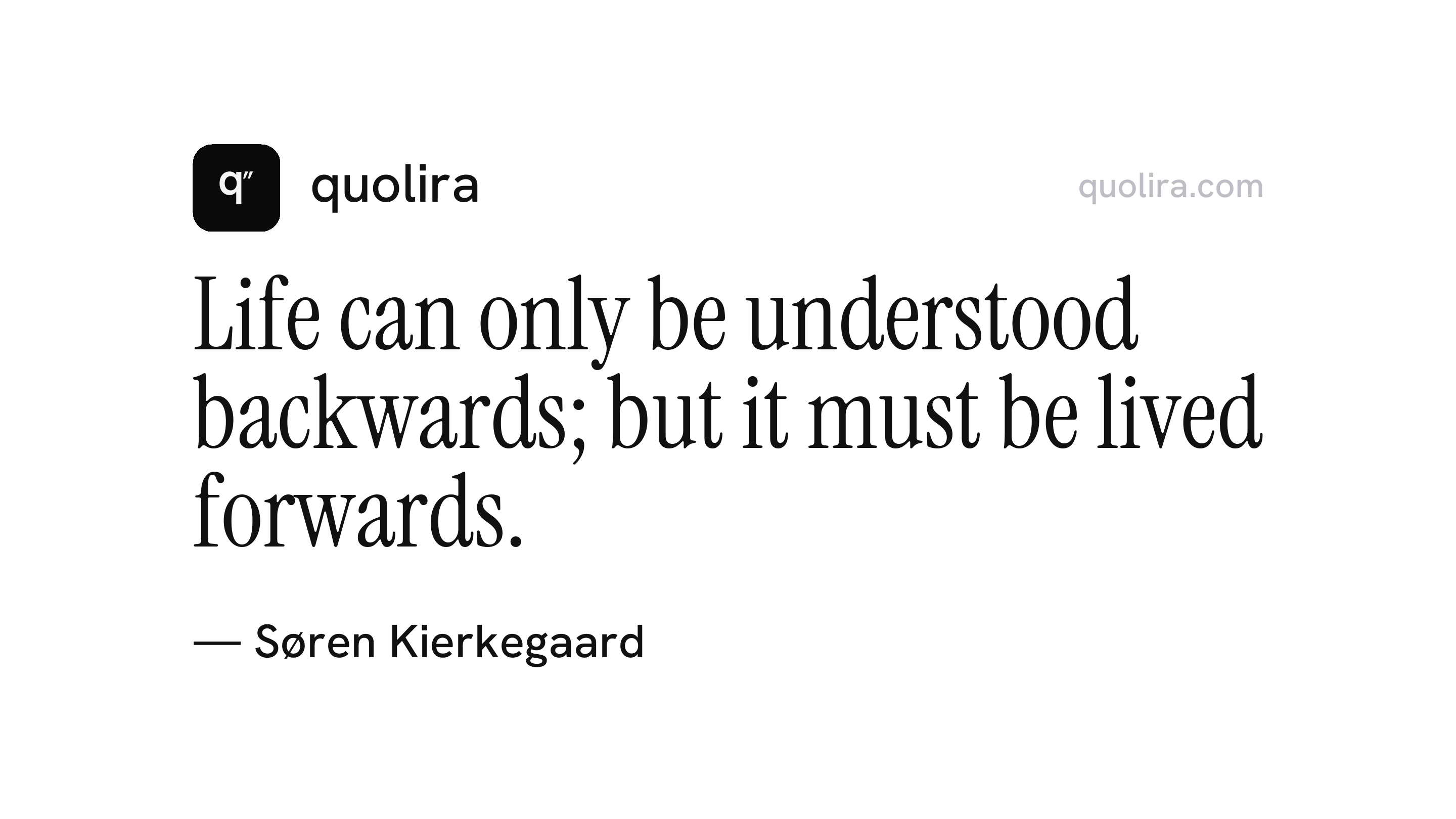
Life can only be understood backwards; but it must be lived forwards.
Søren Kierkegaard Journals, 1843
Kierkegaard wrote this in his journals in 1843, and it remains one of the most honest descriptions of the human condition ever recorded. You only see clearly what happened after it already happened, which is a genuinely terrible design.
The best lines about life don't comfort you. They clarify you. Come back to these when things feel muddy.
Frequently asked questions
What are some deep quotes about the meaning of life?
Who said the most famous quotes about life?
Are these quotes accurately attributed?
Keep reading
25 Deep, Meaningful Quotes That Make You Stop and Think
Words from history's sharpest minds that cut straight to what matters.

17 Sad Quotes That Sit With You Long After You Read Them
Words that don't try to fix the ache, just name it honestly.
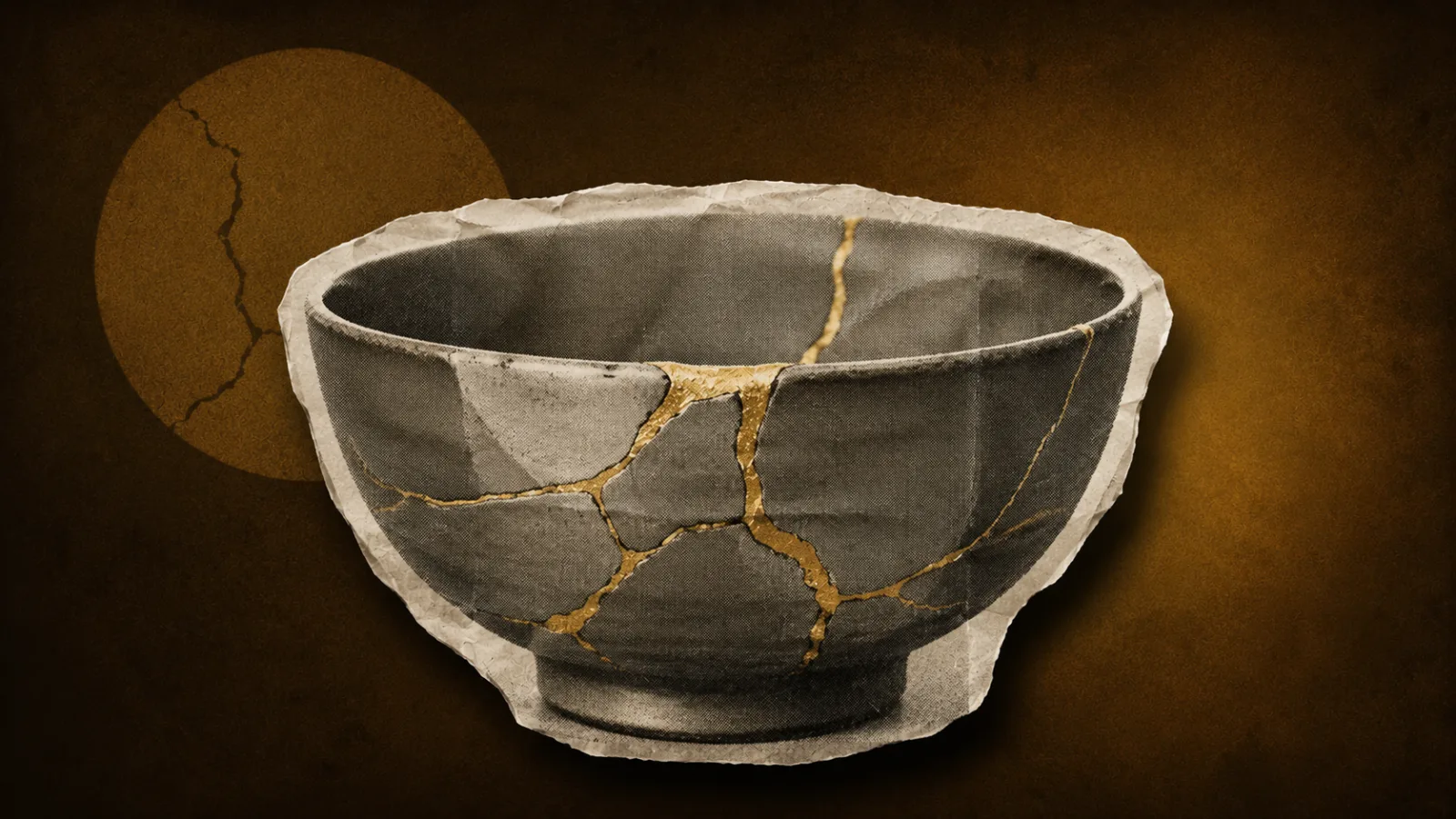
Kintsugi - The Gold in the Cracks
What a 500-year-old Japanese repair method teaches us about carrying our damage with dignity.
Einstein valued patience over brilliance, which is probably the most useful thing a person can take from his entire career. Sitting with a hard question longer than feels comfortable is a genuine skill, and almost nobody practices it.