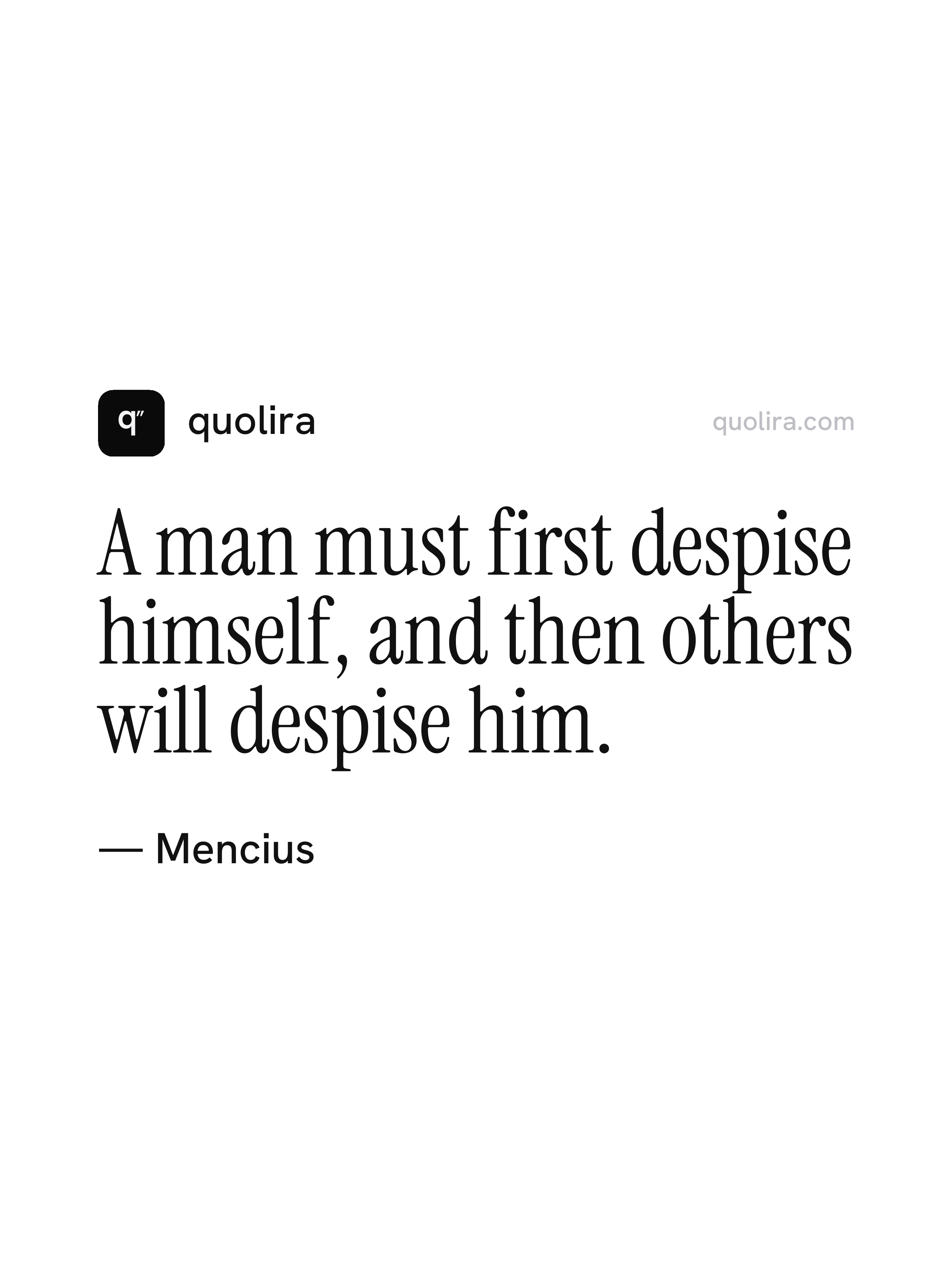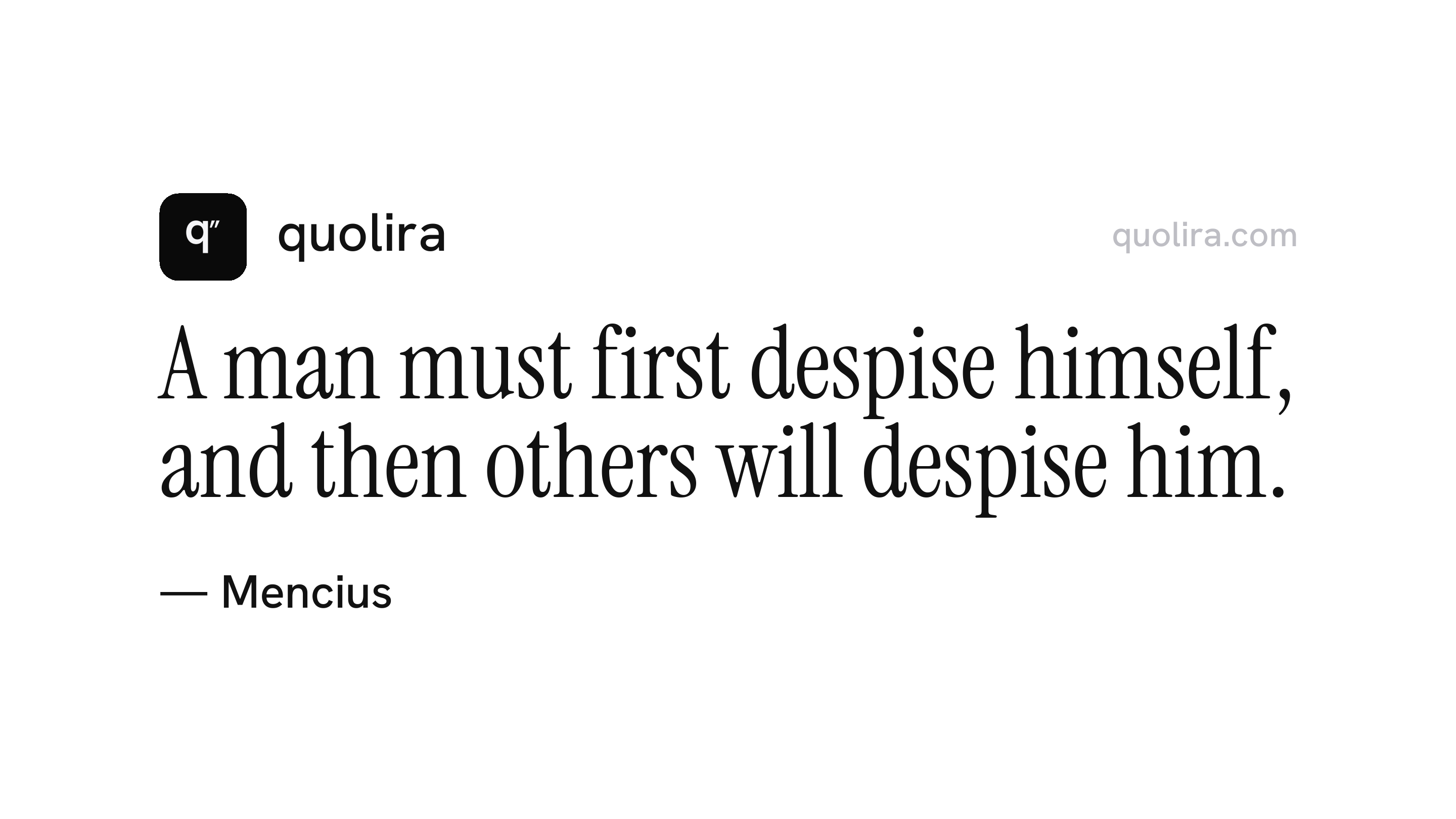
“A man must first despise himself, and then others will despise him.”
Mencius · Mencius, Book IV A
 quolira
.com
quolira
quolira.com
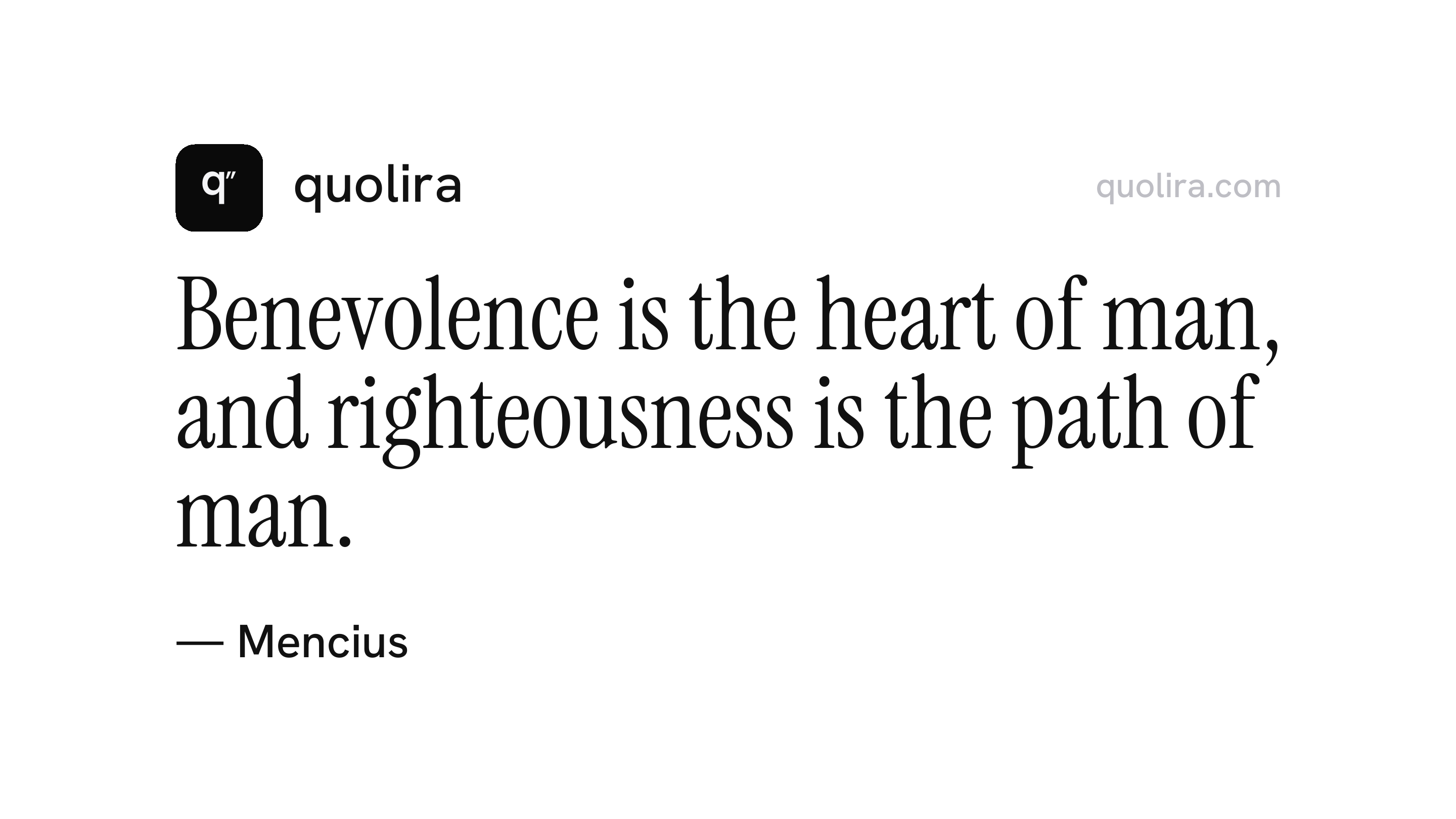
This line pairs two of the central virtues in Confucian ethics and gives each a vivid, clarifying image. Benevolence, the warm care and compassion a person feels toward others, is described as the heart of man because it is the living core of what makes us human. Righteousness is called the path, suggesting that it is the practical guide by which that inner quality is expressed in the world through choices, actions, and conduct. Together they describe what a complete moral life looks like: feeling and direction working as one.
Book VI A of the Mencius is one of the most philosophically rich sections of the text, exploring the nature of the good, the relationship between internal virtue and external action, and what distinguishes humans from other creatures. The pairing of benevolence and righteousness appears throughout Confucian literature, but Mencius gives the combination particular energy by rooting it so directly in human nature itself, rather than treating it as an external rule imposed from outside.
Mencius, known in Chinese as Mengzi, lived during the fourth and third centuries BCE and is regarded as the most important Confucian thinker after Confucius himself. He traveled among the states of his era, advising rulers and debating other philosophers. His collected conversations and arguments were compiled into a text that bears his name and became one of the foundational works of Chinese classical thought.
“A man must first despise himself, and then others will despise him.”
Mencius · Mencius, Book IV A
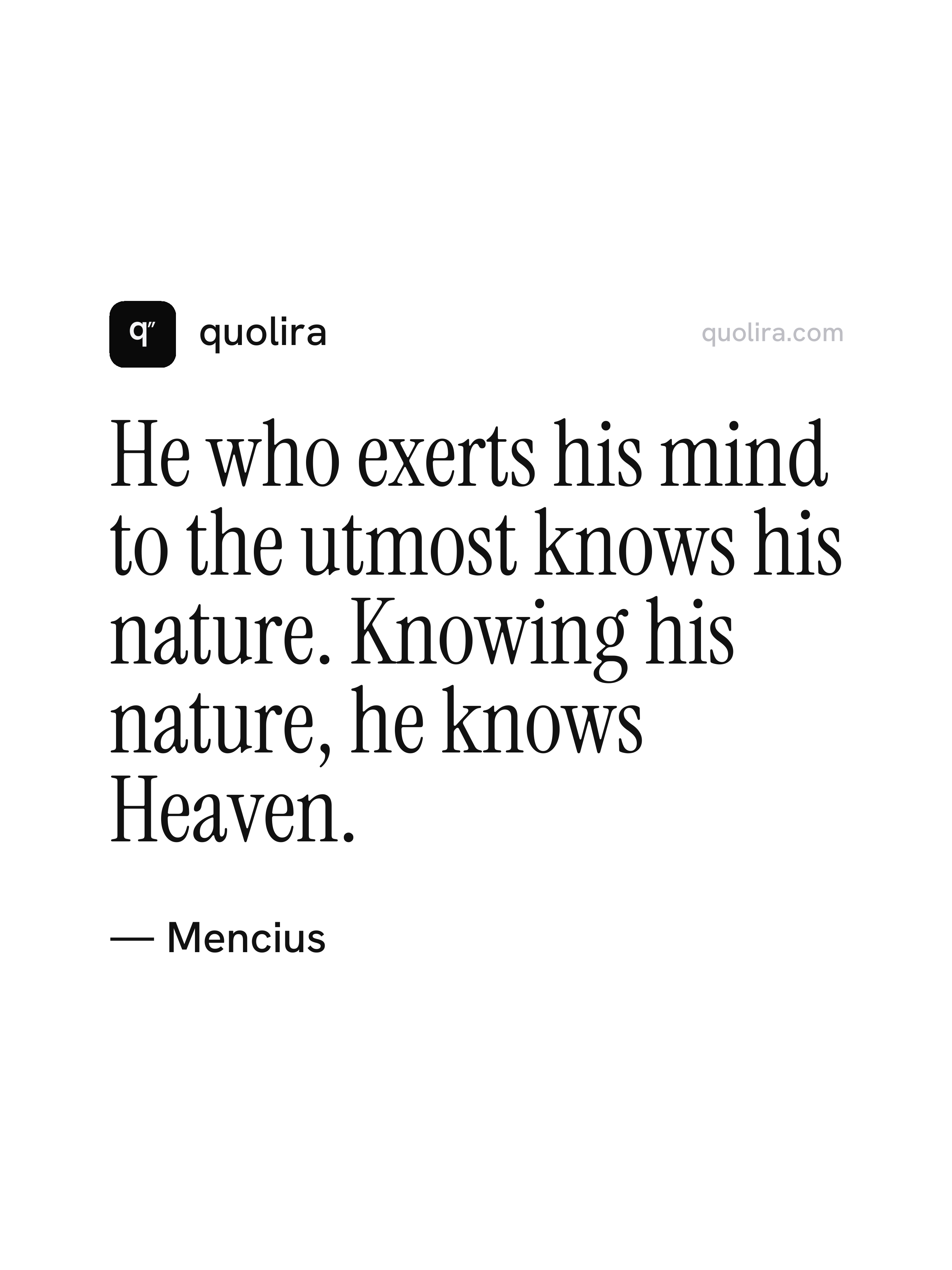
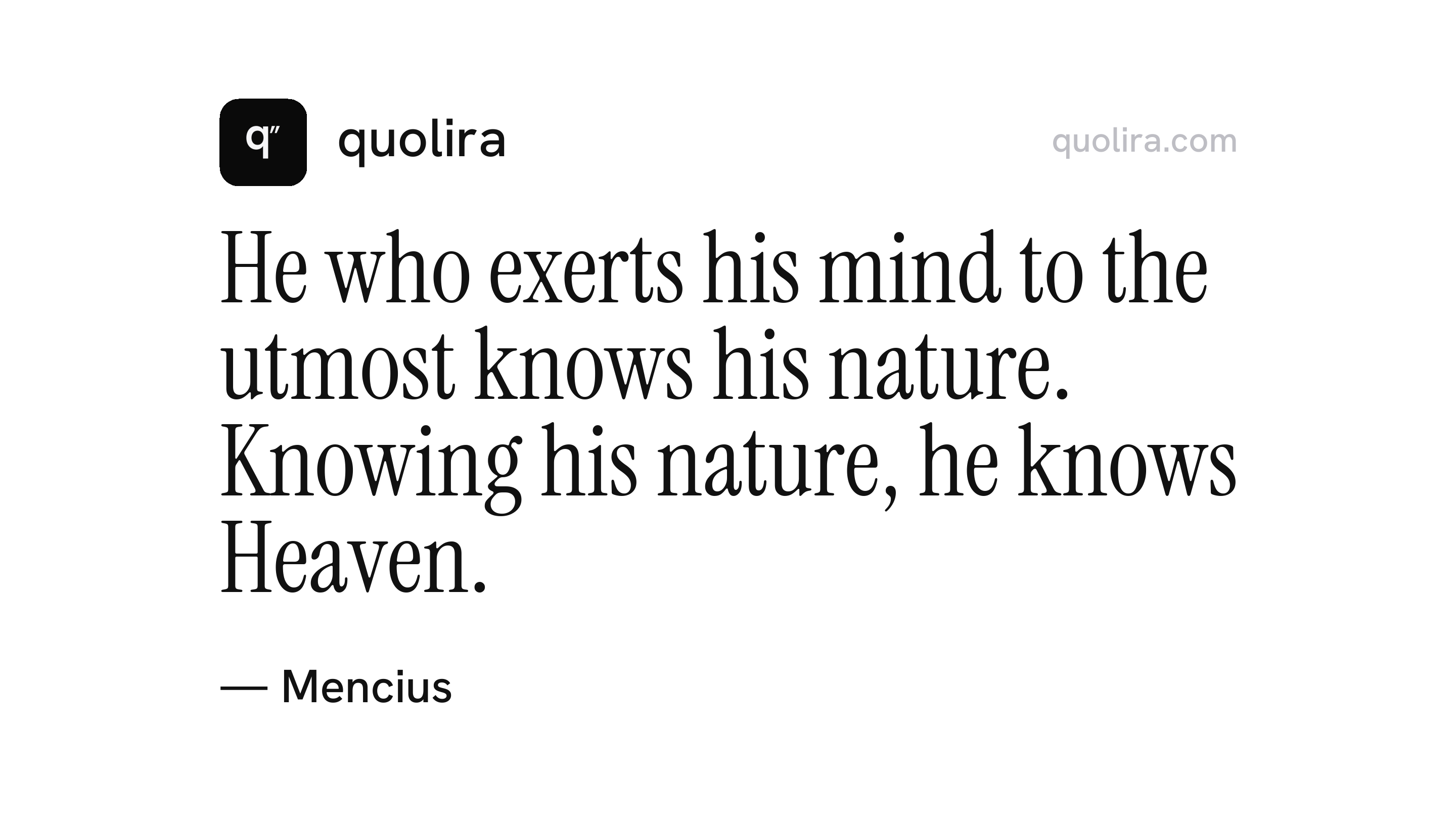
“He who exerts his mind to the utmost knows his nature. Knowing his nature, he knows Heaven.”
Mencius · Mencius, Book VII A
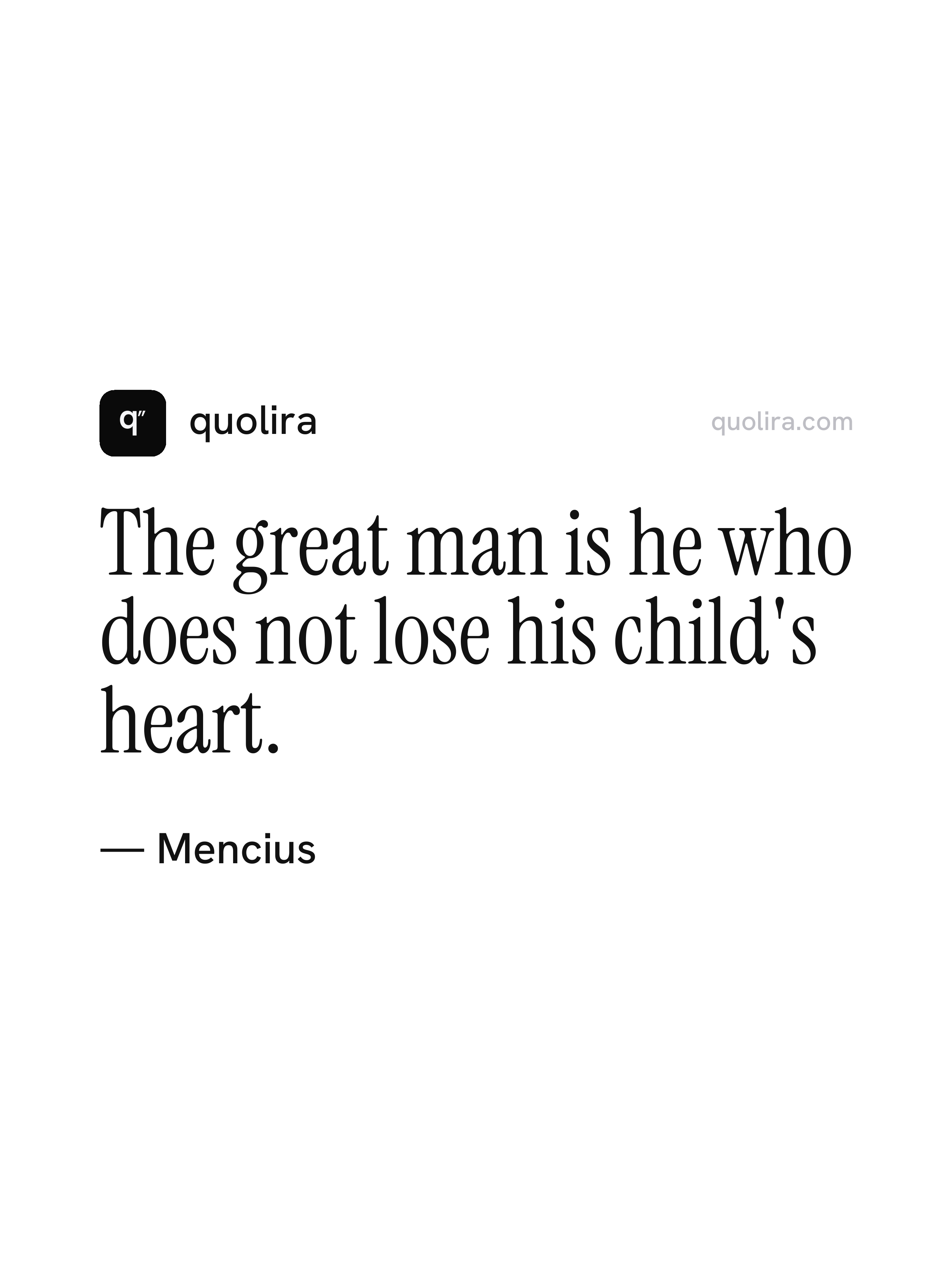
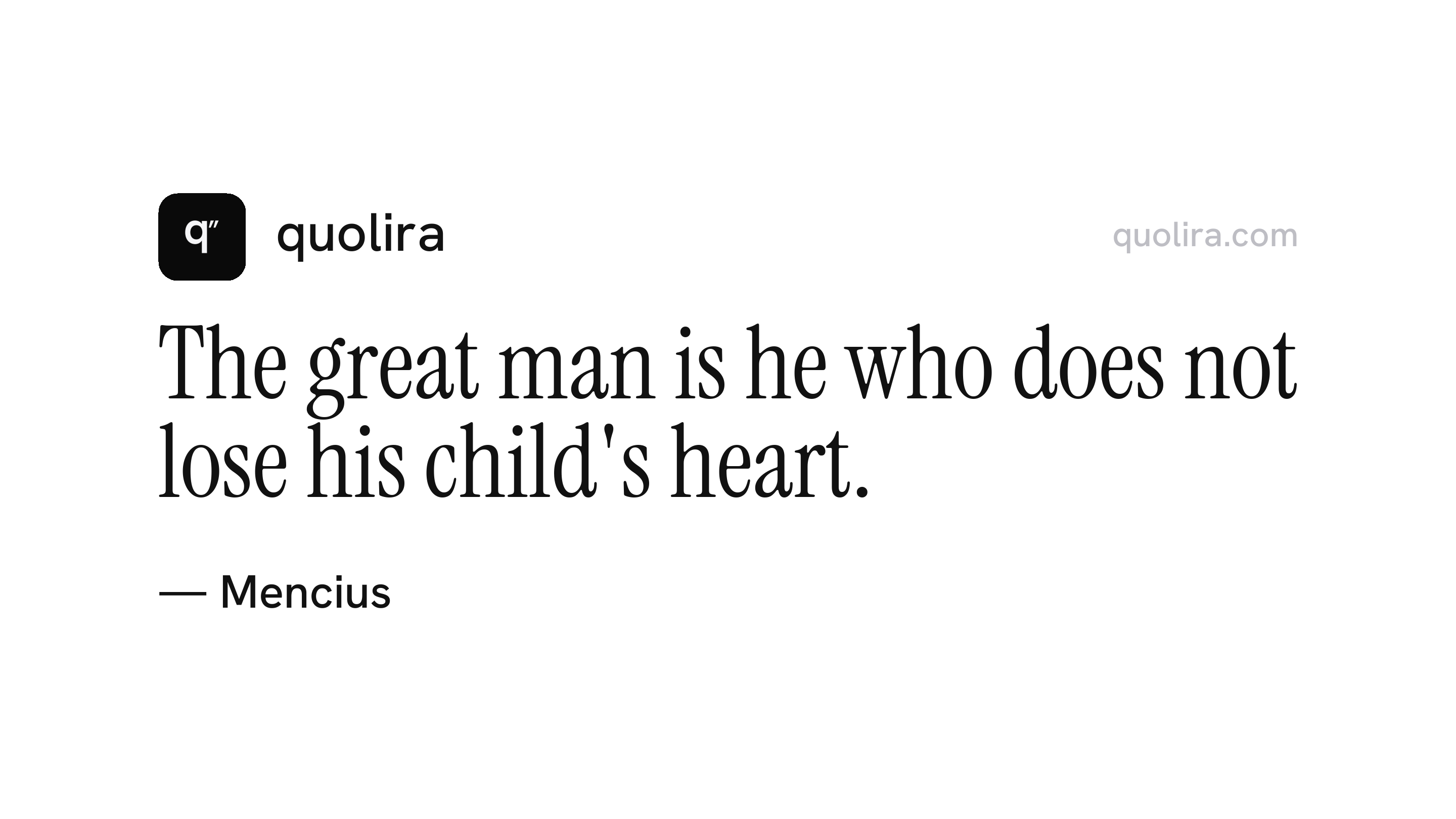
“The great man is he who does not lose his child's heart.”
Mencius · Mencius, Book IV B, c. 4th century BCE
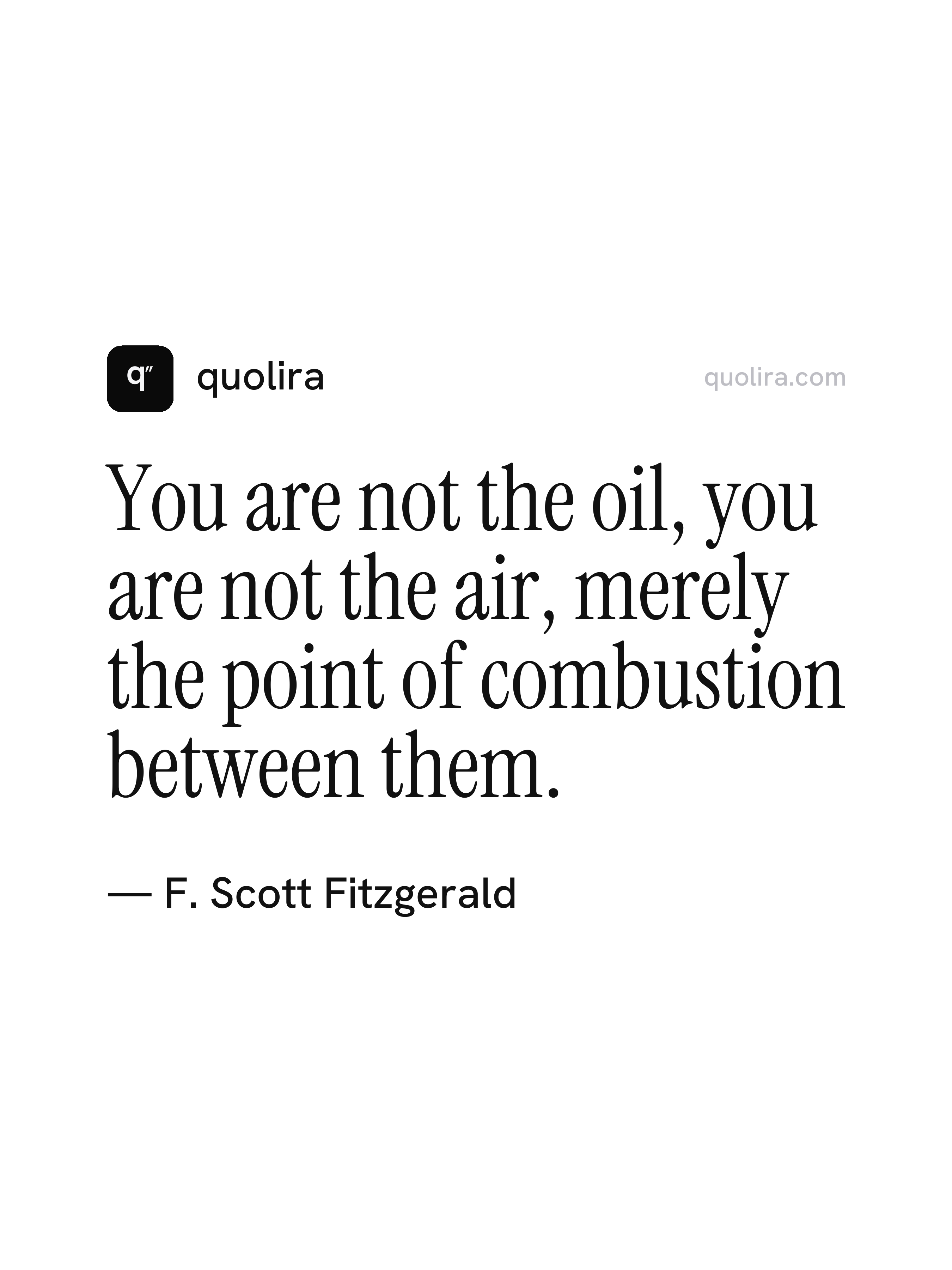
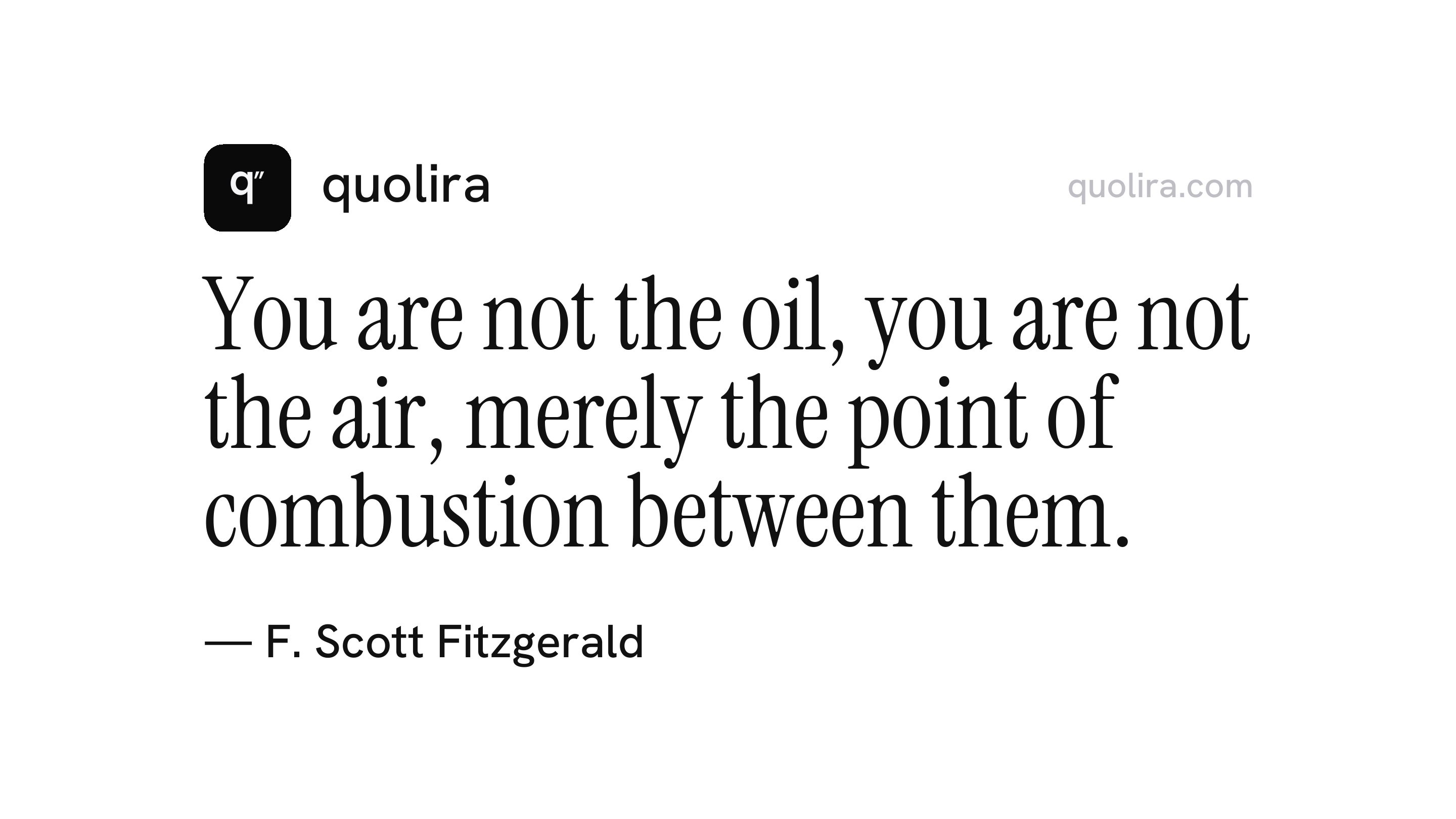
“You are not the oil, you are not the air, merely the point of combustion between them.”
F. Scott Fitzgerald · The Crack-Up, 1936
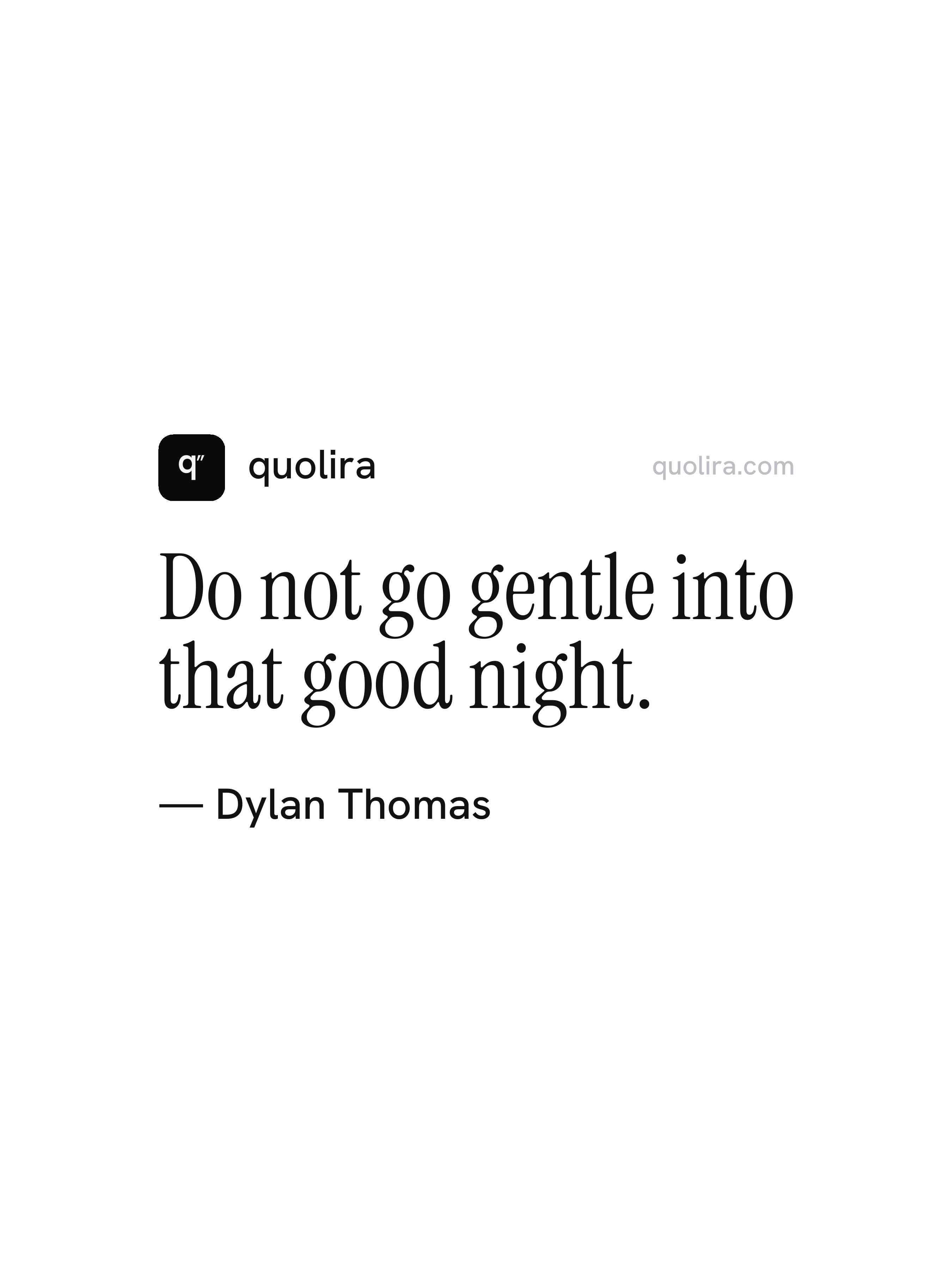
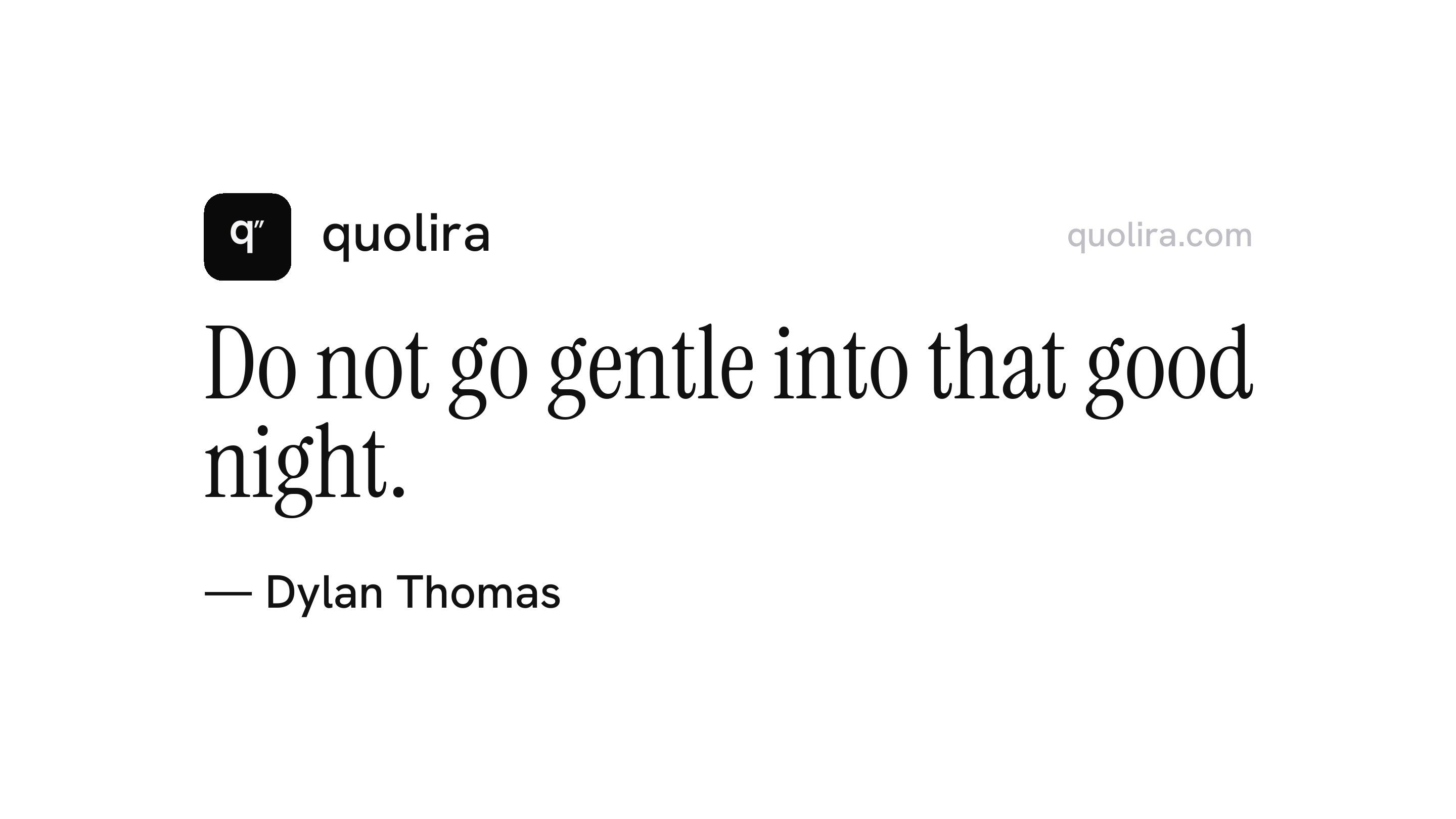
“Do not go gentle into that good night.”
Dylan Thomas · Do Not Go Gentle into That Good Night, 1951
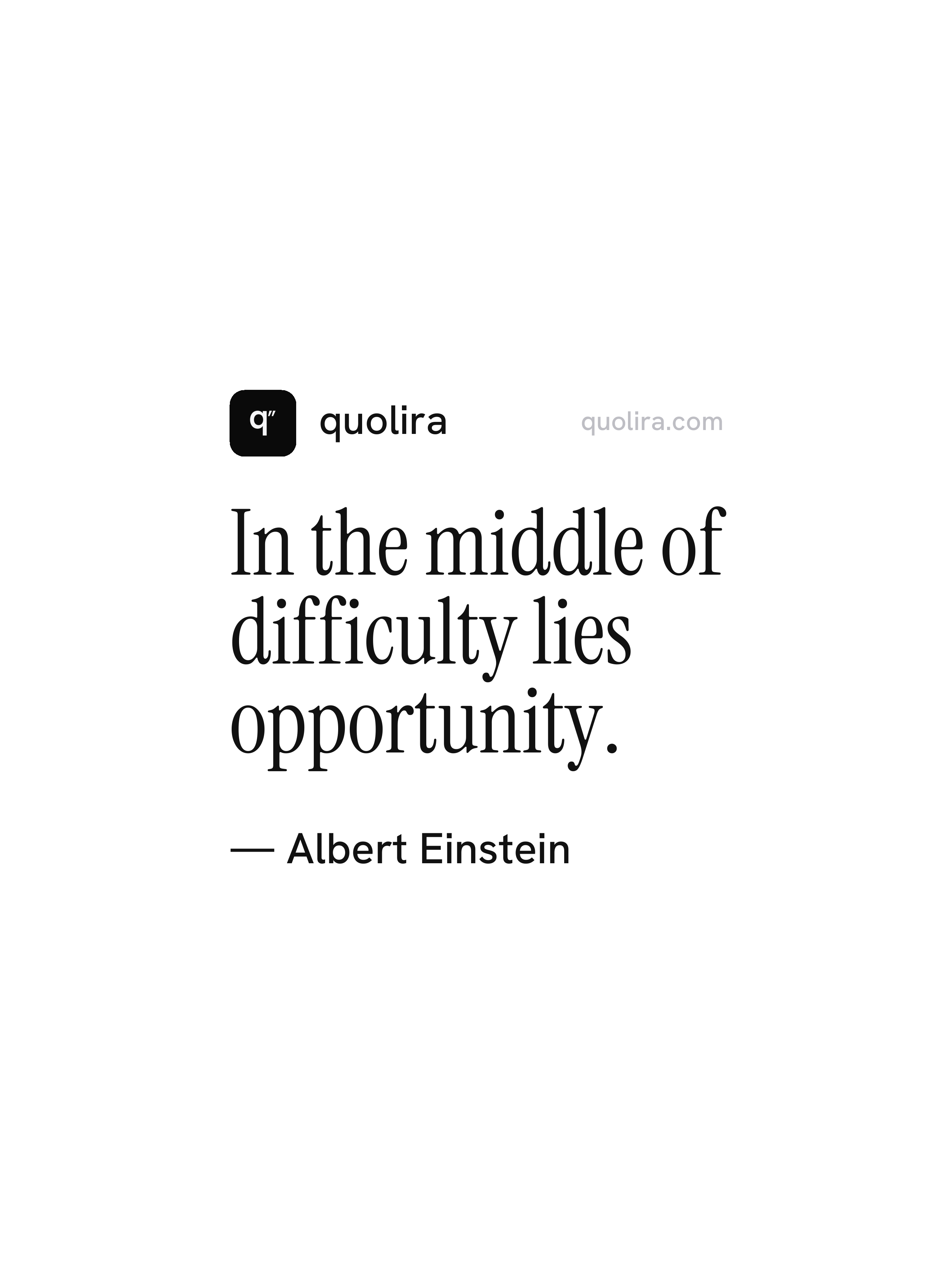
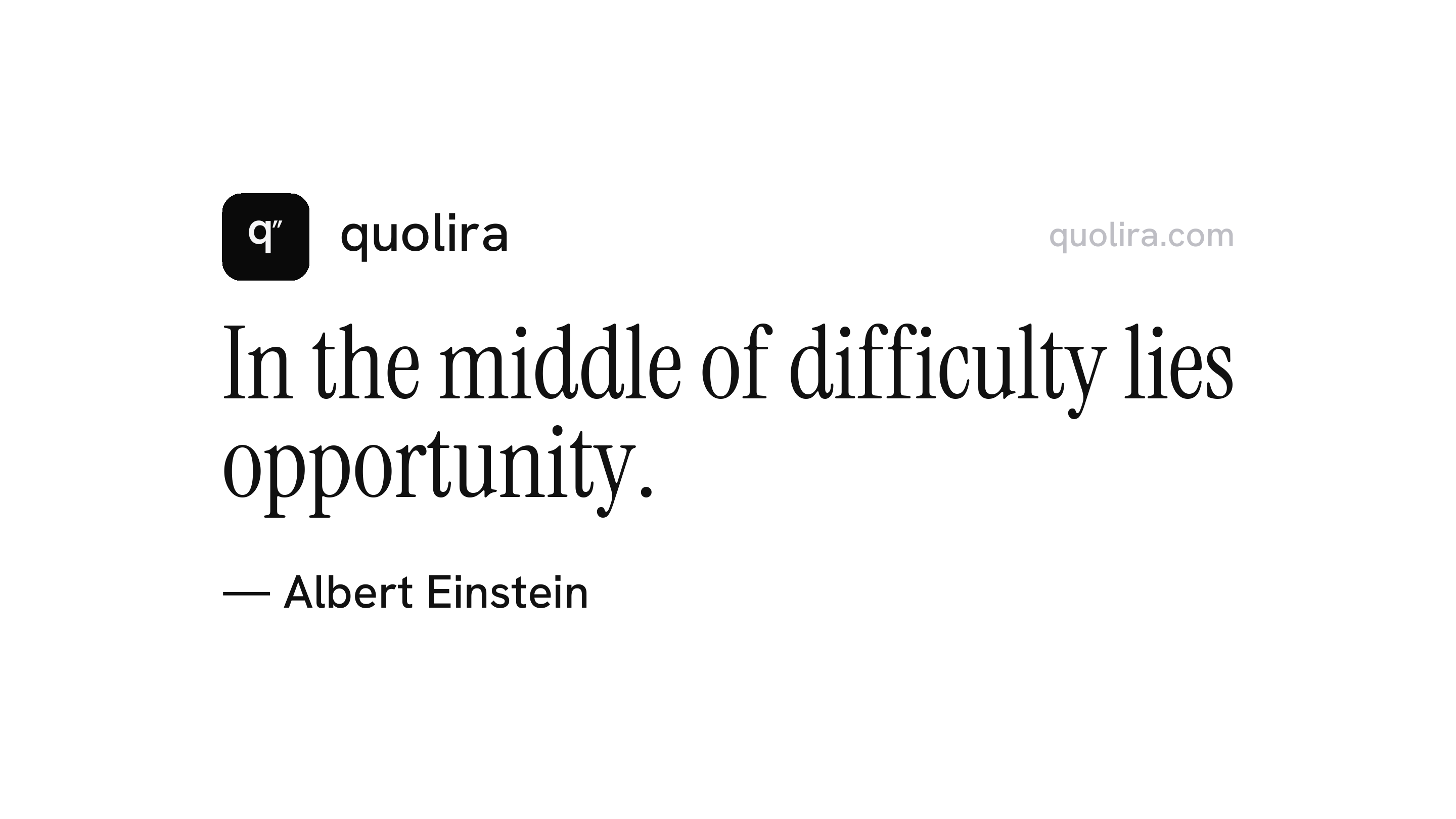
“In the middle of difficulty lies opportunity.”
Albert Einstein · attributed, widely documented
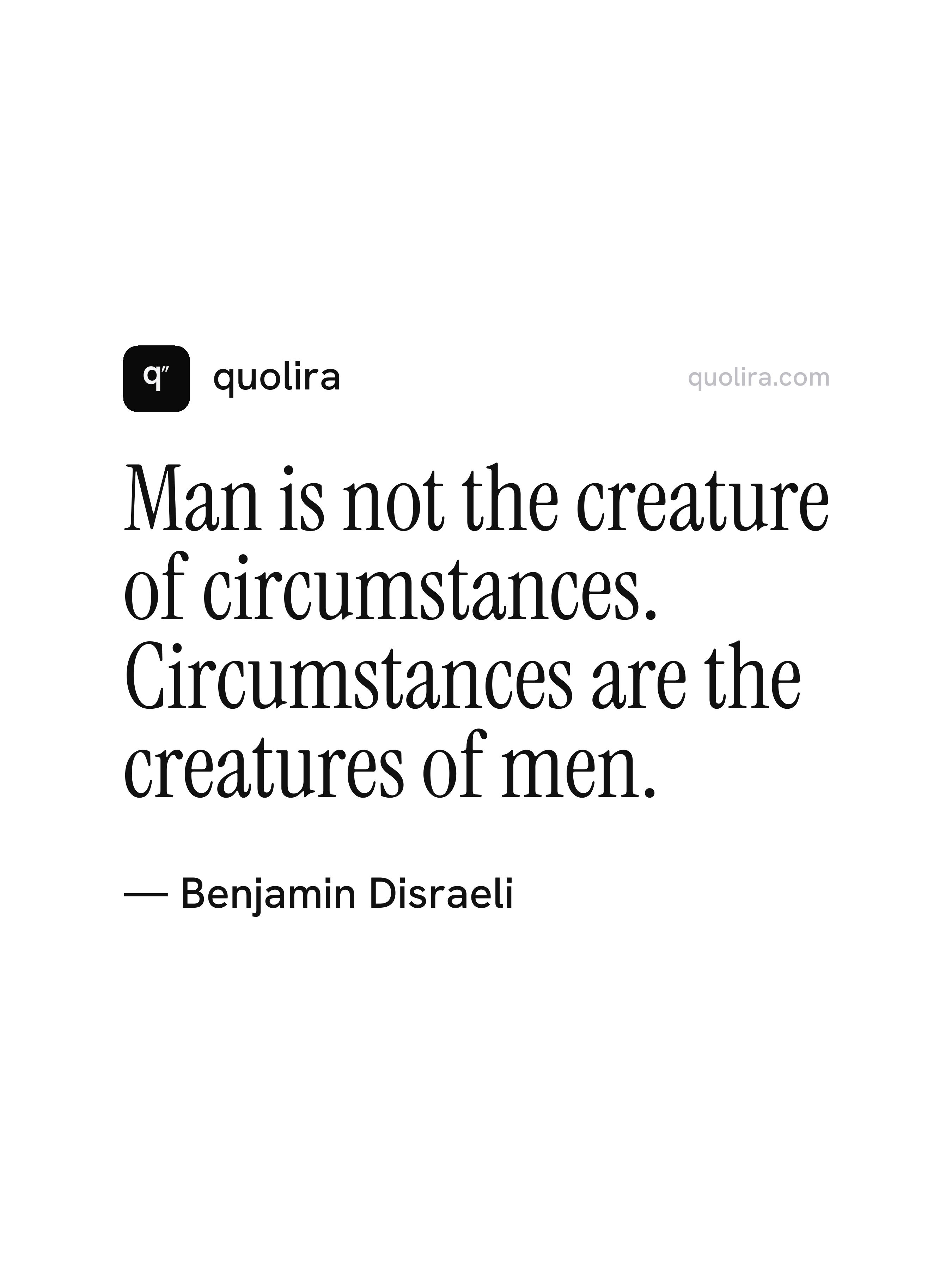
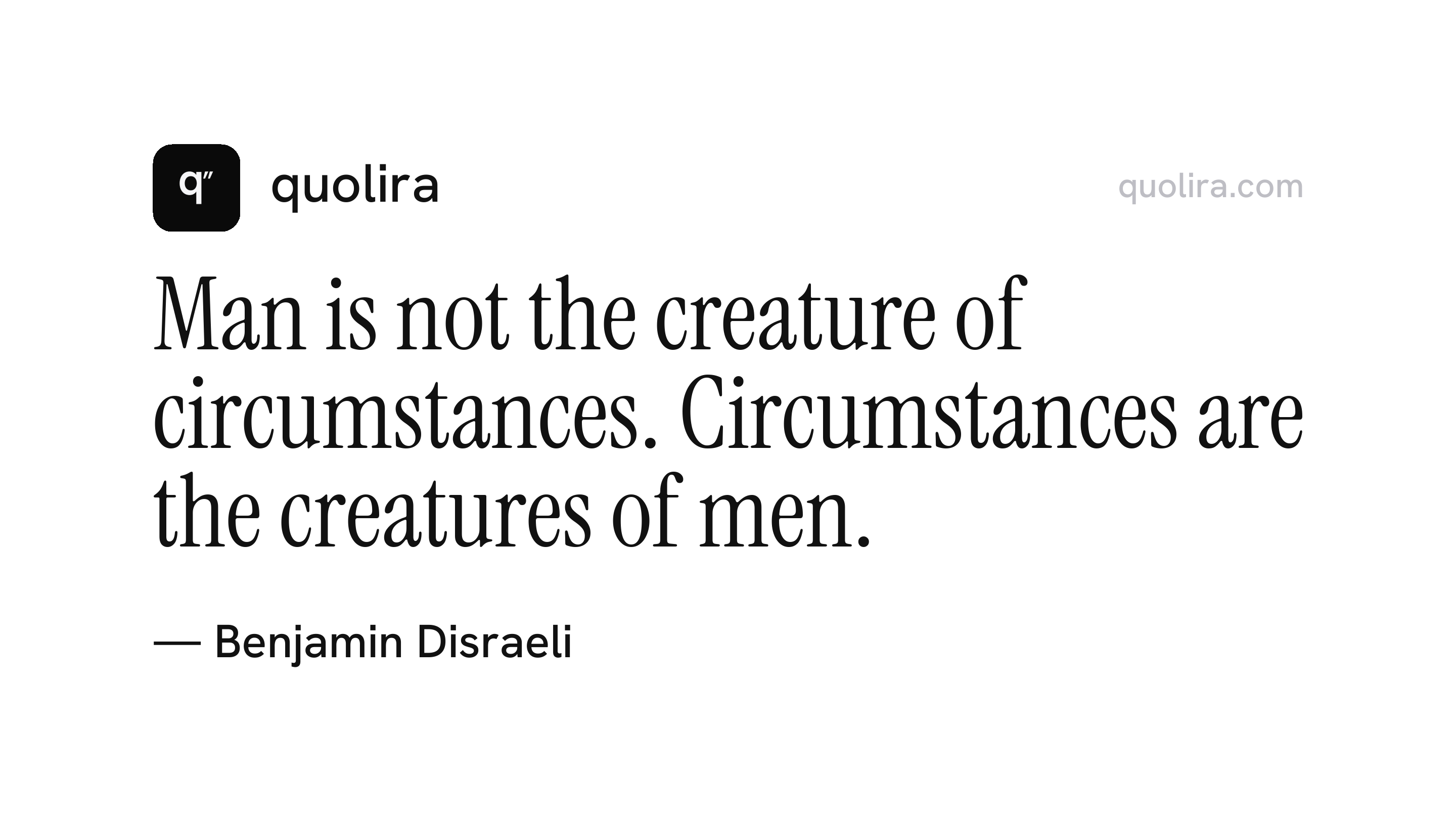
“Man is not the creature of circumstances. Circumstances are the creatures of men.”
Benjamin Disraeli · Vivian Grey, 1826
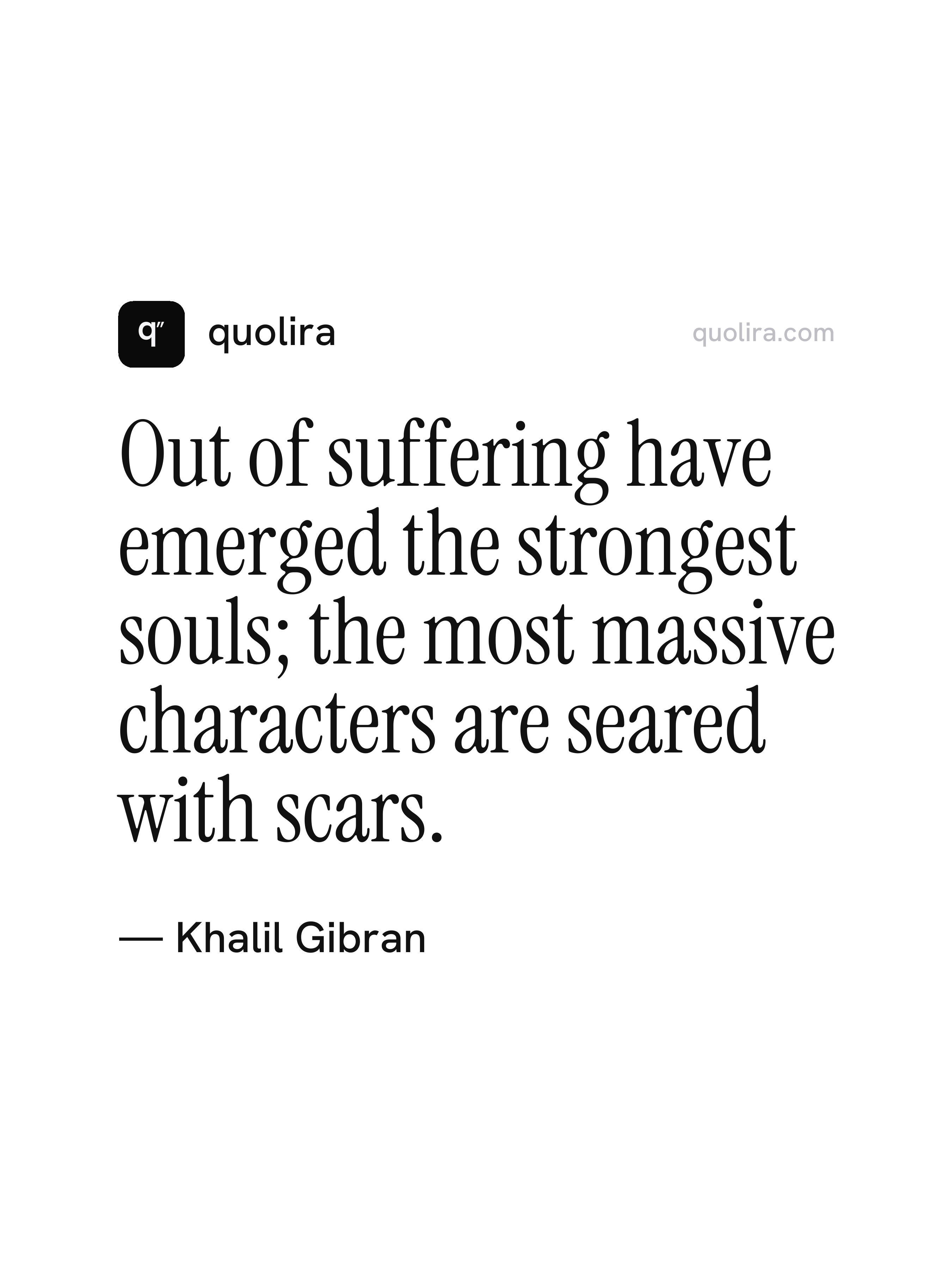
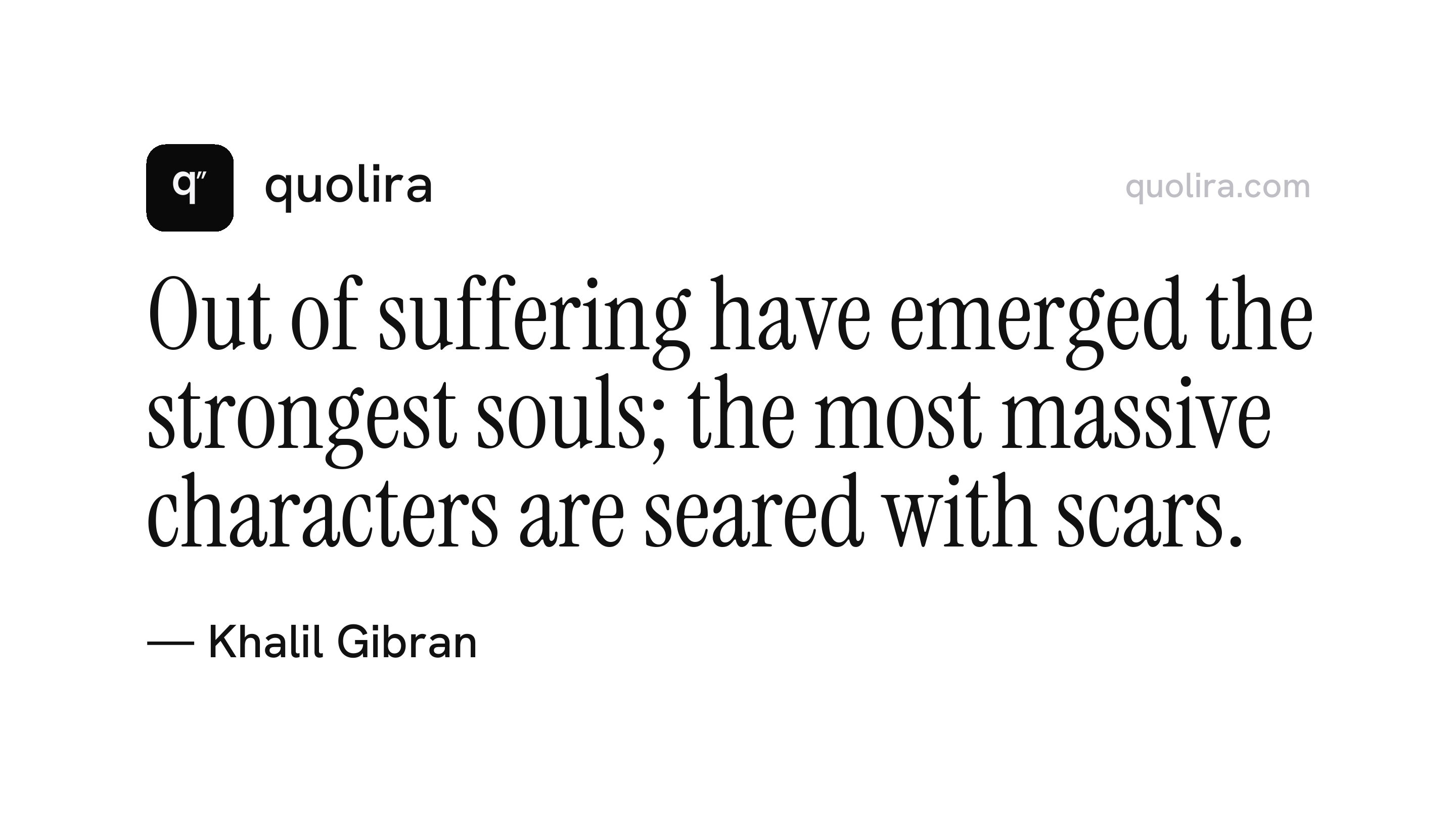
“Out of suffering have emerged the strongest souls; the most massive characters are seared with scars.”
Khalil Gibran · The Prophet, 1923
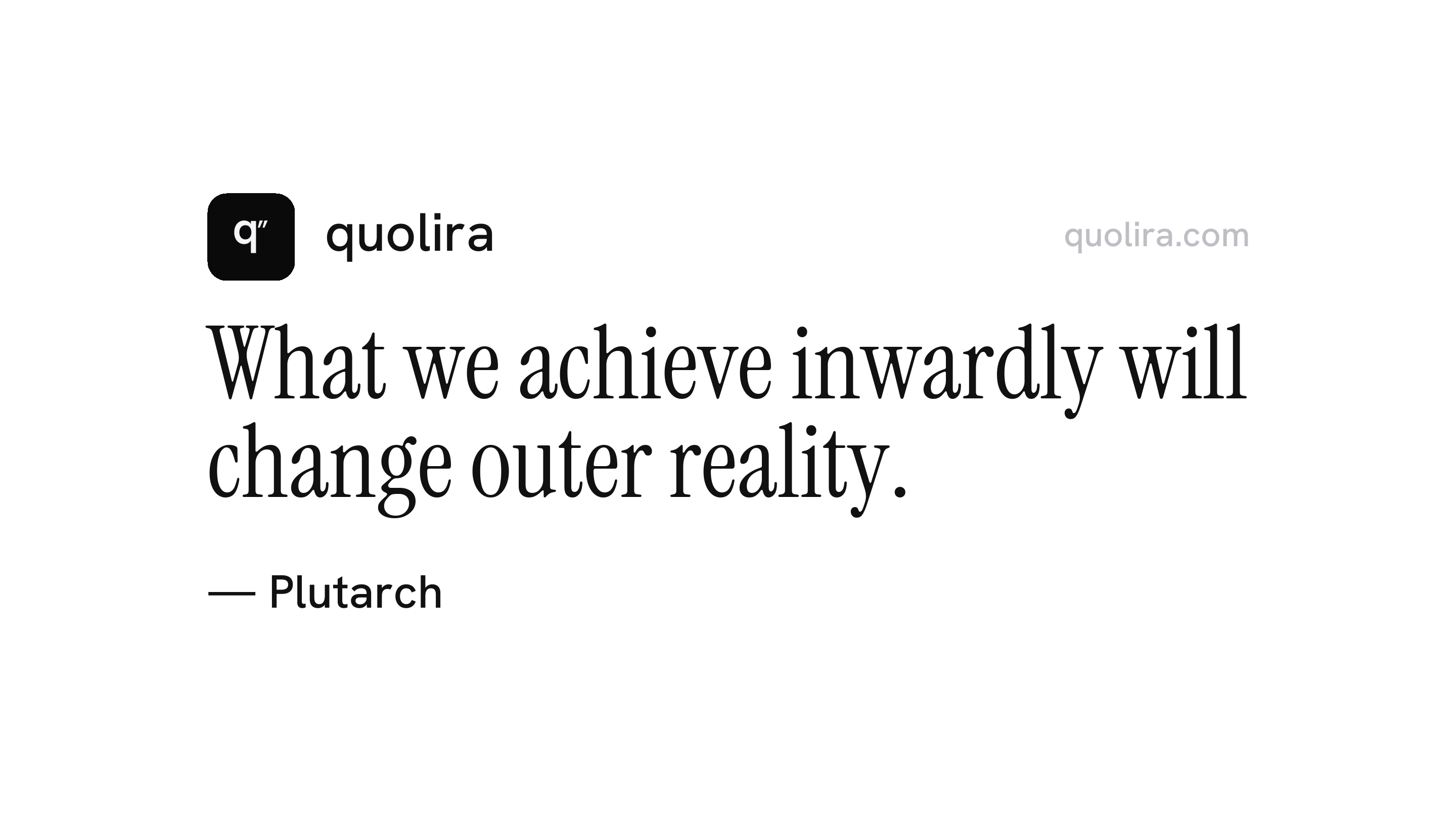
“What we achieve inwardly will change outer reality.”
Plutarch · Moralia, c. 100 AD
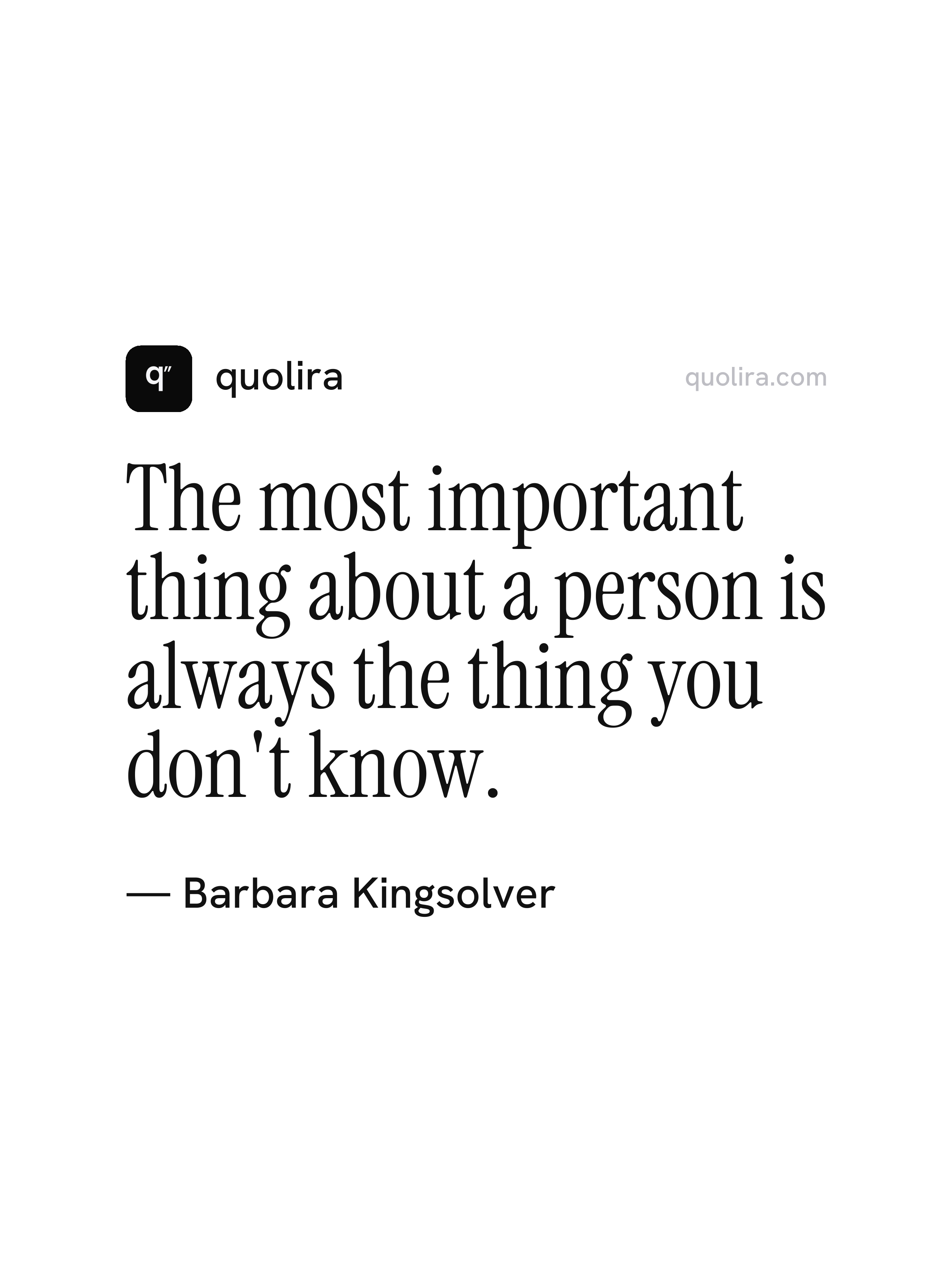
“The most important thing about a person is always the thing you don't know.”
Barbara Kingsolver · The Lacuna, 2009
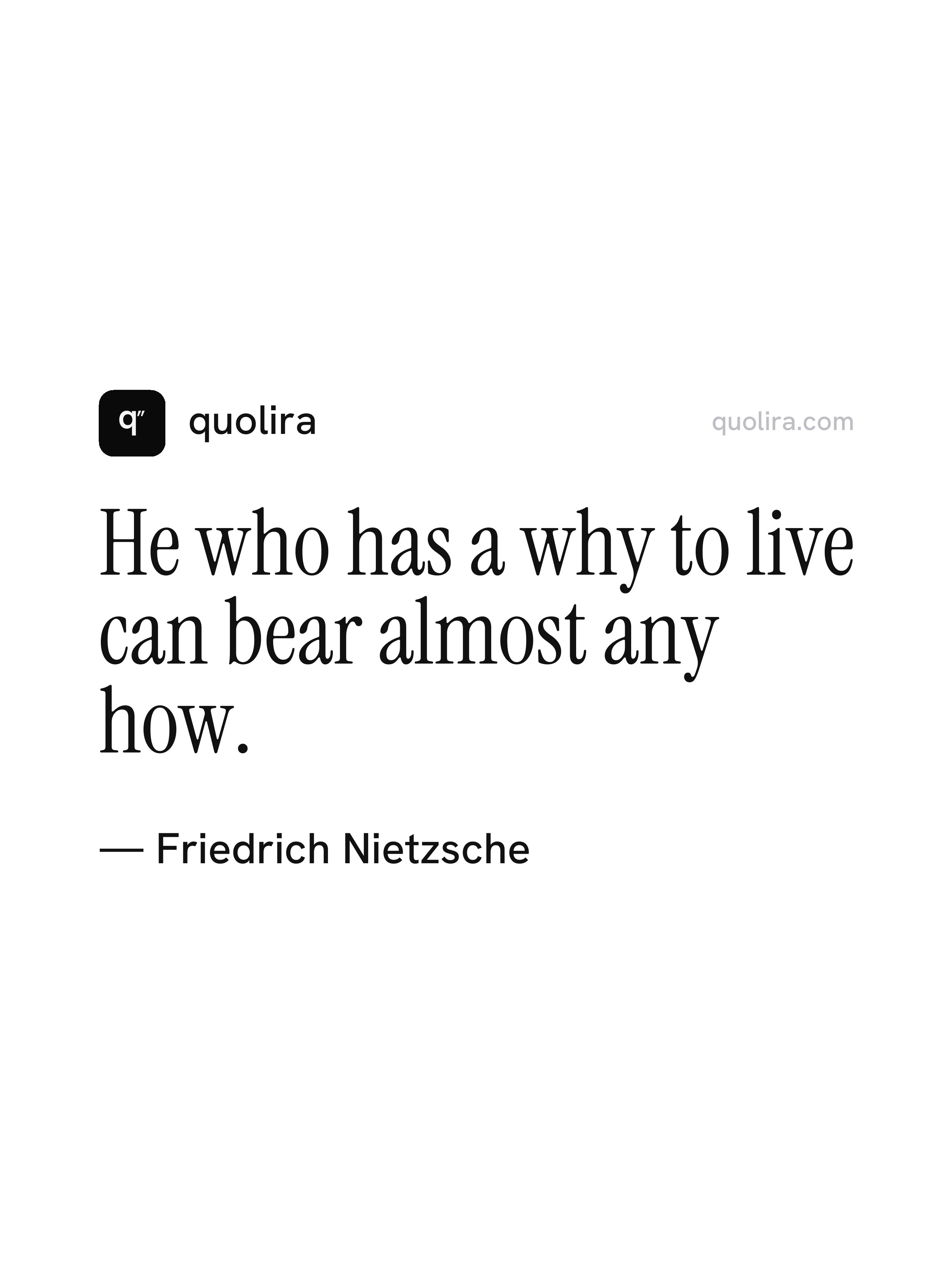
“He who has a why to live can bear almost any how.”
Friedrich Nietzsche · Twilight of the Idols, 1889
“It is not in the stars to hold our destiny but in ourselves.”
William Shakespeare · Julius Caesar, c. 1599