“To act without clear understanding, to form habits without examining them, to follow a path all your life without knowing where it goes — this is the behavior of the multitude.”
Mencius · Mencius, Book VII A
 quolira
.com
quolira
quolira.com
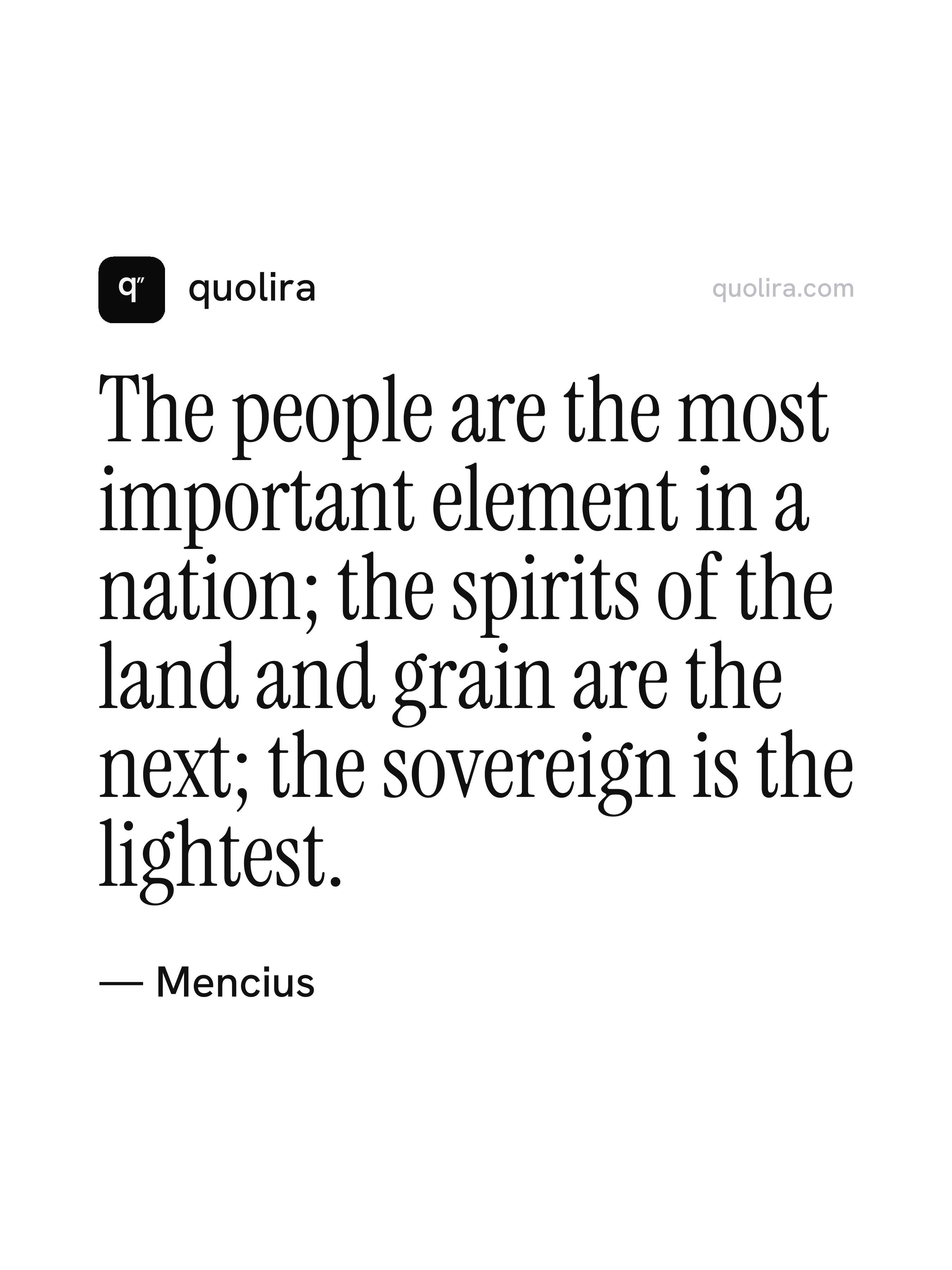
Mencius is making a bold statement about political priority. In any well-ordered society, the welfare and will of ordinary people matter more than ritual, tradition, or the authority of a ruler. The sovereign holds the lightest weight in this ranking precisely because rulership is a role that exists to serve the people, not the other way around. A government that loses sight of this order has lost its legitimacy.
This passage appears near the end of the Mencius, in the seventh book, and represents one of the most striking political claims in classical Chinese thought. Mencius argued throughout his career that rulers governed by virtue of a kind of moral mandate, and that a ruler who failed the people could rightfully be removed. This idea was provocative in an era of hereditary monarchy, and it placed Mencius in a tradition of thinking that measured political authority by its service to human wellbeing rather than by birth or force.
Mencius, or Mengzi, was a philosopher of the fourth and third centuries BCE who became one of the most celebrated thinkers in the Confucian tradition. He traveled widely, advising rulers and debating other philosophers, always returning to the theme that genuine governance requires moral seriousness and a deep concern for ordinary people. His collected works were later elevated to canonical status in Chinese classical education and have continued to shape political and ethical thinking throughout East Asian history.
“To act without clear understanding, to form habits without examining them, to follow a path all your life without knowing where it goes — this is the behavior of the multitude.”
Mencius · Mencius, Book VII A
“The way of truth is like a great road. It is not difficult to know it. The evil is only that men will not seek it.”
Mencius · Mencius, Book VI B
“If you know that a thing is unrighteous, then use all dispatch in putting an end to it. Why should you wait till next year?”
Mencius · Mencius, Book III B
“The feeling of commiseration is the beginning of humanity; the feeling of shame is the beginning of righteousness.”
Mencius · Mencius, Book II A
“Benevolence is the heart of man, and righteousness is the path of man.”
Mencius · Mencius, Book VI A
“A man must first despise himself, and then others will despise him.”
Mencius · Mencius, Book IV A
“He who exerts his mind to the utmost knows his nature. Knowing his nature, he knows Heaven.”
Mencius · Mencius, Book VII A
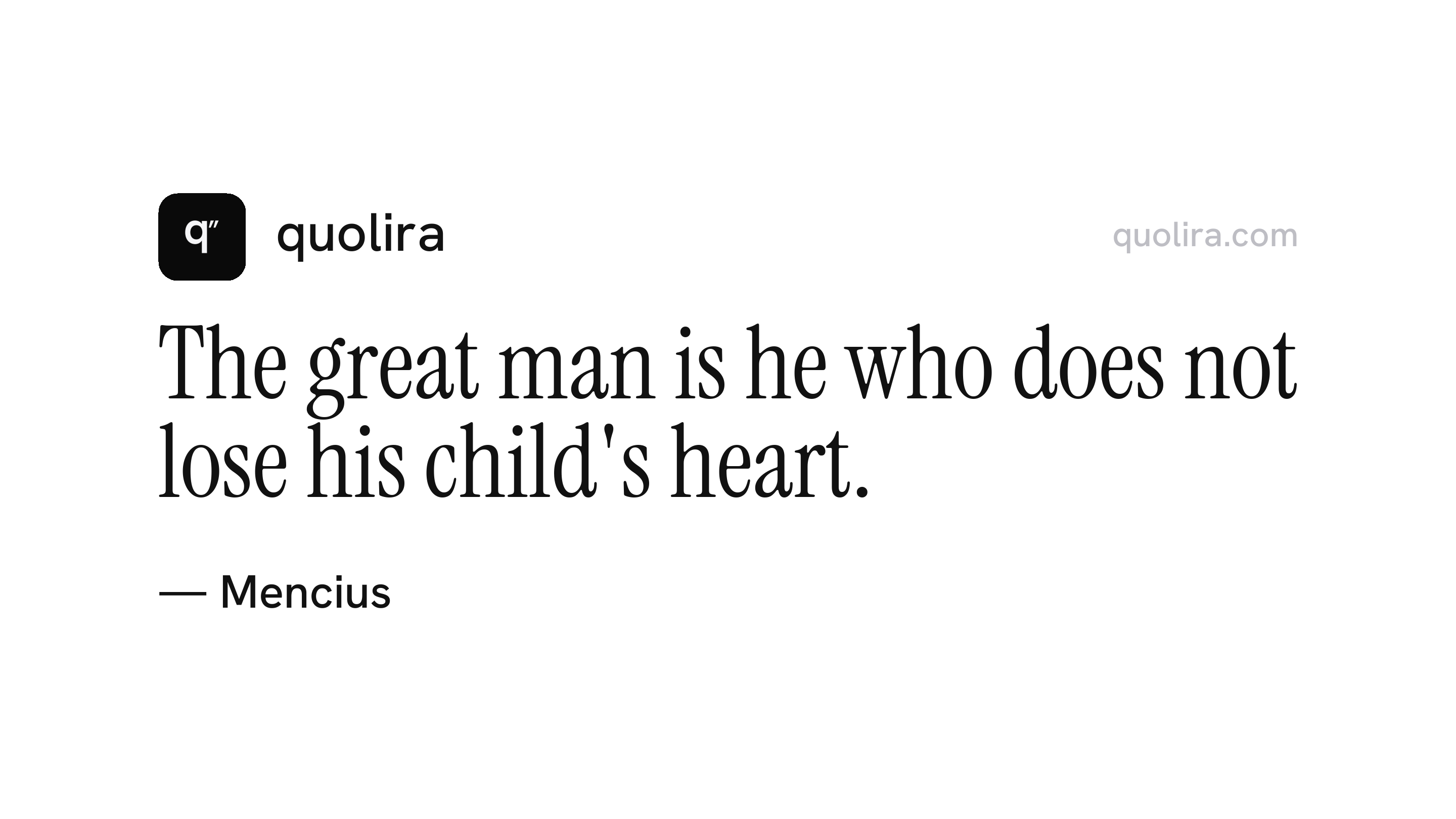
“The great man is he who does not lose his child's heart.”
Mencius · Mencius, Book IV B, c. 4th century BCE
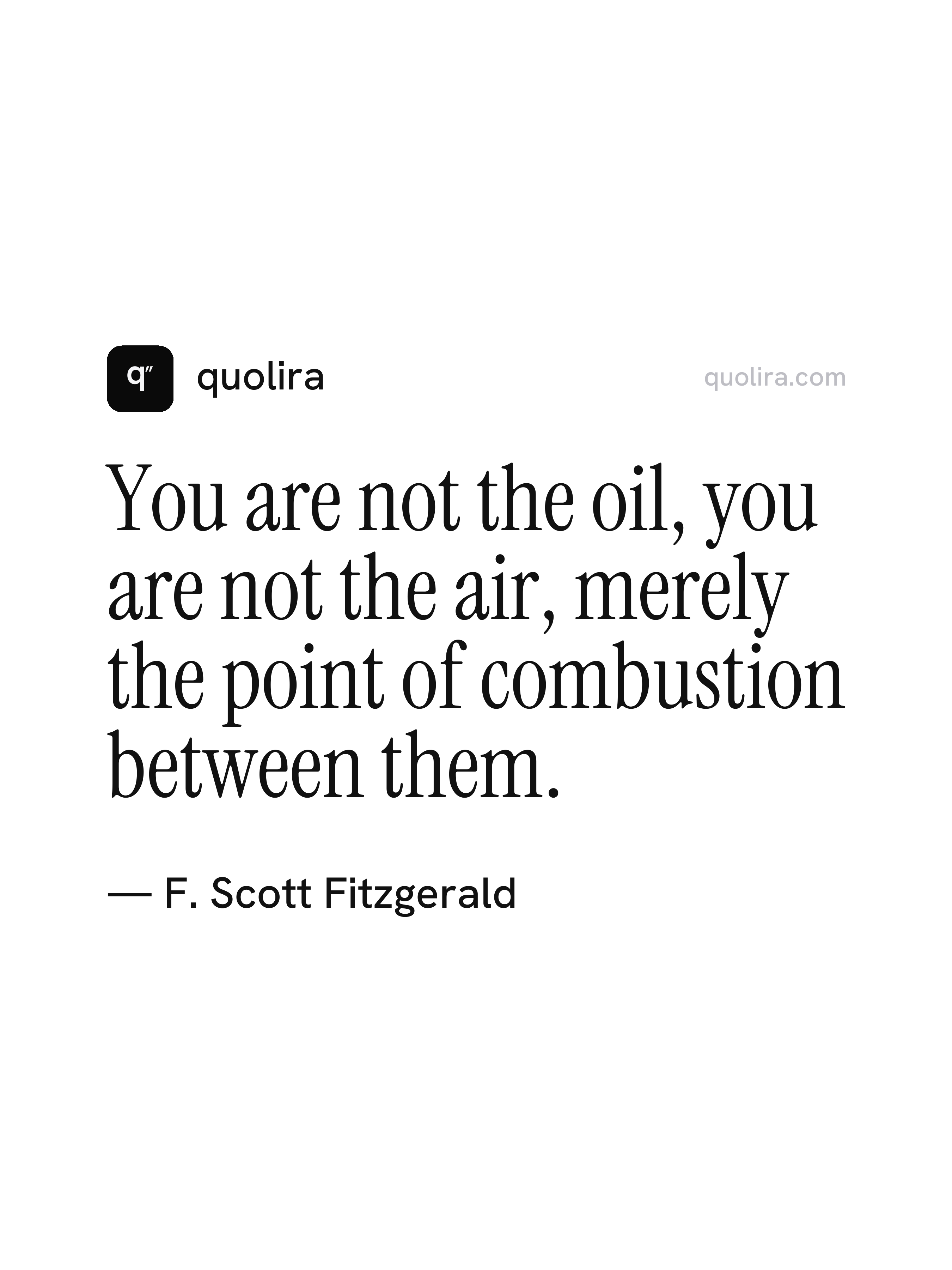
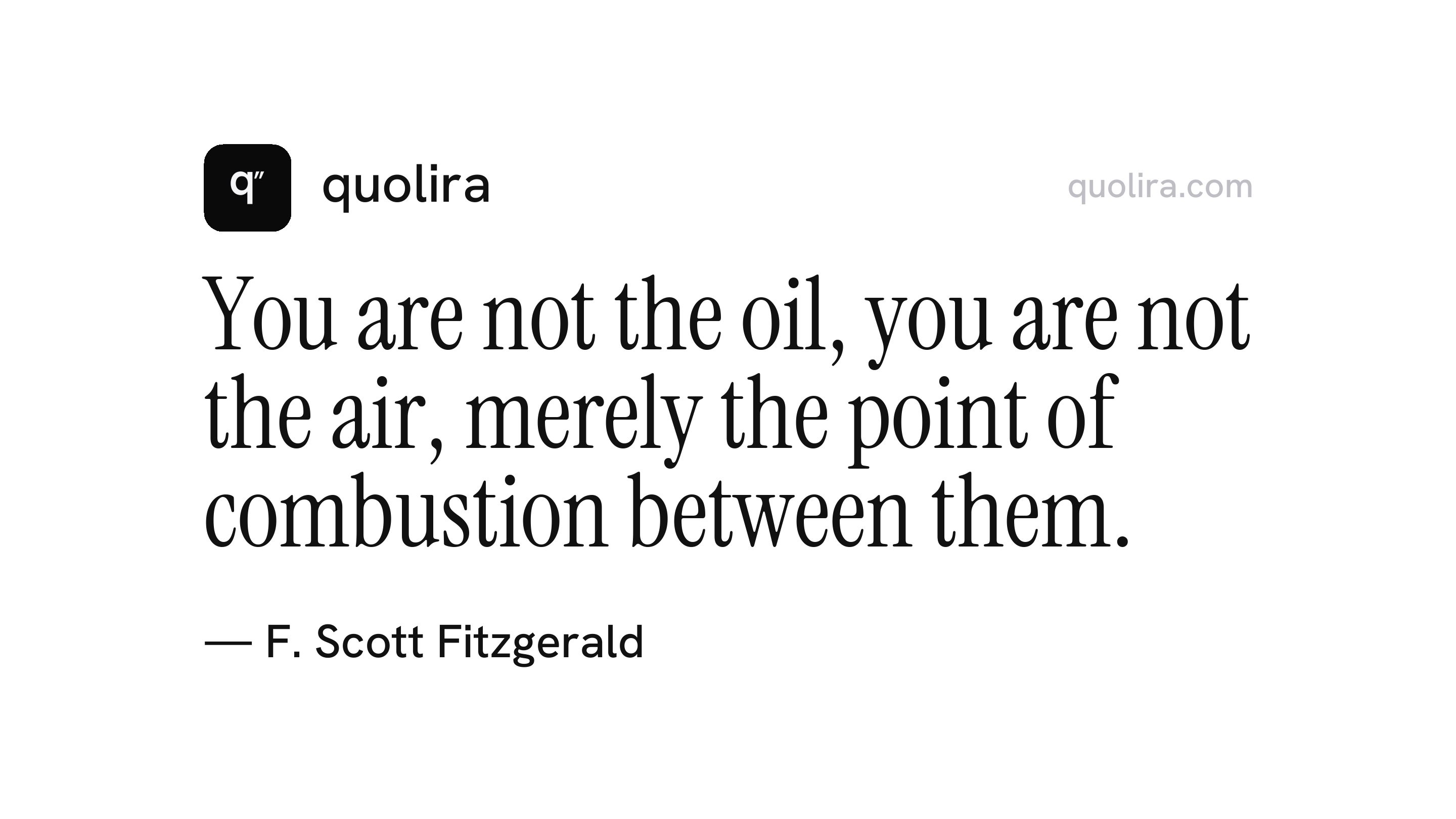
“You are not the oil, you are not the air, merely the point of combustion between them.”
F. Scott Fitzgerald · The Crack-Up, 1936
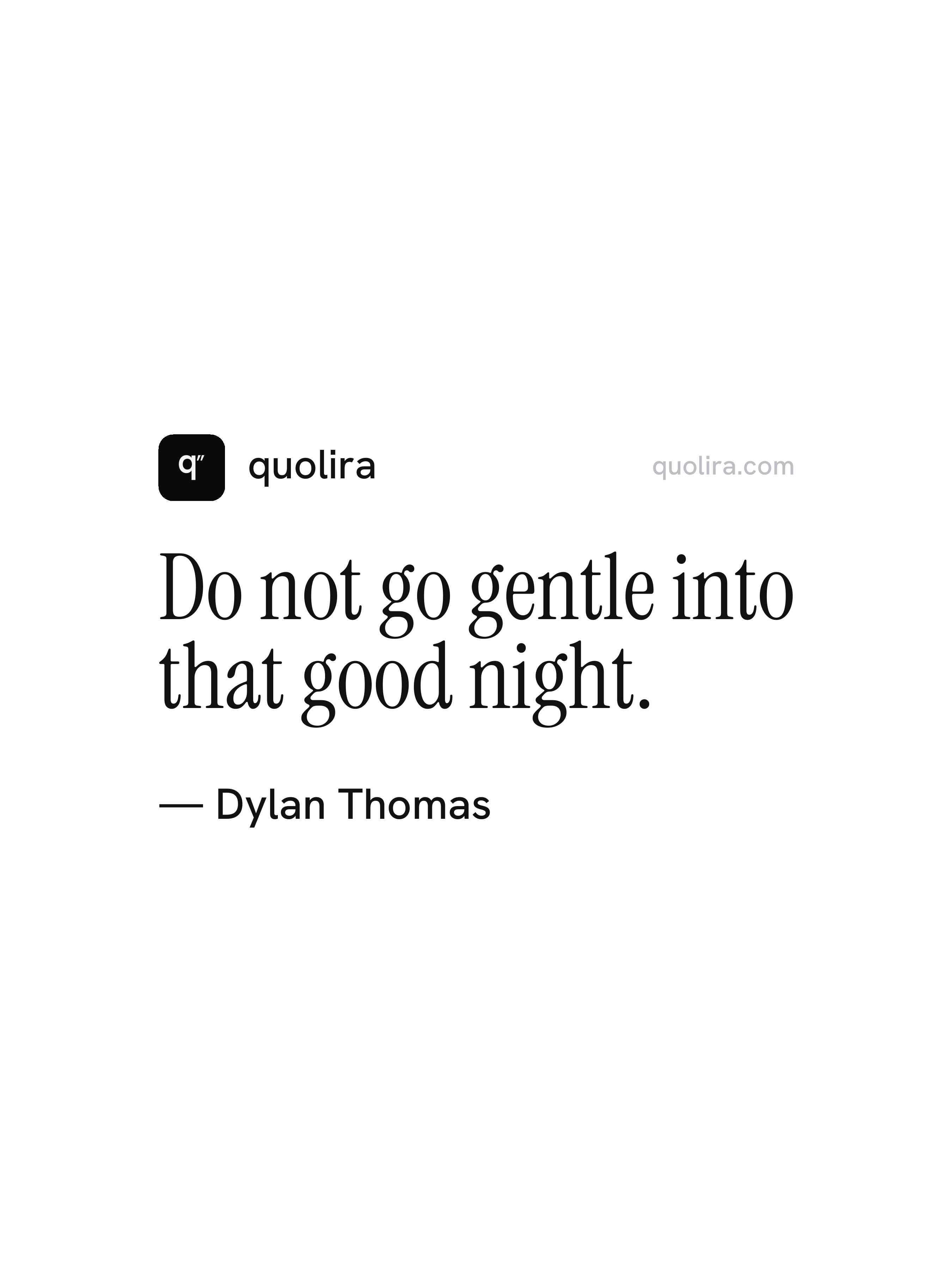
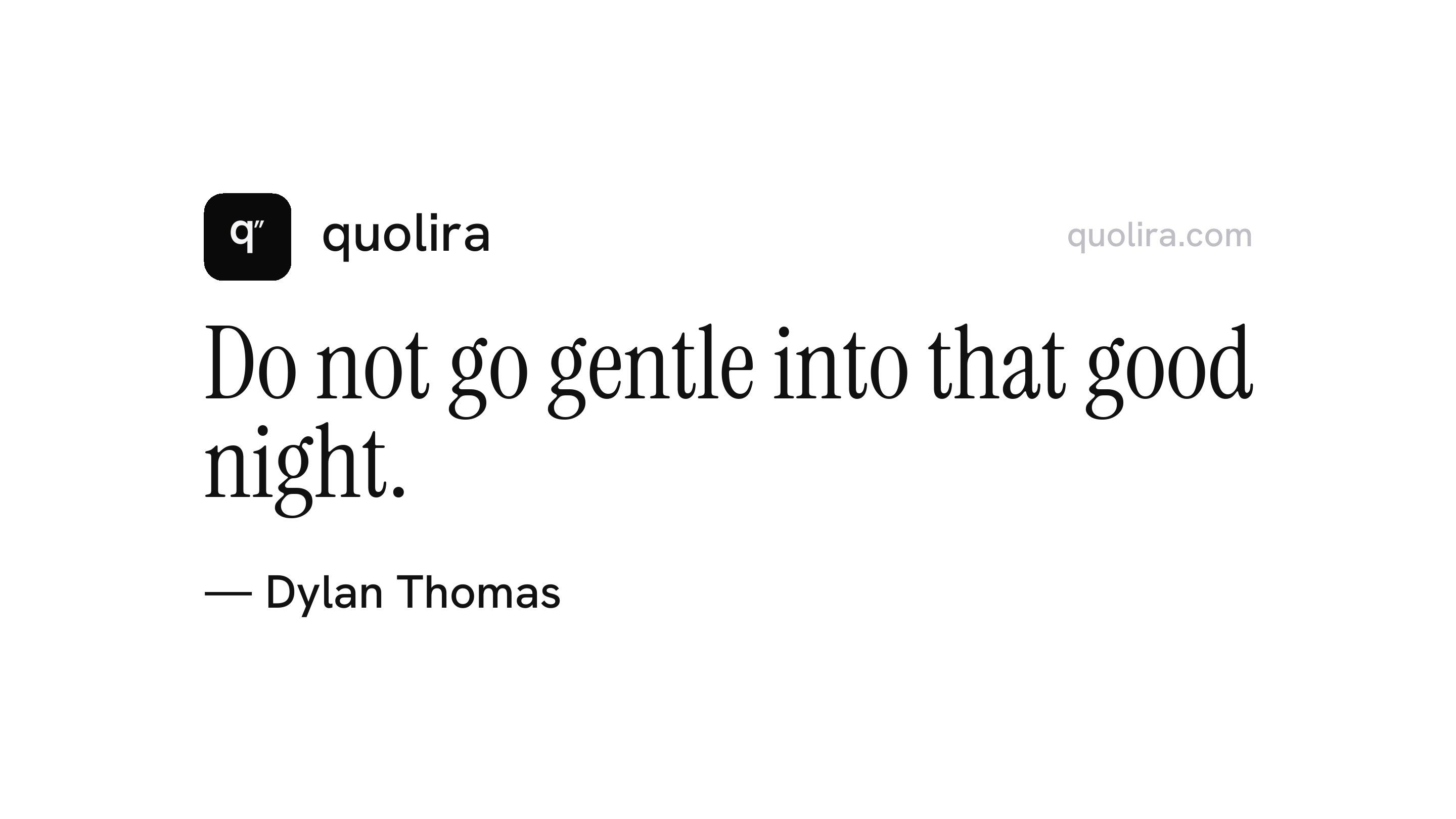
“Do not go gentle into that good night.”
Dylan Thomas · Do Not Go Gentle into That Good Night, 1951
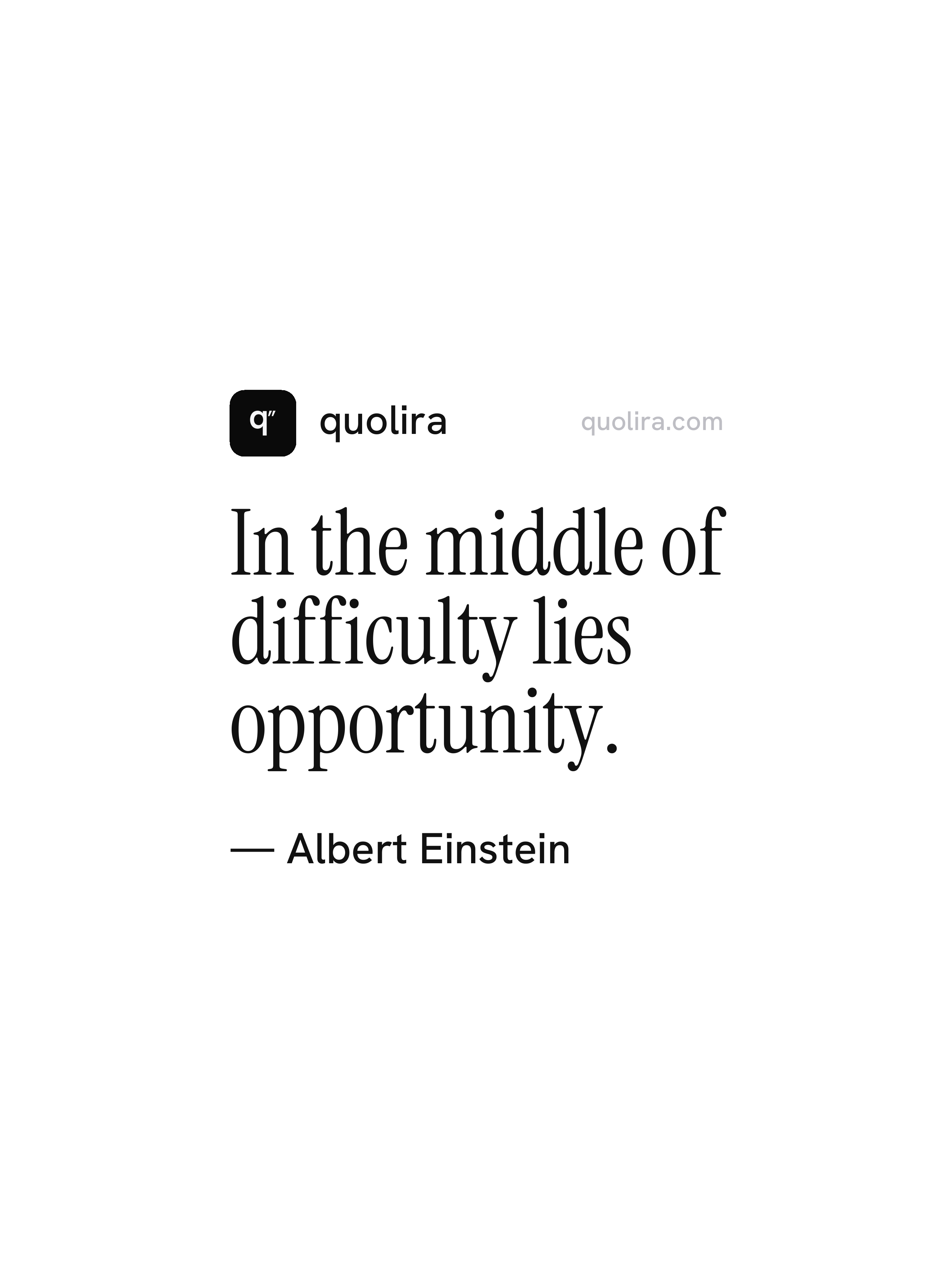
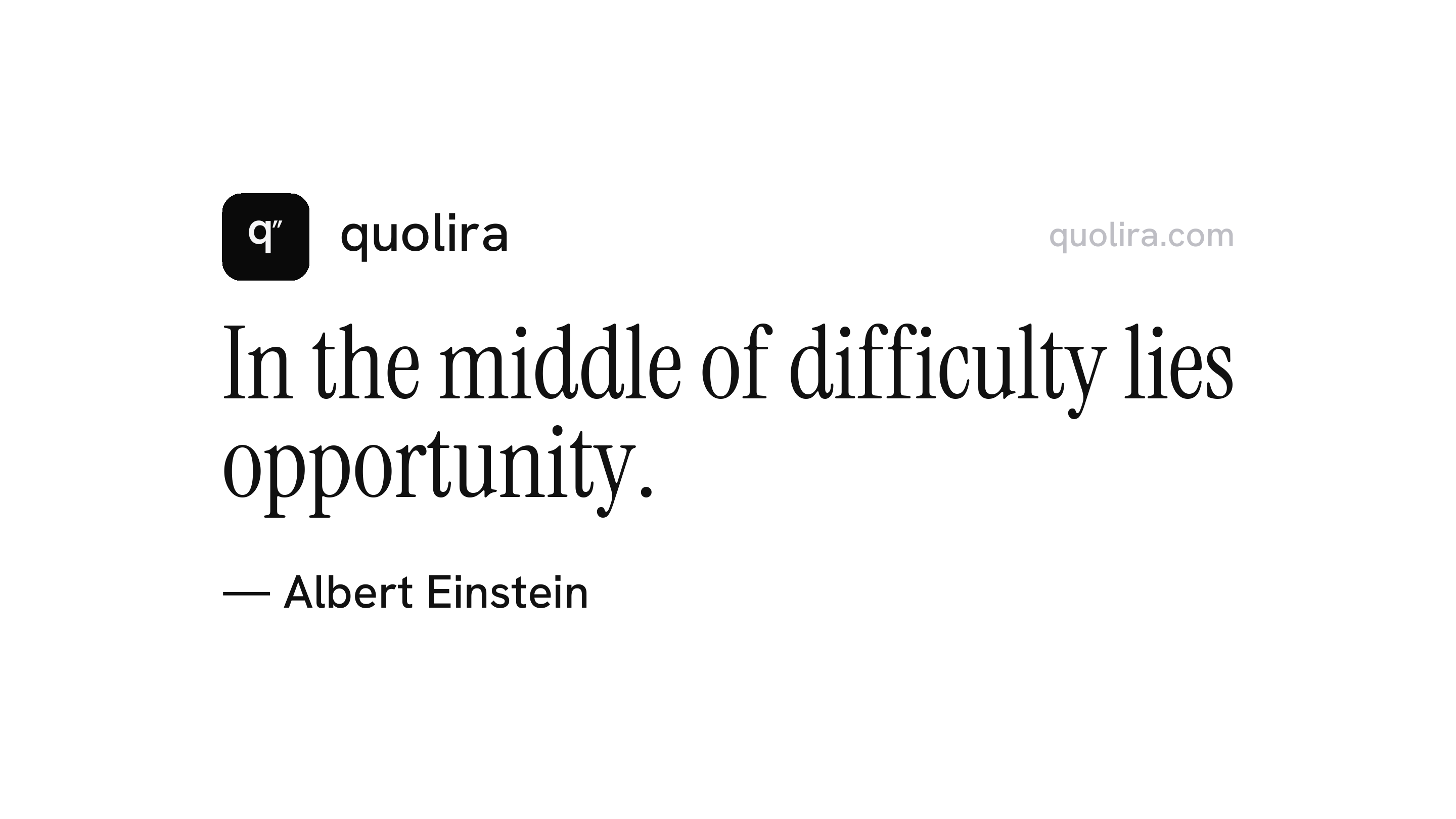
“In the middle of difficulty lies opportunity.”
Albert Einstein · attributed, widely documented
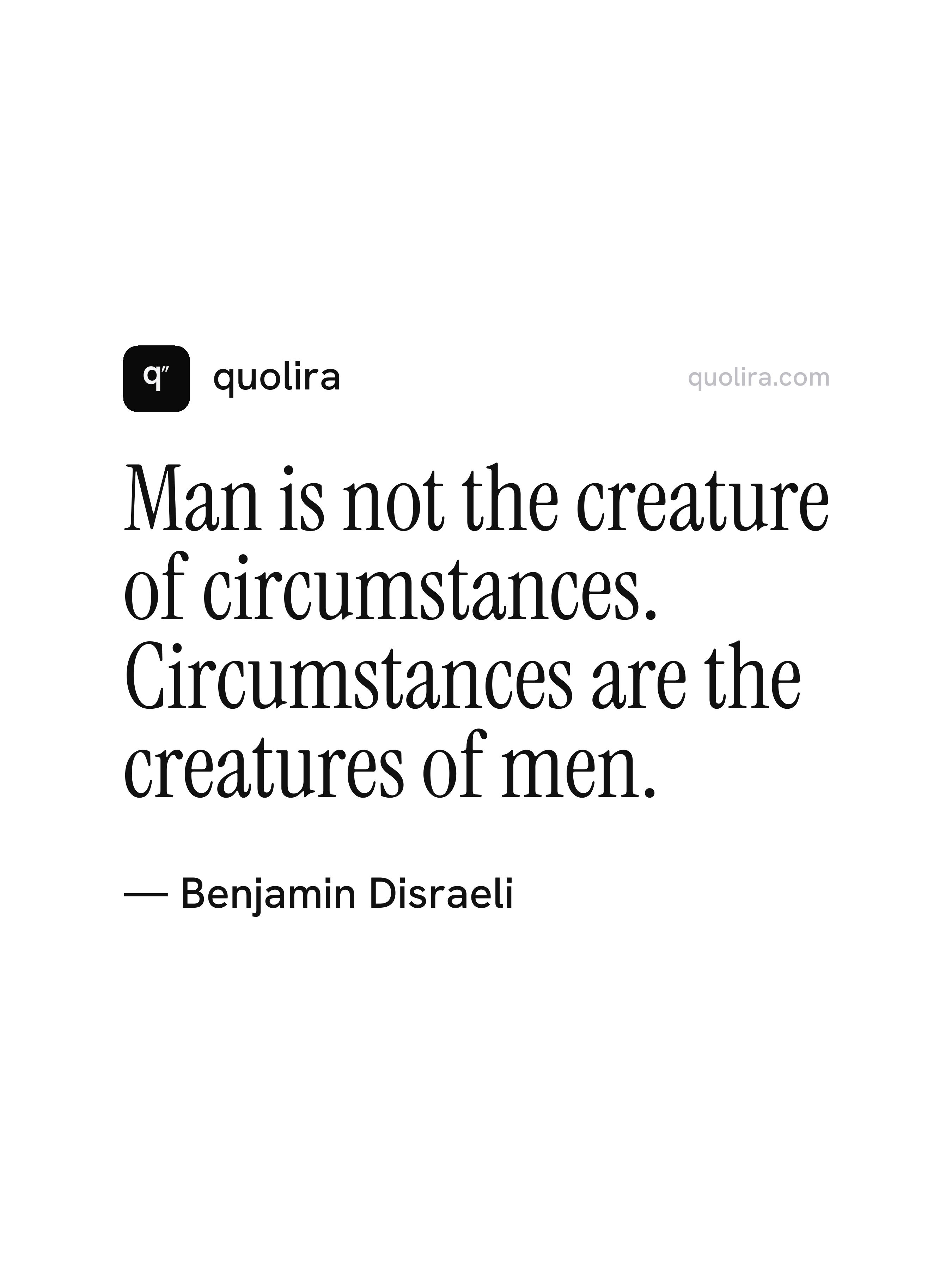
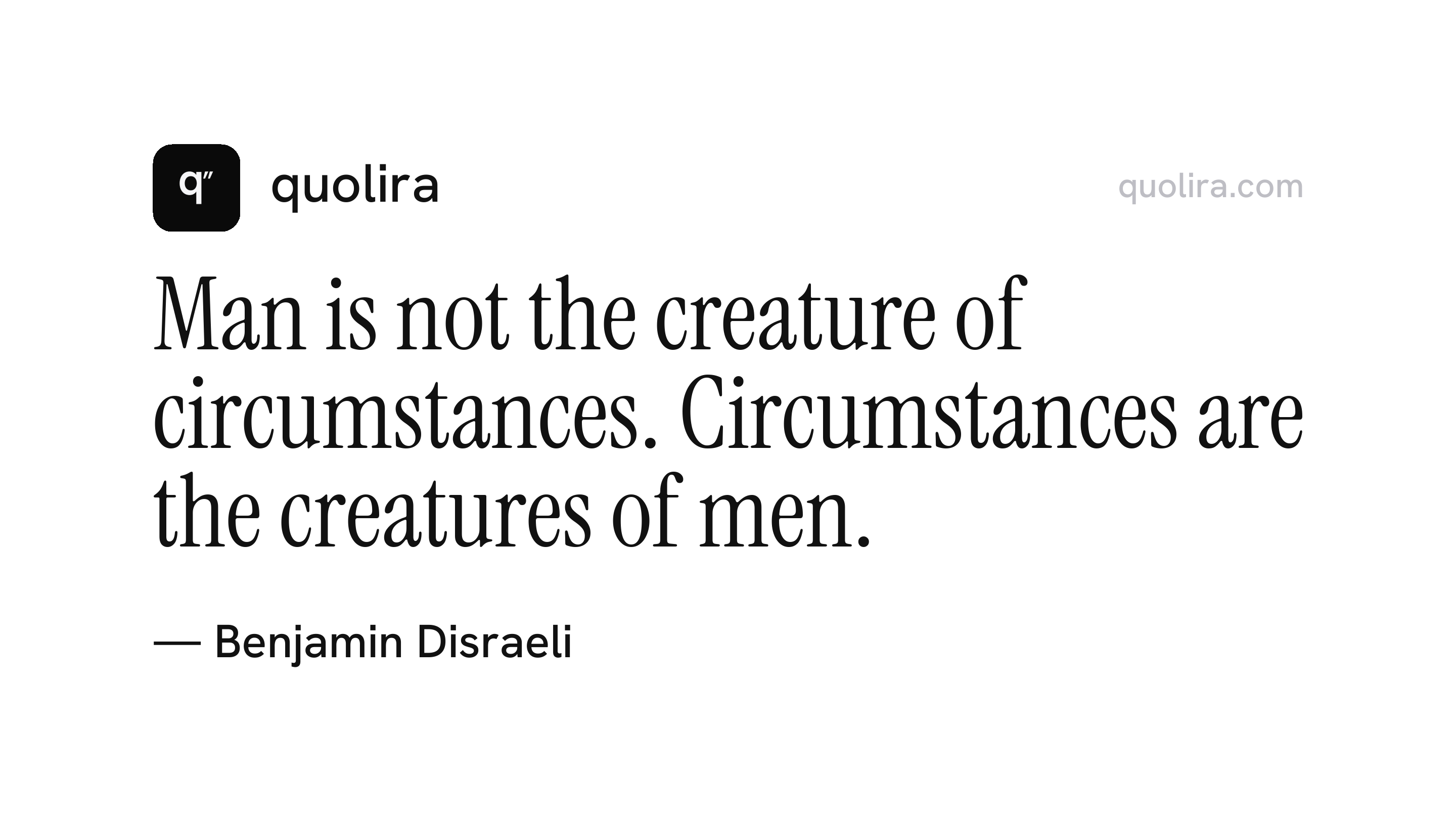
“Man is not the creature of circumstances. Circumstances are the creatures of men.”
Benjamin Disraeli · Vivian Grey, 1826