16 Mencius Philosophy Happiness Quotes That Still Cut Deep
The Confucian sage had sharp things to say about joy, virtue, and what it means to live well.
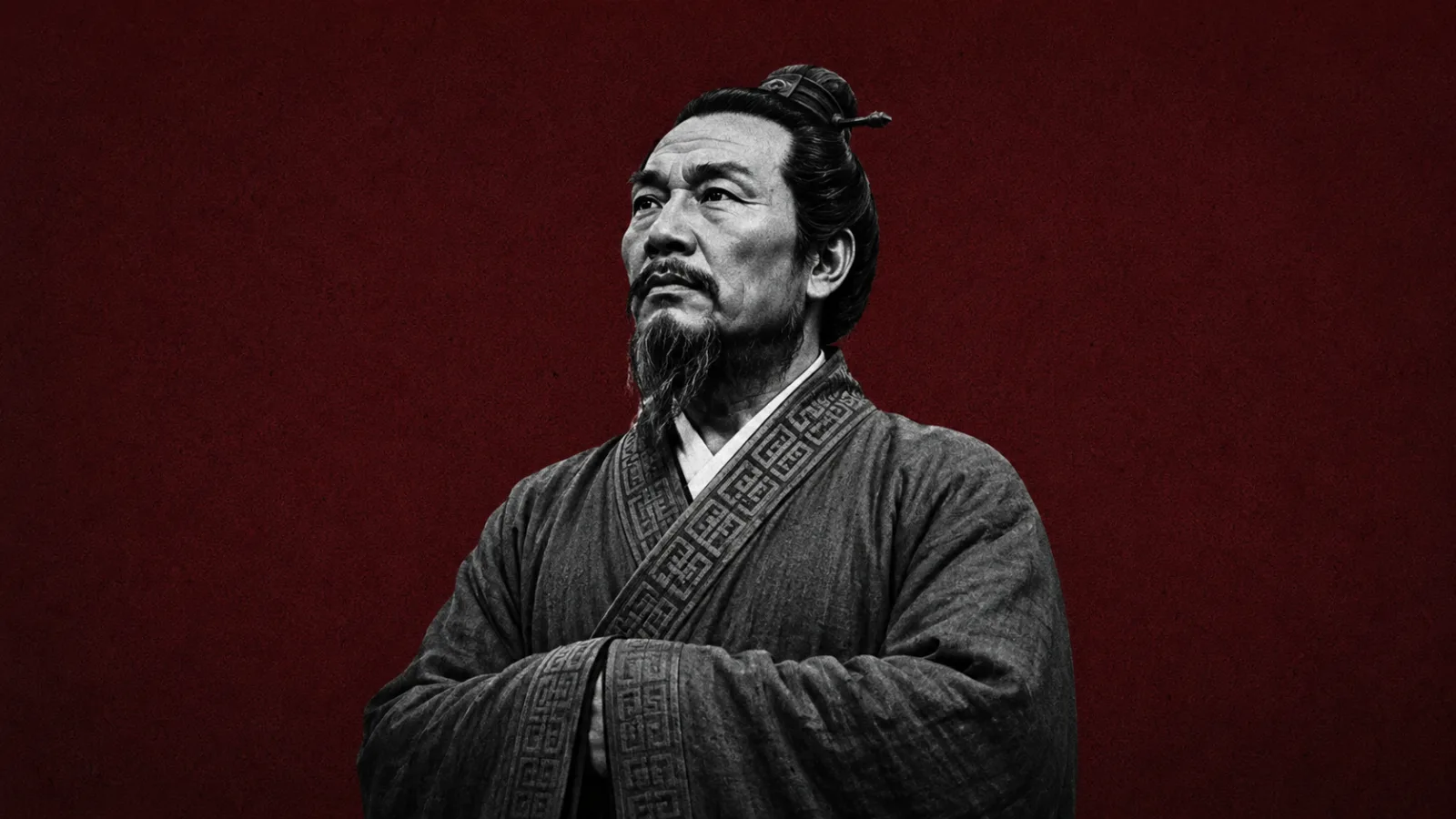
Mencius philosophy happiness sits at the intersection of moral cultivation and genuine human flourishing, and it's more practical than most people expect. The 4th-century BCE philosopher Mencius (Mengzi) argued that human goodness is innate we're born with the seeds of compassion, righteousness, and wisdom already inside us. The work is learning not to smother them. These 16 quotes pull from Mencius, his Confucian lineage, and thinkers shaped by the same tradition, all touching on where inner virtue meets real contentment.
The great man is he who does not lose his child's heart.
He who exerts his mind to the utmost knows his nature. Knowing his nature, he knows Heaven.
This is Mencius at his most ambitious. Genuine self-knowledge isn't navel-gazing it's a path that runs all the way to an understanding of the cosmos.
A man must first despise himself, and then others will despise him.
Harsh, but it's the opposite of self-pity. Mencius was saying that dignity is something you hold or surrender from the inside, long before the world gets a vote.
Benevolence is the heart of man, and righteousness is the path of man.
Two ideas, neatly split: benevolence is what you're made of, righteousness is how you move through the world. Mencius kept those two from collapsing into one muddy virtue.
Mencius (Penguin Classics)
The feeling of commiseration is the beginning of humanity; the feeling of shame is the beginning of righteousness.
Mencius traces ethics back to very specific emotional reflexes everyone already has. Compassion and shame aren't weaknesses they're the factory-installed moral hardware.
If you know that a thing is unrighteous, then use all dispatch in putting an end to it. Why should you wait till next year?
Mencius had zero patience for moral procrastination. The quote reads almost impatient, which is exactly the point.
The way of truth is like a great road. It is not difficult to know it. The evil is only that men will not seek it.
He's not talking about a hidden secret but about choices people make to look away. That's a harder charge than accusing someone of ignorance.
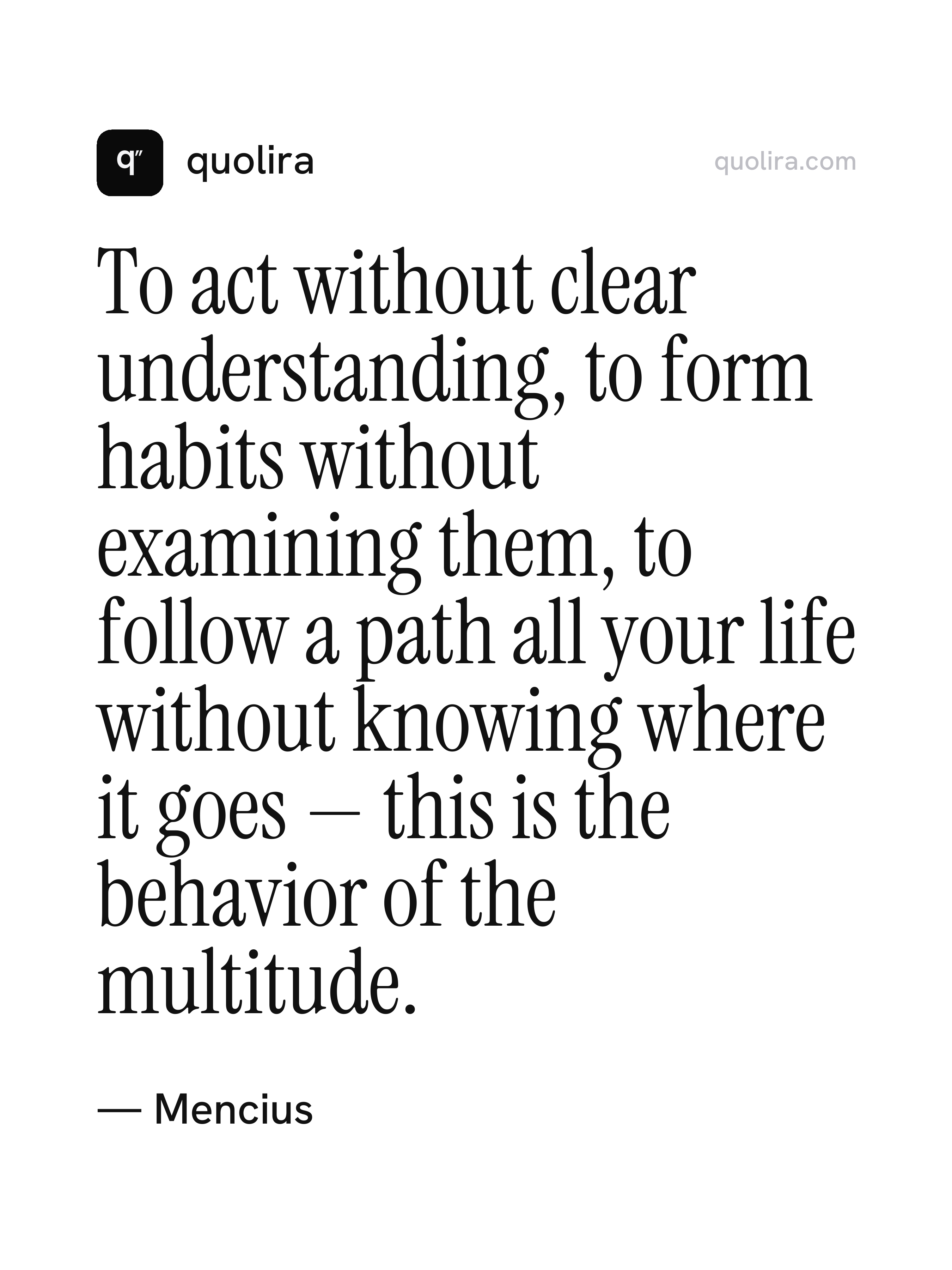
To act without clear understanding, to form habits without examining them, to follow a path all your life without knowing where it goes — this is the behavior of the multitude.
Mencius on sleepwalking through life, written roughly 2,300 years before anyone called it "autopilot." The critique hasn't aged.
The Analects by Confucius (Oxford World's Classics)
The people are the most important element in a nation; the spirits of the land and grain are the next; the sovereign is the lightest.
This is probably the most politically radical thing Mencius wrote. He folded the welfare of ordinary people into the very definition of a legitimate state, centuries before modern political philosophy got there.

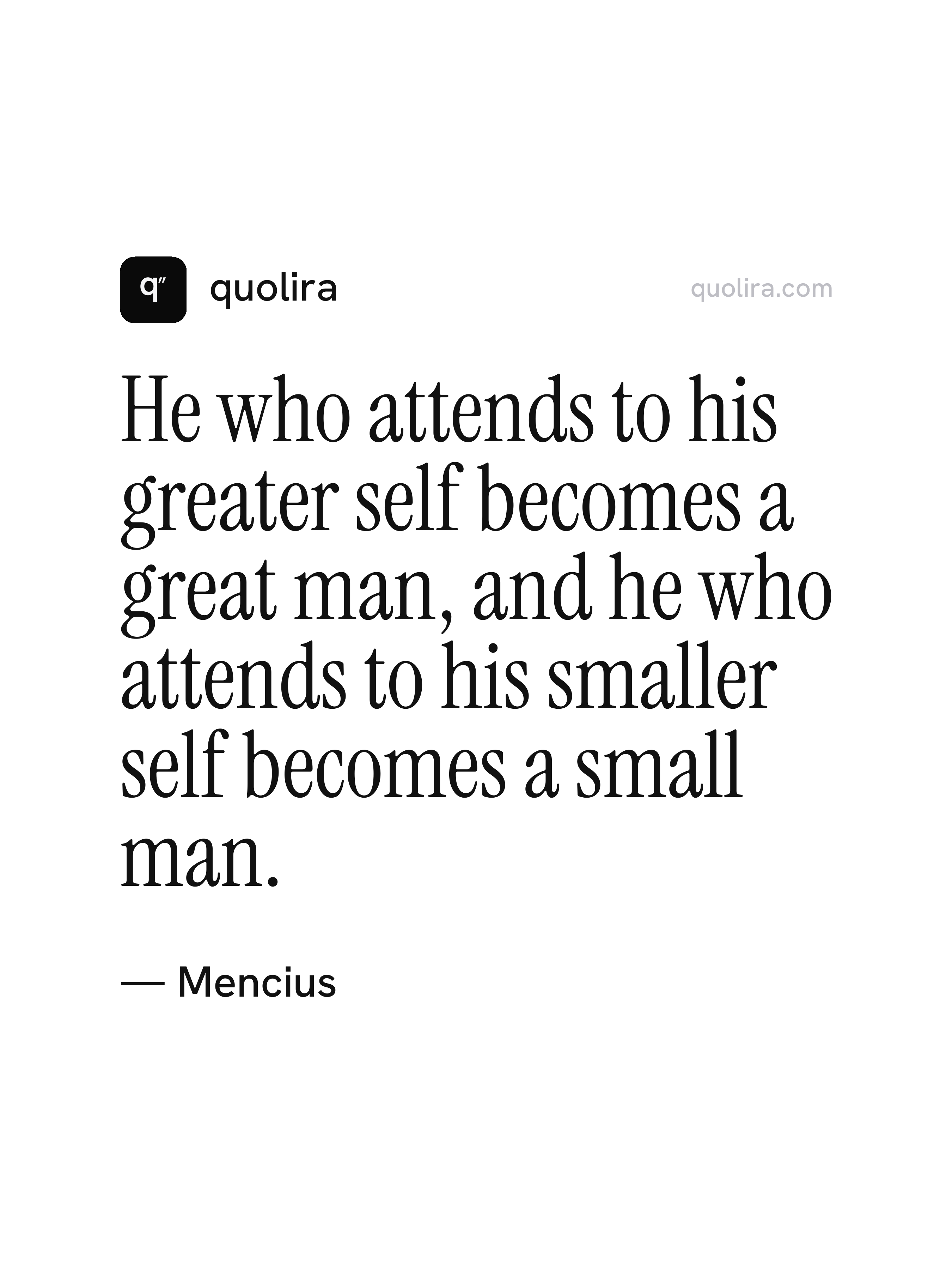
He who attends to his greater self becomes a great man, and he who attends to his smaller self becomes a small man.
The "greater self" is the moral mind; the "smaller self" is appetite and comfort. Mencius isn't asking you to be ascetic just to choose which one gets to drive.
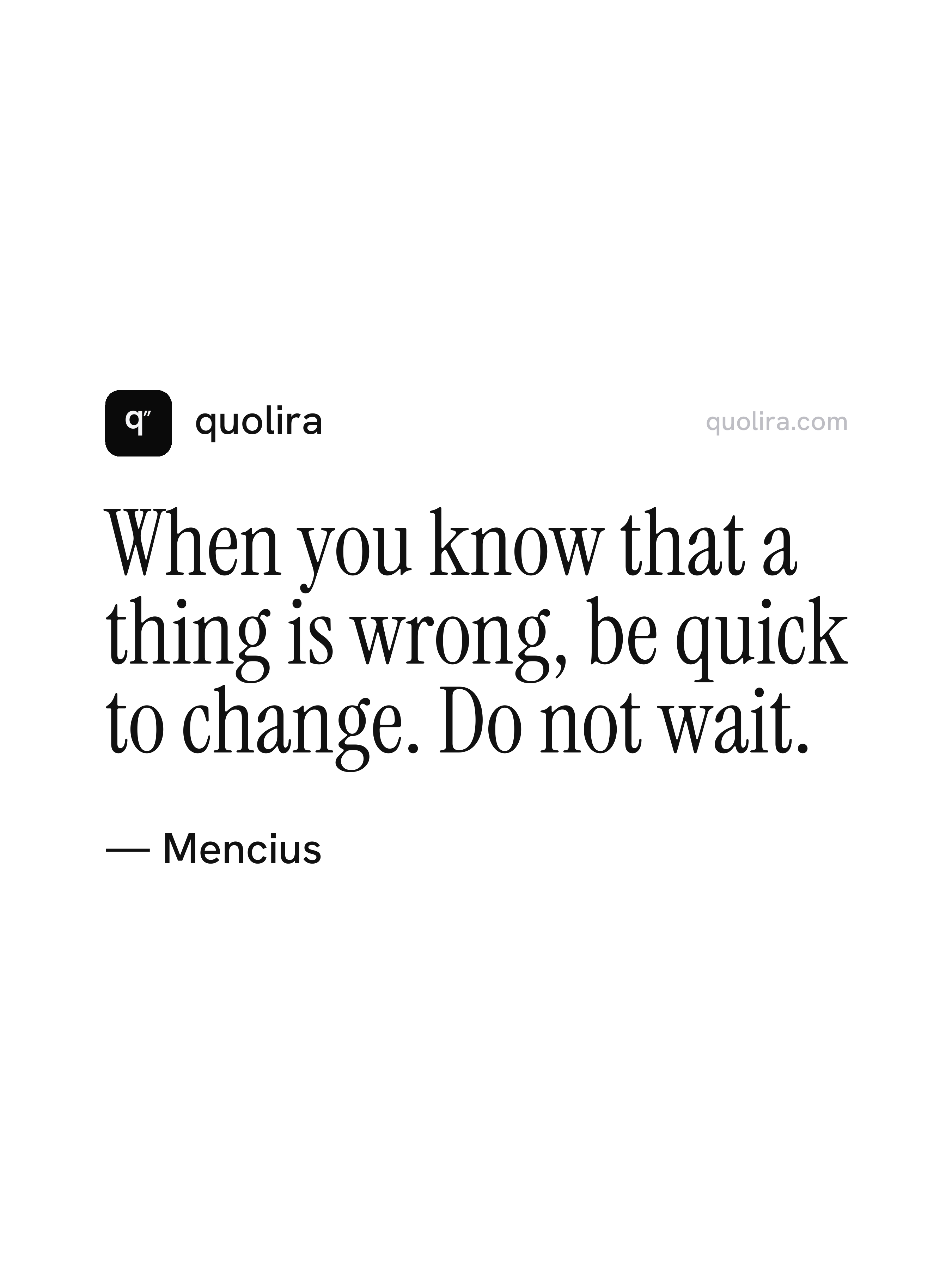
When you know that a thing is wrong, be quick to change. Do not wait.
This pairs naturally with the famous road metaphor. Mencius wasn't offering a slow, contemplative ethics — he expected moral responsiveness to be quick.
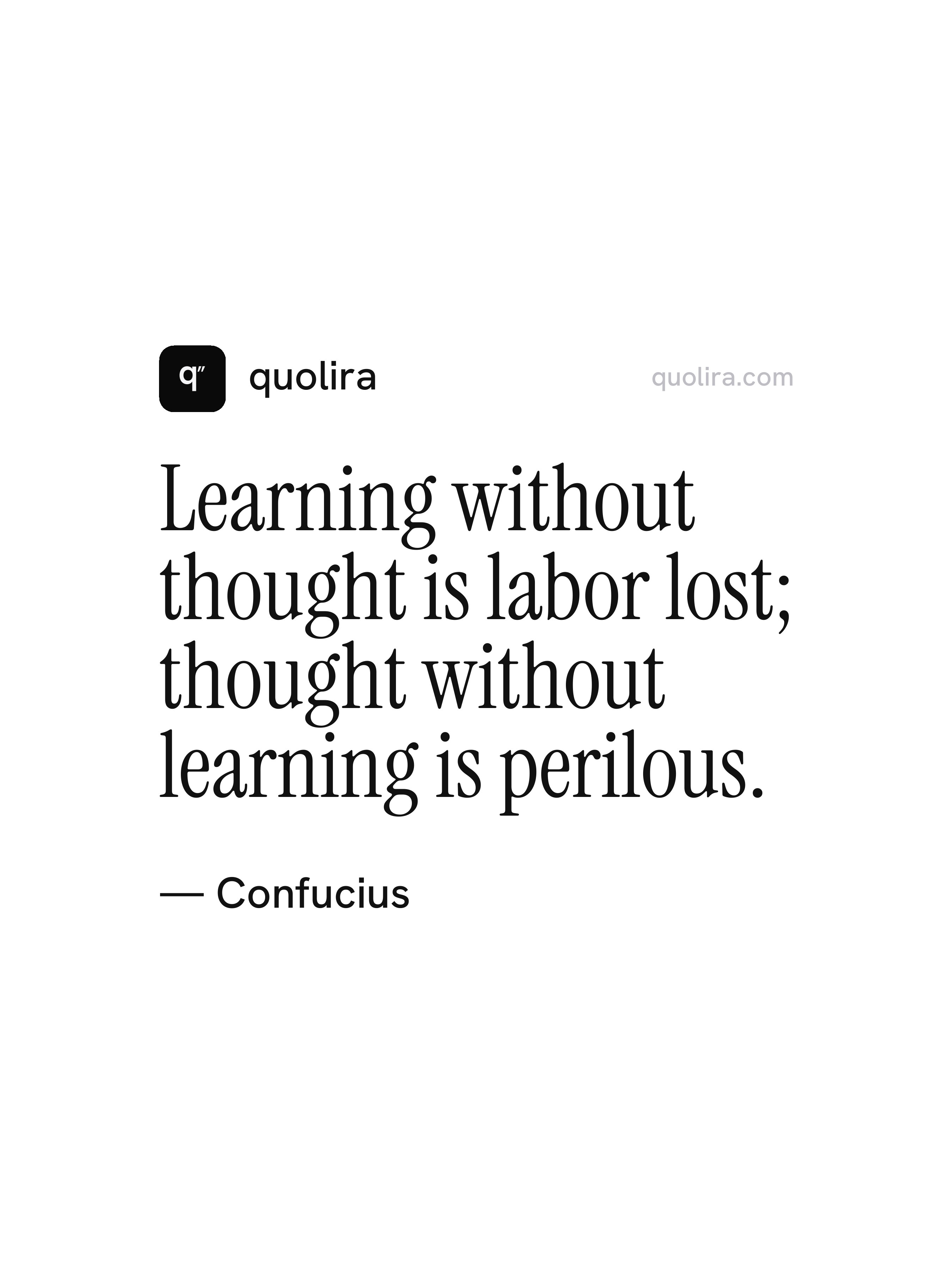
Learning without thought is labor lost; thought without learning is perilous.
Confucius The Analects, Book II, c. 5th century BCE
Confucius, Mencius's intellectual ancestor, framed the same problem: neither raw experience nor pure reflection gets you all the way there alone.
Sources of Chinese Tradition, Volume 1 edited by de Bary and Bloom
He who learns but does not think is lost. He who thinks but does not learn is in great danger.
Confucius The Analects, Book II
A different translation of the same passage, included because the word choice shifts the weight interestingly. "Danger" lands harder than "peril" for modern ears.
Our greatest glory is not in never falling, but in rising every time we fall.
Confucius Widely attributed to Confucius
The Confucian tradition, including Mencius, was obsessed with moral recovery, not moral perfection. Getting up is the practice.
The superior man is satisfied and composed; the mean man is always full of distress.
Confucius The Analects, Book VII
Confucius links inner moral development directly to a settled, untroubled quality of life. Mencius built an entire philosophy on that single observation.
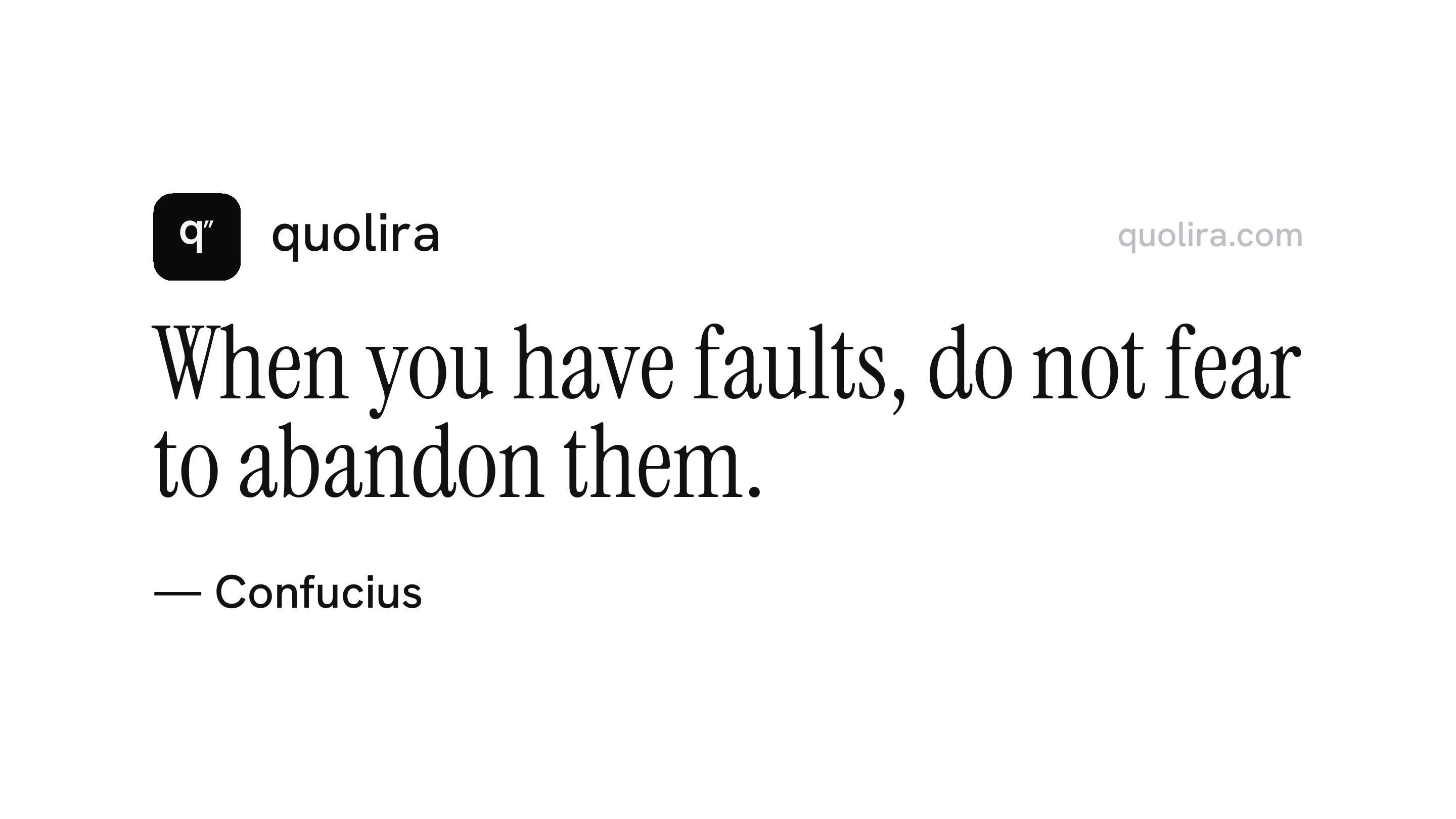
When you have faults, do not fear to abandon them.
Confucius The Analects, Book I
Short enough to fit on a Post-it note, and more honest about the psychology of change than most self-help books written in the last 50 years.
Mencius believed the happiest life and the most ethical life are the same life. That's a bet worth making.
Frequently asked questions
What did Mencius say about happiness?
What is the main philosophy of Mencius?
How does Mencius define the good life?
Did Mencius believe all people can achieve happiness?
Keep reading

21 Lord Voldemort Best Harry Potter Quotes That Still Chill You
The most memorable lines from the Dark Lord, weighed for what they reveal about fear, power, and the man behind the mask.
14 Satchel Paige Quotes on Aging, Motion, and Not Looking Back
The pitcher who kept throwing into his fifties left behind lines about time that still land.

16 Alice in Wonderland Quotes That Still Make You Stop and Think
The strange logic of Wonderland has a way of feeling truer than the real world.
Mencius ties happiness directly to keeping something unjaded alive inside you. The child's heart here isn't naivety it's the original moral instinct before habit and ambition calcify it.