“The people are the most important element in a nation; the spirits of the land and grain are the next; the sovereign is the lightest.”
Mencius · Mencius, Book VII B
 quolira
.com
quolira
quolira.com
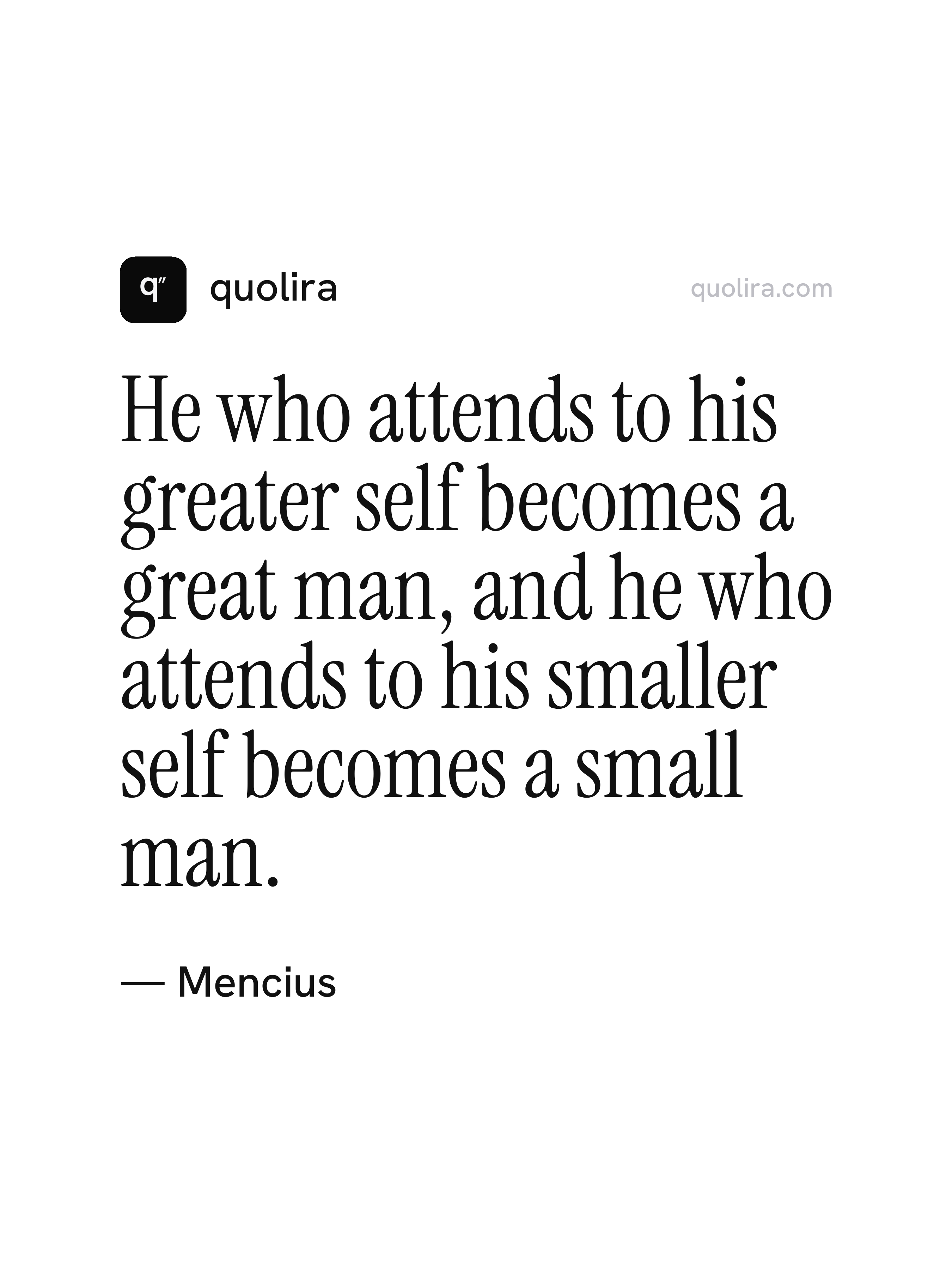
Mencius is drawing a distinction between two competing parts of the self. The greater self refers to the higher faculties, reason, conscience, and moral feeling, while the smaller self refers to immediate appetites and sensory desires. A person who cultivates and listens to the higher part grows in wisdom and character. A person who is ruled entirely by appetite and impulse remains limited. The choice of which self to attend to is, in Mencius's view, the choice that shapes a whole life.
This line comes from the sixth book of the Mencius, a section that deals extensively with questions of human nature, moral cultivation, and the proper ordering of the self. Mencius believed that all people are born with the seeds of goodness, including compassion, a sense of right and wrong, and the capacity for moral judgment. The challenge of human life is to nourish those seeds rather than let them wither under the pressure of desire and distraction. This passage is a compact expression of that central idea.
Mencius was a Chinese philosopher of the fourth and third centuries BCE who built upon and extended the teachings of Confucius. His most distinctive contribution to philosophy is the argument that human nature is originally good and that moral failure is a result of neglect rather than inherent corruption. His writings cover ethics, governance, and self-cultivation, and they were eventually recognized as one of the Four Books central to Confucian classical education, cementing his place among the most important thinkers in East Asian intellectual history.
“The people are the most important element in a nation; the spirits of the land and grain are the next; the sovereign is the lightest.”
Mencius · Mencius, Book VII B
“To act without clear understanding, to form habits without examining them, to follow a path all your life without knowing where it goes — this is the behavior of the multitude.”
Mencius · Mencius, Book VII A
“The way of truth is like a great road. It is not difficult to know it. The evil is only that men will not seek it.”
Mencius · Mencius, Book VI B
“If you know that a thing is unrighteous, then use all dispatch in putting an end to it. Why should you wait till next year?”
Mencius · Mencius, Book III B
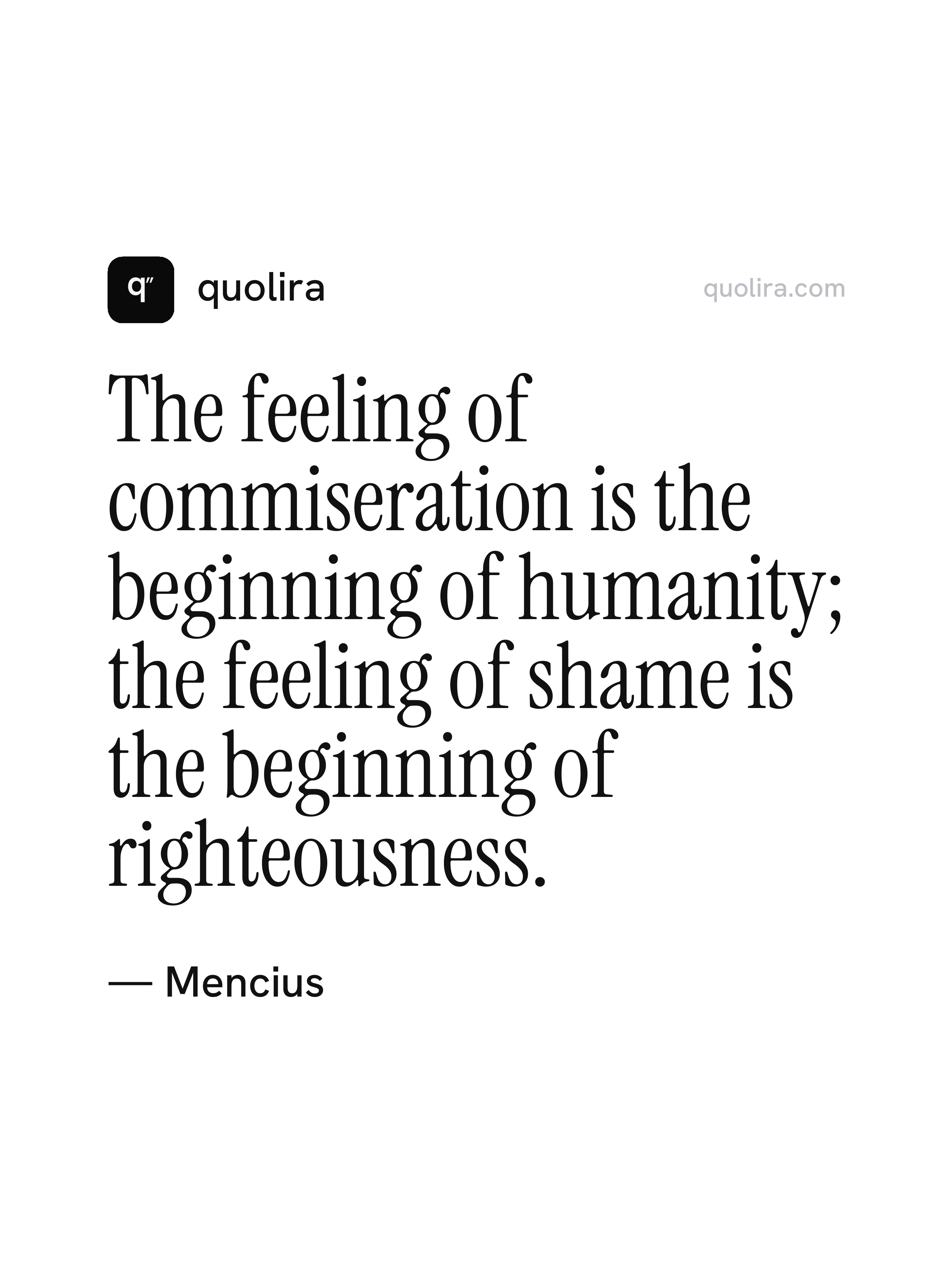
“The feeling of commiseration is the beginning of humanity; the feeling of shame is the beginning of righteousness.”
Mencius · Mencius, Book II A
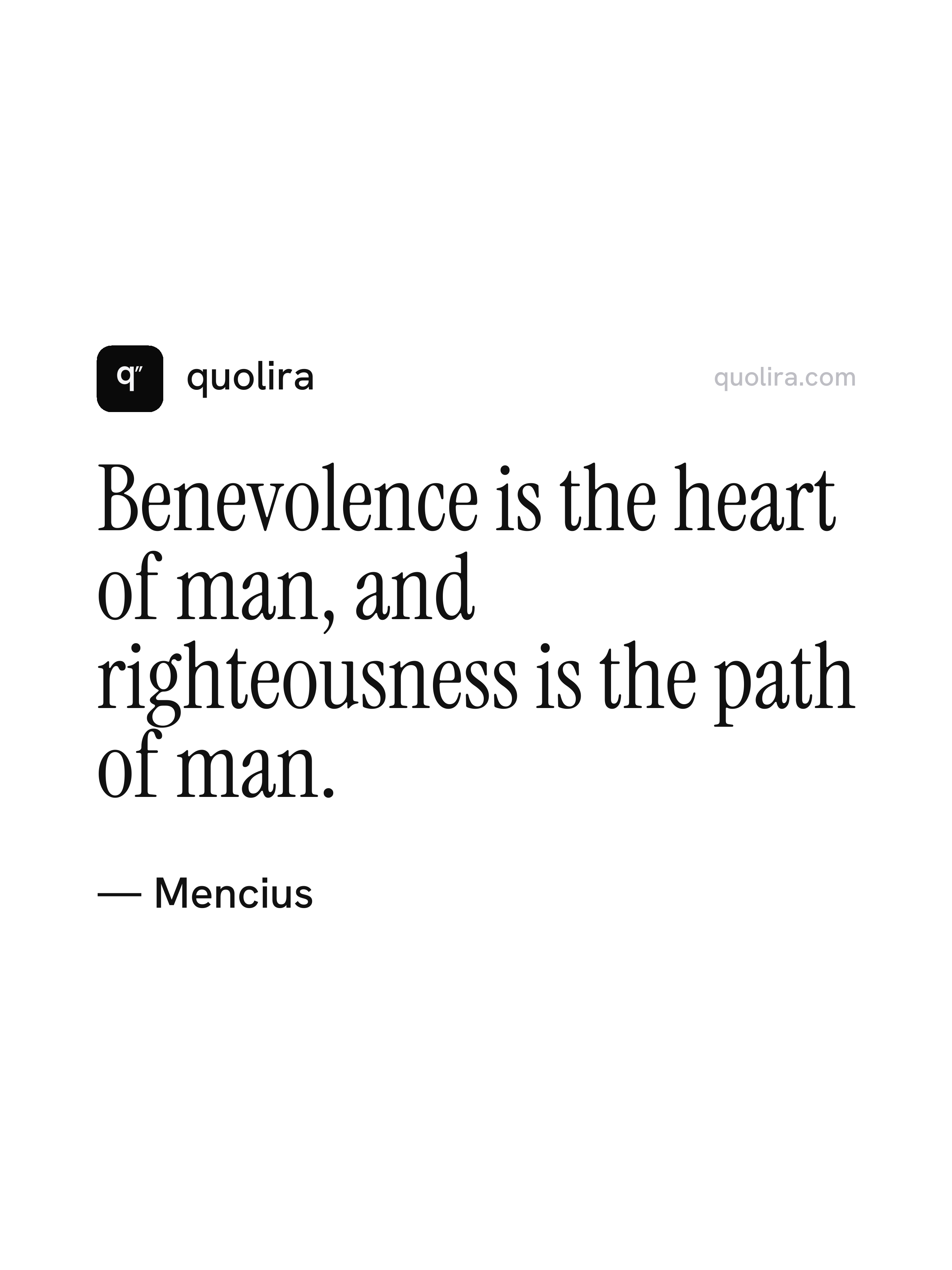
“Benevolence is the heart of man, and righteousness is the path of man.”
Mencius · Mencius, Book VI A
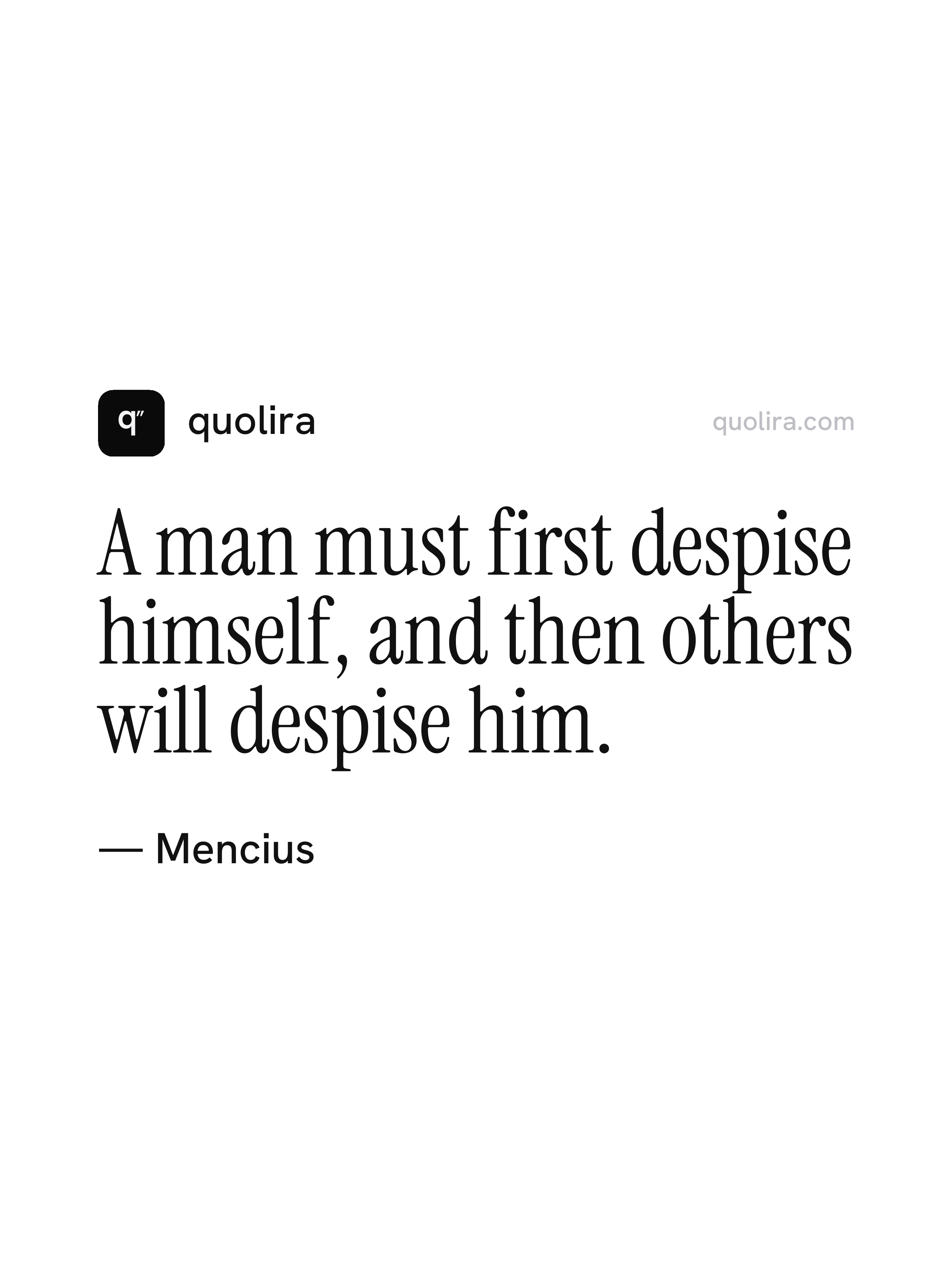
“A man must first despise himself, and then others will despise him.”
Mencius · Mencius, Book IV A
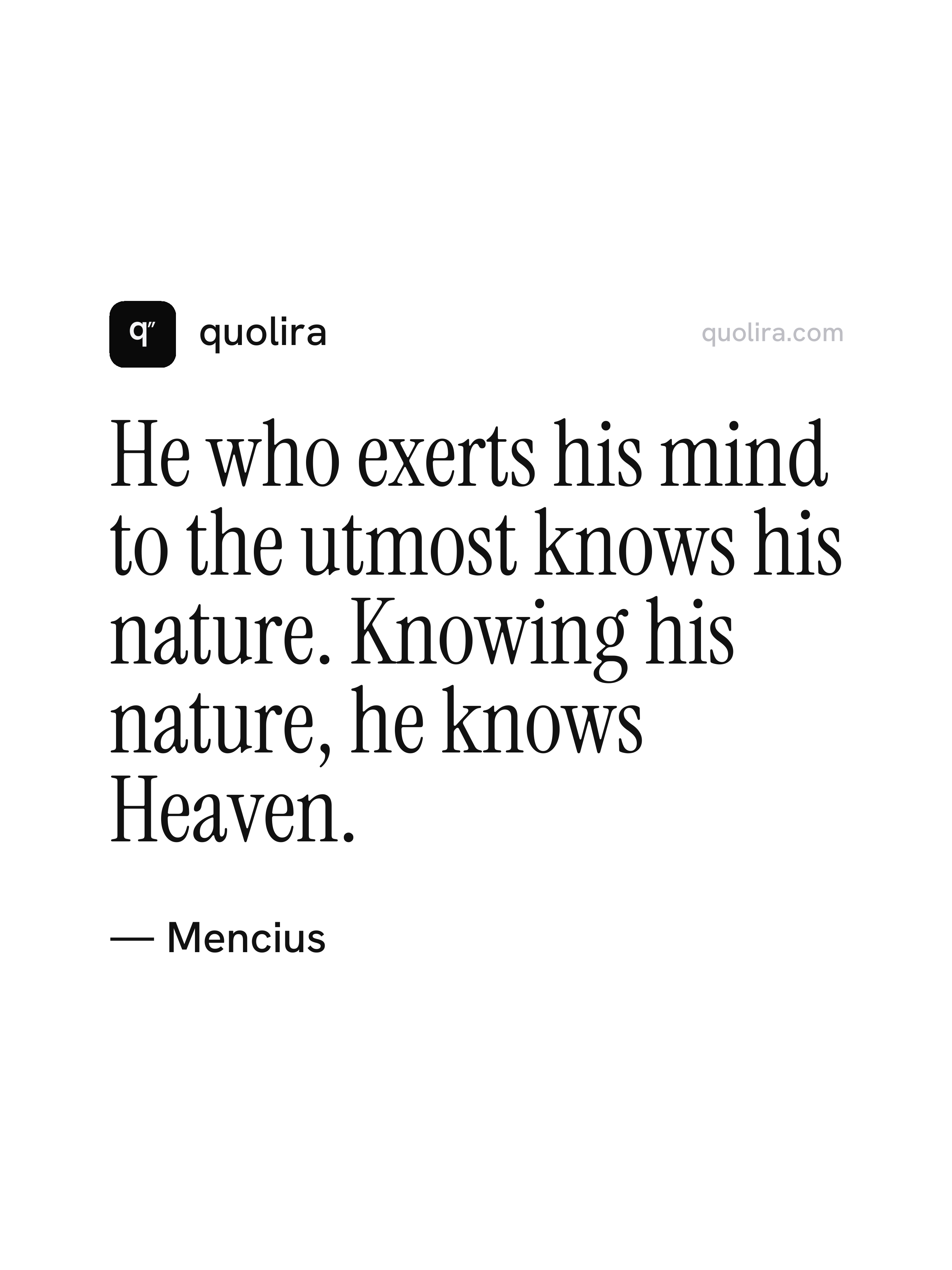
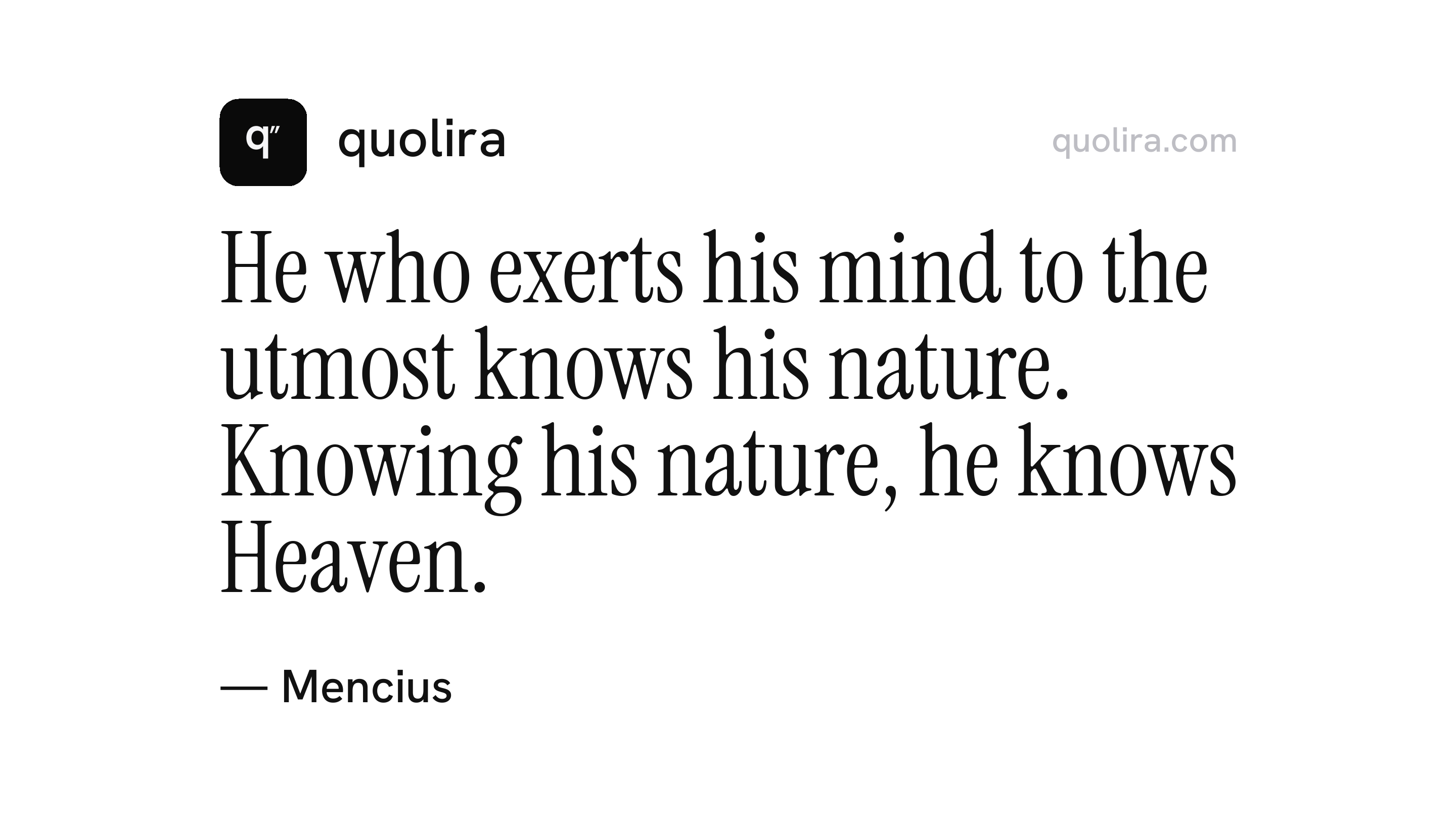
“He who exerts his mind to the utmost knows his nature. Knowing his nature, he knows Heaven.”
Mencius · Mencius, Book VII A
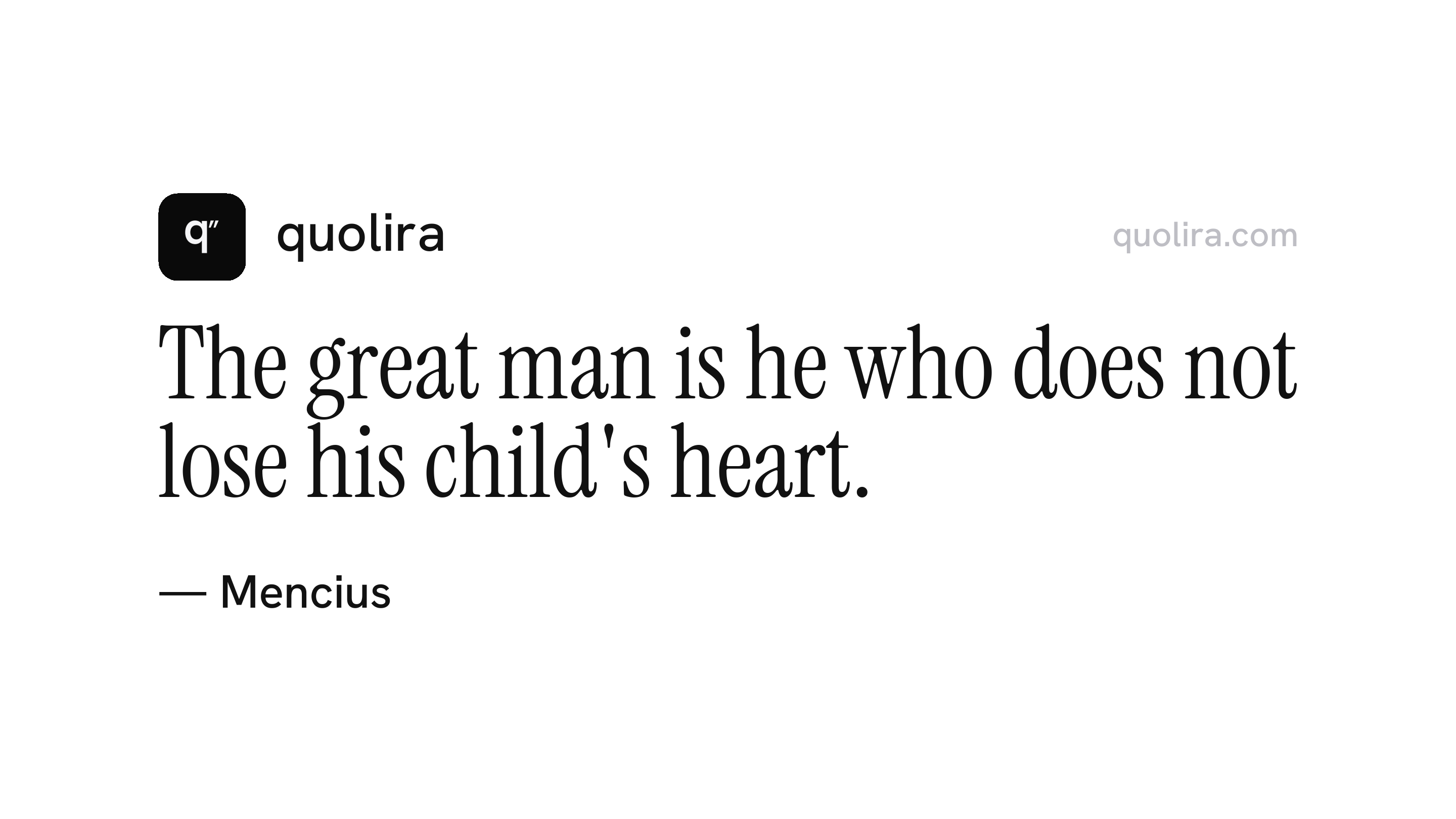
“The great man is he who does not lose his child's heart.”
Mencius · Mencius, Book IV B, c. 4th century BCE
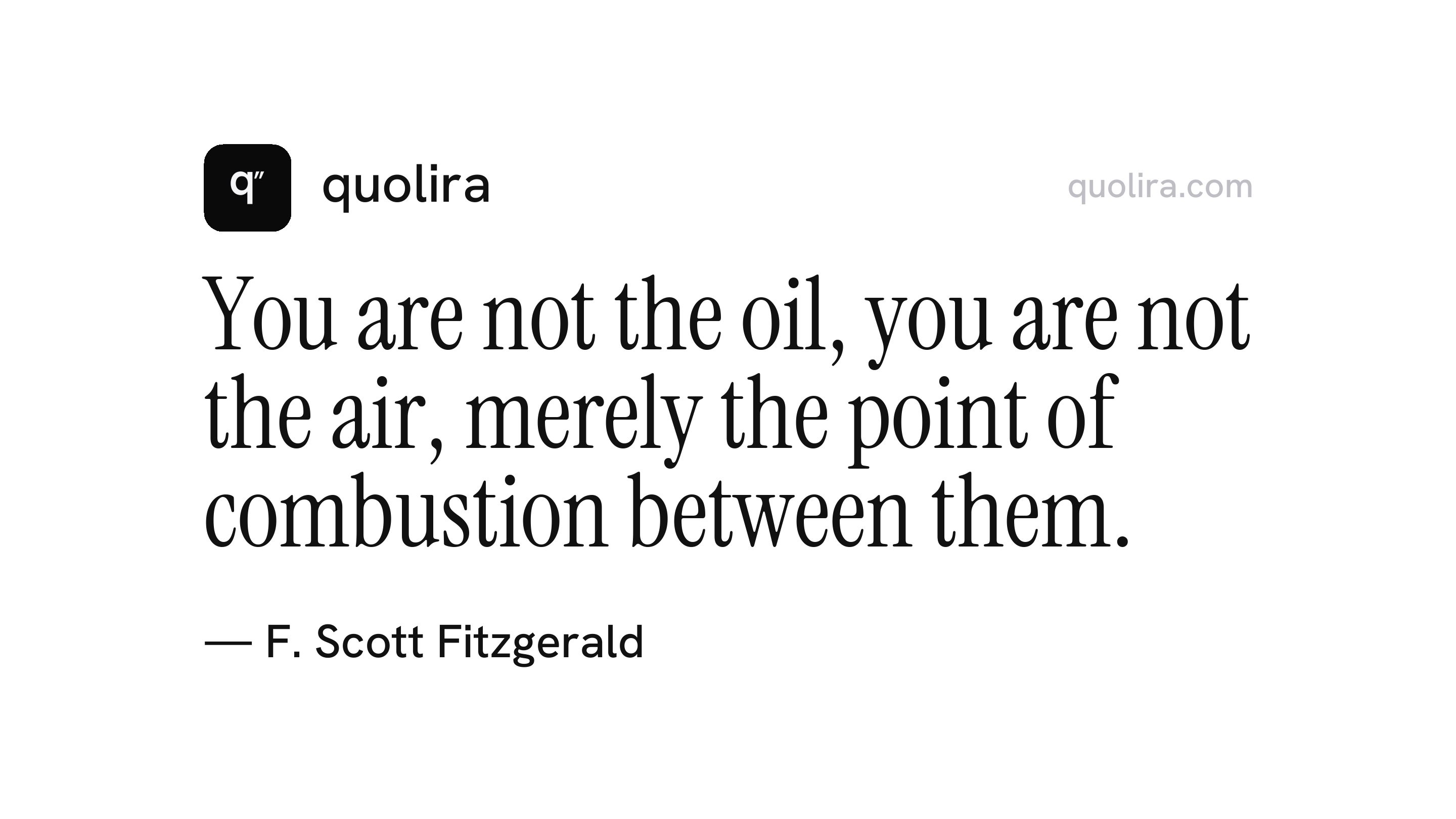
“You are not the oil, you are not the air, merely the point of combustion between them.”
F. Scott Fitzgerald · The Crack-Up, 1936
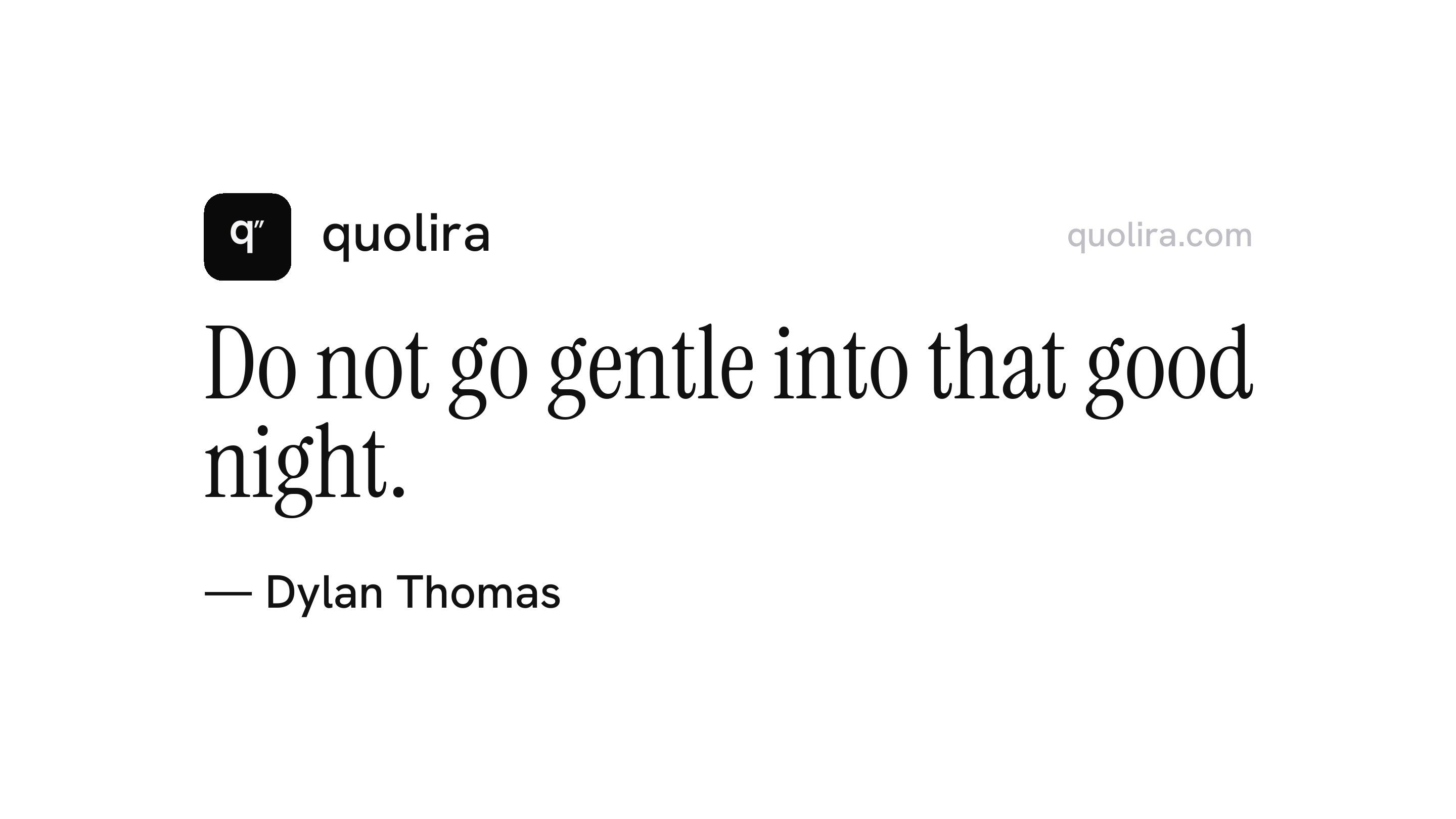
“Do not go gentle into that good night.”
Dylan Thomas · Do Not Go Gentle into That Good Night, 1951
“In the middle of difficulty lies opportunity.”
Albert Einstein · attributed, widely documented