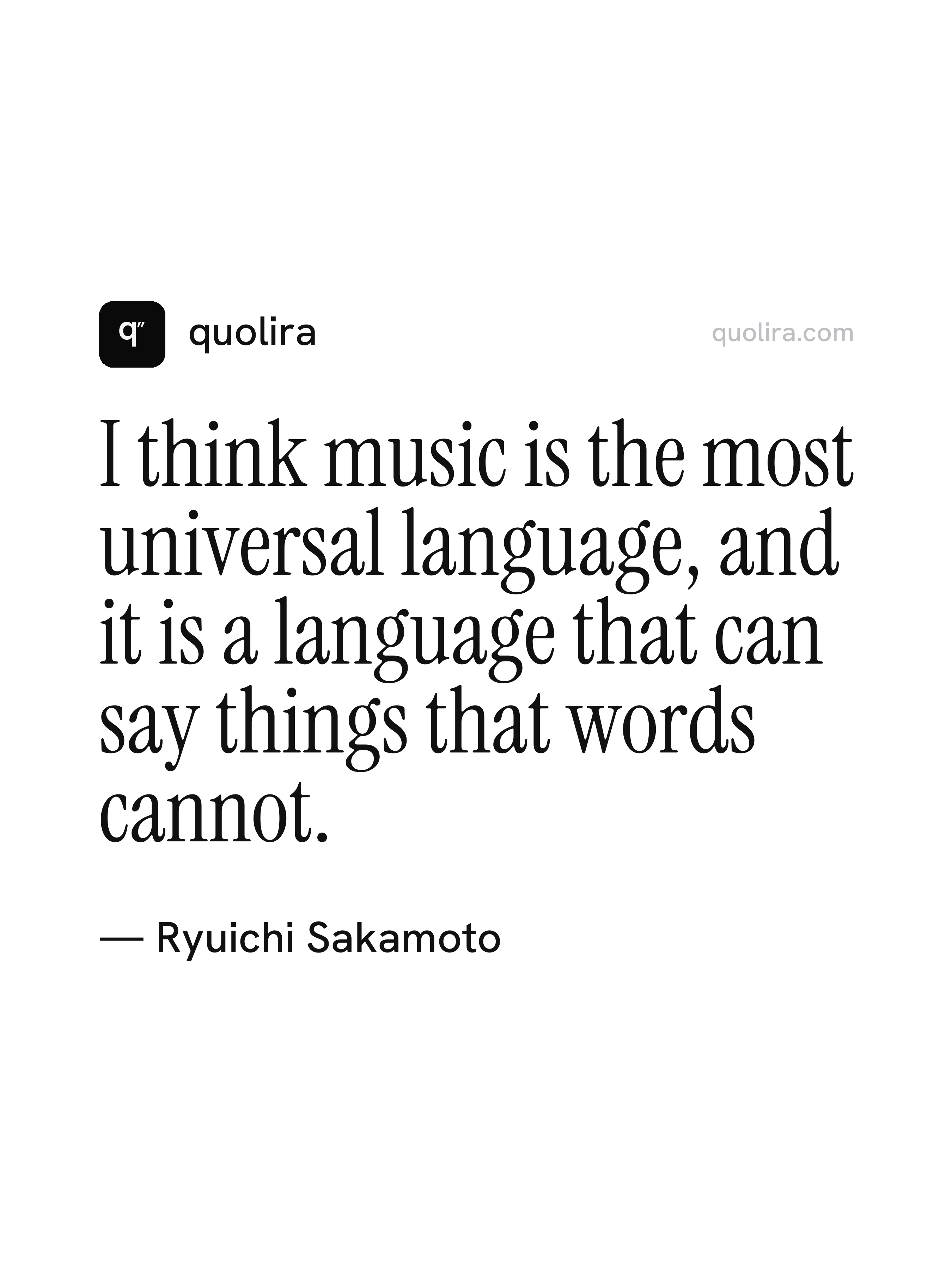
“I think music is the most universal language, and it is a language that can say things that words cannot.”
Ryuichi Sakamoto · Interview, Red Bull Music Academy, 2014
 quolira
.com
quolira
quolira.com
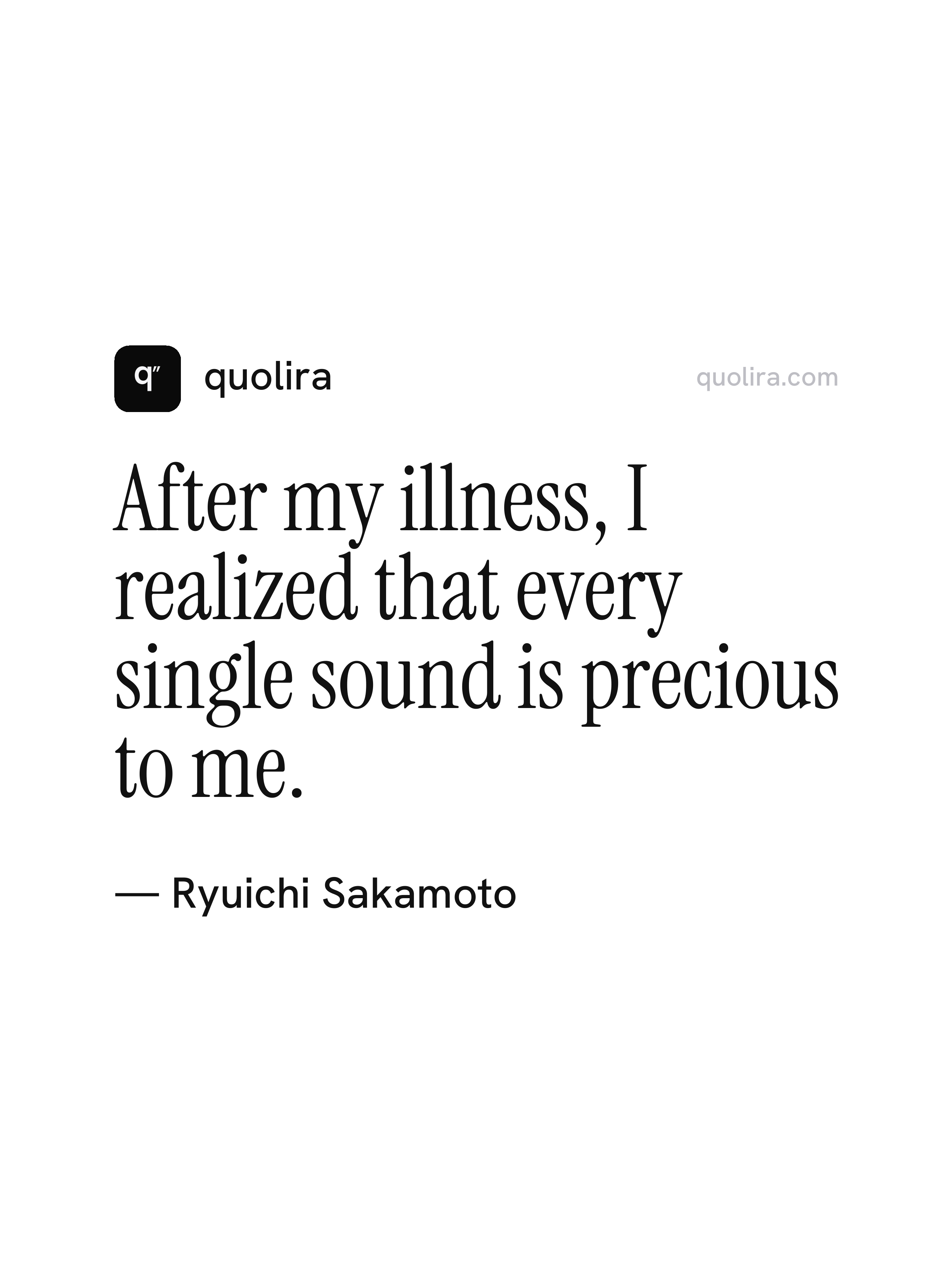
A serious illness can strip away the habits of inattention that everyday life builds up. This statement describes exactly that kind of transformation: a confrontation with the possibility of loss that made every sensory experience feel irreplaceable. Sound, which might once have been background noise, becomes something almost sacred when you understand that it could disappear. The quote is about gratitude, but it earns that word through difficulty rather than sentiment.
Ryuichi Sakamoto spoke about illness in several interviews during the 2010s after facing significant health challenges. These experiences became a recurring theme in his public reflections and visibly influenced the character of the music he made in the later part of his career, which often felt more spare, deliberate, and deeply attentive than his earlier output. He described listening to the world with a new kind of intensity, and that shift showed up in his compositions, which gave extended space to individual notes and silences that might previously have been filled.
Ryuichi Sakamoto was a Japanese musician and composer whose work touched electronic music, classical composition, film scoring, and experimental sound art across a career that lasted more than four decades. He was widely respected not only for the breadth of his musical output but also for his willingness to speak publicly about personal experience, including his health, and to let those experiences shape his art openly. He continued composing until near the end of his life, leaving a body of work that reflected his belief in music as a form of deep listening.
“I think music is the most universal language, and it is a language that can say things that words cannot.”
Ryuichi Sakamoto · Interview, Red Bull Music Academy, 2014
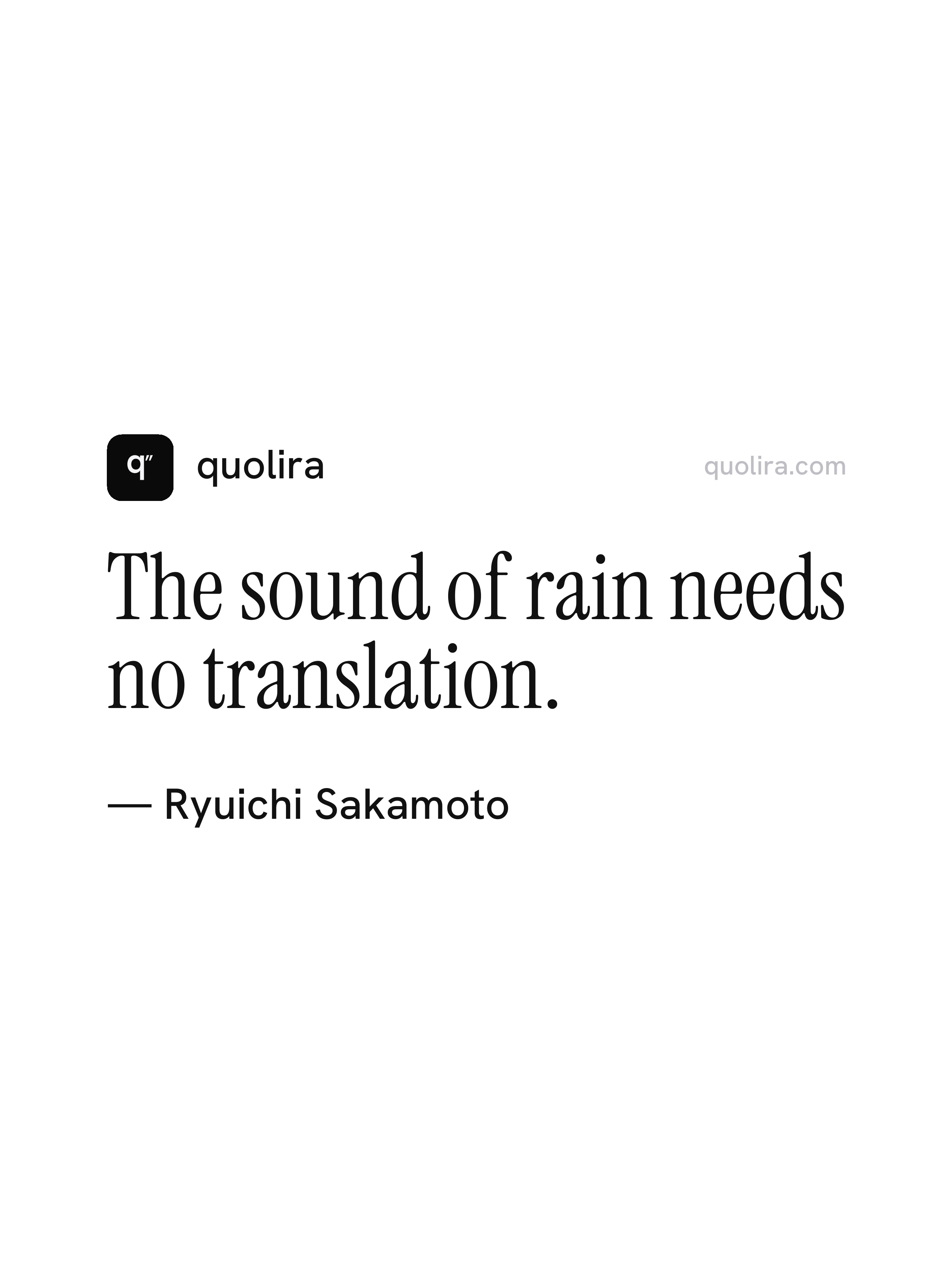
“The sound of rain needs no translation.”
Ryuichi Sakamoto
“Ars longa, vita brevis.”
Hippocrates · Aphorisms
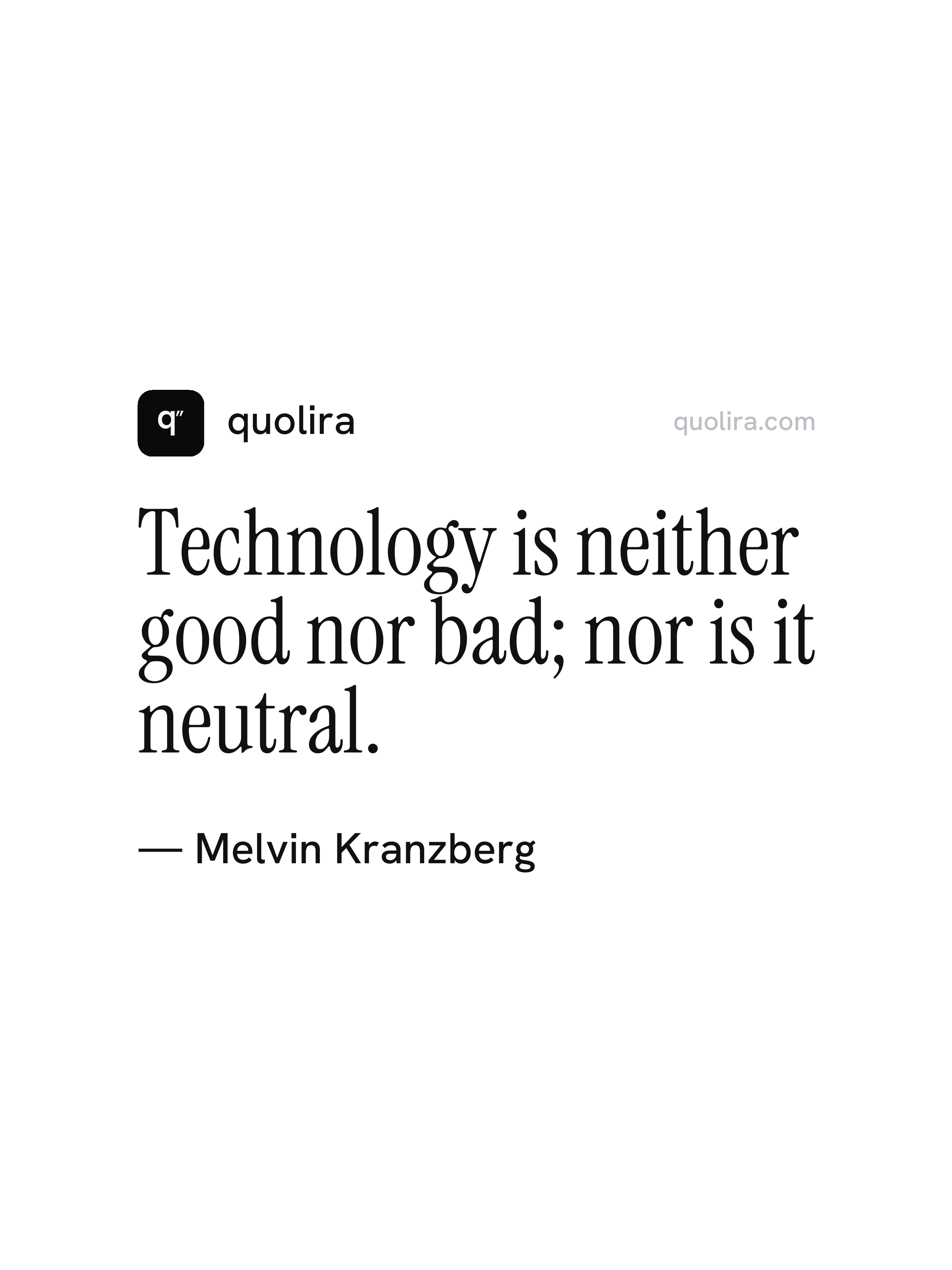
“Technology is neither good nor bad; nor is it neutral.”
Melvin Kranzberg · Kranzberg's First Law, 1986
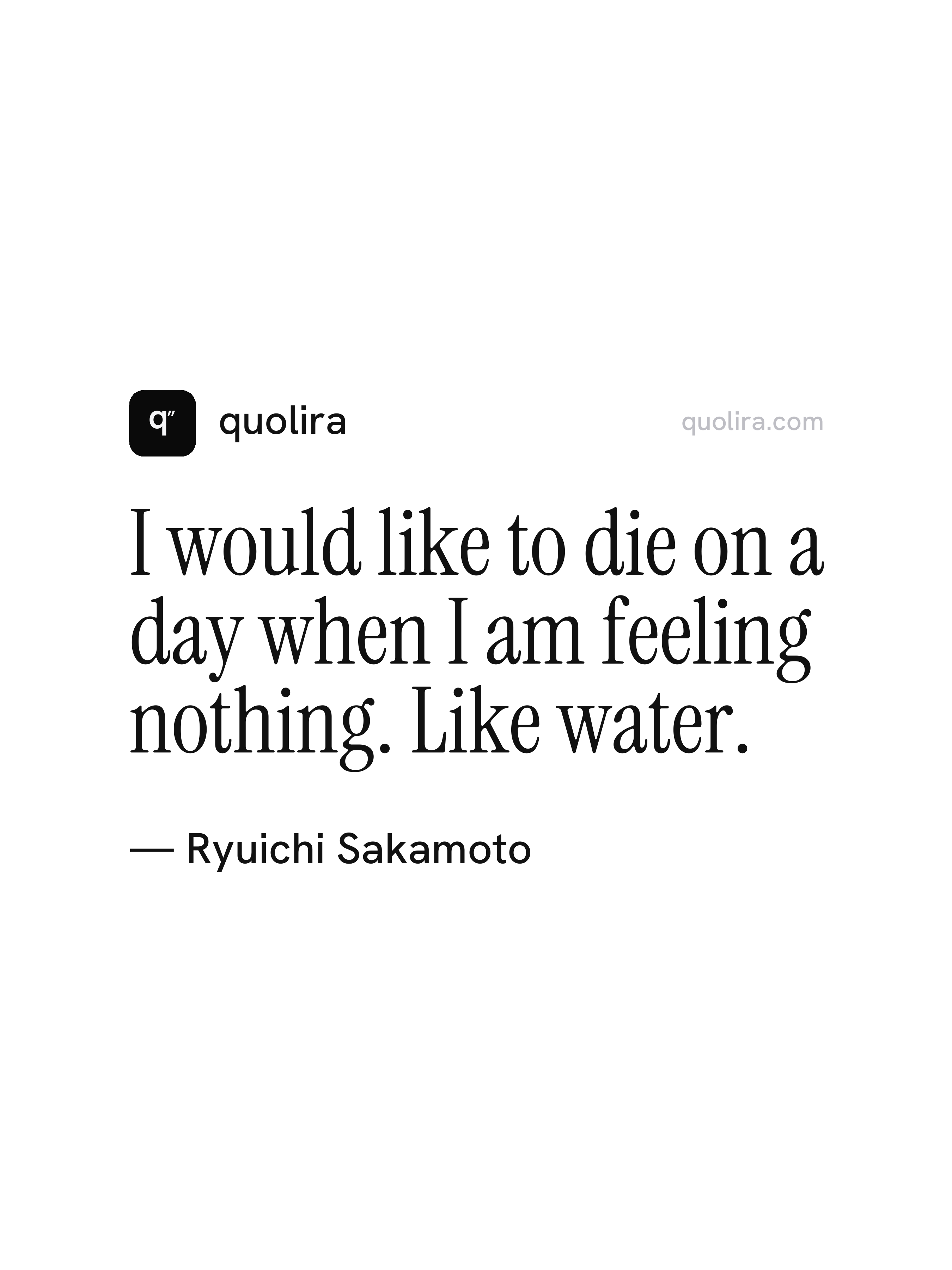
“I would like to die on a day when I am feeling nothing. Like water.”
Ryuichi Sakamoto · Interview, 2017
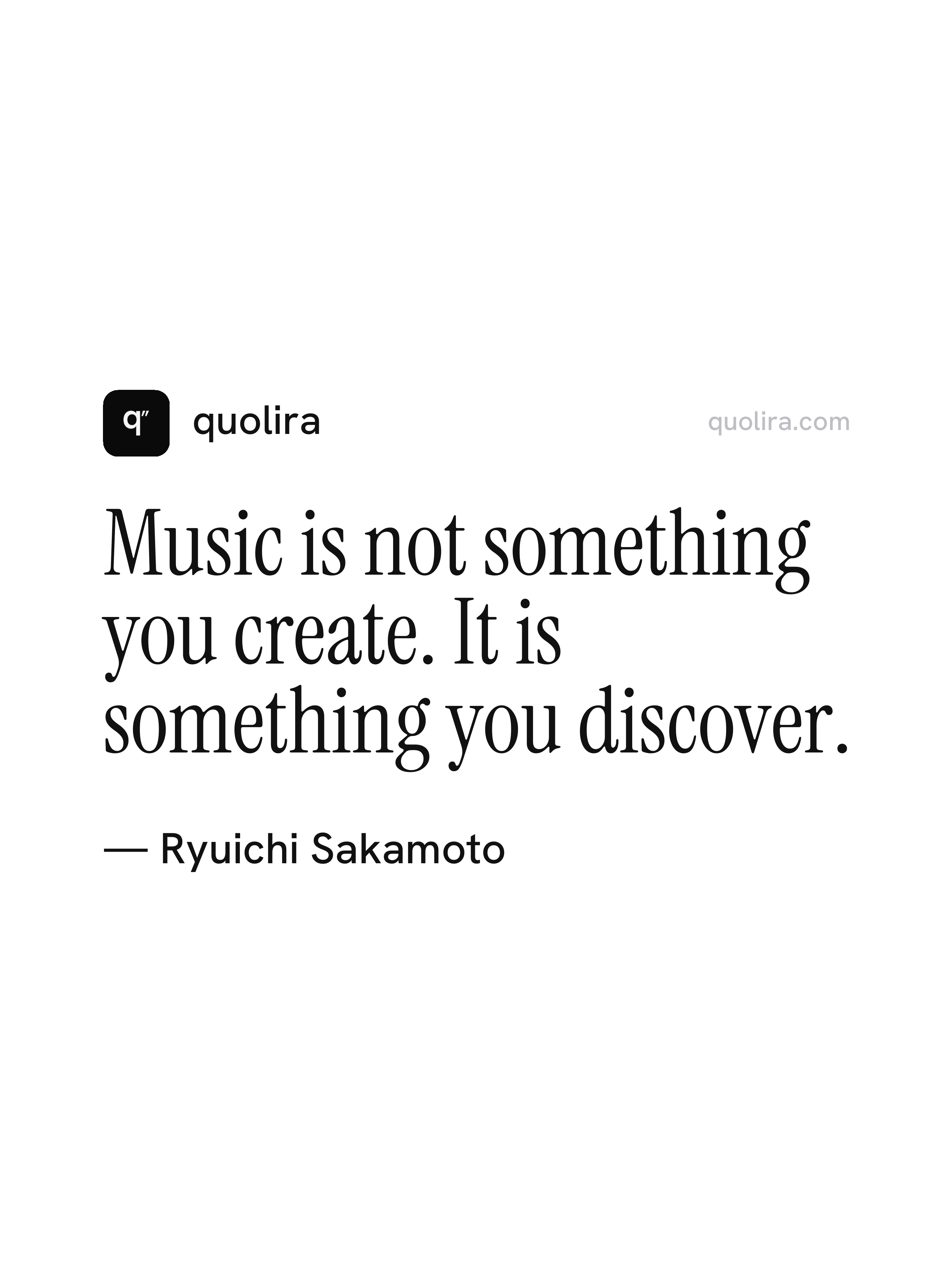
“Music is not something you create. It is something you discover.”
Ryuichi Sakamoto
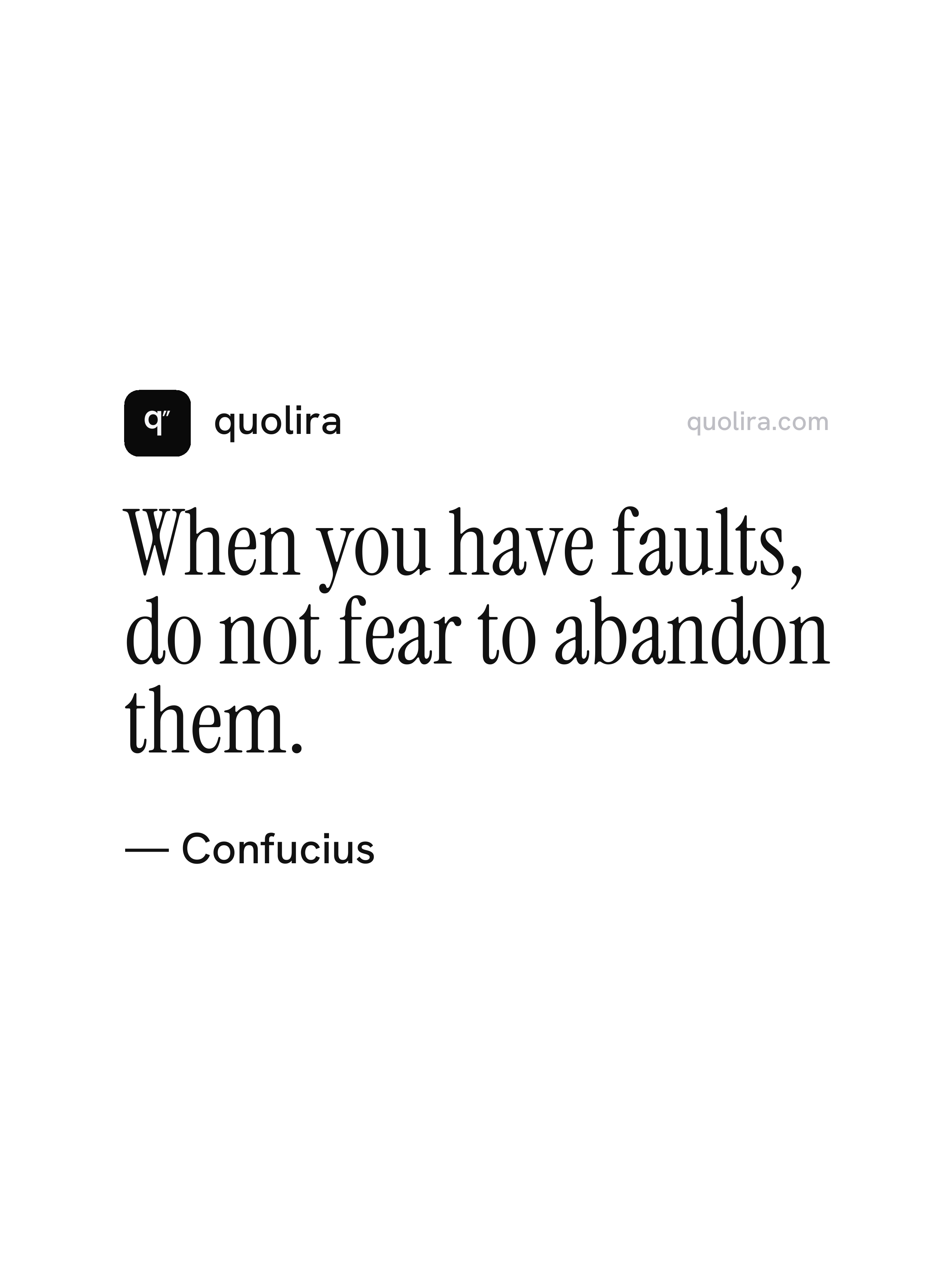
“When you have faults, do not fear to abandon them.”
Confucius · The Analects, Book I
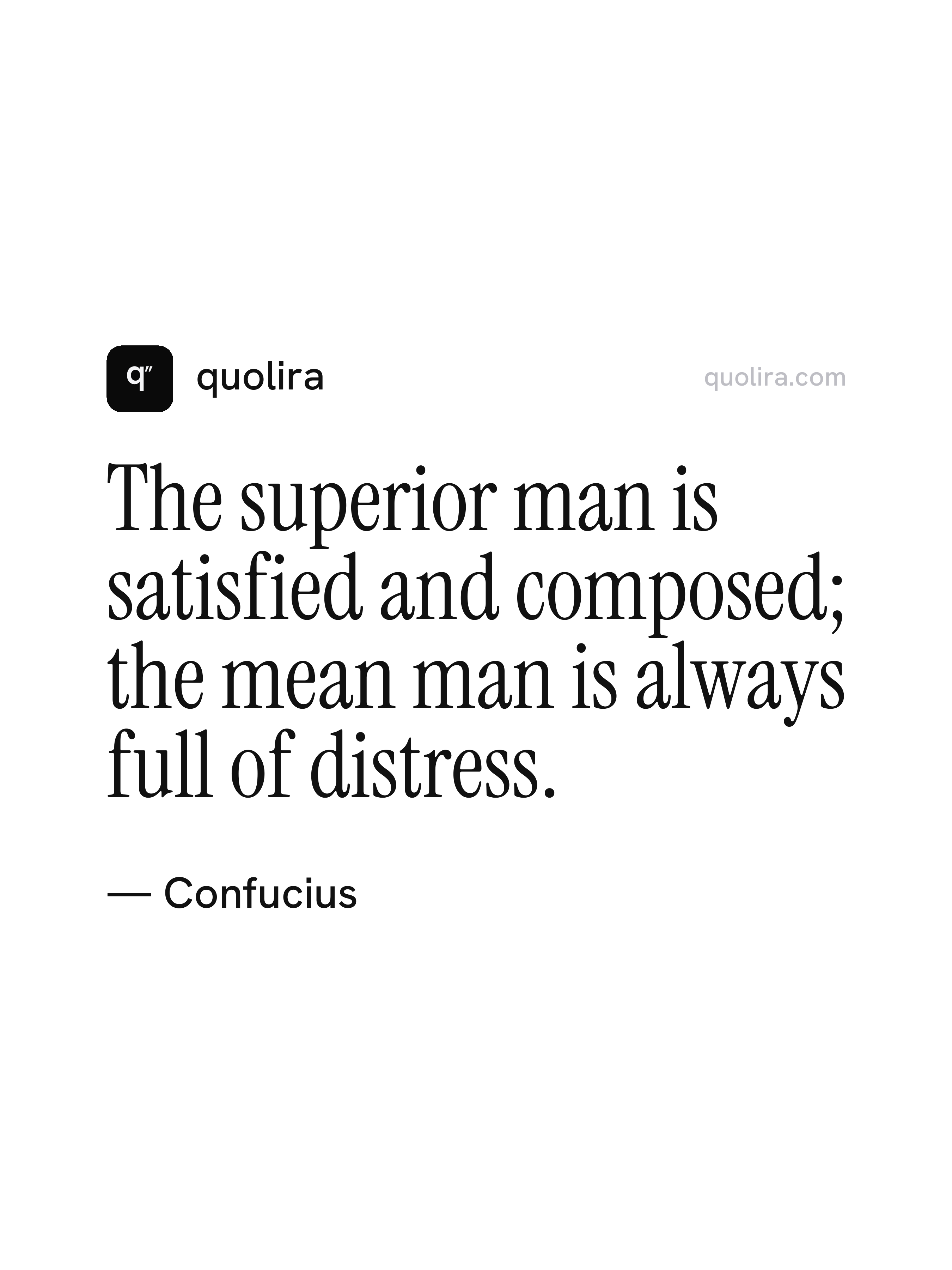
“The superior man is satisfied and composed; the mean man is always full of distress.”
Confucius · The Analects, Book VII
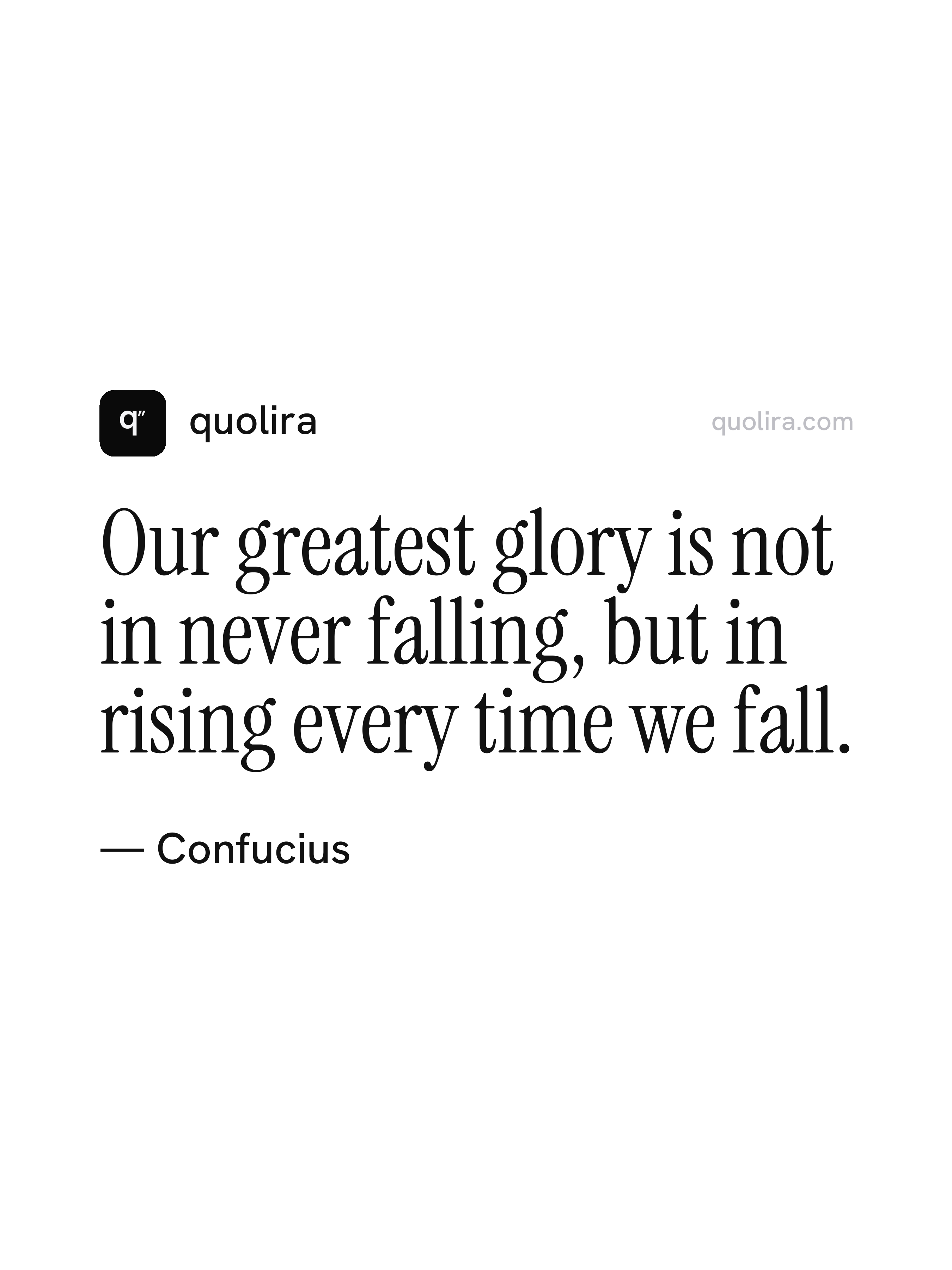
“Our greatest glory is not in never falling, but in rising every time we fall.”
Confucius · Widely attributed to Confucius
“He who learns but does not think is lost. He who thinks but does not learn is in great danger.”
Confucius · The Analects, Book II
“Learning without thought is labor lost; thought without learning is perilous.”
Confucius · The Analects, Book II, c. 5th century BCE
“When you know that a thing is wrong, be quick to change. Do not wait.”
Mencius · Mencius, Book II A