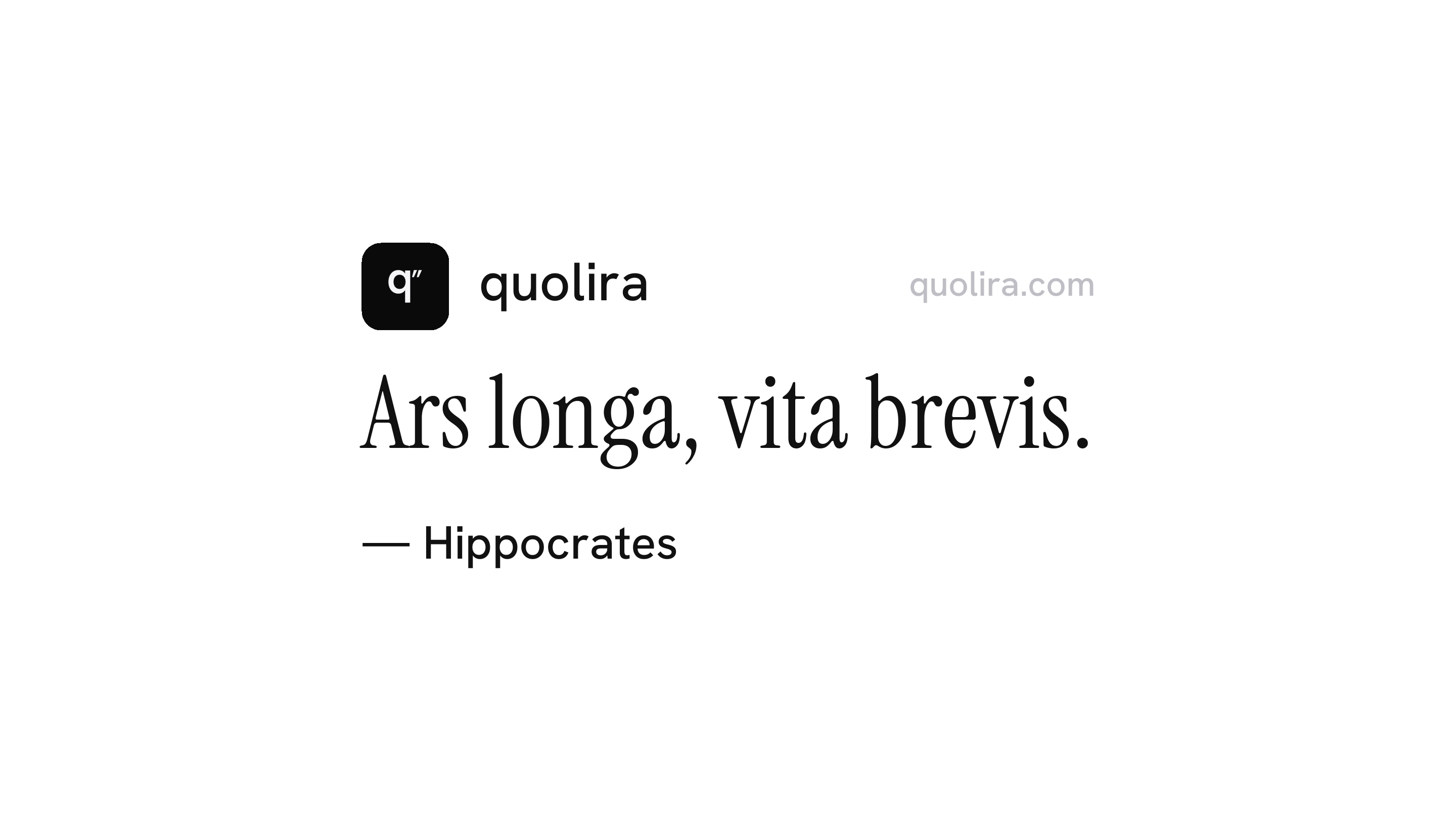
“Ars longa, vita brevis.”
Hippocrates · Aphorisms
 quolira
.com
quolira
quolira.com
This line suggests that certain experiences in the natural world communicate directly, bypassing the need for shared language or cultural background. Rain sounds the same whether you are in Tokyo, Lagos, or Buenos Aires, and the feeling it evokes, something between comfort and melancholy, arrives without explanation. The quote is an invitation to notice how much meaning can exist before words ever enter the picture.
For many people, this idea touches something they have felt but never quite articulated. Music and nature both offer moments where understanding happens instantly, without study or effort. In a world that often prizes verbal and analytical intelligence above other forms of knowing, there is something quietly radical about pointing to rain as a universal communicator. The line also carries a particular weight coming from a composer, someone who spent a career listening to the world and converting what he heard into art that crossed every kind of border.
This quote works well as an opening reflection in conversations about creativity, cross-cultural connection, or the limits of language. It can encourage someone learning a foreign language to remember that communication is far wider than vocabulary and grammar. It also suits moments of quiet contemplation, placed somewhere a person might pause and simply listen. Whether shared online, written in a journal, or read aloud, it tends to slow people down in a useful way and remind them to pay attention to what is already around them.
“Ars longa, vita brevis.”
Hippocrates · Aphorisms
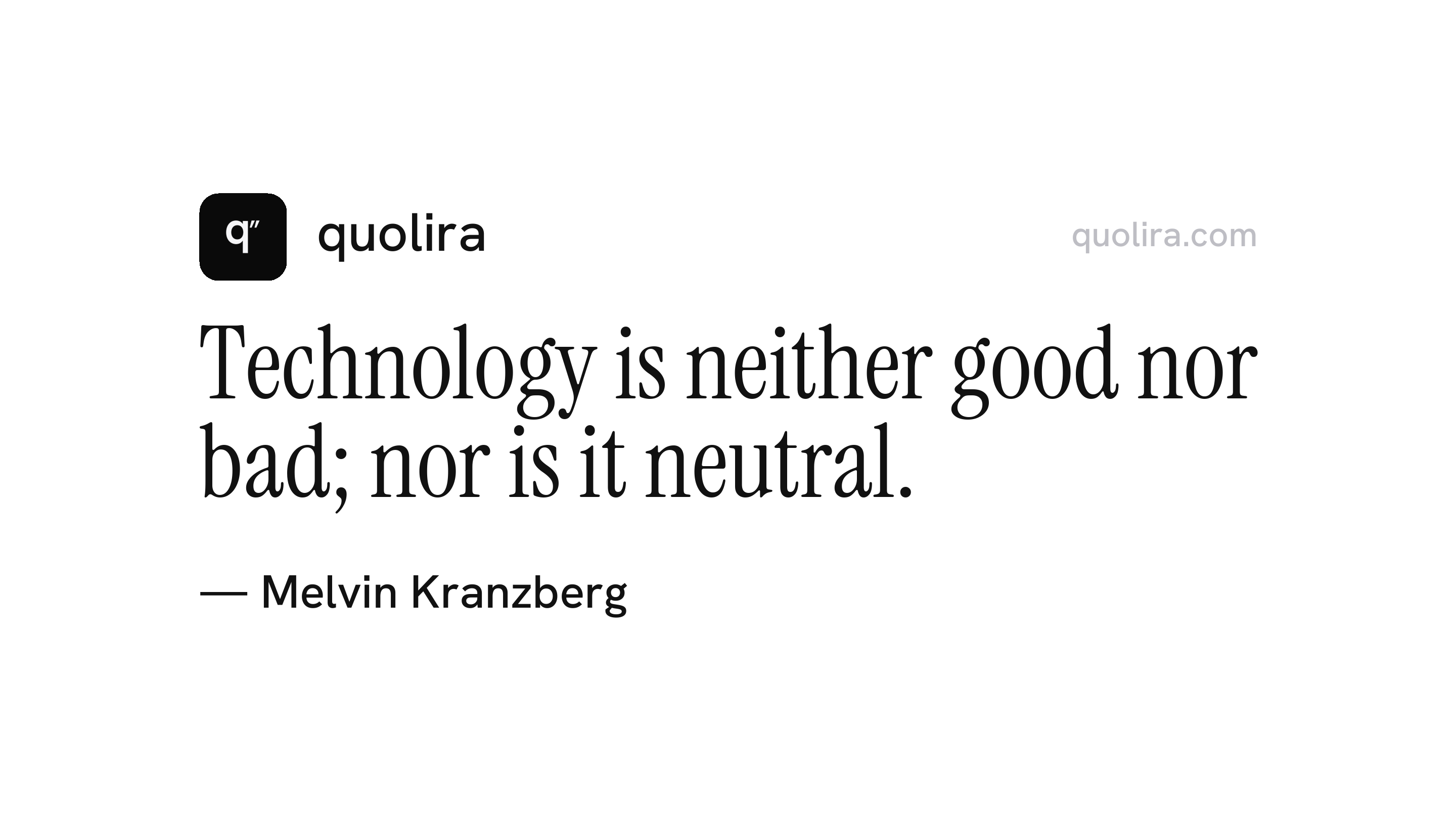
“Technology is neither good nor bad; nor is it neutral.”
Melvin Kranzberg · Kranzberg's First Law, 1986
“I would like to die on a day when I am feeling nothing. Like water.”
Ryuichi Sakamoto · Interview, 2017
“Music is not something you create. It is something you discover.”
Ryuichi Sakamoto
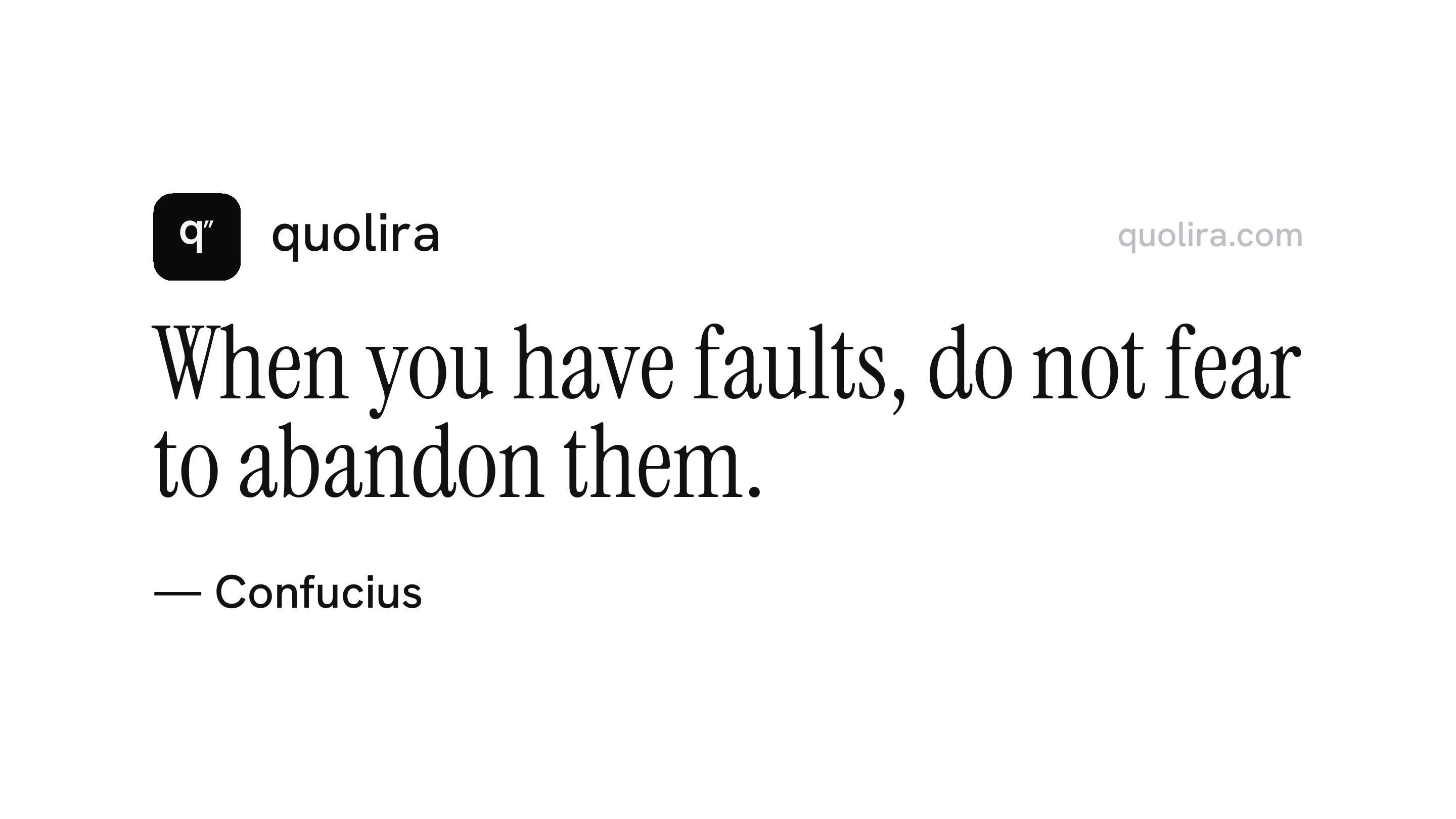
“When you have faults, do not fear to abandon them.”
Confucius · The Analects, Book I
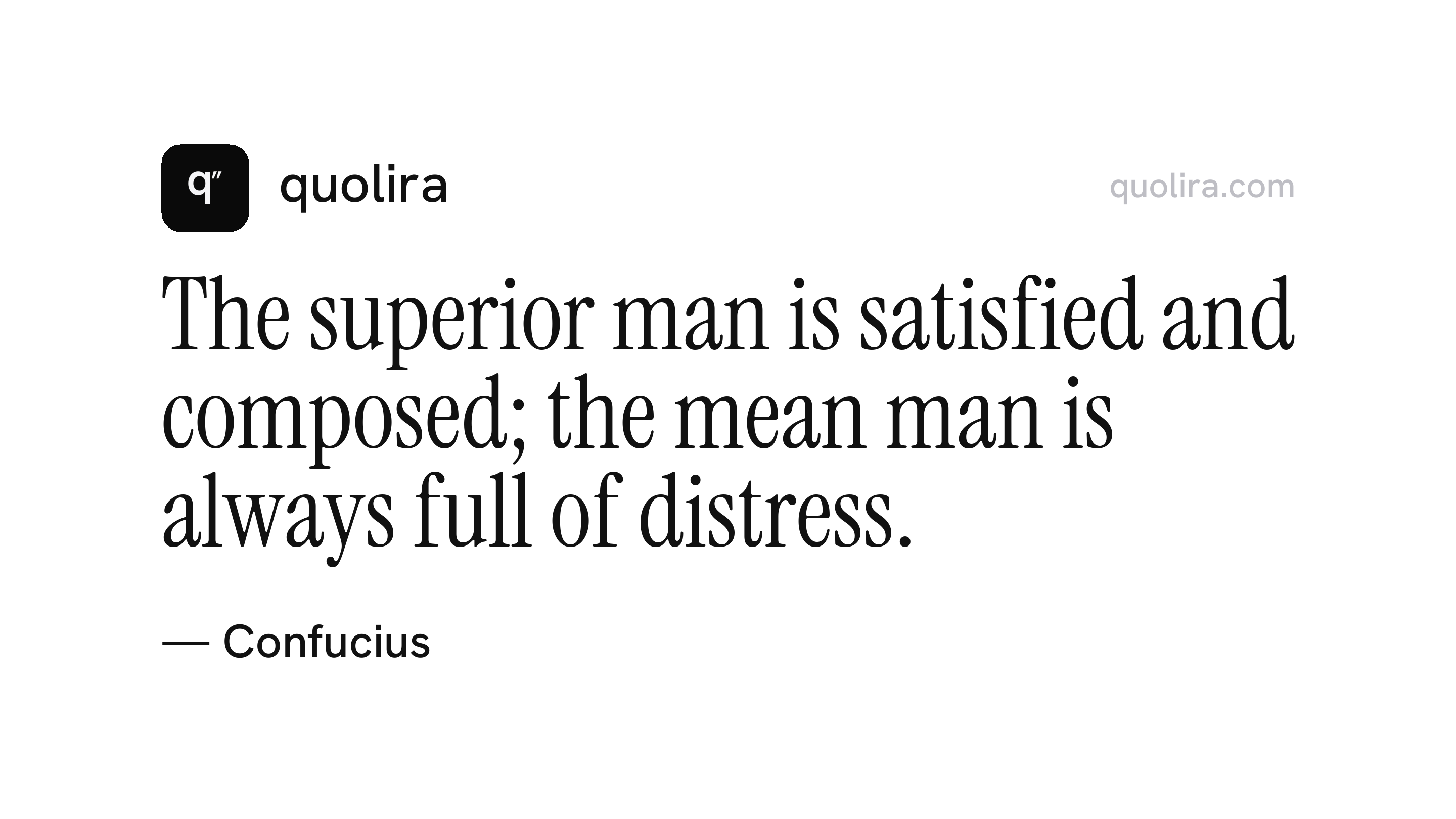
“The superior man is satisfied and composed; the mean man is always full of distress.”
Confucius · The Analects, Book VII
“Our greatest glory is not in never falling, but in rising every time we fall.”
Confucius · Widely attributed to Confucius
“He who learns but does not think is lost. He who thinks but does not learn is in great danger.”
Confucius · The Analects, Book II
“Learning without thought is labor lost; thought without learning is perilous.”
Confucius · The Analects, Book II, c. 5th century BCE
“When you know that a thing is wrong, be quick to change. Do not wait.”
Mencius · Mencius, Book II A
“He who attends to his greater self becomes a great man, and he who attends to his smaller self becomes a small man.”
Mencius · Mencius, Book VI A
“The people are the most important element in a nation; the spirits of the land and grain are the next; the sovereign is the lightest.”
Mencius · Mencius, Book VII B