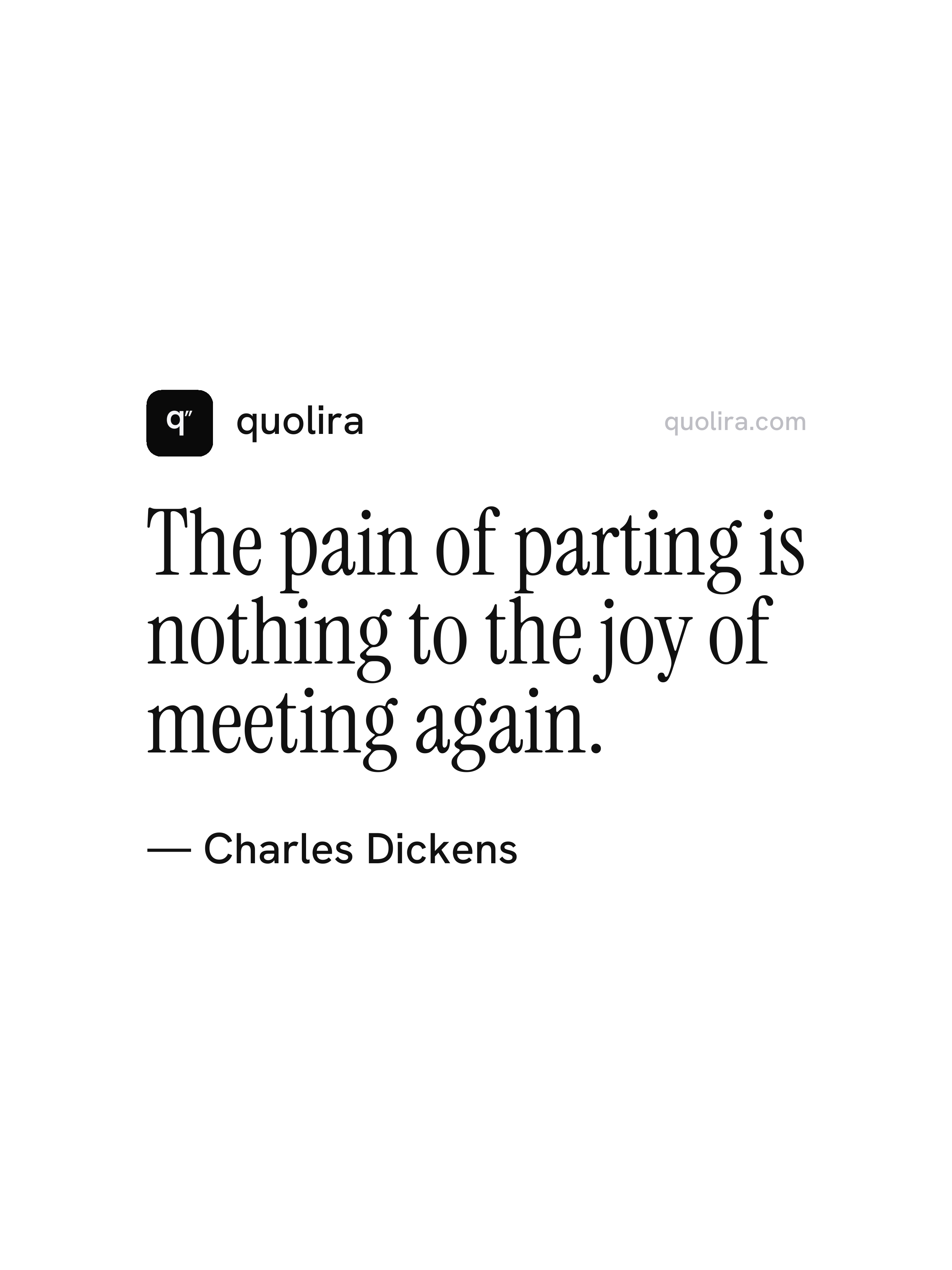
“The pain of parting is nothing to the joy of meeting again.”
Charles Dickens · Nicholas Nickleby, 1839
 quolira
.com
quolira
quolira.com
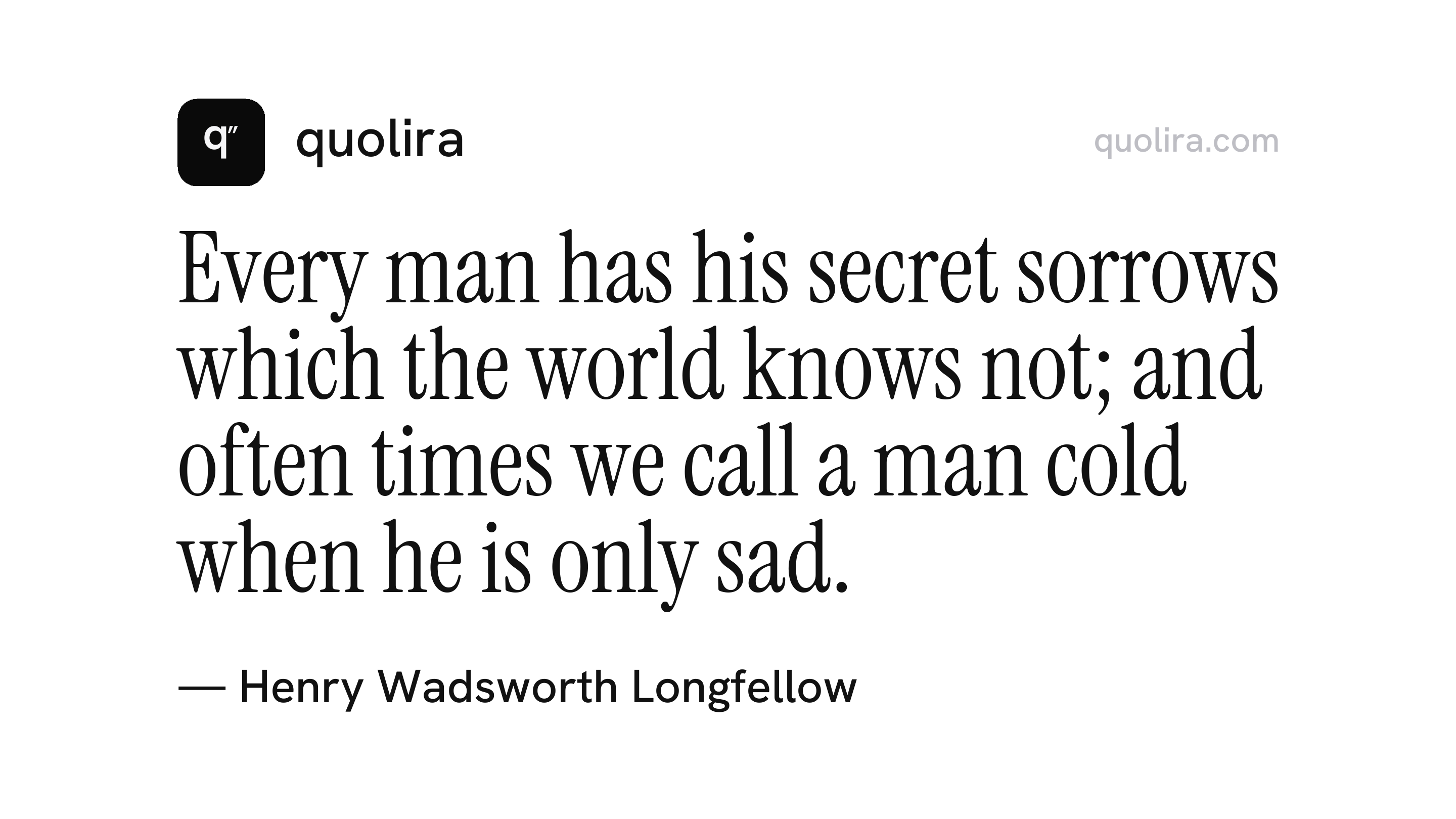
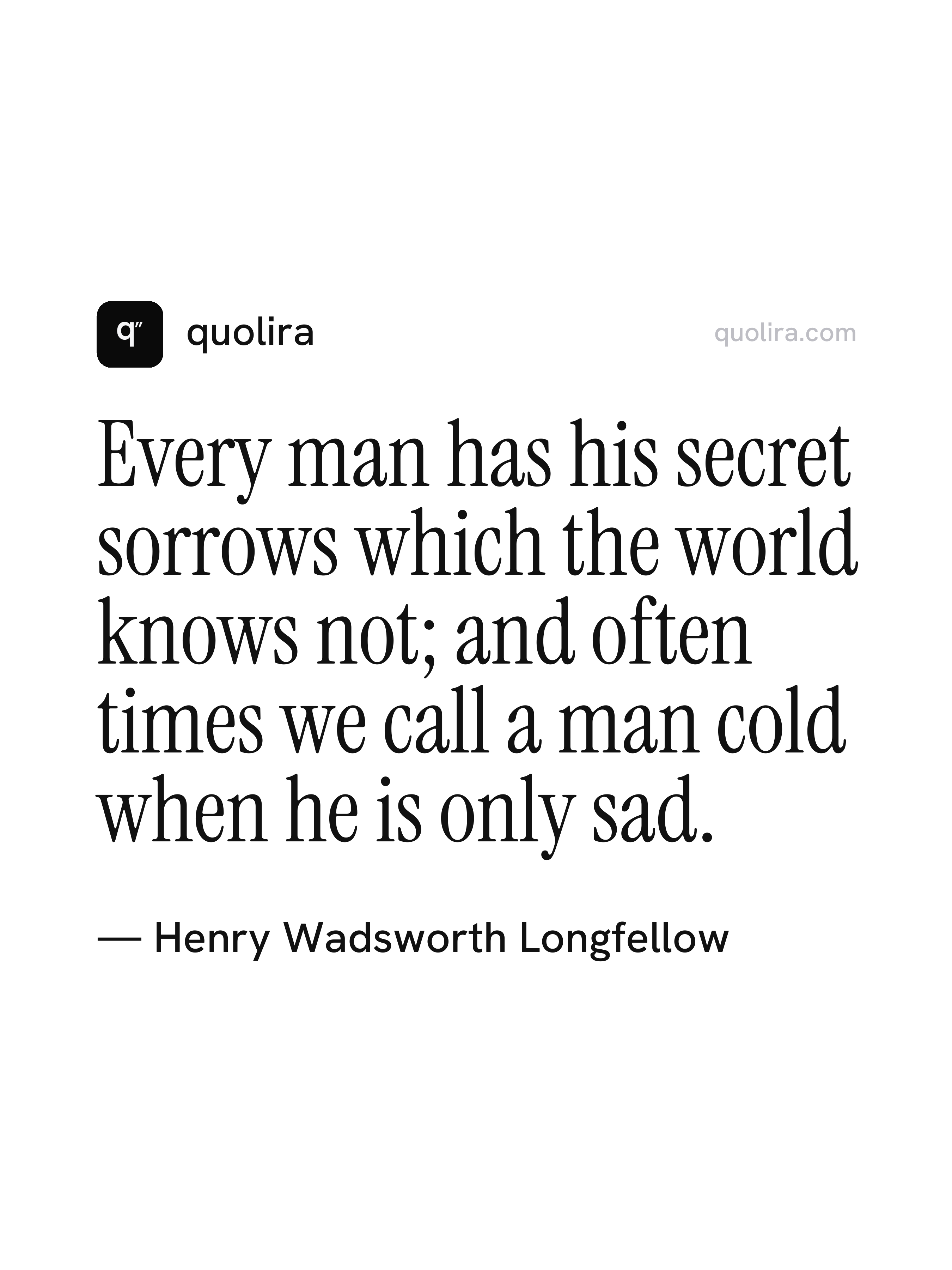
This observation asks us to pause before judging someone who seems distant or unfeeling. What looks like coldness on the surface may simply be the quiet weight of private grief that a person has no way or wish to share with the world. Longfellow is extending a gentle call for empathy, suggesting that human beings carry far more inside them than their outward manner reveals.
Longfellow wrote extensively about grief, memory, and the interior life, themes that recurred throughout his poetry and prose. This particular reflection speaks to a very common social experience: the tendency to read emotional reserve as indifference or arrogance, when in truth it may signal something much more tender. The observation does not come with a specific narrative attached, but it carries the texture of hard-won personal understanding, the kind that comes from watching people closely and losing people one loves.
Henry Wadsworth Longfellow was one of the most widely read American poets of the nineteenth century. He taught modern languages at Harvard and brought European literary traditions into conversation with American themes and subjects. His personal life included profound loss, and critics have long noted how those experiences deepened the emotional range of his writing. He was among the first American poets to achieve genuine popularity on both sides of the Atlantic, and many of his lines passed into everyday speech during his lifetime.
“The pain of parting is nothing to the joy of meeting again.”
Charles Dickens · Nicholas Nickleby, 1839
“Part of me aches at the thought of her being so close yet so untouchable.”
Nicholas Sparks · A Walk to Remember, 1999
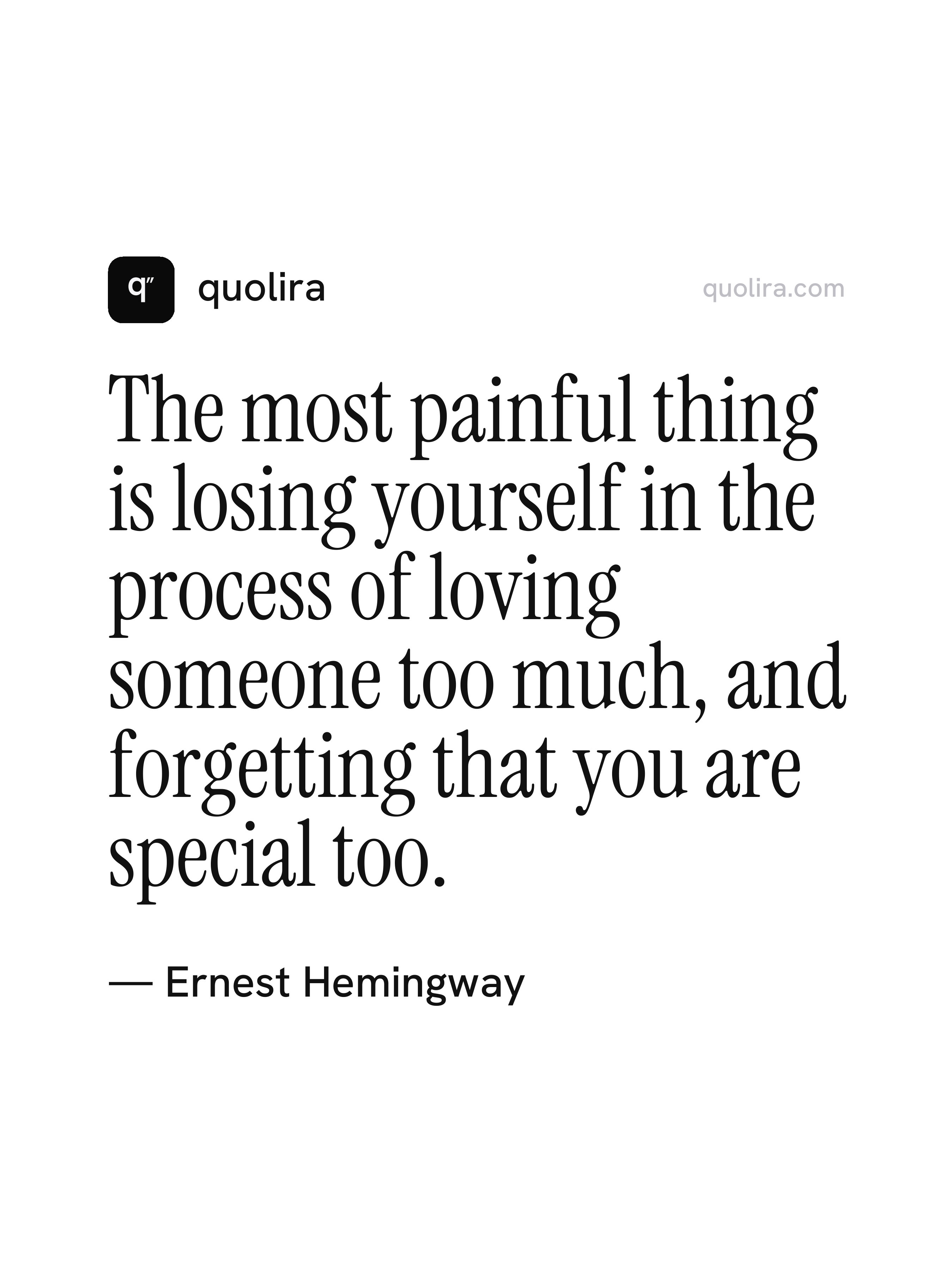
“The most painful thing is losing yourself in the process of loving someone too much, and forgetting that you are special too.”
Ernest Hemingway
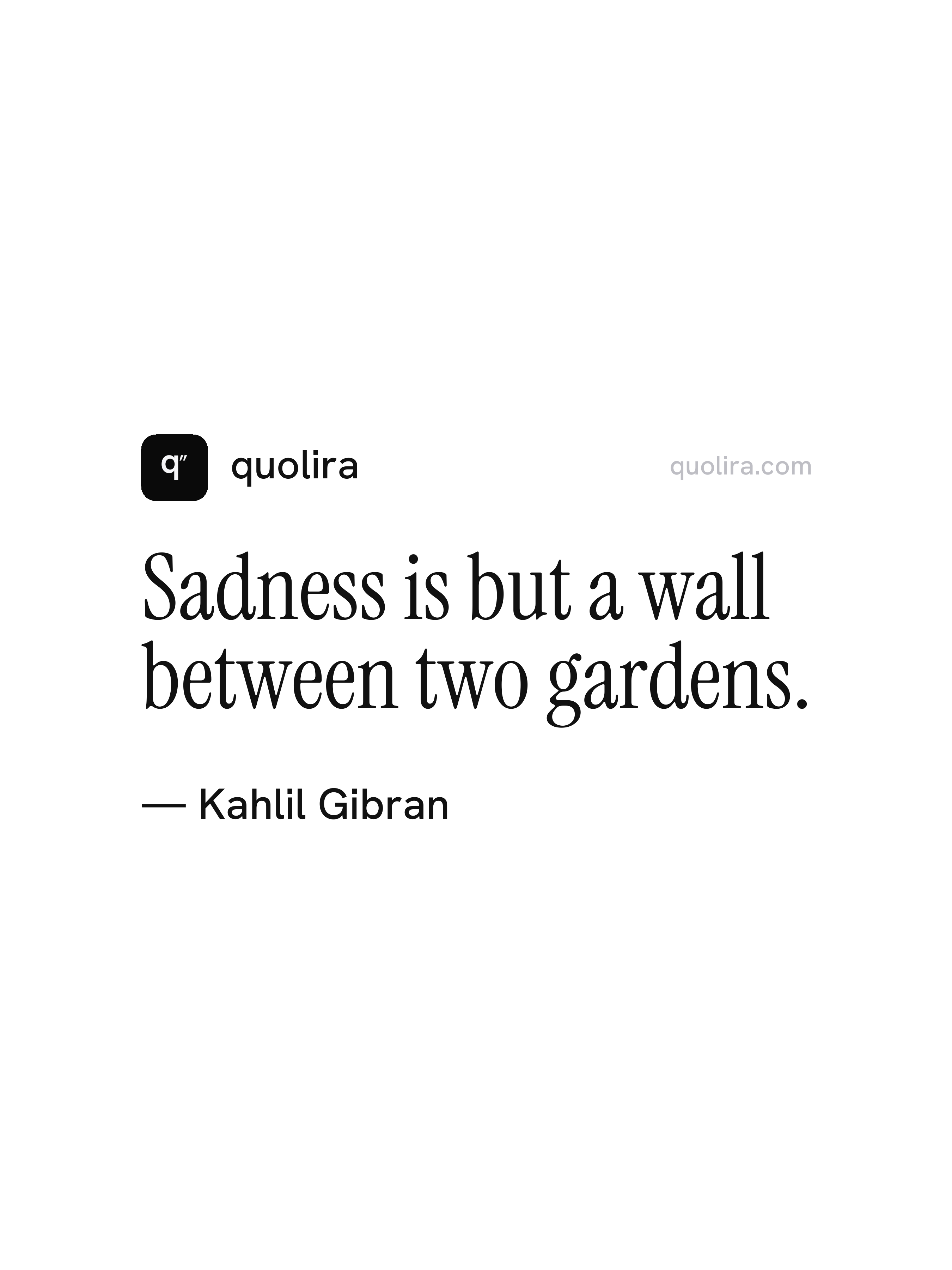
“Sadness is but a wall between two gardens.”
Kahlil Gibran · Sand and Foam, 1926
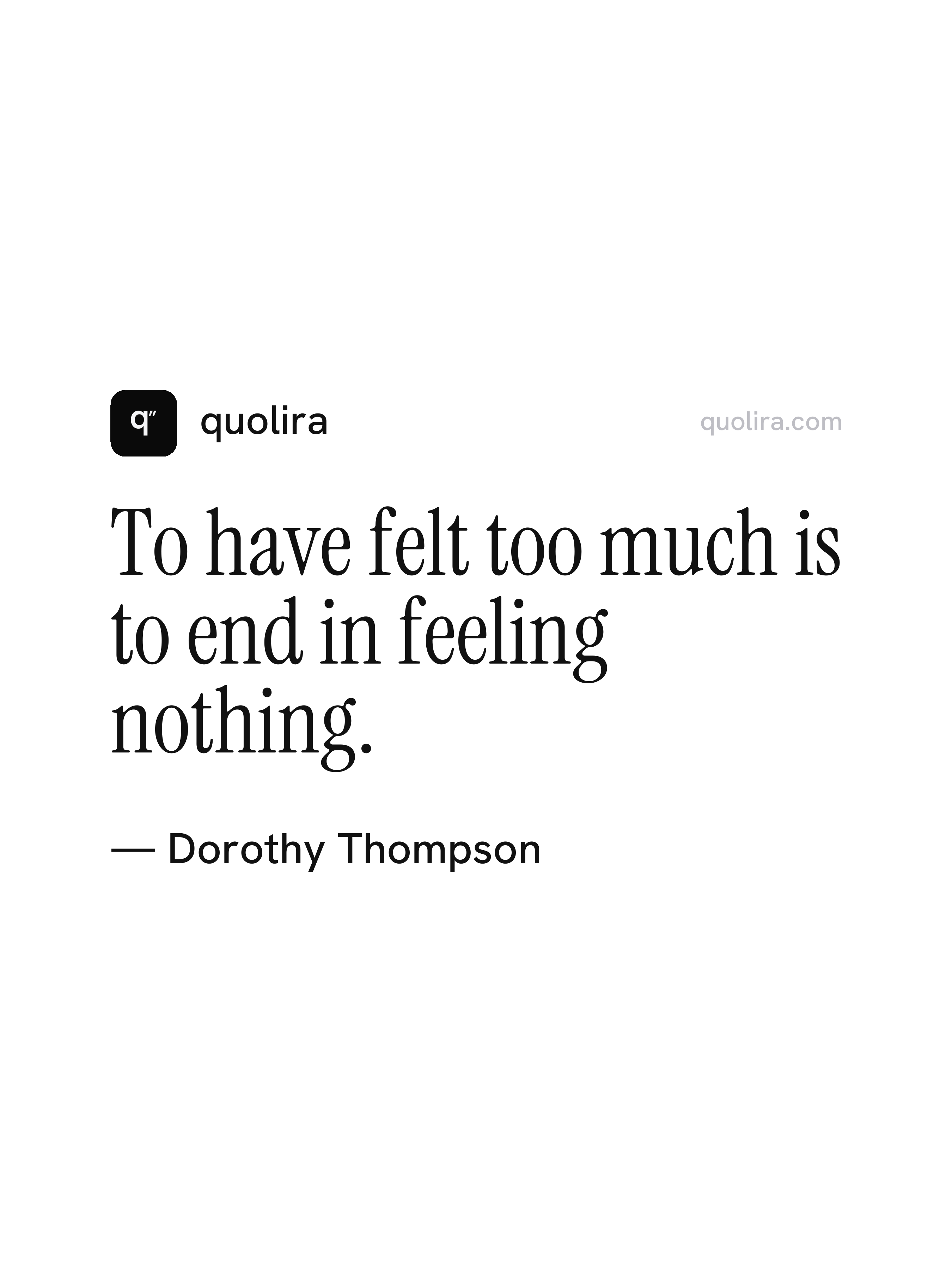
“To have felt too much is to end in feeling nothing.”
Dorothy Thompson
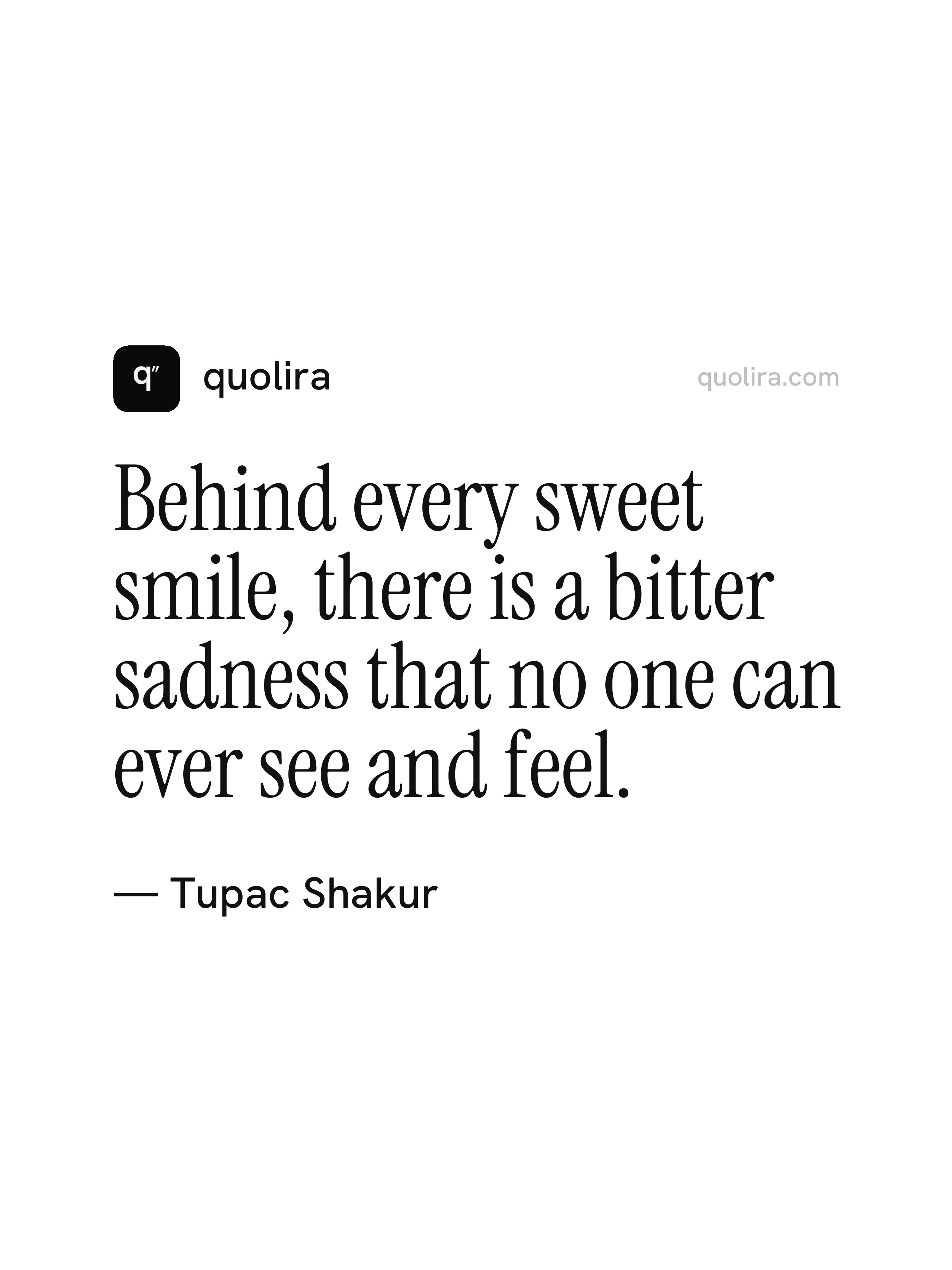
“Behind every sweet smile, there is a bitter sadness that no one can ever see and feel.”
Tupac Shakur
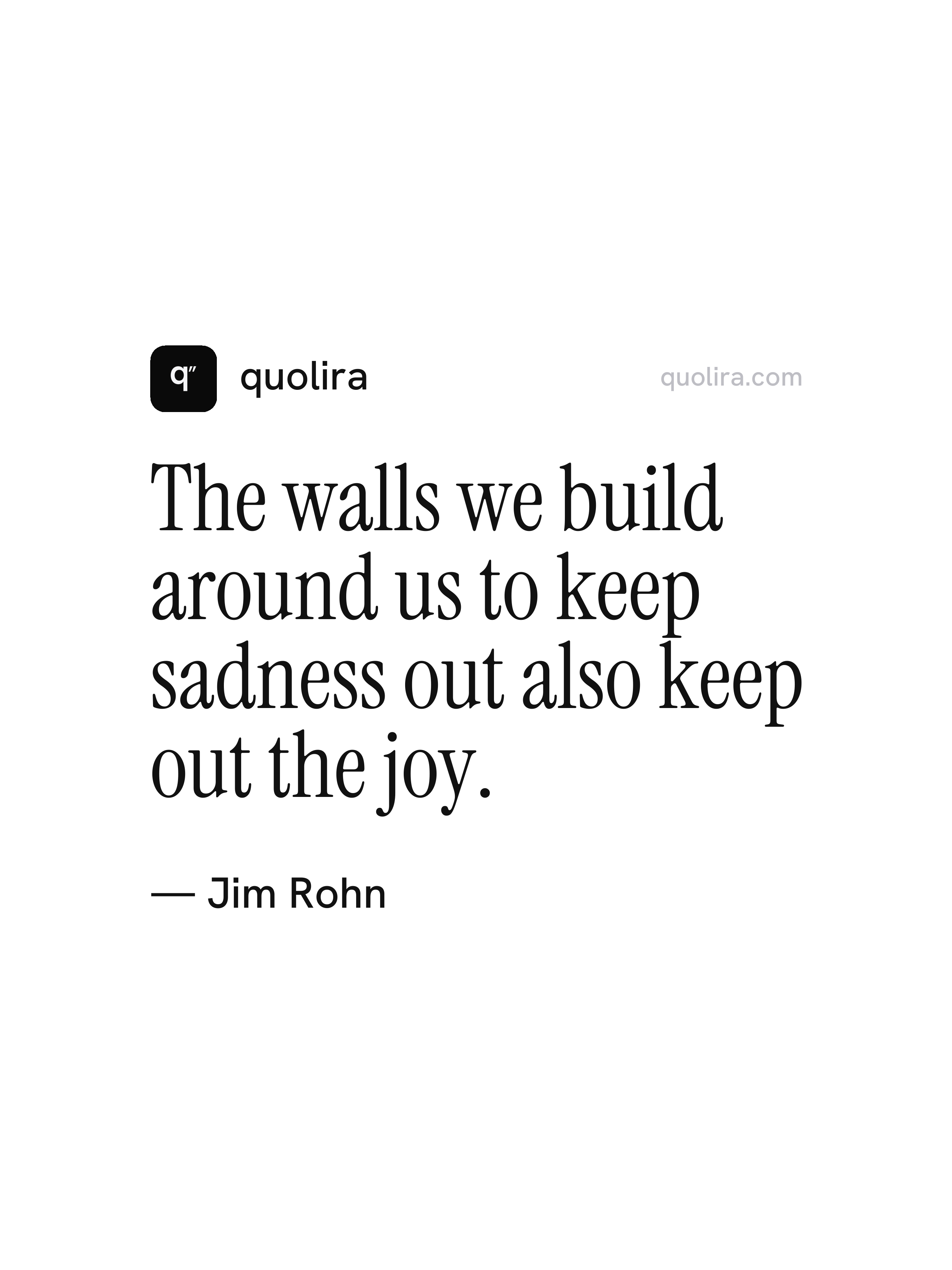
“The walls we build around us to keep sadness out also keep out the joy.”
Jim Rohn
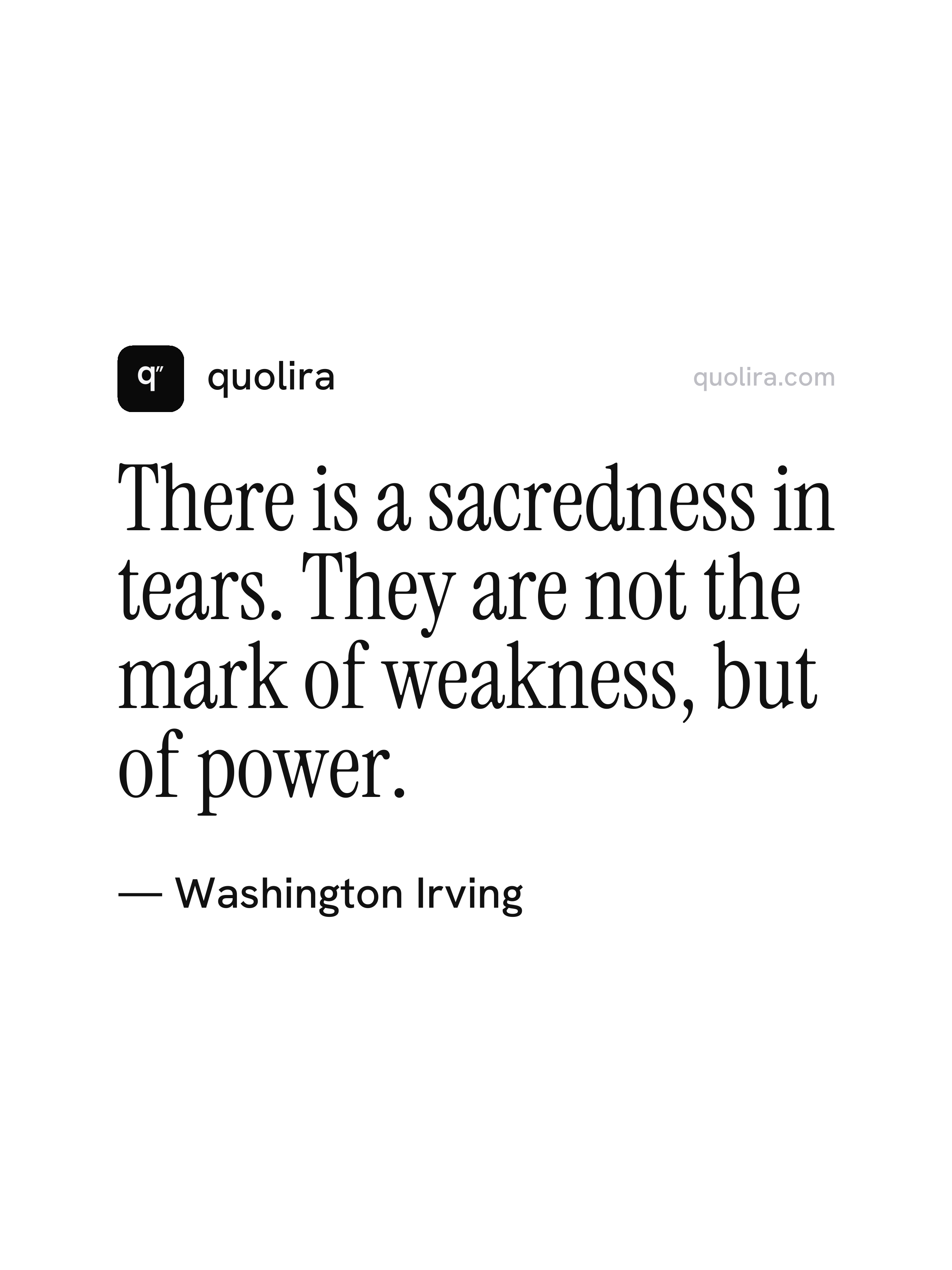
“There is a sacredness in tears. They are not the mark of weakness, but of power.”
Washington Irving
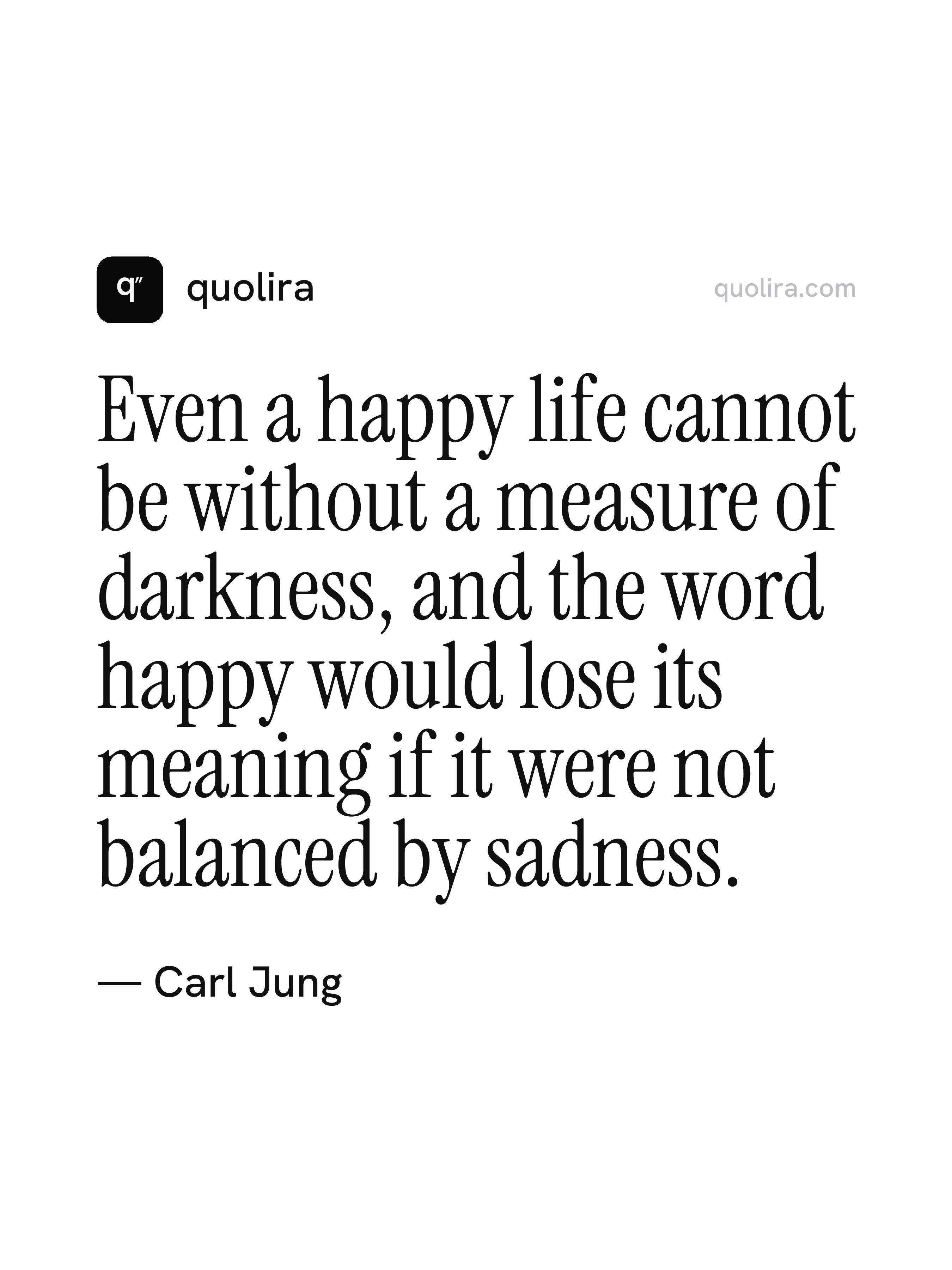
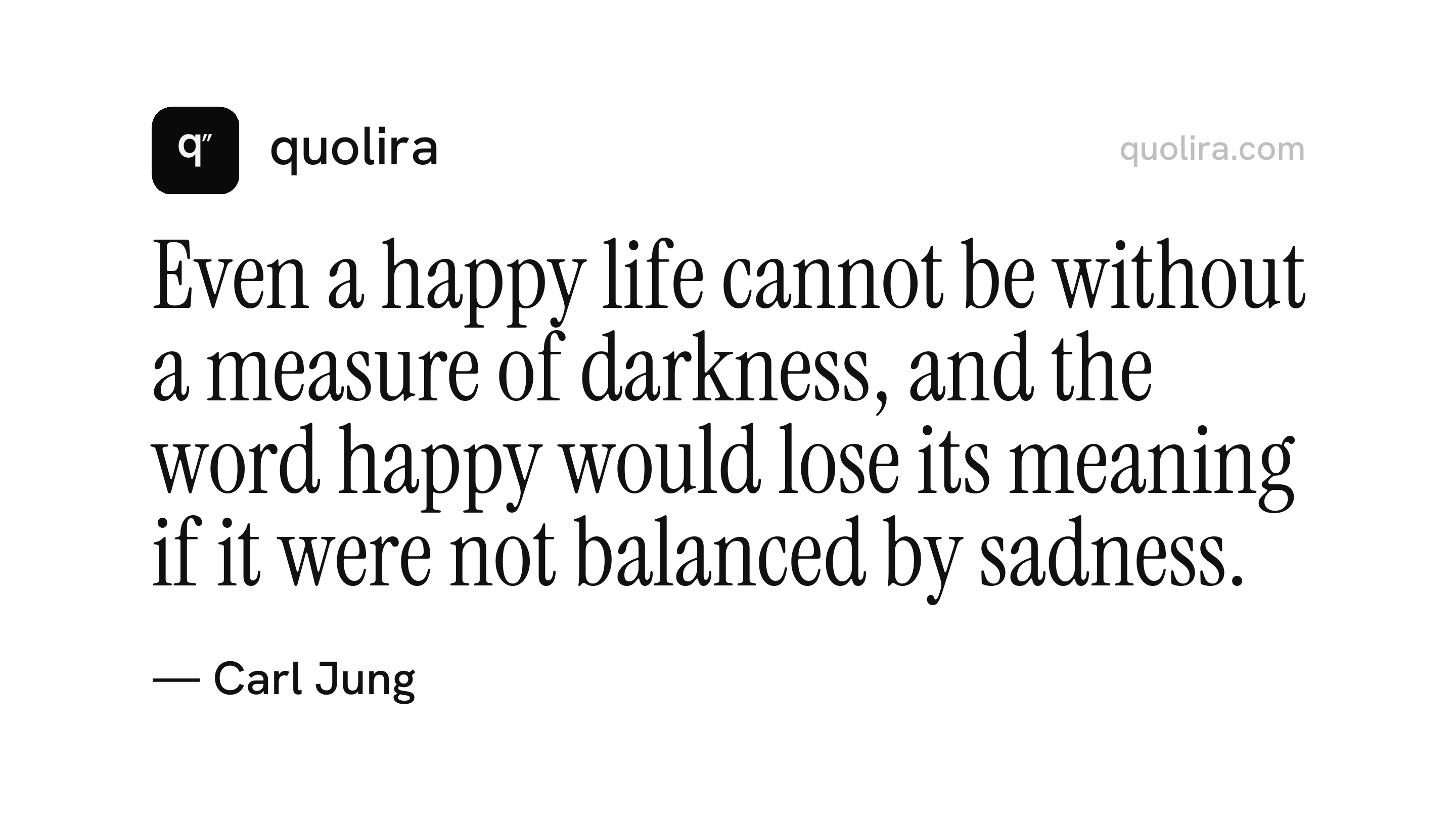
“Even a happy life cannot be without a measure of darkness, and the word happy would lose its meaning if it were not balanced by sadness.”
Carl Jung
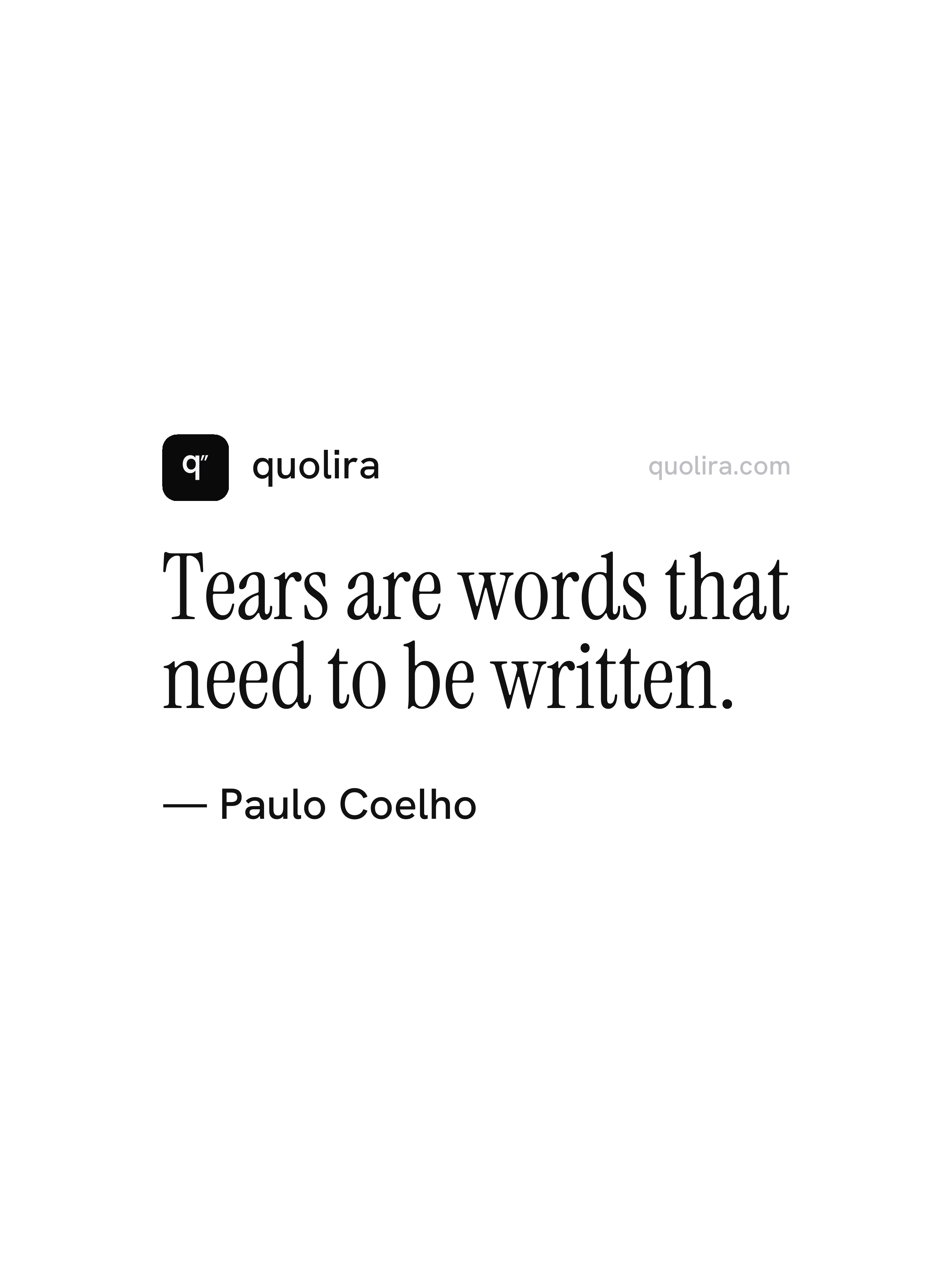
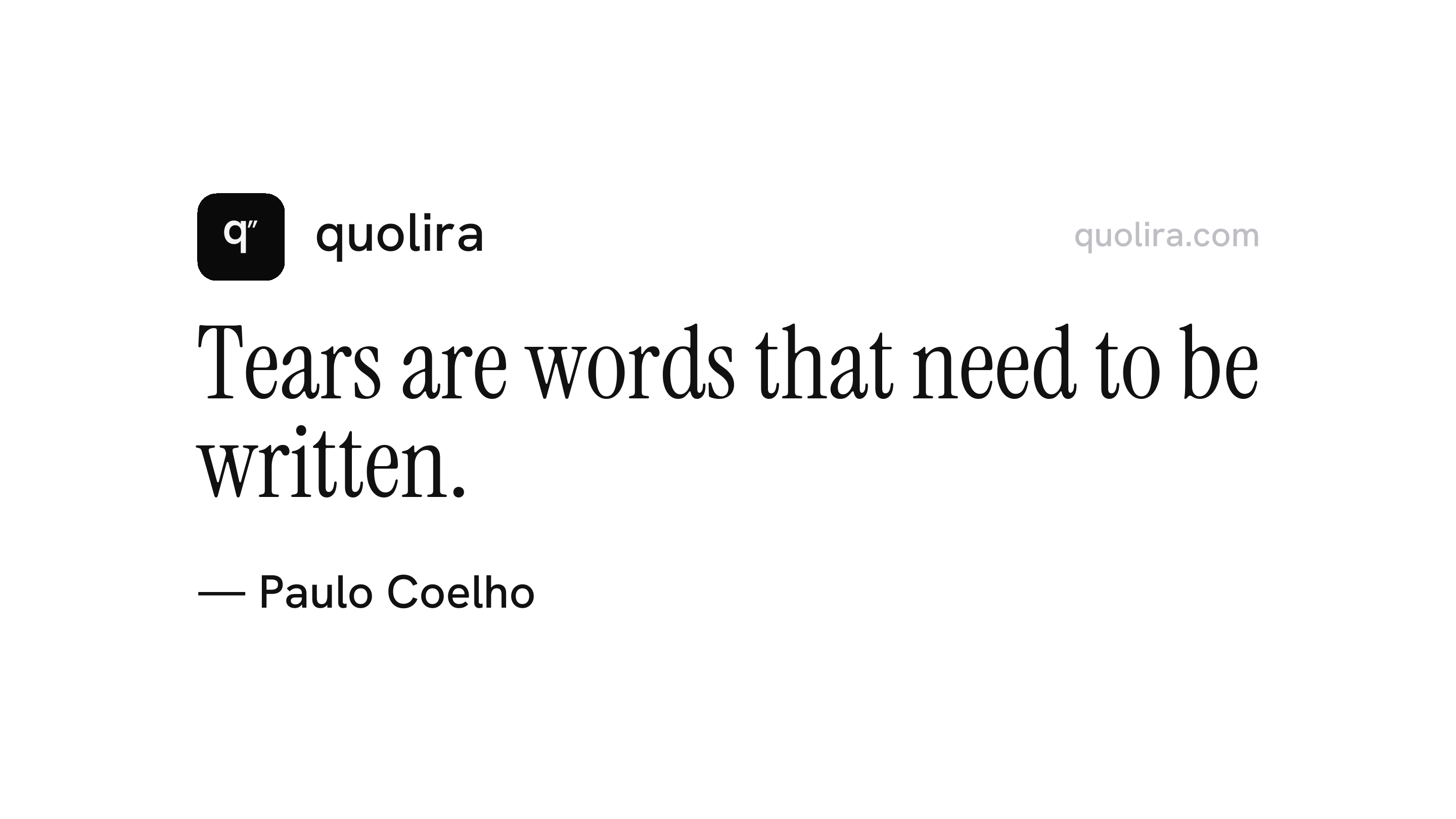
“Tears are words that need to be written.”
Paulo Coelho
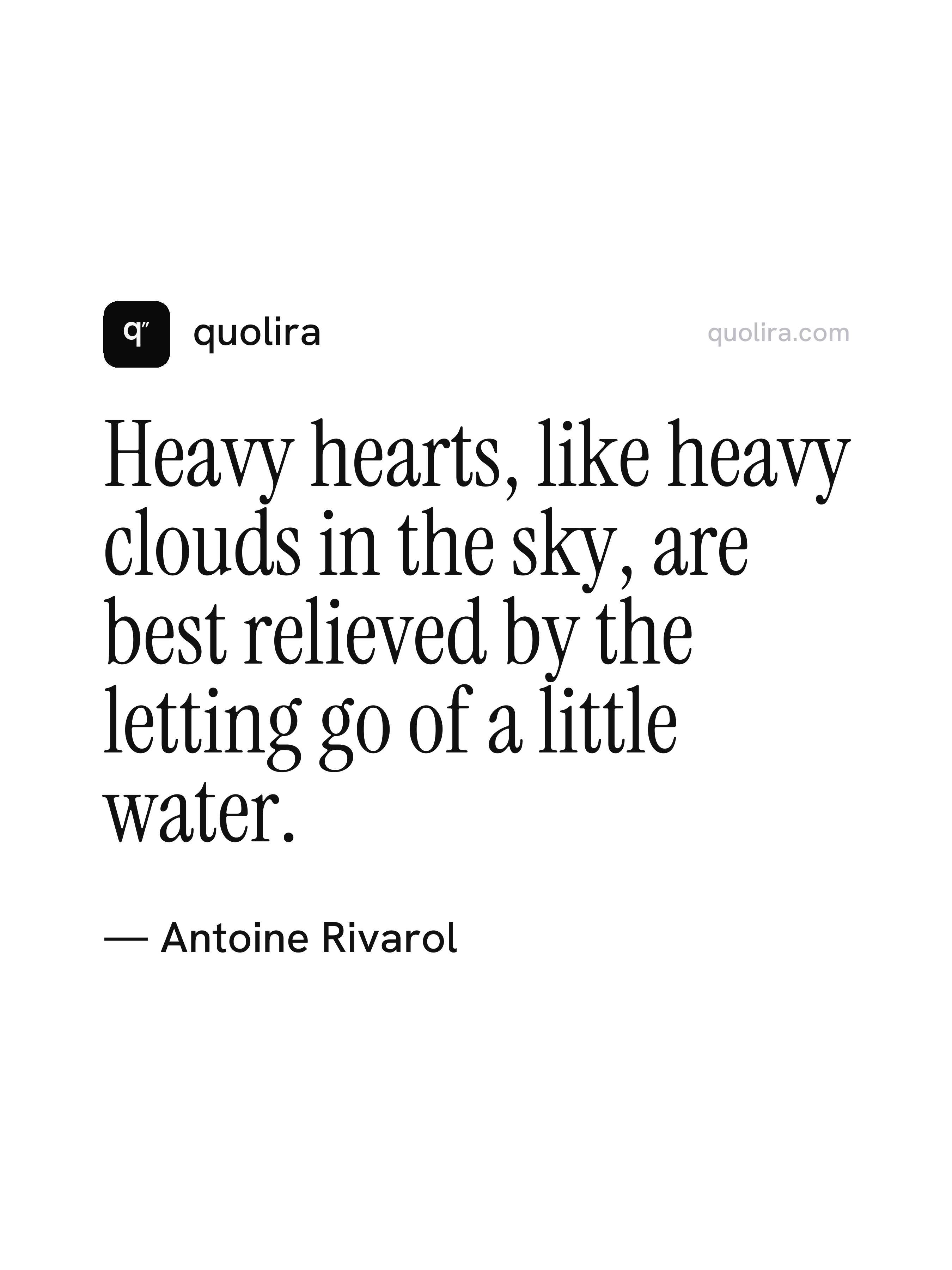
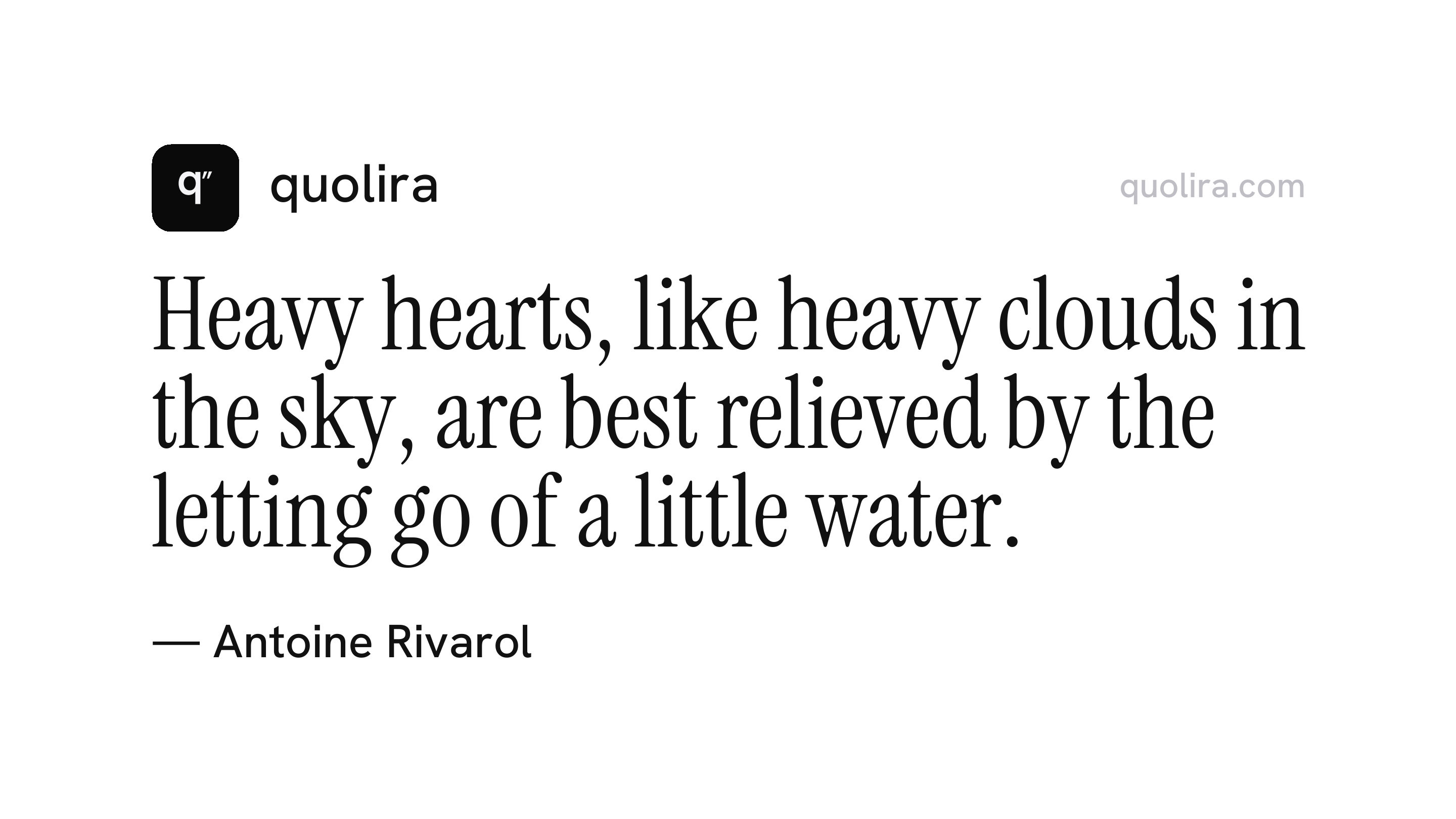
“Heavy hearts, like heavy clouds in the sky, are best relieved by the letting go of a little water.”
Antoine Rivarol
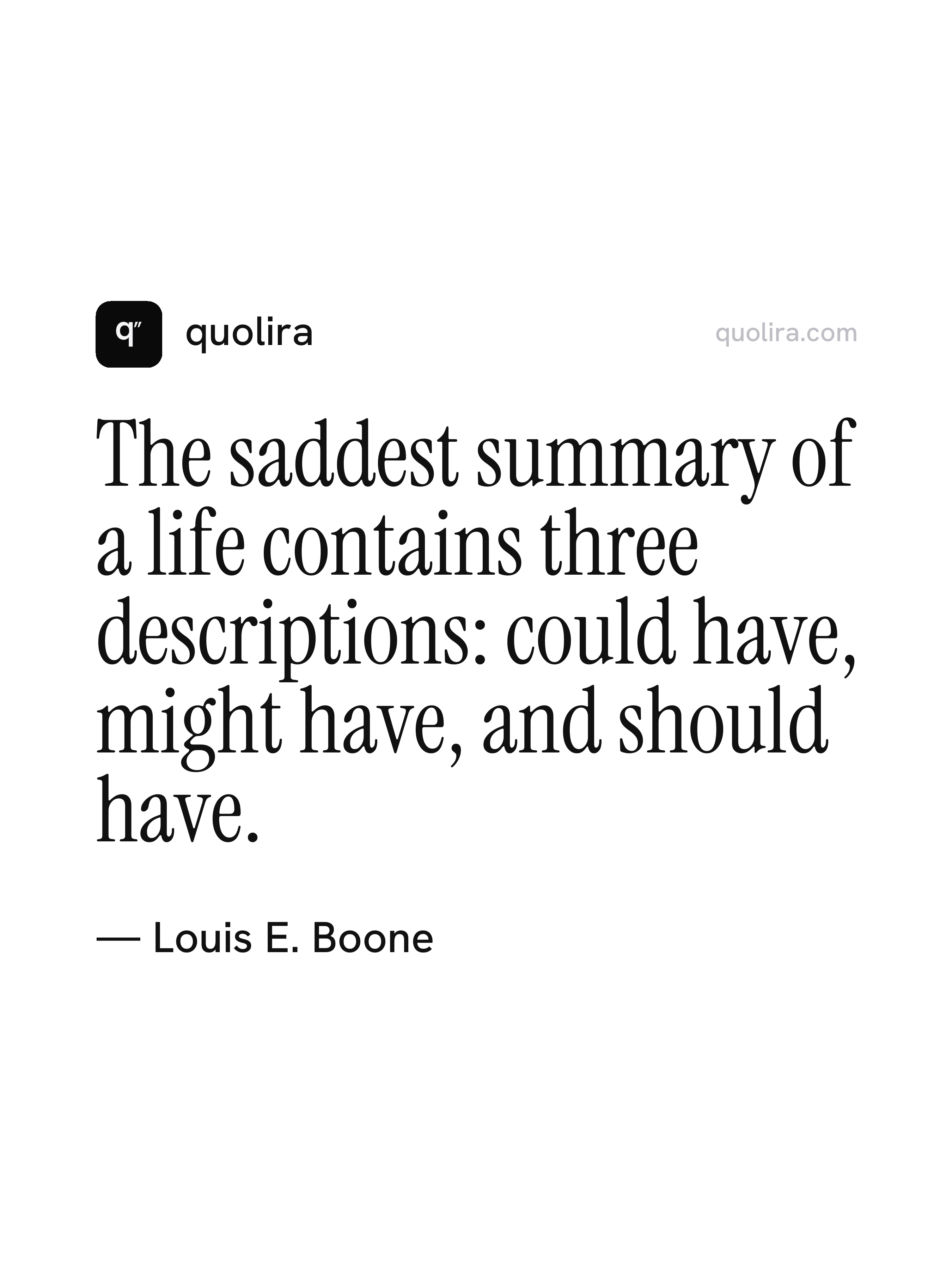
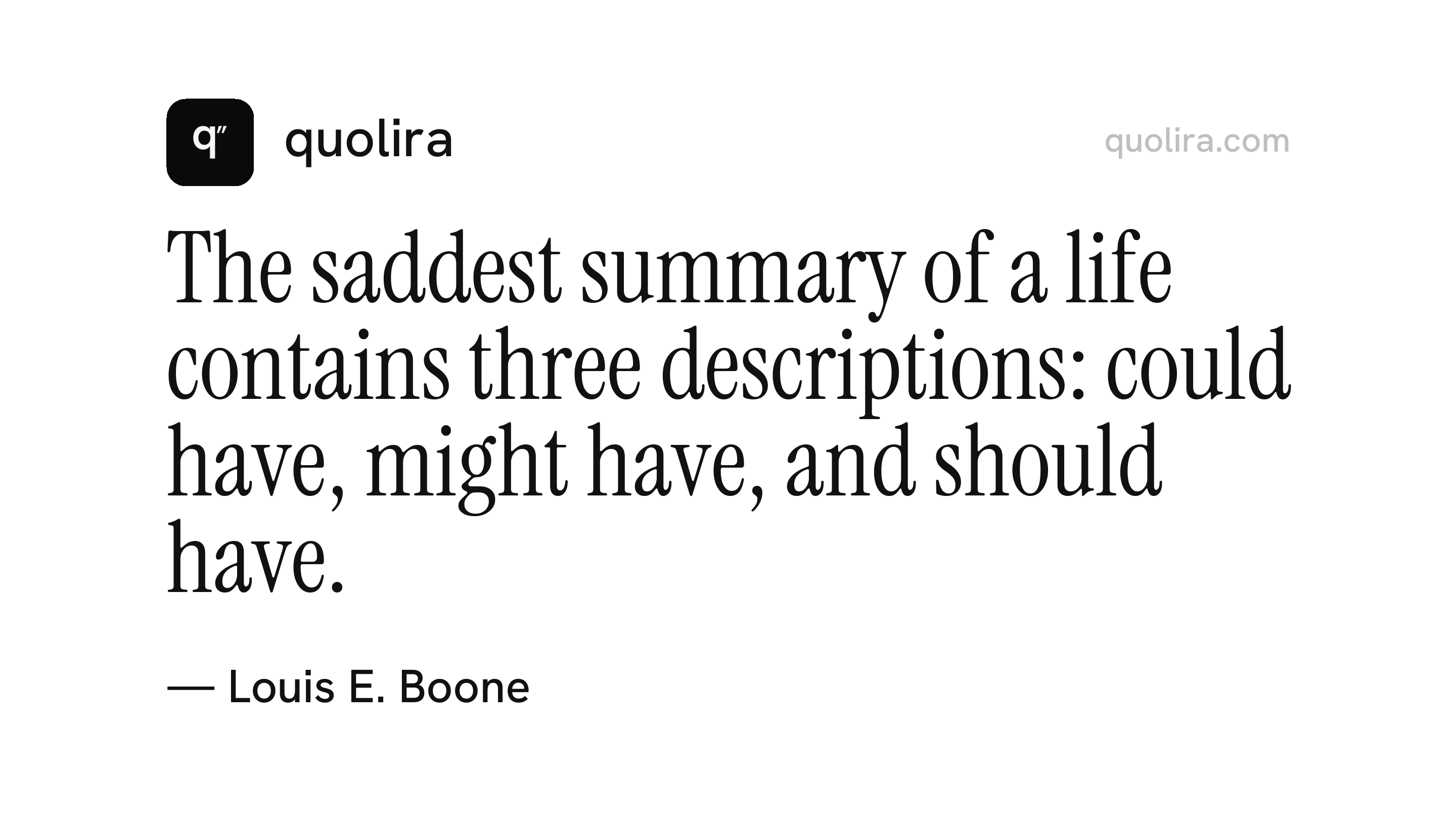
“The saddest summary of a life contains three descriptions: could have, might have, and should have.”
Louis E. Boone