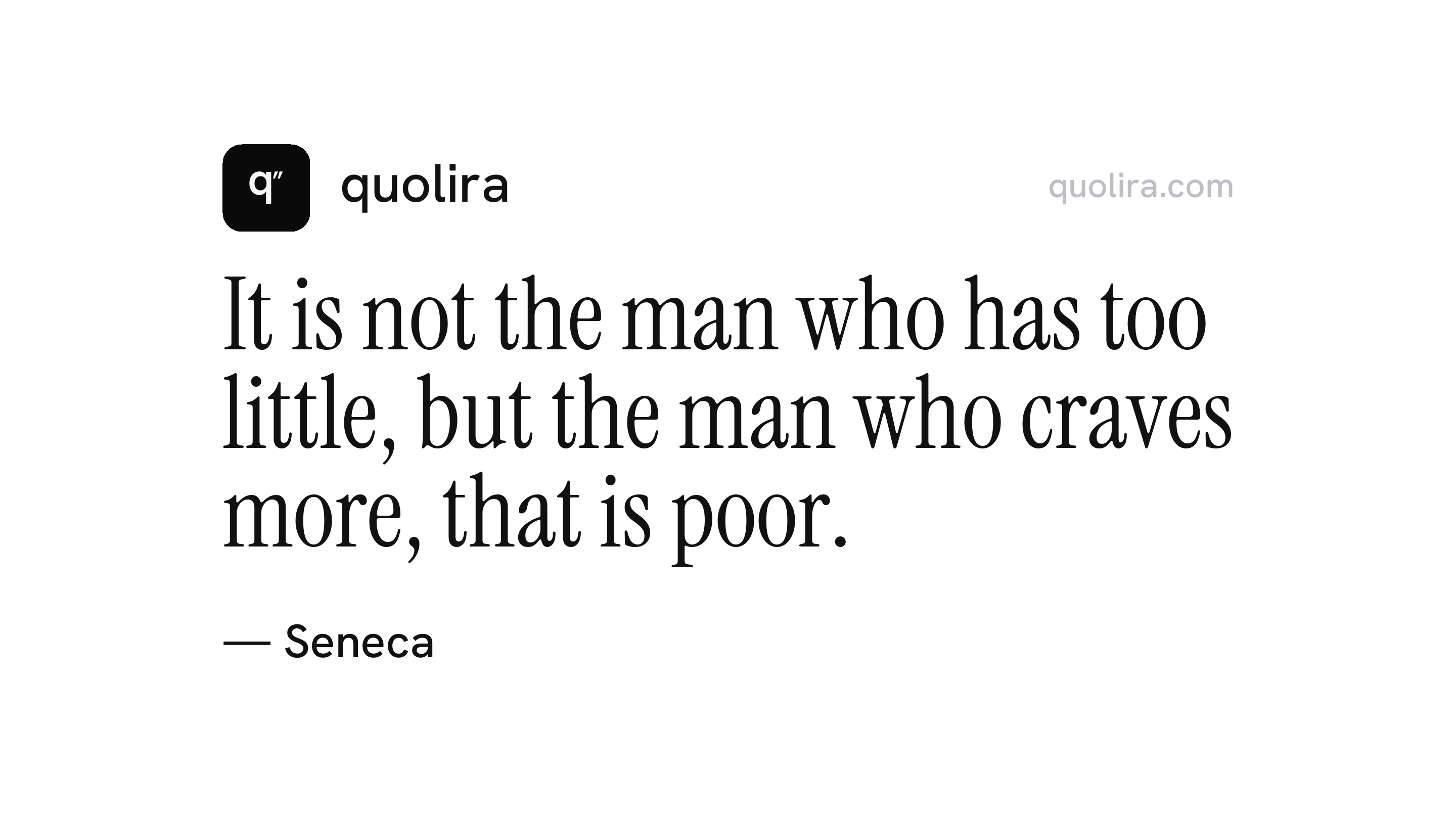
“It is not the man who has too little, but the man who craves more, that is poor.”
Seneca · Letters to Lucilius, Letter 2
 quolira
.com
quolira
quolira.com
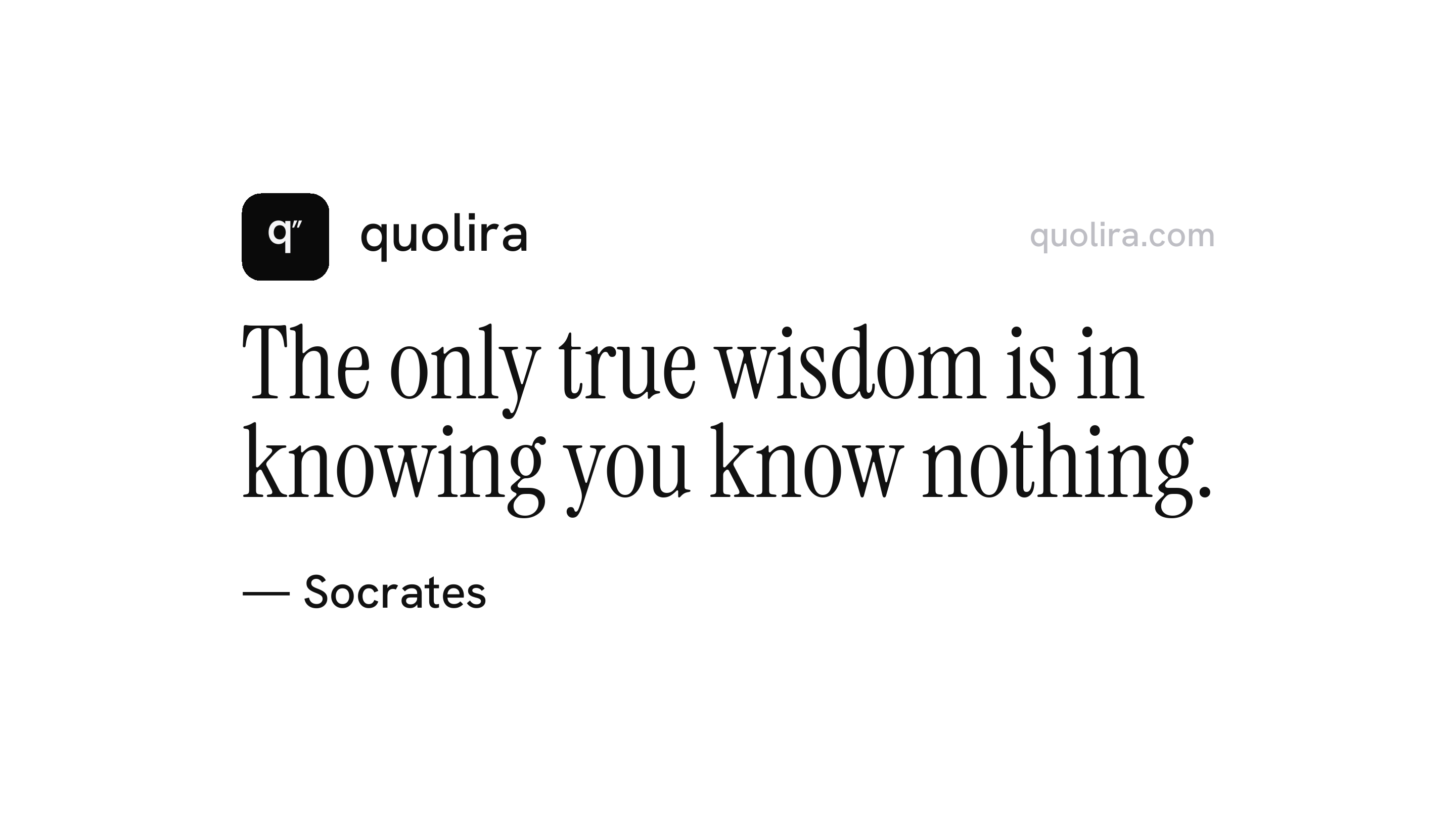
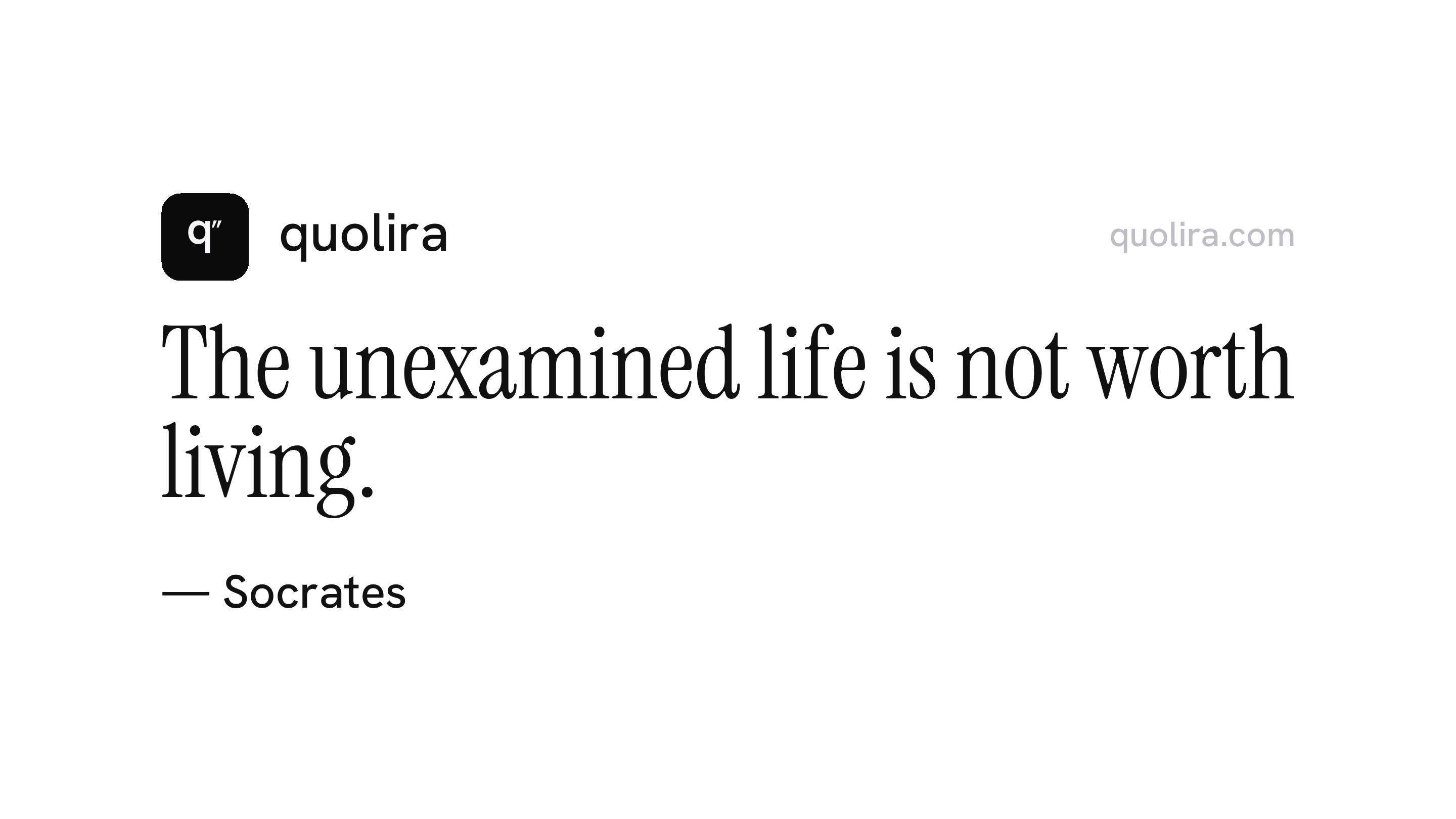
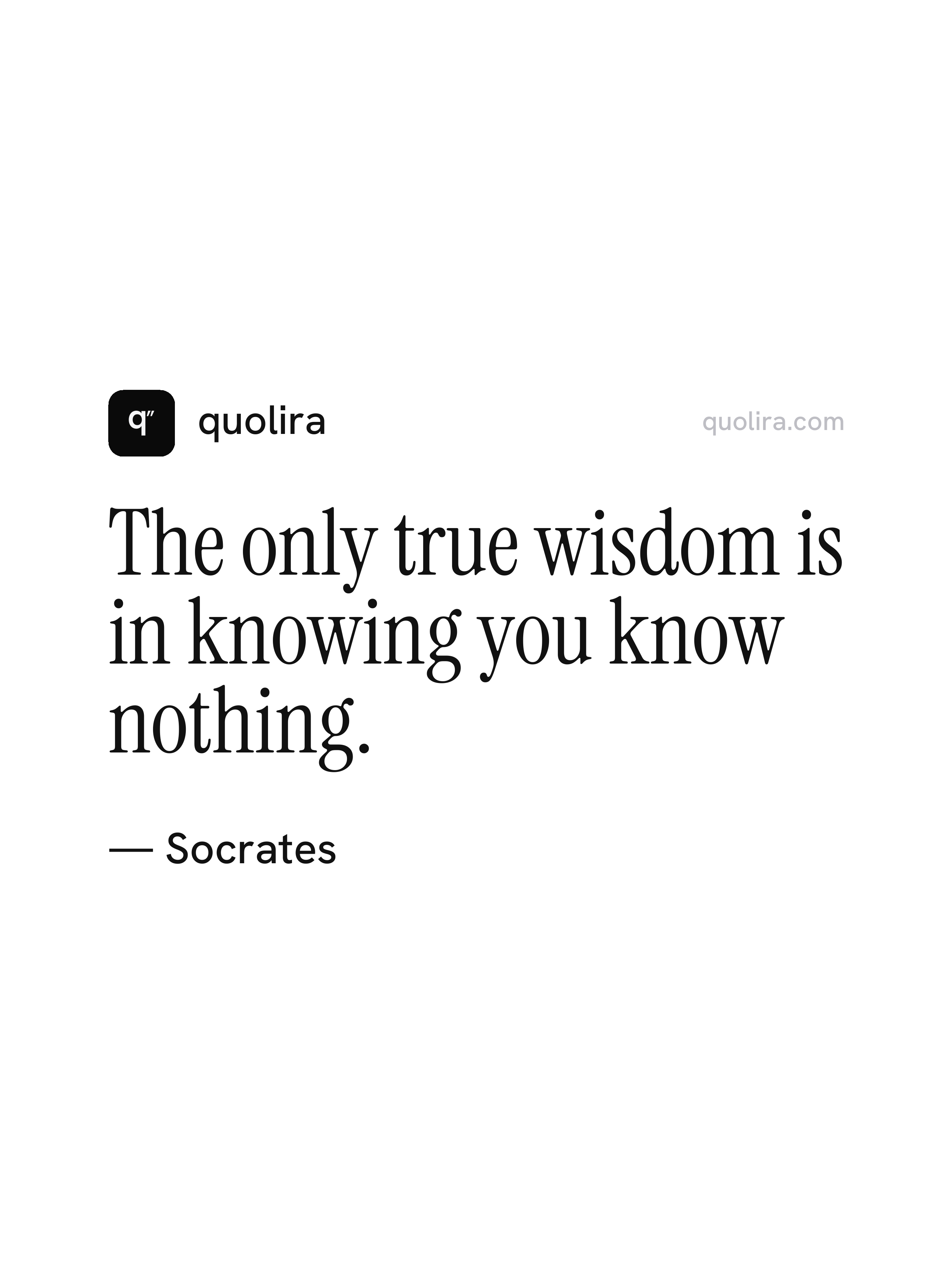
This line captures the idea that genuine wisdom begins with humility about the limits of one's own knowledge. Rather than treating expertise as a destination, it frames understanding as a continuous process of questioning. The person who believes they already know everything closes themselves off to learning, while the person who acknowledges uncertainty remains open to discovering more.
The phrase comes from Plato's Apology, one of the dialogues in which Plato depicts Socrates defending himself before an Athenian jury. In that text, Socrates describes visiting people considered wise by their society and finding that their confidence in their knowledge was largely unfounded. His conclusion was not that he was brilliant, but that he held a small advantage: he did not mistake ignorance for knowledge. The exact wording of the quote is a later distillation rather than a word-for-word translation, but it faithfully represents the argument Plato attributes to Socrates.
Socrates was an Athenian philosopher of the fifth century BCE who is regarded as one of the founding figures of Western philosophy. He left no writings of his own, so his ideas survive primarily through the dialogues written by his student Plato. His method of teaching through probing questions, often called the Socratic method, remains influential in education and philosophical practice to this day. He was tried and executed by Athens in 399 BCE on charges of impiety and corrupting the youth.
“It is not the man who has too little, but the man who craves more, that is poor.”
Seneca · Letters to Lucilius, Letter 2
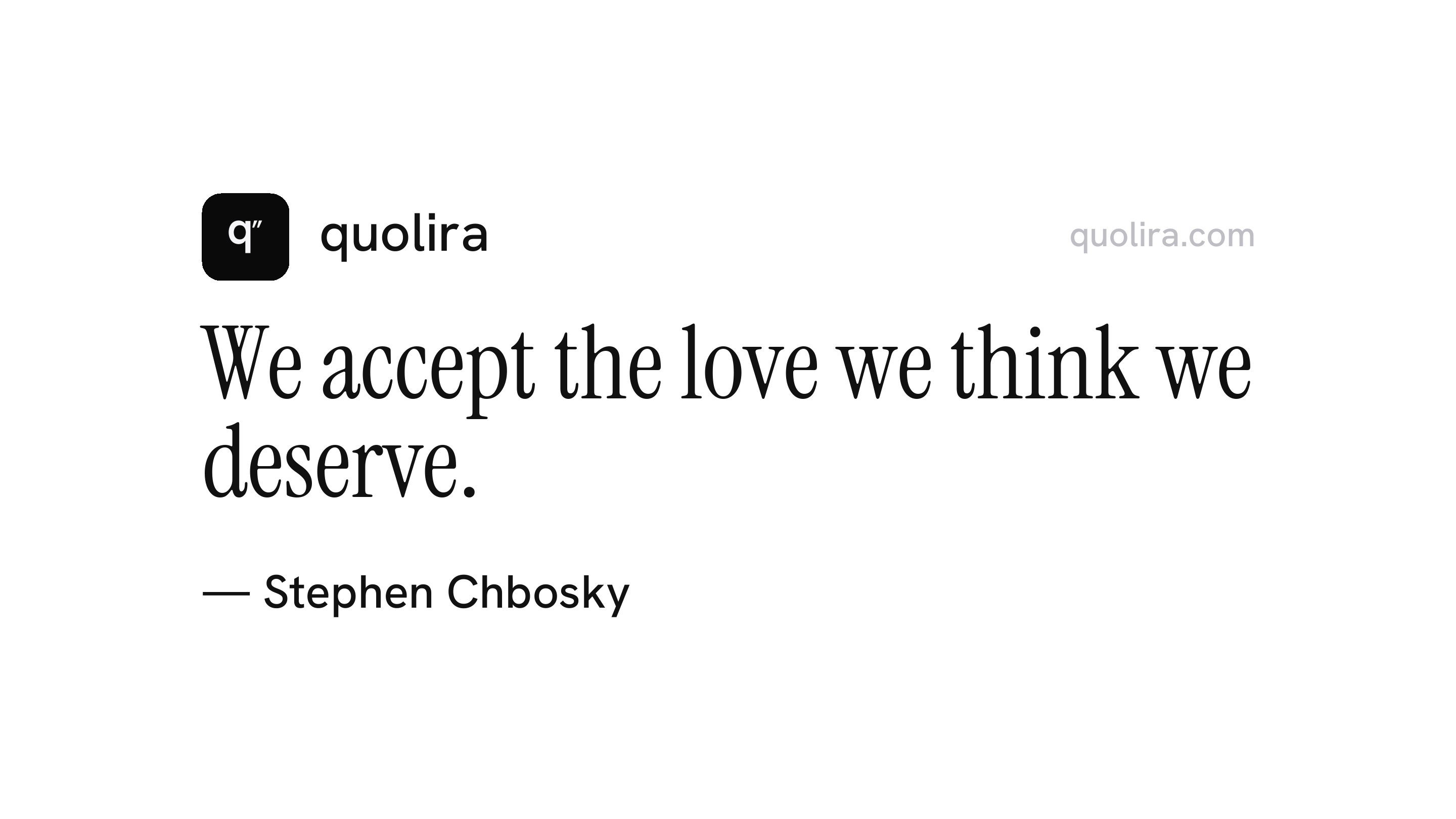
“We accept the love we think we deserve.”
Stephen Chbosky · The Perks of Being a Wallflower, 1999
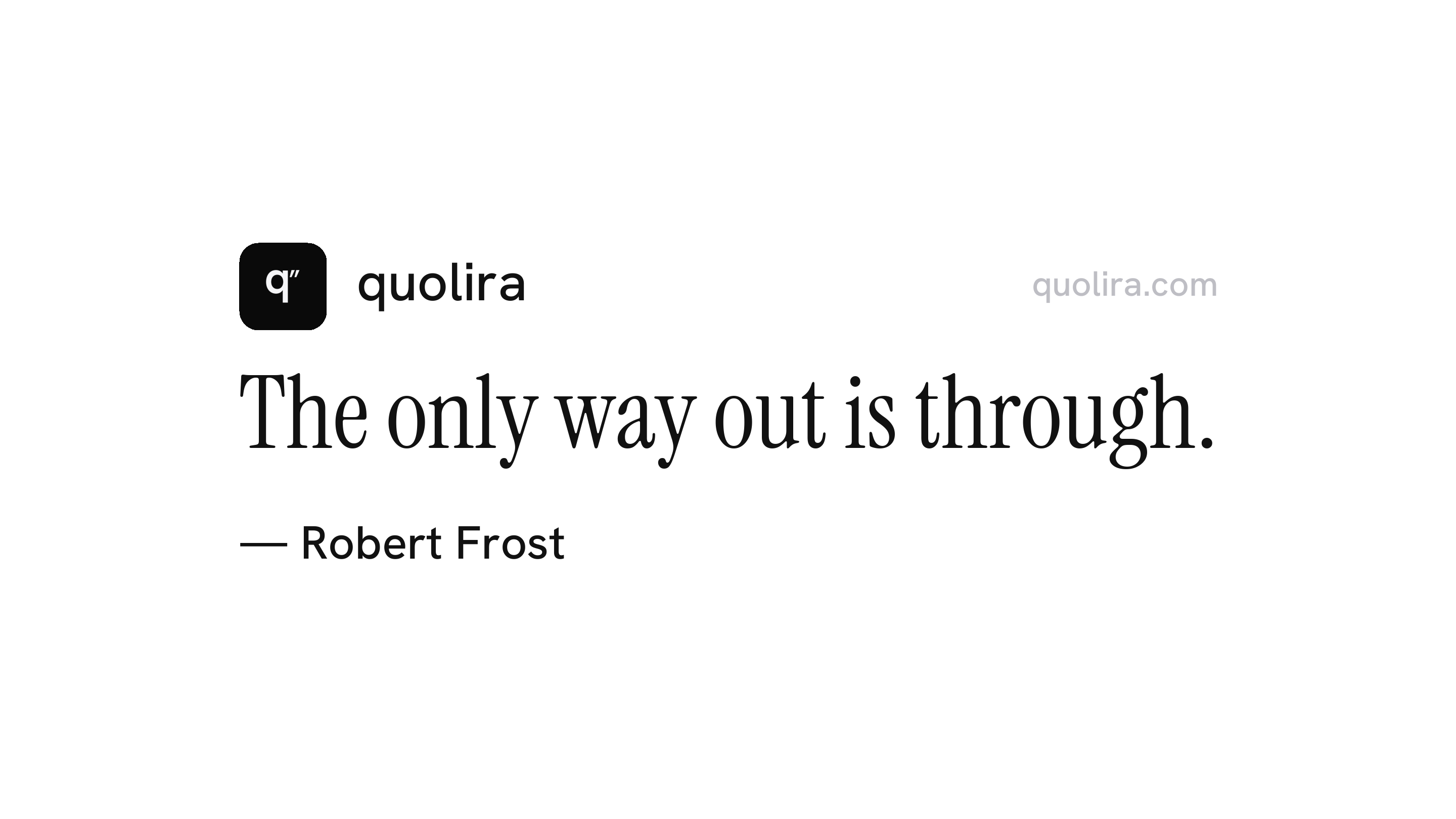
“The only way out is through.”
Robert Frost · A Servant to Servants, 1914
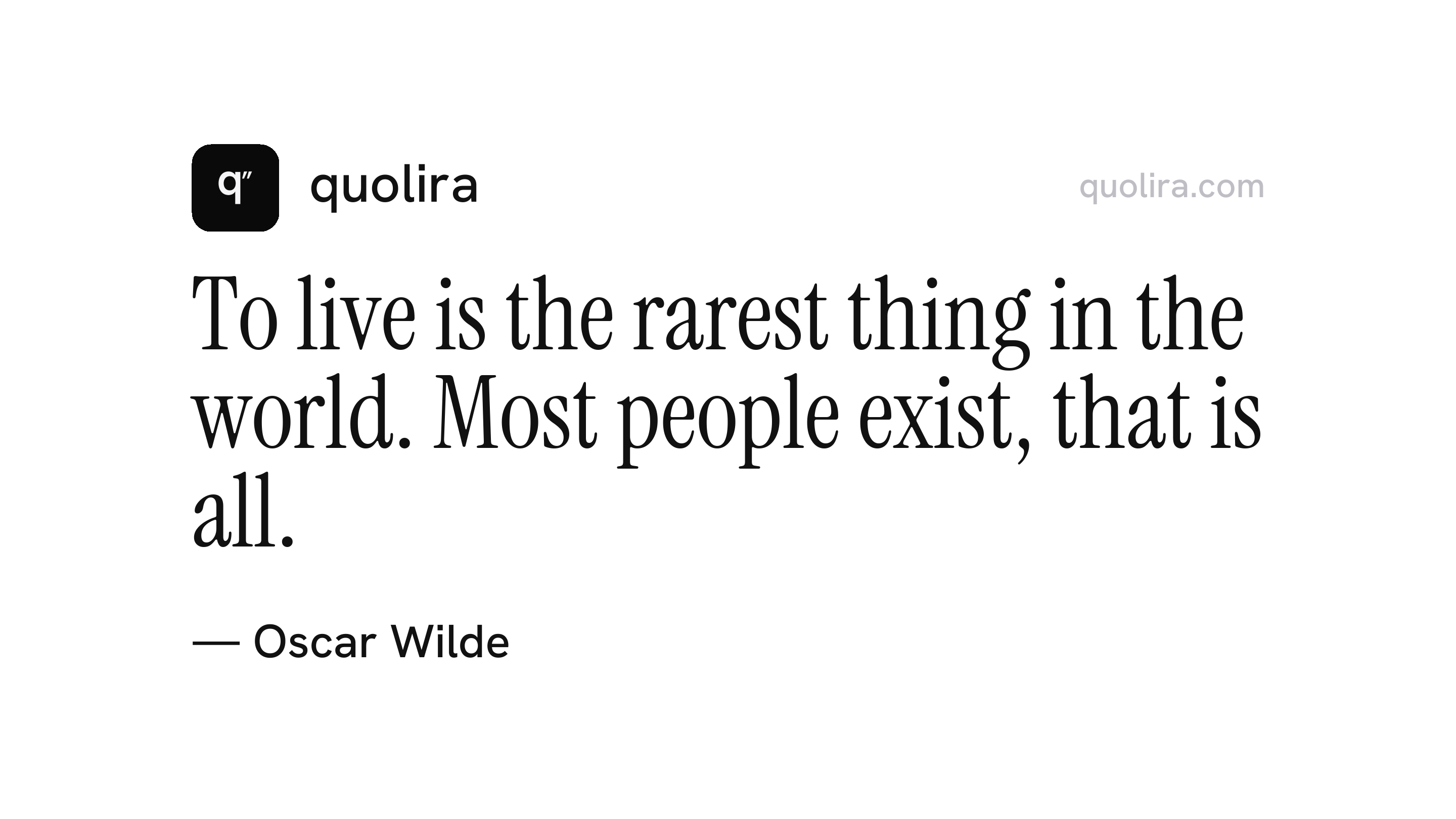
“To live is the rarest thing in the world. Most people exist, that is all.”
Oscar Wilde · The Soul of Man Under Socialism, 1891
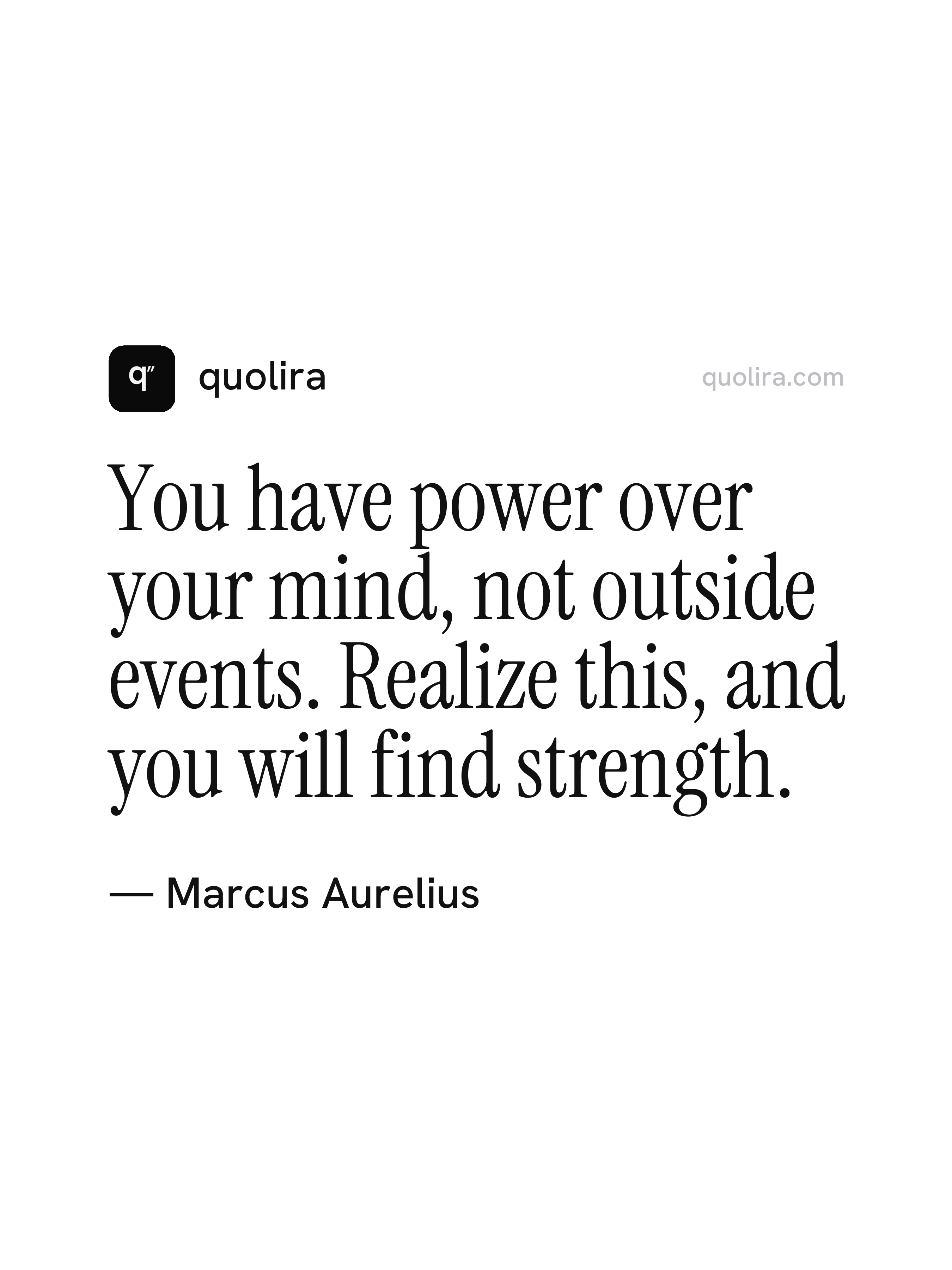
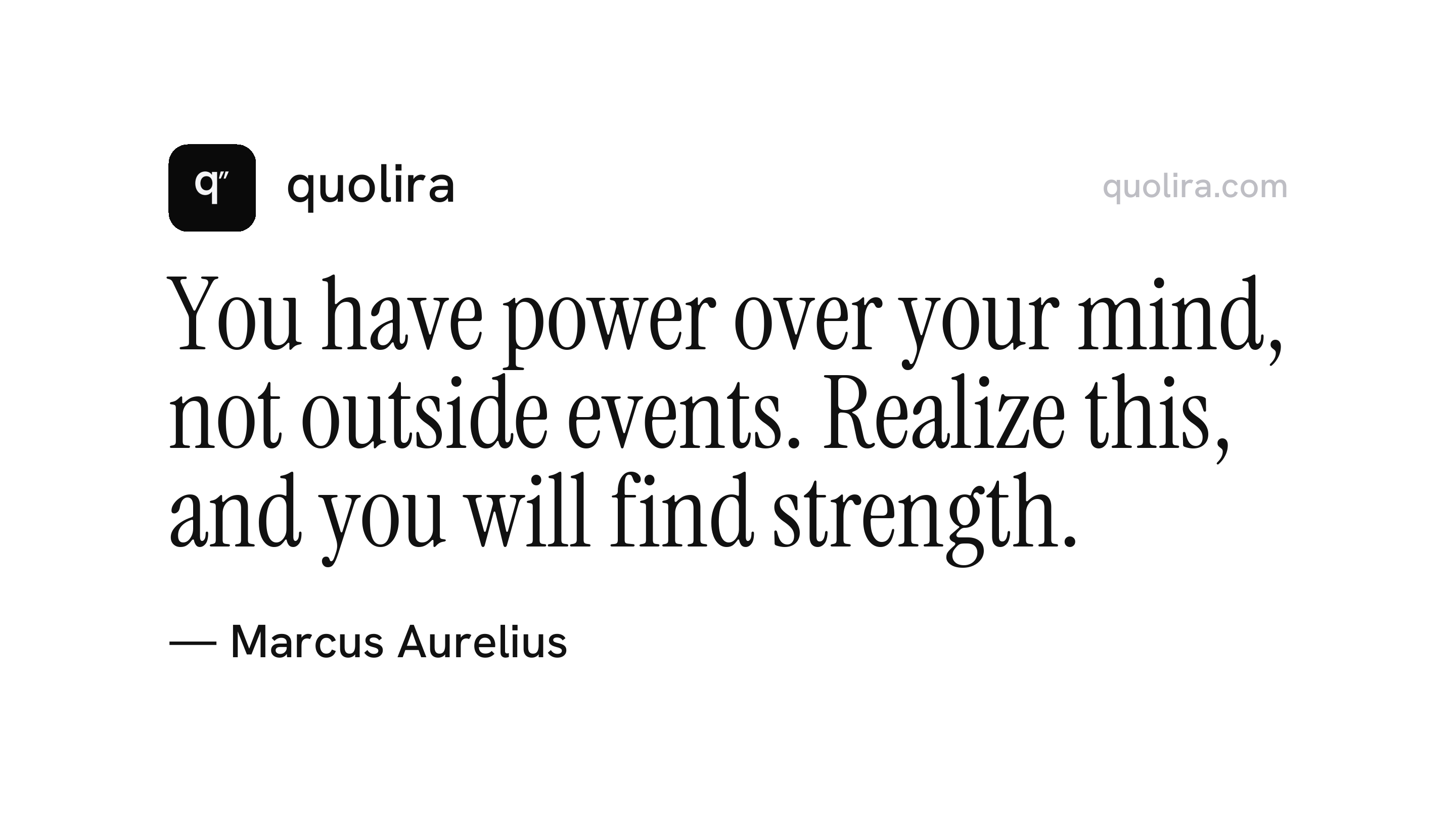
“You have power over your mind, not outside events. Realize this, and you will find strength.”
Marcus Aurelius · Meditations
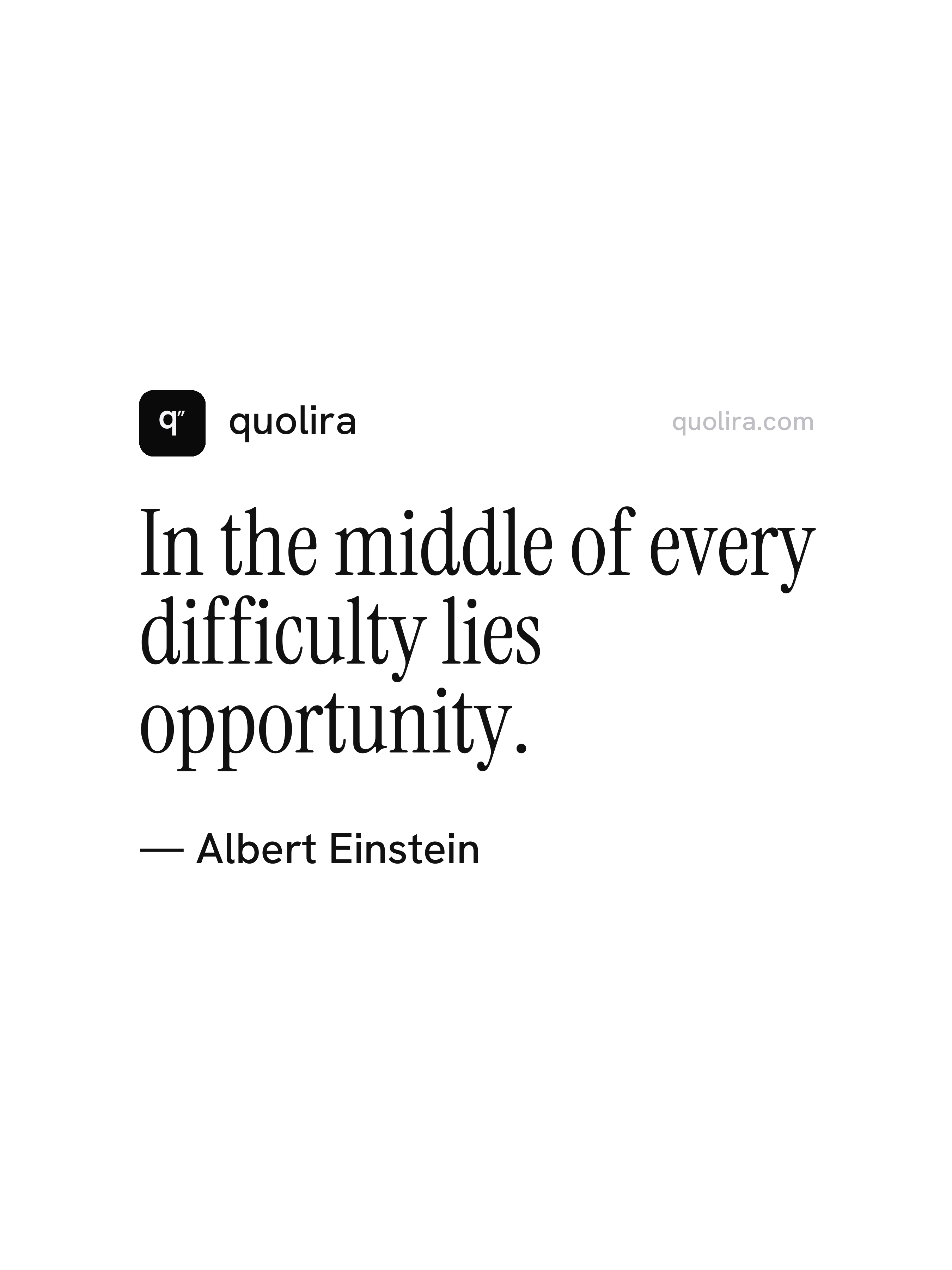
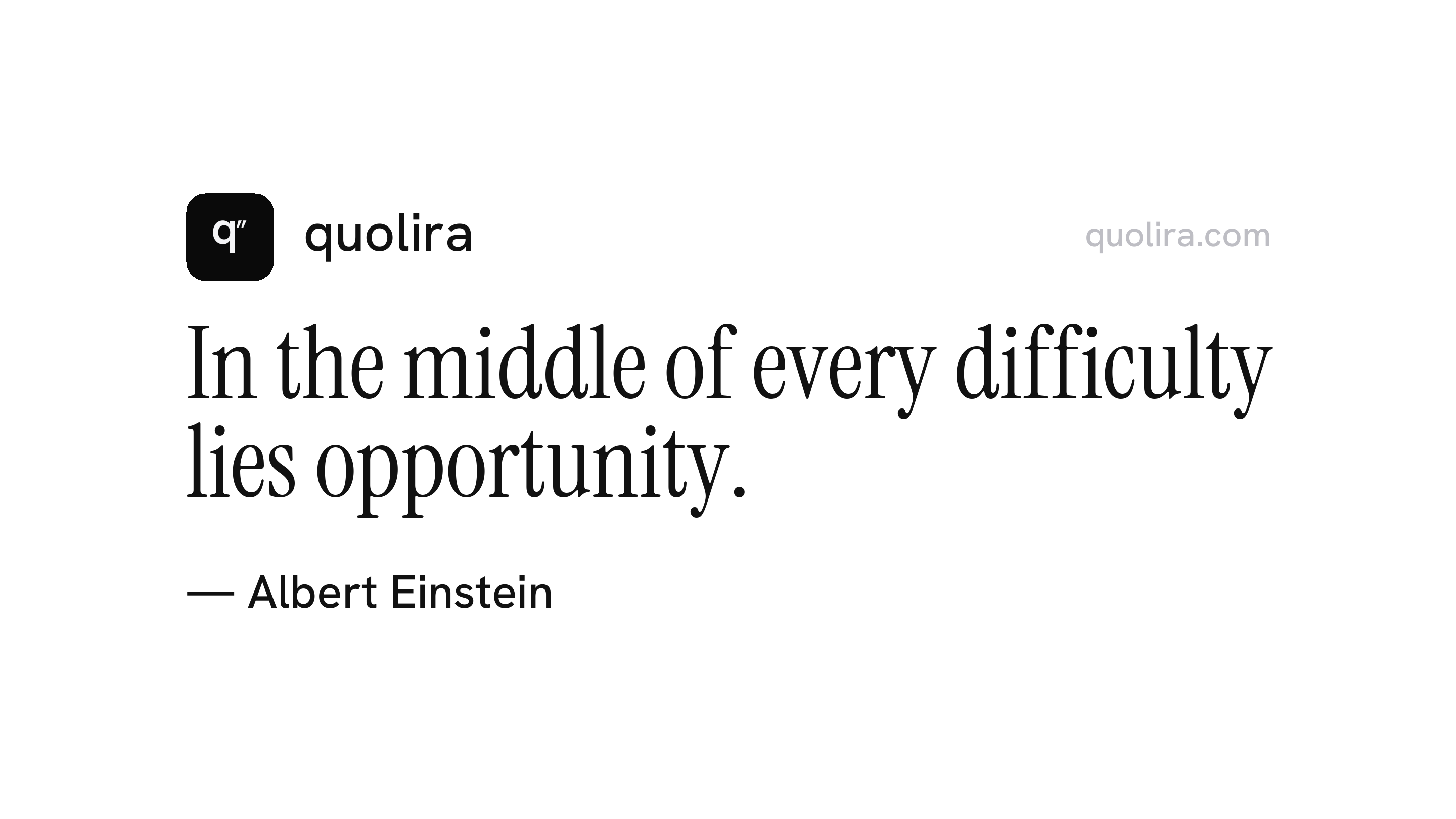
“In the middle of every difficulty lies opportunity.”
Albert Einstein
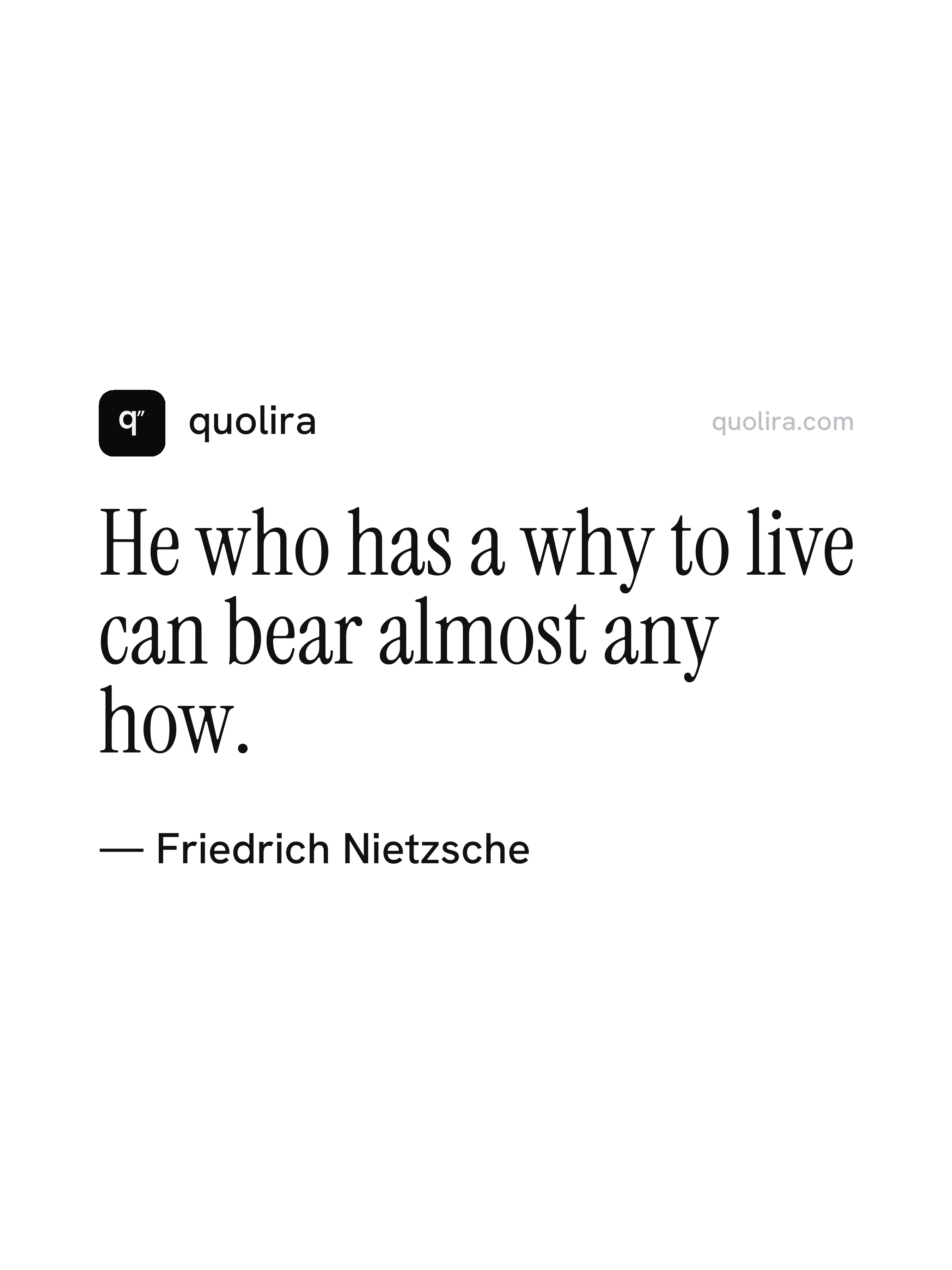
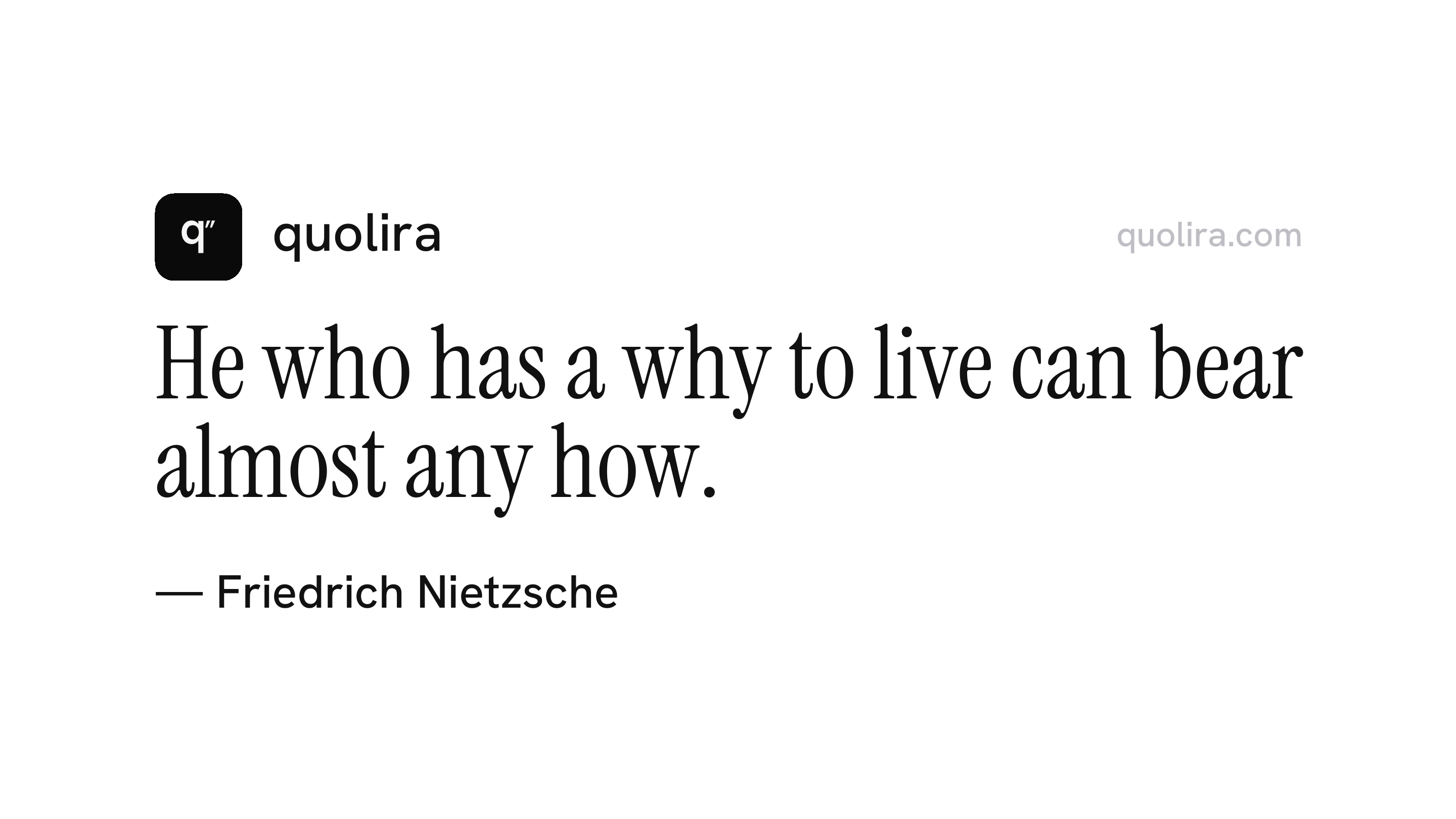
“He who has a why to live can bear almost any how.”
Friedrich Nietzsche · Twilight of the Idols, 1889
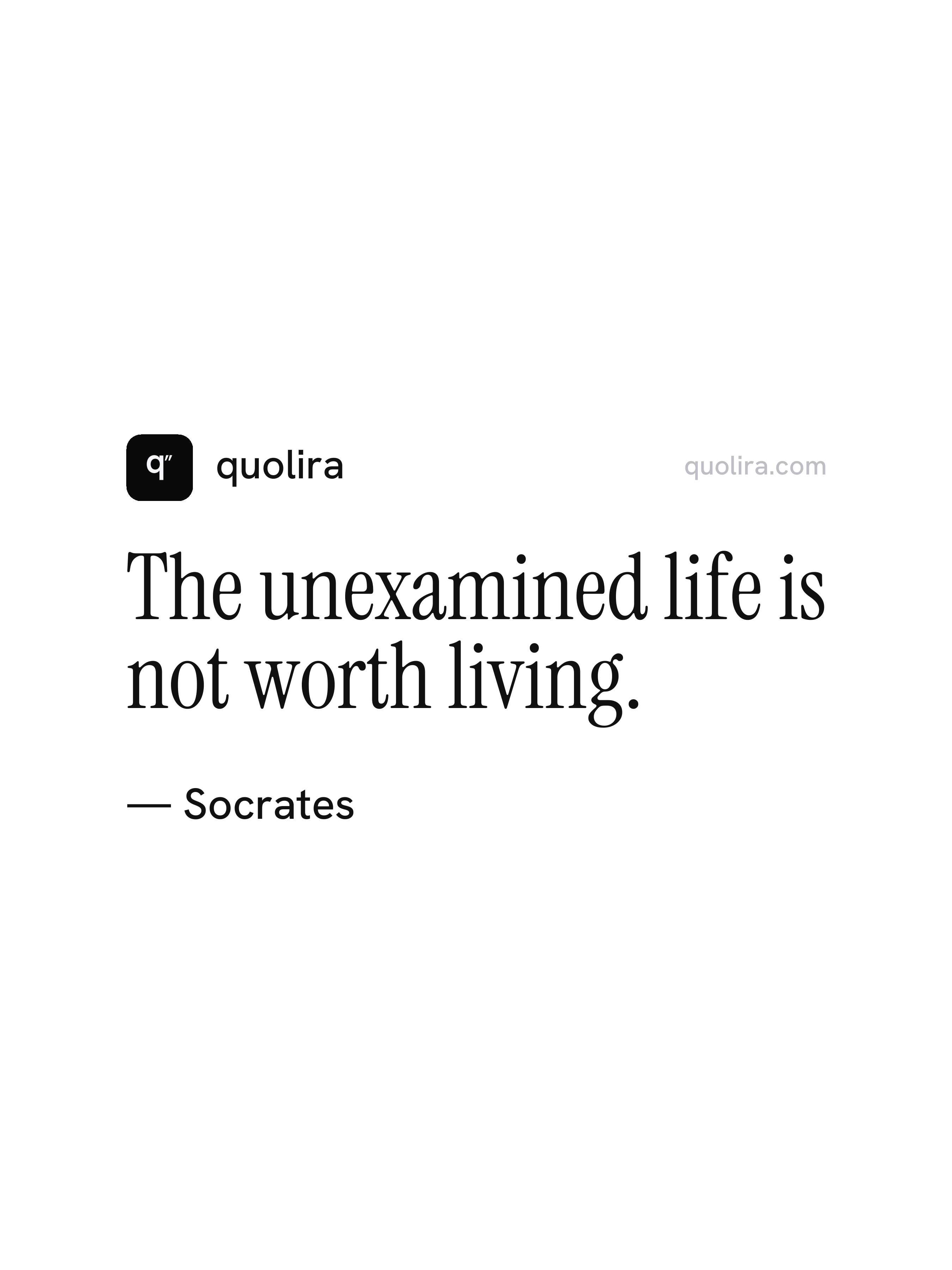
“The unexamined life is not worth living.”
Socrates · Plato, Apology, 399 BC
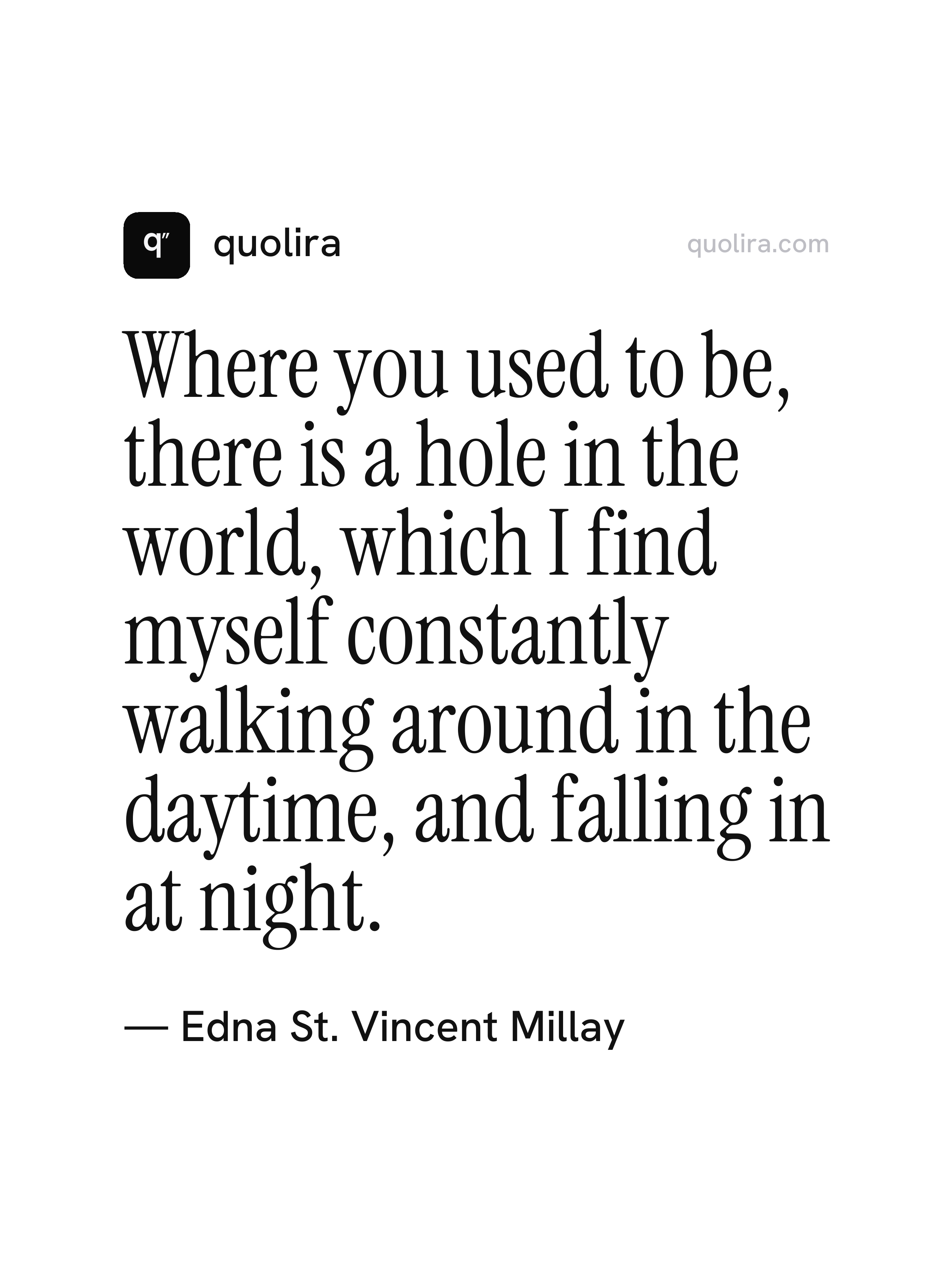
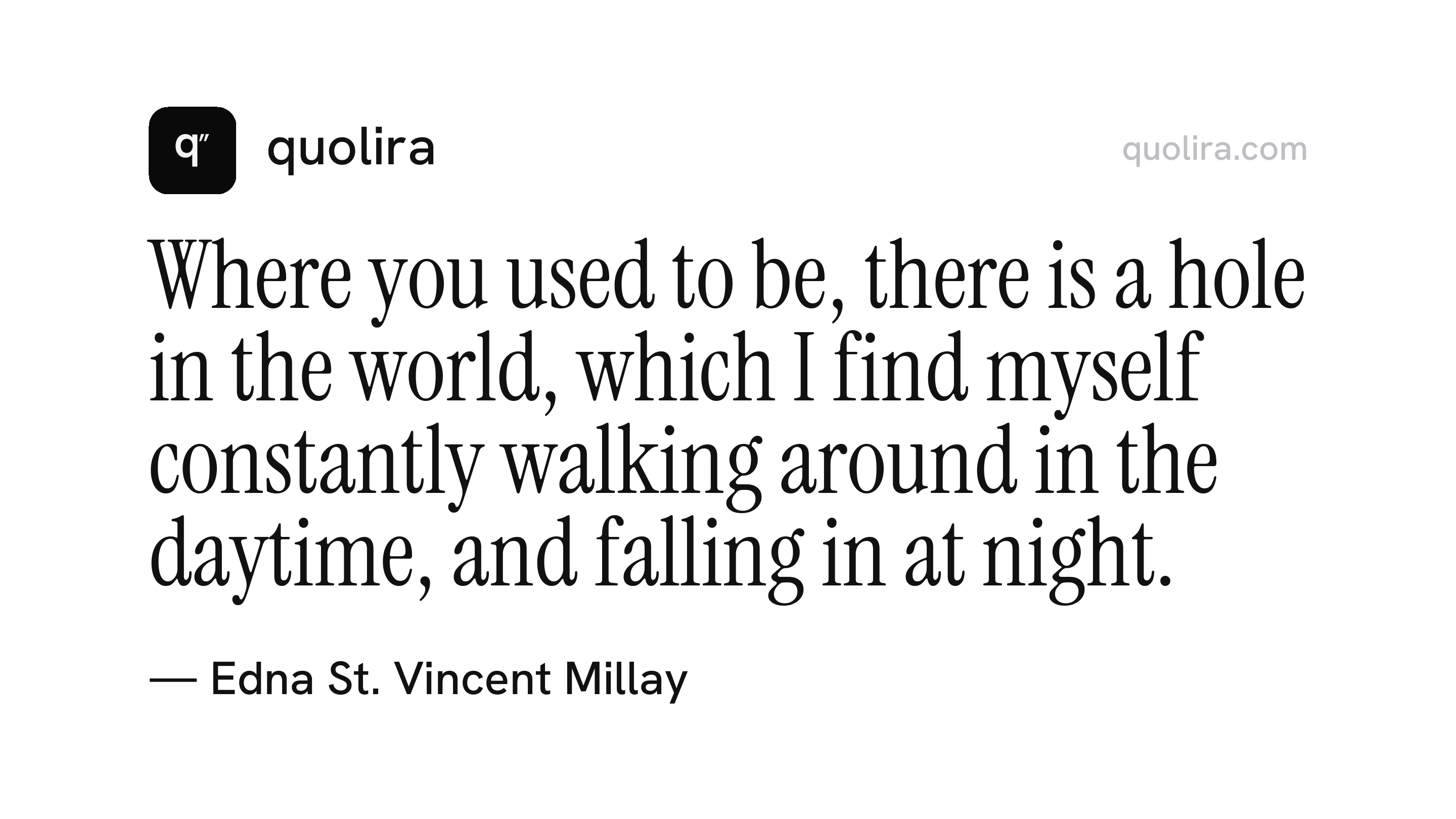
“Where you used to be, there is a hole in the world, which I find myself constantly walking around in the daytime, and falling in at night.”
Edna St. Vincent Millay · Letters of Edna St. Vincent Millay, 1952
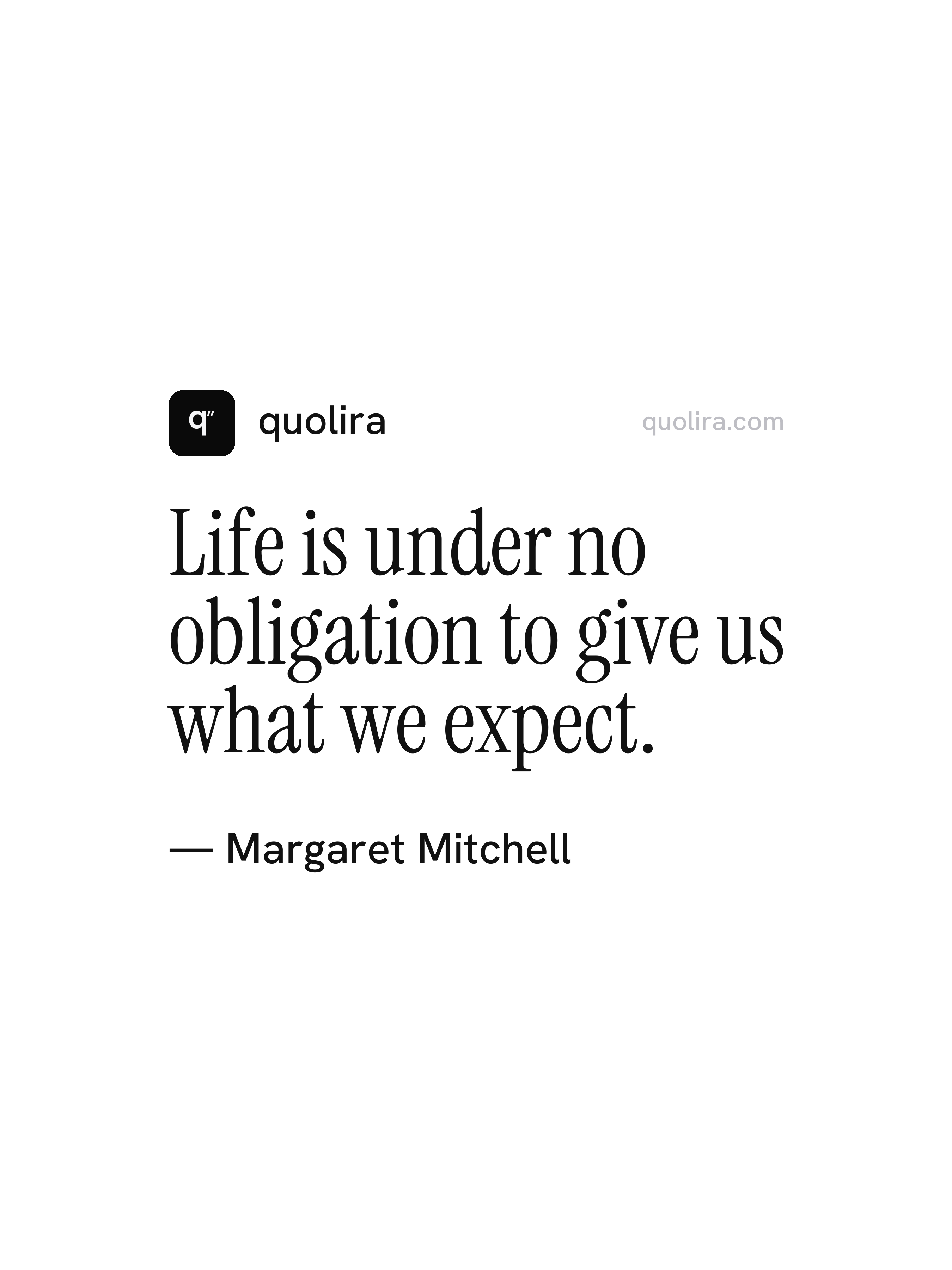
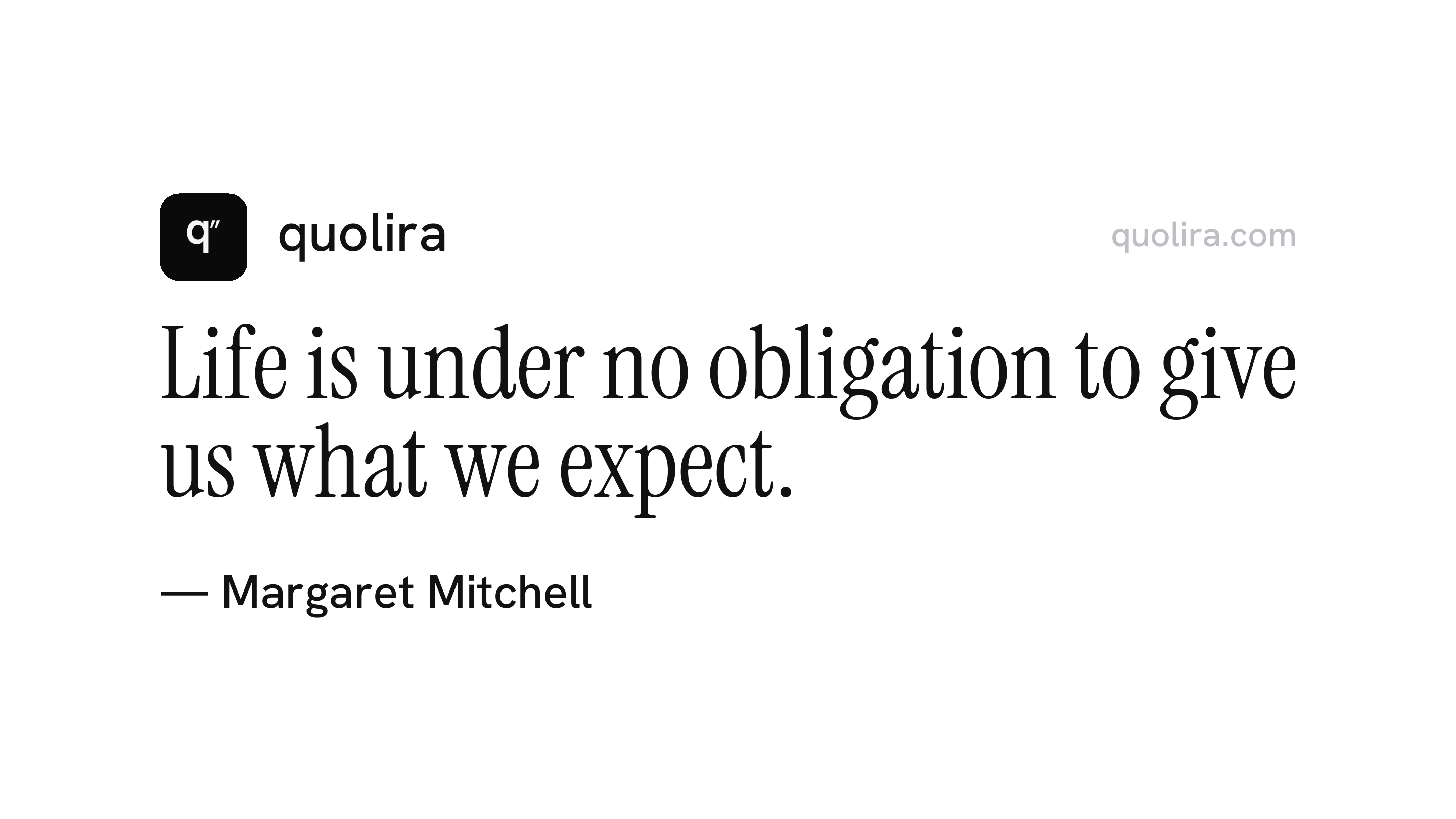
“Life is under no obligation to give us what we expect.”
Margaret Mitchell
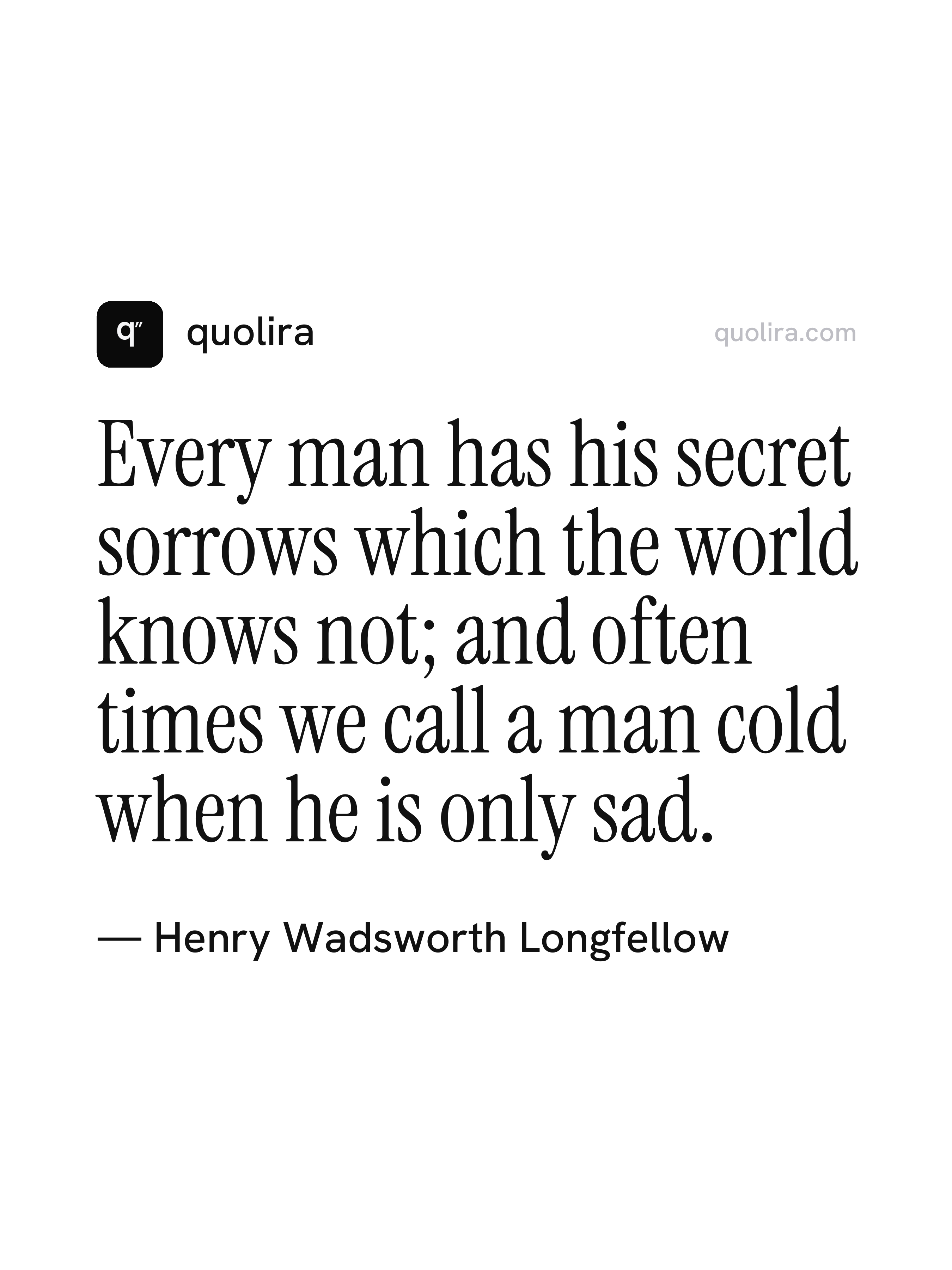
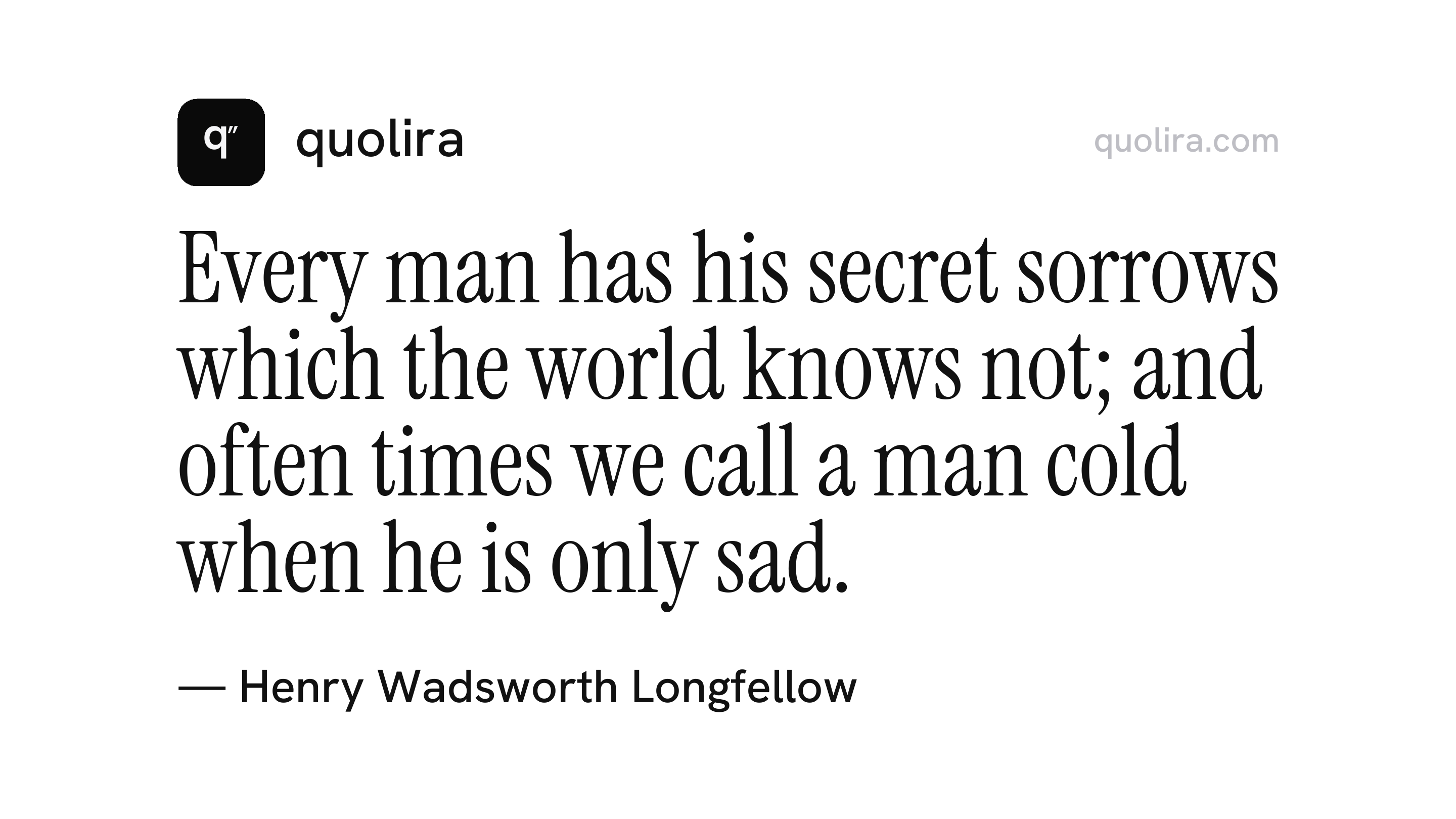
“Every man has his secret sorrows which the world knows not; and often times we call a man cold when he is only sad.”
Henry Wadsworth Longfellow
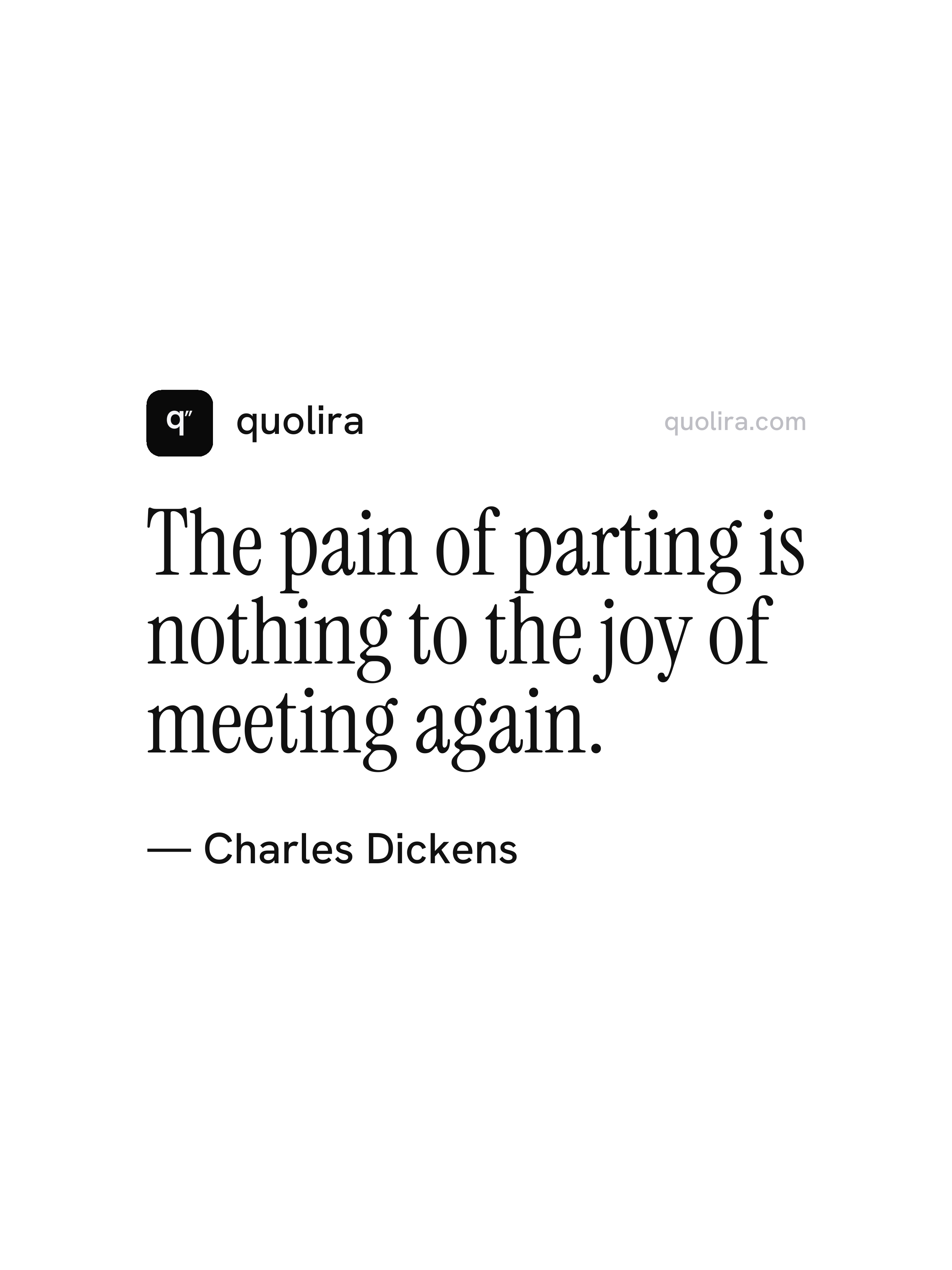
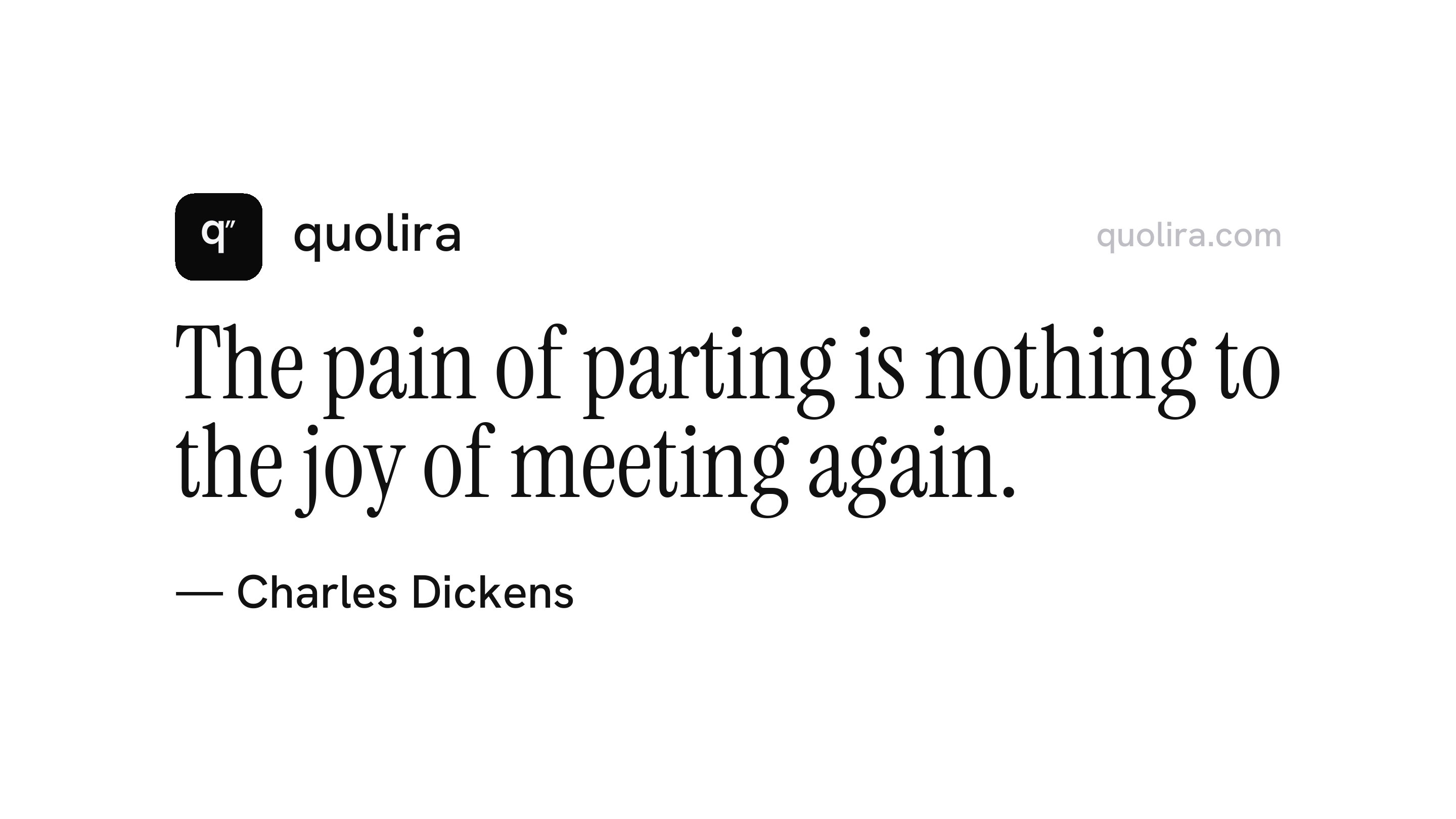
“The pain of parting is nothing to the joy of meeting again.”
Charles Dickens · Nicholas Nickleby, 1839