Old Age Does Not Guard Against Folly: What the Bible Says About Age and Human Fallibility
Getting older does not automatically make you wiser. The Bible knew this long before we did.

Old age wisdom is one of those ideas we accept without much inspection. We assume that years lived translate to lessons learned, that white hair carries authority, that the elders in the room know what they're doing. But the Bible, which is more honest about human fallibility than most ancient texts, pushes back on this pretty hard. Figures like Solomon and Eli lived long enough to know better, and stumbled badly anyway. Biblical dignity in old age, it turns out, has less to do with years and more to do with the kind of person you kept choosing to be.
Gray hair is a crown of glory; it is gained in a righteous life.
The myth we inherit about old age
There's a quiet assumption baked into most cultures: age earns authority. Live long enough and you'll know enough. The Bible doesn't dismiss this entirely, but it does something more interesting. It refuses to protect it.
Proverbs 16:31 says gray hair is a crown of glory, but reads the fine print: it is gained in a righteous life. The crown isn't automatic. You have to live a certain way to actually earn it. That's a much harder promise than "just survive long enough."
Solomon: the sharpest example
Solomon is probably the most dramatic case in scripture. He started well. 1 Kings 3 records him asking God for wisdom rather than wealth or power, which is a genuinely remarkable request for a new king in his twenties. God gave it to him. He became the standard by which wisdom was measured across the ancient Near East.
The Book of Ecclesiastes (various study Bible editions)
And then, late in his life, 1 Kings 11 reports that his foreign wives turned his heart toward other gods. He built shrines to Chemosh and Molech. The man who wrote much of Proverbs, who had asked for a discerning heart, spent his old age doing the thing he had warned against for decades.
There's no clean explanation. The Bible doesn't offer one. It just says it happened.
Eli and the failure of late correction
Eli is a different kind of cautionary figure. He wasn't corrupted by wealth or foreign influence. He was passive. His sons Hophni and Phinehas were abusing their priestly position, taking offerings by force, and Eli knew. 1 Samuel 2:29 records God's direct charge against him: he honored his sons above God by not restraining them.
He was an old man by then. Maybe he told himself it was too late to change them. Maybe he was tired. The text doesn't excuse it either way.
Wisdom Literature: Job, Proverbs, Ecclesiastes by Roland Murphy
"Why do you honor your sons more than me?" (1 Samuel 2:29) The question is pointed at Eli, not at his sons. The failure was his.
Old age wisdom as practice, not reward
Ecclesiastes 4:13 is blunt: "Better is a poor and wise youth than an old and foolish king who no longer knows how to take advice." The phrase "no longer knows" is the telling part. It implies the king once knew and stopped. Wisdom isn't just something you can fail to acquire. You can lose it, or set it down, or let it atrophy.
The Bible's alternative portraits are instructive. Caleb at 85, in Joshua 14, asks for the hardest territory because he still believed the promise he had received 40 years earlier. Anna in Luke 2 had spent most of her adult life in fasting and prayer, and recognized what she was seeing in the temple courts when most people walked past.
Aging and the Bible by Melvin Kimble
What those two figures share has nothing to do with vitality or mental sharpness. It's consistency. They kept choosing the same direction over a very long time.
What this actually means
The Biblical picture of old age is neither romantic nor cynical. It acknowledges that a long life can produce real depth, real discernment, real authority. And it acknowledges, without flinching, that a long life can also produce hardened pride, accumulated rationalization, and the specific kind of foolishness that only comes from having enough status to stop being corrected.
The difference isn't the years. It's what you did inside them.
That's a more demanding idea than "respect your elders" and a more hopeful one than "people never really change." It says the work continues. Right up to the end.
Better is a poor and wise youth than an old and foolish king who no longer knows how to take advice.
The Preacher in Ecclesiastes didn't write his reflections as a young man with nothing to lose. He wrote them after a full life of trying everything and finding most of it empty. That's not cynicism. That's a very hard-won kind of clarity.
Frequently asked questions
Does the Bible say old age guarantees wisdom?
What does the Bible say about elders who act foolishly?
How does the Bible define dignity in old age?
Who are examples of wise old figures in the Bible?
Keep reading

25 Deep, Meaningful Quotes That Make You Stop and Think
Words from history's sharpest minds that cut straight to what matters.

17 Sad Quotes That Sit With You Long After You Read Them
Words that don't try to fix the ache, just name it honestly.
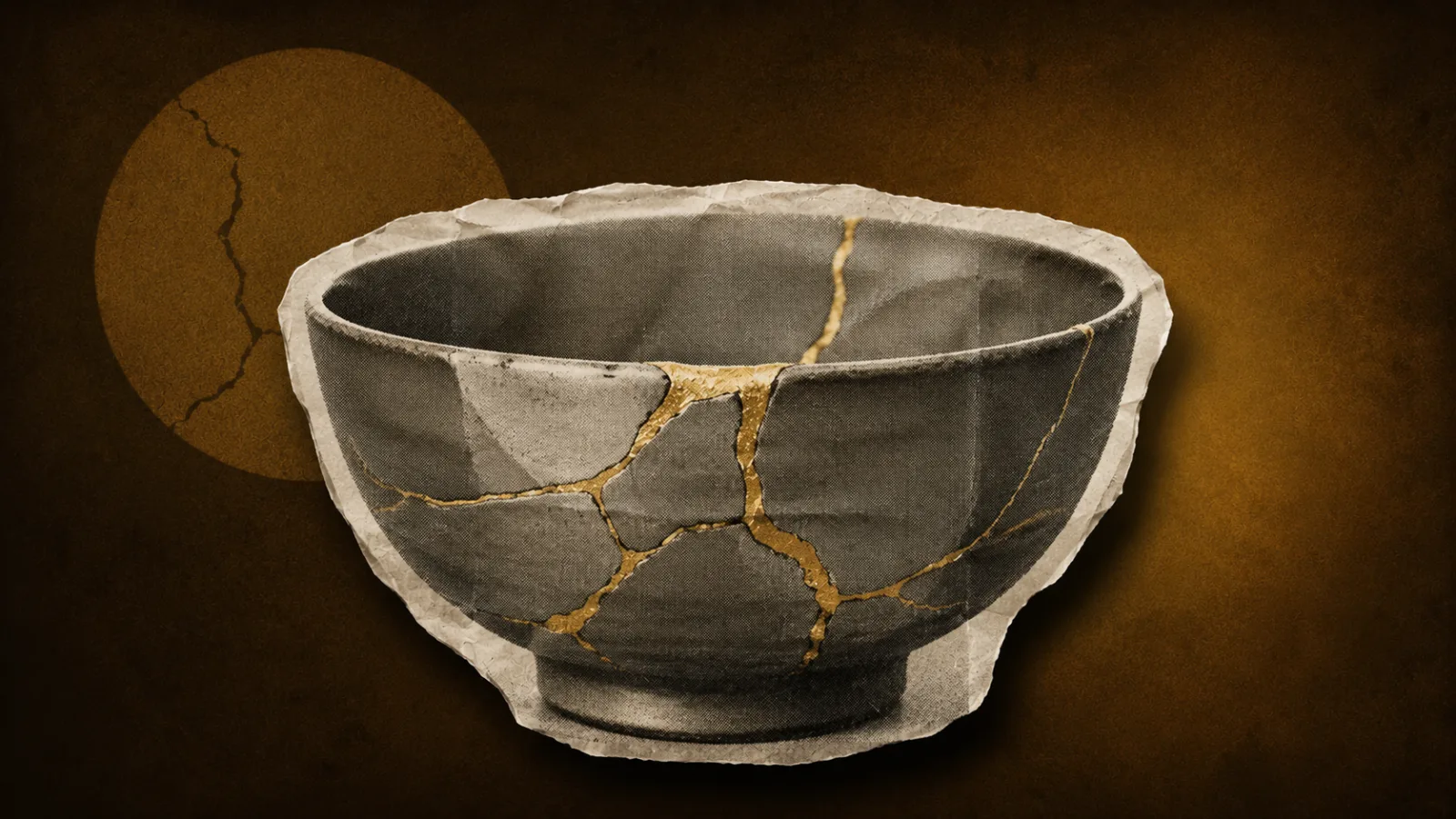
Kintsugi - The Gold in the Cracks
What a 500-year-old Japanese repair method teaches us about carrying our damage with dignity.