25 Socrates Quotes That Still Question How We Live
Lines from a man who left no books, only questions that outlasted him.

These socrates quotes keep asking the one thing he asked everyone in Athens: do you actually know what you think you know? He wrote nothing down, so what survives comes through Plato and Xenophon, students who watched him needle the city until it killed him in 399 BC. I find that strange and moving. A man who claimed to know nothing ended up shaping how the West argues, doubts, and examines itself.
Socrates Quotes on Knowledge and Self-Examination
The unexamined life is not worth living.
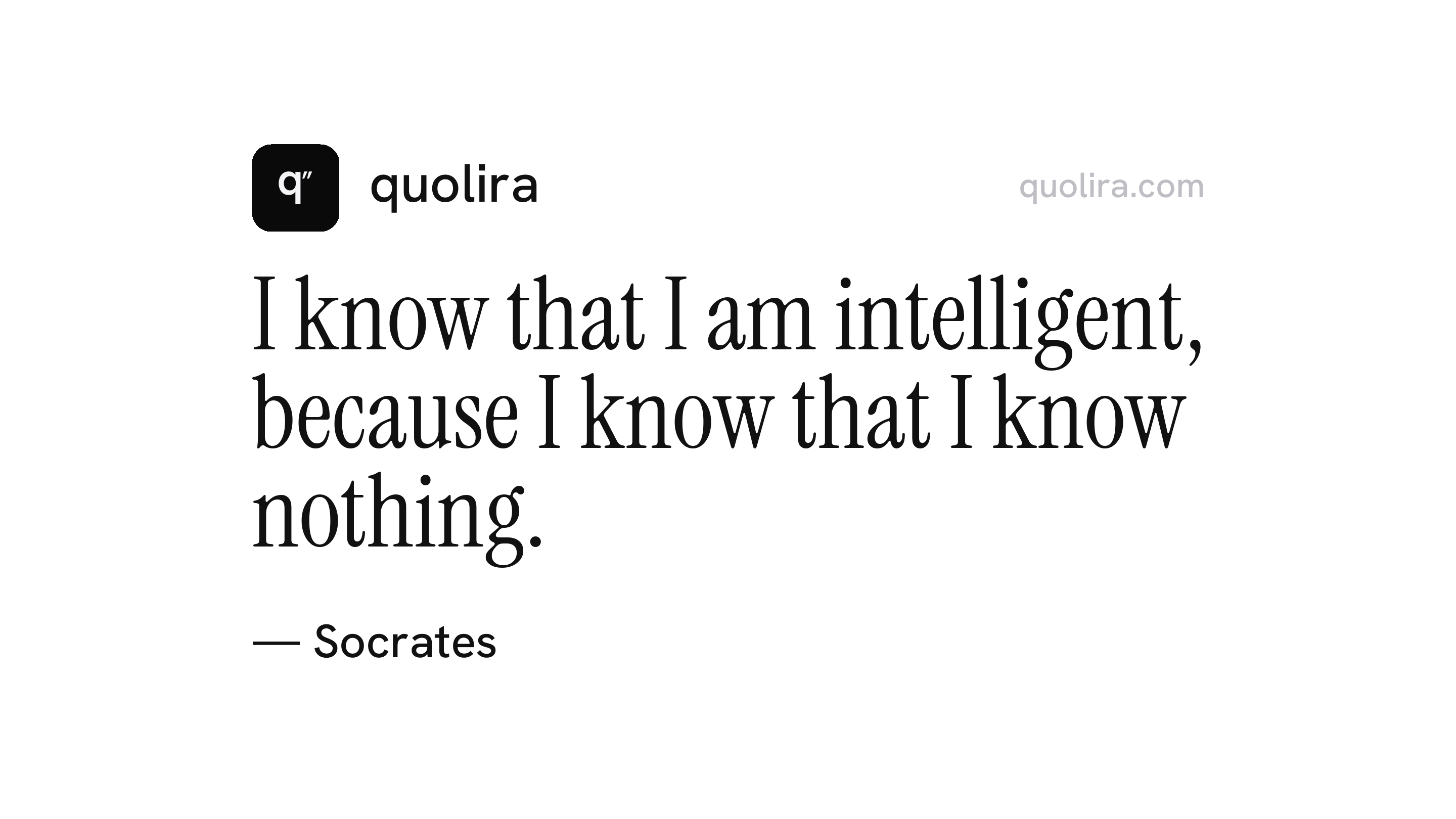
I know that I am intelligent, because I know that I know nothing.
Socrates attributed via Plato, Apology
His whole method starts here. Admitting the gap is the first honest thing most of us never do.
Attribution note: a modern paraphrase of ideas in Plato's Apology; Socrates is not recorded saying this wording.

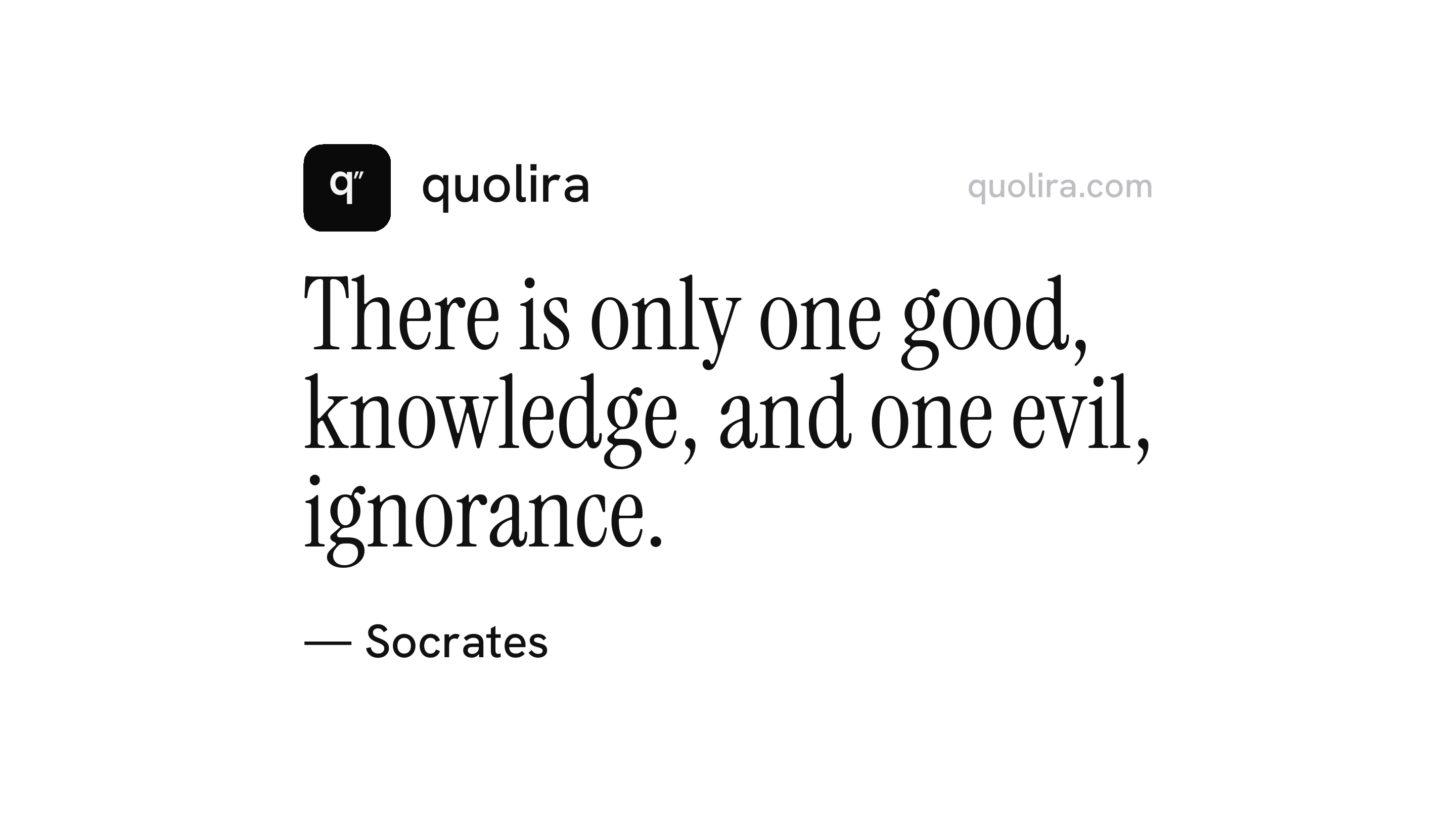
There is only one good, knowledge, and one evil, ignorance.
Socrates reported by Diogenes Laertius
A bold claim that bad behavior is really a failure to understand. He thought nobody knowingly chooses worse for themselves.
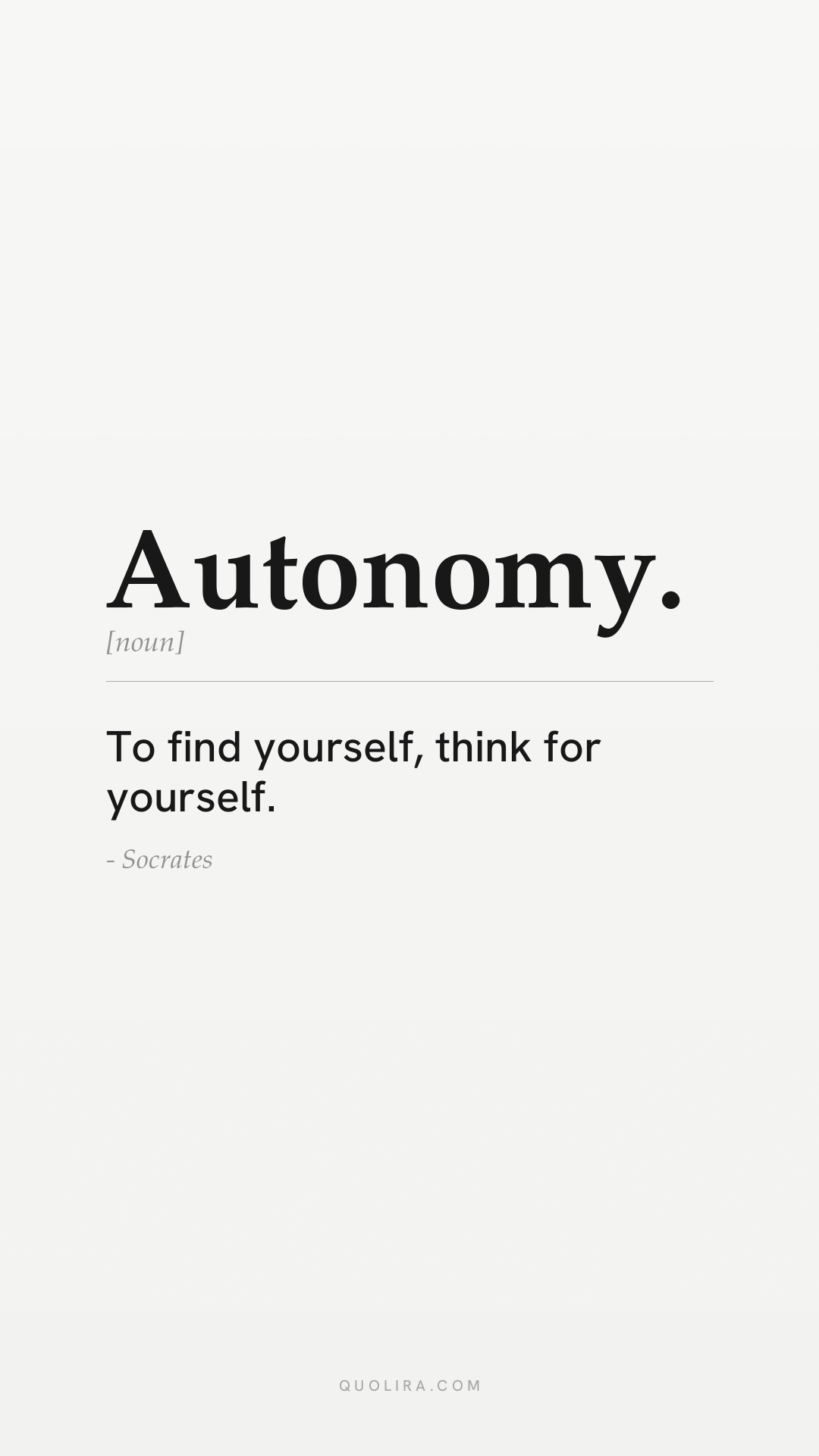
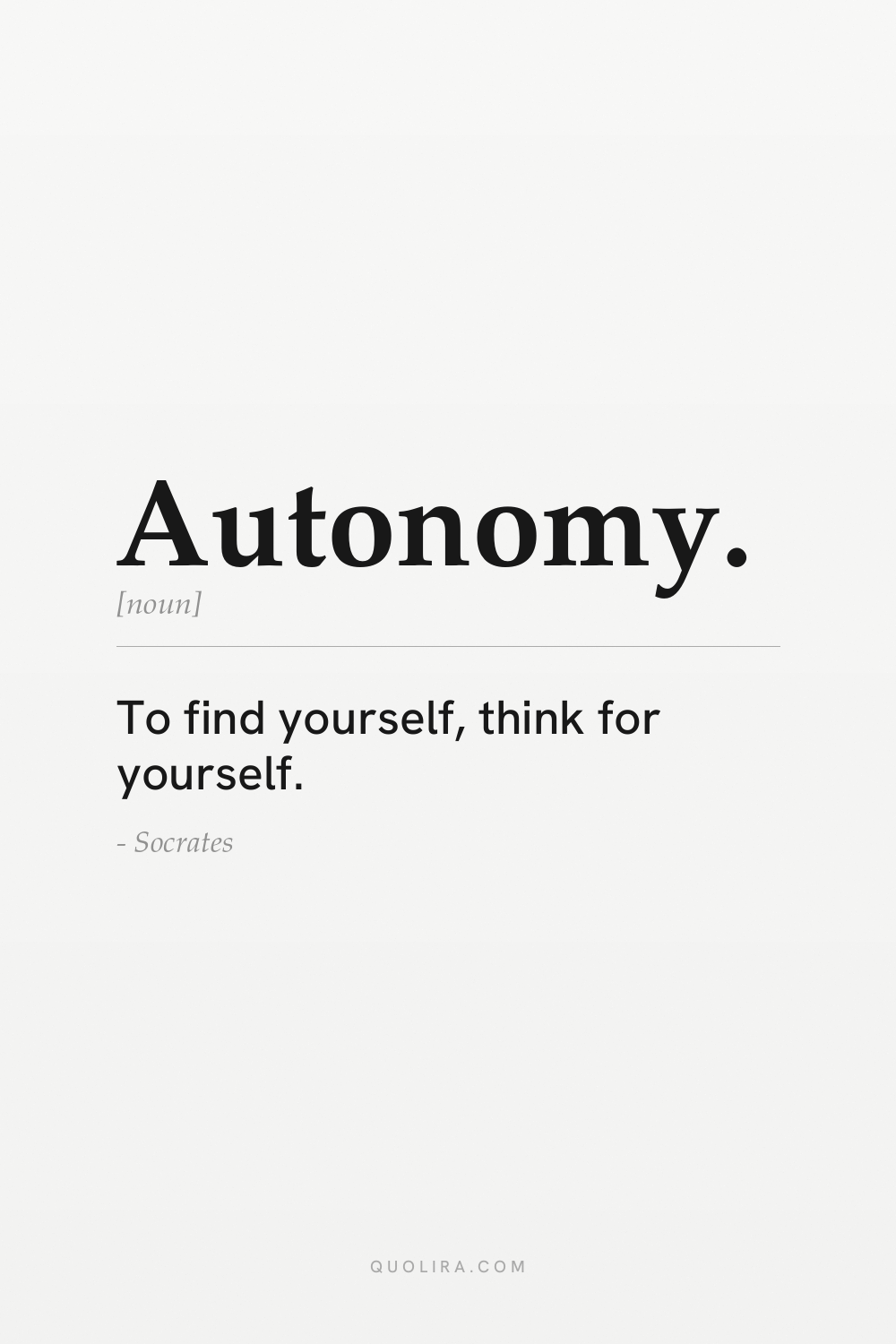
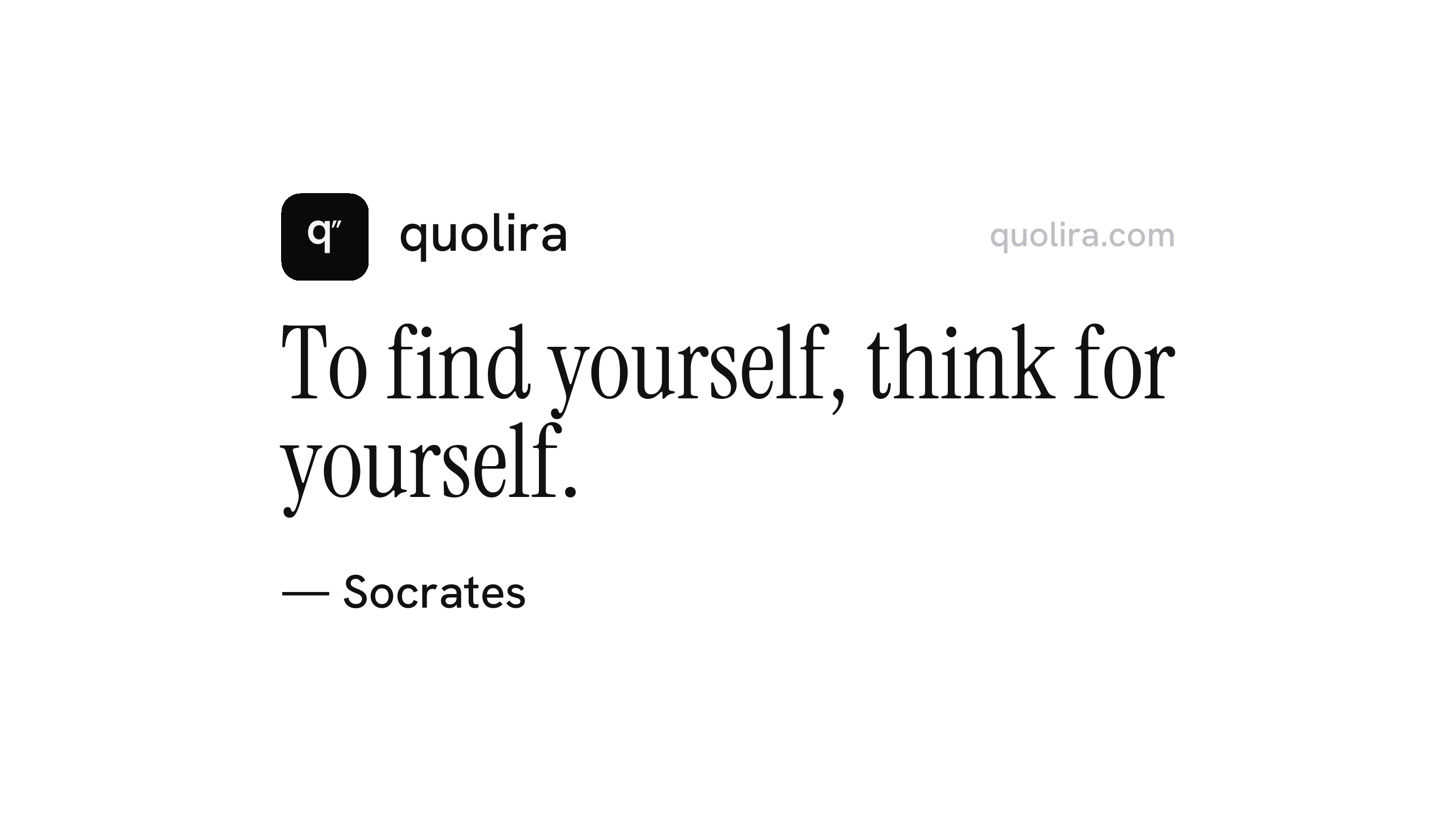
To find yourself, think for yourself.
Short and stubborn. He spent his life proving you can't outsource the work of your own mind.
Attribution note: popularly credited to Socrates, but the line does not appear in Plato's dialogues or other sourced works.
Socrates Quotes on Wisdom, Virtue and Contentment
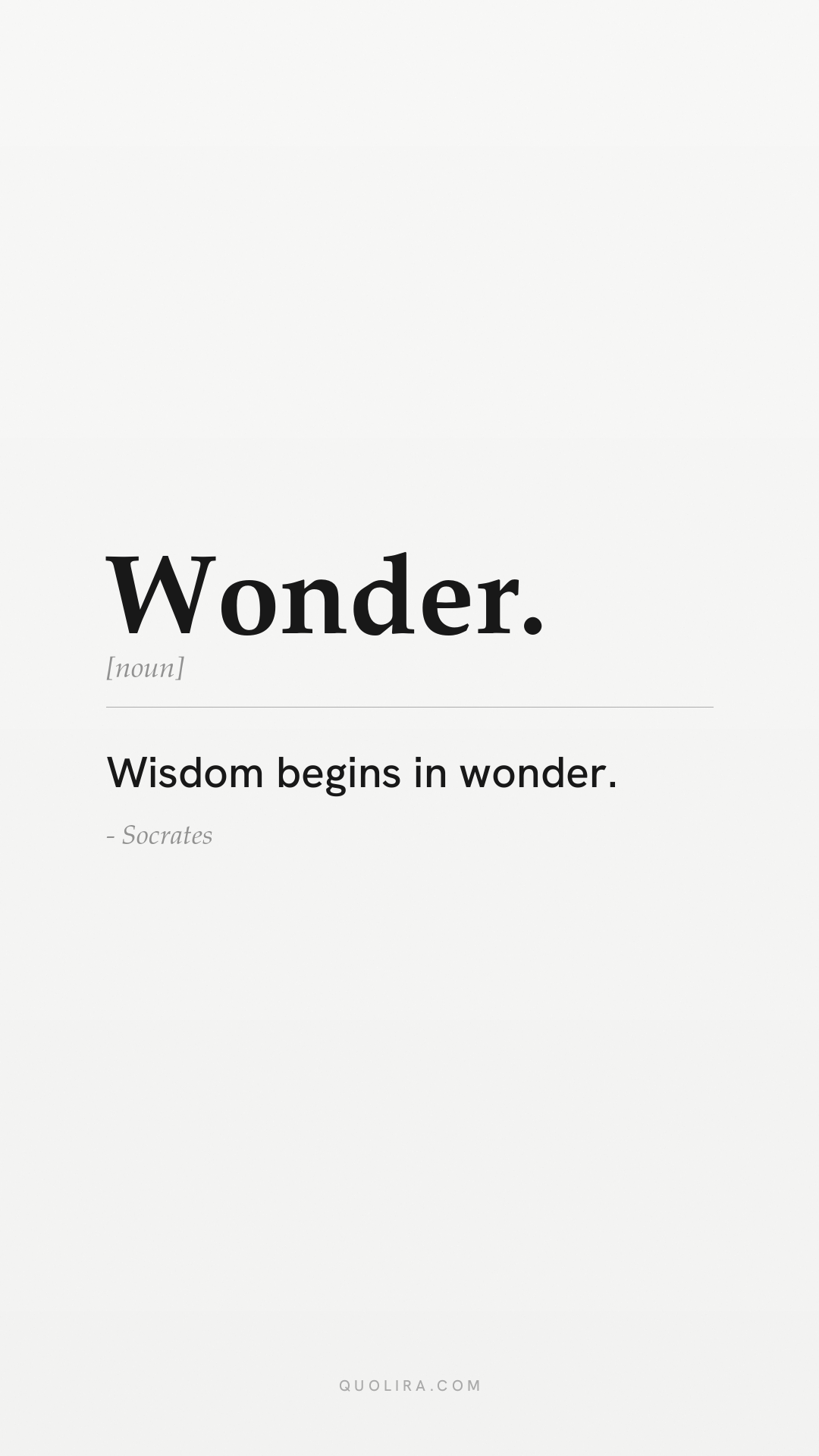
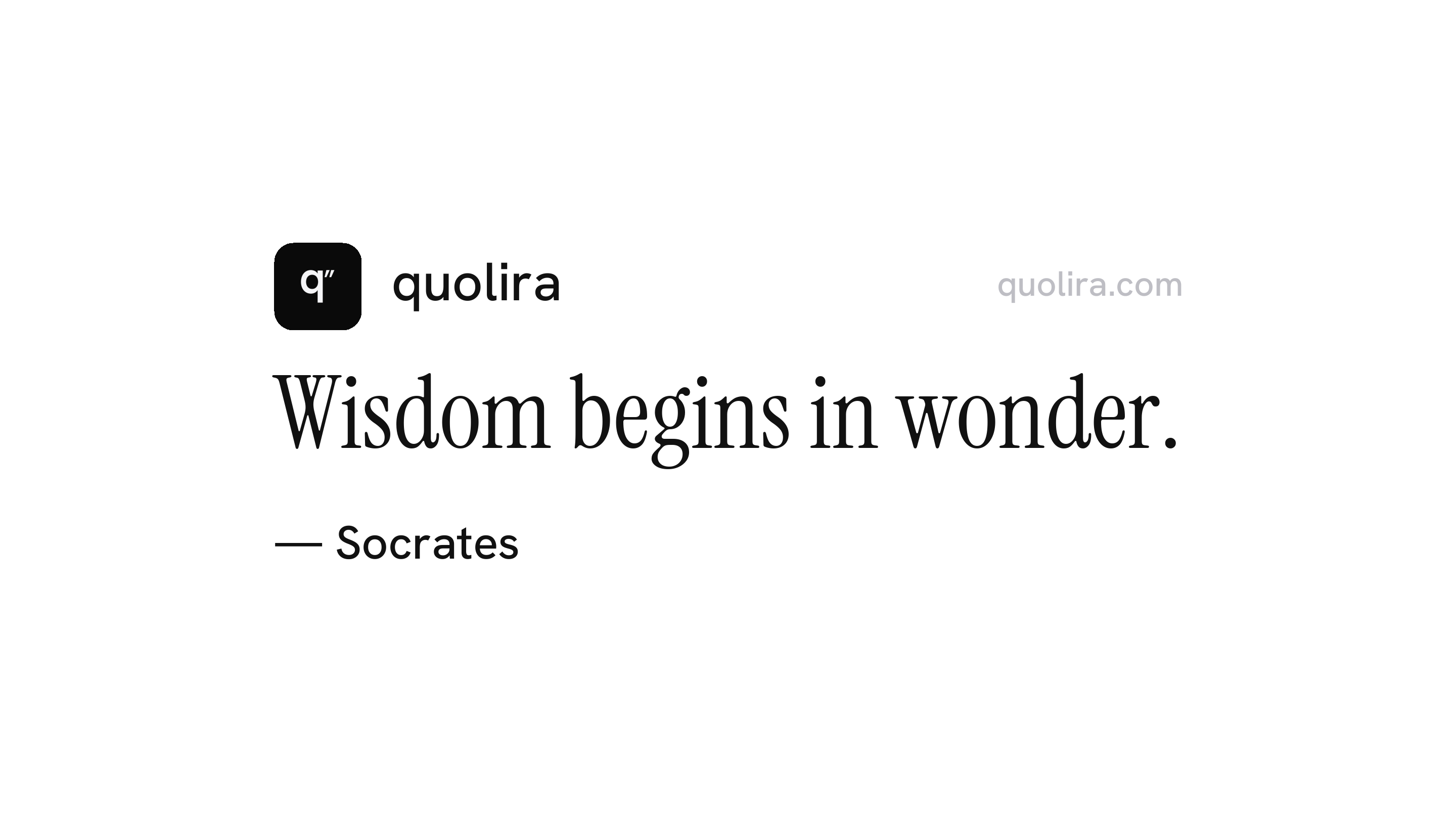
Wisdom begins in wonder.
Curiosity, not certainty, was his engine. The moment you stop being amazed, you stop learning.
Attribution note: often credited to Socrates, but the idea comes from Plato and Aristotle, not a direct Socrates quote.

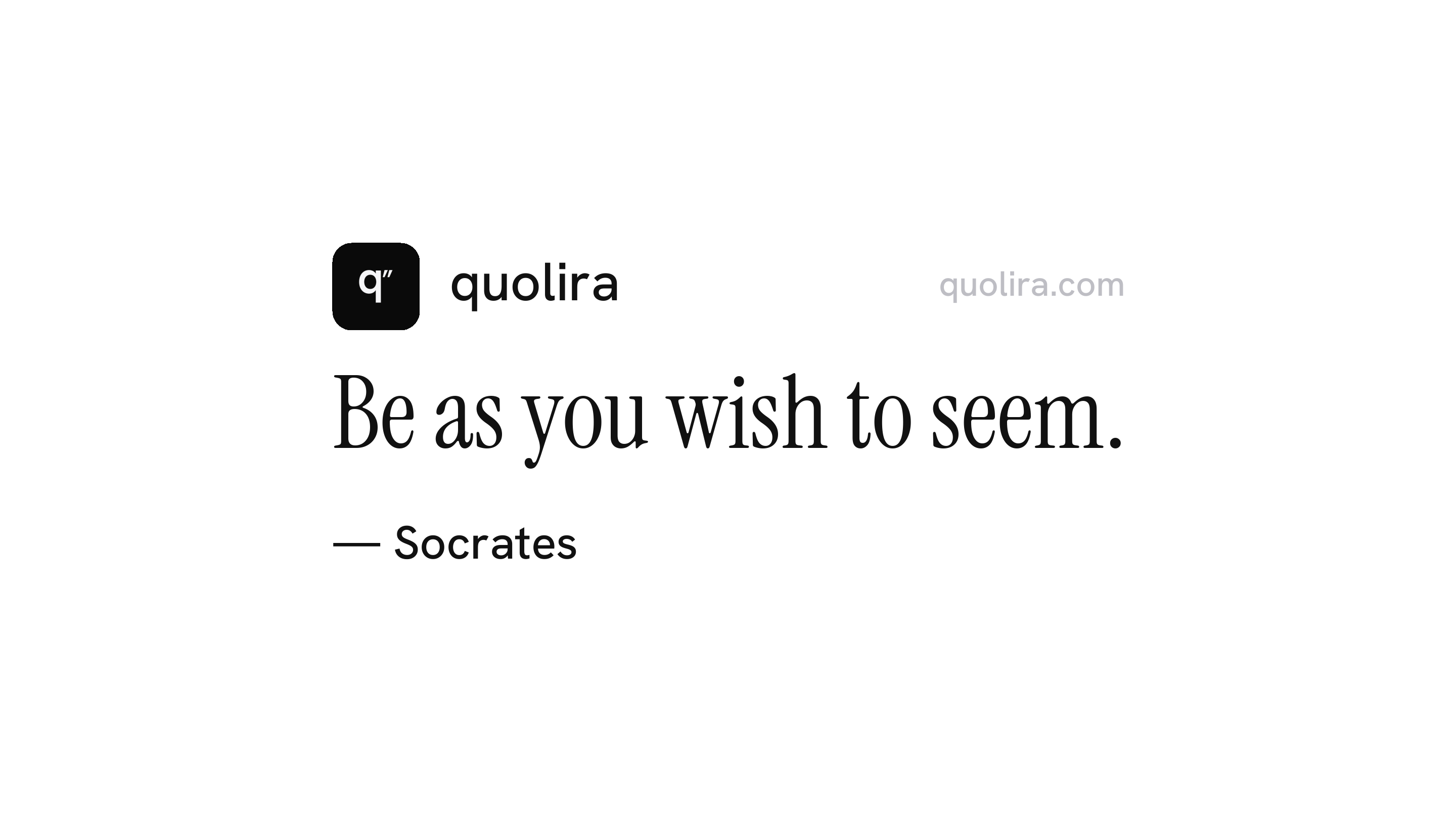
Be as you wish to seem.
A quiet shot at reputation games. Stop managing the image and just become the thing.
Attribution note: traced to Socrates only through later paraphrase, with no verified original source.

By all means marry; if you get a good wife, you'll become happy; if you get a bad one, you'll become a philosopher.
Socrates attributed via Diogenes Laertius
Famously married to Xanthippe, who reportedly had a temper. He turned domestic friction into a punchline about thinking clearly.
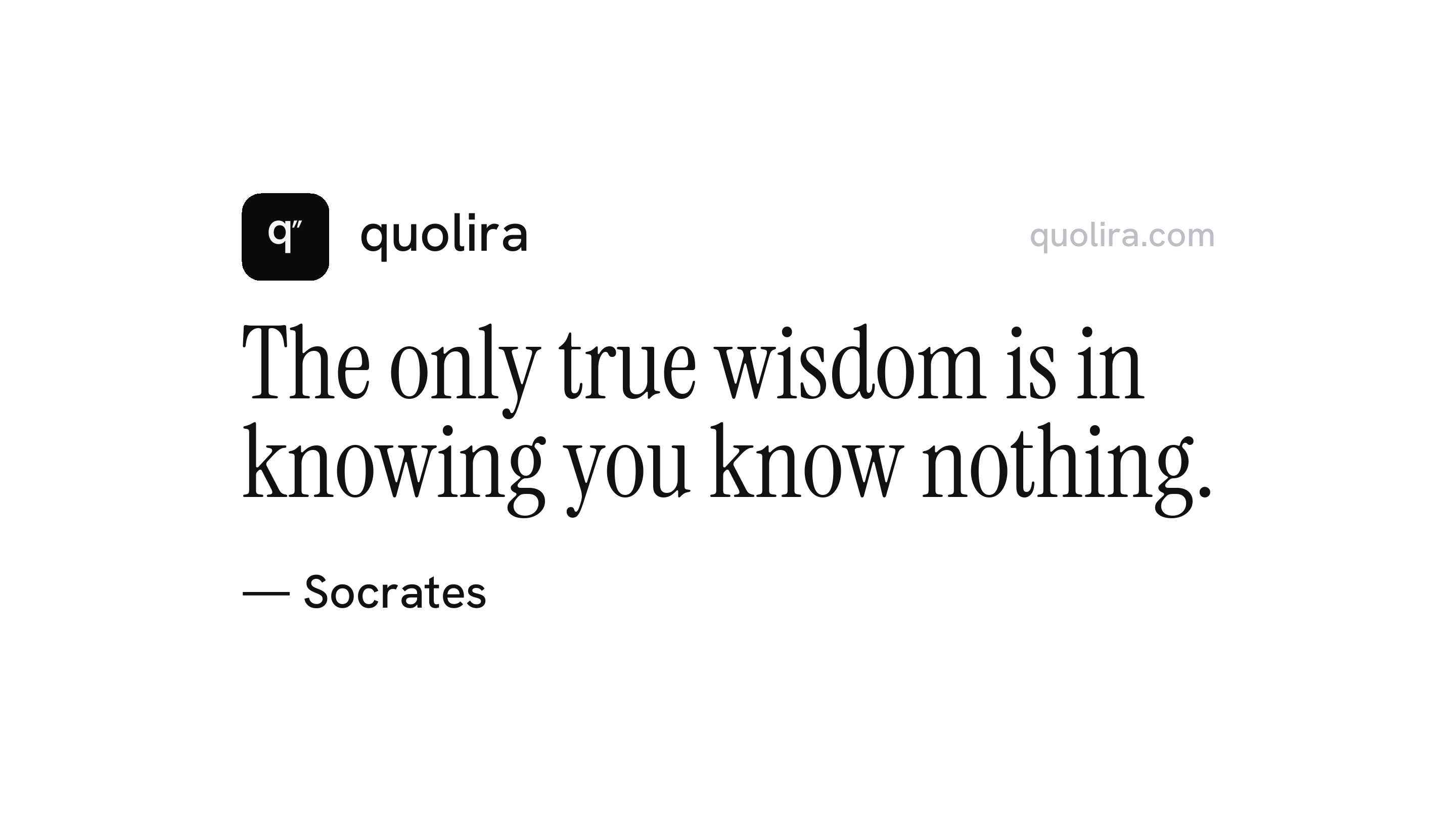
The only true wisdom is in knowing you know nothing.
Socrates paraphrase from Plato, Apology
His humility wasn't false modesty. He genuinely believed certainty was the enemy of learning.
Attribution note: a modern paraphrase of ideas in Plato's Apology, not a verbatim statement by Socrates.

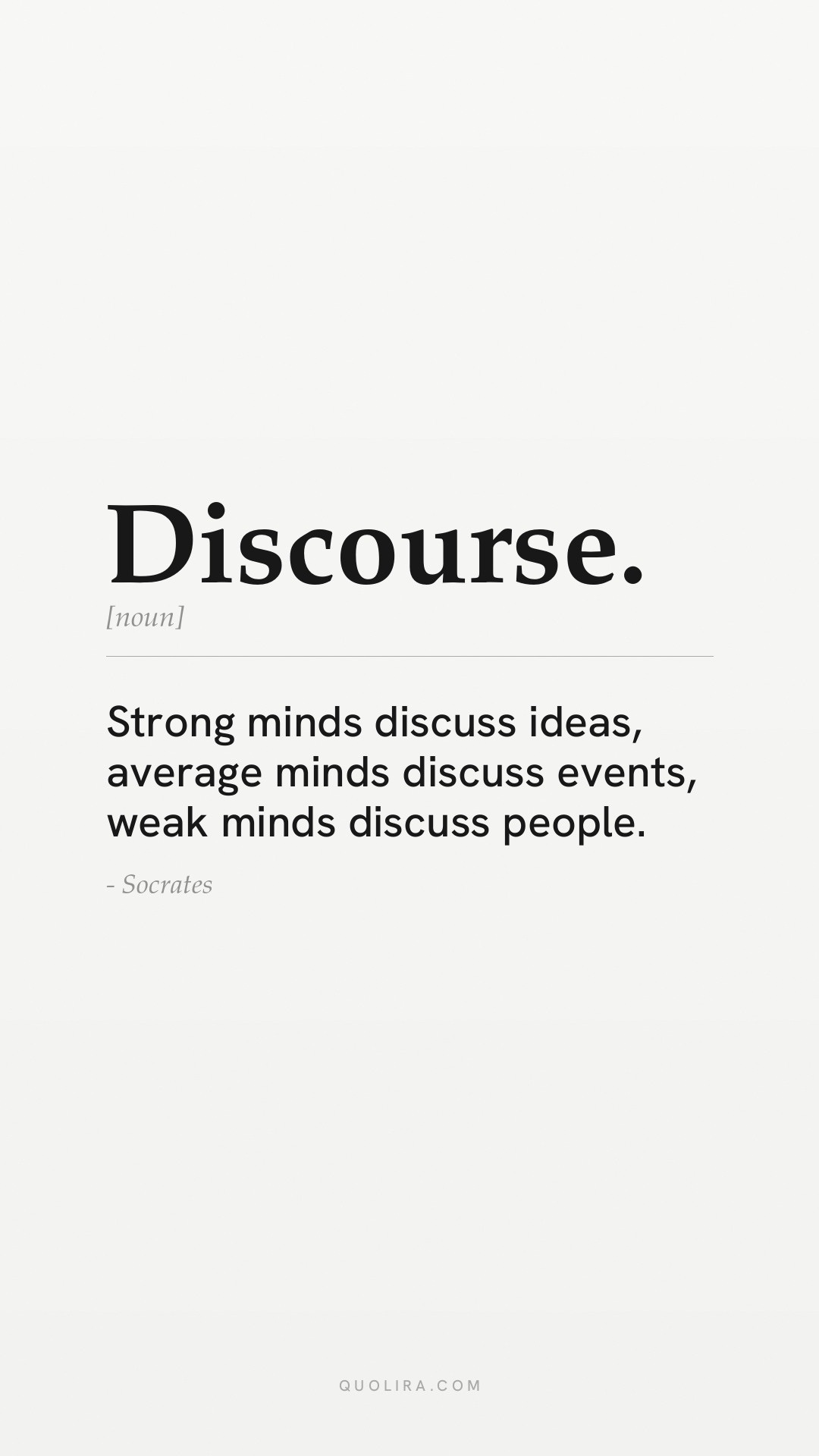
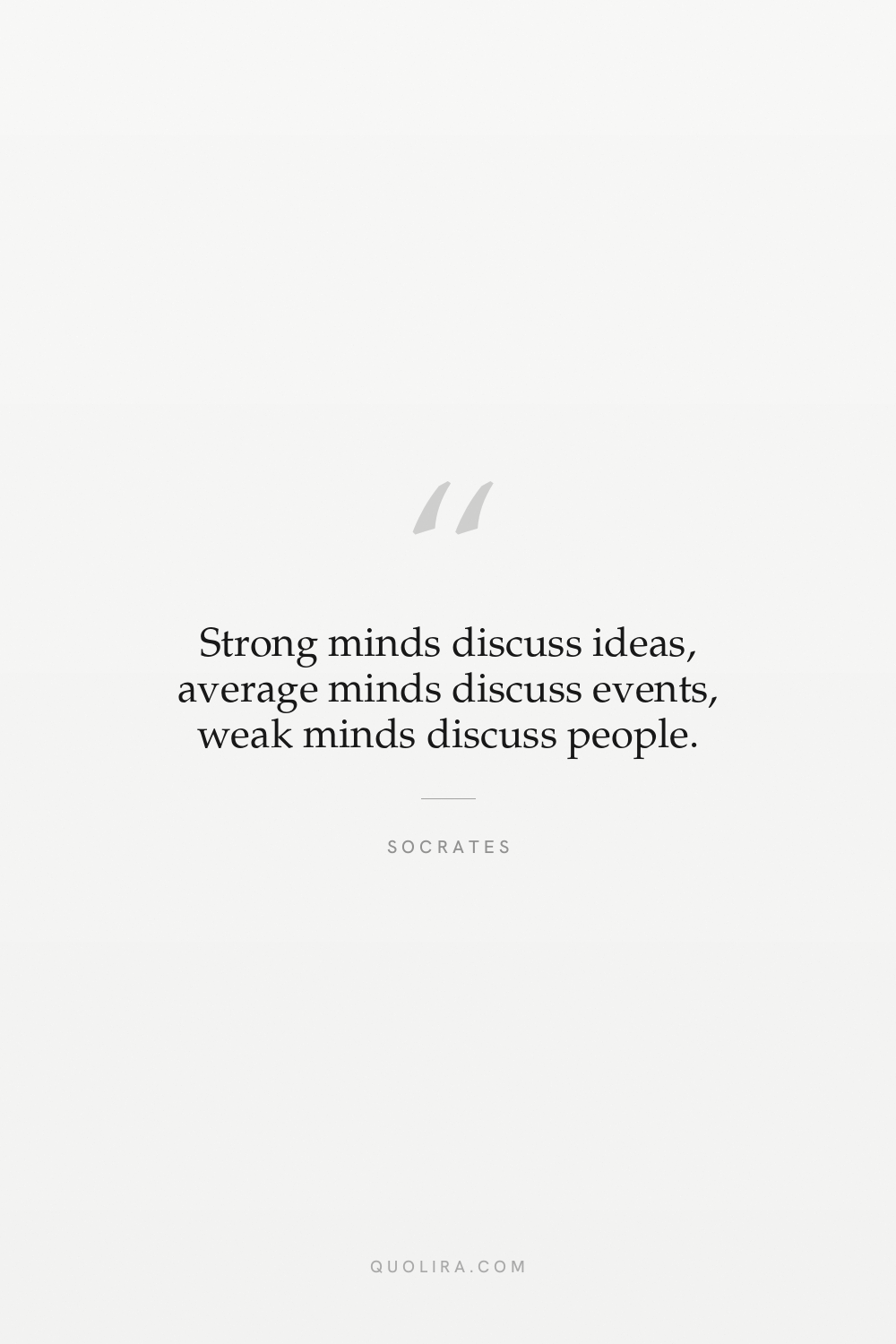
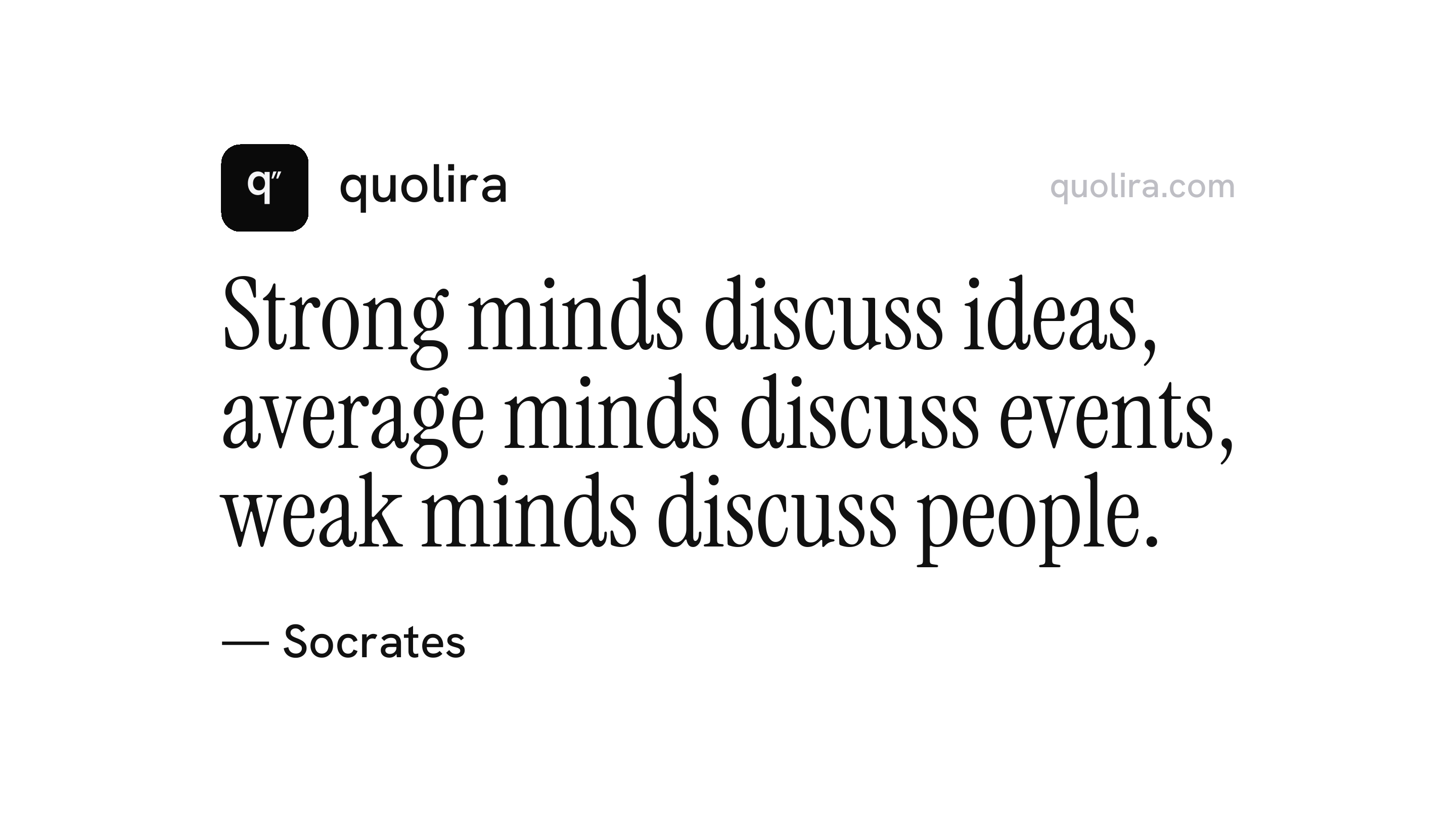
Strong minds discuss ideas, average minds discuss events, weak minds discuss people.
A handy gut check for any conversation. Notice what you keep circling back to.
Attribution note: often credited to Socrates, but no ancient source has been found; it appears to be modern.
He who is not contented with what he has, would not be contented with what he would like to have.
He owned almost nothing and seemed freer for it. Wanting more is a habit, not a solution.
Socrates Quotes on Action, Learning and Life
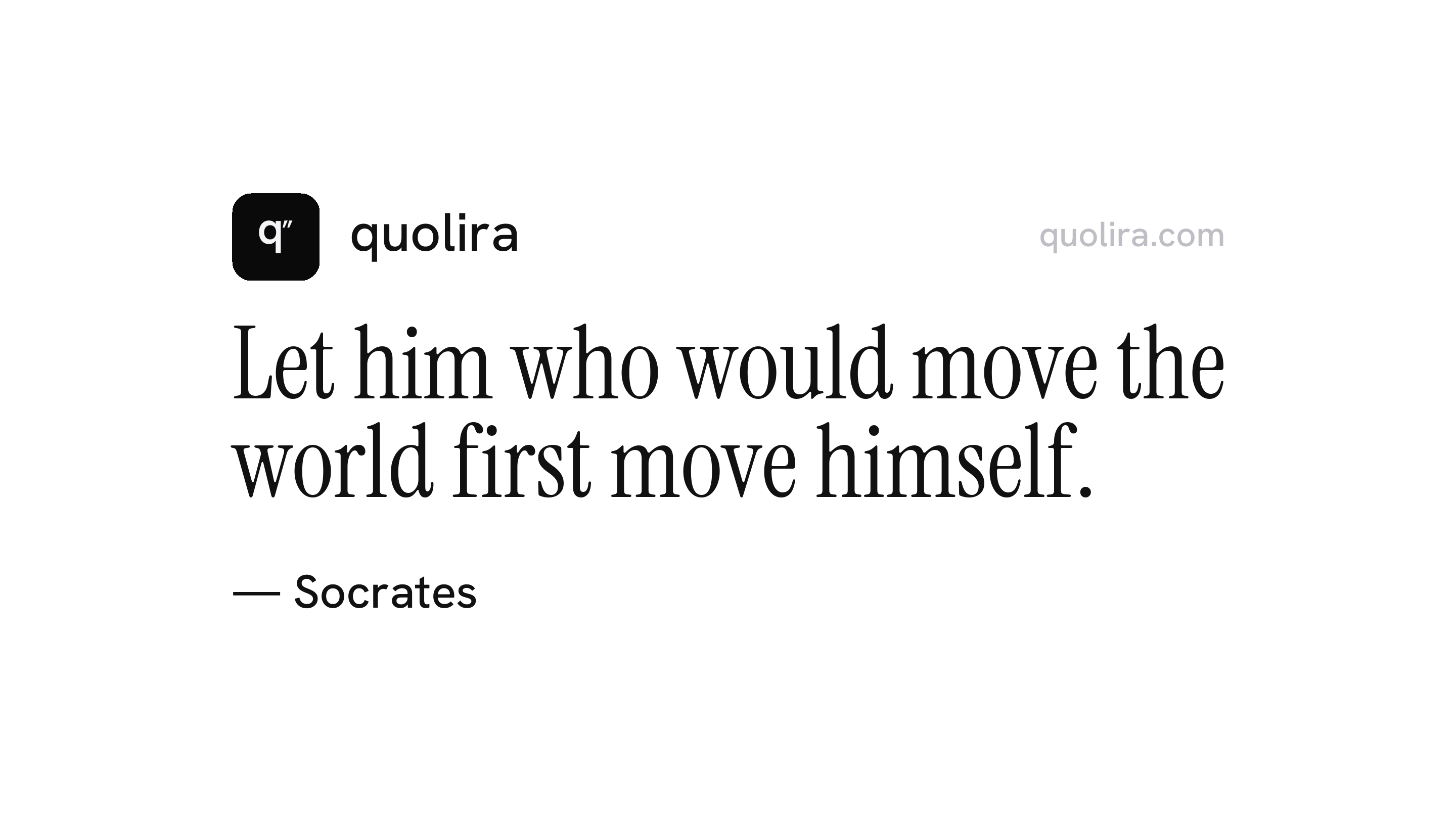
Let him who would move the world first move himself.
Reform starts at home, in your own conduct. He aimed his questions at himself before anyone else.
Attribution note: credited to Socrates, but he left no writings and no source for this line has been found.
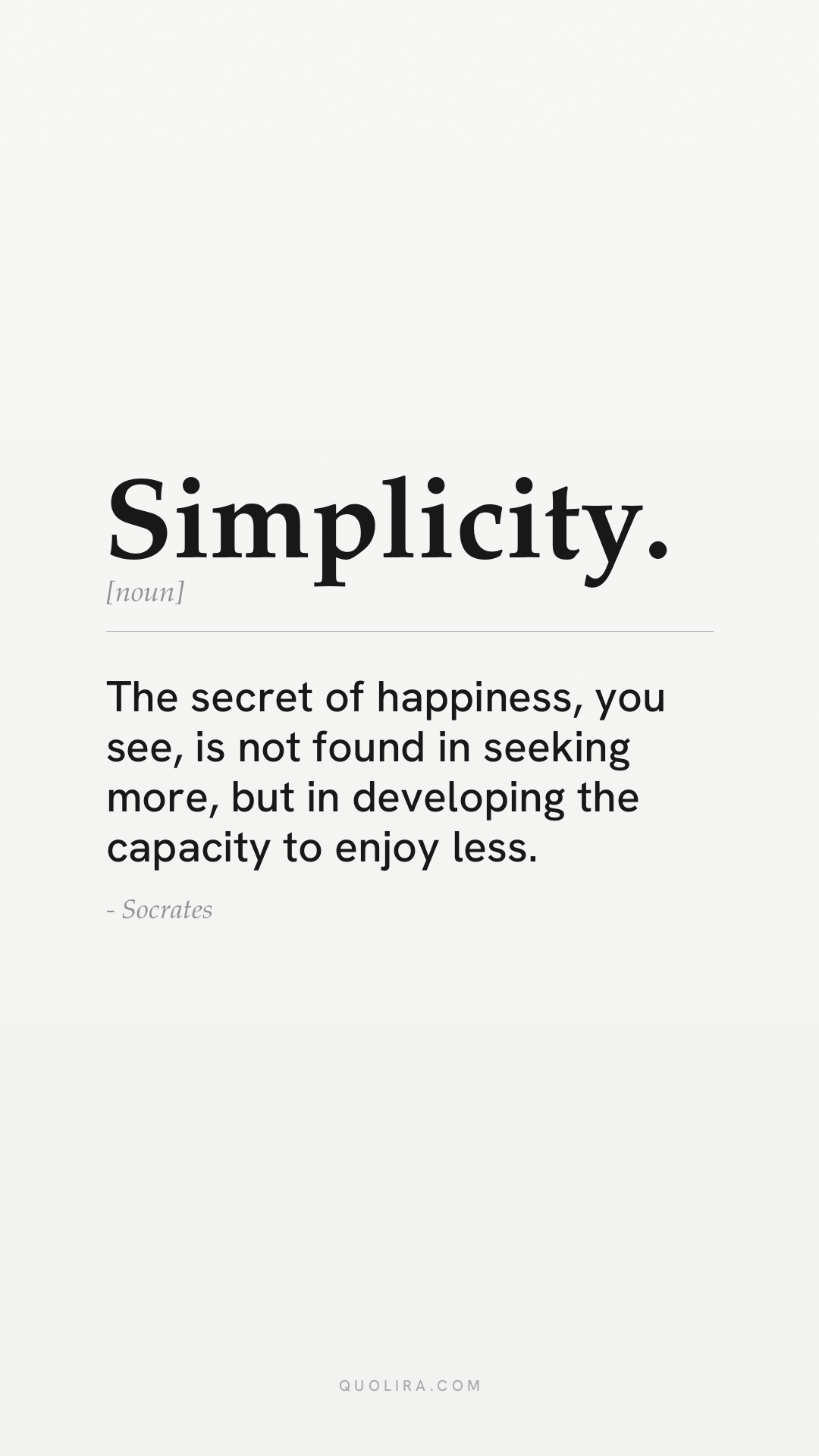
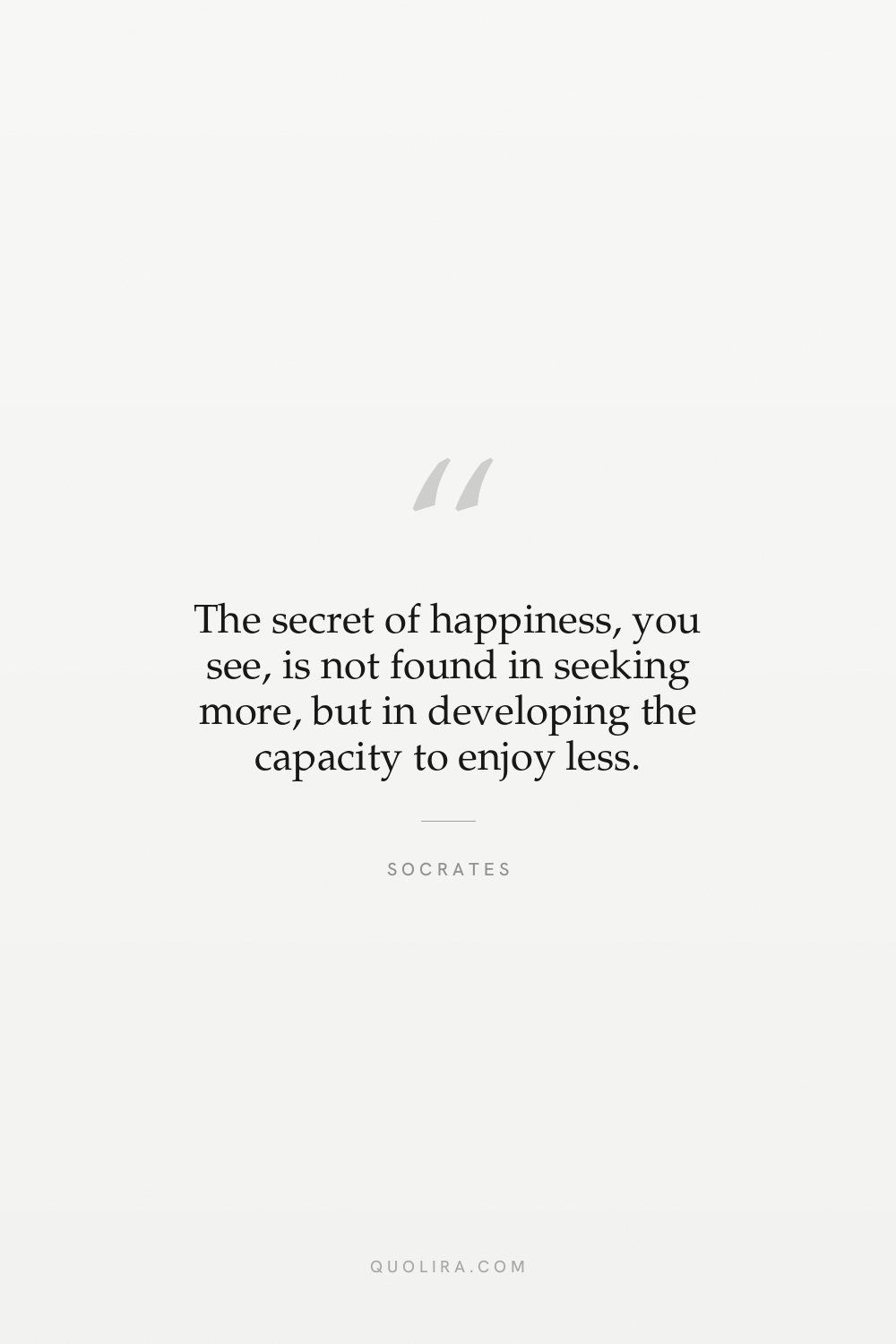
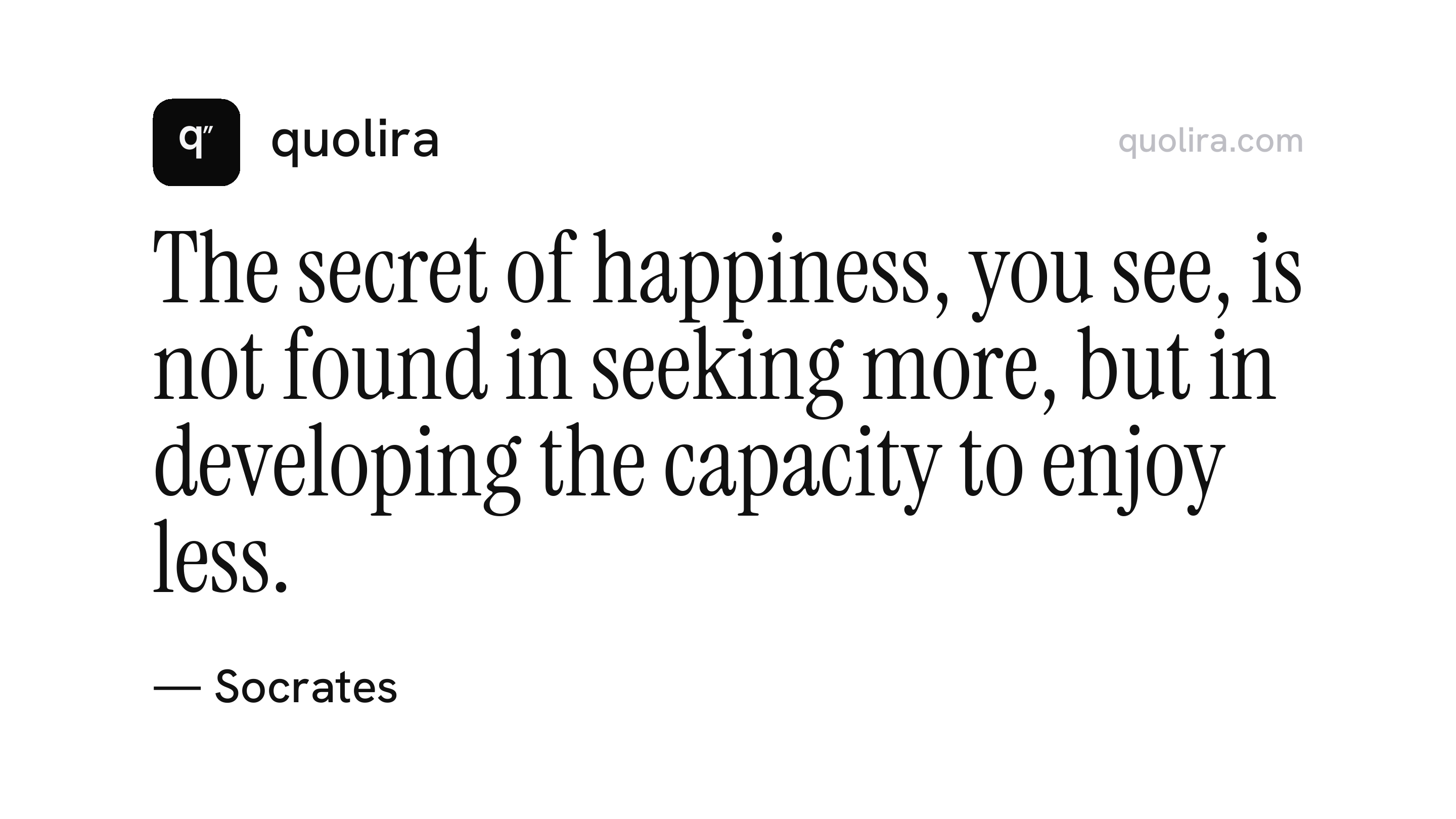
The secret of happiness, you see, is not found in seeking more, but in developing the capacity to enjoy less.
A lesson in subtraction. He practiced poverty on purpose to test what he could do without.
Attribution note: credited to Socrates, but the wording is modern and no ancient source has been found.
Education is the kindling of a flame, not the filling of a vessel.
He never lectured, he asked. Learning, to him, was something you sparked in someone, not poured in.
Attribution note: a modern paraphrase first recorded in the 1990s, not a verifiable statement by Socrates.

An honest man is always a child.
There's a directness in children that adults trade away for tact. He admired the people who kept it.
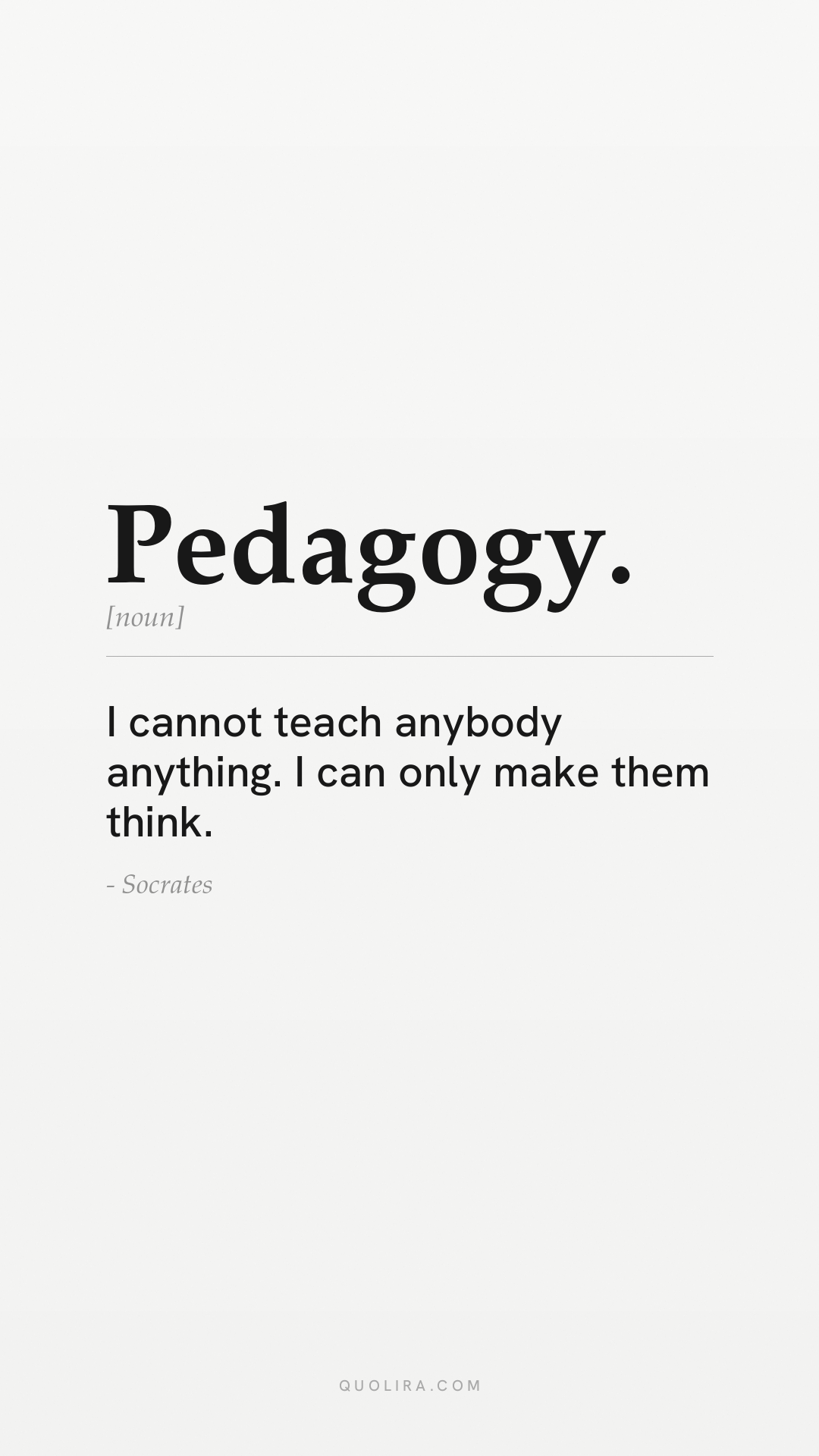
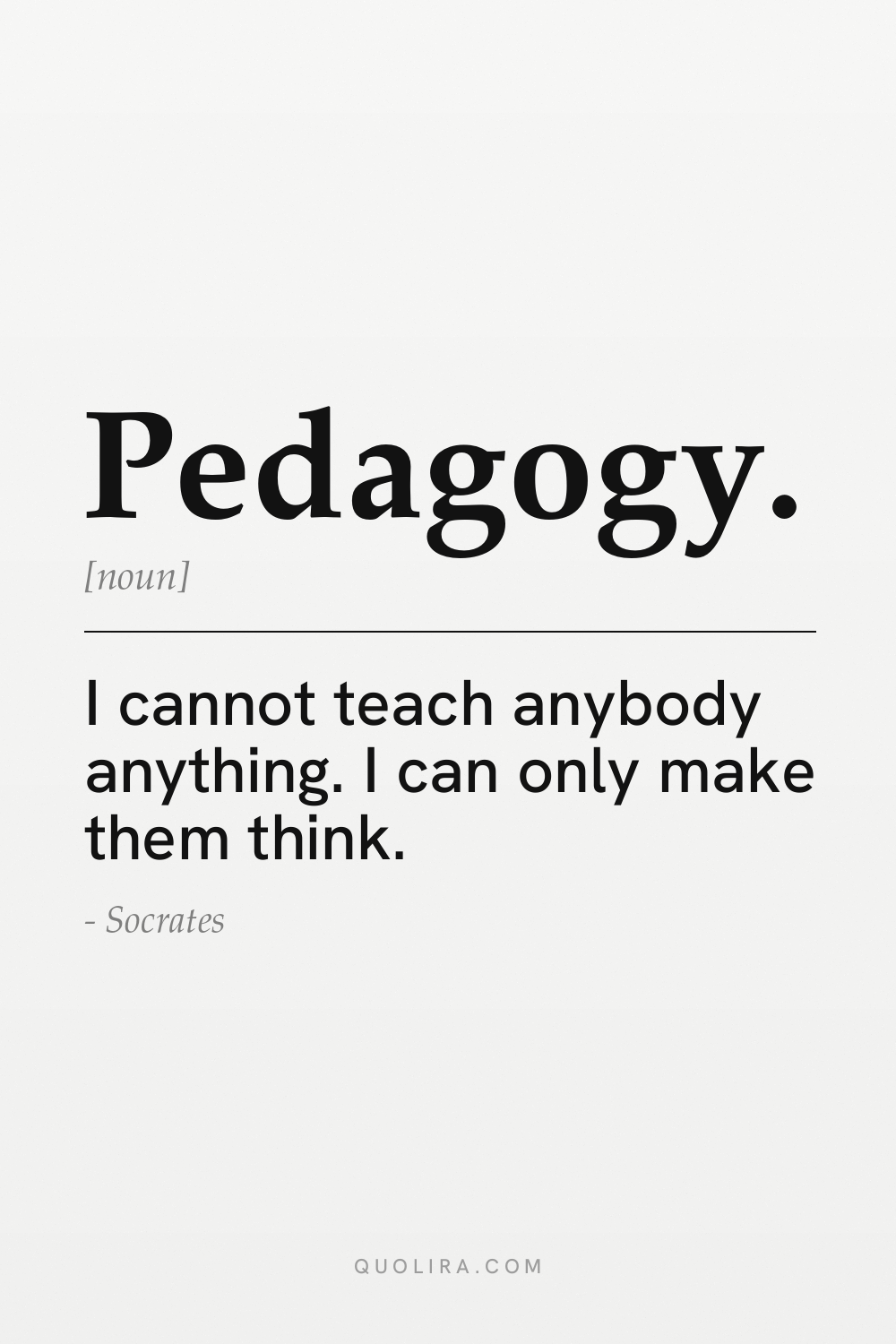
I cannot teach anybody anything. I can only make them think.
The whole Socratic method in one line. He saw himself as a midwife for ideas, not a source of them.
Attribution note: no source in Socrates' writings has been found; it is a later paraphrase commonly credited to him.
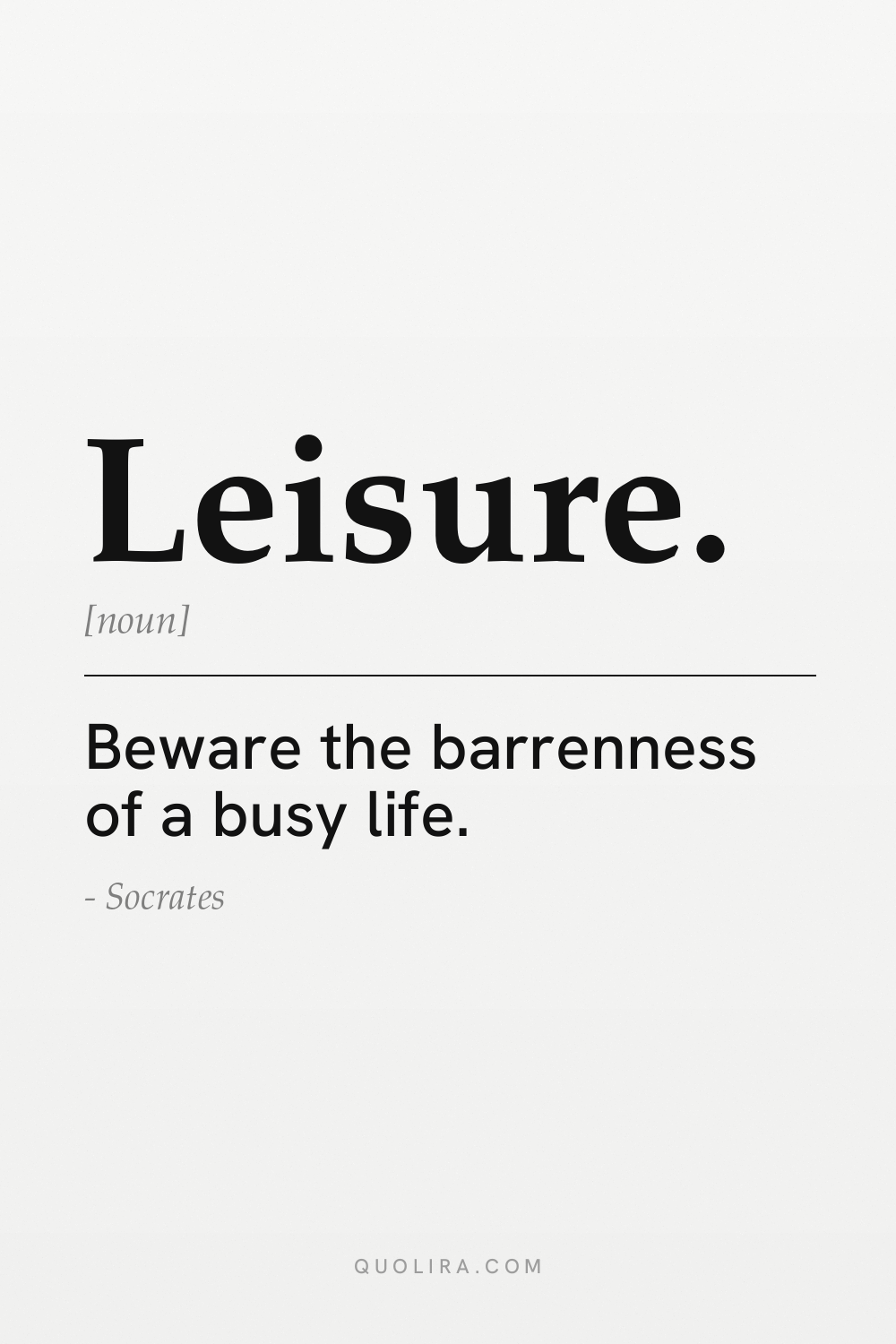
Beware the barrenness of a busy life.
Motion isn't meaning. He'd have had questions for anyone who confuses a full calendar with a full life.
Socrates Quotes on Death, Truth and Women
Death may be the greatest of all human blessings.
Facing execution, he refused to fear what he didn't understand. Calm reasoning, even at the edge.
Know thyself.
Socrates adopted from the Delphic maxim
He took an old inscription at Delphi and made it the center of his life's work. Self-knowledge before everything.
Attribution note: inscribed at Delphi before Socrates; traditionally ascribed to one of the Seven Sages, not Socrates.
Once made equal to man, woman becomes his superior.
A surprising line for ancient Athens. He took intelligence seriously wherever he found it.

Worthless people live only to eat and drink; people of worth eat and drink only to live.
Pleasure as fuel, not destination. He kept appetite in its place and rarely lost the upper hand.
The hour of departure has arrived, and we go our ways; I to die, and you to live. Which is better God only knows.
His parting words to the jury that condemned him. No bitterness, just one last unanswered question.
Socrates Quotes on Speech, Wealth and Listening
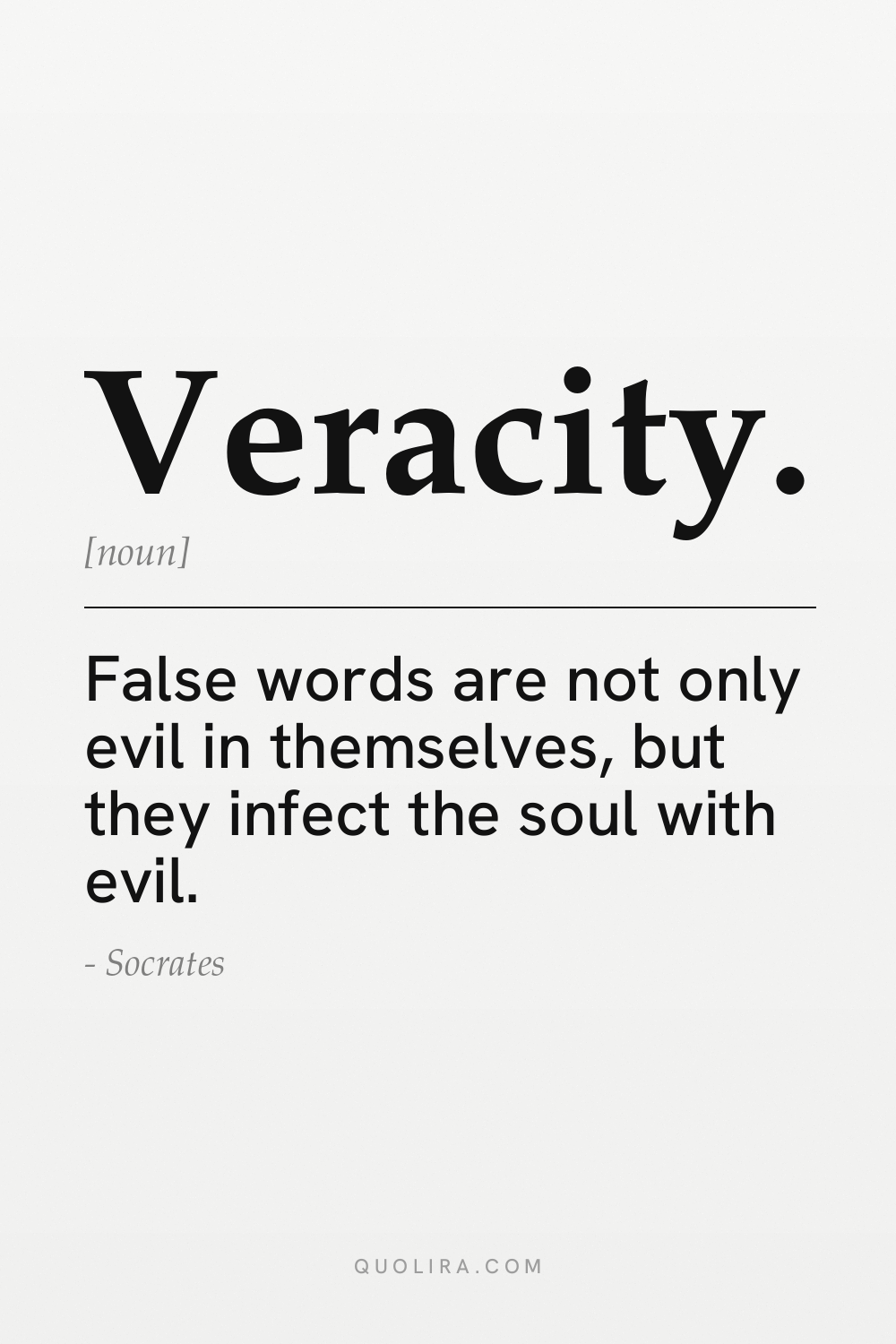
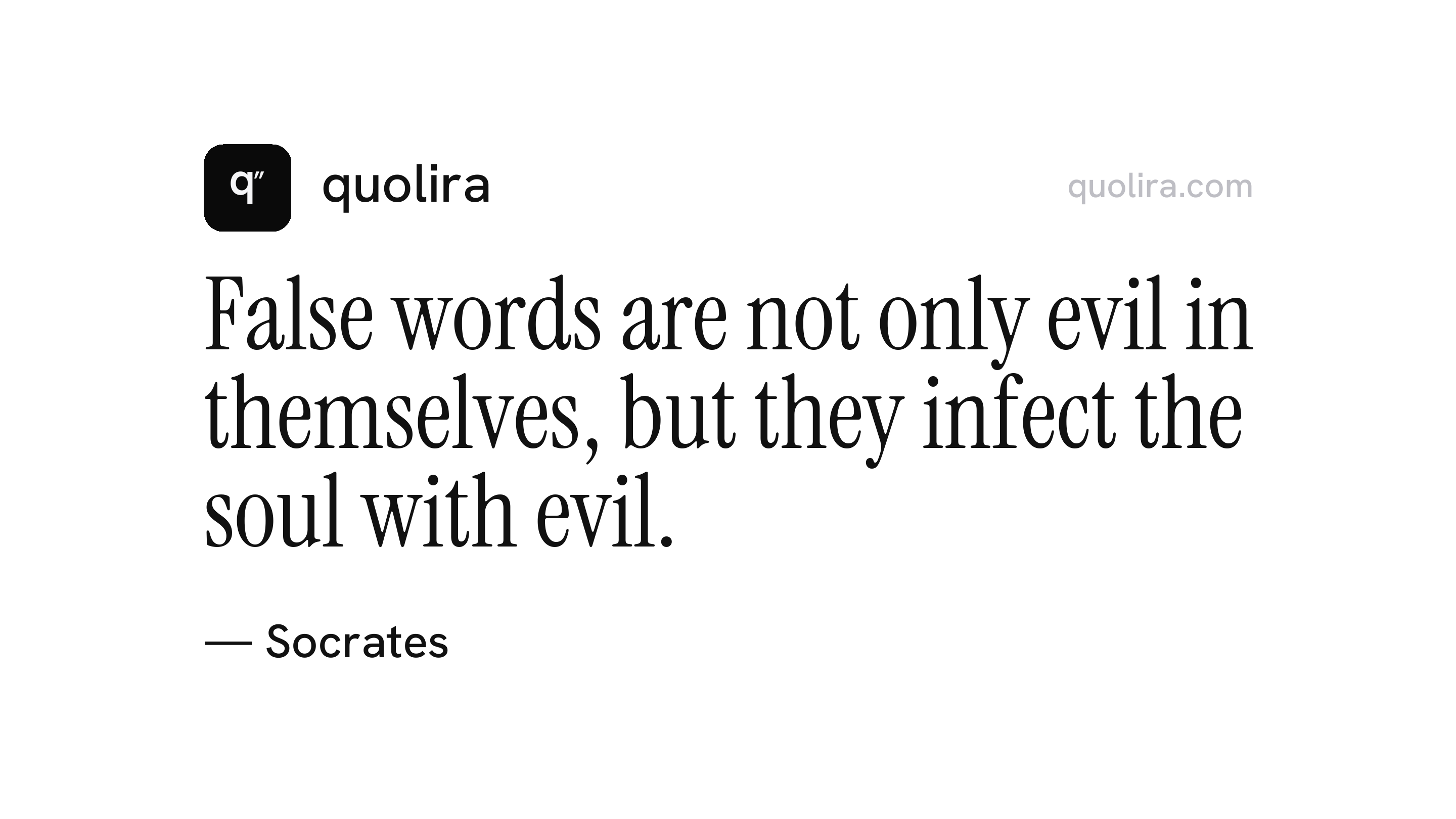
False words are not only evil in themselves, but they infect the soul with evil.
He treated language as a moral matter. Lie often enough and you corrupt your own thinking.
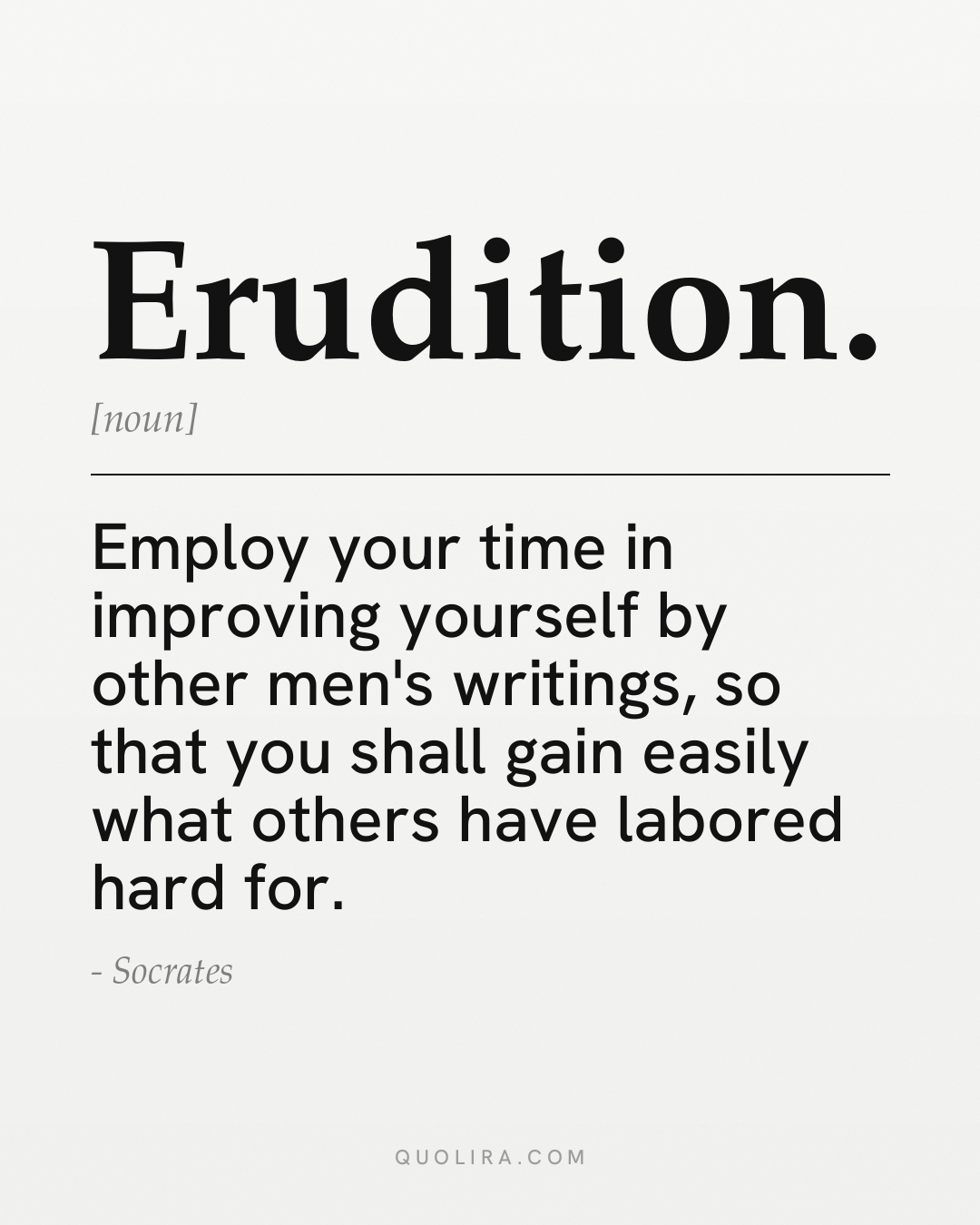
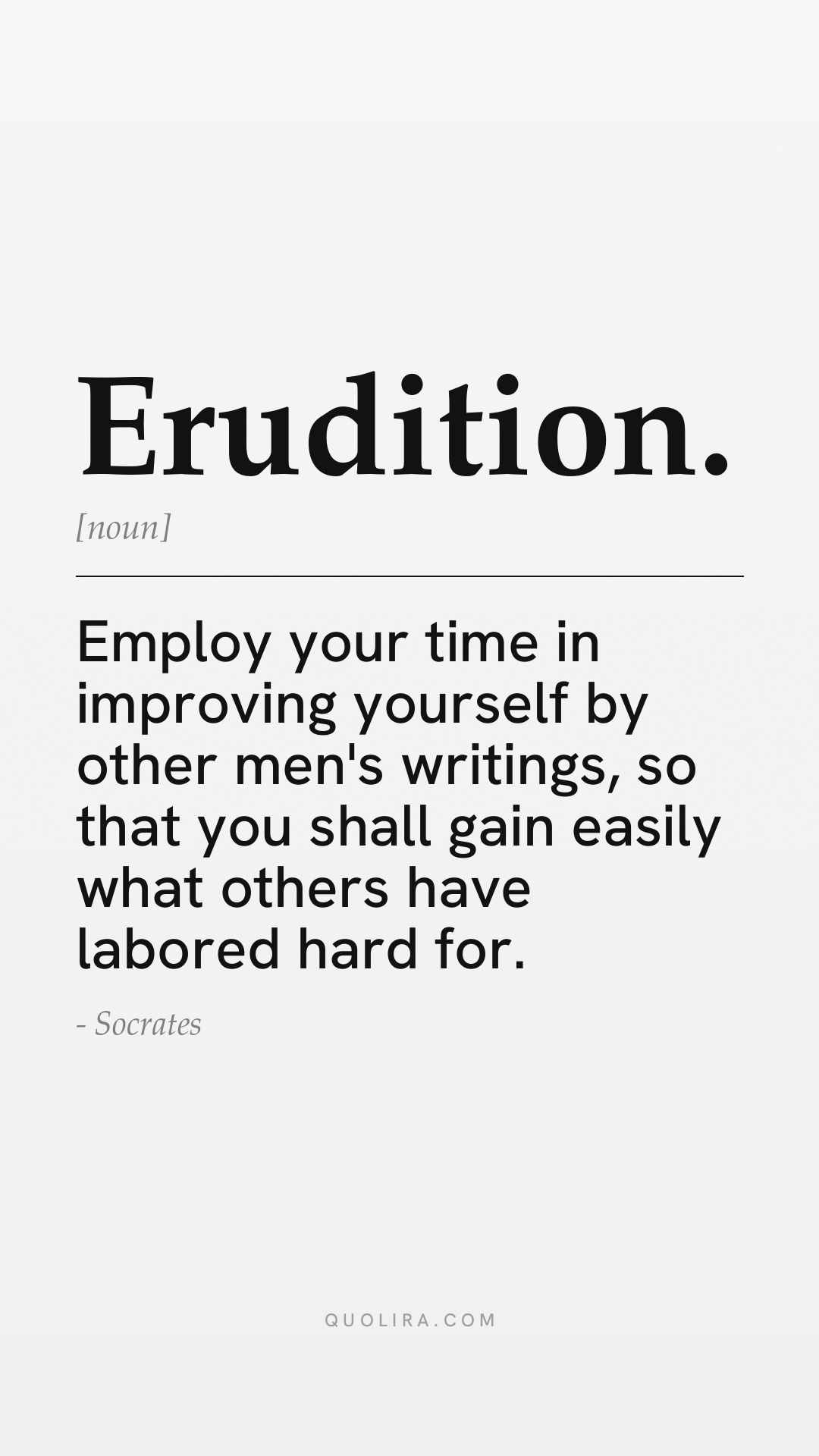
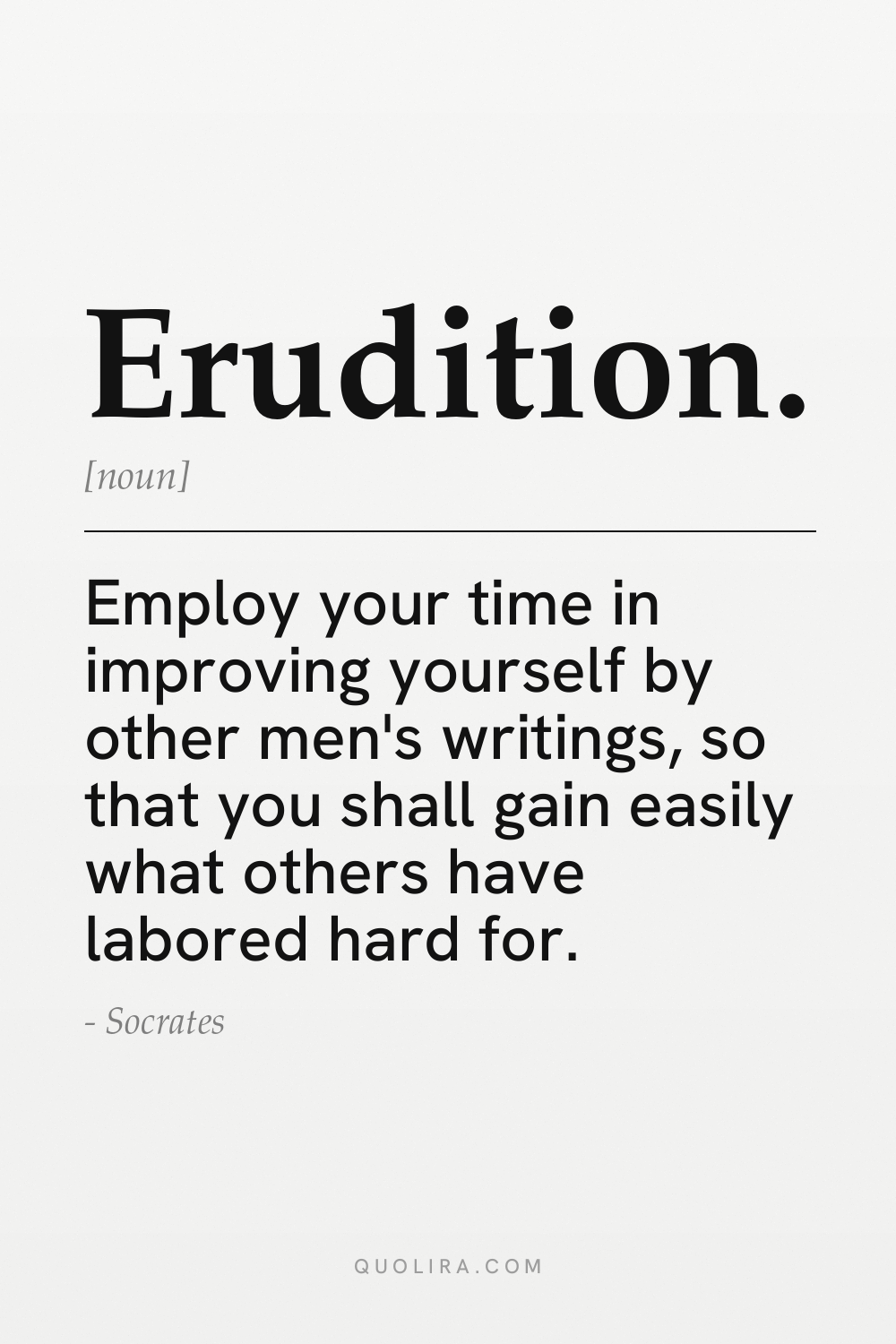
Employ your time in improving yourself by other men's writings, so that you shall gain easily what others have labored hard for.
Odd advice from a man who wrote nothing, but the point stands. Borrow the hard-won lessons of others.
Attribution note: commonly credited to Socrates, but it does not appear in his surviving sayings.
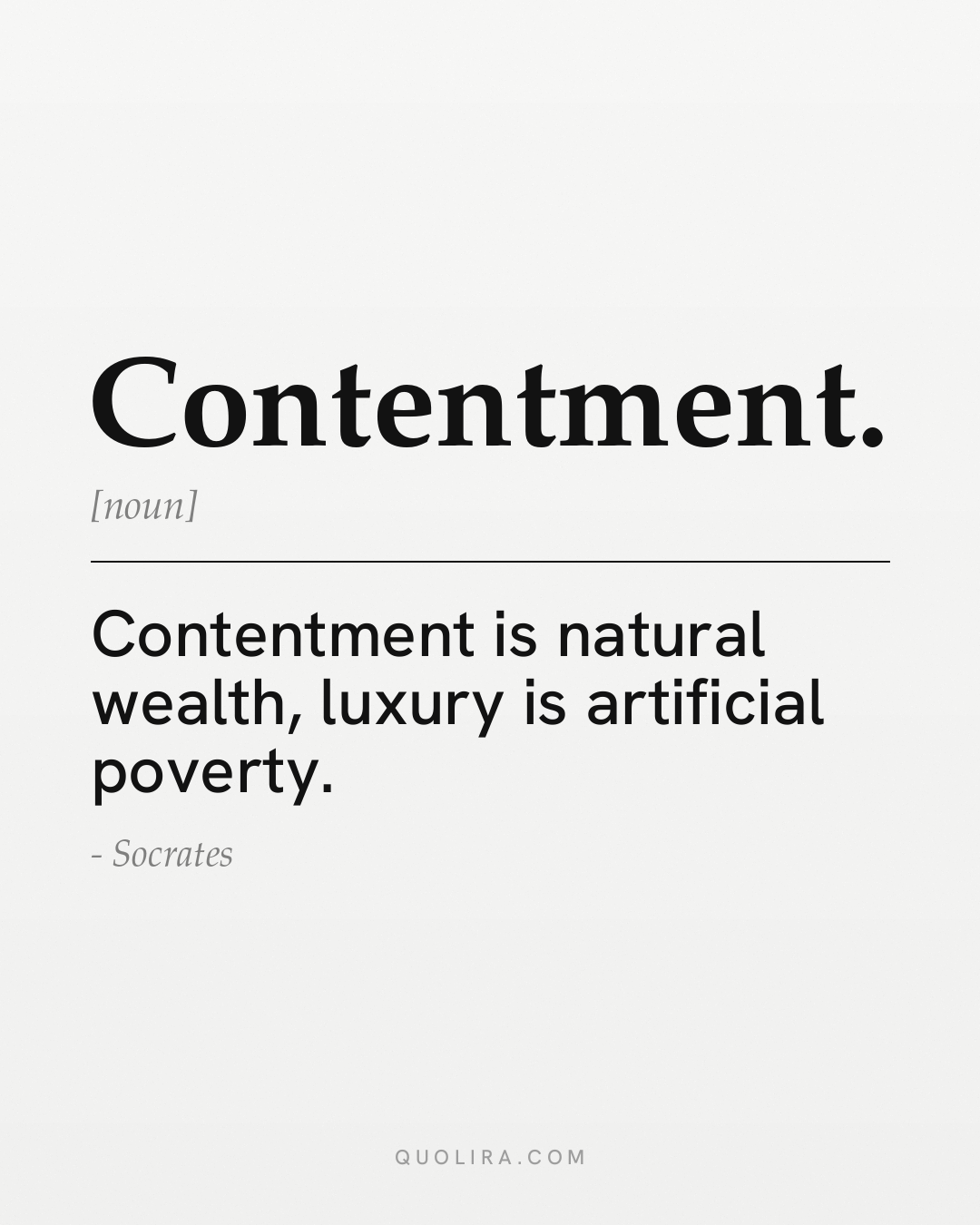
Contentment is natural wealth, luxury is artificial poverty.
He flipped the usual math. Owning less left him with more than the rich men he questioned.
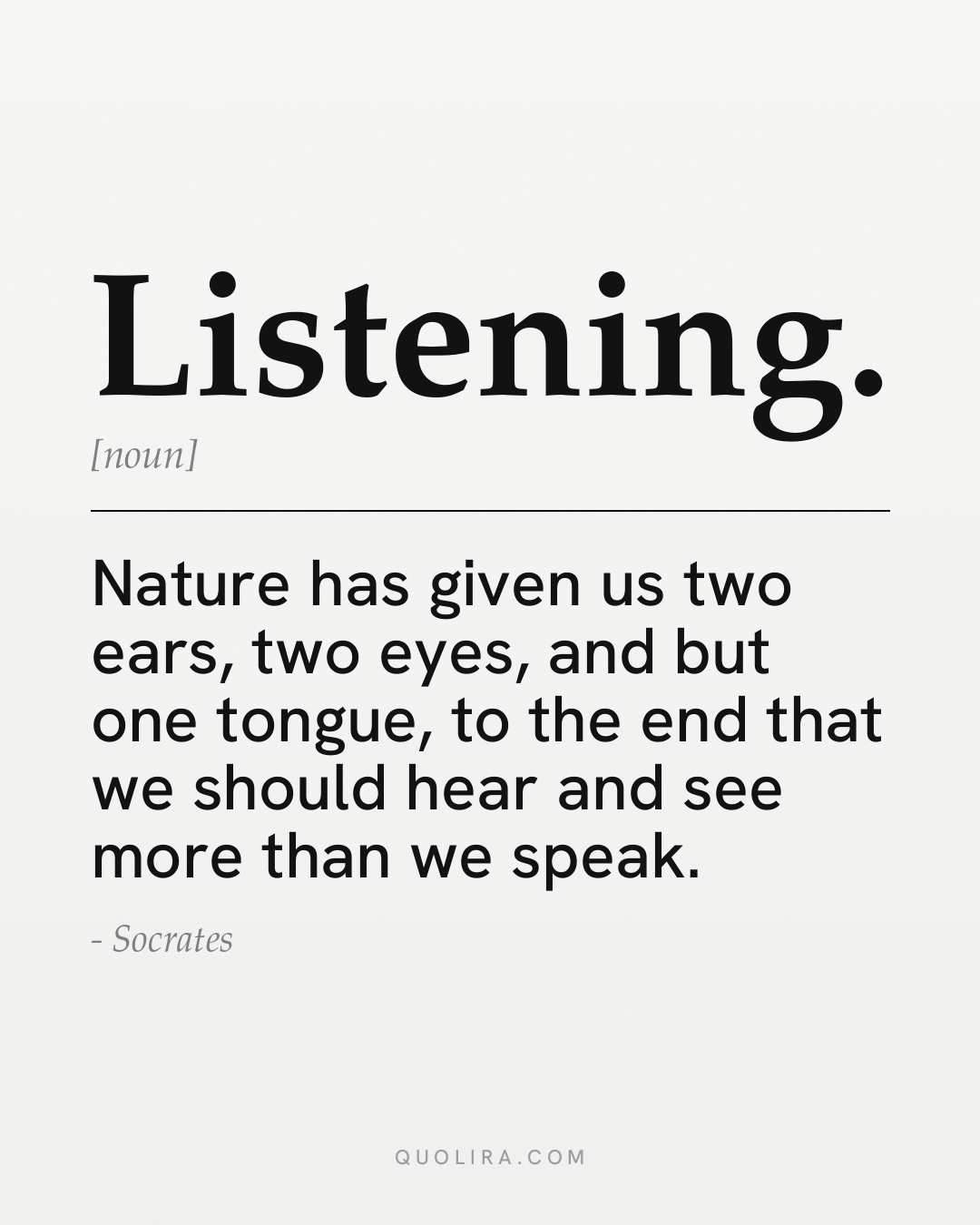
Nature has given us two ears, two eyes, and but one tongue, to the end that we should hear and see more than we speak.
For a man famous for talking, he prized listening. Most of his questions were really invitations to be heard.
Attribution note: usually attributed to Zeno of Citium, as recorded by Diogenes Laertius, not Socrates.
Quotes often misattributed in this list
- "I know that I am intelligent, because I know that I know nothing." This is a modern paraphrase of ideas in Plato's Apology. Socrates is not recorded saying these exact words.
- "To find yourself, think for yourself." This line is popularly credited to Socrates, but it does not appear in Plato's dialogues or other sourced works.
- "Wisdom begins in wonder." This idea comes from Plato and Aristotle. It is often credited to Socrates, but it is not a direct Socrates quote.
- "Be as you wish to seem." This is traced to Socrates only through later paraphrase, with no verified original source.
- "The only true wisdom is in knowing you know nothing." This is a modern paraphrase of ideas in Plato's Apology, not a verbatim statement by Socrates.
- "Strong minds discuss ideas, average minds discuss events, weak minds discuss people." This is often credited to Socrates, but no ancient source has been found. It appears to be modern.
- "Let him who would move the world first move himself." This is credited to Socrates, but he left no writings and no source for this line has been found.
- "The secret of happiness, you see, is not found in seeking more, but in developing the capacity to enjoy less." The wording is modern and no ancient source has been found.
- "Education is the kindling of a flame, not the filling of a vessel." This is a modern paraphrase first recorded in the 1990s, not a verifiable statement by Socrates.
- "I cannot teach anybody anything. I can only make them think." No source in Socrates' writings has been found. It is a later paraphrase commonly credited to him.
- "Know thyself." This phrase was inscribed at Delphi before Socrates and is traditionally ascribed to one of the Seven Sages, not Socrates.
- "Employ your time in improving yourself by other men's writings, so that you shall gain easily what others have labored hard for." This is commonly credited to Socrates, but it does not appear in his surviving sayings.
- "Nature has given us two ears, two eyes, and but one tongue, to the end that we should hear and see more than we speak." This is usually attributed to Zeno of Citium, as recorded by Diogenes Laertius, not Socrates.
Why these quotes matter
Socrates lived from about 470 to 399 BC in Classical Athens. He wrote no texts of his own, so what survives comes mainly through his students Plato and Xenophon. Their accounts take the form of dialogues, where Socrates questions others until their assumptions fall apart. Because those accounts often contradict each other, scholars call the difficulty of reconstructing his views the Socratic problem.
His questioning made him a polarizing figure. In 399 BC he was accused of impiety and corrupting the youth, tried in a single day, and sentenced to death. As Plato tells it, he drank poison (hemlock) after refusing offers from allies to help him escape. If you enjoy sharp lines about big ideas, try 11 Dead Poets Society Quotes That Still Wake You Up or 17 Marcus Aurelius Quotes on Fate That Still Hit Hard. For a sharper, more skeptical voice, 14 Voltaire Quotes That Still Cut to the Bone is another good read.
Sources
Read these slowly. Socrates wasn't handing out answers, he was handing you better questions, and that work never really finishes.
Frequently asked questions
What is the most famous Socrates quote?
Did Socrates write any of his own quotes?
What does "I know that I know nothing" mean?
Did Socrates say "Know thyself"?
How did Socrates die?
Keep reading
Know Your Enemy: Sun Tzu's Idea Still at Work
Sun Tzu's old instruction to see both sides clearly is less about winning wars than about avoiding avoidable losses.

23 Best Epictetus Quotes on Fear, Freedom, and Control
Epictetus taught that most of our suffering comes from our judgments, not from the events themselves, and these 23 quotes show how to put that to work.













25 Lao Tzu Quotes on Wisdom, Humility, and Letting Go
Short, blunt sayings from the Tao Te Ching that still tell you to talk less, bend more, and stop forcing things.
He said this at his own trial, refusing to stop questioning even to save his life. That's not a slogan, it's a man choosing death over a quiet mind.