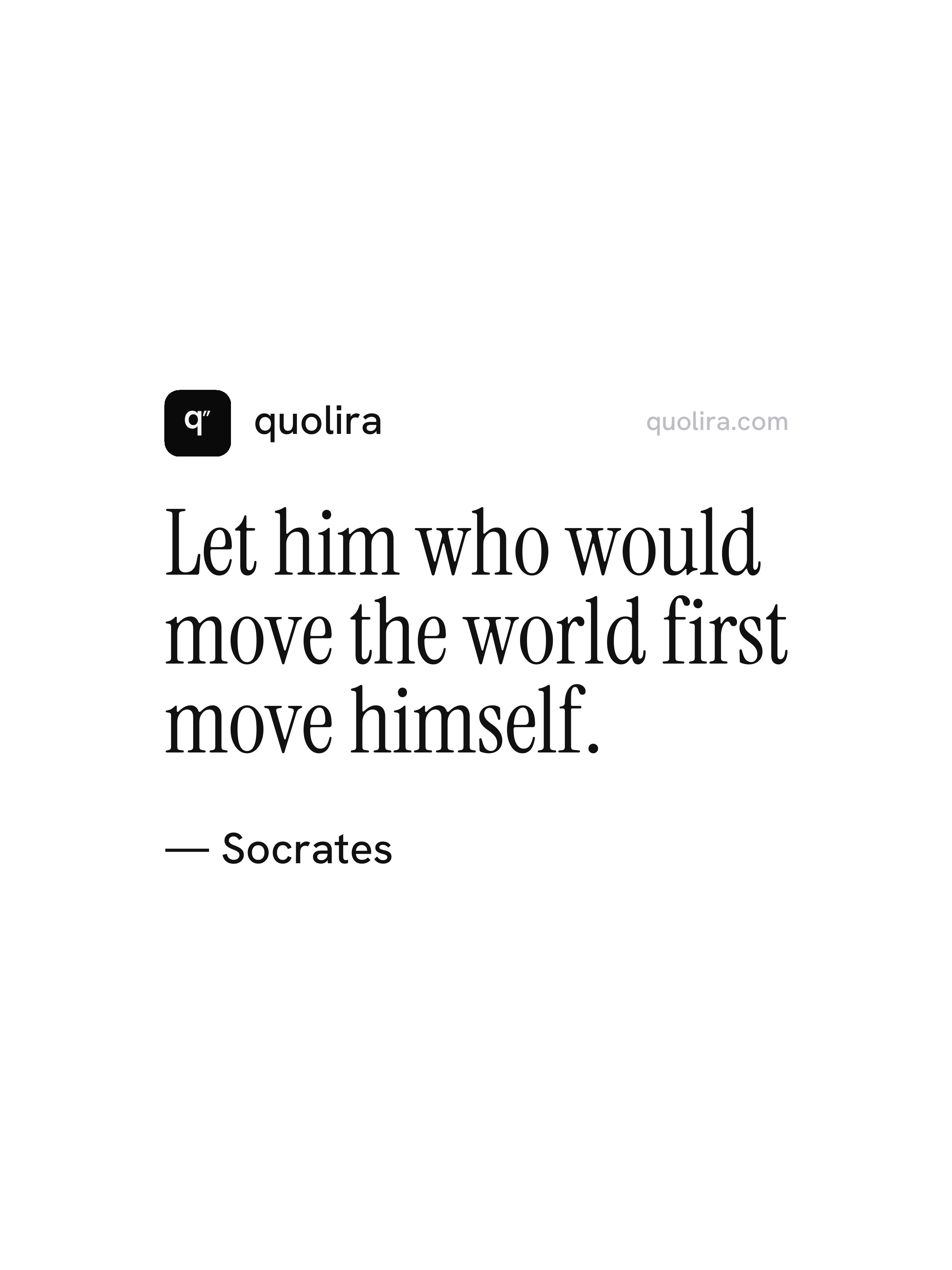
“Let him who would move the world first move himself.”
Socrates · attributed
 quolira
.com
quolira
quolira.com
This quote suggests that the common pursuit of happiness through acquiring more, whether possessions, status, or experience, is misguided. True contentment comes not from expanding what we have but from deepening our appreciation of what is already present. The capacity to find satisfaction in simplicity is presented here as a skill that can be developed, rather than a lucky temperament some people are born with.
The saying is frequently attributed to Socrates, in keeping with his well-documented personal practice of simplicity. Ancient sources describe him as indifferent to wealth and material comfort, living frugally and valuing wisdom above prosperity. This attitude was central to his philosophy: he believed that most people were distracted from genuine flourishing by the restless desire for more. Whether this precise wording originates with him or was composed later and attached to his name, it reflects ideas clearly associated with his way of life and thought.
Socrates was a philosopher in ancient Athens who lived from roughly 470 to 399 BCE. He is regarded as one of the founders of Western philosophy, though he left no writings of his own. His life and ideas are known chiefly through the work of his student Plato. Socrates modeled the principles he taught, living without luxury and consistently arguing that the examined life, rather than the comfortable one, was worth pursuing. He was sentenced to death by an Athenian court in 399 BCE.
“Let him who would move the world first move himself.”
Socrates · attributed
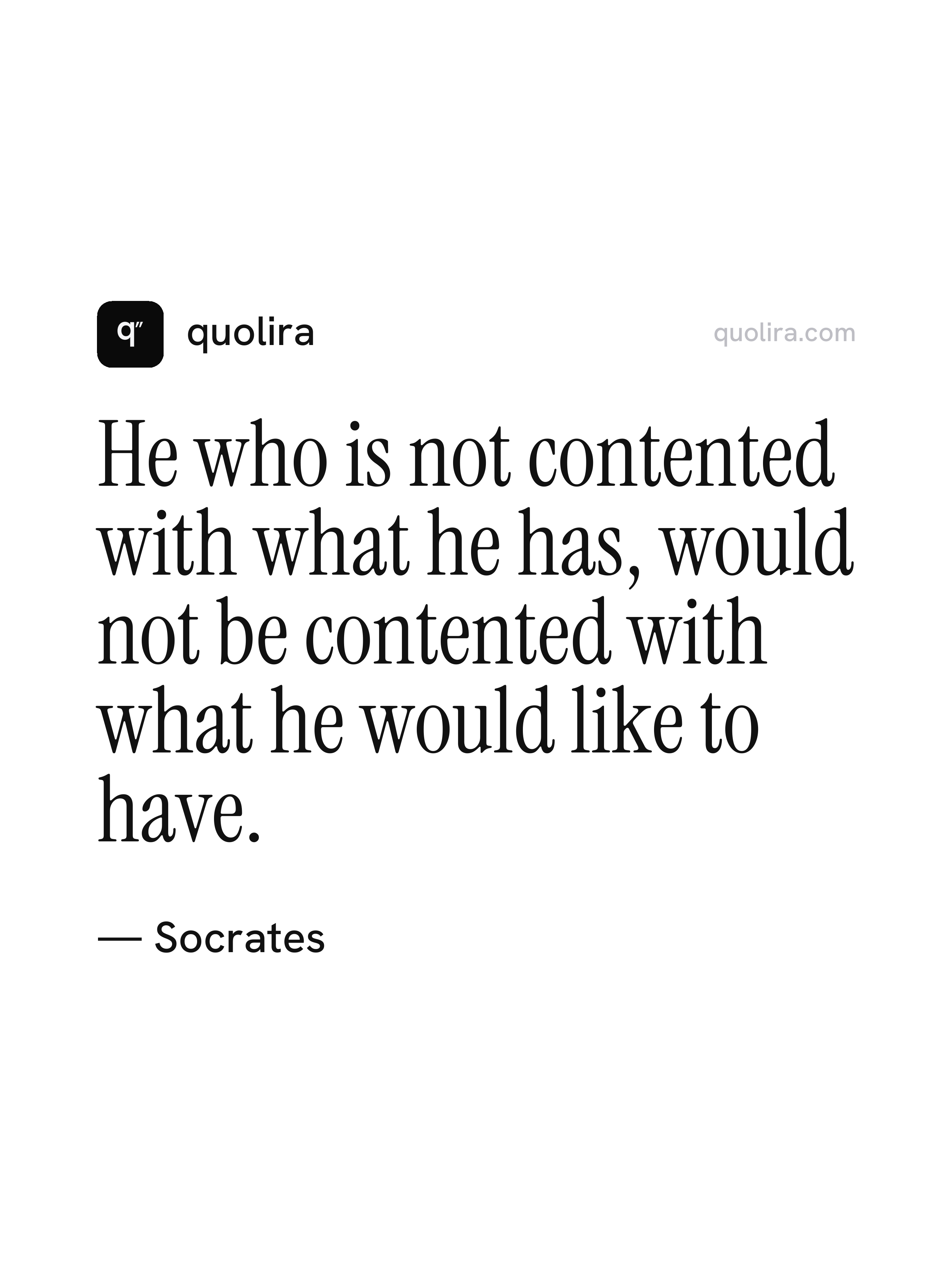
“He who is not contented with what he has, would not be contented with what he would like to have.”
Socrates · attributed
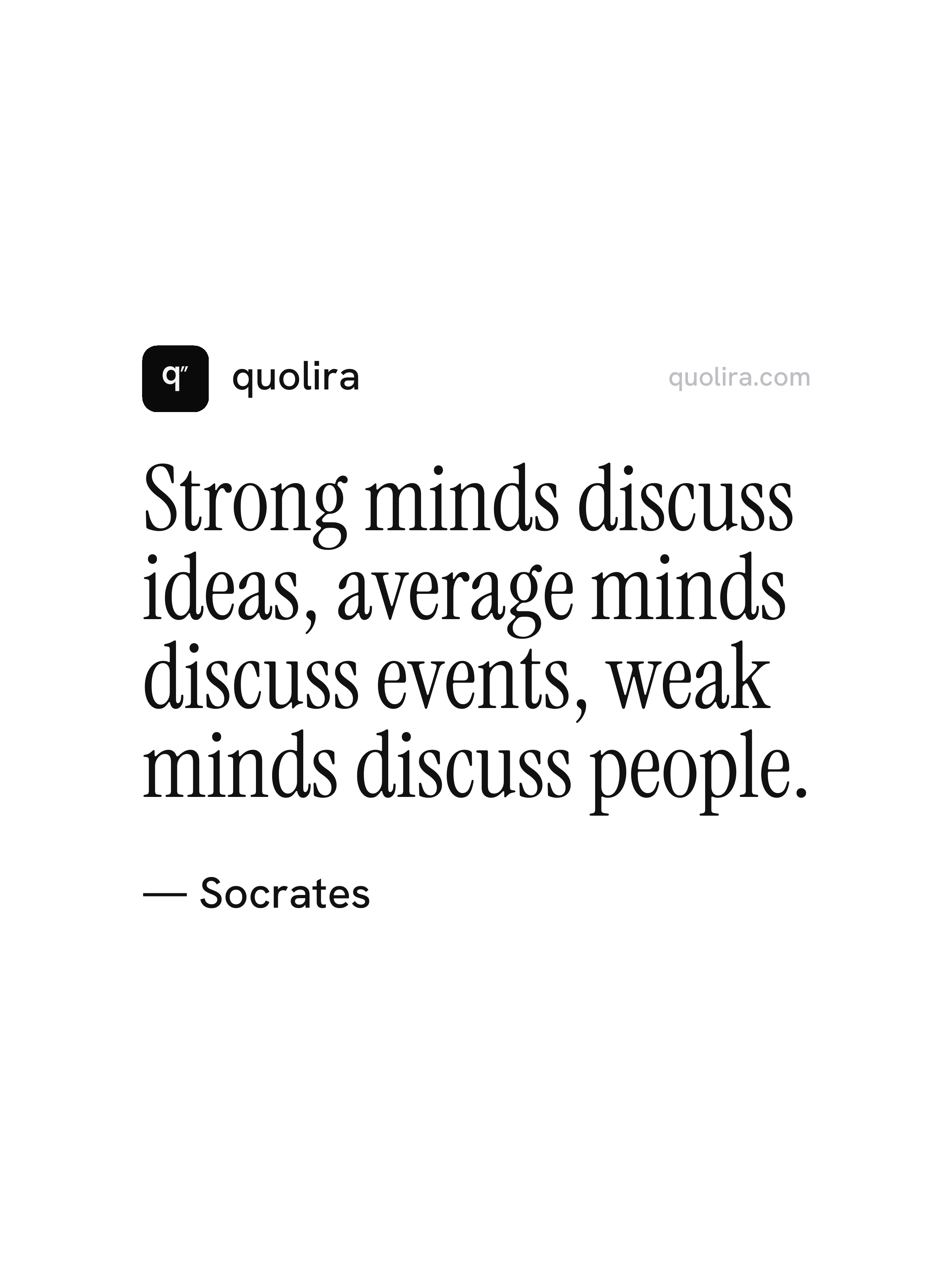
“Strong minds discuss ideas, average minds discuss events, weak minds discuss people.”
Socrates · attributed
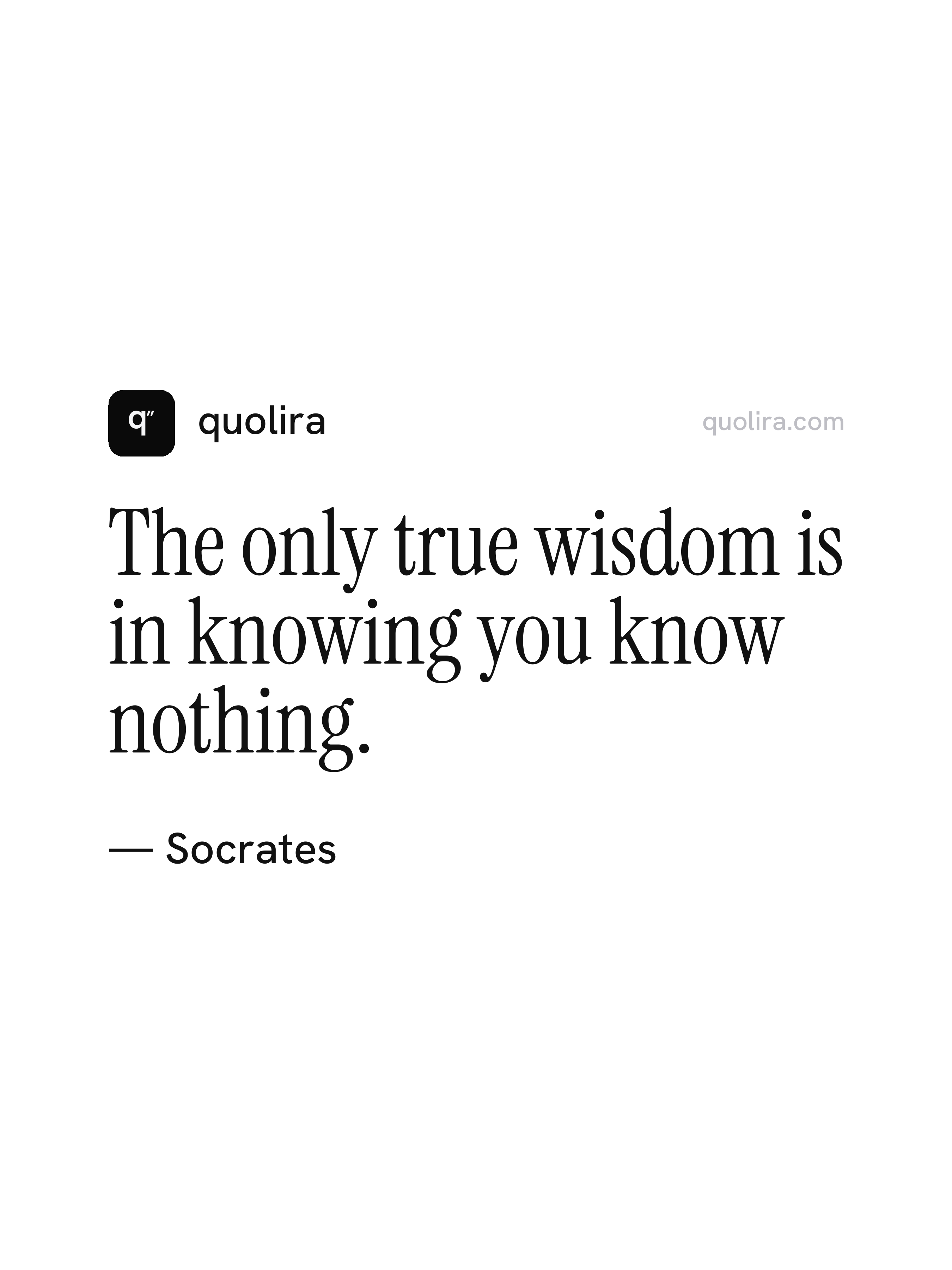
“The only true wisdom is in knowing you know nothing.”
Socrates · paraphrase from Plato, Apology
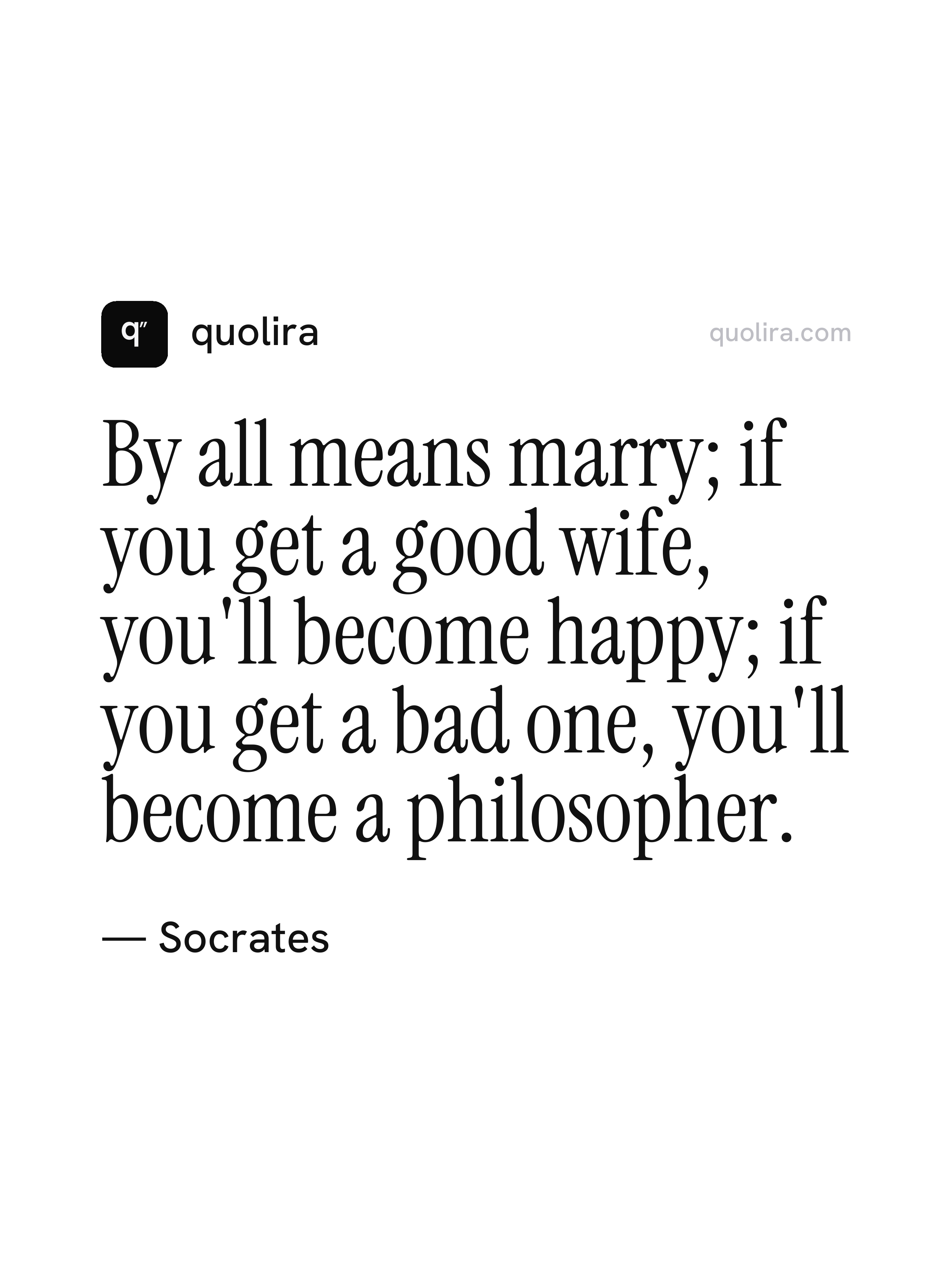
“By all means marry; if you get a good wife, you'll become happy; if you get a bad one, you'll become a philosopher.”
Socrates · attributed via Diogenes Laertius
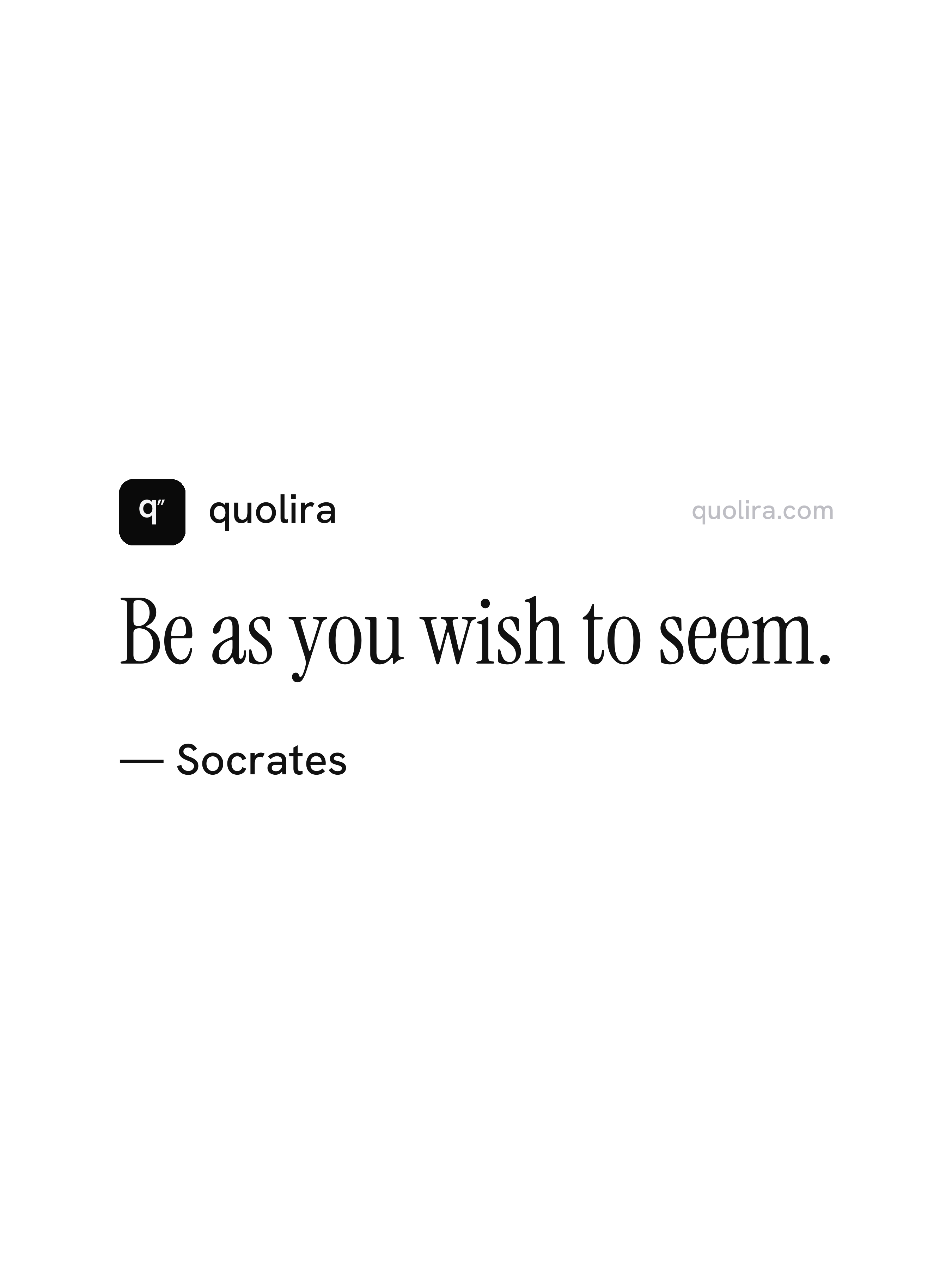
“Be as you wish to seem.”
Socrates · attributed
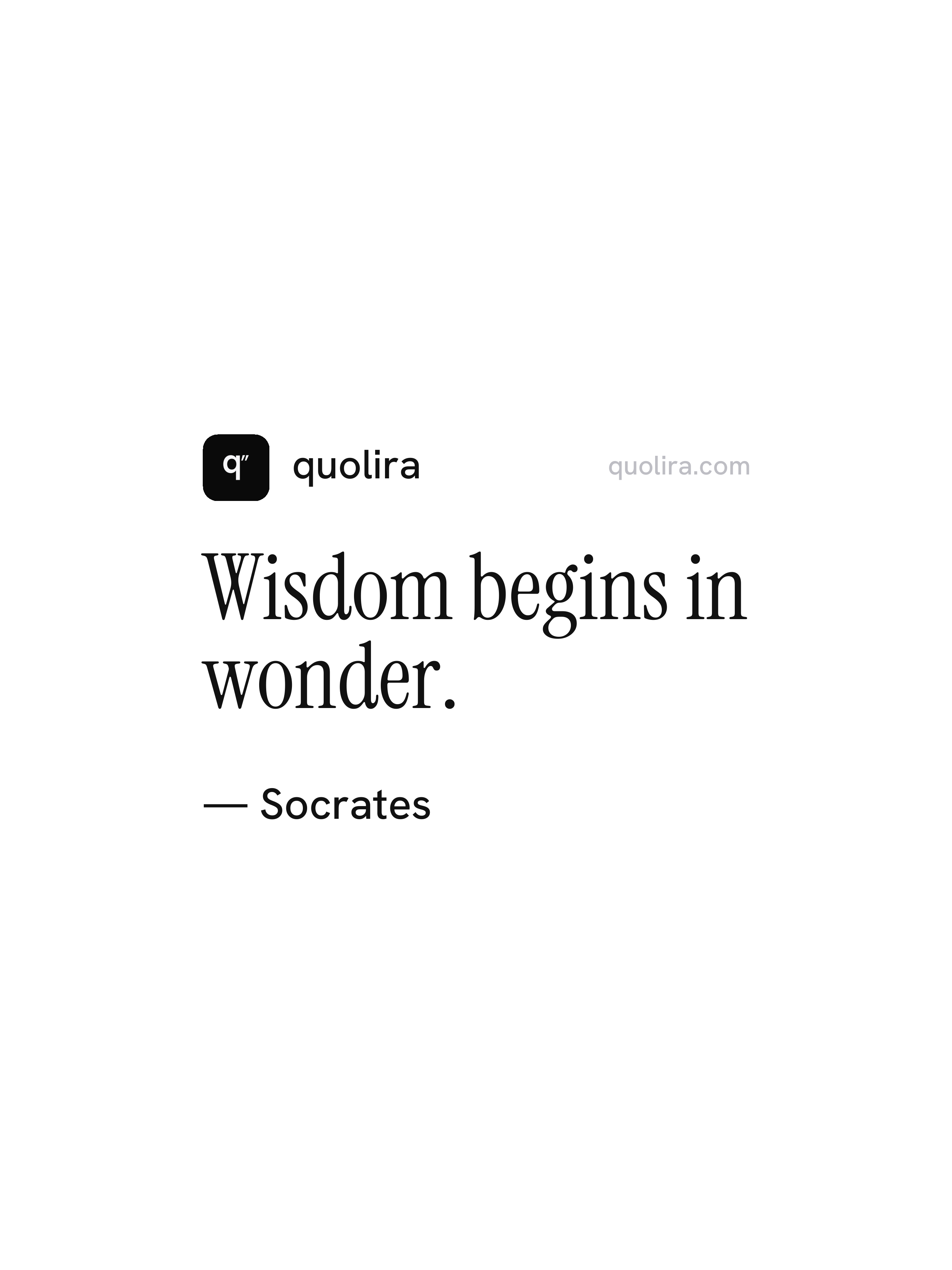
“Wisdom begins in wonder.”
Socrates · attributed
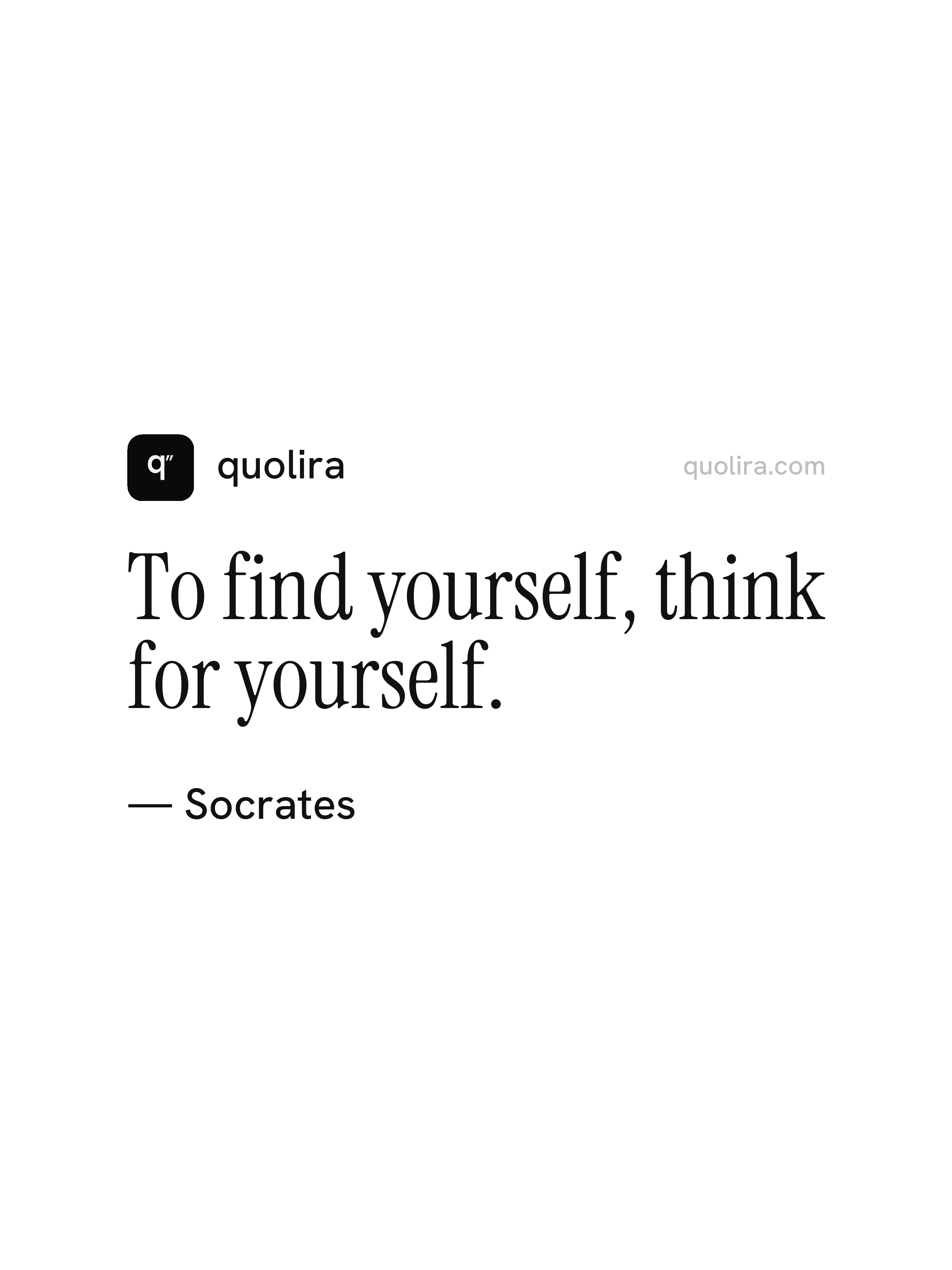
“To find yourself, think for yourself.”
Socrates · attributed
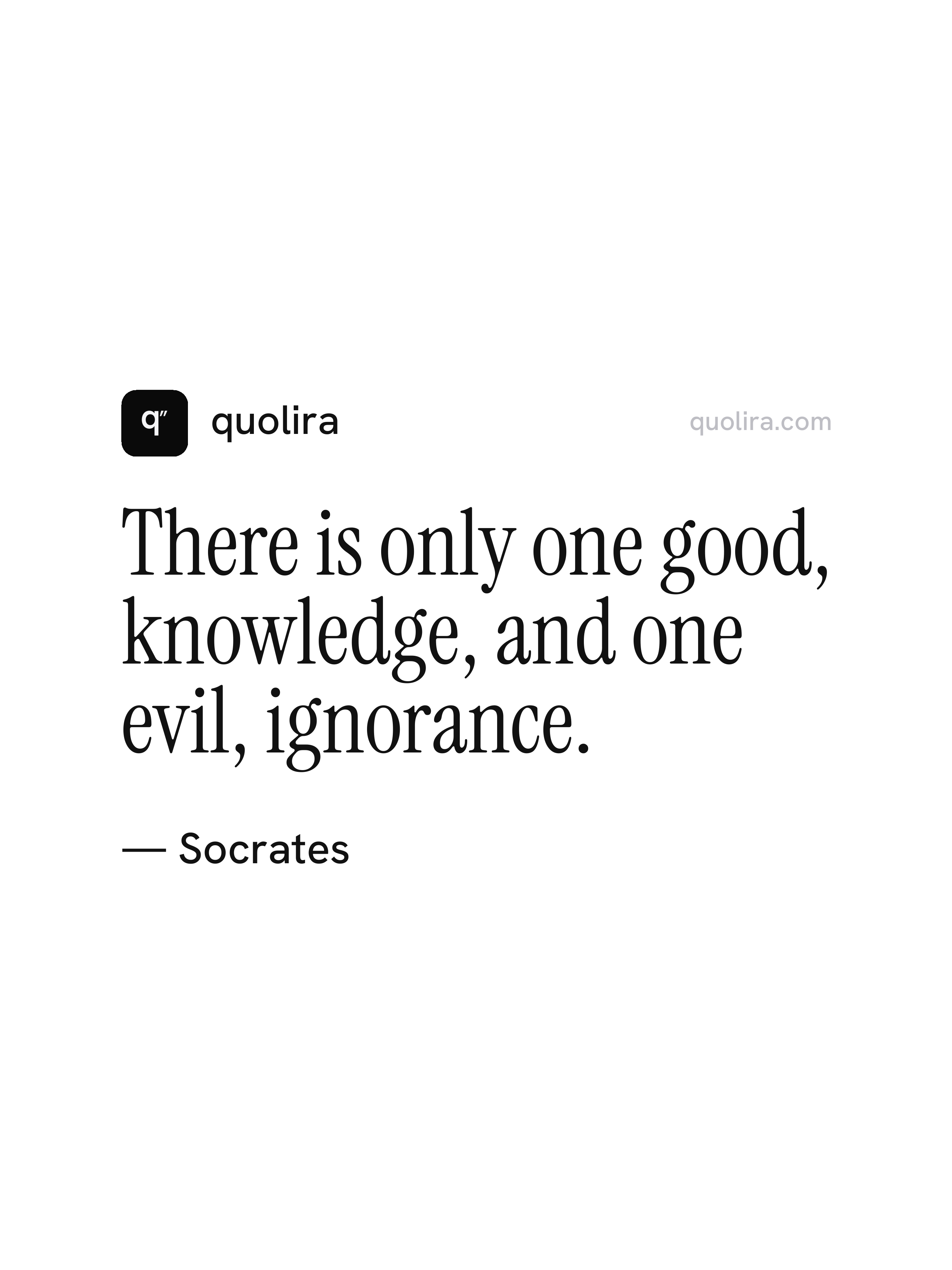
“There is only one good, knowledge, and one evil, ignorance.”
Socrates · reported by Diogenes Laertius
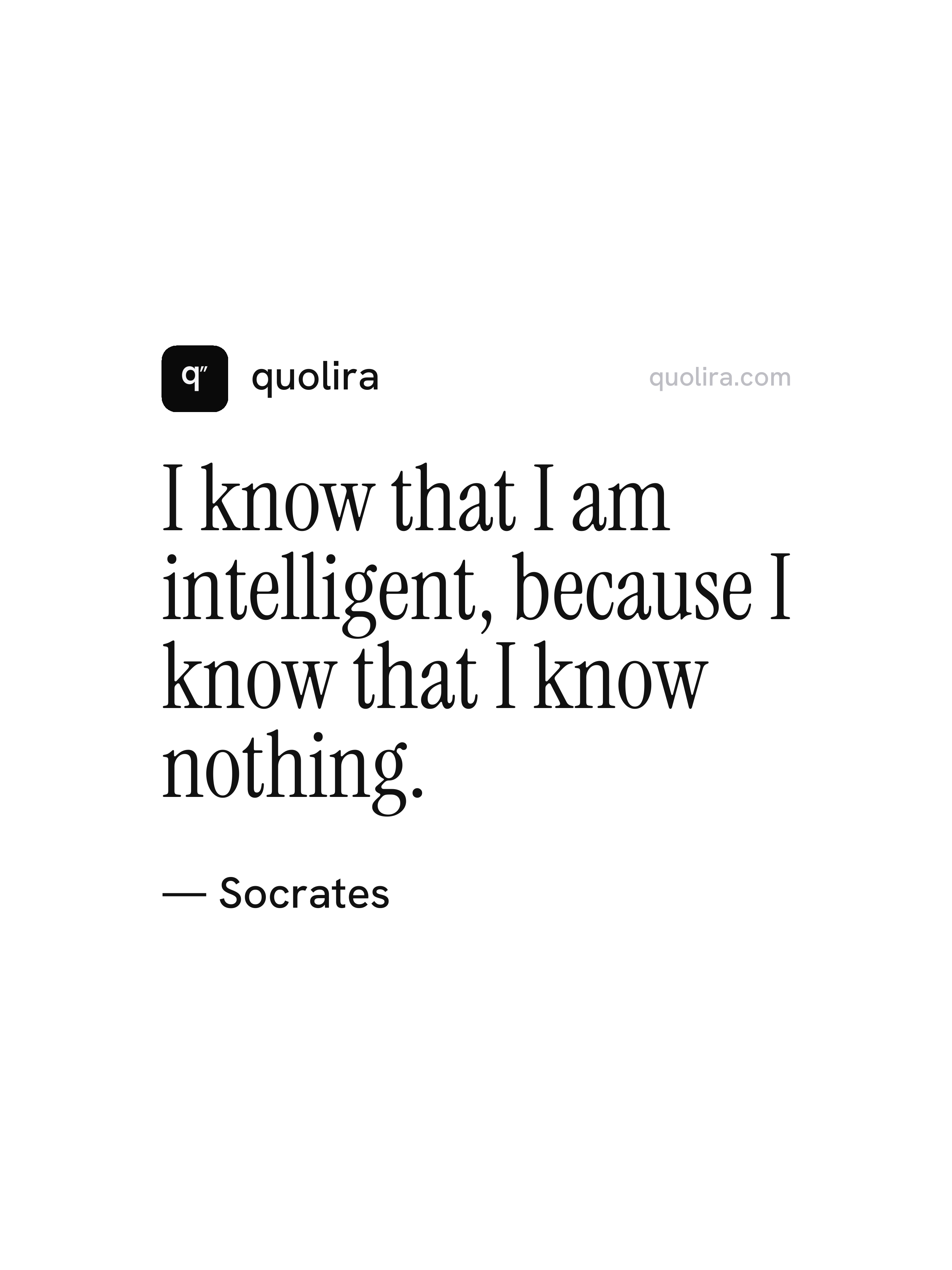
“I know that I am intelligent, because I know that I know nothing.”
Socrates · attributed via Plato, Apology
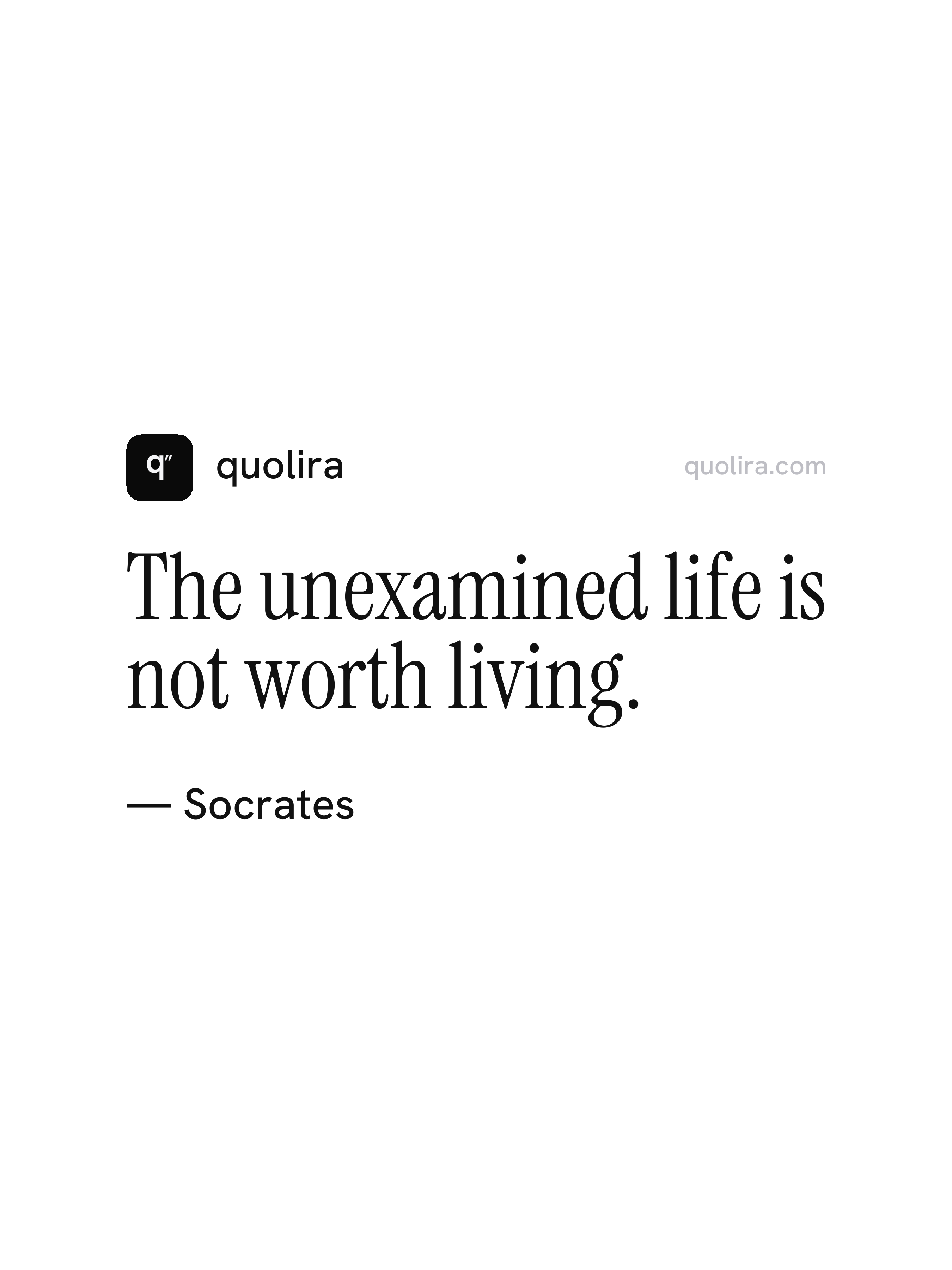
“The unexamined life is not worth living.”
Socrates · Plato, Apology
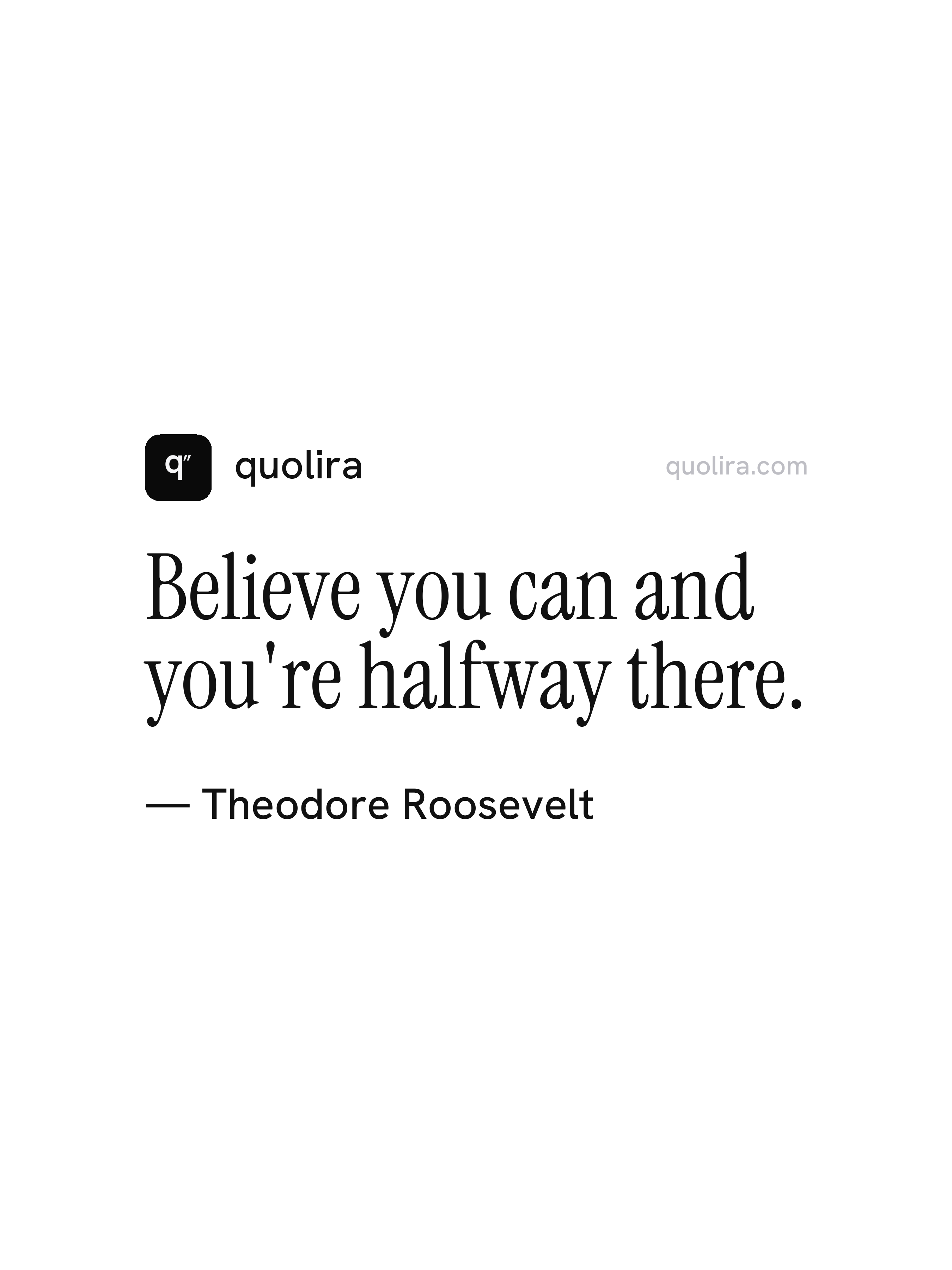
“Believe you can and you're halfway there.”
Theodore Roosevelt · attributed