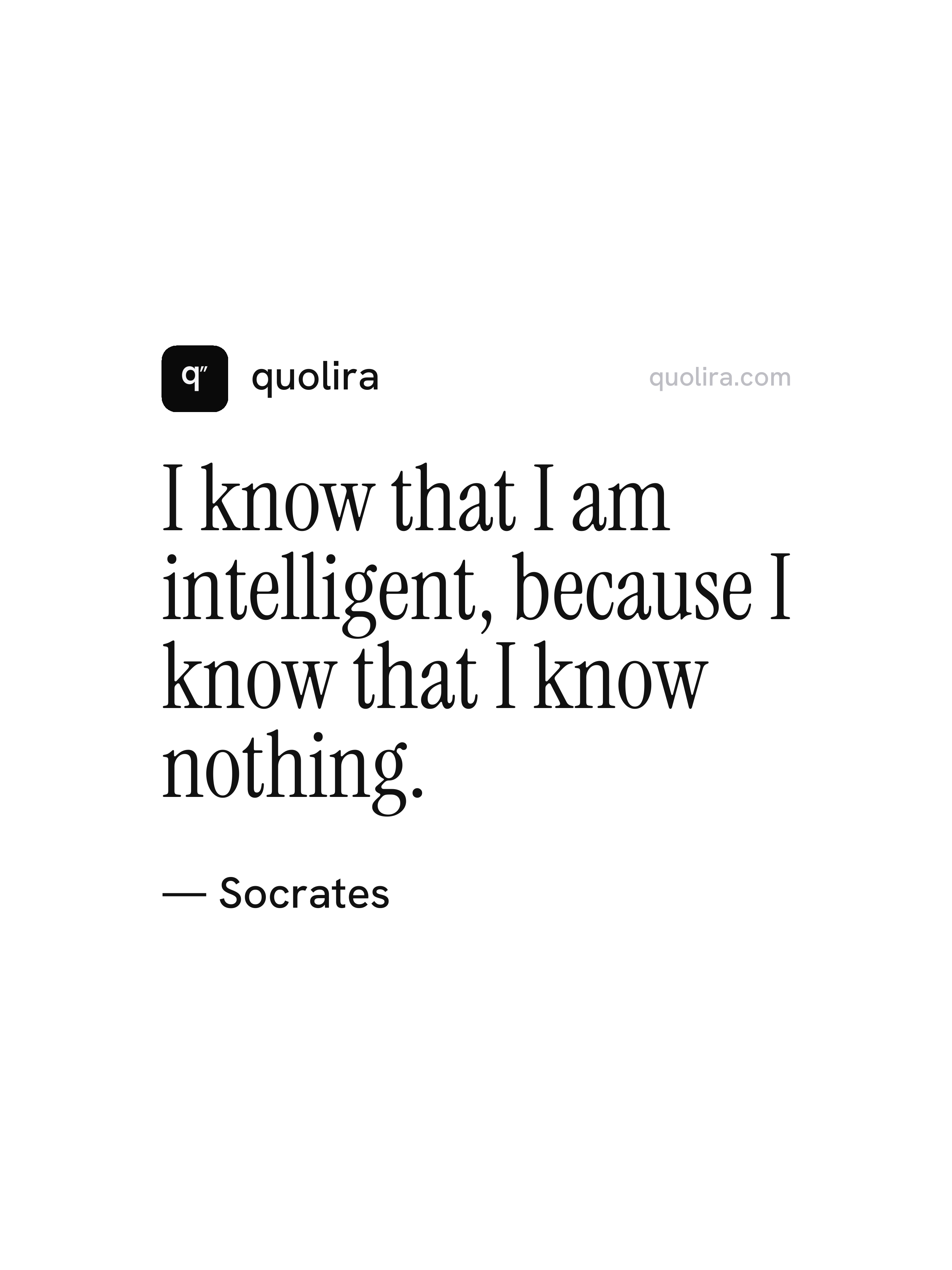
“I know that I am intelligent, because I know that I know nothing.”
Socrates · attributed via Plato, Apology
 quolira
.com
quolira
quolira.com
This statement draws a sharp and simple line between what helps human beings and what harms them. Knowledge here means understanding things as they actually are, which allows a person to act well and live a good life. Ignorance, by contrast, leads to poor choices, injustice, and suffering, not through any malice but simply through not knowing enough to do better. The claim is bold because it reduces the entire moral landscape to a single root cause on each side.
This line is reported by Diogenes Laertius, an ancient writer who compiled accounts of the lives and sayings of Greek philosophers. Diogenes Laertius wrote several centuries after Socrates lived, so the line represents the tradition that gathered around Socratic thought rather than a direct transcript. It fits closely with the broader Socratic idea that wrongdoing is a form of ignorance, that people do bad things because they do not truly understand what is good. This idea made ethics and education inseparable in the Socratic worldview.
Socrates was a philosopher who lived in Athens in the fifth century BCE and who transformed the way subsequent generations thought about ethics, knowledge, and the examined life. He engaged ordinary citizens in dialogue, questioning their assumptions and exposing the limits of what they thought they knew. Because he left no written work, his ideas come to us through others, including Plato, Xenophon, and the later compiler Diogenes Laertius. Socrates was tried and executed by the Athenian state in 399 BCE, and his death became one of the defining moments in the history of philosophy.
“I know that I am intelligent, because I know that I know nothing.”
Socrates · attributed via Plato, Apology
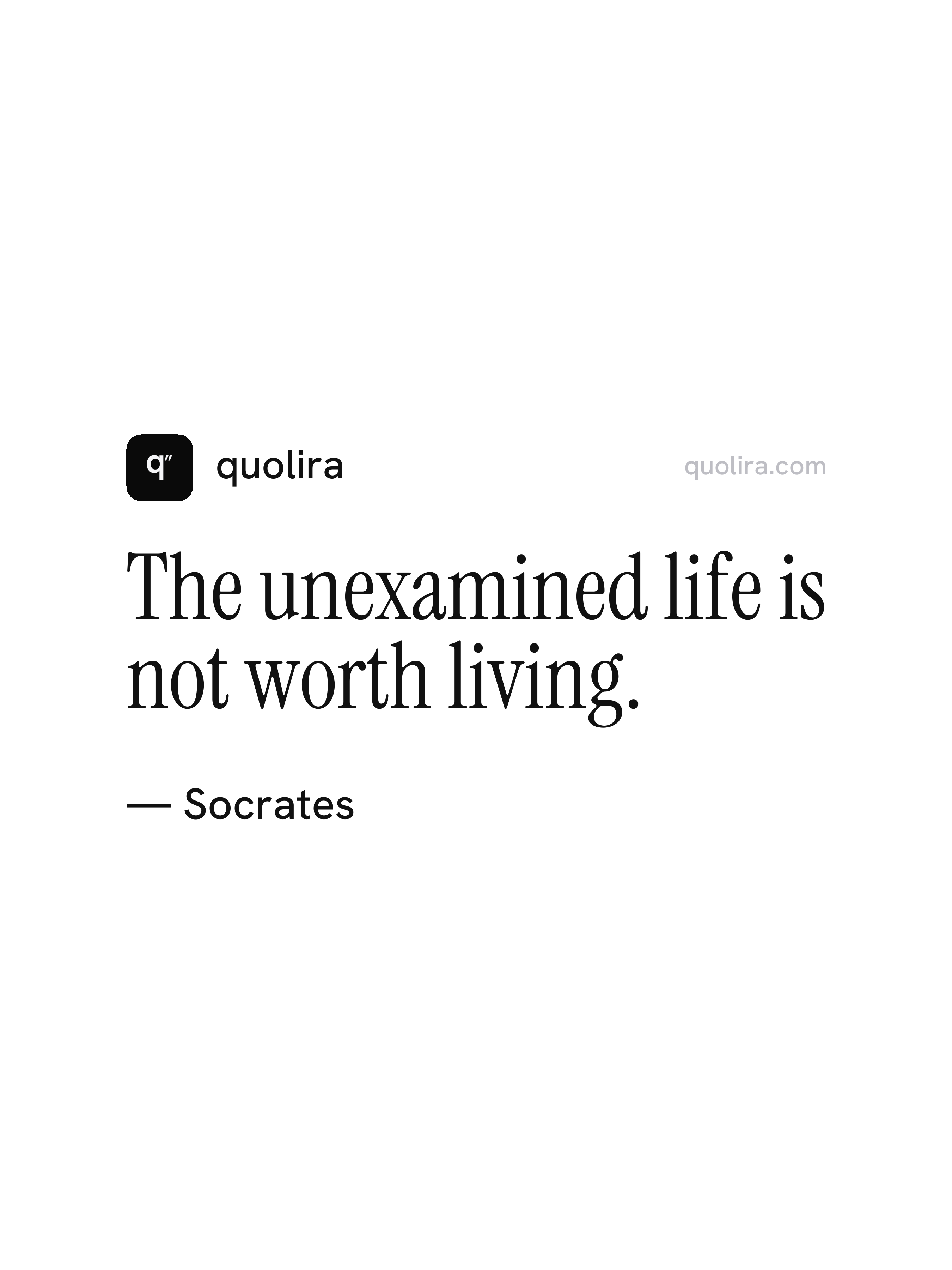
“The unexamined life is not worth living.”
Socrates · Plato, Apology
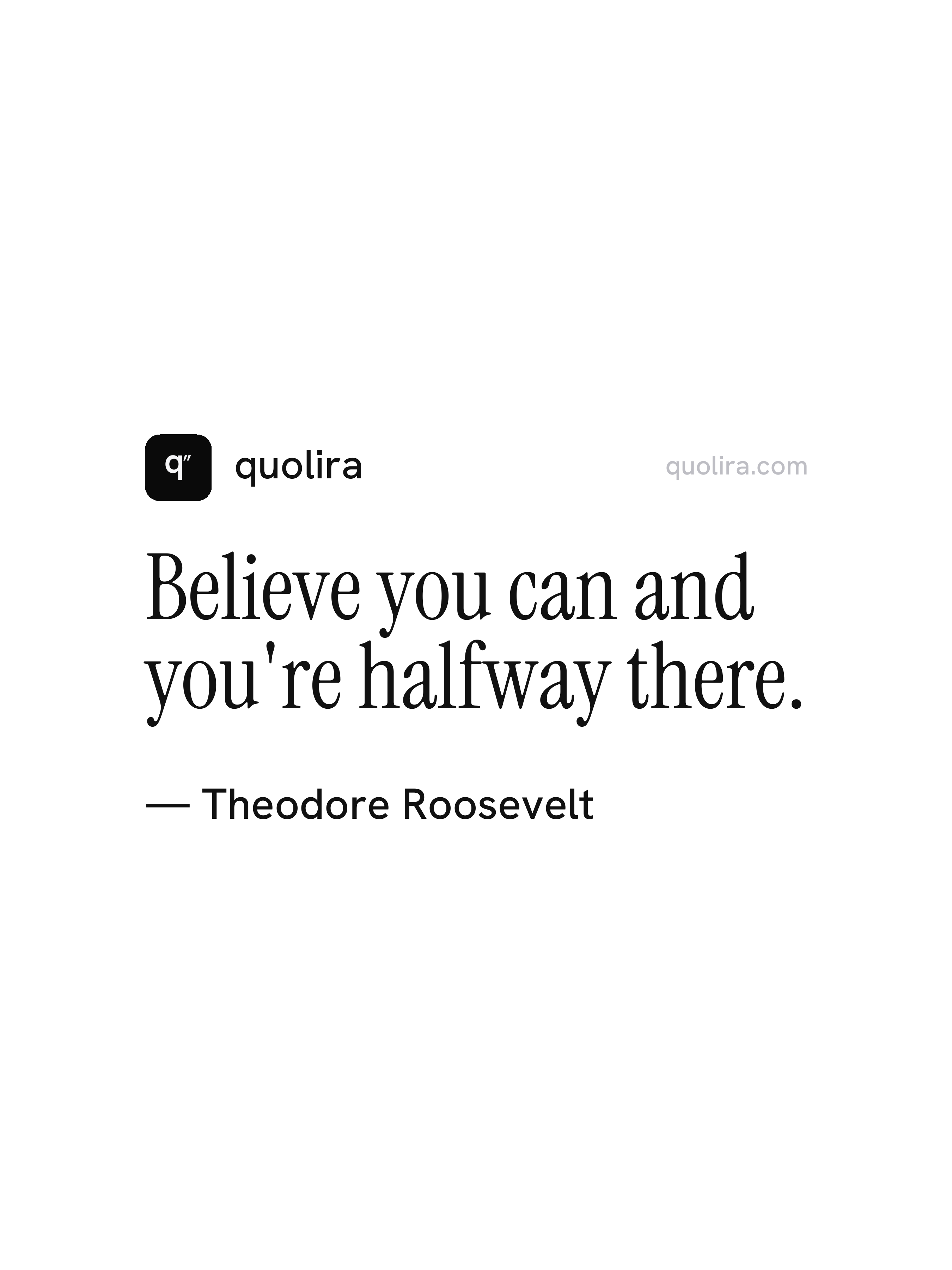
“Believe you can and you're halfway there.”
Theodore Roosevelt · attributed
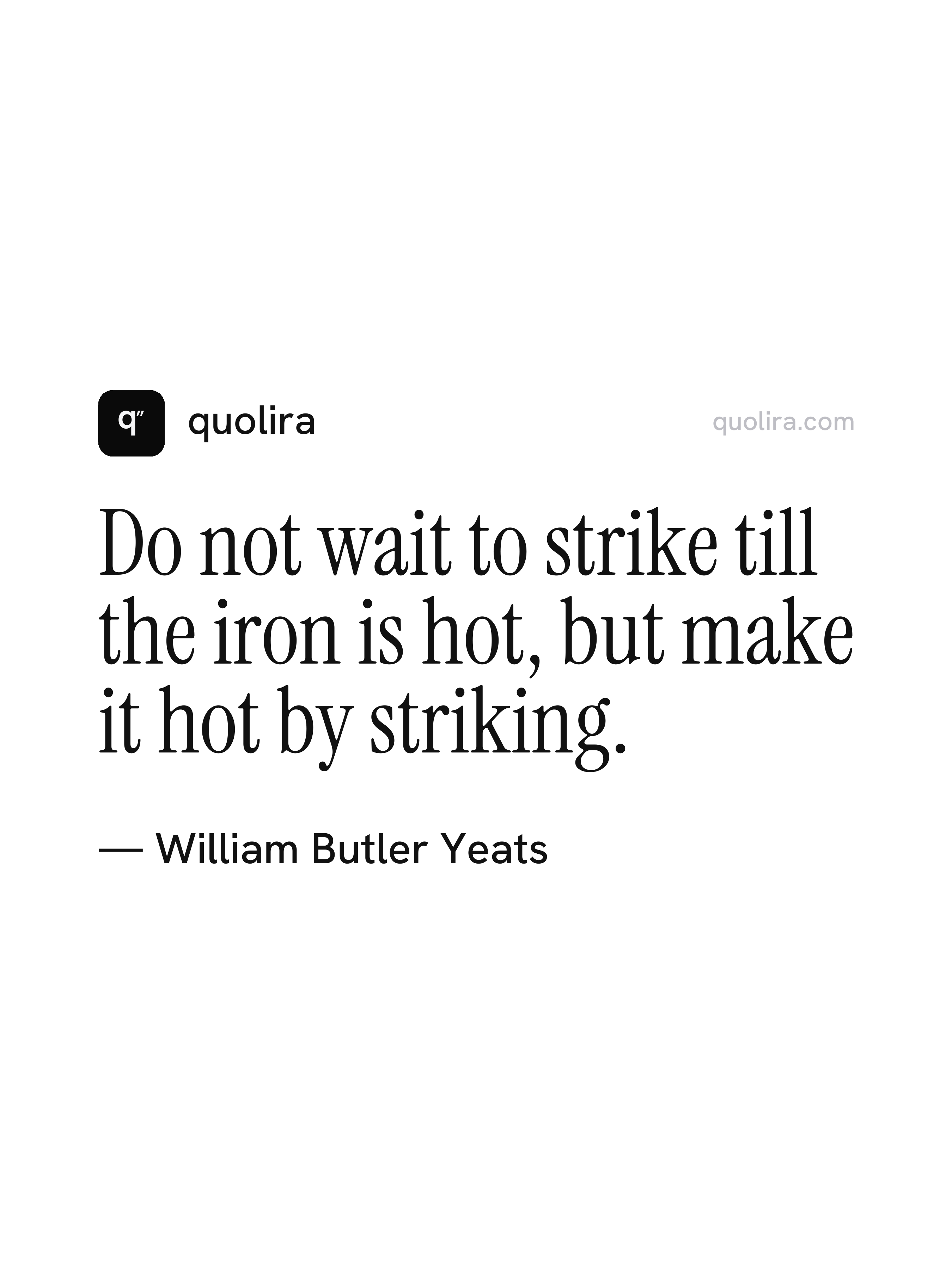
“Do not wait to strike till the iron is hot, but make it hot by striking.”
William Butler Yeats · attributed
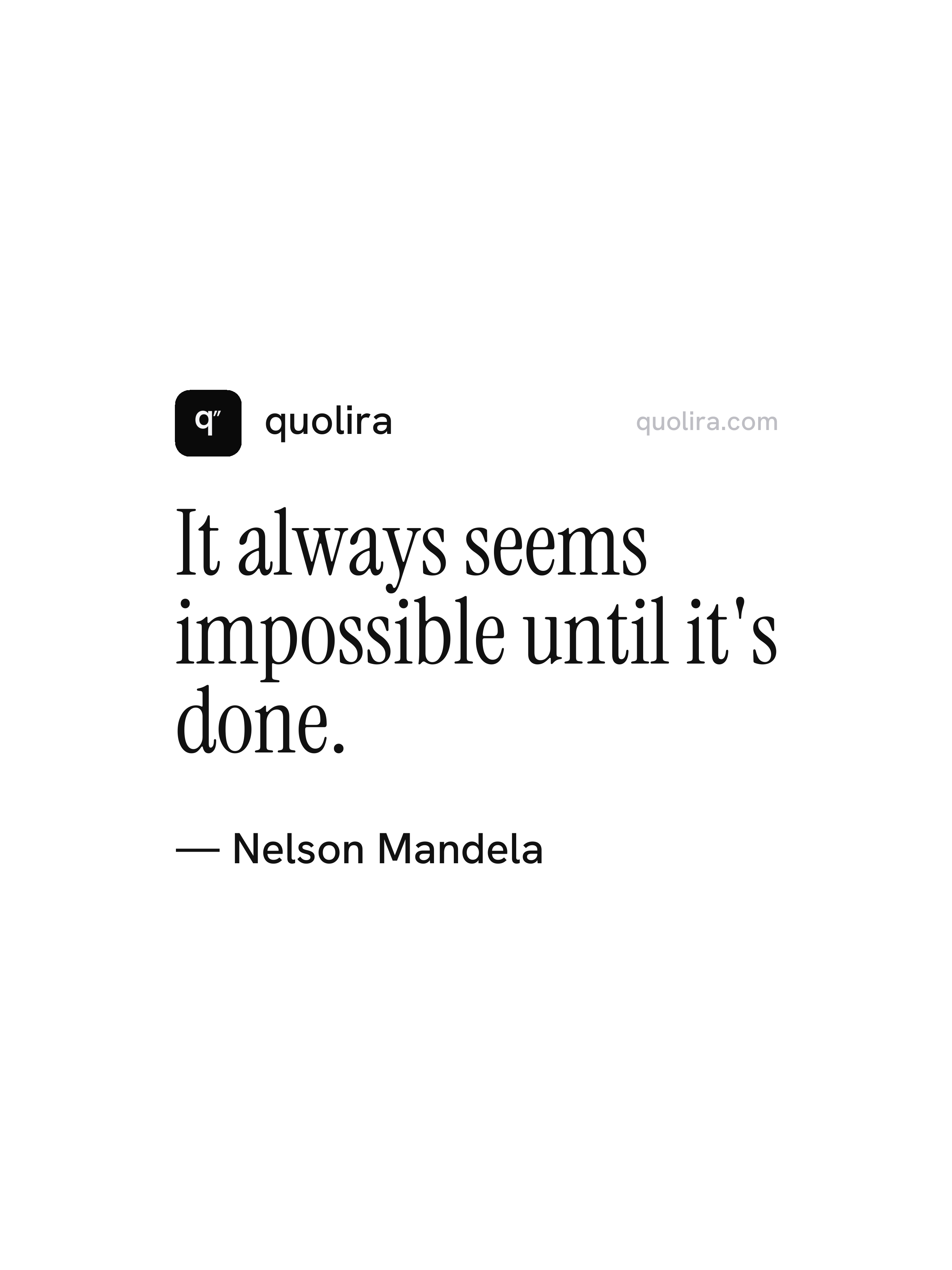
“It always seems impossible until it's done.”
Nelson Mandela · attributed
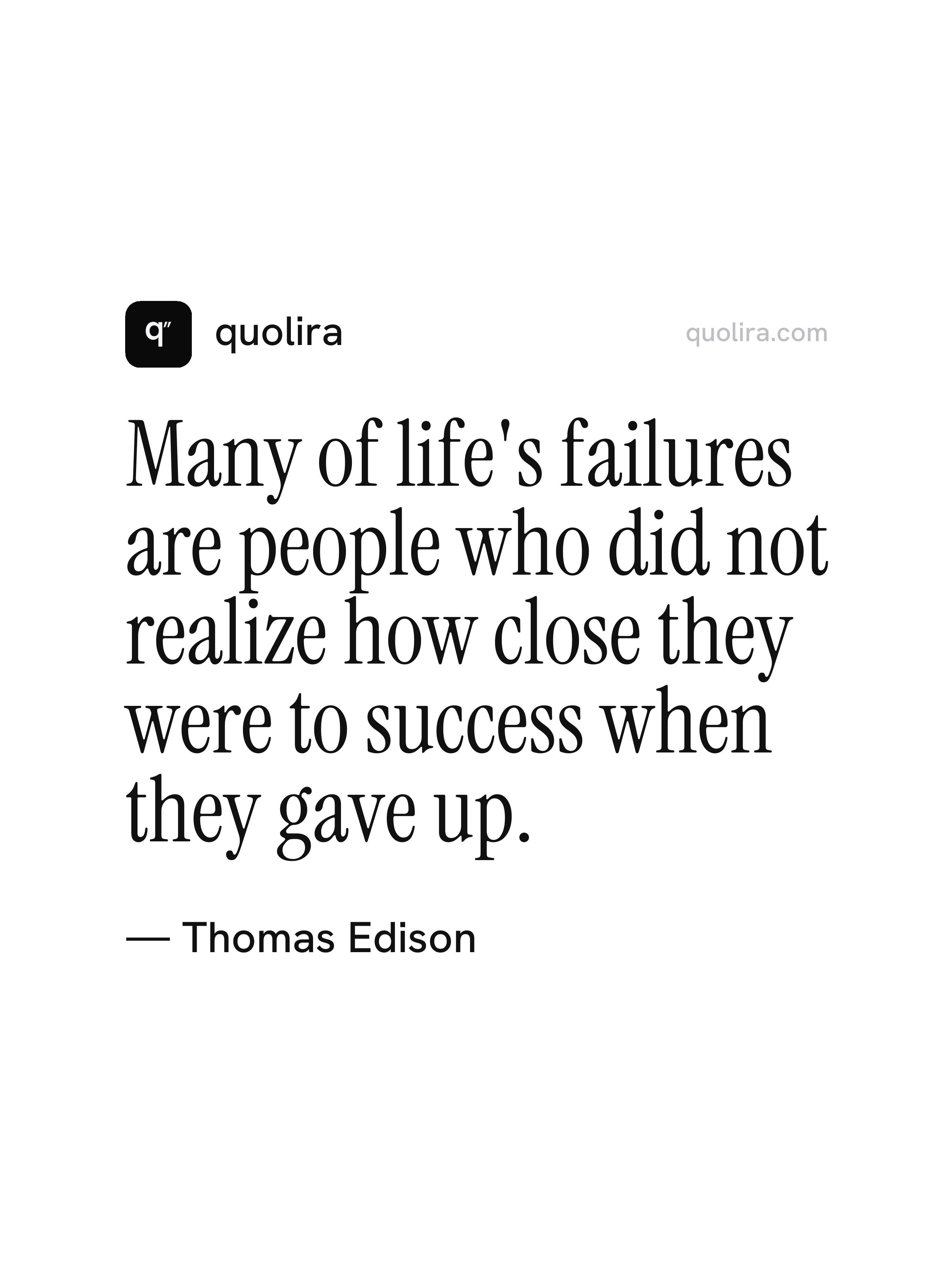
“Many of life's failures are people who did not realize how close they were to success when they gave up.”
Thomas Edison · attributed
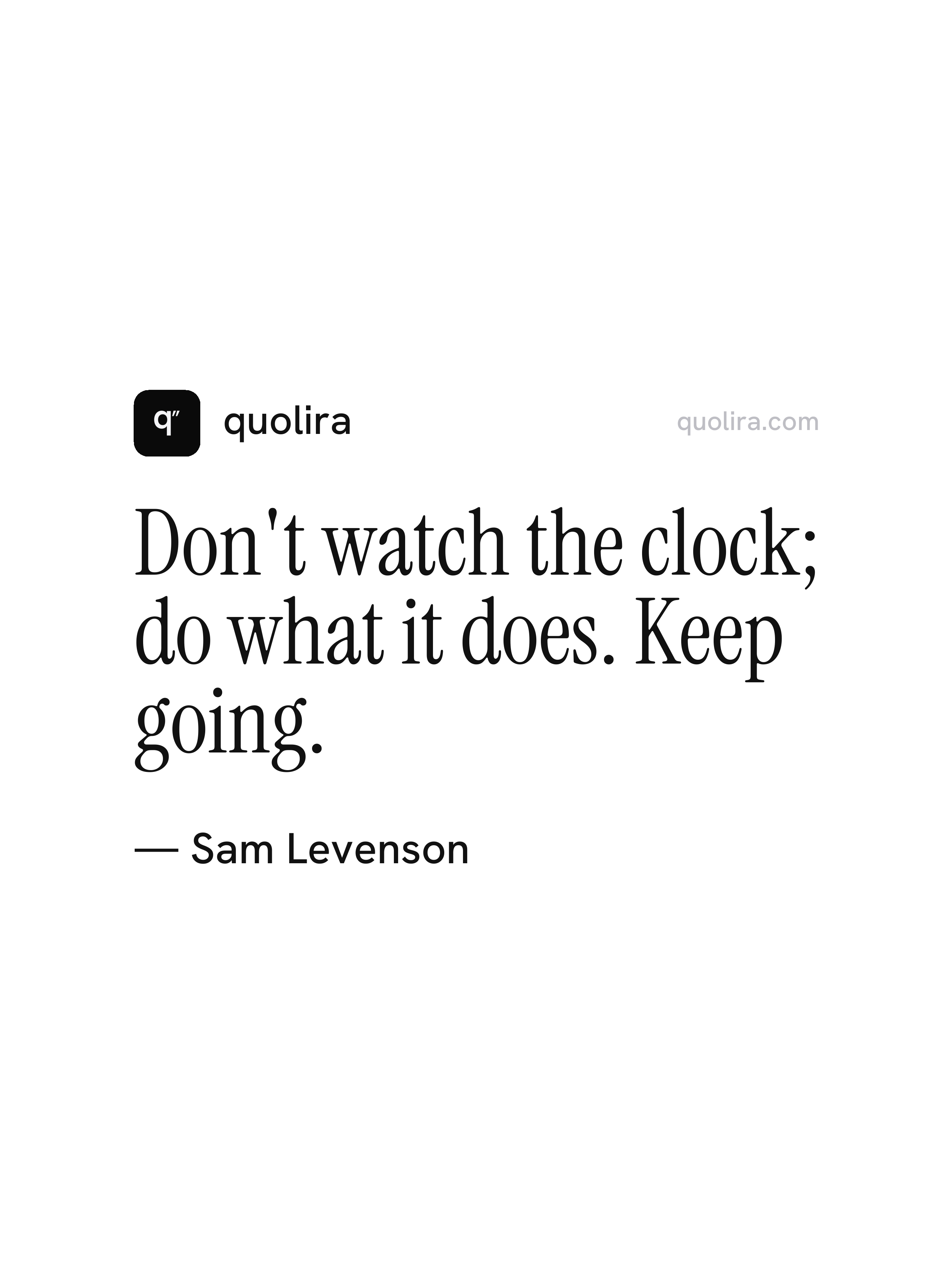
“Don't watch the clock; do what it does. Keep going.”
Sam Levenson · attributed
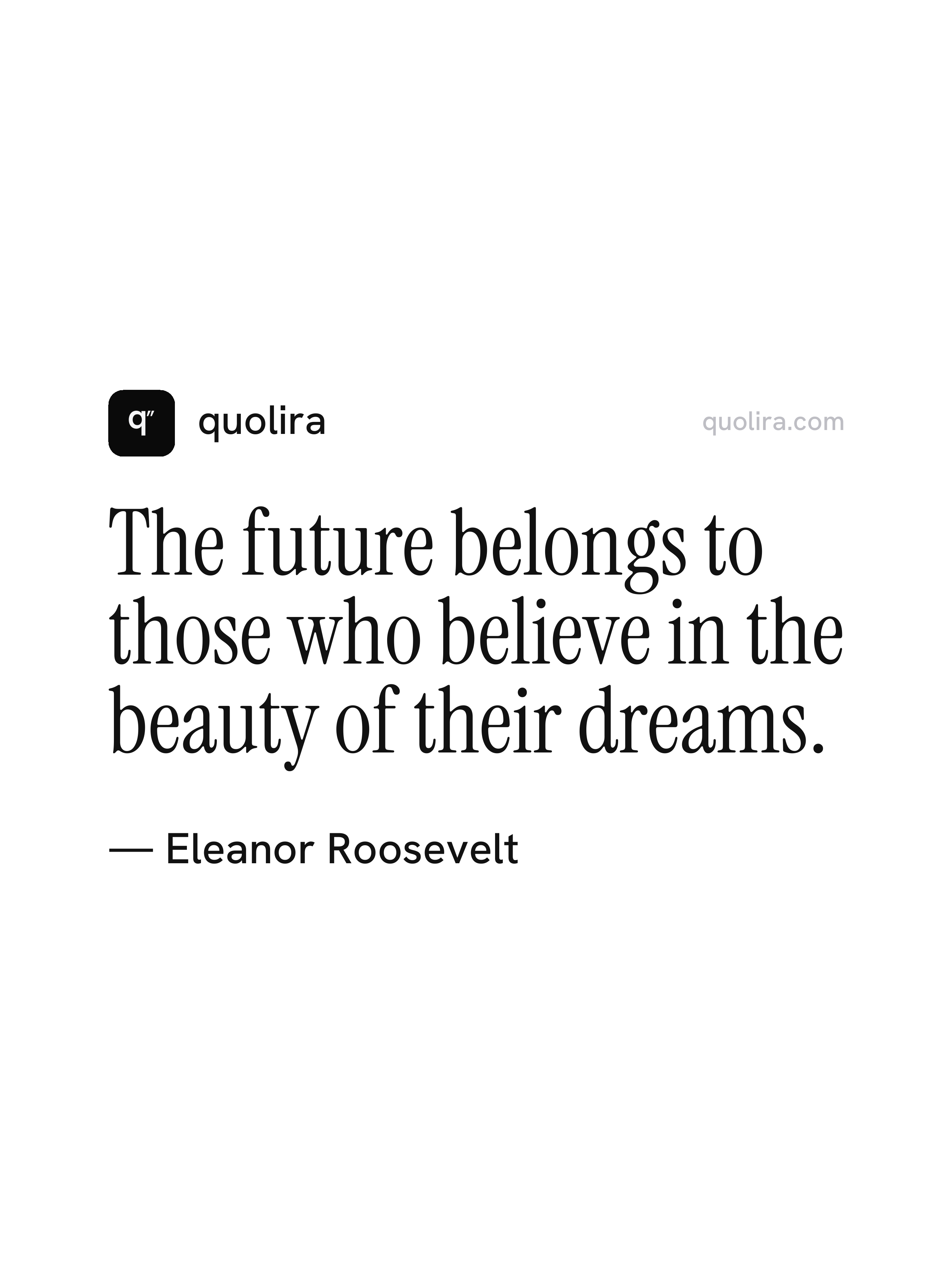
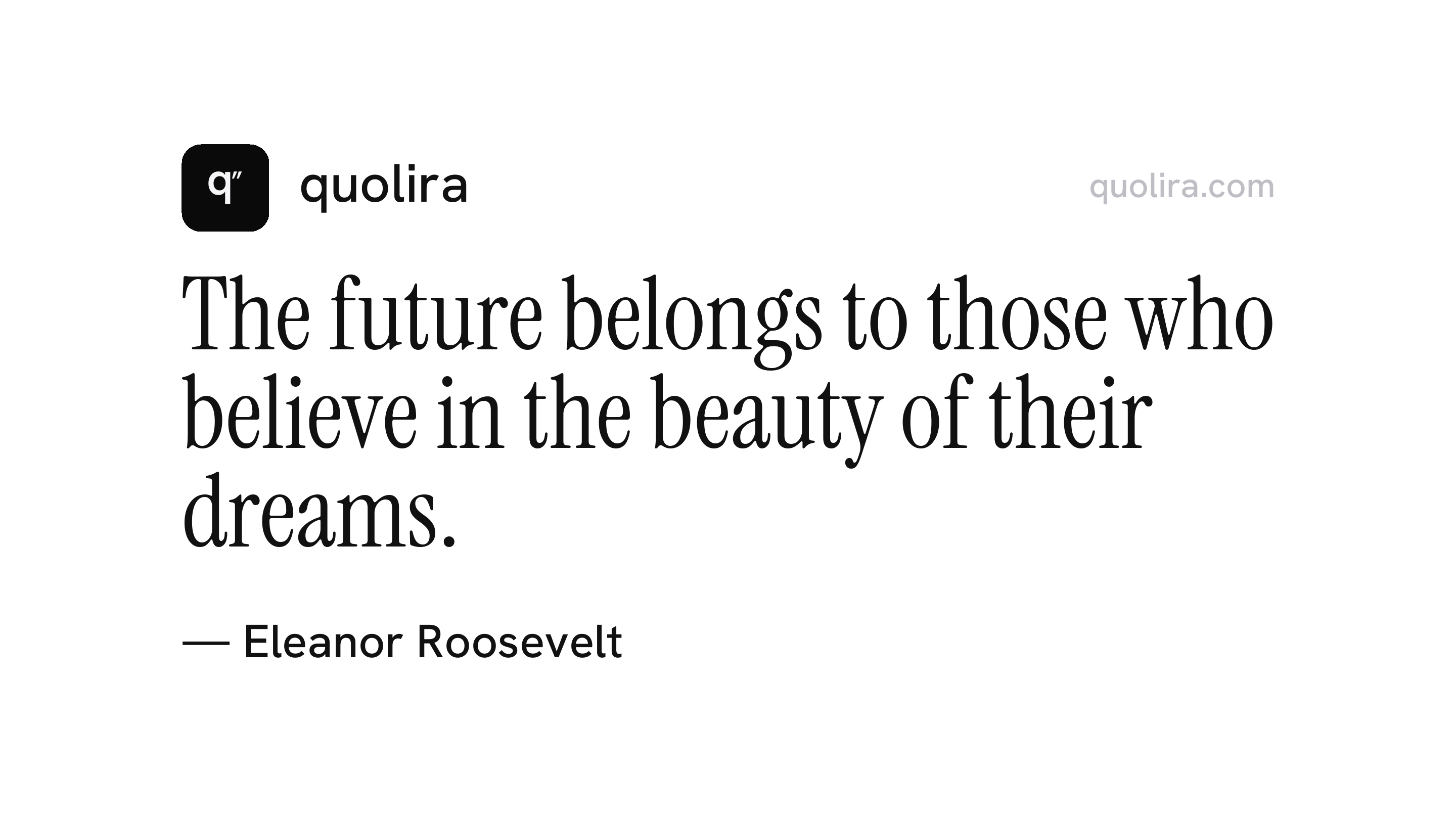
“The future belongs to those who believe in the beauty of their dreams.”
Eleanor Roosevelt · attributed
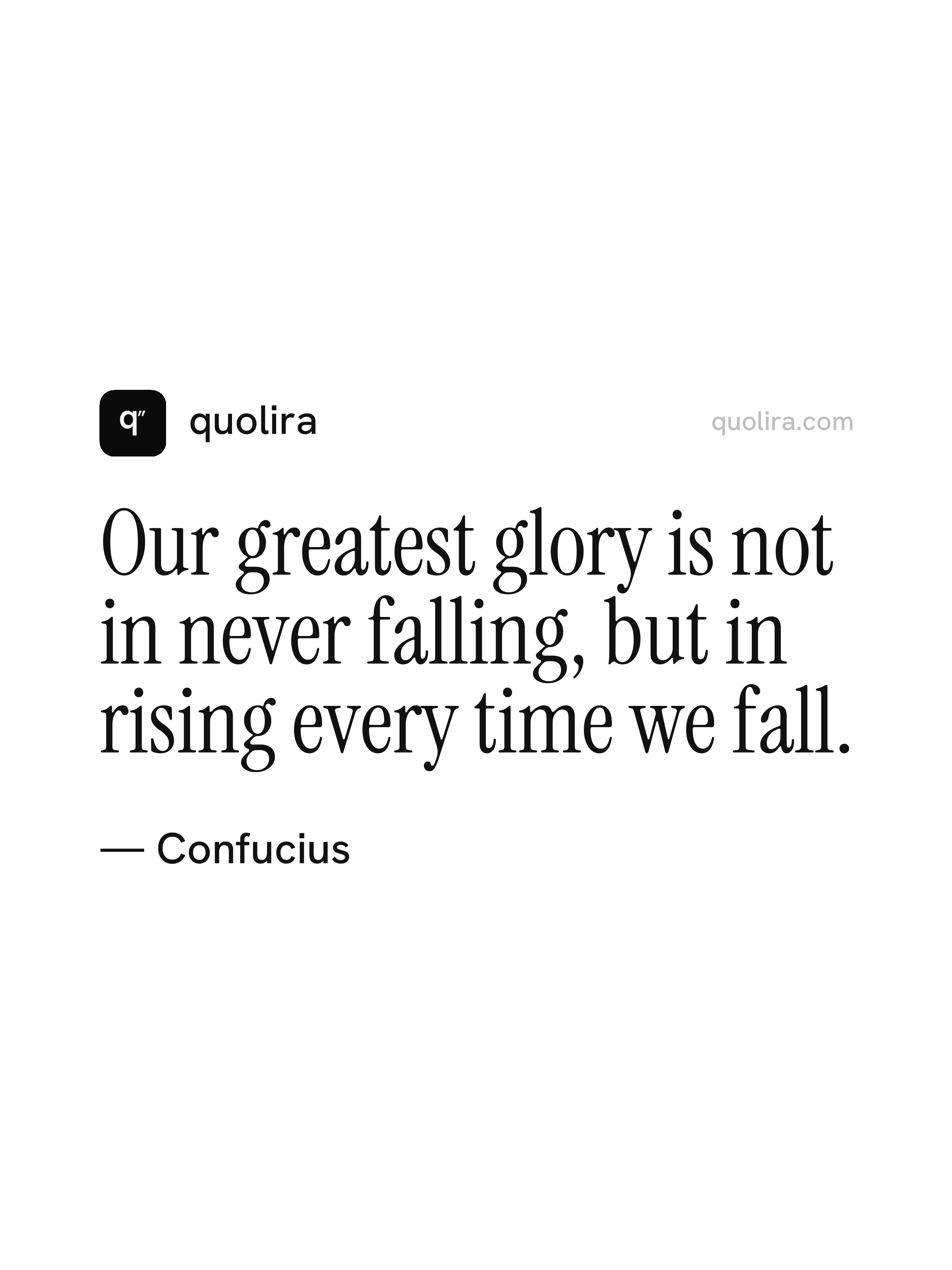
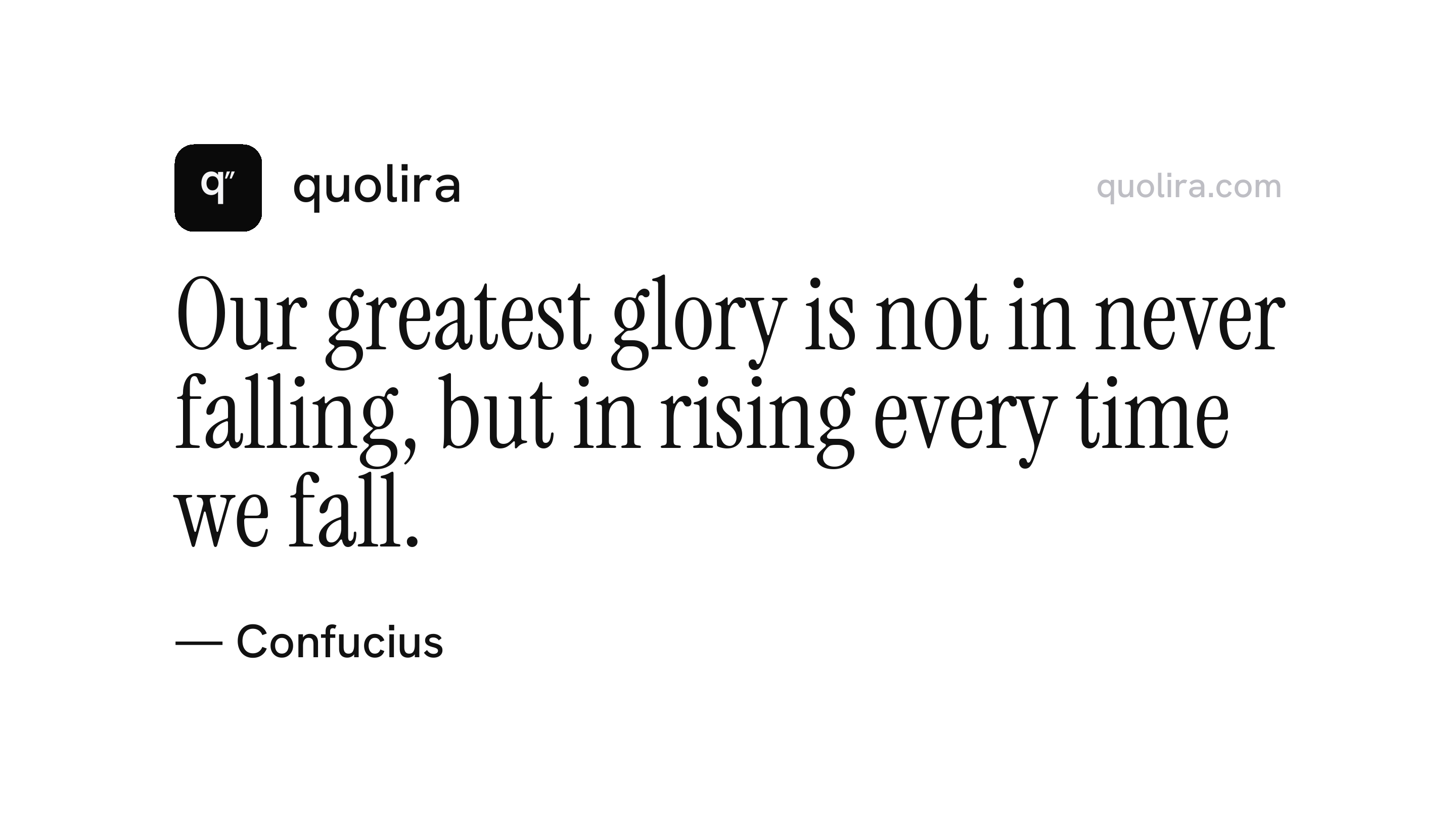
“Our greatest glory is not in never falling, but in rising every time we fall.”
Confucius · attributed
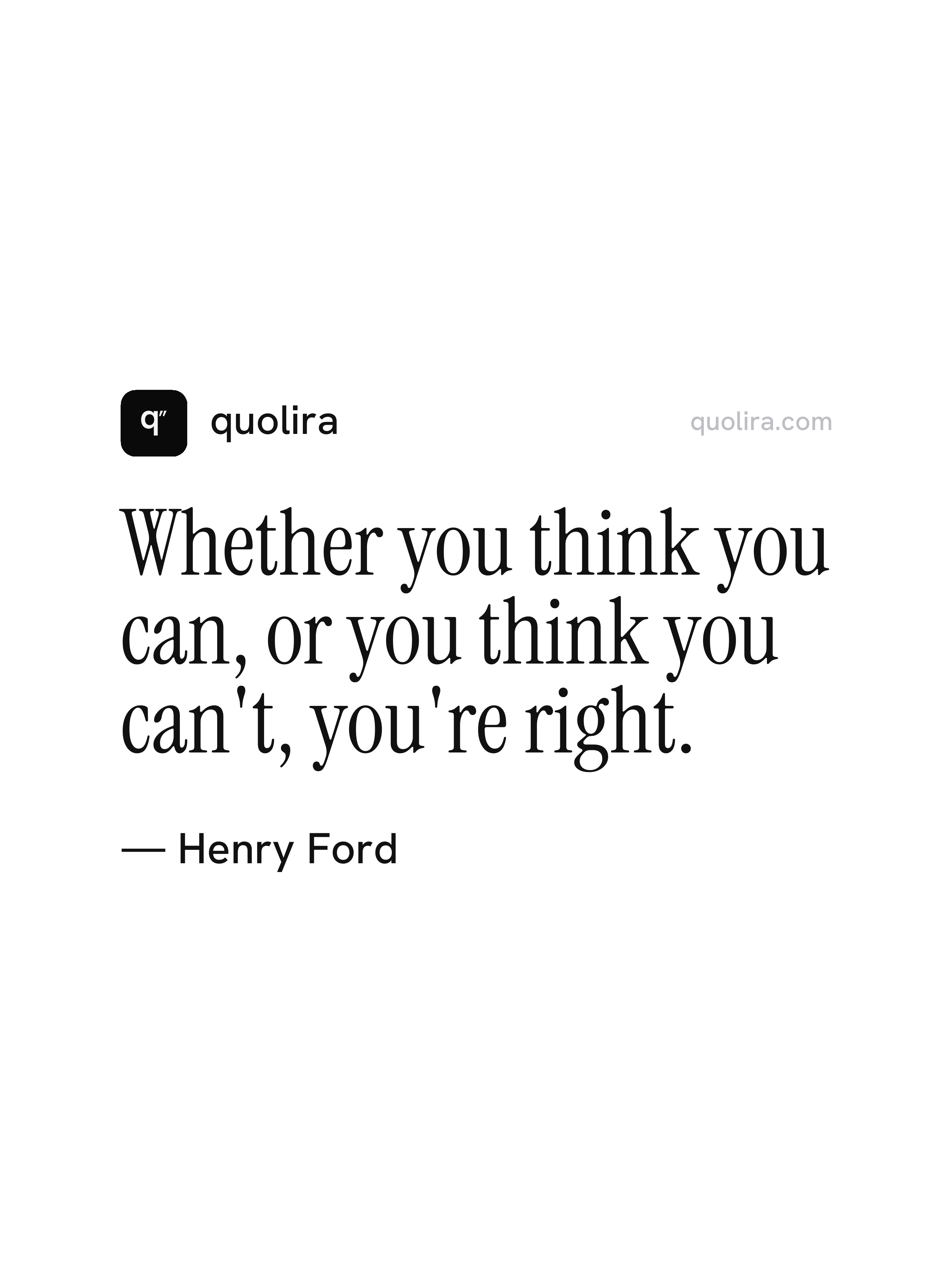
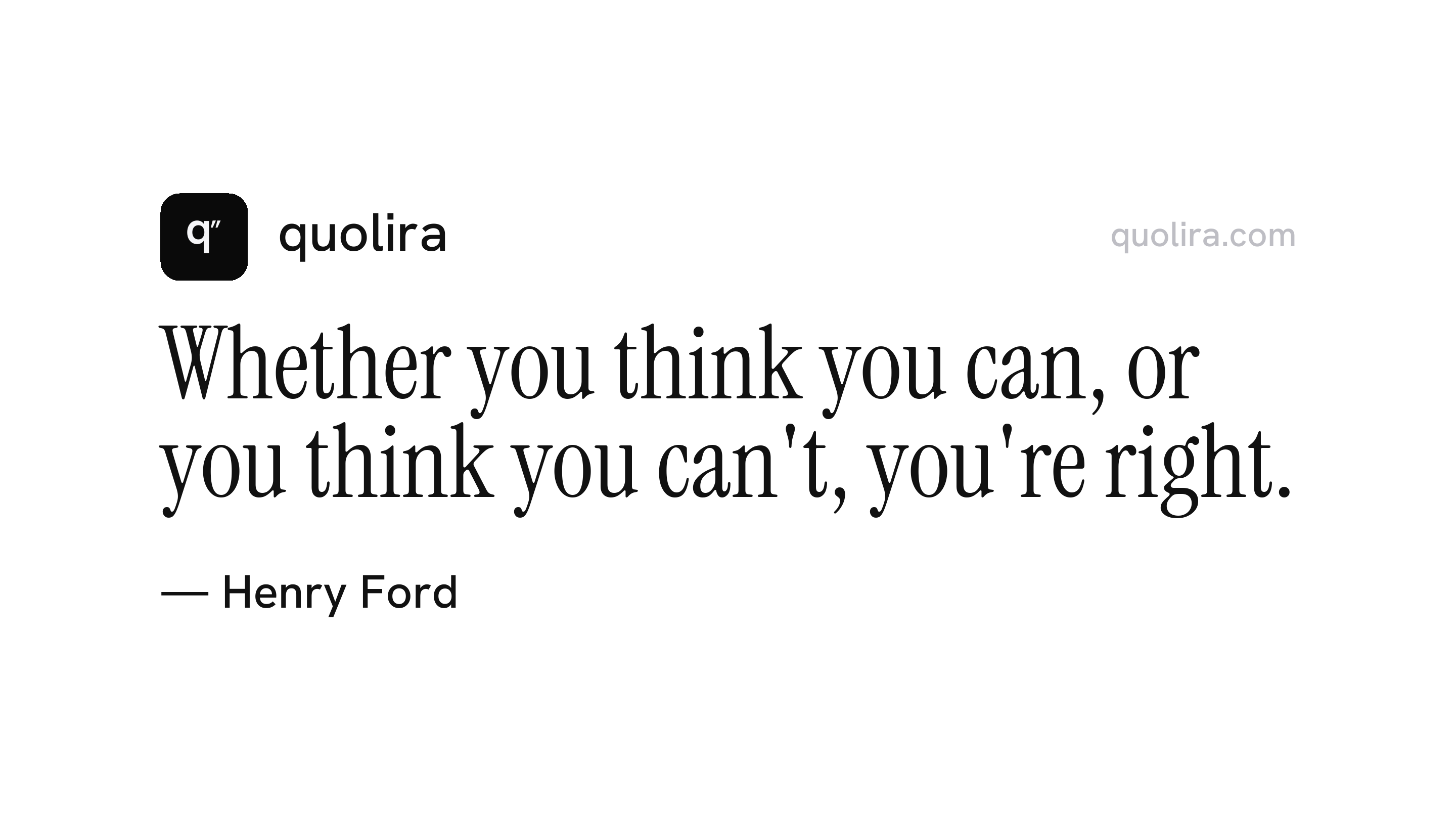
“Whether you think you can, or you think you can't, you're right.”
Henry Ford · attributed
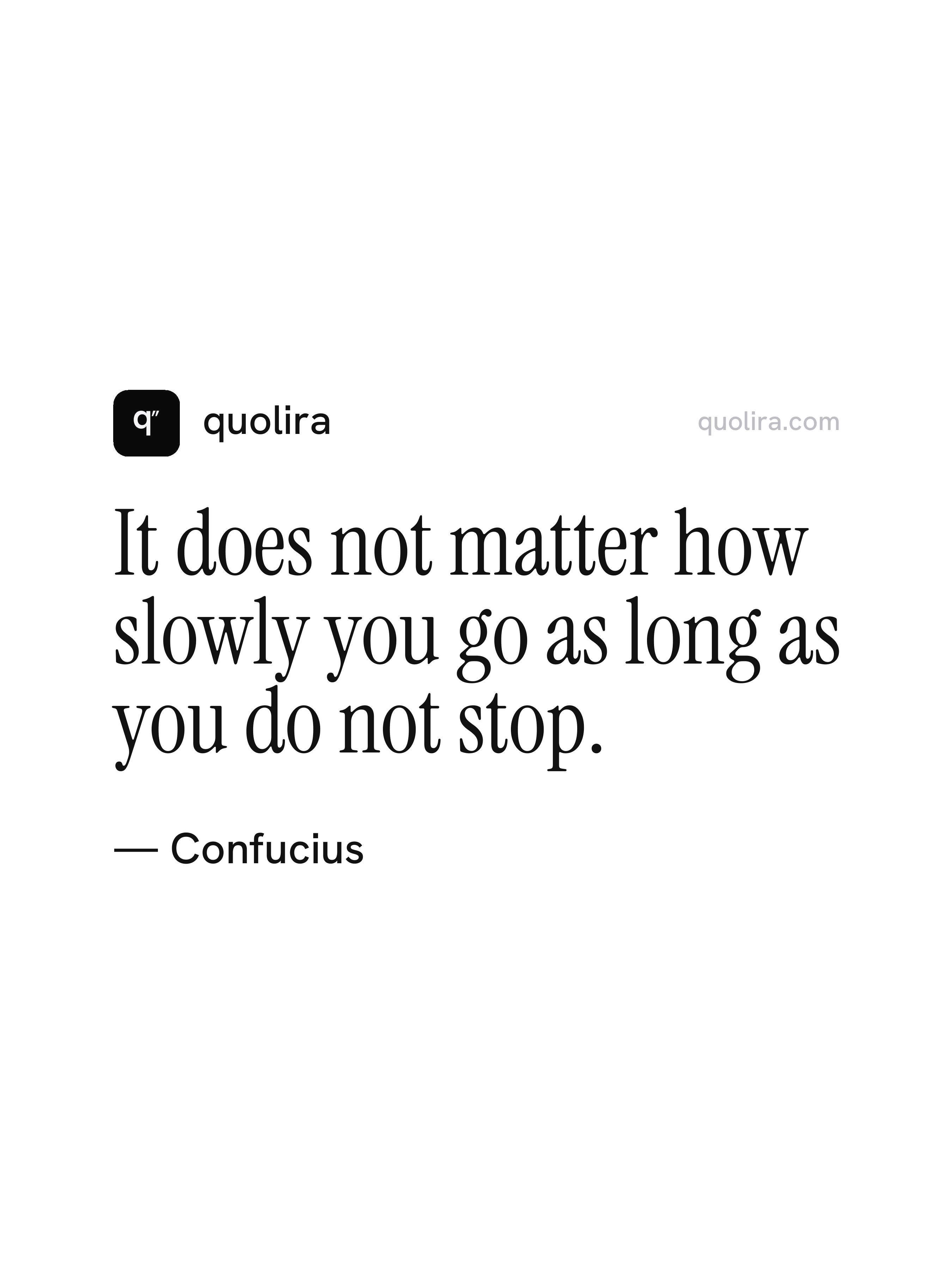
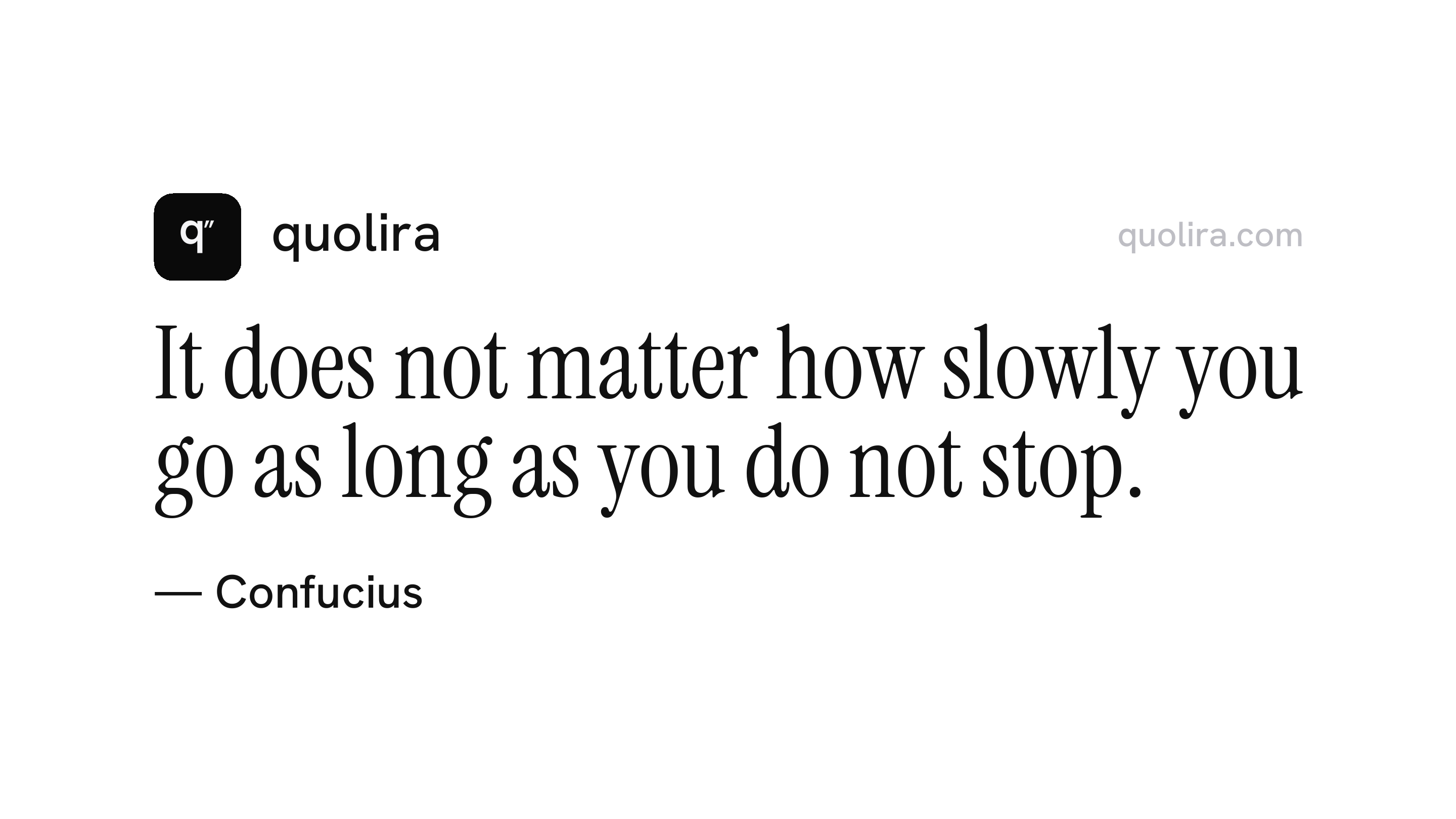
“It does not matter how slowly you go as long as you do not stop.”
Confucius · attributed
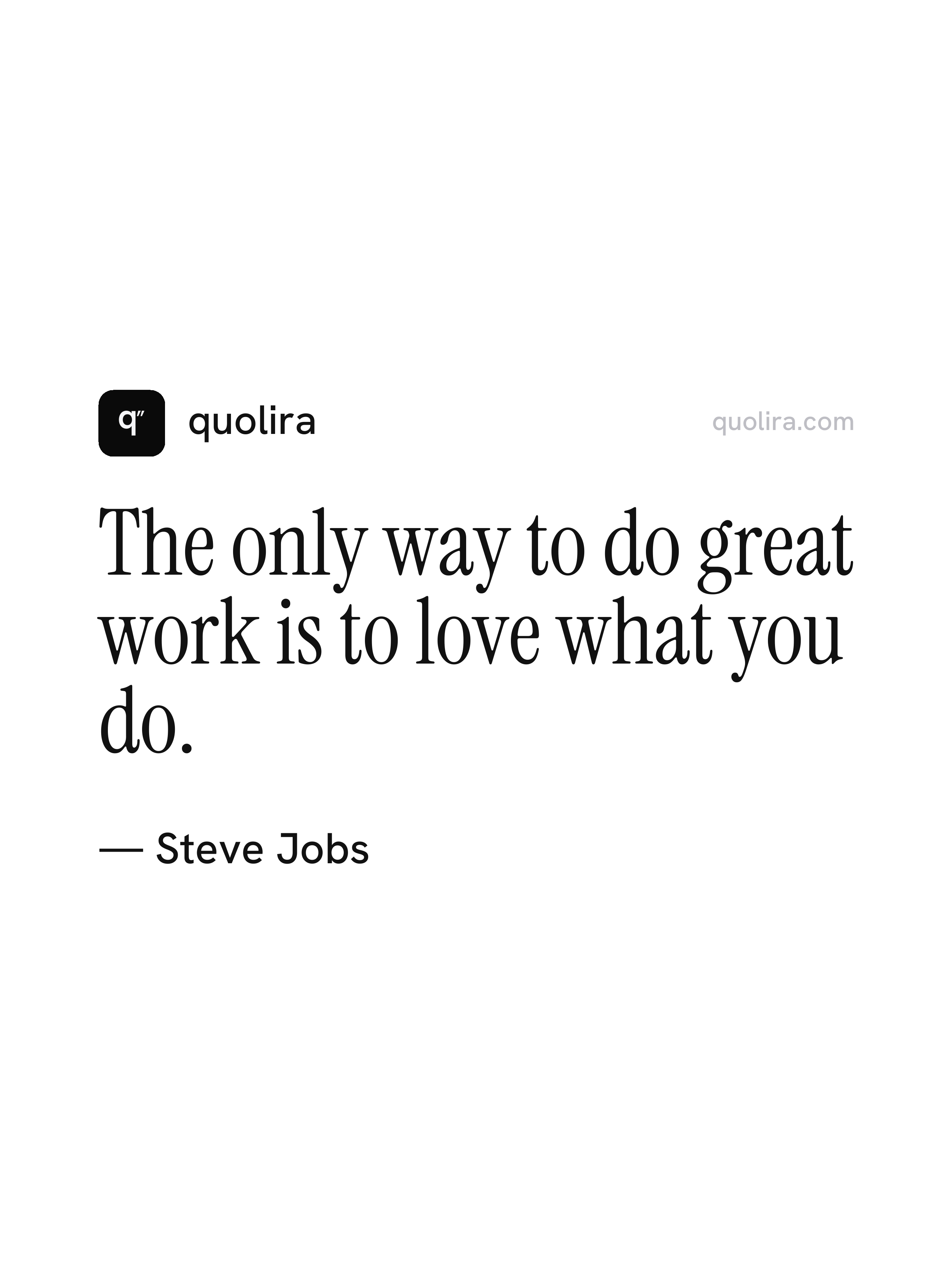
“The only way to do great work is to love what you do.”
Steve Jobs · Stanford commencement address, 2005