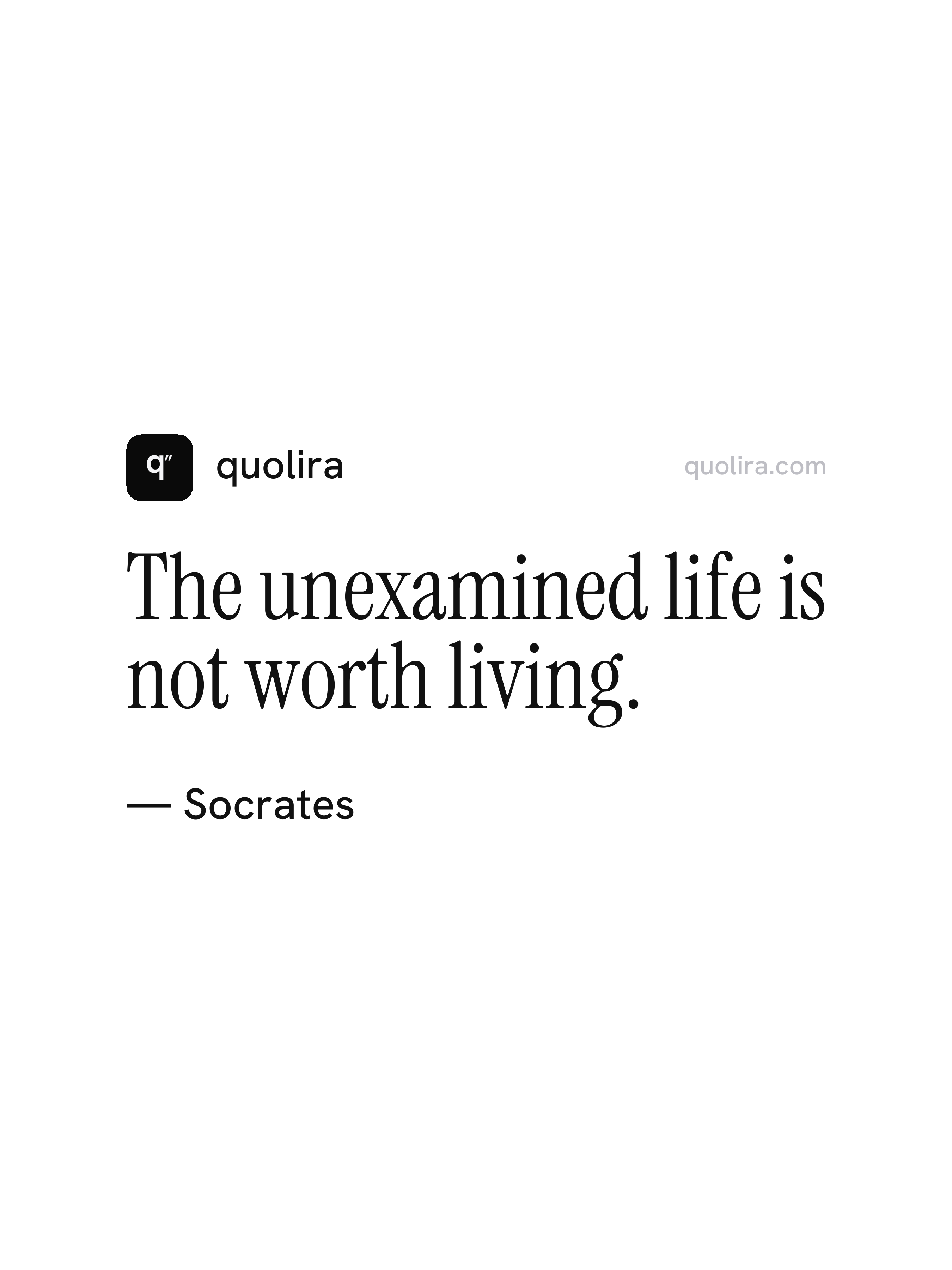
“The unexamined life is not worth living.”
Socrates · Plato, Apology
 quolira
.com
quolira
quolira.com
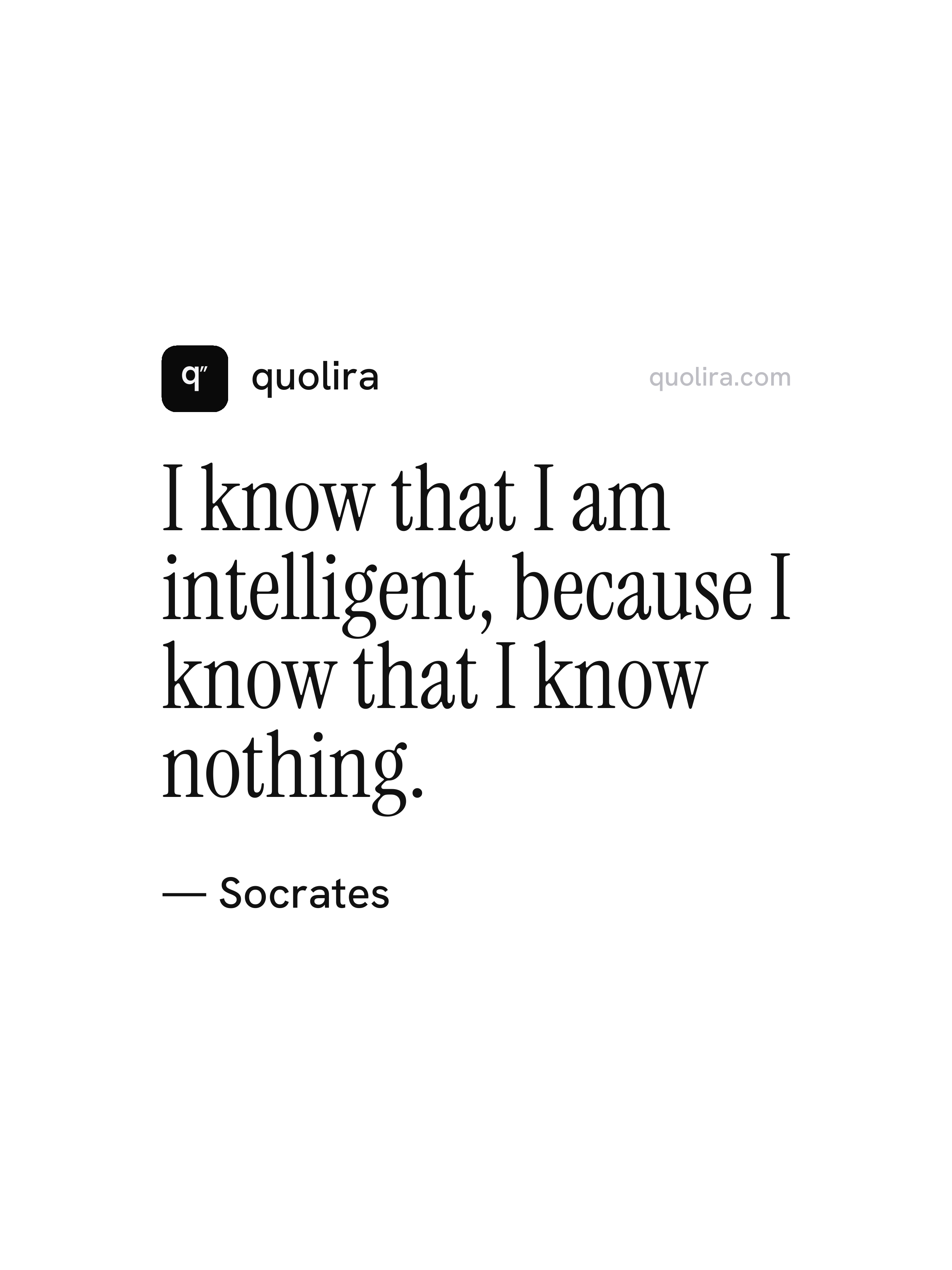
At first glance the statement sounds like a paradox: how can someone be intelligent precisely because they know nothing? The answer lies in what kind of knowing is meant. The intelligence here is self-awareness, the ability to recognize the true limits of one's own understanding. A person who honestly sees how little they know remains curious, cautious, and open to learning. Someone who falsely believes they already understand everything closes off the possibility of growth. Awareness of ignorance is itself a form of wisdom.
This line is commonly associated with the Platonic dialogue known as the Apology, in which Plato recounts the speech Socrates gave at his own trial. In that account, Socrates explains how he tested the reputations of people considered wise and found that they believed they knew things they did not actually know, whereas he at least understood that his knowledge was limited. The version of the line that circulates today is a paraphrase of that underlying idea rather than a direct quotation from the text, but the thought it captures is authentically Socratic.
Socrates was an Athenian philosopher of the fifth century BCE whose methods and ideas became the foundation for much of Western philosophy. He conducted philosophy entirely through spoken conversation, never writing down his teachings. The dialogues written by his student Plato are the primary source through which his ideas have survived. Socrates was put on trial in Athens in 399 BCE on charges related to impiety and the corruption of young people, and he was sentenced to death. His willingness to die rather than renounce his principles gave his life and thought an enduring moral authority.
“The unexamined life is not worth living.”
Socrates · Plato, Apology
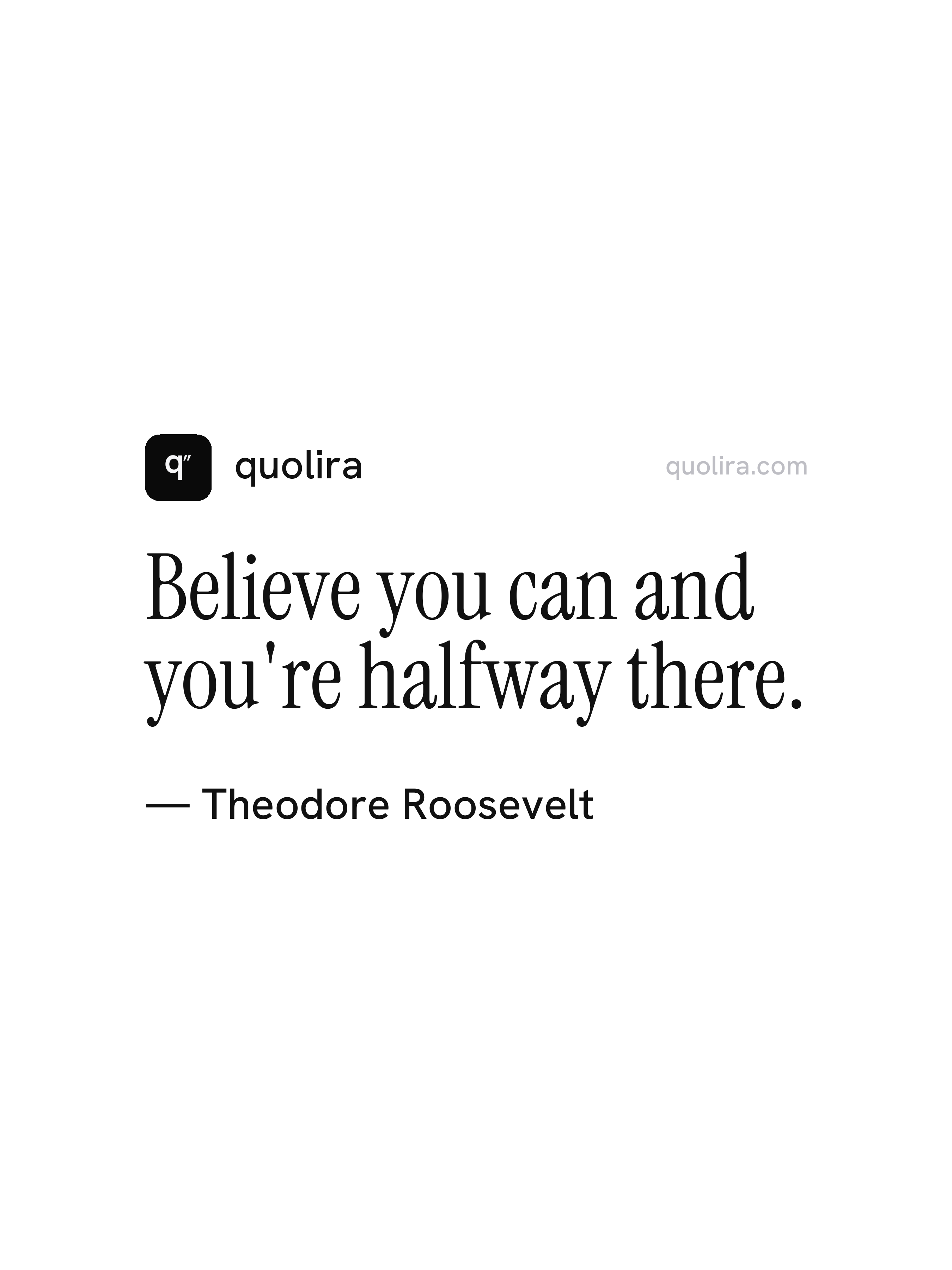
“Believe you can and you're halfway there.”
Theodore Roosevelt · attributed
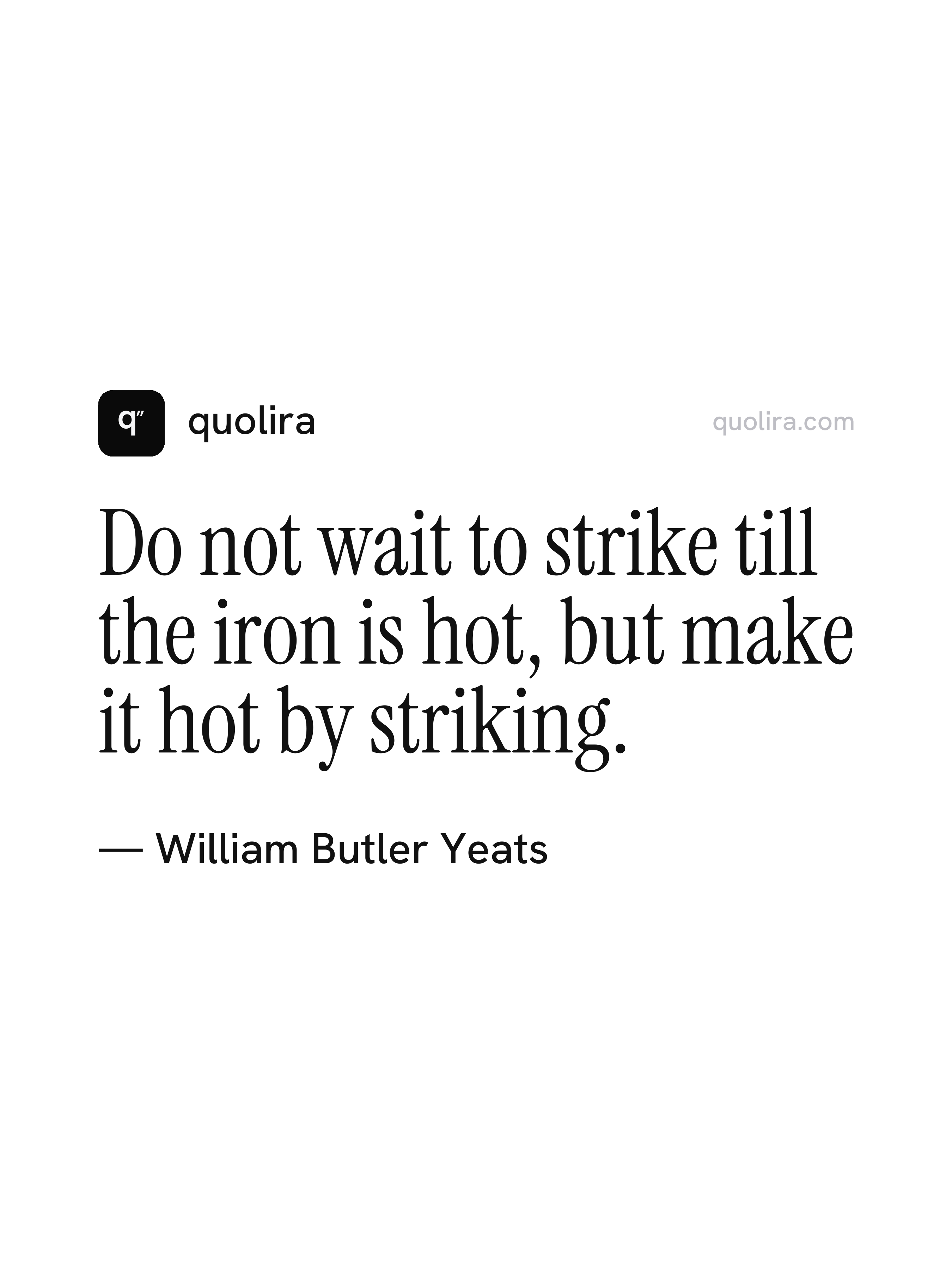
“Do not wait to strike till the iron is hot, but make it hot by striking.”
William Butler Yeats · attributed
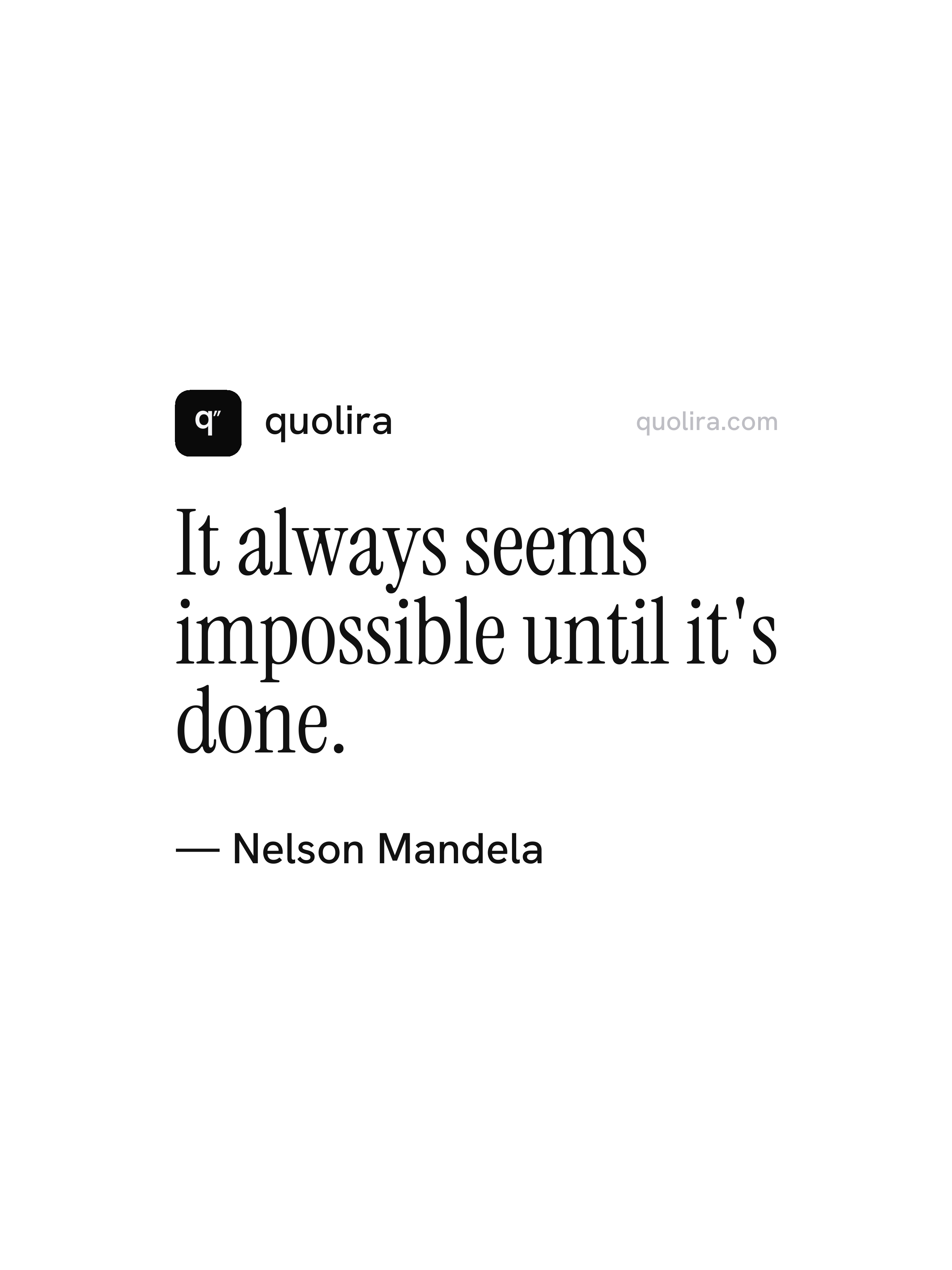
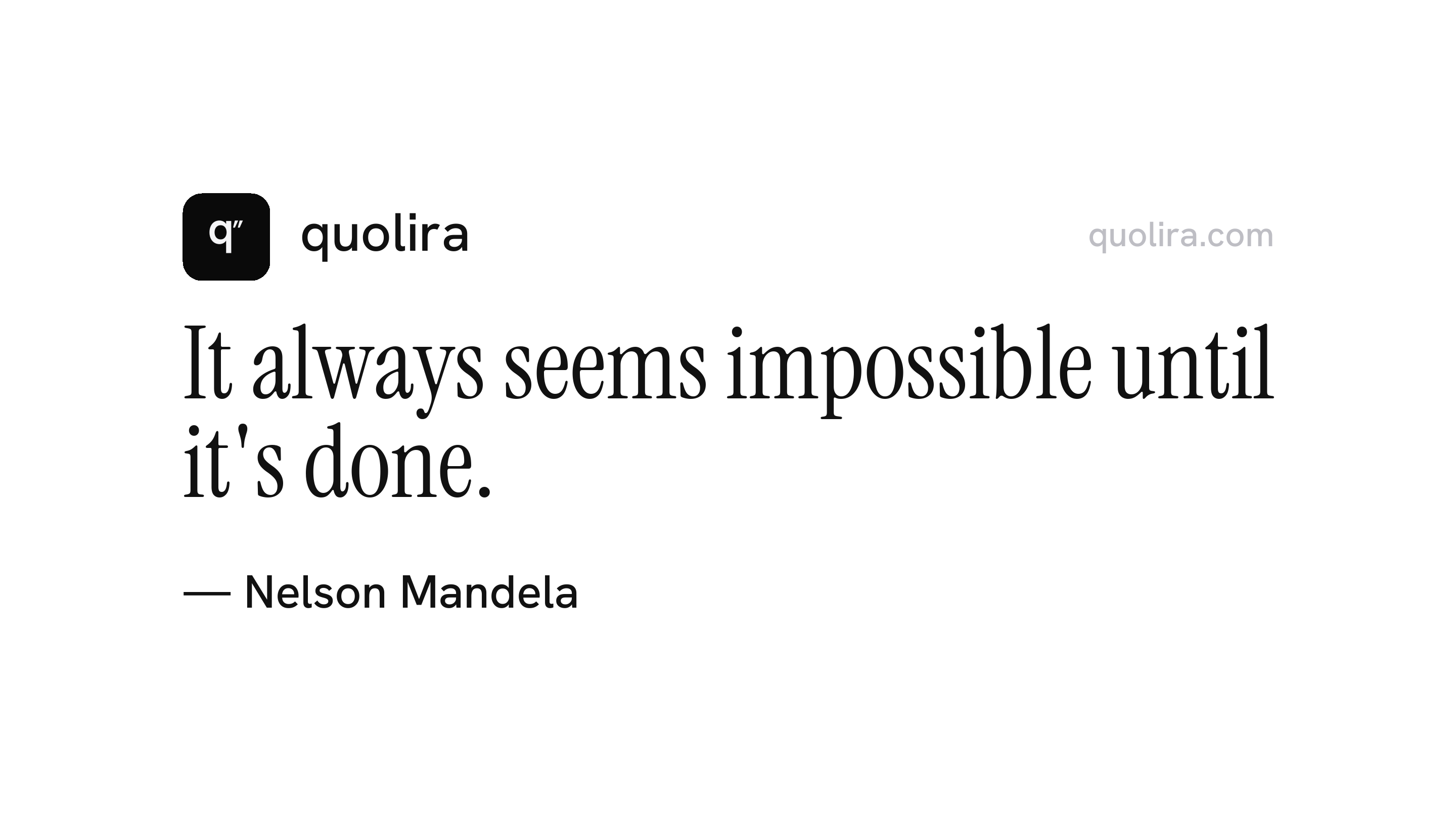
“It always seems impossible until it's done.”
Nelson Mandela · attributed
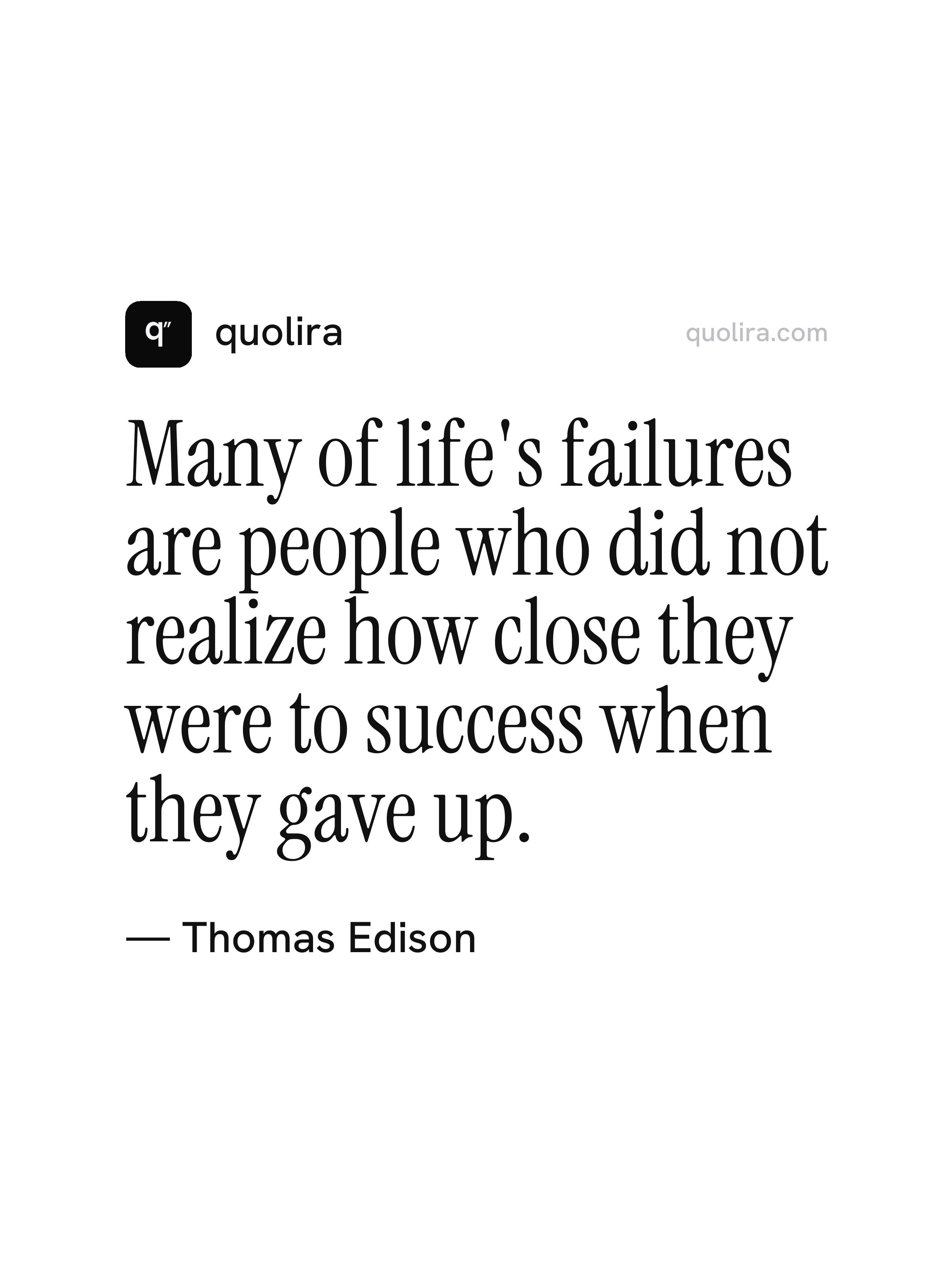
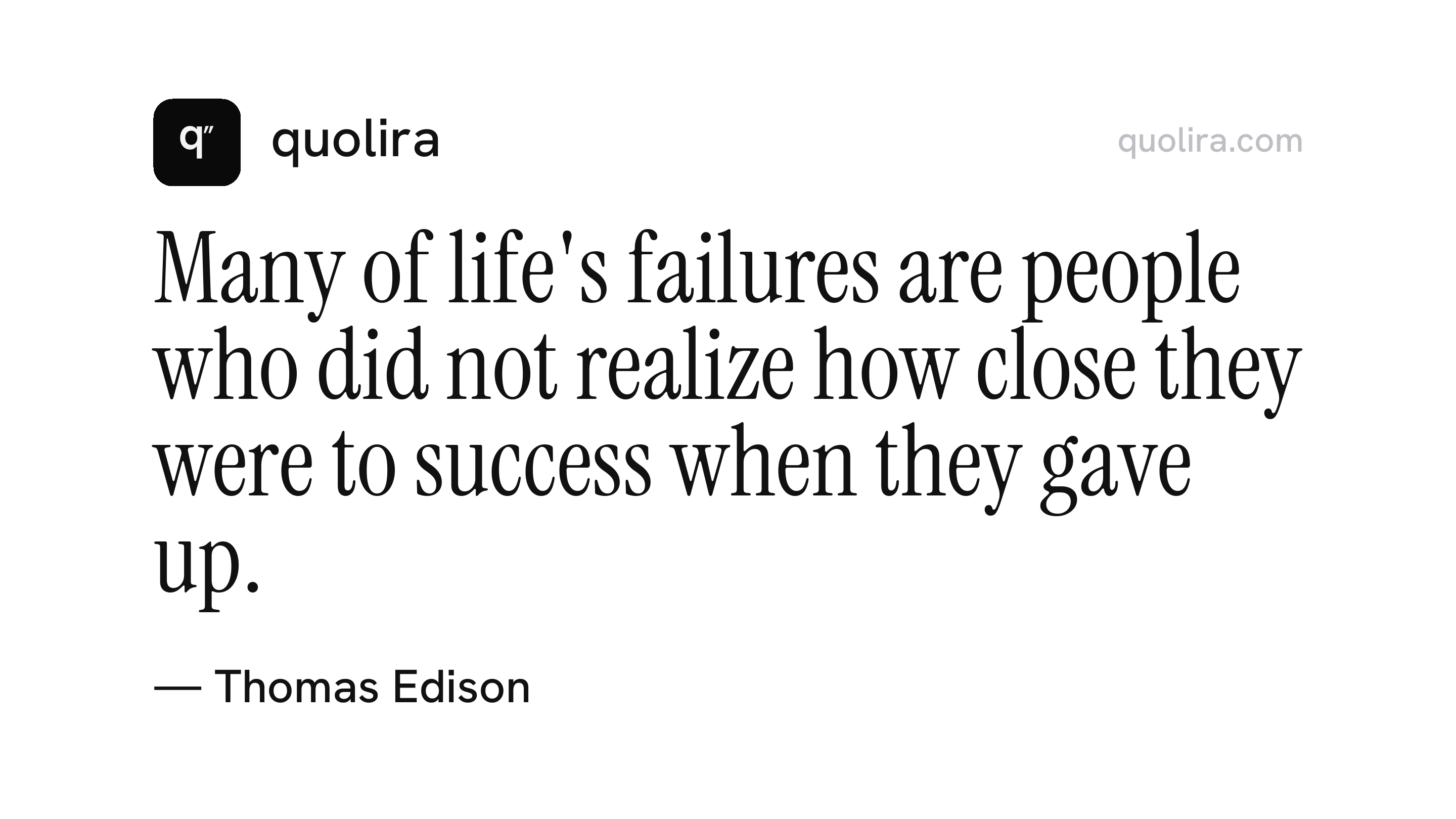
“Many of life's failures are people who did not realize how close they were to success when they gave up.”
Thomas Edison · attributed
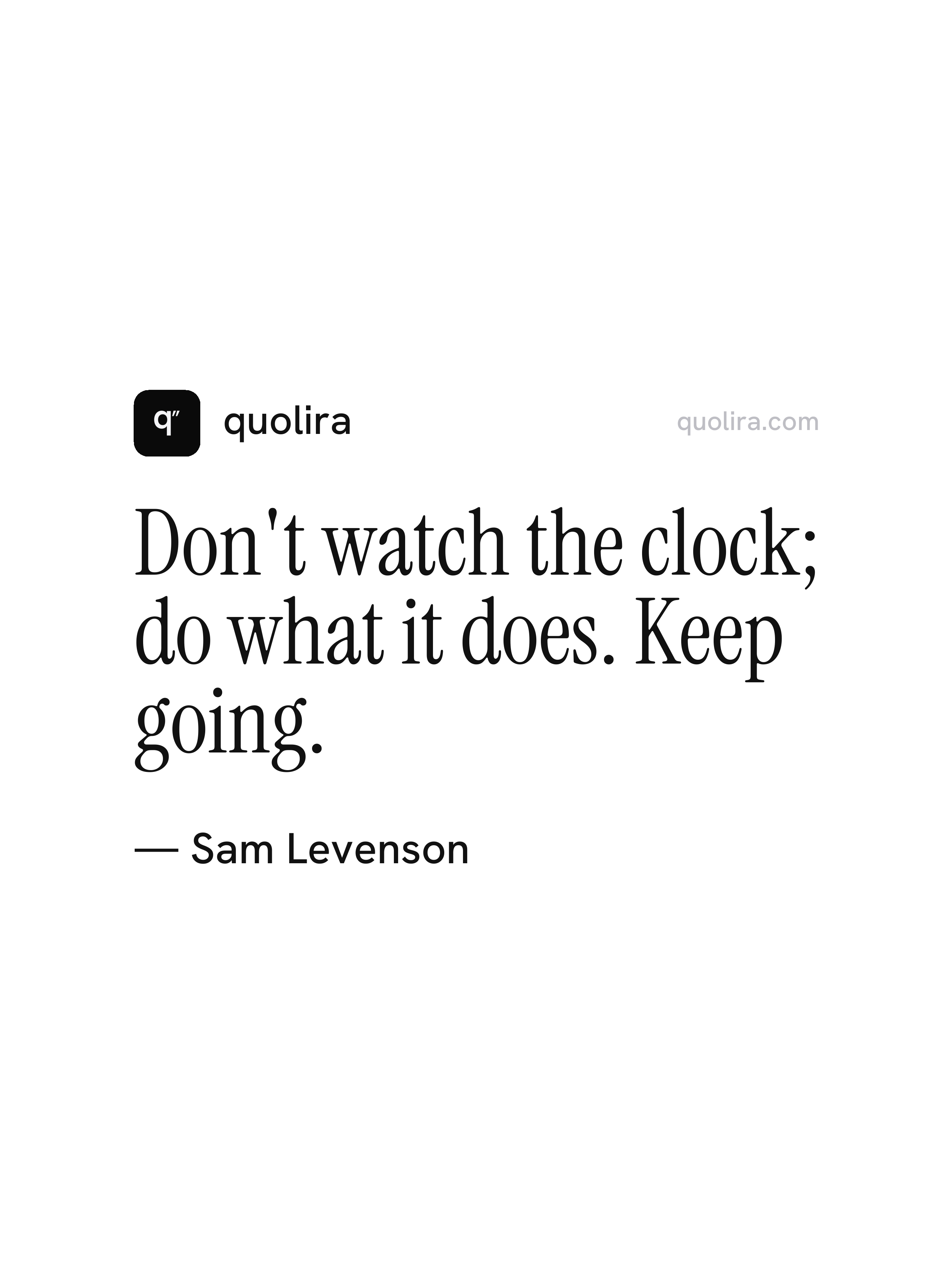
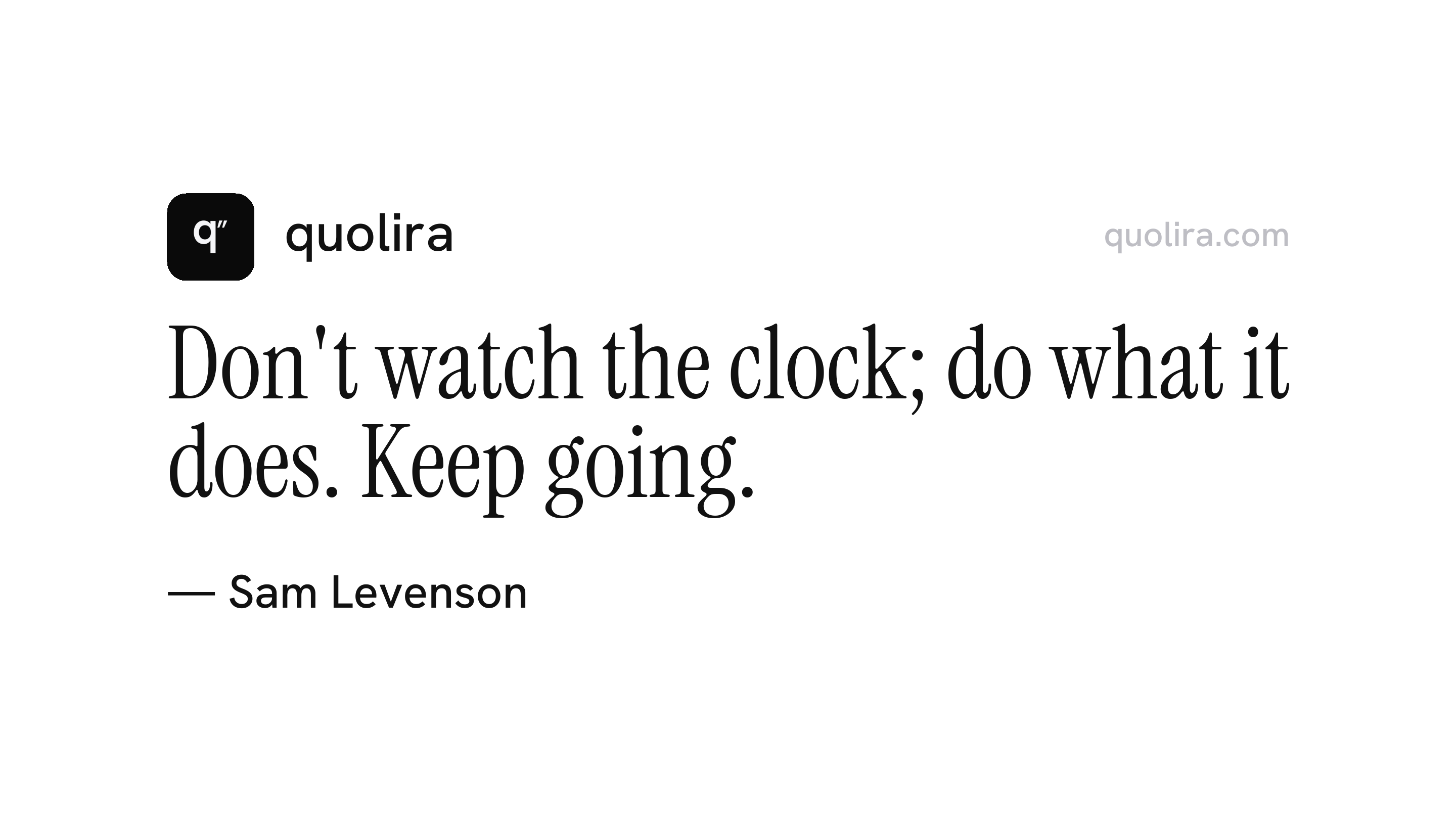
“Don't watch the clock; do what it does. Keep going.”
Sam Levenson · attributed
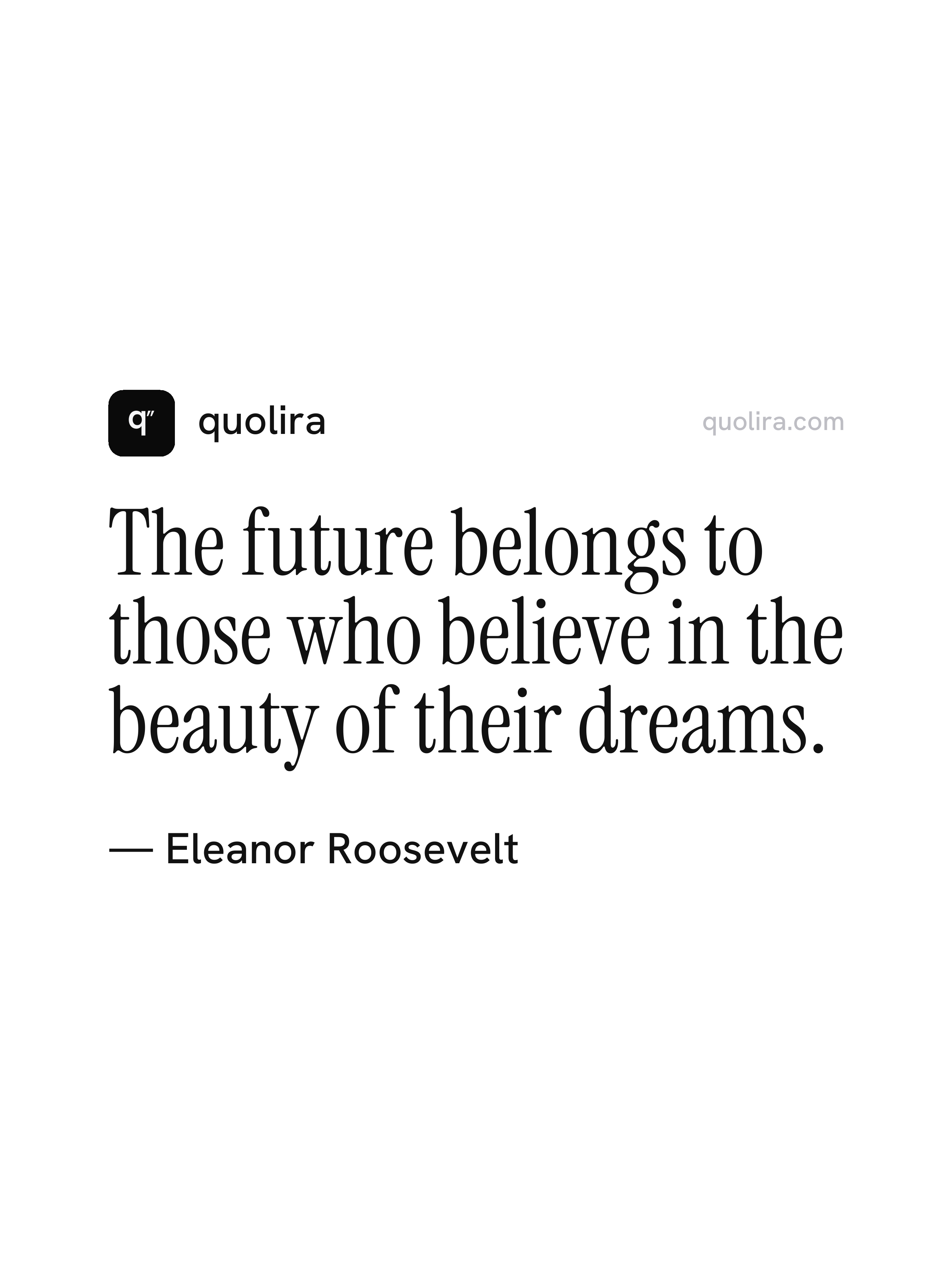
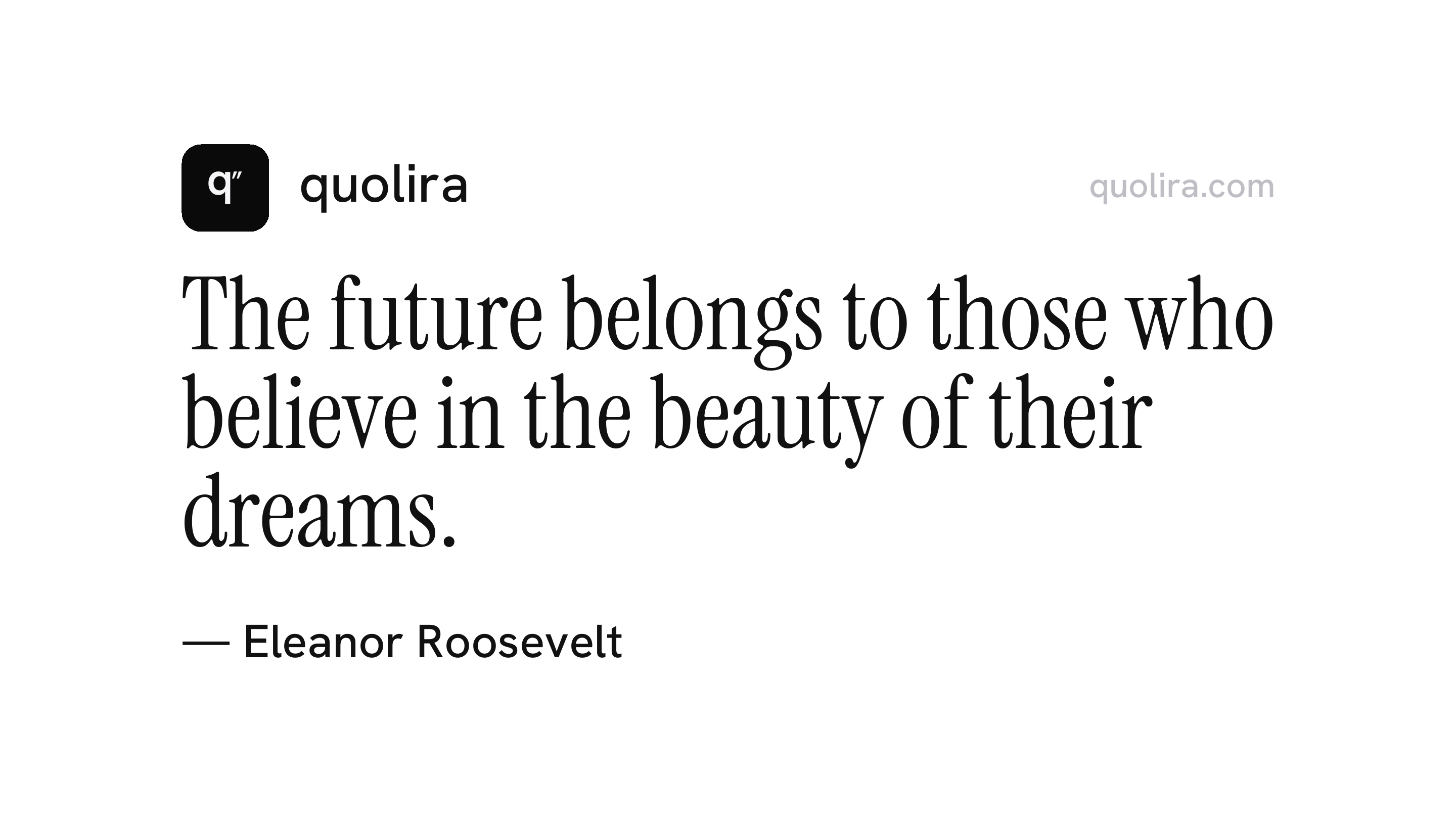
“The future belongs to those who believe in the beauty of their dreams.”
Eleanor Roosevelt · attributed
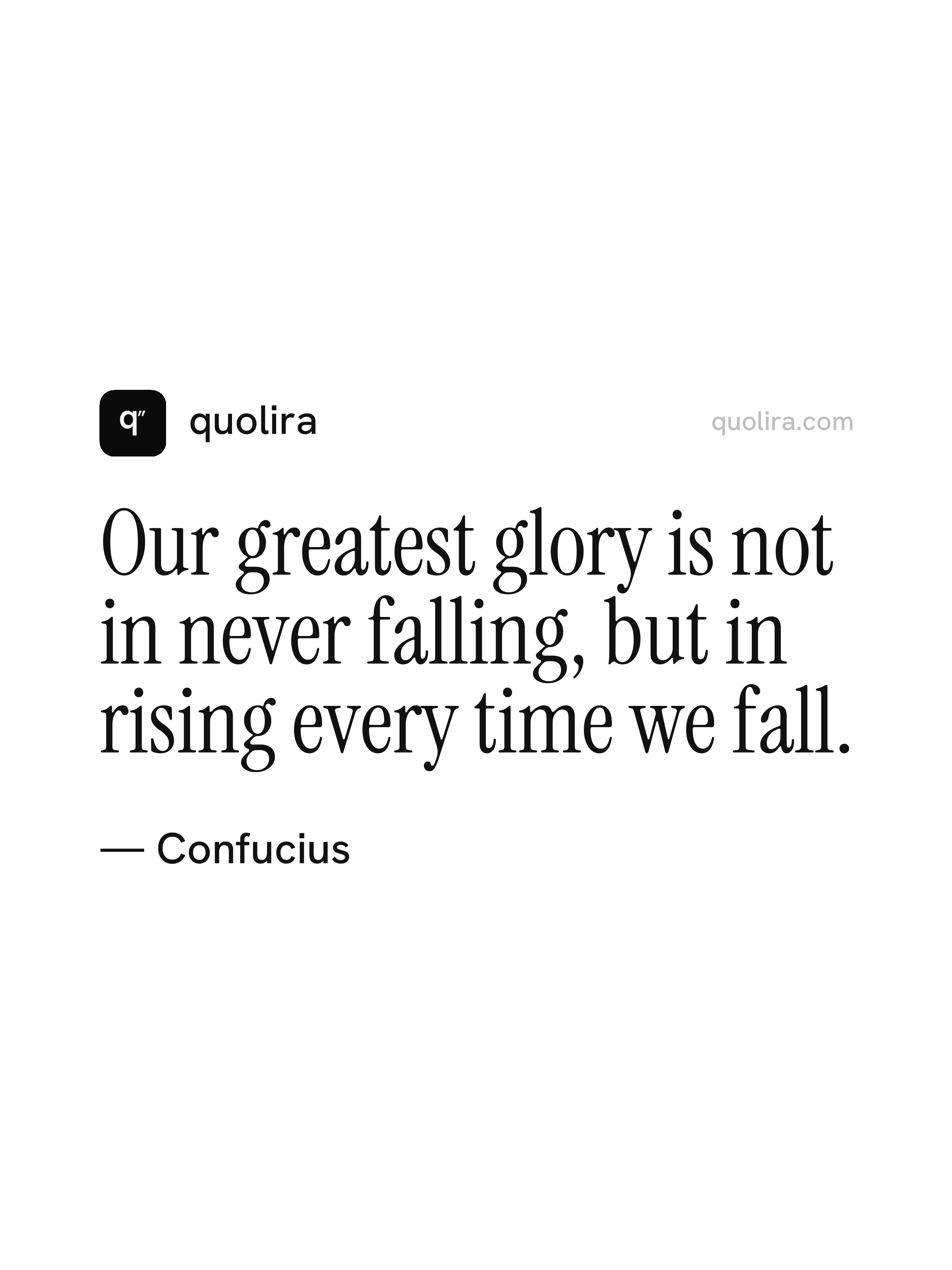
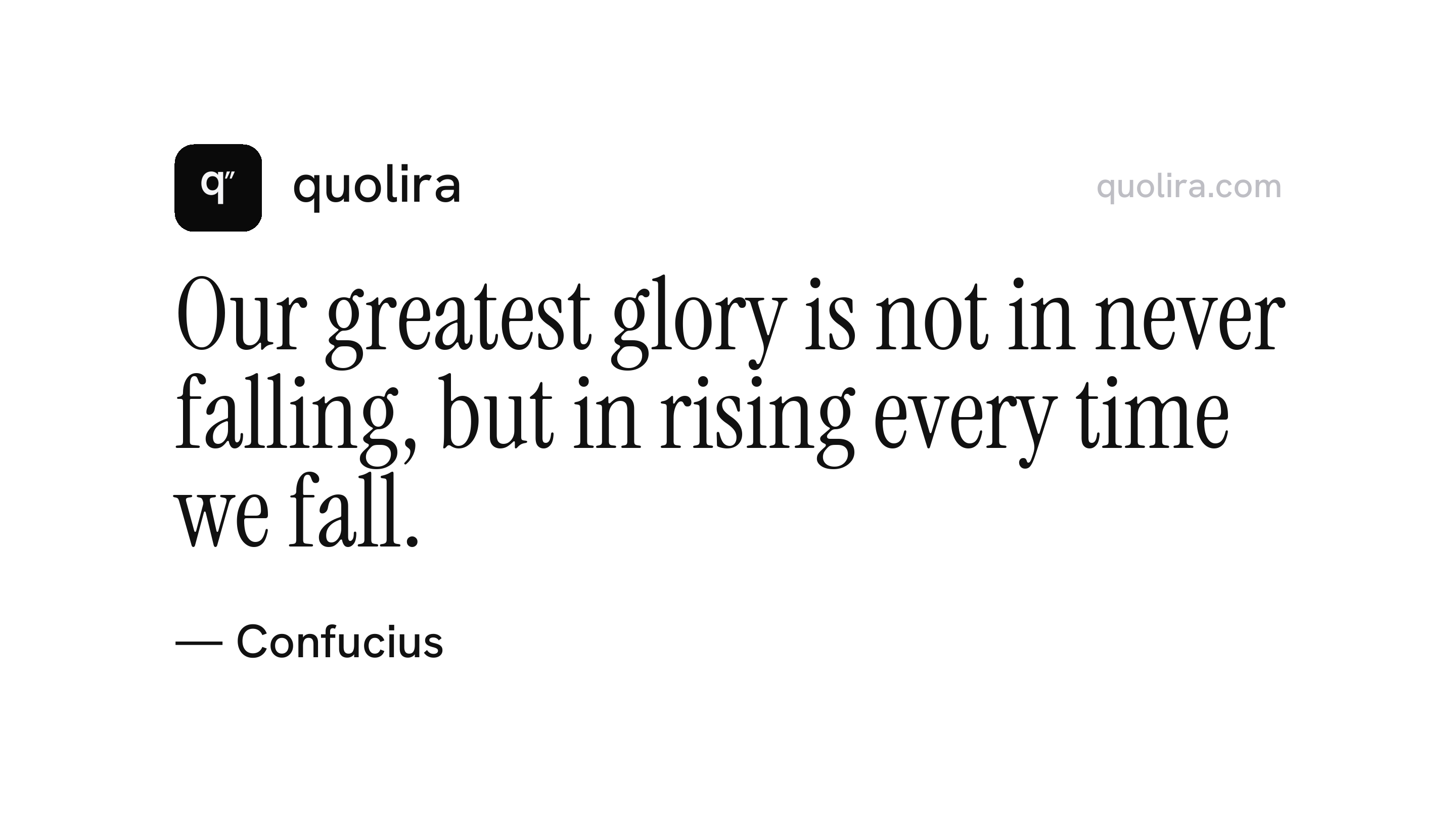
“Our greatest glory is not in never falling, but in rising every time we fall.”
Confucius · attributed
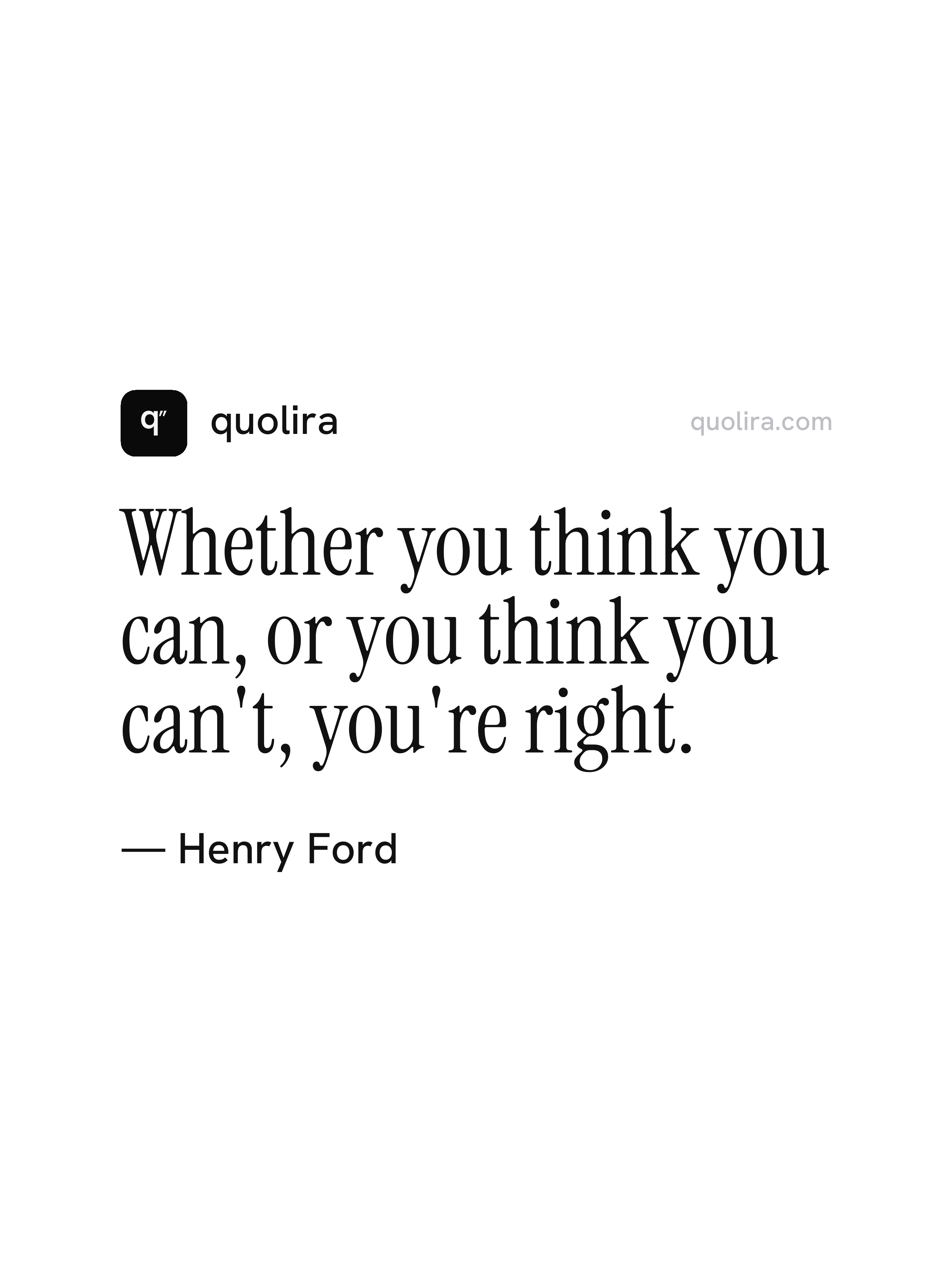
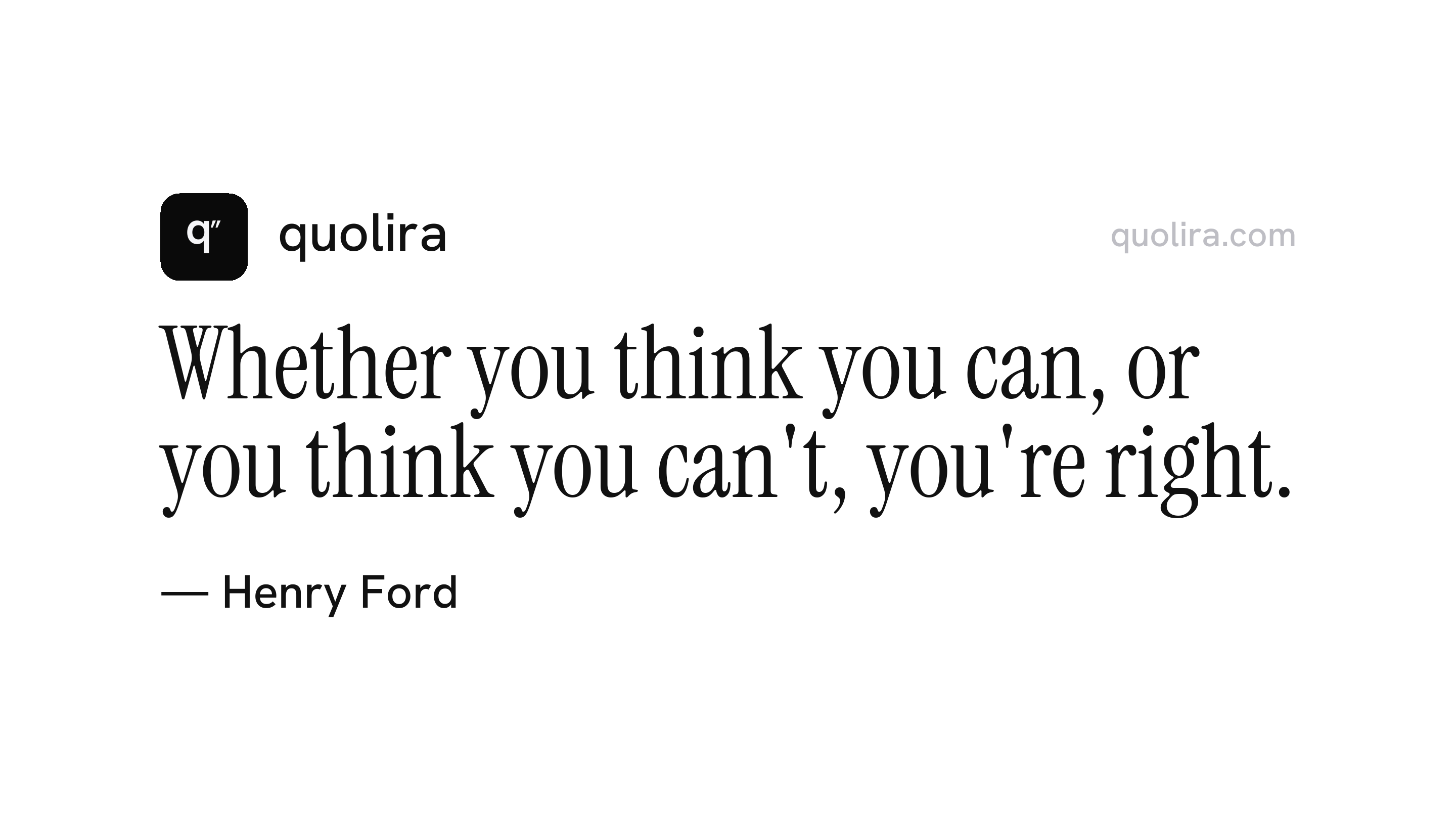
“Whether you think you can, or you think you can't, you're right.”
Henry Ford · attributed
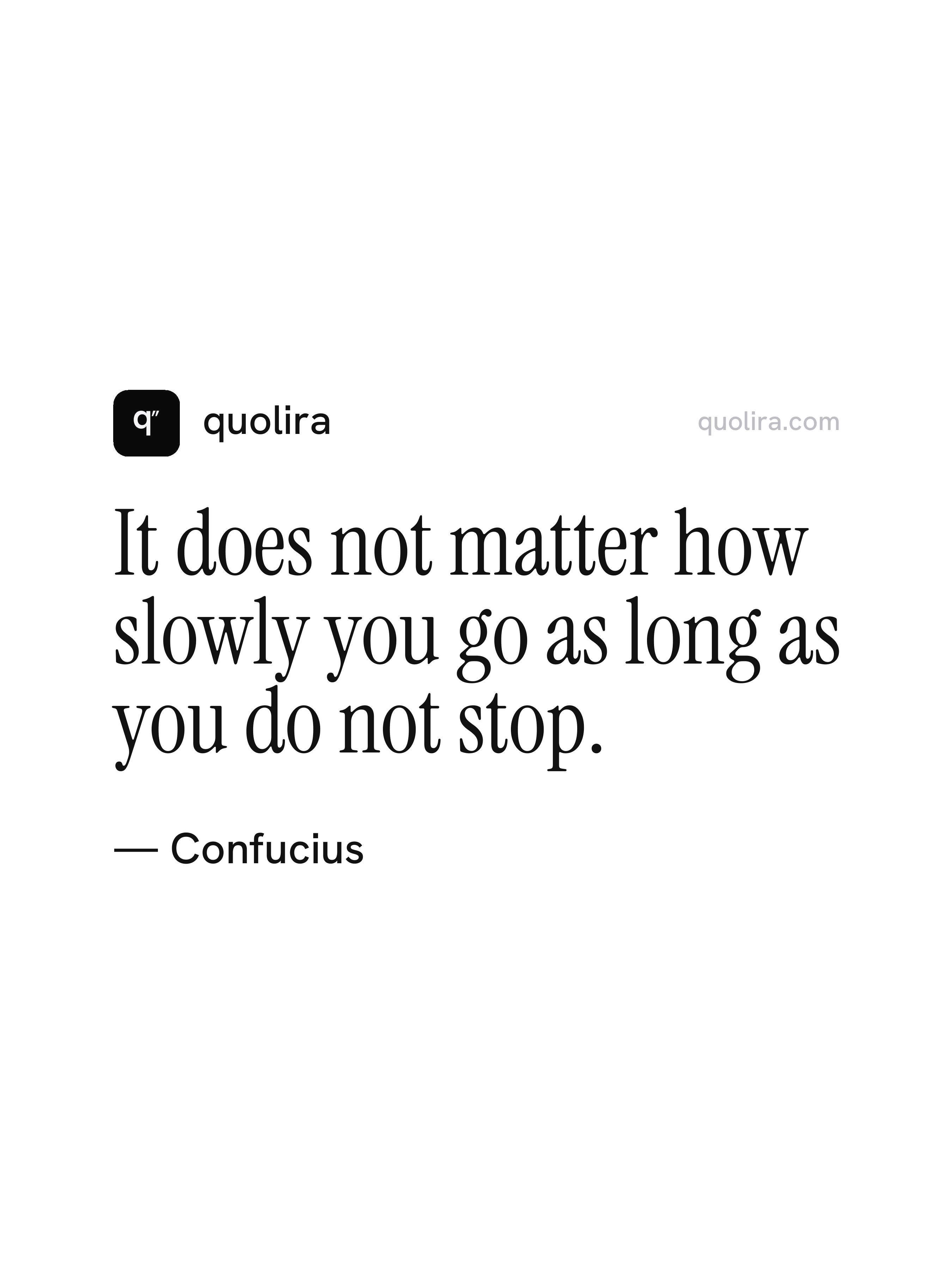
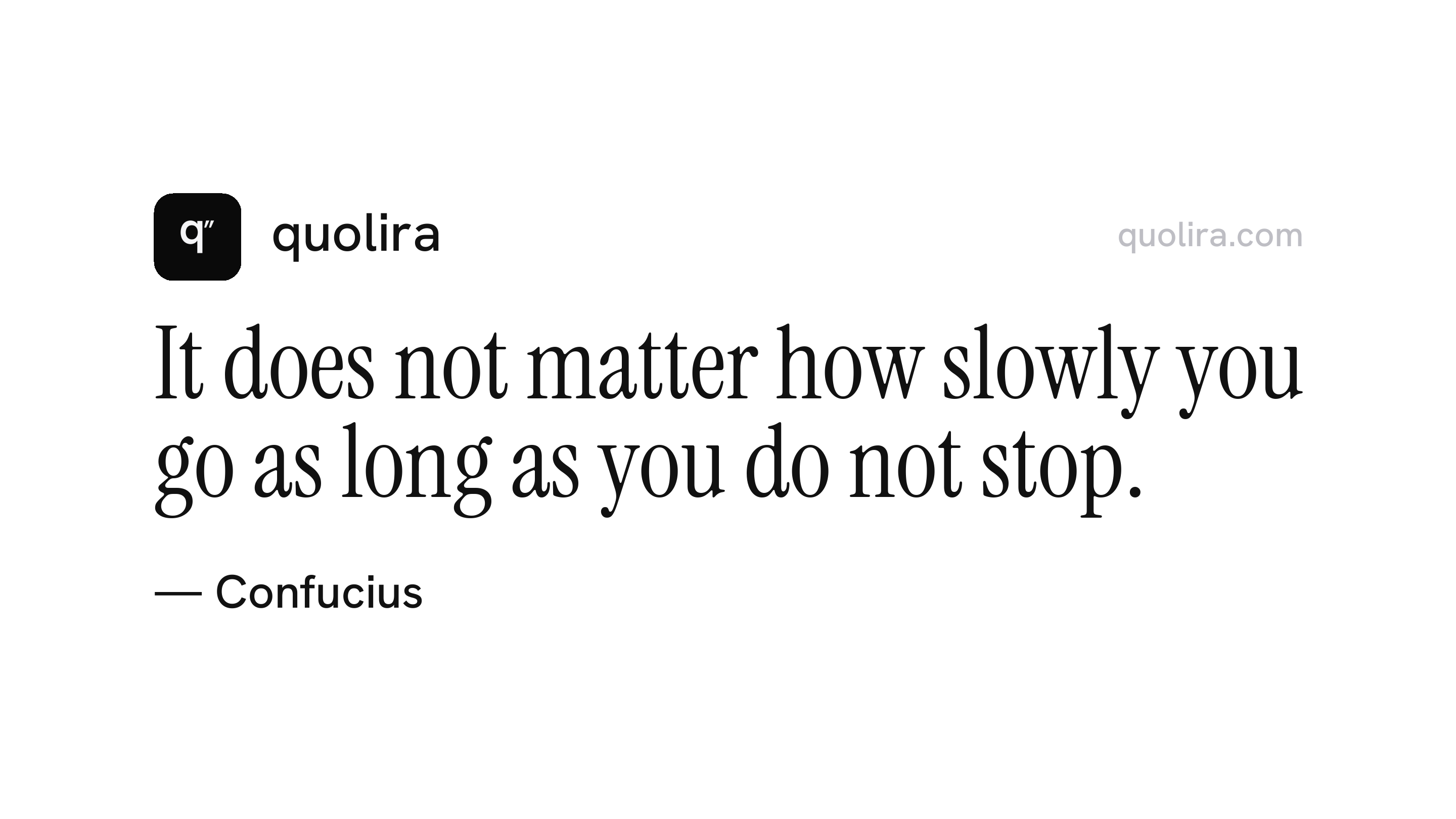
“It does not matter how slowly you go as long as you do not stop.”
Confucius · attributed
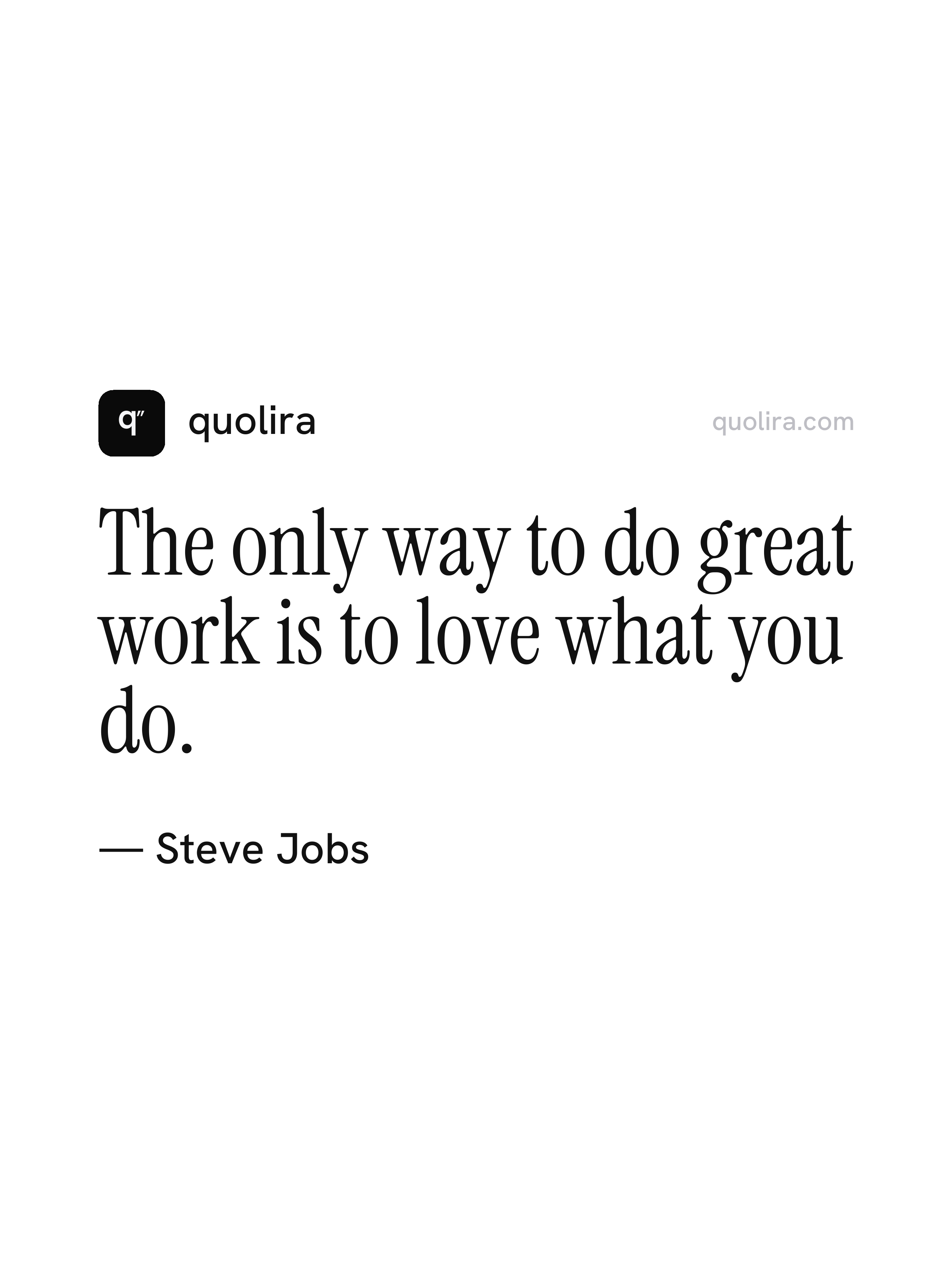
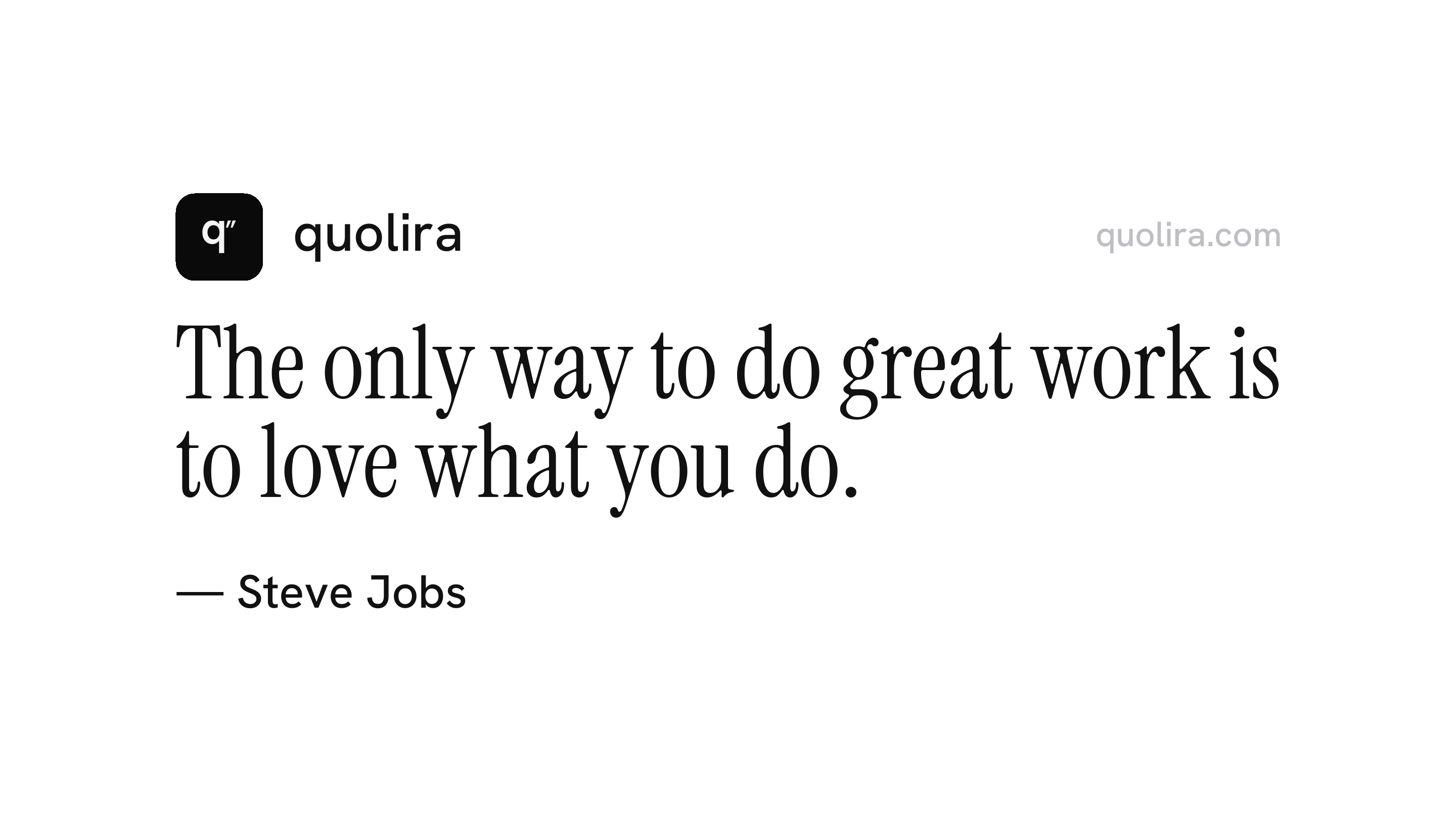
“The only way to do great work is to love what you do.”
Steve Jobs · Stanford commencement address, 2005
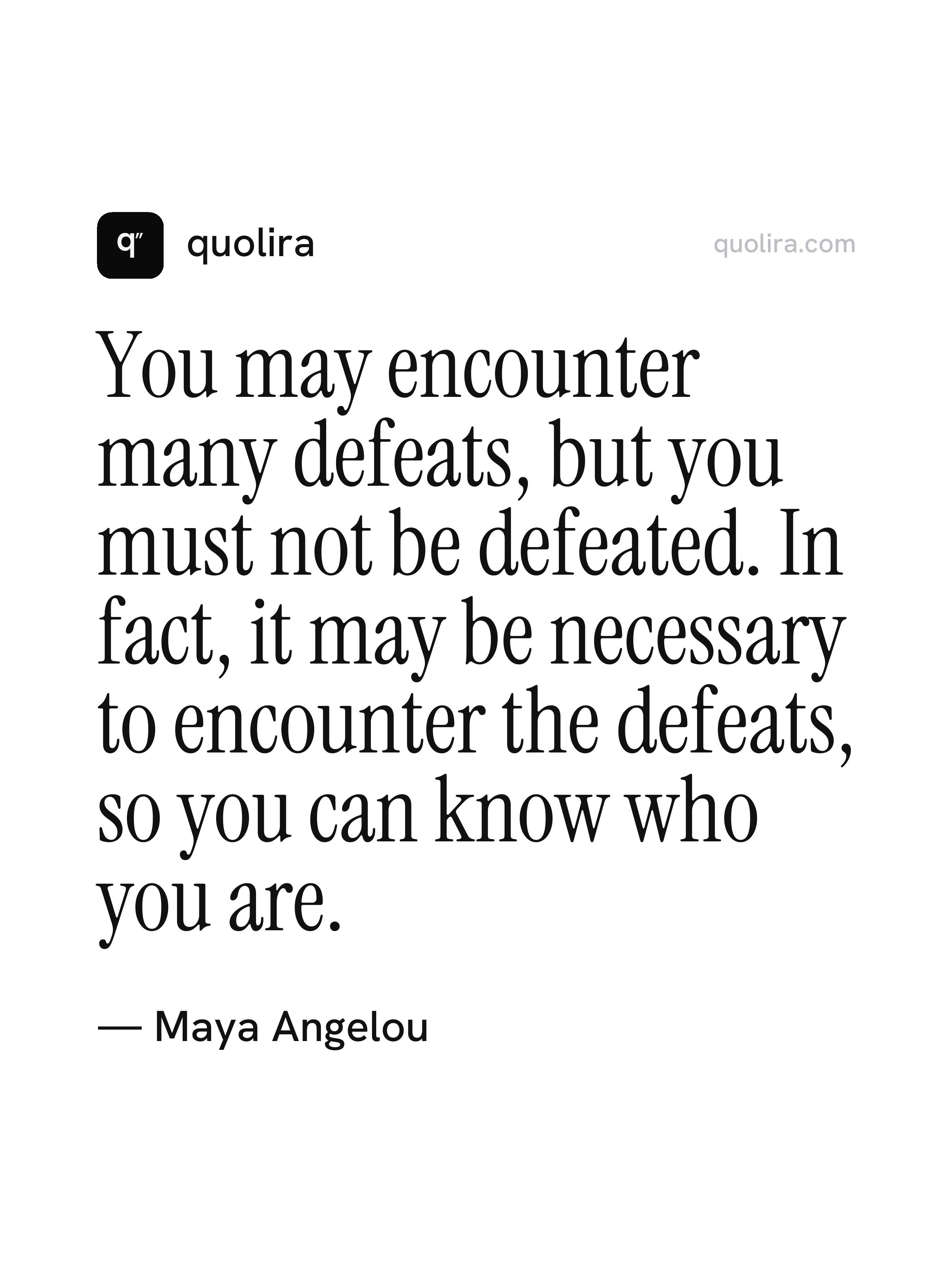
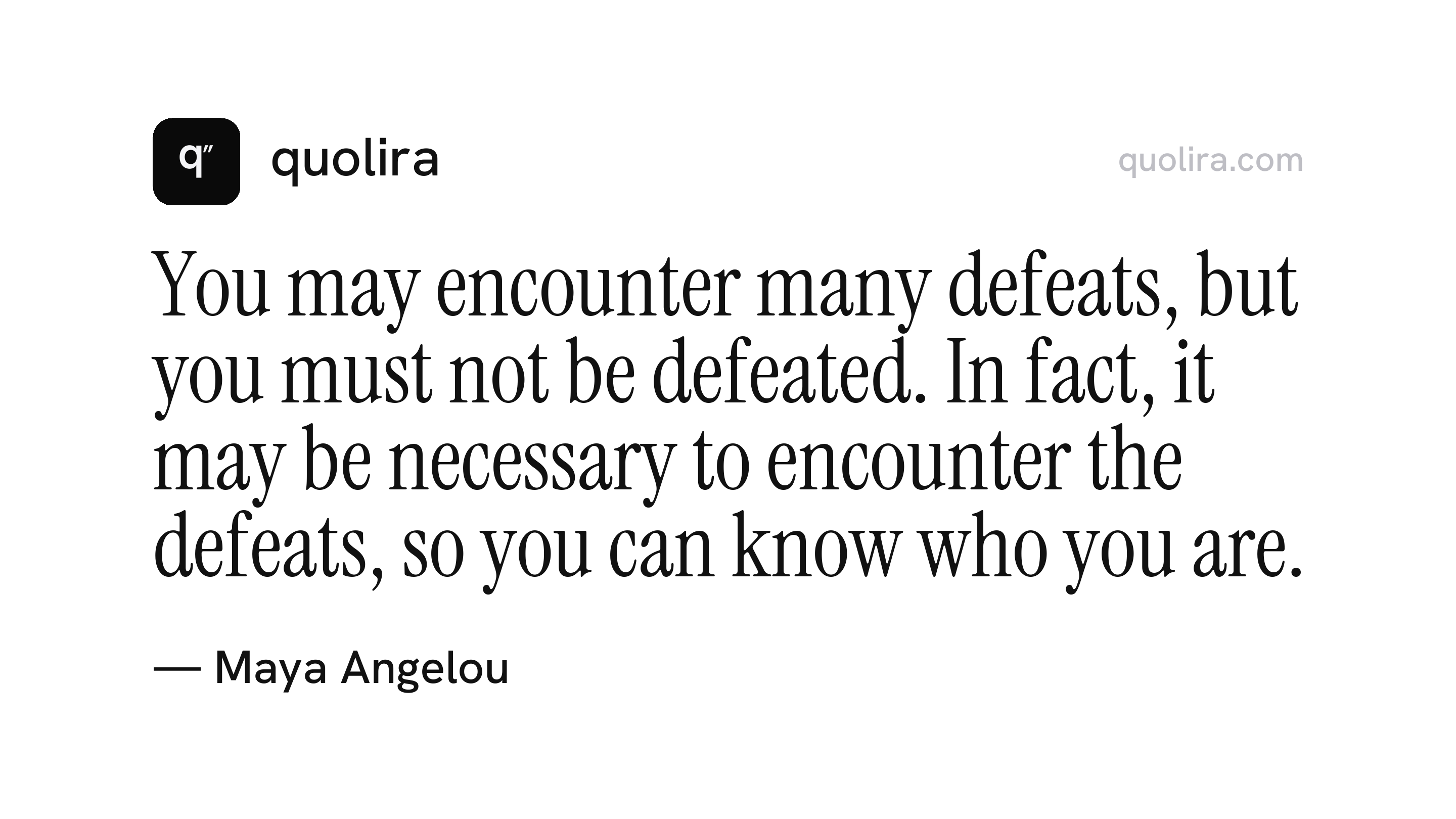
“You may encounter many defeats, but you must not be defeated. In fact, it may be necessary to encounter the defeats, so you can know who you are.”
Maya Angelou · interview, 1990s