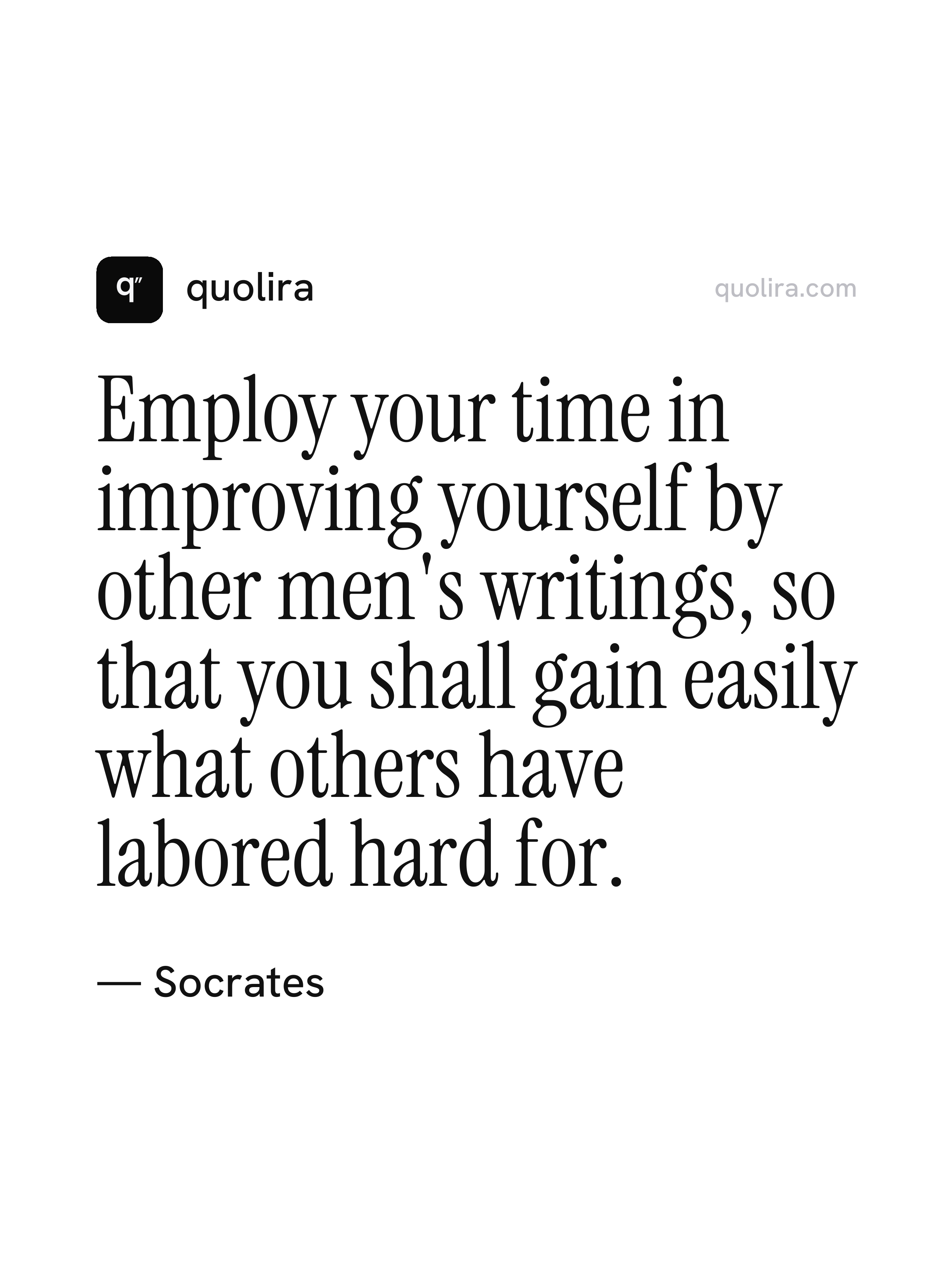
“Employ your time in improving yourself by other men's writings, so that you shall gain easily what others have labored hard for.”
Socrates · attributed
 quolira
.com
quolira
quolira.com
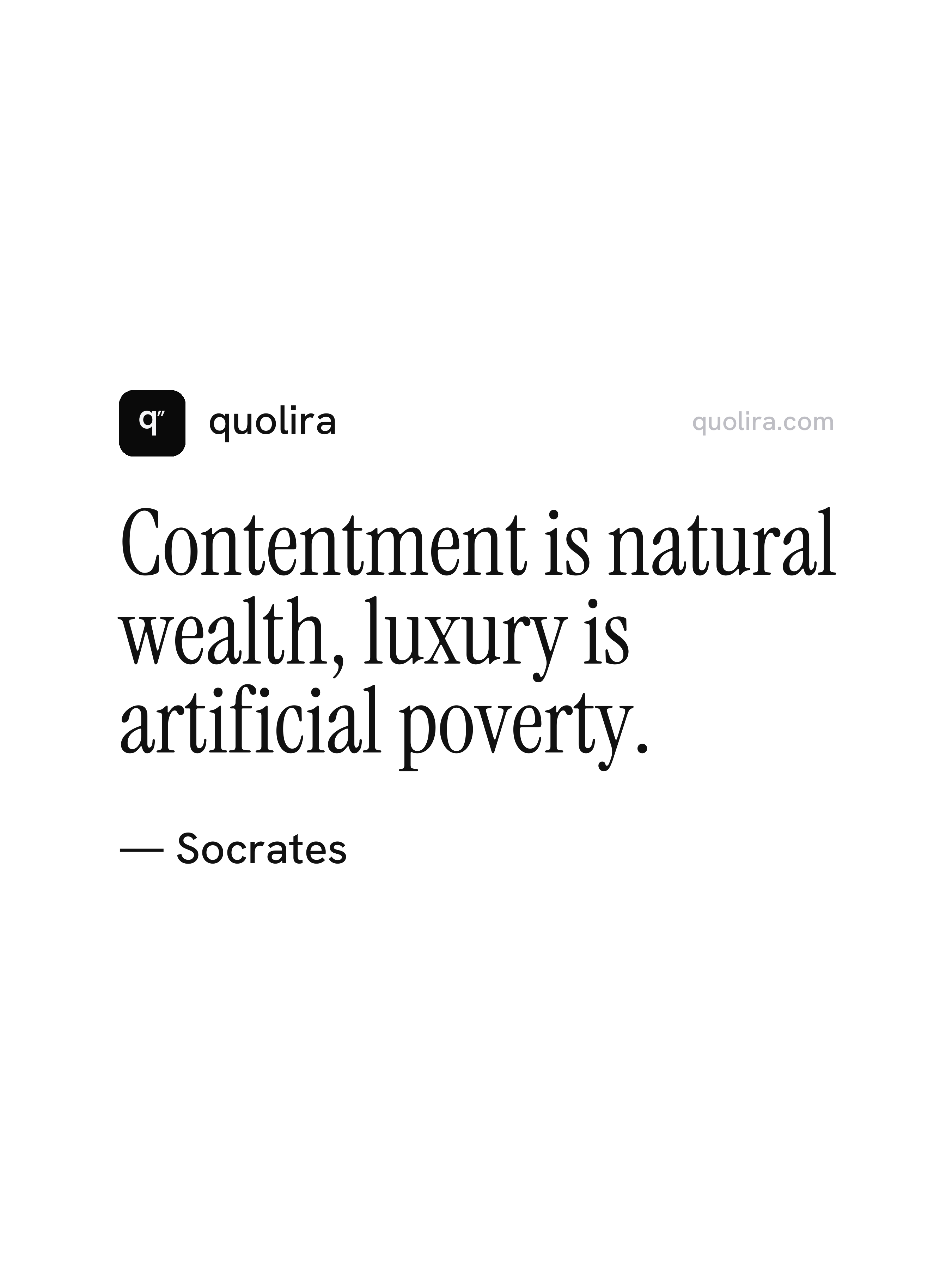
This observation draws a sharp contrast between two ways of relating to material goods. Contentment, the ability to feel satisfied with what one already has, is described as a form of genuine, natural richness. Luxury, by contrast, is called an artificial poverty because the endless desire for more things creates a kind of lack that can never be filled. The more one depends on excess, the more one feels the sting of whatever is still missing.
The attribution to Socrates fits well with the philosophical stance he is remembered for throughout ancient sources. He was famously indifferent to wealth and personal comfort and often pointed out that most people chase after things that bring them no lasting satisfaction. The idea that desire itself is a source of suffering, and that freedom comes from wanting less rather than acquiring more, runs through a great deal of ancient Greek moral philosophy and later found echoes in Stoic and Epicurean thought as well.
Socrates lived in Athens during the fifth century BCE and spent much of his life in public conversation, challenging his fellow citizens to examine their values and assumptions. He owned very little and took pride in that simplicity, which gave his teachings about contentment a personal authenticity. Because he wrote nothing himself, his ideas were preserved by others, especially his student Plato, whose dialogues shaped how later generations understood Socratic thought and character.
“Employ your time in improving yourself by other men's writings, so that you shall gain easily what others have labored hard for.”
Socrates · attributed
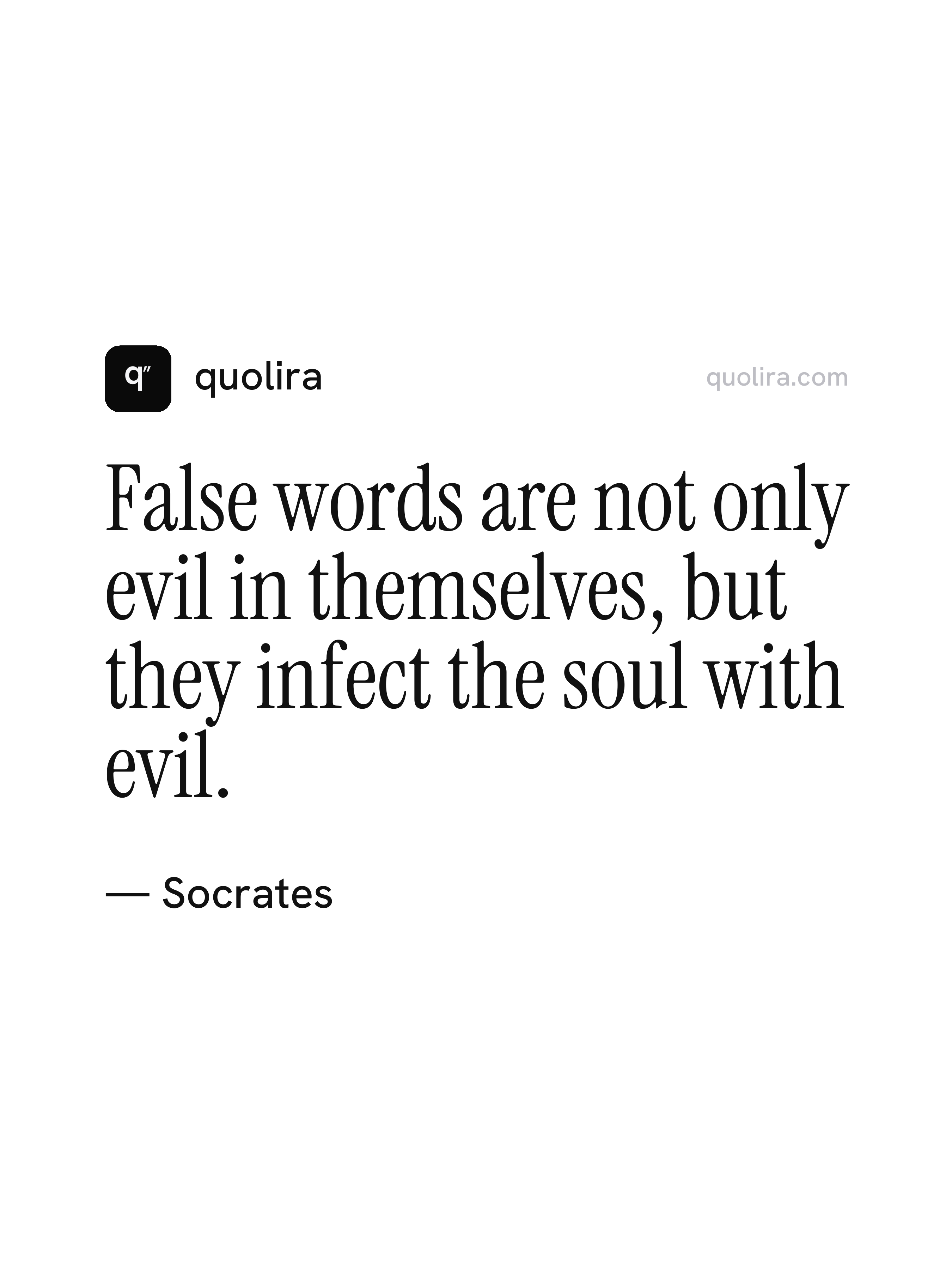
“False words are not only evil in themselves, but they infect the soul with evil.”
Socrates · Plato, Phaedo
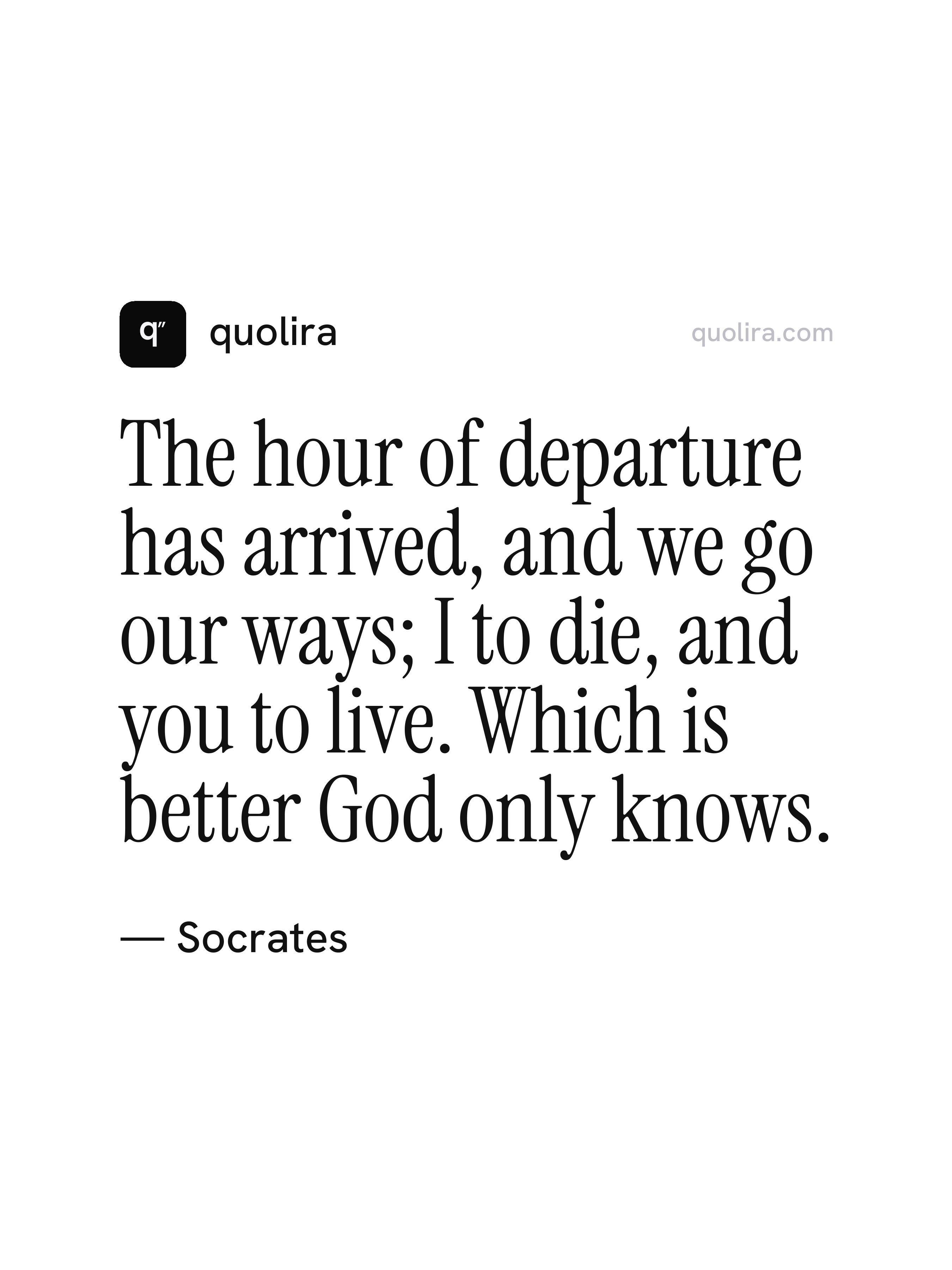
“The hour of departure has arrived, and we go our ways; I to die, and you to live. Which is better God only knows.”
Socrates · Plato, Apology
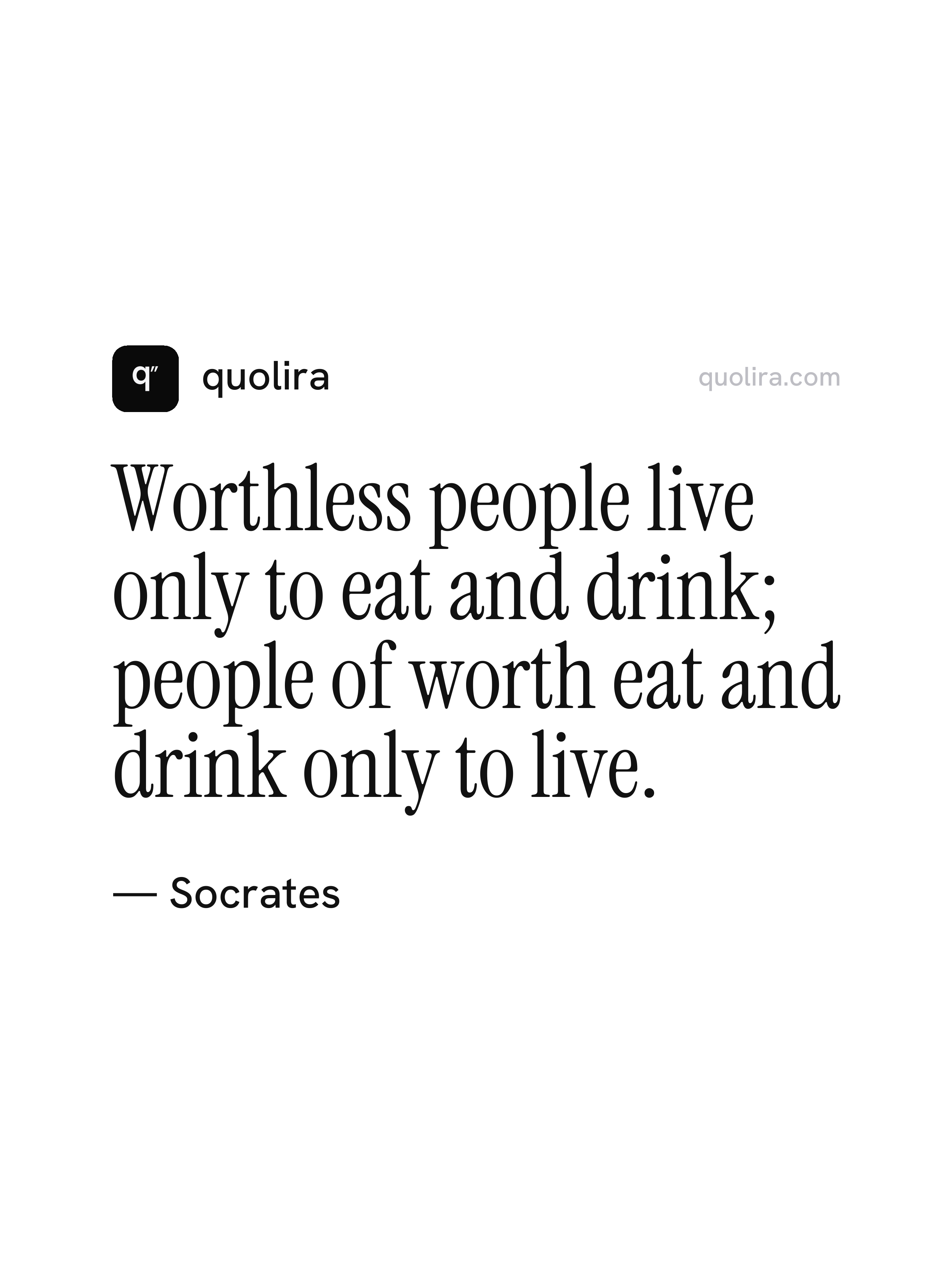
“Worthless people live only to eat and drink; people of worth eat and drink only to live.”
Socrates · attributed
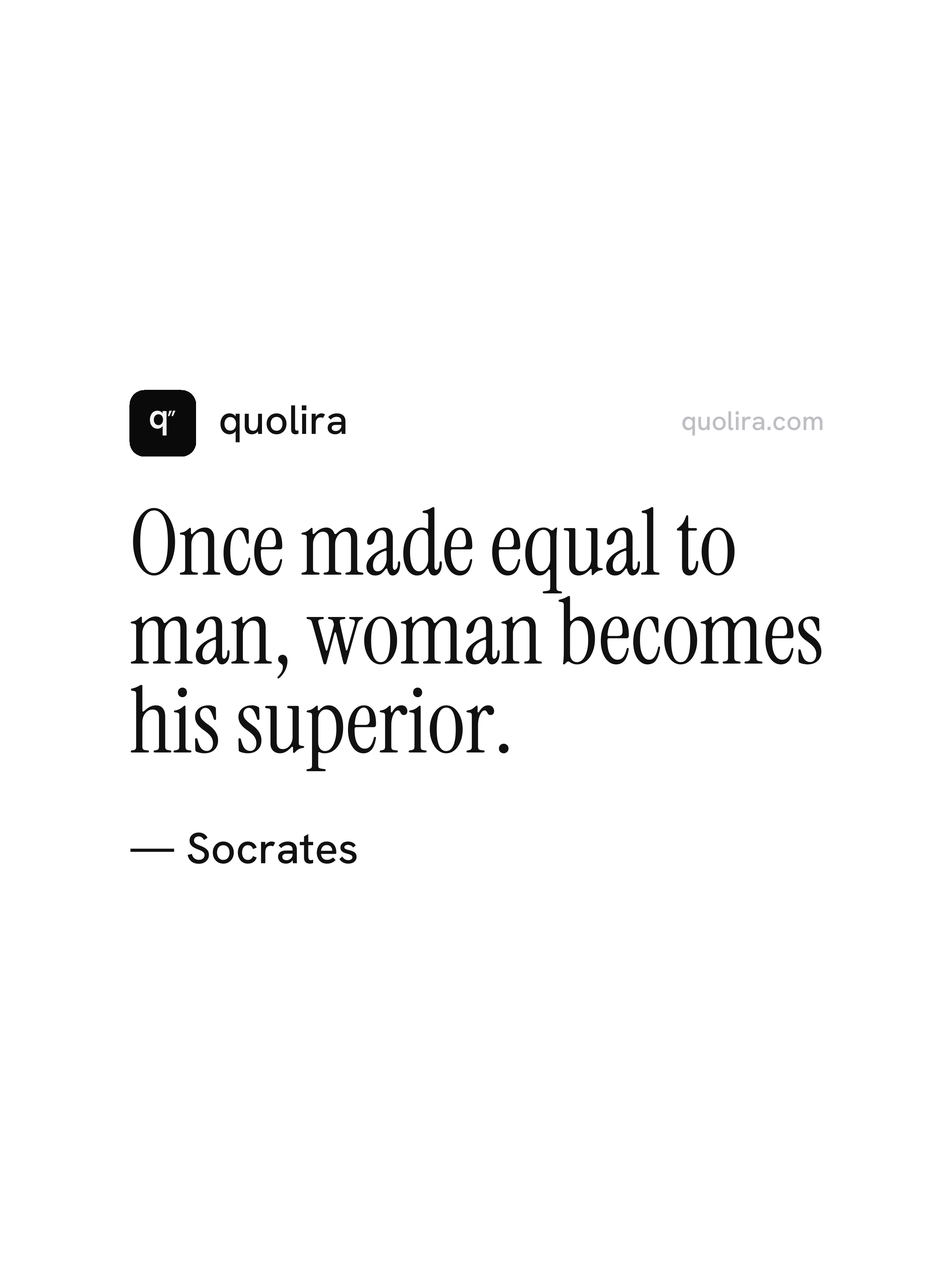
“Once made equal to man, woman becomes his superior.”
Socrates · attributed
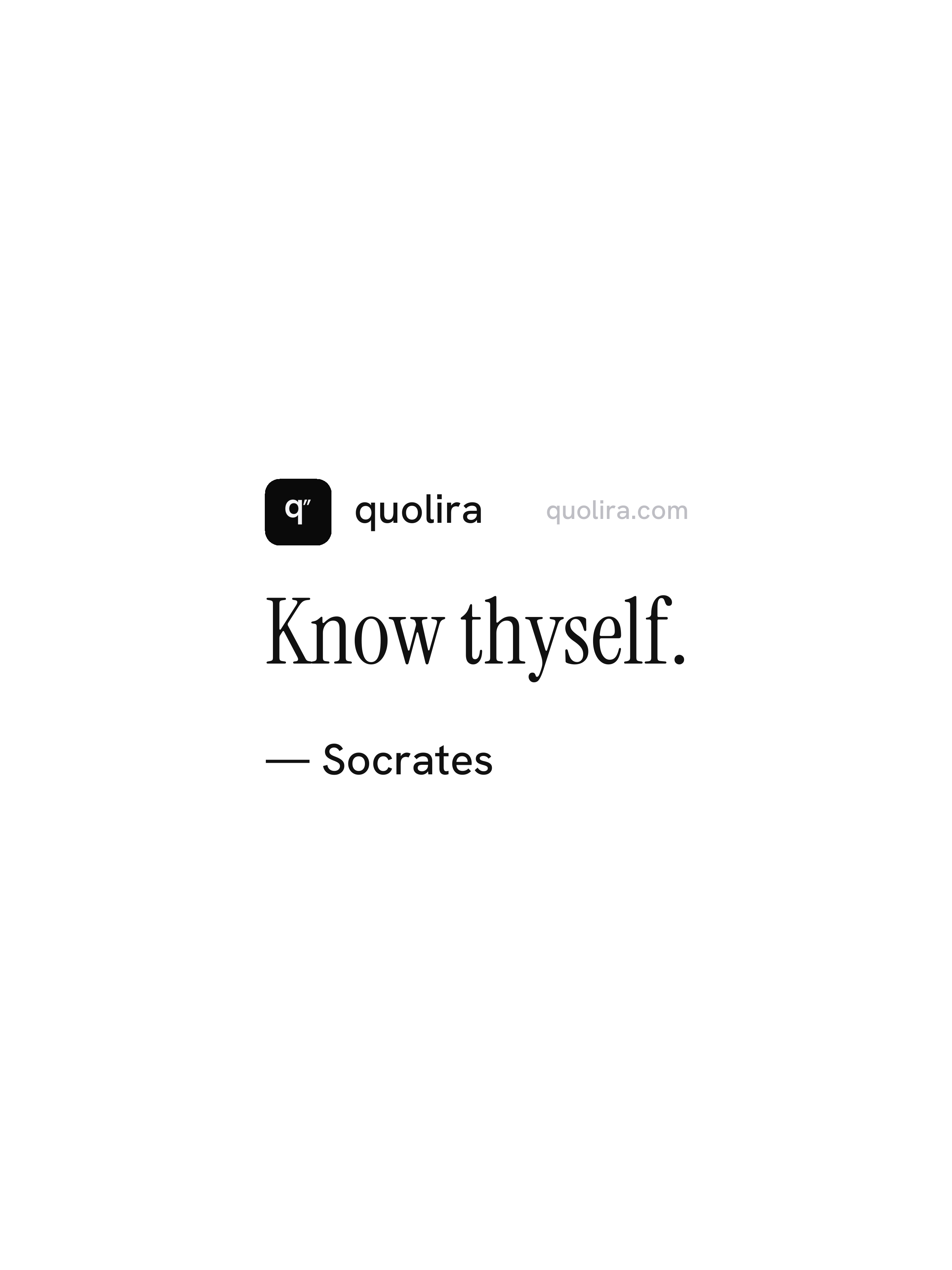
“Know thyself.”
Socrates · adopted from the Delphic maxim
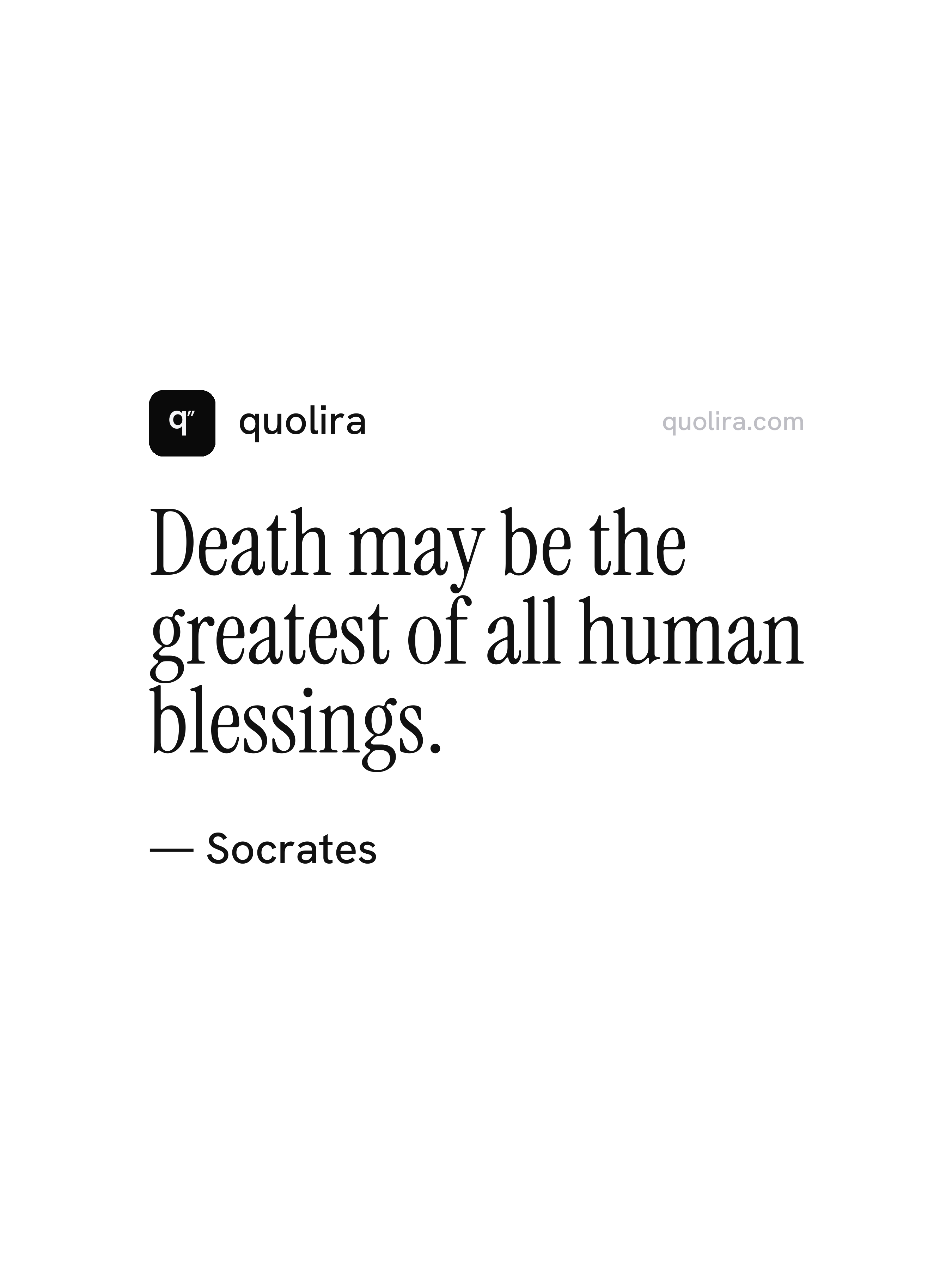
“Death may be the greatest of all human blessings.”
Socrates · Plato, Apology
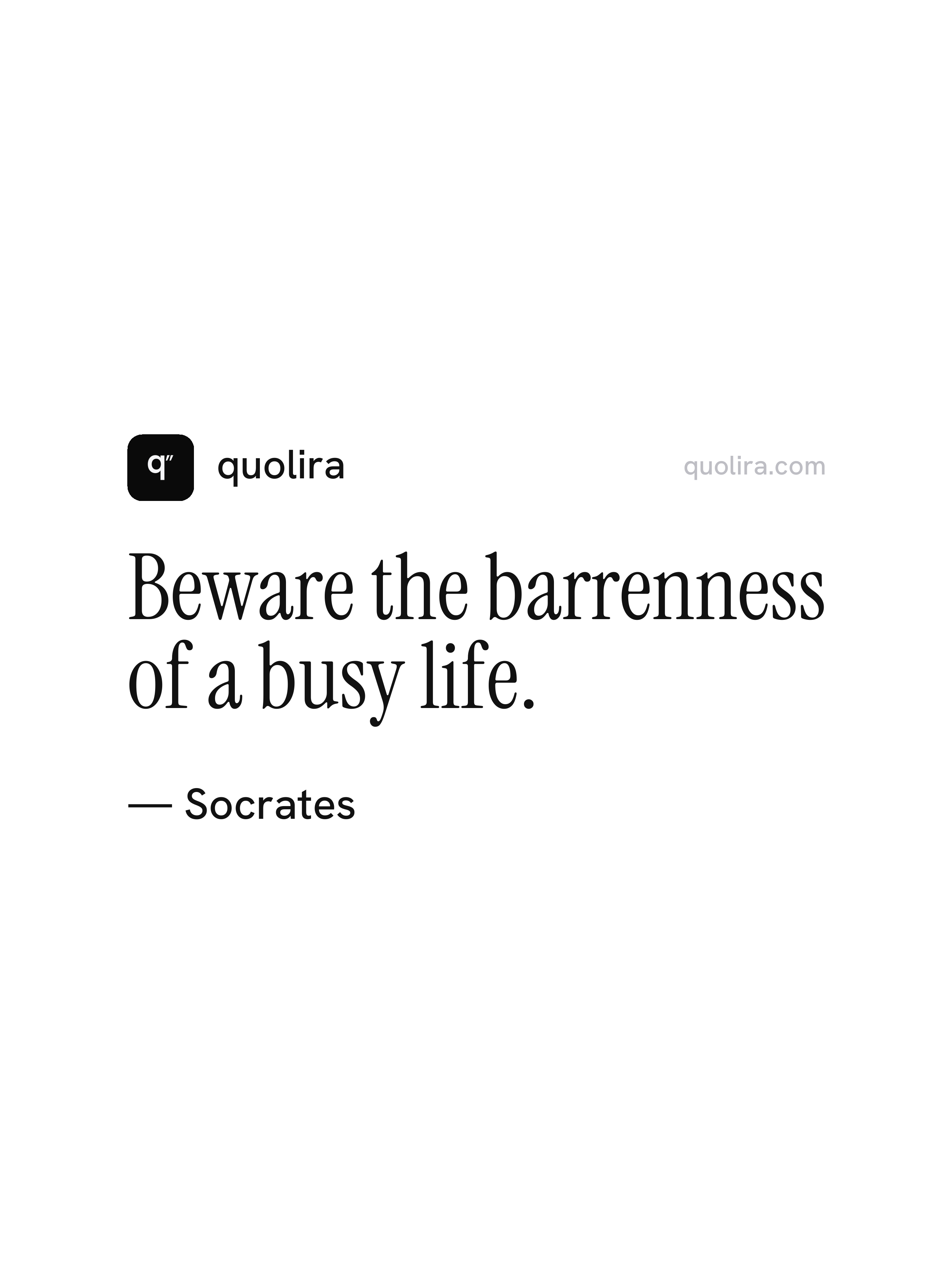
“Beware the barrenness of a busy life.”
Socrates · attributed
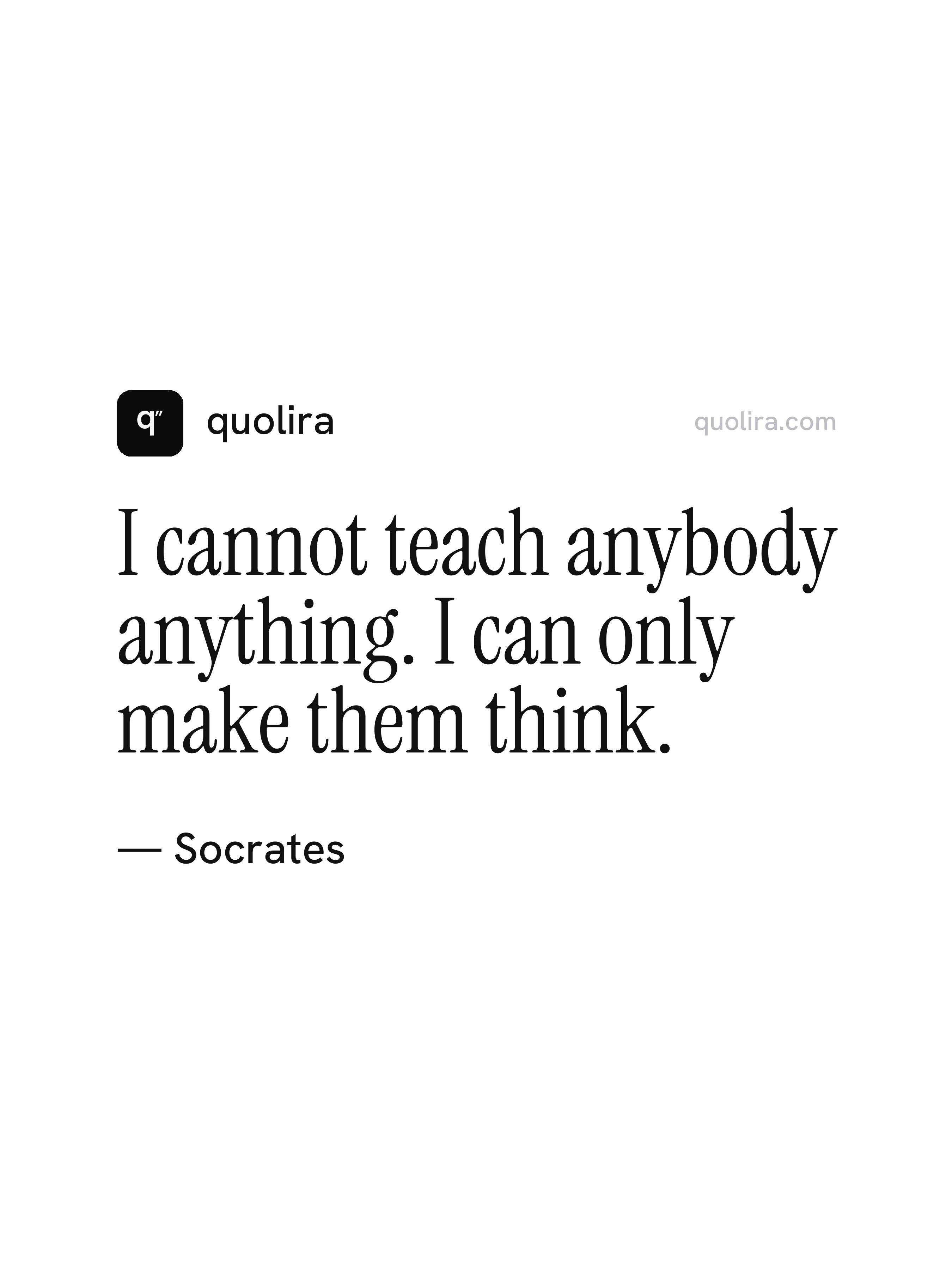
“I cannot teach anybody anything. I can only make them think.”
Socrates · attributed
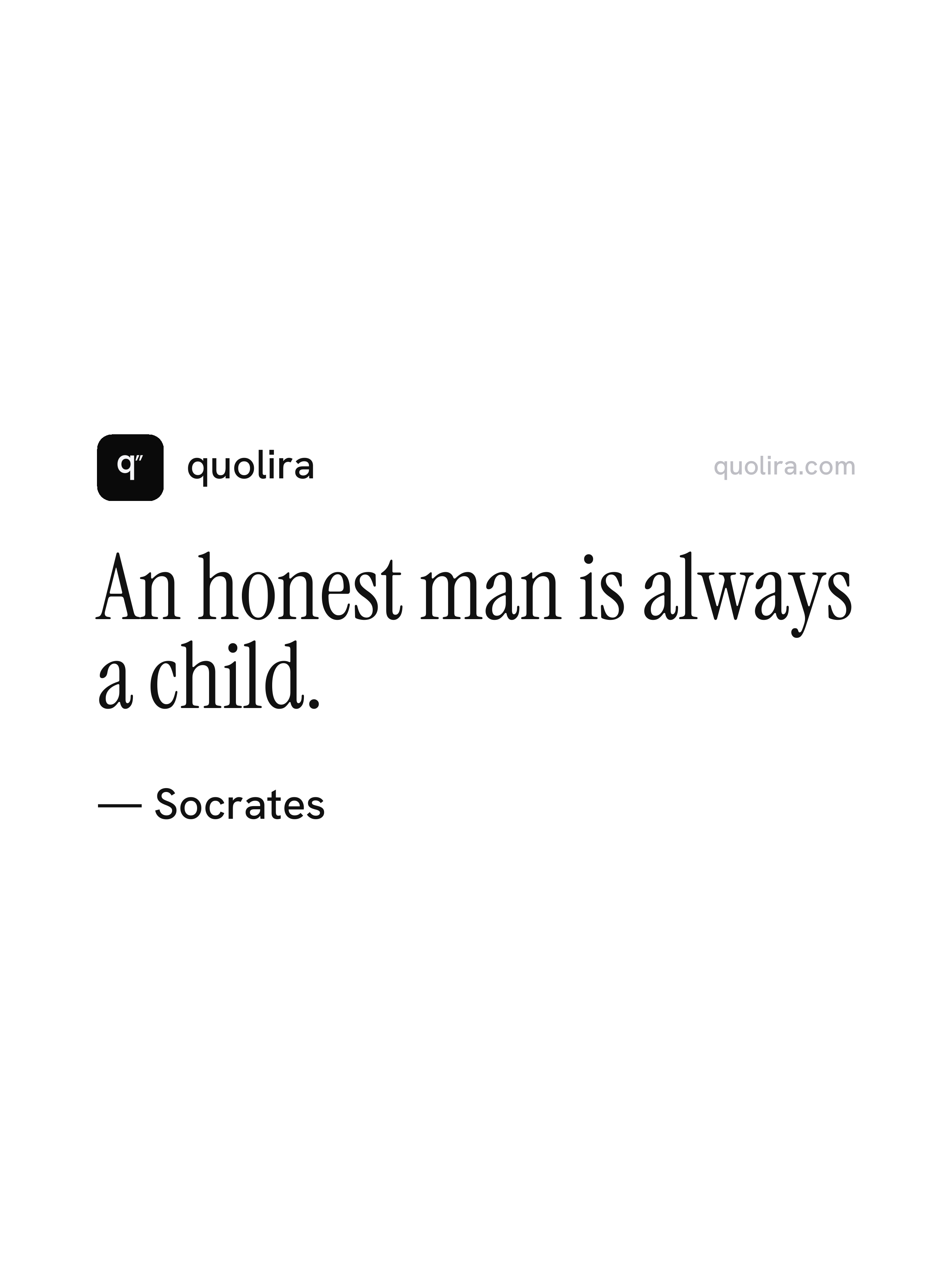
“An honest man is always a child.”
Socrates · attributed
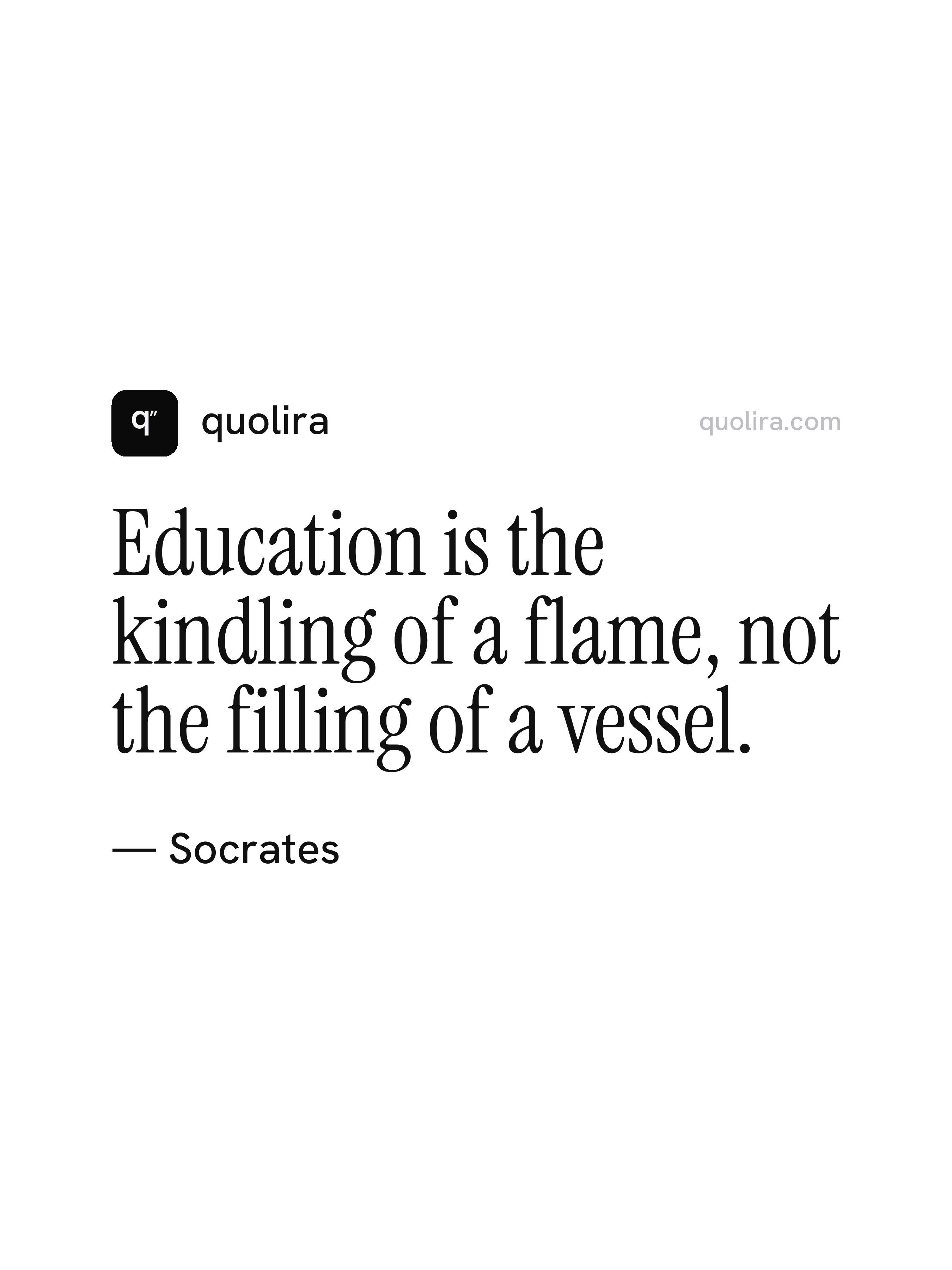
“Education is the kindling of a flame, not the filling of a vessel.”
Socrates · attributed
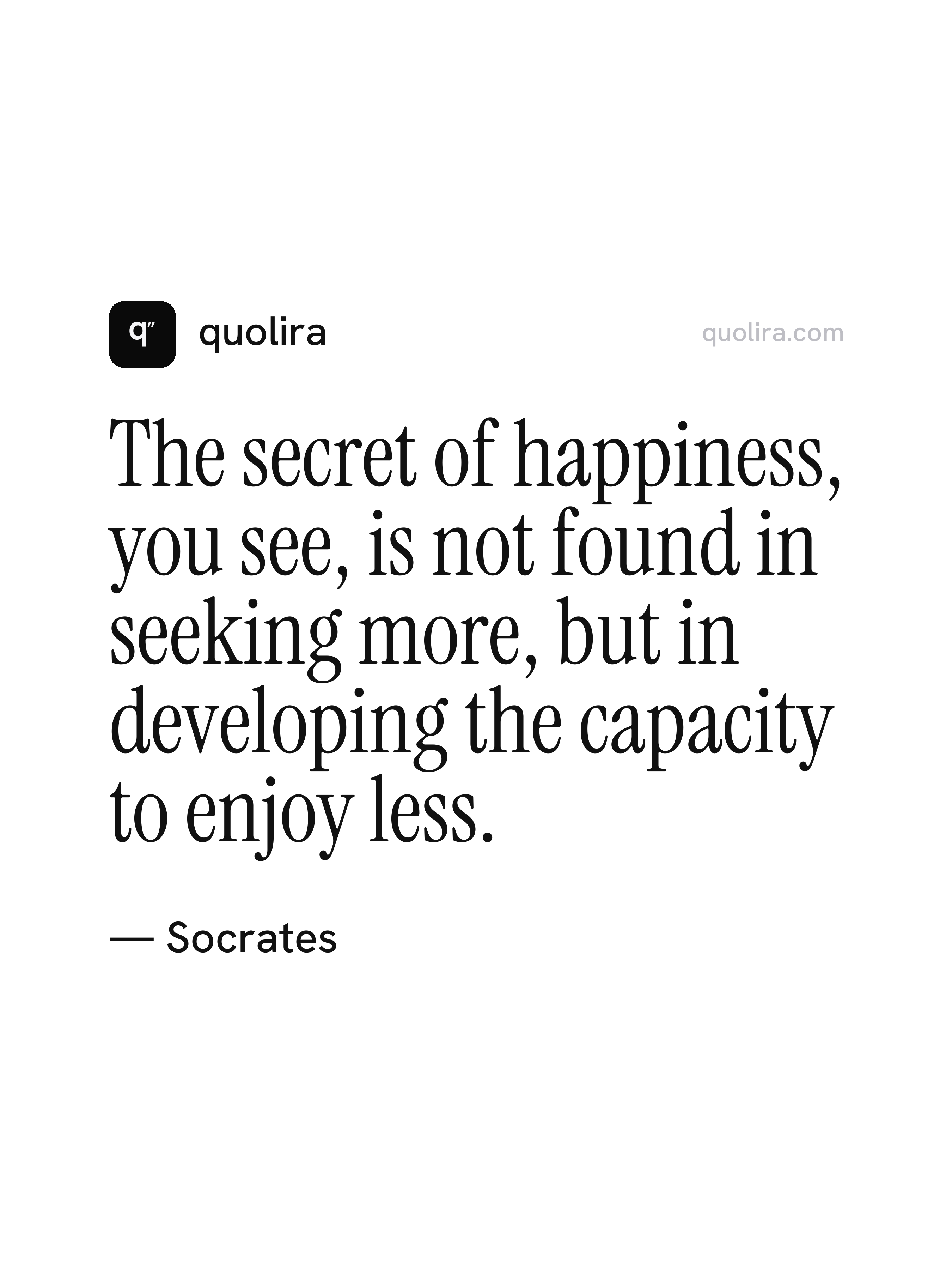
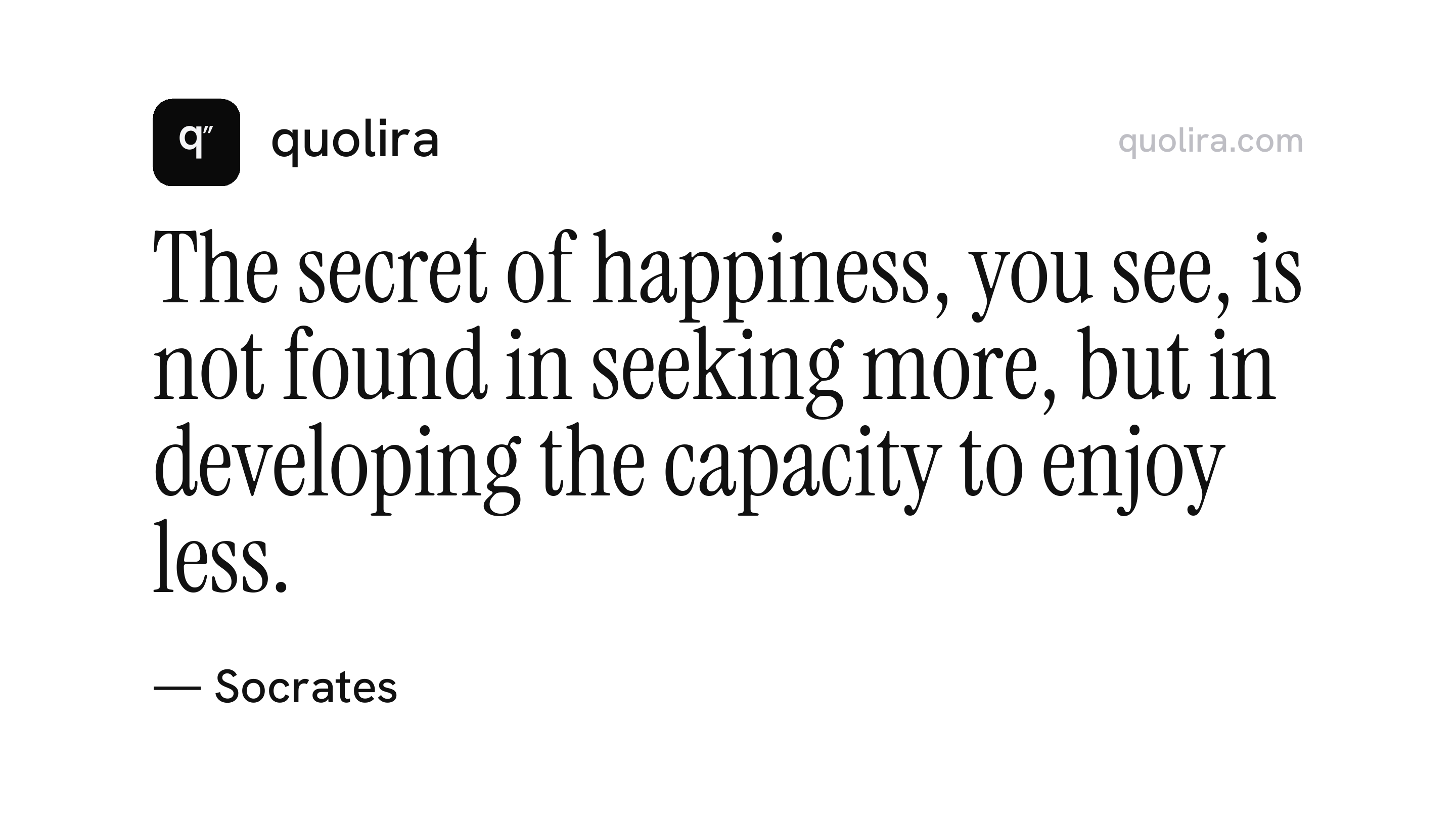
“The secret of happiness, you see, is not found in seeking more, but in developing the capacity to enjoy less.”
Socrates · attributed