“Beware the barrenness of a busy life.”
Socrates · attributed
 quolira
.com
quolira
quolira.com
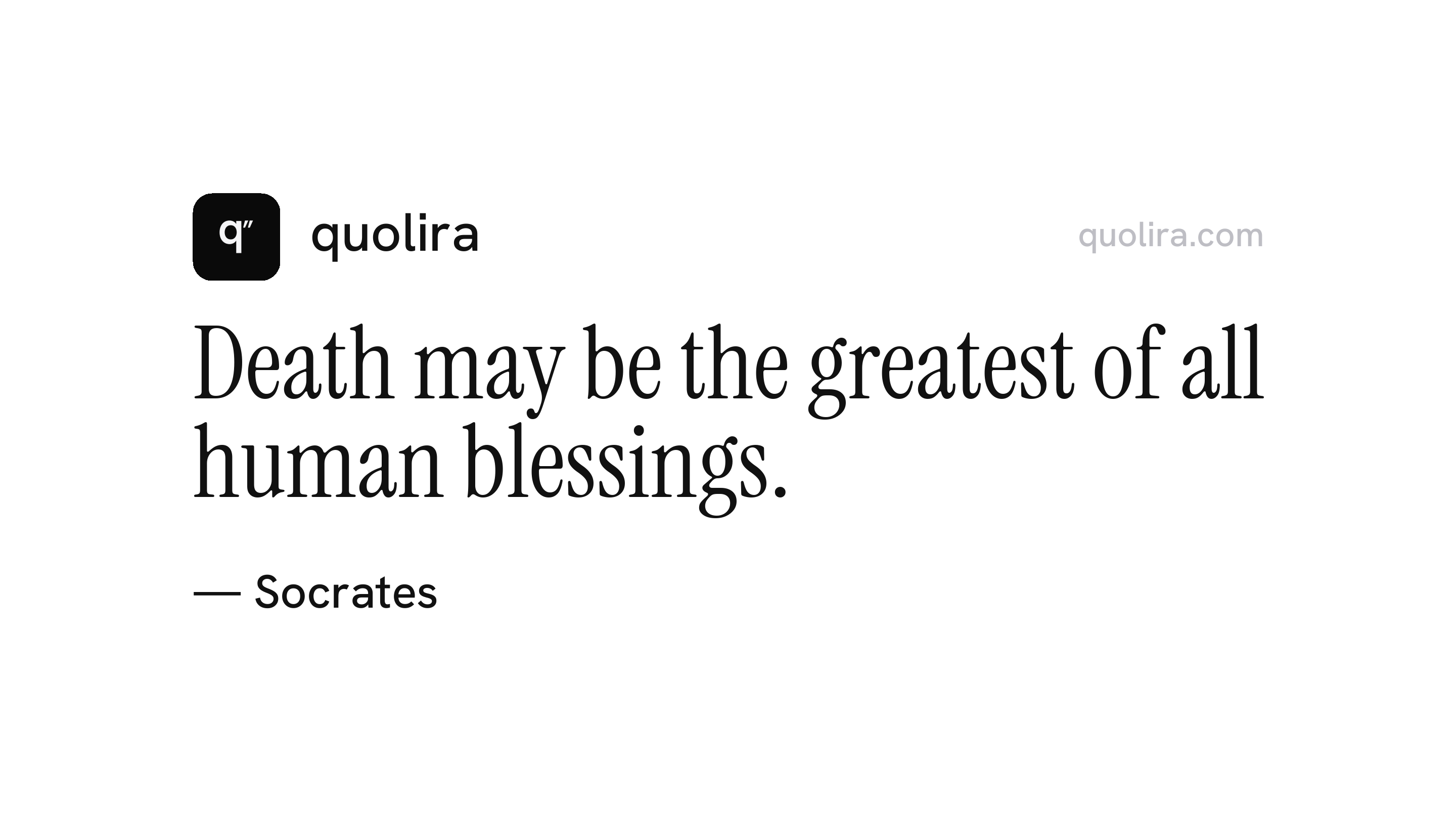
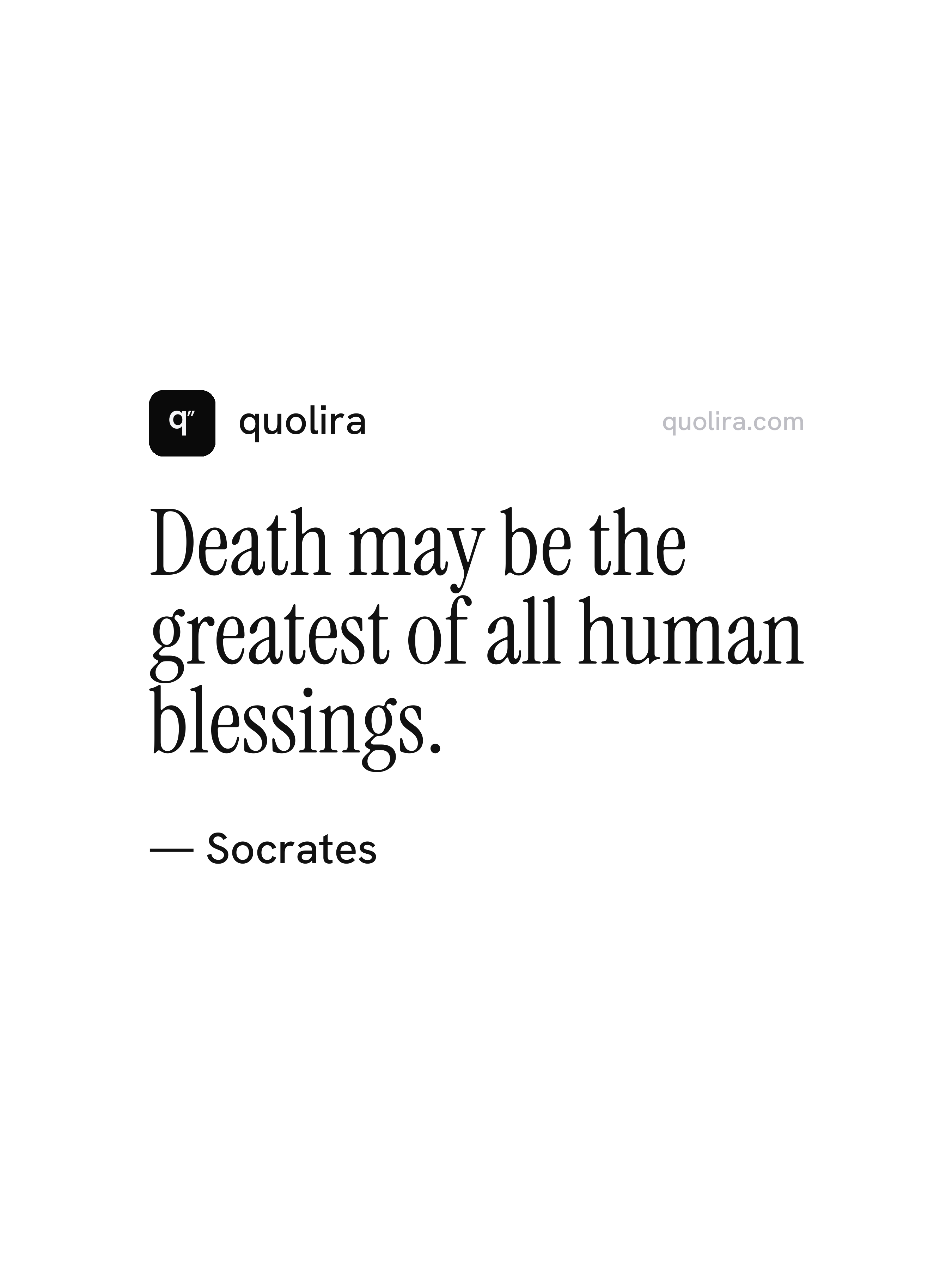
This statement is striking because it runs against common intuition. Most people treat death as the worst thing that can happen, something to be avoided at nearly any cost. Socrates inverts that assumption, suggesting that death might actually be beneficial, perhaps because it brings an end to suffering, perhaps because it opens into something better, or simply because fear of it leads people to compromise their integrity. The force of the idea lies in its challenge to rethink what we actually value and what we are really afraid of.
These words appear in Plato's Apology, the dialogue in which Plato presents Socrates defending himself before the Athenian jury that ultimately condemned him to death. Socrates argues that he cannot know with certainty what death brings, and that therefore treating it as the greatest evil would be a form of false wisdom. He suggests that death might be a dreamless sleep or a passage to another existence, and that neither option is obviously terrible. The speech is one of the most carefully reasoned confrontations with mortality in ancient literature.
Socrates was an Athenian philosopher of the fifth century BCE whose ideas shaped the entire subsequent tradition of Western philosophy. He wrote nothing himself, leaving Plato, Xenophon, and others to preserve his thought. His trial and execution, carried out in 399 BCE, became one of the defining events in the history of philosophy, raising enduring questions about the relationship between the individual conscience and political authority.
“Beware the barrenness of a busy life.”
Socrates · attributed
“I cannot teach anybody anything. I can only make them think.”
Socrates · attributed
“An honest man is always a child.”
Socrates · attributed
“Education is the kindling of a flame, not the filling of a vessel.”
Socrates · attributed
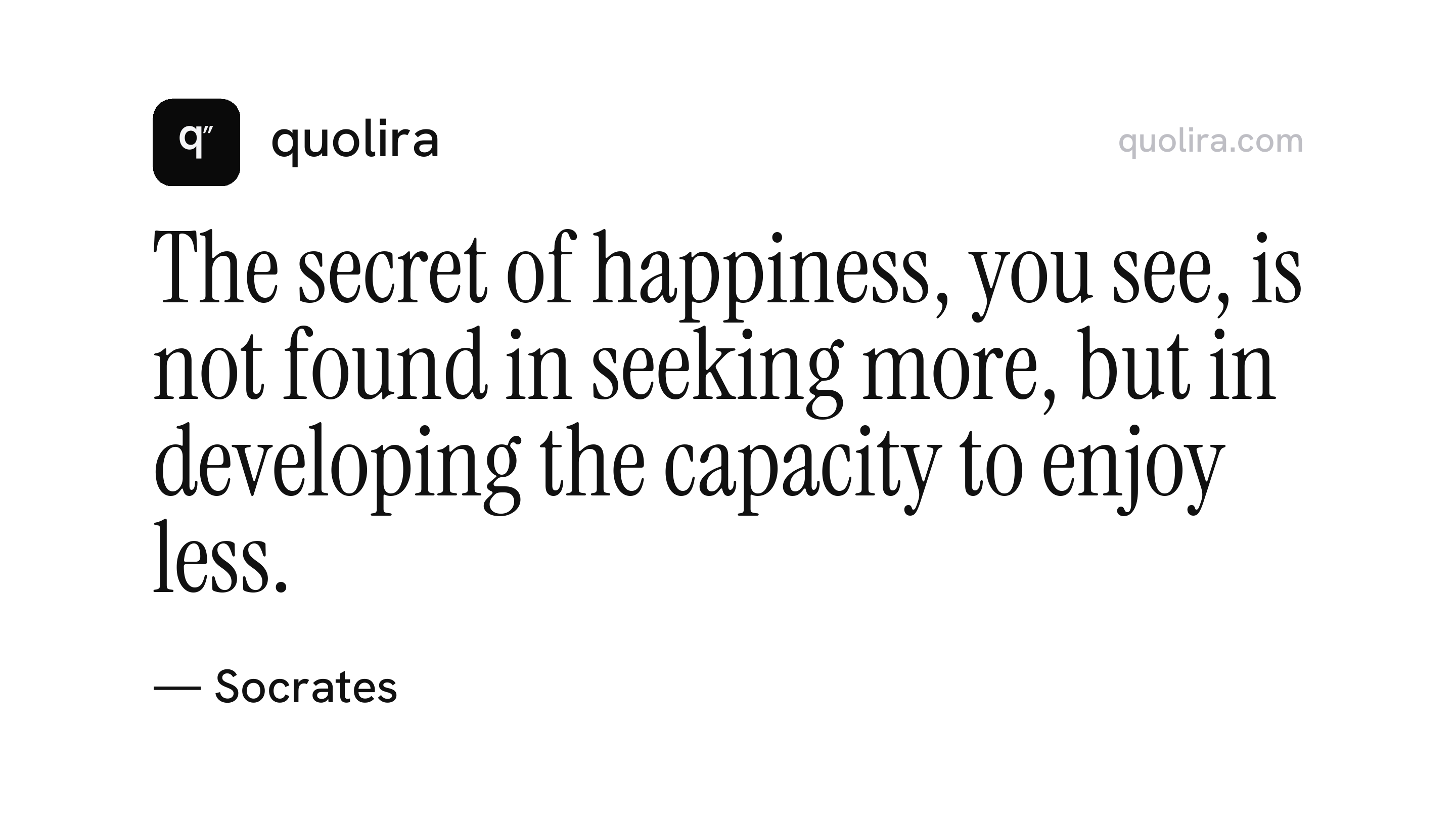
“The secret of happiness, you see, is not found in seeking more, but in developing the capacity to enjoy less.”
Socrates · attributed
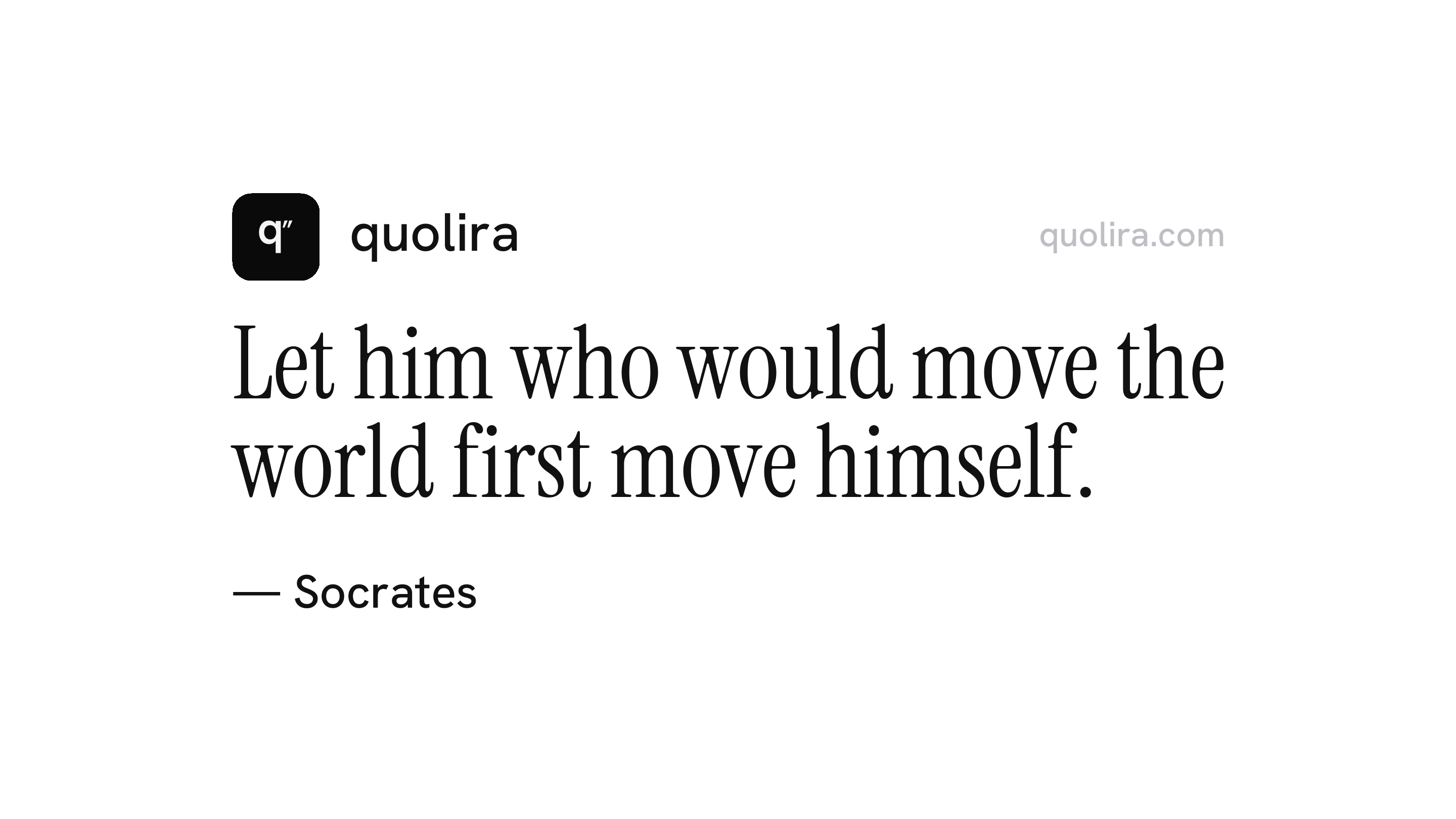
“Let him who would move the world first move himself.”
Socrates · attributed
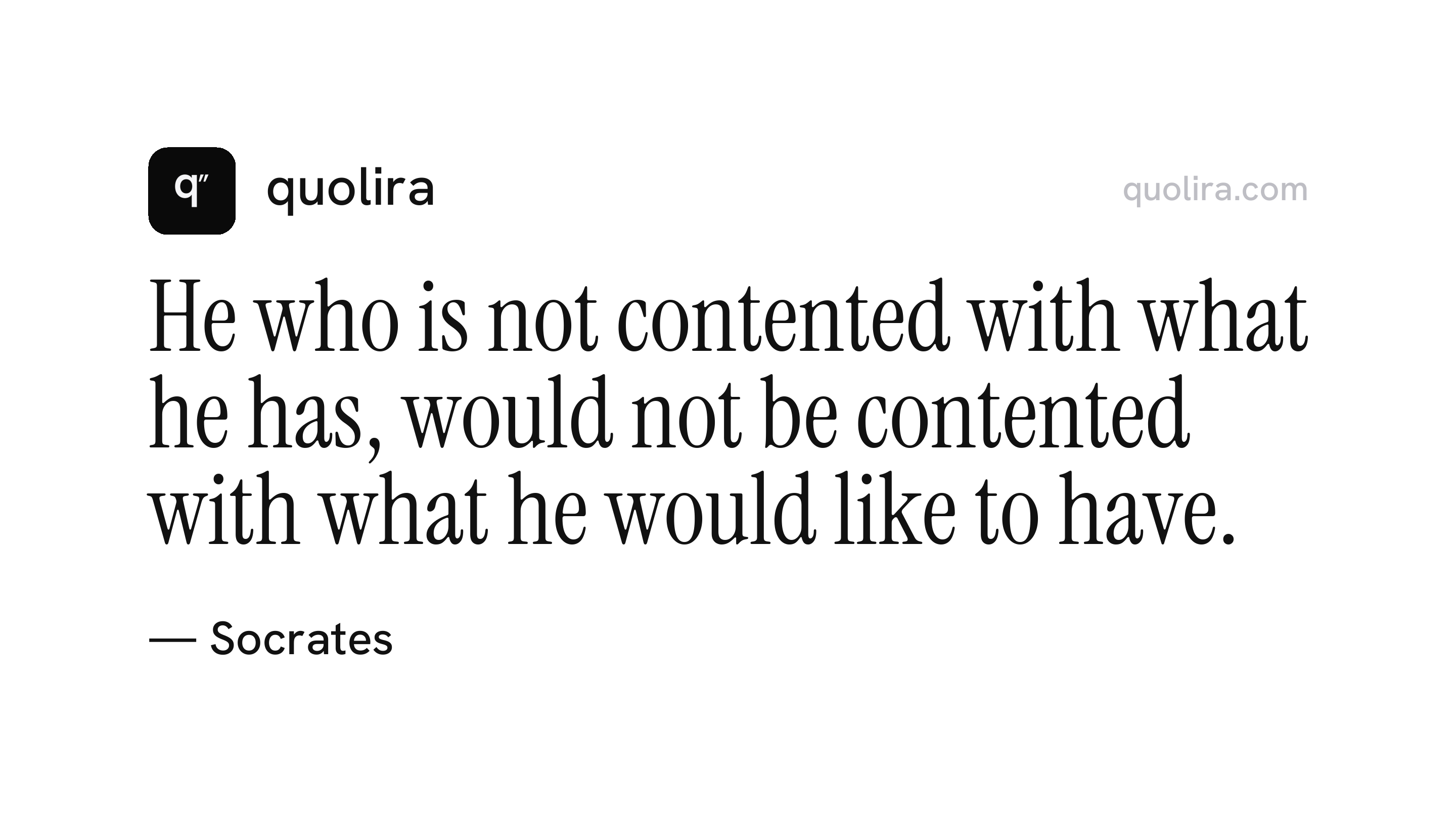
“He who is not contented with what he has, would not be contented with what he would like to have.”
Socrates · attributed
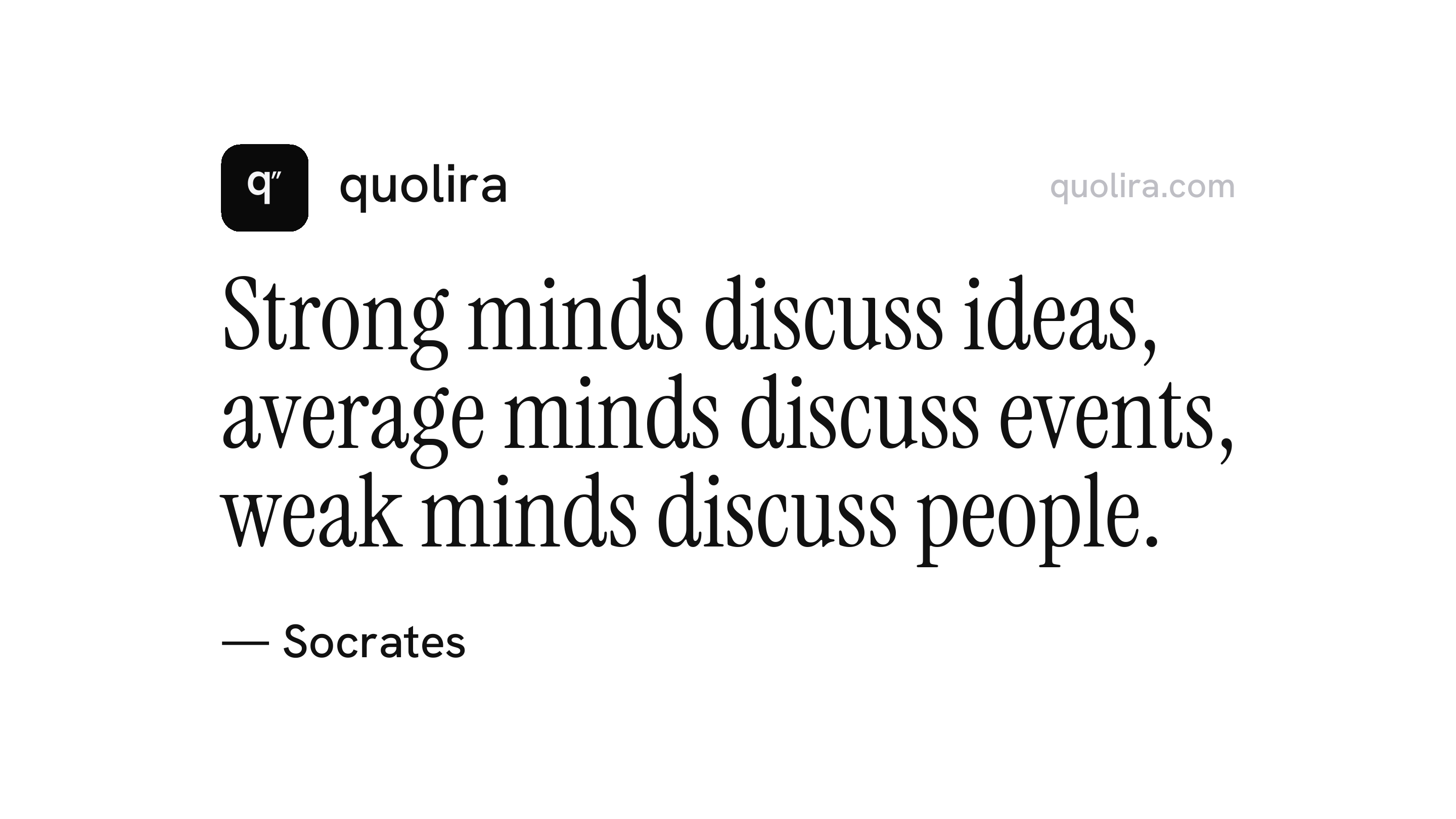
“Strong minds discuss ideas, average minds discuss events, weak minds discuss people.”
Socrates · attributed
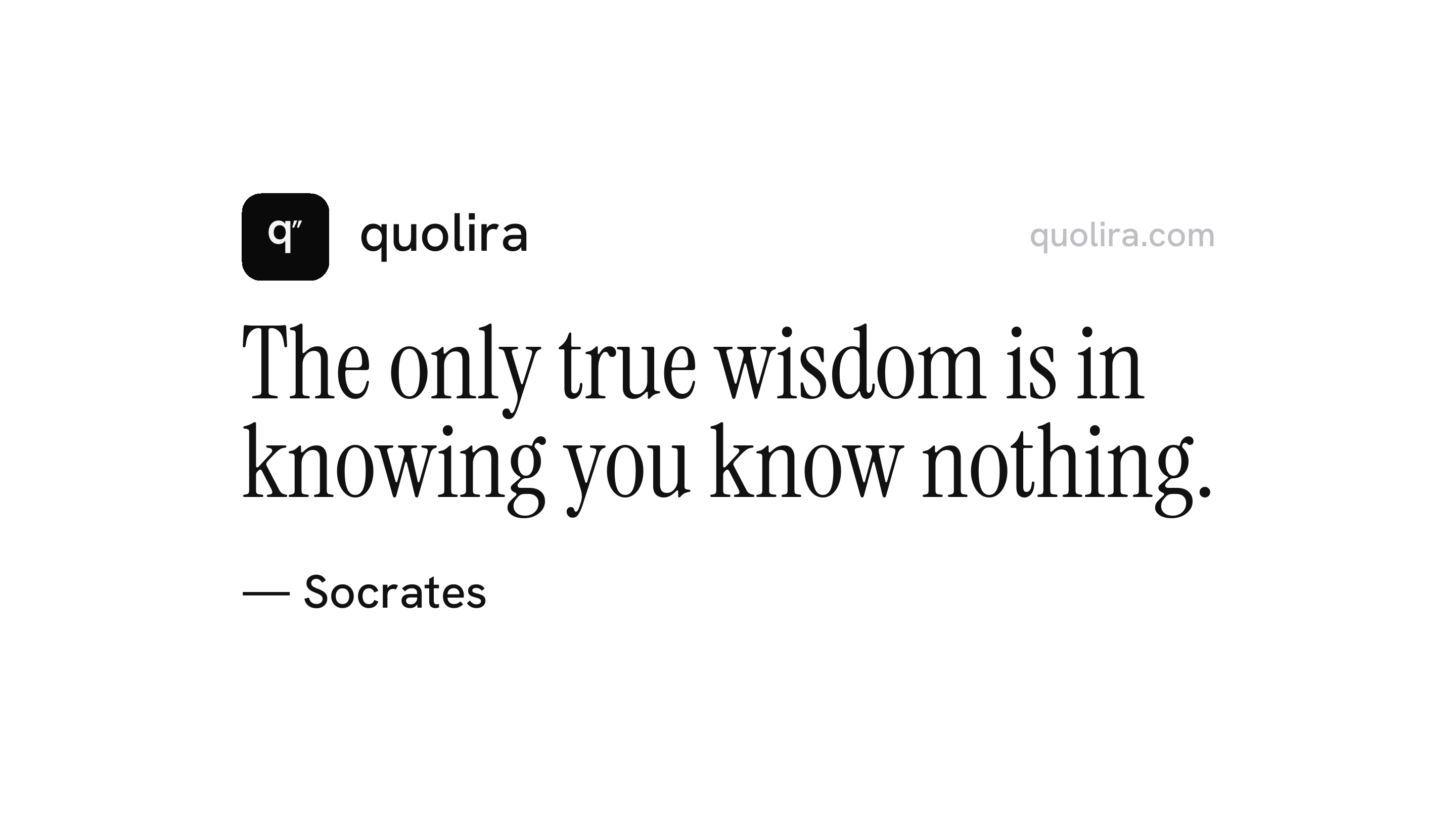
“The only true wisdom is in knowing you know nothing.”
Socrates · paraphrase from Plato, Apology
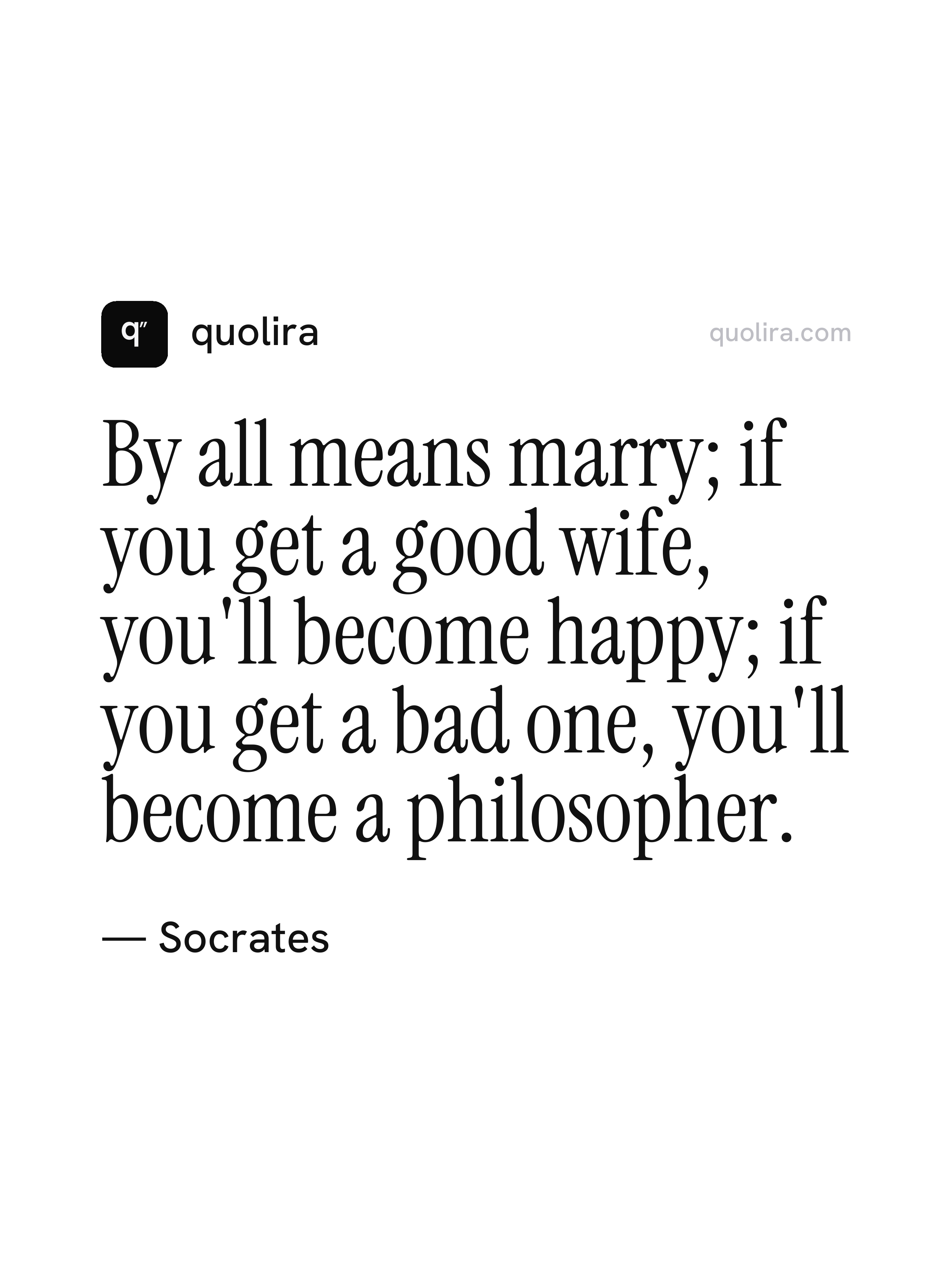
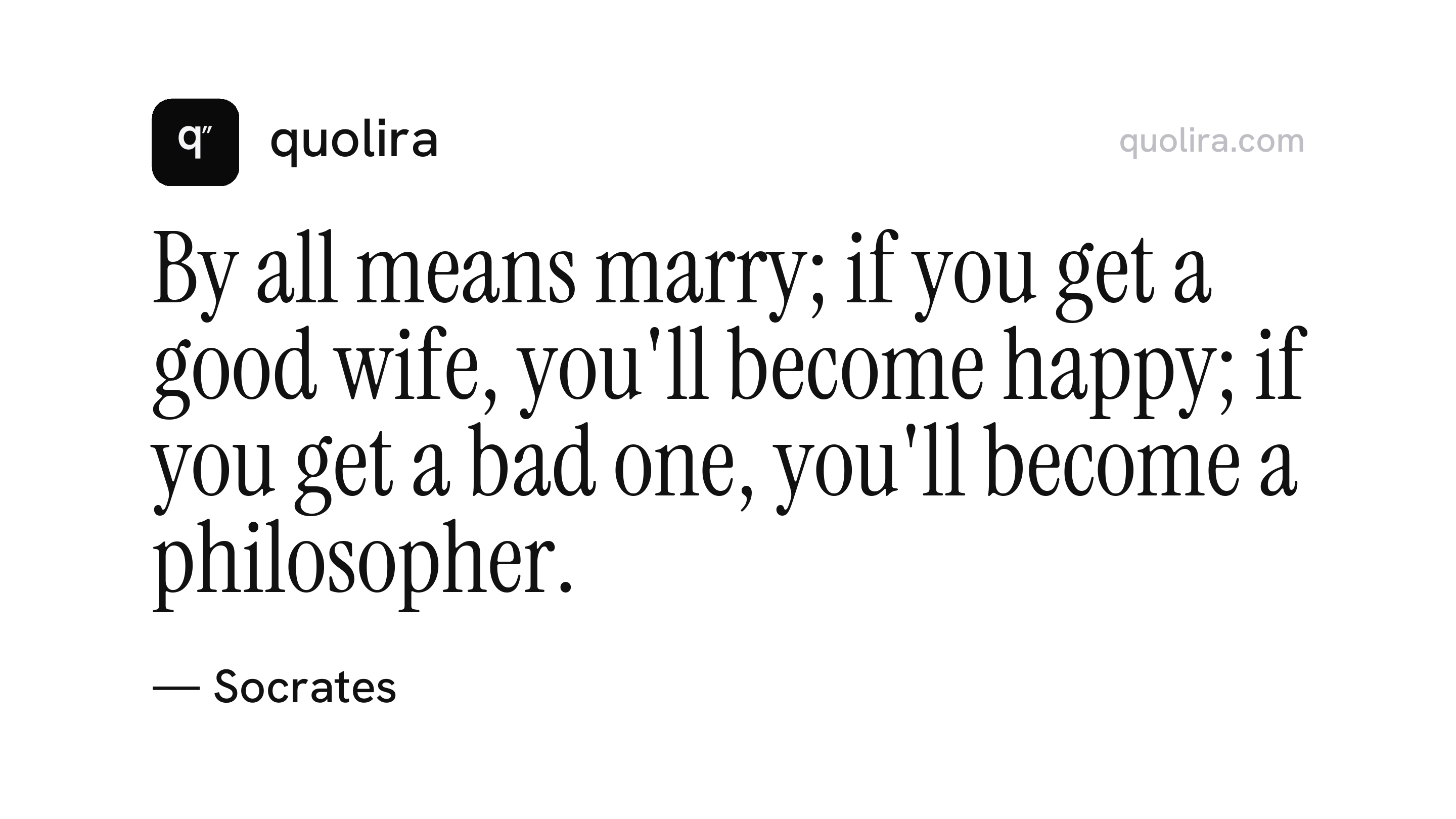
“By all means marry; if you get a good wife, you'll become happy; if you get a bad one, you'll become a philosopher.”
Socrates · attributed via Diogenes Laertius
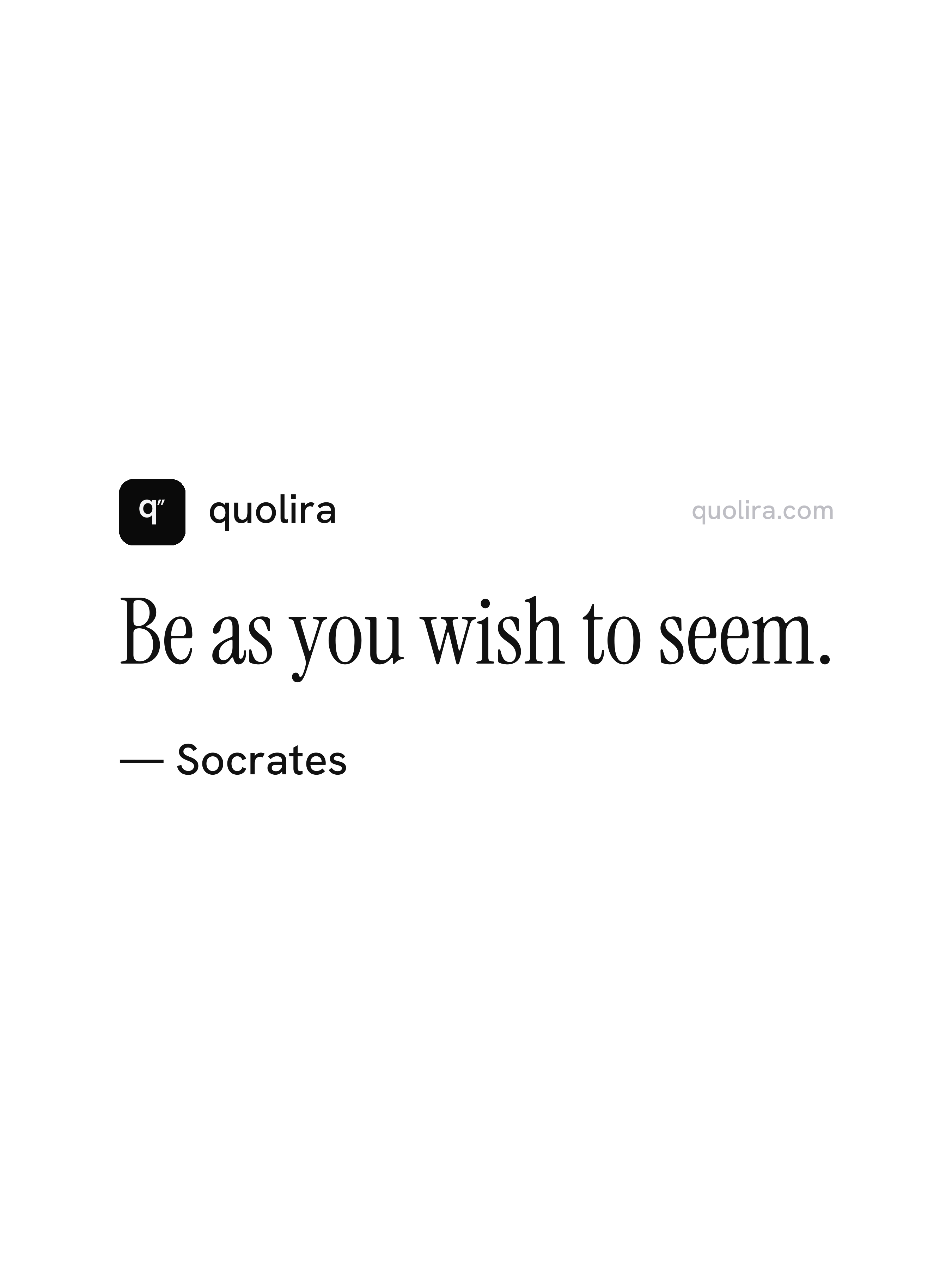
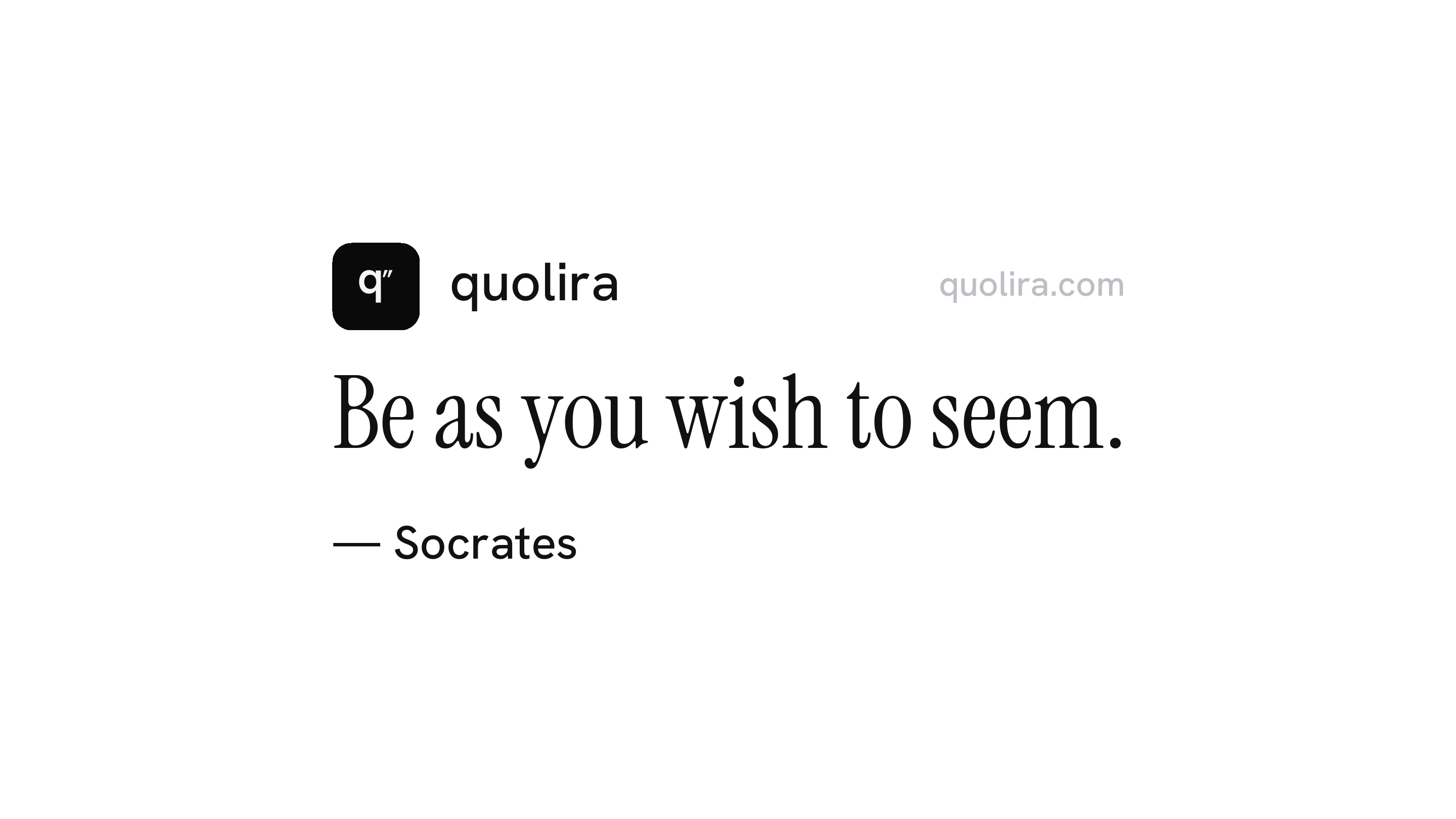
“Be as you wish to seem.”
Socrates · attributed
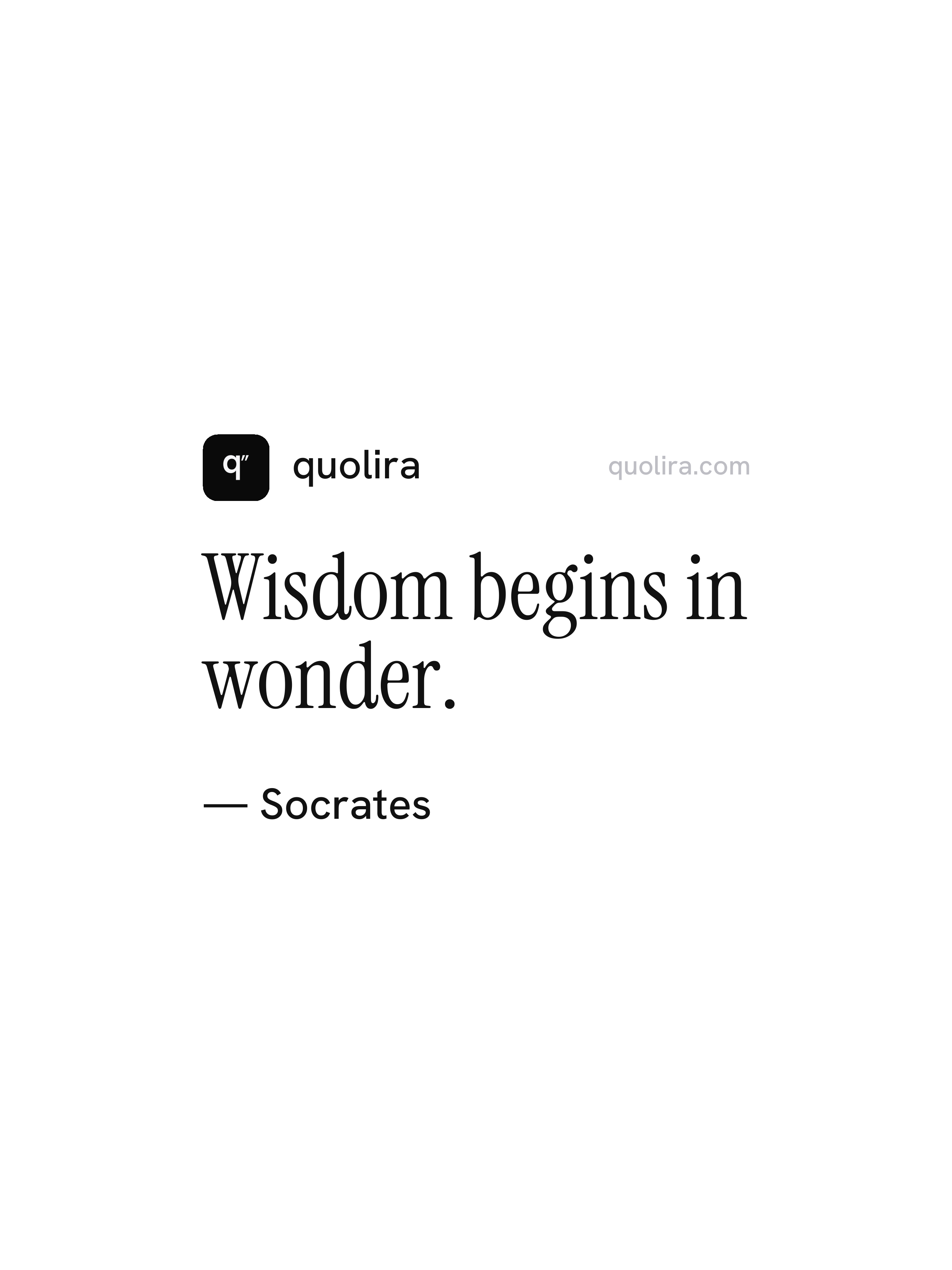
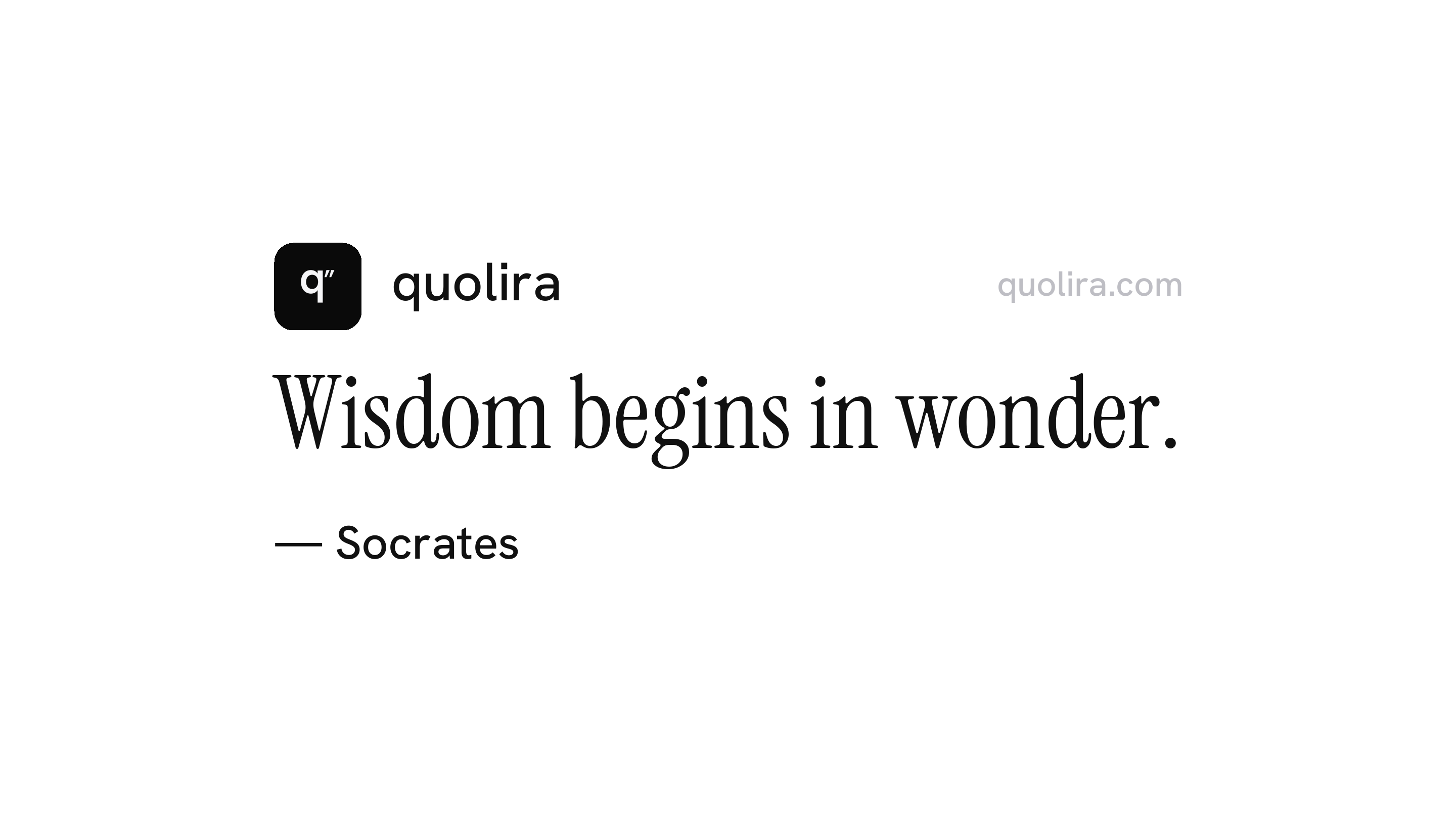
“Wisdom begins in wonder.”
Socrates · attributed